
Three Phase Transformer Model Specifications & Parameters: Complete Summary from 30kVA to 50000kVA
2026-03-10
A three-phase transformer is a critical device in electrical power systems used for voltage conversion, power transmission, and energy distribution. Compared with single-phase transformers, a 3-phase transformer provides better load balance, improved efficiency, and reduced conductor material usage.
Three-phase transformers are widely applied in:
- Power transmission networks
- Industrial manufacturing plants
- Renewable energy systems
- Commercial buildings
- Utility distribution substations
Transformer capacity ranges from small units such as 15kVA transformers to large grid equipment exceeding 50000kVA.
Basic Structure of a Three-Phase Transformer
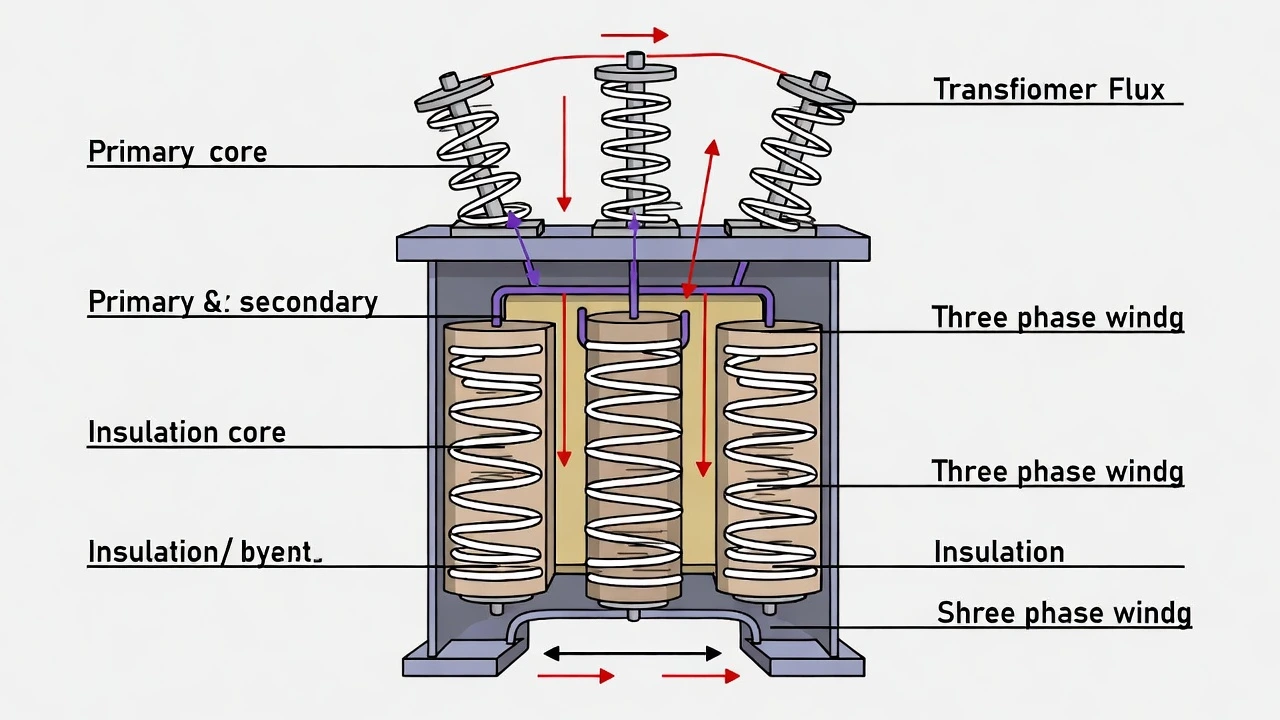
A three-phase transformer consists of three sets of windings connected to a shared magnetic core. These windings form various electrical configurations such as:
- Delta (Δ) connection
- Wye (Y) connection
- Delta-Wye transformer
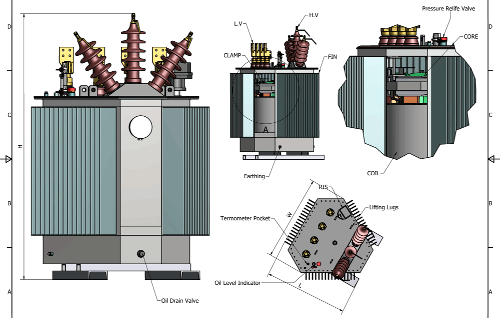
Main Transformer Components
|
Component |
Function |
|
Magnetic core |
Provides a magnetic flux path |
|
Primary winding |
Receives electrical energy |
|
Secondary winding |
Supplies transformed voltage |
|
Insulation system |
Prevents electrical faults |
|
Dissipates operational heat |
Efficient magnetic flux transfer ensures minimal energy loss and stable transformer operation.
Three-Phase Transformer Voltage Specifications
Transformer voltage rating determines how electricity flows between transmission and distribution networks.
Typical Voltage Combinations
|
Primary Voltage |
Secondary Voltage |
Application |
|
11kV |
400V |
Utility distribution |
|
13.8kV |
480V |
Industrial plants |
|
22kV |
415V |
Commercial power systems |
|
33kV |
690V |
Renewable energy installations |
Voltage ratios are determined by the turns ratio between primary and secondary windings.
3 Phase Transformer kVA Chart (10kVA–50000kVA Full Table)
A 3-phase transformer kVA chart is widely used by electrical engineers to quickly estimate current ratings and load capacity. Three-phase transformers are manufactured in many different ratings to meet varying load requirements. This chart helps determine:
- Cable size selection
- Circuit breaker rating
- Power distribution planning
- Transformer load capacity
The current values below are calculated using the standard formula:
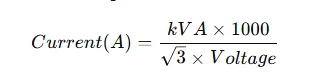
The table assumes a 400V three-phase system, which is common in industrial and commercial power distribution.
Three Phase Transformer kVA to Amps Chart
|
Transformer Size (kVA) |
Current (A) @ 400V |
Typical Application |
|
10kVA |
14 A |
Small equipment |
|
15kVA |
22 A |
Small commercial loads |
|
25kVA |
36 A |
Rural distribution |
|
30kVA |
43 A |
Residential power |
|
45kVA |
65 A |
Agricultural equipment |
|
50kVA |
72 A |
Small commercial systems |
|
75kVA |
108 A |
Office buildings |
|
100kVA |
144 A |
Small factories |
|
112.5kVA |
162 A |
Industrial equipment |
|
150kVA |
216 A |
Manufacturing plants |
|
200kVA |
288 A |
Commercial power systems |
|
225kVA |
325 A |
Shopping centers |
|
300kVA |
433 A |
Industrial loads |
|
400kVA |
577 A |
Manufacturing facilities |
|
500kVA |
721 A |
Industrial plants |
|
630kVA |
909 A |
Medium substations |
|
750kVA |
1082 A |
Large commercial buildings |
|
1000kVA |
1443 A |
Heavy industrial systems |
|
1250kVA |
1804 A |
Utility distribution |
|
1500kVA |
2165 A |
Large substations |
|
2000kVA |
2886 A |
Power distribution stations |
|
2500kVA |
3608 A |
Industrial substations |
|
3000kVA |
4330 A |
Utility power networks |
|
5000kVA |
7217 A |
Regional substations |
|
10000kVA |
14434 A |
High power transmission |
|
20000kVA |
28867 A |
Large power plants |
|
50000kVA |
72168 A |
Grid transmission systems |
How to Use the Transformer kVA Chart
Electrical engineers use this chart during power system design to quickly match transformer capacity with load demand.
Example
If a factory requires 600A of current at 400V, the chart indicates that a 400kVA transformer would be appropriate.
Practical Uses
|
Engineering Task |
How the Chart Helps |
|
Transformer sizing |
Match load demand |
|
Cable sizing |
Determine conductor capacity |
|
Circuit breaker selection |
Ensure safe operation |
|
Power system planning |
Estimate total load |
Using a 3-phase transformer kVA chart simplifies electrical design and helps prevent overloading or underutilizing transformers.
Transformer kVA Chart for Different Voltage Levels
Transformer current varies depending on the voltage level. Below is a quick comparison.
|
Transformer |
400V Current |
480V Current |
|
108A |
90A |
|
|
150A |
120A |
|
|
150kVA transformer |
216A |
180A |
|
300kVA transformer |
433A |
361A |
|
500kVA transformer |
721A |
601A |
|
1000kVA transformer |
1443A |
1202A |
Higher voltage systems result in lower current for the same power level, which reduces conductor losses.
Engineering Tip for Transformer Selection
When selecting a three-phase transformer, engineers usually add a 20–25% safety margin to accommodate:
- Future load expansion
- Power factor variations
- Temporary overload conditions
Example
If the calculated load is 300kVA, engineers may select a 400kVA transformer to ensure long-term reliability.
Transformer kVA to Current Calculator
Electrical engineers often need to calculate current based on transformer capacity.
Three-Phase Transformer Current Formula
Example Calculation
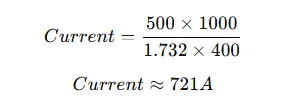
For a 500kVA transformer operating at 400V:
Quick Calculation Table
|
Transformer Size |
Voltage |
Current |
|
75kVA transformer |
400V |
108A |
|
150kVA transformer |
400V |
216A |
|
300kVA transformer |
400V |
433A |
|
500kVA transformer |
400V |
721A |
|
1000kVA transformer |
400V |
1443A |
This calculator helps determine cable sizing, circuit protection, and load capacity.
Transformer Efficiency Comparison Table
Efficiency is an important parameter affecting operating costs.
Typical Transformer Efficiency
|
Transformer Size |
Efficiency |
|
30kVA transformer |
96% |
|
75kVA transformer |
97% |
|
150kVA transformer |
98% |
|
300kVA transformer |
98.5% |
|
500kVA transformer |
99% |
|
1000kVA transformer |
99.2% |
High-efficiency transformers significantly reduce energy losses in power distribution systems.
Transformer Cooling Methods
Effective cooling is essential to maintain transformer reliability and long service life.
Common Cooling Systems
|
Cooling Type |
Description |
|
ONAN |
Oil Natural Air Natural |
|
ONAF |
Oil Natural Air Forced |
|
OFAF |
Oil Forced Air Forced |
|
Dry Type |
Air-cooled transformer |
Dry-type transformers are often used indoors, while oil-filled transformers are preferred for high-capacity installations.
Transformer Price Reference Table
For international procurement, transformer pricing depends on capacity, materials, voltage level, and cooling type.
Estimated Transformer Price Range
|
Transformer Size |
Estimated Price Range |
|
30kVA transformer |
$600 – $1200 |
|
75kVA transformer |
$1200 – $2500 |
|
150kVA transformer |
$2500 – $4500 |
|
300kVA transformer |
$4500 – $8000 |
|
500kVA transformer |
$8000 – $15000 |
|
1000kVA transformer |
$15000 – $30000 |
|
2500kVA transformer |
$35000 – $80000 |
Prices vary depending on manufacturer specifications and export standards.
Industrial Applications of Three-Phase Transformers
Three-phase transformers are widely used across many industries.
Key Industrial Applications
|
Industry |
Transformer Use |
|
Manufacturing |
Equipment power supply |
|
Renewable energy |
Solar and wind farms |
|
Infrastructure |
Airports and railways |
|
Heavy machinery |
|
|
Reliable power distribution |
These transformers ensure stable voltage levels and reliable power delivery.
Key Factors When Selecting a Three-Phase Transformer
When selecting a transformer, engineers must evaluate several important parameters.
Transformer Selection Checklist
|
Factor |
Importance |
|
Rated capacity |
Must match load demand |
|
Voltage ratio |
Compatible with grid |
|
Cooling system |
Ensures safe operation |
|
Efficiency rating |
Reduces operating cost |
|
Installation environment |
Indoor or outdoor |
Proper selection improves system reliability and energy efficiency.
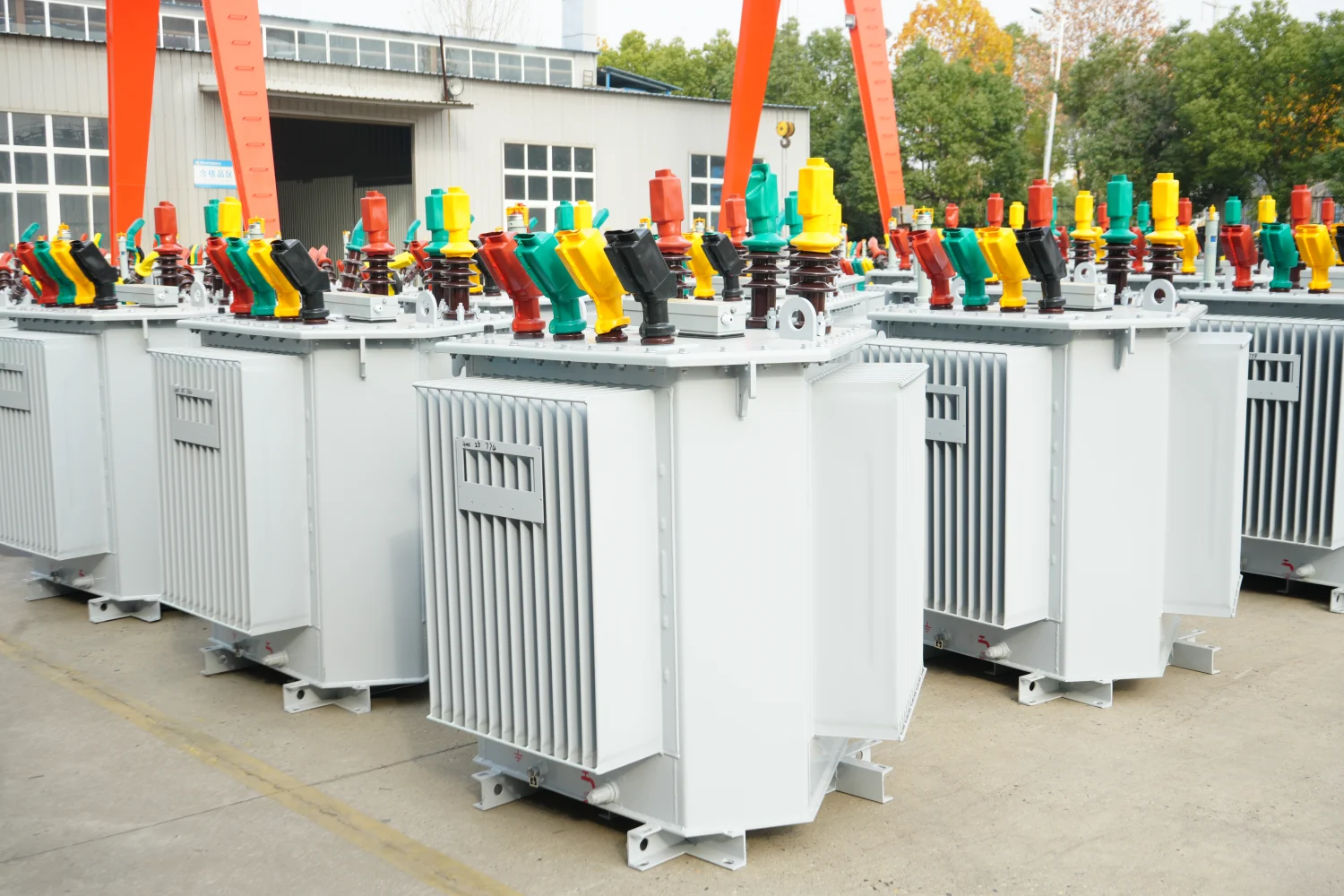
3 Phase Transformer Wiring Diagram Section
Understanding a three-phase transformer wiring diagram is essential for engineers, electricians, and installation technicians. Wiring configuration determines how voltage is transformed and how power is distributed across electrical loads.
Delta–Delta (Δ–Δ) Transformer Wiring Diagram
The Delta–Delta configuration connects both the primary and secondary windings in a triangular circuit.
Characteristics
- No neutral point
- Suitable for industrial power loads
- Provides redundancy if one winding fails
Delta–Delta Connection Table
|
Feature |
Description |
|
Primary connection |
Delta |
|
Secondary connection |
Delta |
|
Neutral availability |
No |
|
Typical voltage |
480V / 240V |
|
Applications |
Industrial machinery |
Delta connections are commonly used in high-power industrial systems where neutral grounding is not required.
Delta–Wye (Δ–Y) Transformer Wiring Diagram
The Delta–Wye transformer is the most widely used configuration in power distribution systems.
Advantages
- Provides a neutral point
- Allows both single-phase and three-phase loads
- Improves voltage stability
Delta–Wye Transformer Wiring Parameters
|
Parameter |
Description |
|
Primary side |
Delta connection |
|
Secondary side |
Wye connection |
|
Phase shift |
30° |
|
Voltage conversion |
High voltage to distribution voltage |
|
Typical application |
Utility distribution networks |
Many 11kV/400V distribution transformers use this wiring configuration.
Wye–Wye (Y–Y) Transformer Wiring Diagram
The Wye–Wye configuration connects both primary and secondary windings in star formation.
Key Features
- Provides neutral on both sides
- Suitable for long-distance power transmission
- Allows grounding of both systems
Wye–Wye Transformer Characteristics
|
Feature |
Description |
|
Primary winding |
Wye connection |
|
Secondary winding |
Wye connection |
|
Neutral availability |
Yes |
|
Voltage stability |
Moderate |
|
Application |
Transmission networks |
However, this configuration may require additional grounding transformers to maintain stability.
Comparison of Three-Phase Transformer Wiring Methods
Different wiring diagrams offer distinct advantages depending on system requirements.
Transformer Wiring Configuration Comparison
|
Configuration |
Neutral |
Phase Shift |
Typical Use |
|
Delta–Delta |
No |
0° |
Industrial loads |
|
Delta–Wye |
Yes |
30° |
Distribution systems |
|
Wye–Wye |
Yes |
0° |
Transmission systems |
Among these, Delta–Wye transformers are the most common for commercial power distribution.
Practical Installation Considerations
When installing a three-phase transformer, engineers must follow several key practices.
Installation Checklist
|
Factor |
Requirement |
|
Phase sequence |
Must match the supply system |
|
Grounding |
Required for safety |
|
Voltage verification |
Confirm primary/secondary ratings |
|
Insulation test |
Perform before energizing |
|
Load balancing |
Ensure equal phase load |
Correct installation ensures stable operation and long transformer life.
Typical Applications of 3 Phase Transformer Wiring
Three-phase transformer wiring is used across many industries.
Industry Applications
|
Industry |
Transformer Use |
|
Manufacturing |
Machinery power supply |
|
Renewable energy |
Solar and wind power |
|
Infrastructure |
Airports and railways |
|
Data centers |
Reliable electrical supply |
|
Commercial buildings |
Power distribution |
These wiring configurations allow transformers to deliver reliable and efficient electrical power.
The three-phase transformer is an essential component of modern electrical infrastructure. From small units such as 15kVA transformers to large 2500kVA and 50000kVA power transformers, these devices support industrial operations, commercial power distribution, and renewable energy systems. Understanding transformer capacity, voltage specifications, efficiency, and sizing calculations enables engineers and procurement professionals to select the most suitable transformer model.

Related Articles

Related Products
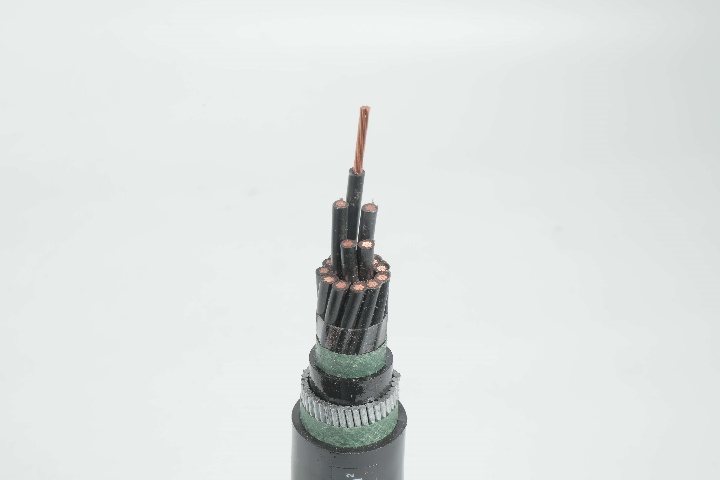
LiYCY Control Cable - Screened Flexible PVC Control Cable
The LiYCY Control Cable is a high-quality screened flexible control cable widely used in industrial automation and machinery applications. It features finely stranded copper conductors with PVC insulation, twisted cores, a tinned copper braid screen for superior electromagnetic interference (EMI) protection, and a durable PVC outer sheath. This construction provides excellent flexibility, reliable signal transmission, and effective shielding against electrical noise. Rated 300/500V, the LiYCY Control Cable is ideal for dynamic installations and environments requiring both mechanical flexibility and EMI protection. Manufactured to international standards such as VDE 0812 and IEC 60227, it undergoes rigorous quality testing from raw materials to finished product, ensuring consistent electrical performance, mechanical strength, and long-term reliability in demanding industrial control applications.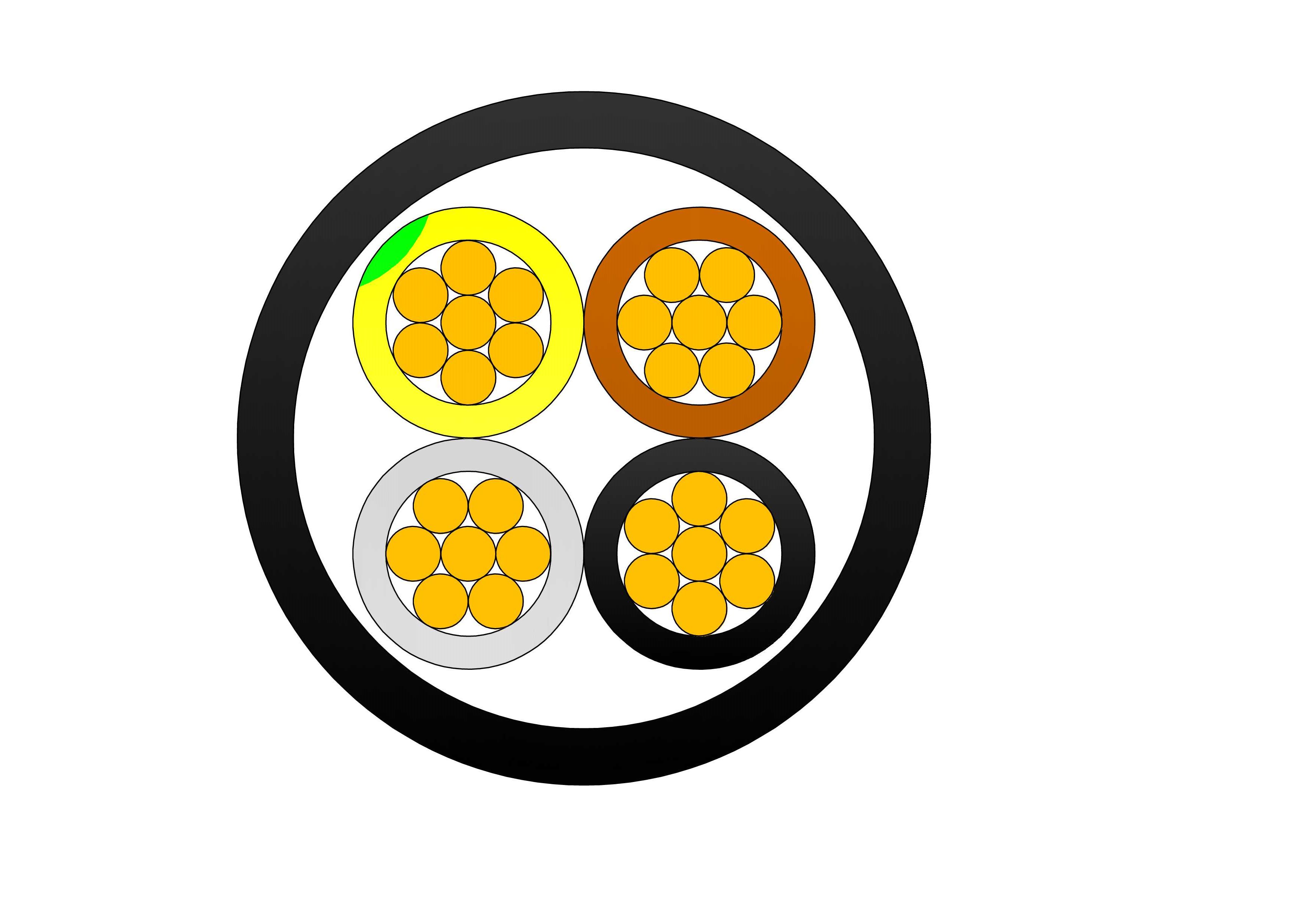
GYTA53 Fiber Optic Cable
The GYTA53 Fiber Optic Cable is a high-strength outdoor communication cable specifically designed for direct burial applications and harsh installation environments. The cable features a stranded loose tube structure, central strength member, water-blocking system, aluminum polyethylene laminated tape (APL), corrugated steel tape armor (PSP), and double polyethylene outer jackets for maximum mechanical protection. Optical fibers are housed within gel-filled loose tubes that provide excellent moisture resistance and protection against external stress. The combination of aluminum tape and steel tape armor significantly enhances crush resistance, impact resistance, rodent protection, and moisture barrier performance. The dual PE sheath structure further improves environmental durability and long-term reliability. Manufactured according to IEC 60794 and ITU-T standards, the GYTA53 Fiber Optic Cable offers low attenuation, stable transmission performance, and excellent protection in underground installations. It is widely used in long-distance telecommunications networks, backbone communication systems, utility networks, and infrastructure projects requiring direct burial deployment.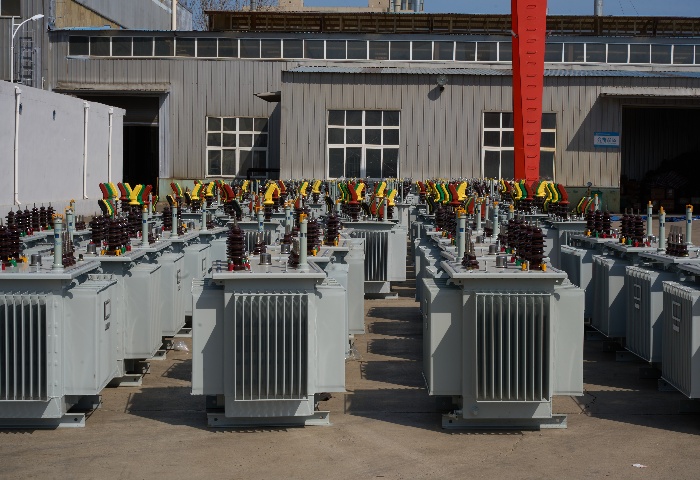
630kVA Oil Immersed Transformer
NPC ELECTRIC’S 630kVA oil-immersed transformer adopts a high-efficiency and energy-saving design, complies with the IEC 60076 international standard, and ensures stable operation and long life. Its high-quality silicon steel core and high-performance insulating oil provide excellent electrical performance and heat dissipation capabilities. ONAN cooling, aluminum or copper windings, high-voltage 34.5kV / 24.94kV / 13.8kV / 12.47kV / 4.16kV (delta or wye), low-voltage 480Y/277V, 208Y/120V, 600Y/347V or custom, ±2×2.5% HV taps.
2000kVA Oil Immersed Transformer
The 2000kVA Oil Immersed Transformer is a high-capacity, three-phase, liquid-filled distribution transformer engineered for reliable outdoor pad-mounted or substation installations in utility networks, large commercial/industrial complexes, data centers, heavy manufacturing plants, and high-demand power distribution systems. Standard configuration includes mineral oil or FR3 natural ester fluid, ONAN cooling, aluminum or copper windings, high-voltage 34.5kV / 24.94kV / 13.8kV / 12.47kV / 4.16kV (delta or wye), low-voltage 480Y/277V, 208Y/120V, 600Y/347V or custom, ±2×2.5% HV taps, radial or loop-feed dead-front design, bayonet fuses + partial-range current-limiting fuses (optional), load-break switch.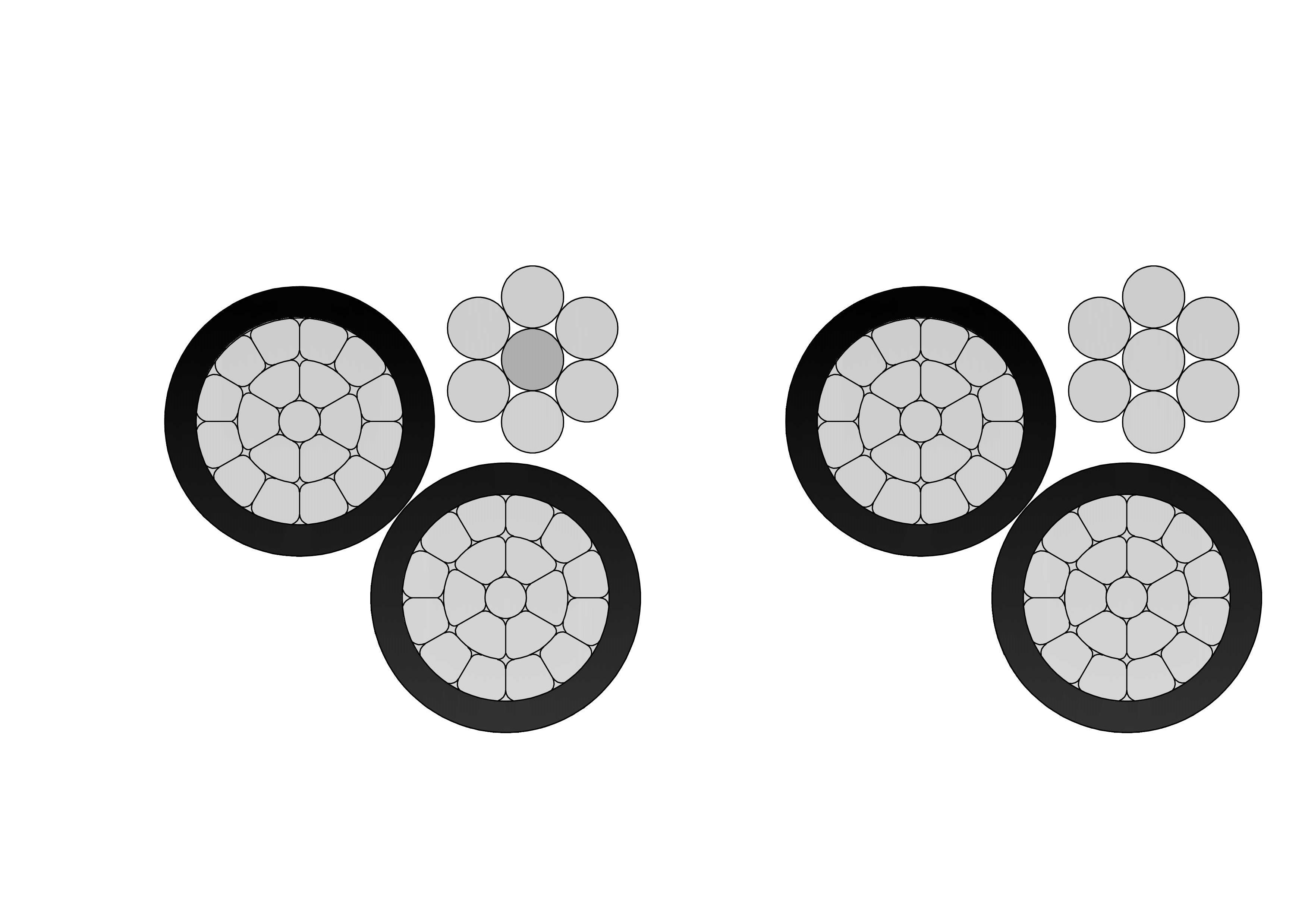
4 Oyster Aluminum Conductor Triplex Overhead Service Drop Cable
4-4-4 Oyster Aluminum Conductor Triplex Overhead Service Drop Cable provides high-quality overhead power transmission for utility-to-consumer connections. Constructed with compressed 1350-H19 aluminum phase conductors (#4 AWG), robust XLPE black insulation for enhanced thermal and environmental protection, and an AAC bare neutral (#4 AWG), it offers outstanding electrical efficiency, corrosion resistance, and durability in extreme weather. Designed for 600V applications (phase-to-phase) with conductor temps up to 90°C, it supports ~115A ampacity. Meets key standards including ASTM B-230/B-231/B-232 and ICEA S-76-474. Lightweight yet strong, this cable simplifies installation while ensuring long-term performance for service entrances.
1/0 Neritina Aluminum Conductor Triplex Overhead Service Drop Cable
1/0 Neritina Aluminum Conductor Triplex Overhead Service Drop Cable is designed for reliable secondary overhead power distribution from utility poles to residential and light commercial service entrances. The triplex structure consists of two insulated aluminum phase conductors helically wrapped around a bare aluminum neutral messenger, which provides both electrical grounding and mechanical support. The 1/0 Neritina conductor size offers enhanced current-carrying capacity, strong tensile performance, and controlled sag characteristics, making it suitable for longer spans and higher service loads. Aluminum conductors reduce overall cable weight while delivering excellent corrosion resistance and ease of installation in outdoor environments. Manufactured in compliance with ASTM and utility specifications, the 1/0 Neritina Aluminum Conductor Triplex Overhead Service Drop Cable ensures stable electrical performance, long service life, and dependable mechanical integrity. It is widely adopted by utilities and contractors seeking a cost-efficient and durable overhead service drop solution.
4 Crab Aluminum Conductor Triplex Overhead Service Drop Cable Wire
4 Crab Triplex Aluminum Overhead Service Drop Cable is designed for reliable utility power delivery from pole-mounted transformers to the service entrance at residential, commercial, or light industrial sites. It consists of two insulated phase conductors and a bare AAC (All-Aluminum Conductor) messenger serving as both a neutral and mechanical support. Built for overhead single-phase service drops, it operates at voltages up to 600V and is insulated with black cross-linked polyethylene (XLP) for enhanced durability against UV, abrasion, and moisture. The 4 Crab's robust yet flexible structure prevents sagging and ensures stable performance over time. Utilities and contractors appreciate its cost-effectiveness and low-maintenance profile. Elevate your electrical infrastructure with this reliable cable that combines innovation and durability for uninterrupted power supply.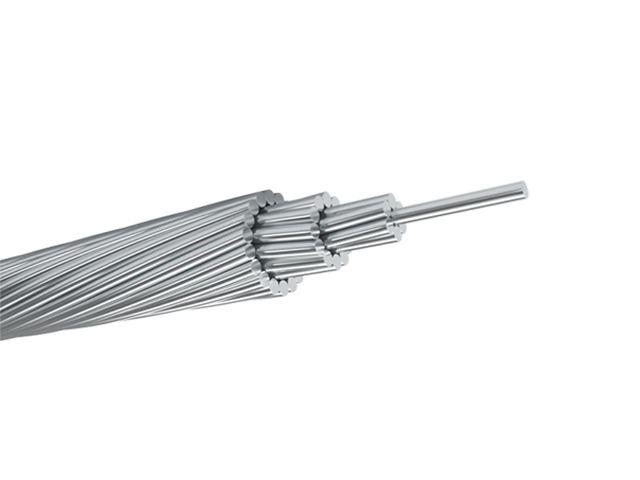
ALL ALUMINUM ALLOY CONDUCTORS(AAAC)
All Aluminum alloy (ALMELEC) electrical wire conductors are made from high-strength Aluminum-Magnesium-Silicon alloy. These conductors boast a superior strength-to-weight ratio compared to standard AAC, allowing for longer spans and reduced support structures in challenging terrains. Their improved sag characteristics minimize clearance issues, while excellent corrosion resistance extends service life in aggressive environments like marine or polluted zones. Electrically, AAAC offers lower power losses and better conductivity, optimizing energy efficiency in distribution networks. Manufactured to standards such as IEC 61089 and ASTM B399, they feature concentric stranding for mechanical stability and ease of installation with simpler fittings than ACSR. Versatile in size from small distribution lines to high-voltage transmission, AAAC supports applications on poles, towers, and substations. By reducing maintenance and enhancing reliability, these conductors provide a sustainable, cost-efficient alternative for modern power infrastructure, contributing to greener energy systems worldwide. Their lightweight design also facilitates easier handling during setup.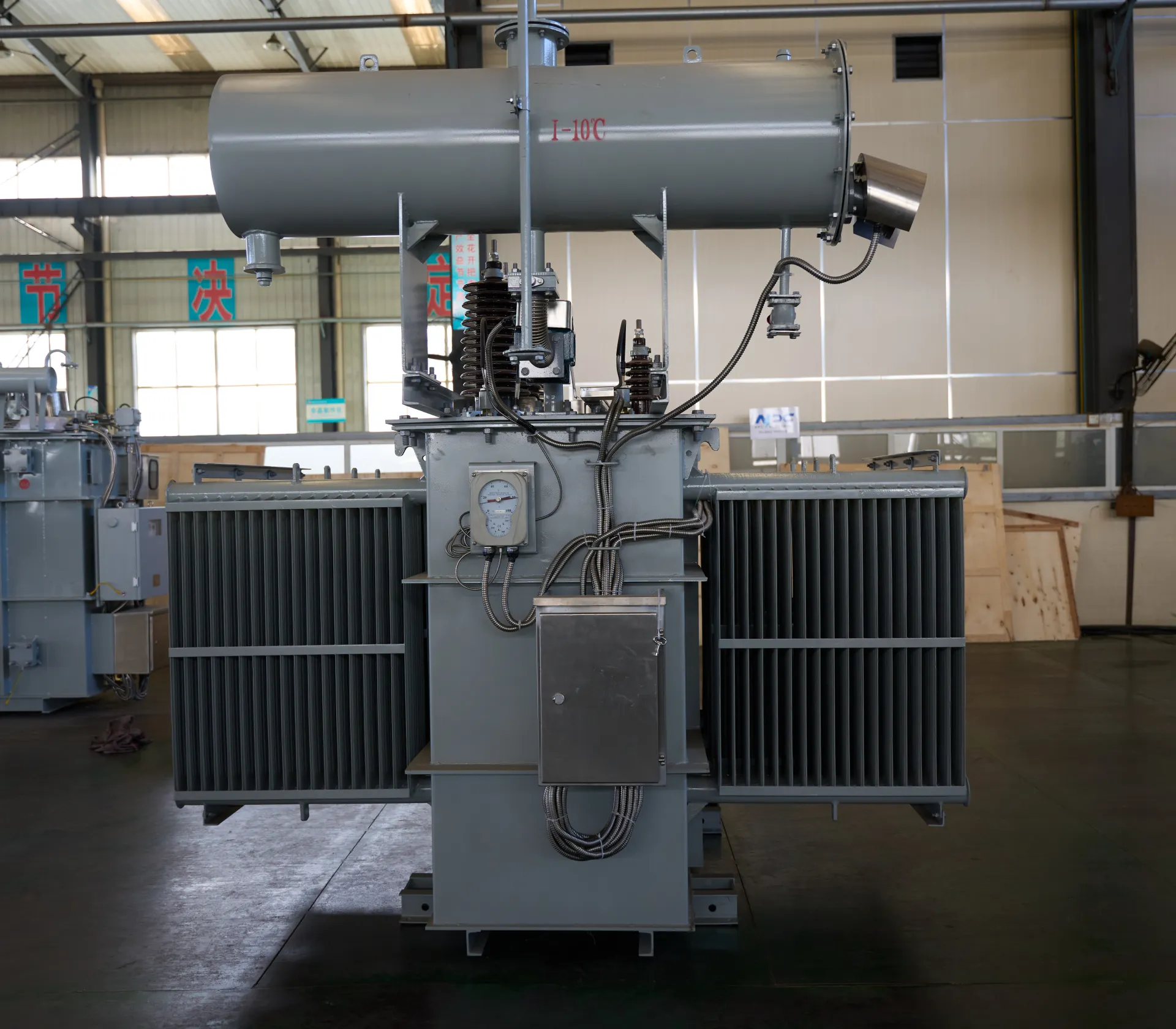
11kV Three-Phase Oil-Immersed Power Transformer
The 11kV Three-Phase Oil-Immersed Power Transformer is engineered for stable and efficient distribution across medium-voltage networks. Designed with high-grade silicon steel, advanced insulation systems, and premium mineral oil, this transformer ensures superior dielectric strength, excellent heat dissipation, and long service life. Its oil-immersed configuration delivers reliable cooling performance, enabling continuous operation under varying load conditions. The three-phase design ensures balanced power delivery, reduced energy losses, and improved grid stability. With enhanced short-circuit strength, low noise levels, and robust mechanical structure, it is suitable for industrial facilities, commercial complexes, substations, and utility distribution networks. Custom voltage ratios, tap changers, protection devices, and enclosure options are available to meet regional standards and project-specific requirements.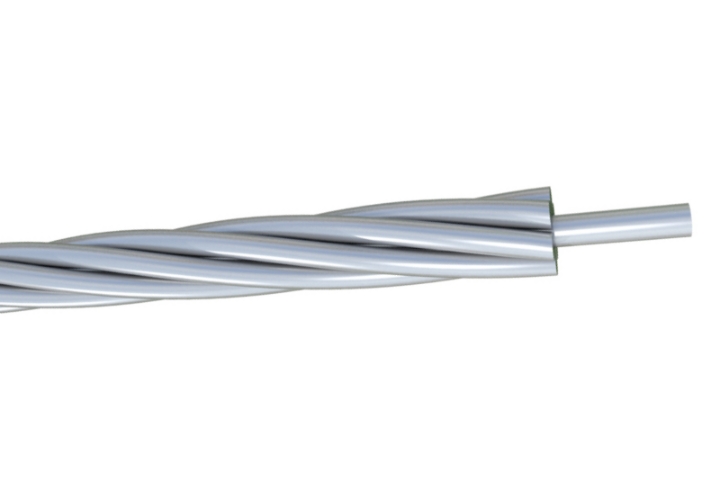
8 Gauge Galvanized Steel Conductor Wire
The 8 Gauge Galvanized Steel Conductor Wire is engineered for demanding utility applications, delivering reliable high-strength performance with outstanding corrosion resistance. Produced with heavy hot-dip galvanizing, this 8 AWG wire features a uniform zinc coating that effectively protects against rust in challenging environments. It performs exceptionally well as overhead ground wire, static wire, or guy wire for pole guying in power transmission and distribution systems. Meeting ASTM A475 requirements, the 8 Gauge Galvanized Steel Conductor Wire provides excellent tensile strength and long service life with minimal maintenance. Rigorous quality testing throughout production ensures consistent mechanical properties and coating integrity, making it a cost-effective and dependable solution for shielding and structural support in overhead lines.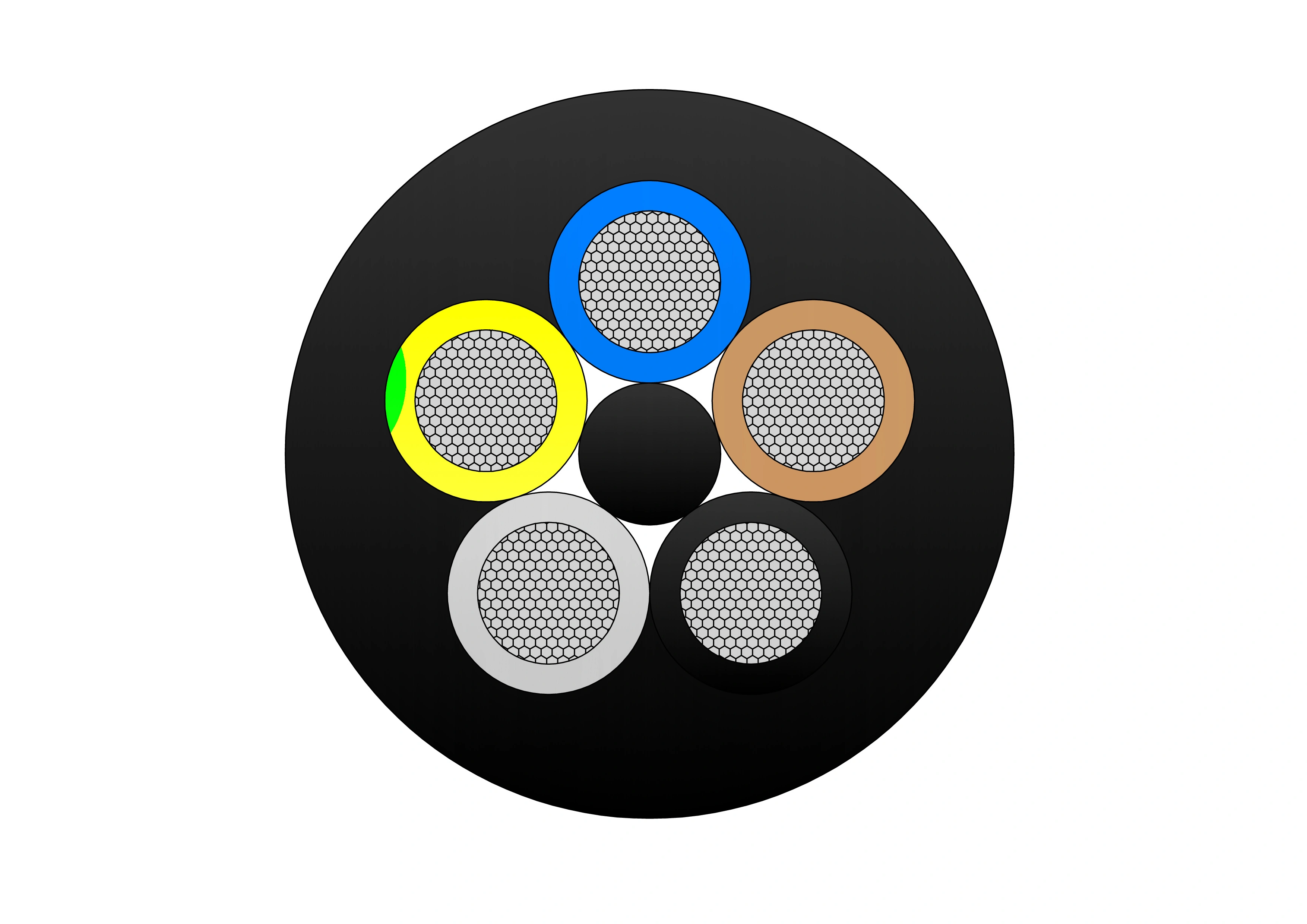
Type 260 Armoured Mining Cable with Pilot Core
The Type 260 Armoured Mining Cable with Pilot Core is a medium-voltage, rubber-insulated cable designed for heavy-duty mining applications requiring high mechanical strength and electrical reliability. It features flexible stranded tinned copper conductors, EPR insulation, and tinned copper braiding for excellent screening. The pliable galvanised steel wire armour (SWA) provides superior mechanical protection, making it suitable for harsh mining environments. The interstitial pilot core allows enhanced control and monitoring functions. With a PCP heavy-duty sheath, it offers flame retardancy, oil resistance, and durability. Compliant with AS/NZS 1802 and related standards, it is ideal for feeder cables, mining machinery power supply, and transportable substations. The Type 245 is ideal for high-power trailing in coal and metalliferous mines, powering longwall shearers, continuous miners, face conveyors, and critical equipment with enhanced safety via pilot core and armour.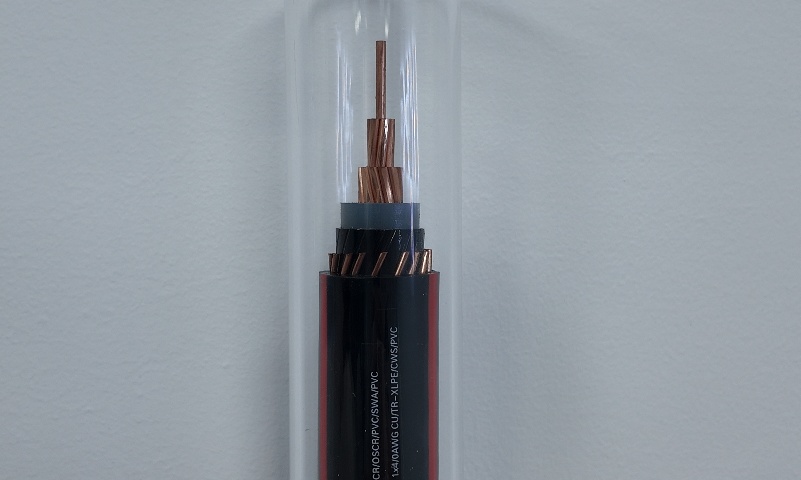
15kV Copper Conductor URD Cable - MV Underground Distribution Cable
The 15kV Copper Conductor URD Cable is a premium medium-voltage underground distribution cable designed for high-reliability primary and secondary power delivery. It features a stranded high-conductivity copper conductor, extruded semi-conducting shields, tree-retardant TR-XLPE or EPR insulation, and a full copper concentric neutral, all protected by a tough sunlight-resistant LLDPE jacket. This construction provides superior electrical performance, excellent moisture and treeing resistance, and strong mechanical protection suitable for direct burial or duct installations. The high-conductivity copper conductor ensures lower losses and higher ampacity. Manufactured to ICEA S-94-649 and AEIC CS8 standards, the 15kV Copper Conductor URD Cable undergoes rigorous quality testing from raw materials to finished product, ensuring long-term reliability and safety in demanding underground environments.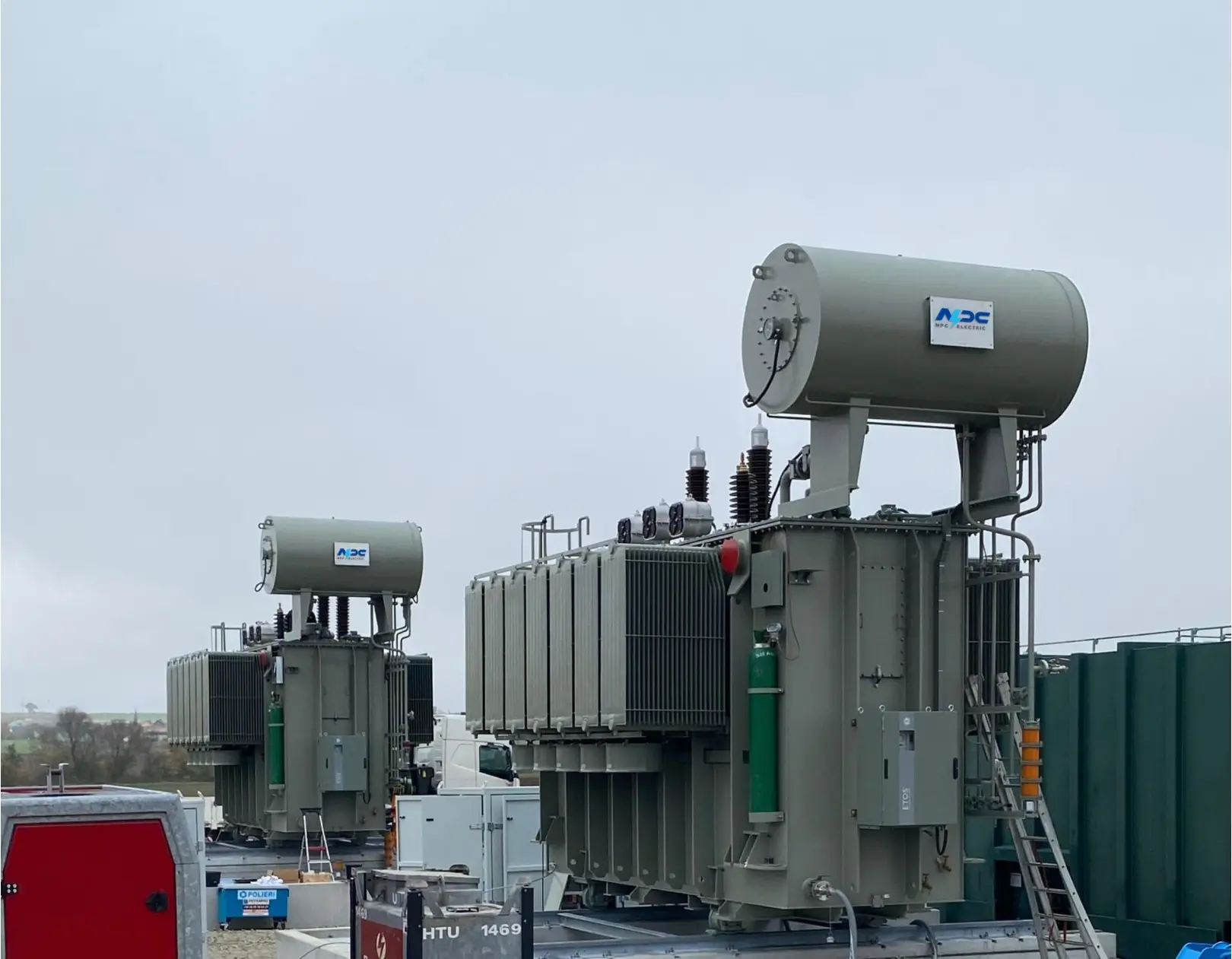
110kV Customized 12500kVA 20000kVA High-Voltage Electric Power Transformer
The Customized 12500kVA and 20000kVA High-Voltage Electric Power Transformer is engineered to meet the demanding requirements of grid transmission, industrial distribution, and large-scale power infrastructure. Designed with fully customized voltage configurations, high-grade copper windings, advanced insulation systems, and optimized oil-immersed cooling structures, it ensures exceptional efficiency, stable voltage regulation, and long-term operational reliability. This transformer supports heavy-load operation, complex grid environments, and diverse installation conditions, making it suitable for substations, industrial plants, renewable energy integration, and major commercial facilities. With flexible design options, strict quality control, and compliance with international standards such as IEC, IEEE, and ANSI, it delivers robust performance and extended lifecycle.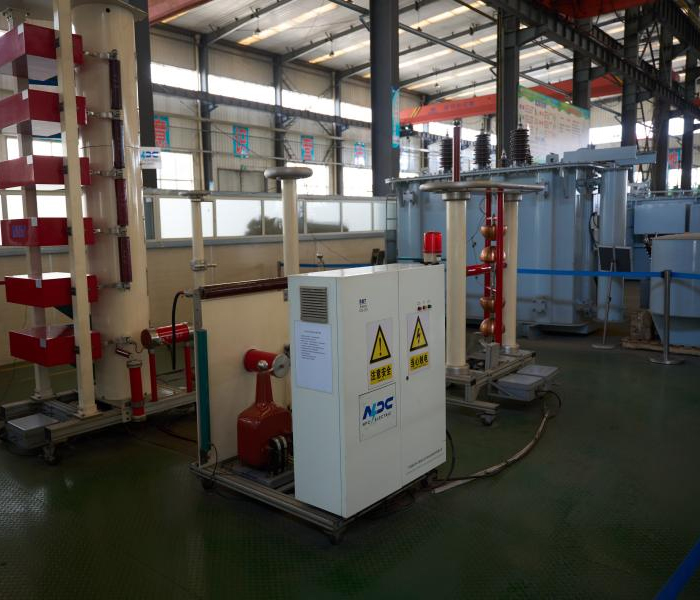
33kV Cast Resin Dry Type Transformer 1000kVA–5000kVA Three Phase
The 33kV Cast Resin Dry Type Transformer 1000kVA–5000kVA Three Phase is a high-capacity, oil-free power solution engineered for demanding indoor medium- and high-voltage distribution networks. This robust three-phase cast resin transformer utilizes premium low-loss grain-oriented silicon steel cores and high-conductivity copper windings (aluminum optional) fully encapsulated in high-grade epoxy resin under vacuum pressure, delivering exceptional energy efficiency (typically 98.5–99.5%), significantly reduced no-load and load losses, and superior partial discharge performance (<10pC). Fully compliant with IEC 60076-11, IEEE/ANSI, and relevant energy efficiency standards, this transformer steps down 33kV primary (with ±2×2.5% to ±10% off-circuit taps standard) to secondary voltages such as 0.4kV, 0.69kV, 6.6kV, or 11kV (Dyn11 vector group typical).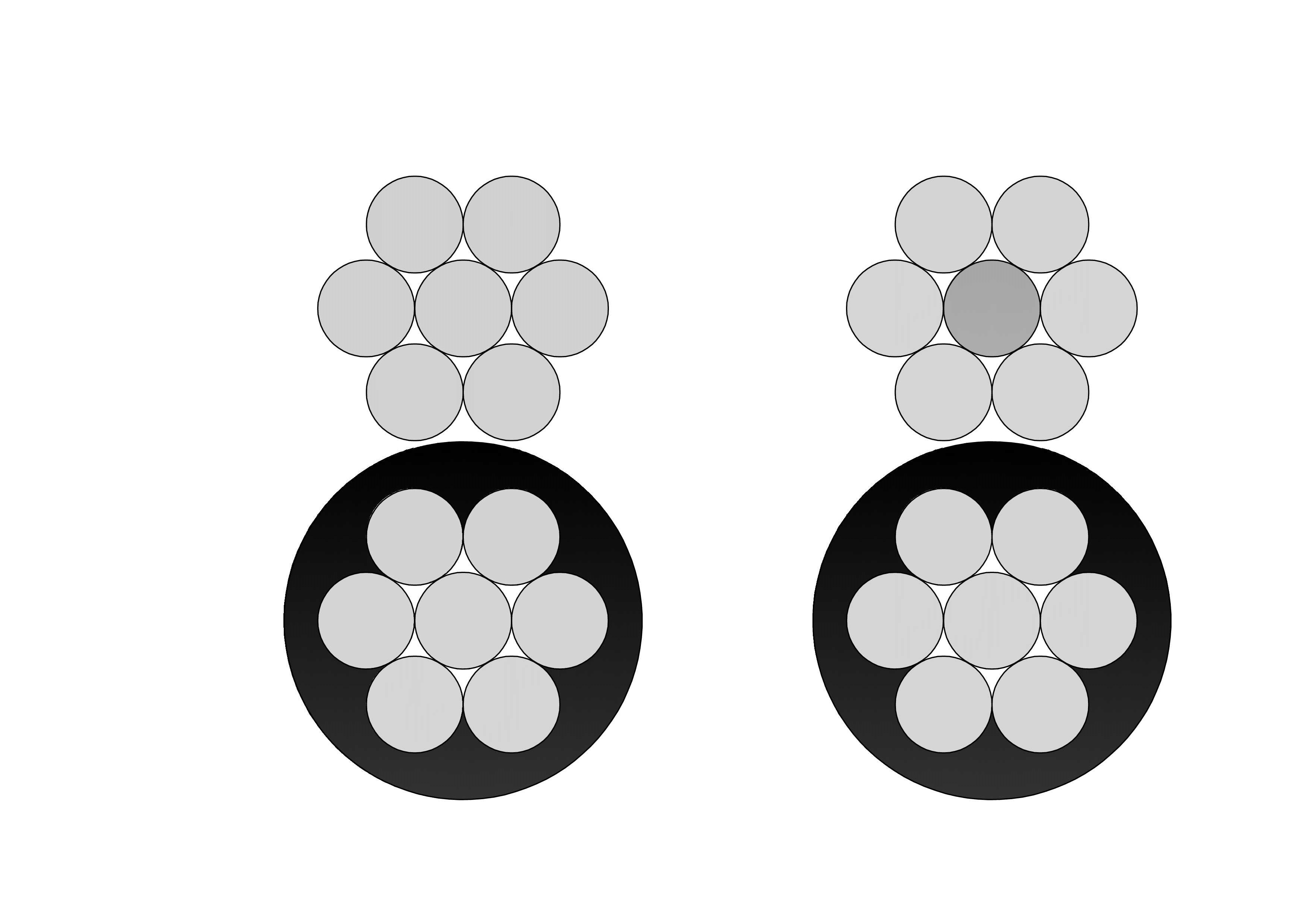
4 Eskimo Aluminum Conductor Duplex Overhead Service Drop Cable
Our 4 Eskimo Duplex Service Drop Cable provides reliable overhead secondary distribution for residential applications. Consisting of two 4 AWG aluminum conductors (one phase, one neutral, 7-strand) insulated with cross-linked polyethylene (XLPE) and twisted in duplex form, it meets ASTM, ICEA, and international standards. The robust insulation resists sunlight, moisture, and mechanical damage for decades of outdoor service. Lightweight design simplifies installation with low sag and easy handling. The 4 Eskimo Duplex Service Drop Cable ensures minimal losses, high current capacity, and excellent weather performance up to 600V. Self-supporting configuration reduces pole loading. Flame-retardant options enhance safety. Commonly chosen for single-phase power delivery in subdivisions, rural homes, and temporary connections requiring safe, economical aerial bundled solutions with proven durability.Welcome your inquiry
Honesty, Integrity, Frugality, Activeness and Passion