
Three Phase Transformer Types: Complete Guide to Design, Application & Selection
2026-03-05
1. Three-Phase Transformers
A three-phase transformer is a critical electrical device that steps up or steps down voltage in three-phase AC power systems, ensuring efficient energy transmission and distribution. Unlike single-phase transformers, it handles three alternating currents offset by 120 degrees, delivering smoother power flow, higher efficiency, and reduced conductor material for large-scale applications.
These transformers feature three primary and three secondary windings on a shared laminated core (or as a bank of three single-phase units). Common configurations include Delta-Delta, Wye-Wye, Delta-Wye (Dyn11 most popular), and Wye-Delta, supporting diverse voltage needs like 11kV/400V distribution or high-voltage transmission.
Available in oil-immersed (for outdoor/high-capacity use) and dry-type (eco-friendly, indoor-safe) variants, three-phase transformers power industries, commercial buildings, utilities, renewable energy (solar/wind), EV charging, and data centers. With advantages like balanced loads, lower losses, and compact design, they remain the backbone of modern electrical grids.
Three phase transformer is a core element in modern power systems, enabling efficient transmission and distribution of electrical energy across medium voltage and high voltage networks. Compared with a single-phase transformer, three-phase units deliver:
- Higher power density
- Better phase load balance
- Lower conductor usage per kVA
- Improved efficiency for industrial applications
From a three-phase transformer manufacturer's perspective, design must simultaneously address electrical performance, thermal stability, mechanical strength, and cost effectiveness.
2. Why Three-Phase Transformers Dominate Power Systems
Three-phase transformers dominate modern power systems because they deliver superior efficiency, reliability, and cost savings compared to single-phase alternatives. Operating with three alternating currents phased 120 degrees apart, they provide constant power flow without the pulsations of single-phase systems, ensuring smoother operation for motors, industrial machinery, and large loads.
Key advantages include higher power capacity with less conductor material—using approximately 75% less copper or aluminum for the same power transmission, reducing material costs and transmission losses. They achieve higher efficiency, lower voltage drops, better power factor, and balanced loads, minimizing harmonics and improving grid stability.
In power distribution, three-phase transformers handle massive capacities (from distribution to transmission levels) more compactly and economically than equivalent single-phase banks. Easier installation, reduced size/weight, and the ability to derive single-phase supply make them indispensable for utilities, industries, renewables, data centers, and EV infrastructure.
As global electrification grows, three-phase transformers remain the backbone of efficient, scalable power systems.
Three-phase power systems use three sinusoidal voltages separated by 120 degrees, creating a constant power flow. This makes them ideal for:
- High power transmission
- Long-distance networks
- Industrial motors and converters
- Medium and high voltage distribution
Key advantage:
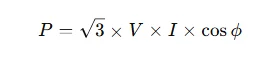
This allows more power transmission with lower current and reduced losses.
3. Core Design & Electrical Characteristics
The three-phase transformer core design is pivotal for efficient power handling. The most common is the core-type (three-limb core), where windings surround a laminated silicon steel core with three legs and two yokes, enabling magnetic flux interlinking and zero-sum flux in balanced conditions. Shell-type (five-limb) encases windings for better short-circuit strength and lower losses in high-power applications.
Laminated construction minimizes eddy current and hysteresis losses, while materials like grain-oriented silicon steel boost permeability and reduce no-load losses. Key electrical characteristics include:
- Impedance (Z%): Controls voltage regulation, short-circuit current, and stability (typically 4–10%).
- Magnetizing current and no-load losses.
- Leakage reactance for load performance.
- Vector group (e.g., Dyn11) influencing phase shift and grounding.
Optimized core geometry ensures compact size, high efficiency (>98%), low noise, and reliable operation in distribution, power, and industrial systems.
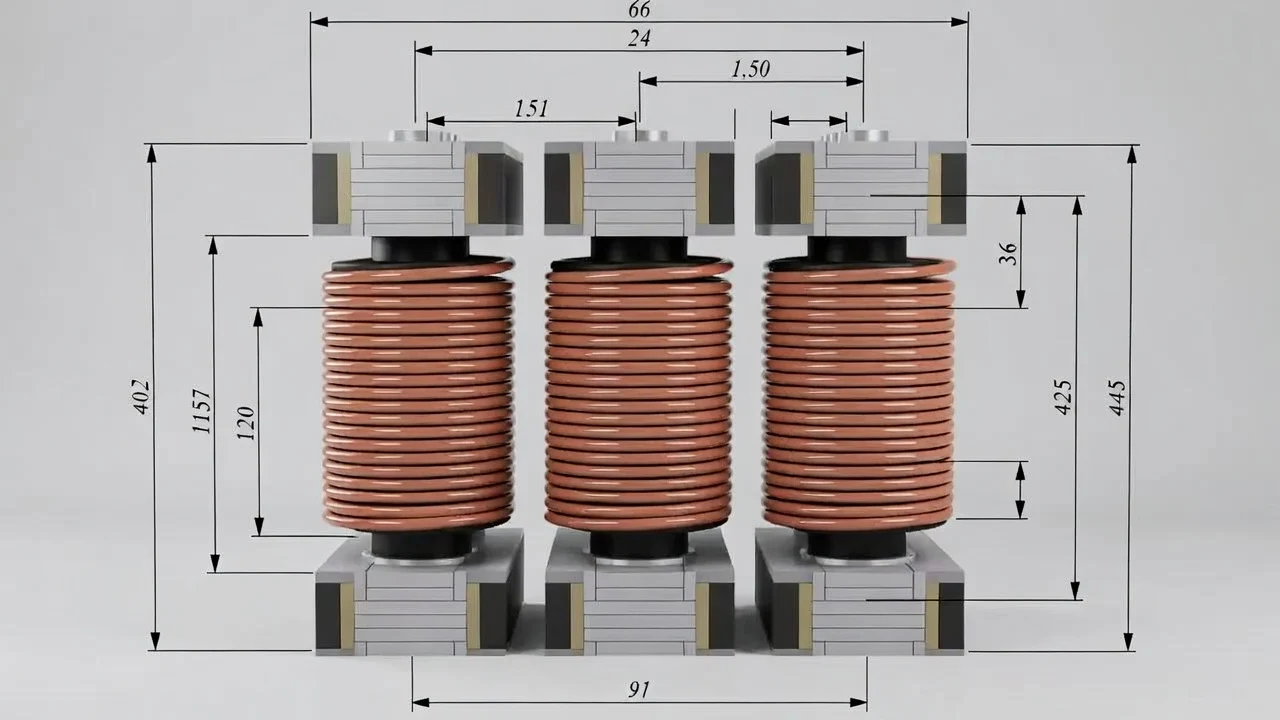
Transformer Windings
Each three-phase transformer contains:
- Primary winding
- Secondary winding
Typical winding connections:
- Delta (Δ)
- Star (Y)
- Delta-Star (Δ-Y)
These configurations determine voltage levels, insulation requirements, and grounding strategy.
Cooling & Insulation
Design must consider:
- Ambient temperature (typically 40°C reference)
- Load cycle
- Installation environment (indoor/outdoor)
4. Major Types of Three Phase Transformers
This section consolidates all mainstream three-phase transformer product types used in global markets.
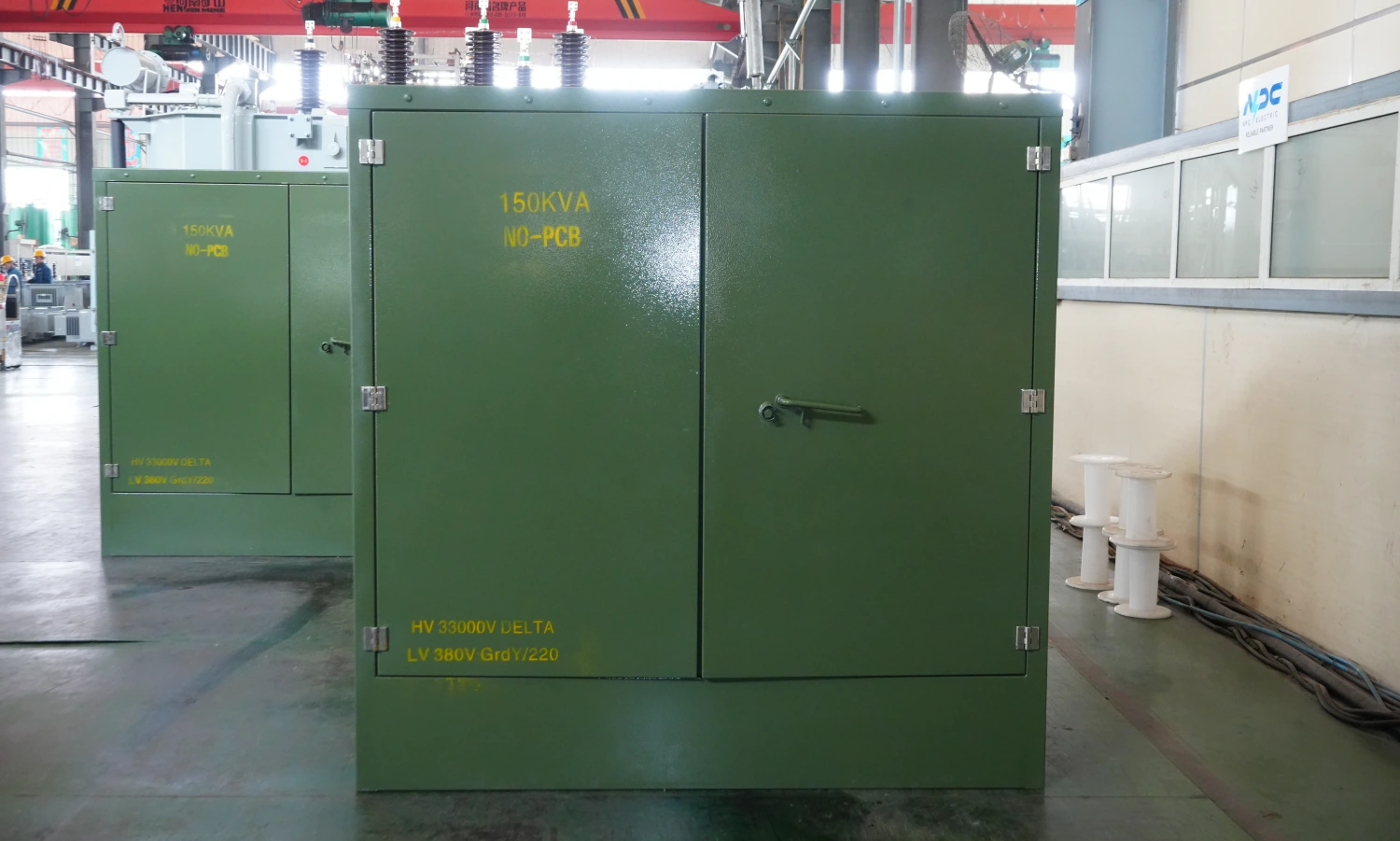
4.1 Three-Phase Pad-Mounted Transformers
Three-phase pad-mounted transformers are compact, oil-filled distribution transformers mounted on concrete pads in locked, tamper-resistant steel enclosures. Ideal for underground power distribution, they step down medium voltages (e.g., 2.4–35 kV primary) to low voltages (208Y/120V to 15 kV secondary), serving commercial, industrial, utility, and institutional loads like shopping centers, schools, data centers, and large buildings.
Key features include dead-front or live-front designs, loop-feed options, bayonet fuses, load-break switches, and compliance with ANSI, IEEE, and DOE efficiency standards. Ratings range from 45 kVA to 10,000+ kVA, with mineral oil or eco-friendly FR3 fluid, offering high reliability, safety, low maintenance, and weatherproof performance for outdoor installations without fences.
Three Phase Pad-Mounted Transformers are ground-installed units designed for underground distribution systems.
Key Features
- Tamper-resistant enclosure
- Front-access design
- Compact footprint
Typical Parameters
- Voltage: 5–35kV
- Power: 300–2500 kVA
- Cooling: Oil-filled (ONAN)
Applications
- Urban power distribution
- Commercial complexes
- Residential developments
4.2 Three-Phase Pole-Mounted Transformers
Three-phase pole-mounted transformers are oil-immersed distribution transformers securely mounted on utility poles for overhead power lines. They step down medium voltages (e.g., 4.16kV–34.5kV primary, often grounded wye or delta) to low voltages (208Y/120V, 480Y/277V, 240/120V delta) serving commercial, light industrial, rural, and large residential loads like farms, small businesses, and workshops.
Unlike common single-phase pole mounts, true three-phase units (or banks of three identical single-phase transformers) deliver balanced power with higher capacity (typically 30–500 kVA, up to 315–500 kVA in many standards). Key features include IEEE/ANSI-compliant designs, mineral oil cooling (ONAN), 55/65°C rise, copper/aluminum windings, five-legged core/coil for efficiency, BIL 60–150 kV, and options like round/rectangular tanks, taps (±2×2.5%), and self-protected (CSP) configurations.
Advantages: Compact elevated installation saves ground space, is reliable in harsh weather, has lower losses, and is cost-effective for three-phase overhead distribution in urban/suburban/rural grids.
Three Phase Pole-Mounted Transformers are installed on utility poles for overhead networks.
Key Features
- Lightweight structure
- Easy installation
- Cost-effective for rural areas
Typical Parameters
- Voltage: 6–35kV
- Power: 50–500 kVA
- Cooling: Oil-filled
Applications
- Rural electrification
- Agricultural power supply
- Small industrial loads
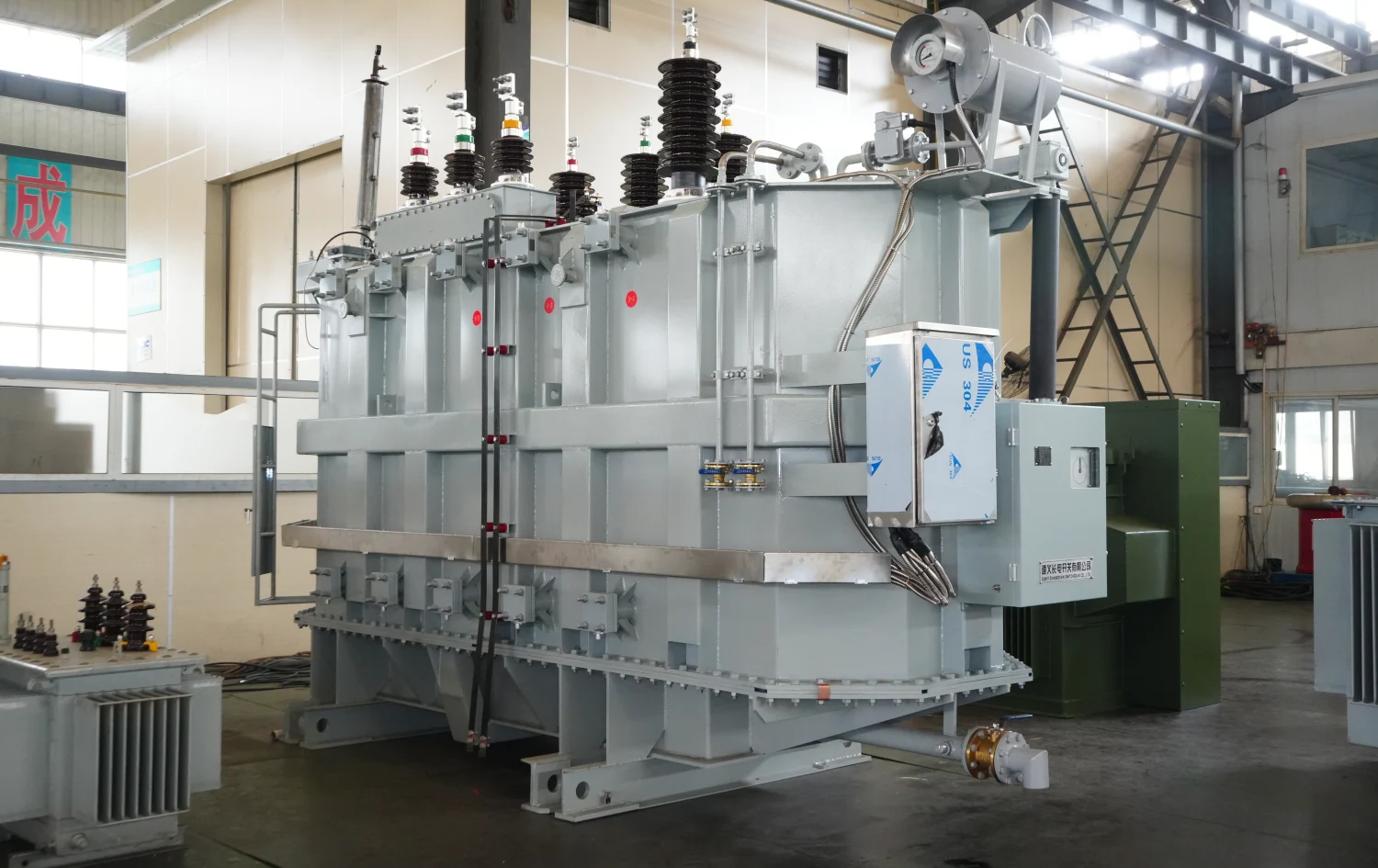
4.3 Three-Phase Power Transformers
Three-phase power transformers are large-scale electrical devices designed to step up or step down voltages in high-voltage three-phase AC systems, enabling efficient long-distance power transmission with minimal losses. Unlike distribution transformers (typically <500 kVA, lower voltages like 11–35 kV), power transformers handle higher capacities (often 500 kVA to hundreds of MVA) and voltages (e.g., 66 kV, 110 kV, 220 kV, 500 kV+), operating at substations and grid interconnections.
They feature robust core-type or shell-type laminated silicon steel cores, oil-immersed cooling (ONAN/ONAF/forced), high insulation levels, tap changers (OLTC for voltage regulation), and vector groups like YNd1 or Dyn11. Key advantages include superior efficiency (>99%), reduced material use, balanced power delivery, and reliability for utilities, generation plants, industrial loads, and renewable integration (wind/solar farms).
These transformers form the critical link between power generation and regional distribution grids, ensuring stable, high-capacity energy transfer worldwide.
Three-phase power transformers are designed for transmission substations and high-power applications.
Key Features
- High voltage capability
- Optimized for near full-load operation
- Strong short-circuit withstand
Typical Parameters
- Voltage: 66–400kV
- Power: 10–500 MVA
- Cooling: ONAN / ONAF
Applications
- Power transmission networks
- Utility substations
- Renewable energy integration
4.4 Three-Phase Distribution Transformers
Three-phase distribution transformers are compact, reliable devices that step down medium voltages (typically 4–35 kV primary, e.g., 11kV, 13.8kV, 33kV) to usable low voltages (e.g., 208Y/120V, 480Y/277V, 400/230V) for end-user consumption in three-phase AC systems. Unlike power transformers focused on high-voltage transmission, these handle final-stage distribution with capacities usually 10–5000 kVA (most common 50–2500 kVA), serving commercial buildings, industrial plants, residential complexes, schools, hospitals, data centers, and utilities.
Available in oil-immersed (ONAN cooling, outdoor durable, cost-effective) and dry-type (cast-resin or ventilated, fire-safe, indoor/low-maintenance) variants, they feature core-type laminated silicon steel cores, various vector groups (Dyn11 most popular for grounding), tap changers, and compliance with standards like IEEE/ANSI, IEC, DOE efficiency rules.
Advantages include balanced load distribution, high efficiency (up to 99%), reduced losses, compact design, and support for modern loads like EVs and renewables. In 2026, growing demand from grid upgrades, data centers, and electrification drives market expansion amid supply challenges.
Three-phase distribution transformers operate continuously under variable load conditions.
Key Features
- Low no-load loss
- High efficiency at partial load
- Long service life
Typical Parameters
- Voltage: ≤35kV
- Power: 100–2500 kVA
- Cooling: Oil-filled or dry type
Applications
- Distribution substations
- Industrial parks
- Commercial grids
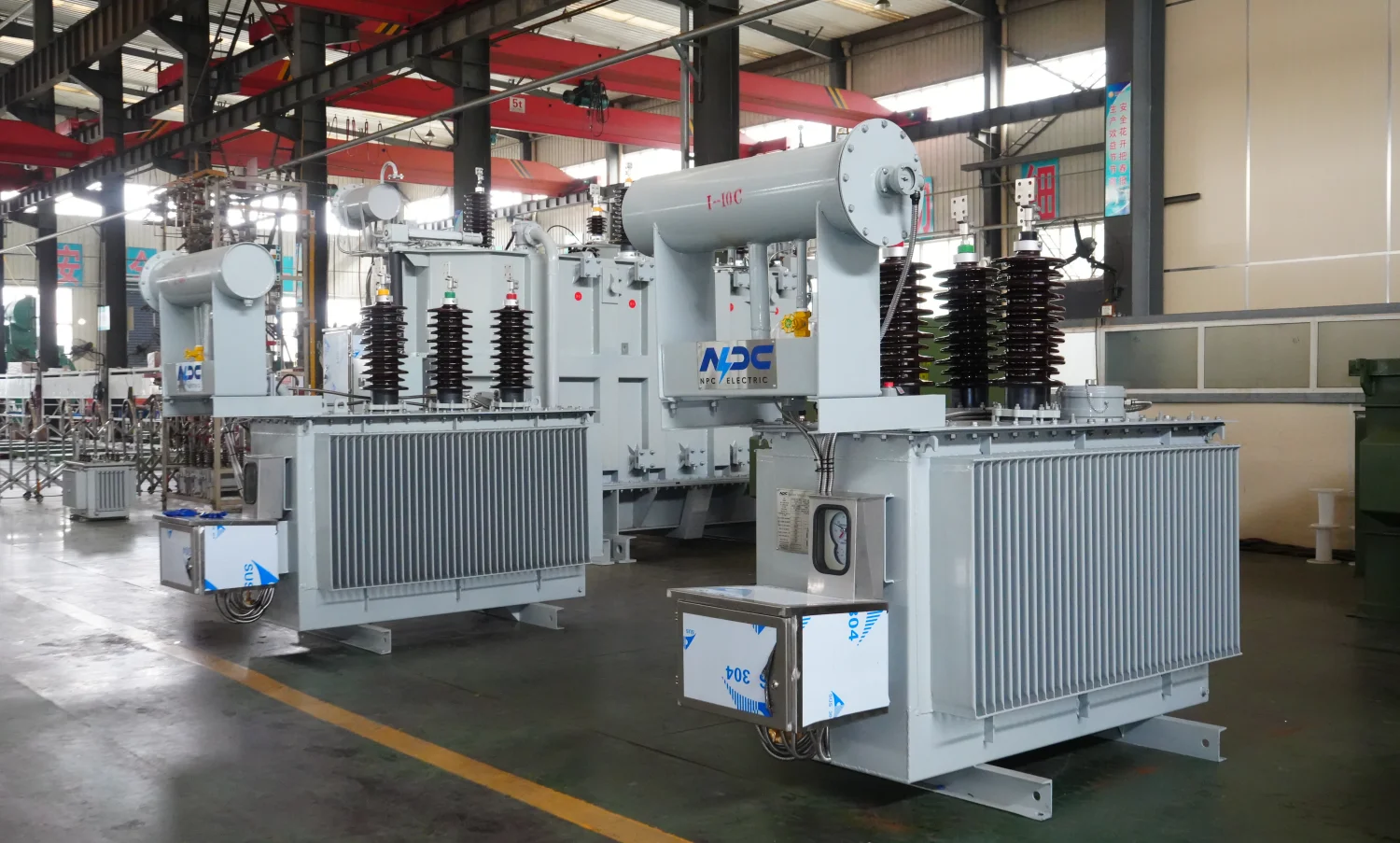
4.5 Three-Phase Dry-Type Transformers
Three-phase dry-type transformers use air or solid insulation (like epoxy resin cast coils) for cooling and insulation, eliminating flammable oil. This makes them ideal for indoor, fire-sensitive, or environmentally restricted applications. They step down medium voltages (e.g., 6–35 kV primary) to low voltages (e.g., 400/230V, 480Y/277V) in three-phase systems, with capacities from 50 kVA to 25+ MVA.
Common types include cast-resin (epoxy-encapsulated windings for superior moisture resistance and durability) and vacuum pressure impregnated (VPI) designs. Features: high efficiency (up to 99%), low noise, minimal maintenance, Class F/H insulation (155–180°C rise), vector groups like Dyn11, and compliance with IEEE/ANSI, IEC, DOE 2016 efficiency standards.
Advantages: fire-safe (no oil spills/explosions), pollution-free, compact for high-rise buildings, hospitals, data centers, subways, commercial facilities, renewable energy projects, and EV charging infrastructure. They offer reliable performance in harsh indoor environments with excellent overload capacity and longevity.
Three Phase Dry-Type Transformers use air or resin insulation instead of oil.
Key Features
- Fire safe
- Environmentally friendly
- Low maintenance
Typical Parameters
- Voltage: ≤35kV
- Power: ≤2500 kVA
- Cooling: AN / AF
Applications
- Hospitals
- Data centers
- Indoor industrial facilities
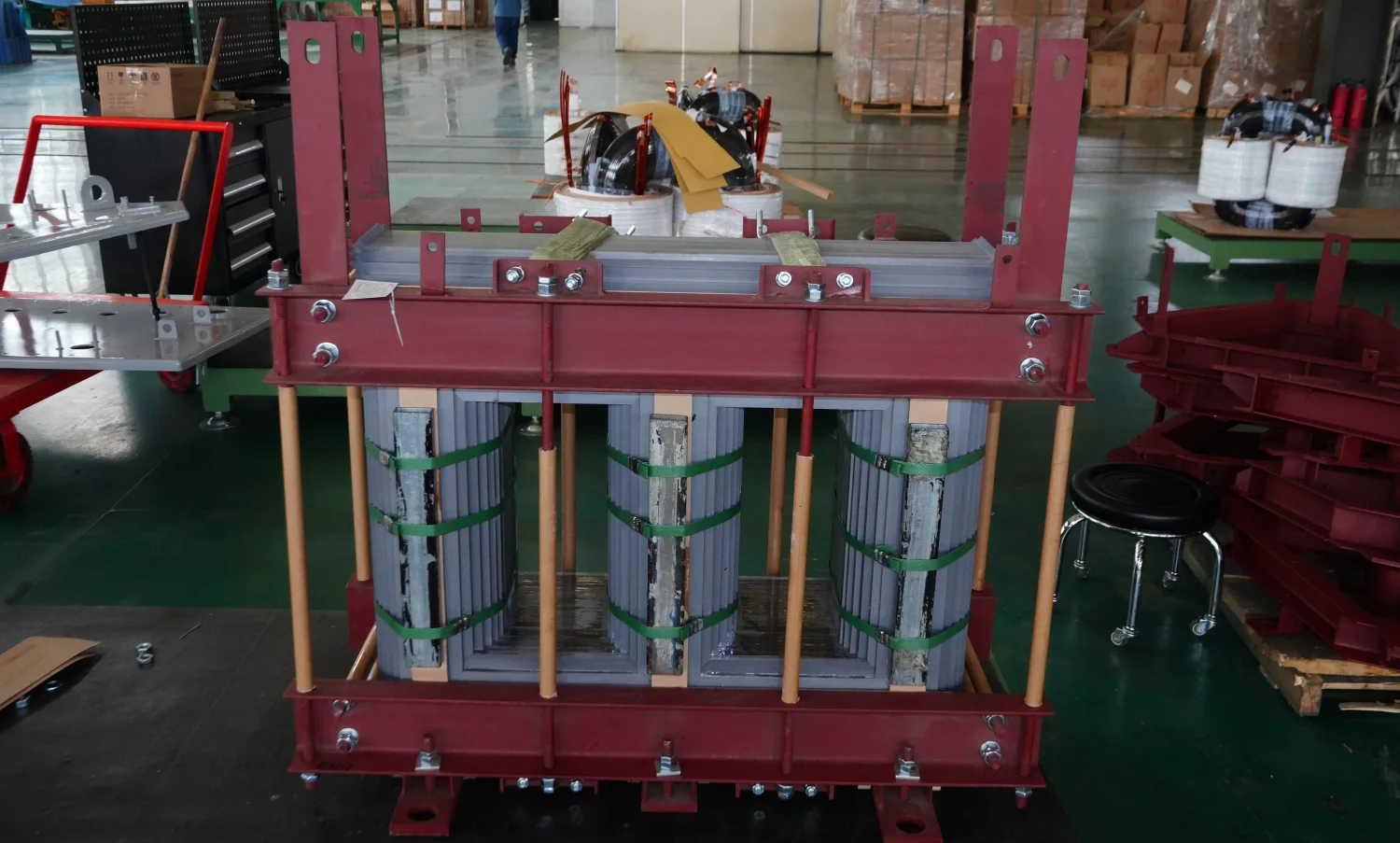
4.6 Three-Phase Oil-Filled Transformers
Three-phase oil-filled transformers (also known as oil-immersed or oil-immersed three-phase transformers) use mineral oil (or eco-friendly alternatives like FR3) as both insulating and cooling medium, providing excellent heat dissipation and dielectric strength. They dominate outdoor applications due to superior thermal performance and longevity.
These transformers step down medium/high voltages (e.g., 4–35 kV primary for distribution; 66–500 kV+ for power) to low voltages in three-phase systems, with capacities from 10 kVA to 100+ MVA. Key types include distribution (pole-mounted, pad-mounted, substation) and power variants, featuring ONAN/ONAF/forced cooling, core-type laminated silicon steel cores, vector groups like Dyn11 or YNd1, tap changers, conservator tanks, Buchholz relays, and high BIL levels.
Advantages: high efficiency (up to 99%), excellent overload capacity, robust short-circuit withstand, cost-effective for large-scale use, and proven reliability in utilities, industries, renewables, and grid substations. Drawbacks include oil maintenance needs and fire risk mitigation requirements.
Three Phase Oil-Filled Transformers use mineral oil for insulation and cooling.
Key Features
- Excellent heat dissipation
- High overload capacity
- Long operational life
Typical Parameters
- Voltage: up to 400kV
- Power: wide range
- Cooling: ONAN / ONAF
Applications
- Outdoor substations
- Medium and high voltage systems
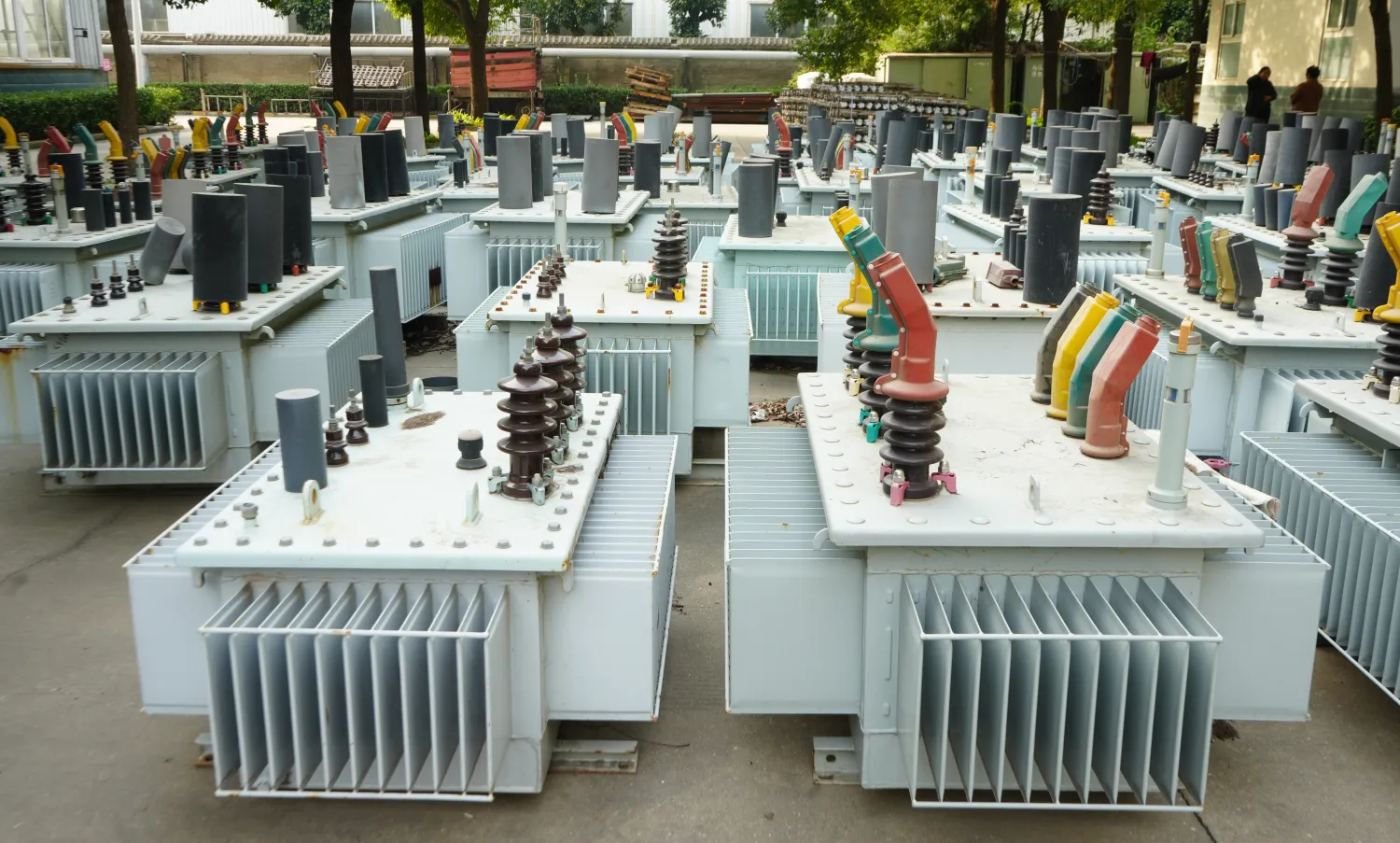
4.7 Three-Phase Isolation Transformers
Three-phase isolation transformers provide complete electrical (galvanic) isolation between primary and secondary windings, eliminating direct electrical connection while transferring power via magnetic coupling. This breaks ground loops, blocks common-mode noise, harmonics, and transients, delivering cleaner, safer three-phase AC power.
Typically dry-type (cast-resin or VPI for indoor/fire-safe use) or oil-immersed (for higher capacity/outdoor), they feature a 1:1 ratio (e.g., 480V-480V, 400V-400V) or step-up/down, vector groups like Dyn11 or Delta-Wye, shielded windings for enhanced noise suppression, high insulation (Class F/H), efficiencies >98%, and compliance with IEC, IEEE/ANSI, and UL standards.
Key advantages: surge/spike protection, reduced EMI/RFI interference, personnel/equipment safety, stable voltage for sensitive loads, and prevention of ground faults propagating. Common applications include medical equipment (hospitals), data centers/UPS systems, precision machinery/CNC, VFD/motor drives (drive isolation variants), industrial controls, telecommunications, renewable energy inverters, and laboratories—ensuring reliable, noise-free operation in critical environments.
Three Phase Isolation Transformers provide electrical separation between circuits.
Key Features
- Noise reduction
- Enhanced safety
- Improved power quality
Typical Parameters
- Voltage: LV/MV
- Power: 10–2000 kVA
Applications
- Power electronics
- Sensitive industrial equipment
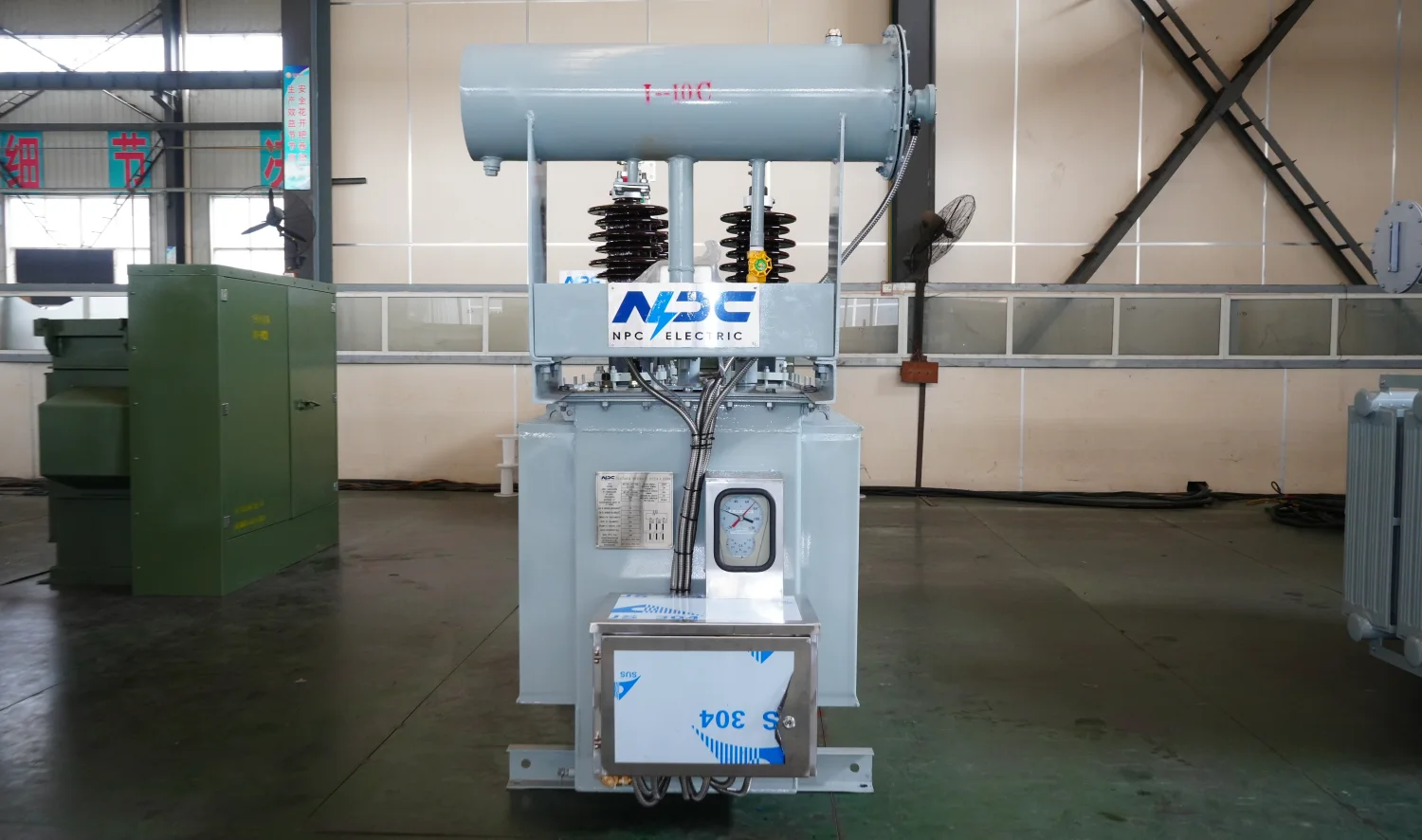
4.8 Three-Phase Step-Up / Step-Down Transformers
Three-phase step-up transformers increase voltage (e.g., 208V to 480V or generation-level to transmission 110–500 kV+), while step-down transformers decrease it (e.g., 480V to 208Y/120V or high-voltage transmission to distribution levels like 33kV to 400V). Both are core to efficient three-phase AC power systems, minimizing I²R losses over long distances via higher voltages for transmission and safe lower voltages for end-use.
Common in utilities (substation power transformers), industrial facilities, renewable energy (wind/solar inverters), data centers, EV charging stations, and commercial setups. They feature oil-immersed (ONAN/ONAF for large capacities) or dry-type (cast-resin for indoor safety) designs, laminated silicon steel cores, vector groups (e.g., Dyn11, YNd1), on-load tap changers (OLTC), high efficiency (>98–99%), and compliance with IEEE/ANSI, IEC standards.
Advantages include reduced conductor size/cost, balanced power delivery, overload capability, and reliable voltage regulation. Step-up units often appear at generation plants; step-down at substations and loads. Reverse feeding allows some distribution transformers to function oppositely with derating.
These transformers adjust voltage levels to match system requirements.
Key Features
- Flexible voltage conversion
- Essential for transmission and distribution
Typical Parameters
- Step-up: generator to grid
- Step-down: grid to load
Applications
- Power plants
- Industrial distribution
- Renewable energy systems
5. Summary Comparison Table
|
Transformer Type |
Voltage Range |
Power Range |
Installation |
Key Advantage |
Typical Application |
|
Pad-Mounted |
5–35kV |
300–2500 kVA |
Ground |
High safety |
Underground distribution |
|
Pole-Mounted |
6–35kV |
50–500 kVA |
Overhead |
Cost effective |
Rural networks |
|
Power Transformer |
66–400kV |
10–500 MVA |
Substation |
High power |
Transmission |
|
Distribution Transformer |
≤35kV |
100–2500 kVA |
Indoor/Outdoor |
Low losses |
Distribution grid |
|
Dry-Type Transformer |
≤35kV |
≤2500 kVA |
Indoor |
Fire safe |
Buildings |
|
Oil-Filled Transformer |
≤400kV |
Wide |
Outdoor |
Thermal performance |
Utility systems |
|
Isolation Transformer |
LV/MV |
10–2000 kVA |
Indoor |
Electrical isolation |
Sensitive loads |
|
Step-Up/Down Transformer |
LV–HV |
Project based |
Various |
Voltage matching |
Power systems |
6. Application Scenarios & Selection Logic
Selection depends on:
- Voltage levels
- Phase loads
- Ambient temperature
- Installation method
- Cost vs performance balance
For underground urban grids, pad-mounted designs dominate.
For high voltage transmission, power transformers are essential.
For indoor safety-critical areas, dry type transformers are preferred.
7. Practical Guide for International Projects
In international power projects—such as substations, renewable farms, industrial plants, data centers, or grid expansions—three-phase transformers are critical for efficient voltage transformation in AC systems. Success requires navigating diverse standards, specifications, logistics, and site conditions. This guide provides practical steps for engineers, procurement teams, and project managers.
1. Understand Key Global Standards & Regional Variations
IEC 60076 series (most common internationally): Baseline for power/distribution transformers (up to 765 kV), covering general requirements, insulation, temperature rise, testing, and efficiency. Widely adopted in Europe, Asia, Africa, the Middle East, and Latin America.
IEEE/ANSI C57 series (North America dominant): More prescriptive on ratings, testing, and tolerances (e.g., temperature rise 65°C oil, 80°C hotspot). Often required in the US, Canada, and some export markets.
Key differences: IEC uses a 50 Hz baseline (with 60 Hz adaptations); IEEE emphasizes 60 Hz. Variations in impedance tolerances, short-circuit withstand, cooling nomenclature (ONAN vs. OA/FA), and dielectric tests. Dual-compliance (IEC + IEEE) is common for exports.
Other certifications: CE marking (EU), UL (US/Canada), ISO 9001, efficiency labels (e.g., DOE 2016/202x in the US, Top Runner in Japan, MEPS in Korea/Australia).
2. Specification & Selection Checklist
Capacity & Voltage: Match project needs (e.g., 50–5000 kVA distribution; 10–500+ MVA power). Confirm primary/secondary voltages, frequency (50/60 Hz), and vector group (Dyn11 most popular for grounding).
Type: Oil-immersed (outdoor, high capacity) vs. dry-type (indoor, fire-safe). Cooling: ONAN/ONAF.
Efficiency & Losses: Prioritize low-loss designs (amorphous core for energy savings). Check compliance with local efficiency mandates.
Environmental Factors: Altitude correction, ambient temperature (-25°C to +40°C typical), seismic/earthquake ratings, pollution/humidity levels.
Accessories: Tap changers (OLTC/NLTC), protection (Buchholz, relays), bushings, and a conservator.
3. Procurement & Export Considerations
Vendor Assessment: Choose manufacturers with IEC/IEEE experience, type/routine test reports, and export references. Request FAT (Factory Acceptance Test) witnessing.
Timeline: 6–18 months lead time (design, manufacturing, testing, shipping). Include customs clearance, Incoterms (e.g., FOB/CIF), and marine insurance.
Documentation: Drawings, test certificates, nameplates in English/local language, packing lists, and origin certificates.
Logistics: Over-dimensional cargo for large units; secure sea/road transport; consider anti-vibration packing.
4. Installation, Commissioning & Testing
Site prep: Foundation/pad design, grounding, clearances.
Tests: Insulation resistance, ratio, vector group, oil dielectric (if applicable), and no-load/load losses.
Commissioning: Phasing check, energization, and monitoring for hotspots/noise.
Practical tip: For cross-border projects, involve third-party inspectors (e.g., SGS, Bureau Veritas) for impartial verification.
By aligning with IEC as the global baseline while accommodating regional tweaks, projects minimize risks, ensure interoperability, and optimize lifecycle costs. Always consult the latest editions (e.g., IEC 60076-1:2011+) and local regulations for 2026 compliance.
Three-phase transformers form the backbone of modern electrical infrastructure. By systematically understanding three-phase pad-mounted transformers, pole-mounted, power, distribution, dry-type, oil-filled, isolation, and step-up/step-down transformers, engineers and buyers can make informed, cost-effective decisions.
A professional three-phase transformer manufacturer delivers not only equipment but optimized solutions aligned with real-world power systems, ensuring reliability, efficiency, and long-term value in global markets.

Related Articles
Related Products
4 Hackney Aluminum Conductor Quadruplex Overhead Service Drop Cable
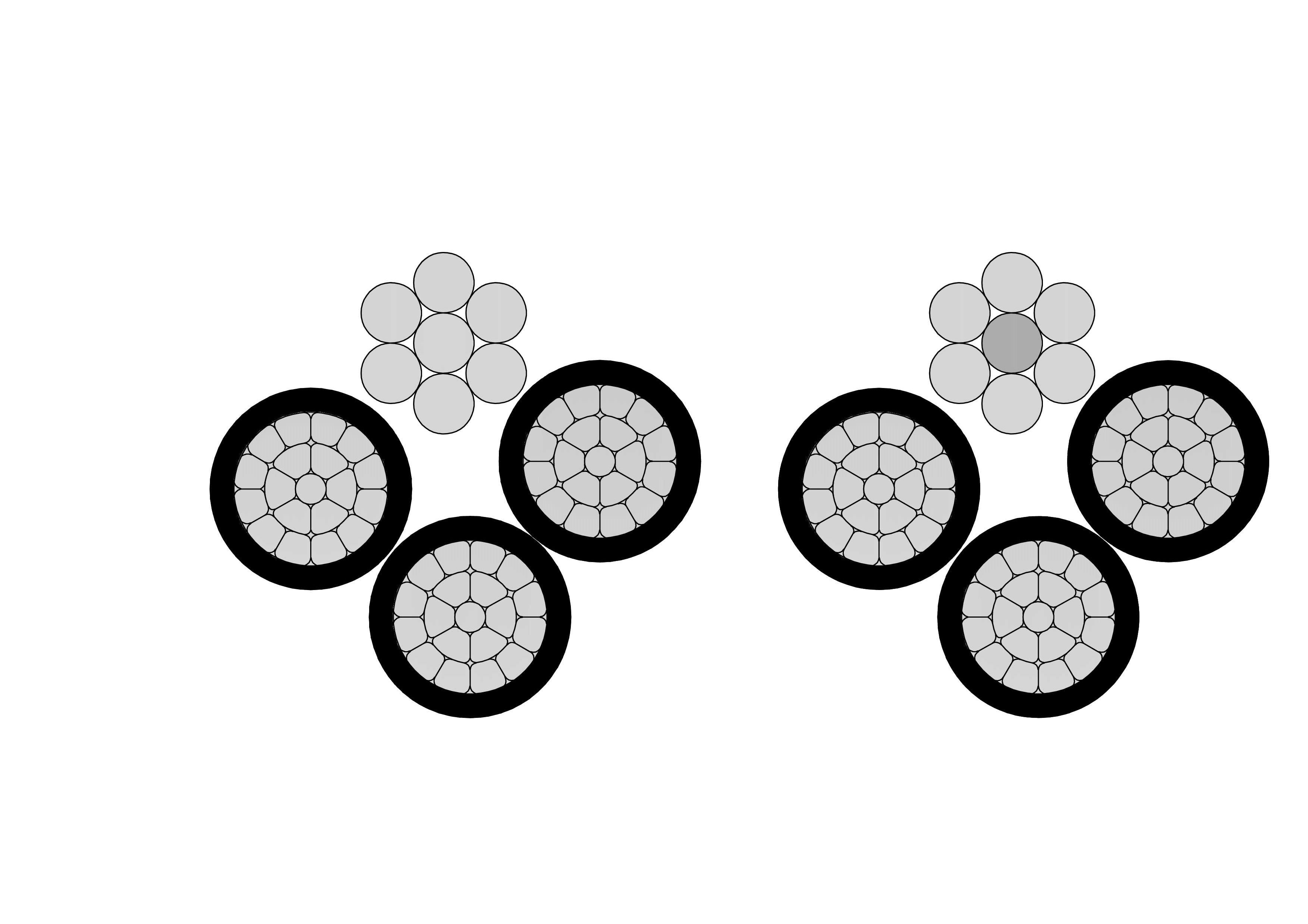
4 Hackney Quadruplex Service Drop Cable is a robust overhead cable for three-phase secondary power distribution with neutral. Featuring three 4 AWG aluminum phase conductors and one neutral messenger (7-strand) insulated with XLPE or PE and assembled in quadruplex configuration, it offers excellent mechanical strength and weather resistance. Compliant with ASTM B-230, B-231, ICEA S-76-474, and ANSI/ICEA standards, this cable supports 600V applications with superior UV, moisture, and abrasion protection. The self-supporting messenger reduces sag and simplifies installation over medium spans. The 4 Hackney Quadruplex Service Drop Cable ensures low power losses, high current capacity, and long service life in harsh outdoor conditions. Lightweight and flexible, it is widely used for three-phase service drops in residential subdivisions, commercial buildings, and rural areas requiring safe, cost-effective aerial connections from utility poles to service entrances.
2/3 Cores SWA Armoured Cable
The 2/3 Cores SWA Armoured Cable 0.6/1kV CU/XLPE/SWA/PVC is a heavy-duty low voltage power cable designed for installations requiring superior mechanical protection. It features 2 or 3 stranded copper conductors, cross-linked polyethylene (XLPE) insulation for excellent thermal and electrical performance, galvanized steel wire armour (SWA) for high crush, impact, and tensile strength, and a durable PVC outer sheath. Rated for 0.6/1kV, this cable provides high current-carrying capacity, low voltage drop, and long-term reliability in harsh environments. Manufactured according to IEC 60502-1, the 2/3 Cores SWA Armoured Cable 0.6/1kV is ideal for direct burial, underground ducts, cable trays, and exposed installations. Its strong steel wire armour offers outstanding protection against external mechanical stresses, rodents, and impacts. It is widely used in industrial plants, substations, commercial buildings, and infrastructure projects where safety and durability are critical.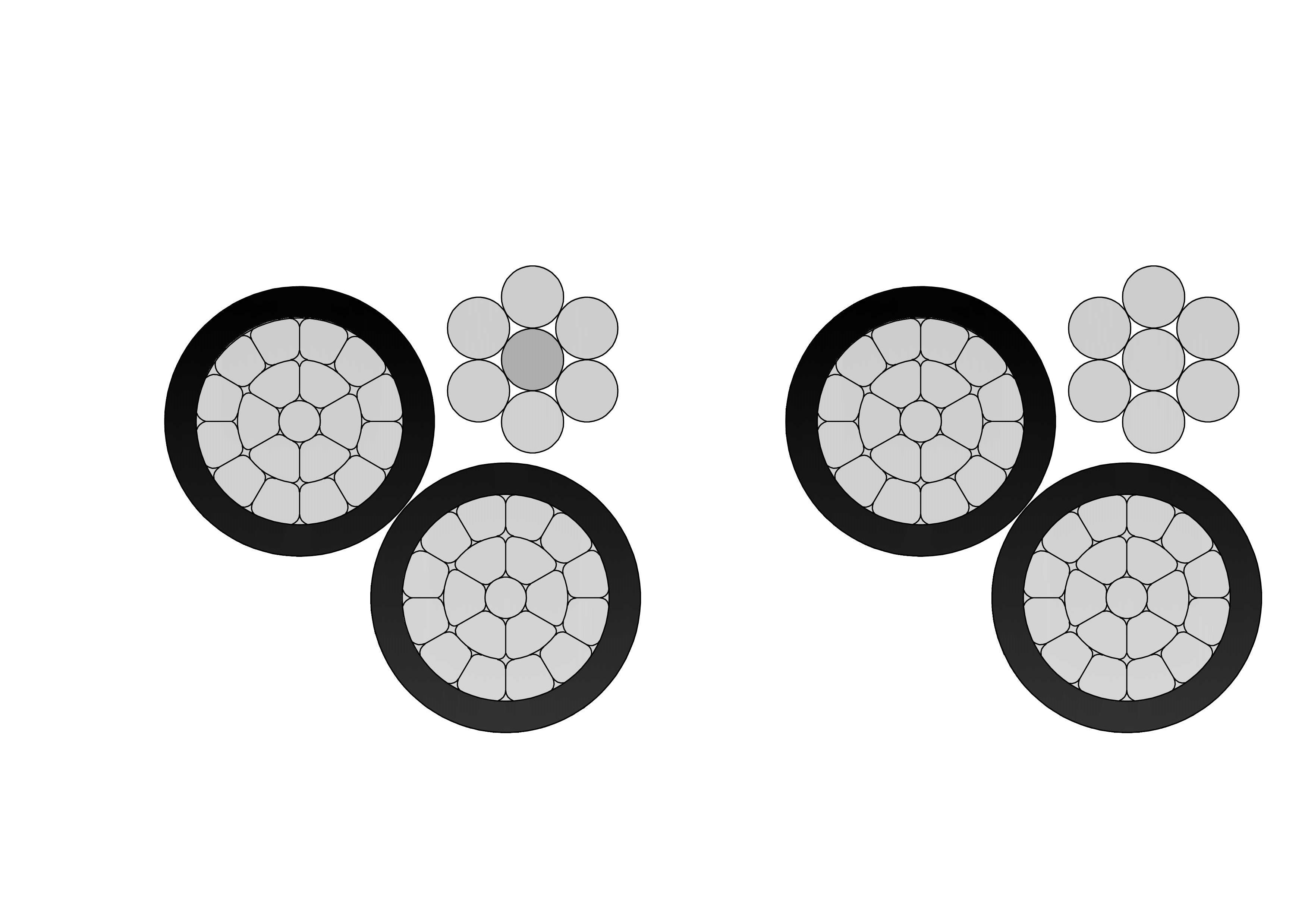
Copper Conductor Triplex Service Drop Cable 600V
The Copper Conductor Triplex Service Drop Cable 600V delivers exceptional performance for overhead power distribution from utility poles to service entrances. It features three stranded soft copper conductors: two phase conductors (common sizes 8 AWG to 2 AWG or larger) insulated with black cross-linked polyethylene (XLPE) for outstanding weather, UV, and moisture resistance, twisted around a bare copper neutral messenger for mechanical support and reduced sag. Rated 600V phase-to-phase with conductor temperatures up to 90°C (XLPE), it provides higher ampacity than aluminum equivalents (e.g., ~85–180A depending on size) due to superior conductivity. Compliant with ASTM B-1, B-3, B-8, and ICEA S-76-474 standards, the Copper Conductor Triplex Service Drop Cable offers excellent corrosion resistance, lower voltage drop, and long-term reliability in demanding aerial installations where premium conductivity is essential.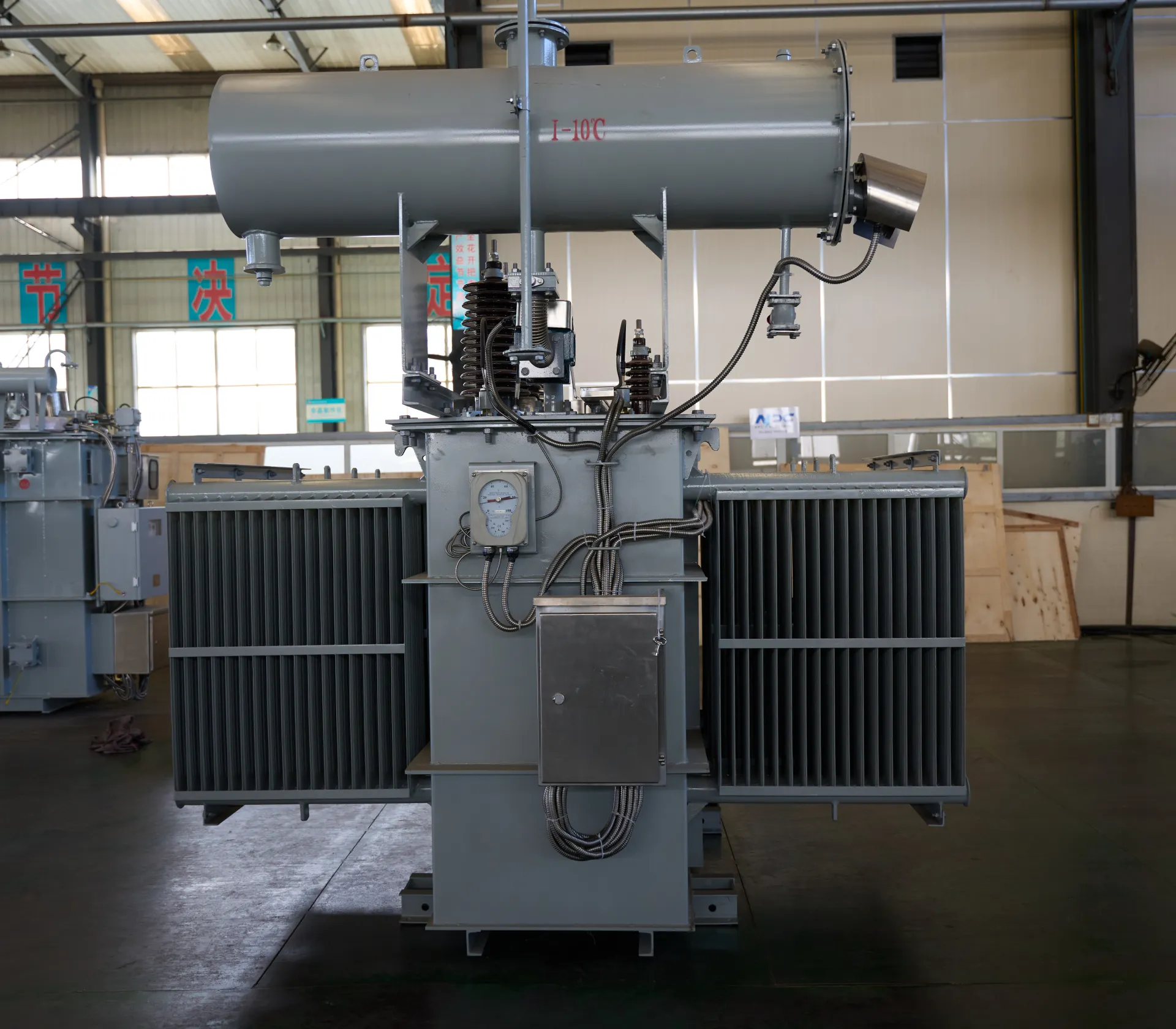
2000kVA 35kV Wind Turbine Step-Up Transformer for Onshore Wind Farms
The Wind Turbine Step-Up Transformer 2000kVA 35kV is purpose-built for onshore wind farms, enabling efficient voltage conversion from wind turbine generators to medium-voltage collection networks. Designed to operate reliably under fluctuating wind loads and harsh outdoor conditions, this transformer ensures stable power transmission and reduced energy losses across wind power systems. The oil-immersed insulation structure provides excellent thermal stability and long service life, while the optimized magnetic core minimizes no-load losses and acoustic noise. High-quality windings and reinforced insulation withstand frequent load variations caused by changing wind speeds.
Triplex Aluminum Conductor Overhead Service Drop Cable 600V
The Triplex Aluminum Conductor Overhead Service Drop Cable 600V is designed for reliable overhead electrical connections between utility distribution lines and service entrances. The cable consists of two insulated aluminum phase conductors helically twisted around a bare or insulated neutral messenger, providing balanced electrical performance and mechanical strength. Manufactured with high-purity aluminum conductors, this Triplex Aluminum Conductor Overhead Service Drop Cable 600V offers excellent conductivity,a lightweight structure, and ease of installation. The insulation material is engineered to resist UV radiation, moisture, heat, and environmental aging, ensuring long-term outdoor service under various climate conditions. A comprehensive quality assurance system is applied throughout production. From raw material verification to in-process control and final inspection, every Triplex Aluminum Conductor Overhead Service Drop Cable 600V is manufactured in accordance with international standards and utility specifications. This cable is widely used in residential, commercial, and light industrial power distribution systems where safety, durability, and stable electrical performance are required.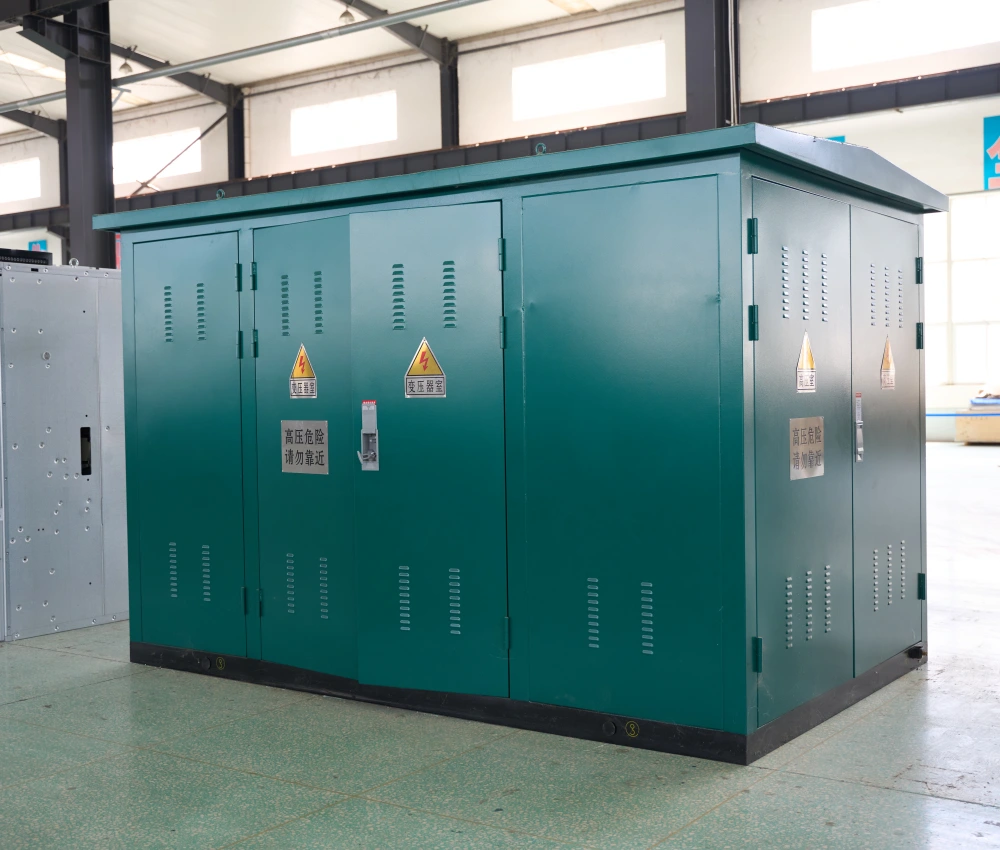
33kV 630kVA Prefabricated Compact Substation
The 33kV 630kVA Prefabricated Compact Substation is a highly integrated medium-voltage power distribution solution designed for modern electrical infrastructure projects requiring reliable, space-saving, and efficient energy transformation. The substation combines 33kV medium-voltage switchgear, a 630kVA distribution transformer, low-voltage distribution panels, and intelligent protection systems within a compact outdoor enclosure, reducing installation complexity and minimizing civil construction requirements. Engineered for stable operation in demanding industrial and environmental conditions, the compact substation features a reinforced enclosure structure, advanced insulation technology, optimized ventilation systems, and corrosion-resistant surface treatment. The modular design improves transportation efficiency, shortens commissioning cycles, and simplifies future maintenance operations while ensuring long-term operational reliability. This 33kV 630kVA compact transformer substation is suitable for renewable energy integration, industrial facilities, mining operations, commercial developments, and urban utility distribution systems. Optional intelligent monitoring systems and remote communication interfaces support modern smart-grid applications and enable efficient power management for evolving electrical networks.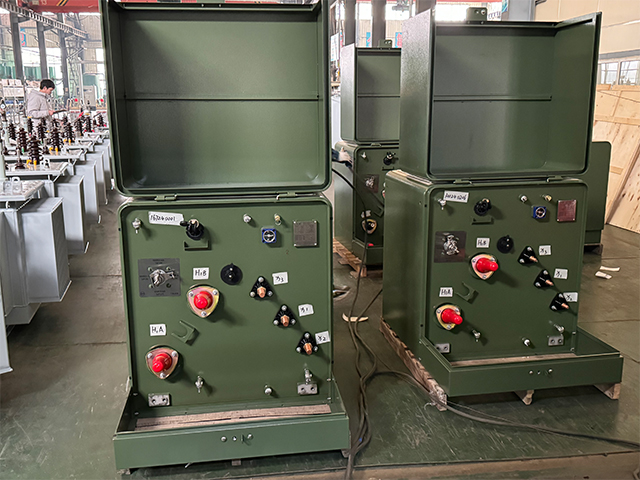
100kVA Single Phase Pad Mounted Transformer
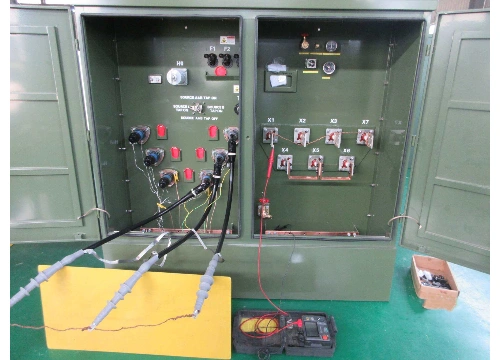
The 100 kVA Single Phase Pad Mounted transformer adheres to a compartmental-type structure in line with IEEE Std C57.12.28 or IEEE Std C57.12.29 standards. It consists of a tank housing high-voltage and low-voltage cable terminating compartments, thoughtfully positioned side by side along one face of the transformer tank. In this configuration, the high-voltage compartment, fitted with two internally connected high-voltage bushing wells and inserts, a 4-position loadbreak switch, a 5-position tap changer switch, and a bayonet fuse, is situated alongside the low-voltage compartment featuring three stud L.V bushings and an oil level gauge.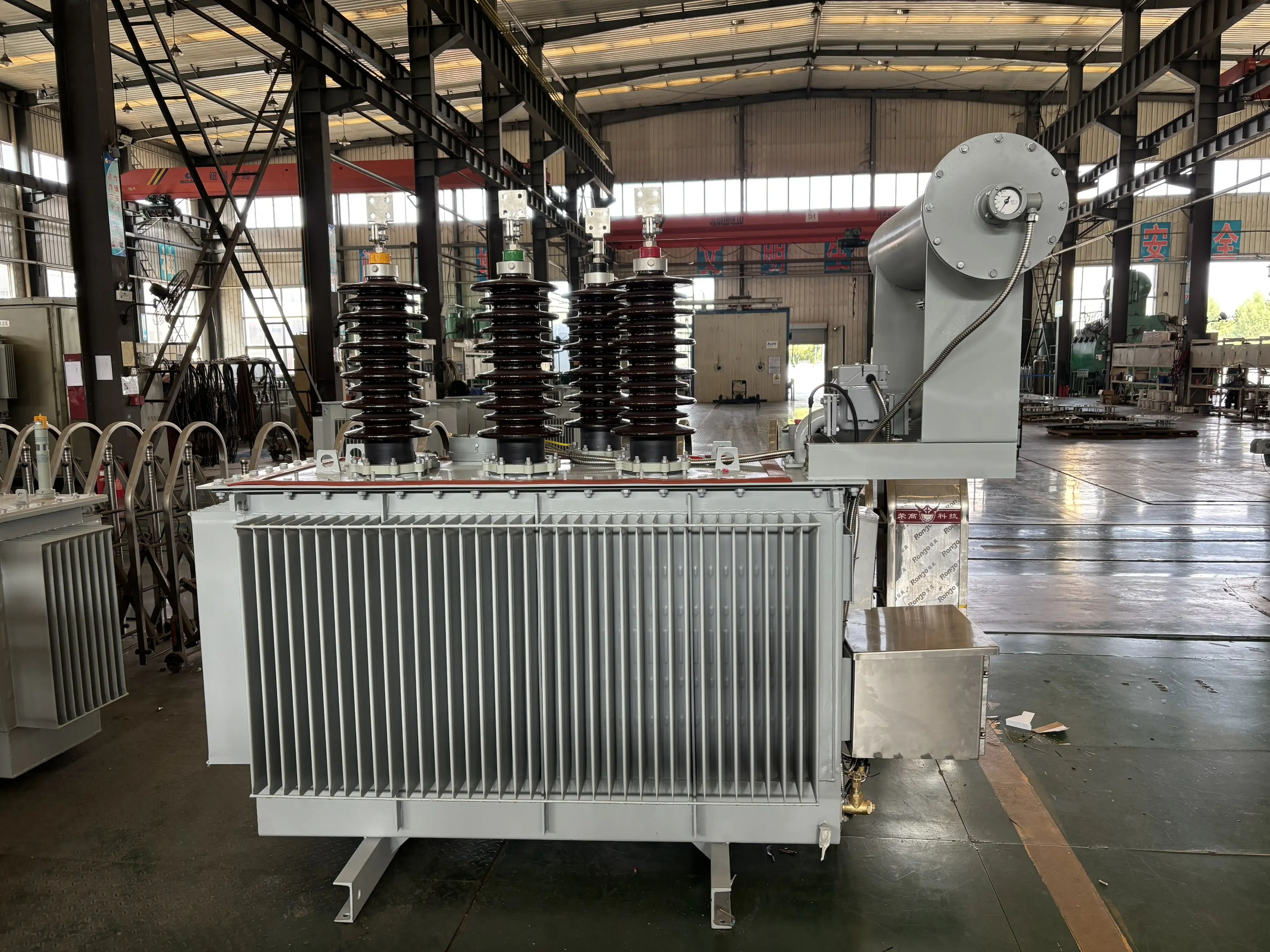
500kVA 11kV Dry-Type Zigzag Grounding Transformer
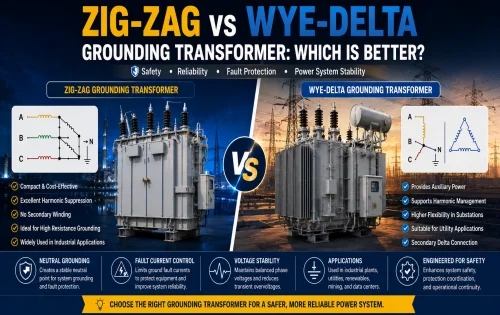
The Dry-Type Zigzag Earthing/Grounding Transformer 500kVA 11kV is designed to provide an effective neutral grounding solution for medium-voltage power systems. By creating an artificial neutral point, the zigzag transformer limits earth fault currents, stabilizes system voltage, and enhances overall grid safety. Its zigzag winding configuration ensures balanced performance under normal operation while offering low zero-sequence impedance during ground faults. Featuring a dry-type insulation system, this transformer eliminates the risk of oil leakage and fire hazards, making it ideal for indoor substations and environmentally sensitive installations. The low-loss core design minimizes energy consumption and heat generation, ensuring high efficiency and long service life.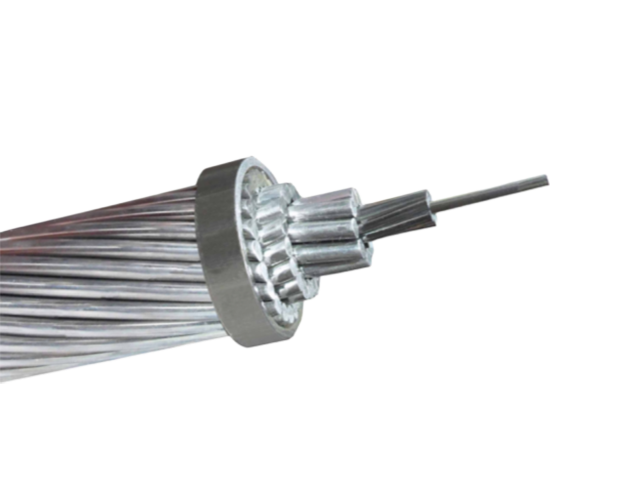
ALUMINUM CONDUCTOR STEEL REINFORCED(ACSR)
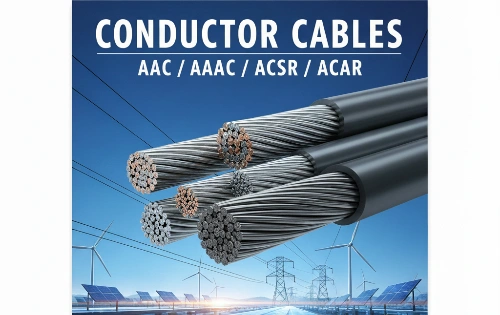
Aluminum Conductor Steel Reinforced (ACSR) is a widely used overhead conductor consisting of concentrically stranded 1350-H19 aluminum wires surrounding a galvanized steel core. This design provides exceptional tensile strength from the steel while leveraging aluminum's high conductivity (up to 61% IACS) for efficient power transmission with minimal losses. ACSR excels in long-span applications, offering low sag and high ampacity, making it suitable for high-voltage lines where mechanical reliability is critical. Resistant to corrosion through galvanization, it withstands harsh weather, including ice and wind loads. Compliant with ASTM B232, B230, and B498 standards, ACSR comes in various configurations like single or multiple steel strands for customized strength-to-weight ratios. It's cost-effective, reducing the need for additional supports and simplifying installation on towers or poles. With proven durability, ACSR enhances grid stability and longevity, supporting global utility networks. Its recyclability promotes environmental sustainability, making it a staple for modern electrical infrastructure in rural and urban settings.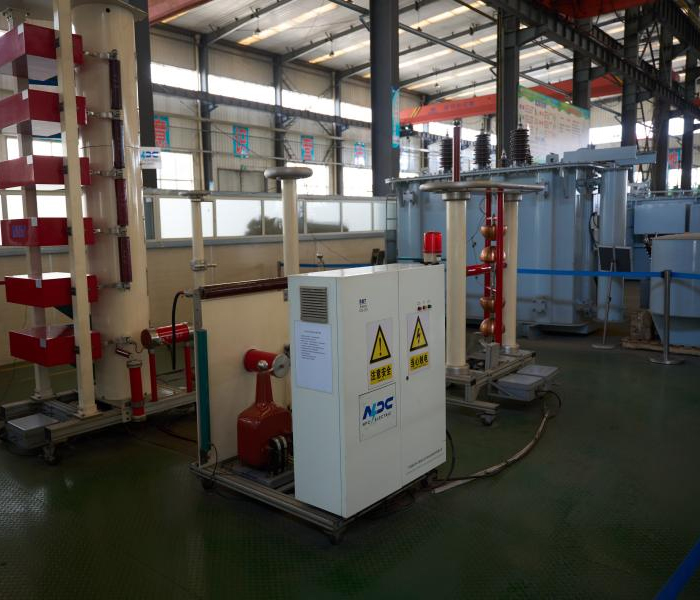
Three Phase Cast Resin Dry Type Transformer
The Three Phase Cast Resin Dry Type Transformer is a safe, high-efficiency indoor power transformer series designed for reliable medium-voltage to low-voltage step-down in commercial, institutional, industrial, data center, hospital, school, high-rise, and renewable energy applications. With advanced epoxy cast-resin encapsulation and full high-conductivity copper windings, it completely eliminates oil fire risks, environmental hazards, and routine maintenance while offering excellent dielectric strength, thermal performance, resistance to moisture/dust/chemicals, and very low noise levels — making it the ideal choice for fire-sensitive, noise-restricted, space-constrained, or high-reliability indoor installations. Fully compliant with IEC 60076-11, IEC 60076-1/2/3/5/20, EN 50588-1 (eco-design), IEEE C57.12.01, IEEE C57.12.91, UL 1561 (optional listing), and DOE 2016 efficiency standards.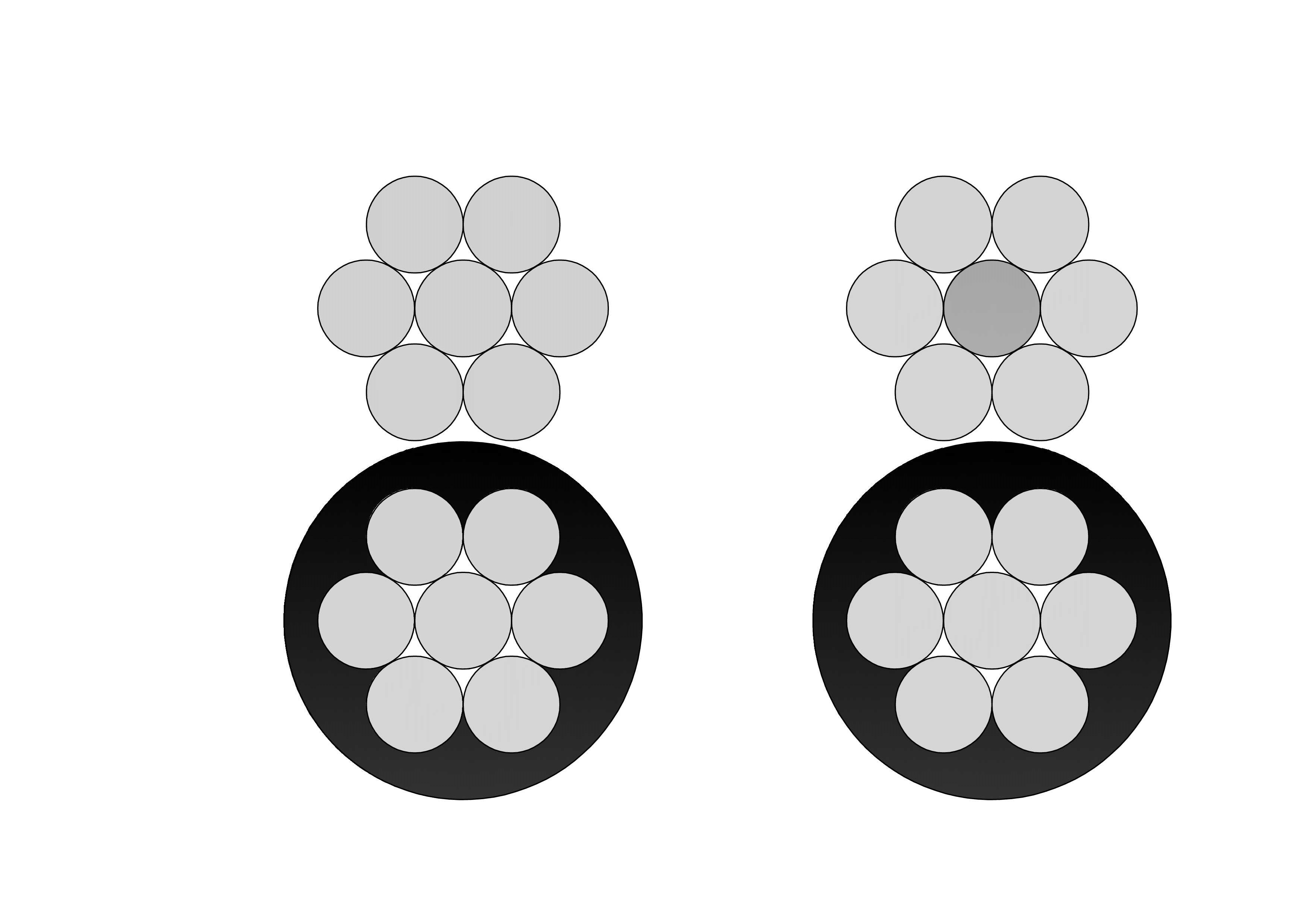
6 Shepherd Aluminum Conductor Duplex Overhead Service Drop Cable
The 6 Shepherd Duplex Service Drop Cable is a durable overhead cable for secondary power distribution to residential service entrances. Featuring two 6 AWG aluminum conductors (phase and neutral, 7-strand) insulated with XLPE or PE and assembled in duplex configuration, it provides excellent weather resistance and mechanical strength. Compliant with ASTM B-230, B-231, ICEA S-76-474, and ANSI/ICEA standards, this cable supports 600V applications with high UV, moisture, and abrasion protection. The self-supporting design simplifies installation with reduced sag over spans up to 100 feet. The 6 Shepherd Duplex Service Drop Cable ensures low power losses, reliable performance in harsh outdoor conditions, and long service life. Lightweight and flexible, it is widely used for single-phase service drops in urban, suburban, and rural areas requiring safe, cost-effective aerial connections from utility poles to homes.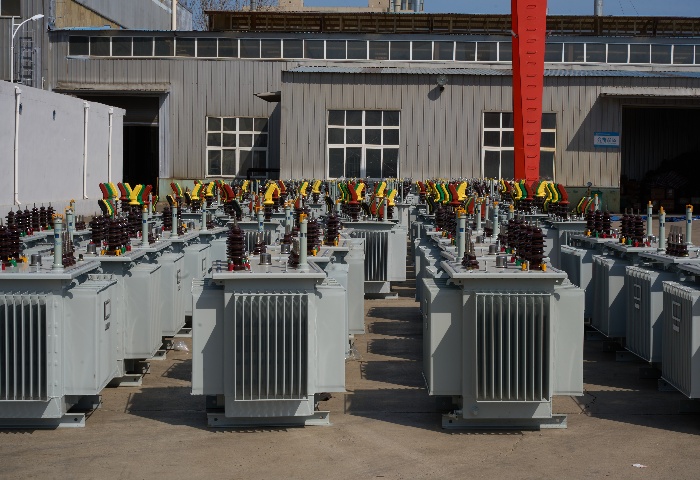
160kVA Oil Immersed Transformer
The 160kVA Oil-Immersed Transformer is characterized by its high efficiency and low loss, significantly reducing power consumption and operational costs. This transformer offers notable social benefits and is a high-tech product actively promoted by the government. Produced by a leading Chinese manufacturer, the NPC ELECTRIC 160kVA Oil-Immersed Transformer represents a pinnacle of electrical engineering, designed to meet the stringent demands of contemporary power distribution systems. These transformers are crafted with precision and incorporate cutting-edge technology, renowned for their exceptional durability, efficiency, and reliability.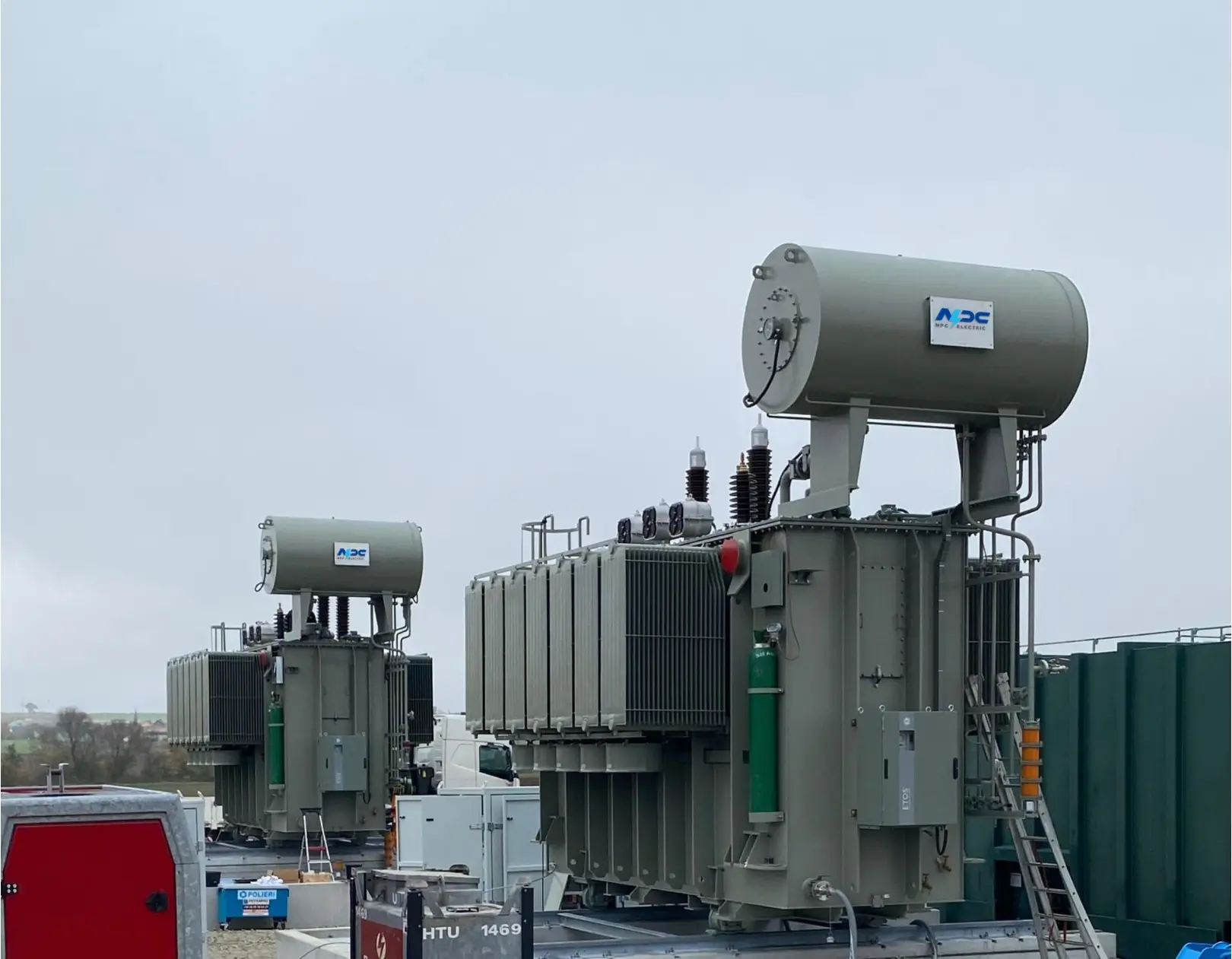
500kV Oil-Immersed Power Transformer For Ultra-High Voltage Grid Solutions
NPC Electric 500kV Oil-Immersed Power Transformer is a critical component for national ultra-high voltage (UHV) backbones, engineered to transmit massive blocks of power with industry-leading efficiency. Utilizing premium, laser-scribed CRGO silicon steel in a multi-step lap core construction, this transformer minimizes magnetizing current and core noise. The active part is submerged in high-grade inhibited mineral oil, processed through advanced vacuum degasification to ensure maximum dielectric strength. Its robust, shield-type winding structure provides exceptional resistance against lightning surges and short-circuit mechanical stresses. Designed to meet IEC 60076 and IEEE standards, this 500kV unit is the definitive solution for long-distance energy dispatch, connecting remote generation hubs to major load centers while maintaining grid frequency and voltage stability.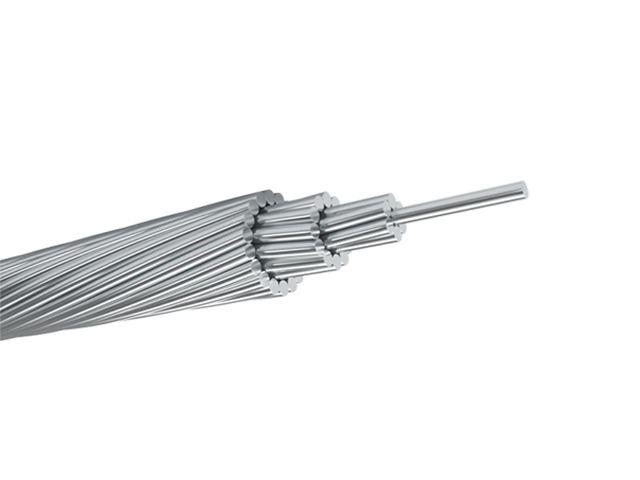
FLINT AAAC Conductor Cable
FLINT AAAC (All Aluminum Alloy Conductor) cables are manufactured in accordance with ASTM B399 and IEC 61089 standards, offering excellent strength, conductivity, and corrosion resistance. With 750 mm² nominal area and 37-strand design, it uses heat-treated aluminum-magnesium-silicon alloy (6201-T81) for enhanced strength (295 MPa min) and conductivity (53% IACS min). Meeting ASTM B398, B399, IEC 61089, and BS EN 50182 standards, this cable handles ampacity up to 1150A at 75°C and voltages up to 33kV. The all-alloy construction avoids bimetallic corrosion, providing better resistance in harsh conditions than ACSR. Reduced weight minimizes sag and installation expenses, supporting longer spans. The Flint AAAC Conductor Cable delivers low electrical losses, high mechanical endurance, and excellent weather tolerance. Flame-retardant variants available. Perfect for urban grids, renewable projects, and coastal setups, it provides cost-effective, low-maintenance power delivery in overhead applications globally, excelling in reliability and lifespan over conventional conductors.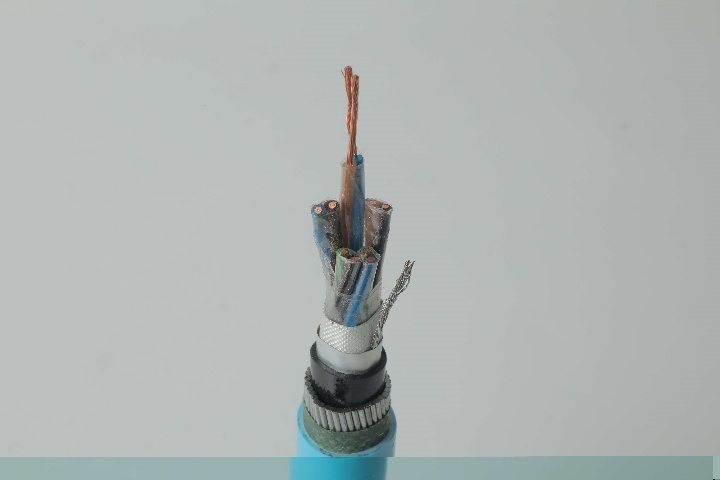
Instrumentation Cables—PVC Insulated,Individual &Overall Screened, Wire Armoured PVC Sheathed Cables(CU/PVC/IOSCR/SWA/PVC)
Instrumentation Cables are multi-conductor cables that carry and transport low-voltage electrical signals. These low-voltage signals are used to control and monitor electrical power systems. Instrumentation cables have many different industrial applications that include broadcasting, equipment control, such as drilling and pumping in the oil and gas industry, and data transfer, which includes analog and digital signals. They are manufactured according to the BS EN 50288-7 and BS EN 50288-1 standards to ensure quality. Depending on the application, instrumentation cables can be insulated with PVC or XLPE; the cables can be armoured or unarmoured. The sheathing materials can be of PVC, LSZH, or PE. The cables can have additional flame retardant or flame retardant properties, and they can be manufactured with special protections such as lead sheaths, or DRYLAM or AIRBAG technology.Welcome your inquiry
Honesty, Integrity, Frugality, Activeness and Passion