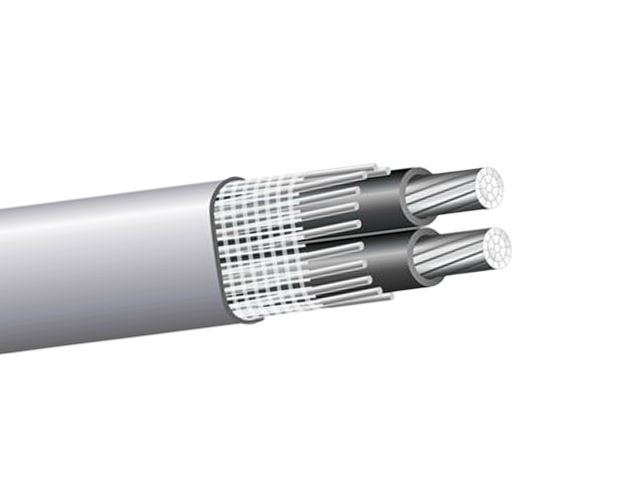


35kV Concentric Neutral Underground Power Cable
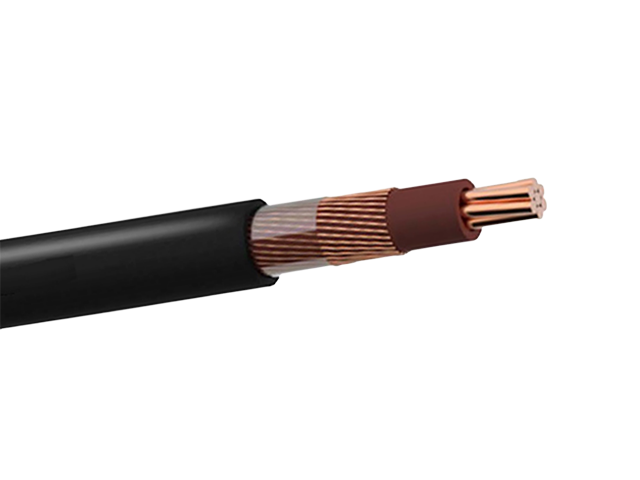
The 35 kV Concentric Neutral Power Cable is a high-performance medium-voltage underground cable designed for primary distribution systems. It features a stranded conductor, semi-conducting shields, tree-retardant TR-XLPE or EPR insulation, helically applied bare copper concentric neutral wires, and a sunlight-resistant LLDPE jacket. This construction provides excellent electrical performance, superior resistance to water treeing, and robust mechanical protection suitable for direct burial or duct installations. Available in various conductor sizes and insulation levels, the cable ensures safe and efficient power delivery. Manufactured to the latest ICEA S-94-649 and AEIC CS8 standards, the 35 kV Concentric Neutral Power Cable undergoes extensive quality testing to deliver consistent low dielectric loss and long service life in demanding underground environments.
- Standards ICEA S-94-649, AEIC CS8
- Voltage Rating 35 kV (100% or 133% insulation level)
- Insulation TR-XLPE or EPR (345/420 mils typical)
- Configuration Single conductor with concentric neutral
- Jacket Black LLDPE (sunlight resistant)
- Partial Discharge ≤5 pC at 200 V/mil
Construction
Technical Specifications
Quality Control
Application
Construction
35kV Concentric Neutral Underground Power Cable
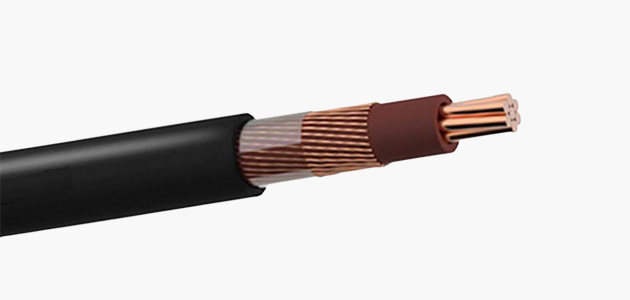
Key Product Features
Concentric neutral for effective shielding and grounding
Tree-retardant insulation (TR-XLPE or EPR) for enhanced longevity
Robust LLDPE jacket for mechanical and sunlight protection
Excellent moisture and corrosion resistance
Optimized for direct burial and underground duct systems
Tree-retardant insulation (TR-XLPE or EPR) for enhanced longevity
Robust LLDPE jacket for mechanical and sunlight protection
Excellent moisture and corrosion resistance
Optimized for direct burial and underground duct systems
Conductor
Stranded copper or aluminum
Concentric Neutra
Bare copper wires (full or reduced)
Operating Temperature
90°C continuous, 130°C emergency, 250°C short-circuit
Insulation Shield
Semi-conducting XLPE/EPR
Technical Specifications
35kV Concentric Neutral Underground Power Cable
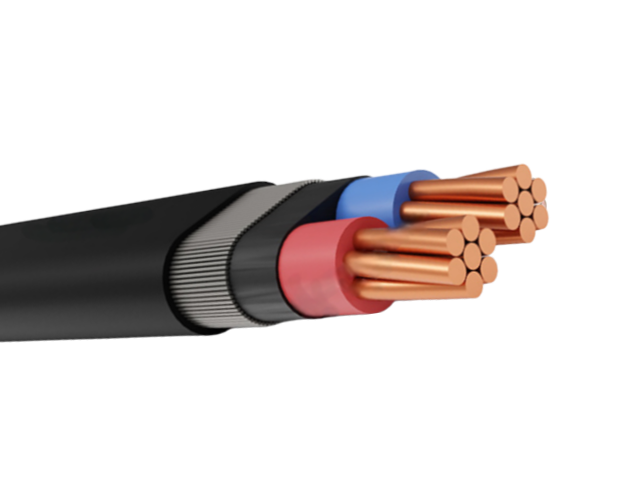
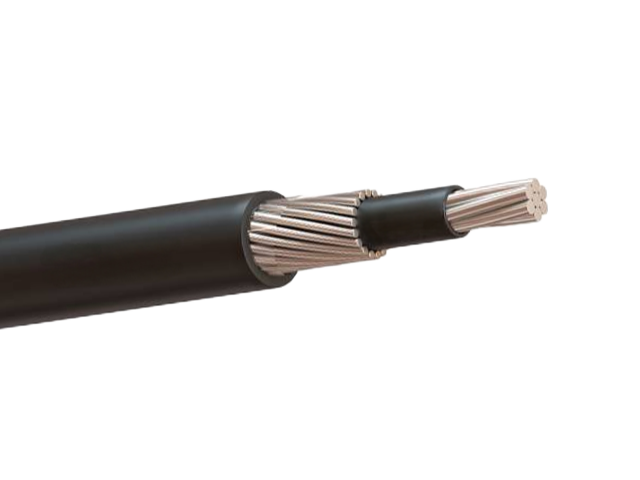
Circular Type Concentric Cables
Flat Type Concentric Cables
| Size | Phase Conductor | XLPE Insulation | Neutral Conductor | XLPE Sheath | Approx.Weight | |||||
| Structure | O.D | Thickness | O.D | Structure | O.D | Thickness | O.D | CU | AL | |
| AWG | No./mm | mm | mm | mm | No./mm | mm | mm | mm | kg/km | kg/km |
| 2x8 | 7/1.23 | 3.69 | 1.14 | 5.97 | 25/0.65 | 7.27 | 1.14 | 9.84 | 202 | 97 |
| 2x10 | 7/0.98 | 2.94 | 1.14 | 5.22 | 25/0.52 | 6.26 | 1.14 | 8.83 | 141 | 74 |
| Size | Phase Conductor | XLPE Insulation | Inner Sheath |
Neutral Conductor |
XLPE Sheath | Approx.Weight | ||||
| Structure | O.D | Thickness | O.D | Thickness | Structure | Thickness | O.D | CU | AL | |
| AWG | No./mm | mm | mm | mm | mm | No./mm | mm | mm | kg/km | kg/km |
| 3x8 | 7/1.23 | 3.69 | 1.14 | 5.97 | 0.7 | 65/0.41 | 1.14 | 16.59x10.62 | 396 | 227 |
| 3x6 | 7/1.55 | 4.65 | 1.14 | 6.93 | 0.7 | 65/0.52 | 1.14 | 18.73x11.80 | 551 | 297 |
| 3x4 | 7/1.96 | 4.98 | 1.14 | 8.16 | 0.7 | 65/0.65 | 1.52 | 22.21x14.05 | 830 | 427 |
| 3x2 | 7/2.47 | 7.41 | 1.14 | 9.69 | 0.7 | 65/0.83 | 1.52 | 25.63x15.94 | 1233 | 587 |
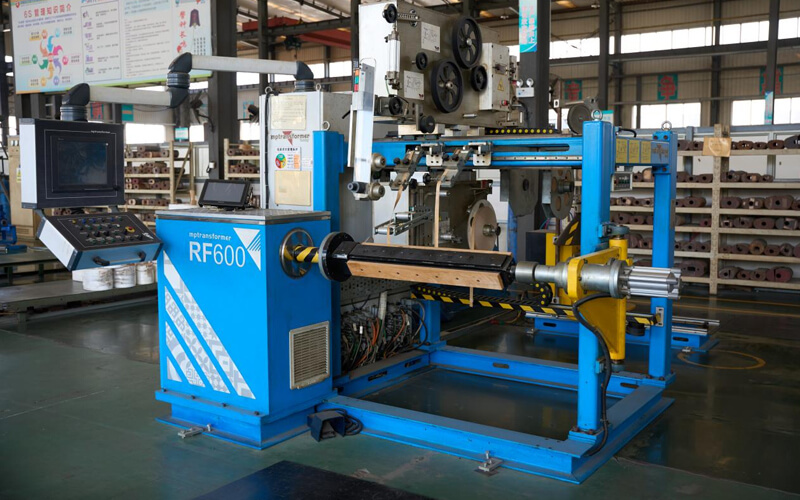
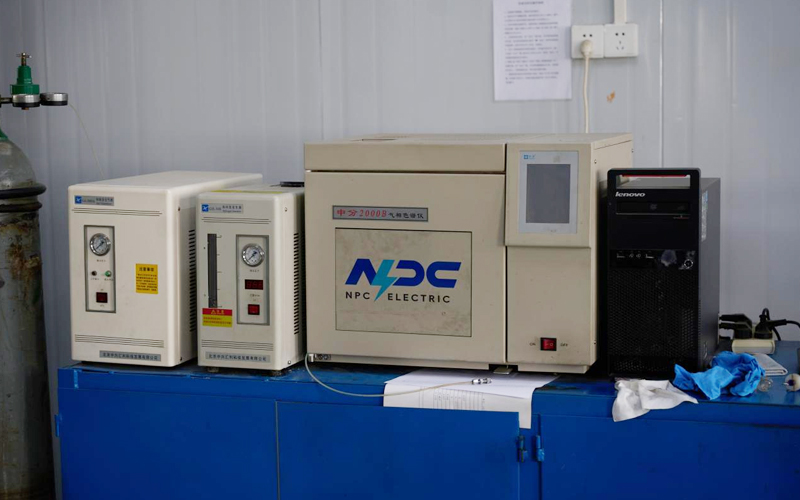
Quality Control
35kV Concentric Neutral Underground Power Cable
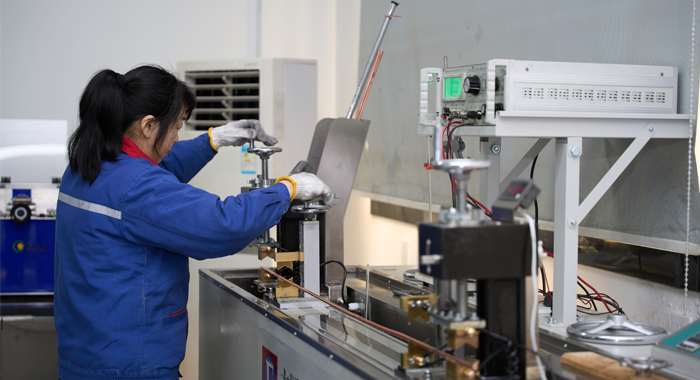
Raw Material Test
Raw Material Test for the 35 kV Concentric Neutral Power Cable involves rigorous evaluation of conductor materials and insulation compounds. Chemical analysis confirms copper or aluminum purity and alloy composition. Mechanical properties such as tensile strength, elongation, and hardness are tested to meet required specifications. TR-XLPE or EPR insulation compounds undergo thermal stability, dielectric strength, and tree-retardant performance testing. Semi-conducting materials and jacket compounds are evaluated for compatibility and UV resistance. Detailed surface and dimensional inspections identify any potential defects before processing. Only fully compliant raw materials are released for stranding and extrusion in the production of the 35 kV Concentric Neutral Power Cable. This comprehensive raw material validation establishes the foundation for superior electrical performance, mechanical strength, and long-term reliability in medium-voltage underground applications.
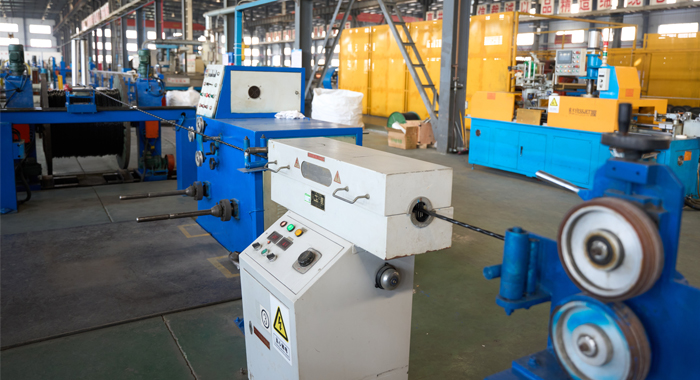
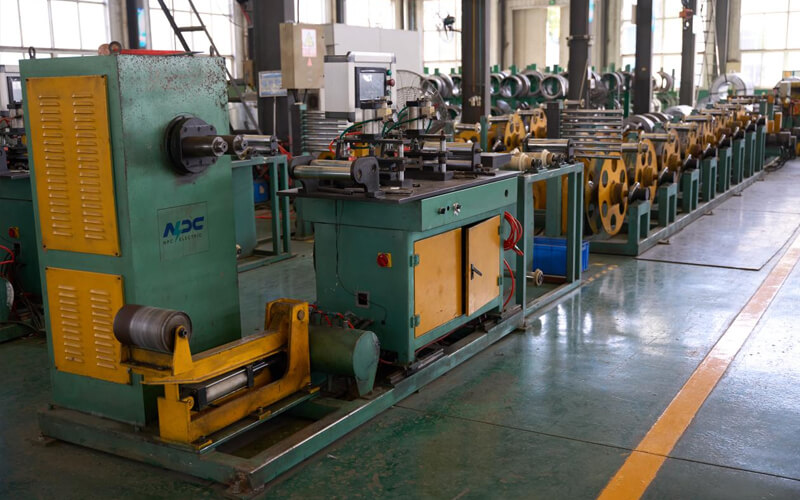
Process inspection
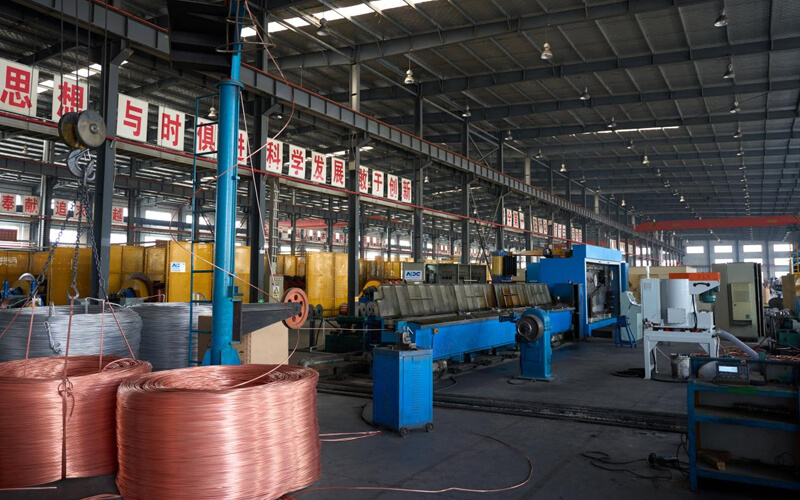
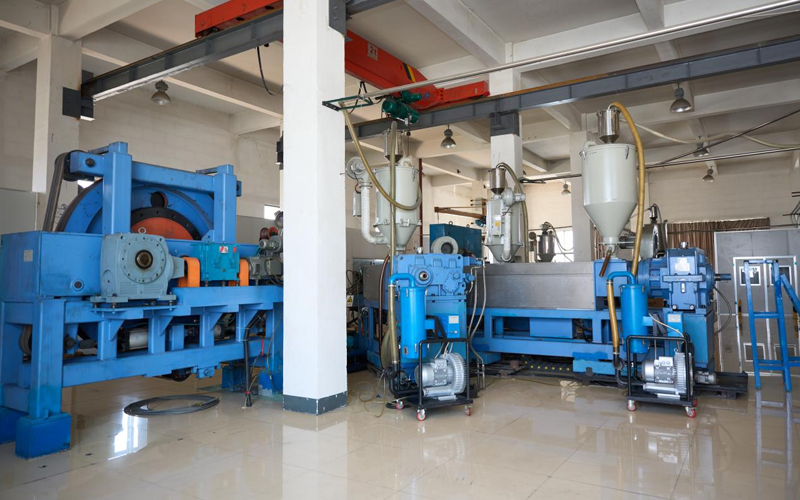
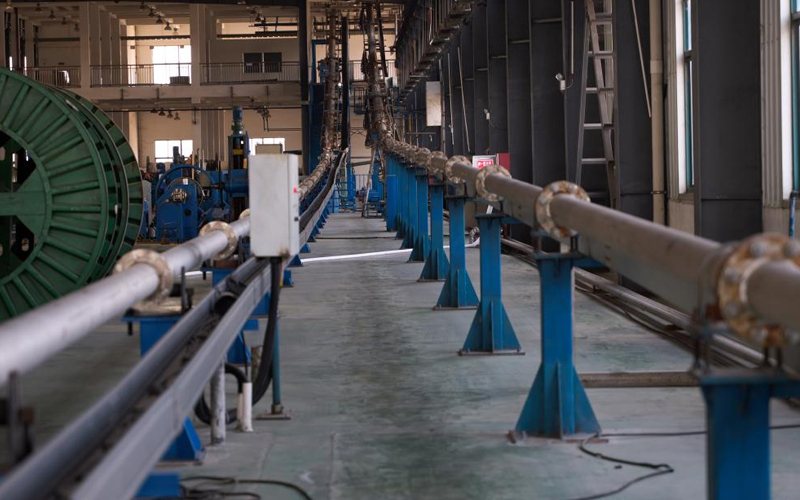
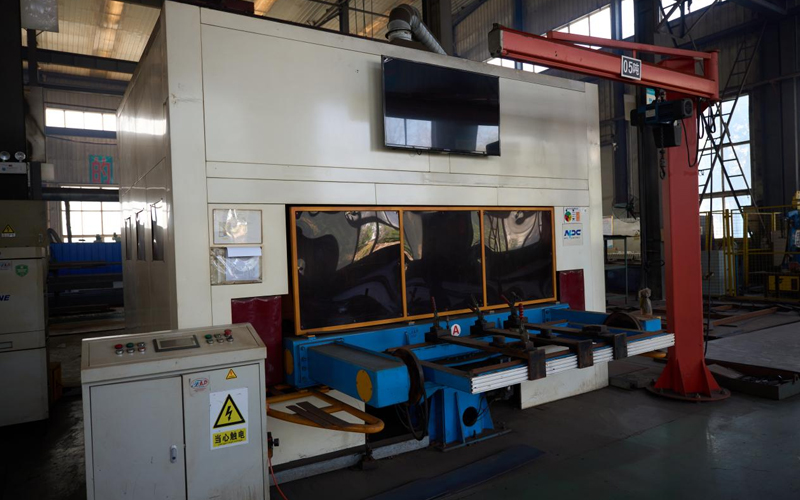
Process Inspection throughout manufacturing of the 35 kV Concentric Neutral Power Cable focuses on precision and consistency. Conductor stranding is monitored to achieve exact dimensions with continuous quality checks. Triple tandem extrusion of conductor shield, insulation, and insulation shield ensures clean interfaces and uniform thickness. Concentric neutral wire application uses automated tension control for even helical winding. Jacket extrusion parameters are strictly controlled for proper thickness and adhesion. Frequent in-line diameter measurements and visual inspections catch anomalies immediately. Environmental and process variables are logged to prevent contamination. Intermediate samples undergo partial discharge and electrical spot testing. Any non-conformance prompts swift corrective measures. These detailed process controls protect the integrity and performance characteristics of the 35 kV Concentric Neutral Power Cable, resulting in a uniform, high-quality medium-voltage underground cable.
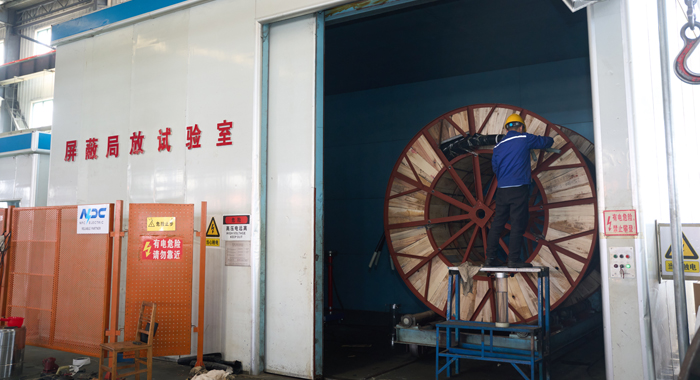
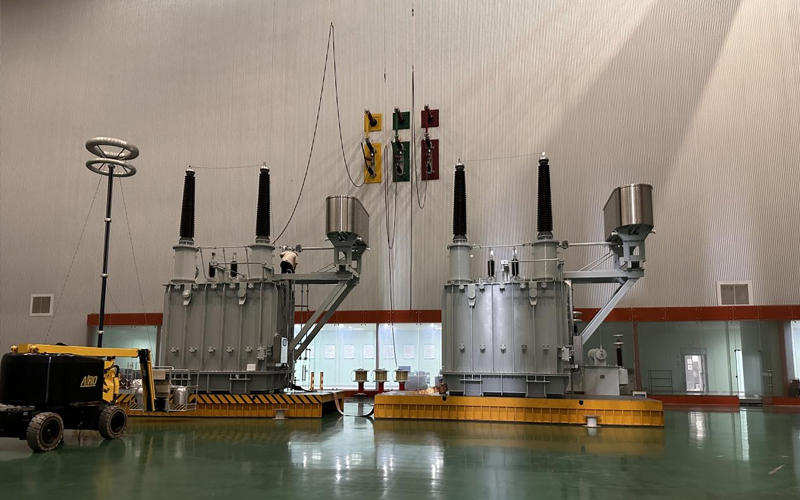
Finished Product
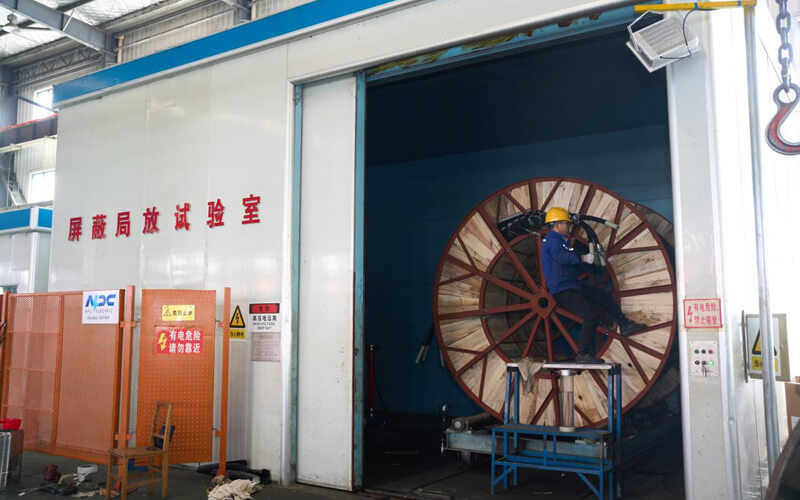
Every completed reel of 35 kV Concentric Neutral Power Cable passes comprehensive Finished Product testing. Dimensional inspections verify overall diameter, insulation thickness, and concentric neutral coverage. DC resistance, high-voltage AC, and partial discharge tests confirm compliance with ICEA and AEIC standards. Mechanical testing validates tensile strength and elongation properties. Full visual examination ensures a smooth, defect-free surface with uniform jacket. All tests adhere strictly to applicable standards, with complete documentation and batch traceability maintained. Packaging and labeling are inspected for accuracy. Only the 35 kV Concentric Neutral Power Cable that meets every quality criterion receives final approval. This final assurance stage guarantees customers a premium concentric neutral cable with proven dielectric strength, moisture resistance, and durability for reliable medium-voltage underground distribution.
Application
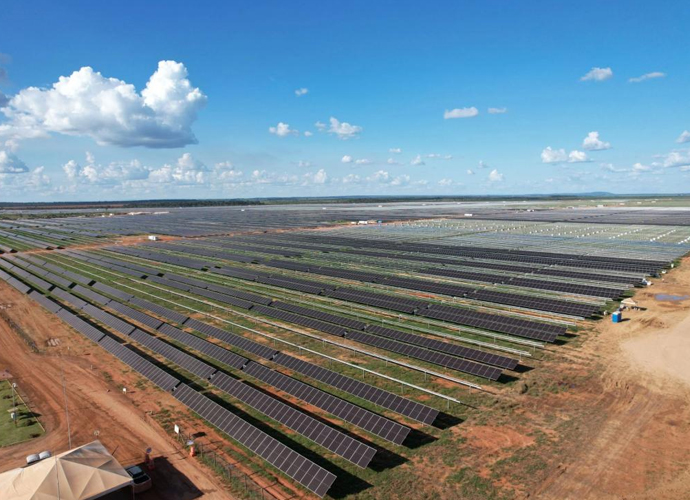
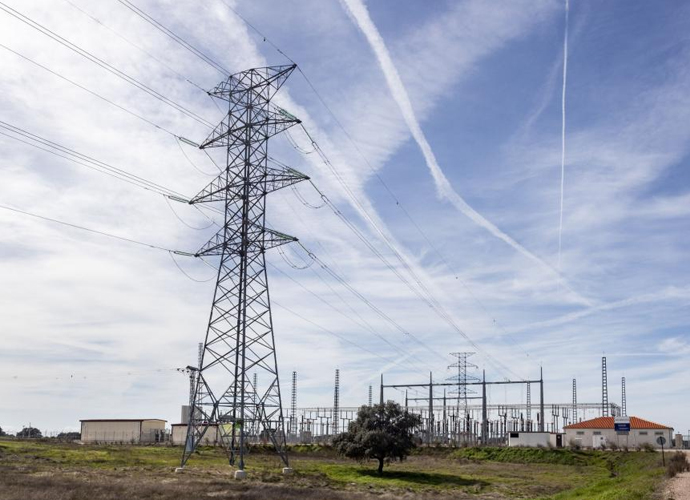
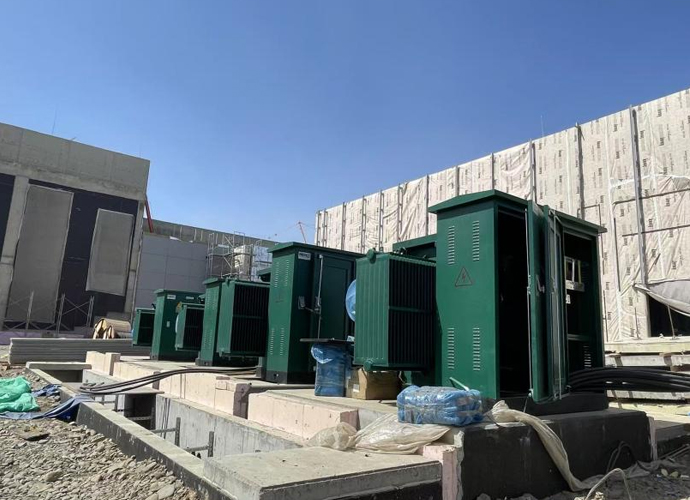
The 35 kV Concentric Neutral Power Cable is widely used in underground primary distribution networks, URD systems, feeder circuits, substation connections, and municipal power grids requiring reliable medium-voltage underground cable with effective neutral grounding.

Technical Advantages
● 30+ years of manufacturing experience
● ISO and UL certified production
● Customized cable and transformer solutions
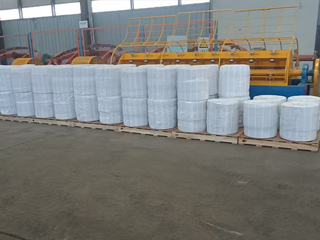
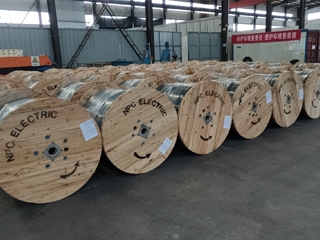
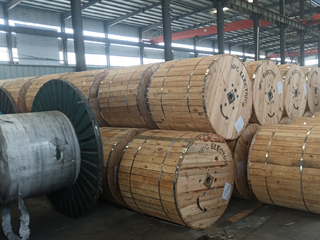
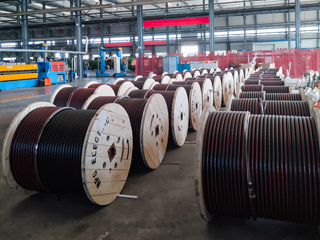
Product Packaging
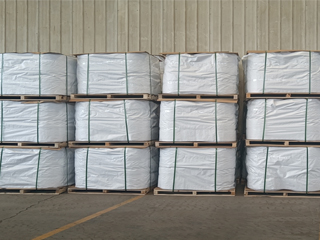
Wires and Cables packaging (1)
Wires and Cables packaging (2)
Wires and Cables packaging (3)
Wires and Cables packaging (4)
Wires and Cables packaging (5)
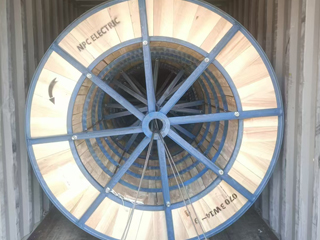
Wires and Cables packaging (6)
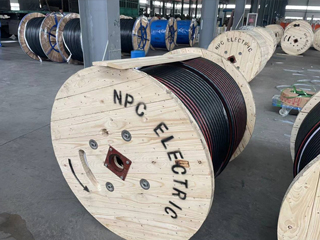
Wires and Cables packaging (7)
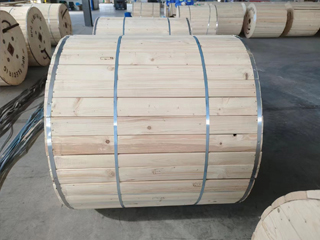
Wires and Cables packaging (8)
Related Products
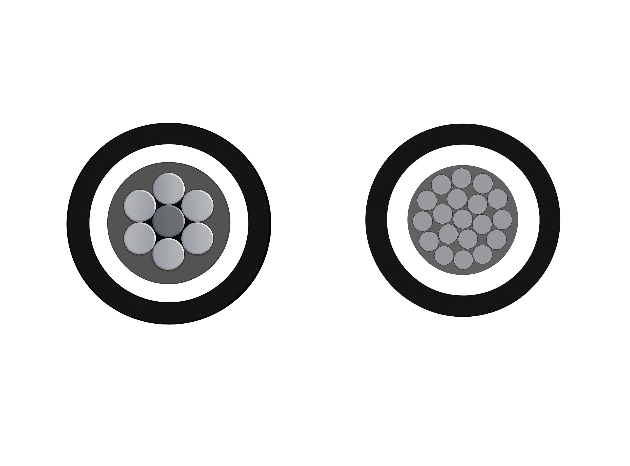
XLPE-HDPE Tree Cable Aluminum 25kV 1x120mm²
The XLPE-HDPE Tree Cable Aluminum 25kV 1x120mm² is designed for medium-voltage overhead distribution systems requiring very high current capacity. Perfect for long-distance transmission lines in rural, coastal, or high-load industrial areas, this cable combines superior durability, environmental resistance, and reliable electrical performance to ensure stable power delivery with minimal energy loss and maintenance. The inner insulation uses cross-linked polyethylene (XLPE), rated for continuous conductor operation at 90°C, fully compliant with ICEA S-121-733 standards. The robust outer jacket is made from high-density polyethylene (HDPE), providing excellent resistance to weathering, ultraviolet radiation, mechanical abrasion, and electrical sparking up to 2.75kV. Standard gray cables feature ASTM B230 markings and sequential metering, while blue cables with spark resistance over 5kV are recommended for harsher environmental conditions. With its ultra high current capacity, robust construction, and environmental resilience, the XLPE-HDPE 25kV tree cable 1x120mm² delivers reliable, long-term power distribution for demanding overhead network applications, ensuring efficiency, safety, and minimal maintenance.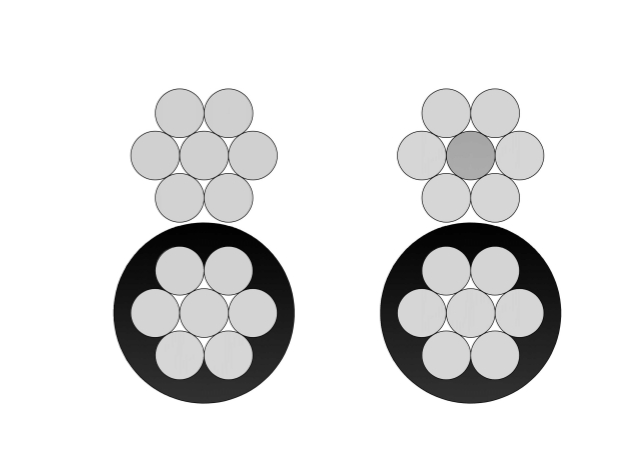
Duplex Overhead Service Drop Cable
Duplex Overhead Service Drop Cable is a reliable aerial cable for secondary power distribution from utility poles to service entrances. Available with aluminum or copper conductors (phase and neutral, stranded) insulated with XLPE or PE and assembled in duplex configuration, it offers excellent mechanical strength and weather resistance. Compliant with ASTM B-230, B-231, ICEA S-76-474, and ANSI/ICEA standards, this cable supports 600V applications with superior UV, moisture, and abrasion protection. The self-supporting design ensures reduced sag and easy installation over medium spans. The Duplex Overhead Service Drop Cable delivers low power losses, high current capacity, and long service life in harsh outdoor conditions. Lightweight and flexible, it is widely used for single-phase service drops in residential, commercial, and rural electrification projects requiring safe, cost-effective overhead connections worldwide.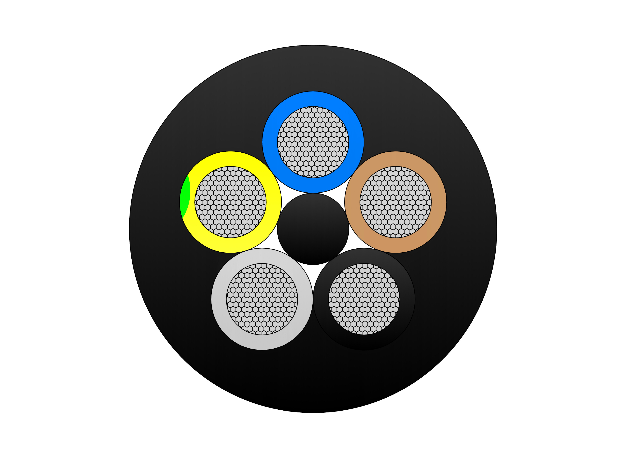
(N)TSCGECECWOU 3.6/6kV and 6/10kV ZH Cable
The (N)TSCGECECWOU is a flexible medium voltage reeling and trailing cable manufactured in compliance with DIN VDE 0250 standards. Designed for demanding mining, tunneling, and heavy industrial applications, it offers exceptional mechanical strength, flexibility, fire safety, and electromagnetic compatibility (EMC). The cable features EPR insulation, low smoke zero halogen (LSZH) inner sheath, halogen-free polyurethane (PUR) outer sheath, and a copper wire braid with concentric conductor for enhanced shielding and durability. Its design ensures reliable performance in environments requiring fire safety, oil resistance, and high torsional strength.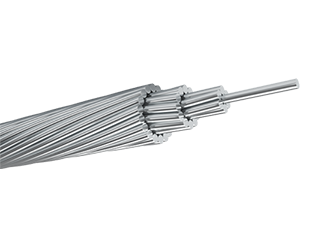
AAAC Dog Conductor Cable
AAAC DOG conductor is an All Aluminum Alloy Conductor manufactured according to ASTM B399 or IEC 61089 standards, offering high strength, good conductivity, and excellent corrosion resistance.The Dog-size AAAC conductor offers improved sag characteristics and mechanical stability, making it suitable for longer spans and areas exposed to coastal, industrial, or high-humidity environments. Its homogeneous aluminum alloy construction eliminates galvanic corrosion risk and reduces maintenance requirements over long service life. Produced in accordance with ASTM and IEC standards, the AAAC Dog Conductor Cable ensures consistent quality, uniform stranding, and reliable performance. It is widely selected for modern utility networks where efficiency, durability, and lifecycle cost optimization are critical.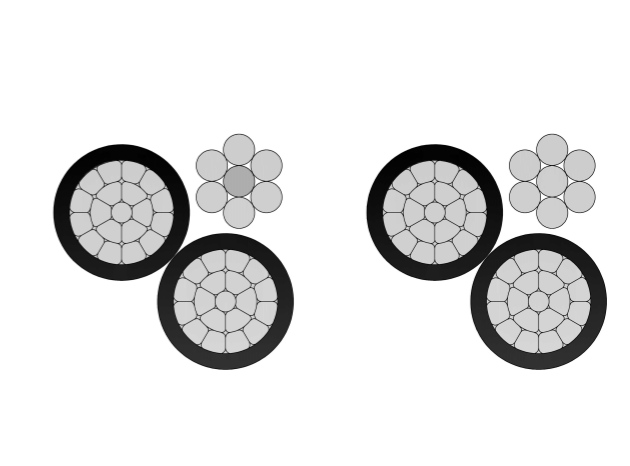
2/0 Clio Aluminum Conductor Triplex Overhead Service Drop Cable
The 2/0 Clio Triplex Service Drop Cable is engineered for dependable overhead secondary power distribution to residential and small commercial service entrances. It features two 2/0 AWG aluminum phase conductors and one neutral messenger (7-strand aluminum or ACSR) with cross-linked polyethylene (XLPE) insulation in triplex configuration. Compliant with ASTM B-230, B-231, ICEA S-76-474, and ANSI/ICEA standards, this cable supports 600V applications with excellent UV, moisture, and abrasion resistance. The self-supporting messenger minimizes sag and enables easy installation across medium spans. The 2/0 Clio Triplex Service Drop Cable delivers low voltage drop, high current-carrying capacity, and outstanding durability in harsh weather conditions. Its lightweight and flexible design makes it the preferred choice for safe, cost-effective aerial connections from utility poles to customer service entrances in urban, suburban, and rural electrification projects worldwide.
RZ1-K(AS) XLPE LSZH Flexible Cable
RZ1-K(AS) XLPE LSZH Flexible Cable is a single Core flame retardant LSZH flexible power cable suitable for instllation outdoor and indoor. The "(AS)" suffix denotes advanced fire-retardant properties, minimizing smoke and toxic gases during fires. Excellent bend radius and resistance to mechanical stress, oils, and chemicals ensure easy routing and durability.FAQ From Customers
-
What are the advantages of power cables and overhead lines?(1) Reliable operation, because it is installed in a hidden place such as underground, it is less damaged by external forces, has less chance of failure, and the power supply is safe, and it will not cause harm to people; (2) The maintenance workload is small and frequent inspections are not required; (3) No need to erect towers; (4) Help improve power factor.
-
Which aspects should be considered when choosing the cross section of a power cable?(1) The long-term allowable working current of the cable; (2) Thermal stability once short circuited; (3) The voltage drop on the line cannot exceed the allowable working range.
-
What are the measures for cable fire prevention?(1) Use flame-retardant cables; (2) Use fireproof cable tray; (3) Use fireproof paint; (4) Fire partition walls and fire baffles are installed at cable tunnels, mezzanine exits, etc.; (5) Overhead cables should avoid oil pipelines and explosion-proof doors, otherwise local pipes or heat insulation and fire prevention measures should be taken.
-
What should be paid attention to during the transportation and handling of cables?(1) During transportation, loading and unloading, cables and cable reels should not be damaged. It is strictly forbidden to push the cable reels directly from the vehicle. Generally, cables should not be transported and stored flat. (2) Before transporting or rolling the cable reel, ensure that the cable reel is firm, the cable is wound tightly, the oil pipe between the oil-filled cable and the pressure oil tank should be fixed without damage, the pressure oil tank should be firm, and the pressure indication should meet the requirements.
-
What inspections should be carried out for the acceptance of cable lines?(1) The cable specifications should meet the regulations, the arrangement should be neat, no damage, and the signs should be complete, correct and clear; (2) The fixed bending radius of the cable, the related distance and the wiring of the metal sheath of the single-core power cable should meet the requirements; (3) The cable terminal and the middle head should not leak oil, and the installation should be firm. The oil pressure of the oil-filled cable and the meter setting should meet the requirements; (4) Good grounding; (5) The color of the cable terminal is correct, and the metal parts such as the bracket are completely painted; (6) There should be no debris in the cable trench, tunnel, and bridge, and the cover should be complete.
Welcome your inquiry
Honesty, Integrity, Frugality, Activeness and Passion