


250kVA Three Phase Pad Mounted Transformer
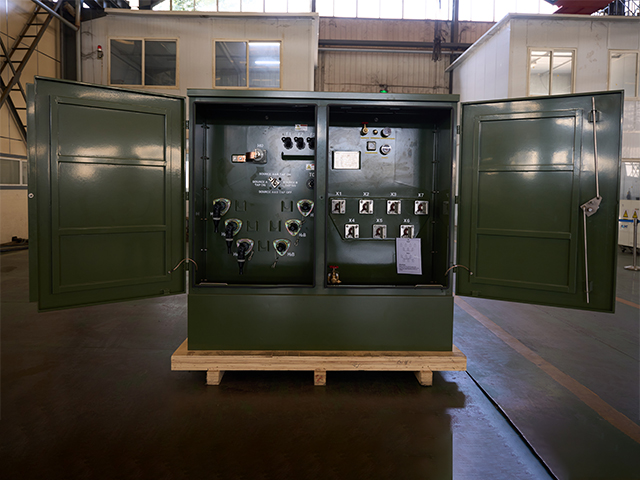
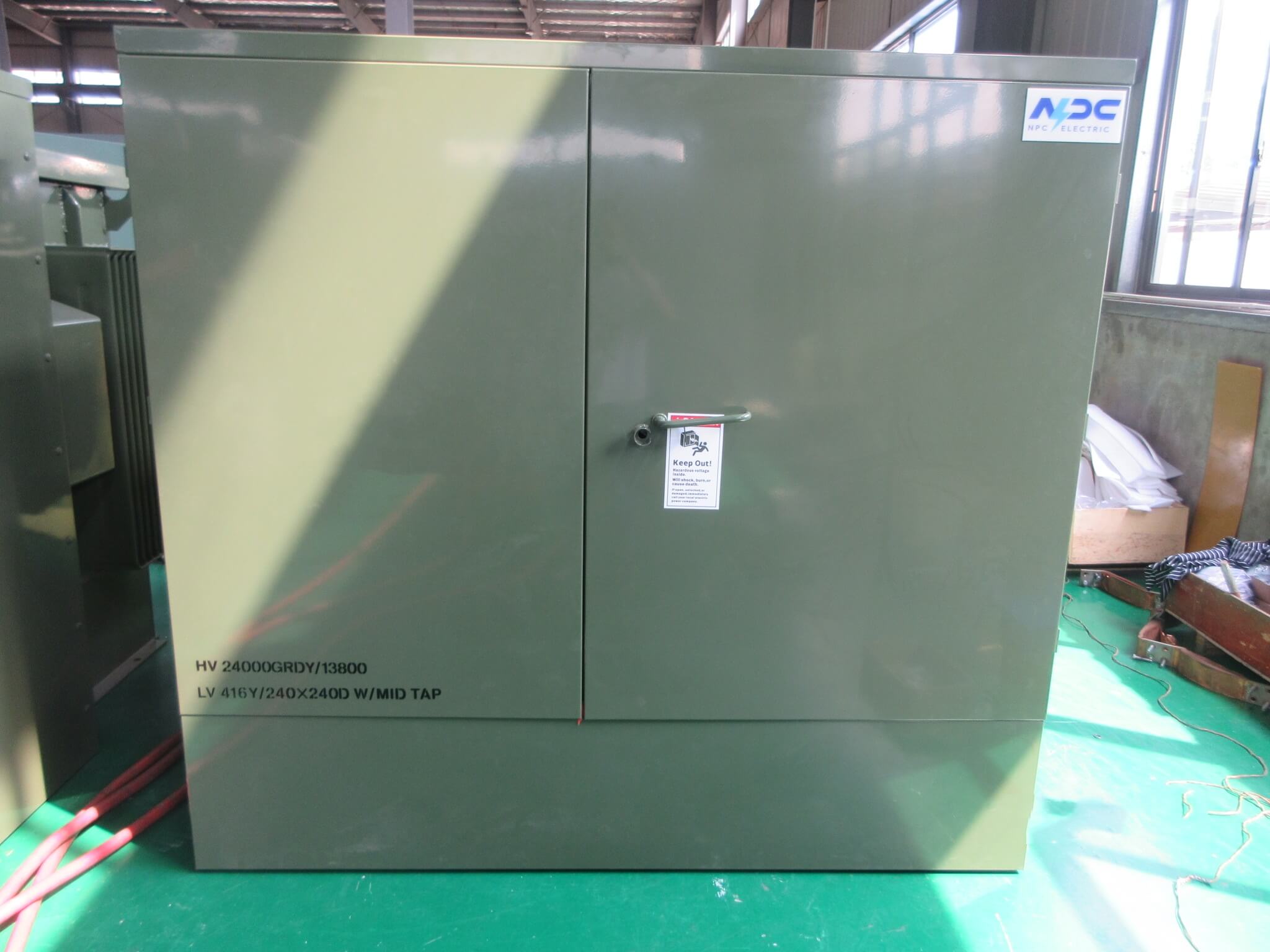
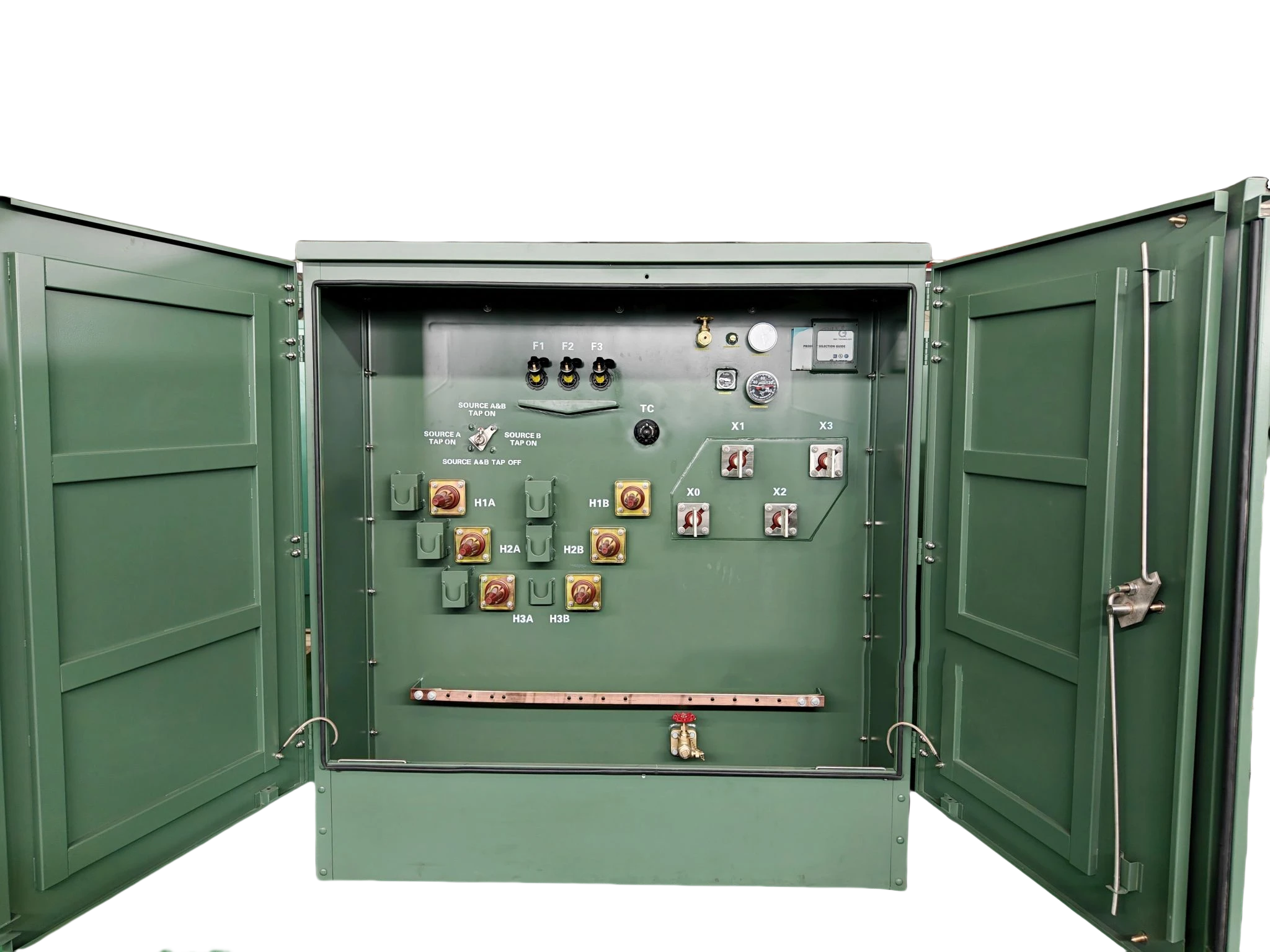
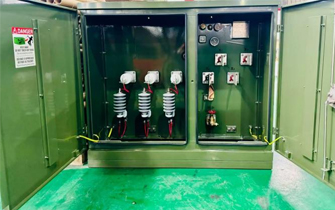
The 250kVA Three Phase Pad Mounted Transformer is a compact, liquid-immersed, self-cooled (ONAN) distribution transformer optimized for efficient, underground power delivery in residential, light commercial, and small industrial applications. Fully compliant with IEEE C57.12.34, ANSI C57.12.00, DOE 2016 efficiency standards, and UL-listed, this compartmental-type unit features dead-front 200A high-voltage bushing wells (loadbreak inserts), radial or loop feed options, and a sealed tank using non-PCB mineral oil or FR3 natural ester fluid for improved fire safety and environmental performance.
- Primary Voltage Ratings 34.5-19.92/13.8-7.957/13.2-7.62/12.47-7.2 or others
- Secondary Voltage Ratings 208Y/120V, 480Y/277V, or 240/120V or Customized
- H.V. Tap Range ± 2×2.5% HV taps or others
- Type Loop Feed or Radial Feed
- BIL 30/95kV
- Standards IEEE, ANSI, NEMA, ASTM
- Application warehouses, school campuses, small data closets
- Power Rating 250kVA
- Certificate UL
- Cooling Method ONAN, ONAN/ONAF, KNAN, KNAN/KNAF
- Oil Mineral Oil or FR3
- Opeartion Step Down & Step Up
Technical Specifications
Customization Optional
Packing and Shipping
Manufacturer Test
Routine Testing
Application
Technical Specifications
250kVA Three Phase Pad Mounted Transformer
Technical Specifications
Accessories
| Rated Power | 250kVA |
| Rating Primary Voltage | 4.16-34.5kV or customized |
| Secondary Voltage | 480GrdY/277 208GrdY/120 400GrdY/230 Customized(208Y/120 V to 4,160 V) |
| Frequency | 50/60Hz |
| Vector Group | Dyn1/Yyn0/Dyn11/Dyn5 |
| Winding Material | Aluminum/Copper |
| Efficiency | As IEEE,Doe 2016,CAS Std or Customized |
| Impedance Voltage | Nominal 3.5% or Customized 1.1-5.75% |
| Altitude | ≤1,000m or Customized |
| Color | ANSI 70 Light gray/Munsell 7GY3.29/1.5 or customized etc |
| Tank material | Mild Steel, 304 Stainless Steel |
| Insulating Oil Weight | 3500 kg |
| Total Weight | 9700 kg |
| Outline Dimensions(L×W×H)in. | 2880×2200×2100(mm) |
| Lifting Lug | ELSP Fuse |
| Hinged Door | BAY-O-NET Fuse |
| Parking Bracket | Tap Changer |
| Tank Cover | Oil Level Gauge |
| L.V Bushing (4-Hole ) | Pressure Relief Valve |
| Two/Four Position Load break Switch | Vacuum Pressure Gauge |
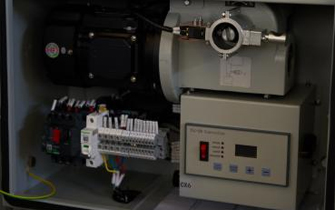
| HV Grounding Copper Bar | Terminal Block |
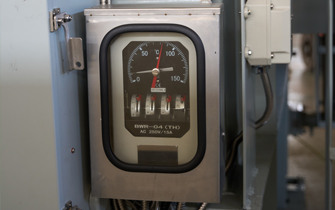
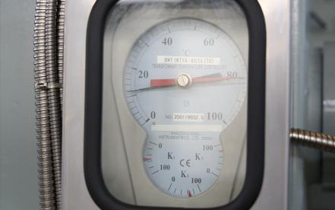
| Temperature Indicator | Door Handle |
| H.V Bushing Well(15kV) | Ground Strap |
| Grounding Copper Bar | Nameplate |
| 1"'Drain Valve With 3/8" Sampler | IR Window |
| 1" Upper Fill Valve Filter Press Connection | Terminal Box |
| Non-PCB decal | High Voltage Warning Signs |
Customization Optional
250kVA Three Phase Pad Mounted Transformer
The 250kVA three-phase pad mounted transformer supports flexible customization to suit varied utility specifications, site conditions, and load profiles while upholding IEEE, ANSI, DOE, and CSA compliance. Primary voltage choices include 2.4kV to 34.5kV (popular: 4.16kV Delta, 12.47GrdY/7.2kV, 13.8kV Delta, 24.94GrdY/14.4kV), with secondary voltages like 208Y/120V, 480Y/277V, 240/120V, or custom low-voltage arrangements. Configurations allow radial or loop feed, dead-front (200A bushing wells/inserts) or live-front bushings, and winding materials in aluminum for economical operation or copper for better thermal endurance and reduced losses under sustained loads. Optional upgrades feature FR3 ester fluid for elevated fire safety and eco-compliance (FM Approved, less-flammable per NEC), K-factor ratings (K-4 to K-13) for handling harmonic loads from LED lighting or office equipment, bayonet fuses with current-limiting protection, or vacuum fault interrupters (VFI) for enhanced fault isolation.
Enclosure enhancements include stainless steel components for corrosion-prone areas, seismic bracing (IBC compliant), nitrogen blanket for extended oil life, or specialized coatings/paints for harsh environments. Accessories such as external gauge enclosures, surge arresters, elbow arresters, metering provisions, or low-profile designs for restricted spaces can be incorporated. All customizations maintain standard impedance ranges (3.1–5.75%), appropriate BIL levels, and verified efficiency, ensuring compact footprint, easy installation, and long-term reliability for residential subdivisions, small commercial sites, or light-duty utility networks.
Packing and Shipping
250kVA Three Phase Pad Mounted Transformer
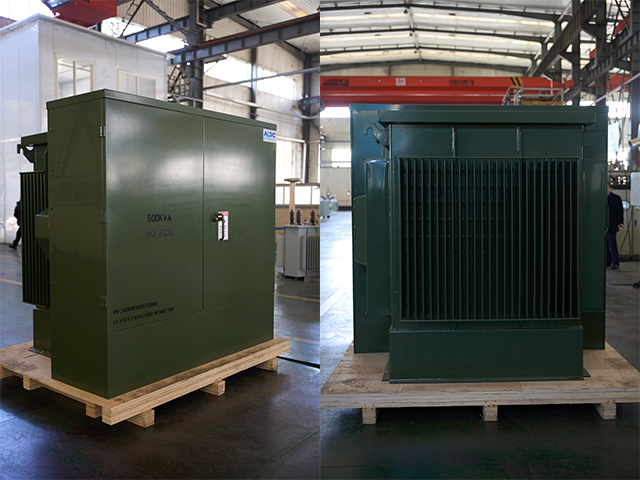
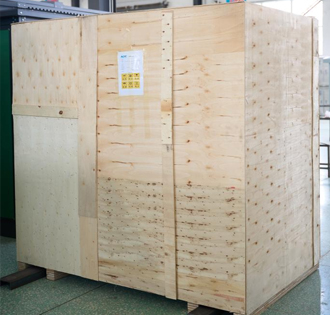
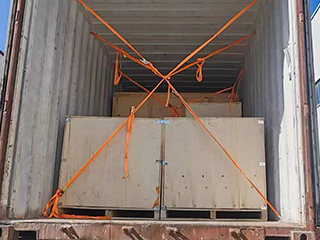
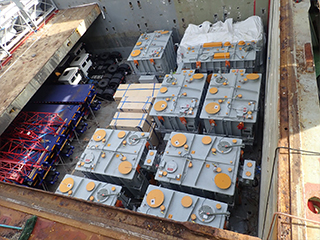
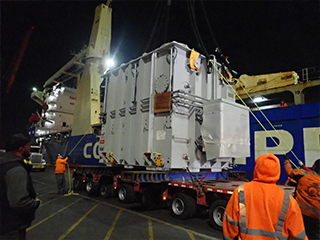
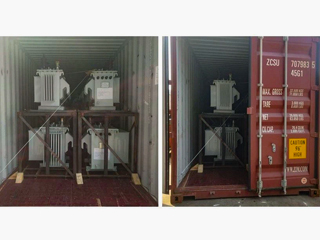
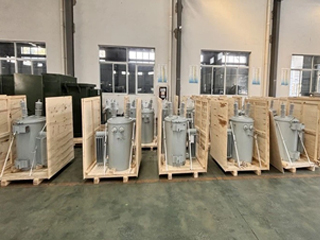
The 250kVA three-phase pad mounted transformer is carefully packaged to protect its compact yet robust construction during handling and transit worldwide. The fully assembled transformer—tank, cabinet, bushings, gauges, and accessories—is secured on a sturdy, ISPM-15 compliant wooden pallet or skid base, allowing straightforward forklift, crane, or roller transport. Protective plastic sheeting covers the exterior to prevent dust, moisture, and surface scratches, while high-voltage bushings, tap changer, and external fittings are capped and padded to avoid impacts or bending.
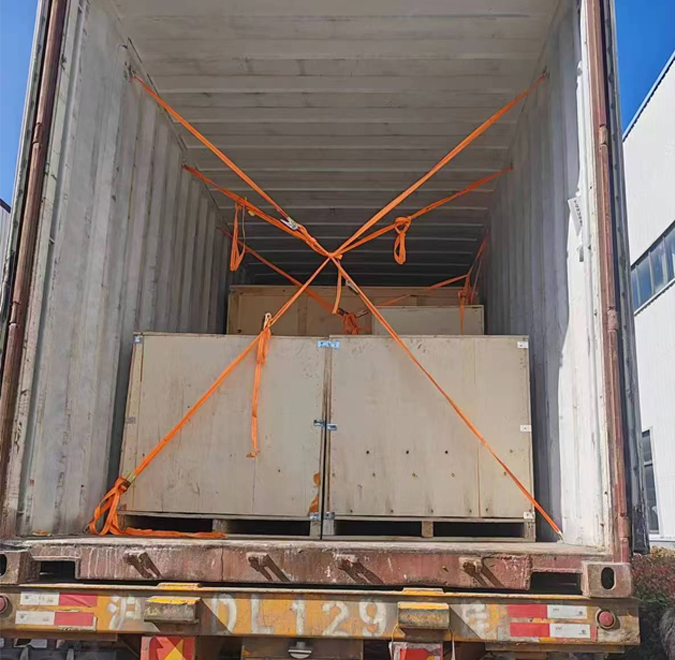
For longer shipments or export, the unit is placed in reinforced wooden crates or open-top cases with internal bracing, foam padding, and anti-vibration materials to counter road, rail, or sea movements. Oil-filled units ship under vacuum or nitrogen pressure to maintain insulation dryness; extra fluid, if required, is shipped in sealed drums with absorbent packaging. Sensitive items like gauges and relief valves receive additional shock-absorbing protection.
In North America, domestic deliveries use flatbed trailers with secure strapping, chains, and blocking per DOT guidelines; typical weight (~2,500–3,500kg) and dimensions (~1.8m L × 1.5m W × 1.6m H) often avoid oversize permits. International shipments utilise 20ft or 40ft flat-rack/open-top containers on RoRo vessels, lashed and chocked to IMO standards for stability. Inland transport employs air-ride trailers to minimise vibrations. Every shipment includes full insurance, GPS tracking, and detailed paperwork (packing list, bill of lading, test reports, customs docs).
Upon arrival, visual inspection verifies no transit damage, with immediate claims processed under warranty. These thorough packing and shipping procedures prevent mechanical harm, fluid contamination, or environmental exposure, ensuring the transformer arrives ready for prompt installation and dependable performance in distribution networks.
For longer shipments or export, the unit is placed in reinforced wooden crates or open-top cases with internal bracing, foam padding, and anti-vibration materials to counter road, rail, or sea movements. Oil-filled units ship under vacuum or nitrogen pressure to maintain insulation dryness; extra fluid, if required, is shipped in sealed drums with absorbent packaging. Sensitive items like gauges and relief valves receive additional shock-absorbing protection.
In North America, domestic deliveries use flatbed trailers with secure strapping, chains, and blocking per DOT guidelines; typical weight (~2,500–3,500kg) and dimensions (~1.8m L × 1.5m W × 1.6m H) often avoid oversize permits. International shipments utilise 20ft or 40ft flat-rack/open-top containers on RoRo vessels, lashed and chocked to IMO standards for stability. Inland transport employs air-ride trailers to minimise vibrations. Every shipment includes full insurance, GPS tracking, and detailed paperwork (packing list, bill of lading, test reports, customs docs).
Upon arrival, visual inspection verifies no transit damage, with immediate claims processed under warranty. These thorough packing and shipping procedures prevent mechanical harm, fluid contamination, or environmental exposure, ensuring the transformer arrives ready for prompt installation and dependable performance in distribution networks.
32
32 years of industry experience
Manufacturer Test
250kVA Three Phase Pad Mounted Transformer

Progress test
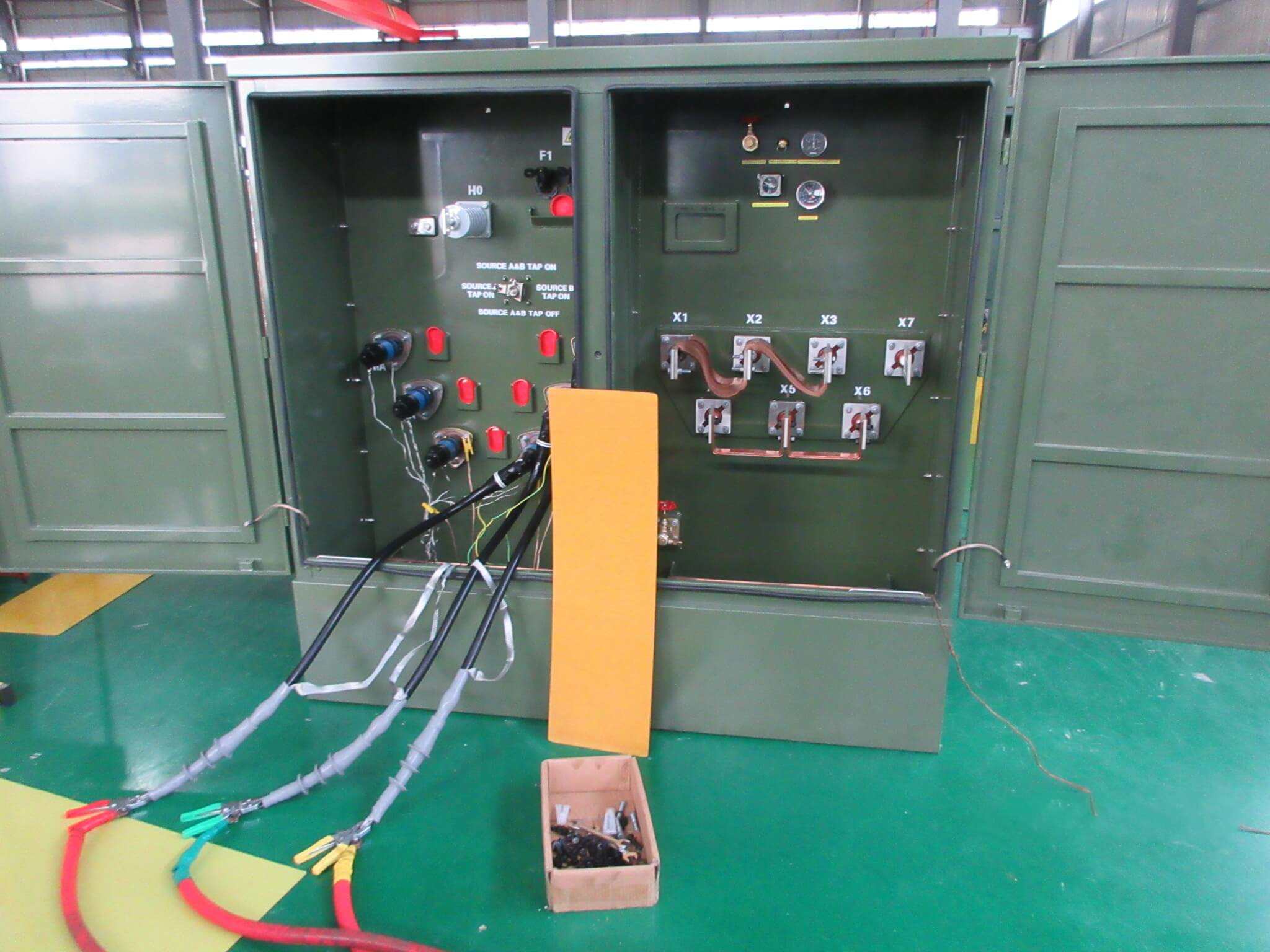
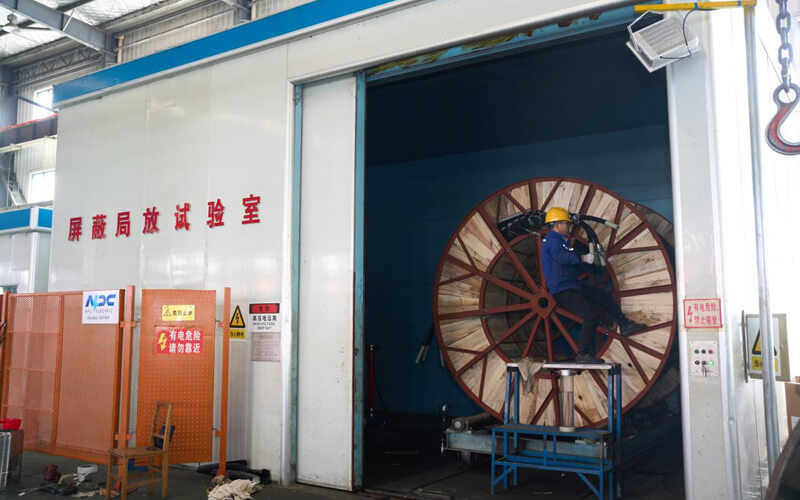
The 250kVA pad mounted transformer before shipment. Load loss/impedance short-circuit test at rated current measures copper losses (corrected to reference temperature) and impedance (3.1–5.75% nominal, ±7.5% tolerance) confirming efficiency and fault limits. Applied voltage withstand applies power-frequency potential verifying insulation to ground/between windings. Routine impulse test (reduced/full wave) confirms BIL withstand (typically 95kV) via waveform. Zero-sequence impedance measured if needed for grounding. Functional tests check pressure relief (35 SCFM activation), gauges, and tap changer reliability. Final visual/mechanical inspection verifies ANSI C57.12.28 tamper resistance, coating, bushing alignment, grounding, and labeling. Combined losses verify DOE efficiency compliance.
Design Tests
All transformers will be tested after finishing the production, test items as follows:
♦ Insulation Power Factor
♦ Ratio, Polarity, and Phase Relation
♦ Winding Resistance
♦ Impulse Tests
♦ On load Loss Test
♦ No Load Loss Test
♦ Leak Test
♦ DC Insulation Resistance Test
♦ Transformer Turns Ratio/TTR (All Tap Voltages)
♦ Impedance Voltage & Load Loss (Rated Voltage)
♦ Polarity, 1-Ph / Phase Relation, 3-Ph (Rated Voltage)
♦ Excitation & No-Load Loss (Rated Voltage)
♦ Applied Voltage
♦ Induced Voltage
♦ Lightning Impulse
Transformer Factory Acceptance Test
Supplementary FAT routines focus on load/dielectric/system aspects for the 250kVA pad mounted transformer. Load loss/impedance short-circuit quantifies copper losses (temperature-corrected) and percent impedance (3.1–5.75%) ensuring efficiency/fault control. Applied voltage withstand confirms main insulation strength without flashover. Routine impulse test (reduced/full waves) validates BIL (95kV typical) with waveform integrity. Zero-sequence impedance supports protection if required. Control functions test gauges, relief device activation, and tap changer response. Final visual/mechanical inspection checks ANSI C57.12.28 tamper-proof enclosure, paint quality, bushing setup, grounding, and nameplate. Total losses/efficiency verify against guarantees. Comprehensive FAT report includes data tables, curves, photos, and tolerances (losses ≤+10% guaranteed, impedance ±7.5%), proving compliance for reliable shipment and installation.
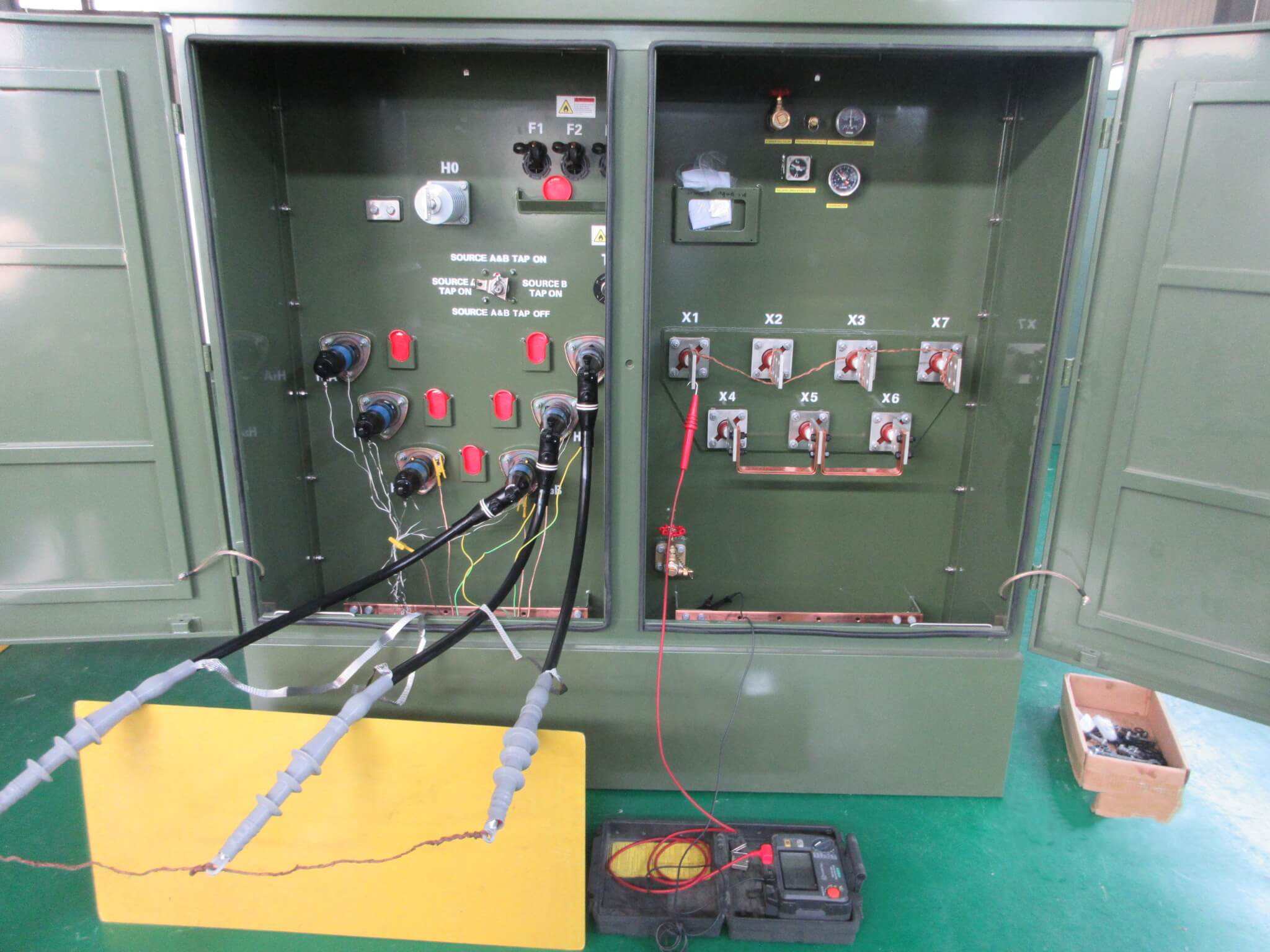
Routine Test - DC Insulation Resistance Test
Purpose of Testing
The purpose of DC insulation resistance testing is to measure the insulation resistance of a device by applying a DC voltage, thereby evaluating the health of the insulation material and the voltage withstand capability of the electrical device. This test helps detect potential insulation aging, moisture or damage, preventing electrical failures in the device.
Testing Equipment
Insulation resistance tester (e.g. Megger, Fluke, Hioki, Klein Tools, etc.)
Voltage source (usually 500V, 1000V, 2500V, or customized according to customer requirements)
Temperature and humidity meter (used to record the ambient temperature and humidity during the test to ensure that the test conditions meet the standard requirements.)
Voltage source (usually 500V, 1000V, 2500V, or customized according to customer requirements)
Temperature and humidity meter (used to record the ambient temperature and humidity during the test to ensure that the test conditions meet the standard requirements.)
Pre-Test Preparation
Make sure the device is properly grounded and fully discharged to prevent residual charge in the device from affecting the test results.
Perform the test under suitable environmental conditions. It is recommended to have a relative humidity below 75%, no rain, and a temperature range of 20-30°C to avoid moisture or temperature fluctuations affecting the test results.
Perform the test under suitable environmental conditions. It is recommended to have a relative humidity below 75%, no rain, and a temperature range of 20-30°C to avoid moisture or temperature fluctuations affecting the test results.
Test Progress
Connect the Test Instrument:
Connect an insulation resistance tester to the high voltage terminal of the device under test and to ground.
Apply Test Voltage:
Select an appropriate test voltage based on the rated voltage of the equipment .
Connect an insulation resistance tester to the high voltage terminal of the device under test and to ground.
Apply Test Voltage:
Select an appropriate test voltage based on the rated voltage of the equipment .
Measure and Record
Start the test and record the following parameters:
Insulation resistance value (MΩ)
Applied voltage
Ambient temperature and humidity during testing
Insulation resistance value (MΩ)
Applied voltage
Ambient temperature and humidity during testing
Temperature Correction
The measured insulation resistance values are corrected to a reference temperature (usually 20°C) for accurate evaluation.
Repeat Testing (if necessary)
Measure different windings (high voltage, medium voltage, low voltage) or each bushing separately, and conduct comparative analysis to ensure the insulation status of all parts.
Evaluation Criteria (Reference)
nsulation resistance ≥ 1000 MΩ (excellent)
500 MΩ ≤ Insulation resistance < 1000 MΩ (good)
100 MΩ ≤ Insulation resistance < 500 MΩ
Insulation resistance < 100 MΩ
500 MΩ ≤ Insulation resistance < 1000 MΩ (good)
100 MΩ ≤ Insulation resistance < 500 MΩ
Insulation resistance < 100 MΩ
*These comprehensive tests ensure that each transformer meets performance standards and operates
reliably under various conditions.
Application
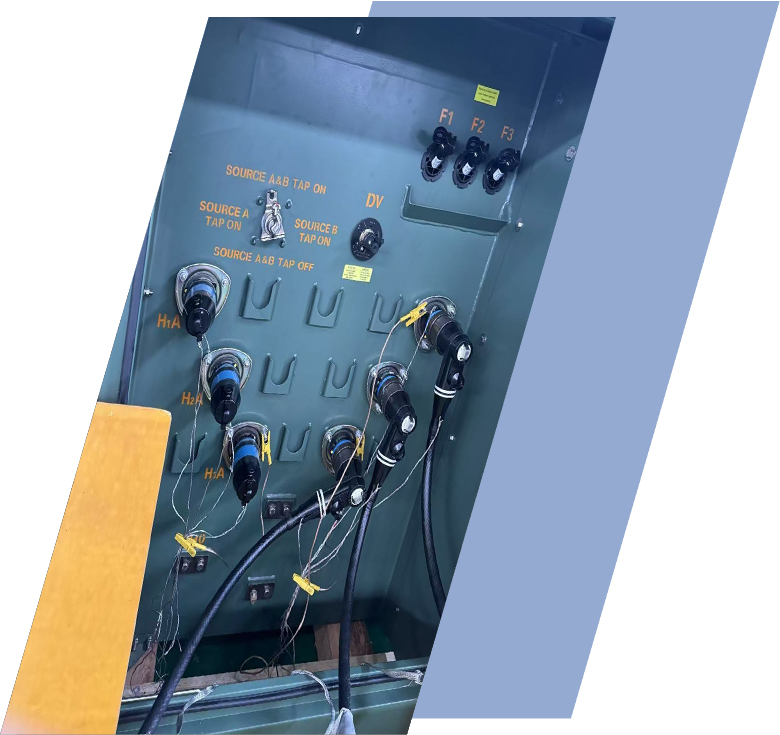
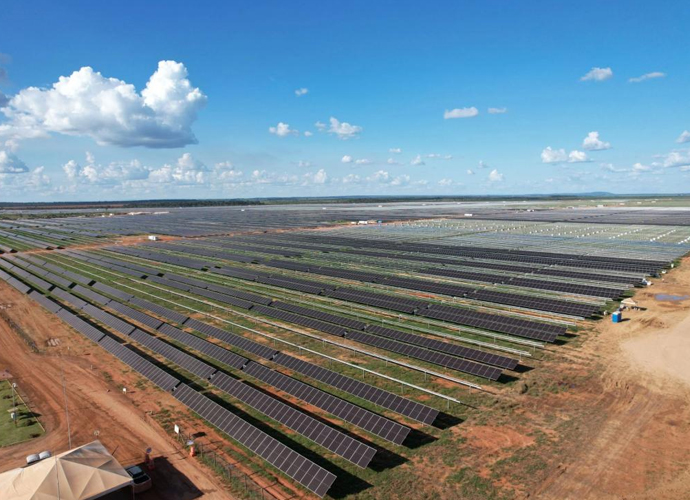
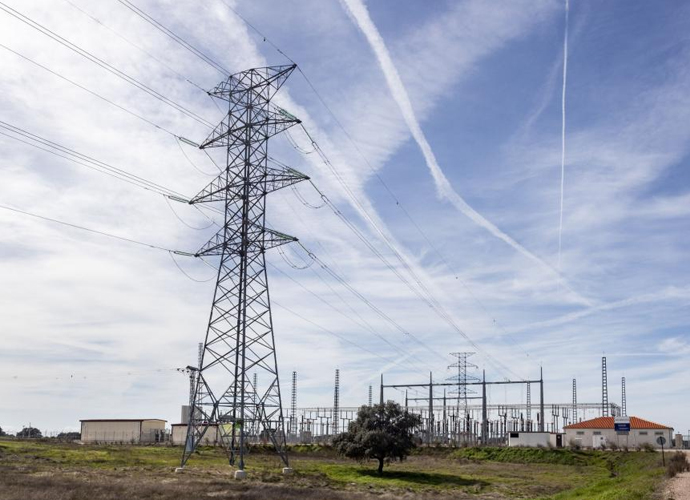
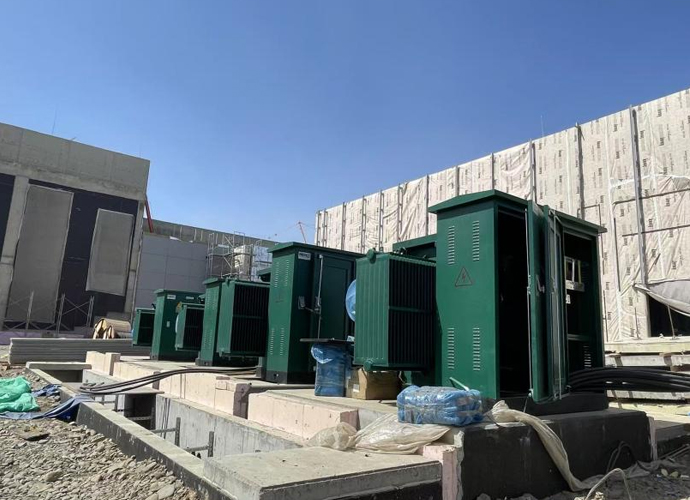
Ideal for light industrial facilities such as workshops or warehouses, combined with school campuses, small data closets, or utility extensions in rural developments. It supports hybrid applications like residential zones with commercial strips, renewable microgrids with backup loads, or institutional sites featuring HVAC and lighting demands for a secure, tamper-resistant, high-reliability underground power supply.



Technical Advantages
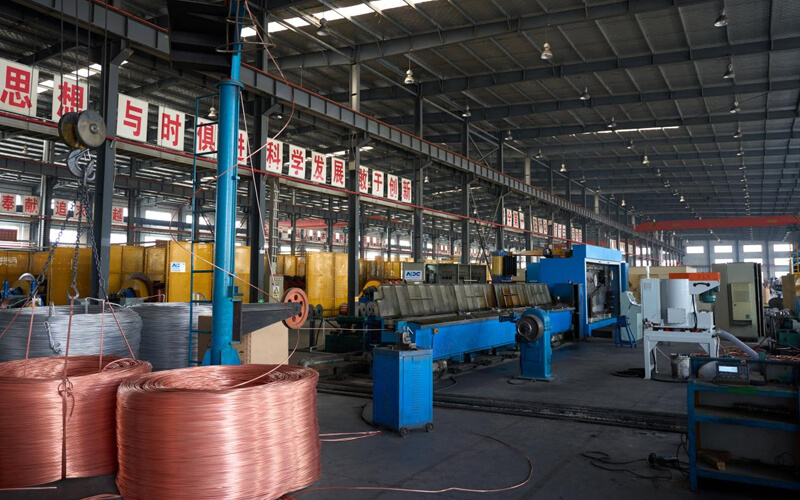
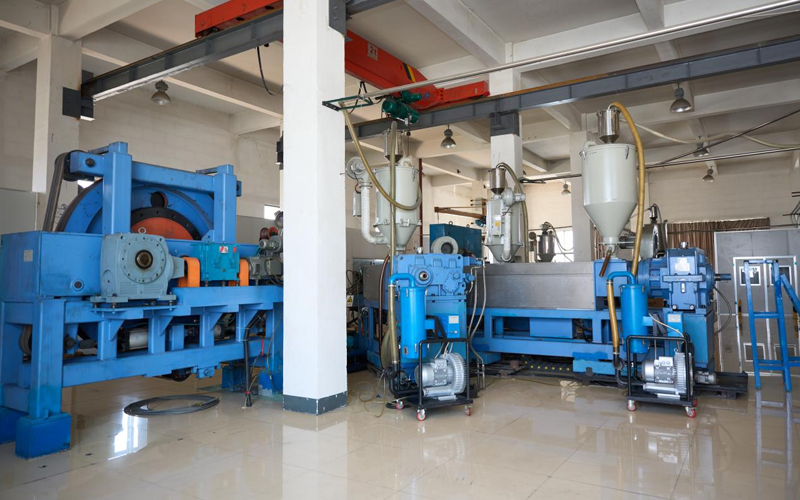
● 30+ years of manufacturing experience
● ISO and UL certified production
● Customized cable and transformer solutions
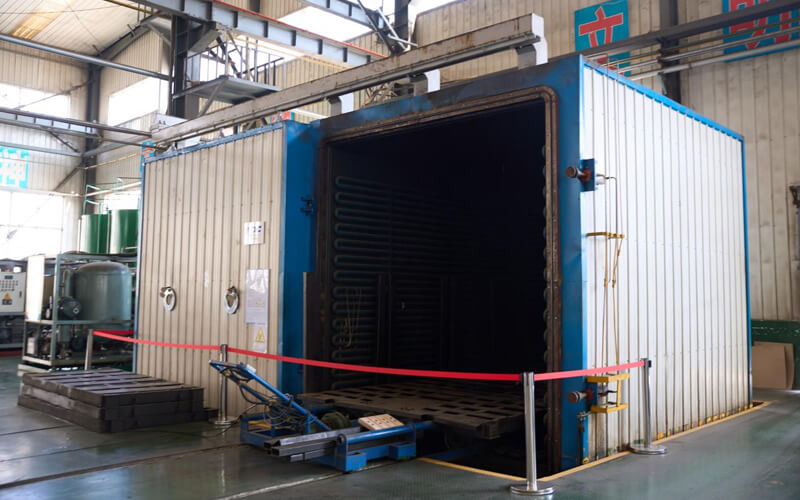
Product Packaging
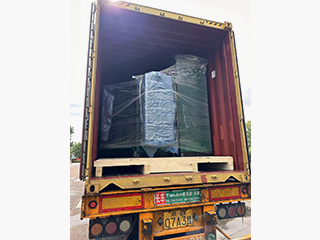
Transformers Packaging (1)
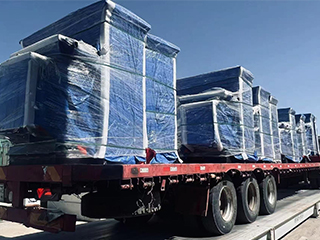
Transformers Packaging (2)
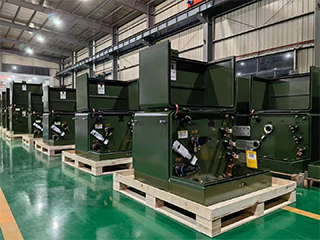
Transformers Packaging (3)
Transformers Packaging (4)
Transformers Packaging (5)
Transformers Packaging (6)
Transformers Packaging (7)
Transformers Packaging (8)
Related Products
33kV 35kV Solar Power Transformer
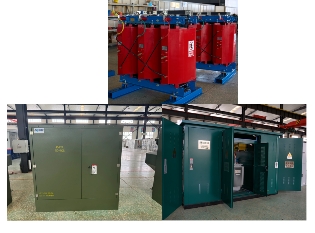
NPC Electric 33kV 35kV Solar Power Transformer is a specialized solution engineered to bridge the gap between solar inverters and the high-voltage utility grid. Unlike standard distribution units, these transformers are optimized to handle the pulsed DC-to-AC waveforms generated by modern PV inverters. Utilizing high-permeability magnetic cores and oxygen-free copper windings, they significantly reduce "No-Load" losses during non-sunlight hours, maximizing your project's Levelized Cost of Energy (LCOE). The robust tank design features enhanced heat dissipation fins, ensuring stable operation even under peak solar radiation in desert or tropical climates.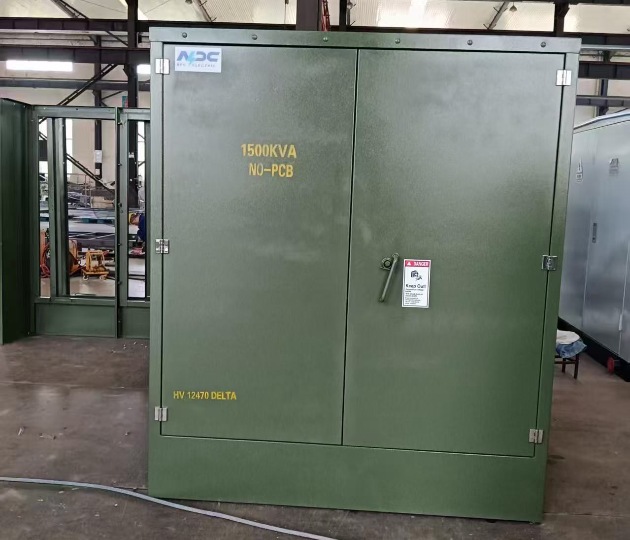
1500kVA Radial Feed Pad Mounted transformer DOE 2016
The 1500kVA Radial Feed Pad-Mounted Transformer is designed for reliable medium-voltage power distribution in utility, commercial, and renewable energy (solar) applications. Engineered to comply with IEEE C57.12.34, C57.12.24, C57.12.00, and DOE 2016 efficiency standards, this pad-mounted transformer is ideal for step-down applications from 12.47kV to 480/277V. Standard features include mineral oil or FR3 natural ester fluid (ONAN cooling), aluminum or copper windings, primary voltage 13.8kV (13800V Delta or 12470GrdY/7200 common), secondary 480Y/277V (or 208Y/120V, custom options), BIL 95kV HV / 30kV LV, impedance 5.75–7.0% (±7.5%), ±2×2.5% taps, radial-feed dead-front design with three high-voltage bushings (H1, H2, H3), bayonet fuses + partial-range current-limiting fuses, load-break switch (optional), lightning arresters, pressure relief valve, oil level/temperature gauges, and ANSI 70 gray (or Munsell green) finish.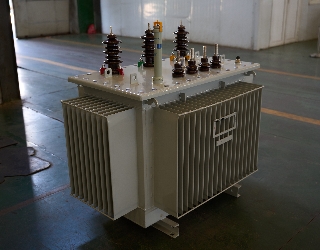
125kVA Oil Immersed Transformer
125kVA Oil Immersed Transformer has the characteristics of high efficiency and low loss, which can reduce power consumption and operation cost, and has significant social benefits. The NPC ELECTRIC 125kva Oil Immersed Transformer, manufactured and supplied by a leading Chinese manufacturer, is are highly advanced electrical device engineered to meet the rigorous demands of modern power distribution systems. These transformers are renowned for their exceptional durability, efficiency, and reliability. As a trusted supplier in China, the manufacturer offers a comprehensive range of 125kVA Oil Immersed Transformers tailored to suit various applications, ensuring optimal performance and long-term value to customers worldwide.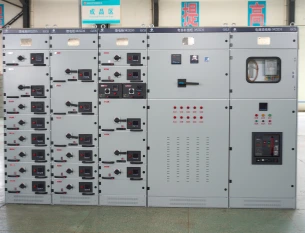
Armored Metal Enclosed Switchgear
The Armored Metal Enclosed Switchgear is a high-performance medium-voltage electrical distribution and protection system designed for industrial power networks, utility substations, renewable energy facilities, transportation infrastructure, and smart-grid applications. The switchgear adopts a fully compartmentalized armored metal enclosure structure integrating vacuum circuit breakers, disconnect switches, protection relays, current transformers, voltage transformers, and intelligent control systems into a compact modular cabinet assembly. This design significantly improves operational safety, electrical reliability, and maintenance efficiency for modern medium-voltage power distribution systems. Manufactured using precision-engineered insulated structures and reinforced metal-clad compartments, the armored metal enclosed switchgear provides outstanding dielectric strength, internal arc resistance, and mechanical durability under demanding operating conditions. Independent compartments for busbars, breaker units, cable chambers, and low-voltage control sections effectively isolate electrical faults and minimize fault propagation risks while improving maintenance accessibility and operational security. The Armored Metal Enclosed Switchgear supports intelligent automation systems, remote monitoring interfaces, and advanced communication protocols for digital substations and smart-grid infrastructure. With scalable configuration capabilities and flexible protection architectures, the switchgear delivers stable medium-voltage switching, fault isolation, and electrical distribution performance for industrial automation systems, utility networks, renewable energy integration projects, and mission-critical electrical facilities.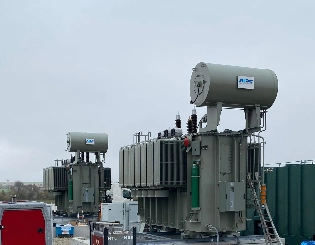
161kV 50MVA Two-Winding Power Transformer – Efficient Oil-Filled Design with OLTC
The 161kV 50MVA Two-Winding Power Transformer is engineered to deliver precise voltage control and stable power transfer in high-voltage transmission and substation networks. Featuring an oil-filled insulation system combined with an On-Load Tap Changer (OLTC), this transformer allows continuous voltage adjustment under load conditions without interrupting system operation. The electromagnetic design emphasizes low losses, high operational efficiency, and consistent performance across variable load profiles. Robust mechanical construction enhances resistance to thermal expansion and short-circuit forces, ensuring long-term reliability in demanding grid environments. Optimized oil circulation supports effective heat dissipation, contributing to extended service life and reduced maintenance requirements. This transformer is well suited for modern power systems where voltage stability, operational flexibility, and dependable energy transmission are critical.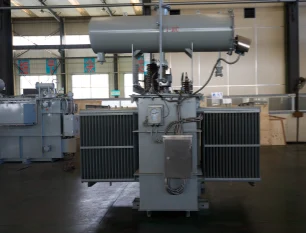
630kVA Three-Phase Oil-Immersed Outdoor Substation Transformer | 220V to 380V Step-Up Transformer
This 630kVA three-phase oil-immersed transformer is designed for outdoor substations, providing reliable voltage conversion from 220V to 380V. With a robust oil-immersed cooling system, it ensures excellent heat dissipation, stable performance, and long service life. Ideal for industrial facilities, commercial power distribution, and utility applications, this step-up transformer delivers consistent efficiency even under heavy load conditions.FAQ From Customers
-
What is a Transformer?A transformer is an electrical device used to change the voltage of alternating current (AC). It works on the principle of electromagnetic induction, converting high-voltage current into low-voltage current or low-voltage current into high-voltage current. Transformers are widely used in power transmission, distribution systems, and various electronic devices.
-
What are the main uses of a transformer?The main use of a transformer is voltage conversion. Transformers are used in power transmission systems to help transfer electricity from power plants to consumers. In addition, transformers are also used in electronic devices such as chargers, televisions, power adapters, etc., to adjust the voltage to meet the requirements of different devices.
-
Do you have UL listed?Yes, our transformer has UL listed. We have exported to America many pad mounted transformer,substation transformer and HV.
Welcome your inquiry
Honesty, Integrity, Frugality, Activeness and Passion