
High Voltage Power Transformer Basics: How It Works and Why It Matters
2026-05-29
A high voltage power transformer is one of the most critical components in modern power systems, enabling the efficient long distance transmission of electrical energy across national and international grids. Whether used in a power grid, industrial facility, or renewable energy plant, understanding how electric transformer systems work is essential for engineers, procurement specialists, and high voltage transformer manufacturers.
1. What Is a High Voltage Power Transformer?
A power transformer is a static electrical device that transfers electrical energy between circuits through electromagnetic induction. A high voltage power transformer is specifically designed to operate at voltage levels typically above 35 kV.
A high voltage power transformer is a static electrical device that transfers electrical energy between circuits through electromagnetic induction. It typically operates at voltages above 35 kV (often 110 kV, 220 kV, 500 kV or higher), making it critical for power generation, transmission substations, industrial facilities, and renewable energy projects.
Unlike smaller distribution transformers, high voltage power transformers handle large capacities (from tens to hundreds of MVA) and are designed for heavy-duty applications in national grids and cross-border interconnections.
Key Types and Applications
High voltage power transformers come in various configurations to suit different needs:
- Oil-immersed transformers — offer excellent cooling and insulation for large capacities (up to 1,200 MVA and voltages from 110 kV to 1000 kV).
- Dry-type transformers — provide safer, fire-resistant operation in urban or sensitive environments.
- Step-up transformers — used at power plants (thermal, hydro, nuclear, or renewable) to prepare electricity for long-distance travel.
- Step-down transformers — installed at substations to deliver usable voltages to industries and consumers.
In renewable energy applications, these transformers play a pivotal role in integrating intermittent sources like solar farms and offshore wind turbines. They step up variable outputs, facilitate HVDC links for ultra-long-distance transfer, and help balance grid fluctuations through smart monitoring features.
2. How Transformers Work: Core Principle
The operation of a transformer is based on Faraday’s Law of Electromagnetic Induction.
Working Mechanism
- Alternating current flows through the primary winding
- This creates a changing magnetic field in the iron core
- The magnetic field induces voltage in the secondary winding
- Electrical energy is transferred without direct electrical contact
Key Components
|
Component |
Function |
|
Primary Winding |
Receives input voltage |
|
Secondary Winding |
Delivers output voltage |
|
Provides magnetic path |
|
|
Insulation System |
Ensures safety and durability |
|
Allows safe external connections |
3. Types of High Voltage Transformers
3.1 Oil-Filled High Voltage Transformer
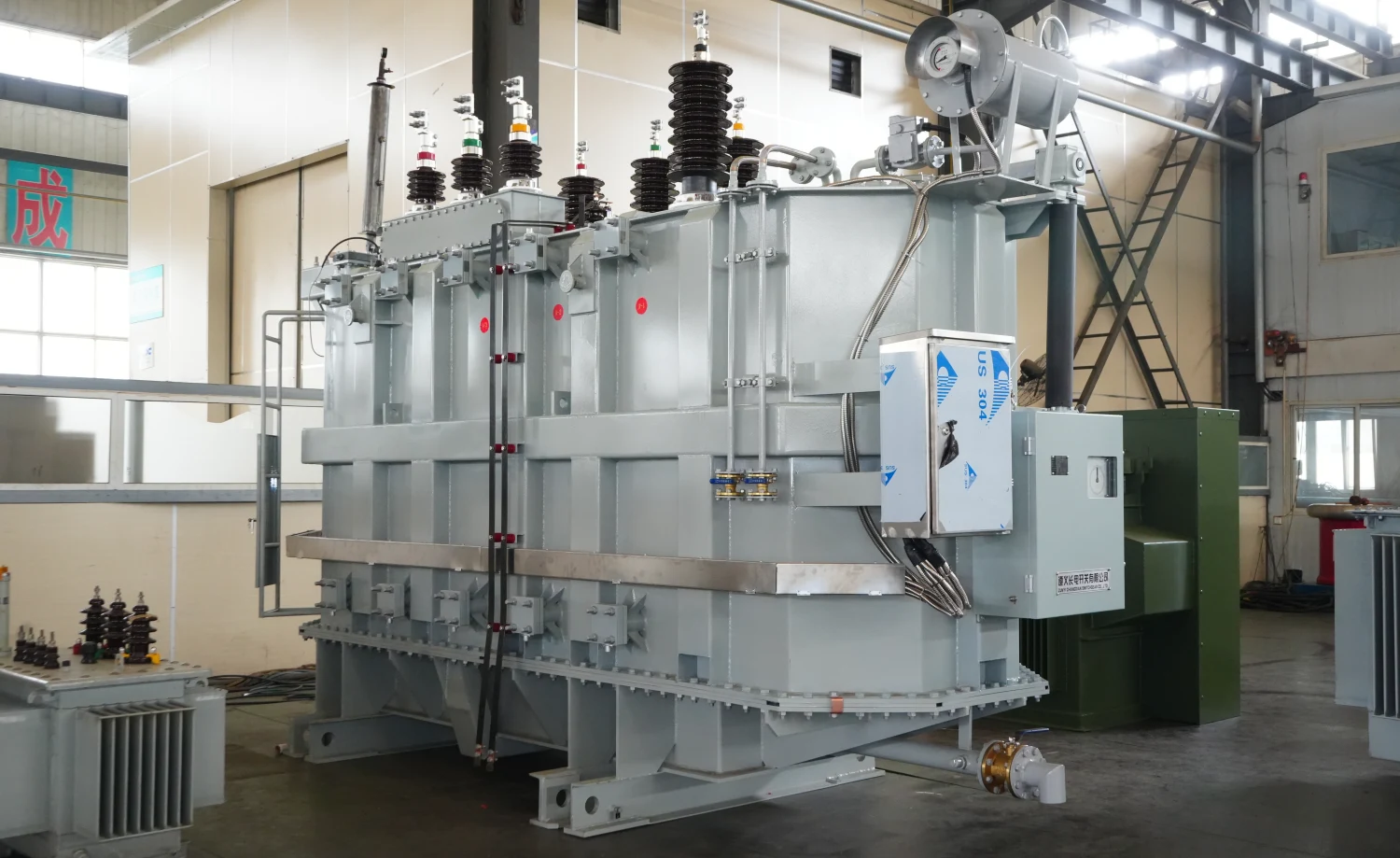
An oil-filled high voltage transformer, also known as an oil-immersed high voltage transformer, is a critical device in power systems that uses insulating oil as both a cooling and dielectric medium. The core and windings are fully submerged in a sealed steel tank filled with high-quality mineral or ester transformer oil, enabling superior heat dissipation and electrical insulation for voltages typically ranging from 35 kV to 1000 kV and capacities up to hundreds of MVA.
Applications:
- Used in high voltage substation transformer applications
- Excellent cooling and insulation
3.2 Dry Type High Voltage Power Transformer
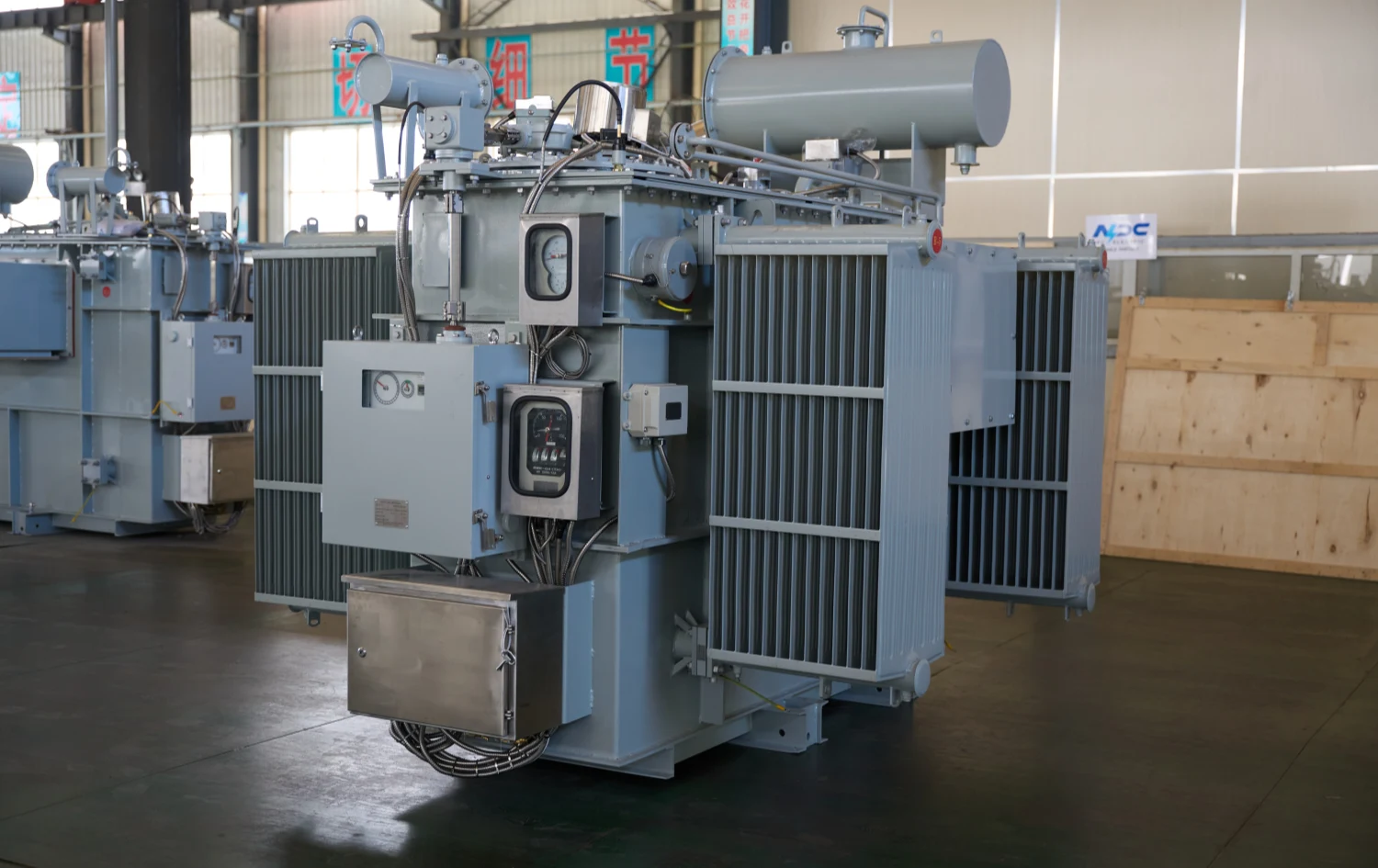
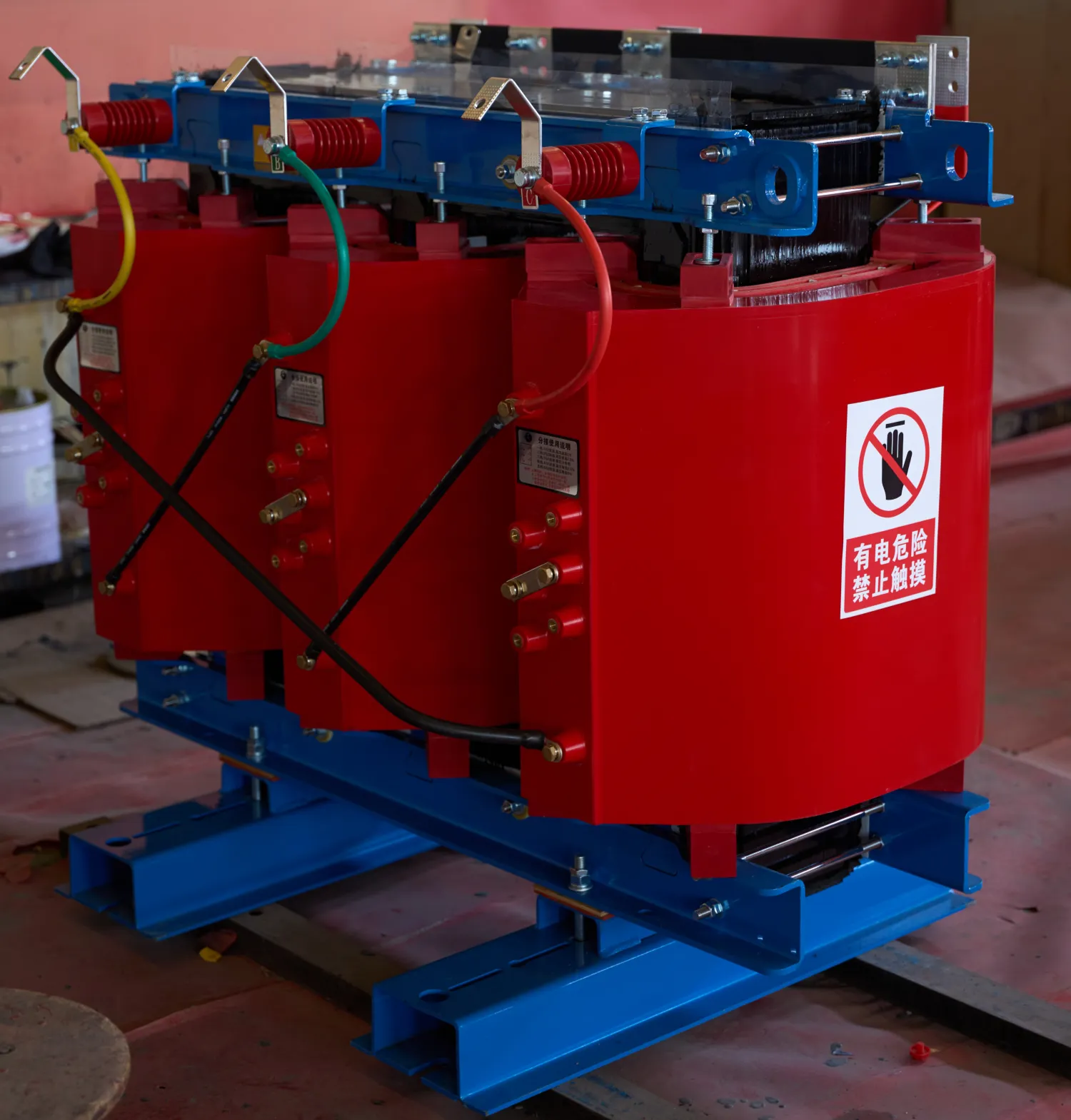
A dry type high voltage power transformer is an air-cooled transformer that uses solid insulation materials instead of insulating oil. Designed for voltages from 35 kV to 220 kV, it offers safe, reliable, and maintenance-friendly operation without the risk of oil leaks or fire hazards.
Unlike oil-filled transformers, dry type units rely on natural or forced air circulation for cooling. Their windings are encapsulated with epoxy resin or cast resin, providing excellent moisture resistance and high dielectric strength.
Ideal for indoor installations, urban substations, hospitals, data centers, and renewable energy projects, dry type high voltage power transformers are widely chosen for their environmental friendliness, low fire risk, and easy installation. With no oil required, they deliver lower maintenance costs and higher safety in space-constrained or environmentally sensitive locations.
Applications:
- No oil, safer for indoor environments
- Lower fire risk
- Widely used in commercial buildings
3.3 Specialized Transformers
|
Type |
Feature |
Application |
|
High Voltage Transformer Bushing Type |
Enhanced insulation |
High-voltage connections |
|
Space-saving |
Urban infrastructure |
|
|
Renewable Energy Transformer |
Grid integration |
Solar and wind farms |
5. Losses in High Voltage Transformers
Losses in High Voltage Transformers are a critical factor affecting efficiency and operating costs in power systems. The two main types are no-load losses (core losses) and load losses (copper losses).
No-load losses occur due to hysteresis and eddy currents in the iron core, remaining constant regardless of load. Load losses, caused by the resistance of windings (I²R losses), increase with the square of the current. Additional stray losses from leakage flux and tank heating also contribute.
In high voltage transformers, minimizing these losses is essential for energy efficiency. Advanced silicon steel cores, optimized winding designs, and improved cooling help reduce total losses to as low as 0.2–0.5% of rated capacity. Lower losses translate into significant cost savings and support greener, more sustainable power transmission.
Understanding losses is essential for efficiency optimization.
5.1 Copper Loss
Occurs due to resistance in windings:
- Proportional to load current
- Major factor in operational efficiency
5.2 Core Loss
Includes:
- Hysteresis loss
- Eddy current loss
|
Loss Type |
Cause |
Mitigation |
|
Copper Loss |
Resistance in windings |
Use high-quality copper |
|
Core Loss |
Magnetic properties |
Use advanced core materials |
6. Key Design Considerations
For high voltage power transformer manufacturers, design optimization directly impacts performance and export competitiveness.
Key Design Considerations for High Voltage Power Transformers directly impact efficiency, reliability, and service life. Engineers must carefully evaluate voltage rating, MVA capacity, insulation class, and cooling method (ONAN, ONAF, or OFAF). Core material selection—using high-grade grain-oriented silicon steel—helps minimize no-load losses, while winding design and conductor material affect load losses and short-circuit withstand capability.
Other critical factors include impedance voltage, temperature rise limits, noise level, and environmental conditions such as altitude, pollution, and seismic requirements. For oil-immersed units, tank design and bushing selection are vital; for dry-type transformers, resin encapsulation and ventilation play key roles. Proper design ensures optimal performance, safety, and compliance with international standards like IEC and IEEE.
6.1 Insulation System
- Critical for high voltage operation
- Includes oil, paper, or resin systems
6.2 Cooling System
- Oil natural air natural (ONAN)
- Oil forced air forced (OFAF)
6.3 Voltage Regulation
Maintains stable output voltage under varying loads.
7. Role in Power Grid Infrastructure
A high voltage transformer is essential for:
- Connecting generation to transmission
- Enabling long distance transmission of electrical power
- Supporting grid stability
- Integrating renewable energy sources
Power Flow Process
- Power generated at plant
- Voltage increased via high voltage step up transformer
- Transmitted across grid
- Reduced via step down transformers
- Delivered to electrical device
8. High Voltage Transformer in Substations
A high voltage substation transformer serves as the backbone of transmission networks.
Functions:
- Voltage transformation
- Load balancing
- System protection
Substation Design Factors
|
Factor |
Importance |
|
Reliability |
Continuous operation |
|
Safety |
High insulation standards |
|
Efficiency |
Reduced losses |
9. Selection Guide for International Buyers
High Voltage Power Transformer Selection Guide for International Buyers helps you make smart, cost-effective decisions when sourcing from global suppliers.
Key factors to consider include voltage rating (110kV–500kV), MVA capacity, cooling type (oil-immersed or dry-type), impedance, and short-circuit withstand capability. Always verify compliance with international standards such as IEC 60076, IEEE C57, and local grid codes.
Evaluate supplier experience, factory testing capabilities, delivery lead time, and after-sales service. For overseas projects, also check transportation limitations, climate adaptability (altitude, temperature, humidity), and warranty terms. Choosing the right high voltage power transformer ensures long-term reliability, lower total ownership cost, and smooth integration into your power grid.
For global procurement, selecting the right high voltage transformer manufacturers is critical.
Key Evaluation Criteria
- Compliance with IEC/ANSI standards
- Proven export experience
- Customization capability
- Quality control systems
Technical Checklist
|
Parameter |
Requirement |
|
Rated Voltage |
Match system voltage |
|
Capacity (MVA) |
Based on load demand |
|
Cooling Method |
Environment-specific |
|
Insulation Class |
High reliability |
10. Why High Voltage Transformers Matter
Why High Voltage Transformers Matter in modern power systems cannot be overstated. These critical devices enable efficient long-distance electricity transmission by stepping up voltage from power plants and stepping it down for safe distribution to homes and industries.
By operating at high voltages (110 kV to 1000 kV), they dramatically reduce transmission losses according to the I²R law, saving billions of kilowatt-hours annually and lowering energy costs. High voltage transformers also ensure grid stability, support massive renewable energy integration from solar and wind farms, and facilitate cross-border power trading. Without them, reliable, cost-effective electricity supply on a national or global scale would be impossible.
10.1 Efficiency in Energy Transmission
Without transformers, long distance transmission of electrical energy would be inefficient and costly.
10.2 Grid Stability
They regulate voltage and maintain consistent power supply.
10.3 Industrial and Commercial Use
Enable safe operation of various electrical devices and infrastructure.
11. Common Challenges and Solutions
Common Challenges and Solutions for High Voltage Power Transformers are essential knowledge for maintaining grid reliability. Major issues include insulation degradation, overheating, oil contamination (in oil-filled units), partial discharge, and bushing failures. These problems often lead to unexpected outages and high repair costs.
Effective solutions involve regular dissolved gas analysis (DGA), infrared thermography, dielectric testing, and online monitoring systems. Using high-quality ester oils, advanced core materials, and smart sensors can prevent failures. Proper installation, timely maintenance, and adherence to IEC/IEEE standards further extend transformer lifespan. By addressing these common challenges proactively, utilities and industries can minimize downtime, reduce total ownership costs, and ensure stable, long-term performance of high voltage power transformers.
|
Challenge |
Cause |
Solution |
|
Overheating |
Overload or poor cooling |
Upgrade transformer cooling system |
|
Voltage Fluctuation |
Load variation |
Install voltage regulators |
|
Insulation Failure |
Aging materials |
Regular maintenance |
12. Future Trends in High Voltage Transformers
Future Trends in High Voltage Transformers are shaping the next generation of power grids. Key developments include digital smart transformers with IoT sensors and real-time monitoring, eco-friendly ester oils replacing traditional mineral oil, and higher efficiency designs achieving ultra-low losses.
The rise of renewable energy is driving demand for compact, lightweight transformers suitable for offshore wind and large-scale solar farms. HVDC transformer technology is advancing rapidly to support long-distance clean energy transmission. Additionally, AI-powered predictive maintenance and 3D-printed components are reducing downtime and costs. These innovations promise higher reliability, sustainability, and grid resilience as global electricity demand continues to surge toward 2050.
12.1 Smart Transformers
Integrated sensors for real-time monitoring of:
- Load
- Temperature
- Noise levels
12.2 Eco-Friendly Designs
- Biodegradable insulating oil
- Energy-efficient cores
12.3 Digitalization
AI-based diagnostics for predictive maintenance.
A high voltage power transformer is indispensable in modern energy systems, enabling efficient and reliable transmission of electrical power from generation to consumption. By understanding how transformers work, including the role of primary and secondary windings, iron core, and voltage transformation principles, engineers and buyers can make informed decisions.
For high voltage transformer manufacturers, focusing on efficiency, reliability, and compliance ensures success in international markets. As global demand for electricity grows, the importance of advanced electric transformer technology will only continue to increase.

Related Articles
Related Products
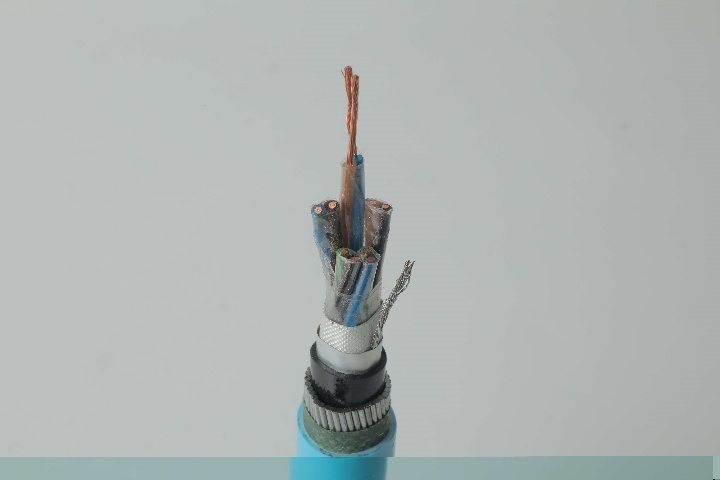
Instrumentation Cables—Mica Tapped, XLPE Insulated, Overall Screened, Wire Armoured LSZH Sheathed Fire-Resistant Cables(CU/GMT/XLPE/OSCR/SWA/LSZH)
Instrumentation Cables with Mica Taped, XLPE Insulated, Overall Screened, Wire Armoured and LSZH Sheathed construction (CU/GMT/XLPE/OSCR/SWA/LSZH) are designed for critical signal transmission in fire-risk and safety-sensitive environments. The copper conductor is wrapped with mica tape to maintain circuit integrity under fire conditions, while XLPE insulation ensures stable electrical performance and thermal resistance. The overall screen reduces electromagnetic interference, enabling accurate signal transmission in industrial systems. Steel wire armouring provides mechanical protection against impact and external stress, making the cable suitable for harsh installation conditions. The LSZH outer sheath limits smoke emission and toxic gases during fire, enhancing personnel safety. These fire-resistant instrumentation cables are widely used where continuous operation and reliable signal control are essential, even in extreme conditions.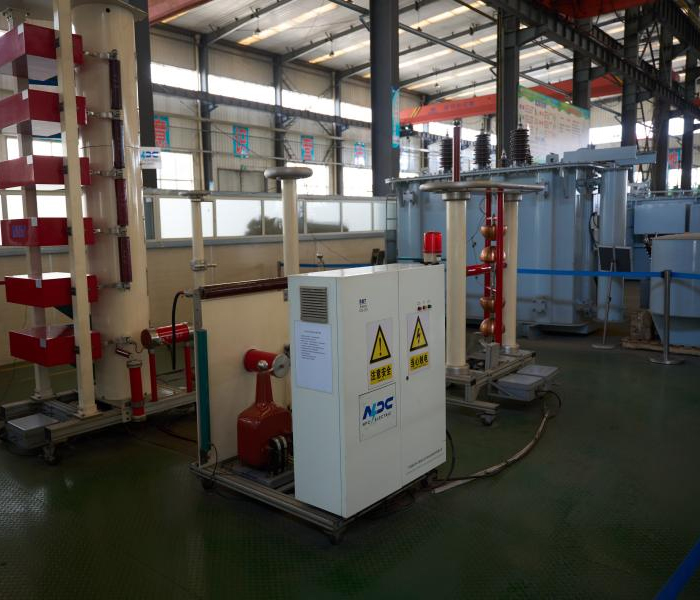
13.8kV 1600kVA Cast Resin Dry Type Transformer
Introducing the robust 13.8kV 1600kVA Cast Resin Dry Type Transformer, a high-capacity, oil-free power solution engineered for safe, reliable indoor medium-voltage distribution in industrial and utility applications. This three-phase cast resin transformer utilizes premium low-loss grain-oriented silicon steel cores and high-conductivity copper (or optional aluminum) windings fully encapsulated in epoxy resin under vacuum pressure, delivering exceptional energy efficiency (often exceeding 98-99% per DOE/IEEE standards), significantly reduced no-load and load losses, and superior partial discharge performance (<10pC). Compliant with IEC 60076-11, IEEE/ANSI, and DOE efficiency requirements, this transformer steps down 13.8kV primary (with ±2×2.5% off-circuit taps standard) to common secondary voltages like 0.4kV, 0.48kV, or 0.66kV (Dyn11 vector group typical), making it ideal for sustainable, high-power indoor substations and facilities.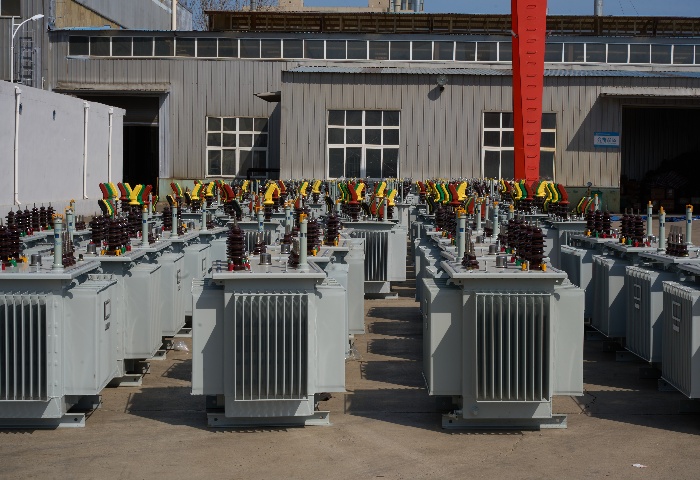
1500kVA Oil Immersed Transformer
NPC ELECTRIC's 1500kVA oil-immersed transformer adopts advanced technology, complies with international IEC, ANSI, and other standards, and has efficient and stable power conversion capabilities. It uses oil-immersed cooling technology, has excellent heat dissipation performance and durability, and ensures long-term stable operation of the equipment in harsh environments. Primary voltages range from 2.4kV to 34.5kV (common: 34.5kV, 24.94kV, 13.8kV, 13.2kV, 12.47kV, 4.16kV) in delta or grounded wye configurations with BIL up to 200kV.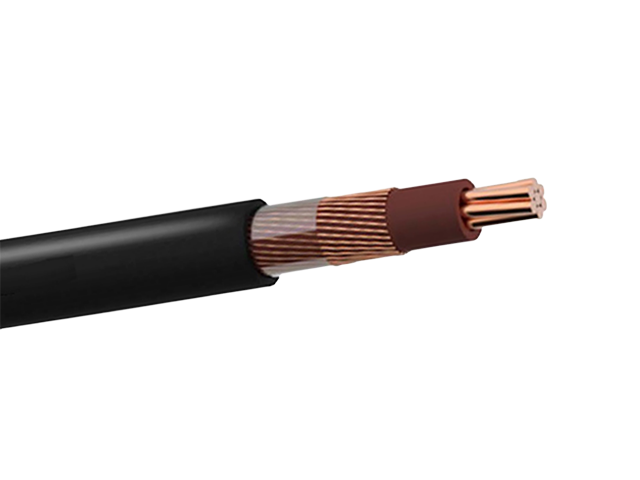
28 kV Concentric Neutral Power Cable
The 28 kV Concentric Neutral Power Cable is a premium medium-voltage underground distribution cable engineered for reliable primary power delivery. It consists of a stranded copper or aluminum conductor, extruded semi-conducting conductor shield, tree-retardant TR-XLPE or EPR insulation, semi-conducting insulation shield, and helically applied bare copper concentric neutral wires, all protected by a tough sunlight-resistant LLDPE jacket. Available with 100% or 133% insulation levels and full or reduced neutral, this cable offers excellent electrical performance, superior moisture and treeing resistance, and strong mechanical protection. Suitable for direct burial or duct installations, the 28 kV Concentric Neutral Power Cable meets ICEA S-94-649, AEIC CS8, and related standards. It undergoes rigorous quality testing from raw materials to finished product, ensuring low dielectric loss, high reliability, and long service life in demanding underground environments.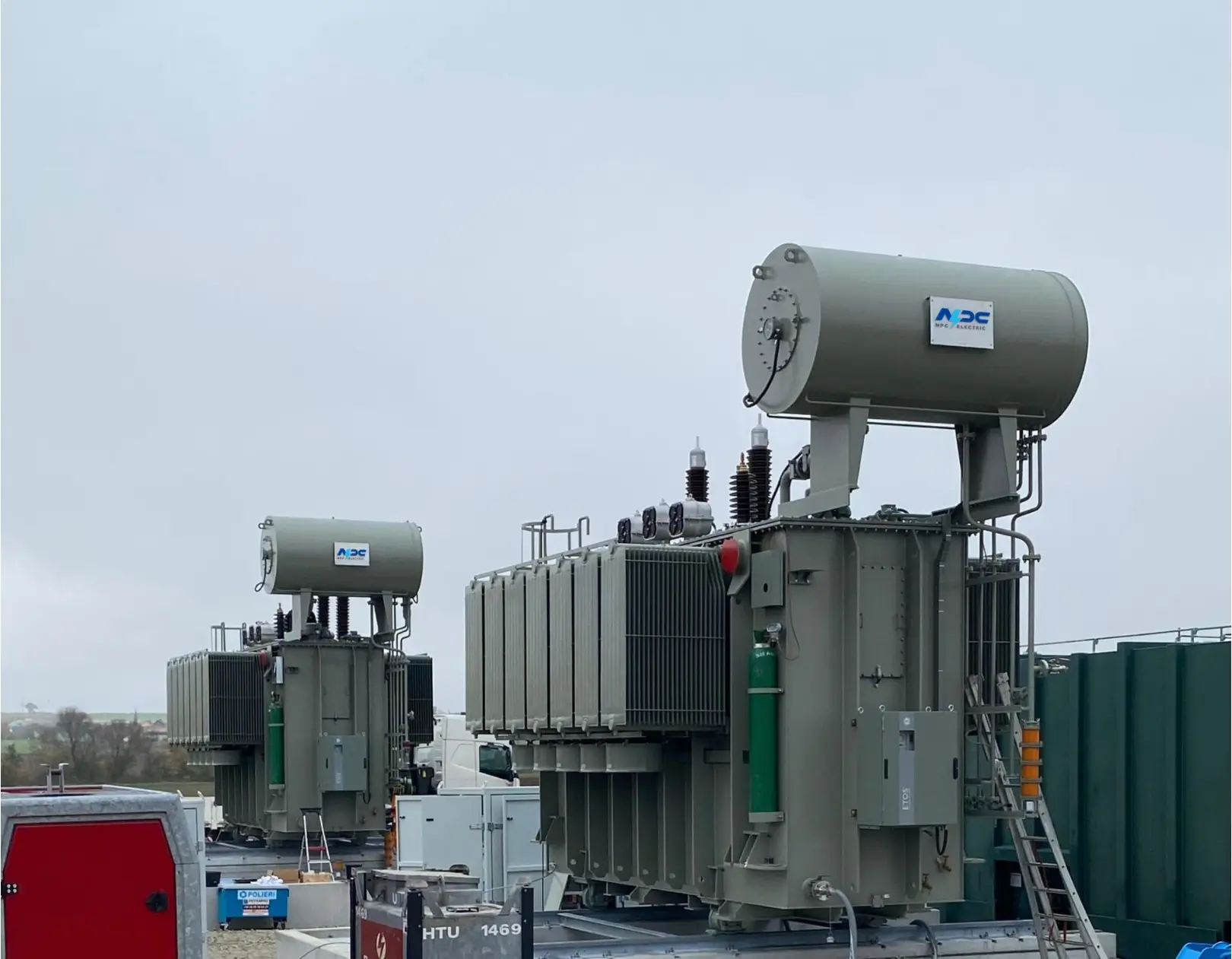
110kV 115kV Power Transformer
NPC ELECTRIC's 110kV and 115kV power transformers are designed with advanced low-loss silicon steel sheets and efficient cooling systems, complying with international standards such as IEC 60076 and GB 1094, ensuring stable and reliable operation in high-voltage transmission systems. They are widely used in large power plants, substations, and industrial parks, providing safe and efficient power conversion and transmission solutions for power grids. It primary voltages (110kV or 115kV grounded wye/delta, dual-voltage options), secondary voltages (10.5kV, 11kV, 13.8kV, 33kV/34.5kV, or bespoke e.g., 115kV/13.8kV), copper/aluminum windings, ONAN/ONAF/ODAF cooling, BIL 350–550kV (up to 650kV optional), impedance 8–12% (±7.5% tolerance), ±8×1.25% or ±2×2.5% off-load taps (OLTC available), conservator/sealed tank.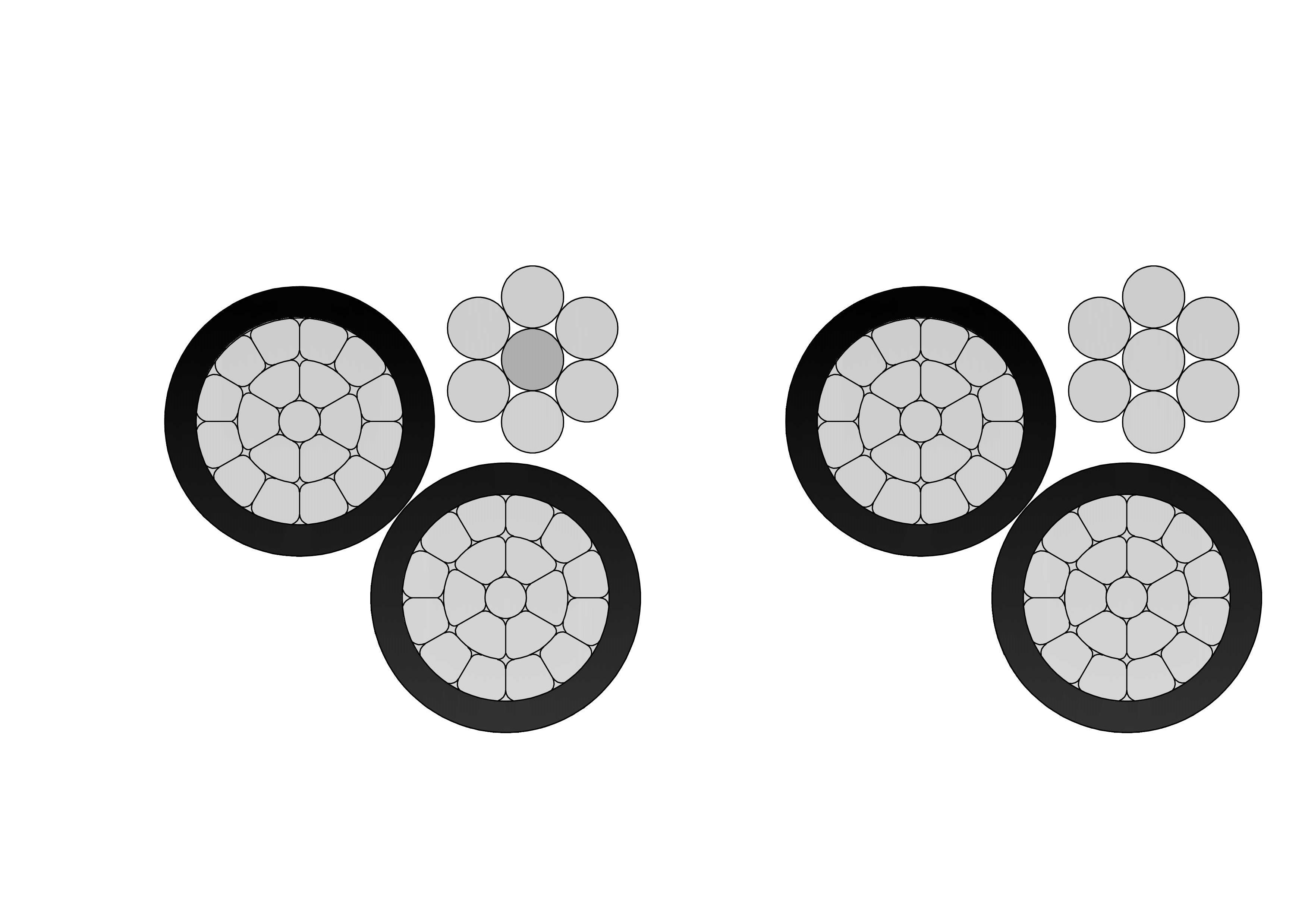
2 Cockle Aluminum Conductor Triplex Overhead Service Drop Cable
The 2-2-4 Cockle Aluminum Conductor Triplex Overhead Service Drop Cable is engineered for efficient overhead power supply from utility poles to residential or commercial weatherheads. It consists of two concentric-lay-stranded 1350-H19 aluminum phase conductors (#2 AWG, 7-strand), black cross-linked polyethylene (XLPE) insulation for superior weather, UV, and thermal resistance, and a bare ACSR neutral messenger (#4 AWG, 6/1) providing mechanical strength and conductivity. Rated for 600 volts phase-to-phase at conductor temperatures up to 90°C (XLPE) or 75°C (Poly), it offers an allowable ampacity of approximately 150 amps (XLP). Compliant with ASTM B-230, B-231, B-232, B-399, and ICEA S-76-474 standards, this lightweight, flexible cable facilitates straightforward installation and ensures long-term reliability in harsh outdoor environments, including exposure to wind, ice, moisture, and temperature variations.
Instrumentation Cables—Mica Tapped, XLPE Insulated, Individual &Overall Screened, Wire Armoured LSZH Sheathed Cables(CU/GMT/XLPE/IOSCR/SWA/LSZH)
CU/GMT/XLPE/IOSCR/SWA/LSZH instrumentation cables are engineered for precise signal and control transmission in environments with high electrical noise and strict safety requirements. The mica tape layer protects the copper conductor during fire exposure, while XLPE insulation ensures stable electrical characteristics and heat resistance. Individual screening of each circuit, combined with an overall screen, provides superior protection against electromagnetic interference, enabling accurate and stable signal performance. Steel wire armour enhances mechanical durability and protects the cable from external damage. The LSZH sheath limits smoke emission and corrosive gases, making the cable suitable for enclosed and public installations. This robust design makes the cable ideal for complex industrial applications requiring both signal integrity and safety compliance.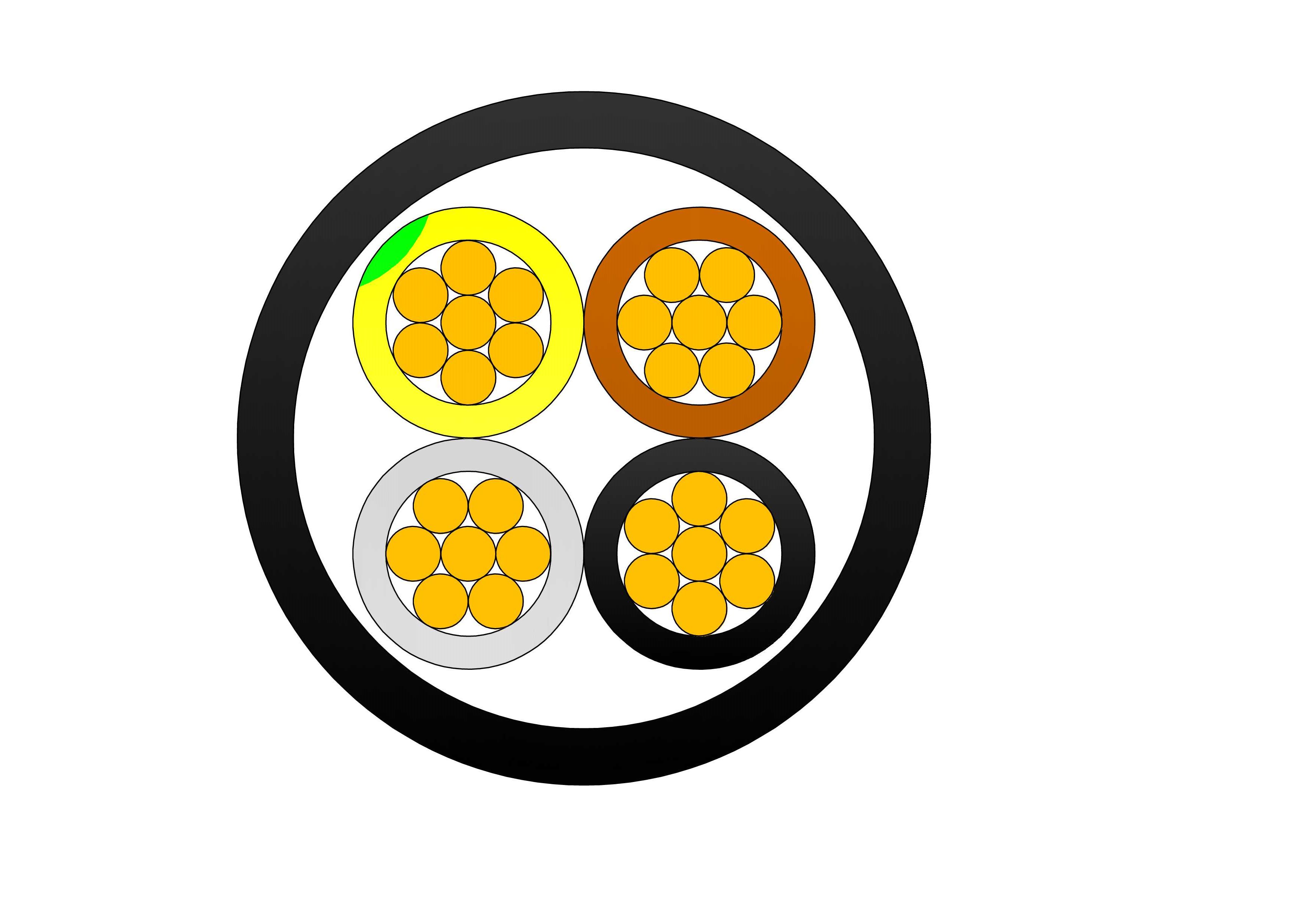
Single Core Aluminum Cable AL/XLPE/PVC Low Voltage Power Cable
The Single Core Aluminum Cable AL/XLPE/PVC is a high-performance low-voltage power cable designed for efficient electrical power transmission and distribution. Manufactured with a high-conductivity aluminum conductor, premium XLPE insulation, and a durable PVC outer sheath, the cable provides an economical and lightweight alternative to copper cables while maintaining excellent electrical performance. The XLPE insulation offers superior dielectric strength, low insulation loss, and excellent thermal stability, allowing continuous conductor operation at temperatures up to 90°C. The PVC sheath protects the cable from moisture, abrasion, chemicals, UV exposure, and mechanical damage, ensuring reliable performance in various installation environments. Its lightweight aluminum conductor reduces installation costs and simplifies handling during construction projects. Manufactured according to IEC 60502-1 and other international standards, the cable is suitable for power stations, industrial facilities, commercial buildings, renewable energy systems, and utility distribution networks. The Single Core Aluminum Cable AL/XLPE/PVC combines cost efficiency, reliability, durability, and safety, making it an ideal choice for modern electrical infrastructure projects worldwide.
GYTS Fiber Optic Cable
The GYTS Fiber Optic Cable is engineered for outdoor communication applications requiring reliable optical transmission and enhanced mechanical protection. Featuring a stranded loose tube design, central strength member, water-blocking filling compound, aluminum moisture barrier, corrugated steel tape armor, and PE outer jacket, the cable provides outstanding performance in challenging environments. The gel-filled loose tubes protect optical fibers from moisture ingress and mechanical stress while maintaining stable transmission characteristics. The APL moisture barrier prevents water penetration, and the PSP steel tape armor enhances crush resistance, impact protection, and rodent resistance. The UV-resistant PE sheath ensures excellent resistance to weathering, chemicals, and environmental aging. Manufactured according to IEC 60794 and ITU-T standards, the GYTS Fiber Optic Cable is widely used in telecommunications networks, utility communication systems, broadband deployment projects, and industrial communication infrastructure. The cable offers a cost-effective and highly durable solution for outdoor fiber optic network installations.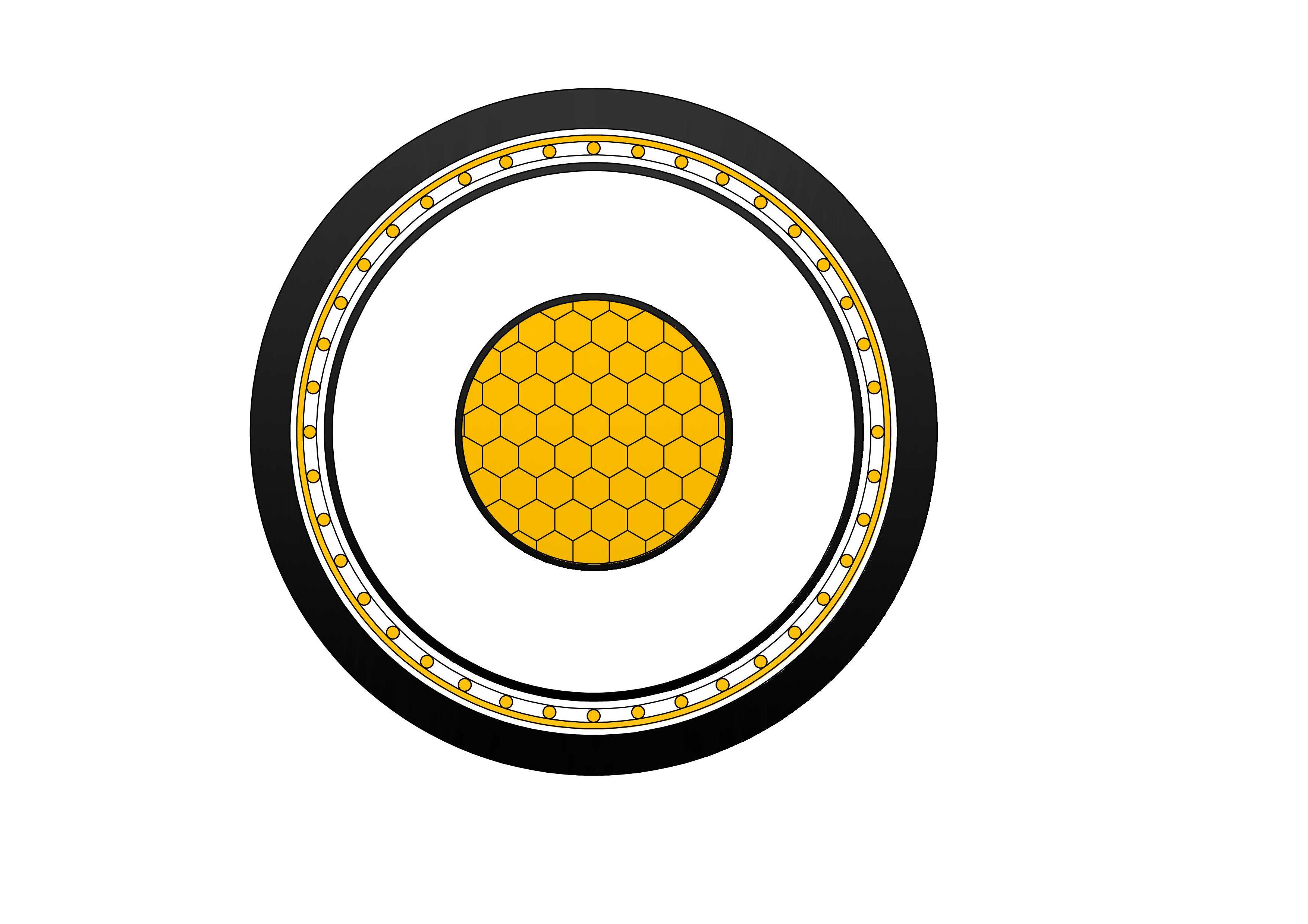
N2XS(F)2Y Medium Voltage Power Cable(6/10kV, 12/20kV, 18/30kV)
The N2XS(F)2Y Medium Voltage Power Cable is engineered for reliable power transmission in medium voltage networks operating at 6/10kV, 12/20kV, and 18/30kV. The cable features a copper conductor, XLPE insulation, and a longitudinally corrugated aluminum sheath that provides excellent moisture barrier performance and mechanical protection. The outer polyethylene sheath enhances resistance to chemicals, abrasion, and environmental stress. Designed in accordance with IEC standards, N2XS(F)2Y cables offer low dielectric losses, stable electrical performance, and long service life. The aluminum sheath also serves as an effective metallic screen, improving fault current capability and system safety. This construction makes the cable suitable for underground and outdoor installations where high reliability and environmental protection are essential.
4 Whelk Triplex Aluminum Conductor Triplex Overhead Service Drop Cable
4-4-4 Whelk Aluminum Conductor Triplex Overhead Service Drop Cable provides efficient overhead power transmission for utility-to-consumer connections. Constructed with solid or stranded 1350-H19 aluminum phase conductors (#4 AWG), black XLPE insulation for enhanced thermal, abrasion, and environmental protection, plus a bare ACSR neutral messenger (#4 AWG, 6/1), it ensures efficient conductivity, corrosion resistance, and structural support. Rated 600V phase-to-phase up to 90°C (XLPE), with ≈115A ampacity, it complies with ASTM B-230/B-231/B-232/B-399 and ICEA S-76-474. Its balanced, lightweight design simplifies installation while offering robust long-term performance against harsh outdoor elements like extreme temperatures, moisture, UV exposure, and mechanical stress in residential and light commercial applications.
3/0 Mursia Aluminum Conductor Triplex Overhead Service Drop Cable
The 3/0 Mursia Triplex Aluminum Overhead Service Drop Cable is a premium-grade aerial electrical cable engineered for utility-to-premises power distribution. Designed with two insulated phase conductors and one bare ACSR (Aluminum Conductor Steel Reinforced) neutral messenger, the Mursia cable ensures strength, conductivity, and stability during aerial installation. Constructed with concentric or compressed 1350-H19 aluminum phase conductors (#3/0 AWG), black XLPE insulation for enhanced thermal, abrasion, and environmental resistance, plus a bare ACSR neutral messenger (#3/0 AWG), it ensures efficient conductivity, corrosion resistance, and structural integrity. Rated 600V phase-to-phase up to 90°C (XLPE), with ≈275A ampacity, it meets ASTM B-230/B-231/B-232/B-399 and ICEA S-76-474. The balanced, lightweight design facilitates easy installation while offering robust protection against extreme outdoor conditions such as temperature swings, moisture, UV exposure, and mechanical stress in residential, commercial, and light industrial applications.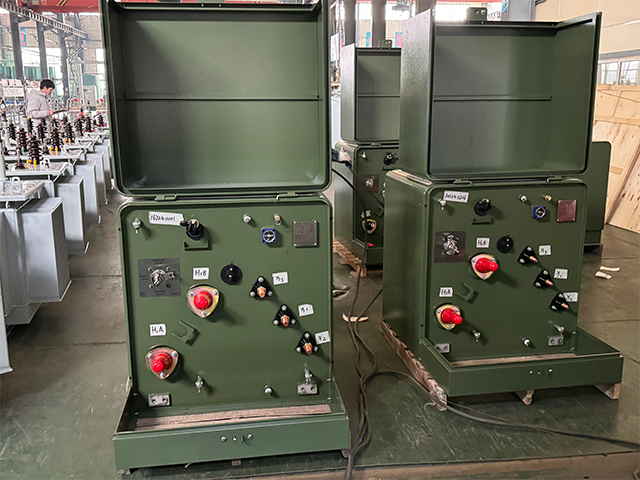
500kVA Single Phase Pad Mounted Transformer
The 500kVA Single Phase Pad Mounted Transformer is a high-capacity electrical transformer designed for reliable and efficient power distribution in commercial, industrial, and utility applications. With a robust, weatherproof enclosure, it is specifically built for outdoor use and can handle the demanding requirements of larger single-phase systems. This transformer offers a 500kVA capacity, ensuring dependable performance for a variety of load conditions.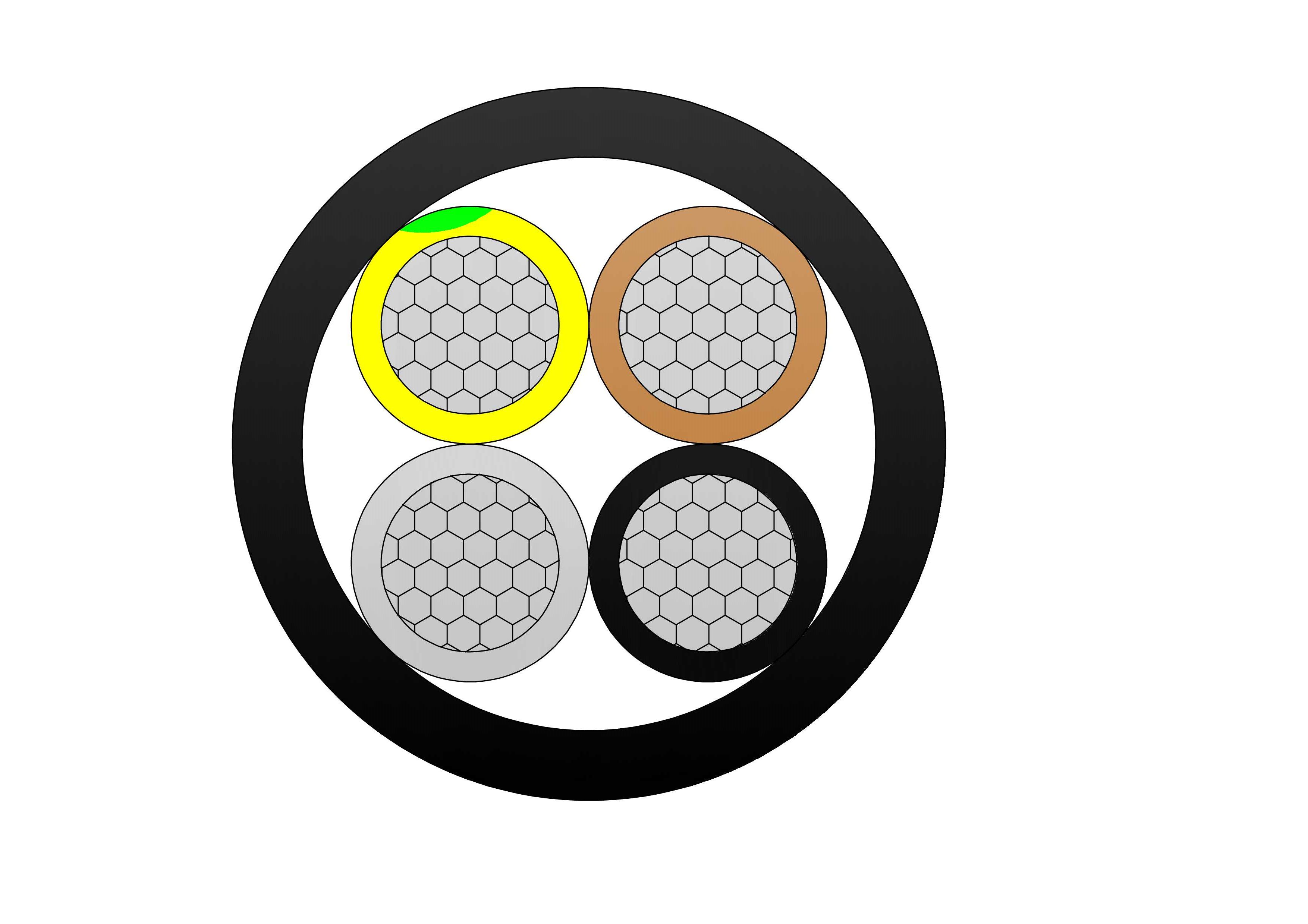
NAYY-J and NAYY-O 0.6/1kV Low Voltage Power Cable
NAYY-J and NAYY-O are low voltage power cables designed according to IEC 60502-1 standard, suitable for fixed installation in indoor, outdoor, underground, or concrete (not subject to vibration) environments. Featuring solid or stranded aluminium conductors, PVC insulation, filler, and robust PVC outer sheath, they comply with VDE 0276-603 standards. NAYY-J includes a protective earth conductor (green/yellow), while NAYY-O does not. These unarmoured cables offer good electrical performance, mechanical strength, and resistance to moisture and chemicals. Lightweight aluminium design significantly reduces costs compared to copper. Suitable for direct burial, ducts, or indoor fixed installations where mechanical protection is not required. Flame-retardant with adequate current rating, the NAYY-J and NAYY-O 0.6/1kV Low Voltage Power Cables ensure reliable energy transmission with minimal losses. Widely applied in industrial facilities, commercial buildings, residential networks, and infrastructure projects needing cost-effective, maintenance-free low-voltage aluminium cabling worldwide.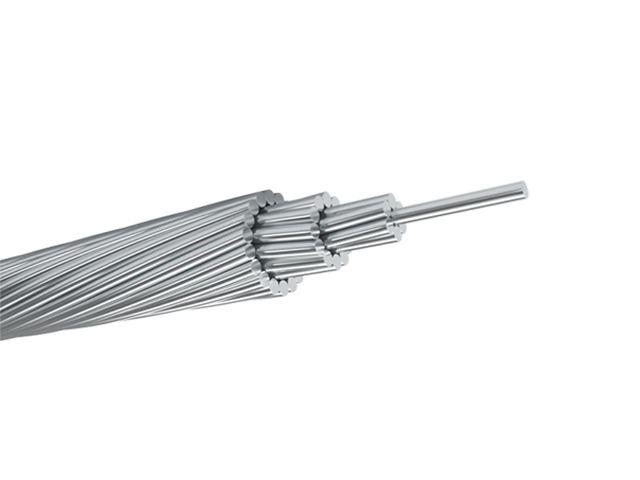
BUTTE AAAC Conductor Cable
BUTTE AAAC (All Aluminum Alloy Conductor) cables comply with ASTM B399 standards and offer high strength, good conductivity, and corrosion resistance. Named "Butte" for its 400 mm² nominal area with 37-strand configuration, it offers superior conductivity (53% IACS) and tensile strength (295 MPa min) compared to ACSR. Made from heat-treated aluminum-magnesium-silicon alloy (6201-T81), this cable provides excellent corrosion resistance, low weight, and reduced sag for longer spans. Compliant with ASTM B398, B399, IEC 61089, and BS EN 50182 standards, it supports voltages up to 33kV with ampacity up to 800A at 75°C. The homogeneous alloy construction eliminates bimetallic corrosion and ensures uniform mechanical properties. The Butte AAAC Conductor Cable minimizes line losses, withstands harsh weather, and requires minimal maintenance. Ideal for rural electrification, urban upgrades, and renewable energy integrations, it delivers reliable, cost-effective power in overhead lines worldwide, outperforming traditional conductors in corrosive or coastal environments.Welcome your inquiry
Honesty, Integrity, Frugality, Activeness and Passion