Dry-Type Transformer Cost Factors: Pricing Insights and Expert Selection Guide
2026-03-02
1. Why Dry-Type Transformer Cost Matters for B2B Buyers
For industrial operators, data centers, renewable energy projects, and EPC contractors, the dry type transformer has become a preferred solution due to its fire safety, low maintenance requirements, and suitability for indoor installations. However, one of the most common procurement questions remains: what drives dry type transformer cost, and how can buyers select the most cost-effective solution without compromising reliability?
Unlike commodity electrical equipment, dry-type transformer prices vary significantly based on technical configuration, performance requirements, and lifecycle expectations. A transformer with a lower upfront cost may result in higher operating expenses, energy losses, or maintenance interventions over time—particularly in mission-critical environments such as data centers and industrial production lines.
2. Overview of Dry Type Transformer Types and Cost Implications
Different dry-type transformer types directly influence pricing and application suitability.
Common Dry Type Transformer Configurations
-
Cast resin dry-type transformer (epoxy encapsulated windings)
-
VPI (Vacuum Pressure Impregnated) dry-type transformer
-
Open-wound ventilated dry-type transformer
-
Forced-air cooled (AF) dry-type transformer
Among these, dry-type transformer cast resin designs typically carry a higher upfront cost, but offer superior moisture resistance, reduced maintenance requirements, and longer service life—making them cost-effective for harsh or indoor environments.
3. Key Cost Drivers That Influence Dry Type Transformer Prices
3.1 Rated Power, Voltage Level, and Insulation Class
Transformer size and high voltage rating are primary cost drivers. Higher voltage levels require:
-
Increased insulation thickness
-
Higher insulation class (F or H)
-
Enhanced dielectric design to manage electrical stress
These factors directly increase material usage and manufacturing complexity, influencing dry-type transformer cost.
3.2 Copper Windings vs. Aluminum Windings
Copper windings significantly influence dry-type transformer prices.
| Winding Material | Cost Impact | Performance Impact |
| Copper windings | Higher upfront cost | Lower load losses, higher energy efficiency |
| Aluminum windings | Lower upfront cost | Higher energy losses, larger conductor size |
For data centers and continuous-load industrial systems, copper windings often deliver lower long-term operating costs due to reduced energy losses and better thermal performance.
3.3 Cooling Method: Natural Air vs. Forced Air
Cooling configuration affects both upfront cost and operating expenses.
-
AN (Air Natural): Lower initial cost, limited overload capacity
-
AF (Forced Air): Higher upfront cost due to fans and control systems, but supports higher load growth
In data centers and renewable energy substations, forced air cooling is often justified to handle load variability without oversizing the transformer.
4. Energy Efficiency, Load Losses, and Long-Term Operating Costs
While upfront cost is important, energy efficiency is a decisive factor in the total cost of ownership.
Why Load Losses Matter
-
Load losses scale with operating current
-
High utilization systems amplify energy losses
-
Poor efficiency directly increases operating expenses
For large-scale installations, energy losses over 20–30 years often exceed the original purchase price, making efficiency-focused selection critical.
5. ROI and Lifecycle Cost Calculation: Practical Examples for B2B Buyers
For industrial facilities and data centers, dry type transformer selection is ultimately a financial decision supported by engineering data. Below are simplified, real-world examples illustrating how upfront cost differences translate into long-term ROI.
1: Copper vs. Aluminum Windings (20-Year Lifecycle)
Project Profile
-
Rated power: 2000 kVA dry-type transformer
-
Operating load: 70% continuous
-
Application: Data center
-
Electricity cost: USD 0.12/kWh
-
Operating hours: 8,760 hours/year
| Parameter | Aluminum Windings | Copper Windings |
| Upfront cost | Lower | +15–20% |
| Load losses | Higher | Lower |
| Annual energy loss cost | ~$18,500 | ~$12,800 |
| 20-year energy cost | ~$370,000 | ~$256,000 |
ROI Insight:
Although the copper winding transformer increases upfront cost, it delivers over USD 110,000 in energy savings across 20 years—far outweighing the initial price difference.
Recommendation:
For high-utilization systems, copper windings are a cost-effective investment with predictable ROI.
2: Natural Air (AN) vs. Forced Air (AF) Cooling
Scenario
-
Industrial plant planning for future capacity expansion
-
Initial load: 60%
-
Expected growth to 90% within 5 years
| Factor | AN Cooling | AF Cooling |
| Initial cost | Lower | +8–12% |
| Overload capability | Limited | Up to 40% |
| Need for oversizing | Yes | No |
| Expansion flexibility | Low | High |
Lifecycle Cost Impact
-
A cooling often requires an oversized transformer upfront
-
AF cooling allows sa maller initial rating, reducing capital cost
-
Fan power consumption adds a minor operating expense but avoids major reinvestment
ROI Insight:
AF designs reduce future replacement and expansion costs, especially in data centers and renewable energy projects with load uncertainty.
3: Energy Efficiency and Payback Period
For a high-efficiency dry-type transformer with optimized core design:
-
Additional upfront cost: USD 25,000
-
Annual energy savings from reduced losses: USD 6,000
Simple Payback Period:
25,000 ÷ 6,000 ≈ 4.2 years
After the payback period, all savings directly reduce operating expenses, improving long-term profitability.
How EPCs and Buyers Should Use ROI Calculations
When evaluating dry-type transformer cost, buyers should:
-
Request load loss and no-load loss data from manufacturers
-
Calculate energy losses using actual operating profiles
-
Compare 20–30 year lifecycle costs, not just upfront pricing
-
Factor in maintenance requirements and downtime risk
-
Align transformer selection with project financing and ROI targets
Procurement Insight
For data centers, renewable energy plants, and industrial facilities, ROI-based transformer selection is often:
-
Improves project bankability
-
Reduces long-term operating expenses
-
Supports sustainability and energy efficiency goals
-
Strengthens justification during internal approval processes
6. Maintenance Requirements and Lifecycle Cost Considerations
One advantage of dry-type transformers is reduced maintenance compared to oil-filled units. However, maintenance requirements still vary by design.
Factors Affecting Maintenance Costs
-
Cast resin vs. open winding
-
Dust and contamination exposure
-
Fan maintenance in forced air systems
For indoor industrial environments and data centers, cast resin dry-type transformers minimize maintenance downtime, supporting higher system availability and predictable operating costs.
7. Dry Type Transformers in Data Centers and Renewable Energy Projects
Data Centers
-
Require high reliability and low energy losses
-
Often operate near full load continuously
-
Emphasize energy efficiency and low operating expenses
Renewable Energy Applications
-
Solar and wind projects favor dry-type transformers for fire safety
-
Variable load profiles increase the importance of thermal design
-
Long-term cost stability is essential for project ROI
In both cases, dry type transformer cost must be evaluated against performance consistency and lifecycle value, not just initial pricing.
8. Common Factors That Increase Costs (and When They Are Justified)
Some specifications inevitably increase costs, but may be strategically necessary:
-
Higher insulation class (H instead of F)
-
Copper windings
-
Forced air cooling
-
Low-loss core design
-
Custom enclosure or noise reduction
For critical infrastructure, these cost increases often result in lower risk, reduced downtime, and improved long-term economics.
9. Expert Selection Advice for EPC and Industrial Buyers
To select a cost-effective dry-type transformer, buyers should:
-
Define actual load profiles, not just nameplate ratings
-
Evaluate total lifecycle cost, not only the upfront cost
-
Match insulation class and cooling to the environment
-
Prioritize energy efficiency in high-utilization systems
-
Work with experienced manufacturers who understand application-specific cost drivers
A well-specified transformer avoids unnecessary oversizing while ensuring long-term operational stability.
10. Balancing Cost, Performance, and Reliability
Understanding dry-type transformer cost factors is essential for making informed procurement decisions. From copper windings and insulation class to cooling methods and energy efficiency, each design choice influences both upfront investment and long-term operating costs.
For industrial plants, data centers, and renewable energy projects, the most cost-effective solution is rarely the cheapest unit—it is the transformer that delivers stable performance, low energy losses, minimal maintenance, and predictable lifecycle costs.
By focusing on real operating conditions and proven engineering principles, B2B buyers can confidently select dry type transformers that protect budgets today and performance tomorrow.

Related Articles
Related Products
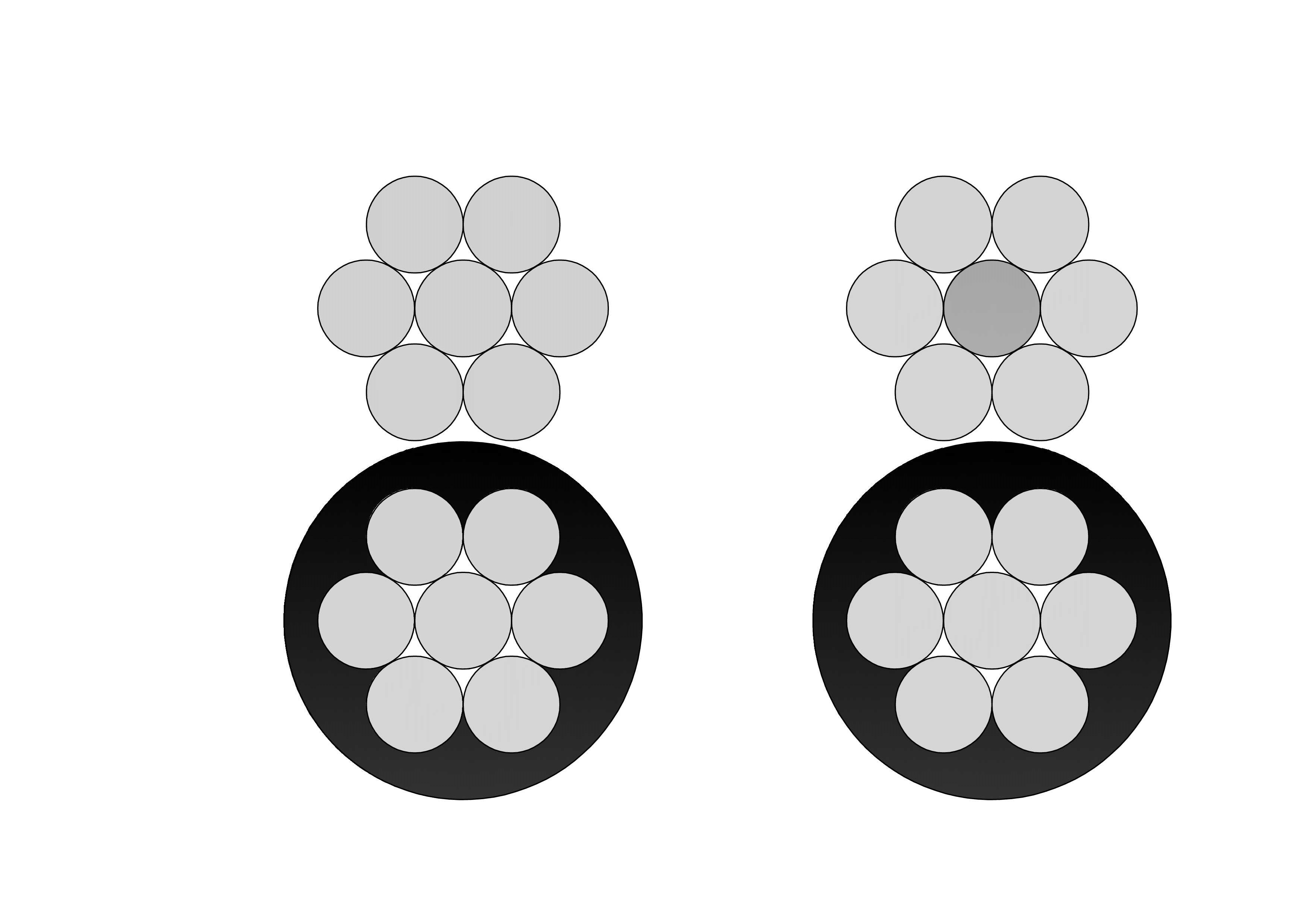
2 Doberman Aluminum Conductor Duplex Overhead Service Drop Cable
The 2 Doberman Aluminum Conductor Duplex Overhead Service Drop Cable is designed to provide efficient and dependable power delivery in overhead secondary distribution systems. Constructed with stranded aluminum conductors, the duplex configuration combines electrical conductivity with mechanical support for service drop installations. The No. 2 Doberman size is suitable for standard service drop spans, offering reliable load capacity with controlled sag under varying environmental conditions. Aluminum conductors reduce overall cable weight, simplify handling, and enhance corrosion resistance for long-term outdoor operation. Produced under strict quality management systems, the 2 Doberman Aluminum Conductor Duplex Overhead Service Drop Cable meets utility and ASTM requirements, making it a trusted solution for modern overhead service connections where safety, durability, and consistent performance are essential.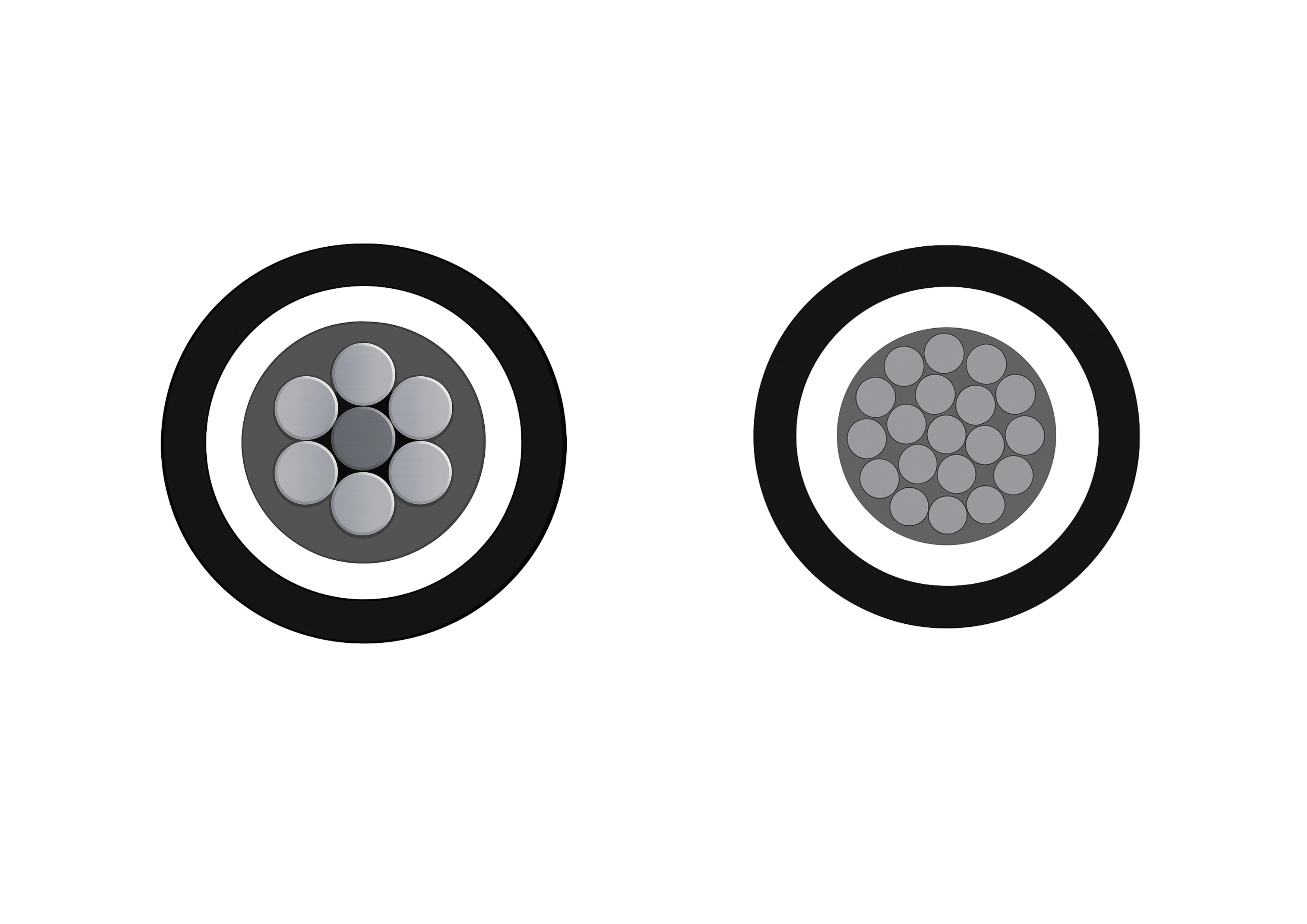
XLPE-HDPE Tree Cable Aluminum 25kV 1x300mm²
Ensure uninterrupted power delivery with the XLPE-HDPE Tree Cable Aluminum 25kV 1x300mm² – engineered for medium-voltage overhead distribution systems requiring very high current capacity. Perfect for main feeder lines, long-distance rural transmission, industrial zones, and densely populated urban areas, this cable guarantees dependable performance under the most demanding conditions. Featuring high-conductivity aluminum alloy 1350 wires in round compacted class 2 stranding, it offers superior current flow and mechanical strength. Optional extruded semiconductor shielding enhances electrical stability for 15kV and 25kV networks, making it an excellent choice for modern power infrastructure. Select XLPE-HDPE 25kV Tree Cable 1x300mm² for a long-lasting, low-maintenance, and highly reliable power solution that ensures safe, efficient, and stable electricity transmission across your network.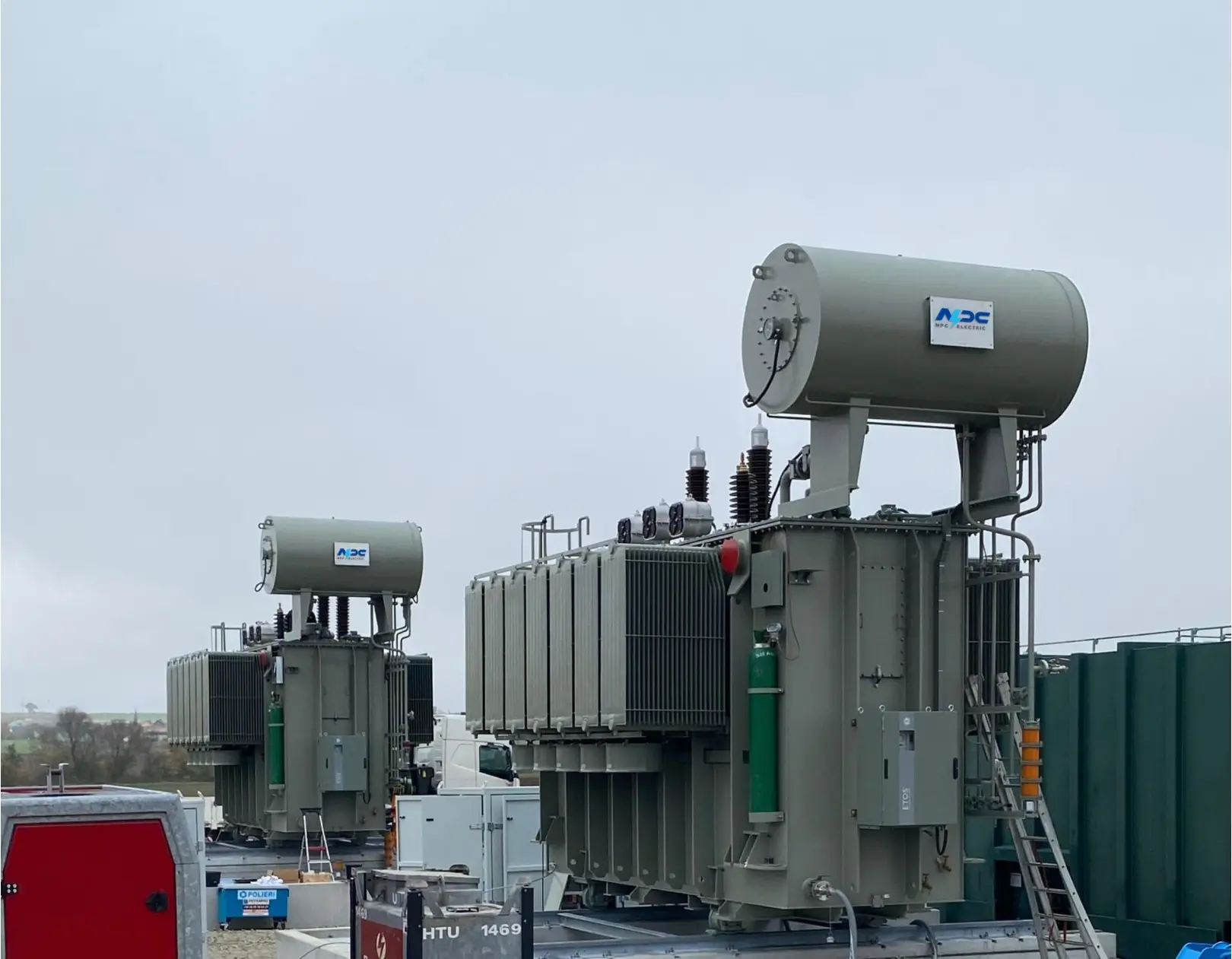
132kV High Voltage Outdoor Power Substation Transformer for Grid Systems
The 132kV High Voltage Outdoor Power Substation Transformer is engineered to support modern grid systems that demand high reliability, operational stability, and long-term performance. Designed for continuous outdoor operation, it features a robust oil-immersed insulation system combined with a mechanically reinforced structure to withstand electrical stress, environmental exposure, and grid fluctuations. The transformer is optimized for efficient power transfer with controlled losses and stable voltage regulation across varying load conditions. Its thermal design ensures effective heat dissipation, supporting extended service life even under high ambient temperatures. Suitable for utility substations and large-scale grid infrastructure, this transformer meets stringent operational and safety requirements while maintaining ease of maintenance and dependable long-term operation in complex power networks.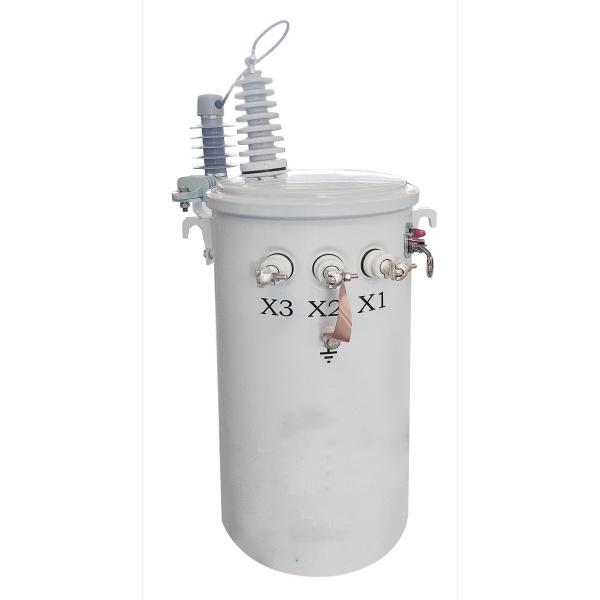
10kVA Completely Self-protected(CSP) Single Phase Pole Mounted Transformer
NPC ELECTRIC the production of 10 kVA Completely Self-Protected (CSP) single-phase overhead transformers, meticulously engineered to meet international standards such as IEEE C57.12.00, IEEE C57.12.20, DOE-2016 Efficiency, CSA C2.1, and CSA C2.2. The 10kVA fully self-protected (CSP) single-phase pole-mounted transformer is an efficient and reliable power equipment designed for small and medium-sized power needs. The transformer adopts advanced fully self-protection technology and has built-in overload, short-circuit and overvoltage protection functions to ensure that the transformer can automatically cut off power under abnormal conditions, avoid equipment damage and improve system safety. It has a simple design, is easy to install, saves space, and is suitable for all types of power distribution systems. This transformer is suitable for residential, commercial areas and small industrial places, providing stable single-phase power output.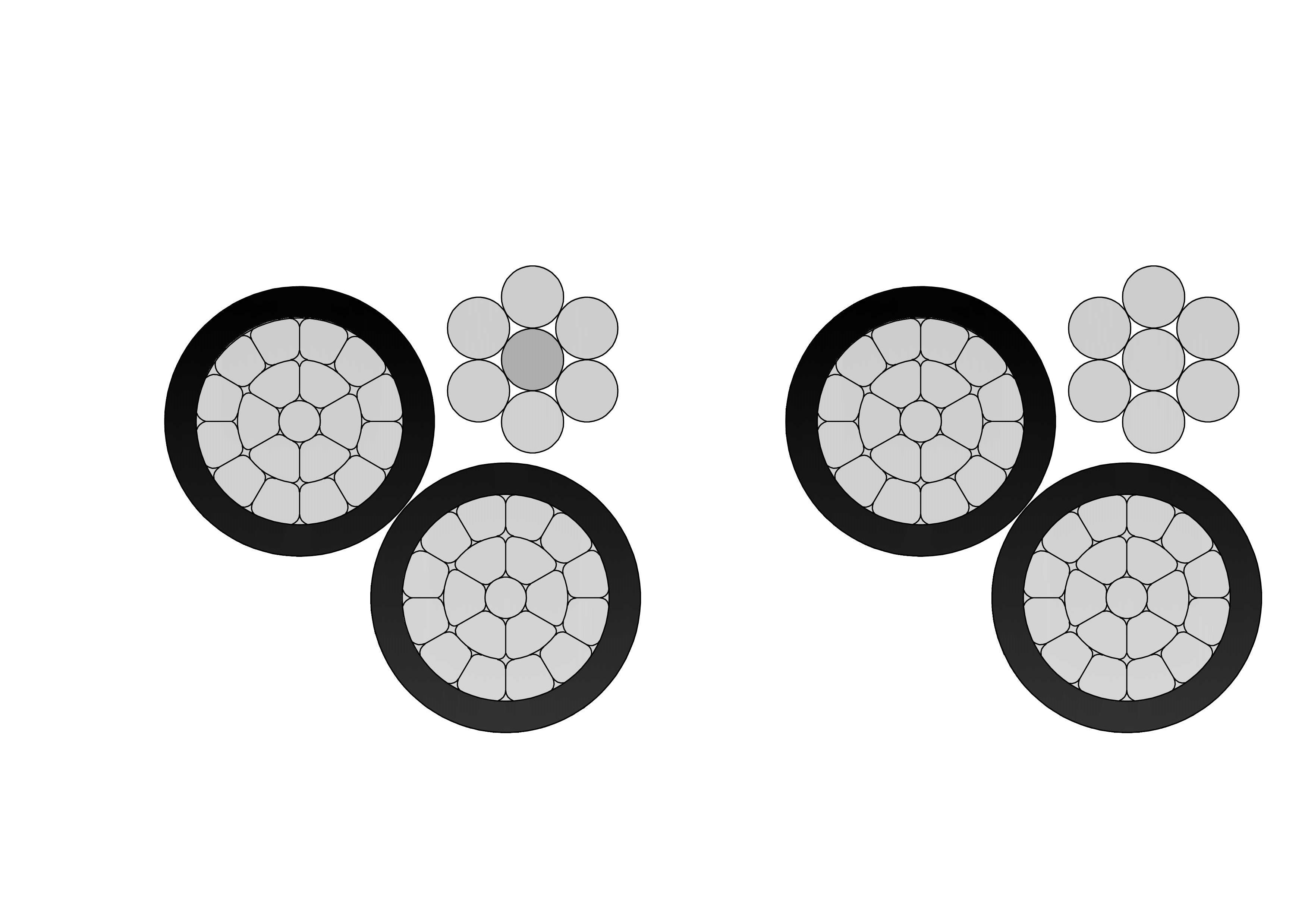
2/0 Trophon Aluminum Conductor Triplex Overhead Service Drop Cable
The 2/0 Trophon Aluminum Conductor Triplex Overhead Service Drop Cable delivers superior performance for overhead power distribution. Engineered with high-quality 1350-H19 aluminum conductors, black cross-linked polyethylene (XLPE) insulation, and a bare ACSR neutral messenger, this triplex cable ensures excellent conductivity, weather resistance, and mechanical strength. Rated for 600V phase-to-phase at up to 90°C conductor temperature (XLP), it offers approx. 230A ampacity, making it ideal for residential and light commercial service entrances. Compliant with ASTM B-230, B-231, B-232, and ICEA S-76-474 standards, the cable withstands harsh outdoor conditions while maintaining flexibility and reliability.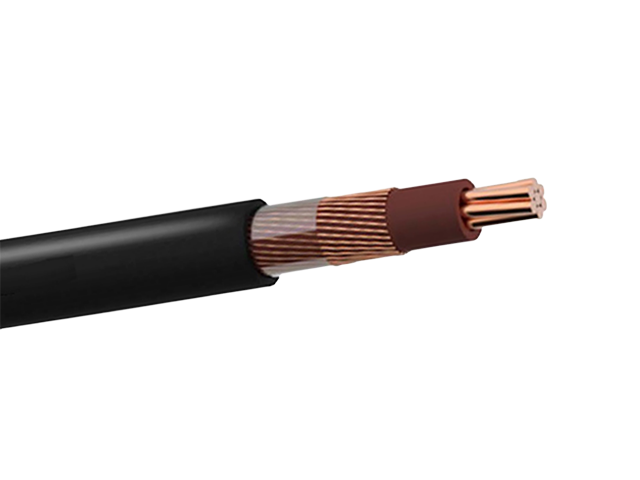
28 kV Concentric Neutral Power Cable
The 28 kV Concentric Neutral Power Cable is a premium medium-voltage underground distribution cable engineered for reliable primary power delivery. It consists of a stranded copper or aluminum conductor, extruded semi-conducting conductor shield, tree-retardant TR-XLPE or EPR insulation, semi-conducting insulation shield, and helically applied bare copper concentric neutral wires, all protected by a tough sunlight-resistant LLDPE jacket. Available with 100% or 133% insulation levels and full or reduced neutral, this cable offers excellent electrical performance, superior moisture and treeing resistance, and strong mechanical protection. Suitable for direct burial or duct installations, the 28 kV Concentric Neutral Power Cable meets ICEA S-94-649, AEIC CS8, and related standards. It undergoes rigorous quality testing from raw materials to finished product, ensuring low dielectric loss, high reliability, and long service life in demanding underground environments.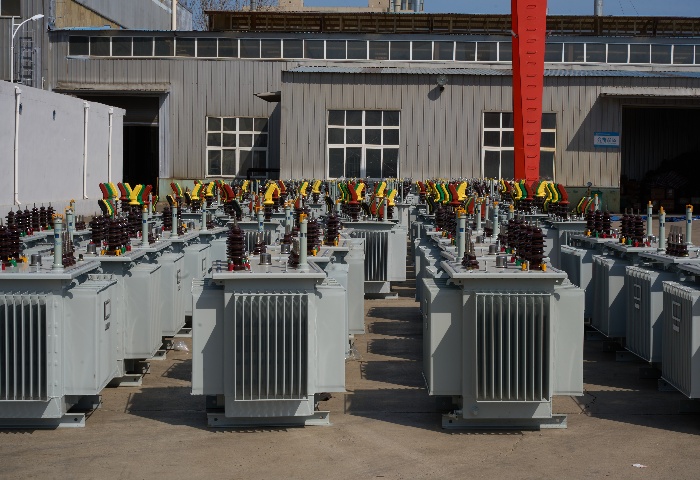
80kVA Oil Immersed Transformer
NPC ELECTRIC 80kva Oil Immersed Transformer boasts a robust design that incorporates high-quality materials and advanced manufacturing techniques. The transformer's core is made from premium cold-rolled silicon steel sheets, ensuring low loss and high efficiency. The oil-immersed design of the NPC ELECTRIC 80kVA transformer provides effective cooling and insulation, ensuring that the transformer operates within safe temperature limits and maintains optimal performance. The oil also acts as a dielectric medium, enhancing the transformer's electrical properties and protecting it from environmental factors.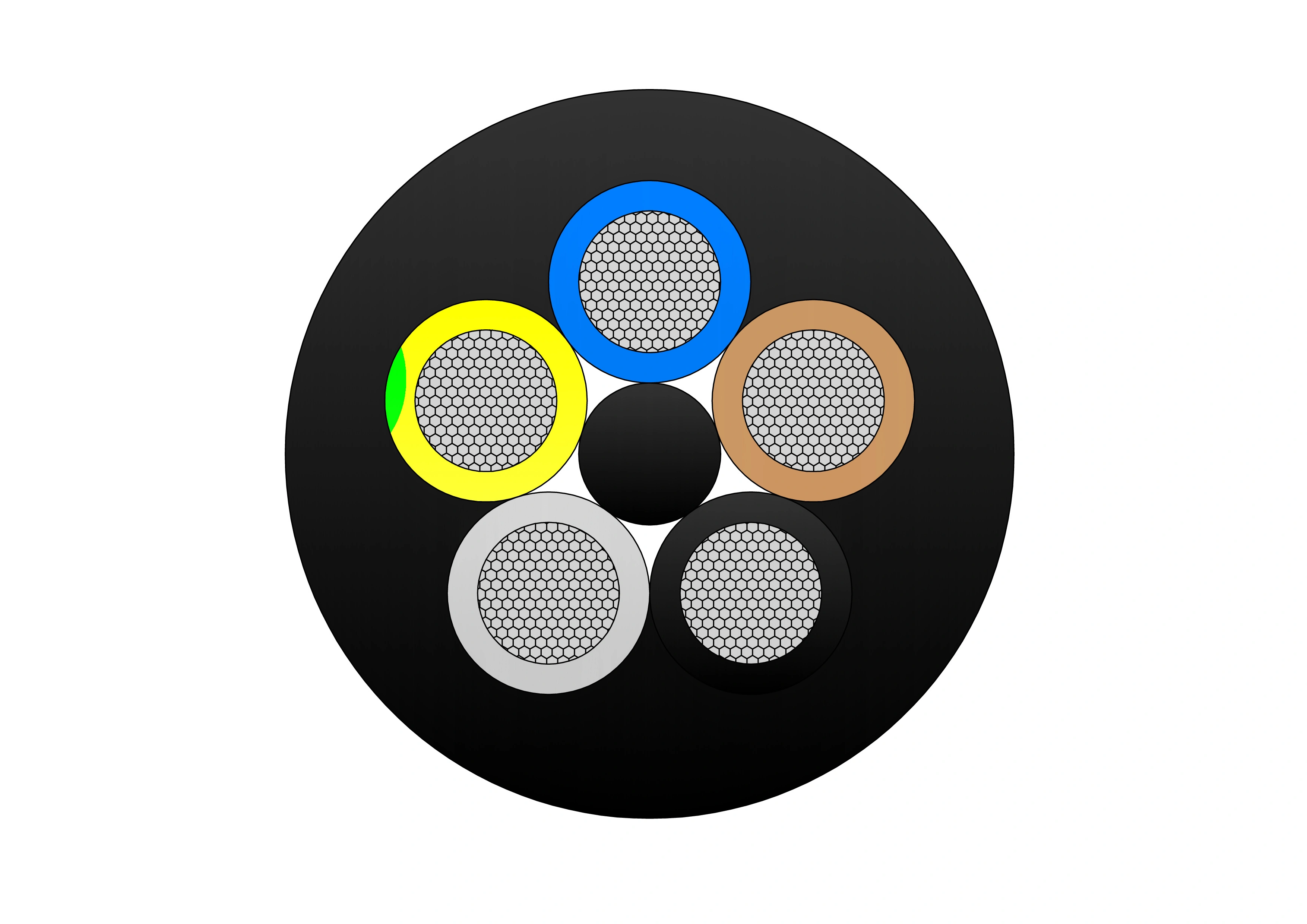
(N)TSCGEWOU 3.6/6kV, 6/10kV, 8.7/15kV and 12/20kV ATB Cable
The (N)TSCGEWOU 3.6/6kV, 6/10kV, 8.7/15kV, and 12/20kV ATB Cable is a medium voltage flexible power cable designed in compliance with VDE 0250 standards. It features Class 5 tinned copper conductors, EPR rubber insulation, semi-conductive layers, halogen-free flame-retardant rubber sheath, and an earth detection conductor. The ATB construction ensures superior mechanical strength, oil resistance, abrasion resistance, and flame retardancy, making it ideal for open-pit mining, tunneling, and other heavy-duty mobile equipment applications under extreme mechanical stress. It includes tinned class 5 copper phase conductors, semi-conductive screens, EPR insulation for reliable dielectric and thermal performance (90°C rating), copper braid screen, control conductors, monitoring conductor (ÜL), anti-torsion braid to reduce twisting under load, and a robust rubber sheath resistant to oils, flames, abrasion, and mechanical damage.
10 Gauge Galvanized Steel Conductor Wire
The 10 Gauge Galvanized Steel Conductor Wire is a premium high-strength bare steel wire designed for reliable overhead power line applications. Manufactured with heavy hot-dip zinc coating, this 10 AWG galvanized conductor delivers superior corrosion resistance and long service life in harsh outdoor environments. It offers excellent tensile strength and mechanical performance, making it ideal for use as overhead ground wire (static wire), guy wire, or messenger wire. Fully compliant with ASTM A475 and related utility standards, the 10 Gauge Galvanized Steel Conductor Wire undergoes rigorous testing from raw materials to finished product to ensure uniform zinc adhesion, consistent diameter, and high breaking strength. Its durable construction minimizes maintenance while providing dependable shielding and structural support for transmission and distribution systems.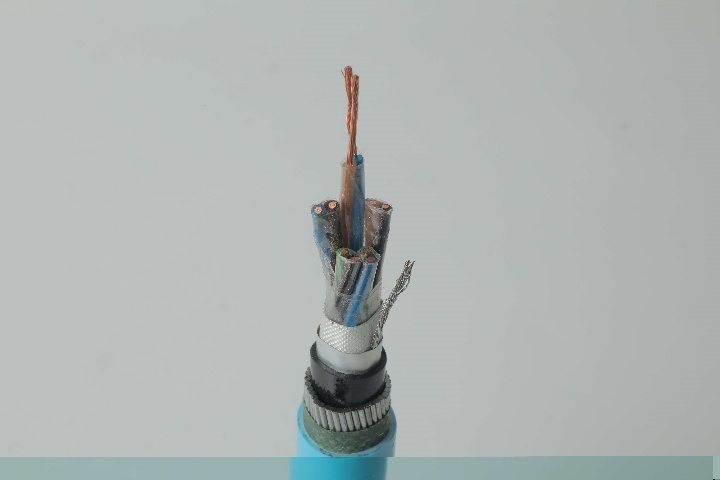
Instrumentation Cables—Mica Tapped, XLPE Insulated, Individual &Overall Screened, Wire Armoured LSZH Sheathed Cables(CU/GMT/XLPE/IOSCR/SWA/LSZH)
CU/GMT/XLPE/IOSCR/SWA/LSZH instrumentation cables are engineered for precise signal and control transmission in environments with high electrical noise and strict safety requirements. The mica tape layer protects the copper conductor during fire exposure, while XLPE insulation ensures stable electrical characteristics and heat resistance. Individual screening of each circuit, combined with an overall screen, provides superior protection against electromagnetic interference, enabling accurate and stable signal performance. Steel wire armour enhances mechanical durability and protects the cable from external damage. The LSZH sheath limits smoke emission and corrosive gases, making the cable suitable for enclosed and public installations. This robust design makes the cable ideal for complex industrial applications requiring both signal integrity and safety compliance.
50kVA Oil Immersed Transformer
50kVA Oil Immersed Transformer is usually pole mounted or installed in a distribution station for daily lighting and factory power, whose an LV output up to 0.4kV. The corrugated tank has thermal expansion and contraction components that enable the transformer oil to be completely isolated from the atmosphere. A distribution transformer can be manufactured according to the requirements of the client. This transformer is optimally designed by patented technology and software.
3/0 Mursia Aluminum Conductor Triplex Overhead Service Drop Cable
The 3/0 Mursia Triplex Aluminum Overhead Service Drop Cable is a premium-grade aerial electrical cable engineered for utility-to-premises power distribution. Designed with two insulated phase conductors and one bare ACSR (Aluminum Conductor Steel Reinforced) neutral messenger, the Mursia cable ensures strength, conductivity, and stability during aerial installation. Constructed with concentric or compressed 1350-H19 aluminum phase conductors (#3/0 AWG), black XLPE insulation for enhanced thermal, abrasion, and environmental resistance, plus a bare ACSR neutral messenger (#3/0 AWG), it ensures efficient conductivity, corrosion resistance, and structural integrity. Rated 600V phase-to-phase up to 90°C (XLPE), with ≈275A ampacity, it meets ASTM B-230/B-231/B-232/B-399 and ICEA S-76-474. The balanced, lightweight design facilitates easy installation while offering robust protection against extreme outdoor conditions such as temperature swings, moisture, UV exposure, and mechanical stress in residential, commercial, and light industrial applications.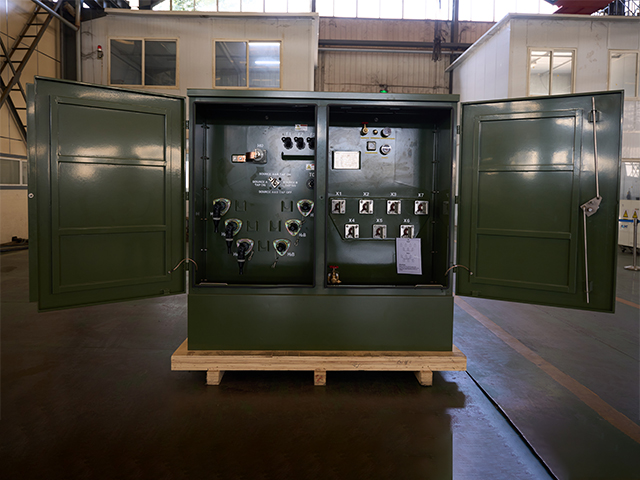
225kVA Three Phase Pad Mounted Transformer
The 225kVA three-phase pad transformer is an efficient and reliable power conversion device designed for commercial, industrial and distribution systems. With a high power capacity of 225kVA, the transformer is able to provide a stable three-phase power supply for large-scale equipment to meet high load requirements. Its rugged housing is made of weather-resistant materials and meets NEMA 3R standards, ensuring long-term stable operation in outdoor environments and preventing the influence of external factors such as water, dust and corrosion.
Type 455 Flexible Screened Mining Cable With Two Earth And One Pilot Core
The Type 455 Flexible Screened Mining Cable With Two Earth And One Pilot Core is an extra-heavy-duty flexible cable designed for the most severe underground mining operations requiring enhanced electrical safety. It features finely stranded tinned copper conductors (class 5) for exceptional flexibility and corrosion resistance, EPR insulation for high dielectric strength and 90°C continuous rating, tinned copper braid screen for effective EMI protection and grounding, two dedicated earth cores for redundant grounding and increased safety, one pilot core for earth continuity monitoring and machine interlock protection, and an extra-heavy-duty flame-retardant rubber outer sheath resistant to oil, abrasion, tearing, crushing, impact, and chemicals. Compliant with AS/NZS 2802 and mining safety standards, it supports very high tensile loads, frequent reeling/drag, tight bending radii, and reliable performance in wet, dusty, and hazardous conditions. The Type 455 is ideal for high-power trailing applications in coal and metalliferous mines, powering longwall shearers, continuous miners, face conveyors, shuttle cars, and critical mobile equipment with dual earth redundancy and pilot monitoring for maximum safety.
Instrumentation Cables—XLPE Insulated, Overall Screened, Wire Armoured PVC Sheathed Cables(CU/XLPE/OSCR/SWA/PVC)
Engineered for thermal resilience and electromagnetic shielding, the Instrumentation Cables—XLPE Insulated, Overall Screened, Wire Armoured PVC Sheathed Cables (CU/XLPE/OSCR/SWA/PVC) excel in high-temperature environments. Stranded copper conductors ensure low resistance and flexibility, with XLPE insulation providing 90°C continuous rating and 250°C short-circuit tolerance. Overall screening via aluminum/polyester tape and drain wire mitigates EMI/RFI, preserving signal quality. SWA armour protects against mechanical damage, while PVC sheath adds flame resistance and waterproofing. Meeting BS EN 50288-7 and BS EN 50288-1 standards, these multi-pair cables transmit analogue/digital signals with low capacitance in demanding circuits. Suitable for ducts, trays, direct burial, or outdoor exposures, they boost system integrity and reduce interruptions in heat-intensive areas. With enhanced dielectric properties and attenuation control, this CU/XLPE/OSCR/SWA/PVC offers dependable, maintenance-reducing solutions for professionals in petrochemical, power, and industrial sectors.Welcome your inquiry
Honesty, Integrity, Frugality, Activeness and Passion