XLPE Insulated MV HV Cables | Copper Conductor, Steel Wire Armored (SWA)
2026-04-29
In modern infrastructure and energy systems, the reliability of a power cable determines the stability of industrial production, renewable integration, and national grid security. For medium voltage (MV) and high voltage (HV) applications, XLPE-insulated cable technology combined with Steel Wire Armored (SWA) cable construction provides optimal electrical performance and mechanical protection.
From underground urban networks to long-distance power transmission corridors, properly engineered mv cables and HV cables ensure safe and efficient voltage power delivery under demanding environmental conditions.
1. Fundamentals of XLPE Insulated Cable Technology
1.1 What Is XLPE Insulation?
XLPE stands for cross-linked polyethylene. It starts as standard polyethylene (a common thermoplastic), then undergoes a special cross-linking process (chemical via peroxides/silane or physical via electron beam radiation). This creates strong chemical bonds between polymer chains, forming a three-dimensional thermoset network.
Unlike regular polyethylene or PVC (which soften/melt when heated), XLPE becomes permanently stable and heat-resistant — turning it into a superior thermoset insulation material.
Key standards: Commonly meets IEC 60502, IEC 60840, IEC 62067, IEEE, and similar global specs for extruded power cables.
Advantages include:
- 90°C continuous operating temperature
- 250°C short circuit withstand capability
- Excellent dielectric strength
- Low dielectric loss
- Resistance to water treeing
Today, XLPE cables dominate medium voltage and high voltage cable markets worldwide.
1.2 Why XLPE Insulation Dominates Modern Cables
XLPE has largely replaced older insulation types (like PVC or paper-oil) in most power distribution and transmission projects due to these proven benefits:
- Higher Temperature Rating — Continuous operation at 90°C (some grades up to 105–130°C), short-circuit tolerance up to 250°C → allows higher current-carrying capacity than PVC (limited to 70°C).
- Excellent Electrical Properties — Very high dielectric strength, low dielectric loss/dissipation factor, stable over a wide frequency range → ideal for high-voltage and extra-high-voltage cables.
- Superior Moisture & Chemical Resistance — Extremely low water absorption → reduces water treeing and aging in underground/submarine cables.
- Better Mechanical Strength — High tensile strength, abrasion resistance, impact resistance → cables are tougher, less prone to cracking or deformation.
- Longer Service Life — Typically 40+ years vs. 20–30 for PVC in similar conditions; excellent aging resistance.
- Environmentally Friendlier — Halogen-free options available (LSZH/XLPE variants); no chloride release in fire.
- Suitable for High-Voltage & Harsh Environments — Used from 0.6/1kV LV up to 500kV+ HVDC/HVAC cables, including renewable energy, offshore, oil & gas.
2. Copper Conductor vs Aluminum Conductor
A common engineering question is: Is copper a conductor suitable for high voltage cable systems?
Yes. Copper is one of the most efficient electrical conductors available.
2.1 Electrical Comparison
|
Parameter |
Copper Conductor Cable |
Aluminium Wire Armoured Cable |
|
Conductivity |
~100% IACS |
~61% IACS |
|
Mechanical Strength |
High |
Moderate |
|
Thermal Stability |
Excellent |
Good |
|
Cost |
Higher |
Lower |
|
Application |
Critical power transmission |
Cost-sensitive projects |
For medium voltage cable and high voltage cable used in dense urban or industrial installations, stranded copper conductors are often preferred for compactness and current-carrying capacity.
3. Structure of Steel Wire Armored (SWA) Cable
3.1 Typical Cable Construction
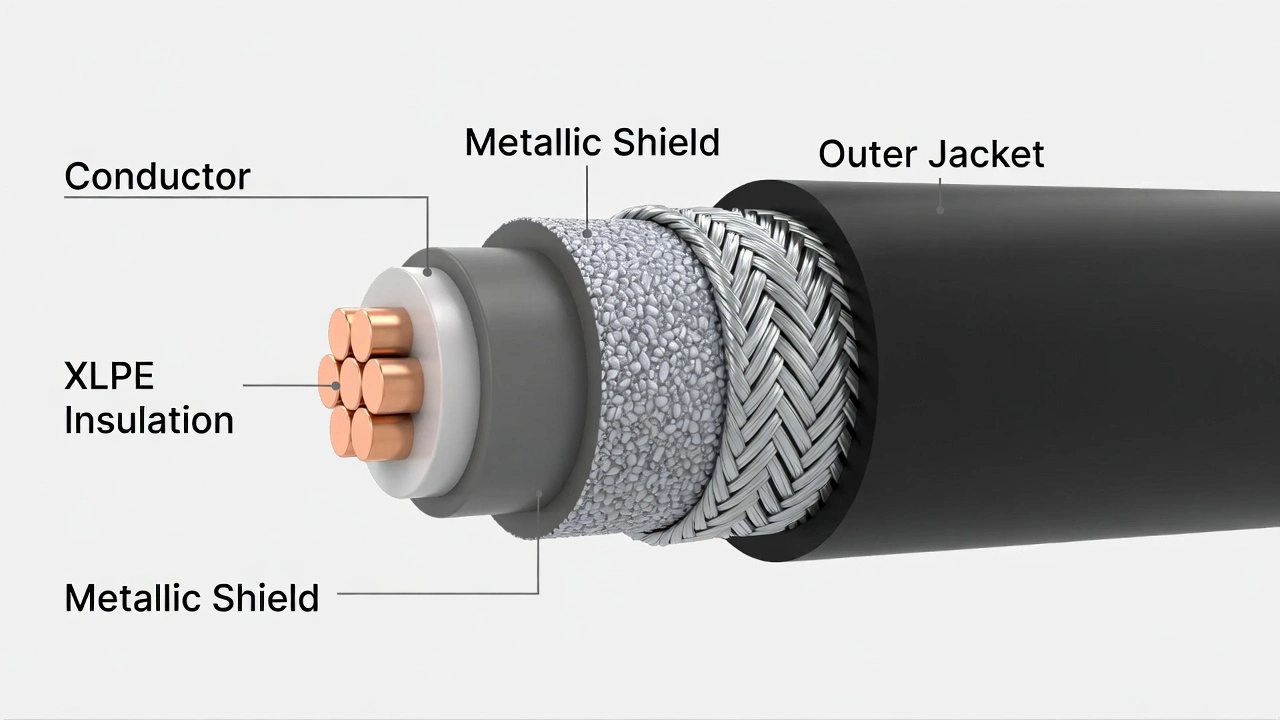
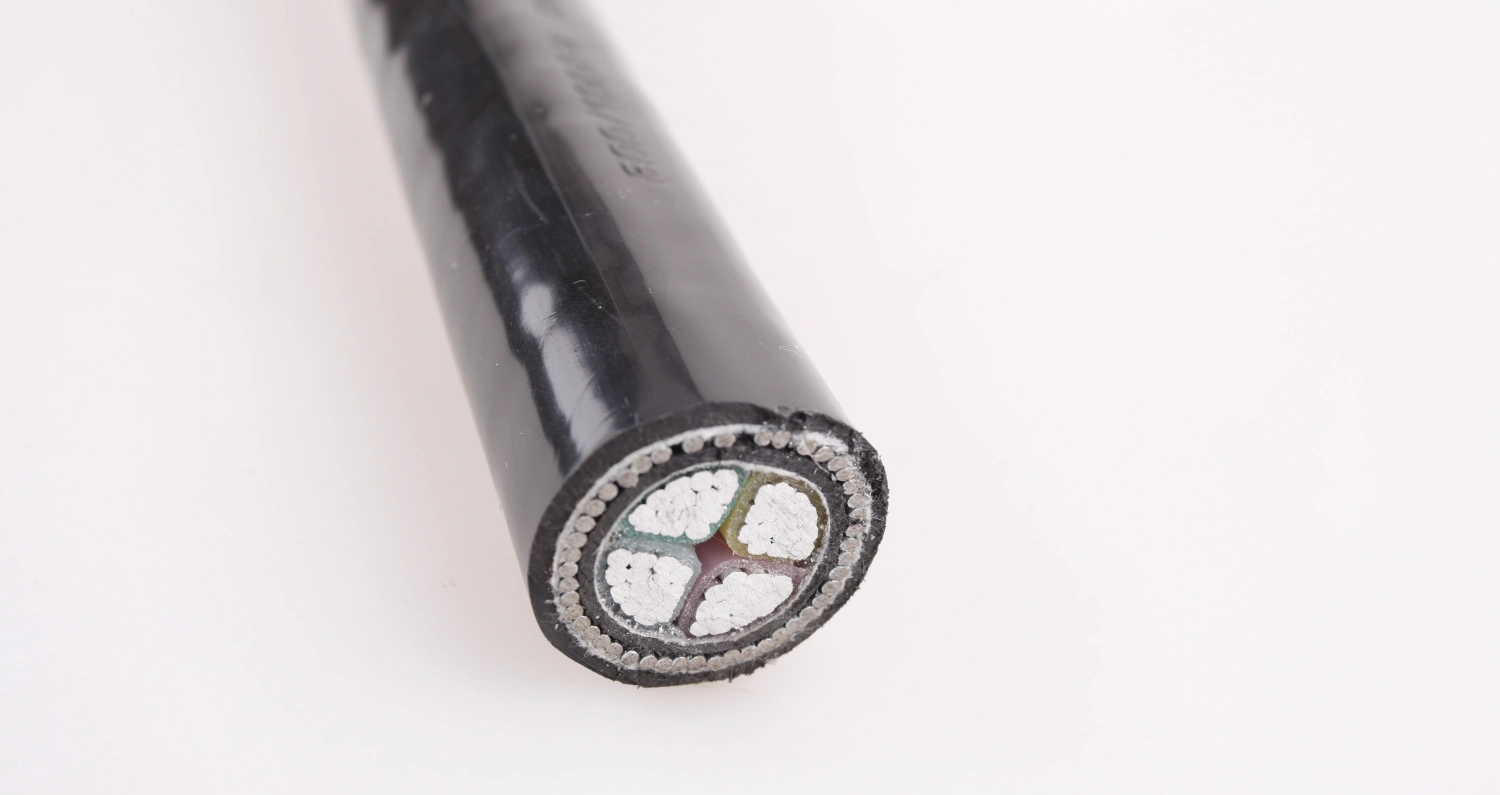
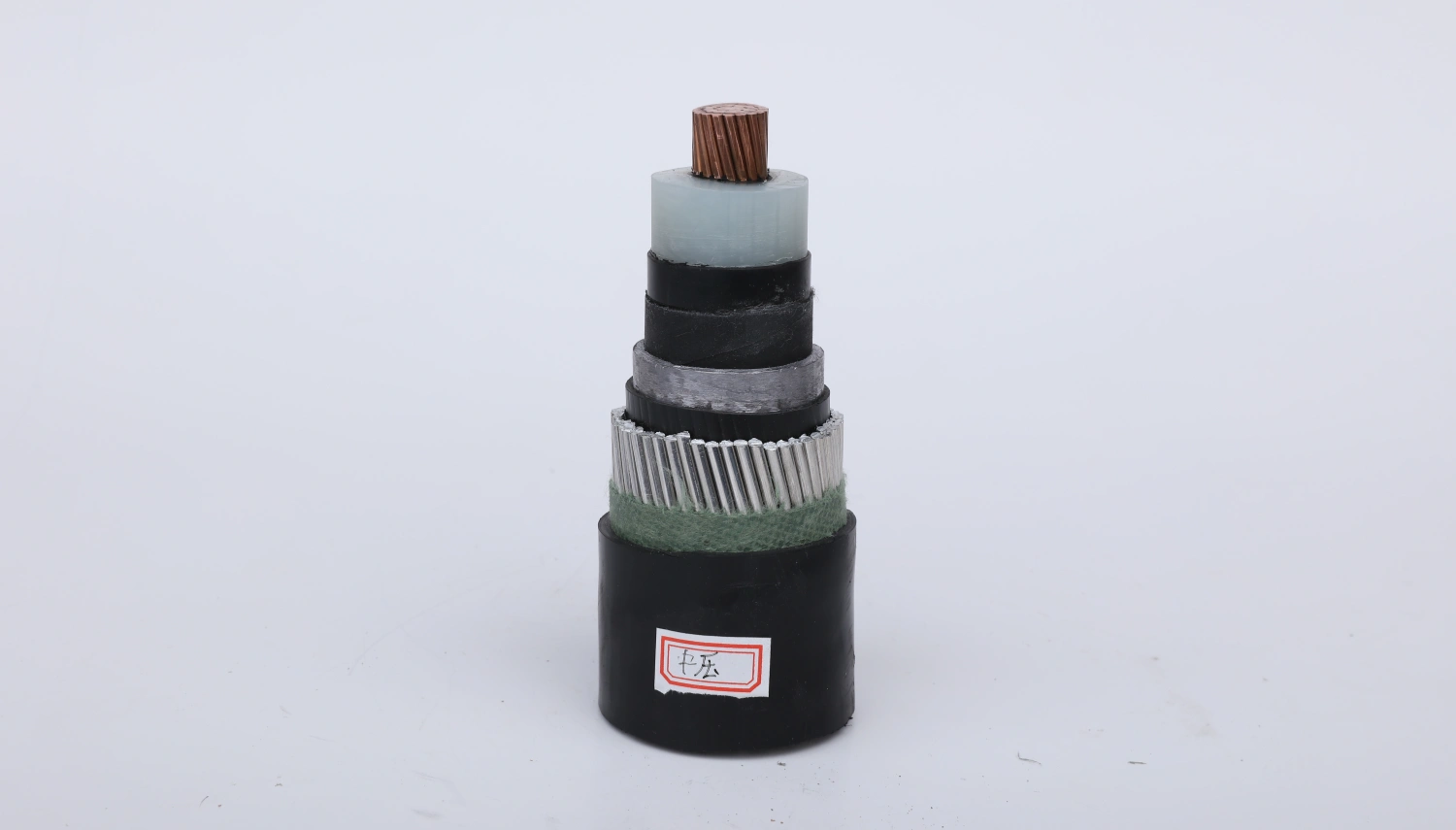
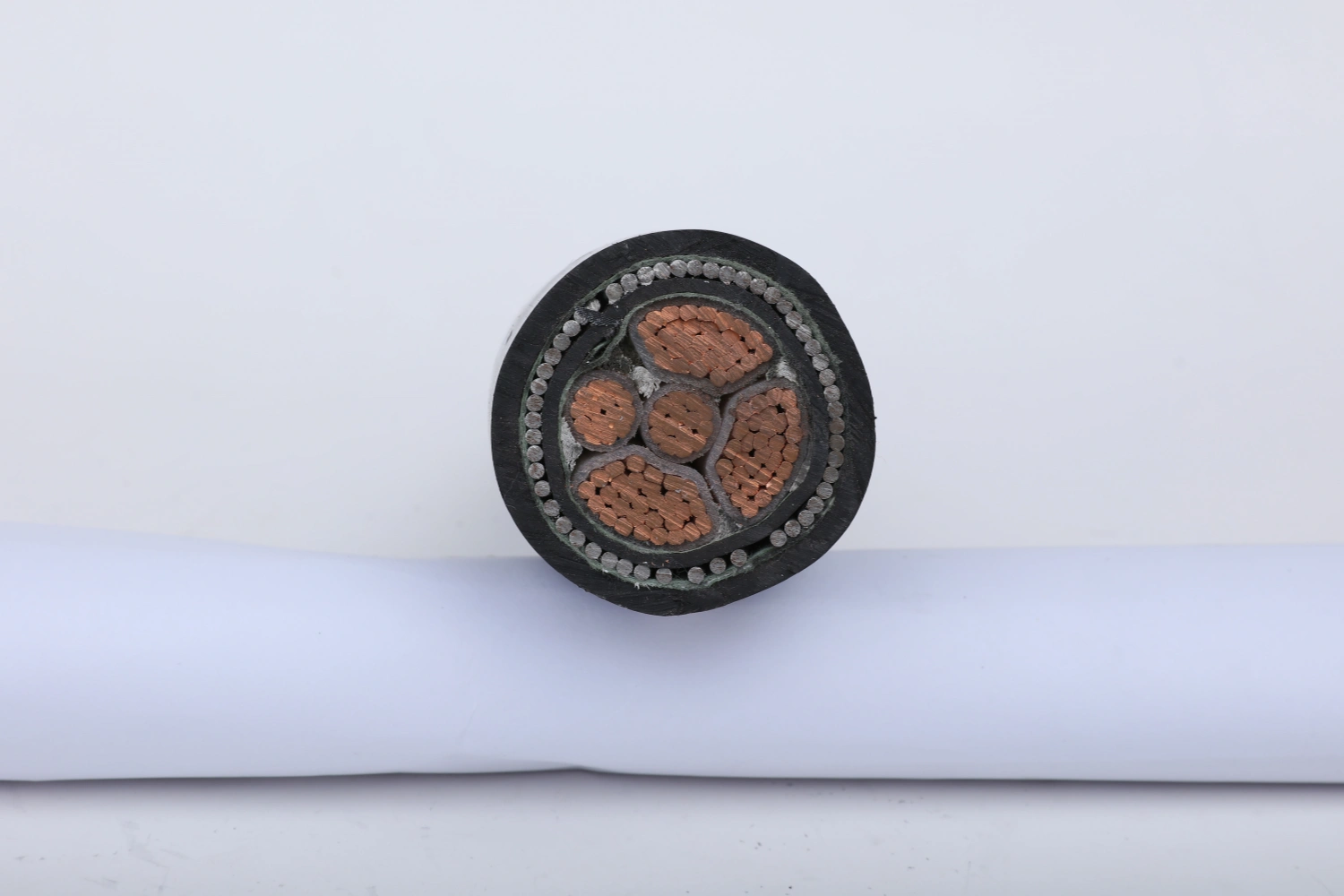
A steel wire armoured swa cable consists of:
|
Layer |
Function |
|
Conductor (Stranded Copper) |
Current transmission |
|
Conductor Screen |
Electric field control |
|
XLPE Insulation |
Dielectric insulation |
|
Insulation Screen |
Stress distribution |
|
Metallic Screen (Copper Tape/Wire) |
Fault current path |
|
Bedding Layer |
Mechanical separation |
|
Steel Wires |
Mechanical protection |
|
Outer Sheath |
Environmental protection |
The steel wire armored layer provides resistance against:
- Impact damage
- Rodent attacks
- Soil pressure
- Installation stress
3.2 Single Core vs Multi Core Design
|
Type |
Application |
Armoring Type |
|
Single-core cable |
High current transmission |
Steel wires or aluminium wire armoured |
|
Multi-core cable |
Distribution networks |
Steel tapes or steel wires |
For single-core cable systems in AC networks, magnetic effects must be considered; non-magnetic armor (such as aluminium wire armoured) may be used to reduce eddy current losses.
4. MV Cables vs HV Cables
Medium Voltage (MV) Cables and High Voltage (HV) Cables are both essential in power transmission and distribution systems, but they serve distinctly different purposes based on voltage levels, design requirements, insulation needs, and typical use cases.
Compares MV vs HV cables to help engineers, project managers, and buyers (especially in export markets like the Middle East, Africa, Southeast Asia, and Europe) select the right cable for industrial, utility, renewable energy, or transmission projects. Compliant with key standards like IEC 60502 (MV), IEC 60840 / IEC 62067 (HV).
Voltage Range Comparison (IEC & Global Standards)
Voltage classifications can vary slightly by region (IEC vs ANSI), but here's the most common breakdown for power cables:
|
Category |
Typical Voltage Range (Rated / U_m) |
Common Standards |
Primary Role |
|
Medium Voltage (MV) |
1 kV – 36 kV (up to 45–69 kV in some defs) |
IEC 60502-1 & IEC 60502-2 |
Local / regional distribution |
|
High Voltage (HV) |
36 kV – 220 kV (often 45 kV+) |
IEC 60840 (up to 150–500 kV) |
Long-distance transmission |
|
Extra-High Voltage (EHV) |
Above 220 kV (up to 500–800+ kV) |
IEC 62067 |
National / grid backbone |
- MV commonly covers popular ratings: 6.6 kV, 11 kV, 15 kV, 22 kV, 33 kV.
- HV starts where MV ends, with common: 66 kV, 110 kV, 132 kV, 220 kV.
Key takeaway: MV is for "getting power closer to users" (substations to factories/homes), while HV is for "moving bulk power over long distances" with minimal losses.
MV vs HV Cables: Detailed Side-by-Side Comparison
|
Feature |
Medium Voltage (MV) Cables |
High Voltage (HV) Cables |
Winner / Notes |
|
Voltage Level |
1–36 kV (up to 69 kV overlap) |
36–220 kV+ |
HV for higher voltages |
|
Typical Applications |
Industrial plants, substations, renewable farms (solar/wind collectors), commercial buildings, underground distribution |
Long-distance transmission lines, grid interconnections, offshore/submarine links, utility-scale projects |
MV: Local; HV: Transmission |
|
Transmission Distance |
Short to medium (few km to tens of km) |
Long (hundreds of km) |
HV (lower losses at high V) |
|
Insulation Thickness |
Thinner (e.g., XLPE 3–10 mm depending on kV) |
Much thicker (10–50+ mm) to handle higher stress |
HV requires superior insulation |
|
Common Insulation |
XLPE, EPR (cross-linked polyethylene dominant) |
XLPE, sometimes oil-filled or EPR for EHV |
Both use XLPE; HV needs higher purity |
|
Construction Complexity |
Conductor + semi-con + insulation + metallic screen + sheath (often armored SWA/STA) |
Multi-layer: conductor, inner/outer semi-con, thick insulation, metallic sheath, water-blocking, outer protection |
HV more layers & rigorous |
|
Dielectric Stress |
Moderate |
Very high (needs stress control, triple extrusion) |
HV demands advanced manufacturing |
|
Testing Requirements |
Routine/type tests per IEC 60502 |
More stringent (impulse, partial discharge, long-term aging) per IEC 60840/62067 |
HV: Higher test voltages & costs |
|
Cost (per meter) |
Lower (more volume production) |
Significantly higher (thicker materials, precision) |
MV more economical for distribution |
|
Installation |
Easier (duct, direct burial, aerial with poles) |
Complex (trenching, jointing, accessories critical) |
MV simpler & faster |
|
Typical Conductor |
Copper or Aluminum (stranded) |
Copper/Aluminum, often larger cross-sections |
Similar, but HV needs lower resistance |
|
Service Life |
30–50 years |
40–60+ years (if properly designed) |
Comparable with good maintenance |
When to Choose MV Cables vs HV Cables
- Choose MV Cables if your project involves:
- Power distribution from substations to end-users
- Industrial facilities, factories, mining
- Solar/wind farms (collector cables, e.g., 33 kV)
- Urban underground networks
- Budget-conscious regional projects
- Choose HV Cables if:
- Long-distance bulk power transmission is required
- Connecting power plants to national grids
- Offshore wind/submarine interconnections
- High-reliability utility or export mega-projects (e.g., 132 kV+ lines)
5. Mechanical Protection and Installation Considerations
5.1 Why Choose Steel Wire Armored (SWA) Cable?
SWA cable is ideal when:
- Direct burial installation is required
- Installation depth is limited
- Additional protection is necessary
- Heavy mechanical load exists
The embedded steel wires act as structural reinforcement.
5.2 Installation Environment Comparison
|
Environment |
Recommended Cable |
|
Direct burial |
Steel wire armoured swa cable |
|
Cable tray |
Unarmored xlpe insulated cable |
|
Tunnel installation |
SWA cable |
|
Rocky soil |
Steel wire armored |
Proper mechanical protection significantly increases service life.
6. Electrical Performance in Power Transmission
For long-distance power transmission projects, cable performance is evaluated through:
- Ampacity (IEC 60287 calculation)
- Short circuit withstand capability
- Voltage drop analysis
- Thermal resistivity of soil
Copper conductor cable offers lower resistance and reduced line losses, making it suitable for critical infrastructure.
7. Manufacturing Process of XLPE MV HV Power Cable
7.1 Key Production Stages
|
Stage |
Technical Control |
|
Conductor Stranding |
Compactness & DC resistance |
|
Triple Extrusion |
Clean interface bonding |
|
Crosslinking (CCV) |
Gel content & degassing |
|
Armoring |
Uniform tension of steel wires |
|
Final Testing |
HV withstand & partial discharge |
Export-grade power cable production requires strict contamination control.
8. International Standards and Export Compliance
Globally exported medium voltage and high voltage cable products must comply with:
- IEC 60502
- IEC 60840
- IEC 62067
- BS Standards
- ASTM (when required)
Factory routine tests include:
- Conductor resistance test
- Spark test
- Partial discharge test
- AC voltage withstand test
- Hot set test
9. Performance Comparison: Steel Wire vs Steel Tapes
|
Feature |
Steel Wires |
Steel Tapes |
|
Mechanical Strength |
High |
Moderate |
|
Flexibility |
Moderate |
Higher |
|
Impact Resistance |
Excellent |
Good |
|
Typical Use |
MV/HV direct burial |
Multi-core LV cable |
Steel wire armored structures are preferred in heavy-duty infrastructure.
10. Practical Selection Guide for Engineers
When selecting xlpe insulated cable for electrical installation, engineers should evaluate:
- Rated voltage power level
- Installation method
- Soil condition
- Fault current level
- Project lifespan requirements
For underground medium voltage power distribution, SWA cable provides optimal safety and durability.
For long-distance high-voltage cable corridors, copper conductor and XLPE insulation ensure efficiency and reliability.
11. Emerging Trends in MV and HV Cable Technology
The global market is moving toward:
- Water tree-resistant XLPE
- Fire-resistant compounds
- Smart cable monitoring
- Low smoke zero halogen sheath
- Improved environmental sustainability
Future-ready xlpe cables integrate digital diagnostics for real-time grid monitoring.
In modern power systems, the combination of xlpe insulated cable, copper conductor cable, and Steel Wire Armored (SWA) cable technology provides the optimal solution for medium voltage and high voltage applications.
Whether used in power distribution, industrial facilities, or long-distance power transmission networks, properly engineered mv cables and hv cables ensure operational safety, mechanical protection, and long service life.
For international EPC contractors and utility companies, selecting the correct armored power cable is not only a technical decision—it is a strategic infrastructure investment ensuring stable voltage power delivery for decades.

Related Articles
Related Products
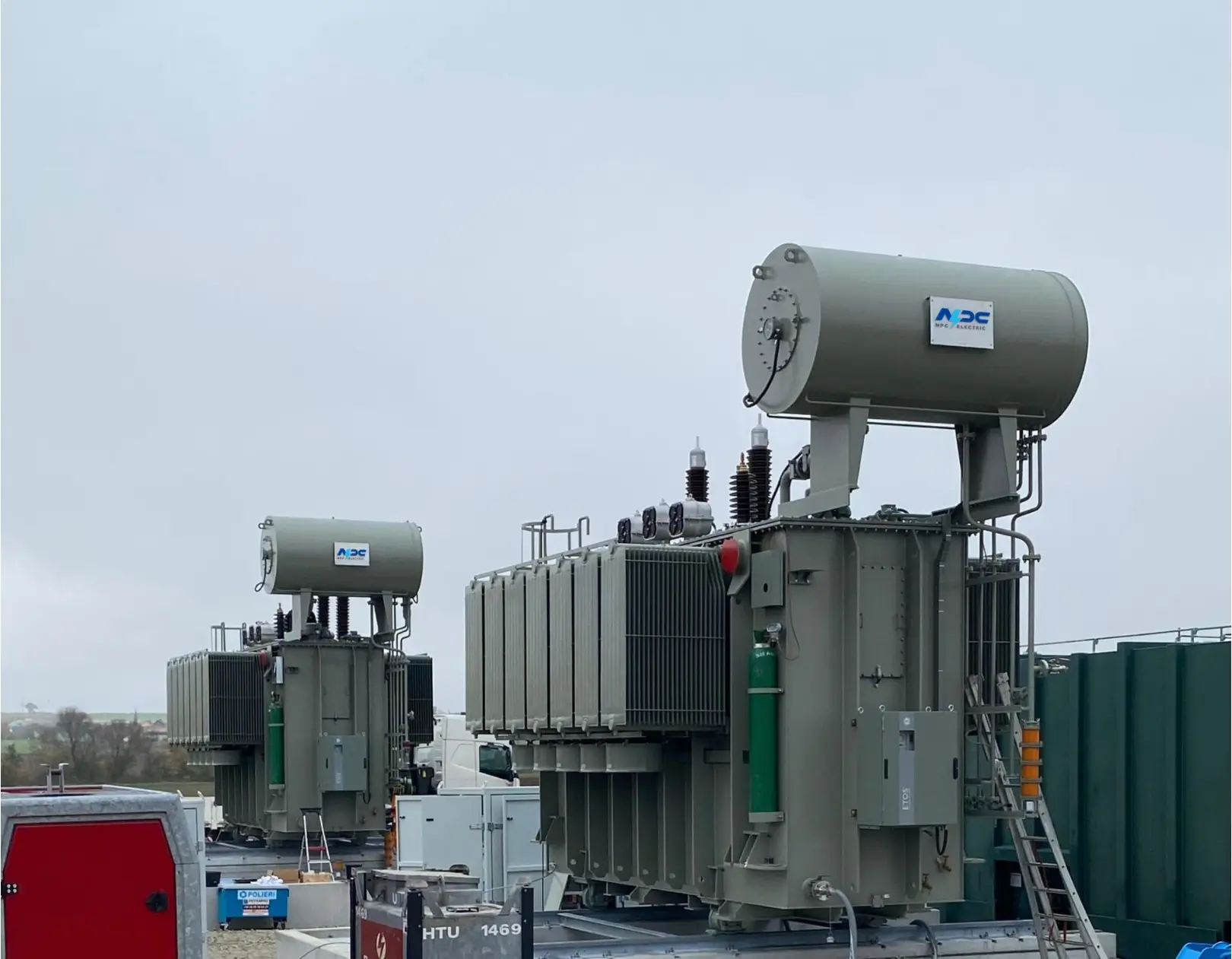
220kV 3-Phase Oil-Immersed Power Transformer – Reliable & Efficient
The 220kV 3-Phase Oil-Immersed Power Transformer is designed for high-capacity transmission and substation systems that demand long-term reliability and superior electrical efficiency. Built for modern power grids, it enables stable voltage transformation while minimizing operational losses over extended transmission distances. The oil-immersed insulation system provides excellent dielectric strength and efficient heat dissipation, supporting continuous operation under heavy electrical loads. Advanced core and winding design reduces noise and energy loss while improving voltage regulation accuracy. The robust mechanical structure enhances resistance to thermal stress and short-circuit forces, ensuring dependable performance in demanding grid environments. This transformer is ideal for utility substations, regional grid interconnections, and critical power infrastructure requiring efficient, safe, and stable high-voltage power delivery.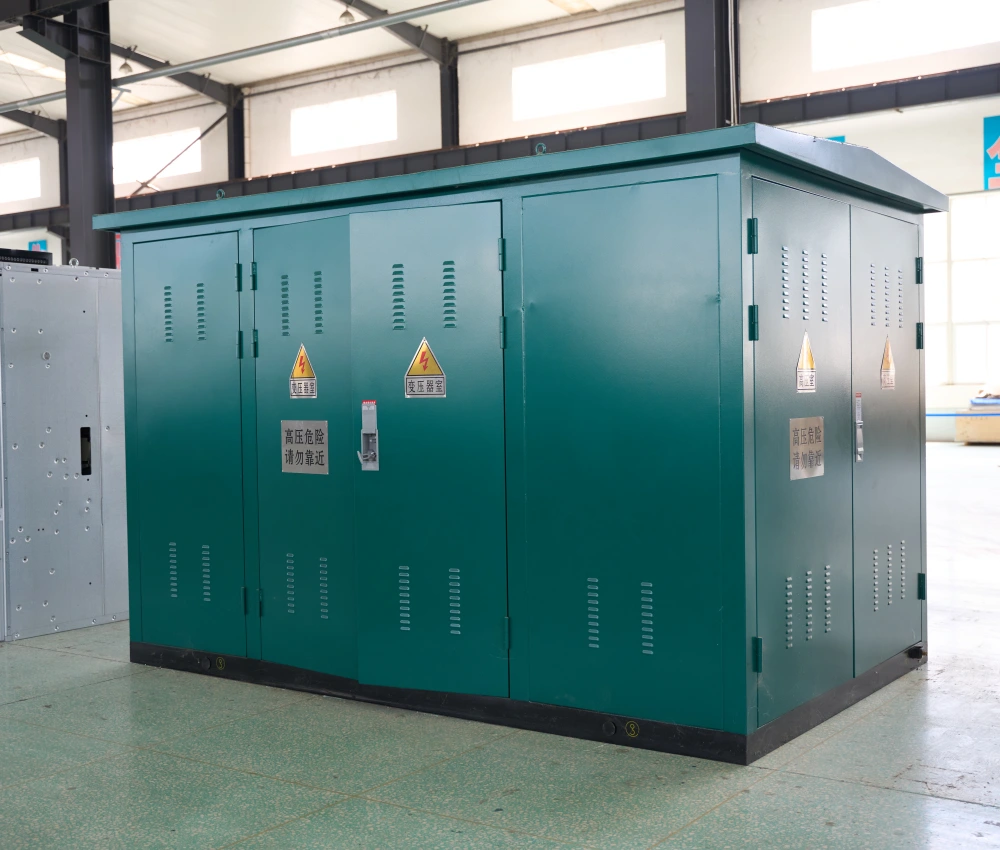
33kV 630kVA Prefabricated Compact Substation
The 33kV 630kVA Prefabricated Compact Substation is a highly integrated medium-voltage power distribution solution designed for modern electrical infrastructure projects requiring reliable, space-saving, and efficient energy transformation. The substation combines 33kV medium-voltage switchgear, a 630kVA distribution transformer, low-voltage distribution panels, and intelligent protection systems within a compact outdoor enclosure, reducing installation complexity and minimizing civil construction requirements. Engineered for stable operation in demanding industrial and environmental conditions, the compact substation features a reinforced enclosure structure, advanced insulation technology, optimized ventilation systems, and corrosion-resistant surface treatment. The modular design improves transportation efficiency, shortens commissioning cycles, and simplifies future maintenance operations while ensuring long-term operational reliability. This 33kV 630kVA compact transformer substation is suitable for renewable energy integration, industrial facilities, mining operations, commercial developments, and urban utility distribution systems. Optional intelligent monitoring systems and remote communication interfaces support modern smart-grid applications and enable efficient power management for evolving electrical networks.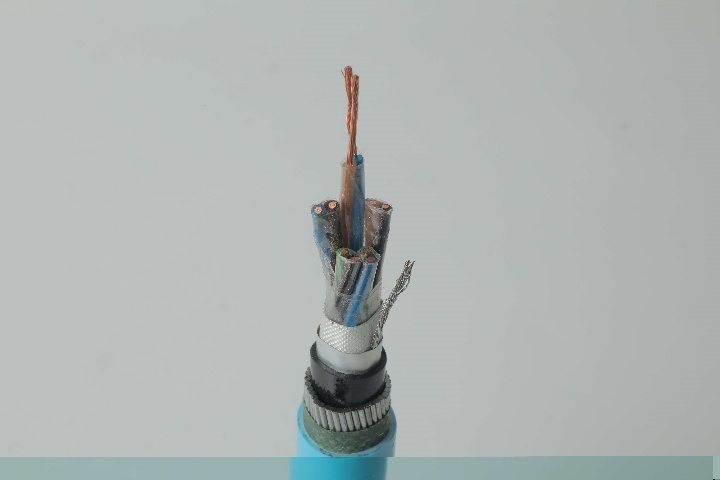
Instrumentation Cables—PVC Insulated,Individual & Overall Screened, Unarmoured PVC Sheathed Cables(CU/PVC/OSCR/PVC)
Instrumentation Cables are multi-conductor cables that carry and transport low-voltage electrical signals. These low-voltage signals are used to control and monitor electrical power systems. Instrumentation cables have many different industrial applications that include broadcasting, equipment control, such as drilling and pumping in the oil and gas industry, and data transfer, which includes analog and digital signals. They are manufactured according to the BS EN 50288-7 and BS EN 50288-1 standards to ensure quality. Instrumentation cables come in twisted pairs, triads, and quads, depending on the customer’s applications; twisting reduces any electromagnetic interference by reducing the chances of electrical voltages and currents being induced in the conductor. Individual and overall screening are also applied in instrumentation cables to optimize the signal transferred and further reduce any electromagnetic interference. Screening of pairs, triads, or quads also includes a drain wire earthed to the ground, which ensures a noise-free signal transmission.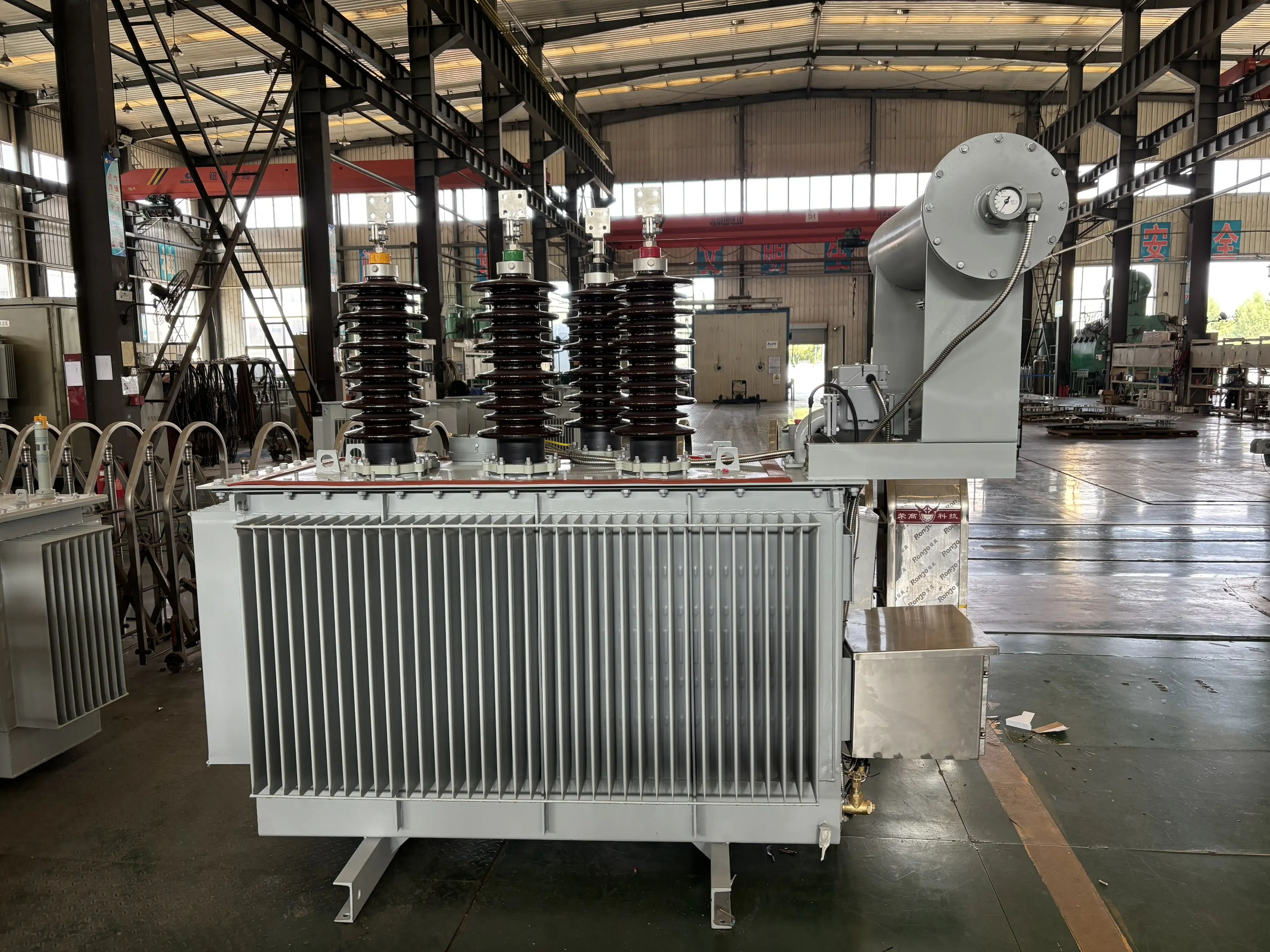
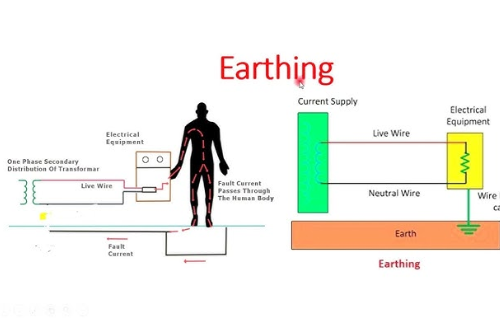
2000kVA 33kV Oil-Immersed Earthing Transformer with NGR
2000kVA 33kV Oil-Immersed Neutral Grounding Earthing Transformer with NGR is engineered to provide a stable and controlled neutral point for medium-voltage power systems. By combining an earthing transformer with an integrated Neutral Grounding Resistor (NGR), it effectively limits earth fault current, improves system protection coordination, and enhances operational safety. The oil-immersed design ensures excellent insulation performance, efficient heat dissipation, and long-term reliability under continuous operation. Optimized magnetic core construction reduces losses, while robust windings withstand short-time fault currents without mechanical degradation. The integrated NGR is precisely matched to system requirements, enabling accurate fault current limitation and minimizing damage to equipment during ground faults.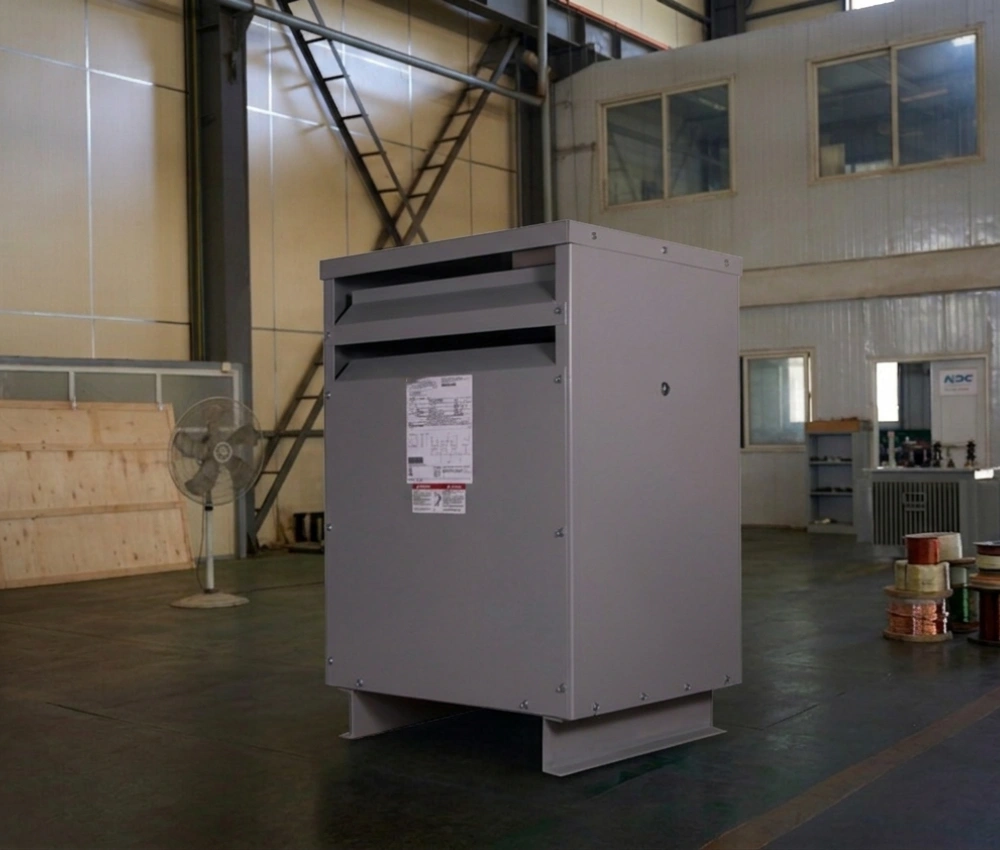
Drive Isolation Transformer
The Drive Isolation Transformer is a specialized transformer engineered to provide electrical isolation, voltage transformation, harmonic mitigation, and enhanced power quality for variable frequency drives (VFDs), motor control systems, and industrial automation applications. Installed between the utility power source and drive equipment, the transformer protects sensitive drive electronics from electrical disturbances while reducing the impact of harmonics generated by inverter-based systems. This improves system reliability, extends equipment lifespan, and enhances operational stability in demanding industrial environments. Manufactured using premium-grade silicon steel cores, high-conductivity windings, and advanced insulation systems, the drive isolation transformer delivers exceptional efficiency, thermal performance, and voltage regulation. The transformer effectively isolates common-mode noise, suppresses transient voltage spikes, reduces grounding issues, and minimizes electromagnetic interference within industrial electrical networks. The Drive Isolation Transformer supports both low-voltage and medium-voltage drive systems and can be customized for harmonic reduction, phase shifting, multi-pulse drive configurations, and renewable energy applications. Its rugged construction and intelligent monitoring capabilities make it an ideal solution for modern industrial power systems requiring reliable motor control and superior electrical protection.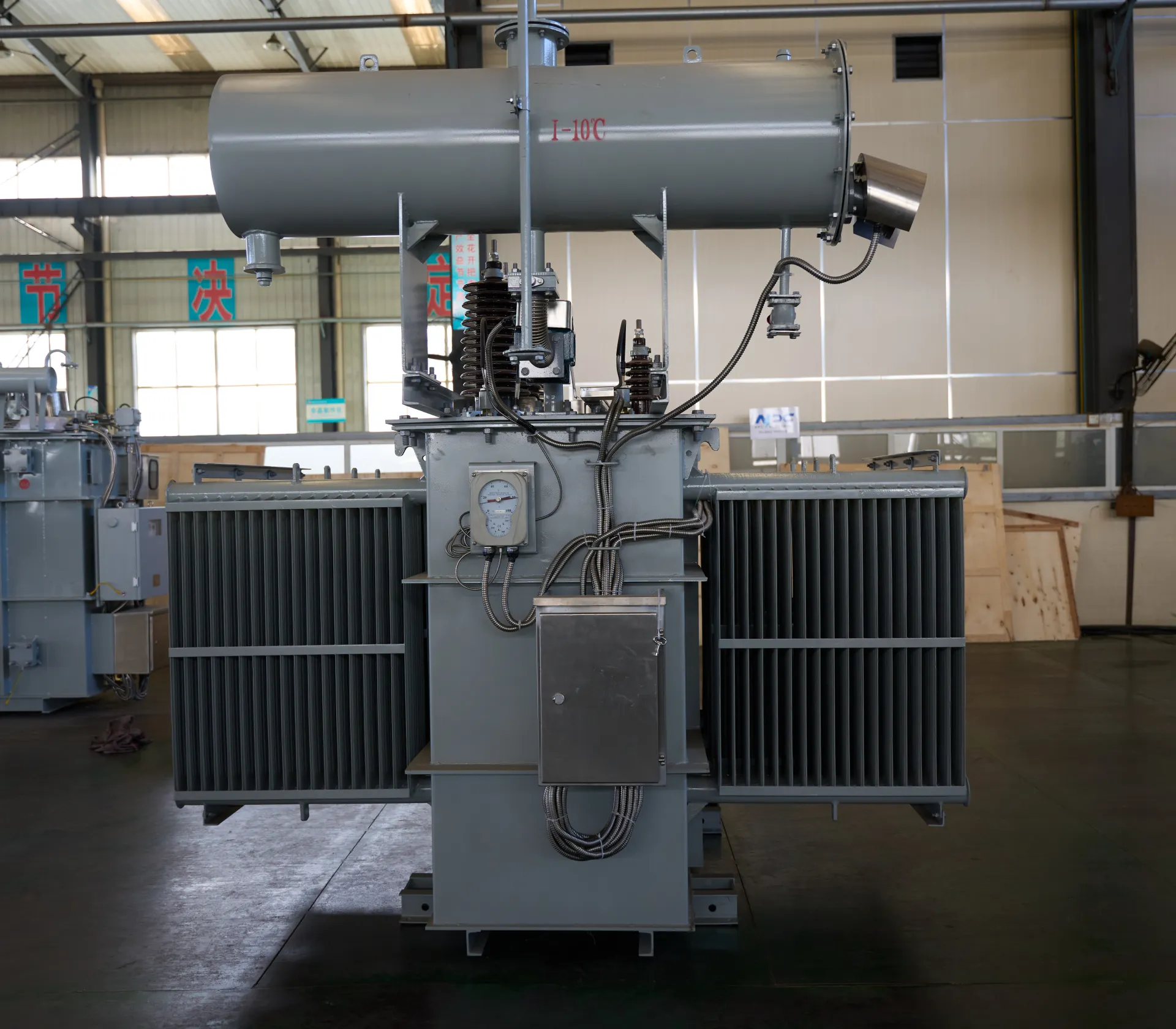
370MVA 750kV Oil-Immersed High-Voltage Transformer for Power Transmission
The 370 MVA 750 kV Oil-Immersed High-Voltage Transformer is designed for ultra-high-voltage (UHV) power transmission systems requiring exceptional reliability, stability, and long-distance energy delivery. With a robust oil-immersed insulation structure and high-grade copper windings, this transformer offers outstanding dielectric strength, low partial discharge, and excellent thermal performance. Engineered for 750kV grid networks, it effectively reduces transmission losses, enhances voltage regulation, and ensures safe operation under demanding load variations. Its precision-built core, advanced cooling system, and reinforced tank construction enable superior efficiency, extended service life, and high short-circuit resistance. Ideal for national power grid projects, long-distance transmission corridors, high-capacity substations, and UHV interconnection systems, this transformer delivers consistent and secure performance in critical large-scale power infrastructures.
Instrumentation Cables—XLPE Insulated, Overall Screened, DRYLAM Layered, Wire Armoured PVC Sheathed Cables(CU/XLPE/OSCR/DRYLAM/SWA/PVC)
CU/XLPE/OSCR/DRYLAM/SWA/PVC instrumentation cables are engineered to deliver stable signal transmission under harsh environmental and mechanical conditions. XLPE insulated copper conductors provide excellent dielectric performance and resistance to thermal aging. The overall screen minimizes electromagnetic interference, ensuring precise signal transmission in sensitive instrumentation circuits. The DRYLAM water-blocking layer offers effective protection against moisture ingress, enhancing cable reliability in humid or buried installations. Steel wire armour improves resistance to mechanical stress and external damage, while the PVC sheath protects against abrasion, oils, and chemicals. This balanced construction combines electrical performance, water resistance, and mechanical durability for long-term industrial use.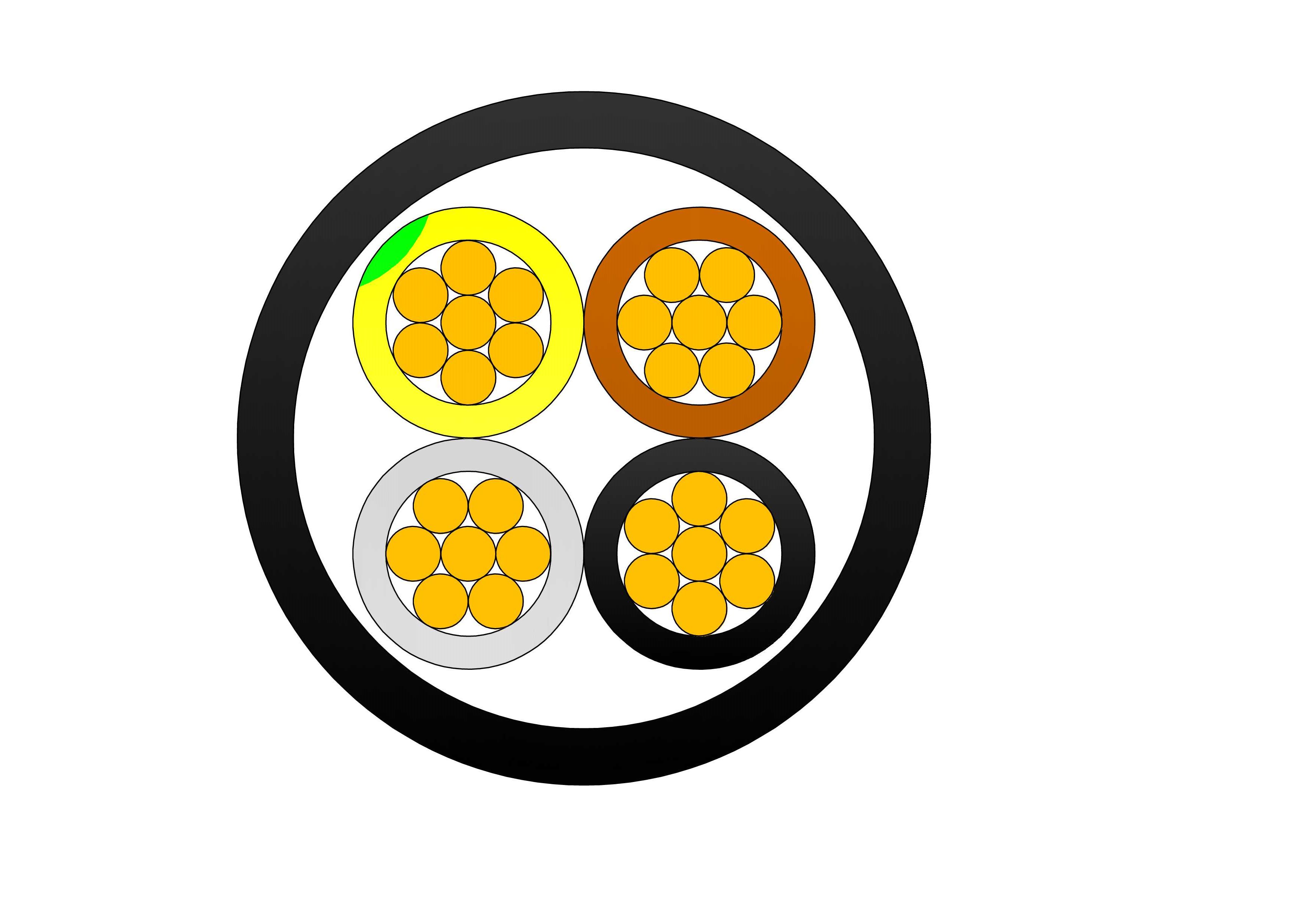
MV Submarine Cable
The Medium Voltage Submarine Cable MV XLPE Armoured is a robust underwater power cable engineered for reliable medium voltage transmission in marine environments. It features stranded copper or aluminum conductors, cross-linked polyethylene (XLPE) insulation for superior electrical and thermal performance, metallic water-blocking sheath, galvanized steel wire armour for mechanical protection, and a heavy-duty outer serving. Designed for voltage levels from 6/10kV to 66kV, this cable ensures low transmission losses, excellent hydrostatic pressure resistance, and long service life in harsh seabed conditions. Manufactured according to IEC 60502-2 and CIGRE recommendations, the Medium Voltage Submarine Cable MV XLPE Armoured is ideal for offshore wind farms, island-to-mainland power links, and oil & gas platform connections. Its advanced construction provides outstanding water tightness, corrosion resistance, and mechanical strength, making it a trusted solution for safe and efficient subsea power transmission.2Y-high-voltage-power-cable-2.webp)
A2XS(FL)2Y HDPE High Voltage 76/132 (145)kV Power Cable
The A2XS(FL)2Y HDPE High Voltage 76/132 (145) kV Power Cable is a single-core aluminum conductor cable with XLPE insulation and HDPE sheath, engineered for high-voltage power transmission in demanding industrial and utility applications. Built to IEC 60840 standards, it offers superior electrical performance, mechanical strength, and environmental resistance. Suitable for underground, underwater, outdoor, indoor, and duct installation, it features water-blocking tape to prevent internal water propagation, ensuring long-term reliability in power stations, industrial facilities, and distribution networks. The A2XS(FL)2Y HDPE is widely used in major UHV transmission grids, underground/submarine lines, river crossings, offshore wind connections, and large-scale renewable energy projects where water ingress protection, efficiency, and ultra-reliability are essential.
Prefabricated Switchgear Substation
The Prefabricated Switchgear Substation is an integrated medium-voltage power distribution system designed to provide safe, efficient, and intelligent electrical control for utility networks, industrial facilities, renewable energy projects, and commercial infrastructure. The system combines medium-voltage switchgear, transformer equipment, low-voltage distribution units, and advanced protection systems within a compact prefabricated enclosure, significantly reducing installation time and civil construction requirements. Manufactured using high-strength corrosion-resistant materials and advanced insulation technology, the switchgear substation delivers stable outdoor operation under harsh environmental conditions including high humidity, dust exposure, temperature fluctuations, and coastal environments. Its modular architecture improves operational flexibility, maintenance accessibility, and transportation efficiency while supporting scalable electrical distribution requirements. The Prefabricated Switchgear Substation supports multiple voltage classes, intelligent monitoring functions, and customized protection configurations for modern smart-grid applications. The compact design optimizes installation space while ensuring reliable medium-voltage switching, power distribution stability, and enhanced operational safety for industrial, utility, and infrastructure projects.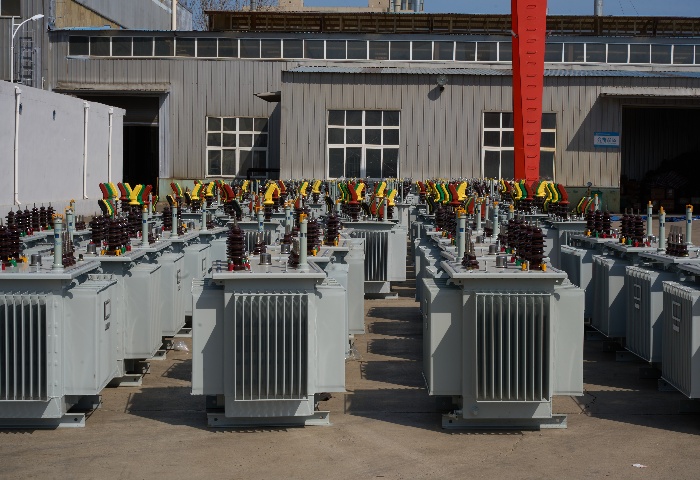
315kVA Oil Immersed Transformer
The 315kVA Oil Immersed Transformers are essential devices that convert electrical energy from one voltage level to another, enabling the efficient transmission and distribution of power across various systems. Oil-immersed transformers, in particular, have become industry favorites due to their superior cooling and insulation capabilities, which extend their lifespan and reduce maintenance requirements. The integration of renewable energy sources, such as wind and solar, requires transformers that can handle the variable output of these sources.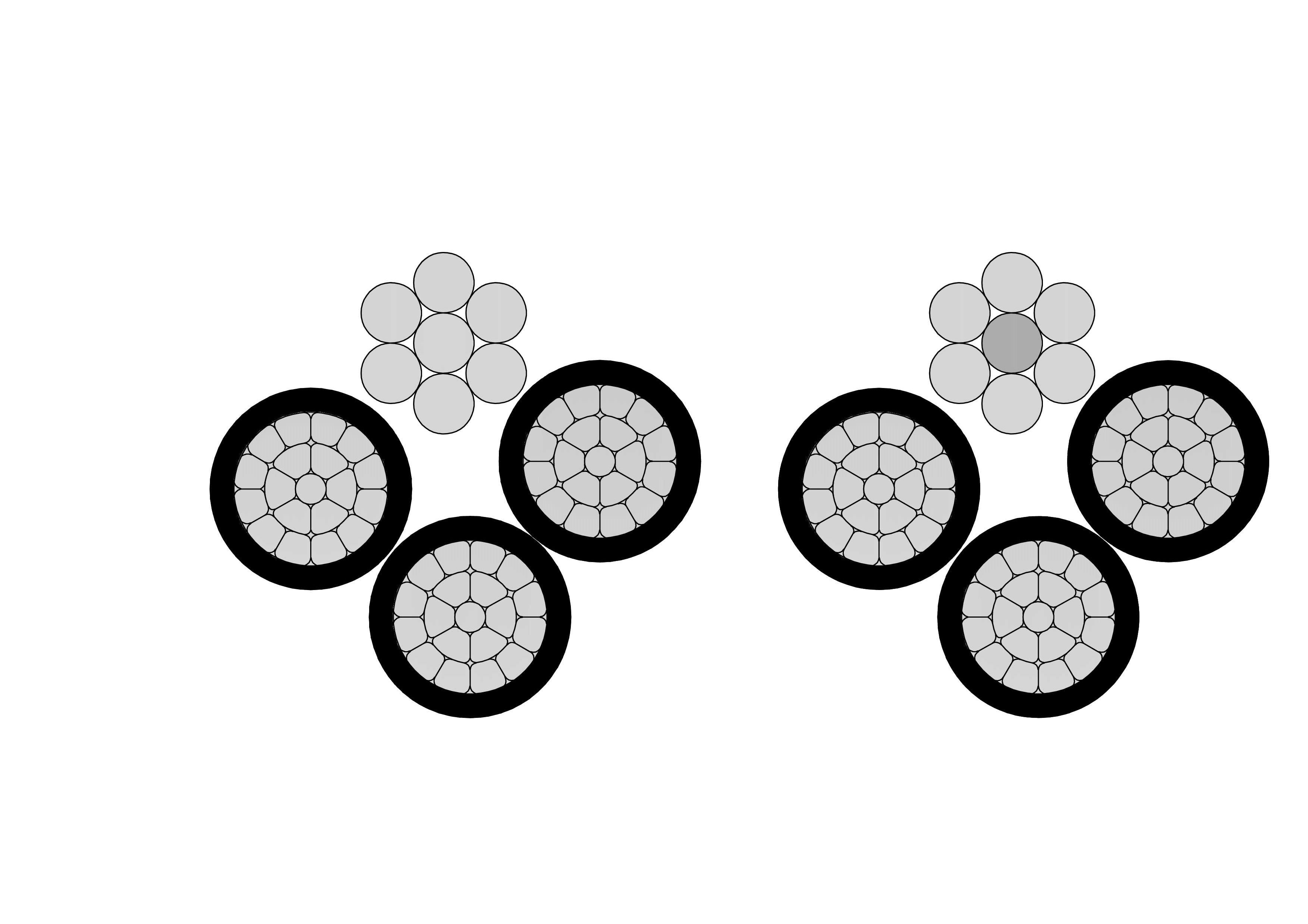
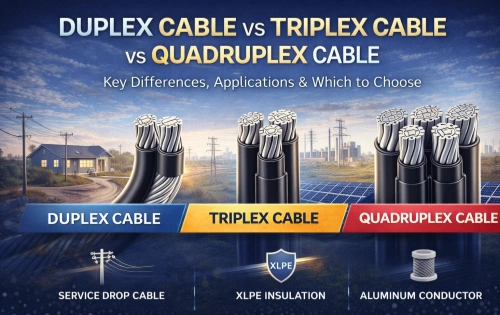
1/0 Shetland Aluminum Conductor Quadruplex Overhead Service Drop Cable
1/0 Shetland Aluminum Conductor Quadruplex Overhead Service Drop Cable is engineered to deliver three-phase electrical power from pole-mounted transformers to service entrances in residential, agricultural, and light commercial settings. Designed for overhead installation, this cable is rated for 600 volts phase-to-phase and can operate at temperatures up to 90°C with cross-linked polyethylene (XLP) insulation, or 75°C with polyethylene (PE) insulation. The cable includes three phase conductors constructed from 1350-H19 series aluminum, either stranded or compressed, and a neutral messenger made of bare AAAC (All Aluminum Alloy Conductor). Optional constructions are available with AAC or ACSR messengers, allowing adaptability for varying mechanical or electrical needs. XLP insulation offers superior durability, weather resistance, and thermal stability, making this cable ideal for challenging outdoor environments.
2/3/4 Cores Aluminum Cable AL/XLPE/PVC Low Voltage Power Cable
The 2/3/4 Cores Aluminum Cable AL/XLPE/PVC is designed for reliable low-voltage power transmission and distribution in industrial, commercial, and utility applications. Manufactured with high-conductivity stranded aluminum conductors, premium XLPE insulation, and a durable PVC outer sheath, the cable provides an economical alternative to copper cables while maintaining excellent electrical performance. The XLPE insulation offers outstanding dielectric strength, low insulation losses, and thermal stability, allowing continuous conductor operation at temperatures up to 90°C. The PVC sheath protects against moisture, abrasion, chemicals, UV exposure, and environmental stress, ensuring long-term durability in demanding installations. Available in 2-core, 3-core, and 4-core configurations, the cable is suitable for single-phase and three-phase power systems. Manufactured according to IEC 60502-1 standards, it ensures safe and efficient electrical distribution across a wide range of applications. Its lightweight construction reduces transportation and installation costs, making the 2/3/4 Cores Aluminum Cable AL/XLPE/PVC an ideal solution for power infrastructure, commercial facilities, industrial plants, and renewable energy projects.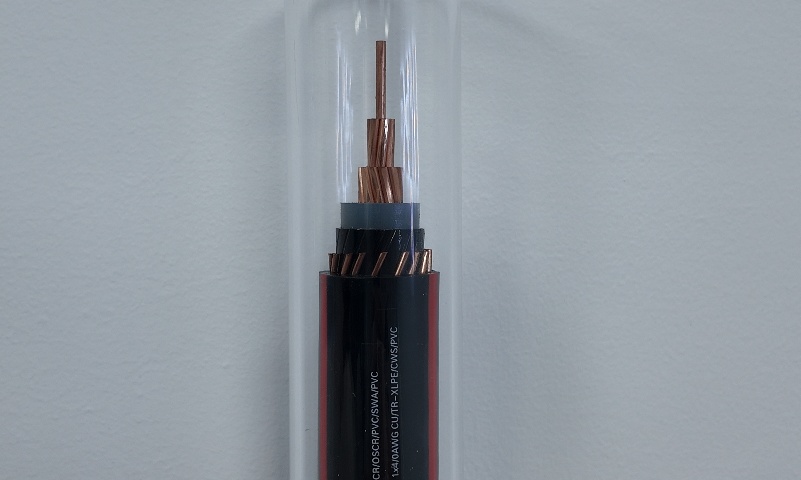
Duplex URD Cable
The Duplex URD Cable is a high-performance 600V underground residential distribution cable designed for reliable service entrance and secondary power delivery. It consists of two insulated AA8000 aluminum alloy phase conductors and a concentric neutral, all protected by a tough black polyethylene sheath. The duplex configuration provides a compact, easy-to-install solution for direct burial applications. Manufactured with XLPE insulation, this cable offers excellent electrical properties, moisture resistance, and long-term durability. The Duplex URD Cable is lightweight, flexible, and cost-effective compared to copper alternatives while maintaining high conductivity and mechanical strength. It meets UL 854, ICEA, and ASTM standards and undergoes rigorous quality testing from raw materials to finished product, ensuring consistent performance in underground environments.
6 Shepherd Aluminum Conductor Duplex Overhead Service Drop Cable
The 6 Shepherd Duplex Service Drop Cable is a durable overhead cable for secondary power distribution to residential service entrances. Featuring two 6 AWG aluminum conductors (phase and neutral, 7-strand) insulated with XLPE or PE and assembled in duplex configuration, it provides excellent weather resistance and mechanical strength. Compliant with ASTM B-230, B-231, ICEA S-76-474, and ANSI/ICEA standards, this cable supports 600V applications with high UV, moisture, and abrasion protection. The self-supporting design simplifies installation with reduced sag over spans up to 100 feet. The 6 Shepherd Duplex Service Drop Cable ensures low power losses, reliable performance in harsh outdoor conditions, and long service life. Lightweight and flexible, it is widely used for single-phase service drops in urban, suburban, and rural areas requiring safe, cost-effective aerial connections from utility poles to homes.Welcome your inquiry
Honesty, Integrity, Frugality, Activeness and Passion