What Are Low Voltage Power Cables? Everything You Need to Know
2026-03-18
In industrial facilities, commercial buildings, and infrastructure developments, low-voltage power cables are not commodity items—they are engineered components that directly affect system reliability, safety compliance, lifecycle cost, and project delivery timelines.
For EPC contractors, utilities, and procurement teams, improper cable selection can result in:
- Increased operating losses
- Premature insulation failure
- Installation delays
- Non-compliance with IEC or local standards
From real-world project experience, cable-related issues are among the top three causes of post-commissioning electrical faults. This makes informed cable selection a risk management decision, not just a purchasing one.
What Is a Low Voltage Power Cable?
A Low Voltage Power Cable is designed to transmit electrical energy at rated voltages up to:
- 1,000 V AC, or
- 1,500 V DC
The most commonly specified product in industrial and commercial projects is the 600/1000V PVC insulated cable, compliant with IEC 60502 or equivalent national standards.
Typical Cable Construction
- Conductor: Copper or aluminum
- Insulation: PVC or XLPE
- Outer sheath: Mechanical and environmental protection
For B2B buyers, understanding construction details is critical when evaluating supplier quality, price differences, and long-term performance.
Low-Voltage Power Cable Types Used in Industrial Projects
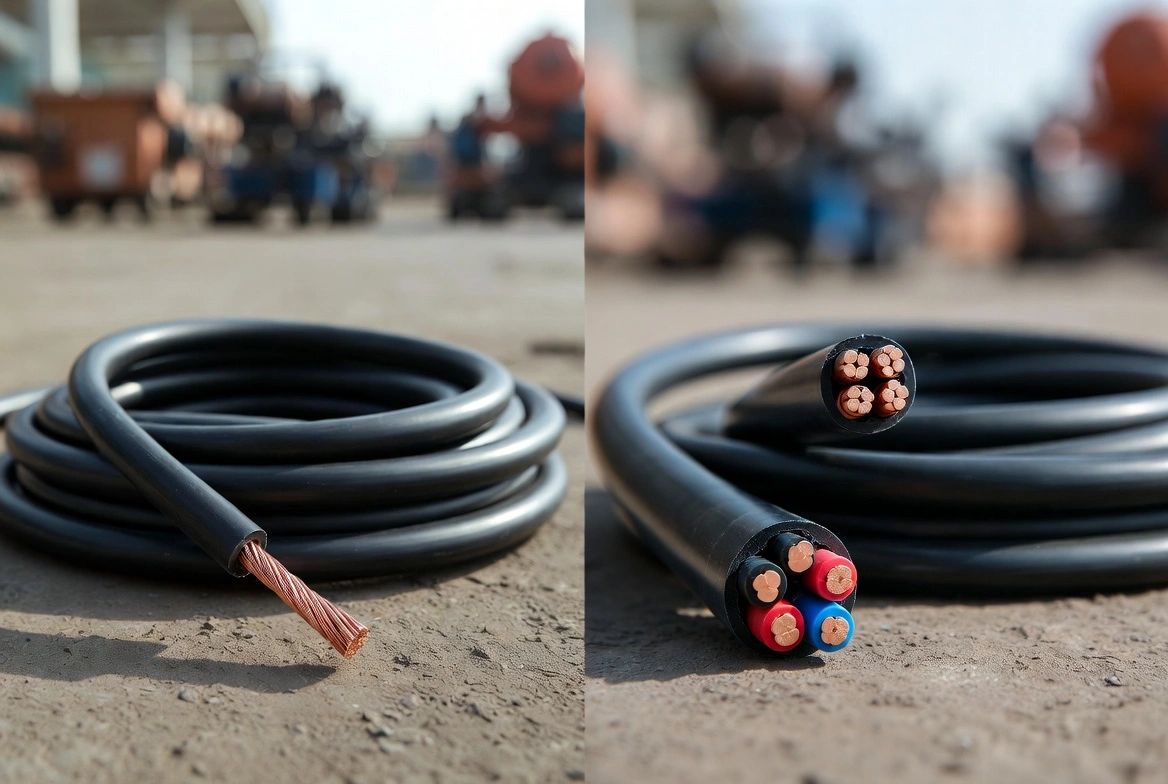
Single-Core vs Multi-Core Cables
|
Type |
Typical Application |
Buyer Consideration |
|
Single-core |
Switchgear, busbar connections |
Higher flexibility in routing |
|
Multi-core |
Feeders, building distribution |
Faster installation, reduced labor |
For EPC projects with tight schedules, multi-core low-voltage power cable types often reduce installation time and labor cost.
Copper vs Aluminum Conductors (Procurement Perspective)
-
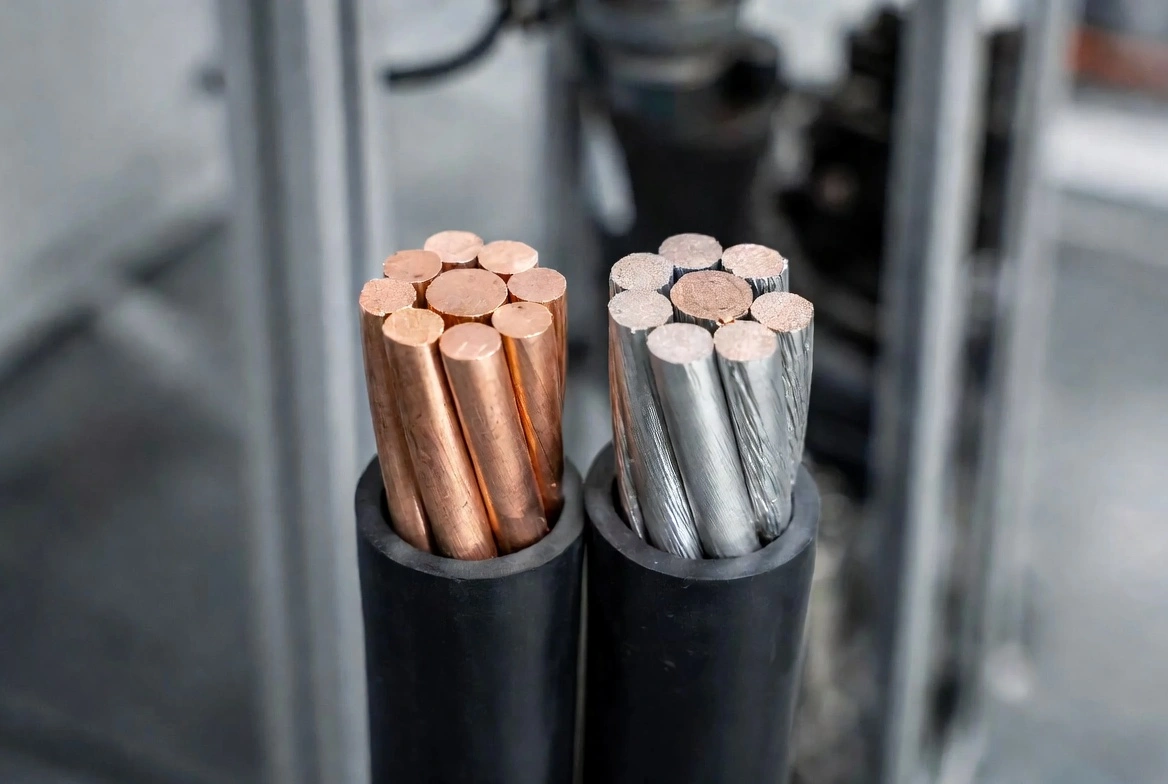
Copper cables
- Higher electrical conductivity
- Smaller conductor size
- Lower termination risk
-
Aluminum cables
- Lower upfront cost
- Lighter weight for long runs
- Requires experienced installation practices
In commercial buildings and critical electrical systems, copper remains the preferred choice. Aluminum is widely adopted in utility-scale and cost-sensitive distribution projects.
PVC vs XLPE Low Voltage Cables: Cost vs Performance Trade-Off
PVC Insulated Cables (600/1000V PVC Insulated Cable)
Advantages
- Cost-effective
- Flexible and easy to install
- Widely available
Limitations
- 70°C continuous operating temperature
- Lower overload tolerance
PVC is suitable for standard electrical wiring, indoor installations, and commercial buildings where thermal stress is controlled.
XLPE Insulated Cables
Advantages
- 90°C continuous operating temperature
- Higher current-carrying capacity
- Better resistance to moisture and chemicals
From a lifecycle cost standpoint, XLPE cables often provide a lower total cost of ownership in industrial environments, despite higher upfront pricing.
Standards, Compliance, and Risk Mitigation
Low-voltage power cables should comply with recognized standards:
- IEC 60502
- GB/T
- BS, VDE (project dependent)
For EPC contractors and utilities, using certified wires and cables reduces:
- Inspection risks
- Warranty disputes
- Project approval delays
Buyer Tip: Always request factory test reports and type test certificates before bulk procurement.
Industrial and Commercial Applications
Low-voltage power cables are widely used in:
- Manufacturing plants
- Data centers
- Commercial complexes
- Infrastructure projects
- Renewable energy balance-of-system installations
In practice, cable selection must align with:
- Load profile
- Ambient temperature
- Installation method (tray, conduit, underground)
- Future expansion capacity
Installation Considerations That Impact Warranty and Performance
From the perspective of a professional low-voltage cable installer, common failure causes include:
- Excessive bending radius
- Improper termination
- Poor cable routing
- Inadequate mechanical protection
Correct installation not only ensures safety but also protects supplier warranties and project liability.
Total Cost of Ownership (TCO): A B2B Buyer Priority
When evaluating low-voltage power cables, experienced buyers assess:
- Upfront cable cost
- Installation labor
- Energy losses
- Maintenance requirements
- Expected service life
Choosing higher-quality insulation and conductors often results in lower operating costs over 20–30 years, especially in continuous-load environments.
How to Select the Right Low Voltage Power Cable (Buyer Checklist)
- Rated voltage and current
- PVC vs XLPE insulation
- Copper or aluminum conductor
- Compliance with project standards
- Supplier manufacturing capability
- Technical support availability
B2B Insight: Reliable suppliers provide not only products, but also engineering support and documentation during design and commissioning.
Why Work with an Experienced Low Voltage Cable Manufacturer
For industrial and infrastructure projects, working directly with a qualified manufacturer offers:
- Consistent quality control
- Custom cable configurations
- Shorter lead times
- Technical consultation support
This approach reduces procurement risk and improves coordination between engineering, purchasing, and construction teams.
Turning Cable Selection into a Competitive Advantage
Low-voltage power cables are foundational to electrical system reliability. For EPC contractors, utilities, and industrial buyers, selecting the right cable type—supported by proper standards, installation practices, and supplier expertise—translates into lower risk, better performance, and predictable lifecycle cost.

Related Articles

Related Products
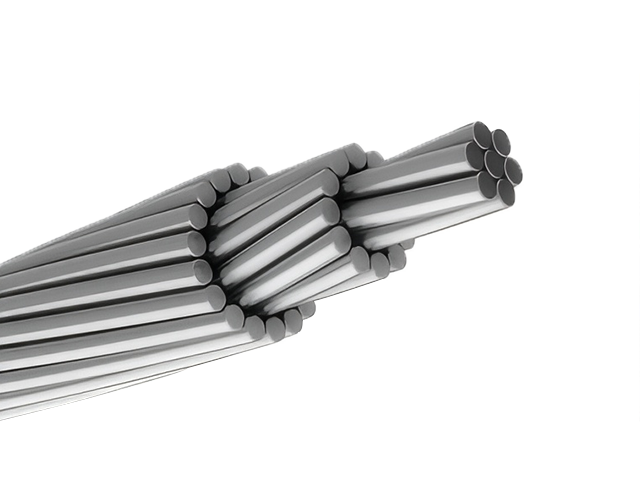
2 AWG SPARROW ACSR Conductor Cable
The 2 AWG SPARROW ACSR (Aluminum Conductor Steel Reinforced) cable, compliant with ASTM B232, ABNT NBR 7270/88, and IEC 61089 standards, is engineered for dependable performance in overhead transmission and distribution systems. Featuring a stranded 1350-H19 aluminum conductor for excellent electrical conductivity and a single galvanized steel core for enhanced mechanical strength, this cable is ideal for medium to long-span installations in suburban, agricultural, and utility networks. With a voltage rating of up to 25 kV, an operating temperature range of -10°C to +75°C, and a short-circuit tolerance of up to 150°C (5s), the SPARROW ACSR ensures reliable conductivity, corrosion resistance, and durability under wind and ice loading. Its lightweight, bare aluminum design with a corrosion-resistant steel core simplifies installation and ensures a long service life in diverse outdoor environments. Ampacity is calculated under standard conditions (conductor temperature: 75°C; ambient temperature: 25°C; wind speed: 1 m/s; full sun exposure).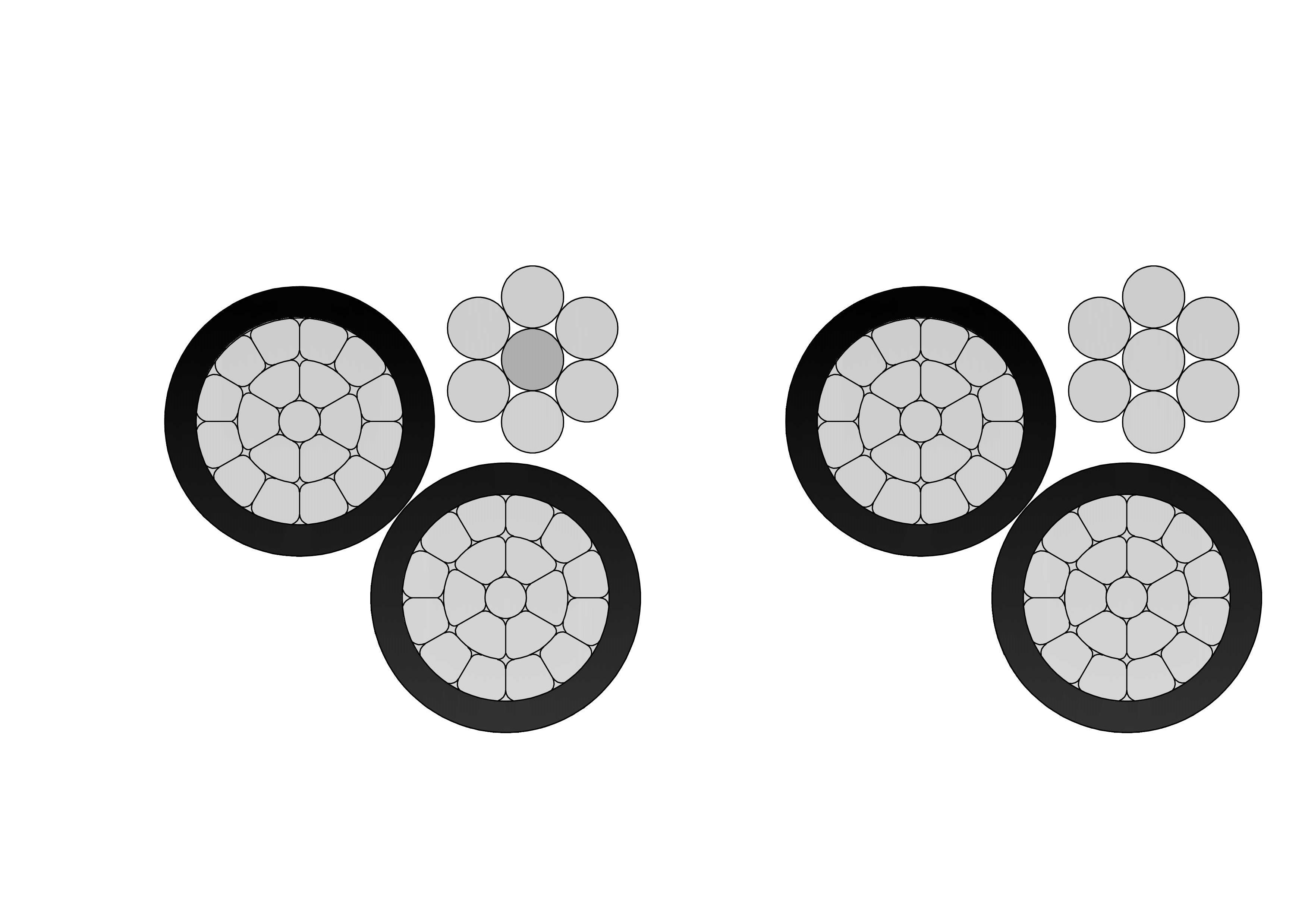
2 Conch Aluminum Conductor Triplex Overhead Service Drop Cable
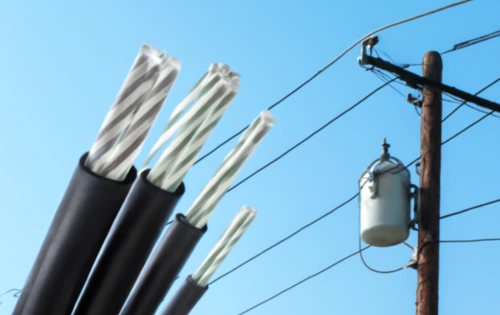
The 2-2-2 Conch Aluminum Conductor Triplex Overhead Service Drop Cable is a trusted solution for overhead power distribution from utility poles to residential or commercial weatherheads. Featuring concentric-lay-stranded 1350-H19 aluminum phase conductors (#2 AWG, 7-strand), durable black cross-linked polyethylene (XLPE) insulation, and a bare ACSR neutral messenger (#2 AWG, 6/1), it provides excellent electrical conductivity, superior weather/UV resistance, and mechanical support. Rated for 600 volts phase-to-phase with conductor temperatures up to 90°C (XLPE), it delivers an allowable ampacity of approximately 150 amps. Compliant with ASTM B-230, B-231, B-232, B-399, and ICEA S-76-474 standards, this lightweight, flexible cable ensures easy installation and long-term reliability in harsh outdoor environments, including wind, ice loading, and temperature fluctuations.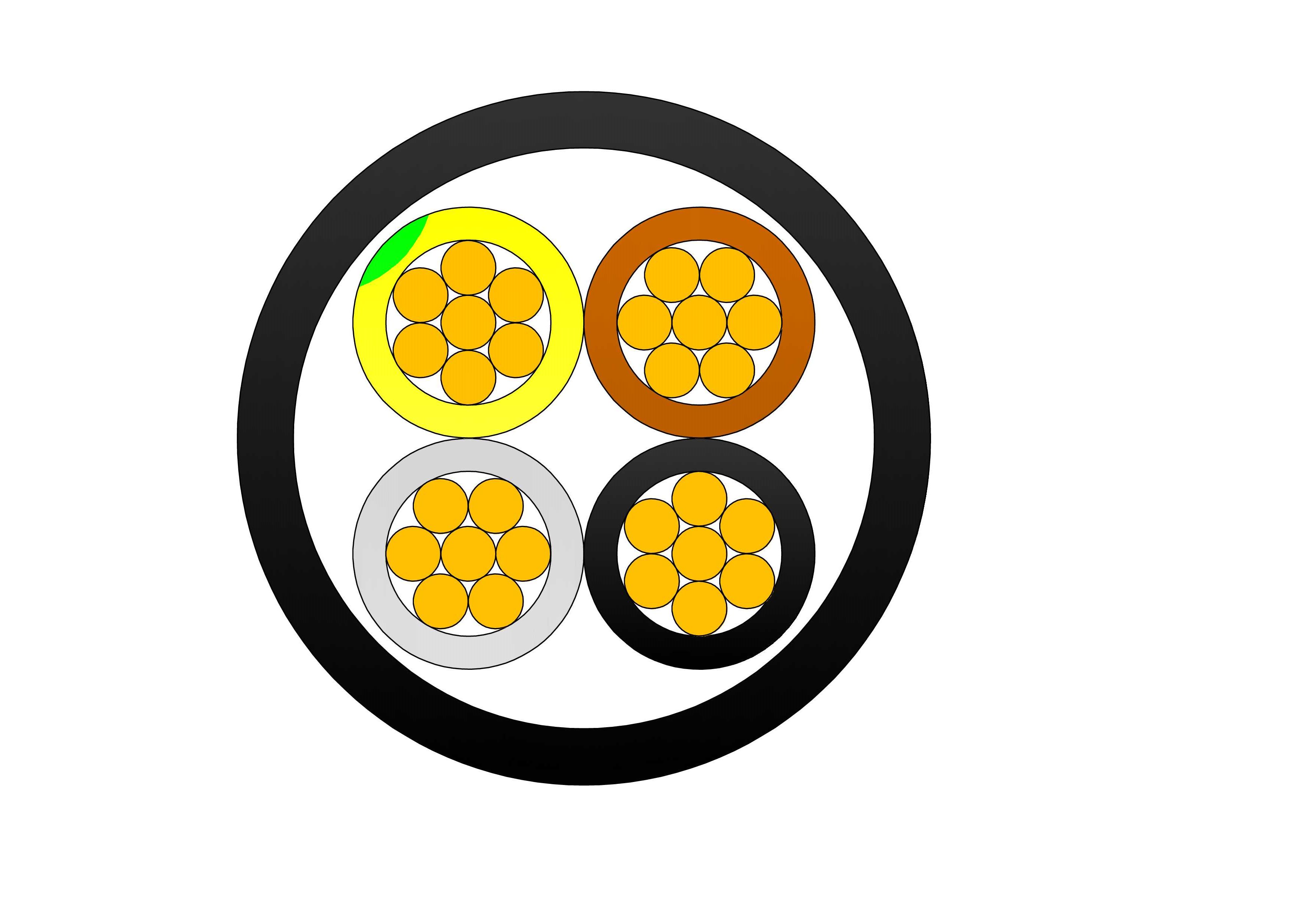
2/3 Cores Copper Cable CU/XLPE/PVC 0.6/1kV
The 2/3 Cores Copper Cable CU/XLPE/PVC 0.6/1kV is designed for reliable low-voltage power distribution in industrial, commercial, and infrastructure applications. Manufactured with high-conductivity annealed copper conductors, premium XLPE insulation, and a durable PVC sheath, the cable provides excellent electrical performance, thermal stability, and mechanical protection. The XLPE insulation allows continuous operating temperatures up to 90°C while maintaining superior dielectric strength and low insulation losses. The PVC outer sheath offers excellent resistance to moisture, abrasion, chemicals, and environmental influences, ensuring long service life in demanding installation conditions. Available in 2-core and 3-core configurations, this cable is ideal for power supply circuits, machinery connections, distribution systems, construction projects, and utility networks. Manufactured according to IEC 60502-1 and other international standards, it ensures safe and efficient power transmission. With customizable conductor sizes, sheath colors, and packaging options, the 2/3 Cores Copper Cable CU/XLPE/PVC 0.6/1kV provides a cost-effective and dependable solution for modern electrical installations worldwide.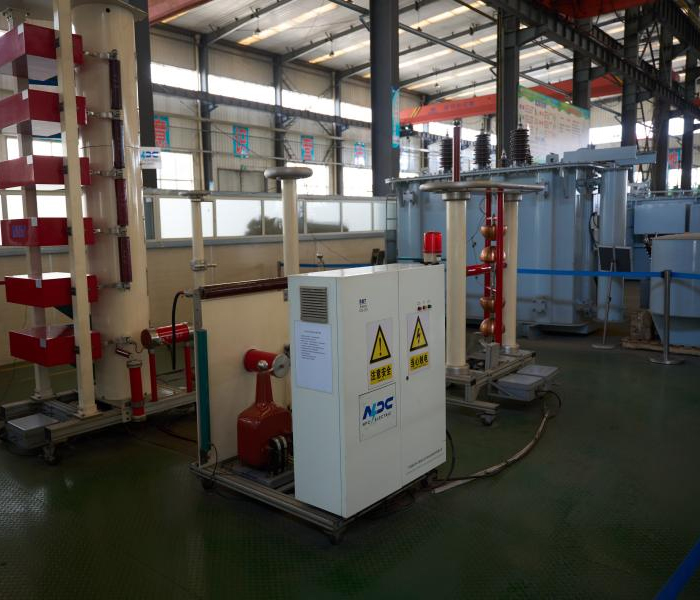
22kV Dry Type Transformer Cast Resin Three Phase Distribution Transformer
22kV Dry Type Transformer Cast Resin Three Phase Distribution Transformer, a premium oil-free solution engineered for safe, reliable medium-voltage power distribution in indoor environments. This three-phase cast resin transformer features fully vacuum-impregnated epoxy resin windings with high-conductivity copper conductors and premium low-loss grain-oriented silicon steel cores, achieving superior energy efficiency (typically 98.5%+), significantly reduced no-load and load losses, and excellent partial discharge performance (<10pC). The advanced cast resin encapsulation provides outstanding moisture resistance, self-extinguishing fire safety (F1 class), robust short-circuit withstand capability, and completely maintenance-free operation. Natural air (AN) cooling with optional forced air (AF) upgrades supports high overload capacity, while optimized core clamping, vibration-dampening mounts, and noise-reduction design deliver low acoustic levels suitable for urban or sensitive installations.
HV Submarine Cable
The High Voltage Submarine Cable is specifically engineered for underwater power transmission applications requiring exceptional electrical performance, mechanical strength, and long-term environmental reliability. Designed with high-conductivity copper or aluminum conductors, advanced XLPE insulation, water-blocking systems, metallic sheath protection, and galvanized steel wire armor, the cable ensures safe and efficient power transfer in challenging marine environments. The cable is capable of transmitting large amounts of electrical energy across seas, rivers, lakes, and offshore installations while maintaining low transmission losses. Its multi-layer protection structure provides superior resistance to hydrostatic pressure, seawater corrosion, mechanical impacts, and installation stresses. Manufactured according to international submarine cable standards, the High Voltage Submarine Cable supports voltage levels from 35kV to 500kV and beyond. It is widely used in offshore wind farms, island interconnections, offshore oil and gas platforms, marine renewable energy projects, and cross-sea transmission systems.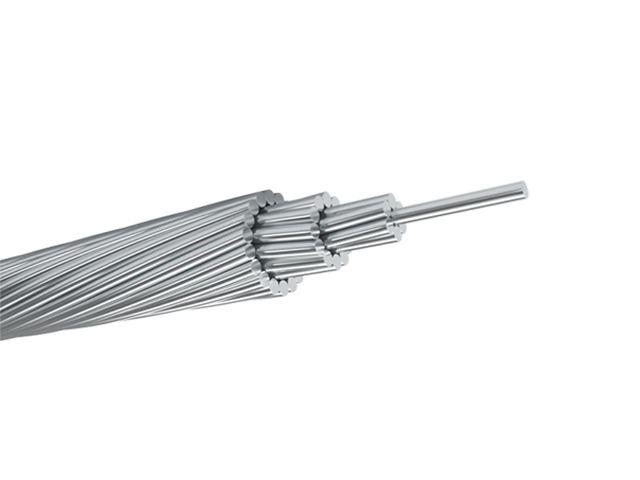
AAAC Moose Conductor Cable
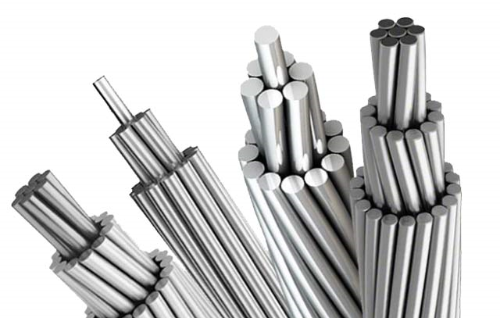
AAAC MOOSE conductor is manufactured in compliance with ASTM B399 or IEC 61089 standards, using high-strength aluminum alloy 6201-T81 for enhanced conductivity and corrosion resistance. Constructed entirely from high-strength aluminum alloy strands, it offers superior mechanical strength and corrosion resistance compared with traditional aluminum conductors. The Moose-size AAAC conductor is particularly suitable for long-span installations, providing excellent sag control and stable operation under heavy mechanical loads. Its all-alloy design ensures uniform conductivity and eliminates steel-related corrosion issues, extending service life in harsh environmental conditions. Manufactured under strict quality management systems, the AAAC Moose Conductor Cable complies with international standards and delivers reliable performance, simplified installation, and reduced lifecycle costs for utility and infrastructure projects worldwide.
Single Core SWA Armoured Cable XLPE Insulated Power Cable
The Single Core SWA Armoured Cable is designed for reliable power transmission in installations requiring high mechanical protection and long-term durability. Manufactured with high-conductivity copper or aluminum conductors, premium XLPE insulation, galvanized steel wire armour, and a robust PVC outer sheath, the cable provides excellent electrical performance and superior mechanical strength. The XLPE insulation offers outstanding dielectric properties, low power losses, and thermal stability, allowing continuous conductor operation at temperatures up to 90°C. The galvanized steel wire armour enhances tensile strength and resistance to impact, compression, and external mechanical damage, making the cable ideal for underground and direct burial applications. The durable PVC sheath protects against moisture, chemicals, abrasion, UV exposure, and environmental conditions. Manufactured according to IEC 60502 standards, the cable is widely used in utility substations, renewable energy projects, industrial plants, commercial facilities, and power distribution networks. The Single Core SWA Armoured Cable combines electrical efficiency, safety, and mechanical reliability, making it a preferred solution for demanding power infrastructure projects worldwide.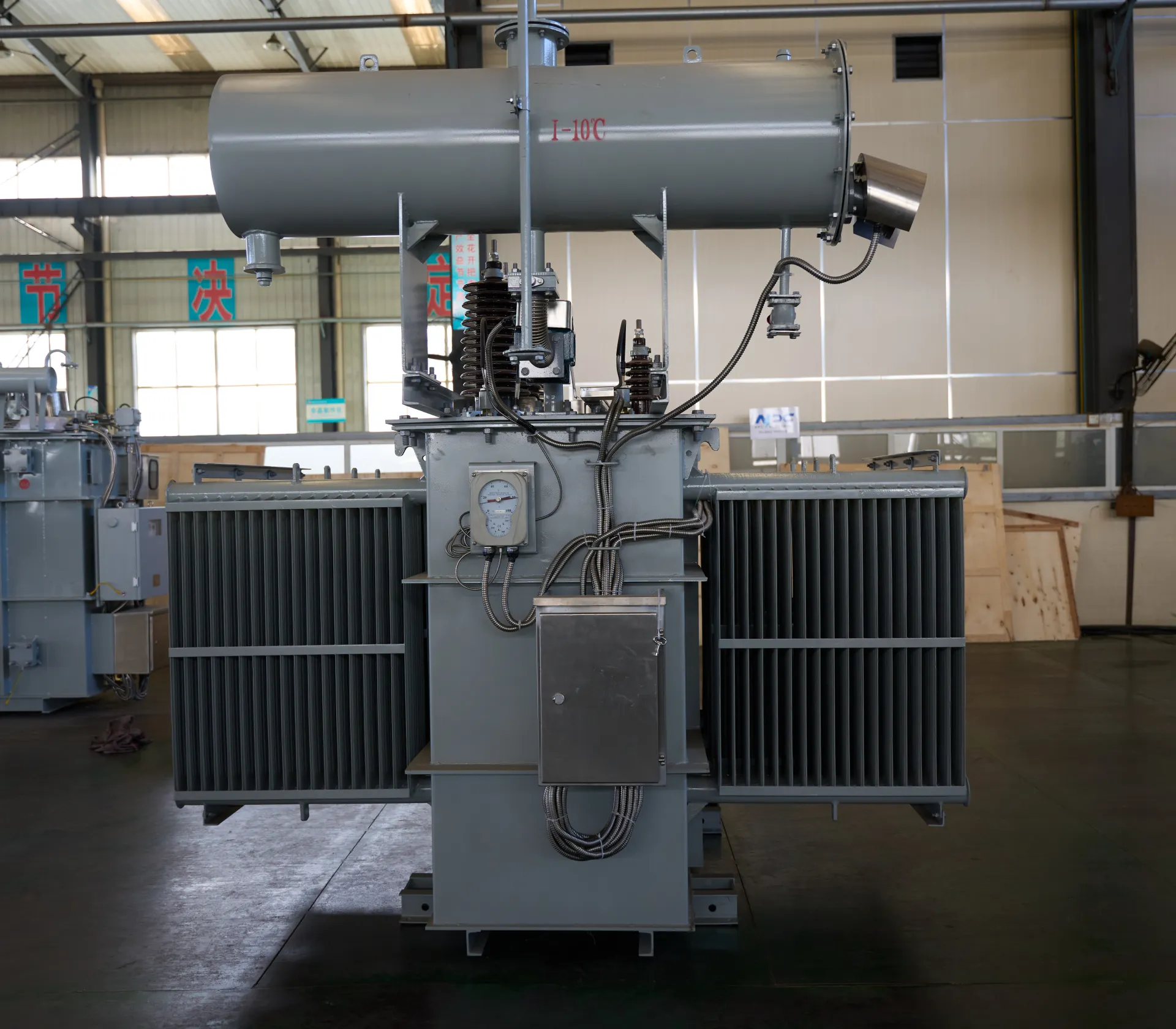
40kV 50MVA Oil Immersed Three-Phase MV&HV Power Transformer Copper
The 40kV 50MVA Oil Immersed Three-Phase MV&HV Power Transformer Copper is engineered for large-scale transmission and industrial substations. Equipped with high-purity copper windings, ONAN/ONAF cooling, and ±8×1.25% on-load tap changer, it achieves ultra-low losses (S13/S14 series). Fully compliant with IEC 60076 and GB/T 1094, it withstands 200 kV lightning impulse and PD <10 pC. Robust corrugated-fin tank with detachable radiators ensures excellent thermal performance under continuous heavy load. Typical voltages: 40±8×1.25%/11kV or 40/6.3kV. Vacuum oil filling and nitrogen sealing guarantee 35+ years of reliable, maintenance-free operation in harsh environments. Trusted by utilities and EPC contractors worldwide.
Penguin ACSR Conductor Cable
The ACSR Penguin is an Aluminium Conductor Steel Reinforced (ACSR) designed with a robust steel core surrounded by layers of high-conductivity aluminium wires, adhering to ASTM B232 standards. It features a stranded steel core surrounded by layers of aluminum conductors, combining excellent tensile strength with efficient current-carrying capability. The steel core provides superior load-bearing capacity, while the aluminum strands ensure low electrical resistance and reduced line losses. This balanced construction allows the Penguin ACSR Conductor Cable to withstand long spans, high wind loads, and varying environmental conditions. Manufactured in accordance with relevant ASTM and IEC standards, it offers stable performance, ease of installation, and long service life. The conductor is widely adopted in overhead transmission lines where durability, economy, and mechanical reliability are critical.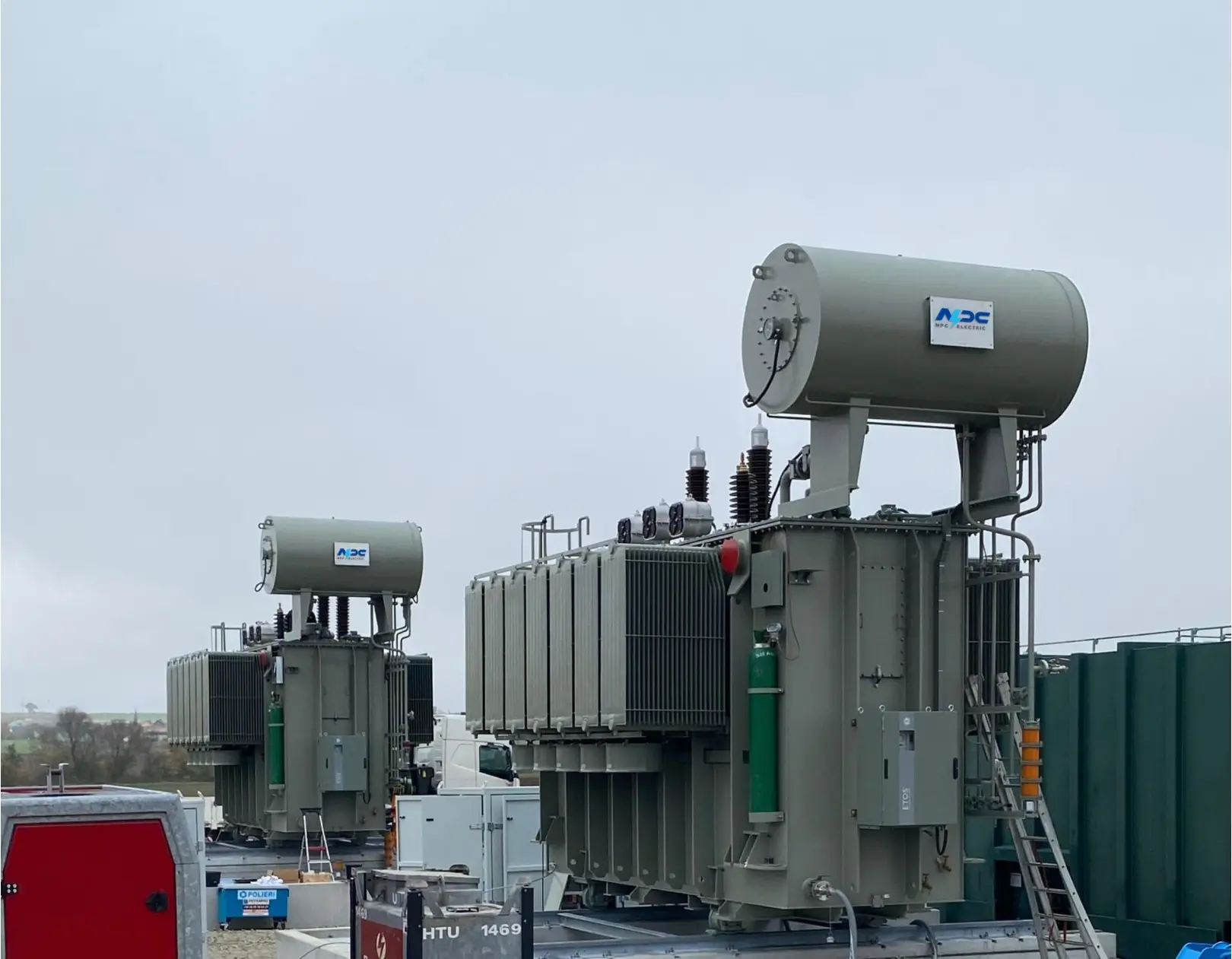
130kV 10MVA / 25MVA / 40MVA Electrical Power Transformer
The 130kV Electrical Power Transformer with ratings of 10MVA, 25MVA, and 40MVA is designed to support medium-to-large capacity power transmission and distribution systems. It is engineered to provide consistent voltage conversion, high operational efficiency, and excellent thermal stability under variable grid conditions. The transformer incorporates a precisely calculated magnetic core, high-strength winding design, and an oil-immersed insulation system that enhances heat dissipation and electrical reliability. Its structure is optimized to withstand electrical stress, mechanical vibration, and long-term continuous operation. Suitable for outdoor installation, the transformer maintains stable performance in challenging environments such as high temperature, humidity, or heavy industrial zones. Built in accordance with recognized international standards, it offers dependable service life and reduced maintenance requirements for modern power networks.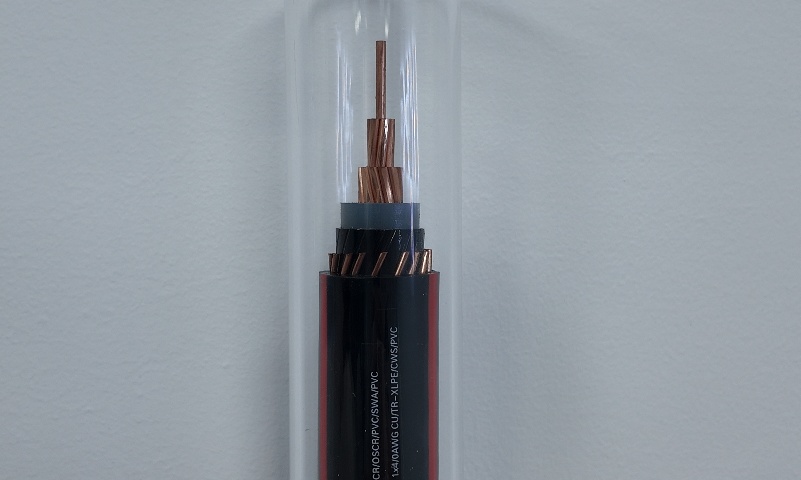
Triplex URD Cable
The Triplex URD Cable is a cost-effective and reliable 600V underground residential distribution cable engineered for service entrance and secondary power delivery. It consists of three insulated AA8000 aluminum alloy phase conductors and a concentric neutral, all encased in a durable black polyethylene sheath. The triplex design offers a compact footprint, excellent flexibility, and easy handling during direct burial installation. With XLPE insulation, this cable provides superior electrical performance and moisture resistance. Lightweight and corrosion-resistant, the Triplex URD Cable is an economical alternative to copper while maintaining high conductivity and mechanical strength. Manufactured to UL 854 and ICEA standards, it undergoes extensive quality testing to ensure consistent performance and long service life in underground environments.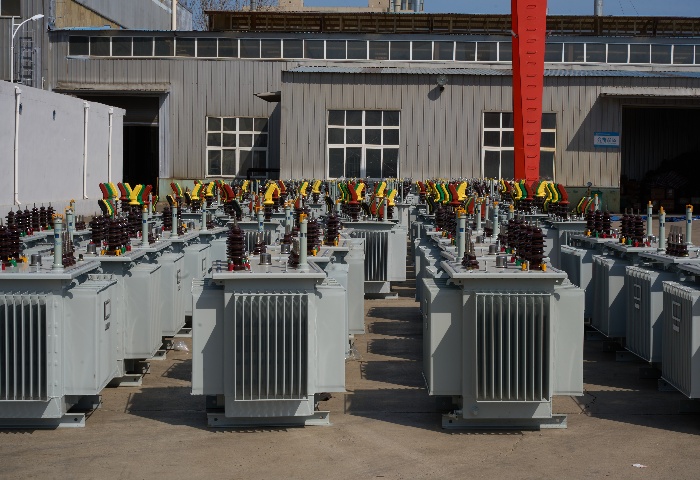
10.5KV Oil Immersed Substation Transformer
The 10.5kV Oil Immersed Substation Transformer is specifically designed for medium-voltage power substations requiring stable voltage conversion and reliable long-term operation. Utilizing a proven oil-immersed insulation system, the transformer provides excellent dielectric strength and efficient heat dissipation, ensuring dependable performance under continuous load conditions. High-quality winding materials and precise manufacturing processes enhance mechanical strength and short-circuit resistance. With low operating noise and strong thermal stability, the transformer is well-suited for modern substations serving industrial, commercial, and infrastructure power distribution systems.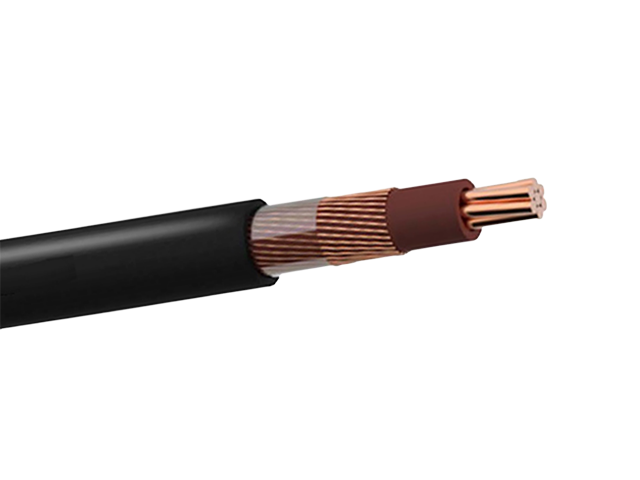
35kV Concentric Neutral Underground Power Cable
The 35 kV Concentric Neutral Power Cable is a high-performance medium-voltage underground cable designed for primary distribution systems. It features a stranded conductor, semi-conducting shields, tree-retardant TR-XLPE or EPR insulation, helically applied bare copper concentric neutral wires, and a sunlight-resistant LLDPE jacket. This construction provides excellent electrical performance, superior resistance to water treeing, and robust mechanical protection suitable for direct burial or duct installations. Available in various conductor sizes and insulation levels, the cable ensures safe and efficient power delivery. Manufactured to the latest ICEA S-94-649 and AEIC CS8 standards, the 35 kV Concentric Neutral Power Cable undergoes extensive quality testing to deliver consistent low dielectric loss and long service life in demanding underground environments.
500kVA Three Phase Pad Mounted Transformer
The 500kVA three-phase pad transformer is an efficient and sturdy power equipment designed for commercial, industrial and distribution systems. It has a compact design and a protective casing that meets NEMA 3R or higher standards. It is suitable for various outdoor environments and can effectively resist external factors such as weather, dust and moisture. It can meet the power needs of different regions and has a variety of optional functions, such as load regulation and temperature control systems, to further improve its operating efficiency and safety. The built-in protection device can effectively prevent overload, short circuit and other faults to ensure the safe and reliable operation of the power system.
FR-N20XA8E-AR 12/20kV Cable Gen to NF C 33-226 - AL/XLPE/MDPE
The NF C 33-226 AL-XLPE-MDPE 12/20(24)kV Cable is a high-quality medium voltage power cable designed for safe and efficient fixed installations. Constructed with a Class 2 stranded aluminum conductor, cross-linked polyethylene (XLPE) insulation, and a medium-density polyethylene (MDPE) outer sheath, it offers outstanding electrical performance, mechanical strength, and long service life. Complying with NF C 33-226, IEC 60502-2, and EN 60228 standards, this cable is ideal for industrial facilities, municipal networks, and commercial power supply systems. It provides superior resistance to water (AD7) and UV radiation (ISO 4892), while being halogen-free (IEC/EN 60754-1) for enhanced environmental and operational safety. With a rated voltage of 12/20 (24)kV and a maximum conductor operating temperature of 90°C, the AL-XLPE-MDPE construction ensures reliable, stable, and efficient power transmission in medium-voltage distribution networks.Welcome your inquiry
Honesty, Integrity, Frugality, Activeness and Passion