
Best High Voltage Transformers for Power Grid & Renewable Energy
2026-05-11
In modern electrical infrastructure, high voltage transformers play a critical role in transmitting electricity over long distances while maintaining system stability and efficiency. As global electricity demand increases and renewable energy integration accelerates, advanced high-voltage power transformers are essential components in modern power systems and smart grid technologies.
High voltage transformers allow utilities to:
- Minimize energy loss during power transmission
- Improve grid stability and reliability
- Enable large-scale renewable energy integration
- Support modern smart grid infrastructure
Today’s leading high voltage transformer manufacturers provide advanced equipment designed for power plants, substations, and renewable energy projects such as wind farms and solar power stations.
What Is a High Voltage Transformer?
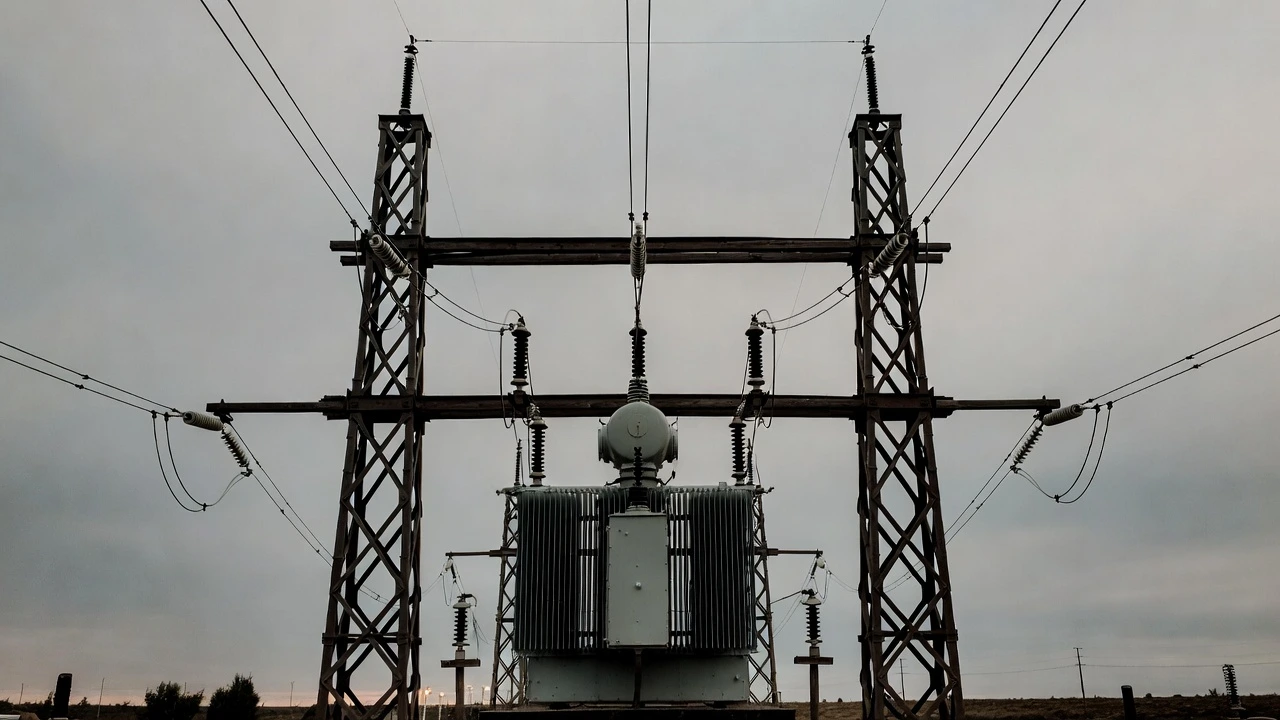
A high voltage transformer is a critical electrical device designed to step up (increase) or step down (decrease) AC voltage levels in power systems, typically operating at voltages above 35 kV (often ranging from 66 kV to 500 kV, and even up to 1000 kV+ for ultra-high-voltage/UHV applications). These transformers are essential for efficient long-distance power transmission, minimizing energy losses (I²R losses) that occur at lower voltages.
Working Principle It operates based on Faraday's law of electromagnetic induction. An alternating current in the primary winding creates a changing magnetic flux in the iron core. This flux induces a voltage in the secondary winding. The voltage ratio equals the turns ratio (V₂/V₁ = N₂/N₁), allowing precise voltage transformation while frequency remains unchanged. Step-up transformers raise voltage for transmission; step-down ones lower it for distribution or end-use.
Common Types
- Oil-immersed power transformers — Most widely used for excellent cooling and insulation.
- Dry-type high voltage transformers — Safer, fire-resistant, ideal for indoor/substation use.
- Auto-transformers — More efficient for small voltage changes.
- Extra-high-voltage (EHV) / UHV transformers — For 500–1200 kV grids.
High voltage transformers form the backbone of national grids, enabling "West-to-East" power transmission, renewable energy integration (wind/solar farms step-up to grid voltage), industrial heavy loads, HVDC systems, railways, and urban substations. They ensure grid stability, support carbon neutrality goals, and reduce transmission losses over hundreds of kilometers.
In 2026, demand surges due to renewable energy expansion, grid modernization, and data center growth, making them indispensable for reliable, efficient electricity delivery worldwide. These transformers are used primarily in power transmission networks where electricity must travel long distances from power plants to distribution systems.
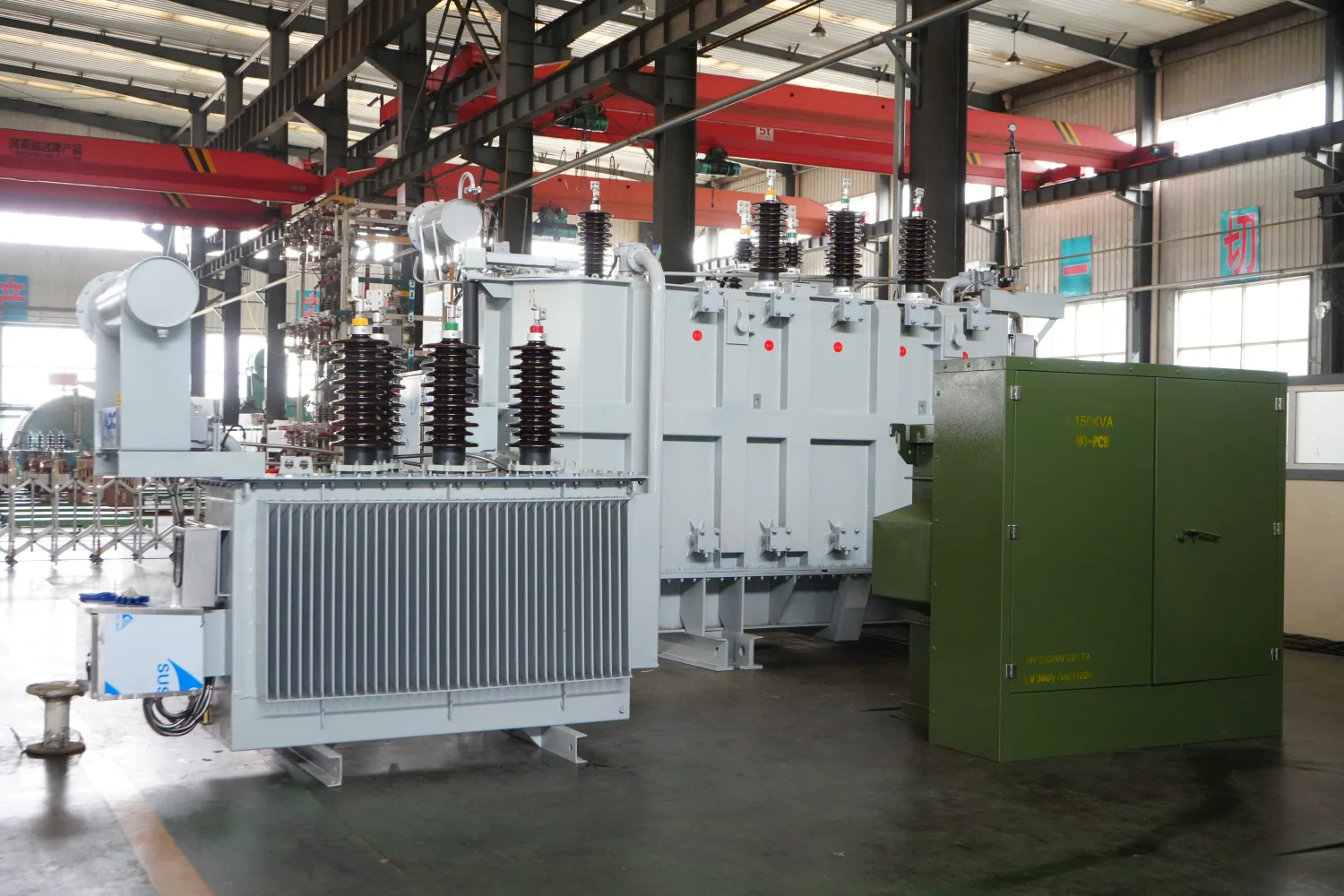
Typical High Voltage Transformer Functions
|
Function |
Description |
|
Voltage conversion |
Step-up or step-down voltage levels |
|
Power transmission |
Enables long-distance electricity transfer |
|
Grid stability |
Maintains consistent voltage levels |
|
Renewable integration |
Connects wind and solar farms to the grid |
Without high voltage transformers, modern power distribution networks would be inefficient and unstable.
Types of High Voltage Transformers
Various types of transformers are designed to meet specific power system requirements.
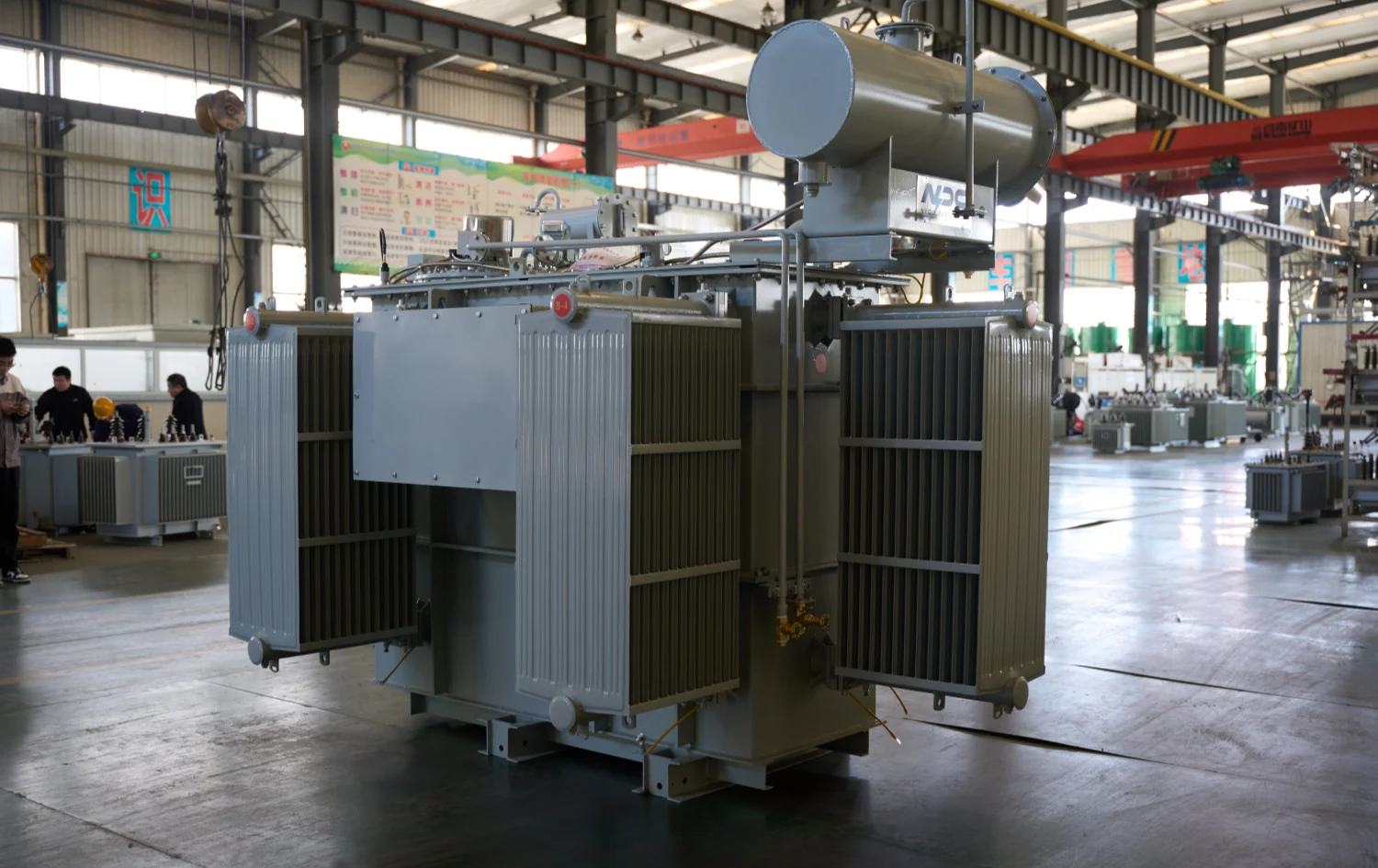
1. High Voltage Power Transformer
A high-voltage power transformer is a large-capacity static electrical device that steps up or steps down AC voltage levels (typically 69 kV to 500 kV+, including EHV/UHV classes) for efficient power transmission and distribution, typically used in large substations and transmission systems. Operating on electromagnetic induction, it minimizes energy losses over long distances by raising voltage at generation sites (step-up) and lowering it at substations for safe consumer use (step-down), while keeping frequency constant.
Key types include oil-immersed (dominant for cooling/insulation), dry-type (fire-safe for indoor use), auto-transformers, and HVDC-compatible units.
Main applications cover national grids, renewable energy integration (wind/solar farms), industrial facilities, HVDC links, railways, and urban substations. In 2026, surging demand from grid modernization, data centers, EVs, and clean energy drives global growth, despite ongoing supply challenges and longer lead times. These transformers ensure reliable, low-loss electricity delivery essential for energy security and sustainability.
These transformers handle extremely high power levels and ensure efficient energy transfer.
Typical Specifications
|
Parameter |
Range |
|
Voltage rating |
35kV – 765kV |
|
Power capacity |
10MVA – 1000MVA |
|
Cooling type |
ONAN / ONAF / OFAF |
|
Insulation |
Mineral oil or synthetic oil |
These transformers are essential for national grid infrastructure and large-scale power generation.
2. High Voltage Current Transformer
A high voltage current transformer (HV CT) is an instrument transformer used in high-voltage power systems (typically 35 kV to 800 kV+, including EHV/UHV grids) to step down large primary currents to safe, low secondary values (e.g., 1A or 5A) proportional to the primary current, used for measurement and protection in electrical systems. It reduces high current levels to safe values for meters and protective relays. This enables accurate metering, protection relaying, and monitoring without direct exposure to dangerous high currents or voltages.
It operates via electromagnetic induction: primary current (often a single turn or bar) generates magnetic flux in the core, inducing a proportional current in the multi-turn secondary winding. Secondary is nearly short-circuited for accuracy and safety.
Common Types
- Live tank (top-core, oil-paper insulated) — for ultra-high voltages.
- Dead tank — compact, safer fault containment.
- Bar-type, wound primary, ring/doughnut (window-type) — for MV/HV switchgear.
- Dry-type or SF6 gas-insulated for indoor/substation use.
Key Applications HV CTs are essential in substations, transmission lines, power plants, renewable integration, HVDC systems, and industrial facilities for overcurrent/fault protection, energy metering, and grid stability. In 2026, demand grows with grid upgrades, renewables, and smart grids.
Key Features
|
Feature |
Description |
|
Measurement accuracy |
High precision current measurement |
|
Protection systems |
Supports relay protection |
|
Safety isolation |
Protects monitoring equipment |
|
Voltage range |
Up to 800kV systems |
Current transformers are widely used in substations and transmission networks.
3. High Voltage DC Transformer
A high voltage DC transformer is commonly used in HVDC transmission systems, which are increasingly used for long-distance and cross-border electricity transmission.
HVDC Transformer Applications
|
Application |
Example |
|
Cross-country grid connections |
|
|
Offshore wind farms |
Connecting offshore turbines |
|
Intercontinental power links |
International grid connections |
HVDC technology helps minimize energy loss during ultra-long-distance transmission.
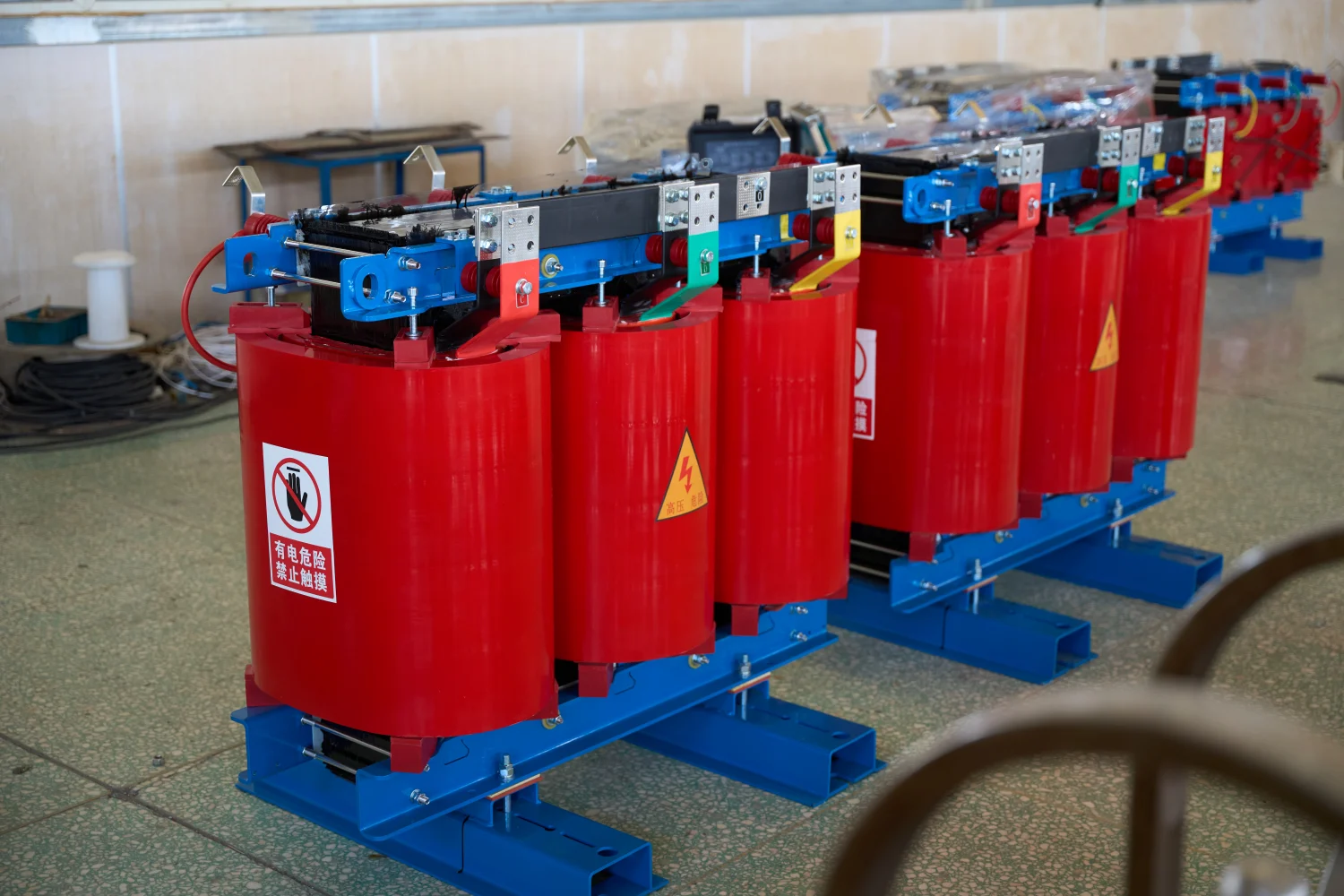
4. Dry Type High Voltage Transformers
Dry-type transformers are often used in indoor environments where fire safety and environmental protection are critical.
Advantages
|
Advantage |
Description |
|
No oil leakage |
Environmentally friendly |
|
Fire resistance |
Suitable for indoor installations |
|
Low maintenance |
Reduced operational costs |
These transformers are commonly used in industrial plants and urban substations.
High Voltage Transformer Applications in Renewable Energy
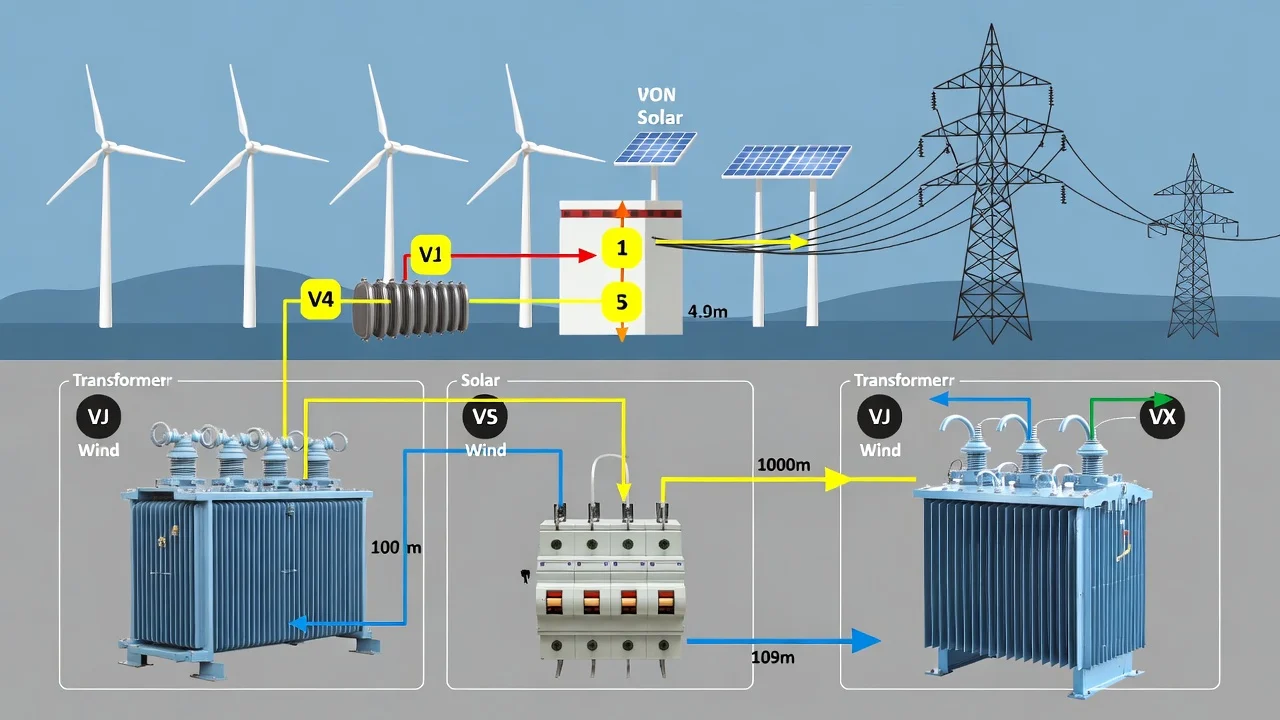
High voltage transformers are indispensable in renewable energy systems, enabling efficient integration of intermittent sources like wind and solar into national grids. In large-scale wind farms (onshore and offshore), step-up transformers (often 33–66 kV to 220–500 kV+) raise generator output voltage for low-loss transmission over long distances, reducing I²R losses and supporting grid stability. Offshore wind projects frequently use high-capacity power transformers on substations to connect to HVDC links or AC grids.
For solar photovoltaic farms, high voltage transformers step up medium-voltage collector outputs (e.g., 33 kV) to transmission levels (110–500 kV), facilitating seamless grid injection and minimizing energy waste. They handle voltage fluctuations, provide reactive power support, manage harmonics from inverters, and ensure isolation for safety.
These transformers drive renewable scalability: enabling remote wind/solar evacuation, supporting HVDC for ultra-long-distance transport, and aiding grid modernization amid rising EV, data center, and clean energy demands. In 2026, surging installations (driven by carbon neutrality goals) boost demand for robust, eco-friendly designs like oil-immersed or smart transformers, ensuring reliable, low-loss power delivery worldwide.
The rapid expansion of renewable energy requires reliable transformer solutions.
High voltage transformers enable the integration of:
- Wind farms
- Solar power plants
- Hydroelectric facilities
- Energy storage systems
Renewable Energy Transformer Applications
|
Energy Source |
Transformer Role |
|
Step-up transformer for grid connection |
|
|
Solar farms |
Voltage conversion for transmission |
|
Hydropower |
Power output stabilization |
|
Grid integration |
Modern transformer technology ensures efficient conversion and stable grid operation.
High Voltage Transformer Voltage Chart (35kV–800kV)
A high voltage transformer voltage chart helps engineers quickly understand the typical voltage levels used in modern transmission systems. Different voltage classes are used depending on transmission distance and grid design.
Higher voltage levels allow power utilities to minimize energy loss and increase transmission efficiency.
High Voltage Transformer Standard Voltage Levels
|
Voltage Level |
Transformer Type |
Typical Application |
|
35kV |
Regional distribution |
|
|
66kV |
Medium transmission transformer |
Industrial power supply |
|
110kV |
High-voltage power transformer |
Urban transmission networks |
|
132kV |
Grid transformer |
National grid connections |
|
220kV |
Extra high voltage transformer |
Long-distance transmission |
|
330kV |
Extra high voltage transformer |
High-capacity power transfer |
|
500kV |
Ultra high voltage transformer |
National power grid |
|
765kV |
Ultra high voltage transformer |
Large power transmission corridors |
|
±800kV |
Long-distance DC transmission |
These voltage classes are widely used in modern power systems and renewable energy integration projects.
High Voltage Transformer Testing
Before installation, transformers must undergo rigorous testing procedures to ensure reliability and compliance with international standards.
High voltage transformer testing ensures safety, reliability, and performance in power systems (35 kV+). Key tests include:
- Dielectric/insulation tests — Separate source AC withstand, induced AC (short/long duration), partial discharge measurement (PD) to verify insulation strength and detect defects.
- Impulse tests — Lightning impulse (LI full/chopped) and switching impulse (SI) simulate surges from lightning/switching.
- Routine tests — Winding resistance, turns ratio, insulation resistance (Megger), vector group, and no-load/load loss.
- Special/type tests — Temperature rise, short-circuit withstand, sound level.
Standards: IEC 60076 series, IEEE C57, IS 2026 (India). In 2026, advanced PD monitoring and eco-friendly oils drive smarter testing for grid reliability and renewables. Proper testing prevents failures, extends life, and supports efficient transmission.
Common High Voltage Transformer Testing Methods
|
Test Type |
Purpose |
|
Insulation resistance test |
Verifies insulation integrity |
|
High-voltage testing of a transformer |
Ensures insulation strength |
|
Temperature rise test |
Evaluates thermal performance |
|
Short circuit test |
Measures fault tolerance |
|
Partial discharge test |
Detects insulation defects |
Proper high voltage transformer testing ensures safe operation in critical power infrastructure.
High Voltage Transformer Testing Procedure
Proper high voltage transformer testing is essential to ensure operational safety, reliability, and compliance with international standards such as IEC and IEEE.
Testing is typically performed during manufacturing, installation, and periodic maintenance.
Standard Transformer Testing Process
|
Step |
Test |
Purpose |
|
1 |
Visual inspection |
Verify physical condition |
|
2 |
Insulation resistance test |
Check insulation integrity |
|
3 |
Winding resistance test |
Detect winding faults |
|
4 |
Transformer turns ratio test |
Confirm voltage ratio accuracy |
|
5 |
High-voltage testing of a transformer |
Verify insulation strength |
|
6 |
Partial discharge test |
Detect insulation defects |
|
7 |
Temperature rise test |
Evaluate cooling performance |
|
8 |
Load test |
Confirm operational stability |
These procedures ensure that high-voltage power transformers meet safety and performance requirements before entering service.
Power Transformer Loss Calculation Table
Transformer efficiency is heavily influenced by core losses and copper losses. Reducing these losses helps minimize energy loss in power transmission systems.
Main Types of Transformer Losses
|
Loss Type |
Description |
|
Core loss |
Caused by magnetic hysteresis and eddy currents |
|
Copper loss |
Caused by resistance in transformer windings |
|
Stray loss |
Loss caused by leakage flux |
|
Dielectric loss |
Loss due to insulation materials |
Example Transformer Loss Calculation
|
Transformer Size |
Core Loss |
Copper Loss |
Total Loss |
|
10MVA transformer |
8 kW |
35 kW |
43 kW |
|
20MVA transformer |
12 kW |
60 kW |
72 kW |
|
50MVA transformer |
25 kW |
150 kW |
175 kW |
|
100MVA transformer |
40 kW |
300 kW |
340 kW |
|
200MVA transformer |
70 kW |
600 kW |
670 kW |
Advanced transformer technology and high-efficiency core materials help reduce these losses and improve overall grid efficiency.
Engineering Tip: Minimizing Transformer Energy Loss
Modern transformer design focuses on reducing losses through:
|
Technology |
Benefit |
|
Amorphous metal cores |
Lower core losses |
|
High conductivity windings |
Reduced copper losses |
|
Advanced insulation |
Improved thermal performance |
|
Smart monitoring systems |
Predictive maintenance |
These innovations allow modern high-voltage transformers to operate more efficiently in smart grid environments.
High Voltage Transformer Technical Comparison
Different transformer technologies provide varying performance benefits.
Transformer Technology Comparison
|
Transformer Type |
Voltage Range |
Typical Application |
|
110kV – 765kV |
Transmission substations |
|
|
Distribution transformer |
10kV – 35kV |
Local power distribution |
|
Current transformer |
Up to 800kV |
Protection and measurement |
|
HVDC transformer |
200kV – 800kV |
Long-distance transmission |
|
Dry-type transformer |
Up to 35kV |
Indoor installations |
Selecting the right transformer depends on system voltage, load requirements, and environmental conditions.
Leading High Voltage Transformer Manufacturers
The global market for high voltage transformer manufacturers includes companies known for advanced engineering and manufacturing expertise.
Major Industry Manufacturers
|
Manufacturer |
Specialty |
|
General Electric (GE) |
Large power transformers |
|
Siemens Energy |
HVDC transformer systems |
|
Hitachi Energy |
Smart grid transformers |
|
Toshiba |
Advanced transformer technology |
|
Mitsubishi Electric |
High-efficiency power transformers |
These companies provide high-quality transformers designed for modern grid solutions.
Smart Grid and Advanced Transformer Technology
Modern transformer systems are evolving with smart grid technologies and digital monitoring systems.
Smart Transformer Features
|
Technology |
Benefit |
|
Digital monitoring |
Real-time transformer diagnostics |
|
IoT sensors |
Predictive maintenance |
|
Advanced insulation |
Longer equipment life |
|
High efficiency cores |
Reduced energy loss |
These innovations improve grid stability, efficiency, and operational reliability.
How to Select the Best High Voltage Transformer
Selecting a transformer requires careful engineering analysis.
Key Selection Factors
|
Factor |
Importance |
|
Voltage rating |
Must match grid voltage |
|
Power capacity |
Supports system load |
|
Cooling system |
Maintains thermal stability |
|
Efficiency |
Reduces transmission losses |
|
Compliance |
Meets international standards |
Utilities and project engineers must evaluate these parameters to ensure optimal transformer performance.
High voltage transformers are essential components of modern power systems, enabling efficient electricity transmission and supporting the integration of renewable energy sources.
From high-voltage power transformers used in transmission grids to high-voltage DC transformers enabling long-distance power transfer, these devices form the backbone of global energy infrastructure.
With continuous advancements in transformer technology, smart grid integration, and advanced testing methods, modern high voltage transformers are becoming more efficient, reliable, and environmentally sustainable.
As the demand for electricity grows worldwide, high-quality transformers will continue to play a vital role in building reliable and efficient power distribution networks.

Related Articles
Related Products
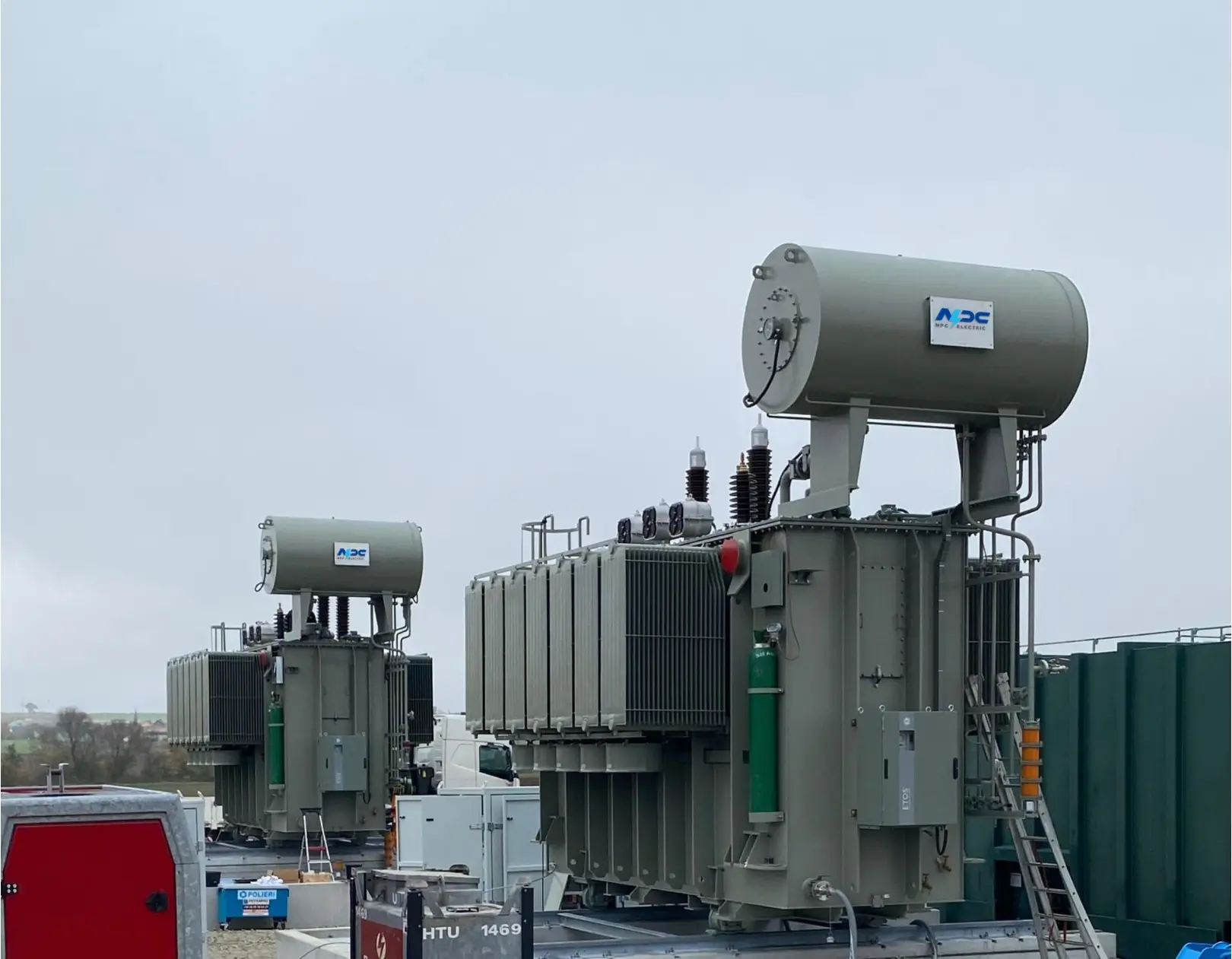
75kV 1250kVA Three Phase Oil Immersed Power Transformer Copper
The 75kV 1250kVA Three Phase Oil Immersed Power Transformer Copper is engineered for regional 66–75 kV transmission and industrial step-down applications. It adopts 99.99 % electrolytic copper windings, high-grade grain-oriented silicon steel S13 core, corrugated tank + ONAN cooling, and ±5 % off-circuit tap changer (on-load optional). Fully compliant with IEC 60076, lightning impulse withstand 350 kV peak, PD <10 pC, noise ≤58 dB. Fully sealed or conservator design with vacuum oil filling and nitrogen sealing ensures >30-year maintenance-free operation even in high-altitude or polluted areas. Ideal for mining, metallurgy, wind farms, and urban 75 kV substations requiring high reliability and low loss.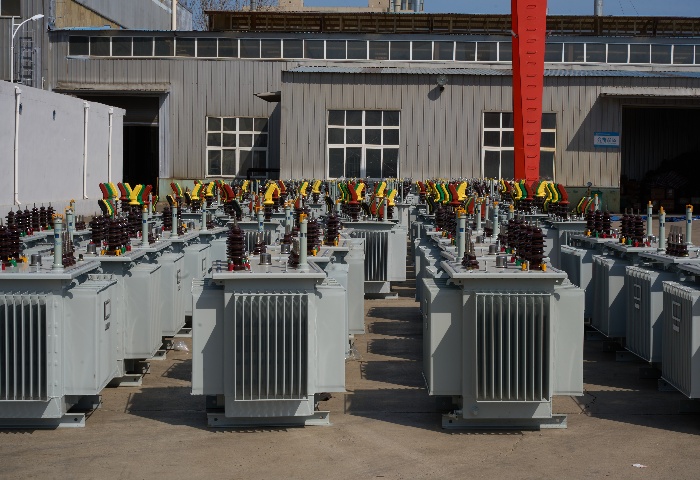
11kV Oil Immersed Transformer
The 11kV Oil Immersed Transformer is a robust, three-phase medium-voltage distribution unit optimized for efficient step-down power delivery in 50/60Hz AC networks. Engineered with a hermetically sealed tank featuring corrugated fins for thermal expansion compensation, it eliminates conservator requirements while offering superior moisture protection and extended operational durability. High-grade cold-rolled grain-oriented silicon steel laminations reduce core losses significantly, paired with low-resistance copper or aluminum windings for minimized load losses and enhanced conductivity.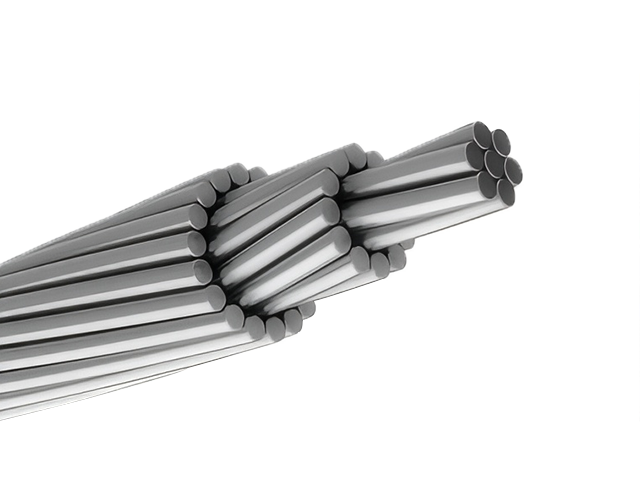
795 MCM DRAKE ACSR Conductor Cable
The ACSR CAA 795 MCM 26/7F DRAKE is a widely used, high-capacity overhead conductor designed for power transmission and distribution systems. It features a rugged construction of 26 hard-drawn 1350-H19 aluminium wires wrapped around 7 galvanized steel strands, forming a strong and conductive concentrically stranded cable. Built to ASTM B232 specifications, this conductor delivers excellent electrical performance, while its steel-reinforced core offers the mechanical strength needed for long-span installations. The steel strands are galvanized to Class A or B, providing reliable corrosion resistance in outdoor environments. With its proven design and high load-handling capabilities, the DRAKE configuration is commonly used across utility networks, particularly for high-voltage transmission lines where strength, conductivity, and longevity are critical. The aluminum 1350-H19 provides excellent corrosion resistance and low electrical resistance (0.0223 Ω/1000ft at 20°C), while the steel enhances sag control over long spans. Suitable for voltages up to 230kV in distribution lines, the 795 MCM Drake ACSR Conductor Cable minimizes line losses and withstands harsh weather, including wind and ice loading.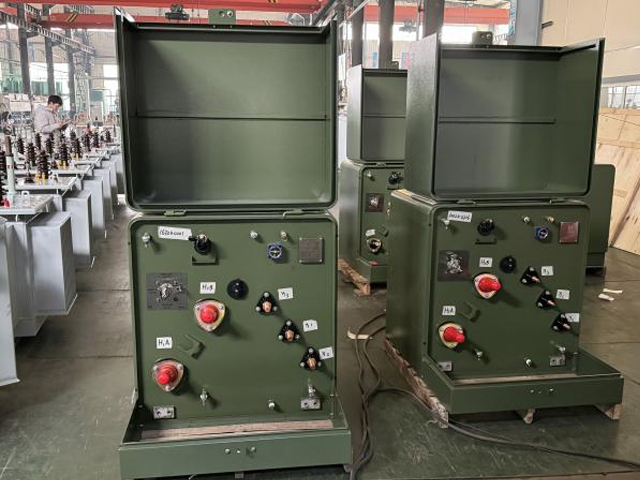
15kVA Conventional Type Single Phase Pole Mounted Transformer
NPC ELECTRIC has been focusing on the production of 15kVA Conventional Type Single Phase pole Mounted transformer for more than 20 years, which complies with IEC 60076, ANSI C57.12.20, EN 50464-1, ISO 9001 standards. NPC ELECTRIC'S transformer adopts oil-immersed self-cooling design, which can efficiently and stably convert high-voltage electricity into low-voltage electricity suitable for users. It is mainly used for power supply needs of rural areas, end of the power grid and small industrial users. Typical features include mineral oil insulation (ONAN cooling), aluminum or copper windings, primary voltages from 2.4kV to 34.5kV (e.g., 7200/12470GrdY, 7620/13200GrdY, 12470GrdY/7200, 24900GrdY/14400), secondary voltages 120/240V or 240/120V split-phase, BIL ratings 60-150kV on HV and 30kV on LV, impedance around 2-3.5%, ±2×2.5% taps, conventional or CSP (completely self-protected) configurations with internal fuses, arresters, and weak-link protection, pressure relief valve, oil sight gauge, and ANSI 70 gray tank finish.2Y-high-voltage-power-cable-2.webp)
A2XS(FL)2Y HDPE High Voltage 36/60 (72.5) kV Power Cable
The A2XS(FL)2Y HDPE 36/60 (72.5) kV Power Cable is a cost-effective high-voltage cable with longitudinal water-blocking for reliable transmission and distribution at 36/60 kV rated / 72.5 kV maximum operating voltage. It includes stranded aluminium conductors for high current capacity and reduced weight, semi-conductive conductor screen, premium XLPE insulation for low dielectric losses and 90°C continuous rating (250°C short-circuit), semi-conductive insulation screen, concentric copper wire screen combined with aluminium laminated foil for longitudinal water-blocking, electromagnetic shielding, and grounding, and a high-density polyethylene (HDPE) outer sheath providing superior mechanical protection, moisture resistance, chemical stability, and UV resistance. Compliant with IEC 60840, VDE 0276-620, or equivalent standards, it offers excellent water tree resistance, high ampacity, and long service life even in wet, direct-buried, or flooded conditions. The A2XS(FL)2Y HDPE is ideal for underground HV lines, river crossings, industrial feeders, substations, and renewable energy connections where water ingress protection, efficiency, and durability are essential.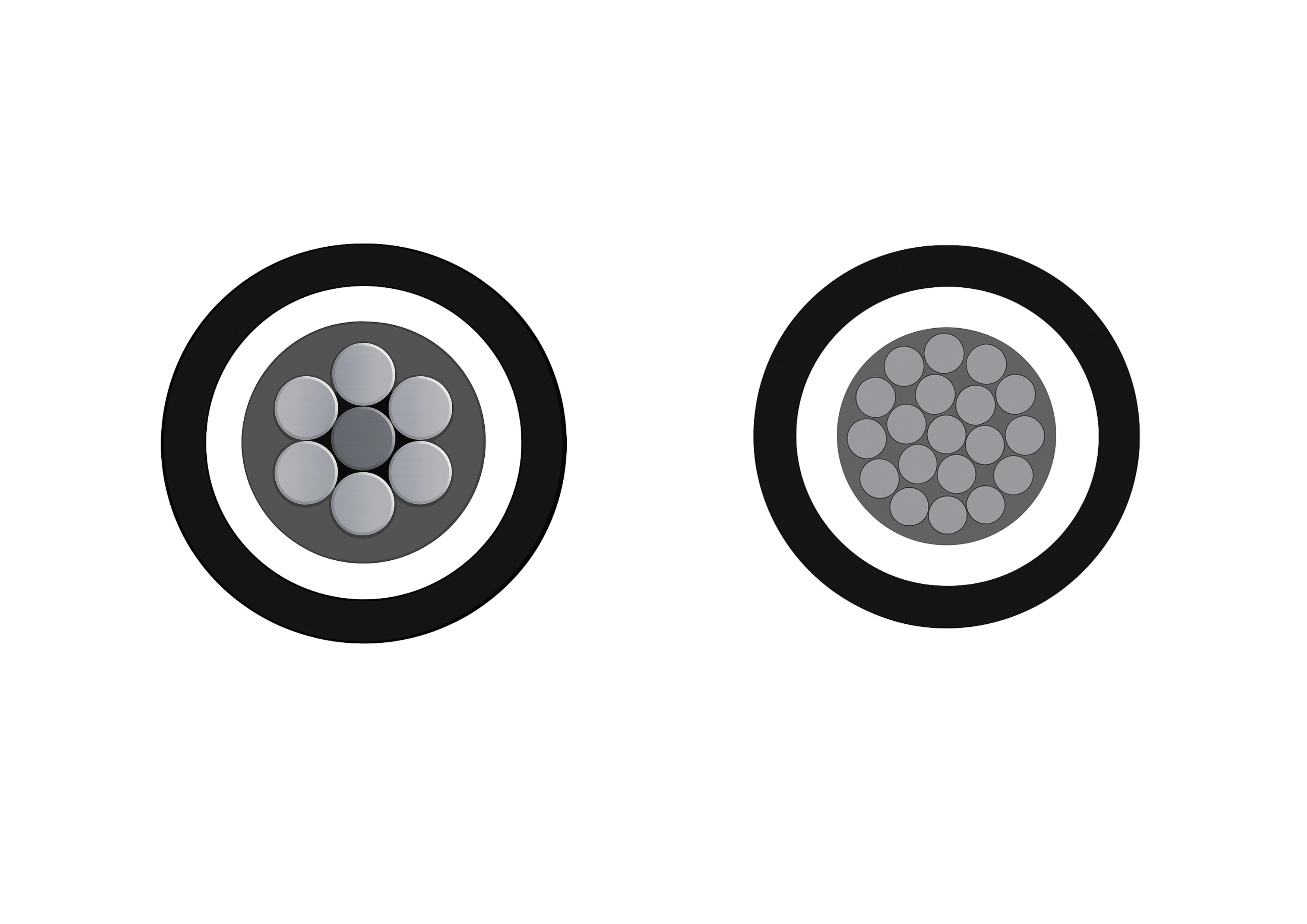
3-Layer 46kV Tree Wire - Covered Overhead MV Cable
The 3-Layer 46kV AAAC/ACSR/AAC Tree Wire is a premium covered medium-voltage overhead conductor designed for reliable performance in heavily vegetated environments. It features a concentrically stranded AAAC, ACSR, or AAC conductor protected by a robust triple-layer system of track-resistant high-density polyethylene (HDPE) or cross-linked polyethylene (XLPE). The multi-layer covering delivers exceptional tracking resistance, abrasion protection, and weatherability while significantly reducing the risk of electrical faults from tree limb contact and minimizing wildfire ignition potential. This advanced design allows closer spacing to vegetation and lowers vegetation management costs. Suitable for both conventional overhead lines and spacer cable systems, the 3-Layer 46kV AAAC/ACSR/AAC Tree Wire meets ICEA S-121-733 and related ASTM standards. It undergoes rigorous quality testing from raw materials to finished product, ensuring excellent dielectric strength, mechanical robustness, and long-term durability in demanding high-voltage applications.
556.5 MCM OSPREY ACSR Conductor Cable
The ACSR CAA 556.5 MCM 18/1F OSPREY conductor is a durable and efficient Aluminium Conductor Steel Reinforced (ACSR) cable, engineered to deliver consistent performance in overhead power transmission and distribution systems. With its construction of 18 hard-drawn 1350-H19 aluminium strands wrapped around a single galvanized steel wire, this conductor offers a dependable combination of lightweight conductivity and mechanical strength. Complying with ASTM B232 standards, the OSPREY conductor is ideal for medium- to long-span installations, particularly where increased mechanical support is necessary. The steel core, available with Class A or B galvanization, enhances corrosion resistance while supporting the conductor’s tensile integrity under challenging environmental and load conditions. Its 18/1F construction makes it particularly suited for projects where a balance of performance, durability, and cost-effectiveness is essential. It is widely used by utilities in transmission infrastructure, especially where moderate-to-high current capacity is required without compromising on mechanical reliability.
XLPE-HDPE Tree Cable Aluminum 25kV 1x150mm²
The XLPE-HDPE Tree Cable Aluminum 25kV 1x150mm² is engineered for medium-voltage overhead distribution systems requiring very high current capacity. Ideal for long-distance transmission in rural, coastal, and industrial areas, this cable provides exceptional reliability, efficient energy delivery, and long-term performance while minimizing line losses and maintenance costs. Constructed with high-conductivity aluminum alloy 1350 wires, the conductor features round compacted, class 2 stranding, with minimum conductivity of 61% IACS and tensile strength of at least 130 MPa. Optional conductor shielding with extruded semiconductor thermosetting compound is available for enhanced performance in 15kV and 25kV applications. Rated at 25kV, the XLPE-HDPE tree cable allows reduced line clearance compared to bare conductors while maintaining electrical safety. A comprehensive quality control system, including raw material testing, process inspection, and finished product testing, ensures consistent performance and compliance with IEC and utility standards.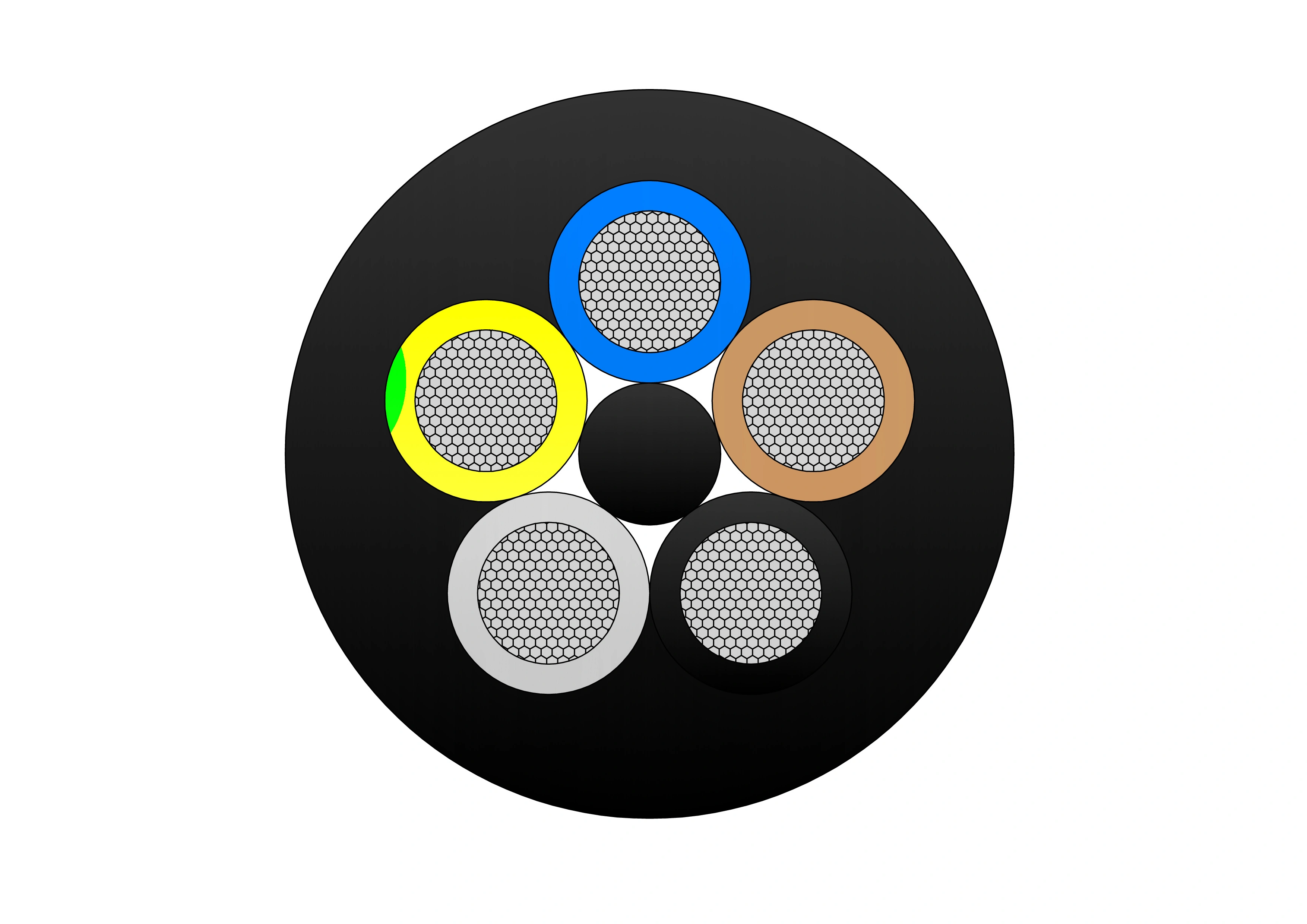
(N)TMCGEWOU 3.6/6kV, 6/10kV and 8.7/15kV Cable
The (N)TMCGEWOU 3.6/6kV, 6/10kV and 8.7/15kV Cable is a flexible medium voltage power cable manufactured in compliance with DIN VDE 0250 standards. Designed for mining, tunneling, and mobile equipment applications, it ensures safe and reliable medium voltage energy supply in the most demanding environments. With EPR insulation, a robust halogen-free rubber sheath, and a copper wire screen, this cable delivers high mechanical strength, flame retardancy, oil resistance, and moisture protection. Its rugged design makes it ideal for short-length connections to transformers, switchgears, and conveyor system power feeds.-AL-medium-voltage-power-cable-2.jpg)
RHZ1-OL(AS)-AL Medium Voltage Power Cable(8.7/15kV, 12/20kV, 18/30kV)
RHZ1-OL(AS)-AL Medium Voltage Power Cable (8.7/15kV, 12/20kV, 18/30kV) is a lightweight cable with enhanced fire retardancy for critical medium voltage applications. Featuring stranded aluminium conductors, cross-linked polyethylene (XLPE) insulation, metallic screen, and low smoke zero halogen (LSZH) outer sheath with advanced fire behavior (AS designation), it complies with UNE 21123-4 and higher CPR classifications. In fire scenarios, it produces very low smoke and no toxic gases. Aluminium construction reduces weight and costs while ensuring reliable current capacity. Superior partial discharge resistance, low dielectric losses, and high thermal stability provide efficient, long-lasting performance. Suitable for direct burial, ducts, or indoor use in high-safety areas. The RHZ1-OL(AS)-AL Medium Voltage Power Cable is perfect for utilities, hospitals, schools, tunnels, and infrastructure projects requiring economical, advanced fire-safe medium voltage cabling with exceptional life-safety features and durability worldwide.
556.5 MCM DOVE ACSR Conductor Cable
The ACSR CAA 556.5 MCM 26/7F DOVE is a high-capacity, steel-reinforced aluminium conductor designed for the efficient and reliable delivery of electrical power across overhead transmission and distribution lines. Its structure features 26 hard-drawn 1350-H19 aluminium strands wrapped around 7 galvanized steel strands, forming a strong, concentric-lay stranded design. Manufactured in accordance with ASTM B232, this conductor brings together the lightweight, conductive benefits of aluminium with the mechanical strength and durability of galvanized steel. The steel core, treated with Class A or B galvanization, offers essential corrosion protection, especially in harsh weather environments or long-span installations. The DOVE configuration is a popular industry standard for medium- to high-voltage overhead systems, offering excellent performance where long spans and high tension loads are involved. Its optimized aluminium-to-steel ratio makes it well-suited for utility transmission networks, helping reduce line losses while ensuring structural integrity.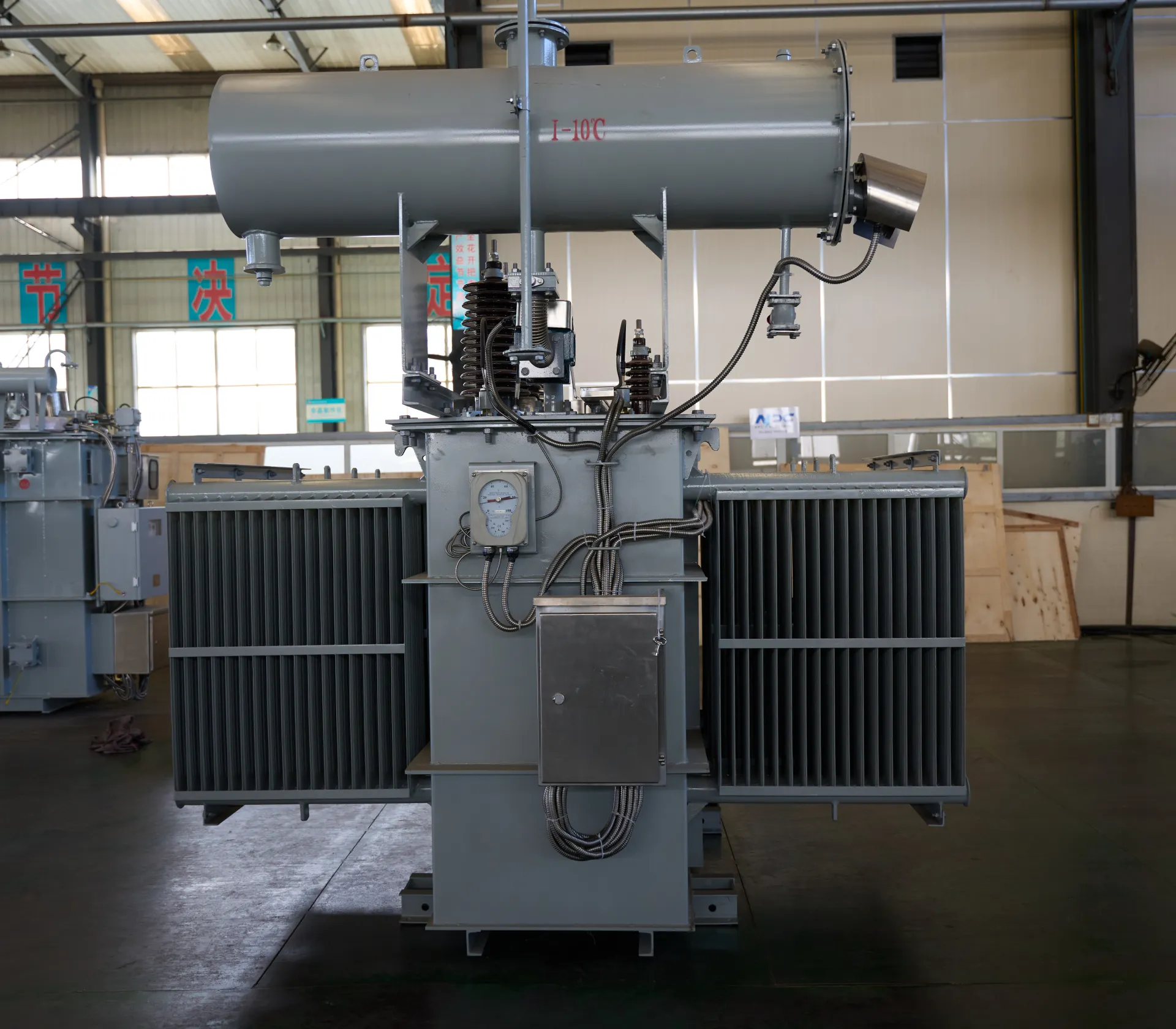
20kV Three-Phase Oil-Immersed Power Transformer 50-2500kVA Copper
The 20kV Three-Phase Oil-Immersed Power Transformer 50-2500kVA Copper adopts high-purity electrolytic copper windings, Class A insulation, and advanced ONAN cooling design. Available in energy-saving S11/S13/S20 series with no-load loss reduced by up to 40%. Fully sealed corrugated tank or conservator type effectively prevents oil aging and moisture ingress. It complies with IEC 60076, GB/T 1094, and can be equipped with ±5% or ±2×2.5% off-circuit tap changer. Low noise (<55 dB), strong short-circuit withstand capability, and overload capacity make it ideal for industrial parks, commercial buildings, and renewable energy projects. Vacuum oil filling and nitrogen sealing ensure insulation performance for over 30 years. Factory supports full third-party inspection (SGS/BV) and provides type test reports.
477 MCM PELICAN ACSR Conductor Cable
The ACSR CAA 477 MCM 18/1F PELICAN conductor is a high-performance Aluminium Conductor Steel Reinforced (ACSR) cable designed for use in overhead transmission and distribution line systems. Constructed with 18 strands of hard-drawn 1350-H19 aluminium helically stranded around a single galvanized steel wire, this conductor offers a well-balanced combination of electrical conductivity, lightweight design, and mechanical strength. Manufactured in compliance with ASTM B232, the PELICAN configuration is ideal for long-span installations where tensile strength, corrosion resistance, and current-carrying capability are critical. The galvanized steel core, available with Class A or B galvanization, provides excellent protection against environmental degradation while reinforcing the aluminium layers with the mechanical support required for demanding utility applications. Its 18/1 stranded design makes the PELICAN conductor particularly suitable for medium- and high-voltage overhead systems where both performance and cost-efficiency are important.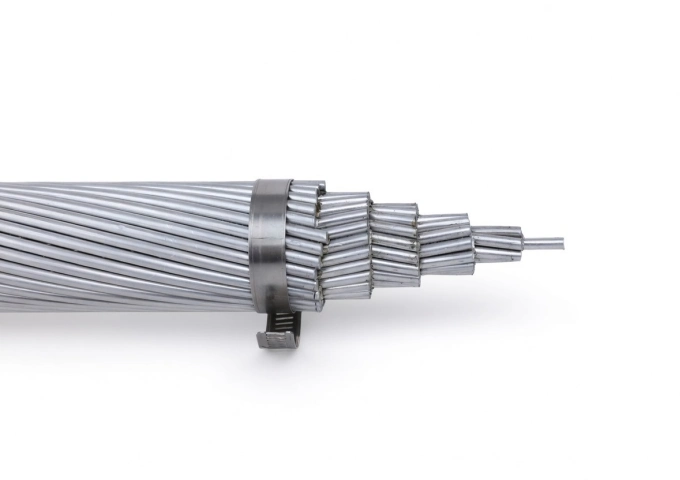
1/0 AWG Poppy AAC Cable
The 1/0 AWG Poppy AAC Cable represents premium All Aluminum Conductor technology for overhead power applications. Manufactured with seven strands of high-conductivity 1350-H19 aluminum, this bare conductor delivers an optimal balance of electrical efficiency and mechanical performance. Its 0.368-inch diameter and 1,990 lbs breaking strength support reliable operation with 247 amps capacity and minimal sag. Weighing just 99.1 lbs per 1000 ft, the Poppy AAC reduces structural loading and installation expenses while providing excellent corrosion resistance for extended outdoor service. Compliant with ASTM B-230 and B-231, the 1/0 AWG Poppy AAC Cable offers low DC resistance of 0.164 ohms/1000 ft at 20°C. It undergoes stringent quality testing from raw materials through finished product, making it an ideal choice for new builds and upgrades in transmission and distribution systems requiring dependable, lightweight bare conductors.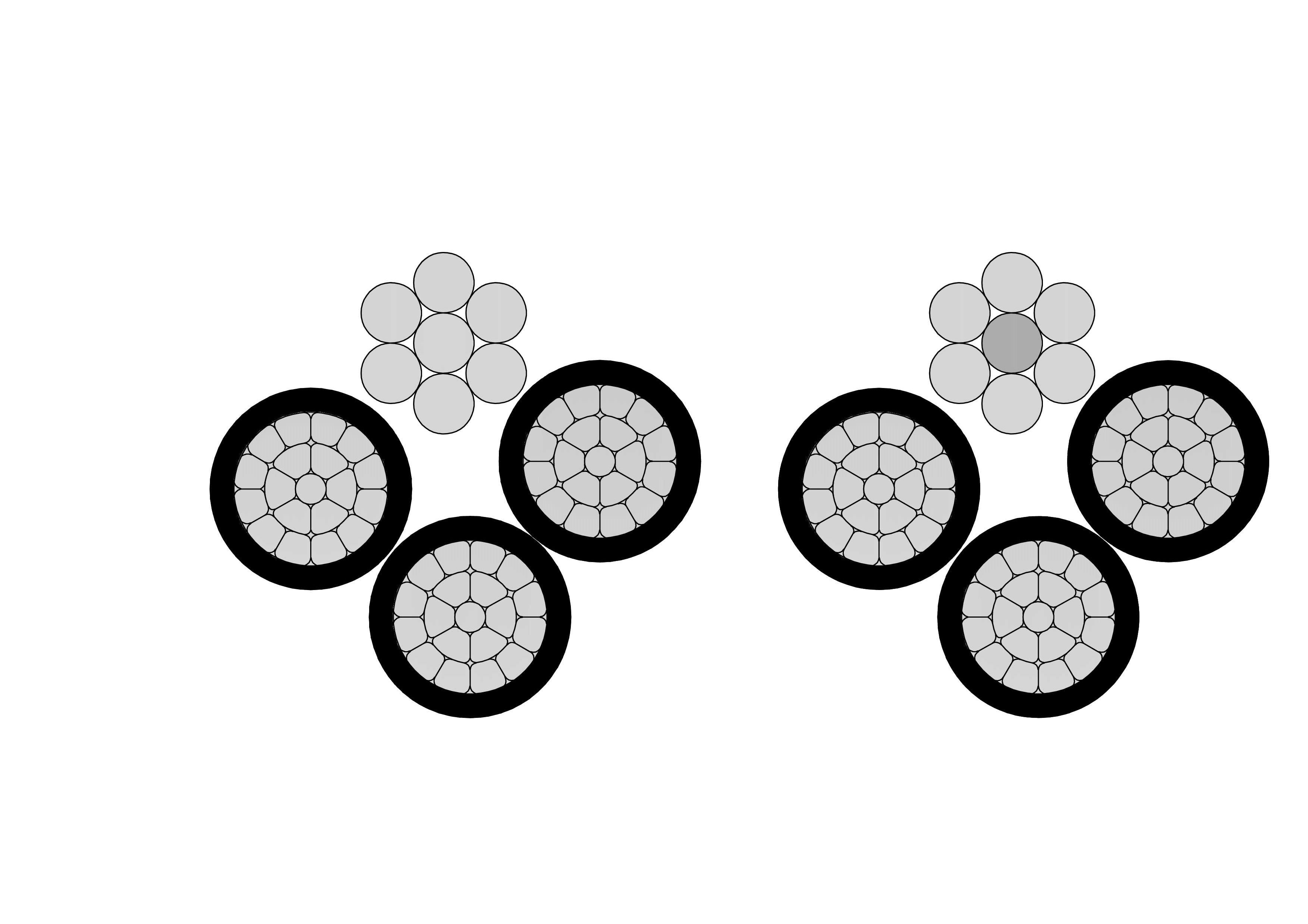
2/0 Grullo Aluminum Conductor Quadruplex Overhead Service Drop Cable
2/0 Grullo Aluminum Conductor Quadruplex Overhead Service Drop Cable is a high-performance solution for delivering three-phase electrical power from pole-mounted transformers to residential or commercial service entrances. It is specifically engineered for 600-volt phase-to-phase operations and supports conductor temperatures up to 90°C with cross-linked polyethylene (XLP) insulation, or 75°C when using standard polyethylene (PE) insulation. This cable consists of three phase conductors made from 1350-H19 aluminum, either stranded or compressed, and a bare ACSR (Aluminum Conductor Steel Reinforced) neutral messenger. Alternate messenger materials include AAC or 6201 alloy for different mechanical load and corrosion resistance preferences. With rugged black XLP insulation, this quadruplex cable provides exceptional weather resistance, UV protection, and thermal endurance, making it ideal for overhead outdoor installations in a wide variety of environments.Welcome your inquiry
Honesty, Integrity, Frugality, Activeness and Passion