
High Voltage Power Cable: Standards, Materials & Calculations
2026-04-22
High-voltage power cables are crucial components of modern electrical power systems, enabling safe and reliable power transmission from generation sources to industrial plants, substations, and large-scale infrastructure. As power grids expand and renewable energy integration accelerates, high voltage cables (HV cables) have become indispensable for efficient energy delivery under demanding environmental and electrical conditions.
What Is a High Voltage Power Cable?
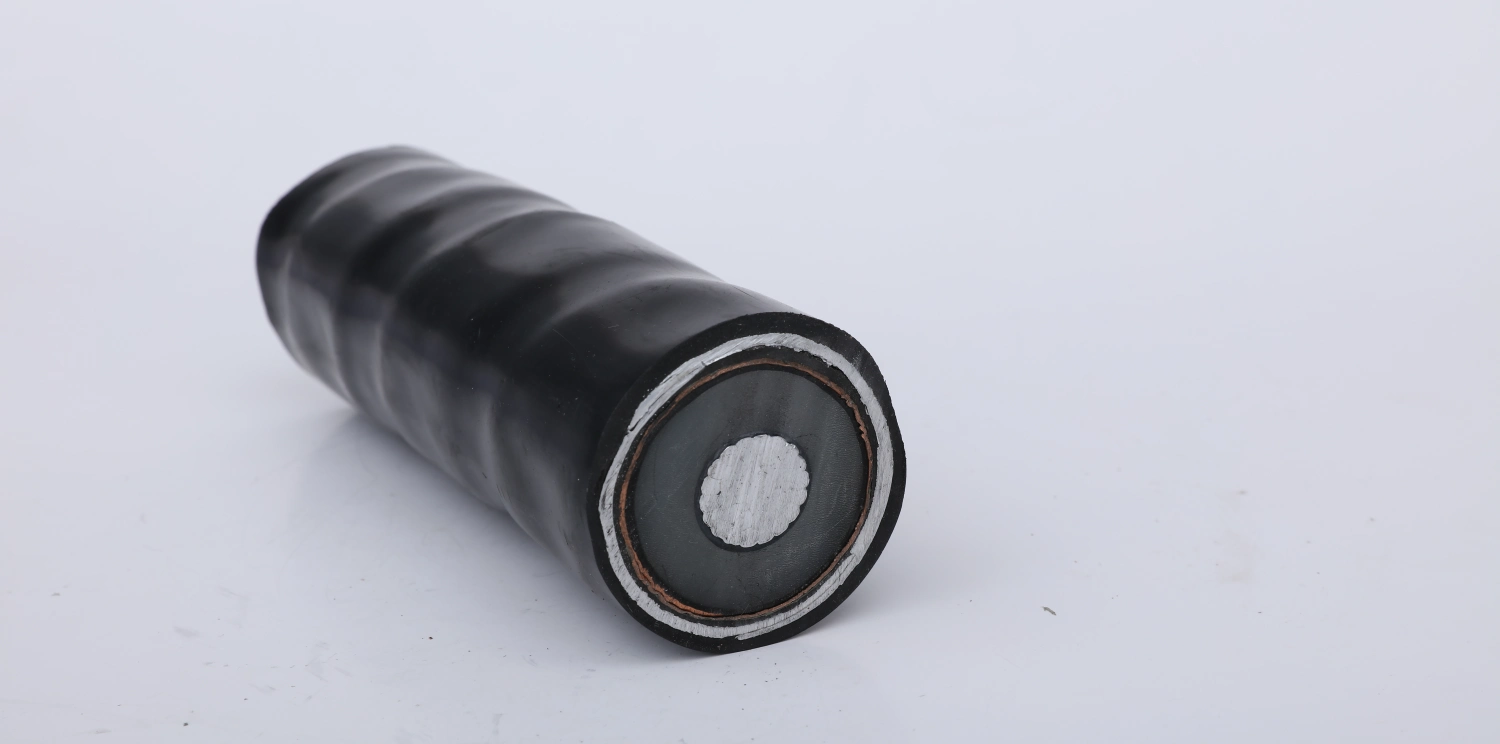
A high-voltage power cable is an electrical cable designed to transmit electrical power at voltages typically above 35 kV, and in many systems up to 220 kV, 330 kV, or higher. Compared with medium voltage cables, HV cables must withstand:
- Higher electrical stress
- Stronger thermal loading
- More demanding environmental factors
- Long service life expectations (30–40 years)
Because cables are designed to operate continuously under high electrical power, even small design errors can result in insulation failure or costly outages.
Role of High Voltage Cables in Power Transmission
High voltage cables play a central role in:
- Power transmission networks
- Grid interconnections
- Renewable energy evacuation (wind, solar)
- Industrial plants with large electrical loads
- Urban underground power systems
In many regions, HV underground cables are replacing overhead lines to reduce land use, improve safety, and enhance grid reliability.
Key International Standards for High Voltage Power Cables
Compliance with recognized international standards ensures safety, compatibility, and long-term performance.
Common HV Cable Standards
|
Standard Organization |
Typical Standards |
Application Scope |
|
IEC |
IEC 60840, IEC 62067 |
HV and EHV cables up to 500 kV |
|
IEEE / ICEA |
IEEE 383, ICEA S-108-720 |
North American HV cables |
|
CENELEC |
HD 632 |
European HV cable systems |
|
GB / DL |
GB/T 11017 |
China national standards |
These standards define requirements for insulation materials, conductor size, test voltages, outer sheath construction, and aging performance.
Core Components of a High Voltage Cable
A modern high-voltage cable is a precisely engineered system rather than a simple conductor.
Typical Cable Structure
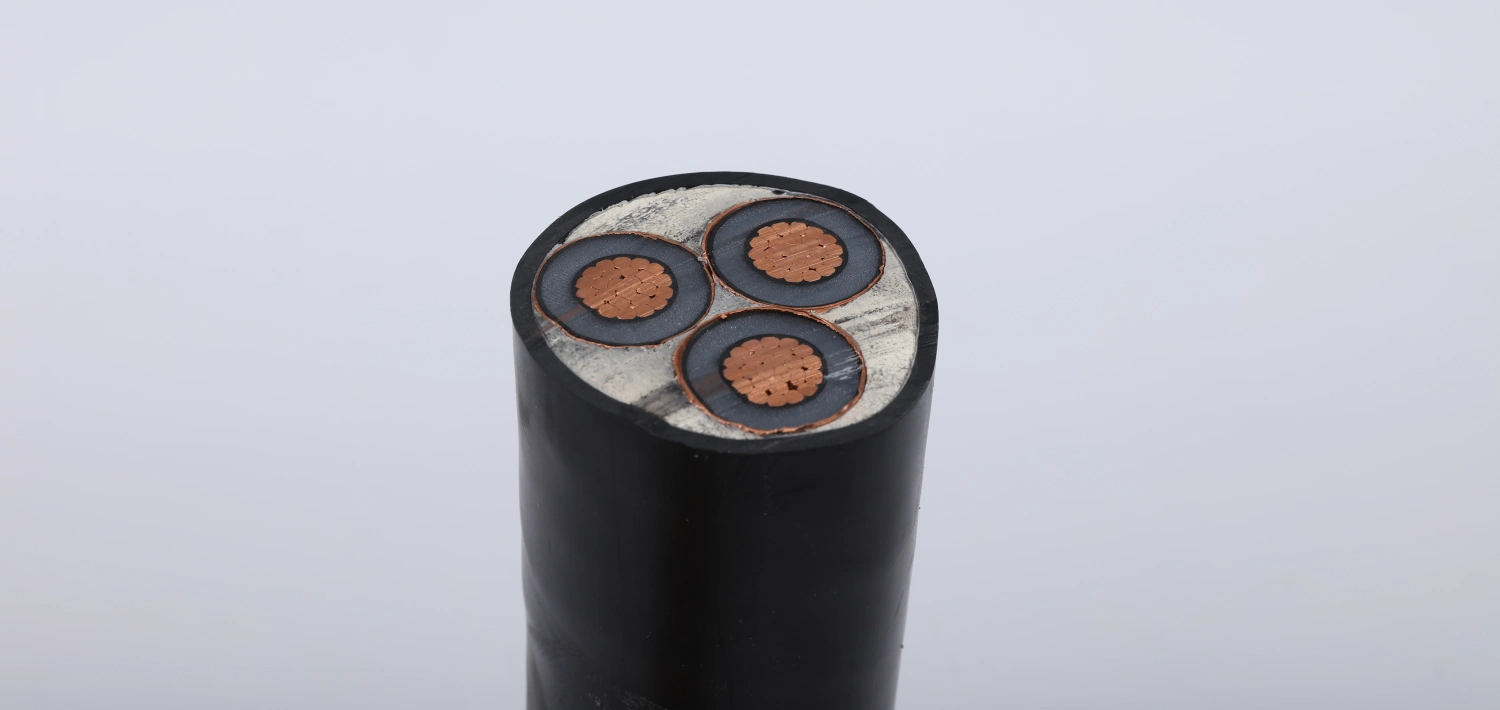
- Copper or aluminum conductor
- Conductor screen
- Main insulation (usually XLPE)
- Insulation screen
- Metallic screen or sheath
- Outer sheath
Each layer plays a specific role in controlling electrical stress and protecting the cable from mechanical and environmental damage.
Conductor Materials: Copper or Aluminum?
One of the most important design choices is the conductor material.
Copper vs Aluminum Conductors
|
Parameter |
Copper Conductor |
Aluminum Conductor |
|
Electrical conductivity |
Higher |
Lower (≈61% of copper) |
|
Cross-section required |
Smaller |
Larger |
|
Weight |
Heavier |
Lighter |
|
Cost |
Higher |
Lower |
|
Installation |
Easier termination |
Requires careful jointing |
Both copper and aluminum are widely used in wires and cables for HV applications. Copper is preferred in industrial plants with limited space, while aluminum is common in long-distance power transmission due to cost and weight advantages.
XLPE Insulation: Industry Standard for HV Cables
Today, XLPE power cable technology dominates the high-voltage cable market.
Why XLPE Cross-Linked Polyethylene?
XLPE (cross-linked polyethylene) offers:
- High dielectric strength
- Low dielectric loss
- Excellent thermal resistance
- Long service life
- Resistance to moisture and chemicals
XLPE insulation materials allow cables to operate at conductor temperatures up to 90°C continuously and 250°C during short-circuit conditions.
Comparison of Insulation Materials
|
Insulation Material |
Max Operating Temp |
Typical Use |
|
XLPE |
90°C |
HV & EHV cables |
|
EPR |
90°C |
MV & special HV |
|
Oil-paper |
70–80°C |
Legacy systems |
Because cables are crucial assets in power systems, XLPE has become the global benchmark for reliability and performance.
Cross Section and Current Carrying Capacity
The conductor cross-section directly determines current capacity, voltage drop, and thermal performance.
Typical HV Cable Cross Sections
|
Cross Section (mm²) |
Typical Voltage Level |
Application |
|
240 mm² |
66–110 kV |
Substations |
|
400 mm² |
110–220 kV |
Transmission |
|
630 mm² |
220–330 kV |
Long-distance lines |
|
800–1000 mm² |
≥330 kV |
EHV transmission |
Cable sizing must consider not only current but also installation conditions and environmental factors.
Electrical Calculations for HV Cable Design
Accurate electrical calculations are essential for safe operation.
Key Parameters to Calculate
- Rated current
- Thermal limits
- Short-circuit withstand
- Voltage drop
- Dielectric stress
Simplified Current Rating Formula
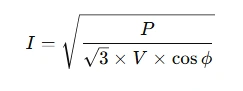
Where:
- I = current (A)
- P = electrical power (W)
- V = system voltage (V)
- cos φ = power factor
These calculations ensure the power cable operates within safe thermal and electrical limits.
HV Cable Selection Decision Matrix
Selecting the correct high voltage power cable requires balancing electrical performance, installation conditions, environmental exposure, and long-term reliability. The following decision matrix provides engineers and project managers with a practical, standards-aligned method for choosing the right HV cable for modern power systems.
High Voltage Cable Selection Decision Matrix
|
Selection Criteria |
Option A |
Option B |
Option C |
Engineering Recommendation |
|
System Voltage Level |
66–110 kV |
110–220 kV |
≥220 kV |
Match cable insulation thickness to voltage class per IEC 60840 / IEC 62067 |
|
Conductor Material |
Copper conductor |
Aluminum conductor |
— |
Copper for space-limited or high-current industrial plants; aluminum for long-distance power transmission |
|
Conductor Cross Section |
240–400 mm² |
400–630 mm² |
800–1000 mm² |
Larger cross section reduces thermal stress and voltage drop |
|
Insulation Materials |
XLPE |
EPR |
Oil-paper (legacy) |
XLPE cross-linked polyethylene is the modern standard for high-voltage cable |
|
Installation Environment |
Indoor / duct |
Underground |
Subsea/tunnel |
Environmental factors determine the outer sheath and thermal design |
|
Thermal Rating |
70°C |
90°C |
105°C |
Select cables rated for continuous operating temperature with a safety margin |
|
Outer Sheath Type |
PVC |
PE / HDPE |
LSZH |
LSZH recommended for enclosed spaces and industrial plants |
|
Mechanical Stress Level |
Low |
Medium |
High |
Armored cables are required for high mechanical stress installations |
|
Power Transmission Distance |
Short (<5 km) |
Medium (5–30 km) |
Long (>30 km) |
Long distances favor aluminum conductors and optimized XLPE insulation |
|
Service Life Requirement |
25 years |
30 years |
40+ years |
Higher quality insulation and sheath materials extend the lifecycle |
How to Use the HV Cable Decision Matrix
This decision matrix should be applied during the early design phase of a power transmission or industrial electrical project. Engineers should evaluate:
- Electrical power demand and voltage level
- Installation method and environmental factors
- Mechanical and thermal stresses
- Lifecycle cost and maintenance strategy
Because cables are designed as integrated systems, selecting one parameter in isolation may lead to premature aging or insulation failure.
Practical Example: Industrial Plant Application
For a 110 kV industrial plant with underground installation and high load demand:
- Conductor: Copper
- Cross section: 400–630 mm²
- Insulation: XLPE cross-linked polyethylene
- Outer sheath: PE or LSZH
- Thermal rating: 90°C continuous
This configuration ensures safe electrical power delivery while minimizing electrical stress and long-term maintenance costs.
Engineering Best Practices
- Always verify cable selection against IEC or IEEE standards
- Consider future load expansion when defining cross section
- Account for soil thermal resistivity in underground installations
- Ensure cables are rated for short-circuit withstand conditions
Why Proper HV Cable Selection Is Crucial
High-voltage cables are critical assets in power transmission networks. Incorrect selection can result in:
- Excessive electrical stress
- Insulation breakdown
- Reduced service life
- Costly outages in industrial plants
Using a structured HV cable selection decision matrix significantly reduces engineering risk while improving system reliability.
Outer Sheath and Environmental Protection
The outer sheath protects the cable against mechanical damage, UV radiation, chemicals, and moisture.
Common Outer Sheath Materials
|
Material |
Properties |
Application |
|
PVC |
Cost-effective |
Indoor / duct |
|
PE / HDPE |
Moisture resistance |
Underground |
|
LSZH |
Low smoke |
Tunnels, buildings |
Environmental factors such as soil resistivity, ambient temperature, and installation depth significantly affect cable performance.
Applications in Industrial Plants and Infrastructure
High voltage cables are widely used in:
- Power transmission corridors
- Industrial plants (steel, cement, chemical)
- Renewable energy plants
- Urban substations
- Offshore and underground systems
In industrial plants, HV cables supply critical loads where reliability and uptime are paramount.
Future Trends in High Voltage Cable Technology
- Higher voltage ratings (EHV & UHV)
- Advanced XLPE compounds
- Smart monitoring systems
- Improved fire-resistant outer sheath materials
As global grids evolve, high-voltage power cables will continue to play a central role in delivering secure and sustainable electrical power.
High-voltage power cables are the backbone of modern power transmission systems. From XLPE insulation materials and copper or aluminum conductors to precise electrical calculations and environmental design, every element contributes to long-term reliability.
As electrical power demand grows across industrial plants and transmission networks, selecting the right high voltage cable based on standards, materials, and real-world conditions is not optional—it is essential.

Related Articles
Related Products
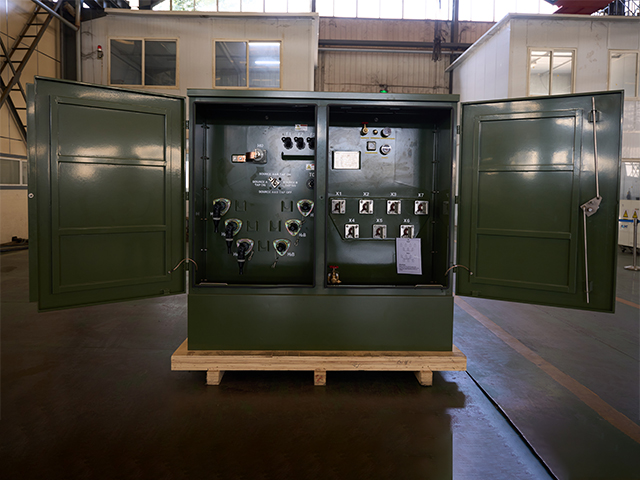
167kVA Three Phase Pad Mounted Transformer
The 167kVA three phase pad mounted transformer delivers robust and efficient power distribution for medium-voltage applications. Built to exceed ANSI C57.12.34, IEEE, and DOE efficiency standards, this compartmental-type unit features a durable, tamper-resistant steel enclosure with dead-front or live-front high-voltage bushings, radial or loop feed configurations, and a 65°C average winding rise for optimal thermal performance. Primary voltages range from 4160V to 34500V (with common options like 12470GrdY/7200 or 13800V), while secondary voltages include 208Y/120V, 480Y/277V, or custom low-voltage setups.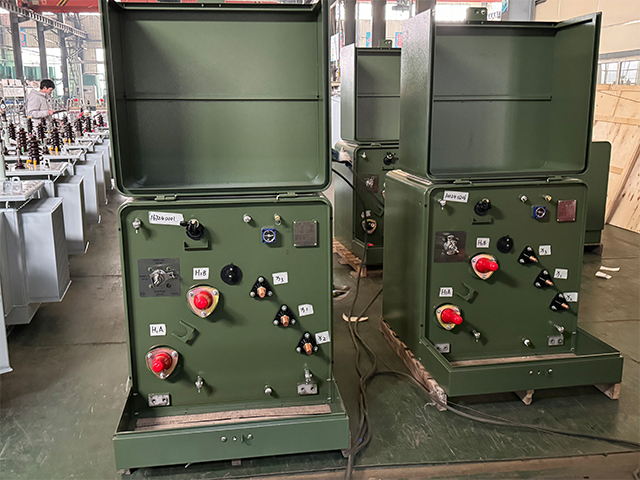
5kVA Single Phase Pad Mounted Transformer
The 5kVA Single Phase Pad Mounted Transformer is designed for reliable and efficient power distribution in residential, commercial, and light industrial applications. Ideal for medium-density areas, this transformer steps down high-voltage electricity to a usable lower voltage for safe distribution to homes and businesses.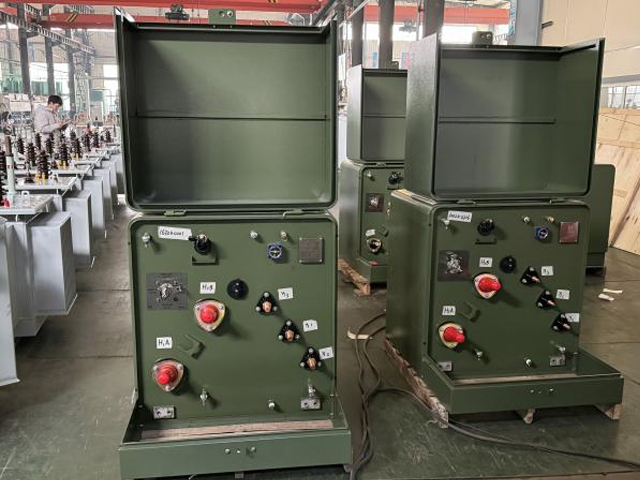
37.5kVA Conventional Type Single Phase Pole Mounted Transformer
37.5kVA Conventional Type Single Phase pole Mounted transformer has a rated capacity range from 10 kVA to 333 kVA, and complies with ANSI, IEEE, CSA, IEC60076 and other standards, ensuring safety, stability, and efficiency, allowing you to reduce operating costs. Our products have been widely exported to markets such as North America, Central and South America, and Southeast Asia. With rich experience, we provide comprehensive technical support and services. Key specifications include mineral oil insulation (ONAN cooling), aluminum or copper windings, primary voltages 2.4kV–34.5kV grounded wye or delta (common: 7200/12470GrdY, 7620/13200GrdY, 12470GrdY/7200, 24940GrdY/14400, 34500GrdY/19920), secondary 120/240V or 240/120V split-phase, BIL ratings 95–150kV HV / 30kV LV, impedance typically 2.0–4.0%, ±2×2.5% or 5-position tap changer, conventional or CSP (completely self-protected) configurations with internal fuses, lightning arresters, weak-link protection, pressure relief valve, oil sight gauge, and standard ANSI 70 gray tank finish. Efficiency typically reaches 99.01–99.05%+, with low sound levels and corrosion-resistant features for long-term outdoor durability.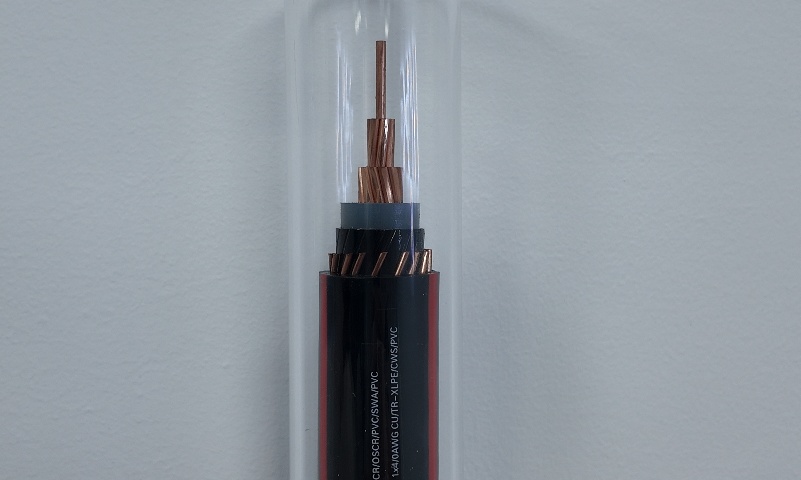
Duplex URD Cable
The Duplex URD Cable is a high-performance 600V underground residential distribution cable designed for reliable service entrance and secondary power delivery. It consists of two insulated AA8000 aluminum alloy phase conductors and a concentric neutral, all protected by a tough black polyethylene sheath. The duplex configuration provides a compact, easy-to-install solution for direct burial applications. Manufactured with XLPE insulation, this cable offers excellent electrical properties, moisture resistance, and long-term durability. The Duplex URD Cable is lightweight, flexible, and cost-effective compared to copper alternatives while maintaining high conductivity and mechanical strength. It meets UL 854, ICEA, and ASTM standards and undergoes rigorous quality testing from raw materials to finished product, ensuring consistent performance in underground environments.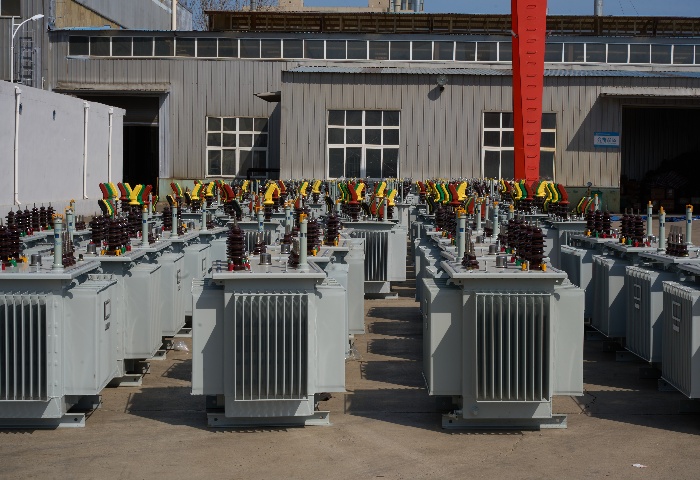
4000kVA Oil Immersed Transformer
4000kVA Oil Immersed Transformer is designed for medium and large-scale power distribution systems that require high reliability, strong overload capacity, and long-term stable operation. The transformer adopts a fully sealed oil-immersed structure, effectively preventing moisture ingress and oil oxidation, thereby extending service life and reducing maintenance frequency. The transformer features excellent thermal performance and robust insulation strength, ensuring stable operation under continuous load or fluctuating grid conditions. Advanced oil circulation and cooling structure enhance heat dissipation, while precise manufacturing processes guarantee low noise and high mechanical strength.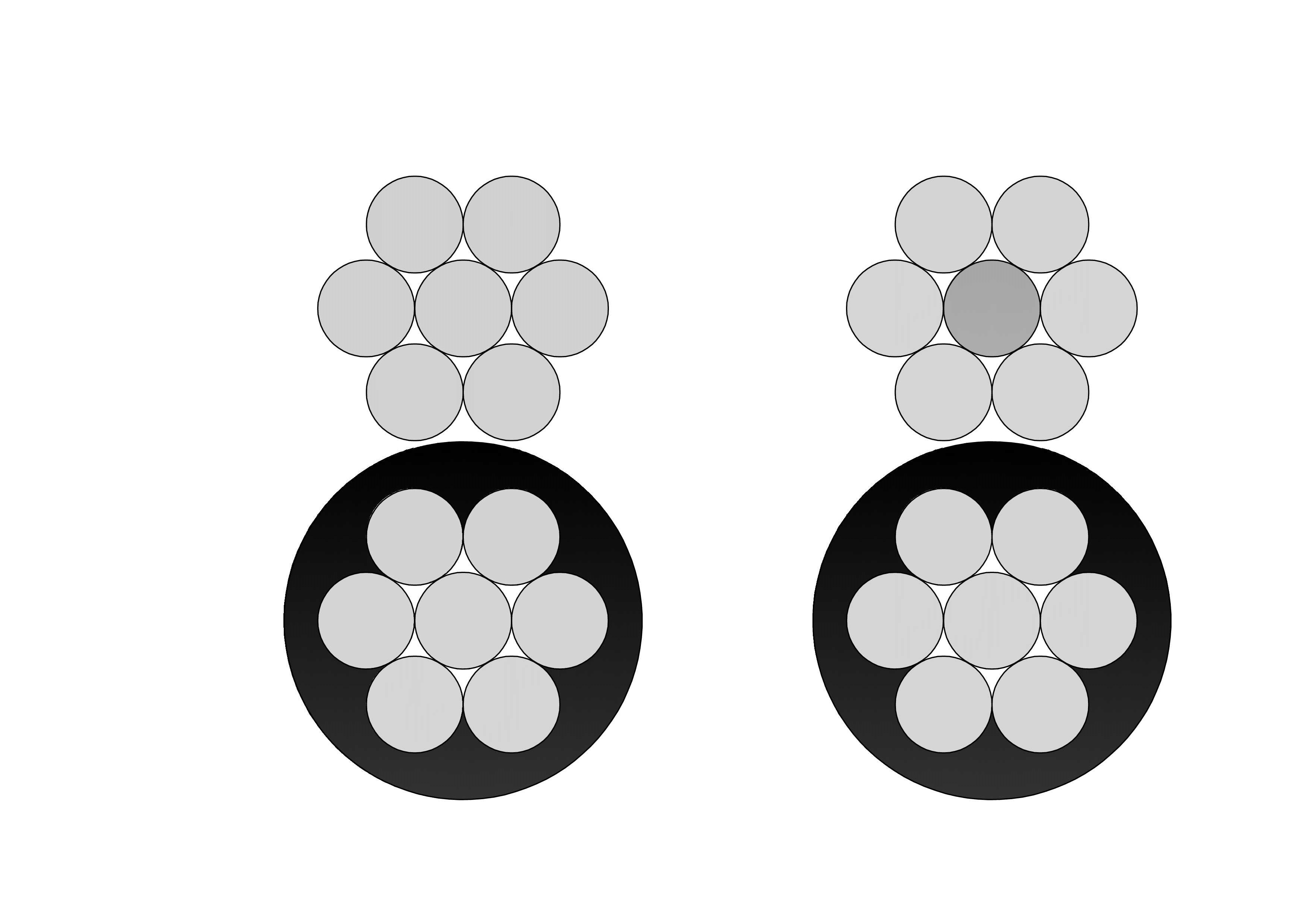
NS75/NS90 Duplex Unjacketed Overhead Neutral Supported Cable
Our NS75/NS90 Duplex Unjacketed Overhead Neutral Supported Cable provides economical self-supporting overhead distribution. Consisting of an XLPE-insulated aluminum phase conductor (75 mm² or 95 mm²) supported by a bare ACSR or AAAC neutral messenger without an overall jacket, it meets AS/NZS 3560 and utility requirements. The design reduces material costs while delivering high tracking resistance and mechanical strength for spans up to 100m. Excellent UV and moisture performance ensures longevity in exposed conditions. The NS75/NS90 Duplex Unjacketed Overhead Neutral Supported Cable offers low installation effort, minimal sag, and reliable power delivery for 600/1000V networks. Widely favored in Australia and New Zealand for residential, commercial, and rural service drops requiring lightweight, neutral-supported overhead cables with proven compliance and durability in diverse climates.
2 Doberman Aluminum Conductor Duplex Overhead Service Drop Cable
The 2 Doberman Aluminum Conductor Duplex Overhead Service Drop Cable is designed to provide efficient and dependable power delivery in overhead secondary distribution systems. Constructed with stranded aluminum conductors, the duplex configuration combines electrical conductivity with mechanical support for service drop installations. The No. 2 Doberman size is suitable for standard service drop spans, offering reliable load capacity with controlled sag under varying environmental conditions. Aluminum conductors reduce overall cable weight, simplify handling, and enhance corrosion resistance for long-term outdoor operation. Produced under strict quality management systems, the 2 Doberman Aluminum Conductor Duplex Overhead Service Drop Cable meets utility and ASTM requirements, making it a trusted solution for modern overhead service connections where safety, durability, and consistent performance are essential.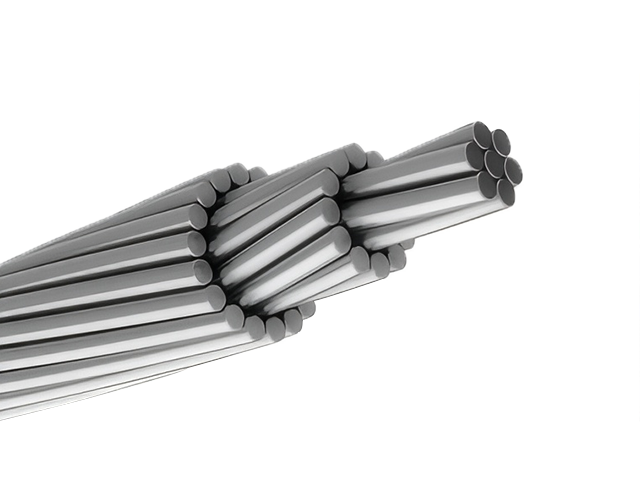
1033.5 MCM ORTOLAN ACSR Conductor Cable
The Ortolan ACSR Conductor Cable is a high-capacity overhead conductor designed for efficient power transmission. Named "Ortolan" for its 1033.5 MCM size with 45/7 stranding (45 aluminum wires around 7 steel cores), it combines lightweight aluminum for conductivity with a galvanized steel core for tensile strength. Compliant with ASTM B230, B232, and ICEA standards, this cable offers a breaking load of approximately 32,300 lbs and a current rating up to 1000 amps at 75°C in overhead applications. The aluminum 1350-H19 provides excellent corrosion resistance and low electrical resistance (0.0166 Ω/1000ft at 20°C), while the steel enhances sag control over long spans. Suitable for voltages up to 230kV in distribution lines, the Ortolan ACSR Conductor Cable minimizes line losses and withstands harsh weather, including wind and ice loading. Its cost-effective design makes it popular for utility upgrades and rural electrification, ensuring reliable power delivery with minimal maintenance in overhead transmission and distribution systems worldwide.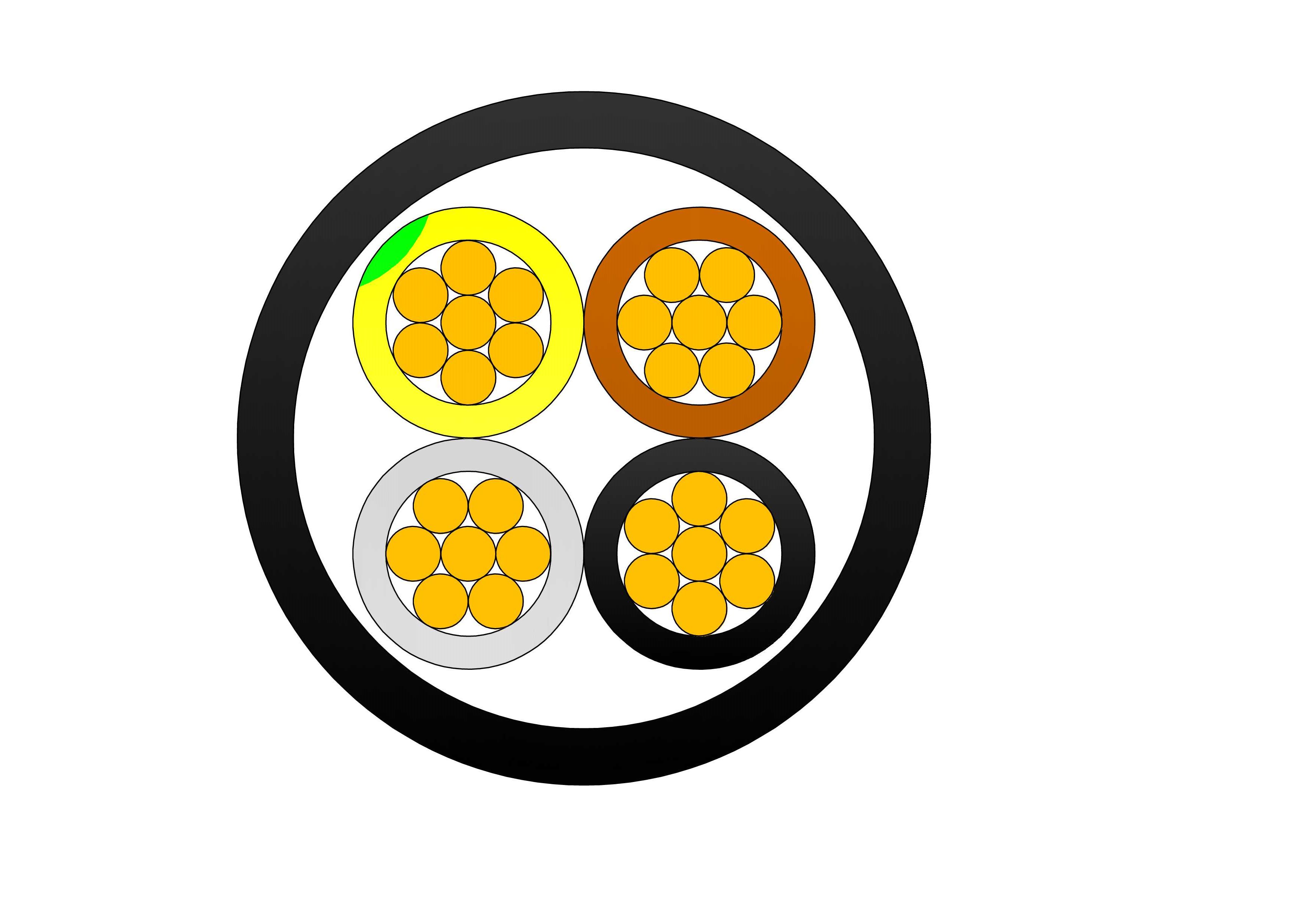
2/3 Cores SWA Armoured Cable
The 2/3 Cores SWA Armoured Cable 0.6/1kV CU/XLPE/SWA/PVC is a heavy-duty low voltage power cable designed for installations requiring superior mechanical protection. It features 2 or 3 stranded copper conductors, cross-linked polyethylene (XLPE) insulation for excellent thermal and electrical performance, galvanized steel wire armour (SWA) for high crush, impact, and tensile strength, and a durable PVC outer sheath. Rated for 0.6/1kV, this cable provides high current-carrying capacity, low voltage drop, and long-term reliability in harsh environments. Manufactured according to IEC 60502-1, the 2/3 Cores SWA Armoured Cable 0.6/1kV is ideal for direct burial, underground ducts, cable trays, and exposed installations. Its strong steel wire armour offers outstanding protection against external mechanical stresses, rodents, and impacts. It is widely used in industrial plants, substations, commercial buildings, and infrastructure projects where safety and durability are critical.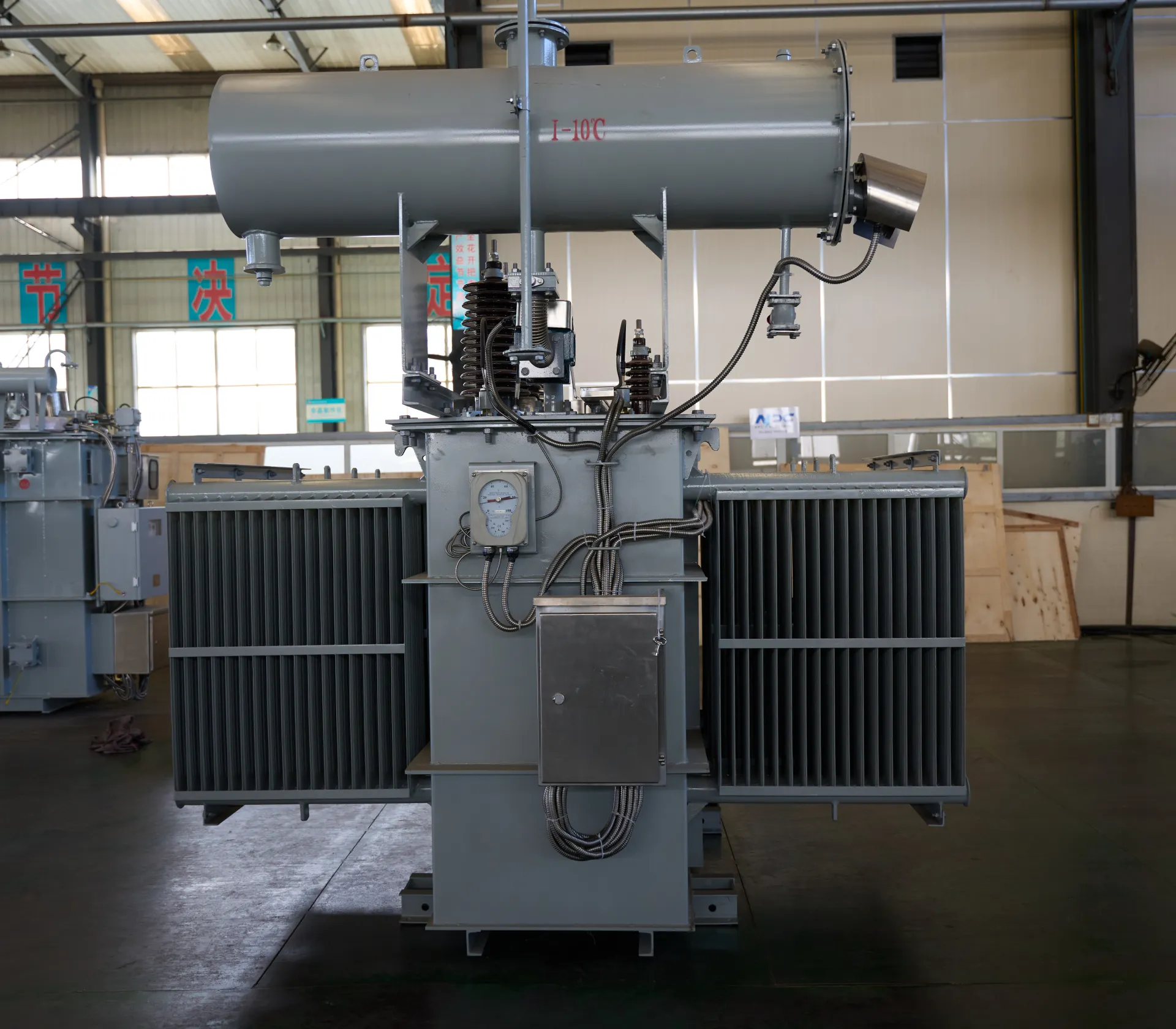
40kV 50MVA Oil Immersed Three-Phase MV&HV Power Transformer Copper
The 40kV 50MVA Oil Immersed Three-Phase MV&HV Power Transformer Copper is engineered for large-scale transmission and industrial substations. Equipped with high-purity copper windings, ONAN/ONAF cooling, and ±8×1.25% on-load tap changer, it achieves ultra-low losses (S13/S14 series). Fully compliant with IEC 60076 and GB/T 1094, it withstands 200 kV lightning impulse and PD <10 pC. Robust corrugated-fin tank with detachable radiators ensures excellent thermal performance under continuous heavy load. Typical voltages: 40±8×1.25%/11kV or 40/6.3kV. Vacuum oil filling and nitrogen sealing guarantee 35+ years of reliable, maintenance-free operation in harsh environments. Trusted by utilities and EPC contractors worldwide.
33kV Three-Phase Oil-Immersed Step-Up Power Transformer
The 33kV Three-Phase Oil-Immersed Step-Up Power Transformer is engineered for reliable voltage elevation in medium- and high-voltage distribution networks. Designed with high-grade silicon-steel cores, copper windings, and an efficient oil-immersed cooling system, this transformer delivers stable power transmission with low losses and strong short-circuit endurance. Its robust insulation, sealed tank structure, and advanced protection devices ensure long-term performance in demanding industrial and substation environments. Widely used in renewable energy plants, utility networks, industrial facilities, and rural power upgrades, the 33kV step-up transformer provides secure, efficient, and continuous operation. It supports both on-load and off-load tap changers, offering precise voltage regulation and adaptability to varying grid conditions, making it a dependable choice for modern power distribution systems.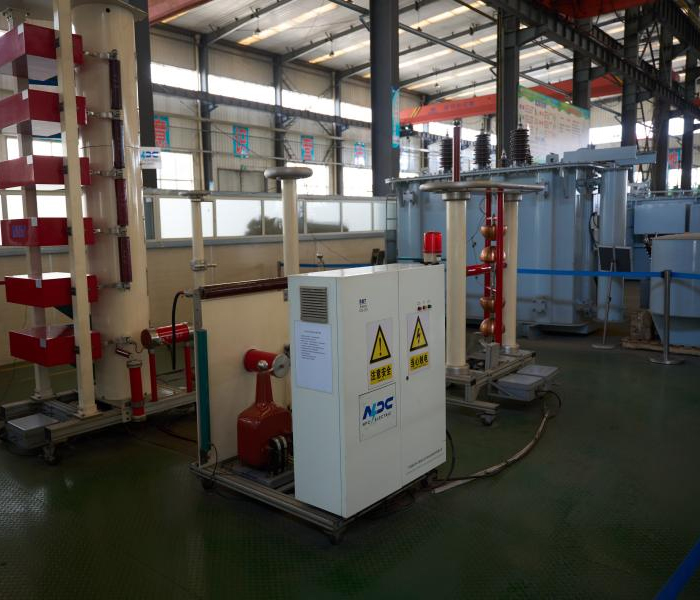
100kVA Dry Type Transformer
The 100kVA dry-type transformer adopts efficient dry-type insulation technology and is designed for industrial, commercial and residential power systems. With its excellent performance and compact structure, the transformer provides stable and reliable power support and is suitable for small and medium-sized power distribution needs. Through strict quality control, NPC ELECTRIC's 100kVA dry-type transformer provides users with high-quality, low-maintenance power solutions.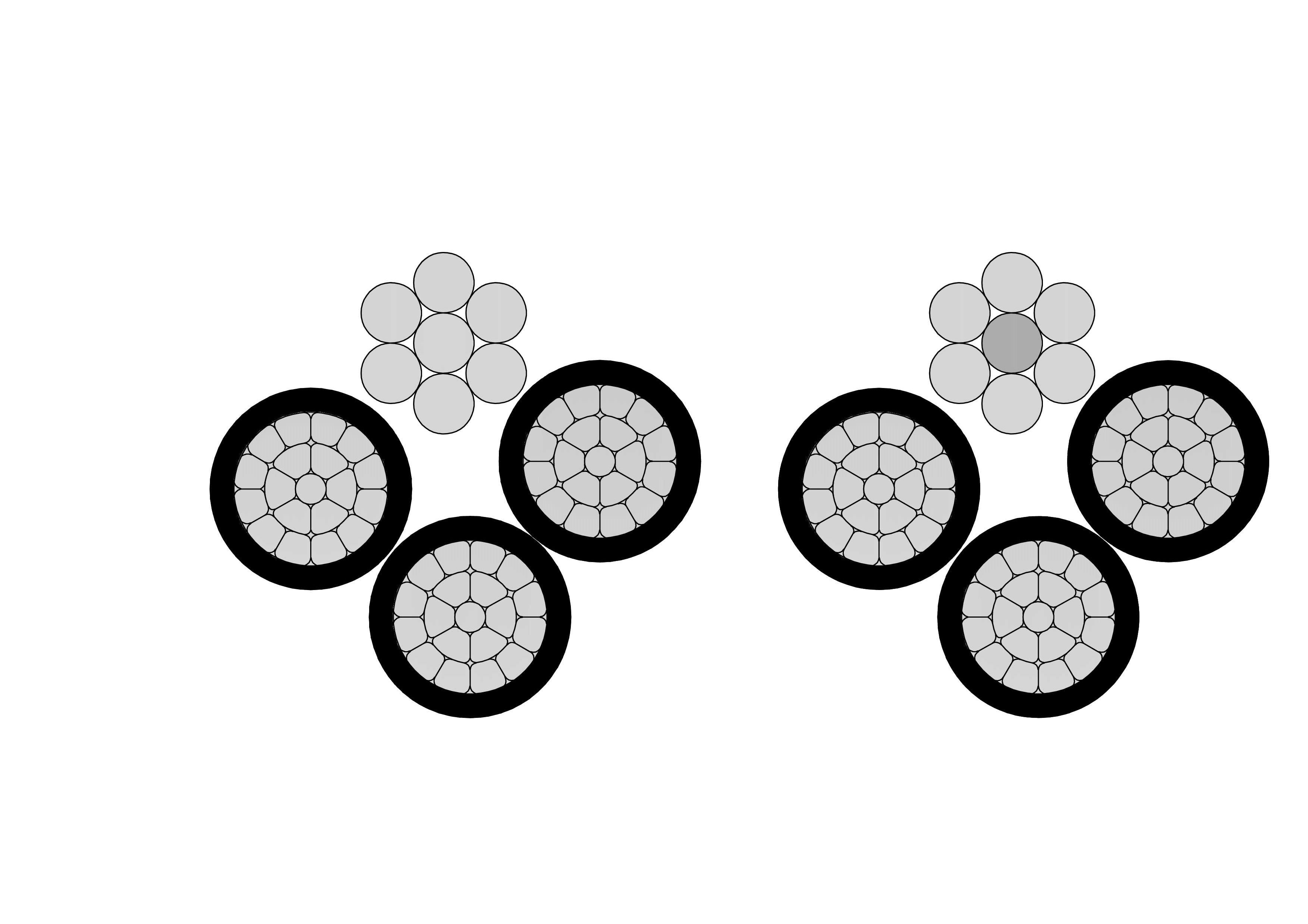
1/0 Costena Aluminum Quadruplex Overhead Service Drop Cable
The 1/0 Costena Quadruplex Service Drop Cable is a robust overhead cable for three-phase secondary power distribution with neutral. Featuring three 1/0 AWG aluminum phase conductors and one neutral messenger (7-strand) insulated with XLPE or PE and assembled in quadruplex configuration, it offers excellent mechanical strength and weather resistance. Compliant with ASTM B-230, B-231, ICEA S-76-474, and ANSI/ICEA standards, this cable supports 600V applications with superior UV, moisture, and abrasion protection. The self-supporting messenger reduces sag and simplifies installation over medium spans. The 1/0 Costena Quadruplex Service Drop Cable ensures low power losses, high current capacity, and long service life in harsh outdoor conditions. Lightweight and flexible, it is widely used for three-phase service drops in residential subdivisions, commercial buildings, and rural areas requiring safe, cost-effective aerial connections from utility poles to service entrances.
315kVA Single Phase Pad Mounted Transformer
315kVA Single Phase Pad Mounted Transformer, engineered for seamless integration into underground power distribution systems, particularly in residential and commercial loop-feed setups. This compact, oil-filled transformer utilizes advanced high-permeability steel cores and precision-engineered windings to offer exceptional energy efficiency, low operating temperatures, and reduced sound levels for discreet urban installations. Compliant with ANSI C57.12.38 and IEEE standards, this single-phase padmount transformer ensures reliable voltage conversion from primary voltages up to 34.5kV to standard secondary outputs like 120/240V, supporting radial or loop configurations with high short-term overload capability for growing communities.
Single Conductor URD Cable
The Single Conductor URD Cable is a reliable and economical 600V underground residential distribution cable engineered for service entrance and secondary power delivery. It features a stranded AA8000 aluminum alloy conductor with XLPE insulation and a concentrically stranded aluminum alloy neutral, all protected by a durable black polyethylene sheath. This single conductor design provides excellent flexibility, high conductivity, and superior moisture resistance, making it suitable for direct burial or conduit installations. Lightweight and corrosion-resistant, the Single Conductor URD Cable is a practical alternative to copper cables while maintaining strong mechanical performance. Manufactured to UL 854 and ICEA standards, it undergoes extensive quality testing to ensure consistent performance and long service life in underground environments.Welcome your inquiry
Honesty, Integrity, Frugality, Activeness and Passion