
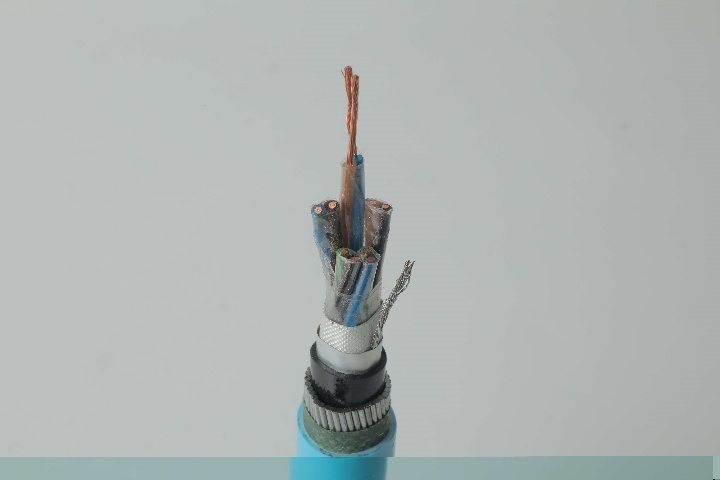
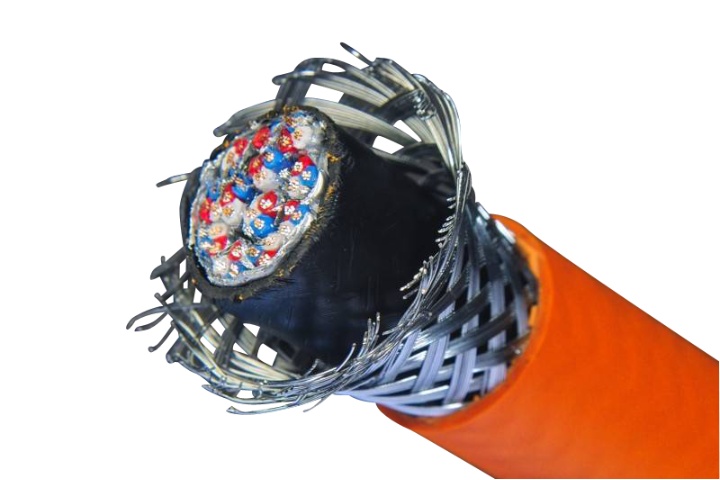
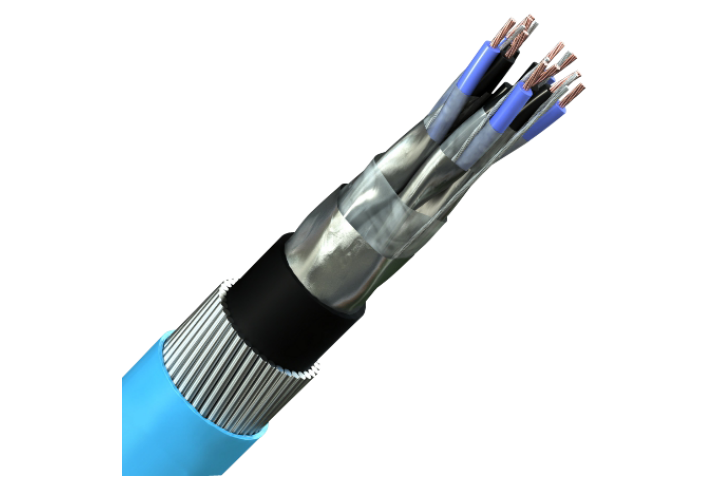


Instrumentation Cables—XLPE Insulated, Overall Screened, Wire Armoured PVC Sheathed Cables(CU/XLPE/OSCR/SWA/PVC)
Engineered for thermal resilience and electromagnetic shielding, the Instrumentation Cables—XLPE Insulated, Overall Screened, Wire Armoured PVC Sheathed Cables (CU/XLPE/OSCR/SWA/PVC) excel in high-temperature environments. Stranded copper conductors ensure low resistance and flexibility, with XLPE insulation providing 90°C continuous rating and 250°C short-circuit tolerance. Overall screening via aluminum/polyester tape and drain wire mitigates EMI/RFI, preserving signal quality. SWA armour protects against mechanical damage, while PVC sheath adds flame resistance and waterproofing. Meeting BS EN 50288-7 and BS EN 50288-1 standards, these multi-pair cables transmit analogue/digital signals with low capacitance in demanding circuits. Suitable for ducts, trays, direct burial, or outdoor exposures, they boost system integrity and reduce interruptions in heat-intensive areas. With enhanced dielectric properties and attenuation control, this CU/XLPE/OSCR/SWA/PVC offers dependable, maintenance-reducing solutions for professionals in petrochemical, power, and industrial sectors.
- Standard BS EN 50288-7, IEC 60502-1 (General)
Construction
Technical Specifications
Quality Control
Application
Construction
XLPE Insulated, Overall Screened, Wire Armoured PVC Sheathed Cables(CU/XLPE/OSCR/SWA/PVC)
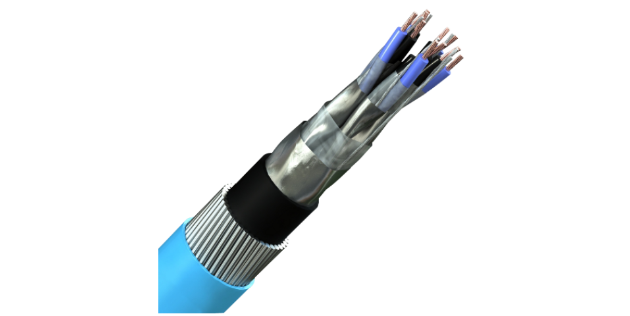
Conductor
Instrumentation cable shall have an annealed plain copper conductor or a tinned copper conductor. Depending upon cable application, conductor can be solid (Class-1), Stranded (Class-2), or flexible (Class-5) type as defined in BS EN / IEC 60228
Insulation
Instrumentation cable shall have PVC, XLPE, or HR-PVC insulation. Insulation material shall be selected based on the maximum operating temperature. PVC insulation is suitable for a continuous operating temperature of 70°C, whereas XLPE or HR-PVC is suitable for a continuous operating temperature of 90°C. Fire-rated / fire resistance instrumentation cables shall have Glass Mica Tape layer below insulation & shall have XLPE insulation.
Individual and Overall Screen
The screen is made of aluminum, mylar tape, + ATC drain wire. Aluminum mylar tape is made of aluminum with a thin layer of polyester. It helps in minimizing the crosstalk and prevents shorting.
Armour
Steel wire armour is applied to cables to shield against mechanical stresses and ensure that the core of the cable remains protected.
Inner and Outer Sheath
The sheath can be made of PVC, Polyethylene, or LSZH
Technical Specifications
Instrumentation Cables—XLPE Insulated, Overall Screened, Wire Armoured PVC Sheathed Cables(CU/XLPE/OSCR/SWA/PVC)
Instrumentation Cables Main Specifications
Instrumentation Cables—XLPE Insulated, Overall Screened, Wire Armoured PVC Sheathed Cables(CU/XLPE/OSCR/SWA/PVC)
| Conductor Size | Max. Conductor DC Resistance at 20°C for Plain Copper |
Max. Conductor DC Resistance at 20°C for Tinned Copper |
||
| Solid, Class - 1 & Stranded, Class - 2 |
Flexible, Class-5 | Solid, Class - 1 & Stranded, Class - 2 |
Flexible, Class-5 | |
| [mm2] | [Ω/km] | [Ω/km] | [Ω/km] | [Ω/km] |
| 0.50 | 36.72 | 39.78 | 37.434 | 40.902 |
| 0.75 | 24.99 | 26.52 | 25.296 | 27.234 |
| 1.00 | 18.462 | 19.89 | 18.564 | 20.4 |
| 1.50 | 12.342 | 13.566 | 12.444 | 13.974 |
| 2.50 | 7.5582 | 8.1396 | 7.7112 | 8.3742 |
| Conductor Size | Insulation Thickness | |||
| 90V | 300V | 500V | 1000V | |
| [mm2] | [mm] | [mm] | [mm] | [mm] |
| 0.50 | 0.20 | 0.26 | 0.44 | 0.70 |
| 0.75 | 0.20 | 0.26 | 0.44 | 0.70 |
| 1.00 | 0.26 | 0.26 | 0.44 | 0.70 |
| 1.50 | 0.30 | 0.35 | 0.44 | 0.70 |
| 2.50 | - | - | 0.53 | 0.70 |
| Conductor Size | Mutual Capacitance | Max. Continuous Operating Temperature | Inductance to Resistance Ratio (L/R) |
||
| XLPE | PVC | XLPE or HR - PVC | PVC | ||
| [mm2] | [nF/km] | [nF/km] | [°C] | [°C] | [μH/Ω] |
| 0.50 | 150 | 250 | 90 | 70 | < 25 |
| 0.75 | 150 | 250 | 90 | 70 | < 25 |
| 1.00 | 150 | 250 | 90 | 70 | < 25 |
| 1.50 | 150 | 250 | 90 | 70 | < 40 |
| 2.50 | 150 | 250 | 90 | 70 | < 60 |
| Number of Pair | Cable OD | Cable Weight | Drum Length | ||||||||
| 0.5mm² | 0.75mm² | 1.0mm² | 1.5mm² | 2.5mm² | 0.5mm² | 0.75mm² | 1.0mm² | 1.5mm² | 2.5mm² | ||
| [Nos] | [mm] | [mm] | [mm] | [mm] | [mm] | [kg/km] | [kg/km] | [kg/km] | [kg/km] | [kg/km] | [m] |
| 1 | 10.0 | 10.5 | 11.0 | 11.5 | 13.0 | 185 | 200 | 215 | 240 | 295 | 1000 |
| 2 | 13.0 | 14.0 | 14.5 | 15.5 | 18.0 | 270 | 310 | 335 | 375 | 480 | 1000 |
| 5 | 15.5 | 17.0 | 17.5 | 19.0 | 22.5 | 380 | 450 | 500 | 575 | 870 | 1000 |
| 10 | 20.5 | 22.5 | 23.5 | 26.0 | 30.5 | 590 | 795 | 885 | 1060 | 1435 | 1000 |
| 20 | 26.0 | 28.0 | 29.5 | 32.5 | 39.0 | 1005 | 1190 | 1350 | 1650 | 2485 | 1000 |
| 30 | 30.0 | 32 | 34.5 | 38.5 | 1295 | 1555 | 1810 | 2415 | 500 | ||
| Number of Triad | Cable OD | Cable Weight | Drum Length | ||||||||
| 0.5mm² | 0.75mm² | 1.0mm² | 1.5mm² | 2.5mm² | 0.5mm² | 0.75mm² | 1.0mm² | 1.5mm² | 2.5mm² | ||
| [Nos] | [mm] | [mm] | [mm] | [mm] | [mm] | [kg/km] | [kg/km] | [kg/km] | [kg/km] | [kg/km] | [m] |
| 1 | 10.5 | 11.0 | 11.5 | 12.0 | 13.5 | 200 | 220 | 240 | 270 | 340 | 1000 |
| 2 | 14.0 | 15.0 | 15.5 | 17.0 | 19.0 | 315 | 355 | 390 | 460 | 575 | 1000 |
| 5 | 17.0 | 18.0 | 19.0 | 21.0 | 25.0 | 460 | 530 | 600 | 725 | 1085 | 1000 |
| 10 | 23.0 | 25.0 | 26.5 | 28.5 | 34.0 | 825 | 975 | 105 | 1330 | 1835 | 1000 |
| 20 | 28.5 | 31.0 | 33.0 | 37.0 | 1235 | 1500 | 1730 | 2320 | 500 | ||
| 30 | 33.0 | 36.5 | 39.0 | 1620 | 2160 | 2540 | 500 | ||||
| Number of Quad | Cable OD | Cable Weight | Drum Length | ||||||||
| 0.5mm² | 0.75mm² | 1.0mm² | 1.5mm² | 2.5mm² | 0.5mm² | 0.75mm² | 1.0mm² | 1.5mm² | 2.5mm² | ||
| [Nos] | [mm] | [mm] | [mm] | [mm] | [mm] | [kg/km] | [kg/km] | [kg/km] | [kg/km] | [kg/km] | [m] |
| 1 | 11.0 | 11.5 | 12.0 | 13.0 | 14.5 | 220 | 245 | 265 | 305 | 390 | 1000 |
| 2 | 16.5 | 17.5 | 18.5 | 20.0 | 24.0 | 390 | 450 | 495 | 580 | 870 | 1000 |
| 5 | 20.0 | 22.5 | 23.5 | 26.0 | 30.5 | 585 | 795 | 880 | 1055 | 1425 | 1000 |
| 10 | 28.0 | 30.0 | 32.0 | 36.0 | 42.5 | 1075 | 1260 | 1450 | 1935 | 2645 | 1000 |
| 20 | 36.0 | 39.0 | 41.0 | 1815 | 2190 | 2495 | 500 | ||||
| 30 | 41.5 | 2375 | 500 | ||||||||
Note: Cable OD and Cable weight are subject to change based on the latest manufacturing practice.
Quality Control
Instrumentation Cables—XLPE Insulated, Overall Screened, Wire Armoured PVC Sheathed Cables(CU/XLPE/OSCR/SWA/PVC)
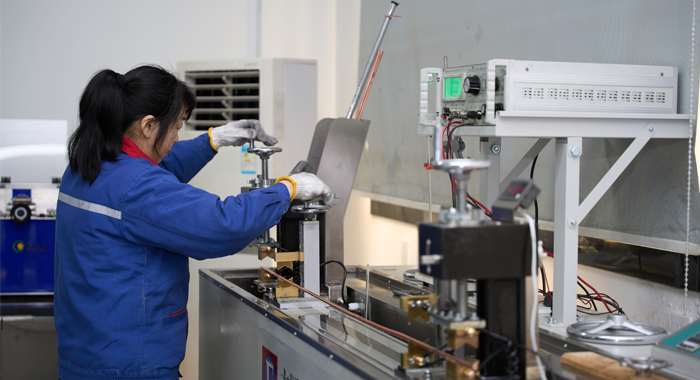
Raw Material Test
For the Instrumentation Cables—XLPE Insulated, Overall Screened, Wire Armoured PVC Sheathed Cables (CU/XLPE/OSCR/SWA/PVC), raw material testing complies with BS EN 50288-7. Step 1: Verify copper purity using spectrometry to ensure 99.99% conductivity per IEC 60228. Step 2: Test XLPE insulation for tensile strength (≥12.5 N/mm²) and elongation (≥150%) via universal testing machines. Step 3: Evaluate screening tape and drain wire for thickness/conductivity with micrometres and resistivity checks. Step 4: Assess steel wire armour for tensile strength (≥400 N/mm²) and galvanisation via salt spray tests. Step 5: Conduct flame retardancy oxygen index (>27%) on PVC sheath. Step 6: Perform chemical immersion on XLPE/PVC in oils/acids for 168 hours. Step 7: Measure thermal ageing at 135°C for 168 hours on XLPE for cross-linking stability.
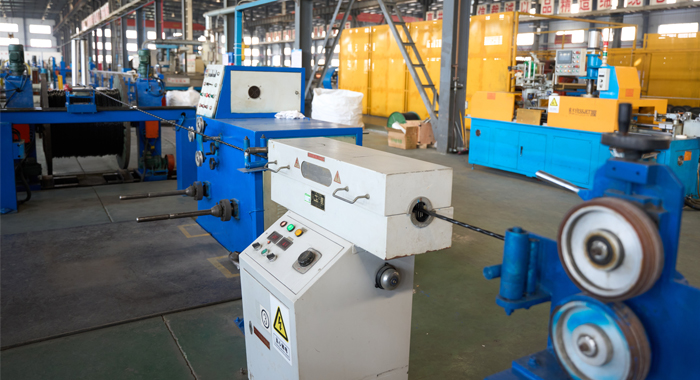
Process inspection
During the manufacturing of the Instrumentation Cables—XLPE Insulated, Overall Screened, Wire Armoured PVC Sheathed Cables (CU/XLPE/OSCR/SWA/PVC), process inspection adheres to BS EN 50288-1. Step 1: Monitor stranding uniformity with gauges every 100 meters. Step 2: Scan XLPE insulation thickness (0.7mm nominal) using lasers, flagging >5% deviations. Step 3: Inspect the pair assembly and screening application visually. Step 4: Apply overall screen; verify coverage with ultrasonics. Step 5: Install SWA armour and check bedding adhesion via torque tests. Step 6: Conduct in-line capacitance/continuity for EMI protection. Step 7: Verify sheath extrusion smoothness with profilometers per shift. Step 8: Log data in ISO 9001 systems for audits. This ensures defect-free armoured construction and compliance.
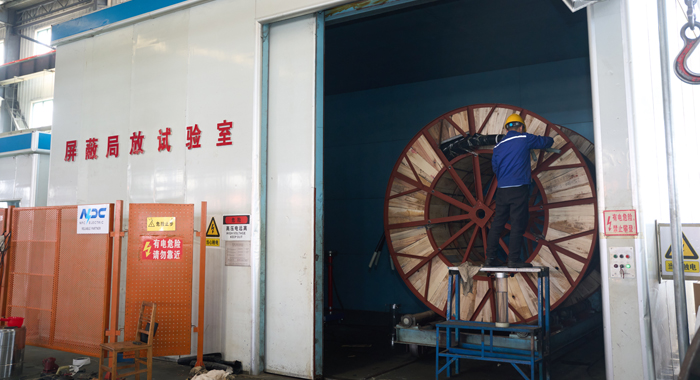
Finished Product
The finished Instrumentation Cables—XLPE Insulated, Overall Screened, Wire Armoured PVC Sheathed Cables (CU/XLPE/OSCR/SWA/PVC) undergo testing per BS EN 50288-7. Step 1: Perform 1.5 kV voltage withstand for 1 minute on the insulation. Step 2: Measure resistance (>100 MΩ/km) with megohmmeters. Step 3: Test conductor resistance to IEC 60228. Step 4: Evaluate screening transfer impedance (<1 Ω/m at 1 MHz). Step 5: Assess armour impact via drop tests and flame (IEC 60332-1). Step 6: Check capacitance/crosstalk attenuation. Step 7: Cycle temperatures (-15°C to 90°C) for 48 hours. Step 8: Final electrical/visual inspections confirm no defects. Calibrated 100% critical testing ensures armoured high-temp performance in harsh conditions.
Application
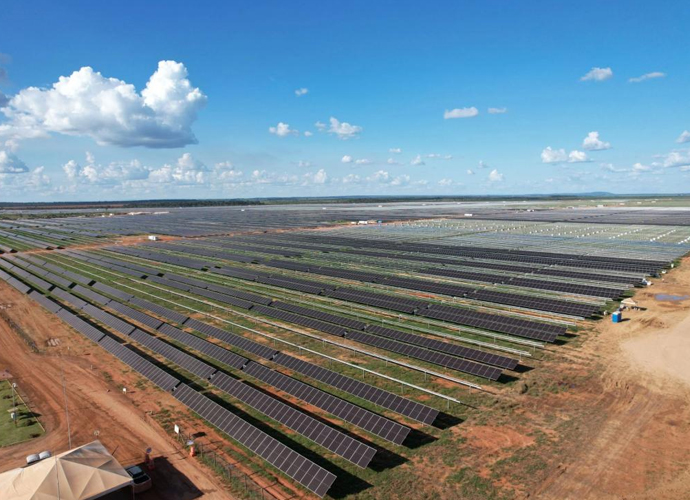
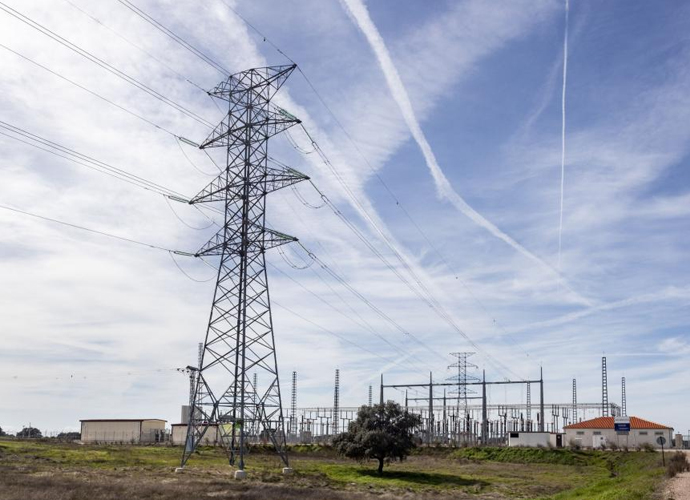
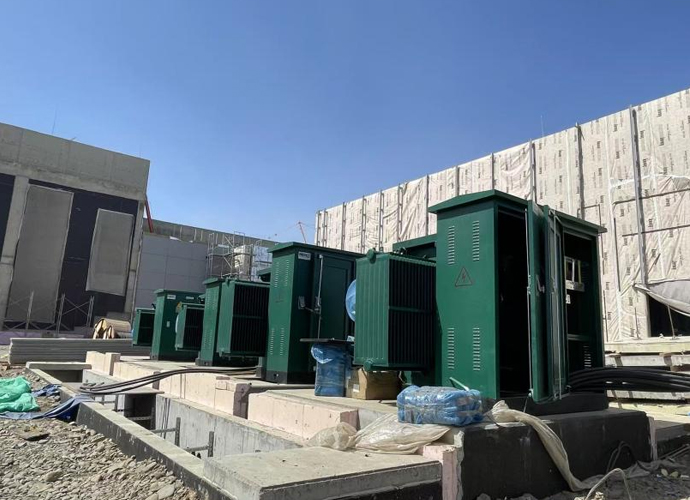
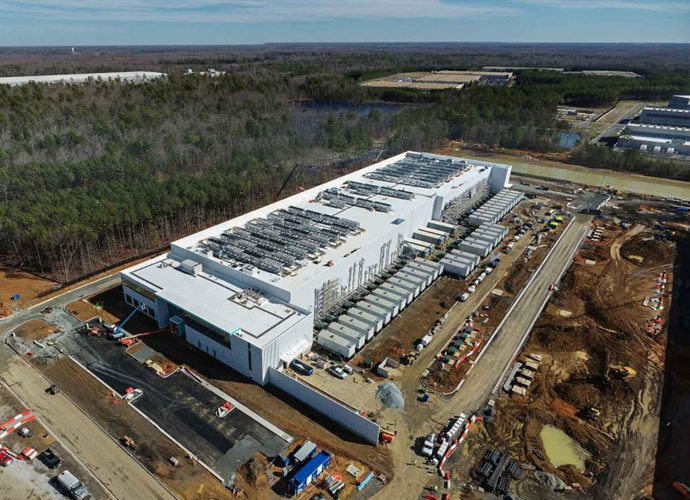
Instrumentation Cables—XLPE Insulated, Overall Screened, Wire Armoured PVC Sheathed Cables (CU/XLPE/OSCR/SWA/PVC) are perfect for petrochemical plants, mining operations, power stations, and oil rigs. They offer armoured EMI protection in direct burial, ducts, and exposed harsh environments for reliable monitoring and control systems.

Technical Advantages
● 30+ years of manufacturing experience
● ISO and UL certified production
● Customized cable and transformer solutions
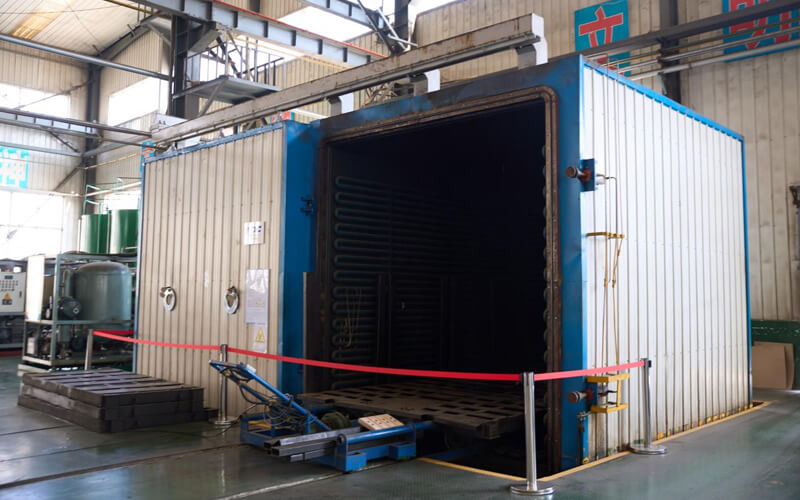
Product Packaging
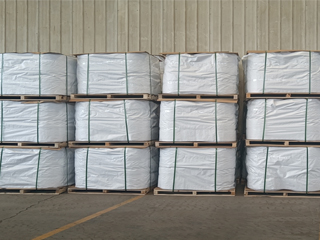
Wires and Cables packaging (1)
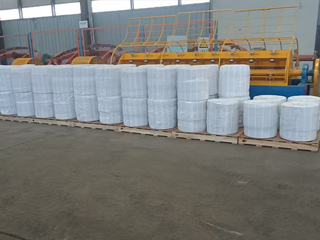
Wires and Cables packaging (2)
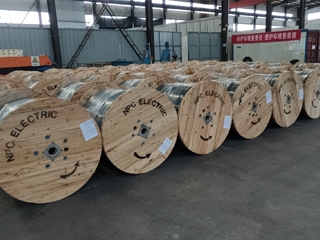
Wires and Cables packaging (3)
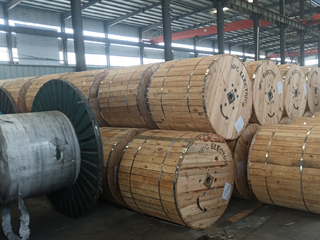
Wires and Cables packaging (4)
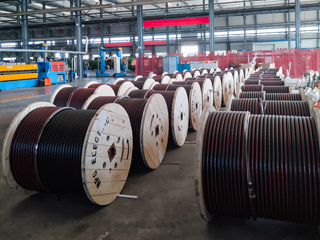
Wires and Cables packaging (5)
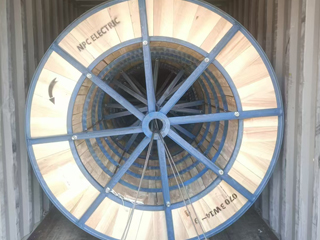
Wires and Cables packaging (6)
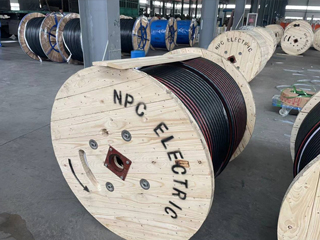
Wires and Cables packaging (7)
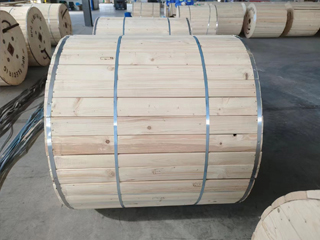
Wires and Cables packaging (8)
Related Products
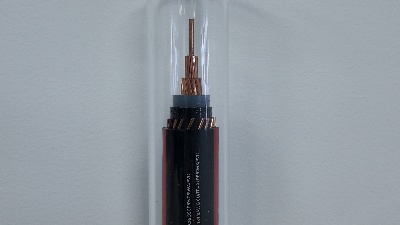
4/0 AWG Aluminum URD Cable 1/3 Neutral
The 4/0 AWG Aluminum URD Cable 1/3 Neutral is a durable and economical 600V underground residential distribution cable engineered for service entrance and secondary power delivery. It utilizes a 4/0 AWG stranded AA8000 aluminum alloy phase conductor with XLPE insulation and a 1/3 concentric aluminum alloy neutral, all protected by a rugged black polyethylene sheath. This design offers excellent flexibility, high conductivity, and superior moisture resistance, making it suitable for direct burial or conduit installations. The 1/3 neutral configuration provides a balanced and cost-effective solution for most residential applications. Manufactured to UL 854 and ICEA standards, the 4/0 AWG Aluminum URD Cable 1/3 Neutral undergoes extensive quality testing to ensure consistent performance and long service life in underground environments.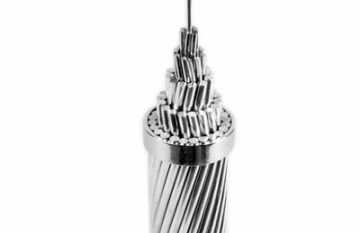
4 AWG Rose AAC Cable
The 4 AWG Rose AAC Cable is a lightweight, high-conductivity all-aluminum conductor designed for overhead power distribution and transmission lines. Consisting of 7 strands of 1350-H19 aluminum, it provides excellent electrical performance with 61.2% IACS conductivity and a current rating suitable for medium-span applications. Compliant with ASTM B231 and IEC 61089 standards, this bare AAC cable offers superior corrosion resistance and low weight, making it ideal for areas where ice and wind loads are moderate. The 4 AWG Rose AAC Cable minimizes installation costs and sag while delivering efficient power transfer with minimal losses. Its homogeneous aluminum construction eliminates bimetallic corrosion risks. Widely used in rural electrification, urban distribution upgrades, and renewable energy connections, the 4 AWG Rose AAC Cable ensures long service life and reliable performance in overhead lines worldwide.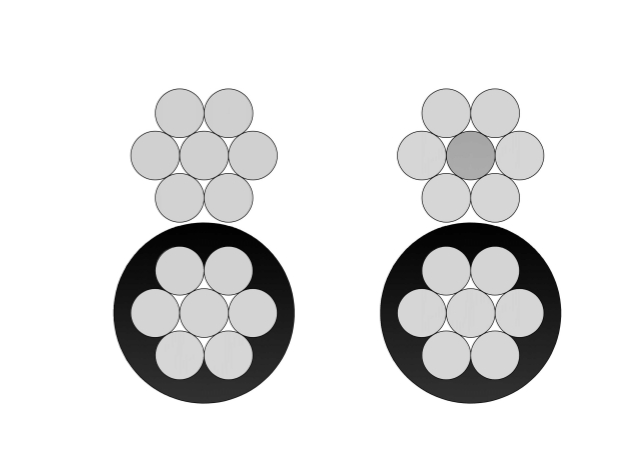
6 Setter Aluminum Conductor Duplex Overhead Service Drop Cable
6 Setter Aluminum Conductor Duplex Overhead Service Drop Cable is designed for reliable secondary overhead power delivery from utility distribution lines to residential and light commercial service entrances. The duplex construction consists of two stranded aluminum conductors, typically functioning as a phase conductor and a neutral messenger, providing both electrical transmission and mechanical support. The No. 6 Setter conductor size offers balanced current-carrying capability, controlled sag, and adequate tensile strength for short-span service drop installations. Aluminum construction ensures reduced weight, excellent corrosion resistance, and ease of handling during installation in outdoor environments. Manufactured in compliance with ASTM standards and utility specifications, the 6 Setter Aluminum Conductor Duplex Overhead Service Drop Cable features uniform stranding, stable electrical performance, and long-term durability. It is widely used by utilities and electrical contractors seeking a cost-effective, dependable solution for overhead service drop applications.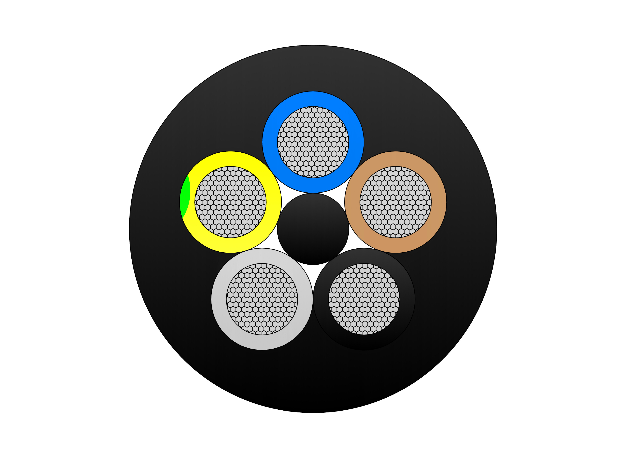
FG7H1OAR - 3.6/6kV, 6/10kV, 8.7/15kV and 12/20kV Cable
The FG7H1OAR - 3.6/6kV, 6/10kV, 8.7/15kV and 12/20kV Cable is a high-quality medium-voltage power cable designed for reliable fixed installations in demanding environments. It features stranded copper or aluminum conductors (class 2), semi-conductive conductor screen, XLPE (cross-linked polyethylene) insulation for excellent dielectric strength and thermal stability (90°C continuous, 250°C short-circuit), semi-conductive insulation screen, copper tape or wire screen for grounding and protection, optional armor (steel tape/wire), and a robust PVC or PE outer sheath resistant to mechanical stress, oils, chemicals, and UV. Compliant with IEC 60502-2 and equivalent standards (e.g., VDE, national codes), it offers low capacitance, high current-carrying capacity, and long service life. Available in single-core or multi-core configurations, the FG7H1OAR is ideal for power distribution in industrial plants, mining facilities, substations, and underground networks where safety, durability, and performance are critical.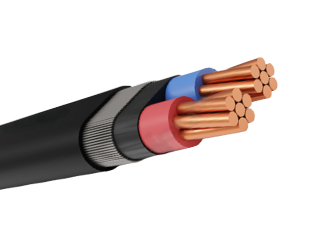
Aerial Concentric Service Cable 600/1000V - Copper & Aluminum LV Overhead Cable
The Aerial Concentric Service Cable is specially designed for overhead low-voltage service connections. It consists of stranded copper or AA8000 aluminum alloy phase conductors with XLPE insulation, concentrically arranged neutral conductors, and a durable UV-stabilized black polyethylene sheath. The concentric round construction offers balanced electrical performance, high mechanical strength, and easy handling during installation. With excellent conductivity and weather resistance, this cable is suitable for long-term aerial exposure in residential, rural, and light commercial networks. The Aerial Concentric Service Cable meets international performance standards and undergoes extensive quality testing to ensure consistent performance, safety, and long service life for overhead LV applications.
Copper Conductor Duplex Service Drop Cable 600V
The Copper Conductor Duplex Service Drop Cable 600V is a high-performance overhead cable for secondary power distribution from utility poles to service entrances. Featuring two insulated copper conductors (phase and neutral) twisted around a bare or insulated neutral messenger, it offers superior conductivity and mechanical strength. Insulation options include XLPE or PE for excellent UV, moisture, and abrasion resistance. Compliant with ASTM B-1, B-2, B-3, B-8, ICEA S-76-474, and ANSI/ICEA standards, this cable supports 600V applications with low voltage drop and high current capacity. The robust design ensures reduced sag, easy installation, and long service life in harsh weather conditions. The Copper Conductor Duplex Service Drop Cable 600V delivers minimal power losses and reliable performance for single-phase service drops. Widely used in urban, suburban, and rural electrification projects requiring premium copper overhead connections with enhanced durability and safety.FAQ From Customers
-
What are the advantages of power cables and overhead lines?(1) Reliable operation, because it is installed in a hidden place such as underground, it is less damaged by external forces, has less chance of failure, and the power supply is safe, and it will not cause harm to people; (2) The maintenance workload is small and frequent inspections are not required; (3) No need to erect towers; (4) Help improve power factor.
-
Which aspects should be considered when choosing the cross section of a power cable?(1) The long-term allowable working current of the cable; (2) Thermal stability once short circuited; (3) The voltage drop on the line cannot exceed the allowable working range.
-
What are the measures for cable fire prevention?(1) Use flame-retardant cables; (2) Use fireproof cable tray; (3) Use fireproof paint; (4) Fire partition walls and fire baffles are installed at cable tunnels, mezzanine exits, etc.; (5) Overhead cables should avoid oil pipelines and explosion-proof doors, otherwise local pipes or heat insulation and fire prevention measures should be taken.
-
What should be paid attention to during the transportation and handling of cables?(1) During transportation, loading and unloading, cables and cable reels should not be damaged. It is strictly forbidden to push the cable reels directly from the vehicle. Generally, cables should not be transported and stored flat. (2) Before transporting or rolling the cable reel, ensure that the cable reel is firm, the cable is wound tightly, the oil pipe between the oil-filled cable and the pressure oil tank should be fixed without damage, the pressure oil tank should be firm, and the pressure indication should meet the requirements.
-
What inspections should be carried out for the acceptance of cable lines?(1) The cable specifications should meet the regulations, the arrangement should be neat, no damage, and the signs should be complete, correct and clear; (2) The fixed bending radius of the cable, the related distance and the wiring of the metal sheath of the single-core power cable should meet the requirements; (3) The cable terminal and the middle head should not leak oil, and the installation should be firm. The oil pressure of the oil-filled cable and the meter setting should meet the requirements; (4) Good grounding; (5) The color of the cable terminal is correct, and the metal parts such as the bracket are completely painted; (6) There should be no debris in the cable trench, tunnel, and bridge, and the cover should be complete.
Welcome your inquiry
Honesty, Integrity, Frugality, Activeness and Passion