Control Cable Selection Guide: Types, Standards, Applications Full Analysis
2026-05-25
In modern industrial systems, selecting the right control cable is critical for ensuring reliable signal transmission, system automation, and operational safety. Unlike power cable systems used for energy transmission, control cables are designed for precise control, monitoring, and communication across equipment.
With the rise of automation, smart manufacturing, and global infrastructure projects, understanding control cable types, standards, and applications has become essential for engineers and procurement professionals.
1. What Are Control Cables?
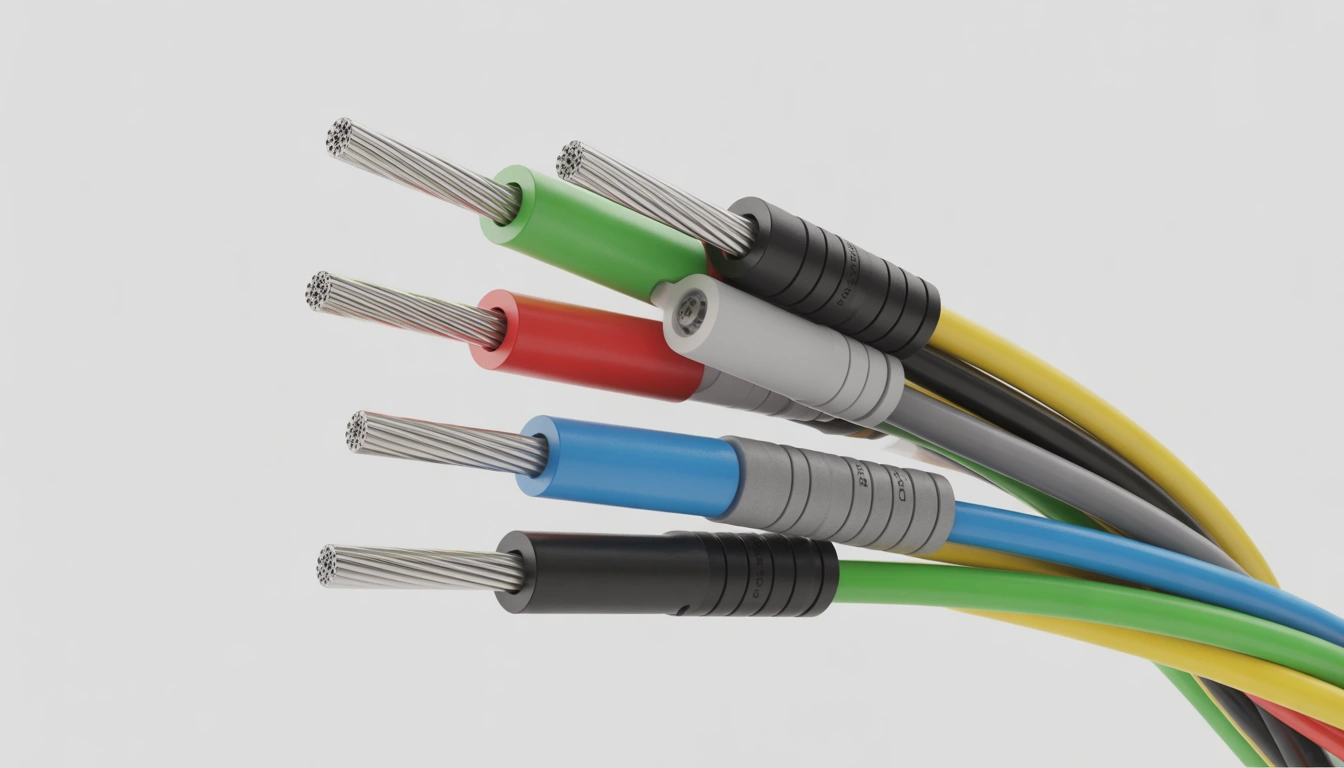
Control cables, also known as instrumentation cables or multi-conductor control cables, are multi-core wires and cables designed to transmit control signals and data in electrical systems. They are specialized low-voltage electrical cables designed to transmit control signals, monitoring data, and commands between devices, sensors, actuators, PLCs (programmable logic controllers), and control panels. Unlike power cables that carry high energy to drive equipment, control cables act as the "nervous system" of industrial and automation systems, handling discrete (on/off) signals or analog measurements (e.g., temperature, pressure, flow) with precision and reliability.
Typically featuring multiple insulated copper conductors (from 2 to dozens of cores), these cables include protective sheathing (PVC, PUR, LSZH for low-smoke zero-halogen), and often shielding (foil, braid, or combination) to resist electromagnetic interference (EMI), noise, and crosstalk in harsh environments. Common types include unshielded (e.g., YY, KV), shielded (CY, KVVP), armored (for mechanical protection), flexible (for dynamic applications), and fire-resistant variants.
Key applications span industrial automation, manufacturing plants, renewable energy (solar/wind farms), oil & gas, rail transit, building management systems, substations, and smart grids. As global industrial automation, renewable integration, and smart infrastructure surge in 2026—with the market growing at ~8.3% CAGR toward $48+ billion by 2034—control cables remain essential for safe, efficient signal transmission.
Core Functions
- Equipment control
- Signal transmission
- Monitoring systems
- Automation integration
2. Control Cable vs Power Cable
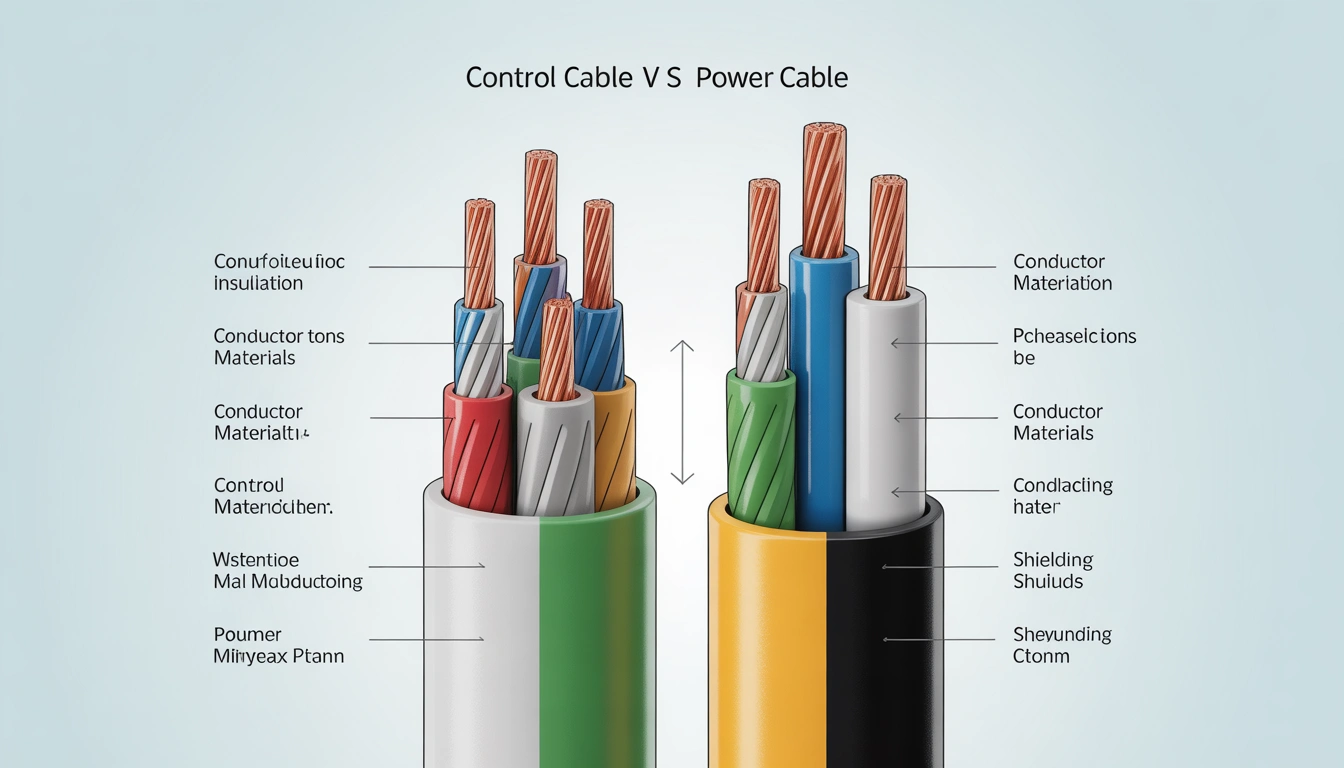
Control cables and power cables are both essential in electrical systems, but serve fundamentally different roles, making them non-interchangeable in applications. Power cables are designed to transmit and distribute high electrical energy from generation sources through transmission, distribution, and supply lines to equipment and loads. They handle large currents and higher voltages (typically 0.6/1kV and above, up to medium/high voltage classes), with thicker insulation, larger conductor cross-sections, and robust sheathing to support heavy power loads safely.
In contrast, control cables (also called instrumentation or multi-core control cables) act as the "nervous system," transmitting low-voltage control signals, data, commands, and monitoring information between sensors, actuators, PLCs, relays, and control panels. Rated at lower voltages (usually 300/500V, 450/750V, or 600/1000V max), they feature multiple smaller conductors (often 2–61 cores), precise insulation, and shielding (foil/braid) to minimize electromagnetic interference (EMI), noise, and signal distortion in industrial environments.
Core differences include:
- Purpose — Power: energy delivery; Control: signal transmission.
- Voltage & Current — Power: high; Control: low.
- Construction — Power: thicker insulation/sheath, larger cores; Control: finer cores, often shielded.
- Applications — Power: grids, motors, substations; Control: automation, renewables, rail, smart manufacturing.
As global electrification, industrial automation, and renewable integration drive the power and control cable market (projected to exceed $296 billion by 2035 at ~6.5–7% CAGR from 2026), understanding these distinctions ensures safe, efficient system design and avoids costly mismatches.
|
Feature |
Control Cable |
Power Cable |
|
Function |
Signal transmission |
|
|
Voltage |
Low |
Medium/High |
|
Structure |
Multi-core |
Single/multi-core |
|
Application |
Automation systems |
Energy distribution |
Key Insight
For industrial systems, both control cable and power cable are essential, but they serve fundamentally different roles.
3. Types of Control Cables
Control cables come in various types tailored to specific applications, environments, and protection needs in industrial automation, machinery, renewables, rail, and smart grids. Classified by shielding, sheathing, armor, flexibility, and standards (e.g., IEC, GB/T, BS, VDE), the main categories include:
1. Unshielded / Unscreened Types
- YY Cable (YSLY / HSLH): PVC-insulated and sheathed, flexible multi-core; ideal for light mechanical stress, indoor fixed or occasional flexing in control panels and low-EMI areas.
- KVV: Copper-core PVC-insulated/sheathed (Chinese standard); common for general fixed installations in clean environments.
2. Shielded / Screened Types (for EMI/RFI protection)
- CY Cable (YSLCY / HSLCH): PVC-insulated/sheathed with tinned copper braid shield; excellent for interference-prone settings like motor drives, VFDs, and data transmission.
- KVVP: Shielded version of KVV with copper braid; widely used in noisy industrial zones for reliable signal integrity.
3. Armored / Mechanically Protected Types
- SY Cable: PVC-insulated/sheathed with galvanized steel wire braid; provides high mechanical protection against crushing/abrasion in harsh outdoor or heavy-duty applications.
4. Specialized Variants
- Low-smoke zero-halogen (LSZH/HSLH), fire-resistant, high-flex (for robotics), armored (e.g., KVV22), or oil-resistant types for demanding environments.
With the control cable market expanding at ~8% CAGR toward $48+ billion by 2034 amid automation and renewable booms in 2026, selecting the right type—based on voltage (300/500V–450/750V), core count, shielding needs, and standards—ensures signal reliability, safety, and longevity.
By Structure
|
Type |
Description |
Use Case |
|
Unshielded Control Cable |
Basic design |
General use |
|
Shielded Control Cable |
EMI protection |
Automation systems |
|
Armored Control Cable |
Mechanical protection |
Outdoor/harsh environments |
|
Flexible Control Cable |
High bending resistance |
Robotics |
4. Control Cable Standards and Certifications
Global compliance is essential for export-oriented wires and cables.
|
Standard |
Region |
Importance |
|
IEC |
International |
General compliance |
|
UL |
USA |
Safety certification |
|
VDE |
Germany |
High engineering standards |
|
BS |
UK |
Industrial applications |
5. How to Choose the Right Control Cable
Selecting the right control cable is crucial for reliable signal transmission, system safety, and longevity in industrial automation, renewables, rail, smart manufacturing, and more. Follow these key steps and factors in 2026:
- Determine Voltage & Current Rating — Control cables are typically rated at 300/500V or 450/750V (IEC/GB standards). Match your control circuit voltage to avoid insulation breakdown or signal loss.
- Assess Installation Environment — Indoor (clean panels) → unshielded YY/KVV; noisy/EMI-prone (near motors/VFDs) → shielded CY/KVVP; harsh outdoor/mechanical stress → armored SY or flexible LSZH types. Consider temperature, moisture, chemicals, and fire safety (opt for low-smoke zero-halogen/HFFR).
- Evaluate Shielding Needs — Use foil/braid shielding (e.g., tinned copper) to combat electromagnetic interference (EMI), crosstalk, and noise—essential for analog signals, PLCs, or high-precision data.
- Choose Core Count & Conductor Size — Select 2–61 cores based on signals; finer conductors (0.5–2.5 mm²) suit control; ensure flexibility for dynamic applications (robotics/cranes).
- Check Standards & Certifications — Verify compliance with IEC 60227/60502, GB/T 9330, VDE, UL, CE, RoHS for safety and performance.
- Consider Flexibility, Bend Radius & Length — For moving parts, prioritize high-flex designs; calculate voltage drop for long runs.
With the control cable market growing ~8% CAGR toward $48+ billion by 2034 amid automation and renewable surges, proper selection prevents failures, reduces downtime, and optimizes costs—consult manufacturers for custom needs.
Selection Table
|
Scenario |
Recommended Cable |
|
High EMI environment |
Shielded control cable |
|
Outdoor installation |
Armored control cable |
|
Moving machinery |
Flexible control cable |
|
Fire-sensitive areas |
6. Applications of Control Cables
Control cables serve as the critical "nervous system" in modern electrical and automation systems, transmitting low-voltage signals, data, commands, and monitoring information between sensors, actuators, PLCs, relays, control panels, and field devices. Unlike power cables focused on energy delivery, control cables prioritize reliable, interference-free signal integrity in demanding environments.
Major applications in 2026 include:
- Industrial Automation & Manufacturing — Connecting PLCs, sensors, actuators, robots, assembly lines, and process control equipment for precise monitoring, regulation, and operation in Industry 4.0 factories.
- Renewable Energy — Used in solar farms, wind turbines, inverters, grid connections, and monitoring systems to manage variable power output, system control, and integration into smart grids.
- Rail Transit & Transportation — Signaling, communication, safety systems, door controls, and traction in railways, metros, high-speed trains, and airports for reliable performance under vibration and harsh conditions.
- Building Management Systems (BMS) — Linking HVAC, lighting, fire alarms, security, access controls, and elevators in smart buildings for energy efficiency, comfort, and centralized regulation.
- Oil & Gas, Petrochemicals & Energy — Instrumentation and process control in refineries, offshore platforms, substations, and power plants, often with armored/shielded variants for hazardous zones.
- Other Sectors — Medical equipment, conveyor systems, machine tools, data centers, and infrastructure projects requiring EMI-resistant, flexible, or fire-resistant cables.
Main Industries
|
Industry |
Application |
|
Manufacturing |
Automation systems |
|
Energy |
Power plants |
|
Infrastructure |
|
|
Oil & Gas |
Harsh environments |
7. Custom Control Cables
Standard products often cannot meet complex project requirements.
Custom Options
- Conductor size customization
- Double shielding
- Flame-retardant materials
- Oil-resistant insulation
When to Use Custom Control Cables
|
Condition |
Solution |
|
High interference |
Shielded cable |
|
Harsh environment |
|
|
Special standards |
Multi-certified cable |
8. Installation Best Practices
Proper installation of control cables is critical to ensure reliable signal transmission, minimize electromagnetic interference (EMI), prevent failures, and extend service life in industrial automation, renewables, rail, and smart manufacturing systems. Follow these best practices in 2026 for optimal performance:
Plan Cable Routing & Segregation — Keep control cables separate from power cables (minimum 30–50 cm distance or use barriers) to reduce inductive coupling and EMI. Route away from high-voltage lines, motors, VFDs, and fluorescent lights.
Use Proper Shielding & Grounding — For shielded cables (CY/KVVP), connect the shield (foil/braid) at one end only (usually control panel side) to avoid ground loops. Use single-point grounding; never ground both ends unless specified.
Respect Bend Radius & Tension — Maintain minimum bend radius (typically 6–10× outer diameter for fixed; 12–15× for flexible/moving). Avoid excessive pulling tension (> recommended limits, e.g., 50 N/mm² for copper) to prevent conductor damage.
Secure & Support Cables — Use cable trays, conduits, or ties every 30–60 cm. Avoid sharp edges, pinching, or over-tight bundling. For dynamic applications (robots/cranes), employ drag chains or high-flex designs.
Termination & Connection — Strip insulation carefully (no nicks to conductors), use ferrules/crimps for secure terminations, and torque screws per specs. Label cables clearly for maintenance.
Environmental Protection — Select appropriate sheathing (PVC/PUR/LSZH) for temperature, moisture, chemicals, UV, or fire risks. Use glands/seals for entry points in panels/enclosures.
Testing & Commissioning — Perform continuity, insulation resistance, and shield continuity tests post-installation. Verify no shorts or crossed pairs.
Adhering to these control cable installation best practices—aligned with IEC 60364, GB/T 5023, and manufacturer guidelines—reduces downtime, enhances safety, and supports the booming control cable market (growing ~8% CAGR toward $48+ billion by 2034) amid rising automation and electrification demands.

9. Future Trends in the Control Cable Industry
The control cable industry is poised for dynamic evolution in 2026 and beyond, driven by accelerating industrial automation, renewable energy integration, smart grid modernization, and Industry 4.0 adoption. Key future trends include:
- Smart & IoT-Enabled Cables — Integration of embedded sensors, digital twins, and self-monitoring capabilities for real-time diagnostics, predictive maintenance, and enhanced signal integrity in automated systems.
- Sustainable & Eco-Friendly Materials — Rising demand for low-smoke zero-halogen (LSZH), halogen-free, recyclable, and fire-resistant variants to meet stricter environmental regulations and green manufacturing goals.
- High-Performance & Flexible Designs — Lightweight, ultra-flexible, high-flex cables for robotics, dynamic applications, and electric vehicle/automation sectors; advancements in PUR/TPE insulation for better durability and energy efficiency.
- Enhanced Shielding & EMI Protection — Advanced braid/foil/composite shielding to combat noise in high-interference environments like VFDs, 5G-enabled factories, and AI-driven data centers.
- Renewable & Smart Grid Focus — Specialized cables for solar/wind farms, HVDC transmission, substation automation, and bidirectional energy flows to support massive renewable rollout and grid resilience.
- Market Expansion — The global control cable market is projected to grow robustly at ~8.3% CAGR, reaching $48–53 billion by 2034–2035 (from ~$24 billion in 2025), fueled by infrastructure investments, electrification, and digital transformation in Asia-Pacific, Europe, and North America.
These trends position control cables as essential enablers of efficient, intelligent, and sustainable energy and industrial systems in the evolving digital era.
10. Frequently Asked Questions
What are control cables used for?
They are used for transmitting control signals in automation and industrial systems.
What is the difference between a control cable and a power cable?
Control cables transmit signals, while power cable transmits electrical energy.
Which control cable is best for industrial use?
Shielded and armored industrial control cables are ideal.
Can control cables be customized?
Yes, custom control cables can be designed for specific applications.
Selecting the right control cable is essential for ensuring efficiency, safety, and long-term reliability in industrial systems. From understanding control cable types to evaluating standards and applications, each step plays a critical role.
👉 Looking for a reliable control cable manufacturer?
Contact us today for high-quality industrial control cables, custom control cables, and export-ready solutions tailored to your project needs.

Related Articles
Related Products

FR-N30XA8E-AR Triplex 18/30kV Cable Gen to NF C 33-226 - AL/XLPE/MDPE
The FR-N30XA8E-AR Triplex 18/30kV Cable is a high-performance triplex medium-voltage cable manufactured to NF C 33-226 standard for reliable power distribution. It features three stranded aluminium conductors (AL), semi-conductive conductor screens, high-quality XLPE (cross-linked polyethylene) insulation for excellent dielectric strength and thermal stability (90°C continuous, 250°C short-circuit), semi-conductive insulation screens, copper wire screens for grounding and protection, and a robust medium-density polyethylene (MDPE) outer sheath providing superior mechanical protection, moisture resistance, UV stability, and chemical resistance. The triplex configuration (three cores twisted together) facilitates easy installation in overhead aerial bundled systems or underground ducts. Compliant with French NF C 33-226 and relevant IEC standards, it offers low dielectric losses, high current-carrying capacity, and long service life in demanding environments. The FR-N30XA8E-AR is ideal for MV overhead lines, underground distribution, rural electrification, and urban networks requiring durable, weather-resistant triplex cable.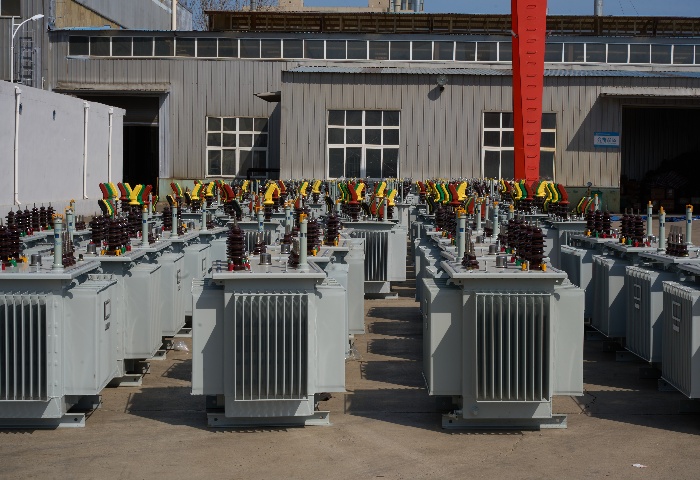
80kVA Oil Immersed Transformer
NPC ELECTRIC 80kva Oil Immersed Transformer boasts a robust design that incorporates high-quality materials and advanced manufacturing techniques. The transformer's core is made from premium cold-rolled silicon steel sheets, ensuring low loss and high efficiency. The oil-immersed design of the NPC ELECTRIC 80kVA transformer provides effective cooling and insulation, ensuring that the transformer operates within safe temperature limits and maintains optimal performance. The oil also acts as a dielectric medium, enhancing the transformer's electrical properties and protecting it from environmental factors.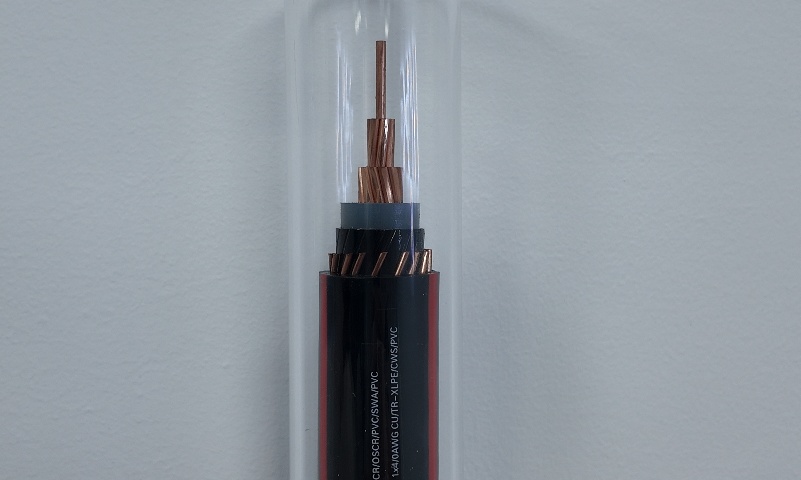
1/0 Stranded Aluminum Conductor 35KV URD Cable
The 1/0 Stranded Aluminum Conductor 35kV URD Cable is a high-reliability medium-voltage underground distribution cable designed for primary power delivery. It features a 1/0 AWG stranded AA8000 aluminum alloy conductor, extruded semi-conducting shields, tree-retardant TR-XLPE insulation, copper concentric neutral wires, and a tough sunlight-resistant LLDPE jacket. This construction provides excellent electrical performance, superior moisture and treeing resistance, and strong mechanical protection suitable for direct burial or duct installations. The cable offers a good balance between ampacity and cost-effectiveness for medium voltage underground systems. Manufactured to ICEA S-94-649 and AEIC CS8 standards, the 1/0 Stranded Aluminum Conductor 35kV URD Cable undergoes rigorous quality testing from raw materials to finished product, ensuring long-term reliability and safety in demanding underground environments.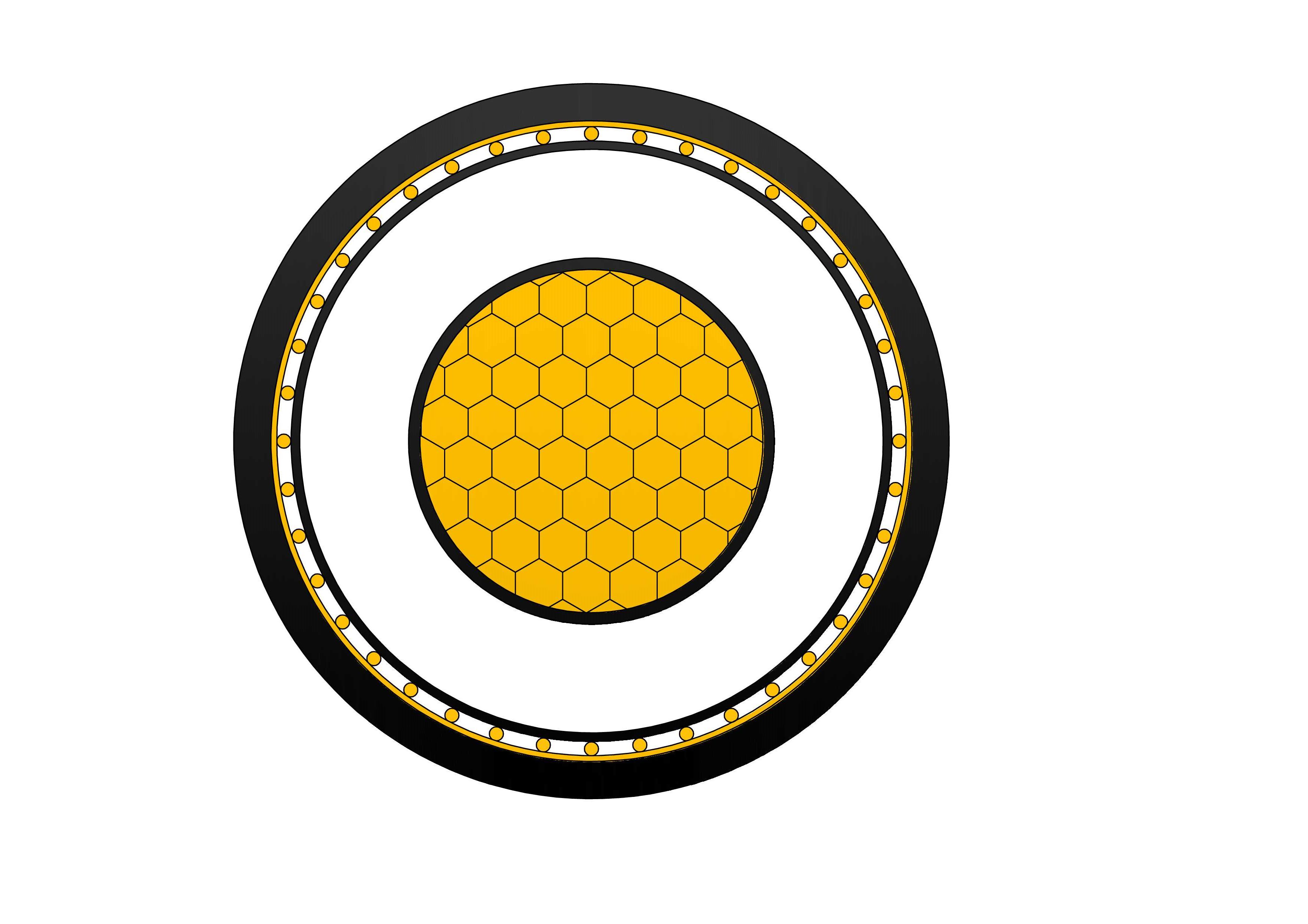
N2XS2Y Medium Voltage Power Cable(6/10kV, 12/20kV, 18/30kV)
N2XS2Y Medium Voltage Power Cable (6/10kV, 12/20kV, 18/30kV) is engineered for reliable medium voltage power transmission and distribution. Featuring stranded copper conductors, cross-linked polyethylene (XLPE) insulation, copper tape or wire screen, and robust polyethylene (PE) outer sheath, it fully complies with IEC 60502-2 standards. The PE sheath provides excellent resistance to moisture, UV, chemicals, and mechanical stress, ideal for direct burial. With low dielectric losses, high thermal stability, and superior partial discharge performance, it ensures efficient operation and long service life. Longitudinal and radial water blocking options available for enhanced protection. Flame-retardant and environmentally durable, the N2XS2Y Medium Voltage Power Cable is the preferred choice for utilities, industrial plants, renewable energy projects, and infrastructure networks requiring safe, high-performance medium voltage cabling in harsh underground or outdoor conditions worldwide.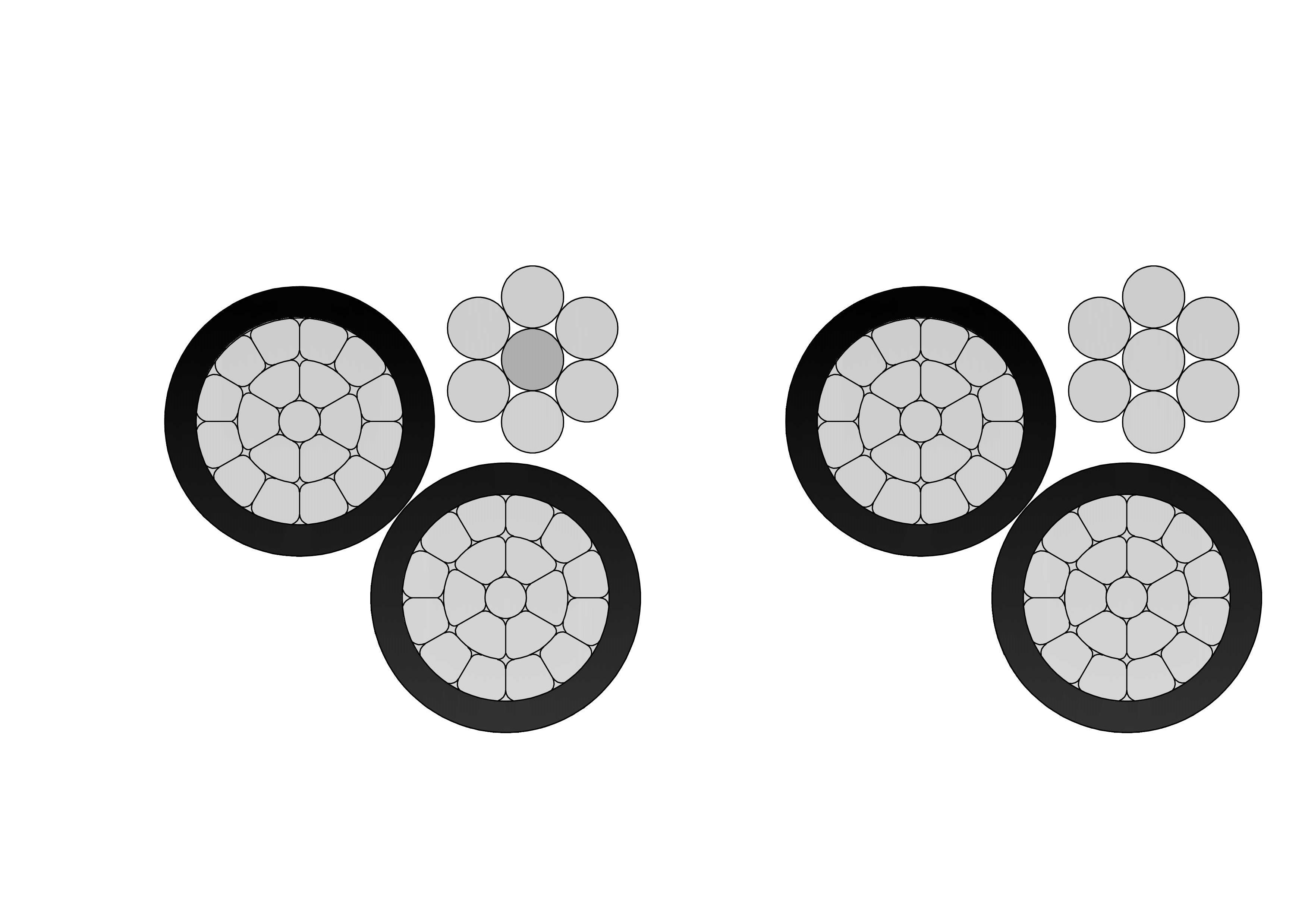
2/0 Trophon Aluminum Conductor Triplex Overhead Service Drop Cable
The 2/0 Trophon Aluminum Conductor Triplex Overhead Service Drop Cable delivers superior performance for overhead power distribution. Engineered with high-quality 1350-H19 aluminum conductors, black cross-linked polyethylene (XLPE) insulation, and a bare ACSR neutral messenger, this triplex cable ensures excellent conductivity, weather resistance, and mechanical strength. Rated for 600V phase-to-phase at up to 90°C conductor temperature (XLP), it offers approx. 230A ampacity, making it ideal for residential and light commercial service entrances. Compliant with ASTM B-230, B-231, B-232, and ICEA S-76-474 standards, the cable withstands harsh outdoor conditions while maintaining flexibility and reliability.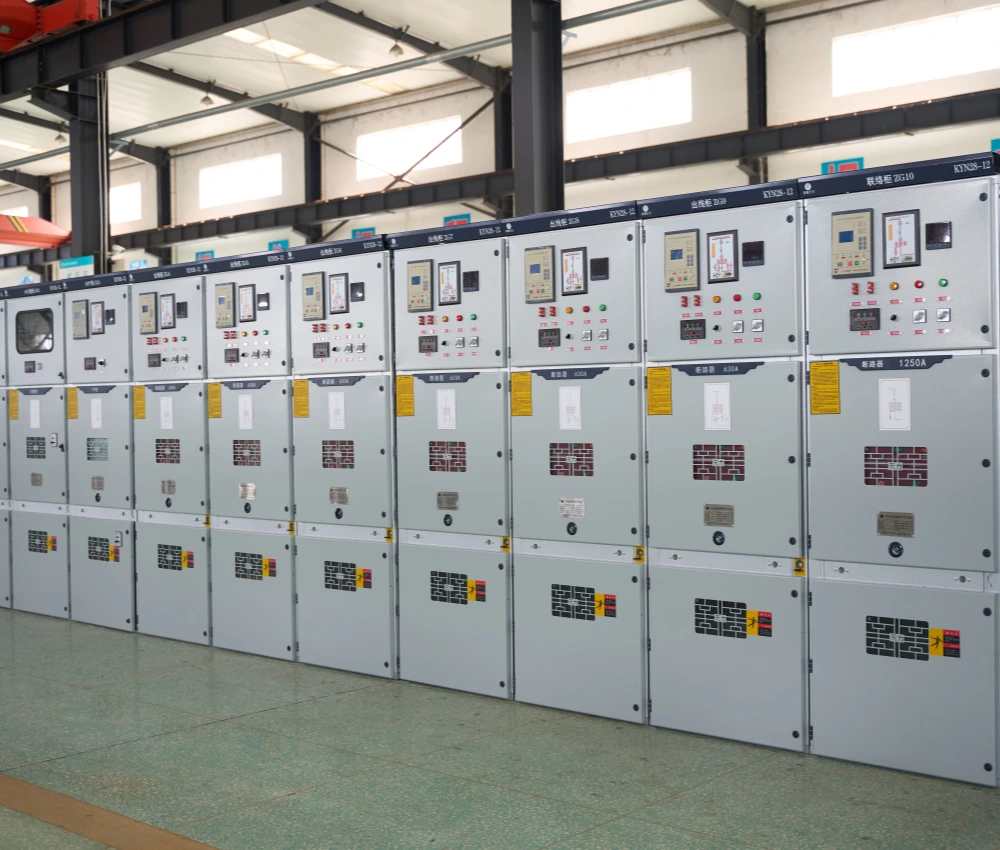
Indoor Box-Type Fixed Metal-Enclosed Switchgear
The Indoor Box-Type Fixed Metal-Enclosed Switchgear is a high-performance medium-voltage electrical distribution and protection system specifically engineered for industrial facilities, utility substations, commercial infrastructure, renewable energy projects, and intelligent power distribution networks. The switchgear adopts a fully enclosed metal-clad structure integrating vacuum circuit breakers, disconnect switches, protection relays, current transformers, voltage transformers, and intelligent control systems within a compact fixed cabinet configuration. This design provides reliable medium-voltage power distribution while significantly improving operational safety and equipment stability. Designed according to international medium-voltage distribution standards, the indoor box-type switchgear delivers outstanding insulation performance, mechanical durability, and thermal stability under continuous operating conditions. The compartmentalized cabinet structure effectively separates busbar chambers, breaker compartments, cable chambers, and low-voltage control sections to reduce electrical fault propagation risks and simplify maintenance procedures. The fixed structure design improves installation stability and ensures dependable long-term operational performance for mission-critical electrical systems. The Indoor Box-Type Fixed Metal-Enclosed Switchgear supports intelligent monitoring systems, digital protection devices, remote communication interfaces, and smart-grid automation technologies for modern electrical distribution environments. With flexible configuration capabilities and scalable electrical protection architectures, the switchgear provides stable medium-voltage switching, fault isolation, and electrical control performance for industrial automation systems, utility networks, transportation infrastructure, and commercial power systems.
500kVA Oil Immersed Transformer
The 500kVA Oil Immersed Transformer is a heavy-duty, three-phase, liquid-filled distribution transformer engineered for reliable outdoor pole or pad-mounted installations in utility substations, large commercial complexes, medium to heavy industrial facilities, data centers, and suburban/rural power distribution systems. Standard configuration includes mineral oil or FR3 natural ester fluid, ONAN cooling, aluminum or copper windings, high-voltage 34.5kV / 24.94kV / 13.8kV / 12.47kV / 4.16kV (delta or wye), low-voltage 480Y/277V, 208Y/120V, 600Y/347V or custom, ±2×2.5% HV taps, radial or loop-feed dead-front design.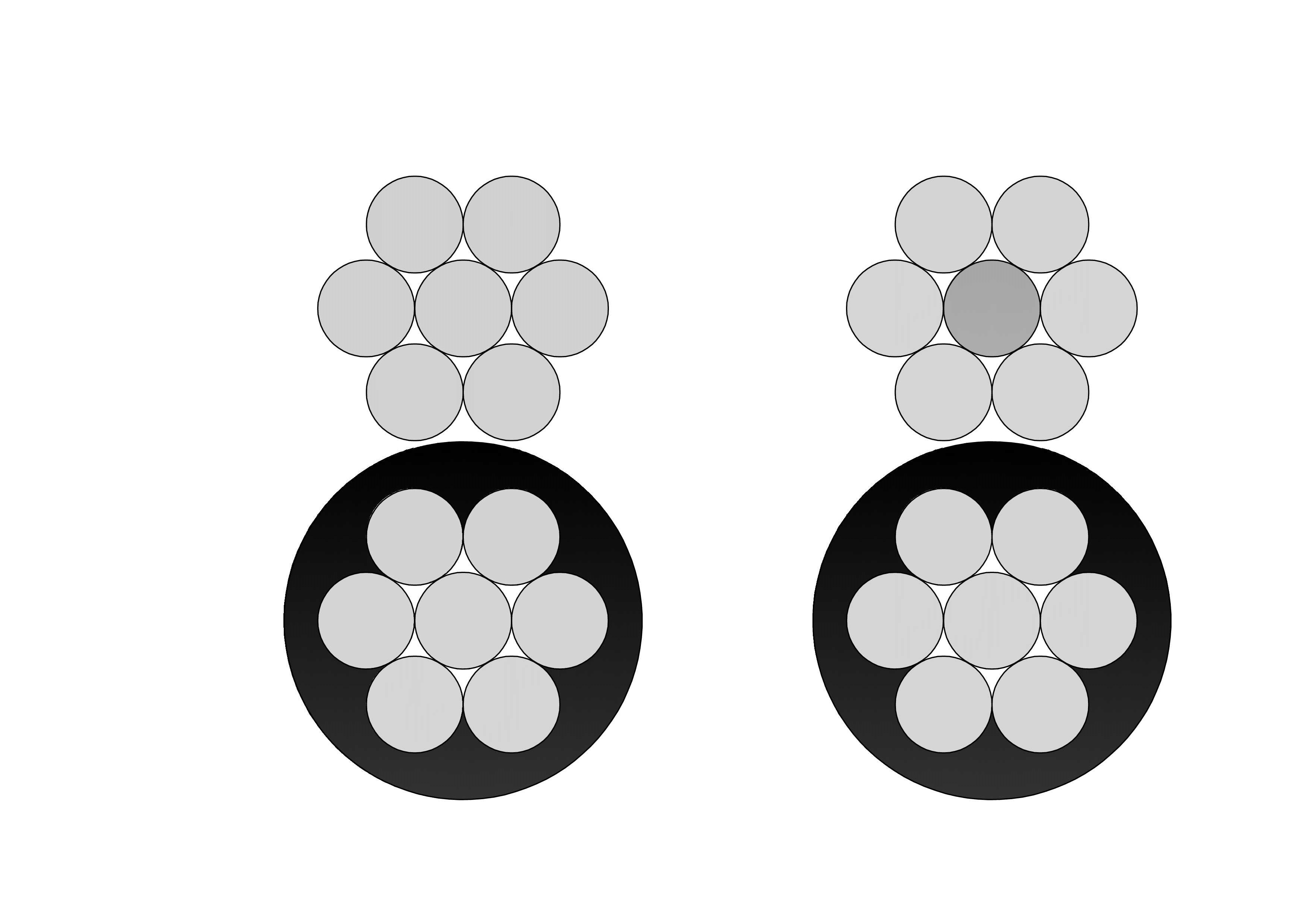
6 Pekingese Aluminum Conductor Duplex Overhead Service Drop Cable
The 6 Pekingese Aluminum Conductor Duplex Overhead Service Drop Cable is designed for safe and efficient secondary overhead power distribution from utility lines to residential and light commercial service entrances. The duplex configuration consists of two concentrically stranded aluminum conductors, typically serving as a phase conductor and a neutral messenger, providing reliable electrical transmission and mechanical support. The No. 6 Pekingese conductor size is well suited for short-span service drop installations, offering stable current-carrying capacity with controlled sag and adequate tensile strength. Aluminum construction ensures lightweight handling, excellent corrosion resistance, and simplified installation in outdoor environments. Manufactured in accordance with ASTM standards and utility specifications, the 6 Pekingese Aluminum Conductor Duplex Overhead Service Drop Cable delivers uniform stranding, consistent conductivity, and dependable long-term performance. It is widely selected by utilities and contractors seeking a cost-effective, durable solution for overhead service drop applications.
Duplex URD Cable
The Duplex URD Cable is a high-performance 600V underground residential distribution cable designed for reliable service entrance and secondary power delivery. It consists of two insulated AA8000 aluminum alloy phase conductors and a concentric neutral, all protected by a tough black polyethylene sheath. The duplex configuration provides a compact, easy-to-install solution for direct burial applications. Manufactured with XLPE insulation, this cable offers excellent electrical properties, moisture resistance, and long-term durability. The Duplex URD Cable is lightweight, flexible, and cost-effective compared to copper alternatives while maintaining high conductivity and mechanical strength. It meets UL 854, ICEA, and ASTM standards and undergoes rigorous quality testing from raw materials to finished product, ensuring consistent performance in underground environments.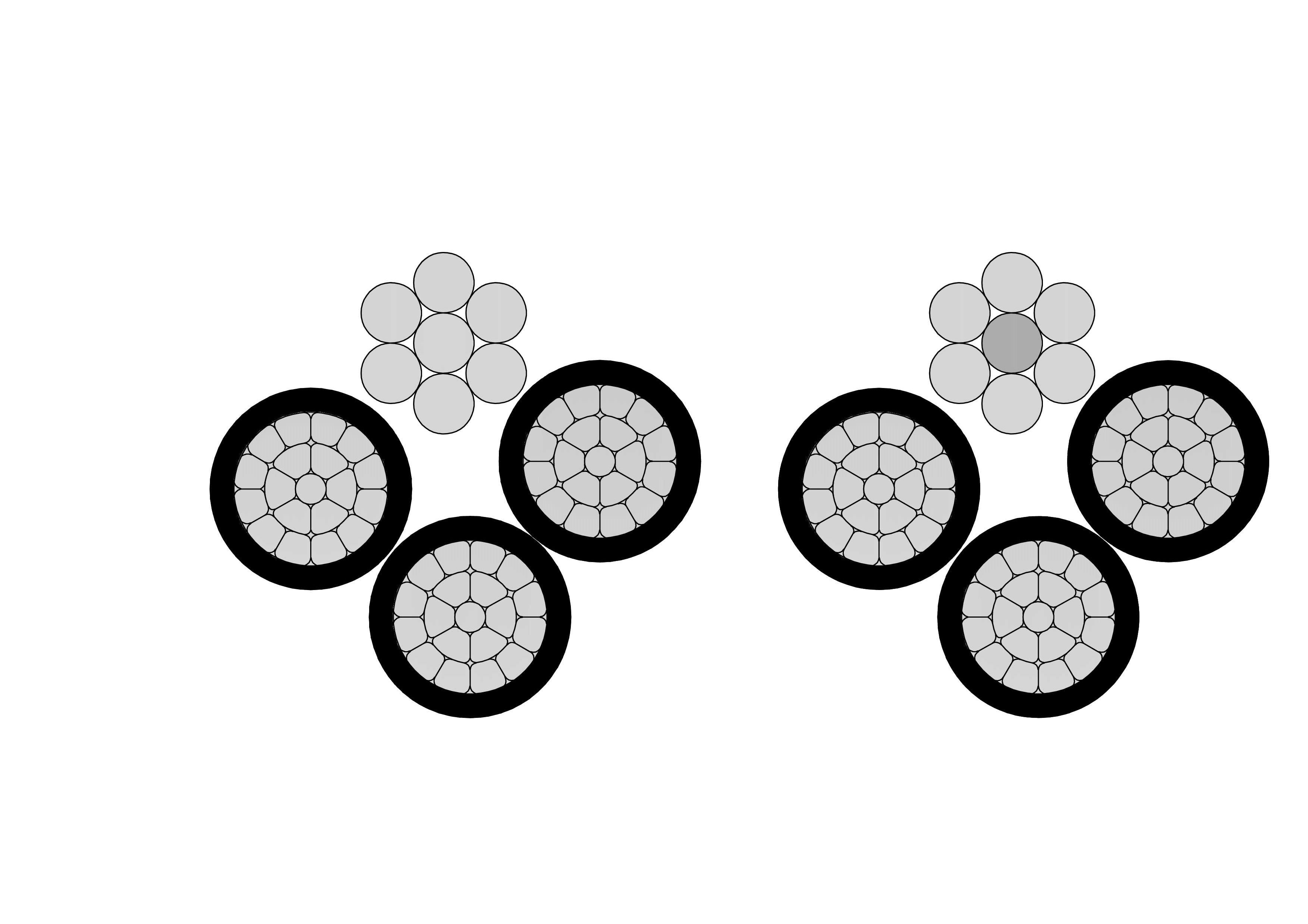
NS75/NS90 Quadruplex Unjacketed Overhead Neutral Supported Cable
NS75/NS90 Quadruplex Unjacketed Overhead Neutral Supported Cable is designed to deliver three-phase power from secondary overhead power lines or pole-mounted transformers directly to the service entrance conductors of a building or structure. Rated for 600V systems, this cable combines durability, conductivity, and thermal performance, making it ideal for residential, commercial, and light industrial power distribution. Featuring three XLPE-insulated aluminum phase conductors (75 mm² or 95 mm²) supported by a bare neutral messenger (ACSR or AAAC) without an overall jacket, it offers excellent mechanical strength and weather resistance. Compliant with AS/NZS 3560, IEC, and utility standards, this cable supports 600/1000V applications with superior UV, moisture, and tracking protection. The unjacketed design reduces weight and cost while maintaining integrity for spans up to 100m. The NS75/NS90 Quadruplex Unjacketed Overhead Neutral Supported Cable ensures low sag, easy installation, and long-term reliability in harsh conditions.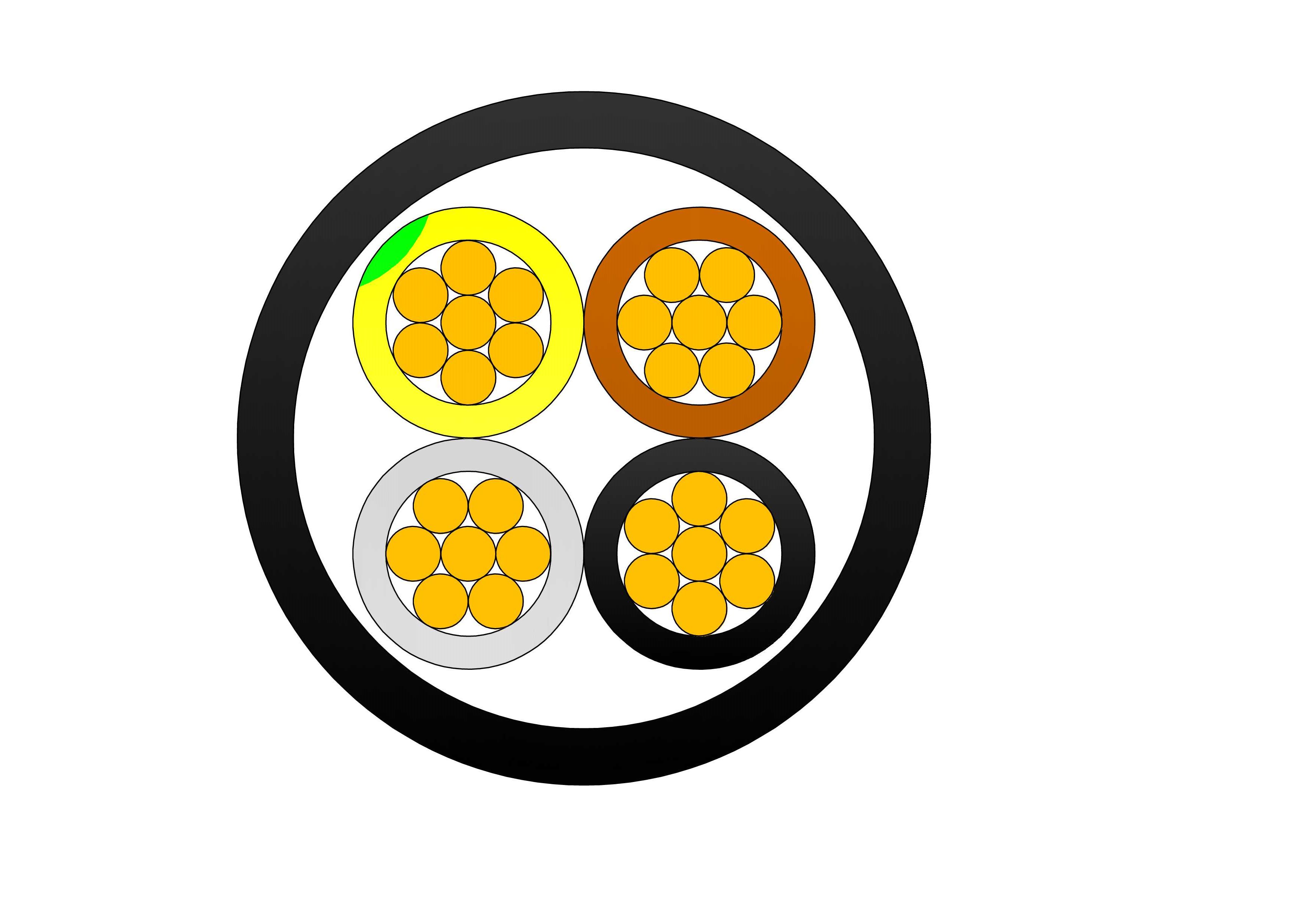
Medium Voltage Armored Power Cable XLPE Insulated Distribution Cable
The Medium Voltage Armored Power Cable is engineered for reliable power transmission and distribution in utility, industrial, and infrastructure applications. Manufactured with high-conductivity copper or aluminum conductors, advanced XLPE insulation, metallic screens, galvanized steel wire or steel tape armour, and a durable outer sheath, the cable delivers excellent electrical performance and superior mechanical protection. Designed for medium voltage networks ranging from 3.6/6kV to 26/35kV, the cable provides outstanding dielectric strength, low insulation losses, and high thermal stability. The armouring layer protects the cable against impact, compression, tensile stress, and accidental mechanical damage, making it suitable for underground and direct burial installations. The outer sheath offers excellent resistance to moisture, chemicals, UV radiation, and environmental exposure. Manufactured according to IEC 60502-2 and international standards, the cable is widely used in substations, renewable energy projects, industrial facilities, power plants, and utility distribution systems. The Medium Voltage Armored Power Cable ensures long-term reliability, operational safety, and efficient power transmission under demanding service conditions.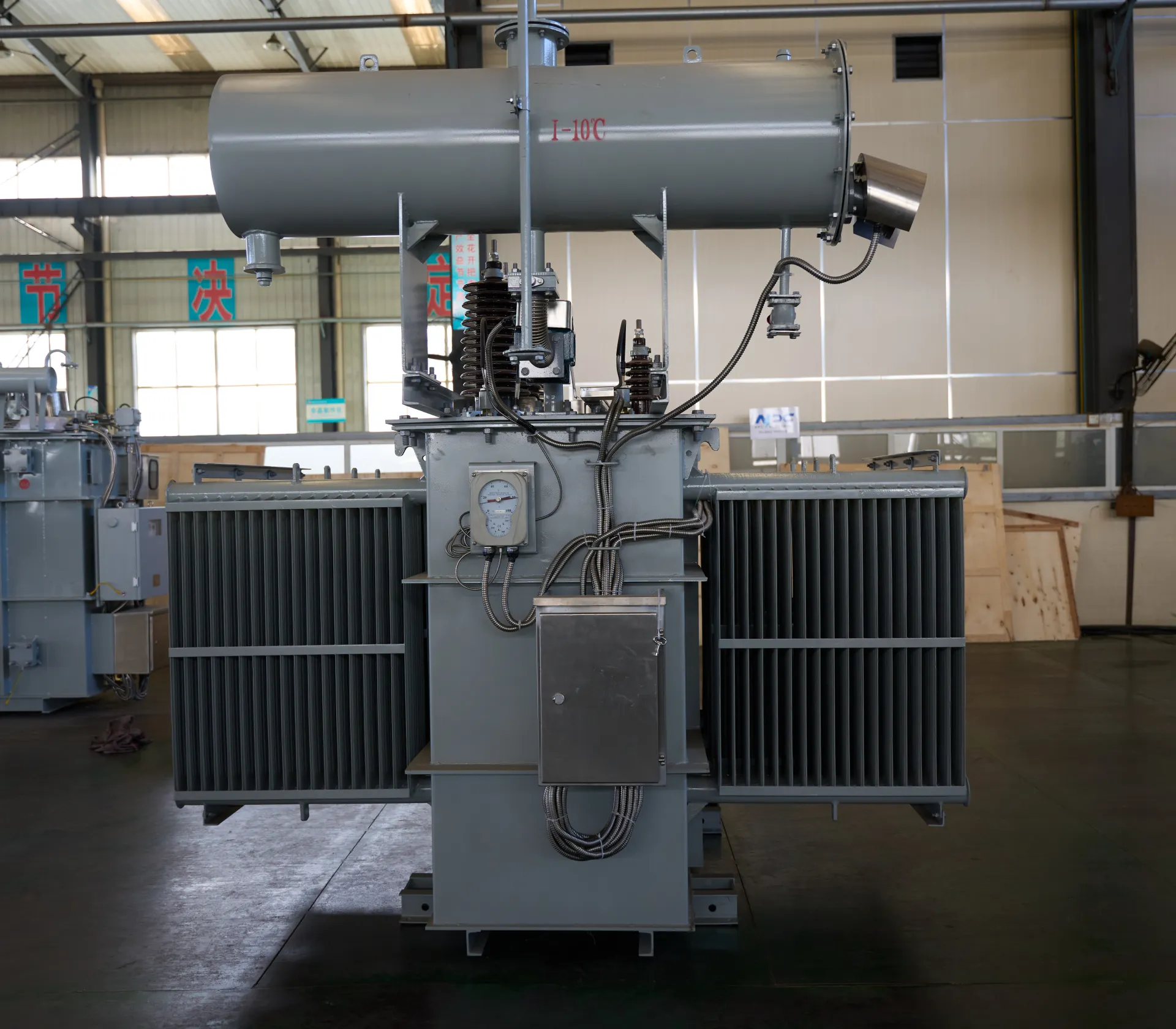
250MVA 330kV High-Voltage Oil-Immersed Distribution Transformer for Grid & Substation
The 250MVA 330kV High-Voltage Oil-Immersed Distribution Transformer is engineered for reliable and efficient power transmission in large utility grids and high-demand substations. Designed with advanced insulation and a durable oil-immersed cooling system, it ensures excellent thermal stability and long service life. The high-voltage 330kV configuration provides exceptional performance in long-distance power delivery, minimizing losses and improving grid stability. Its precision-wound copper coils, high-strength core materials, and robust tank structure guarantee safe operation under fluctuating load conditions. With strong short-circuit resistance, high dielectric strength, and low noise operation, this transformer meets stringent international standards. It is widely used in national grid projects, power plants, and heavy-industry energy networks, supporting continuous, stable, and efficient power distribution.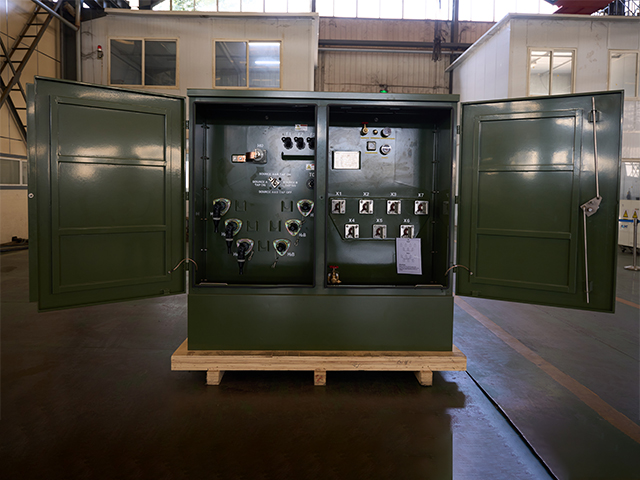
4000kVA Three Phase Pad Mounted Transformer
NPC ELECTRIC's 4000kVA Three Phase Pad Mounted transformer is made of high-performance silicon steel sheets and high-quality insulating oil. It complies with international standards such as IEC 60076 and ANSI C57. It has excellent electrical performance and weather resistance. It is suitable for large industrial parks, urban distribution stations, and new energy power generation systems. It is an ideal choice for high-reliability and high-efficiency power distribution.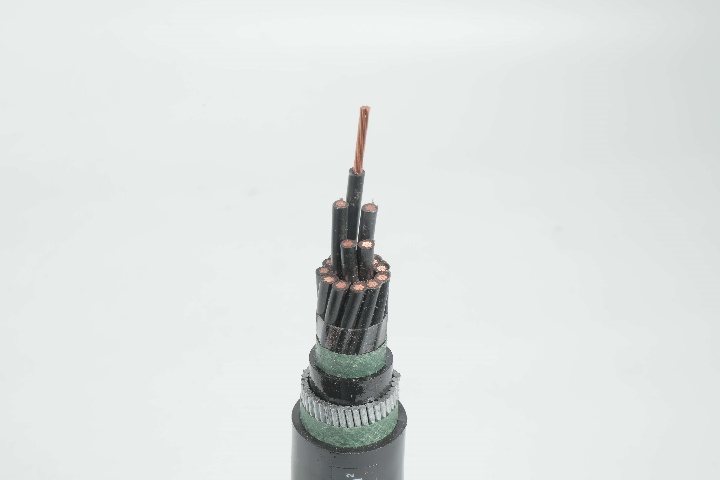
LiHH LSZH Control Cable - Halogen-Free Flexible Control Cable
The LiHH LSZH Control Cable is a high-performance halogen-free flexible control cable designed for applications requiring enhanced fire safety and low smoke emission. It features finely stranded copper conductors with low-smoke zero-halogen (LSZH) insulation, twisted cores, and a robust LSZH outer sheath. This construction provides excellent flexibility, reliable signal transmission, and superior fire performance with minimal toxic gas and smoke generation during combustion. Rated 300/500V, the LiHH LSZH Control Cable is ideal for public buildings, transportation systems, data centers, and industrial environments where safety and environmental protection are critical. Manufactured to international standards such as IEC 60227 and VDE 0812, it undergoes rigorous quality testing from raw materials to finished product, ensuring consistent electrical performance, mechanical strength, and compliance with strict fire safety regulations.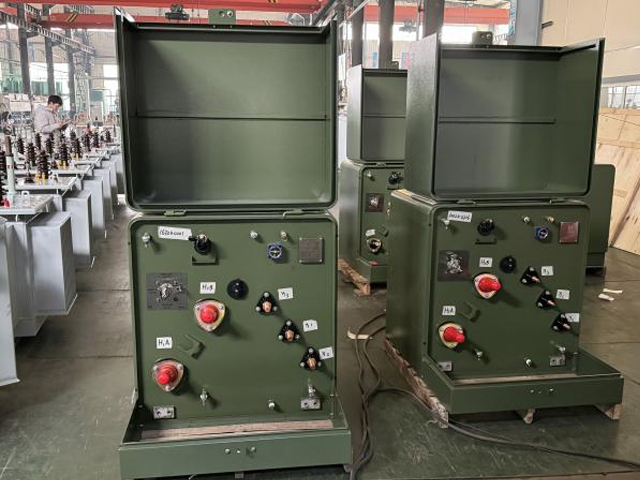
333kVA Single Phase Pole Mounted Transformer
NPC ELECTRIC'S 333kVA single phase pole mounted transformer stands as a powerhouse solution for intensive overhead distribution requirements, effectively reducing primary voltages such as 12.47kV, 24.94kV, or 34.5kV to secondary voltages including 120/240V, 277V, or 347V. Crafted with premium grain-oriented silicon steel cores and durable windings, it delivers outstanding energy efficiency, low losses, and compliance with modern DOE efficiency regulations alongside IEEE C57 and ANSI standards. The tank incorporates corrugated fins for optimal natural oil circulation (ONAN), supporting a 65°C temperature rise and robust overload handling. Equipped with essential protections like pressure relief valves, high-voltage bushings, and surge arresters, this transformer ensures dependable operation in exposed conditions. Its design prioritizes quiet performance, minimal maintenance, and extended service life, making it highly suitable for utilities managing substantial single-phase loads in evolving power networks.Welcome your inquiry
Honesty, Integrity, Frugality, Activeness and Passion