
69kV Power Transformer: Complete Guide to Specifications, Applications & Buying Tips
2026-06-23
As electrical grids continue to expand and industrial power demands increase, the 69kV power transformer remains one of the most widely deployed assets in medium-to-high voltage transmission and distribution systems. Utilities, renewable energy developers, mining operators, manufacturing facilities, and infrastructure projects rely on these transformers to efficiently transfer electrical energy between voltage levels while ensuring system stability and reliability.
However, selecting the right transformer involves far more than choosing a voltage rating. Engineers and procurement specialists must evaluate electrical specifications, insulation systems, cooling methods, losses, environmental conditions, standards compliance, and lifecycle costs.
1. What Is a 69kV Power Transformer?
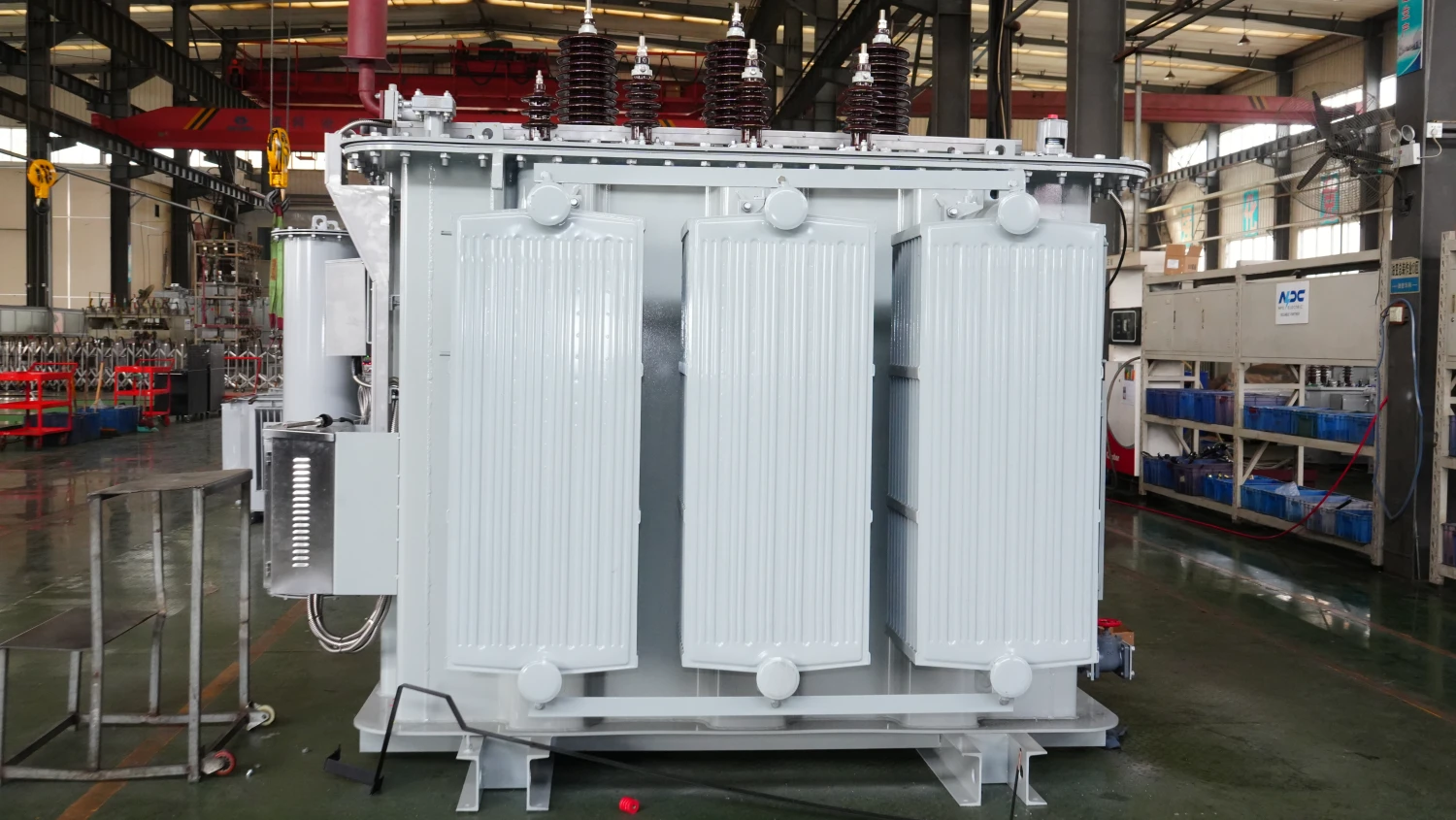
A 69kV power transformer is an electrical transformer designed for power transmission and distribution systems where one side of the transformer operates at or near 69 kilovolts. These units are commonly installed in substations to step voltage up or down between transmission and distribution networks.
Unlike distribution transformers that typically serve end-users directly, a 69kV transformer functions as a critical grid asset responsible for transferring large amounts of electrical energy across interconnected networks.
Typical configurations include:
- 69kV / 13.8kV
- 69kV / 34.5kV
- 69kV / 12.47kV
- 69kV / 4.16kV
- 69kV / 69kV interconnection transformers
The primary purpose of the transformer is to provide:
- Voltage transformation
- Electrical isolation
- Power system stability
- Efficient energy transmission
- Grid interconnection capability
In modern electrical infrastructure, the relationship between transformer and power quality is direct. Transformer performance affects voltage regulation, system losses, reliability, and operational efficiency.
2. Key Specifications of a 69kV Power Transformer
One of the most common procurement mistakes is focusing solely on transformer capacity while overlooking other critical parameters.
Engineers should carefully evaluate the following specifications:
Voltage Ratings
The high-voltage winding is generally rated at:
- 69kV Class
- 72.5kV Maximum System Voltage
The low-voltage side depends on application requirements.
Power Rating
Typical capacities include:
|
Transformer Rating |
Common Application |
|
5 MVA |
Small substations |
|
10 MVA |
Industrial facilities |
|
15 MVA |
Distribution networks |
|
20 MVA |
Utility substations |
|
25 MVA |
Renewable energy plants |
|
40 MVA |
Regional transmission systems |
|
50 MVA+ |
Heavy industrial and grid infrastructure |
Frequency
- 50 Hz
- 60 Hz
Selection depends on regional grid standards.
Insulation Class
Typical insulation levels:
|
Parameter |
Typical Value |
|
Lightning Impulse (BIL) |
350 kV |
|
Power Frequency Withstand |
140 kV |
|
Insulation Class |
IEC/IEEE compliant |
Insulation coordination is critical for protecting the transformer against switching surges and lightning strikes.
Cooling Method
Common cooling classifications include:
- ONAN (Oil Natural Air Natural)
- ONAF (Oil Natural Air Forced)
- OFAF (Oil Forced Air Forced)
- OFWF (Oil Forced Water Forced)
The cooling system directly impacts transformer loading capability and expected service life.
Typical Technical Specifications of a 69kV Power Transformer
|
Parameter |
Typical Value |
|
High Voltage Rating |
69 kV |
|
Maximum System Voltage |
72.5 kV |
|
Low Voltage Rating |
13.8kV / 34.5kV / 12.47kV |
|
Power Rating Range |
5 MVA – 100 MVA |
|
Frequency |
50Hz / 60Hz |
|
Vector Group |
Dyn11, YNd1, YNyn0 |
|
Cooling Method |
ONAN / ONAF / OFAF |
|
Impedance |
6% – 12% |
|
Insulation Level (BIL) |
350 kV |
|
Tap Changer Type |
OLTC / OCTC |
|
Efficiency |
Up to 99.5% |
|
Expected Service Life |
30–40 Years |
3. Internal Design and Construction Features
The reliability of a power transformer depends heavily on its internal construction quality.
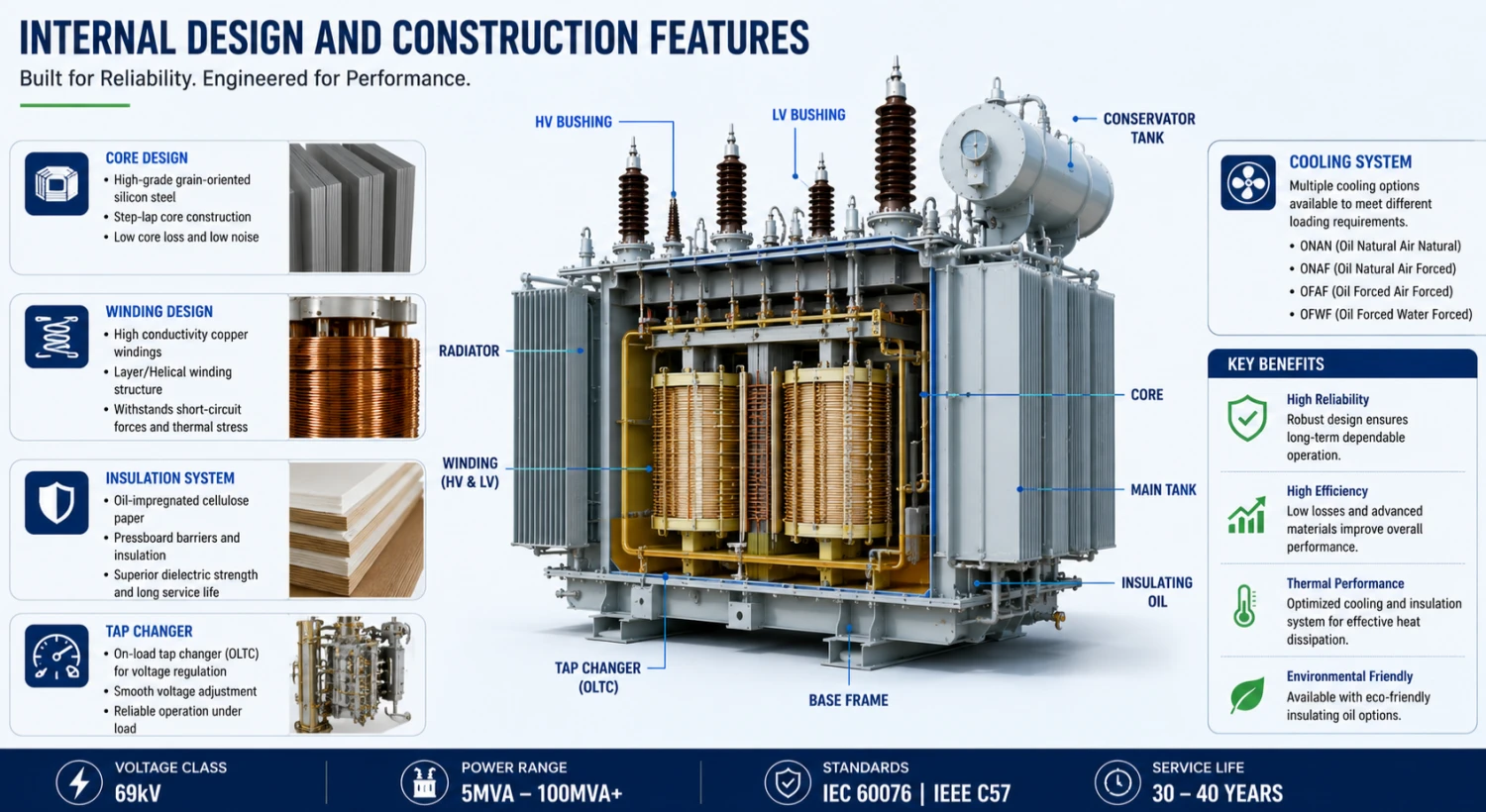
Core Design
Most modern transformers utilize:
- Grain-oriented silicon steel
- Step-lap core construction
- Low-loss magnetic materials
Benefits include:
- Reduced no-load losses
- Lower noise levels
- Higher efficiency
Winding Design
The winding structure must withstand:
- Short-circuit forces
- Thermal stress
- Voltage transients
- Continuous loading conditions
Copper windings remain the preferred choice for many utility projects due to superior conductivity and mechanical strength.
Insulation System
A transformer's lifespan often depends on insulation integrity.
Typical insulation components include:
- Mineral oil
- Cellulose paper
- Pressboard barriers
- Epoxy support structures
Advanced manufacturers may also offer:
- Natural ester fluids
- Synthetic ester insulation
- Environmentally friendly dielectric liquids
Comparison of Transformer Cooling Methods
|
Cooling Type |
Description |
Capacity Range |
Advantages |
Typical Applications |
|
ONAN |
Oil Natural Air Natural |
Up to 30 MVA |
Simple design, low maintenance |
Distribution Substations |
|
ONAF |
Oil Natural Air Forced |
20–80 MVA |
Higher loading capability |
Utility Substations |
|
OFAF |
Oil Forced Air Forced |
50–200 MVA |
Improved cooling efficiency |
Transmission Networks |
|
OFWF |
Oil Forced Water Forced |
Above 100 MVA |
Maximum cooling performance |
Large Power Stations |
|
KNAN (Ester Filled) |
Natural Ester Cooling |
Customized |
Environmentally friendly |
Renewable Energy Projects |
4. Applications of 69kV Power Transformers
The versatility of 69kV transformers makes them suitable for a broad range of projects worldwide.
Utility Substations
Electric utilities commonly deploy 69kV transformers to:
- Connect transmission networks
- Feed distribution substations
- Improve voltage regulation
- Expand service capacity
Renewable Energy Projects
Wind farms and solar power stations often use 69kV transformers for grid interconnection.
These transformers help:
- Collect generated energy
- Increase transmission efficiency
- Meet utility interconnection requirements
Industrial Facilities
An industrial power transformer provides a reliable power supply for:
- Steel plants
- Mining operations
- Chemical facilities
- Cement factories
- Oil and gas installations
Large industrial loads require transformers capable of handling frequent load fluctuations and high inrush currents.
Infrastructure Projects
Applications include:
- Airports
- Rail systems
- Data centers
- Smart cities
- Water treatment facilities
As infrastructure electrification accelerates globally, demand for high-reliability substation transformers continues to grow.
5. Critical Performance Factors Engineers Should Evaluate
Many transformer failures originate from overlooked design or operational factors.
Efficiency
Modern utility transformers typically achieve:
- 98% to 99.5% efficiency
Even a small improvement in efficiency can generate substantial savings over a 30-year operating period.
Load Losses and No-Load Losses
Procurement teams should evaluate:
No-Load Losses
Occur continuously whenever the transformer is energized.
Load Losses
Increase proportionally with load current.
Lifecycle energy costs often exceed the original purchase price, making loss evaluation essential.
Temperature Rise
Typical design limits:
|
Cooling Class |
Temperature Rise |
|
ONAN |
55°C |
|
ONAF |
65°C |
|
Special Design |
Customized |
Lower operating temperatures generally extend insulation life and reduce maintenance requirements.
Short-Circuit Strength
Transformers must survive severe fault conditions without mechanical damage.
A robust winding design significantly improves long-term reliability.
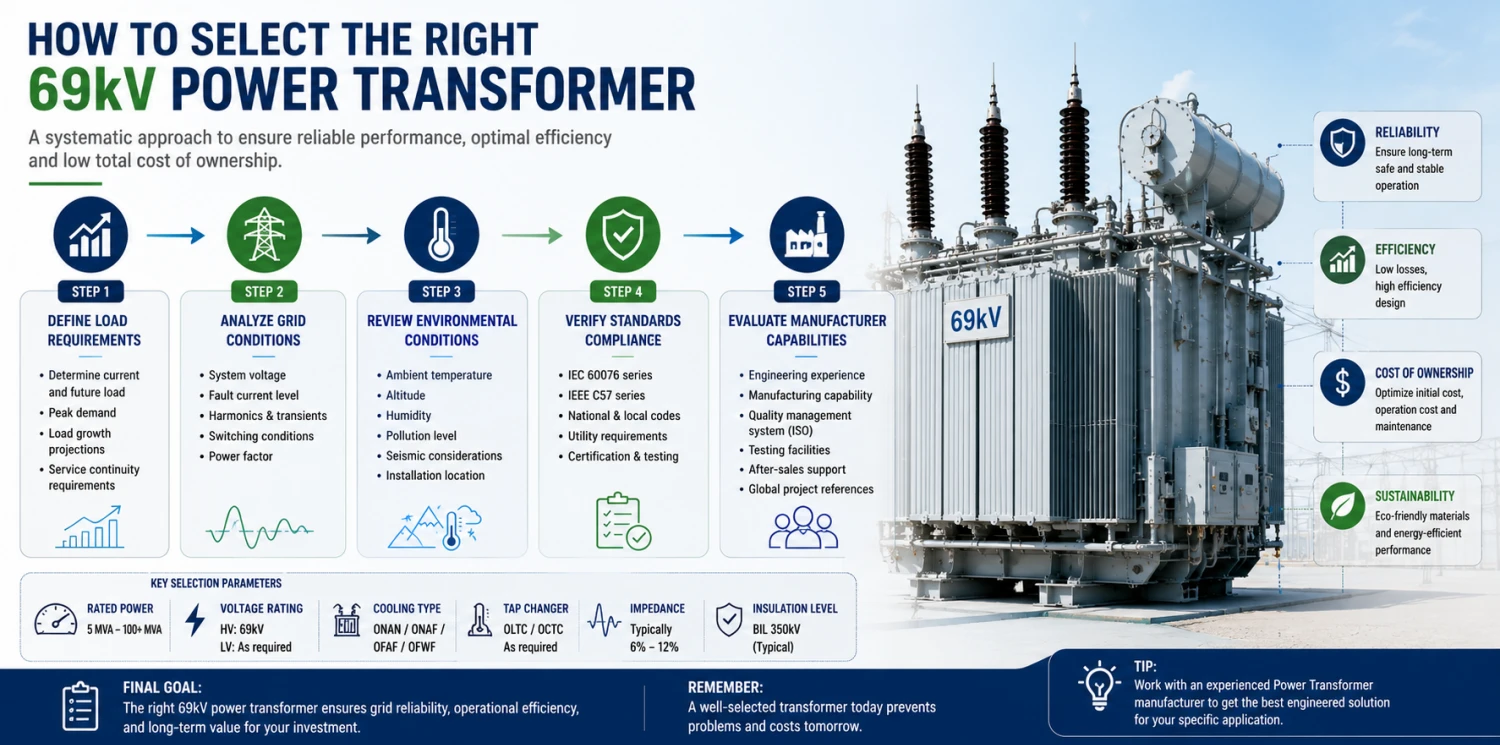
6. How to Select the Right 69kV Power Transformer
Transformer procurement should always begin with system analysis rather than equipment pricing.
Step 1: Define Load Requirements
Determine:
- Peak demand
- Average load
- Future expansion plans
- Load growth projections
Oversizing increases capital costs, while undersizing creates operational limitations.
Step 2: Analyze Grid Conditions
Evaluate:
- Fault current levels
- Harmonic distortion
- Voltage fluctuations
- Switching conditions
Grid characteristics influence transformer design requirements.
Step 3: Review Environmental Conditions
Environmental factors include:
- Ambient temperature
- Humidity
- Altitude
- Pollution level
- Seismic conditions
Transformers installed in deserts, coastal areas, or high-altitude regions require specialized design considerations.
Step 4: Verify Standards Compliance
Key standards include:
IEC Standards
- IEC 60076
- IEC 60296
- IEC 60137
IEEE Standards
- IEEE C57 Series
Compliance ensures safety, performance, and international acceptance.
Step 5: Evaluate Manufacturer Capabilities
Selecting the right Power Transformer manufacturer is often more important than choosing the lowest bid.
Evaluate:
- Engineering expertise
- Manufacturing capacity
- Testing facilities
- Global project references
- Technical support
- Warranty coverage
7. Common Buying Mistakes and How to Avoid Them
Many procurement teams focus heavily on initial purchase price while ignoring total ownership costs.
Mistake 1: Choosing Based on Price Alone
A cheaper transformer may have:
- Higher losses
- Shorter lifespan
- Lower reliability
The lowest purchase price rarely delivers the lowest lifecycle cost.
Mistake 2: Ignoring Future Expansion
Electrical systems often grow faster than expected.
Consider future:
- Load increases
- Additional feeders
- Renewable integration
- Industrial expansion
Mistake 3: Inadequate Testing Requirements
Factory testing should include:
- Ratio testing
- Winding resistance testing
- Insulation resistance testing
- Induced voltage testing
- Lightning impulse testing
- Partial discharge testing
Comprehensive testing significantly reduces operational risk.
Recommended Factory Acceptance Tests for a 69kV Power Transformer
|
Test Category |
Test Item |
Purpose |
|
Routine Test |
Winding Resistance Test |
Verify winding integrity |
|
Routine Test |
Voltage Ratio Test |
Confirm correct transformation ratio |
|
Routine Test |
Vector Group Verification |
Check phase displacement |
|
Routine Test |
No-Load Loss Measurement |
Evaluate core efficiency |
|
Routine Test |
Load Loss Measurement |
Verify copper losses |
|
Type Test |
Lightning Impulse Test |
Simulate lightning surges |
|
Type Test |
Temperature Rise Test |
Verify thermal performance |
|
Special Test |
Partial Discharge Test |
Detect insulation defects |
|
Special Test |
Short Circuit Withstand Test |
Validate mechanical strength |
|
Special Test |
Sound Level Measurement |
Assess operational noise |
Mistake 4: Overlooking Logistics
Large transformers require careful planning for:
- Transportation routes
- Site access
- Crane requirements
- Installation procedures
Logistics challenges can impact project schedules and budgets.
8. Future Trends in 69kV Power Transformer Technology
The transformer industry is rapidly evolving to support grid modernization and decarbonization initiatives.
Digital Monitoring Systems
Smart transformers increasingly incorporate:
- Online dissolved gas analysis
- Moisture monitoring
- Thermal sensors
- Predictive diagnostics
These technologies reduce unplanned outages and maintenance costs.
Eco-Friendly Insulation Fluids
Utilities are adopting:
- Natural ester oils
- Biodegradable dielectric fluids
Benefits include improved fire safety and environmental sustainability.
Renewable Energy Integration
Growing solar and wind capacity requires transformers capable of handling:
- Reverse power flow
- Dynamic loading
- Power quality challenges
High-Efficiency Core Materials
New magnetic materials continue to reduce losses and improve transformer efficiency.
Manufacturers that invest in advanced design technologies are gaining competitive advantages in global export markets.
Frequently Asked Questions (FAQ)
1. What is a 69kV power transformer used for?
A 69kV power transformer is primarily used in utility substations, industrial facilities, renewable energy plants, and infrastructure projects to step voltage up or down between transmission and distribution networks. It enables efficient power transfer, improves voltage regulation, and enhances grid reliability. Common applications include electrical substations, solar farms, wind power projects, mining operations, and manufacturing plants.
2. How do I select the right 69kV power transformer size?
Selecting the correct transformer size requires evaluating peak load demand, future load growth, system voltage requirements, fault current levels, and environmental conditions. Engineers typically perform load flow and system studies to determine the optimal MVA rating. Oversized transformers increase capital costs, while undersized units may reduce system reliability and operational flexibility.
3. What is the typical lifespan of a 69kV power transformer?
A properly designed and maintained 69kV power transformer can operate for 30 to 40 years or longer. Transformer lifespan depends on insulation quality, loading conditions, cooling performance, maintenance practices, and environmental factors. Modern monitoring systems can further extend service life by detecting potential issues before failures occur.
4. What standards apply to 69kV power transformers?
Most 69kV power transformers are designed according to internationally recognized standards such as IEC 60076, IEEE C57 Series, IEC 60296, and IEC 60137. Compliance with these standards ensures safe operation, reliable performance, and acceptance by utilities and industrial customers worldwide.
5. What tests should be performed before purchasing a 69kV power transformer?
Before shipment, manufacturers should perform comprehensive factory acceptance tests (FAT), including winding resistance tests, transformer ratio tests, load and no-load loss measurements, insulation resistance tests, induced voltage tests, lightning impulse tests, and partial discharge tests. These tests verify transformer performance, safety, and compliance with project specifications.
6. How do I choose a reliable power transformer manufacturer?
When selecting a Power Transformer manufacturer, buyers should evaluate engineering expertise, production capacity, testing facilities, quality certifications, international project experience, after-sales support, and warranty coverage. Choosing a manufacturer with proven experience in utility and industrial transformer projects helps ensure long-term reliability and lower lifecycle costs.
Conclusion
A 69kV power transformer is far more than a voltage conversion device—it is a strategic asset that directly impacts grid reliability, energy efficiency, operational safety, and long-term project economics.
When selecting a transformer, engineers and procurement professionals should focus on electrical performance, insulation design, cooling systems, efficiency, standards compliance, and manufacturer capability rather than simply comparing purchase prices. Whether the project involves utility substations, renewable energy facilities, industrial plants, or critical infrastructure, a properly specified transformer delivers decades of dependable service.
As global demand for resilient and sustainable electrical infrastructure continues to grow, advanced electrical transformers, power line transformers, and smart substation technologies will remain essential components of modern power systems. Companies evaluating suppliers—including established brands such as hyundai power transformers and other leading global manufacturers—should prioritize engineering quality, testing rigor, and lifecycle value to ensure successful project outcomes for decades to come.

Related Articles


Related Products
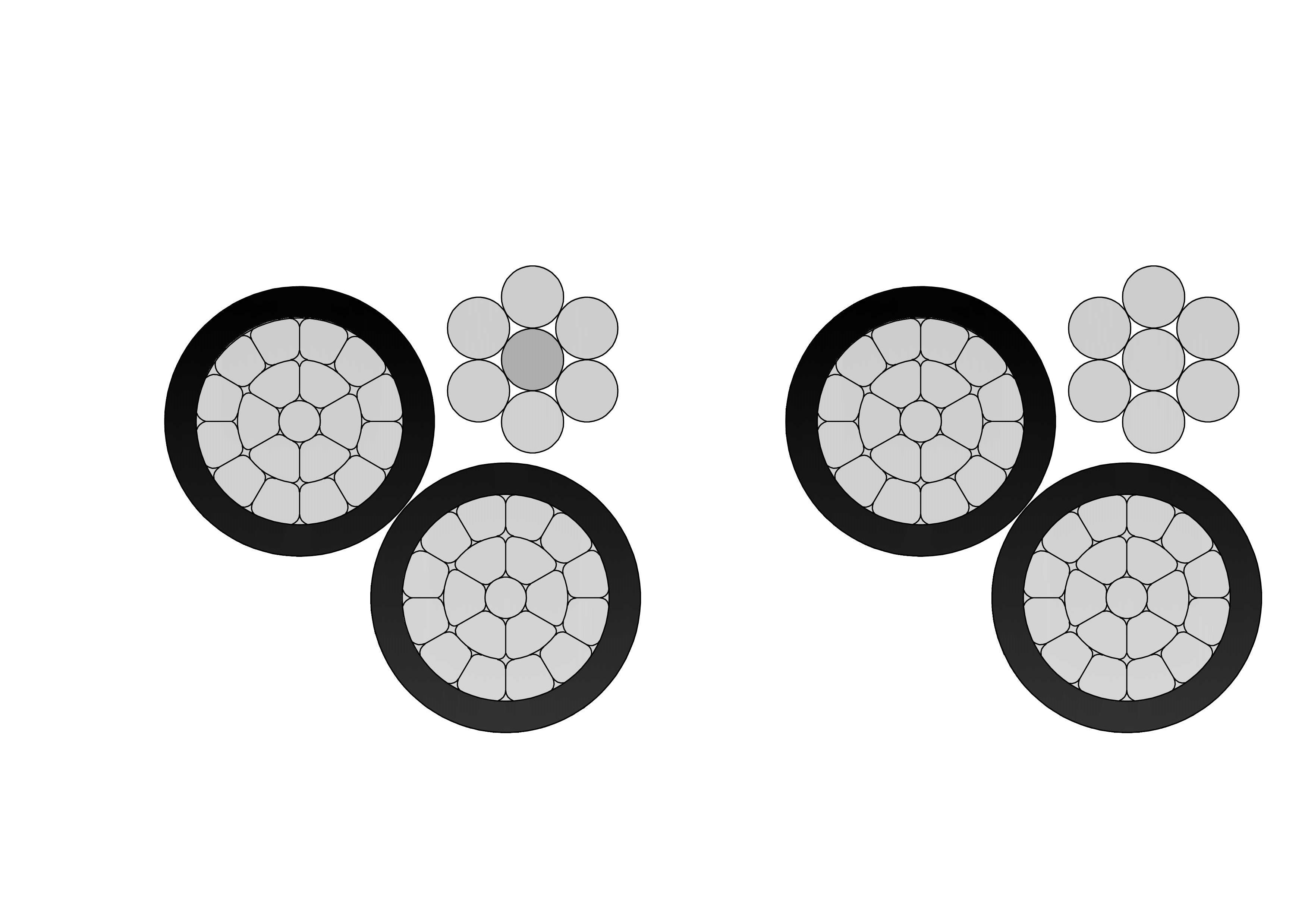
1/0 Echinus Aluminum Conductor Triplex Overhead Service Drop Cable
NPC Electric 1/0 Echinus Triplex Service Drop Cable provides reliable overhead secondary distribution for residential applications. Consisting of two 1/0 AWG aluminum phase conductors and one neutral messenger (7-strand) insulated with cross-linked polyethylene (XLPE) and twisted in triplex form, it meets ASTM, ICEA, and international standards. The robust insulation resists sunlight, moisture, and mechanical damage for decades of outdoor service. Lightweight design simplifies installation with low sag and easy handling. The 1/0 Echinus Triplex Service Drop Cable ensures minimal losses, high current capacity, and excellent weather performance up to 600V. Self-supporting messenger reduces pole loading. Flame-retardant options enhance safety. Commonly chosen for two-phase power delivery with neutral in subdivisions, rural homes, and temporary connections requiring safe, economical aerial bundled solutions with proven durability.
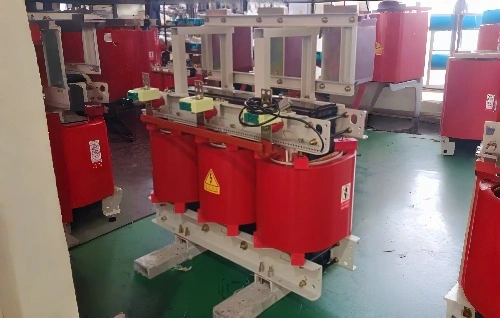
125kVA Cast Resin Dry Type Transformer 3 Phase 10kV/0.4kV Copper Winding IEC Certified
The 125kVA Cast Resin Dry Type Transformer is a compact, three-phase, high-efficiency indoor power transformer engineered for safe and reliable voltage transformation in commercial, institutional, and light-to-medium industrial environments. Featuring advanced cast-resin encapsulation and full copper windings, it eliminates oil-related fire hazards, environmental risks, and routine maintenance while delivering superior performance in confined spaces, high-rise buildings, hospitals, schools, data centers, office complexes, and renewable energy tie-in applications. Fully compliant with IEC 60076-11, IEC 60076-1, IEC 60076-3, IEC 60076-5, IEC 60076-20, IEEE C57.12.01, IEEE C57.12.91, UL 1561 (optional), and DOE 2016 efficiency standards.
100kVA–20MVA Solar Step-Up Transformer for PV Power Plants
The 100kVA–20MVA Solar Step-Up Transformer is engineered specifically for modern solar power plants, providing efficient voltage elevation from inverter output levels to medium- or high-voltage grid requirements. Designed for continuous operation under fluctuating solar loads, this transformer ensures stable power transmission, low energy losses, and high operational reliability. Featuring a robust oil-immersed insulation system, the transformer delivers excellent thermal performance and long service life even in harsh outdoor environments. High-quality copper or aluminum windings, optimized magnetic core design, and advanced cooling configurations contribute to superior efficiency and reduced lifecycle costs. The transformer complies with IEC and IEEE standards, making it suitable for utility-scale photovoltaic projects, distributed generation systems, and renewable energy substations. With flexible capacity coverage from 100kVA to 20MVA, it adapts seamlessly to small, medium, and large solar installations.
0361TQ BS 638 Orange Welding Cable
The 0361TQ BS 638 Orange Welding Cable is a premium, heavy-duty flexible welding cable engineered for demanding welding and high-current applications. It features finely stranded class 5 bare copper conductors for exceptional flexibility and high conductivity, EPR (ethylene propylene rubber) insulation for superior dielectric strength and heat resistance (90°C continuous, 200°C short-term), and a tough chlorinated sulphonated polyethylene (CSP) or polychloroprene (PCP/neoprene) outer sheath in high-visibility orange providing excellent oil resistance, flame retardancy (IEC 60332-1), abrasion/tear resistance, and weatherproofing. Compliant with BS 638 standard and rated 450/750V, it supports high current loads, tight bending radii, and reliable performance in harsh industrial environments. The 0361TQ Orange is ideal for welding machines, electrode holders, earth returns, and portable power connections where durability, flexibility, visibility, and safety are essential.
1/0 Costena Aluminum Quadruplex Overhead Service Drop Cable
The 1/0 Costena Quadruplex Service Drop Cable is a robust overhead cable for three-phase secondary power distribution with neutral. Featuring three 1/0 AWG aluminum phase conductors and one neutral messenger (7-strand) insulated with XLPE or PE and assembled in quadruplex configuration, it offers excellent mechanical strength and weather resistance. Compliant with ASTM B-230, B-231, ICEA S-76-474, and ANSI/ICEA standards, this cable supports 600V applications with superior UV, moisture, and abrasion protection. The self-supporting messenger reduces sag and simplifies installation over medium spans. The 1/0 Costena Quadruplex Service Drop Cable ensures low power losses, high current capacity, and long service life in harsh outdoor conditions. Lightweight and flexible, it is widely used for three-phase service drops in residential subdivisions, commercial buildings, and rural areas requiring safe, cost-effective aerial connections from utility poles to service entrances.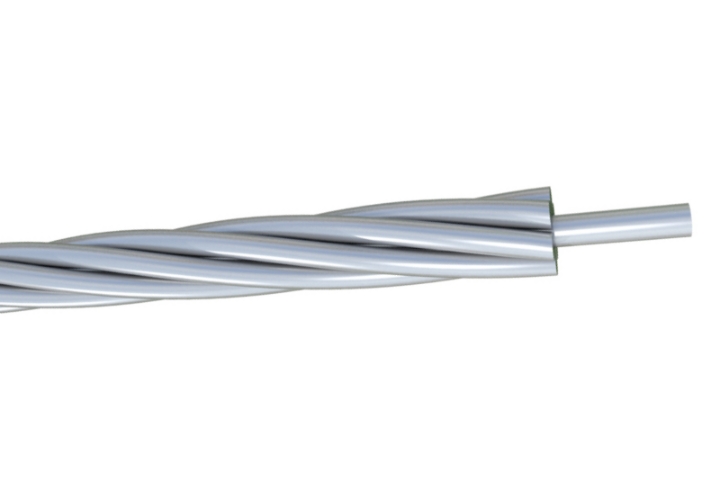
14 Gauge Galvanized Steel Conductor Wire for Power & Grounding Use
14 Gauge Galvanized Steel Conductor Wire is engineered for superior strength, durability, and corrosion resistance in demanding environments. Manufactured using premium-grade carbon steel and processed through advanced hot-dip galvanizing technology, this wire provides a uniform zinc coating that protects against rust, oxidation, and harsh weather conditions. With a precise 14 gauge diameter, the wire offers an optimal balance between flexibility and tensile strength, making it suitable for a wide range of electrical and structural applications. It is widely used in overhead power transmission, grounding systems, agricultural fencing, and industrial binding purposes. The smooth surface finish ensures easy installation while minimizing wear during handling. Designed to meet international standards such as ASTM and IEC, this conductor wire guarantees consistent performance and long service life. Customization options are available in terms of coating thickness, tensile strength, and packaging, allowing it to meet specific project requirements across various industries.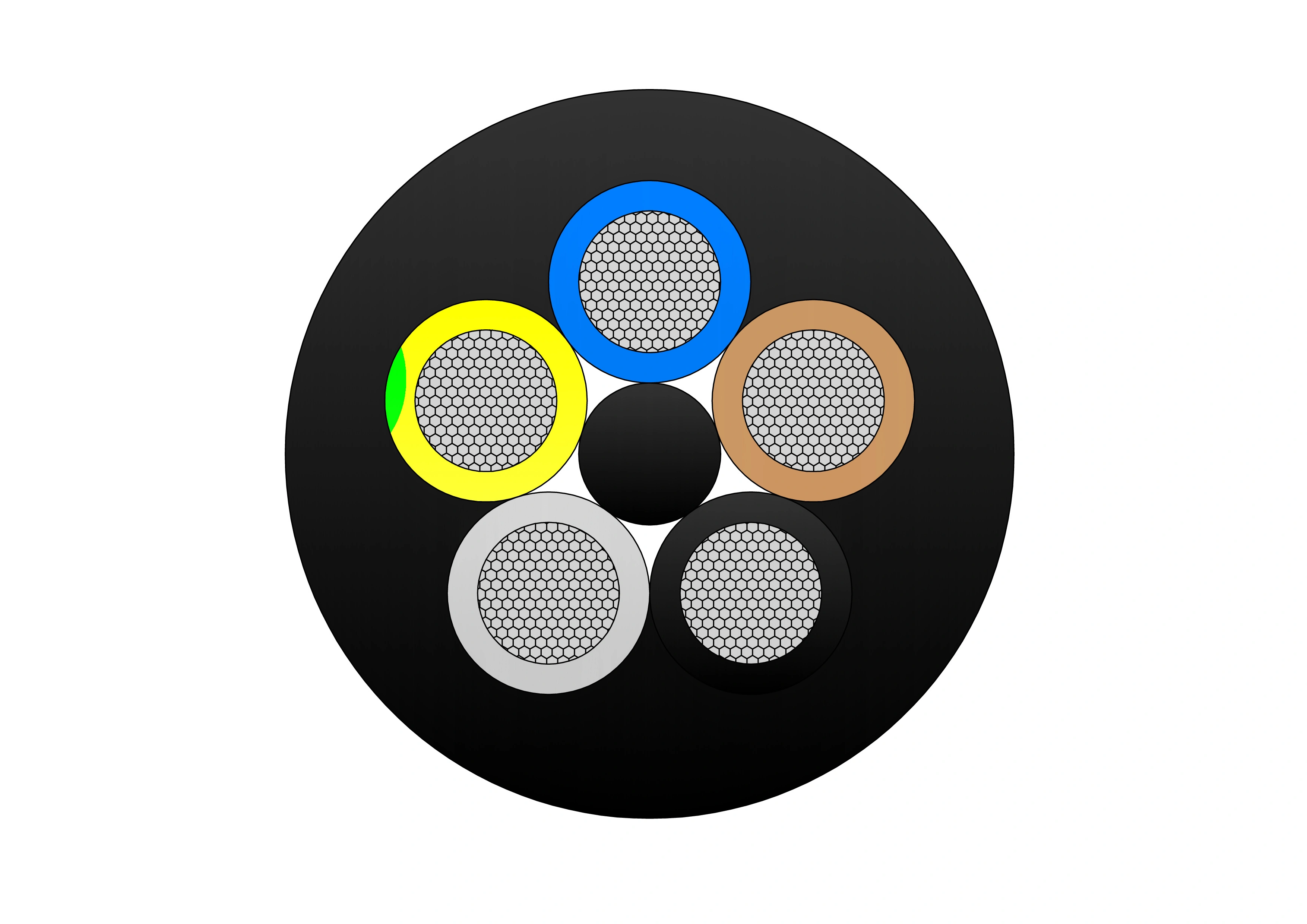
(N)TSCGEWOU 3.6/6kV, 6/10kV, 8.7/15kV and 12/20kV Submersible Cable
The (N)TSCGEWOU 3.6/6kV, 6/10kV, 8.7/15kV and 12/20kV Submersible Cable is a robust, flexible medium-voltage cable optimized for full submersion in mining and industrial water environments. It comprises class 5 tinned copper conductors for corrosion resistance, semi-conductive screens, EPR insulation for reliable dielectric and thermal properties (90°C rating), copper braid screen for shielding, control/monitoring conductors, and a high-performance watertight rubber outer sheath incorporating water-blocking elements to resist high hydrostatic pressure and prevent longitudinal/transverse water ingress. Compliant with DIN VDE 0250 and IEC standards, it provides excellent mechanical strength, flame retardancy, oil/chemical resistance, and flexibility for dynamic submersible use. The (N)TSCGEWOU Submersible is ideal for reliable power delivery to submersible pumps, dredgers, and underwater equipment in flooded mines, tunnels, and offshore applications.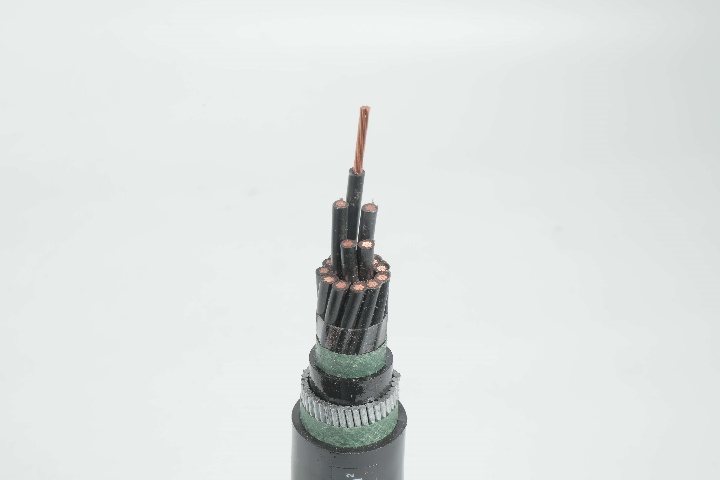
LiHCH LSZH Screened Control Cable - 300/500V Halogen-Free Flexible Cable
The LiHCH Control Cable is a halogen-free screened flexible control cable engineered for modern safety-critical applications. It consists of finely stranded copper conductors with LSZH insulation, twisted cores, a tinned copper braid screen for effective EMI protection, and an LSZH outer sheath. This design combines high flexibility, reliable signal transmission, superior fire safety, and minimal smoke and toxic gas emission during combustion. Rated 300/500V, the LiHCH LSZH Screened Control Cable is particularly suitable for public infrastructure, transportation hubs, hospitals, and industrial facilities where fire safety regulations are strict. Manufactured under strict quality control from raw materials to finished product, it meets international standards and provides a safe, reliable solution for control and signal circuits.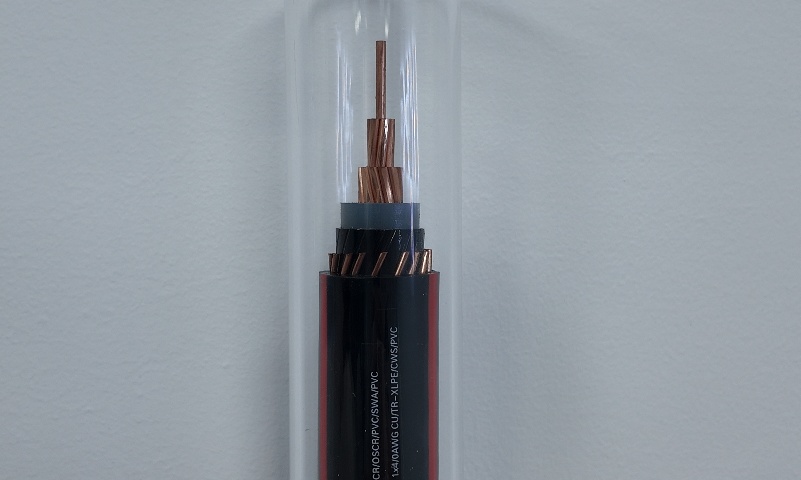
Triplex URD Cable
The Triplex URD Cable is a cost-effective and reliable 600V underground residential distribution cable engineered for service entrance and secondary power delivery. It consists of three insulated AA8000 aluminum alloy phase conductors and a concentric neutral, all encased in a durable black polyethylene sheath. The triplex design offers a compact footprint, excellent flexibility, and easy handling during direct burial installation. With XLPE insulation, this cable provides superior electrical performance and moisture resistance. Lightweight and corrosion-resistant, the Triplex URD Cable is an economical alternative to copper while maintaining high conductivity and mechanical strength. Manufactured to UL 854 and ICEA standards, it undergoes extensive quality testing to ensure consistent performance and long service life in underground environments.
8 Gauge Galvanized Steel Conductor Wire
The 8 Gauge Galvanized Steel Conductor Wire is engineered for demanding utility applications, delivering reliable high-strength performance with outstanding corrosion resistance. Produced with heavy hot-dip galvanizing, this 8 AWG wire features a uniform zinc coating that effectively protects against rust in challenging environments. It performs exceptionally well as overhead ground wire, static wire, or guy wire for pole guying in power transmission and distribution systems. Meeting ASTM A475 requirements, the 8 Gauge Galvanized Steel Conductor Wire provides excellent tensile strength and long service life with minimal maintenance. Rigorous quality testing throughout production ensures consistent mechanical properties and coating integrity, making it a cost-effective and dependable solution for shielding and structural support in overhead lines.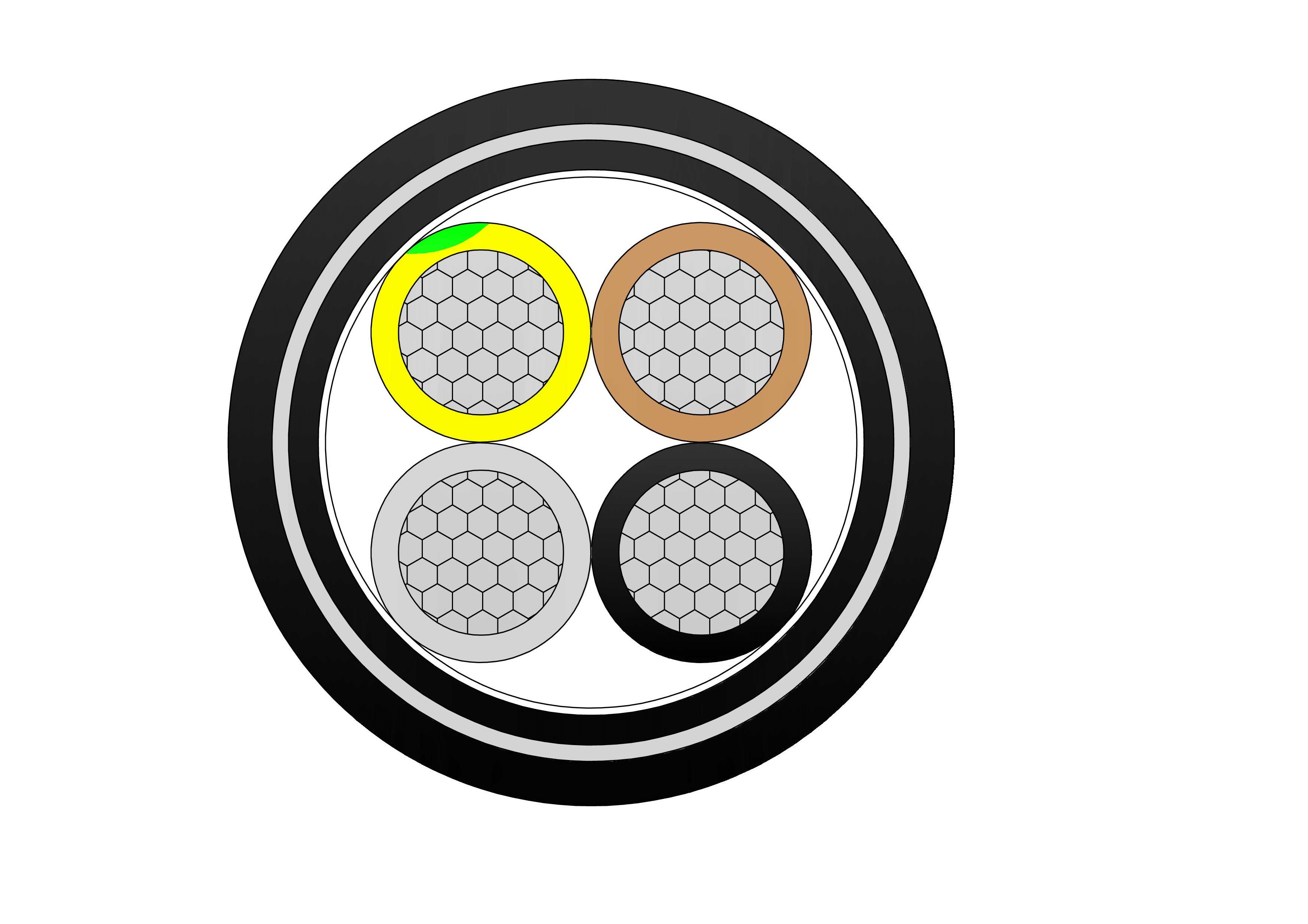
NAYBY 0.6/1kV Low Voltage Power Cable
NAYBY 0.6/1kV are low voltage power cables designed according to DIN VDE 0276 standard, suitable for fixed installation in indoor, outdoor, underground, cable ducts, or concrete (not exposed to vibration), with steel tape armoring providing additional mechanical protection. Featuring stranded or solid aluminium conductors, PVC insulation, filler, and robust PVC outer sheath, it complies with VDE 0276-603 and IEC standards. This unarmoured cable offers good electrical properties, mechanical strength, and resistance to moisture and chemicals. Lightweight aluminium design reduces installation and material costs compared to copper equivalents. Suitable for direct burial, ducts, or indoor fixed installations where mechanical protection is not critical. Flame-retardant with adequate current-carrying capacity, the NAYBY 0.6/1kV Low Voltage Power Cable ensures reliable performance with minimal losses.
Aluminum URD Cable
The Aluminum URD Cable is a practical and economical 600V underground residential distribution cable engineered for service entrance and secondary power delivery. It utilizes stranded AA8000 aluminum alloy conductors with XLPE insulation and a concentrically stranded aluminum alloy neutral, all encased in a durable black polyethylene sheath. This design offers excellent flexibility, high conductivity, and superior moisture resistance, making it suitable for direct burial or conduit installations. Lightweight and corrosion-resistant, the Aluminum URD Cable provides a cost-effective alternative to copper while maintaining strong mechanical performance and long service life. Manufactured to UL 854 and ICEA standards, it undergoes extensive quality testing to ensure consistent performance in underground environments.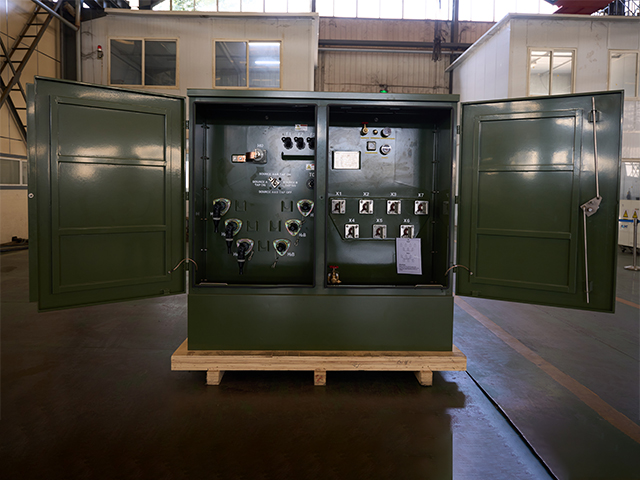
250kVA Three Phase Pad Mounted Transformer
The 250kVA Three Phase Pad Mounted Transformer is a compact, liquid-immersed, self-cooled (ONAN) distribution transformer optimized for efficient, underground power delivery in residential, light commercial, and small industrial applications. Fully compliant with IEEE C57.12.34, ANSI C57.12.00, DOE 2016 efficiency standards, and UL-listed, this compartmental-type unit features dead-front 200A high-voltage bushing wells (loadbreak inserts), radial or loop feed options, and a sealed tank using non-PCB mineral oil or FR3 natural ester fluid for improved fire safety and environmental performance.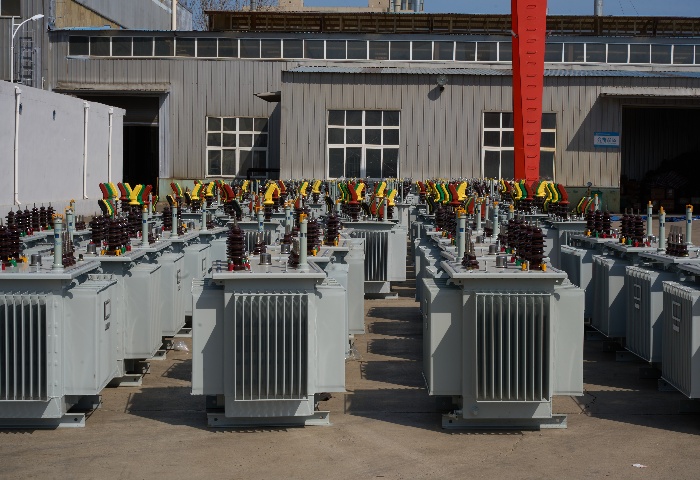
35kV Oil Immersed Transformer
NPC ELECTRIC's 35kV Oil Immersed Transformer is a premium three-phase power transformer optimized for high-voltage step-down in 50/60Hz AC systems with primary ratings of 35kV (or 33-38.5kV range). It incorporates a robust conservator or fully sealed tank design with efficient radiator cooling (ONAN standard, ONAF optional), ensuring exceptional thermal dissipation, moisture exclusion. Outdoor-rated with pollution-resistant bushings (BIL 170-200kV), Dyn11/Ynd1 vector groups, and low noise (<62dB), it provides stable 35kV to secondary voltages (e.g., 10kV/6.3kV/0.4kV) conversion, enhancing grid stability, minimizing transmission losses, and supporting demanding applications in harsh or high-altitude conditions.2Y-high-voltage-power-cable-2.webp)
High Voltage / 2XS(FL)2Y, A2XS(FL)2Y 110kV Power Cable
2XS(FL)2Y / A2XS(FL)2Y 110kV High Voltage Power Cable is a longitudinally watertight, XLPE-insulated cable designed for primary power distribution up to 110kV (123kV highest). It features a Class 2 copper or aluminium conductor, extruded semi-conductive XLPE screens, and XLPE insulation applied via a three-layer co-extrusion process for superior electrical performance. A laminated aluminium or copper moisture barrier with copolymer coating provides excellent water and gas resistance, while HDPE oversheath ensures high abrasion resistance and flexibility. The copper wire screen with counter-helical copper tape offers optimal shielding, and water swellable tapes ensure longitudinal water blocking. Manufactured to IEC 60840, HRN HD 632, and IEC/EN 60228 standards, this cable is ideal for underground installations requiring high reliability and moisture protection.Welcome your inquiry
Honesty, Integrity, Frugality, Activeness and Passion