How to Choose Underground Power Lines? A Complete Engineering & Procurement Guide
2026-05-27
With the rapid modernization of global electricity grids, the demand for underground power lines is increasing across residential, commercial, and utility-scale projects. Compared with traditional overhead power lines, power lines underground offer improved reliability, enhanced safety, and better adaptability to modern infrastructure.
For property owners, utilities including public service providers, and EPC contractors, selecting the right underground power cable system is a critical engineering and investment decision.
1. What Are Underground Power Lines?
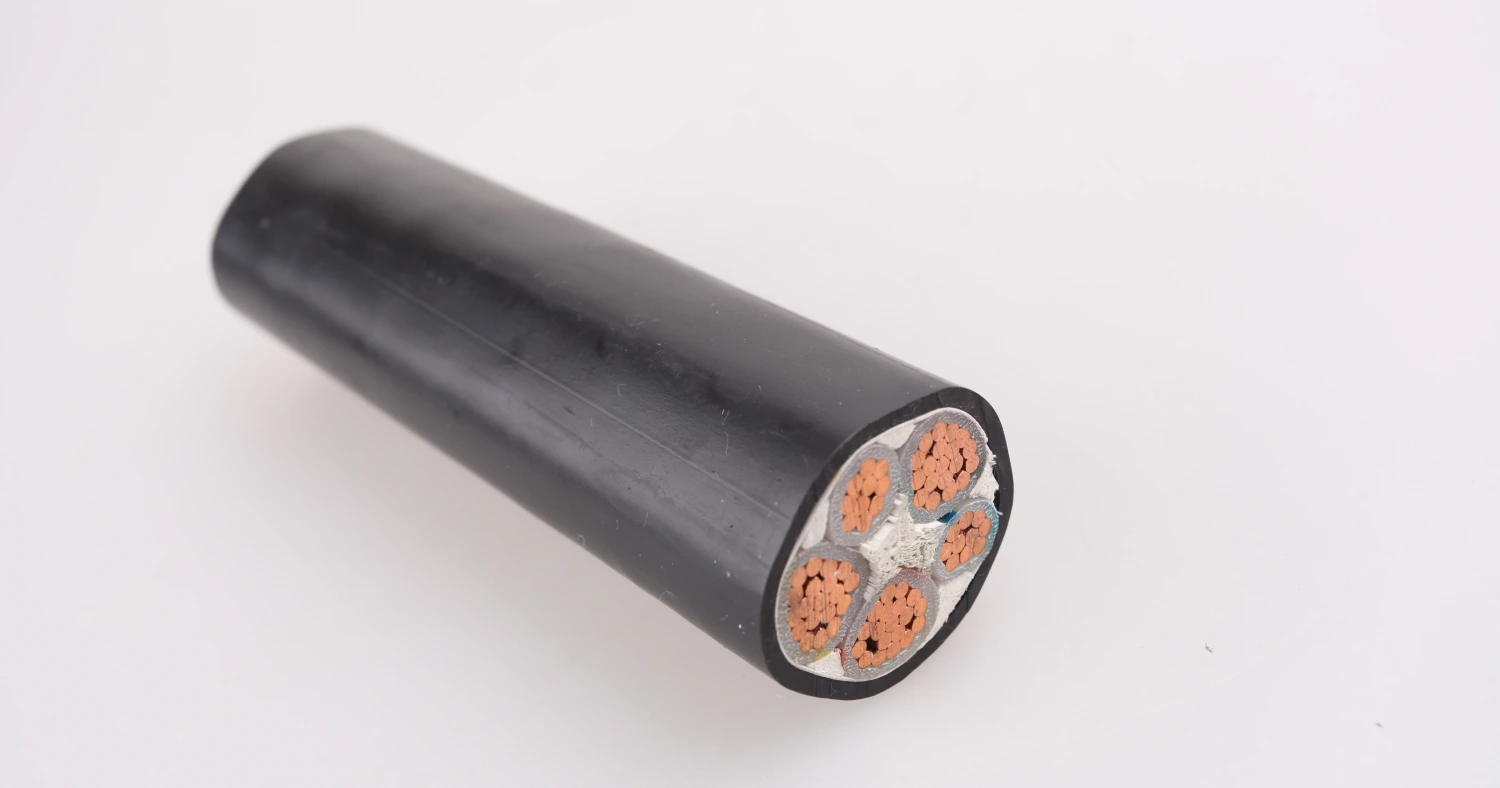
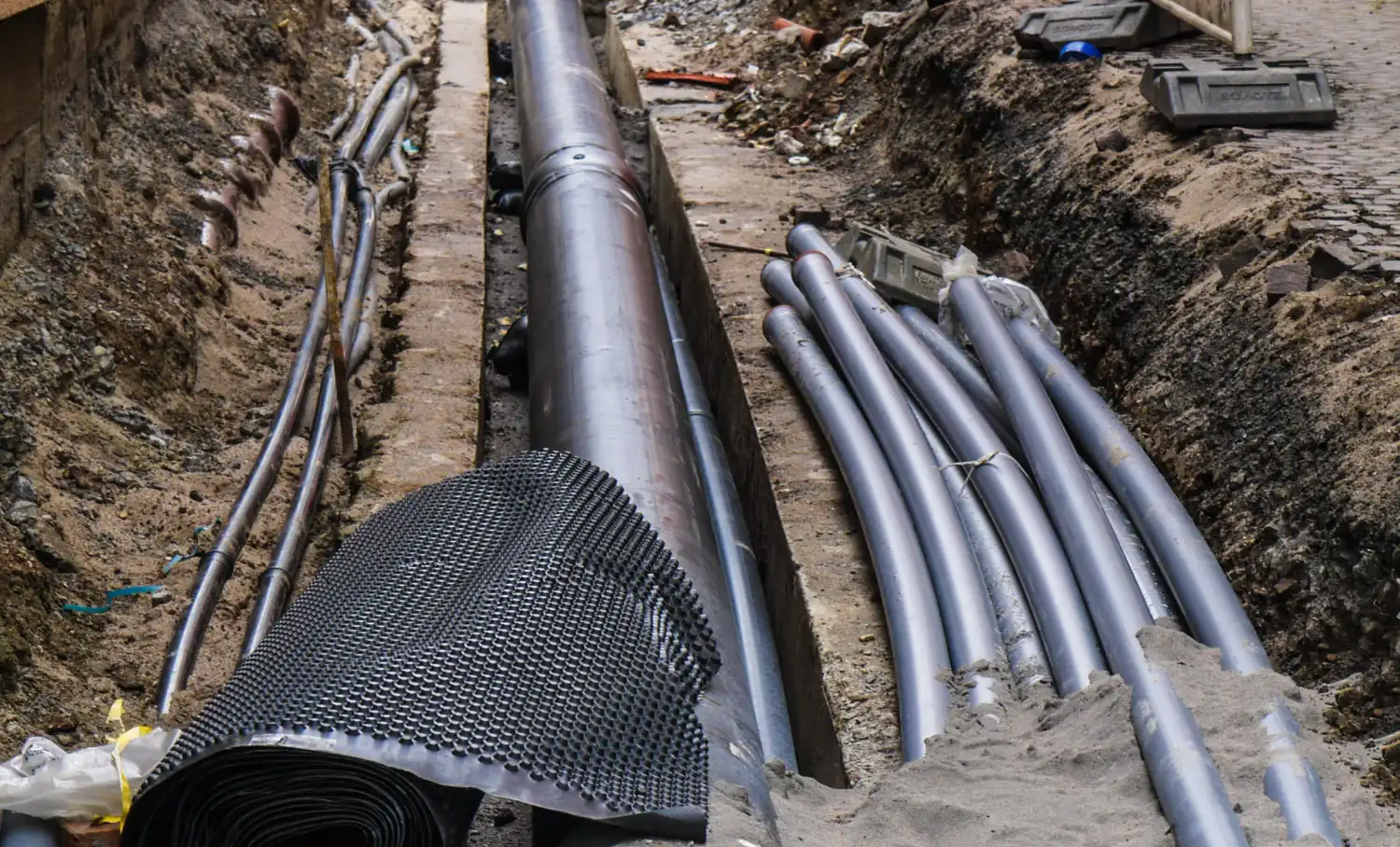
Underground power lines, also known as buried power cables or underground electrical distribution/transmission lines, are electrical cables installed below ground in trenches, conduits, or ducts to deliver electricity from substations to homes, businesses, and industries. They are insulated distribution lines installed below ground using specialized high voltage cable or low/medium voltage cable systems. Unlike overhead power lines suspended on poles, these systems use insulated, high-voltage or medium-voltage cables (e.g., XLPE-insulated, armored or unarmored) buried at depths of 2–4 feet or more, protected by conduits, sand backfill, warning tapes, and markers to prevent accidental damage.
Key advantages include superior resilience to extreme weather—protected from high winds, falling trees, ice storms, hurricanes, wildfires, and vehicle collisions—leading to fewer outages and enhanced grid reliability. They also improve aesthetics by eliminating visible poles and wires, reduce wildfire ignition risks, and support urban/smart city development. In 2026, utilities accelerate undergrounding amid surging demand from AI data centers, EV charging, renewables integration, and climate resilience mandates (e.g., PG&E's 1,200+ miles buried, costs dropping to ~$2.8M/mile).
Disadvantages involve higher initial installation costs (3–10x overhead), longer repair times (fault location and excavation challenges), vulnerability to flooding, earthquakes, or digging damage, and potential thermal constraints.
With the global underground power cables market growing at ~7–8% CAGR toward $60+ billion by 2034—driven by grid modernization and electrification—underground power lines are becoming essential for resilient, future-proof energy infrastructure.
Applications
- Residential underground power lines
- Industrial power supply
- Renewable energy systems
- Urban grid infrastructure
2. Underground Power Lines vs Overhead Power Lines
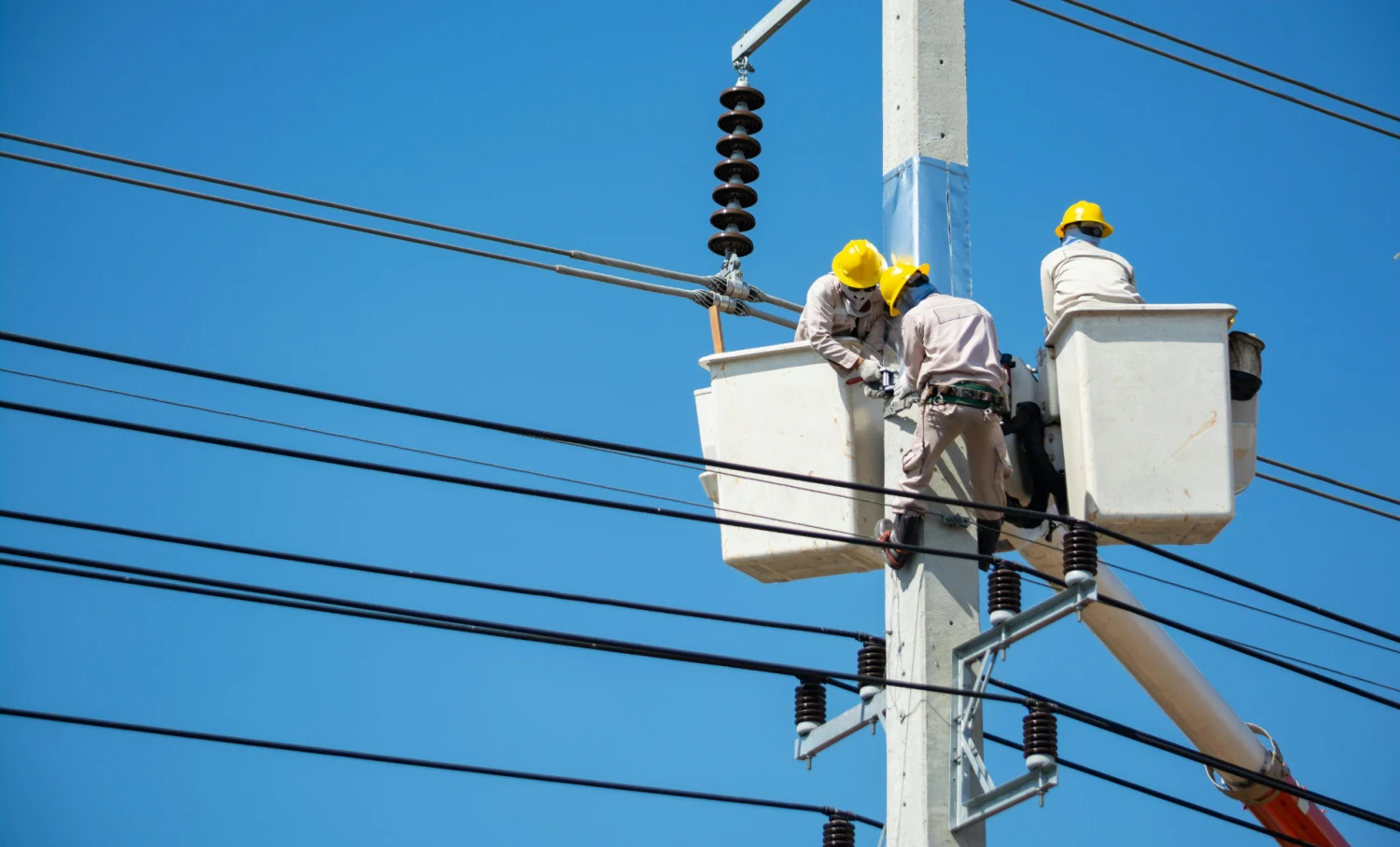
Underground power lines (buried cables) and overhead power lines (poles and wires) represent two primary methods for electricity distribution and transmission. Each has distinct advantages, drawbacks, and ideal use cases, especially as grid resilience and modernization accelerate in 2026.
Overhead Power Lines
- Advantages: Lower initial cost (often 3–10x cheaper to install), faster deployment and repairs, easier fault detection and maintenance, scalable for long-distance high-voltage transmission.
- Disadvantages: Vulnerable to extreme weather (hurricanes, ice storms, high winds, wildfires), tree damage, vehicle collisions, visual pollution, higher outage frequency in storm-prone areas, and wildfire ignition risks.
Underground Power Lines
- Advantages: Superior weather resilience (protected from storms, falling trees, ice), dramatically fewer outages (up to 90% reduction in storm events), enhanced aesthetics (no visible poles/wires), lower wildfire risk, better urban integration, and support for smart grid/renewable integration.
- Disadvantages: Significantly higher upfront costs ($2.8–$10M per mile vs $0.5–$2M overhead), longer and more complex repairs (fault location + excavation), vulnerability to flooding/earthquakes/digging damage, thermal limitations, and extended lead times for installation.
In 2026, utilities increasingly favor underground power lines in high-risk zones, urban areas, new developments, and data-center corridors, driven by climate resilience mandates, AI/electrification load growth, and cost reductions. The global underground cables market grows at ~7–8% CAGR toward $60+ billion by 2034, while overhead remains dominant for rural/long-haul transmission.
|
Feature |
Underground Power Lines |
Overhead Power Lines |
|
Reliability |
High |
Affected by weather |
|
Safety |
Safer for public |
Higher exposure risk |
|
Installation Cost |
High |
Low |
|
Maintenance |
Low frequency |
Frequent |
|
Weather Impact |
Minimal |
High (especially high winds) |
Key Insight
In regions with storms or high winds, undergrounding power lines significantly improves reliability for homes and businesses.
3. Types of Underground Power Cable
Underground power cables are classified by voltage, insulation, construction, and application to meet diverse grid needs. Common types include:
- Low-Voltage (LV) Cables (≤1kV): XLPE or PVC-insulated, often 4-core for residential/commercial distribution; armored (e.g., SWA) for mechanical protection.
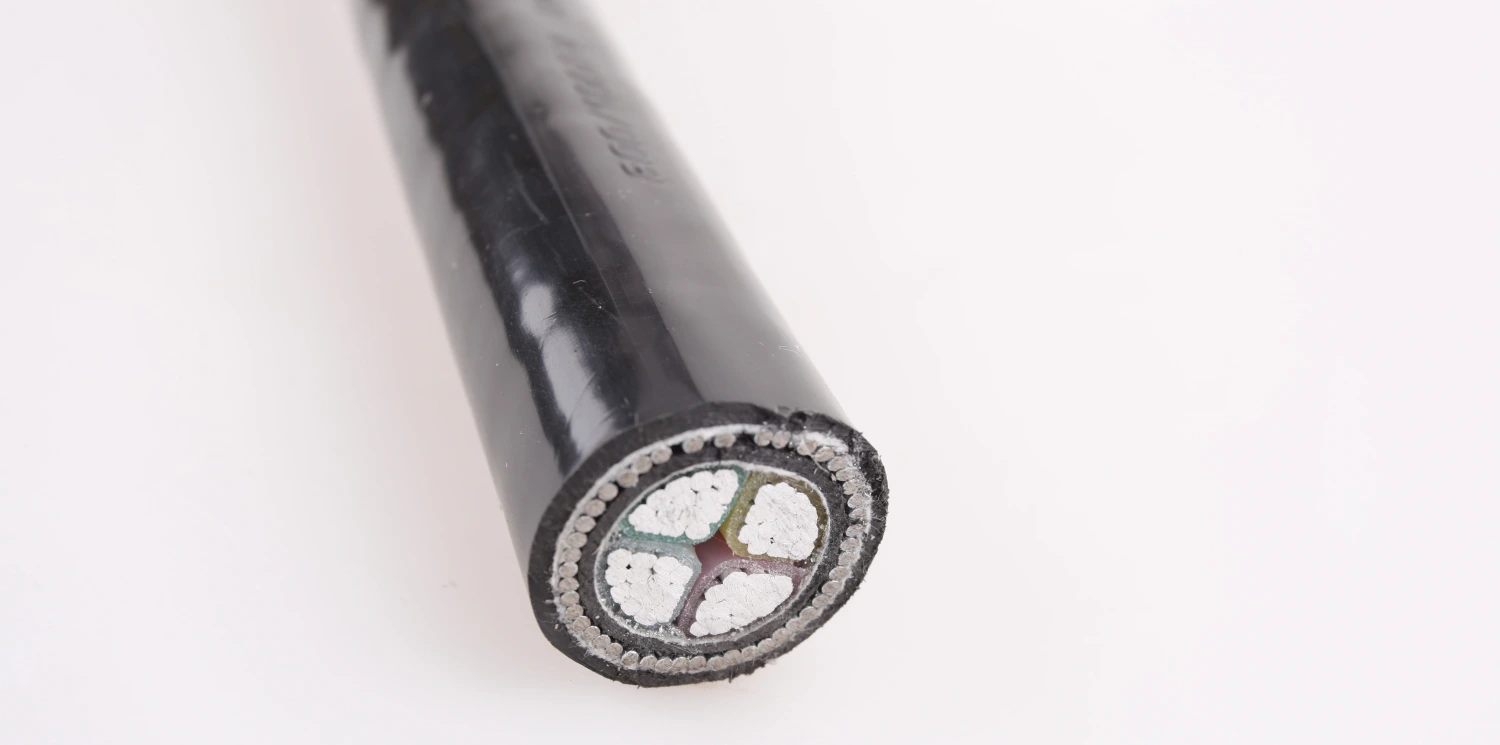
- Medium-Voltage (MV) Cables (1–35kV): XLPE-insulated with copper/aluminum conductors, copper wire/tape screen, and HDPE/PVC sheath; widely used in urban/suburban networks.
- High-Voltage (HV) Cables (66–220kV): XLPE-insulated, corrugated aluminum sheath, lead sheath options, and fiber-optic monitoring for transmission.
- Extra-High-Voltage (EHV) Cables (≥220kV): Advanced XLPE with semi-conductive layers, metallic sheaths, and cooling systems for long-distance bulk power.
- Specialized Types: Fire-resistant, low-smoke zero-halogen (LSZH), submarine, direct-buried armored (e.g., AWA/SWA), and EPR-insulated for harsh environments.
In 2026, XLPE-insulated cables dominate due to superior dielectric strength, thermal performance, and cost-efficiency, supporting the booming underground power cables market (growing ~7–8% CAGR toward $60+ billion by 2034) amid grid resilience, urbanization, and renewable integration demands.
|
Type |
Voltage Level |
Application |
|
Low Voltage Cable |
≤1 kV |
Residential |
|
Medium Voltage Cable |
1–35 kV |
Distribution lines |
|
High Voltage Cable |
66-220kV |
Transmission |
|
Extra-High-Voltage (EHV) Cables |
≥220kV |
long-distance bulk power |
Insulation Options
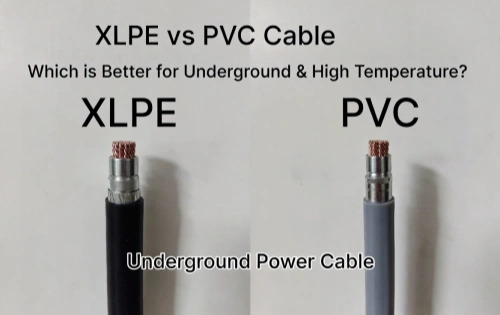
- XLPE (preferred for durability)
- PVC (cost-effective)
- EPR (flexible environments)
4. Underground Power Lines to House
Underground power lines to house (also called residential underground service laterals or buried service entrances) deliver electricity from the utility pole or transformer directly to a home via cables buried underground, replacing traditional overhead service drops. In 2026, this setup is increasingly common in new subdivisions, storm-prone areas, urban retrofits, and premium neighborhoods for enhanced reliability and aesthetics.
Key features include:
- Cables (typically 200–400A rated, 600V class, XLPE or EPR-insulated, triplex or quadplex aluminum/copper conductors) run in PVC conduit or direct-buried at 24–36 inches depth.
- Protected by warning tape, sand bedding, and rigid conduit near risers.
- Service entrance terminates at the meter base or main panel via weatherhead/riser or underground feed-through.
Advantages for homeowners: dramatically fewer outages from wind, ice, trees, or vehicles; cleaner look (no visible wires/poles); reduced wildfire risk; higher property value in many markets.
Drawbacks: higher installation cost ($5,000–$15,000+ for new/retrofit vs $1,000–$3,000 overhead), longer repair times if damaged (e.g., by digging), and potential flooding issues in low-lying areas.
With utilities accelerating underground conversions amid extreme weather and grid modernization, underground power lines to house are becoming the preferred choice for resilient, future-proof residential power delivery.
Key Elements
|
Component |
Function |
|
Service Cable |
Connects grid to house |
|
Distribution Panel |
Power control |
|
Protection System |
Safety |
Practical Tip
For underground power lines to house, always prioritize insulation, waterproofing, and proper routing.
5. How to Find Underground Power Lines
Finding underground power lines (buried electrical cables) before digging is essential to prevent dangerous shocks, outages, fires, costly repairs, and legal issues. In 2026, with accelerating grid undergrounding for resilience against extreme weather and data-center loads, accurate locating remains critical for homeowners, DIYers, and contractors.
Step-by-step best practices:
- Call 811 (or Local "Call Before You Dig" Service) — The #1 rule: Dial 811 (free in the US/Canada) or visit your regional site (e.g., 811beforeyoudig.com) at least 2–3 business days before digging. Utility companies mark public lines (power, gas, water, telecom) with flags/paint—no charge. This covers utility-owned lines to your meter.
- For Private/Secondary Lines — 811 may not mark homeowner-installed or post-meter cables (e.g., to sheds, pools, lights). Hire a professional locator or rent/buy an underground cable locator (electromagnetic tools like Noyafa NF-826, Klein, or advanced RTK models) for precise tracing.
- Use Professional Tools — Cable/pipe locators detect signals (active mode: inject traceable signal; passive: detect live AC fields). Metal detectors or AM radio tricks work for energized lines but are less reliable.
- Hand Dig Carefully — Even after marking, pothole (hand dig) 12–18 inches around marks to verify depth/location before mechanical digging.
- Observe Signs — Look for utility pedestals, meters, risers, or warning tapes as clues.
6. Cost of Underground Power Lines & ROI Analysis
Cost Comparison
|
Cost Factor |
Underground |
Overhead |
|
Installation |
High |
Low |
|
Maintenance |
Low |
Higher |
|
Outage Cost |
Minimal |
High |
|
Lifecycle Cost |
Competitive |
Moderate |
ROI Insight
Although initial investment is higher, underground power lines provide:
- Lower long-term maintenance
- Reduced outage losses
- Higher reliability in extreme weather
👉 Particularly valuable in areas with high winds and unstable climates.
7. Underground Power Cable Installation Process
Step-by-Step Installation
- Site survey & planning
- Trenching or drilling
- Cable laying
- Protection (duct or shielding)
- Backfilling
- Testing & commissioning
Installation Methods
|
Method |
Advantage |
Application |
|
Direct Burial |
Low cost |
Rural areas |
|
Duct System |
Easy maintenance |
Urban projects |
|
Tunnel System |
High capacity |
Large infrastructure |
8. Applications of Underground Power Lines
Underground power lines (buried electrical cables) are widely applied across voltage levels and sectors for enhanced reliability, weather resilience, aesthetics, and safety. Below is a concise table summarizing key applications, typical voltage classes, primary benefits, and common use cases.
|
Application Sector |
Voltage Class |
Primary Benefits |
Common Use Cases / Examples |
|
Residential Distribution |
Low Voltage (≤1 kV) |
Fewer outages from weather/trees, cleaner aesthetics, higher property value |
New subdivisions, storm-prone neighborhoods, urban retrofits, service laterals to homes |
|
Commercial & Urban Distribution |
Low/Medium Voltage (≤35 kV) |
Reduced visual clutter, improved reliability in dense areas, pedestrian safety |
City centers, shopping districts, office parks, high-traffic zones where overhead is impractical |
|
Industrial & Large Facilities |
Medium Voltage (1–35 kV) |
Reliable power for critical operations, protection from external damage |
Factories, data centers, refineries, hospitals, campuses requiring uninterrupted supply |
|
Renewable Energy Integration |
Medium/High Voltage (up to 220 kV) |
Efficient evacuation of variable power, minimal land impact |
Solar farms, wind parks, HVDC links, grid connections for renewables |
|
Substation & Grid Modernization |
Medium/High Voltage |
Enhanced resilience against extreme weather/wildfires, faster storm recovery |
Targeted undergrounding of outage-prone segments, substation feeds, smart grid upgrades |
|
Transmission (Long-Distance) |
High/Extra-High Voltage (66–500+ kV) |
Bulk power transfer in constrained corridors, reduced wildfire ignition risk |
Urban/suburban crossings, environmentally sensitive areas, underwater/submarine links (limited due to high cost) |
|
Rail Transit & Infrastructure |
Medium Voltage |
Vibration-resistant, safe in tunnels/rights-of-way |
Railways, metros, airports, signaling/power supply systems |
|
Disaster-Prone & Resilient Zones |
All classes |
Protection from hurricanes, ice storms, high winds, falling trees |
Coastal regions, wildfire-prone areas (e.g., California utilities like PG&E), extreme weather hardening projects |
9. Regulations and Standards
Underground power lines must comply with strict international, national, and local regulations to ensure safety, reliability, and performance. Key standards in 2026 include:
- IEC 60502 (Power cables with extruded insulation for rated voltages 1–30 kV) — Global benchmark for medium-voltage underground cables.
- IEC 60840 & IEC 62067 — High-voltage (HV) and extra-high-voltage (EHV) power cables (66 kV+).
- NEC (National Electrical Code) — NFPA 70 (US): Articles 300, 310, 680 cover burial depths, protection, grounding, and residential/commercial installations.
- NESC (National Electrical Safety Code) — C2 (IEEE): Rules for underground distribution/transmission, clearances, and fault protection.
- IEEE 835 & IEEE 141 — Installation practices and ampacity calculations.
- Local/Regional Codes — e.g., EU EN 50525, China GB/T 12706, UK BS 7870; plus utility-specific requirements (PG&E, Con Edison).
|
Region |
Standard |
Focus |
|
International |
IEC |
Performance |
|
USA |
NEC |
Installation safety |
|
Europe |
VDE |
Engineering quality |
|
UK |
BS |
Burial & insulation |
Key Compliance Factors
- Burial depth requirements
- Grounding systems
- Safety distances
10. Future Trends in Underground Power Systems
Underground power systems—encompassing buried transmission, distribution, and service lines—are undergoing rapid transformation in 2026, driven by extreme weather resilience, surging electricity demand from AI data centers, electrification (EVs, reshoring), renewable integration, and grid modernization. Key future trends include:
- Accelerated Undergrounding & Cost Optimization — Utilities target widespread underground conversions in high-risk zones (wildfires, hurricanes, storms), with costs dropping (e.g., PG&E aiming ~$2.8M/mile by late 2026 via standardized designs/processes). Targeted undergrounding (outage-prone segments) prioritizes benefit-cost over full replacement.
- Smart & Digital-Integrated Cables — Adoption of sensor-embedded cables, real-time monitoring, fault detection, and smart grid compatibility for predictive maintenance, dynamic rating, and enhanced situational awareness.
- Advanced Materials & Technologies — Shift to high-performance XLPE/EPR insulation, high-temperature superconductors (HTS) for higher capacity/low-loss HV lines, low-smoke zero-halogen (LSZH) for safety, and eco-friendly/recyclable variants aligning with sustainability mandates.
- Renewable & HVDC Focus — Specialized underground/high-voltage direct current (HVDC) cables for offshore wind/solar evacuation, cross-border interconnections, and bidirectional flows in smart grids.
- Market Surge — The global underground power cables market grows robustly at ~7–8% CAGR, from ~$32–35B in 2025 toward $50–60B+ by 2033–2035, fueled by urbanization, infrastructure investments, and resilience needs in North America, Europe, and Asia-Pacific.
These trends position underground power systems as essential for reliable, resilient, and sustainable energy delivery amid electrification and climate challenges.
11. Frequently Asked Questions (FAQ)
Are underground power lines better than overhead?
Yes, they provide better reliability and are less affected by weather.
How deep are underground power lines buried?
Typically 0.5–1.5 meters depending on standards.
How to find underground power lines?
Using detection tools or contacting utilities.
Are underground power lines expensive?
Yes initially, but cost-effective long term.
Choosing the right underground power lines involves balancing engineering requirements, cost, and long-term reliability. With increasing demand for stable power grids and resilient infrastructure, undergrounding power lines is becoming the preferred solution worldwide.

Related Articles

Related Products

500kVA Three Phase Pad Mounted Transformer
The 500kVA three-phase pad transformer is an efficient and sturdy power equipment designed for commercial, industrial and distribution systems. It has a compact design and a protective casing that meets NEMA 3R or higher standards. It is suitable for various outdoor environments and can effectively resist external factors such as weather, dust and moisture. It can meet the power needs of different regions and has a variety of optional functions, such as load regulation and temperature control systems, to further improve its operating efficiency and safety. The built-in protection device can effectively prevent overload, short circuit and other faults to ensure the safe and reliable operation of the power system.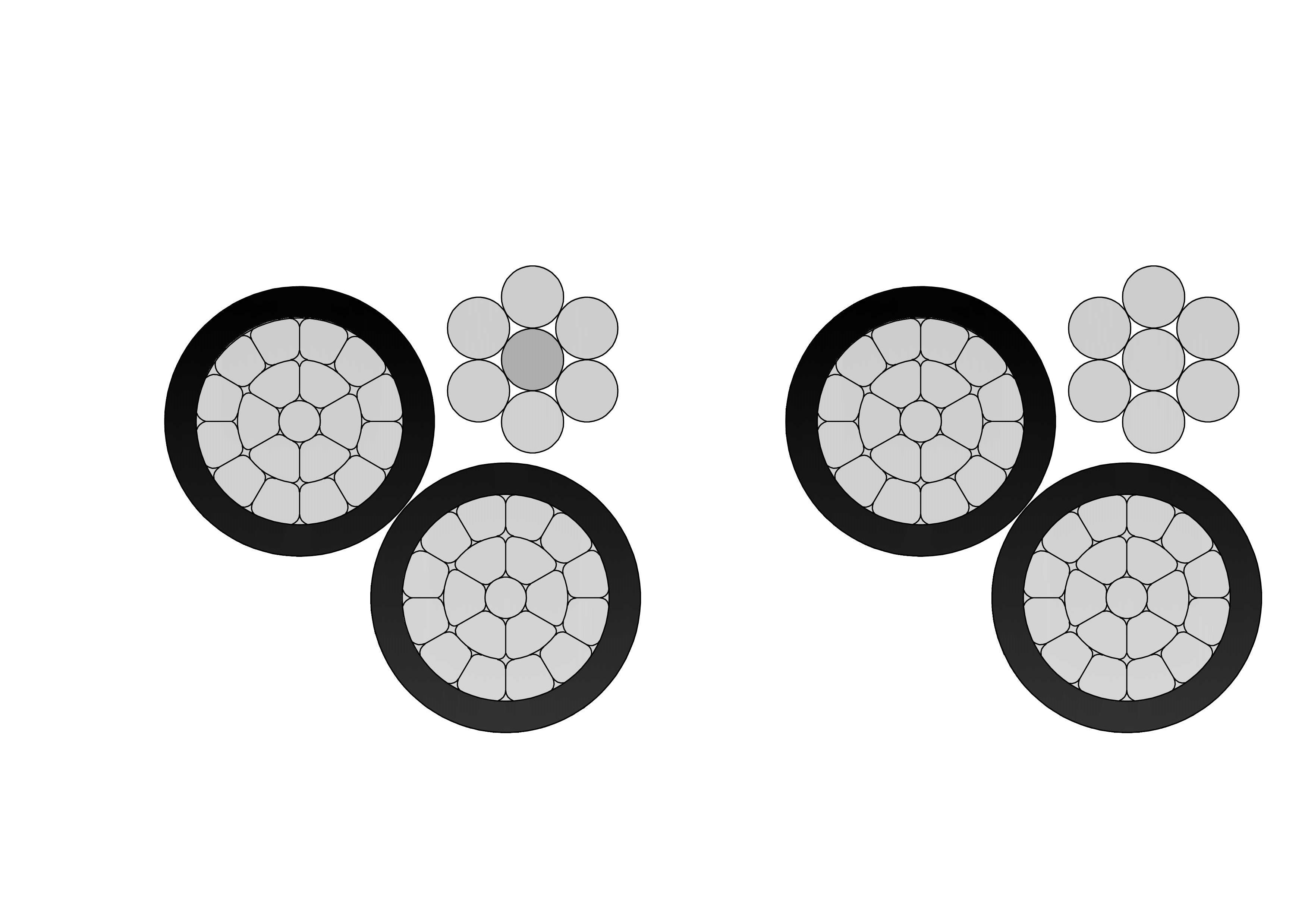
4/0 Arca Aluminum Conductor Triplex Overhead Service Drop Cable
4/0-4/0-2/0 Arca Aluminum Conductor Triplex Overhead Service Drop Cable is engineered for high-capacity overhead power delivery from utility poles to residential, commercial, or light industrial weatherheads. It features concentric-lay-stranded 1350-H19 aluminum phase conductors (#4/0 AWG, 19-strand), black cross-linked polyethylene (XLPE) insulation for superior weather, UV, and thermal resistance, and a bare ACSR neutral messenger (#2/0 AWG, 7-strand) for mechanical support and conductivity. Rated for 600 volts phase-to-phase at conductor temperatures up to 90°C (XLPE) or 75°C (Poly), it provides an allowable ampacity of approximately 315 amps (XLP). Compliant with ASTM B-230, B-231, B-232, B-399, and ICEA S-76-474 standards, this robust, lightweight cable ensures easy installation, excellent electrical performance, and long-term durability in harsh outdoor environments, including wind, ice, moisture, and temperature extremes.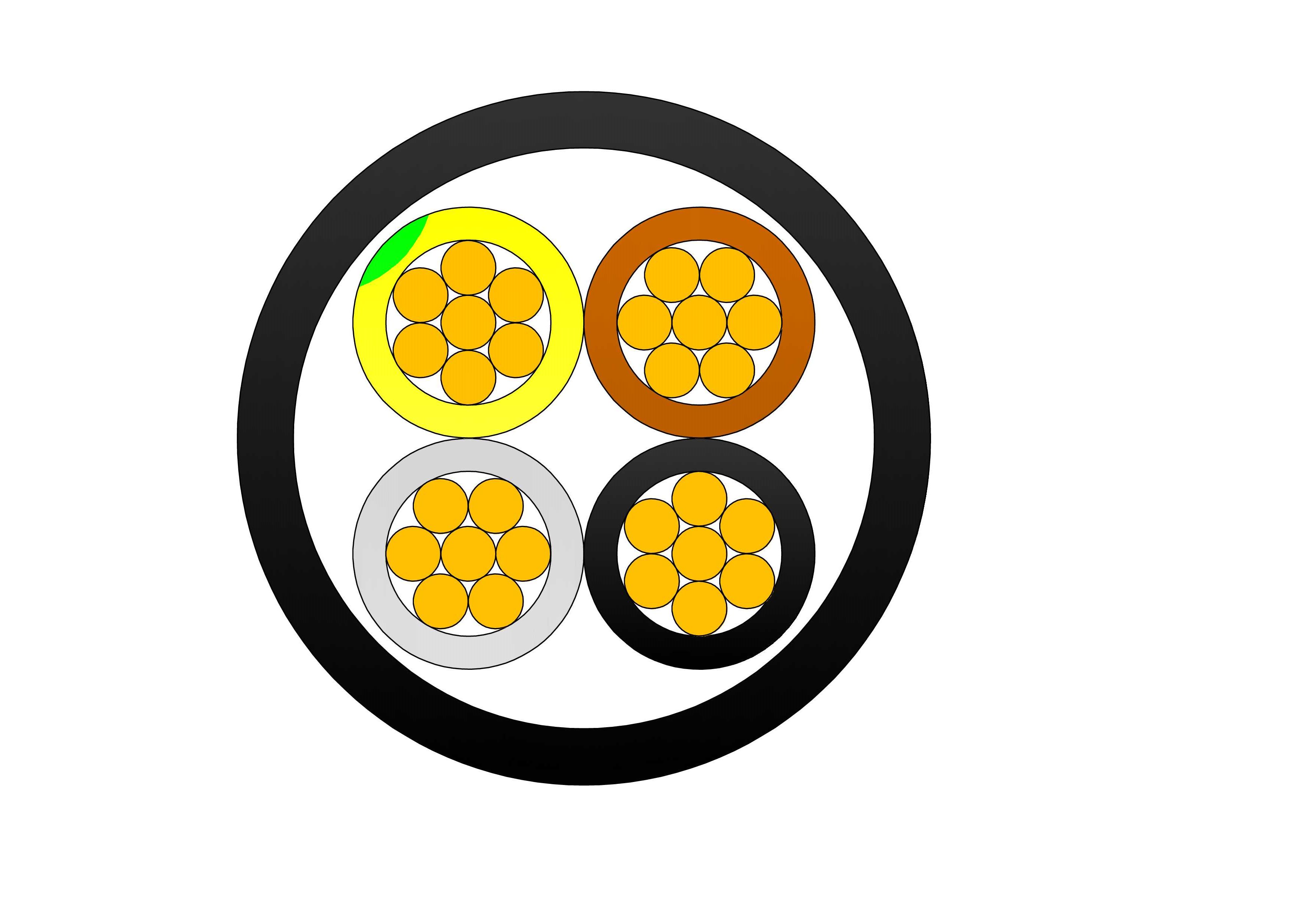
GYXTW Fiber Optic Cable
The GYXTW Fiber Optic Cable is a rugged central loose tube fiber optic cable designed for outdoor long-distance communication. It features a single central loose tube filled with water-blocking gel containing optical fibers, a corrugated steel tape armor for excellent mechanical protection, and a durable polyethylene (PE) outer sheath. Compliant with IEC 60794 and ITU-T standards, the GYXTW Fiber Optic Cable provides superior crush resistance, moisture blocking, and rodent protection. Available in single-mode and multi-mode with various fiber counts, it ensures low attenuation, high bandwidth, and reliable signal transmission. Its compact central tube design combined with steel tape armor makes it ideal for duct, aerial, and direct burial installations. The GYXTW Fiber Optic Cable is widely used in telecommunications backbone networks, FTTH, metropolitan area networks, and outdoor infrastructure projects requiring stable, secure, and durable fiber connectivity in challenging environments.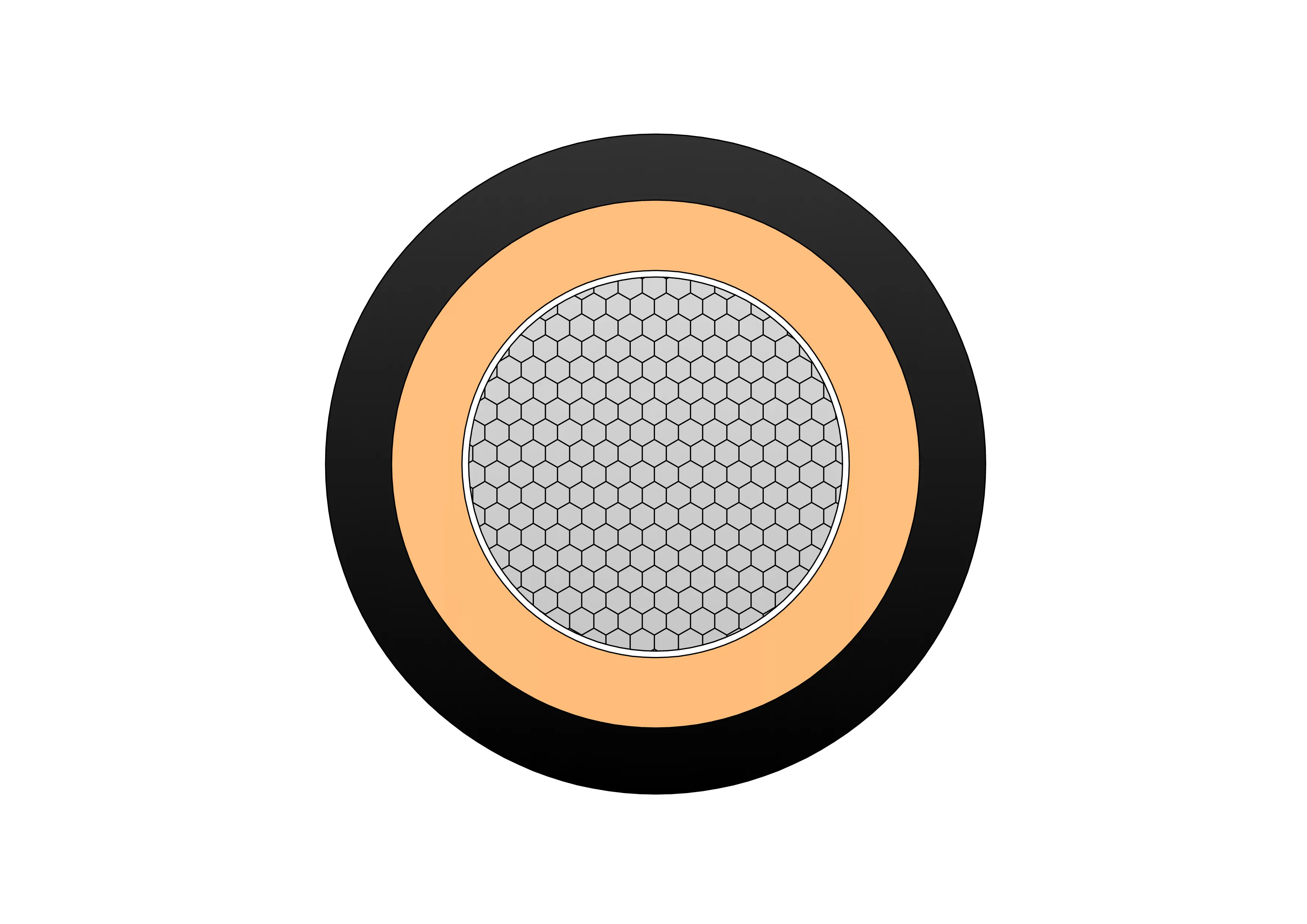
Coil End Lead Type 4 BS 6195 Cable
The Coil End Lead Type 4 BS 6195 Cable is a premium, highly flexible high-temperature lead wire engineered for demanding coil and transformer applications. It features fine-stranded tinned copper conductors for superior conductivity and corrosion resistance, high-purity silicone rubber insulation providing excellent dielectric strength, exceptional heat resistance (continuous 180°C, short-term 220°C), and outstanding flexibility even in cold conditions. Compliant with BS 6195 Type 4 standard, it offers flame retardancy, ozone resistance, and long-term thermal stability without cracking or hardening. The cable is lightweight, easy to strip, and suitable for tight bending radii in coil winding, motor connections, and transformer lead-outs. The Coil End Lead Type 4 BS 6195 Cable ensures reliable performance in high-heat environments, reducing downtime and enhancing safety in electrical equipment manufacturing and repair.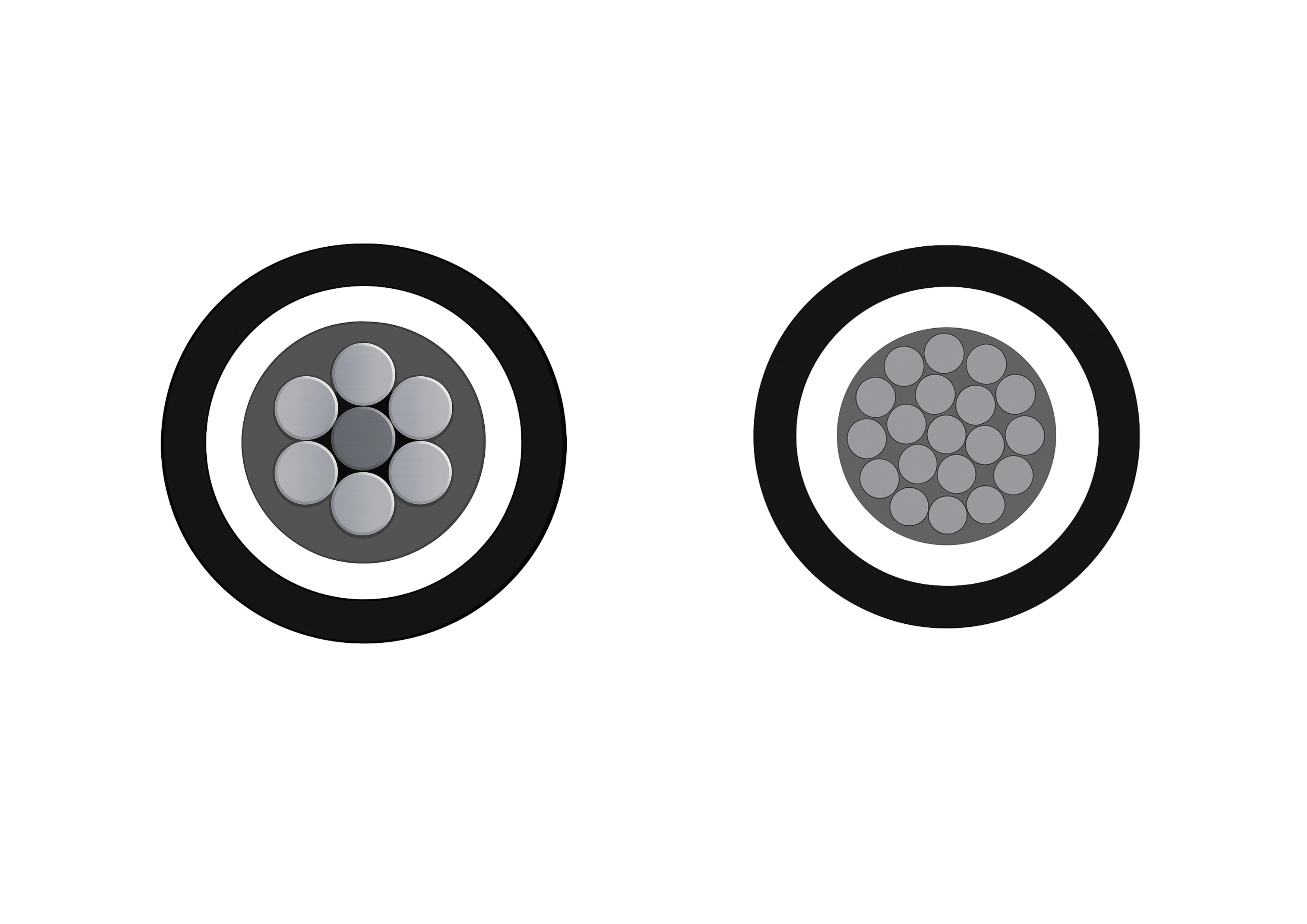
XLPE-HDPE Tree Cable Aluminum 25kV 1x35mm²
The XLPE-HDPE Tree Cable Aluminum 25kV 1x35mm² is specifically engineered for medium-voltage overhead distribution systems, particularly in densely wooded areas or locations with limited installation space. Manufactured in compliance with ASTM B230, ASTM B232, and ICEA S-121-733 standards, this cable features an aluminum alloy conductor, cross-linked polyethylene (XLPE) insulation, and a high-density polyethylene (HDPE) outer sheath, ensuring outstanding electrical performance, mechanical durability, and environmental resistance. The HDPE outer sheath provides strong protection against UV radiation, weathering, and mechanical abrasion, while significantly reducing the risk of power outages caused by tree branch contact and electrical sparking. The XLPE insulation layer guarantees stable dielectric performance at continuous operation temperatures up to 90°C, and the 1350 aluminum alloy compact conductor offers a lightweight yet high-conductivity solution, meeting the reliability requirements of medium-voltage power distribution.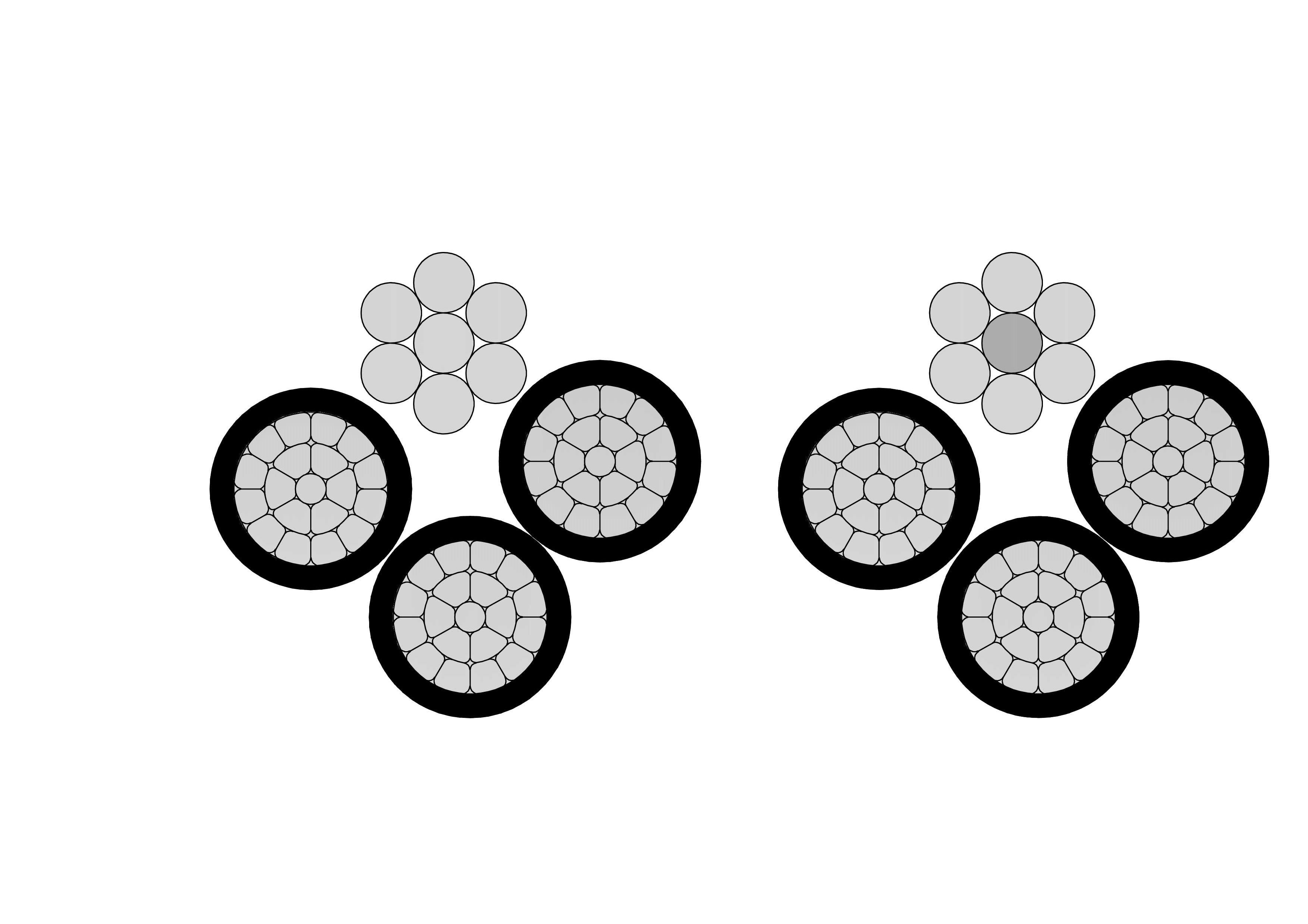
Copper Conductor Quadruplex Service Drop Cable 600V
Copper Conductor Quadruplex Overhead Service Drop Cable is designed for 600V phase-to-phase electrical distribution, primarily used to carry power from pole-mounted transformers to the customer's service entrance. Comprising three insulated copper phase conductors and one copper neutral messenger (stranded) with XLPE or PE insulation in quadruplex form, it meets ASTM, ICEA, and international standards. High-purity copper ensures minimal voltage drop and excellent current capacity. Robust insulation resists sunlight, moisture, and mechanical damage for decades of outdoor service. Self-supporting design allows easy installation with low sag. The Copper Conductor Quadruplex Service Drop Cable 600V provides reliable power transfer up to 600V in extreme temperatures. Flame-retardant options enhance safety. Commonly chosen for premium single-phase and three-phase power delivery in subdivisions, rural homes, commercial connections, and critical installations requiring high-conductivity copper overhead solutions with proven longevity and performance.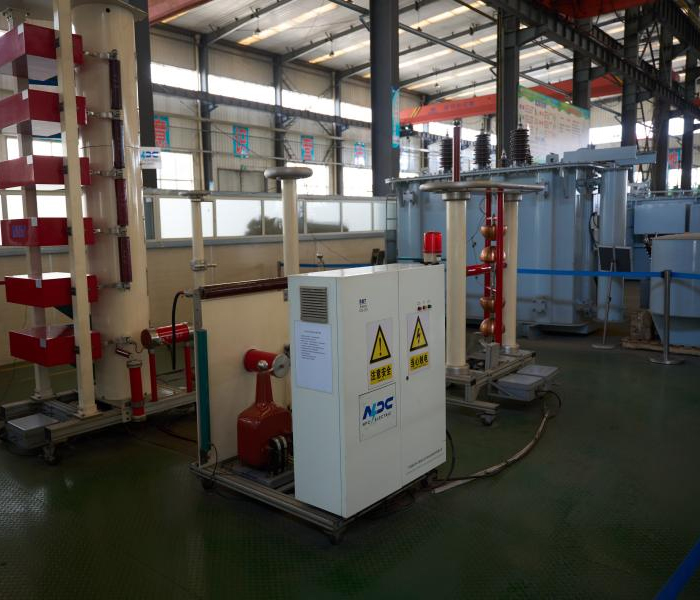
160 kVA Three Phase Cast Resin Dry Type Transformer Low Loss Energy Efficient
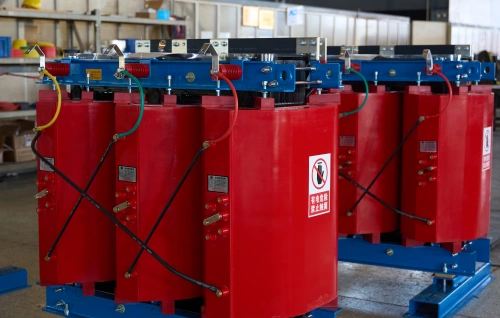
The 160 kVA Three Phase Cast Resin Dry Type Transformer Low Loss Energy Efficient is a state-of-the-art, maintenance-free power solution engineered for indoor installations where safety, reliability, and sustainability are paramount. Encased in high-quality epoxy resin under vacuum pressure, its windings deliver outstanding moisture resistance, superior partial discharge performance, and fire-retardant self-extinguishing properties without flammable liquids. Utilizing premium grain-oriented silicon steel cores and optimized conductor designs, this transformer achieves significantly reduced no-load and load losses, attaining high efficiency levels often exceeding 98.5% and complying with stringent energy regulations. With natural air (AN) cooling, low acoustic emissions below typical 58-62 dB, and Class F or H insulation, it ensures stable operation in harsh indoor environments. Fully compliant with IEC 60076-11, this compact, eco-conscious dry-type unit supports primary voltages like 10kV/11kV/20kV/35kV stepping down to 0.4kV or custom secondaries, making it ideal for modern, green power distribution networks.
Solar Cable Aluminum Single/Twin Core
Solar Cable Aluminum Single/Twin Core is designed for modern photovoltaic power generation systems, providing a reliable and cost-effective solution for solar energy transmission. Manufactured with high-performance AA-8000 series aluminum alloy conductors and premium XLPE insulation, the cable delivers excellent electrical performance, lightweight installation advantages, and long-term operational reliability. The aluminum alloy conductor offers high conductivity, superior flexibility, and enhanced corrosion resistance compared to conventional aluminum conductors. The XLPE insulation provides excellent thermal stability, UV resistance, ozone resistance, moisture protection, and weather durability, ensuring dependable operation in demanding outdoor environments. Available in both single-core and twin-core configurations, the cable is suitable for interconnecting solar panels, combiner boxes, inverters, battery storage systems, and DC distribution equipment. Its lightweight construction reduces transportation and installation costs while maintaining efficient power transmission.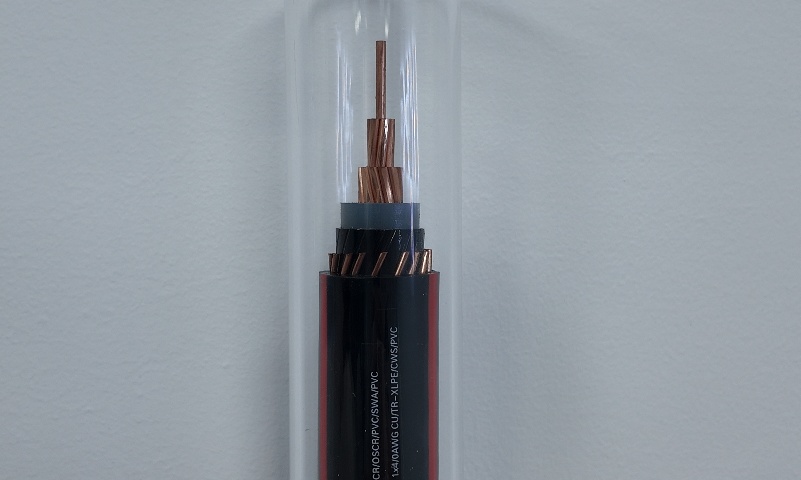
Duplex URD Cable
The Duplex URD Cable is a high-performance 600V underground residential distribution cable designed for reliable service entrance and secondary power delivery. It consists of two insulated AA8000 aluminum alloy phase conductors and a concentric neutral, all protected by a tough black polyethylene sheath. The duplex configuration provides a compact, easy-to-install solution for direct burial applications. Manufactured with XLPE insulation, this cable offers excellent electrical properties, moisture resistance, and long-term durability. The Duplex URD Cable is lightweight, flexible, and cost-effective compared to copper alternatives while maintaining high conductivity and mechanical strength. It meets UL 854, ICEA, and ASTM standards and undergoes rigorous quality testing from raw materials to finished product, ensuring consistent performance in underground environments.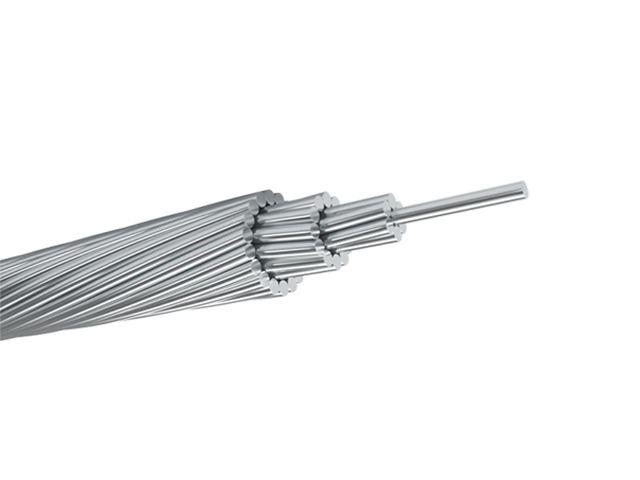
AAAC Panther Conductor Cable
AAAC PANTHER Conductor is a premium-grade All Aluminum Alloy Conductor engineered for reliable performance in overhead distribution and sub-transmission lines. Compliant with ASTM B399, IEC 61089, and BS EN 50182 standards, this conductor is manufactured using high-strength 6201-T81 aluminum alloy, offering excellent conductivity, enhanced tensile strength, and superior corrosion resistance. Compared with traditional AAC conductors, the Panther-size AAAC conductor provides higher tensile strength and reduced sag, making it suitable for longer spans and higher mechanical loading conditions. Its all-aluminum alloy construction eliminates steel reinforcement, effectively preventing galvanic corrosion and improving long-term reliability, especially in coastal, humid, and industrial environments. Produced in accordance with IEC and ASTM standards, the AAAC Panther Conductor Cable ensures uniform strand geometry, stable resistance values, and consistent performance throughout its service life. It is widely selected by utilities seeking lower maintenance costs, improved line efficiency, and enhanced durability for modern overhead power networks.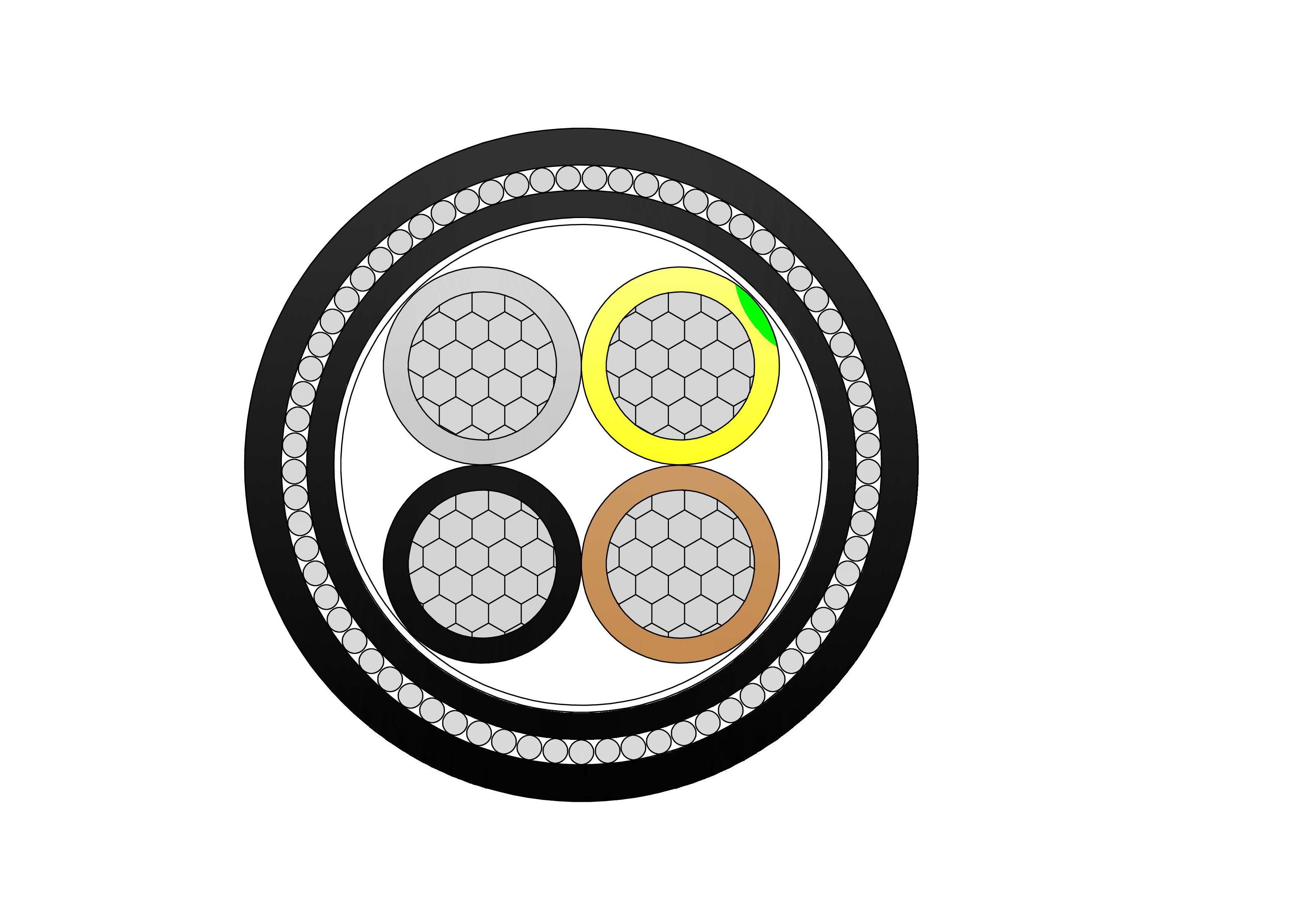
NAYRY 0.6/1kV Low Voltage Power Cable
NAYRY are low voltage power cables designed according to DIN VDE 0276-603 standard, suitable for fixed installation in indoor, outdoor, underground, or concrete (not subject to vibration and long-term underwater) environments. Constructed with aluminium conductors, PVC core insulation, filling, galvanized steel wire armour, and tough PVC outer sheath, it meets VDE 0276 and IEC requirements. The SWA layer delivers outstanding resistance to mechanical damage, enabling direct burial without conduits. Aluminium design lowers weight and costs while providing adequate current rating. Flame-retardant and stable in moist conditions, the NAYRY 0.6/1kV Low Voltage Power Cable is popular for factories, renewable energy projects, commercial sites, and infrastructure needing reliable, low-maintenance low-voltage cabling with enhanced safeguarding in aggressive soils.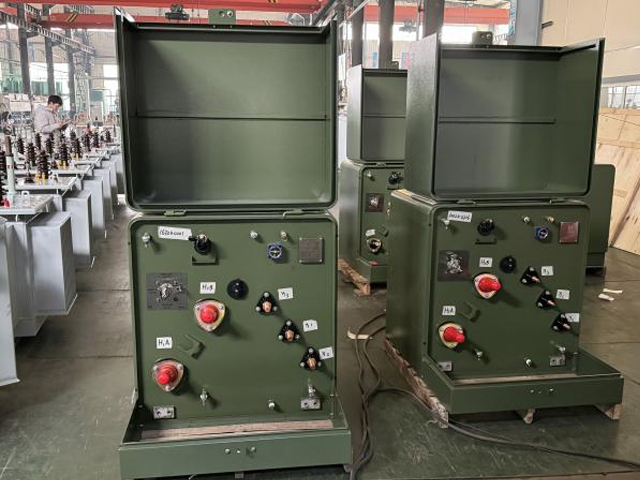
333kVA Single Phase Pole Mounted Transformer
NPC ELECTRIC'S 333kVA single phase pole mounted transformer stands as a powerhouse solution for intensive overhead distribution requirements, effectively reducing primary voltages such as 12.47kV, 24.94kV, or 34.5kV to secondary voltages including 120/240V, 277V, or 347V. Crafted with premium grain-oriented silicon steel cores and durable windings, it delivers outstanding energy efficiency, low losses, and compliance with modern DOE efficiency regulations alongside IEEE C57 and ANSI standards. The tank incorporates corrugated fins for optimal natural oil circulation (ONAN), supporting a 65°C temperature rise and robust overload handling. Equipped with essential protections like pressure relief valves, high-voltage bushings, and surge arresters, this transformer ensures dependable operation in exposed conditions. Its design prioritizes quiet performance, minimal maintenance, and extended service life, making it highly suitable for utilities managing substantial single-phase loads in evolving power networks.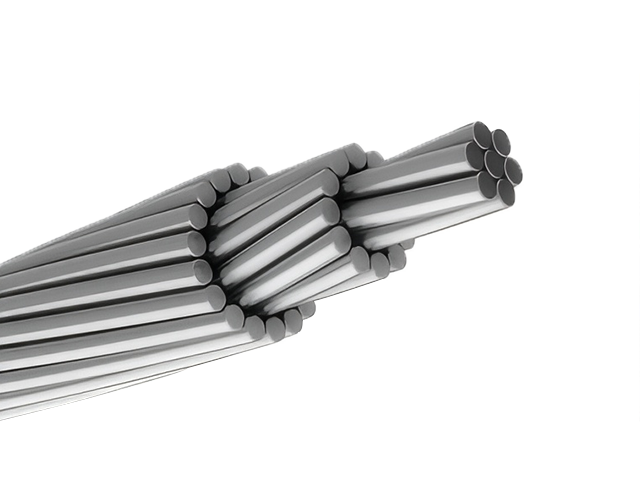
1272 MCM BITTERN ACSR Conductor Cable
The Bittern ACSR Conductor Cable is engineered for demanding overhead transmission, with 1272 MCM size and 45/7 stranding configuration. High-purity aluminum (1350-H19) surrounds a galvanized steel core, offering a DC resistance of 0.0143 Ω/1000ft and ampacity up to 1,120A at 75°C. Adhering to ASTM B230 for aluminum and B232 for assembly, it provides excellent corrosion resistance and mechanical integrity for spans up to 300m. The steel core enhances tensile strength (35,900 lbs) to control sag under heavy loads, while aluminum ensures high conductivity (61.5% IACS) and lightweight design for easier installation. Suitable for distribution voltages up to 138kV, the Bittern ACSR Conductor Cable reduces line losses and withstands extreme weather, including ice loads up to 1/2 inch. Its economical profile makes it a staple for utility expansions, renewable integrations, and grid modernization, delivering consistent power with high weather tolerance and minimal maintenance in global overhead networks.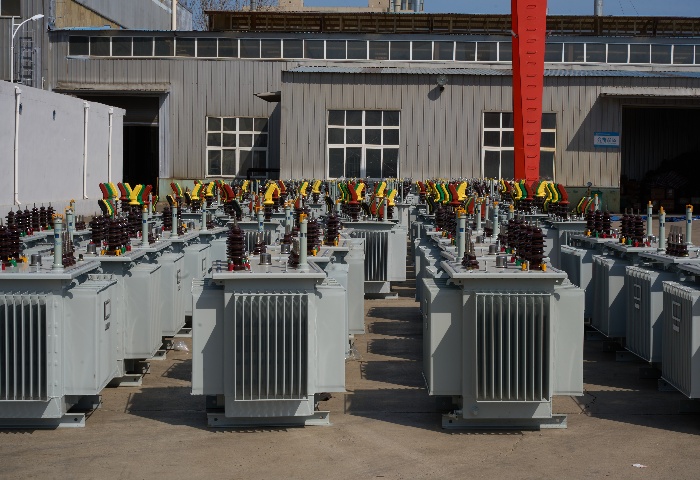
2500kVA Oil Immersed Transformer
NPC ELECTRIC's 2500kVA oil-immersed transformer is designed with international advanced technology and complies with international standards such as IEC, ANSI, and ISO. It has high efficiency, low noise, and excellent thermal stability. This transformer is widely used in power transmission and distribution systems to ensure a stable and reliable power supply. High-strength windings and robust mechanical construction enhance short-circuit withstand capability and thermal endurance. With reliable voltage regulation and low operational noise, this transformer is well-suited for industrial plants, infrastructure projects, and utility substations requiring a dependable high-capacity power supply.
GYTA Fiber Optic Cable
The GYTA Fiber Optic Cable is a high-performance outdoor optical communication cable designed for long-distance transmission and backbone network applications. Featuring a stranded loose tube structure, central strength member, water-blocking compound, aluminum tape armor, and durable PE outer sheath, the cable provides outstanding mechanical protection and environmental resistance. Optical fibers are housed in gel-filled loose tubes that protect against moisture ingress and mechanical stress. The aluminum tape armoring enhances crush resistance and rodent protection, making the cable suitable for direct burial, duct, and aerial installations. The PE outer sheath offers excellent UV resistance, weather resistance, and long-term durability in harsh outdoor environments. Manufactured according to IEC, ITU-T, and international telecommunications standards, the GYTA Fiber Optic Cable supports stable, low-loss signal transmission over extended distances. It is widely used in telecommunications networks, metropolitan area networks, broadband infrastructure, data centers, and utility communication systems. The GYTA Fiber Optic Cable combines reliability, durability, and superior transmission performance for modern fiber optic communication networks.Welcome your inquiry
Honesty, Integrity, Frugality, Activeness and Passion