
Dry-Type Transformer Installation Guide: Step-by-Step Instructions for Safe and Efficient Setup
2026-01-26
Dry-type transformers play an indispensable role in modern power distribution systems. Unlike traditional oil-immersed transformers, dry-type transformers are cooled and insulated by air or solid insulating materials (such as cast resin), eliminating the use of oil. This gives them significant advantages in fire safety and environmental friendliness. Because they do not require oil as a cooling medium, the fire risk of dry-type transformers is greatly reduced, making them particularly suitable for applications with high safety requirements, such as high-rise buildings, factories, and urban power systems.
Furthermore, dry-type transformers typically have lower maintenance costs because they do not require the regular inspection and oil replacement required for oil-immersed transformers. Proper installation of dry-type transformers is crucial for ensuring their efficient operation. Careful selection of a suitable location is essential, ensuring adequate ventilation and heat dissipation, and avoiding excessive vibration and external contaminants. Correct electrical connections and grounding measures are also critical to prevent accidents caused by electrical faults. Whether in industrial, commercial, or residential applications, ensuring that the installation of dry-type transformers complies with relevant regulations can significantly improve the reliability and long-term operational stability of the power system.
What Is a Dry-Type Transformer?
A dry-type transformer is an electrical transformer that uses air or solid insulation for cooling, rather than oil. Cast resin insulation is often used in these transformers because it is fire-resistant, durable, and provides excellent electrical insulation properties. These transformers are commonly used in urban areas, industrial settings, and renewable energy projects due to their compact design and enhanced safety features.
Advantages of Dry-Type Transformers
Before diving into the installation process, it’s important to understand why dry-type transformers are favored in many applications:
-
Fire Safety: Since they don't use oil, dry-type transformers reduce the risk of fires caused by electrical faults or leakage.
-
Low Maintenance: Dry-type transformers require less maintenance than oil-filled versions, making them a cost-effective solution in the long run.
-
Environmentally Friendly: The absence of oil makes them more environmentally friendly, as there’s no risk of oil spills or leaks.
-
Compact Design: These transformers are smaller and lighter than oil-filled transformers, making them ideal for installations in confined spaces.
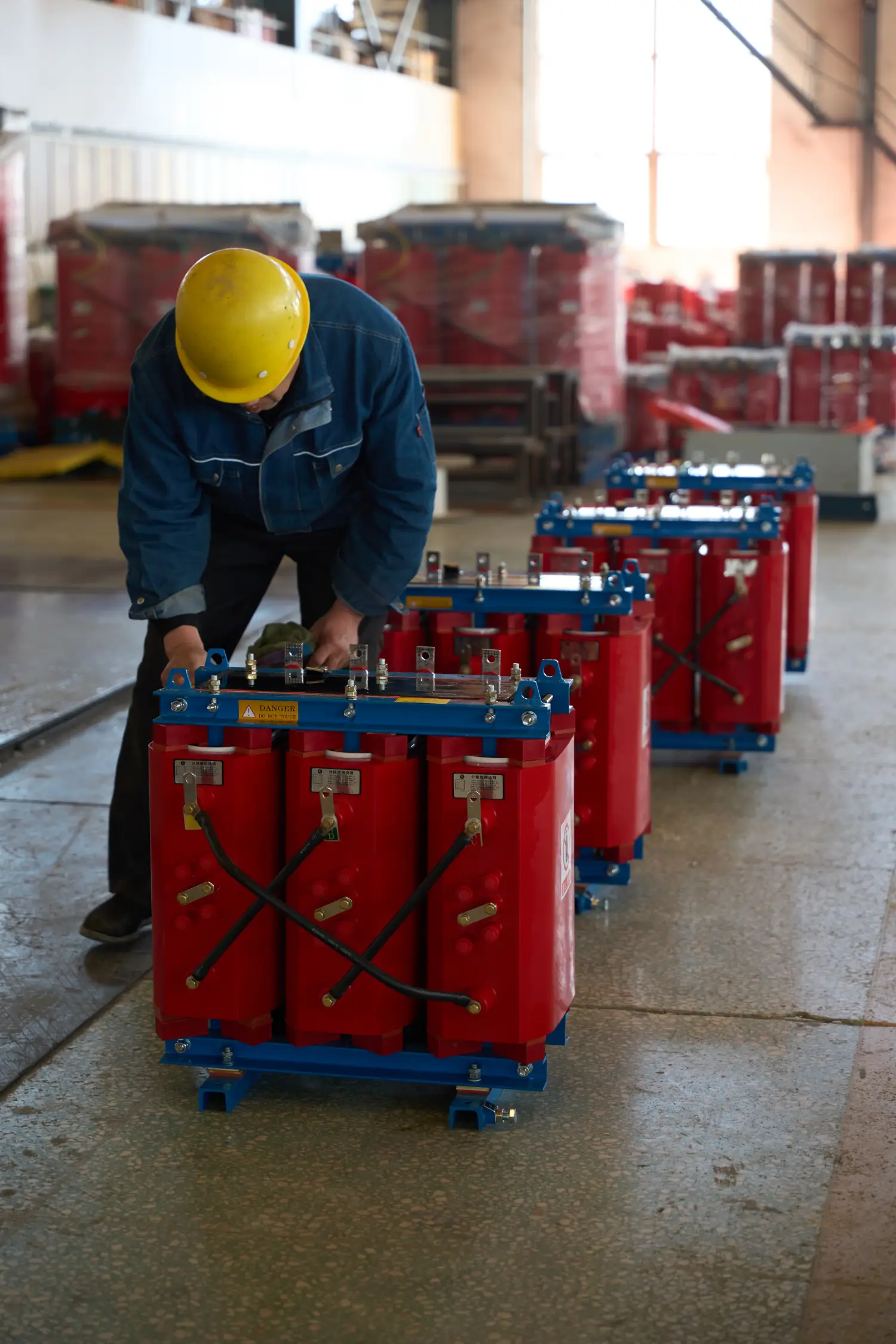
Step-by-Step Dry-Type Transformer Installation
The proper installation of dry-type transformers ensures they perform efficiently and safely. Below are the key steps to follow during the installation process:
1. Choosing the Right Location
Before installing the dry-type transformer, the first step is to choose the correct location. The location should meet the following criteria:
-
Ventilation: Dry-type transformers rely on air cooling, so the area must have adequate airflow. Choose a location with enough ventilation to prevent overheating.
-
Dry and Clean Environment: The environment should be dry and free from dust and moisture, as excessive humidity can affect the performance of the transformer.
-
Accessibility: Ensure the installation site is easily accessible for future maintenance, inspections, and repairs.
-
Compliance with Standards: Check local electrical codes and safety regulations to ensure the transformer’s location complies with installation requirements.
2. Preparing the Installation Site
Once the location is chosen, prepare the site for installation:
-
Mounting Surface: Dry-type transformers are typically installed on a flat and sturdy base. Use concrete pads or steel frames for mounting. The mounting surface must support the weight of the transformer and provide stability.
-
Space for Clearance: Allow adequate space around the transformer for proper ventilation and to comply with safety clearance requirements. Typically, a minimum of 1-2 feet of clearance around the transformer is recommended.
3. Mounting the Transformer
Dry-type transformers are often mounted on concrete or steel bases to ensure they are stable during operation. Follow these steps to mount the transformer:
-
Position the Transformer: Carefully place the transformer on the prepared base, ensuring it is level and properly aligned.
-
Secure the Transformer: Use mounting brackets or bolts to secure the transformer to the base. Make sure the mounting is firm to avoid any vibrations or shifting during operation.
-
Check Alignment: Verify that the transformer is correctly aligned with the intended direction of electrical flow.
4. Electrical Connections
Once the transformer is mounted, the next step is to make the electrical connections:
-
Connect Primary and Secondary Windings: The primary windings should be connected to the incoming power supply, while the secondary windings should be connected to the load side of the electrical system.
-
Neutral and Grounding: Proper grounding is crucial to ensure safety. Connect the neutral conductor and ground the transformer according to local electrical codes.
-
Check Tightness: Ensure that all connections are tight and secure to avoid electrical faults or overheating.
5. Insulation and Cooling Considerations
The dry-type transformer insulation (often cast resin) is designed to prevent electrical faults. The insulation prevents short circuits and ensures the transformer operates safely under load. It is also critical for efficient heat dissipation.
-
Ensure Proper Insulation Integrity: Check that the cast resin insulation is intact and free from damage during the installation. Any damage can compromise the transformer’s performance.
-
Monitor Cooling Ventilation: Ensure that the cooling system is not obstructed. Natural air convection is essential for maintaining safe operating temperatures in dry-type transformers.
6. Final Testing and Commissioning
After completing the installation, the next step is to test the transformer’s operation:
-
Initial Power-up: Power up the transformer and check for any unusual sounds, odors, or temperature increases. These could indicate potential issues such as wiring problems or overheating.
-
Voltage Testing: Verify that the output voltage levels are consistent with the specified ratings. Use a multimeter to check the secondary voltages and confirm the transformer is performing as expected.
-
Load Test: Apply the transformer to a light load to test its response. Monitor the temperature to ensure the transformer operates within safe temperature limits.
7. Maintenance Considerations
While dry-type transformers require less maintenance than oil-filled transformers, routine checks are still necessary:
-
Regular Inspections: Schedule regular inspections to check for signs of wear, damage, or overheating. Pay attention to the cooling system and ensure that ventilation slots are clear.
-
Cleanliness: Keep the transformer clean and free from dust or debris, which can obstruct airflow and impact performance.
-
Periodic Testing: Conduct periodic tests to check the electrical resistance and ensure that insulation is intact.
The installation of dry-type transformers is a critical process that ensures safe, efficient, and reliable power distribution. By following the proper installation steps, including choosing the right location, securing the transformer, and ensuring the correct electrical connections, you can maximize the transformer's lifespan and performance. With their cast resin insulation, low-maintenance requirements, and fire-resistant properties, dry-type transformers are a perfect choice for environments that prioritize safety and reliability.
Whether you are installing a dry-type triplex transformer for industrial applications or a small dry-type transformer in a commercial building, following these guidelines will ensure a successful installation and long-term operational efficiency.

Related Articles
Related Products
3GHSSYCY-mining-cable-2.webp)
(N)3GHSSYCY Mining Cable
The (N)3GHSSYCY medium voltage flexible cable is manufactured according to VDE 0250 standards, designed to deliver reliable power in demanding environments such as underground mining, tunneling, and heavy-duty industrial sites. Featuring EPR rubber insulation, a robust PVC outer sheath, and a copper wire braid with concentric conductors, it provides exceptional mechanical durability, flame retardancy, and electromagnetic compatibility (EMC). Its flexible construction and high thermal performance (up to +90°C continuous and +250°C short circuit) ensure dependable operation in both fixed and mobile applications. With a wide temperature range (-40°C to +80°C fixed) and compliance with VDE, EN, and IEC standards, this cable is the ideal choice for medium voltage power distribution in harsh conditions where flexibility, safety, and durability are critical.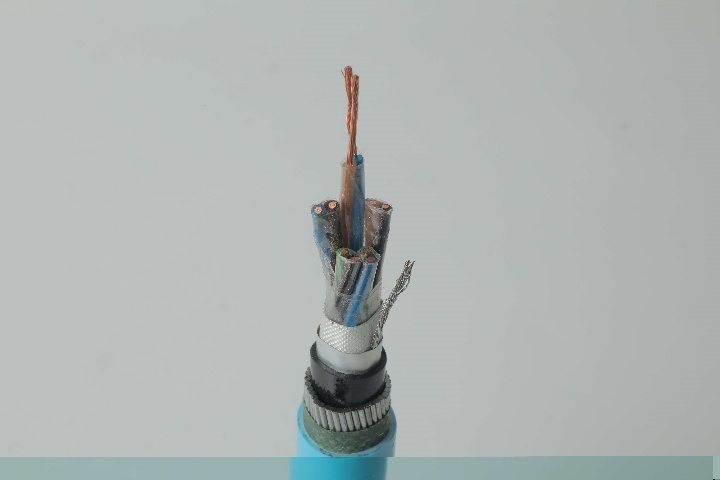
Instrumentation Cables—PVC Insulated,Individual & Overall Screened, Unarmoured PVC Sheathed Cables(CU/PVC/OSCR/PVC)
Instrumentation Cables are multi-conductor cables that carry and transport low-voltage electrical signals. These low-voltage signals are used to control and monitor electrical power systems. Instrumentation cables have many different industrial applications that include broadcasting, equipment control, such as drilling and pumping in the oil and gas industry, and data transfer, which includes analog and digital signals. They are manufactured according to the BS EN 50288-7 and BS EN 50288-1 standards to ensure quality. Instrumentation cables come in twisted pairs, triads, and quads, depending on the customer’s applications; twisting reduces any electromagnetic interference by reducing the chances of electrical voltages and currents being induced in the conductor. Individual and overall screening are also applied in instrumentation cables to optimize the signal transferred and further reduce any electromagnetic interference. Screening of pairs, triads, or quads also includes a drain wire earthed to the ground, which ensures a noise-free signal transmission.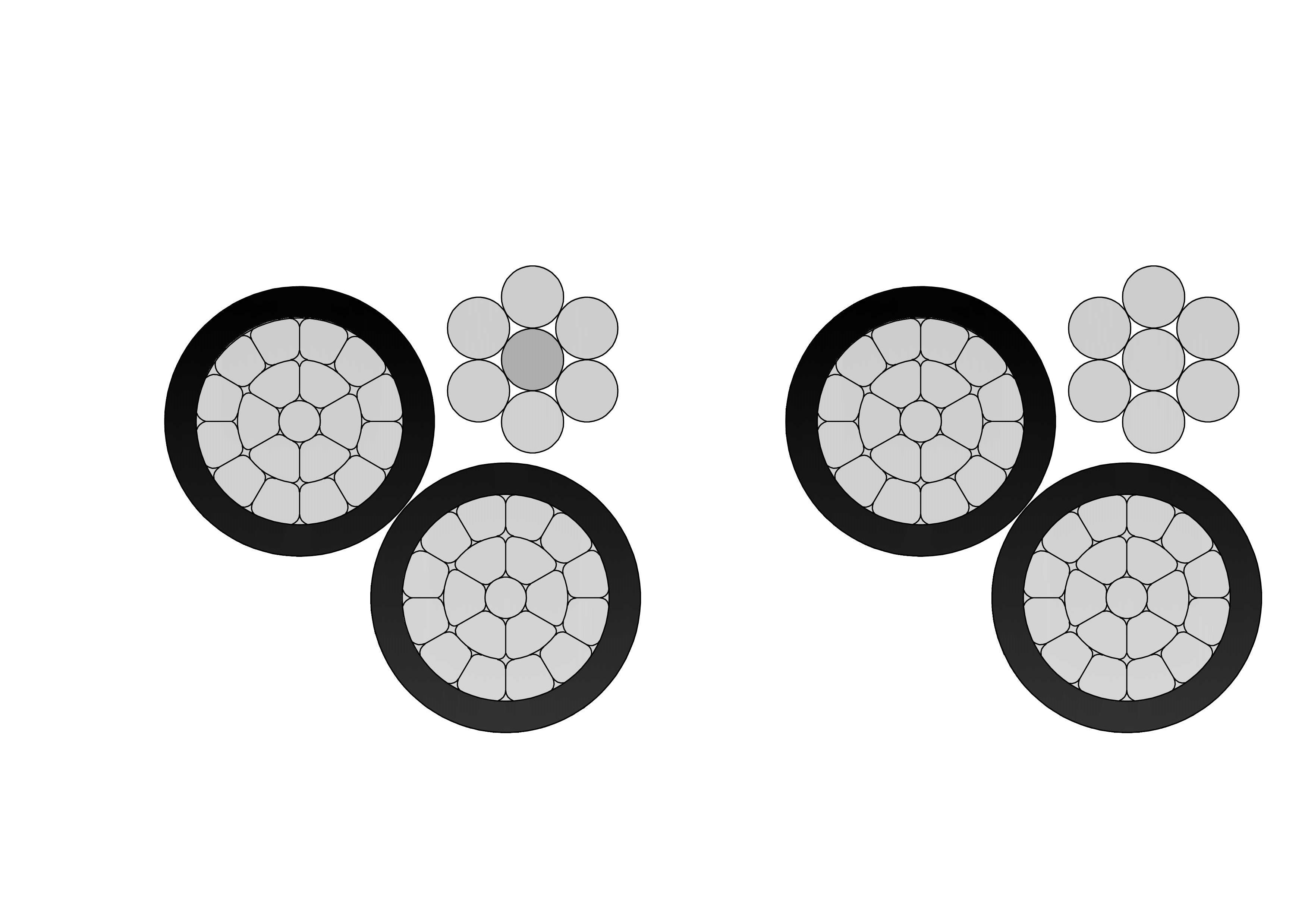
1/0 Leda Aluminum Conductor Triplex Overhead Service Drop Cable
The 1/0 Leda Triplex Service Drop Cable is a durable overhead cable for secondary power distribution to residential service entrances. Featuring two 1/0 AWG aluminum phase conductors and one neutral messenger (7-strand) insulated with XLPE or PE and assembled in triplex configuration, it provides excellent mechanical strength and weather resistance. Compliant with ASTM B-230, B-231, ICEA S-76-474, and ANSI/ICEA standards, this cable supports 600V applications with high UV, moisture, and abrasion protection. The self-supporting messenger reduces sag and simplifies installation over medium spans. The 1/0 Leda Triplex Service Drop Cable ensures low power losses, high current capacity, and long service life in harsh outdoor conditions. Lightweight and flexible, it is widely used for two-phase service drops with neutral in urban, suburban, and rural areas requiring safe, cost-effective aerial connections from utility poles to homes.
100kVA Dry Type Transformer
The 100kVA dry-type transformer adopts efficient dry-type insulation technology and is designed for industrial, commercial and residential power systems. With its excellent performance and compact structure, the transformer provides stable and reliable power support and is suitable for small and medium-sized power distribution needs. Through strict quality control, NPC ELECTRIC's 100kVA dry-type transformer provides users with high-quality, low-maintenance power solutions.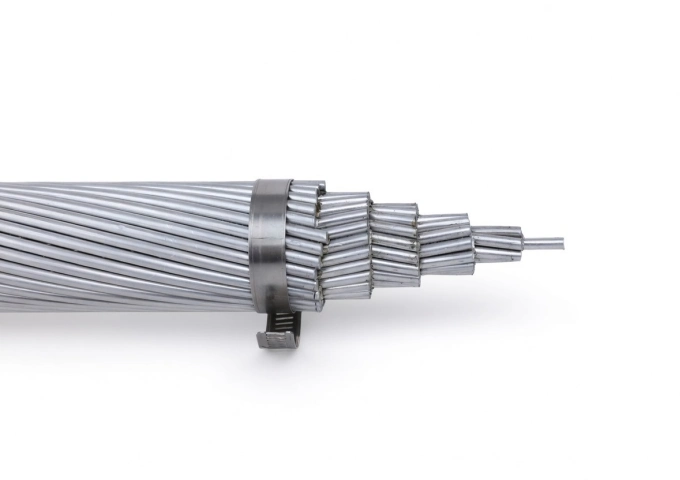
336.4 MCM Tulip AAC Cable
The 336.4 MCM Tulip AAC Cable is a high-performance All Aluminum Conductor designed for demanding overhead power transmission and distribution lines. Manufactured with 19 strands of premium 1350-H19 aluminum wire in a concentric lay configuration, this bare conductor provides excellent electrical conductivity with a low DC resistance of 0.0514 ohms per 1000 ft at 20°C. Featuring an overall diameter of 0.666 inches and a rated breaking strength of 6,150 lbs, the Tulip AAC delivers a robust ampacity of 513 amps while weighing only 315.8 lbs per 1000 ft. Its optimized strength-to-weight ratio minimizes sag and structural loading. Fully compliant with ASTM B-230 and B-231 standards, the 336.4 MCM Tulip AAC Cable offers outstanding corrosion resistance for long-term durability in harsh outdoor environments, making it the preferred choice for utility networks requiring cost-effective, high-reliability bare aluminum conductors.
Instrumentation Cables—XLPE Insulated,Individual & Overall Screened, Wire Armoured PVC Sheathed Cables(CU/XLPE/IOSCR/SWA/PVC)
Tailored for resilience under thermal and mechanical stress, the Instrumentation Cables—XLPE Insulated, Individual & Overall Screened, Wire Armoured PVC Sheathed Cables (CU/XLPE/IOSCR/SWA/PVC) ensure accurate signal transmission in challenging conditions. Stranded copper conductors offer low resistance and bendability, with XLPE insulation enabling 90°C continuous use and 250°C short-circuit resistance. Dual screening—individual for crosstalk minimization and overall aluminum/polyester with drain wire for EMI/RFI blocking—safeguards data integrity. SWA armour defends against physical hazards, while PVC sheath provides flame resistance and waterproofing. Adhering to BS EN 50288-7 and BS EN 50288-1, these multi-pair/triad cables handle analogue/digital circuits with reduced capacitance, supporting complex systems. Versatile for ducts, direct burial, or outdoor exposures, they improve uptime, cut failures, and enhance efficiency in heat-prone areas. With superior thermal stability and insulation properties, this CU/XLPE/IOSCR/SWA/PVC is essential for professionals needing armoured, dual-screened solutions that minimize costs and maximize performance in industrial sectors.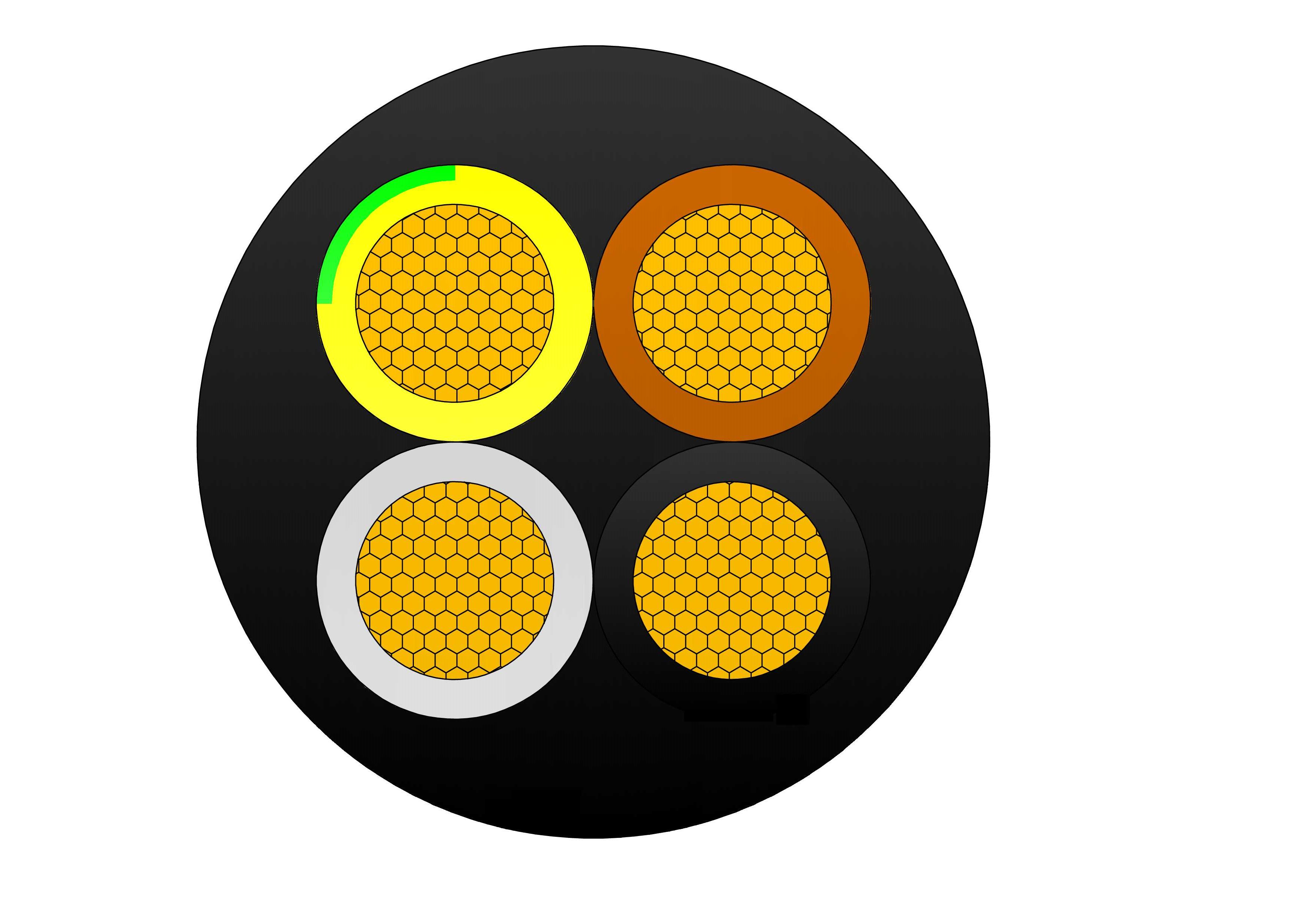
H07ZZ-F 450/750V Low Voltage Power Cable
H07ZZ-F 450/750V Low Voltage Power Cable is a halogen-free, low-smoke flexible power cable designed according to IEC and VDE standards, suitable for fixed installation in dry or damp indoor environments, especially in public buildings where high fire safety requirements apply. Featuring class 5 fine stranded plain copper conductors, cross-linked polyethylene (XLPE) insulation, and low smoke zero halogen (LSZH) elastomer outer sheath, it complies with EN 50525-3-21 and IEC 60332 standards. In fire conditions, it emits minimal smoke and no toxic halogen gases, ensuring safety in confined or public spaces. Excellent flexibility with tight bending radius simplifies installation in complex routing. Ideal for fixed and movable applications requiring enhanced fire safety and environmental compliance in industrial, commercial, and building services projects worldwide.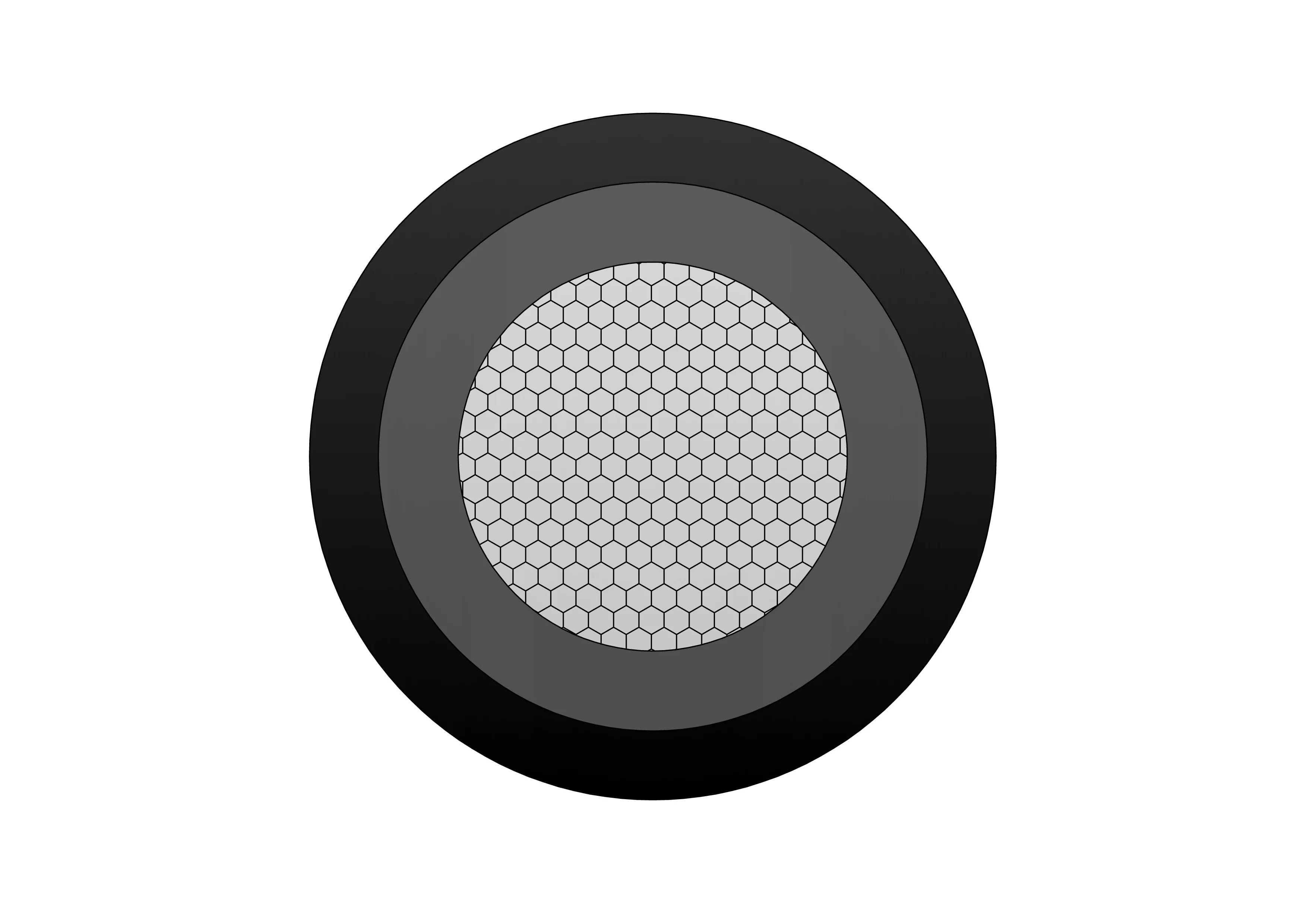
NSGAFÖU 1.8/3kV Rubber Cable
NSGAFÖU 1.8/3kV Rubber Cable is a robust, single-core flexible power cable engineered for extreme mechanical and environmental stresses in mining, tunneling, cranes, and mobile machinery. It features finely stranded tinned copper conductors (class 5) for superior flexibility and corrosion resistance, EPR (ethylene propylene rubber) insulation for excellent dielectric strength and 90°C continuous rating (250°C short-circuit), and a tough CPE (chlorinated polyethylene) or neoprene outer sheath providing outstanding oil resistance, flame retardancy (IEC 60332-1), abrasion/tear resistance, and weatherproofing. Compliant with DIN VDE 0250-813 / HD 22.16 S2 standards, it offers high mechanical strength, tight bending radii, and reliable performance in wet, oily, or abrasive conditions. The NSGAFÖU 1.8/3kV is ideal for trailing cables, reeling systems, and power connections where flexibility, durability, and safety are essential.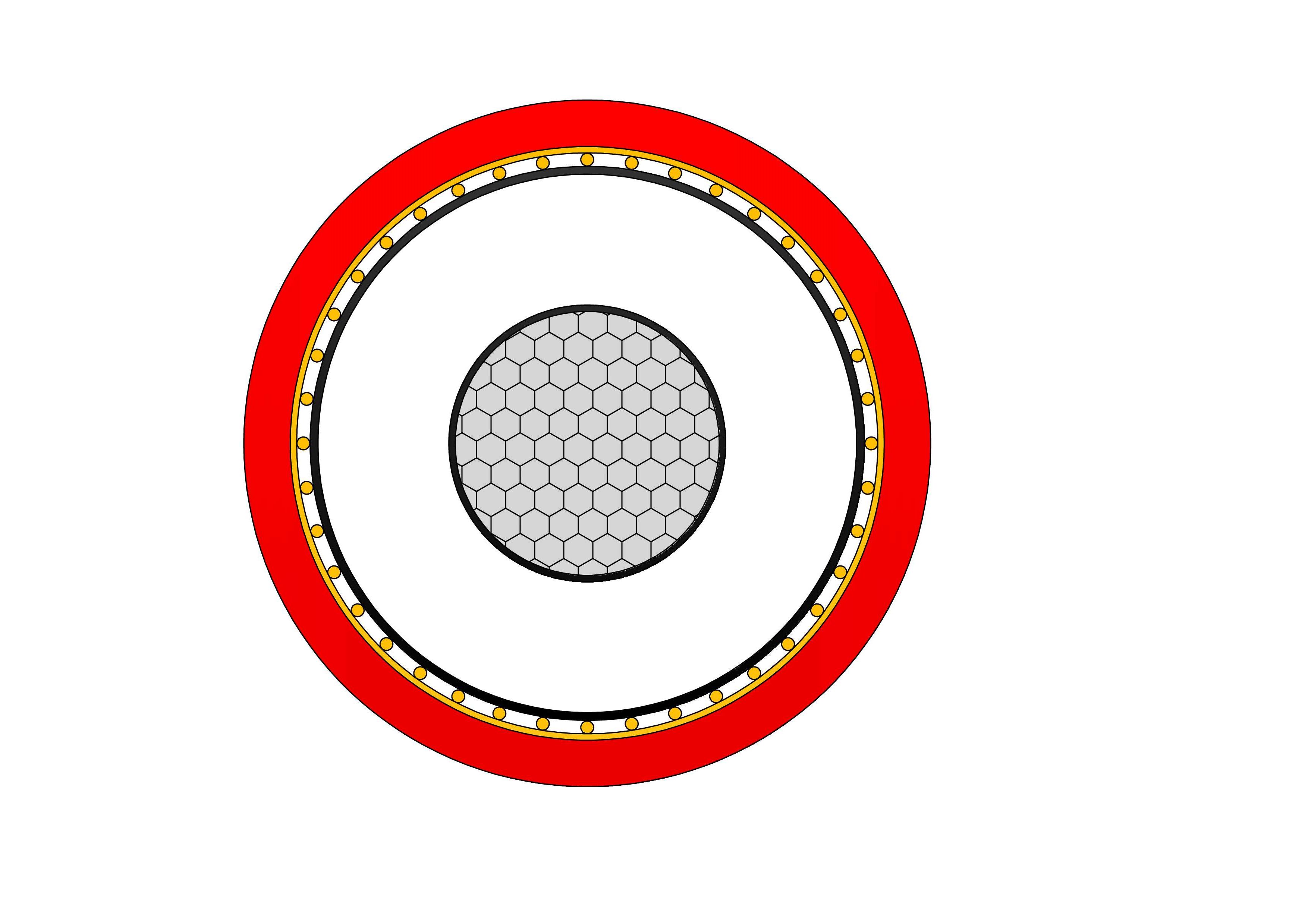
NA2XSH Medium Voltage Power Cable(6/10kV, 12/20kV, 18/30kV)
The NA2XSH is a low-smoke halogen-free (LSZH), medium-voltage aluminum conductor cable with excellent flame-retardant properties and meets the design requirements of the IEC 60502-2 standard. Featuring stranded aluminium conductors, cross-linked polyethylene (XLPE) insulation, copper tape or wire screen, and low smoke zero halogen (LSZH) outer sheath, it complies with IEC 60502-2 and fire safety standards. In fire conditions, the LSZH sheath produces minimal smoke and no toxic halogen gases, enhancing safety in populated areas. Aluminium construction reduces weight and costs while maintaining good current capacity. With low dielectric losses, excellent partial discharge resistance, and high thermal stability, it ensures efficient, long-term performance. Suitable for direct burial, ducts, or indoor use, the NA2XSH Medium Voltage Power Cable is ideal for utilities, hospitals, schools, tunnels, and infrastructure projects requiring economical, environmentally friendly medium voltage cabling with superior fire protection and reliability worldwide.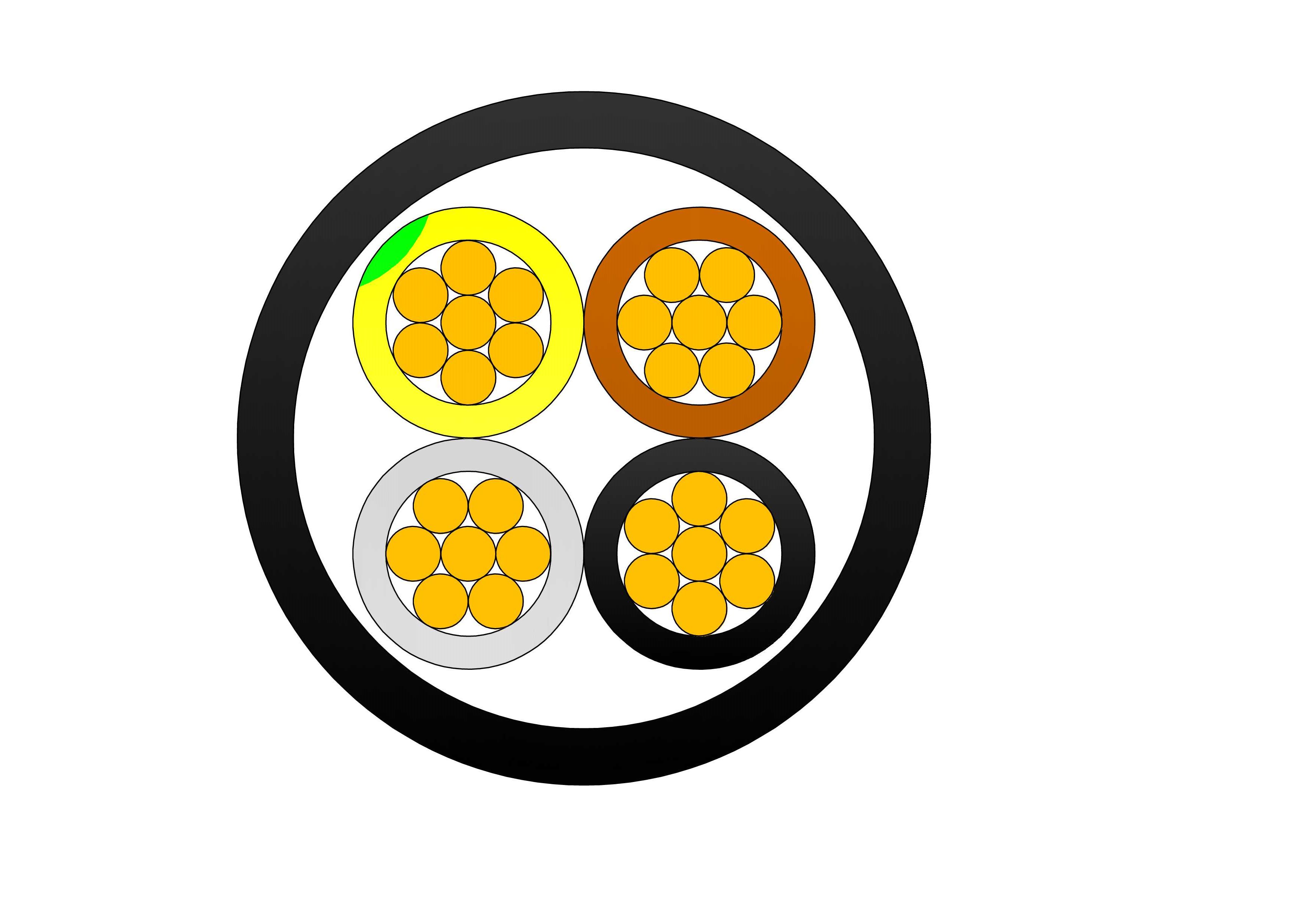
2/3/4 Cores Aluminum Cable AL/XLPE/PVC Low Voltage Power Cable
The 2/3/4 Cores Aluminum Cable AL/XLPE/PVC is designed for reliable low-voltage power transmission and distribution in industrial, commercial, and utility applications. Manufactured with high-conductivity stranded aluminum conductors, premium XLPE insulation, and a durable PVC outer sheath, the cable provides an economical alternative to copper cables while maintaining excellent electrical performance. The XLPE insulation offers outstanding dielectric strength, low insulation losses, and thermal stability, allowing continuous conductor operation at temperatures up to 90°C. The PVC sheath protects against moisture, abrasion, chemicals, UV exposure, and environmental stress, ensuring long-term durability in demanding installations. Available in 2-core, 3-core, and 4-core configurations, the cable is suitable for single-phase and three-phase power systems. Manufactured according to IEC 60502-1 standards, it ensures safe and efficient electrical distribution across a wide range of applications. Its lightweight construction reduces transportation and installation costs, making the 2/3/4 Cores Aluminum Cable AL/XLPE/PVC an ideal solution for power infrastructure, commercial facilities, industrial plants, and renewable energy projects.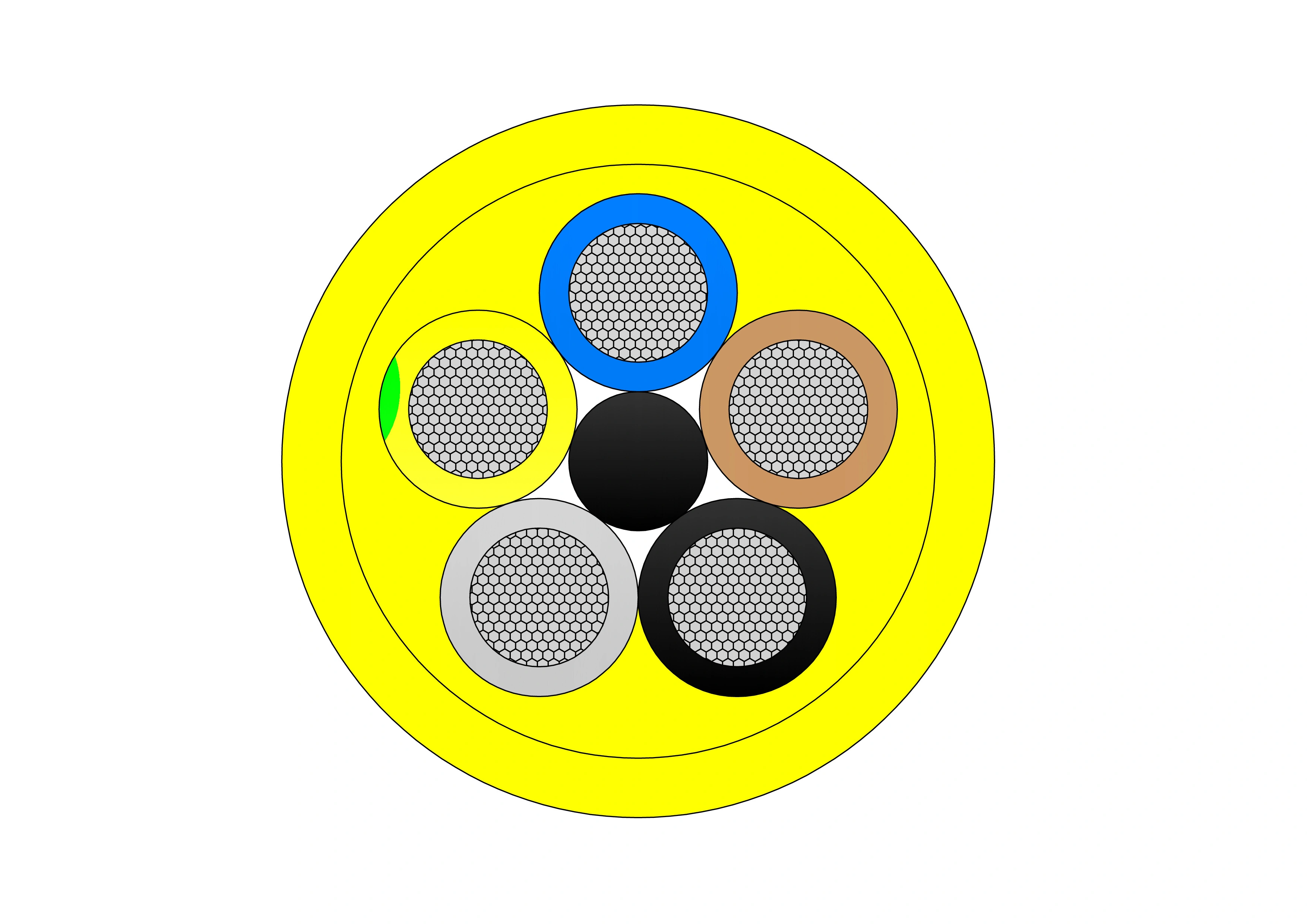
NSSHOU O/J, NSSHOU 3E, NSSHOU 3E + ST 0.6/1 kV Cable
The NSSHOU O/J, NSSHOU 3E, and NSSHOU 3E + ST 0.6/1 kV Cables are heavy-duty, flexible rubber-insulated mining cables designed for safe and reliable power transmission in harsh mining and industrial environments. These cables are commonly used for mobile and fixed mining equipment, including conveyors, cutting machines, drilling systems, and underground power distribution. NSSHOU O/J cables provide excellent flexibility and mechanical strength, while NSSHOU 3E cables incorporate a protective earth conductor for enhanced safety. The NSSHOU 3E + ST version includes additional steel tape (ST) reinforcement, offering improved resistance to crushing, impact, and mechanical stress. All cable types feature finely stranded copper conductors, high-performance rubber insulation, and durable outer sheaths resistant to abrasion, oil, moisture, and environmental aging. Manufactured under strict quality control procedures, each NSSHOU cable undergoes raw material testing, process inspection, and finished product testing to ensure compliance with mining standards and long-term operational reliability.
70kV 8000kVA Copper-Wound Oil-Immersed Power Transformer for High-Voltage Distribution
The 70kV 8000kVA Copper-Wound Oil-Immersed Power Transformer for High-Voltage Distribution is designed to deliver robust performance in demanding grid environments. Featuring 100% oxygen-free copper windings, the transformer ensures superior electrical conductivity, reduced losses, and enhanced overload capability. Its oil-immersed cooling system provides excellent heat dissipation, maintaining long-term stability under high-load and continuous operation conditions. The high-grade silicon steel core minimizes noise and magnetic losses, improving overall efficiency. The transformer’s reinforced tank, durable insulation system, and outdoor-ready structure enable reliable operation in harsh climates, industrial zones, and high-temperature regions. Compliant with IEC, IEEE, and GB standards, this transformer supports utility substations, industrial power networks, renewable energy integration, and high-voltage distribution systems, ensuring safe, efficient, and uninterrupted power delivery.
4/0 Zuzara Aluminum Conductor Triplex Overhead Service Drop Cable
The 4/0 Zuzara Aluminum Conductor Triplex Overhead Service Drop Cable is engineered to deliver safe, efficient, and durable overhead power distribution for high-demand utility networks. It features two insulated aluminum phase conductors helically wrapped around a bare aluminum neutral messenger, providing strong mechanical support and stable electrical performance. Manufactured using premium aluminum materials and high-performance insulation compounds, the 4/0 Zuzara Aluminum Conductor Triplex Overhead Service Drop Cable offers excellent resistance to corrosion, UV radiation, and environmental stress. Its optimized structure supports easy handling and installation while meeting utility and industry standards. The cable performs reliably under mechanical load, temperature variation, and prolonged outdoor exposure. Strict quality management systems and detailed testing procedures are implemented throughout production to ensure consistent performance and dependable service life.
477 MCM Cosmos AAC Cable
The 477 MCM Cosmos AAC Cable represents premium All Aluminum Conductor technology for overhead power applications. Built with 19 strands of high-conductivity 1350-H19 aluminum, this bare conductor delivers an optimal balance of electrical efficiency and mechanical robustness. With a 0.793-inch diameter, 8,360 lbs breaking strength, and 639 amps ampacity, the Cosmos AAC offers low DC resistance of 0.0362 ohms per 1000 ft at 20°C and a weight of 447.8 lbs per 1000 ft. This design minimizes sag while providing excellent corrosion resistance for extended outdoor service. Manufactured to meet ASTM B-230 and B-231 standards, the 477 MCM Cosmos AAC Cable undergoes extensive quality testing from raw materials through finished product. It is the ideal solution for new installations and upgrades in transmission and distribution systems that demand lightweight, high-conductivity bare aluminum conductors.
H07ZZ-F EN 50525-3-21 LSZH Rubber Flexible Cable
The H07ZZ-F Rubber Flexible Cable is a high-performance low-smoke, halogen-free (LSZH) flexible cable designed in compliance with EN 50525-3-21 and IEC 60502-1 standards. It offers outstanding flexibility, flame retardancy, and resistance to smoke and toxic gas emission, ensuring enhanced safety in public and industrial environments. With its cross-linked LSZH insulation and sheath, the H07ZZ-F cable is ideal for fixed and mobile electrical installations in airports, subways, public buildings, power distribution systems, UPS equipment, and stage lighting setups. Engineered to perform under moderate mechanical stress, it maintains excellent reliability both indoors and outdoors. The H07ZZ-F LSZH is ideal for mobile equipment, construction sites, mining, public buildings, and industrial power supply where low smoke, halogen-free safety, and flexibility are critical for fire-sensitive or confined spaces.Welcome your inquiry
Honesty, Integrity, Frugality, Activeness and Passion