High-Quality Bare Conductor Cable (AAC/ACSR/AAAC) for Overhead Transmission
2026-06-18
1. The Backbone of Modern Overhead Power Networks
The global transmission and distribution industry relies heavily on bare conductor cable technologies to transport electrical energy efficiently over long distances. From urban distribution networks to ultra-high-voltage transmission corridors, bare conductors remain the most economical and technically proven solution for overhead power lines.
Unlike insulated cables, bare conductors are installed in open air, where the surrounding atmosphere acts as the primary insulating medium. This design allows utilities to maximize current-carrying capacity while minimizing material costs and line losses.
Today, several conductor technologies dominate the market, including AAC conductor cable, AAAC cable, ACSR cable, ACAR cable, and bare copper conductor solutions. Each conductor type offers unique advantages regarding conductivity, tensile strength, corrosion resistance, and mechanical performance.
Selecting the correct overhead conductor requires a thorough understanding of electrical requirements, environmental conditions, mechanical loading, and lifecycle economics. As power grids expand to support renewable energy, industrial growth, and urban development, the role of advanced bare conductor systems becomes increasingly important.
2. What Is a Bare Conductor Cable?
A bare conductor cable is an electrical conductor without external insulation, specifically designed for overhead transmission and distribution applications.
These conductors are suspended on poles or transmission towers using insulators that separate the energized conductor from supporting structures.
The primary functions of bare conductors include:
- Carrying electrical current
- Supporting long-distance power transmission
- Maintaining mechanical integrity under environmental loads
- Providing cost-effective grid infrastructure
The most common materials used in bare conductors include:
- Aluminum
- Aluminum alloys
- Copper
- Steel-reinforced aluminum combinations
Because air acts as the insulating medium, conductor design focuses heavily on conductivity, weight, tensile strength, sag performance, and environmental durability.
Modern overhead transmission systems would not be economically feasible without high-performance bare conductor technologies.
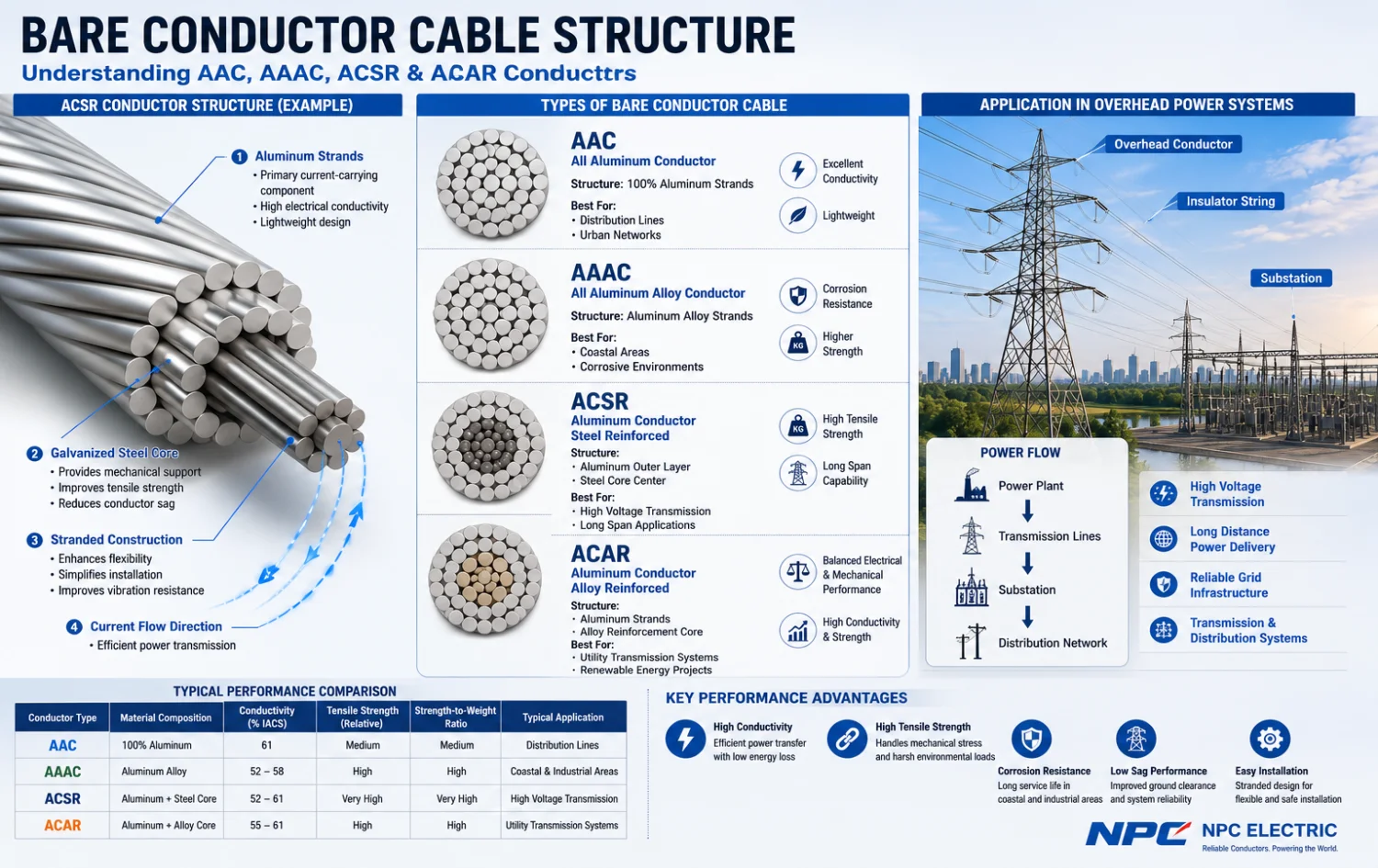
3. Common Types of Bare Conductors: AAC, AAAC, ACSR, and ACAR
Understanding the differences between AAC, AAAC and ACSR conductors is essential for engineers and utility planners.
AAC Conductor Cable (All Aluminum Conductor)
AAC conductors consist entirely of high-purity aluminum strands.
Advantages include:
- Excellent electrical conductivity
- Lightweight construction
- Good corrosion resistance
- Easy installation
AAC conductors are commonly used in:
- Urban distribution lines
- Coastal distribution networks
- Short-span overhead systems
However, because AAC contains no steel reinforcement, its tensile strength is lower than ACSR.
AAAC Cable (All Aluminum Alloy Conductor)
AAAC cable utilizes aluminum alloy strands rather than pure aluminum.
Benefits include:
- Higher mechanical strength
- Improved strength-to-weight ratio
- Enhanced corrosion resistance
- Longer service life
AAAC conductors are widely used in regions where environmental durability is a major concern.
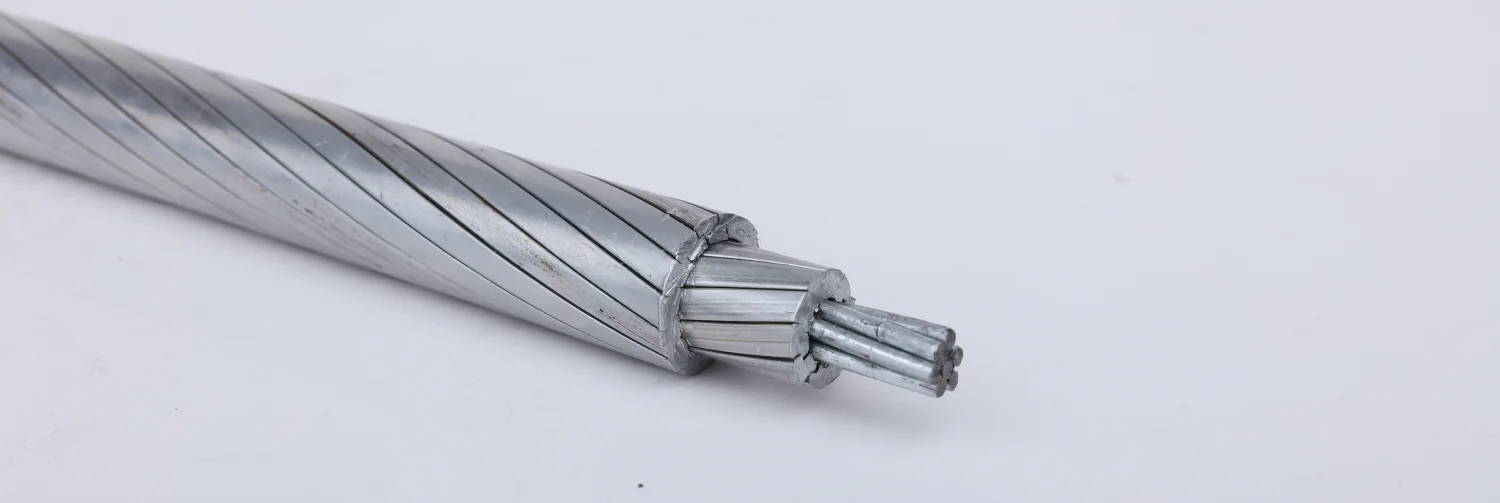
ACSR Cable (Aluminum Conductor Steel Reinforced)
ACSR cable combines aluminum strands surrounding a central steel core.
This design provides:
- High tensile strength
- Excellent mechanical stability
- Long-span capability
- Reduced conductor sag
Because of its steel reinforcement, ACSR remains one of the most widely used conductors in transmission lines worldwide.
ACAR Cable (Aluminum Conductor Alloy Reinforced)
ACAR conductors combine aluminum and aluminum alloy materials.
The result is:
- Excellent conductivity
- Improved strength
- Lower weight than ACSR
- Better corrosion resistance
ACAR is increasingly selected for modern grid expansion projects where both electrical and mechanical performance are critical.
Comparison of Common Bare Conductor Types
|
Conductor Type |
Material Composition |
Conductivity |
Tensile Strength |
Corrosion Resistance |
Typical Application |
|
AAC |
Pure Aluminum |
Excellent |
Low |
Excellent |
Urban Distribution Lines |
|
AAAC |
Aluminum Alloy |
Very Good |
Medium-High |
Excellent |
Coastal & Industrial Areas |
|
ACSR |
Aluminum + Steel Core |
Very Good |
Very High |
Good |
Long-Distance Transmission Lines |
|
ACAR |
Aluminum + Alloy Reinforcement |
Excellent |
High |
Very Good |
Utility Transmission Networks |
|
Bare Copper Conductor |
Pure Copper |
Outstanding |
Medium |
Excellent |
Substations & Grounding Systems |
Key Engineering Advantages
|
Conductor |
Primary Advantage |
|
AAC |
Maximum Conductivity |
|
AAAC |
Corrosion Resistance |
|
ACSR |
Highest Mechanical Strength |
|
ACAR |
Balanced Electrical and Mechanical Performance |
|
Copper |
Superior Electrical Conductivity |
Engineering Insight
ACSR conductors remain the dominant choice for high-voltage transmission lines due to their steel reinforcement and exceptional tensile strength, while AAAC conductors are increasingly selected in coastal and highly corrosive environments.
4. Material Selection and Conductor Design Principles
Material selection directly influences conductor performance throughout its operational life.
Bare Aluminum Conductor
Aluminum has become the dominant conductor material due to:
- High conductivity-to-weight ratio
- Lower cost than copper
- Excellent corrosion resistance
- Ease of installation
Most overhead transmission conductors utilize aluminum in some form.
Bare Copper Conductor
Bare copper conductor solutions offer:
- Superior conductivity
- Excellent thermal performance
- Long service life
However, higher material costs and greater weight limit widespread use in large transmission systems.
Today, bare copper conductor applications are primarily found in:
- Grounding systems
- Substations
- Industrial facilities
- Special transmission applications
Steel Core Reinforcement
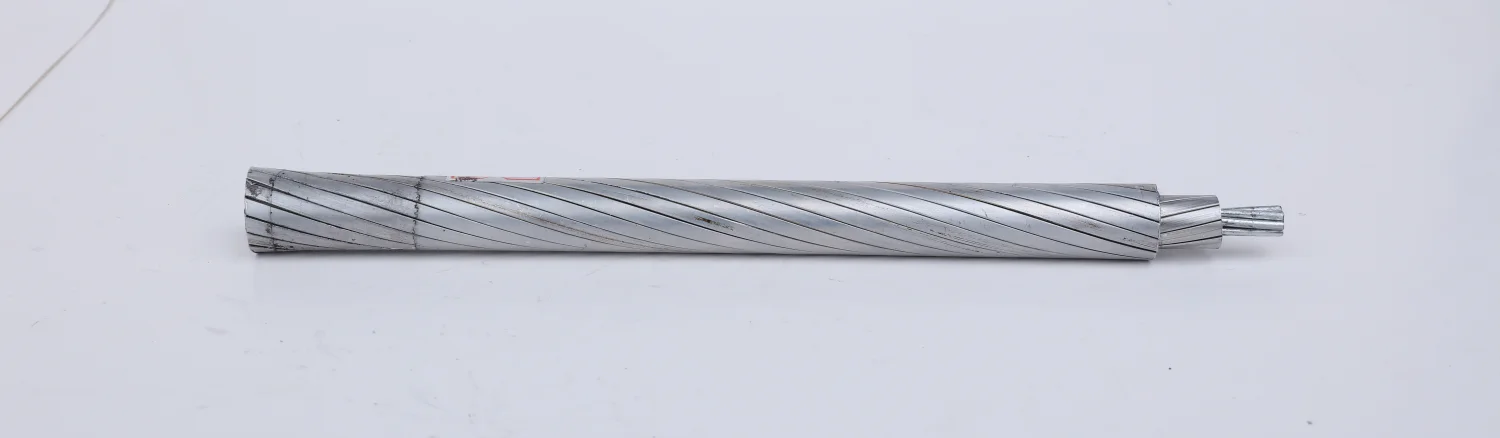
For long-span transmission lines, steel reinforcement significantly improves mechanical performance.
The steel core:
- Increases tensile strength
- Reduces sag
- Supports heavier conductor loads
- Improves wind and ice resistance
This explains why ACSR conductors remain a preferred solution for high-voltage transmission infrastructure.
5. Mechanical Performance in Overhead Transmission Applications
Electrical performance alone does not determine conductor suitability.
Mechanical characteristics often dictate long-term reliability.
Tensile Strength
Tensile strength measures a conductor's ability to withstand mechanical tension without failure.
High tensile strength is particularly important for:
- Long-span transmission crossings
- Mountainous terrain
- River crossings
- High-wind regions
Strength-to-Weight Ratio
The strength-to-weight ratio significantly impacts tower loading and installation costs.
AAAC and ACSR conductors offer superior ratios compared with many traditional conductor designs.
Sag Performance
Conductor sag affects:
- Ground clearance
- Safety compliance
- Tower design
- System reliability
Excessive sag can lead to safety violations and increased maintenance requirements.
Typical Electrical and Mechanical Characteristics
|
Property |
AAC |
AAAC |
ACSR |
ACAR |
|
Electrical Conductivity (%IACS) |
61 |
52–58 |
52–61 |
55–61 |
|
Relative Weight |
Low |
Low |
Medium |
Medium |
|
Tensile Strength |
Low |
Medium |
Very High |
High |
|
Sag Performance |
Moderate |
Good |
Excellent |
Excellent |
|
Wind Resistance |
Good |
Good |
Excellent |
Excellent |
|
Ice Load Resistance |
Moderate |
Good |
Excellent |
Excellent |
|
Maximum Span Capability |
Medium |
Medium |
Long |
Long |
|
Service Life |
25–35 Years |
30–40 Years |
35–50 Years |
35–50 Years |
Strength-to-Weight Ratio Comparison
|
Conductor Type |
Strength-to-Weight Ratio |
|
AAC |
Medium |
|
AAAC |
High |
|
ACSR |
Very High |
|
ACAR |
High |
|
Copper |
Medium |
Engineering Insight
For long-span overhead transmission projects, ACSR and ACAR conductors generally offer the best balance between mechanical reliability, sag control, and lifecycle performance.
Environmental Loading
Modern conductors must withstand:
- Ice loads
- Wind loads
- Temperature fluctuations
- Lightning exposure
- Pollution environments
Engineering calculations must account for these factors during conductor selection.
6. Applications in Transmission and Distribution Networks
Bare conductor cables serve virtually every level of electrical infrastructure.
Distribution Lines
Distribution networks commonly utilize:
- AAC conductors
- AAAC conductors
These systems prioritize:
- Cost efficiency
- Ease of installation
- Corrosion resistance
Typical voltage ranges include:
- 11 kV
- 22 kV
- 33 kV
High-Voltage Transmission Lines
Transmission systems frequently employ:
- ACSR conductors
- ACAR conductors
These conductors support:
- 66 kV
- 132 kV
- 220 kV
- 400 kV
- 765 kV and above
Renewable Energy Projects
Wind farms and solar power plants require robust overhead conductor systems to connect generation assets to utility grids.
Modern conductor designs help reduce losses and improve network efficiency.
Industrial Power Systems
Mining operations, refineries, and manufacturing facilities often use bare conductors for internal transmission and distribution infrastructure.
7. Conductor Selection Criteria for Engineering Projects
Selecting the correct conductor requires balancing electrical, mechanical, environmental, and economic factors.
Electrical Considerations
Engineers evaluate:
- Current carrying capacity
- Voltage level
- Short-circuit performance
- Power losses
Mechanical Considerations
Mechanical analysis includes:
- Span length
- Tensile loading
- Wind conditions
- Ice accumulation
Environmental Conditions
Corrosive environments may favor:
- AAAC conductors
- ACAR conductors
while long-distance transmission projects often favor ACSR conductors.
Economic Evaluation
A lifecycle cost assessment should consider:
- Initial conductor cost
- Installation expenses
- Maintenance requirements
- Energy losses
- Expected service life
The lowest purchase price does not always result in the lowest total ownership cost.
Recommended Conductor Selection Matrix
|
Application |
Recommended Conductor |
|
Urban Distribution Network |
AAC |
|
Rural Distribution Lines |
AAAC |
|
Coastal Distribution Systems |
AAAC |
|
Industrial Power Networks |
AAAC / ACAR |
|
66–132 kV Transmission Lines |
ACSR |
|
220–400 kV Transmission Lines |
ACSR |
|
Long River Crossings |
ACSR |
|
Mountain Transmission Routes |
ACSR |
|
Renewable Energy Interconnection |
ACAR / ACSR |
|
Utility Grid Expansion Projects |
ACAR |
Voltage Level Selection Guide
|
Voltage Level |
Preferred Conductor |
|
11 kV |
AAC |
|
22 kV |
AAC / AAAC |
|
33 kV |
AAAC |
|
66 kV |
AAAC / ACSR |
|
132 kV |
ACSR |
|
220 kV |
ACSR |
|
400 kV |
ACSR |
|
765 kV+ |
High-Performance ACSR |
Environmental Selection Guide
|
Environmental Condition |
Best Conductor Type |
|
Coastal Areas |
AAAC |
|
High Humidity Regions |
AAAC |
|
Heavy Ice Loading |
ACSR |
|
High Wind Areas |
ACSR |
|
Desert Conditions |
ACAR |
|
Industrial Pollution Zones |
AAAC / ACAR |
|
Mountain Terrain |
ACSR |
|
Long Transmission Corridors |
ACSR |
Engineering Insight
No single conductor type is suitable for every project. Successful conductor selection requires balancing conductivity, tensile strength, environmental durability, installation conditions, and lifecycle costs.
8. Future Trends in Bare Conductor Technology
The power industry continues to seek higher efficiency and greater transmission capacity.
High-Temperature Low-Sag Conductors
HTLS conductors allow utilities to increase line capacity without constructing new transmission corridors.
Advanced Aluminum Alloys
New alloy formulations provide:
- Improved conductivity
- Enhanced tensile strength
- Reduced weight
Grid Modernization
As renewable energy integration accelerates, transmission operators increasingly require conductors capable of supporting dynamic loading conditions.
Sustainable Infrastructure
Modern conductor manufacturers focus on:
- Reduced material usage
- Improved recyclability
- Lower environmental impact
- Extended service life
These developments ensure that bare conductor technologies will remain a critical component of future power systems.
FAQ Section
FAQ 1: What is the difference between AAC, AAAC, and ACSR conductors?
AAC (All Aluminum Conductor), AAAC (All Aluminum Alloy Conductor), and ACSR (Aluminum Conductor Steel Reinforced) are the most commonly used bare conductor cables for overhead transmission and distribution systems.
- AAC conductors offer excellent electrical conductivity and are ideal for short-span distribution lines.
- AAAC conductors provide better corrosion resistance and a higher strength-to-weight ratio, making them suitable for coastal and industrial environments.
- ACSR conductors incorporate a steel core, delivering superior tensile strength and sag performance for long-span and high-voltage transmission lines.
The selection depends on voltage level, span length, environmental conditions, and mechanical loading requirements.
FAQ 2: Why are ACSR conductors widely used in overhead transmission lines?
ACSR conductors are widely used because they combine the electrical conductivity of aluminum with the mechanical strength of a steel core.
Key advantages include:
- High tensile strength
- Excellent sag control
- Long-span capability
- Resistance to wind and ice loads
- Cost-effective performance for high-voltage transmission
Because of these characteristics, ACSR remains one of the most widely installed conductor types in utility transmission networks worldwide.
FAQ 3: Which bare conductor is best for coastal and corrosive environments?
AAAC (All Aluminum Alloy Conductor) is generally considered the best option for coastal and highly corrosive environments.
Unlike ACSR conductors, AAAC contains no steel core, eliminating the risk of galvanic corrosion between aluminum and steel components.
Benefits include:
- Excellent corrosion resistance
- Lightweight construction
- Long service life
- Reduced maintenance requirements
AAAC conductors are commonly used in coastal transmission projects, island power systems, and industrial zones with high atmospheric contamination.
FAQ 4: How is conductor tensile strength important in overhead power lines?
Tensile strength determines a conductor's ability to withstand mechanical forces during installation and operation.
Higher tensile strength provides:
- Longer span capability
- Lower conductor sag
- Improved wind resistance
- Better ice load performance
- Increased system reliability
For transmission lines crossing rivers, mountains, highways, or large open areas, conductor tensile strength becomes a critical engineering design factor.
FAQ 5: How do engineers select the right bare conductor cable for a project?
Engineers evaluate several technical and economic factors when selecting a bare conductor cable, including:
- System voltage level
- Current carrying capacity
- Span length
- Tensile strength requirements
- Environmental conditions
- Corrosion exposure
- Installation costs
- Lifecycle economics
AAC conductors are often used for distribution networks, AAAC conductors for corrosive environments, and ACSR conductors for long-distance high-voltage transmission applications.
Conclusion
Bare conductor cables remain the foundation of global overhead transmission and distribution infrastructure. Whether utilizing AAC conductor cable, AAAC cable, ACSR cable, ACAR cable, or bare copper conductor technologies, selecting the right conductor is essential for ensuring reliable and efficient power delivery.
While AAC conductors provide economical solutions for distribution lines, ACSR conductors offer unmatched tensile strength for long-span transmission applications. AAAC and ACAR conductors bridge the gap by combining excellent corrosion resistance with strong mechanical performance.
As electrical grids evolve to support renewable energy, smart infrastructure, and increasing electricity demand, high-quality bare conductor systems will continue to play a vital role in modern power transmission and distribution networks worldwide.

Related Articles

Related Products
GYTY53 Fiber Optic Cable
The GYTY53 Fiber Optic Cable is a high-strength double steel tape armored loose tube fiber optic cable designed for demanding outdoor and underground installations. It features a central strength member, multiple PBT loose tubes filled with water-blocking gel containing optical fibers, double corrugated steel tape armor for maximum mechanical protection, and a durable polyethylene (PE) outer sheath. Compliant with IEC 60794 and ITU-T standards, the GYTY53 Fiber Optic Cable offers excellent crush resistance, rodent protection, and moisture blocking. Available in single-mode and multi-mode configurations with various fiber counts, it ensures low attenuation, high bandwidth, and reliable signal transmission over long distances. Its robust double armor construction makes it ideal for direct burial, harsh environments, and areas with high external mechanical stress. The GYTY53 Fiber Optic Cable is widely used in backbone networks, metropolitan area networks, railway and highway communications, and infrastructure projects requiring secure and durable fiber connectivity.2Y-high-voltage-power-cable-2.webp)
High Voltage / 2XS(F)2Y, A2XS(F)2Y 110kV Power Cable
The 2XS(F)2Y / A2XS(F)2Y 110kV High Voltage Power Cable is engineered for underground high-voltage transmission networks with a maximum operating voltage of 110kV (123kV highest). Built with Class 2 copper or aluminum Milliken conductors, extruded semi-conductive XLPE screens, and XLPE insulation, it ensures excellent electrical performance and long service life. Its copper wire screen with counter-helical copper tape offers enhanced shielding, while the water-swellable tapes provide longitudinal water-blocking. The HDPE outer sheath delivers high abrasion resistance and durability, making it ideal for installation in environments with existing mechanical protection. Manufactured to IEC 60840, HRN HD 632, and IEC/EN 60228 standards, this cable is well-suited for high-load and long-distance transmission applications.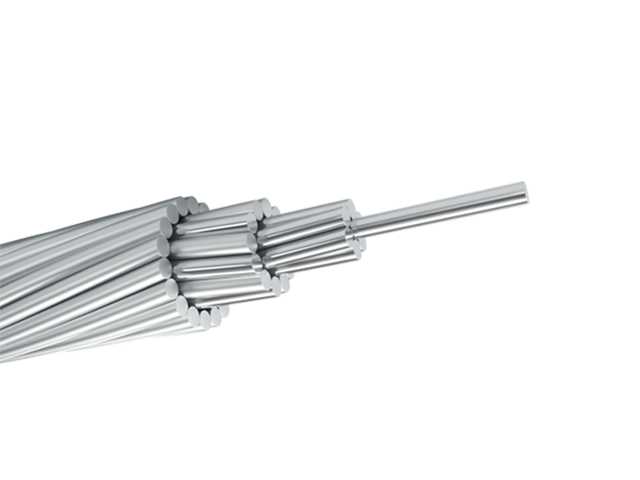
ALUMINUM CONDUCTOR ALLOY REINFORCED(ACAR)
Aluminum Conductor Alloy Reinforced (ACAR) is a high-performance overhead conductor featuring concentrically stranded 1350-H19 aluminum wires around a core of 6201 aluminum-magnesium-silicon alloy strands. This design optimizes the balance between electrical conductivity and mechanical strength, offering higher ampacity than equivalent AAAC and better strength-to-weight ratio than AAC. ACAR excels in applications requiring reduced sag and enhanced durability, with excellent corrosion resistance suitable for coastal or industrial settings. Compliant with ASTM B524, B231, and B398 standards, it supports various stranding configurations for flexibility in line design. The alloy reinforcement provides superior tensile strength (up to 30% more than pure aluminum), minimizing support structures and installation costs. Ideal for primary and secondary distribution, ACAR reduces energy losses while maintaining reliability under heavy loads or extreme weather. Its lightweight nature facilitates easier handling, and full aluminum construction ensures recyclability, aligning with sustainable power infrastructure goals. ACAR is a versatile choice for modern grids seeking efficiency and longevity.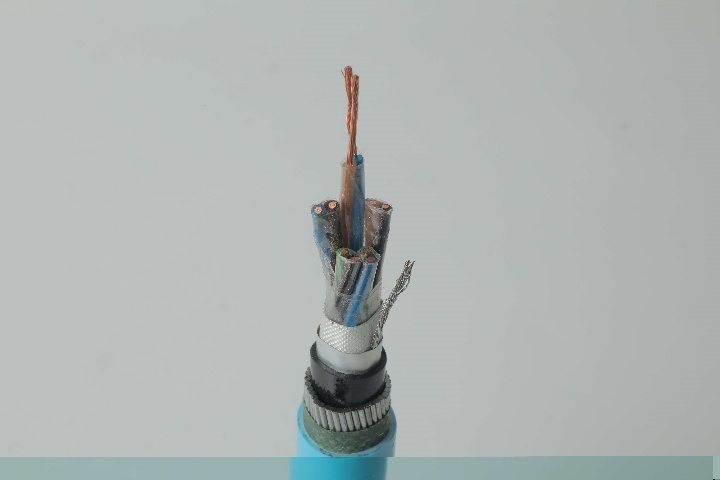
Instrumentation Cables—XLPE Insulated,Individual & Overall Screened, DRYLAM Layered,Wire Armoured PVC Sheathed Cables(CU/XLPE/IOSCR/DRYLAM/SWA/PVC)
Instrumentation Cables with XLPE Insulated, Individual & Overall Screened, DRYLAM Layered, Wire Armoured and PVC Sheathed construction (CU/XLPE/IOSCR/DRYLAM/SWA/PVC) are engineered for high-accuracy signal transmission in harsh and moisture-prone environments. XLPE insulated copper conductors deliver excellent dielectric strength, thermal stability, and long-term electrical reliability. Individual and overall screening effectively suppress electromagnetic interference and cross-talk, ensuring stable and precise signal performance in complex control systems. The integrated DRYLAM water-blocking layer prevents longitudinal and radial water penetration, protecting the cable core without increasing overall diameter. Steel wire armour provides strong mechanical protection against impact and external stress, while the PVC outer sheath offers resistance to abrasion, oils, and chemicals. This robust cable design ensures dependable operation, extended service life, and consistent performance in demanding industrial applications.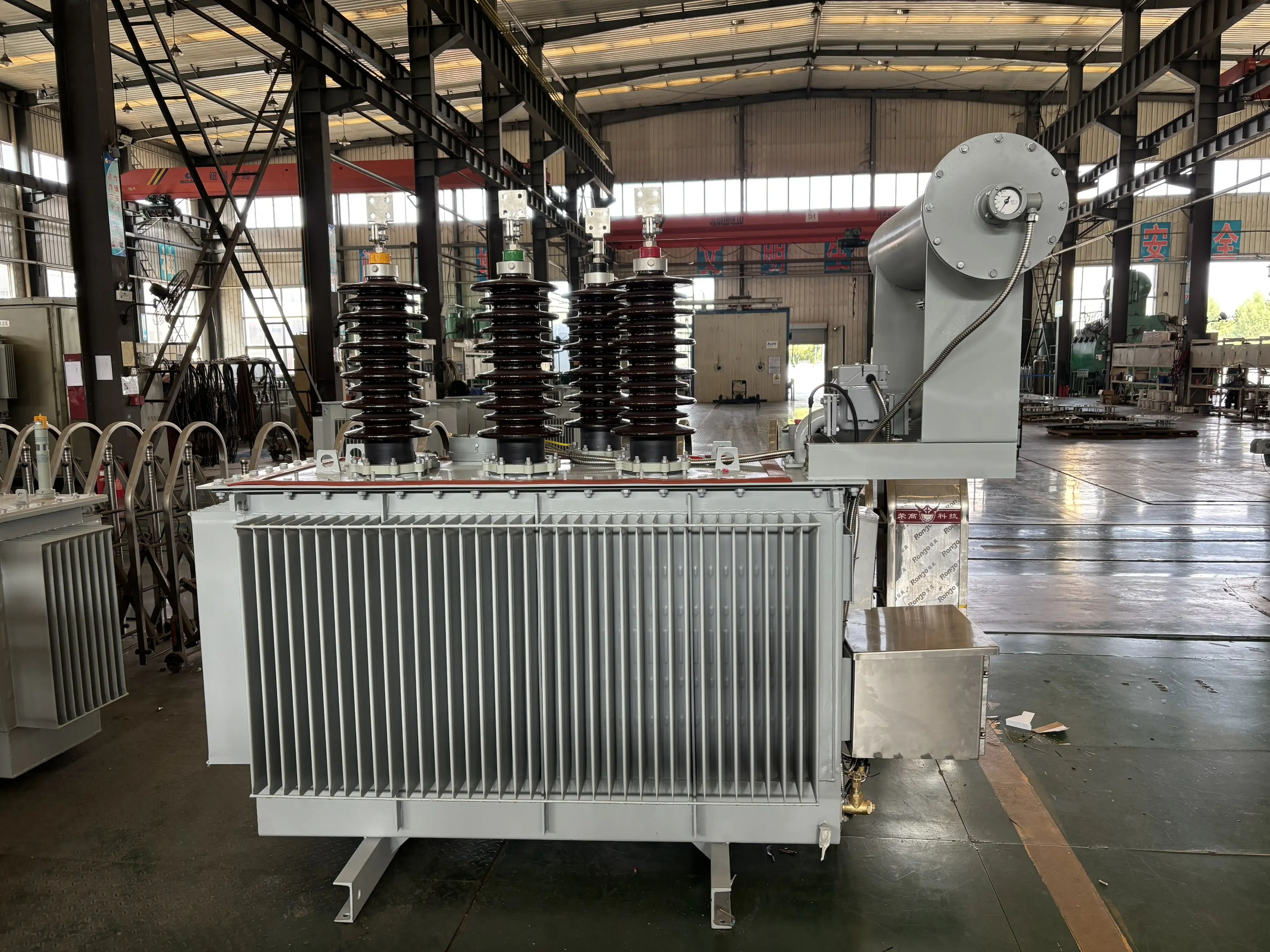
Zigzag Neutral Grounding Transformer to IEC Standards – Factory Direct Sales
Zigzag Neutral Grounding Transformer manufactured to IEC standards is a reliable solution for establishing an artificial neutral point in medium-voltage power systems. Designed with a precision zigzag winding configuration, it provides low zero-sequence impedance during ground faults while maintaining balanced operation under normal conditions. This enables effective limitation of earth fault currents, improved system protection coordination, and enhanced grid safety. Produced under strict IEC compliance, the transformer features a robust core design, high-quality conductors, and reinforced insulation systems to ensure long-term stability and fault withstand capability. Factory direct sales allow for flexible engineering support, competitive pricing, and shorter delivery cycles.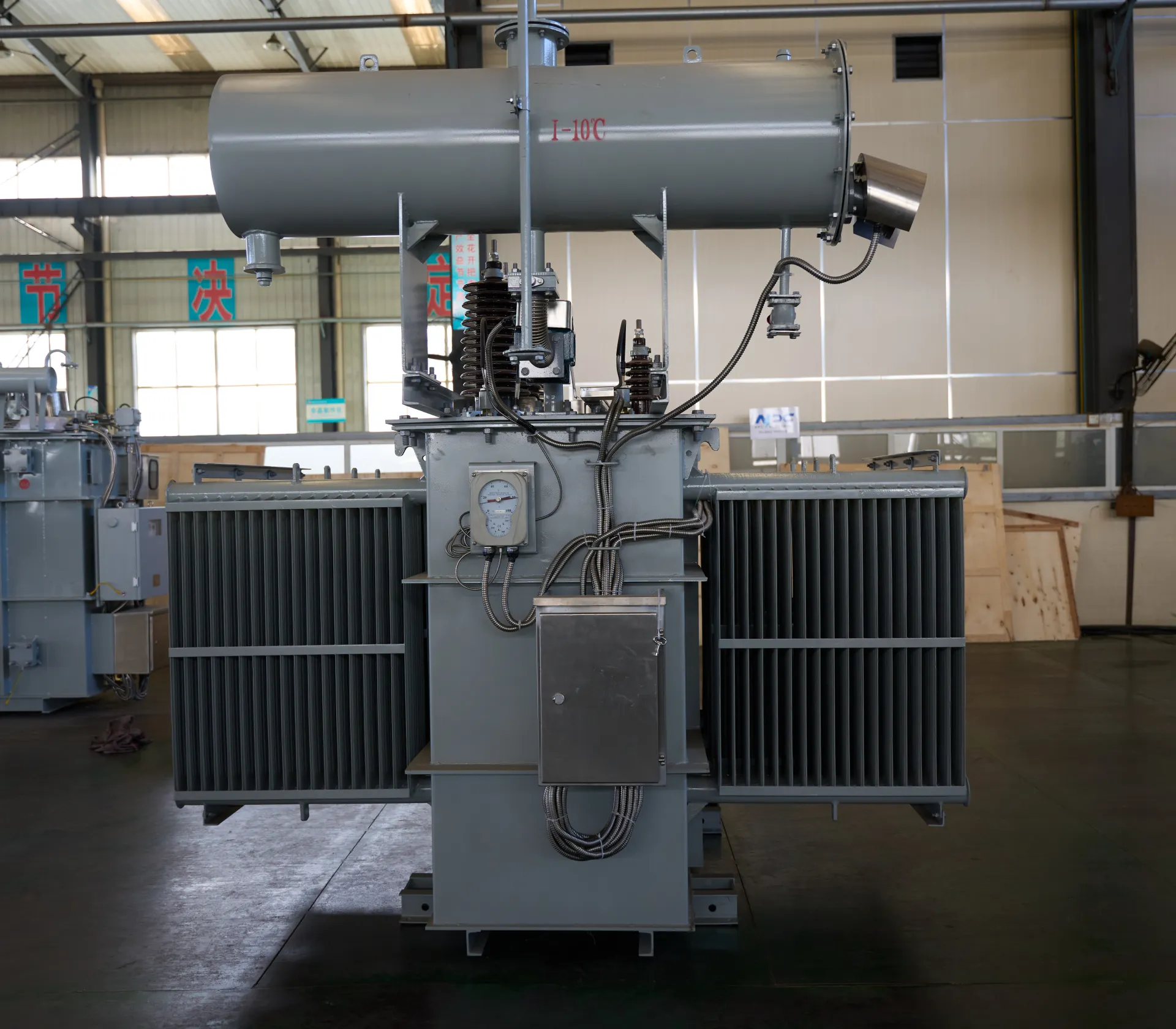
11kV to 0.8kV 1250 kVA Solar Power Transformer - Copper Wound High Efficiency PV Transformer
The 1250 kVA Solar Power Step-Up Transformer is a high-performance, inverter-duty solution specifically engineered for utility-scale photovoltaic (PV) installations. Designed to interface directly with 800V central or string inverters, this unit efficiently elevates voltage to 11kV for medium-voltage distribution. Unlike standard distribution transformers, our 1250 kVA model features 100% high-purity oxygen-free copper windings, offering superior thermal conductivity and lower losses. The core is constructed from laser-scribed, grain-oriented silicon steel to minimize eddy current losses, ensuring maximum energy harvest even during low-irradiance periods. With advanced harmonic mitigation technology, it withstands the high-frequency switching stresses typical of modern solar power conversion.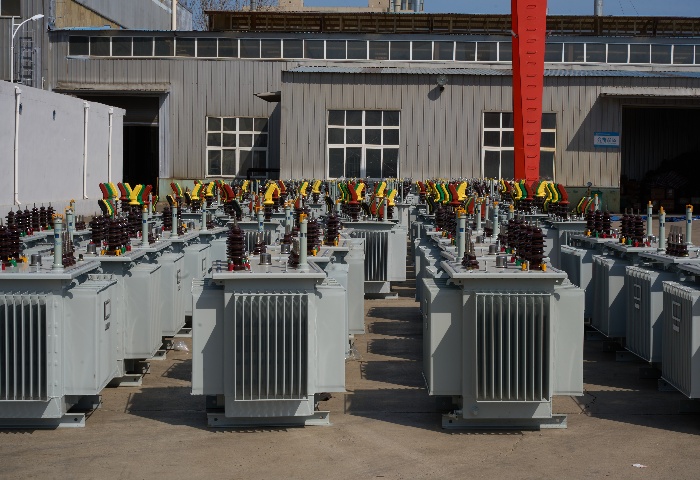
1500kVA Oil Immersed Transformer
NPC ELECTRIC's 1500kVA oil-immersed transformer adopts advanced technology, complies with international IEC, ANSI, and other standards, and has efficient and stable power conversion capabilities. It uses oil-immersed cooling technology, has excellent heat dissipation performance and durability, and ensures long-term stable operation of the equipment in harsh environments. Primary voltages range from 2.4kV to 34.5kV (common: 34.5kV, 24.94kV, 13.8kV, 13.2kV, 12.47kV, 4.16kV) in delta or grounded wye configurations with BIL up to 200kV.
2000kVA 33kV Oil-Immersed Earthing Transformer with NGR
2000kVA 33kV Oil-Immersed Neutral Grounding Earthing Transformer with NGR is engineered to provide a stable and controlled neutral point for medium-voltage power systems. By combining an earthing transformer with an integrated Neutral Grounding Resistor (NGR), it effectively limits earth fault current, improves system protection coordination, and enhances operational safety. The oil-immersed design ensures excellent insulation performance, efficient heat dissipation, and long-term reliability under continuous operation. Optimized magnetic core construction reduces losses, while robust windings withstand short-time fault currents without mechanical degradation. The integrated NGR is precisely matched to system requirements, enabling accurate fault current limitation and minimizing damage to equipment during ground faults.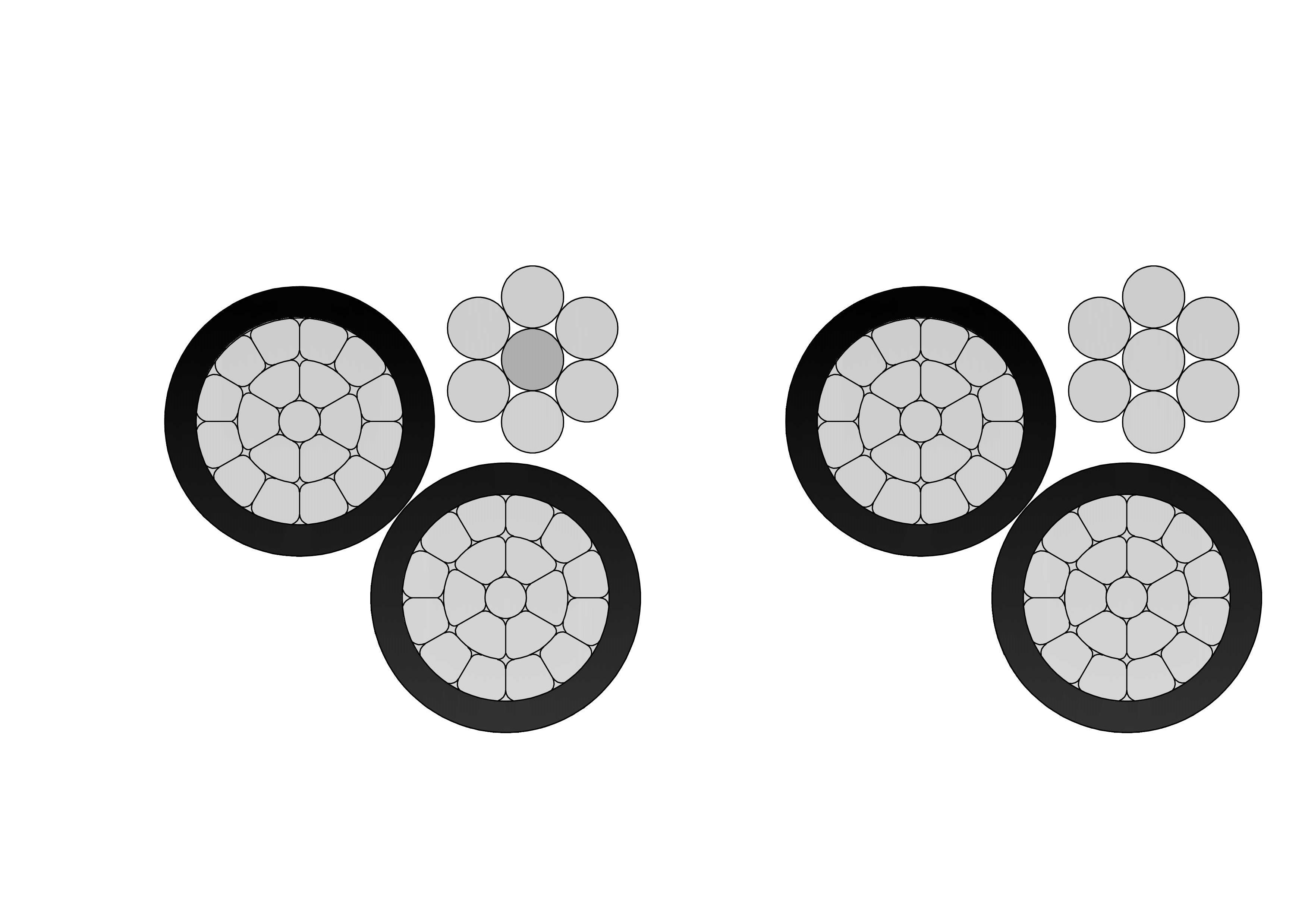
1/0 Sandcrab Aluminum Conductor Triplex Overhead Service Drop Cable
NPC Electric 1/0 Sandcrab Triplex Service Drop Cable provides reliable overhead secondary distribution for residential applications. Consisting of two 1/0 AWG aluminum phase conductors and one neutral messenger (7-strand) insulated with cross-linked polyethylene (XLPE) and twisted in triplex form, it meets ASTM, ICEA, and international standards. The robust insulation resists sunlight, moisture, and mechanical damage for decades of outdoor service. Lightweight design simplifies installation with low sag and easy handling. The 1/0 Sandcrab Triplex Service Drop Cable ensures minimal losses, high current capacity, and excellent weather performance up to 600V. Self-supporting messenger reduces pole loading. Flame-retardant options enhance safety. Commonly chosen for two-phase power delivery with neutral in subdivisions, rural homes, and temporary connections requiring safe, economical aerial bundled solutions with proven durability.-AL-medium-voltage-power-cable-2.jpg)
RHZ1-2OL(AS)-AL Medium Voltage Power Cable(8.7/15kV, 12/20kV, 18/30kV Specifications)
RHZ1-2OL(AS)-AL are enhanced flame-retardant, low smoke, zero halogen (LSZH) medium voltage cables with aluminum conductors, manufactured under IEC 60502-2 standards. Featuring stranded aluminium conductors, cross-linked polyethylene (XLPE) insulation, metallic screen, and low smoke zero halogen (LSZH) outer sheath with enhanced fire performance (AS designation), it complies with UNE 21123-4 and CPR standards. In fire conditions, it emits very low smoke and no toxic gases. Aluminium construction reduces weight and costs while providing sufficient current capacity. Excellent partial discharge resistance, low dielectric losses, and high thermal stability ensure efficient, long-term operation. Suitable for direct burial, ducts, or indoor use in public areas. The RHZ1-2OL(AS)-AL Medium Voltage Power Cable is ideal for utilities, hospitals, schools, tunnels, and infrastructure projects requiring economical, high-safety medium voltage cabling with superior fire behavior and reliability worldwide.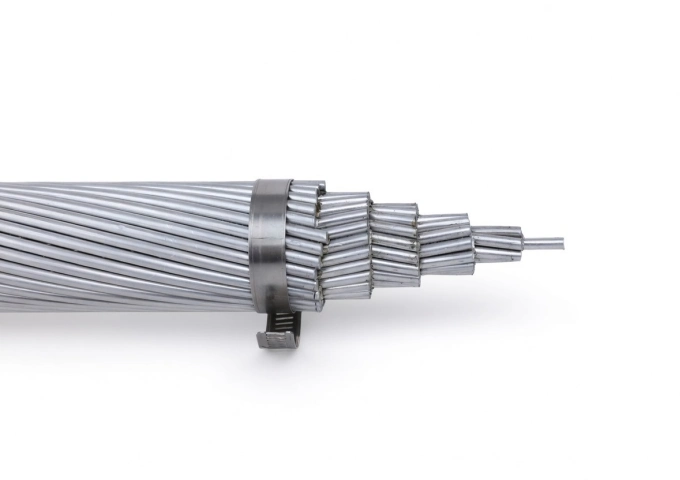
4/0 AWG OXLIP AAC Cable
The 4/0 AWG OXLIP AAC Cable is a premium All Aluminum Conductor designed for efficient overhead power transmission and distribution lines. Manufactured with seven strands of high-purity 1350-H19 aluminum wire in a concentric lay configuration, this bare conductor delivers outstanding electrical performance with low DC resistance of 0.0817 ohms per 1000 ft at 20°C. Featuring an overall diameter of 0.522 inches and a rated breaking strength of 3,830 lbs, the OXLIP AAC provides a robust ampacity of 383 amps while maintaining a lightweight profile of 198.6 lbs per 1000 ft. Its excellent strength-to-weight ratio minimizes sag and reduces structural loading. Fully compliant with ASTM B-230 and B-231 standards, the 4/0 AWG OXLIP AAC Cable offers superior corrosion resistance for long-term durability in harsh outdoor environments, making it an ideal choice for utility networks seeking cost-effective, high-reliability bare aluminum conductors.
FR-N20XA8E-AR Triplex 12/20kV Cable Gen to NF C 33-226 - AL/XLPE/MDPE
The NF C 33-226 AL-XLPE-MDPE 12/20(24)kV Triplex Cable is a high-quality three-core medium voltage power cable designed for reliable three-phase energy transmission. It is constructed with Class 2 stranded aluminum conductors, cross-linked polyethylene (XLPE) insulation, and a medium-density polyethylene (MDPE) outer sheath, providing excellent electrical performance, thermal stability, and mechanical durability. Manufactured in accordance with NF C 33-226, IEC 60502-2, and EN 60228, this cable is ideal for industrial plants, municipal networks, and commercial power systems. It offers high resistance to water (AD7) and UV radiation (ISO 4892), and is halogen-free (IEC/EN 60754-1), ensuring safe and environmentally friendly operation. With a rated voltage of 12/20 (24)kV and a maximum conductor temperature of 90°C, this AL-XLPE-MDPE Triplex cable ensures efficient, safe, and long-term power transmission in medium-voltage distribution networks.
Low Voltage Switchgear
The Low Voltage Switchgear is a high-performance electrical distribution and protection system designed for safe, reliable, and efficient low-voltage power management in industrial facilities, commercial buildings, utility substations, renewable energy systems, and infrastructure projects. The switchgear integrates circuit breakers, protection relays, busbar systems, metering devices, and intelligent control components into a modular enclosure structure to provide stable electrical distribution and advanced operational safety. Manufactured using precision-engineered components and high-quality insulation materials, the low voltage switchgear ensures excellent electrical performance, thermal stability, and mechanical durability under demanding operating conditions. The modular cabinet design improves installation flexibility, simplifies maintenance procedures, and supports future expansion requirements while minimizing operational downtime. The Low Voltage Switchgear supports multiple distribution architectures, intelligent monitoring systems, and smart-grid communication protocols for modern energy management applications. With customizable configurations and scalable electrical protection functions, the system delivers dependable power distribution performance for industrial automation systems, commercial electrical networks, data centers, transportation infrastructure, and utility power systems.
Instrumentation Cables—XLPE Insulated,Individual & Overall Screened,Lead Sheathed,Wire Armoured PVC Sheathed Cables(CU/XLPE/IOSCR/LEAD/SWA/PVC)
Instrumentation Cables are multi-conductor cables that carry and transport low-voltage electrical signals. These low-voltage signals are used to control and monitor electrical power systems. Instrumentation cables have many different industrial applications that include broadcasting, equipment control, such as drilling and pumping in the oil and gas industry, and data transfer, which includes analog and digital signals. They are manufactured according to the BS EN 50288-7 and BS EN 50288-1 standards to ensure quality. Depending on the application, instrumentation cables can be insulated with PVC or XLPE; the cables can be armoured or unarmoured. The sheathing materials can be of PVC, LSZH, or PE. The cables can have additional flame retardant or flame retardant properties, and they can be manufactured with special protections such as lead sheaths, or DRYLAM or AIRBAG technology.
SVR-3 Type Feeder Automatic Step Voltage Regulator
The SVR-3 Type Feeder Automatic Step Voltage Regulator is an advanced, three-phase on-load automatic voltage regulation system designed specifically for distribution feeders. Equipped with a high-speed motorized on-load tap changer, premium copper windings, and low-loss silicon steel core, it delivers precise and rapid voltage stabilization with minimal waveform distortion. The intelligent microprocessor controller continuously monitors line voltage and automatically adjusts taps to maintain stable output voltage, even under rapidly changing load conditions. Built for harsh outdoor environments, the SVR-3 features a fully sealed oil-immersed tank with excellent corrosion protection, advanced cooling system, and comprehensive protection functions including over-voltage, under-voltage, overload, short-circuit, and reverse power protection. With remote monitoring capability and high overload capacity, the SVR-3 significantly improves power quality, reduces energy losses, and enhances reliability across distribution networks.Welcome your inquiry
Honesty, Integrity, Frugality, Activeness and Passion