
Armored Cable: A Complete Guide to Structure, Applications, and Installation
2026-02-02
Armored cables play a crucial role in various complex and high-risk applications. Their core advantage lies in the significantly enhanced mechanical strength and environmental adaptability achieved through the metallic armor layer. Compared to ordinary power cables, armored cables can resist external impacts, pressure, abrasion, and rodent damage, making them widely used in underground tunnels, cable tray systems, chemical plants, mines, outdoor installations, and data communication networks. Their armor structure can employ steel tape armor, steel wire armor, or aluminum tape armor, with different structures selected based on the laying environment and load conditions. Steel wire armor is suitable for scenarios with high longitudinal stress, steel tape armor is suitable for fixed installations, while aluminum armor is often used for lightweight and corrosion-resistant applications. Thanks to their excellent tensile, compressive, and corrosion resistance properties, armored cables not only improve the overall reliability of the system but also extend their service life, providing stable and safe operation for power and communication networks. This makes them an indispensable component in modern infrastructure construction.
From an engineering perspective, armored cables are selected when electrical circuits or communication lines are exposed to harsh physical conditions. For example, armored electrical cable is widely used in factories where machinery vibration or mechanical contact can damage traditional cables. Similarly, armored fiber optic cable and armored fiber cable protect delicate optical fibers from crushing forces during installation or accidental excavation. For residential and commercial wiring, 12 2 armored cable is commonly used to meet building safety codes.
1. What Is an Armored Cable?
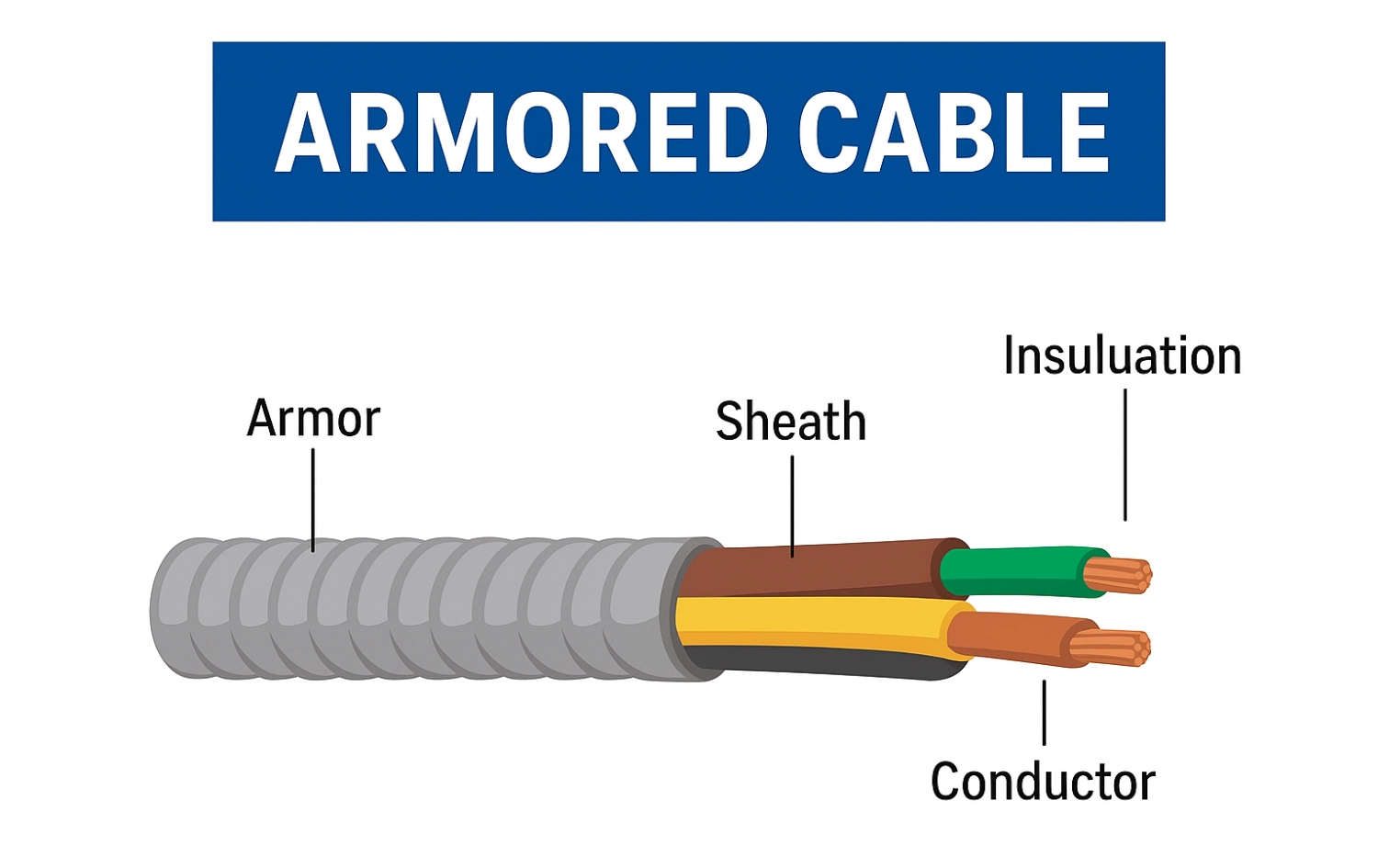
An armored cable is a type of electrical or communication cable wrapped with a protective metal layer. The armor does not conduct electricity but acts as a protective shield to prevent damage from external forces. Depending on the application, armor materials may include:
- Steel Wire Armor (SWA) for tensile strength and impact resistance
- Steel Tape Armor (STA) for underground installations with high mechanical load
- Aluminium Armored Cable for corrosion resistance and lightweight construction
In electrical engineering and construction projects, armored cables are essential for ensuring system reliability, especially where installation conditions pose risks like vibration, water exposure, or soil pressure.
2. Types of Armored Cable
Different armored cable types are optimized for electrical power, communication, or control systems. Below are the most commonly used variations:
(1) Armored Electrical Cable
Used in:
- Industrial power distribution
- Building wiring
- Underground feeders
Common variants:
- Copper core armored cable
- Aluminium armored cable (lighter, more cost-effective)
(2) Armored Fiber Optic Cable
Designed for telecommunication systems requiring high-speed data transmission with physical protection.
Advantages:
- Protects fiber from rodent bites
- Prevents micro-bending and crushing
- Suitable for direct burial installation
(3) 12/2 Armored Cable
A standardized cable size used in residential and commercial electrical wiring.
Features:
- Two insulated conductors + one ground
- Steel-armed jacket
- Fire-resistant and code-compliant
(4) Armored Control and Instrumentation Cables
Used for automation, sensors, and power control systems.
3. Technical Structure of Armored Cable
📘 Armored Cable Technical Comparison Table
|
Cable Type |
Armor Material |
Typical Application |
Key Features |
|
Armored Electrical Cable |
Steel wire (SWA) / Steel tape (STA) |
Power distribution, industrial wiring |
High mechanical protection, suitable for underground |
|
Aluminium Armored Cable |
Aluminum wire armor |
Corrosive or coastal environments |
Lightweight, corrosion-resistant |
|
Armored Fiber Optic Cable |
Corrugated steel tape + gel or dry core |
Telecom, data centers, outdoor fiber networks |
Crush-resistant, rodent-proof |
|
12 2 Armored Cable |
Steel interlocked armor |
Residential & commercial electrical wiring |
Fire-resistant, NEC-compliant |
|
Armored Control Cable |
Steel tape armor |
Industrial automation |
Good EMC shielding, durable |
4. Advantages of Armored Cable in Industrial Projects
(1) Mechanical Protection
Armor prevents:
- Impact damage
- Crushing by soil pressure
- Rodent bites
- Abrasion during installation
(2) Improved Safety
Armored cables greatly reduce electrical hazards by maintaining insulation integrity even in harsh conditions.
(3) Cost-Effective in the Long Term
Although more expensive upfront, armored cables reduce:
- Maintenance cost
- Replacement frequency
- Downtime in manufacturing or power systems
(4) Fire Resistance
Many armored cables are designed with:
- Fire-retardant jackets
- Heat-resistant insulation
- Self-extinguishing materials
(5) Versatility Across Environments
Suitable for:
- Underground installations
- Wet or chemical environments
- Outdoor use
- High-vibration zones
5. Applications of Armored Cable
Armored cables are widely used in:
- Power plants
- Oil & gas facilities
- Mines
- Airports
- Residential buildings
- Renewable energy (solar, wind)
- Data centers and telecom towers
Their robust performance makes them essential in both the electrical and communication industries.
6. Installation Considerations
To ensure safe and long-lasting performance:
- Avoid bending beyond the cable's minimum bending radius.
- Ensure proper grounding of metallic armor.
- Use approved cable glands for armored connectors.
- Protect cables from sharp edges during installation.
- Verify compliance with local electrical codes (IEC, NEC, GB/T).
Proper installation ensures the armored layer performs its protective function without imposing stress on internal conductors.
Armored cable is a vital solution for environments where electrical or communication circuits must endure mechanical stress, moisture, or external hazards. With options such as armored fiber optic cable, aluminium armored cable, and 12 2 armored cable, engineers can select the appropriate type for industrial, commercial, or residential projects. When chosen and installed correctly, armored cable significantly enhances safety, reliability, and long-term performance in modern power and communication systems.

Related Articles
Related Products
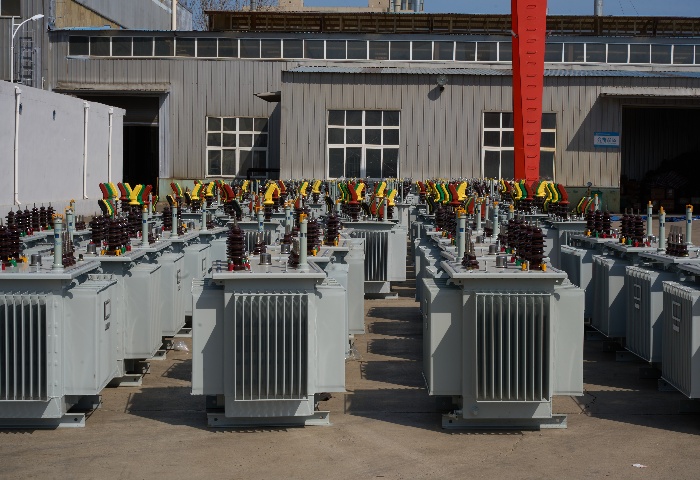
20kV Oil Immersed Transformer
The 20kV Oil Immersed Transformer is a high-capacity, three-phase power distribution transformer designed for robust step-down performance in 50/60Hz AC grids up to 20kV primary voltage. It utilizes a fully sealed corrugated tank with advanced thermal fins for oil expansion, eliminating conservators and delivering unmatched resistance to humidity, contamination, and oxidation for over 30-year service life. High-efficiency cold-rolled silicon steel cores with step-lap construction slash no-load losses by up to 40%, complemented by electrolytic copper windings (H62 conductivity).
800kVA Oil Immersed Transformer
The NPC ELECTRIC 800kVA Oil-Immersed Transformer is designed for high efficiency, durability, and reliable power distribution. Built to meet IEC 60076 and ANSI/IEEE standards, it ensures superior performance and safety. Certified for international quality compliance, it is ideal for industrial, commercial, and utility applications. This 800 kVA unit delivers outstanding energy efficiency (>99.55% typical), low no-load and load losses, excellent thermal performance, and proven durability in demanding outdoor environments.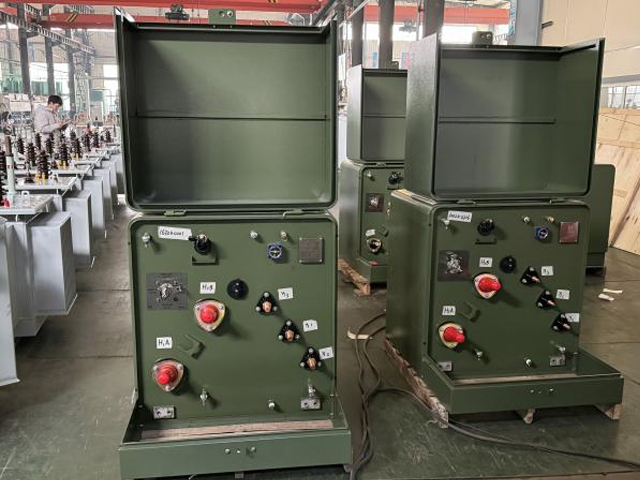
33kV Single Phase Pole Mounted Transformer
Designed for medium-voltage overhead systems, the 33kV single phase pole mounted transformer efficiently steps down primary voltages of 33kV (or 34.5kV variants) to secondary levels such as 230V, 240V, or 415V, serving substantial single-phase loads in extended networks. Constructed with advanced grain-oriented silicon steel cores and precision windings, it achieves minimal no-load and load losses while fully complying with IEC 60076 and IEEE C57 requirements. The oil-immersed tank with ONAN cooling maintains a 65°C temperature rise, supporting reliable performance during peak demands and harsh weather exposure. High insulation levels, including 150-200kV BIL on the HV side, combined with pressure relief valves, HV bushings with arcing horns, and optional surge arresters, provide exceptional protection against lightning and overvoltages. This transformer offers quiet operation, strong overload capacity, and extended service life, making it essential for utilities optimizing power access in remote or growing areas.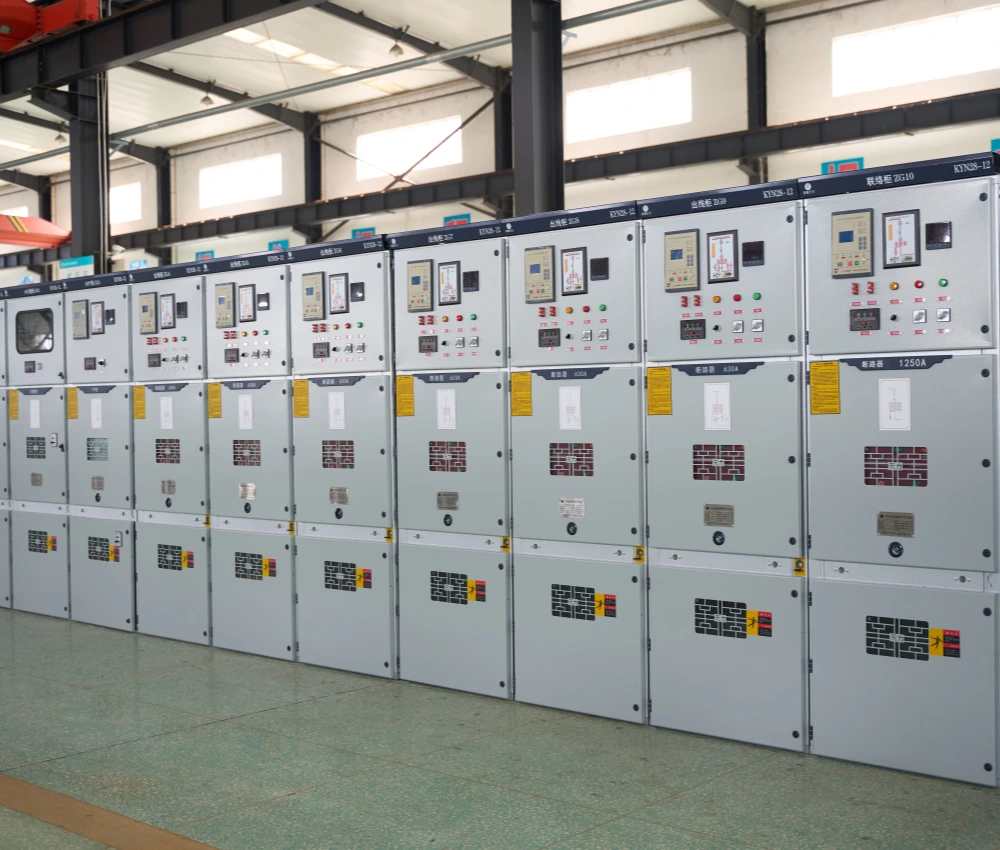
Low Voltage Withdrawable Switch Cabinet
The Low Voltage Withdrawable Switch Cabinet is a state-of-the-art power distribution solution designed for safe, flexible, and efficient low-voltage electrical systems. Featuring modular withdrawable drawers (functional units), it allows quick extraction and insertion of circuit breakers, contactors, and other components without interrupting power to the entire system. This design significantly reduces downtime during maintenance, enhances operational safety, and supports high-reliability applications in modern industrial and commercial facilities. Built with robust compartmentalized construction, high-quality busbar systems, and advanced safety interlocks, the cabinet ensures excellent short-circuit withstand capability, thermal performance, and protection against arc faults. It integrates seamlessly with intelligent monitoring systems for real-time data on current, voltage, power quality, and predictive maintenance. Ideal for motor control centers (MCC) and power control centers (PC), this withdrawable switchgear optimizes space utilization while delivering superior flexibility for future expansions or modifications.
3150kVA Three Phase Dry Type Power Transformer Custom Voltage Factory Direct
The 3150kVA Three Phase Dry Type Power Transformer Cast Resin Custom Voltage Factory Direct is a large-capacity, high-efficiency cast-resin dry-type power transformer designed for demanding indoor and semi-outdoor applications in heavy commercial, industrial, data center, renewable energy, mining, railway, and large-scale EV infrastructure projects. Fully compliant with IEC 60076-11, IEC 60076-1/2/3/5/20, EN 50588-1 (eco-design), IEEE C57.12.01, IEEE C57.12.91, UL 1561 (optional), and DOE 2016 efficiency standards, this 3150 kVA dry-type transformer achieves superior energy efficiency (typically 99.35–99.55% at full load), ultra-low no-load and load losses, strong overload capability (up to 150% short-term), low sound levels (<65 dB standard; <60 dB low-noise execution), and a design life exceeding 40 years.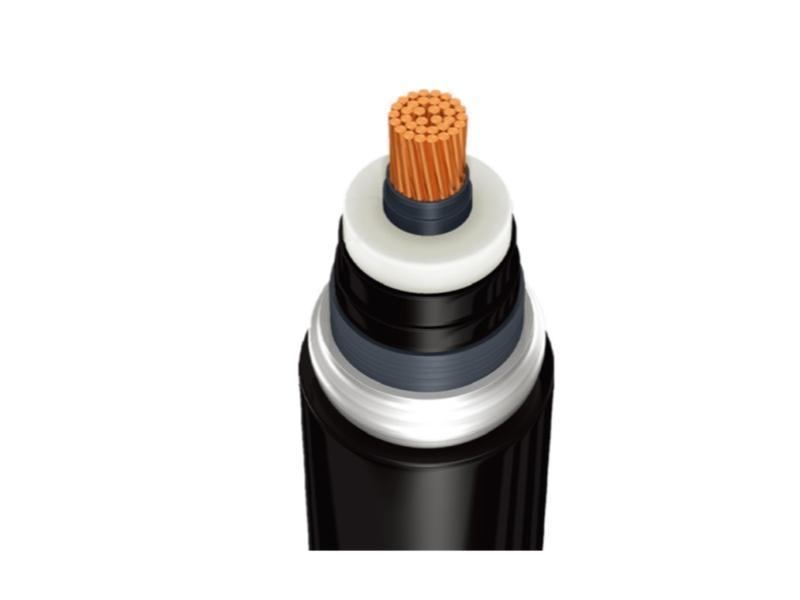
High Voltage Power Cable
NPC Electric High Voltage Power Cable is engineered for reliable transmission of electricity at voltages from 35kV to 500kV. Featuring copper or aluminum conductors, cross-linked polyethylene (XLPE) insulation, metallic screening, and a robust outer sheath, this cable minimizes losses and ensures long-term performance in demanding environments. Designed to meet international standards like IEC 60840 and IEC 62067, it offers excellent electrical properties, mechanical strength, and resistance to moisture, chemicals, and thermal stress. Whether for underground burial, submarine applications, or overhead lines, our High Voltage Power Cable delivers superior efficiency and safety. With low dielectric losses and high breakdown strength, it supports modern power grids, renewable energy integration, and industrial power distribution. Choose our cables for minimal maintenance, extended service life, and compliance with global safety norms.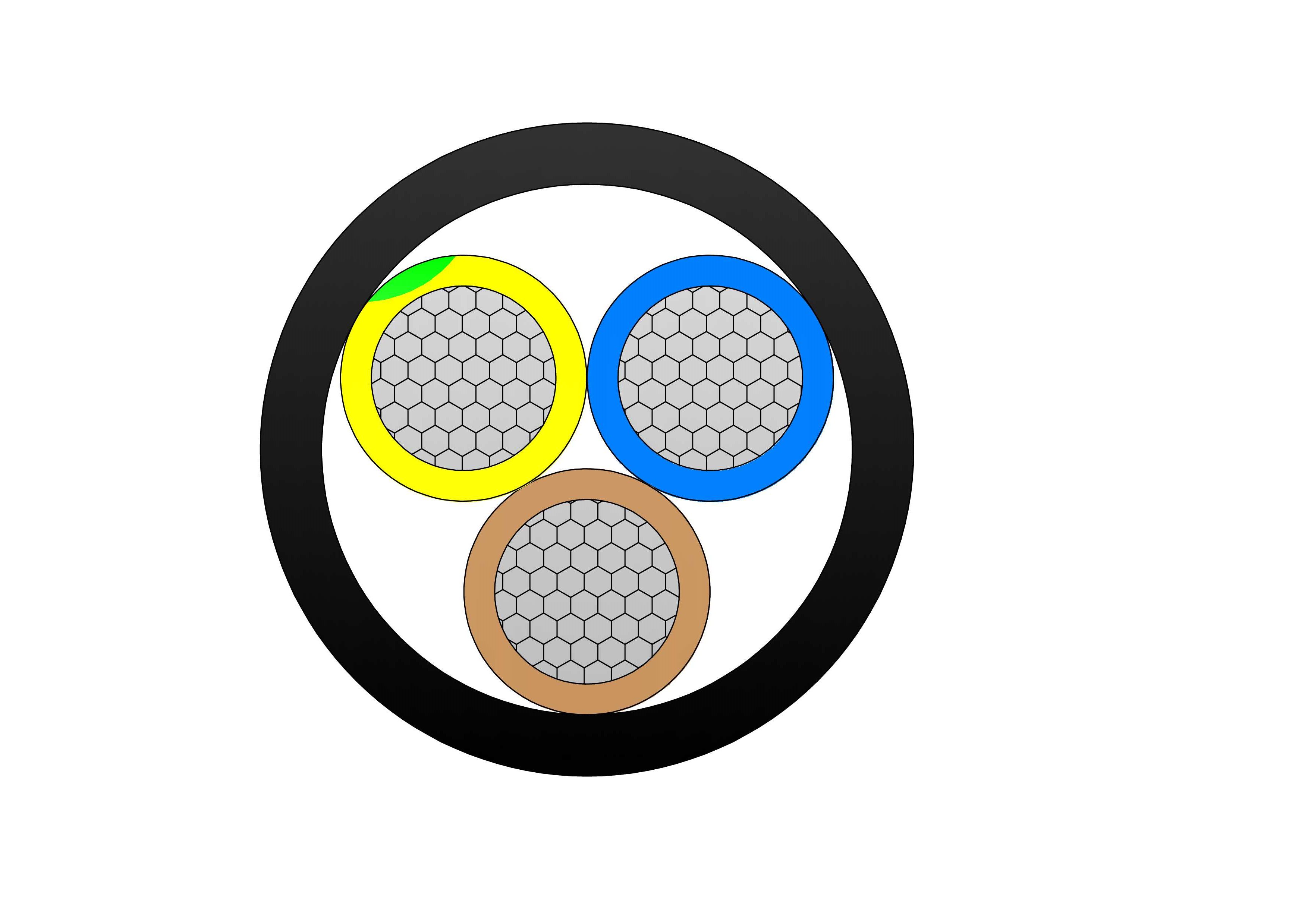
NA2XY 0.6/1 (1.2)kV Low Voltage Power Cable
NA2XY 0.6/1 (1.2)kV is a low-voltage power cable manufactured according to IEC 60502-1, suitable for fixed installation in indoor and outdoor environments, including underground and concrete installations where mechanical stress is minimal. This lightweight cable offers excellent electrical performance, high thermal stability, and superior resistance to moisture, chemicals, and mechanical stress. Suitable for direct burial, ducts, trays, or indoor fixed installations where no additional armour is required. With low dielectric losses and good current-carrying capacity, it minimizes energy waste. Flame-retardant and environmentally robust, the NA2XY 0.6/1 (1.2)kV Low Voltage Power Cable provides long service life and low maintenance costs. Widely used in industrial plants, commercial buildings, residential networks, and infrastructure projects needing reliable, cost-saving low-voltage aluminium cabling solutions worldwide.
Three Phase Pole Mounted Transformer
The three phase pole mounted transformer delivers balanced, high-capacity power transformation for overhead distribution lines, stepping down medium voltages such as 11kV, 22kV, or 33kV to low voltages like 400V/415V or 480V in Y or Delta configurations. Engineered with a five-legged core/coil assembly and premium grain-oriented silicon steel, it reduces magnetic losses and harmonics while achieving high efficiency levels per DOE and IEC standards. The oil-immersed tank with ONAN cooling ensures effective heat dissipation and a 65°C rise rating for continuous operation under demanding loads. Robust features include porcelain HV bushings, polymer LV bushings, tin-plated terminals for copper/aluminum connections, pressure relief devices, and lightning arrester provisions, offering excellent weather resistance and protection in exposed installations. This design provides cleaner aesthetics, lower installation costs compared to single-phase banks, and reliable service for motor starts and variable loads, making it a top choice for utilities modernizing grids.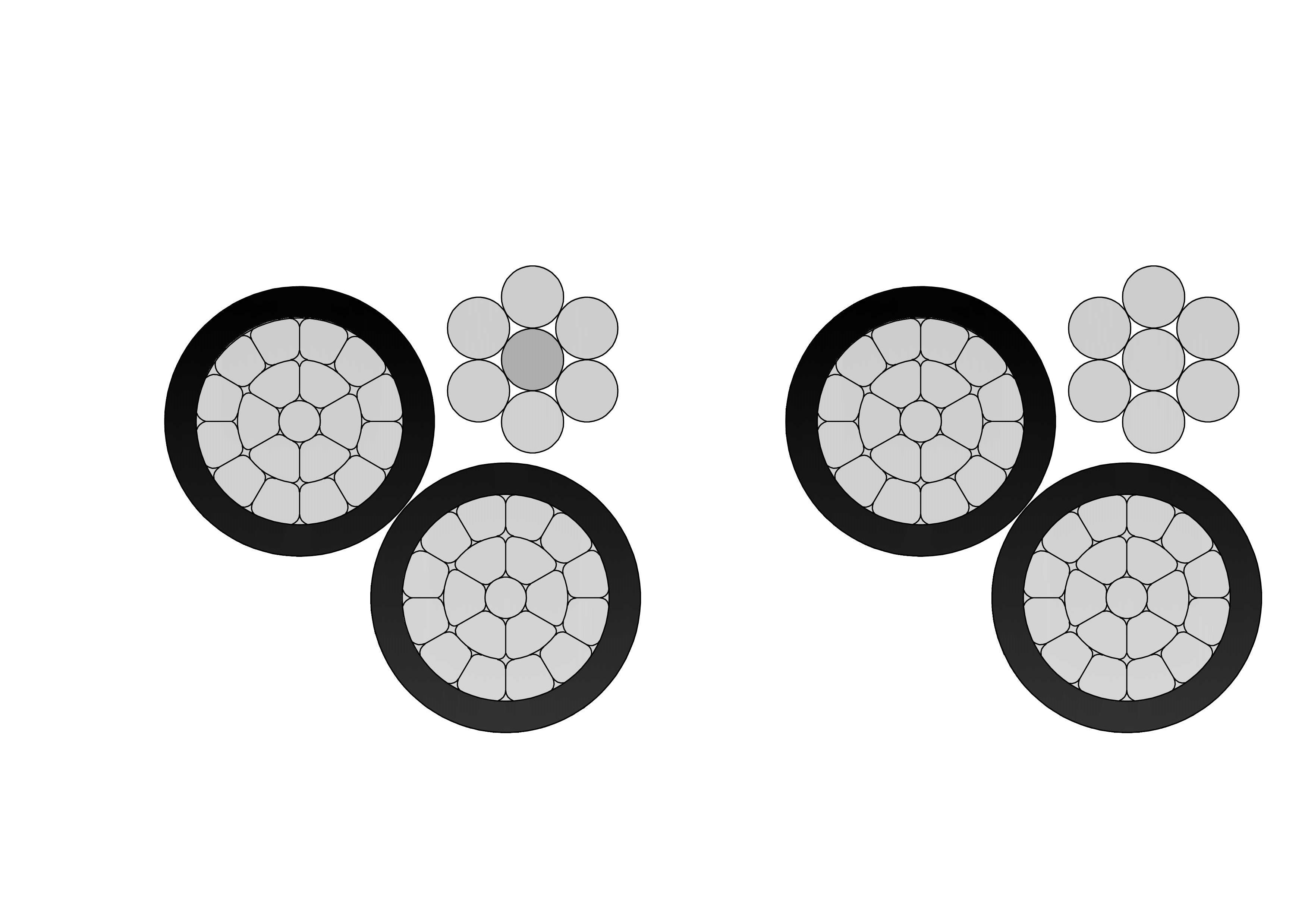
3/0 Aega Aluminum Conductor Triplex Overhead Service Drop Cable
The 3/0 Aega Aluminum Conductor Triplex Overhead Service Drop Cable is designed to deliver safe and efficient overhead power distribution for utility networks. It features two insulated aluminum phase conductors helically wrapped around a bare aluminum neutral messenger, providing strong mechanical support and stable electrical performance. Manufactured using premium aluminum materials and high-performance insulation compounds, the 3/0 Aega Aluminum Conductor Triplex Overhead Service Drop Cable offers excellent resistance to corrosion, UV radiation, and environmental stress. Its optimized construction supports easy handling and installation while meeting utility and industry standards. The cable performs reliably under mechanical load, temperature variation, and long-term outdoor exposure. Strict quality management systems and detailed testing procedures are implemented throughout production to ensure consistent performance and dependable service life.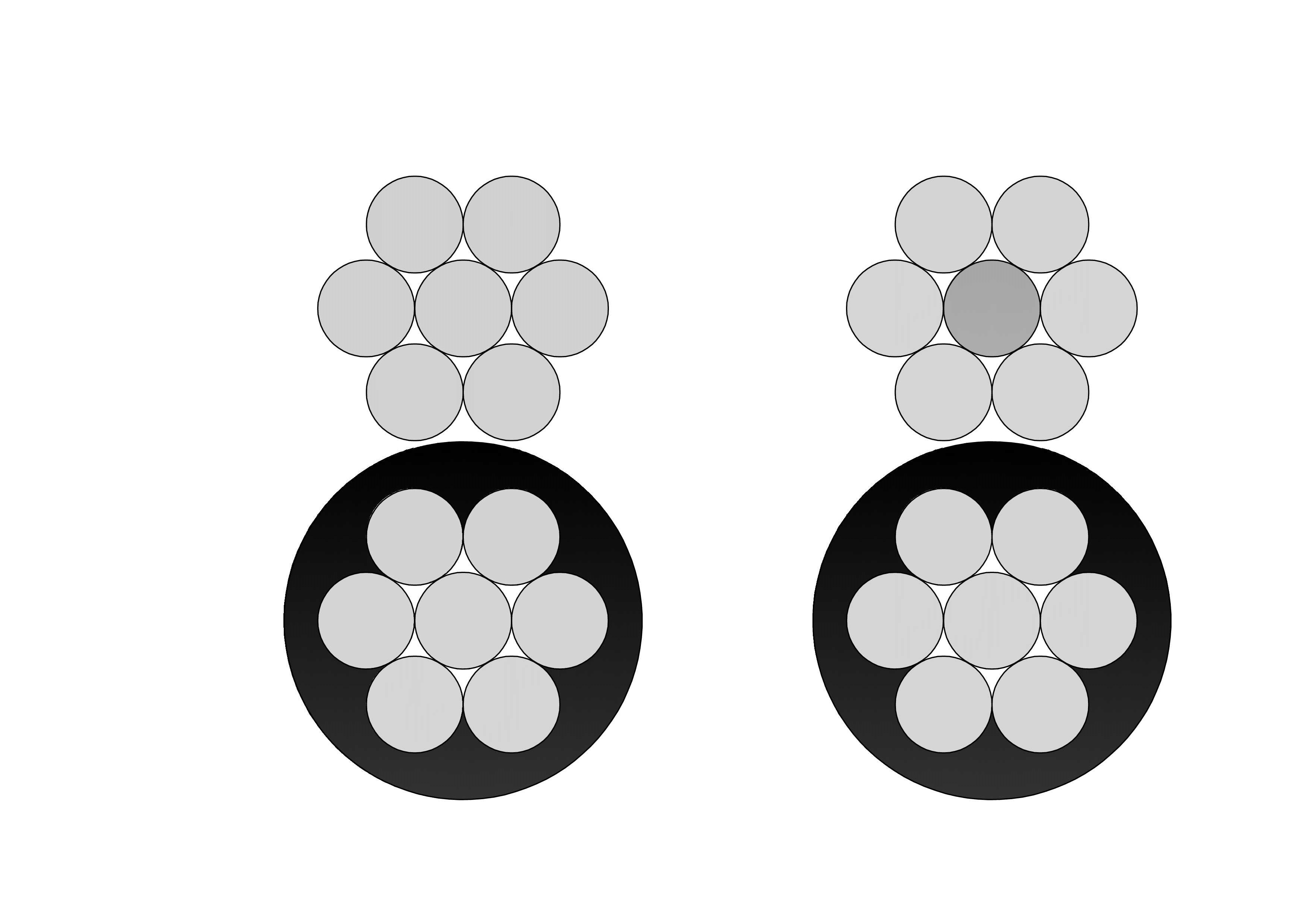
2 Doberman Aluminum Conductor Duplex Overhead Service Drop Cable
The 2 Doberman Aluminum Conductor Duplex Overhead Service Drop Cable is designed to provide efficient and dependable power delivery in overhead secondary distribution systems. Constructed with stranded aluminum conductors, the duplex configuration combines electrical conductivity with mechanical support for service drop installations. The No. 2 Doberman size is suitable for standard service drop spans, offering reliable load capacity with controlled sag under varying environmental conditions. Aluminum conductors reduce overall cable weight, simplify handling, and enhance corrosion resistance for long-term outdoor operation. Produced under strict quality management systems, the 2 Doberman Aluminum Conductor Duplex Overhead Service Drop Cable meets utility and ASTM requirements, making it a trusted solution for modern overhead service connections where safety, durability, and consistent performance are essential.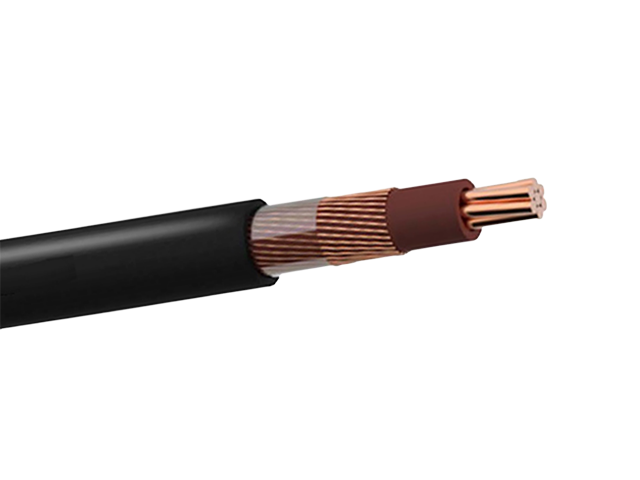
25kV Concentric Neutral Underground Power Cable
The 25 kV Concentric Neutral Power Cable is a high-performance medium-voltage underground cable designed for primary distribution systems. It features a stranded conductor, semi-conducting shields, tree-retardant TR-XLPE or EPR insulation, helically applied bare copper concentric neutral wires, and a sunlight-resistant LLDPE jacket. This construction provides excellent electrical performance, superior resistance to water treeing, and robust mechanical protection suitable for direct burial or duct installations. Available in various conductor sizes and insulation levels, the cable ensures safe and efficient power delivery. Manufactured to the latest ICEA S-94-649 and AEIC CS8 standards, the 25 kV Concentric Neutral Power Cable undergoes extensive quality testing to deliver consistent low dielectric loss and long service life in demanding underground environments.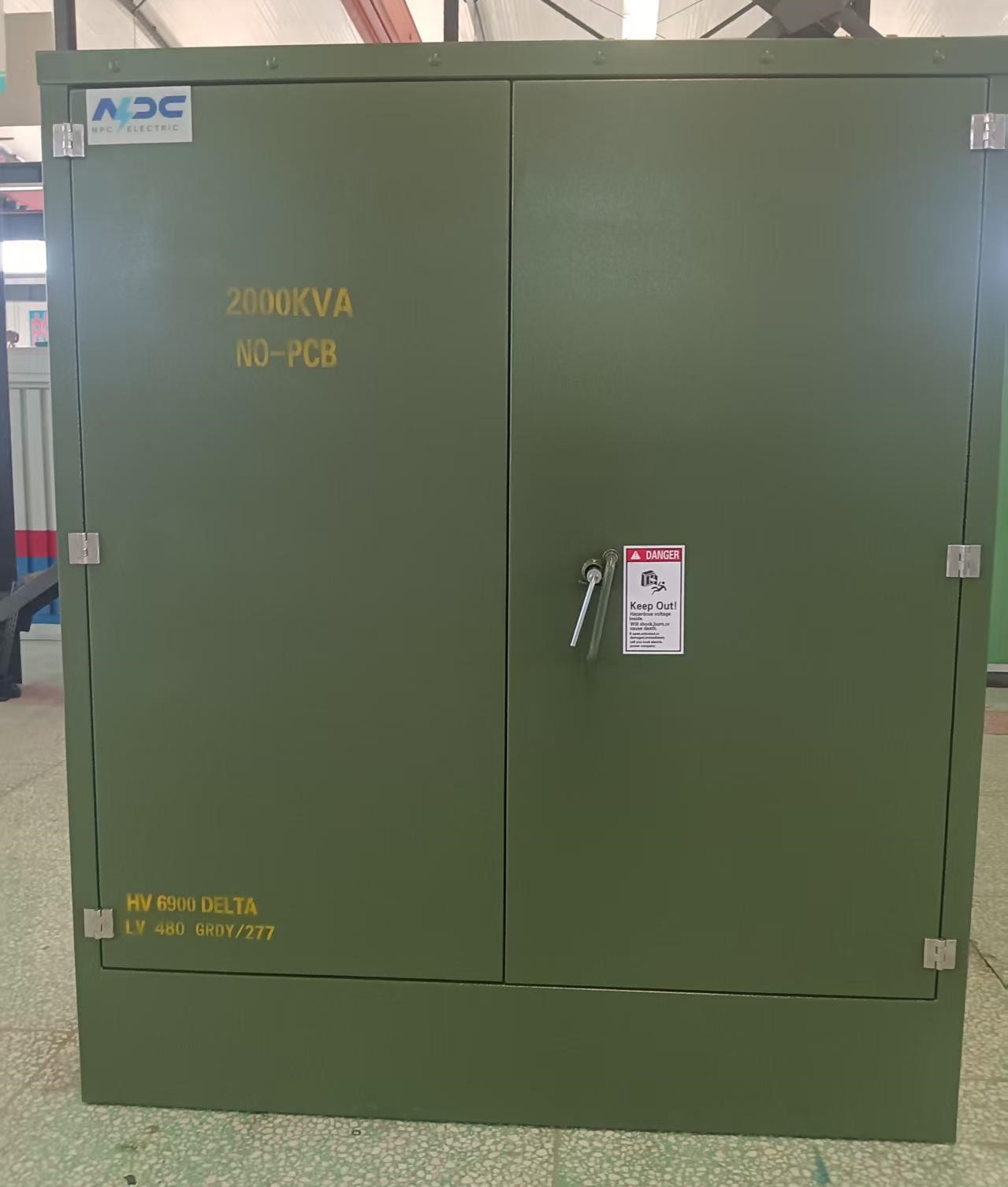
2000kVA Loop Feed 6.9kV Pad Mounted transformer
The 2000kVA Loop Feed 6.9kV Pad-Mounted Transformer is designed and manufactured to meet IEEE C57.12.34, IEEE C57.12.24, and IEEE C57.12.00 standards, as well as ASTM D6871 oil test requirements. It features a dead-front loop-feed design, aluminum windings, primary voltage of 6.9kV, and secondary voltage of 480/277V with ±2×2.5% HV taps for voltage adjustment. This transformer uses NEMA-standard spade-type low-voltage terminals with 12 holes, offers ONAN cooling, and is filled with mineral oil for reliable insulation and thermal performance. Ideal for substation projects in demanding environments, it is UL certified and built for step-down operation with a 95/30kV BIL rating. Standard configuration includes mineral oil or FR3 natural ester fluid (ONAN cooling), aluminum or copper windings, primary voltage 6.9kV (6900V Delta or 6900GrdY/3985 common for loop-feed systems), secondary 480Y/277V (or 208Y/120V, 600Y/347V, custom), BIL 75kV HV / 30kV LV, impedance 5.75–7.5% (±7.5%), ±2×2.5% taps, loop-feed dead-front design with six high-voltage bushings (three per source: H1A/H2A/H3A and H1B/H2B/H3B), dual load-break switches (one per feed), bayonet fuses + partial-range current-limiting fuses (dual sets), lightning arresters, pressure relief valve, oil level/temperature gauges, and ANSI 70 gray (or Munsell green) finish.
3/0 Flustra Aluminum Conductor Triplex Overhead Service Drop Cable
The 3/0 Flustra Triplex Aluminum Overhead Service Drop Cable is a highly durable, weather-resistant cable designed for power distribution from utility poles to residential or light commercial buildings. This triplex cable includes two phase conductors and one bare neutral messenger, typically made of AAAC (All-Aluminum Alloy Conductor), providing both support and a current return path. With a voltage rating of 600V phase-to-phase and XLPE (Cross-Linked Polyethylene) insulation, this cable is built for high performance and reliability in aerial applications. The cable structure consists of two insulated aluminum phase conductors helically wrapped around a bare aluminum neutral messenger, providing stable electrical transmission and strong mechanical support. Manufactured using high-purity aluminum and weather-resistant insulation compounds, the 3/0 Flustra Aluminum Conductor Triplex Overhead Service Drop Cable delivers low electrical resistance, excellent corrosion resistance, and long-term durability in outdoor environments. Its optimized conductor design supports efficient installation while maintaining the tensile strength required for aerial service applications.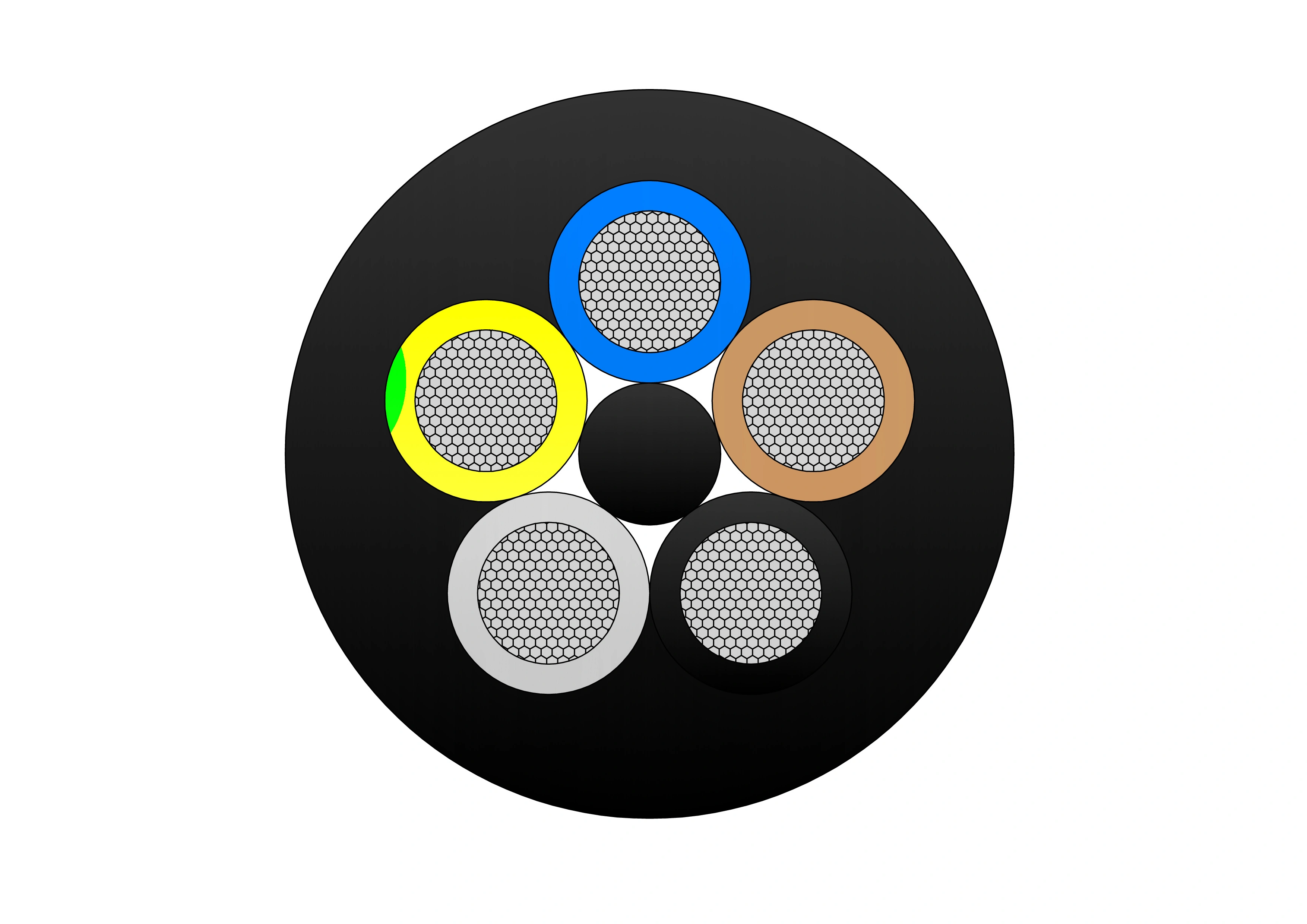
Type 260 Armoured Mining Cable with Pilot Core
The Type 260 Armoured Mining Cable with Pilot Core is a medium-voltage, rubber-insulated cable designed for heavy-duty mining applications requiring high mechanical strength and electrical reliability. It features flexible stranded tinned copper conductors, EPR insulation, and tinned copper braiding for excellent screening. The pliable galvanised steel wire armour (SWA) provides superior mechanical protection, making it suitable for harsh mining environments. The interstitial pilot core allows enhanced control and monitoring functions. With a PCP heavy-duty sheath, it offers flame retardancy, oil resistance, and durability. Compliant with AS/NZS 1802 and related standards, it is ideal for feeder cables, mining machinery power supply, and transportable substations. The Type 245 is ideal for high-power trailing in coal and metalliferous mines, powering longwall shearers, continuous miners, face conveyors, and critical equipment with enhanced safety via pilot core and armour.
Step Down Dry Type Transformer
The Step Down Dry Type Transformer is a safe, efficient, oil-free electrical device designed to reduce (step down) higher incoming voltages to lower levels suitable for end-use equipment in indoor power distribution systems. This three-phase or single-phase transformer uses air (natural or forced) for cooling instead of insulating liquids, with windings typically encapsulated in epoxy resin (cast resin) or vacuum pressure impregnated for superior insulation. It features premium low-loss grain-oriented silicon steel cores and high-conductivity copper (or aluminum) windings, delivering excellent energy efficiency (often 98%+ per DOE/IEC standards), minimal no-load/load losses, low partial discharge (<10pC), and robust short-circuit withstand. Compliant with IEC 60076-11, IEEE/ANSI, and DOE efficiency requirements, step-down dry type transformers commonly handle primary voltages from 480V to 35kV+ stepping down to 208Y/120V, 400V, 0.4kV, or custom secondaries, making them ideal for modern, sustainable indoor applications.Welcome your inquiry
Honesty, Integrity, Frugality, Activeness and Passion