
Choosing the Right XLPE Cable for High-Voltage Applications
2026-01-12
With the continuous growth of electricity demand, selecting suitable power transmission and distribution solutions has become particularly important. Cross-linked polyethylene (XLPE) cables are an ideal choice for modern high-voltage applications due to their excellent electrical insulation properties, high temperature resistance, corrosion resistance, UV resistance, and mechanical strength. Their cross-linked structure allows XLPE cables to remain stable under long-term high-load operation and possesses extremely high voltage resistance and aging resistance.
Whether in industrial power systems, renewable energy projects, or urban power distribution, the widespread application of XLPE cables provides efficient and reliable power transmission for power systems. Especially in high-voltage applications, XLPE cables can effectively reduce energy loss during power transmission and improve system efficiency. At the same time, they can also reduce power outages or failures caused by changes in the external environment, ensuring the long-term stability and safety of the system. Therefore, selecting suitable XLPE cables is crucial for the sustainable development of the power industry.
What is XLPE Cable?
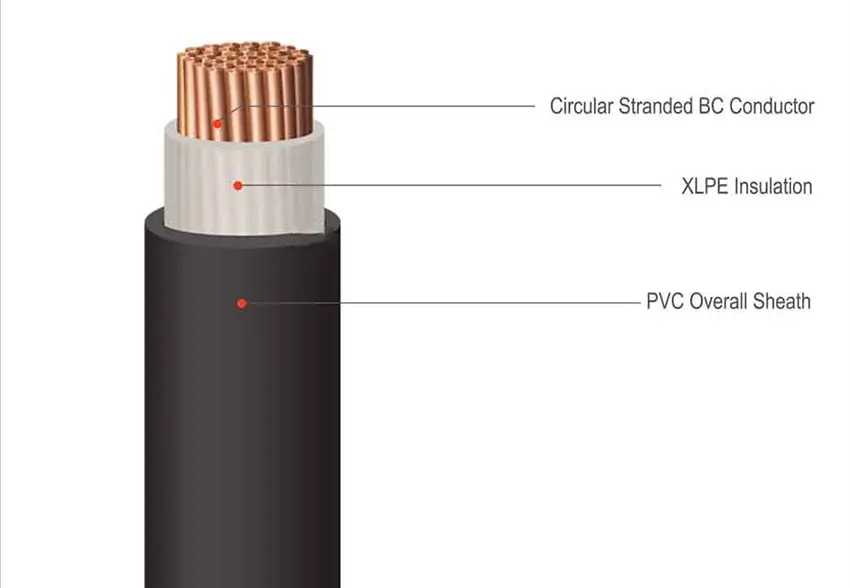
XLPE (Cross-Linked Polyethylene) is a type of insulated cable that has undergone a cross-linking process, which enhances its performance compared to regular polyethylene. In the cross-linking process, the polymer molecules are chemically bonded, creating a three-dimensional network of molecules that give XLPE cables their high durability, improved heat resistance, and better electrical properties.
These cables are widely used in high-voltage power distribution and industrial power systems due to their superior electrical insulation and physical properties, such as:
-
High thermal stability: XLPE cables can withstand temperatures of up to 90°C continuously and 130°C during short circuits.
-
Enhanced mechanical properties: The cross-linking improves the cable's resistance to physical stress and reduces the risk of cable failure under mechanical stress.
-
Environmental resistance: XLPE is resistant to moisture, UV radiation, and chemicals, making it ideal for both underground and overhead installations.
-
Superior electrical properties: XLPE insulation ensures a low dielectric loss, improving energy efficiency over long distances.
Key Benefits of XLPE Cables for High-Voltage Applications
When choosing an XLPE-insulated cable for high-voltage applications, several critical factors contribute to its optimal performance and suitability. These include:
1. High Voltage Endurance
XLPE cables are ideal for high-voltage power distribution due to their excellent dielectric strength. The XLPE insulated power cable can handle a broad range of voltages, including 110 kV, 220 kV, and even 400 kV in some configurations, making them suitable for long-distance transmission and high-capacity applications.
2. Reduced Energy Losses
One of the main advantages of the electrical cable XLPE is the reduced energy loss over long distances. XLPE cables offer lower resistance compared to traditional cables, leading to improved energy efficiency. This makes them a perfect choice for long-distance power transmission in industrial power systems and power grids, where reducing losses is a key concern.
3. Improved Safety and Reliability
The cross-linking process significantly improves the electrical and mechanical properties of the cables, ensuring safer operation and fewer failures in high-voltage environments. XLPE cables have excellent fire resistance, preventing the spread of fire in case of an electrical fault. The XLPE insulated power cable design also provides enhanced protection from environmental damage, ensuring more reliable performance in harsh conditions.
4. Flexibility in Installation
XLPE cables are much more flexible than conventional cables, allowing easier handling during installation. Their lightweight nature also reduces labor costs and time required for installation, making them highly suitable for industrial power systems, renewable energy projects, and urban infrastructure.
5. Resistance to External Factors
Because of their excellent resistance to moisture, chemicals, and other environmental elements, XLPE cables can be used in diverse applications, including underground installations, offshore wind farms, and outdoor environments. These properties ensure that the cables maintain their performance even under harsh conditions, making them ideal for renewable energy systems, such as wind or solar power installations.
How to Choose the Right XLPE Cable for High-Voltage Applications
Selecting the right XLPE cable for high-voltage applications depends on several factors. Here’s a guide to help you make the right choice:
1. Voltage Rating
The voltage rating of the XLPE cable is one of the most important considerations. The cable should be rated for the highest operating voltage in your system. For example, for power transmission systems requiring voltages above 100 kV, 1100 kV XLPE transformers may be needed for optimal performance.
2. Conductor Material
The most common materials used for the conductors of XLPE cables are copper and aluminum. Copper conductors offer lower resistance and better performance in high-power applications but are more expensive. Aluminum conductors are lighter and less expensive but may require a larger cross-sectional area to achieve the same electrical performance.
3. Cable Design
Different applications require different cable designs. For example, XLPE-insulated cables for overhead power lines require additional considerations for mechanical strength, such as the use of steel-reinforced conductors. XLPE cables for underground installations may require special coatings to protect against moisture and other environmental conditions.
4. Installation Environment
Consider the environment in which the XLPE cable will be installed. Underground cables must be robust and resistant to moisture and physical stress, whereas overhead cables must be weatherproof and able to withstand extreme temperatures and high wind speeds.
5. Manufacturer and Standards Compliance
Choosing a reputable transformer manufacturer or cable supplier is crucial. Ensure the XLPE cables comply with industry standards such as IEC 60502, IEC 60840, and ANSI standards for safety and performance. Leading manufacturers like Siemens, ABB, and General Cable provide high-quality XLPE cables designed to meet stringent global requirements.
XLPE Cable Factor Table:
|
Factor |
Description |
Considerations for High-Voltage Applications |
|
Voltage Rating |
The maximum operating voltage the cable can handle. |
Choose cables with a voltage rating higher than the system’s operating voltage. Example: 1100 kV XLPE cables for large transmission systems. |
|
Conductor Material |
The material used for the conductor (typically copper or aluminum). |
Copper offers lower resistance and is more efficient for high-power applications, while aluminum is lighter and more cost-effective. |
|
Cable Design |
The physical construction of the cable, including the number of layers and insulation. |
Ensure the design matches the installation environment (e.g., underground, overhead). Reinforced conductors may be needed for overhead installations. |
|
Insulation Material |
The material that insulates the conductors provides electrical separation. |
XLPE insulation provides superior dielectric strength, heat resistance, and mechanical durability compared to PVC. |
|
Environmental Resistance |
The cable's ability to withstand external factors such as moisture, chemicals, and temperature. |
XLPE is resistant to moisture and UV radiation, making it ideal for both underground and outdoor applications. |
|
Application Type |
The intended use of the cable such as in power distribution, industrial applications, or renewable energy systems. |
For renewable energy projects, XLPE cables are perfect for connecting offshore wind farms or solar panels to the grid. |
|
Manufacturer and Standards |
The quality assurance and compliance with international standards. |
Ensure the cables meet standards like IEC 60502, IEC 60840, and ANSI to guarantee performance and safety. |
Applications of XLPE Cables in Modern Power Systems
XLPE insulated cables are versatile and used in various applications, including:
-
High-voltage transmission lines: XLPE cables are ideal for long-distance power transmission with minimal loss.
-
Renewable energy systems: XLPE cables connect offshore wind farms, solar farms, and other renewable installations to the grid.
-
Industrial facilities: For feeding large machinery and ensuring smooth power flow in factories and plants.
-
Underground power networks: XLPE cables offer superior resistance to environmental hazards, making them perfect for underground installations in cities.
-
Utility and commercial infrastructure: XLPE cables ensure reliable electricity distribution across residential, commercial, and urban areas.
In high-voltage power systems, XLPE cables offer unmatched performance in terms of electrical efficiency, safety, and durability. The ability of XLPE insulated power cables to withstand harsh environmental conditions, coupled with their low energy losses and flexible installation, makes them the preferred choice for power utilities, industrial power systems, and renewable energy projects. By considering factors such as voltage rating, conductor material, and the installation environment, you can select the right XLPE electrical cable to ensure efficient, reliable, and safe power transmission in your system.
As modern infrastructure continues to evolve, XLPE cables will remain central to enabling the next generation of power distribution and energy solutions.

Related Articles

Related Products
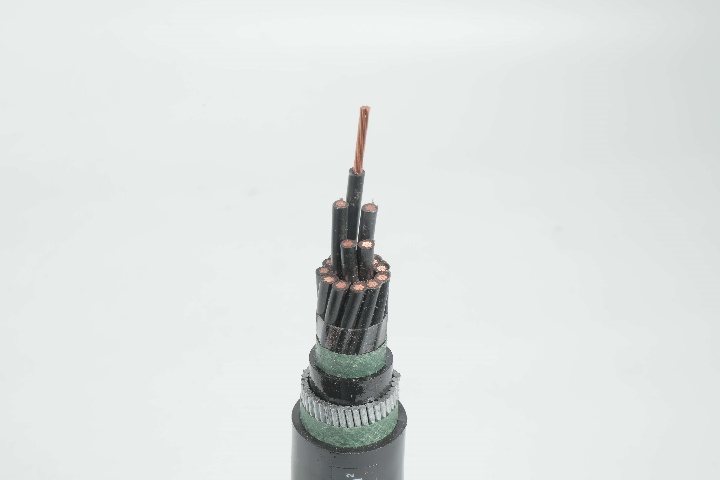
Control Cable 0.6/1 kV CVV-S to IEC 60502 Standard (2-30 core)
Engineered for electromagnetic interference resistance, the Control Cable 0.6/1 kV CVV-S to IEC 60502 Standard (2-30 core) excels in sensitive control environments. It employs concentric stranded copper conductors for low-resistance transmission, paired with black PVC insulation marked by white numbers for easy identification. The integrated copper tape shield effectively blocks electrostatic noise, while dual PVC sheaths provide flame resistance and mechanical protection. Suitable for 0.6/1 kV ratings, it withstands temperatures from -15°C to 70°C. This cable is tailored for supervisory circuits, outdoor stations, and installations in ducts or conduits where shielding is essential. With options from 2 to 30 cores, it accommodates diverse system requirements, enhancing signal integrity and reducing errors. Fully compliant with IEC 60502, it minimizes operational disruptions in high-interference settings. Ideal for professionals demanding dependable solutions, the CVV-S ensures long-lasting performance and cost savings through superior durability.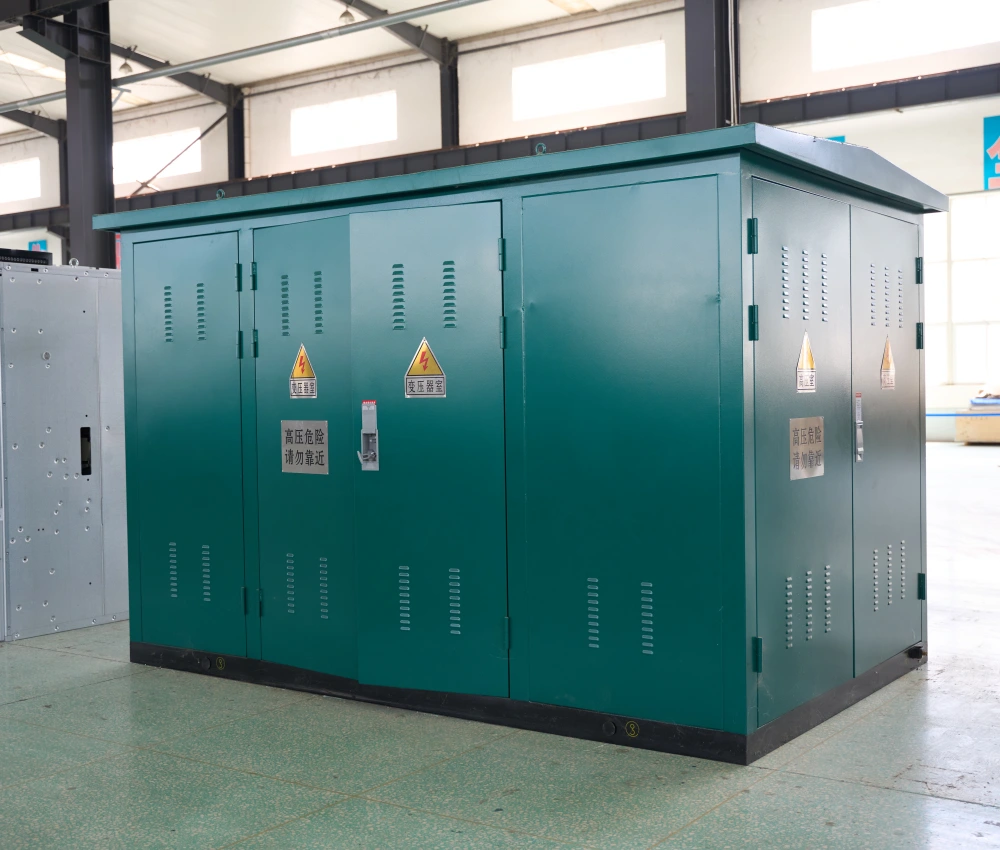
33kV 630kVA Prefabricated Compact Substation
The 33kV 630kVA Prefabricated Compact Substation is a highly integrated medium-voltage power distribution solution designed for modern electrical infrastructure projects requiring reliable, space-saving, and efficient energy transformation. The substation combines 33kV medium-voltage switchgear, a 630kVA distribution transformer, low-voltage distribution panels, and intelligent protection systems within a compact outdoor enclosure, reducing installation complexity and minimizing civil construction requirements. Engineered for stable operation in demanding industrial and environmental conditions, the compact substation features a reinforced enclosure structure, advanced insulation technology, optimized ventilation systems, and corrosion-resistant surface treatment. The modular design improves transportation efficiency, shortens commissioning cycles, and simplifies future maintenance operations while ensuring long-term operational reliability. This 33kV 630kVA compact transformer substation is suitable for renewable energy integration, industrial facilities, mining operations, commercial developments, and urban utility distribution systems. Optional intelligent monitoring systems and remote communication interfaces support modern smart-grid applications and enable efficient power management for evolving electrical networks.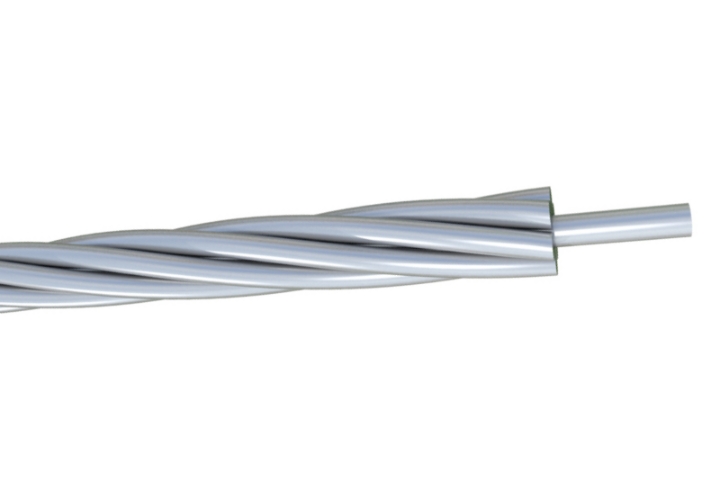
High Quality 20 Gauge Galvanized Steel Conductor Wire Supplier
The 20 Gauge Galvanized Steel Conductor Wire is designed for applications requiring flexibility, precision, and corrosion resistance. Manufactured from premium steel and coated with a durable zinc layer through hot-dip galvanization, it provides long-lasting protection against environmental damage. Its thin 20 gauge diameter allows for easy bending and shaping, making it ideal for crafts, packaging, binding, and light industrial applications. The wire offers sufficient tensile strength while maintaining excellent flexibility. The consistent zinc coating enhances durability and minimizes maintenance, especially in outdoor environments. The smooth surface ensures safe handling and efficient installation. Produced under strict quality control standards, the 20 Gauge Galvanized Steel Conductor Wire ensures uniform diameter and coating thickness. It meets international standards and can be customized to suit different application needs, making it a reliable and economical choice.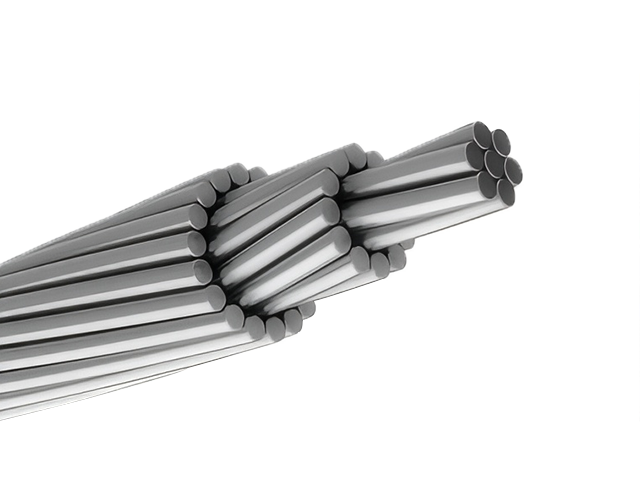
1033.5 MCM ORTOLAN ACSR Conductor Cable
The Ortolan ACSR Conductor Cable is a high-capacity overhead conductor designed for efficient power transmission. Named "Ortolan" for its 1033.5 MCM size with 45/7 stranding (45 aluminum wires around 7 steel cores), it combines lightweight aluminum for conductivity with a galvanized steel core for tensile strength. Compliant with ASTM B230, B232, and ICEA standards, this cable offers a breaking load of approximately 32,300 lbs and a current rating up to 1000 amps at 75°C in overhead applications. The aluminum 1350-H19 provides excellent corrosion resistance and low electrical resistance (0.0166 Ω/1000ft at 20°C), while the steel enhances sag control over long spans. Suitable for voltages up to 230kV in distribution lines, the Ortolan ACSR Conductor Cable minimizes line losses and withstands harsh weather, including wind and ice loading. Its cost-effective design makes it popular for utility upgrades and rural electrification, ensuring reliable power delivery with minimal maintenance in overhead transmission and distribution systems worldwide.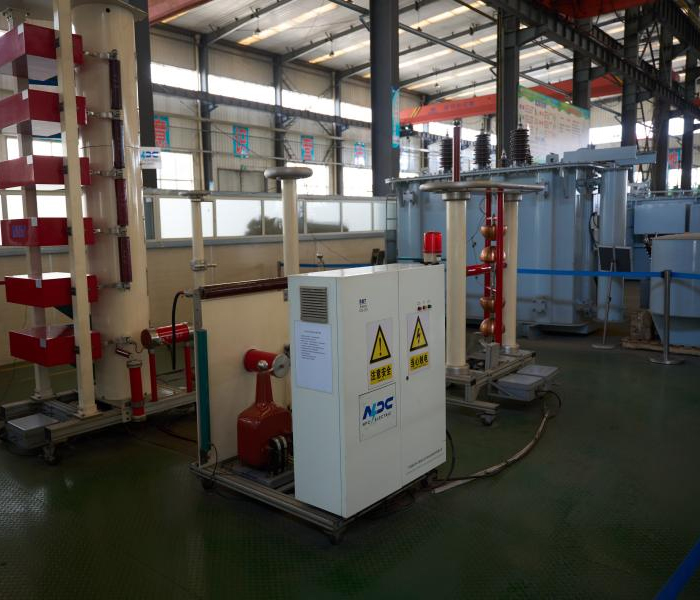
160 kVA Three Phase Cast Resin Dry Type Transformer Low Loss Energy Efficient
The 160 kVA Three Phase Cast Resin Dry Type Transformer Low Loss Energy Efficient is a state-of-the-art, maintenance-free power solution engineered for indoor installations where safety, reliability, and sustainability are paramount. Encased in high-quality epoxy resin under vacuum pressure, its windings deliver outstanding moisture resistance, superior partial discharge performance, and fire-retardant self-extinguishing properties without flammable liquids. Utilizing premium grain-oriented silicon steel cores and optimized conductor designs, this transformer achieves significantly reduced no-load and load losses, attaining high efficiency levels often exceeding 98.5% and complying with stringent energy regulations. With natural air (AN) cooling, low acoustic emissions below typical 58-62 dB, and Class F or H insulation, it ensures stable operation in harsh indoor environments. Fully compliant with IEC 60076-11, this compact, eco-conscious dry-type unit supports primary voltages like 10kV/11kV/20kV/35kV stepping down to 0.4kV or custom secondaries, making it ideal for modern, green power distribution networks.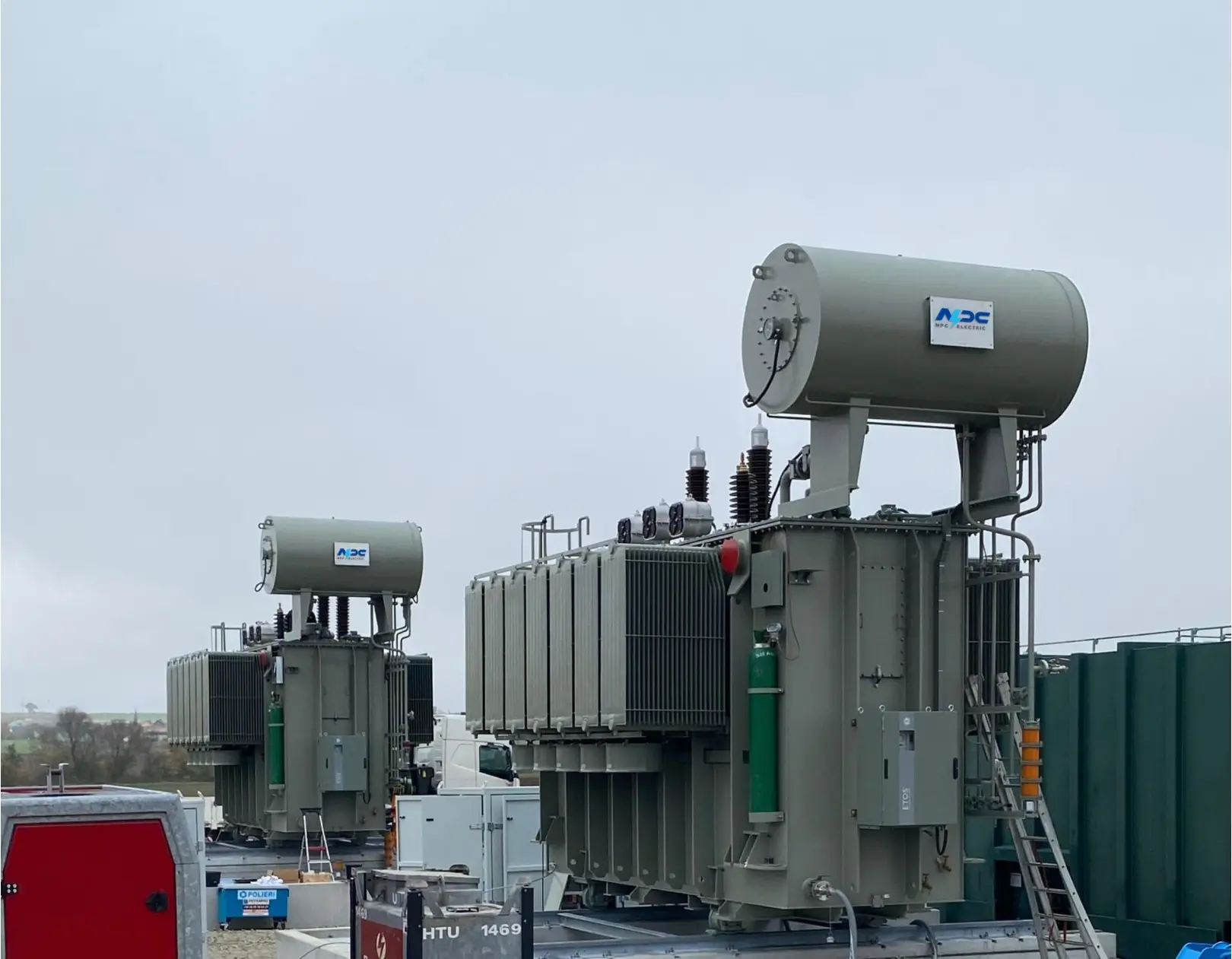
300 kV 31.5MVA 40 MVA High Voltage Power Transformer
Unlock superior grid performance with the state-of-the-art 300 kV 31.5/40 MVA high voltage electrical power transformer, tailored for efficient voltage conversion in expansive transmission networks. This robust, three-phase design operates with ONAN cooling at 31.5 MVA and escalates to ONAF at 40 MVA, incorporating cutting-edge biodegradable ester insulation fluids for enhanced fire safety and environmental sustainability as per 2025 regulations. Built with high-grade grain-oriented silicon steel cores to achieve efficiency rates exceeding 98%, it reduces no-load losses and supports seamless integration with HVDC systems and renewable energy hubs. Advanced features include IoT-enabled Sensformer-like monitoring for real-time diagnostics, predictive analytics to prevent downtime, and compliance with updated IEC 60076-2025 and IEEE C57.12.00 standards for superior dielectric strength and thermal resilience. Ideal for harsh operational settings, its modular construction allows for quick field repairs, while anti-vibration mountings ensure low noise levels under 55 dB, making it perfect for proximity to populated areas.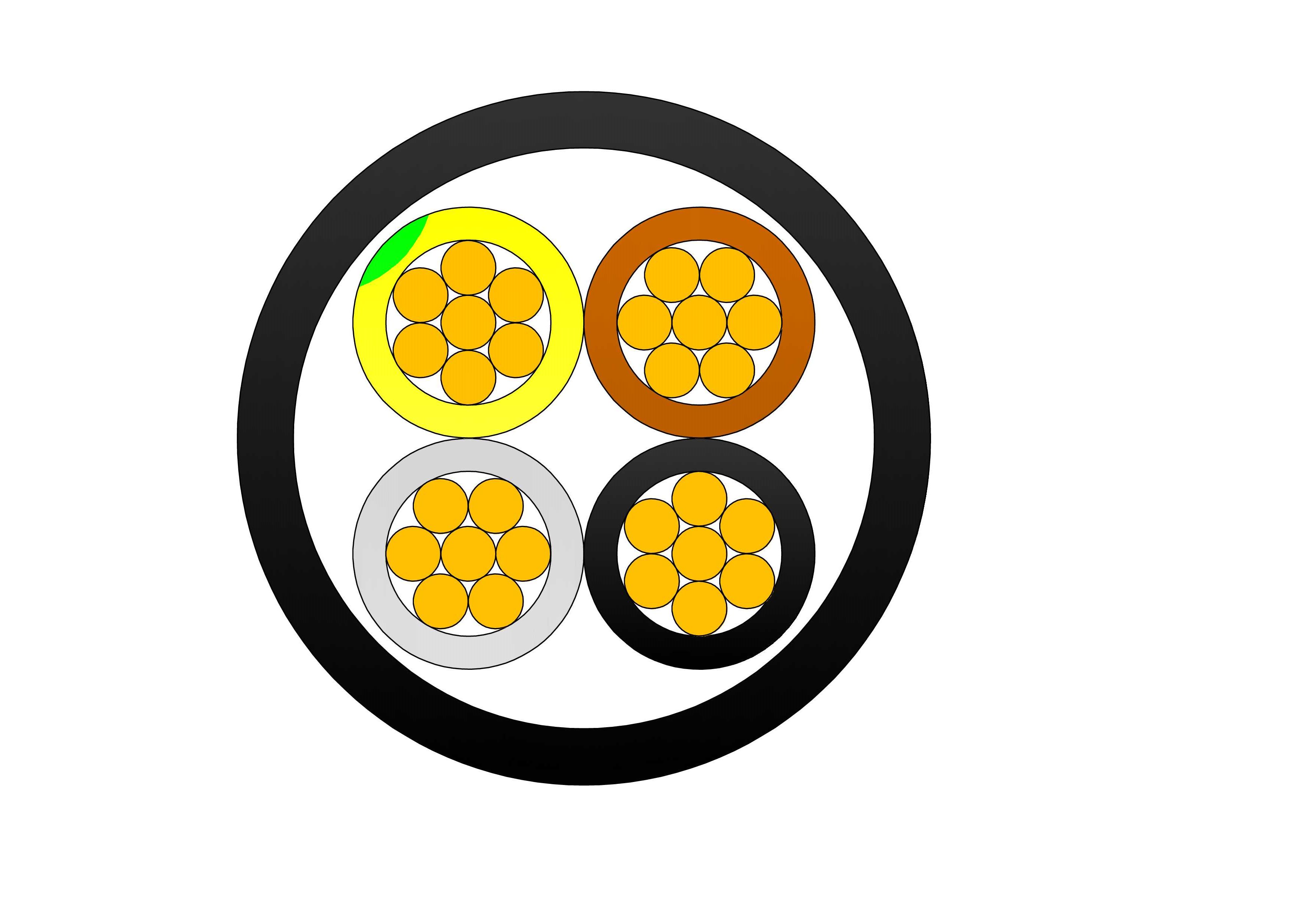
Steel Tape Armoured Cable Type
The Steel Tape Armoured Cable (STA Cable) is designed for reliable power transmission in environments requiring enhanced mechanical protection. Manufactured with high-quality copper or aluminum conductors, XLPE insulation, galvanized steel tape armour, and a durable PVC outer sheath, the cable provides exceptional durability and long-term operational reliability. The galvanized steel tape armour offers superior resistance against mechanical impact, compression, and external damage, making the cable suitable for underground installations and harsh industrial environments. The XLPE insulation ensures excellent electrical performance, low dielectric losses, and continuous operating temperatures up to 90°C. The PVC sheath protects the cable against moisture, chemicals, abrasion, and environmental exposure, extending service life and reducing maintenance requirements. Manufactured according to IEC 60502-1 and other international standards, the cable is widely used in power distribution networks, industrial facilities, infrastructure projects, renewable energy installations, and utility systems. The Steel Tape Armoured Cable combines electrical efficiency, mechanical strength, and installation flexibility, making it a dependable solution for demanding power distribution applications.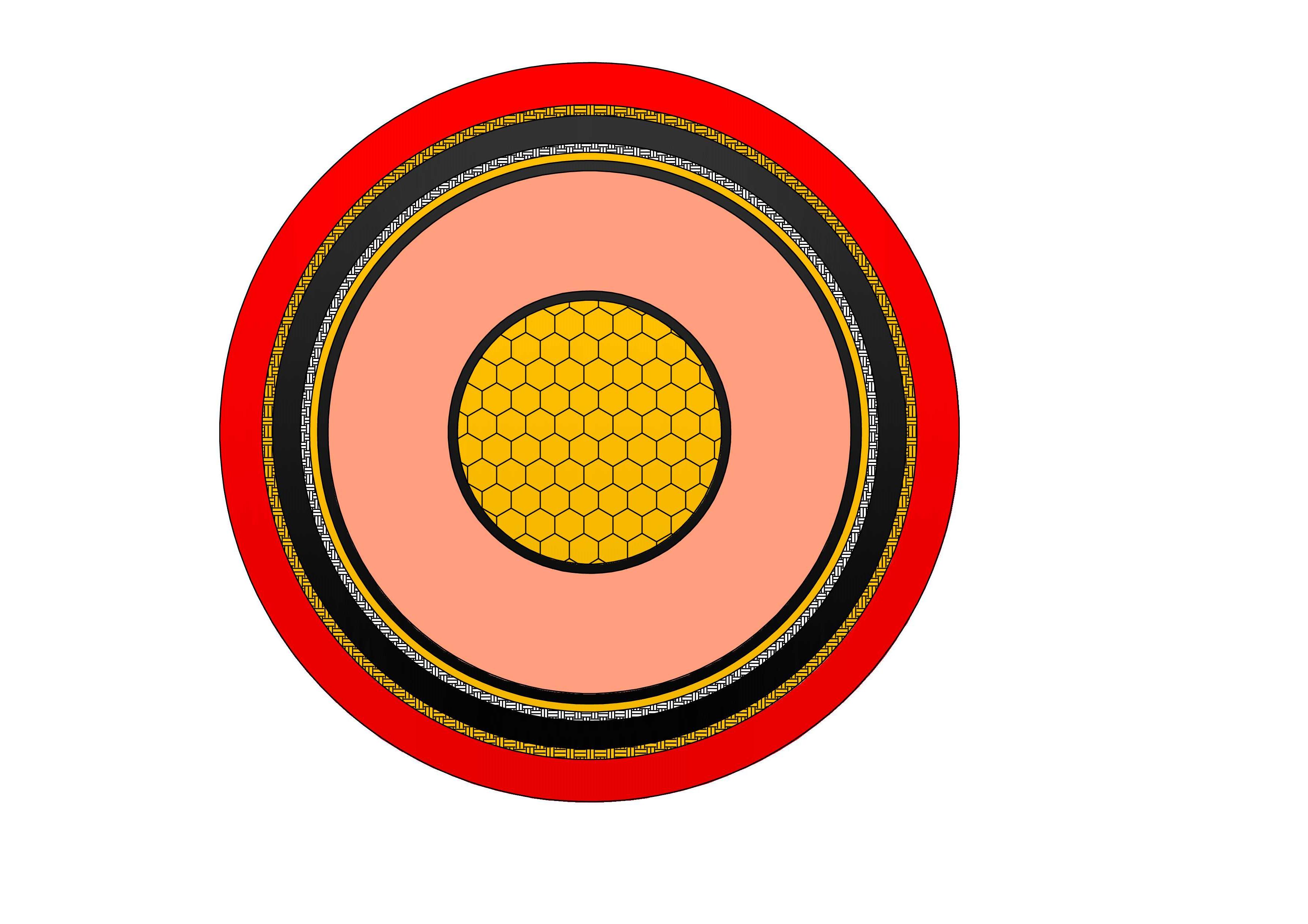
XAI Armoured Medium Voltage Power Cable(6/10kV, 12/20kV, 18/30kV)
NPC Electric XAI Armoured Medium Voltage Power Cable (6/10kV, 12/20kV, 18/30kV) delivers protected, high-performance medium voltage transmission. Constructed with copper or aluminium conductors, thermosetting XLPE insulation, metallic screen, bedding, galvanised steel wire armour (SWA), and tough outer sheath, it meets IEC 60502-2 requirements. The SWA layer offers outstanding resistance to mechanical damage, enabling direct burial without conduits. Low transmission losses, high current rating, and excellent overload tolerance ensure optimal efficiency. Optional LSZH sheath and water-blocking for added safety and reliability. Flame-retardant and environmentally robust, the XAI Armoured Medium Voltage Power Cable is widely selected for power grids, manufacturing plants, wind/solar farms, and infrastructure demanding reliable, maintenance-free medium voltage cabling with enhanced mechanical safeguarding in challenging terrains or high-impact zones worldwide.
Prefabricated Box Type Transformer Substation
The Prefabricated Box Type Transformer Substation is a fully integrated power distribution system combining medium-voltage switchgear, distribution transformer, low-voltage distribution equipment, and intelligent control systems within a compact outdoor enclosure. Engineered for modern electrical infrastructure, the substation delivers efficient, safe, and stable power transformation and distribution for industrial facilities, renewable energy projects, urban developments, and utility networks. Its modular structural design significantly reduces installation time, civil construction requirements, and overall project costs while enhancing operational reliability and maintenance efficiency. The enclosure is manufactured using corrosion-resistant materials and advanced environmental protection technologies to ensure dependable performance under harsh outdoor conditions including high humidity, dust, salt spray, and temperature fluctuations. The substation supports multiple transformer capacities, flexible voltage ratings, intelligent monitoring functions, and customizable switchgear configurations to meet different regional standards and project specifications. With compact footprint advantages and scalable integration capability, the Prefabricated Box Type Transformer Substation is an ideal solution for modern smart grid systems and distributed energy applications.2Y-high-voltage-power-cable-2.webp)
2XS(FL)2Y HDPE High Voltage 76/132 (145)kV Power Cable
The 2XS(FL)2Y HDPE High Voltage 76/132 (145) kV Power Cable is a single-core copper conductor cable with XLPE insulation and HDPE sheath, engineered for reliable high-voltage power transmission in demanding environments. Manufactured according to IEC 60840 standards, it delivers outstanding electrical performance, water resistance, and mechanical protection. Suitable for installation underground, underwater, outdoors, indoors, and in cable ducts, making it ideal for power stations, industrial sites, and distribution networks. It features stranded copper conductors for optimal conductivity, semi-conductive conductor screen, premium-grade XLPE insulation for exceptional dielectric performance and 90°C continuous rating (250°C short-circuit), semi-conductive insulation screen, concentric copper wire screen combined with aluminium laminated foil for longitudinal water-blocking, electromagnetic shielding, and grounding, and a high-density polyethylene (HDPE) outer sheath delivering superior mechanical protection, moisture resistance, chemical stability, and UV resistance.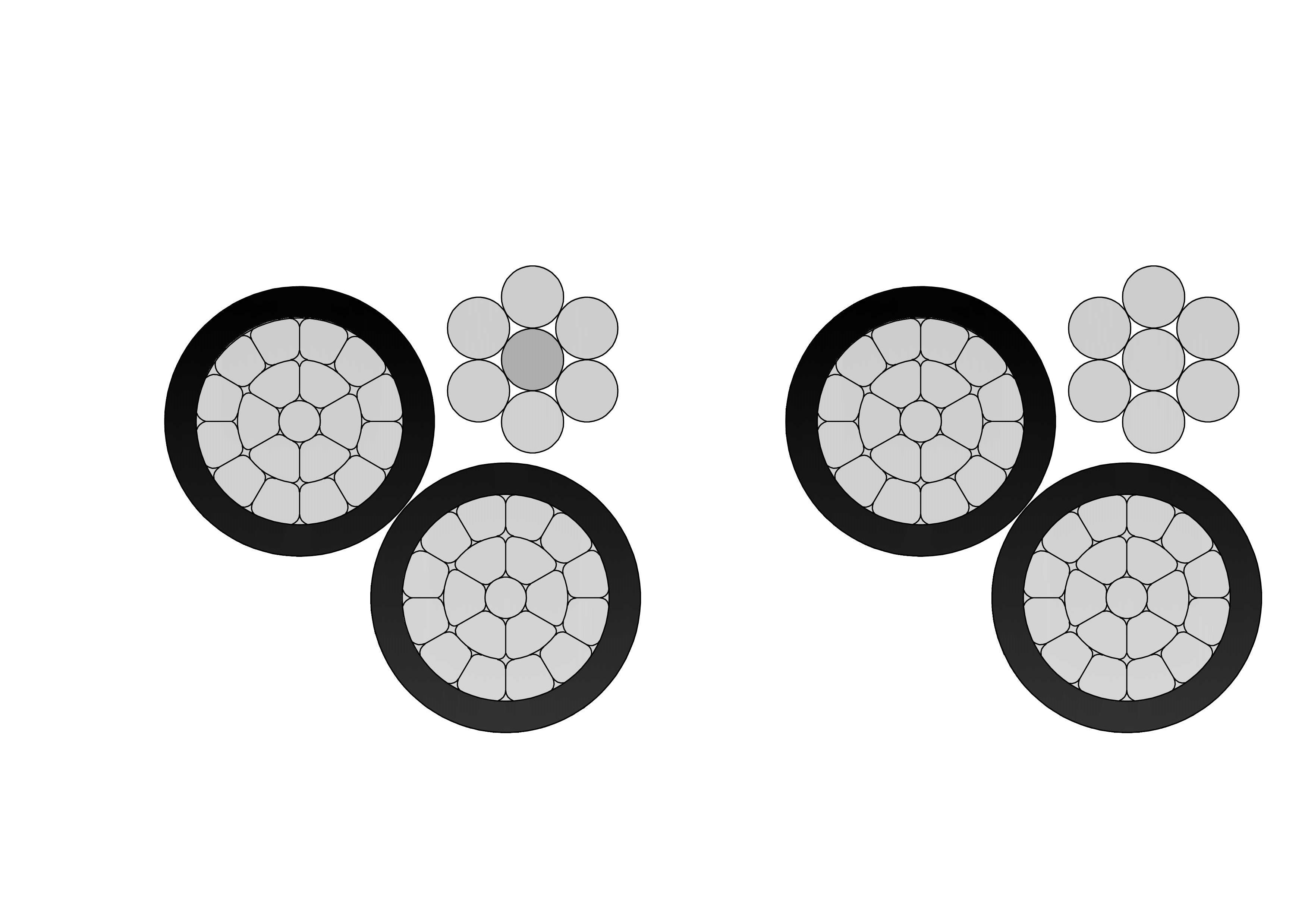
2 Shrimp Aluminum Conductor Triplex Overhead Service Drop Cable
2-2-2 Shrimp Aluminum Conductor Triplex Overhead Service Drop Cable delivers superior overhead power transmission for utility-to-consumer connections. Built with concentric or compressed 1350-H19 aluminum phase conductors (#2 AWG), black XLPE insulation offering enhanced thermal, abrasion, and environmental protection, plus a bare neutral messenger (#2 AWG ACSR/AAAC 6201), it ensures efficient conductivity, corrosion resistance, and structural strength. Rated 600V phase-to-phase up to 90°C (XLPE), with ≈150A ampacity, it complies with ASTM B-230/B-231/B-232/B-399 and ICEA S-76-474. Its balanced, lightweight construction simplifies installation while providing robust long-term performance against harsh outdoor factors like moisture, UV exposure, and mechanical stress.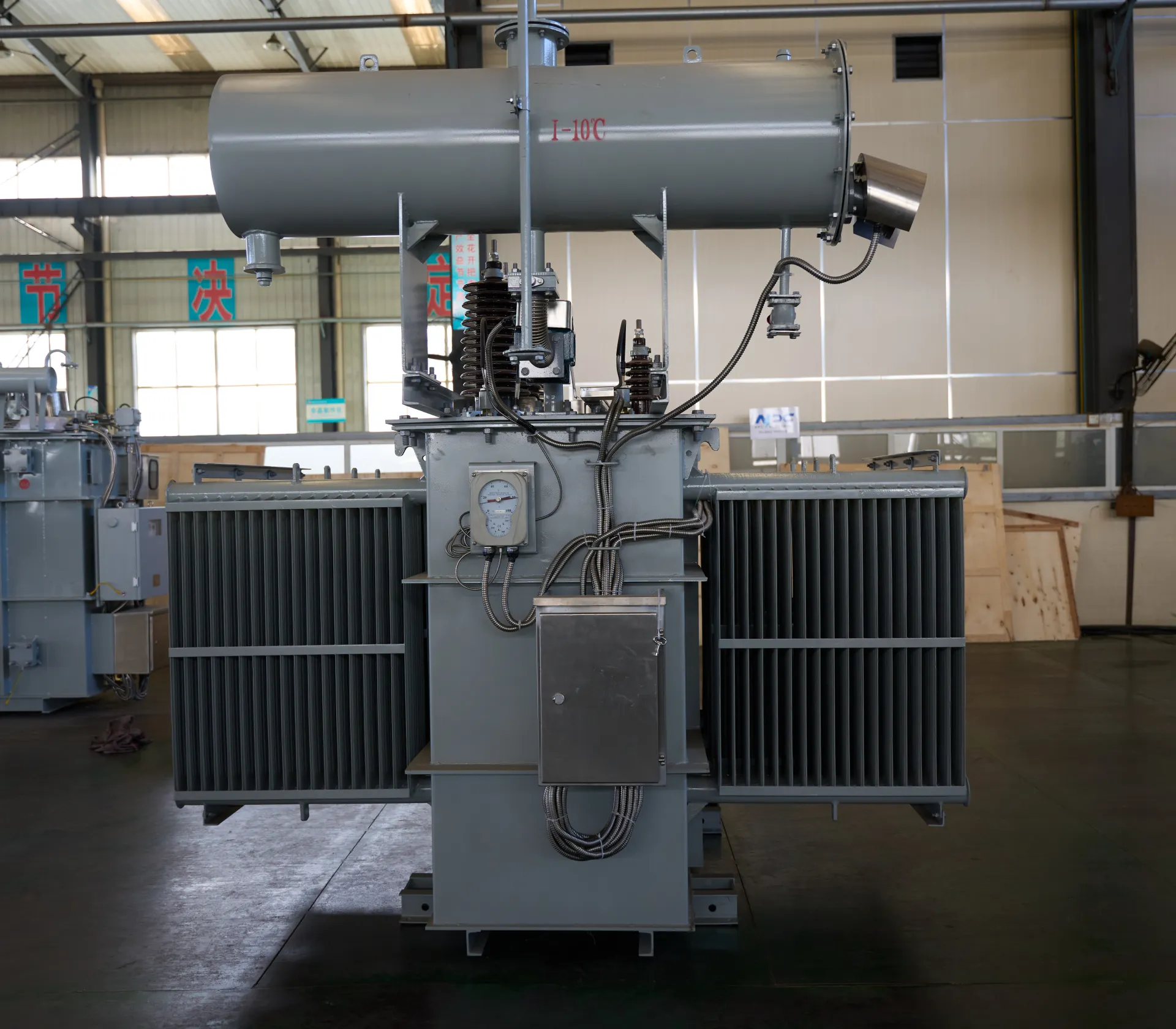
350kVA 10kV/0.4kV Three Phase Oil Immersed Power Distribution Transformer
Elevate your power distribution system with the advanced 350kVA 10kV/0.4kV Three Phase Oil Immersed Power Distribution Transformer, expertly crafted for optimal performance and energy savings in modern electrical infrastructures. This three-phase transformer employs cutting-edge amorphous metal cores and high-conductivity copper windings to significantly reduce core losses and achieve outstanding efficiency levels exceeding 98.5%. The fully sealed oil-immersed design with superior PCB-free mineral oil provides exceptional insulation, natural cooling, and resistance to overloads, ensuring stable operation in varied conditions. Equipped with low-noise technology and a durable corrugated tank for enhanced heat dissipation, it offers quiet performance and extended lifespan over 30 years. Meeting stringent standards such as IEC 60076 and EN 50588-1 for eco-friendly operation, this 350kVA transformer delivers reliable voltage transformation, minimizes downtime, and contributes to lower electricity costs for commercial and residential networks.
3/0 Cherrystone Aluminum Conductor Triplex Overhead Service Cable
The 3/0 Cherrystone Aluminum Conductor Triplex Overhead Service Cable is engineered to deliver safe, efficient, and durable overhead power distribution for utility networks. It features two insulated aluminum phase conductors helically wrapped around a bare aluminum neutral messenger, providing strong mechanical support and stable electrical performance. Manufactured using premium aluminum materials and high-performance insulation compounds, the 3/0 Cherrystone Aluminum Conductor Triplex Overhead Service Cable offers excellent resistance to corrosion, UV radiation, and environmental stress. Its optimized structure supports easy handling and installation while meeting utility and industry standards. The cable performs reliably under mechanical load, temperature variation, and prolonged outdoor exposure. Strict quality management systems and detailed testing procedures are implemented throughout production to ensure consistent performance and dependable service life.
2/3 Cores SWA Armoured Cable
The 2/3 Cores SWA Armoured Cable 0.6/1kV CU/XLPE/SWA/PVC is a heavy-duty low voltage power cable designed for installations requiring superior mechanical protection. It features 2 or 3 stranded copper conductors, cross-linked polyethylene (XLPE) insulation for excellent thermal and electrical performance, galvanized steel wire armour (SWA) for high crush, impact, and tensile strength, and a durable PVC outer sheath. Rated for 0.6/1kV, this cable provides high current-carrying capacity, low voltage drop, and long-term reliability in harsh environments. Manufactured according to IEC 60502-1, the 2/3 Cores SWA Armoured Cable 0.6/1kV is ideal for direct burial, underground ducts, cable trays, and exposed installations. Its strong steel wire armour offers outstanding protection against external mechanical stresses, rodents, and impacts. It is widely used in industrial plants, substations, commercial buildings, and infrastructure projects where safety and durability are critical.
4 Dachshund Aluminum Conductor Duplex Overhead Service Drop Cable
4 Dachshund Duplex Service Drop Cable is a durable overhead cable for secondary power distribution to residential service entrances. Featuring two 4 AWG aluminum conductors (phase and neutral, 7-strand) insulated with XLPE or PE and assembled in duplex configuration, it provides excellent weather resistance and mechanical strength. Compliant with ASTM B-230, B-231, ICEA S-76-474, and ANSI/ICEA standards, this cable supports 600V applications with high UV, moisture, and abrasion protection. The self-supporting design simplifies installation with reduced sag over spans up to 100 feet. The 4 Dachshund Duplex Service Drop Cable ensures low power losses, reliable performance in harsh outdoor conditions, and long service life. Lightweight and flexible, it is widely used for single-phase service drops in urban, suburban, and rural areas requiring safe, cost-effective aerial connections from utility poles to homes.Welcome your inquiry
Honesty, Integrity, Frugality, Activeness and Passion