Low Smoke Halogen Free Cable (LSZH): A Complete Guide for Safer Electrical Systems
2026-04-20
As modern buildings become denser, smarter, and more people-centric, fire safety in electrical systems has evolved into a critical design priority. Traditional PVC-insulated wires and cables, while cost-effective, release toxic halogen gases and dense smoke during combustion. This has led to the rapid global adoption of Low Smoke Halogen Free (LSZH) cables, also known as halogen-free cables or smoke zero halogen cables.
What Is a Low Smoke Halogen Free Cable?
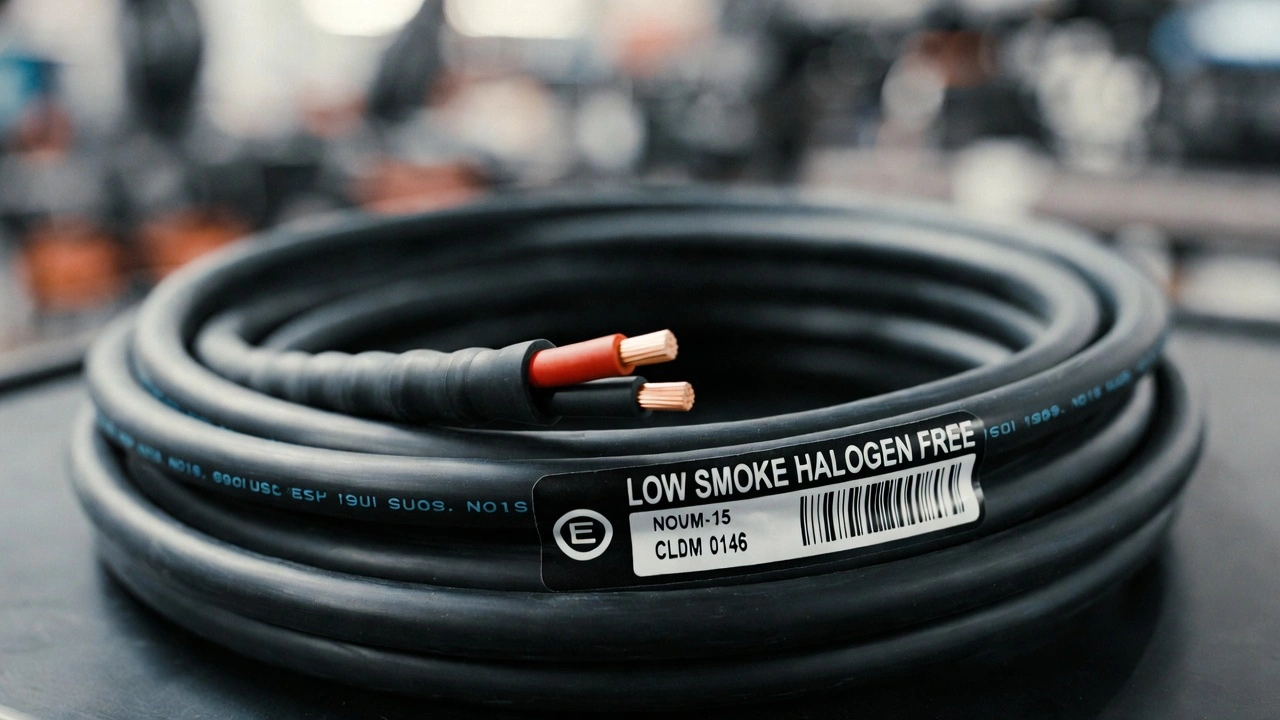
A Low Smoke Halogen Free cable is a type of electrical cable designed to:
- Contain no halogen elements (fluorine, chlorine, bromine, iodine)
- Emit very low amounts of smoke when exposed to fire
- Produce non-toxic, non-corrosive gases during combustion
LSZH cables are engineered using special polymer compounds, rather than traditional PVC, to reduce hazards in fire scenarios.
In enclosed spaces such as subways, hospitals, data centers, and residential towers, the amounts of smoke and toxic gas released by cables can determine survival rates during evacuation.
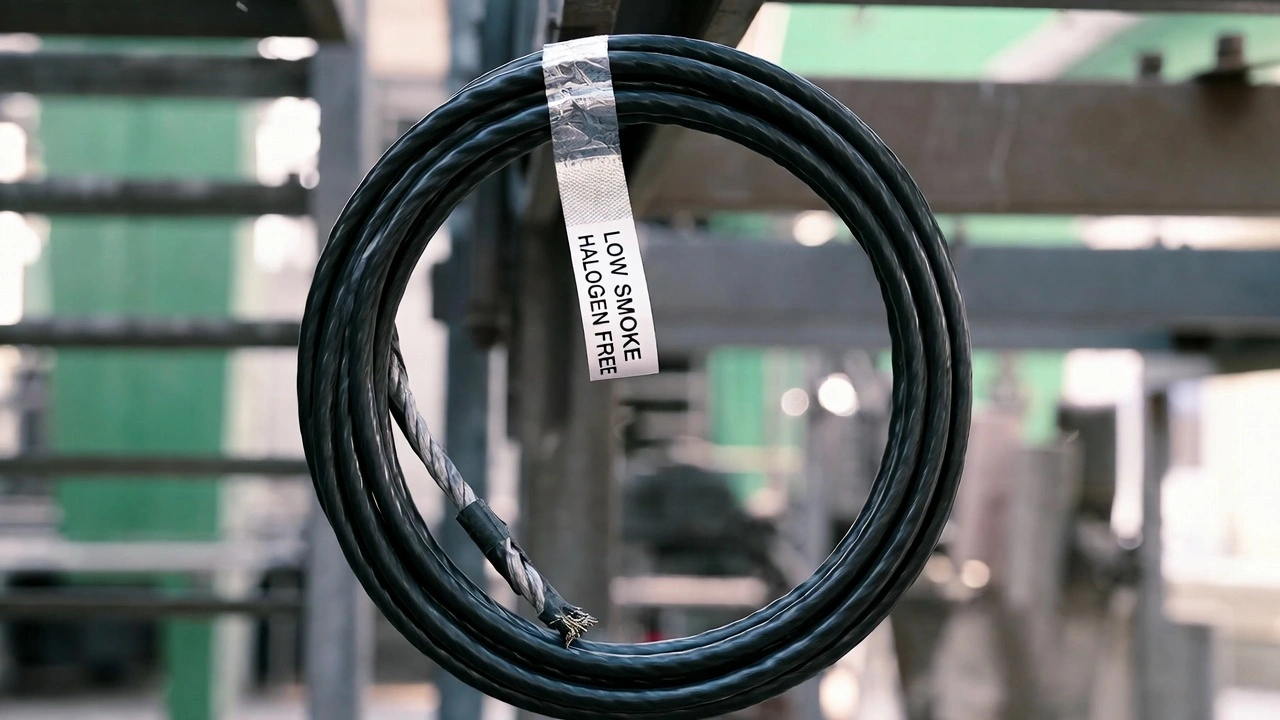
Why Halogen-Free Cables Matter in Fire Safety
When conventional PVC cables burn, they release hydrogen chloride (HCl) gas, which is:
- Highly toxic when inhaled
- Corrosive to electronic equipment
- A major contributor to poor visibility due to dense smoke
In contrast, halogen LSZH cables dramatically improve fire survivability.
Fire Performance Comparison
|
Cable Type |
Halogen Content |
Smoke Density |
Toxic Gas |
Corrosive Gas |
|
High |
Very High |
High |
High |
|
|
LSHF / LSZH Cable |
None |
Very Low |
Minimal |
None |
|
Flame Retardant PVC |
High |
High |
High |
High |
LSZH Cable Materials and Construction
Insulation & Sheathing Compounds
LSZH cables use polyolefin-based or thermoplastic elastomer compounds, enhanced with:
- Mineral flame retardants (aluminum hydroxide, magnesium hydroxide)
- Smoke-suppressant fillers
- Low-toxicity binders
Unlike PVC, these materials do not rely on halogens for flame resistance.
Electrical and Mechanical Characteristics
Although early LSZH designs were criticized for reduced flexibility, modern formulations now meet industrial-grade mechanical and electrical requirements.
Typical Technical Properties
|
Property |
LSZH Cable Range |
|
Operating Temperature |
-40°C to +90°C |
|
Voltage Rating |
300/500V – 0.6/1kV |
|
Flame Retardancy |
IEC 60332-1 / -3 |
|
Smoke Density |
IEC 61034 (≤60%) |
|
Acid Gas Emission |
IEC 60754-1 / -2 |
|
Flexibility |
Key International Standards for LSZH Cables
A reputable cables manufacturer will design LSZH products to comply with multiple global standards:
|
Standard |
Description |
|
IEC 60754 |
Halogen acid gas emission |
|
IEC 61034 |
Smoke density measurement |
|
IEC 60332 |
Flame retardant testing |
|
EN 50575 (CPR) |
Construction Products Regulation (EU) |
|
BS 6724 |
Low smoke power cables |
|
UL 1685 |
Flame propagation & smoke release |
These standards ensure LSZH cables meet modern safety regulations for public and private infrastructure.
LSZH vs Flame Retardant Cables: Key Differences
Many users confuse flame retardant with low smoke halogen free—but they are not the same.
|
Feature |
Flame Retardant Cable |
LSZH Cable |
|
Flame Spread |
Reduced |
Reduced |
|
Smoke Output |
High |
Very Low |
|
Halogen Content |
Yes |
No |
|
Toxic Gas |
Yes |
Minimal |
|
Fire Visibility |
Poor |
Improved |
|
Typical Material |
PVC |
Polyolefin |
Conclusion:
Flame retardancy alone does not guarantee safety in confined spaces.
Applications of Low Smoke Halogen Free Cables
LSZH cables are now standard in modern electrical systems where human safety and asset protection are critical.
Common Application Areas
- Commercial buildings & residential towers
- Hospitals and healthcare facilities
- Airports, metro systems, tunnels
- Data centers & telecom rooms
- Industrial automation
- Renewable energy installations
- Marine and offshore platforms
LSZH Cables in Smart Buildings & Modern Cities
With the rise of smart cities and intelligent buildings, electrical wiring density has increased significantly. More cables mean:
- Higher fire load
- Greater smoke accumulation risk
- Increased need for smoke halogen free LSHF solutions
LSZH cables are now widely specified in:
- Fire alarm systems
- Emergency lighting
- Building management systems (BMS)
- Low-voltage power distribution
Smoke Performance: Why “Low Smoke” Matters
During a fire, smoke—not flames—is the leading cause of fatalities. LSZH cables reduce:
- Smoke opacity (improved evacuation visibility)
- Toxic inhalation risk
- Secondary equipment damage
Smoke Density Comparison (IEC 61034)
|
Cable Type |
Light Transmission |
|
PVC Cable |
<20% |
|
Flame Retardant PVC |
20–40% |
|
LSZH Cable |
≥60% |
Higher light transmission means clearer escape routes.
Environmental & Sustainability Advantages
Beyond safety, LSZH cables support environmental responsibility:
- No halogenated compounds
- Reduced toxic emissions
- Easier compliance with green building certifications
- Lower corrosion damage during fires (reduced waste)
This aligns with modern ESG requirements and sustainable construction goals.
LSZH vs PVC Cable Selection Decision Matrix (For Export Projects)
In global power, infrastructure, and building projects, choosing between LSZH (Low Smoke Zero Halogen) and PVC cables is a risk-management decision, not merely a cost comparison.
The following matrix reflects real-world engineering practice, international standards, and export market requirements.
LSZH vs PVC Cable Decision Matrix
|
Selection Criteria |
PVC Cable |
LSZH Cable |
Export-Oriented Recommendation |
|
Smoke Emission |
High smoke density |
Very low smoke |
LSZH preferred for public safety |
|
Halogen Content |
Contains halogens (HCl gas) |
Halogen-free |
LSZH required by many regulations |
|
Toxicity in Fire |
High |
Extremely low |
LSZH for enclosed environments |
|
Corrosive Gas Release |
Severe (damages equipment) |
Minimal |
LSZH for data & control systems |
|
Fire Safety Standards |
Basic compliance |
Meets stringent IEC / EN |
LSZH for EU & premium markets |
|
Human Occupancy Areas |
Limited suitability |
Highly suitable |
LSZH mandatory in many regions |
|
Installation Environment |
Open, ventilated areas |
Enclosed, underground spaces |
LSZH for tunnels & buildings |
|
Initial Cable Cost |
Lower |
Slightly higher (≈ +10–25%) |
Consider total lifecycle cost |
|
Lifecycle Risk Cost |
High (fire damage) |
Lower overall risk |
LSZH reduces long-term liability |
|
Environmental Compliance |
Standard |
Green / Low-toxicity |
LSZH aligns with ESG goals |
Quick Export Selection Guide (Yes / No)
Choose LSZH Cable if the project involves:
- ✔ Residential or commercial buildings
- ✔ Airports, subways, tunnels, hospitals, schools
- ✔ Data centers or critical control systems
- ✔ Underground or enclosed cable routes
- ✔ EU, UK, Australia, Middle East, or high-regulation markets
- ✔ Compliance with IEC 60754, IEC 61034, EN standards
PVC Cable may still be acceptable if:
- ✔ Installed outdoors or in open, well-ventilated areas
- ✔ Industrial zones with low human occupancy
- ✔ No mandatory LSZH regulation
- ✔ Budget-sensitive projects with controlled fire risk
Application-Based Recommendation Table
|
Application |
Recommended Cable Type |
Engineering Rationale |
|
Residential buildings |
LSZH cable |
Low smoke improves evacuation safety |
|
Commercial offices |
LSZH cable |
Meets modern fire regulations |
|
Hospitals |
LSZH cable |
Non-toxic, non-corrosive |
|
Metro & tunnels |
LSZH cable |
Mandatory low-smoke requirement |
|
Data centers |
LSZH cable |
Protects sensitive electronics |
|
Industrial plants (open) |
PVC or LSZH |
Depends on risk assessment |
|
Outdoor power distribution |
PVC cable |
Adequate ventilation, cost-efficient |
Cost vs Risk: Practical Engineering Perspective
While PVC cables offer a lower upfront cost, international project experience shows:
- Fire-related smoke and corrosion damage often exceed the cable cost itself
- Equipment replacement, downtime, and insurance claims drive higher losses
- LSZH cables significantly reduce system-wide damage and liability
- Many export markets now treat LSZH as a baseline requirement, not a premium option
👉 For export projects, LSZH cables deliver a lower total cost of ownership (TCO) despite higher initial pricing.
Engineering Conclusion for Export Markets
PVC Cable = Cost-driven solution for low-risk, open environments
LSZH Cable = Safety-driven, regulation-compliant solution for modern infrastructure
As global standards evolve toward:
- Stricter fire safety codes
- Higher population density
- Increased protection of electrical and digital assets
Low Smoke Halogen Free (LSZH) cables are becoming the default choice in international power and building projects.
Choosing the Right LSZH Cable
When selecting a low smoke halogen free cable, engineers should evaluate:
- Voltage rating
- Fire performance standards
- Installation environment
- Flexibility requirements
- Compliance certifications
- Manufacturer quality control
A reliable cable manufacturer will provide:
- Full test reports
- Compliance documentation
- Consistent compound formulations
Future Trends in LSZH Wires and Cables
By 2026 and beyond, LSZH adoption will continue to grow due to:
- Stricter fire codes worldwide
- Expansion of public infrastructure
- Growth of data centers and renewable energy
- Increased focus on occupant safety
Advanced compounds are also improving:
- Flexibility
- Cold-temperature performance
- Mechanical durability
Low Smoke Halogen Free cables represent a critical evolution in wires and cables technology, combining fire safety, environmental responsibility, and modern performance requirements.
For today’s electrical systems—especially in enclosed or high-occupancy environments—LSZH cables are no longer optional. They are a best-practice standard for protecting lives, assets, and infrastructure.

Related Articles


Related Products
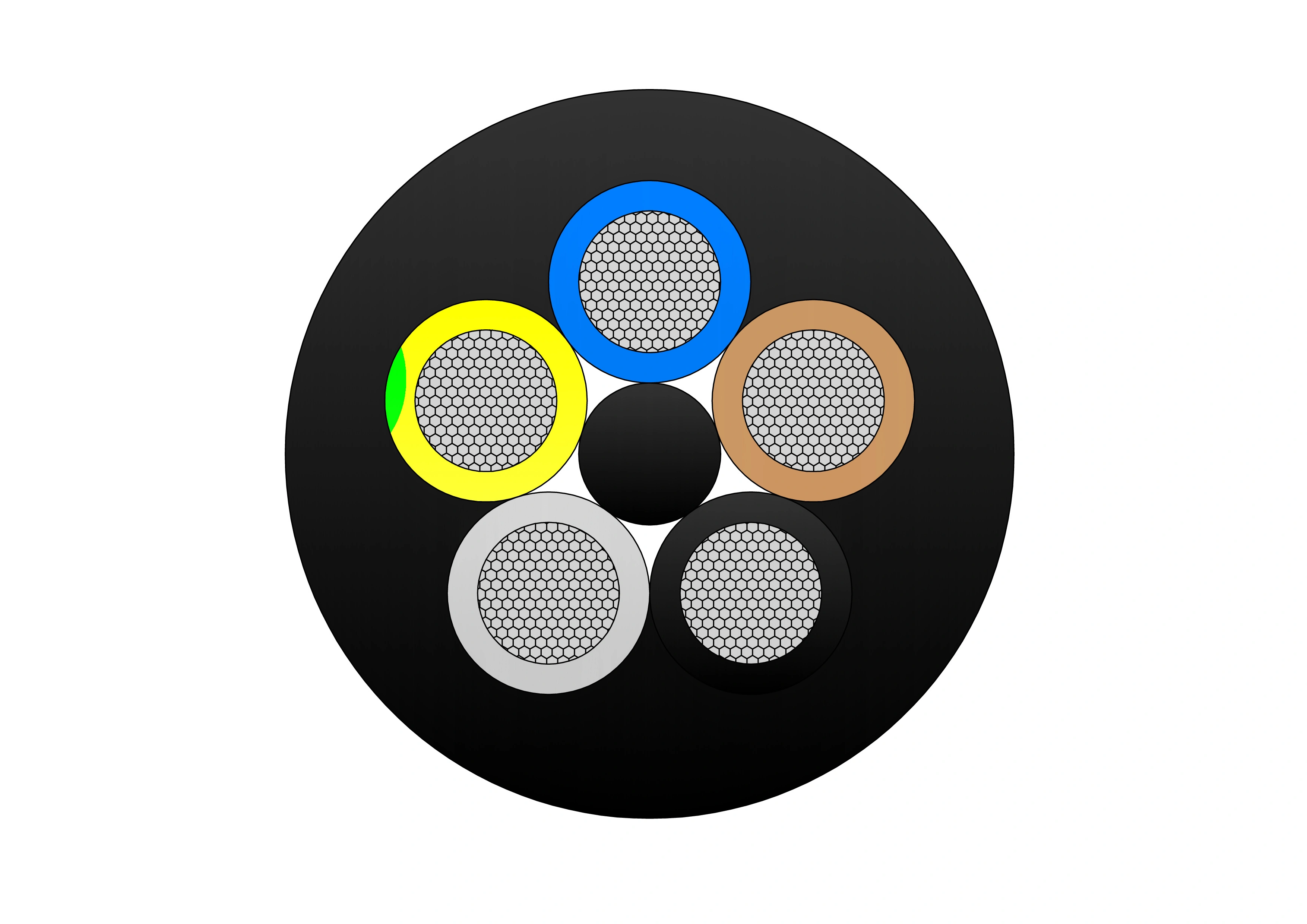
Type 450 Flexible Copper Screened Mining Cable With Two Earth And One Pilot Core
The Type 450 Flexible Copper Screened Mining Cable is a medium-voltage, heavy-duty mining cable designed for power supply in draglines, slow reeling, and industrial applications requiring two earth cores and one pilot core. It features tinned annealed copper conductors, EPR (XR-EP-90) insulation, and a tinned copper/polyamide braid screen for electrical shielding. The double-layer HD-PCP sheath provides extra heavy-duty protection, including oil resistance, flame retardancy, and chemical durability. Available in voltage ratings from 3.3kV to 33kV, the cable meets AS/NZS 2802 and related standards, ensuring high performance and reliability in harsh mining environments.
(N)TSCGECECWOU 3.6/6kV and 6/10kV ZH Cable
The (N)TSCGECECWOU is a flexible medium voltage reeling and trailing cable manufactured in compliance with DIN VDE 0250 standards. Designed for demanding mining, tunneling, and heavy industrial applications, it offers exceptional mechanical strength, flexibility, fire safety, and electromagnetic compatibility (EMC). The cable features EPR insulation, low smoke zero halogen (LSZH) inner sheath, halogen-free polyurethane (PUR) outer sheath, and a copper wire braid with concentric conductor for enhanced shielding and durability. Its design ensures reliable performance in environments requiring fire safety, oil resistance, and high torsional strength.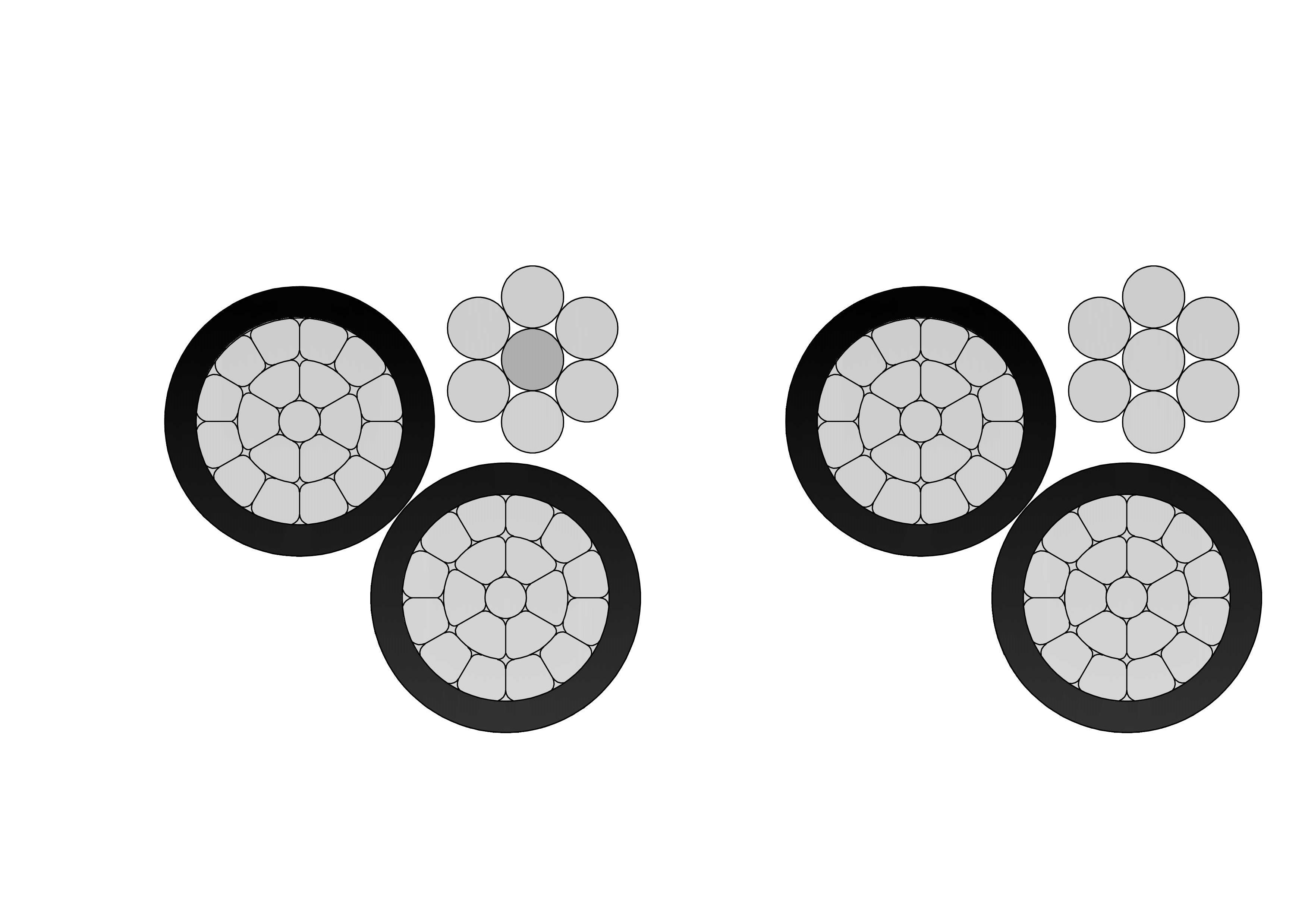
4 Periwinkle Aluminum Conductor Triplex Overhead Service Drop Cable
The 4-4-6 Periwinkle Aluminum Conductor Triplex Overhead Service Drop Cable is a cost-effective solution for overhead power delivery from utility poles to residential or light commercial weatherheads. It features concentric-lay-stranded 1350-H19 aluminum phase conductors (#4 AWG, 7-strand), black cross-linked polyethylene (XLPE) insulation for superior weather, UV, and thermal resistance, and a bare ACSR neutral messenger (#6 AWG, 6/1) providing mechanical strength and conductivity. Rated for 600 volts phase-to-phase at conductor temperatures up to 90°C (XLPE) or 75°C (Poly), it offers an allowable ampacity of approximately 100 amps (XLP). Compliant with ASTM B-230, B-231, B-232, B-399, and ICEA S-76-474 standards, this lightweight, flexible cable ensures easy installation and reliable performance in outdoor conditions, including wind, ice loading, moisture, and temperature fluctuations.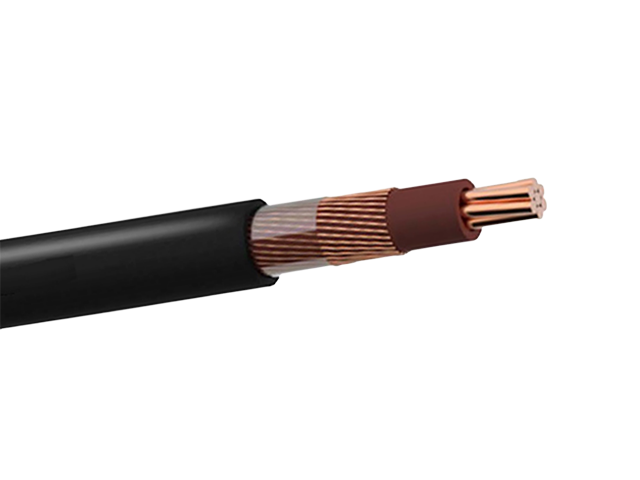
Copper Concentric Flat LV Cable 600/1000V
The Copper Concentric Flat LV Cable is engineered for safe and efficient low-voltage power delivery in residential and commercial applications. It consists of a stranded hard-drawn copper phase conductor with XLPE insulation, concentrically arranged copper neutral conductors, and a durable black polyethylene outer sheath. The flat design offers superior flexibility for easy installation in limited spaces while maintaining excellent electrical balance and mechanical protection. With high conductivity and UV-stabilized materials, this cable performs reliably in both overhead aerial and underground environments. The Copper Concentric Flat LV Cable meets international performance standards and undergoes extensive quality testing to ensure consistent performance, safety, and long service life for modern LV networks.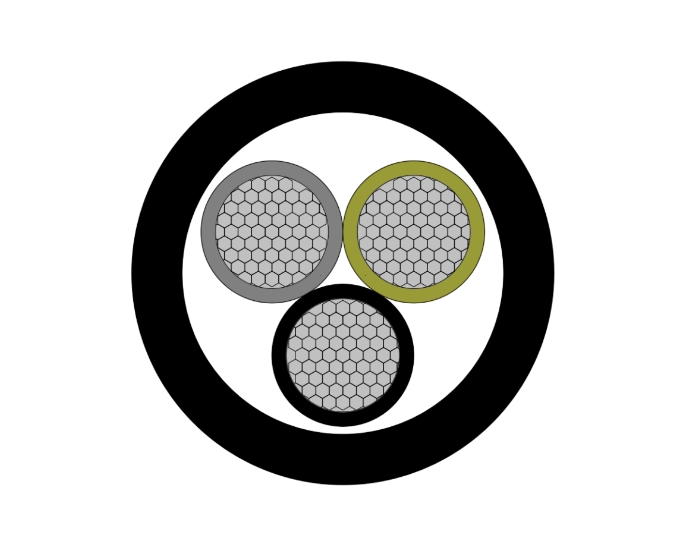
NAYY-J/NAYY-O Cables
The NAYY-J/NAYY-O Solar Cables provide cost-effective, reliable power distribution in photovoltaic systems. With sector-shaped or round aluminum conductors, PVC core insulation, and robust PVC outer jacket, they meet VDE 0276 requirements. NAYY-J includes a protective earth conductor, while NAYY-O is without. These cables excel in wet environments with superior water and chemical resistance, suitable for direct burial without additional protection. UV-stabilized and mechanically strong, they withstand soil stress and installation pulling forces. Low-weight aluminum reduces handling efforts, making them popular for extensive solar parks. NAYY-J/NAYY-O Solar Cables ensure efficient energy transfer with minimal losses, supporting sustainable solar infrastructure worldwide.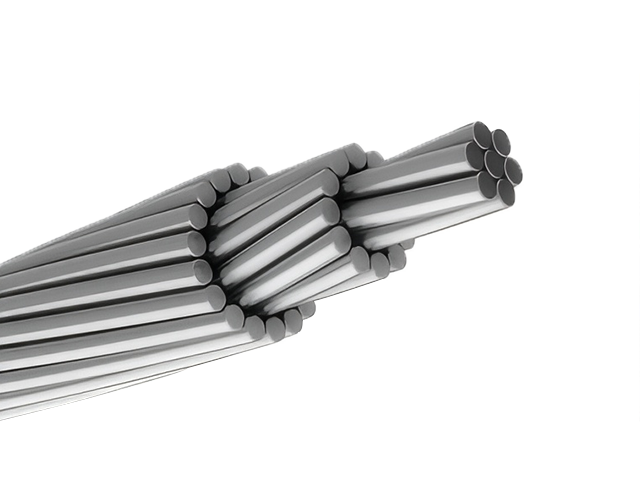
ALUMINUM CONDUCTOR ALUMINUM CLAD STEEL REINFORCED(ACSR/AW)
Aluminum Conductor Aluminum-Clad Steel Reinforced (ACSR/AW) offers enhanced protection for overhead lines, with outer 1350 aluminum strands encircling an aluminum-clad high-strength steel core. The cladding significantly boosts corrosion resistance over traditional ACSR, ideal for marine, acidic, or high-humidity settings. Steel reinforcement provides superior mechanical properties, enabling longer spans with reduced sag and higher load capacity. Electrical conductivity from aluminum layers ensures minimal transmission losses, supporting ampacities up to 20% higher in equivalents. Adhering to IEC 61089 and ASTM B549, ACSR/AW features versatile stranding options for optimized ratios. Its design facilitates easy installation and compatibility with existing hardware. Lightweight yet robust, it lowers infrastructure costs and maintenance needs. ACSR/AW promotes sustainability through better longevity and recyclability, reducing environmental impact. Widely adopted in global utilities, it delivers reliable performance in extreme conditions, from stormy coasts to industrial hubs, making it a smart choice for future-proofing power grids.
1/0 Leda Aluminum Conductor Triplex Overhead Service Drop Cable
The 1/0 Leda Triplex Service Drop Cable is a durable overhead cable for secondary power distribution to residential service entrances. Featuring two 1/0 AWG aluminum phase conductors and one neutral messenger (7-strand) insulated with XLPE or PE and assembled in triplex configuration, it provides excellent mechanical strength and weather resistance. Compliant with ASTM B-230, B-231, ICEA S-76-474, and ANSI/ICEA standards, this cable supports 600V applications with high UV, moisture, and abrasion protection. The self-supporting messenger reduces sag and simplifies installation over medium spans. The 1/0 Leda Triplex Service Drop Cable ensures low power losses, high current capacity, and long service life in harsh outdoor conditions. Lightweight and flexible, it is widely used for two-phase service drops with neutral in urban, suburban, and rural areas requiring safe, cost-effective aerial connections from utility poles to homes.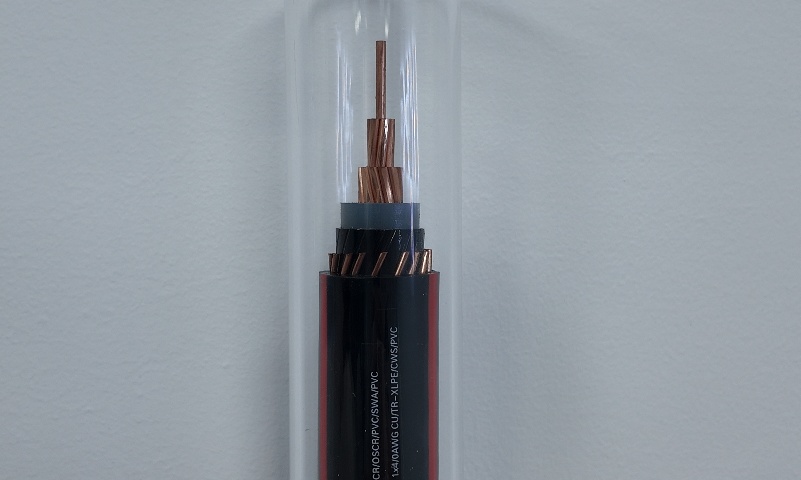
Triplex URD Cable
The Triplex URD Cable is a cost-effective and reliable 600V underground residential distribution cable engineered for service entrance and secondary power delivery. It consists of three insulated AA8000 aluminum alloy phase conductors and a concentric neutral, all encased in a durable black polyethylene sheath. The triplex design offers a compact footprint, excellent flexibility, and easy handling during direct burial installation. With XLPE insulation, this cable provides superior electrical performance and moisture resistance. Lightweight and corrosion-resistant, the Triplex URD Cable is an economical alternative to copper while maintaining high conductivity and mechanical strength. Manufactured to UL 854 and ICEA standards, it undergoes extensive quality testing to ensure consistent performance and long service life in underground environments.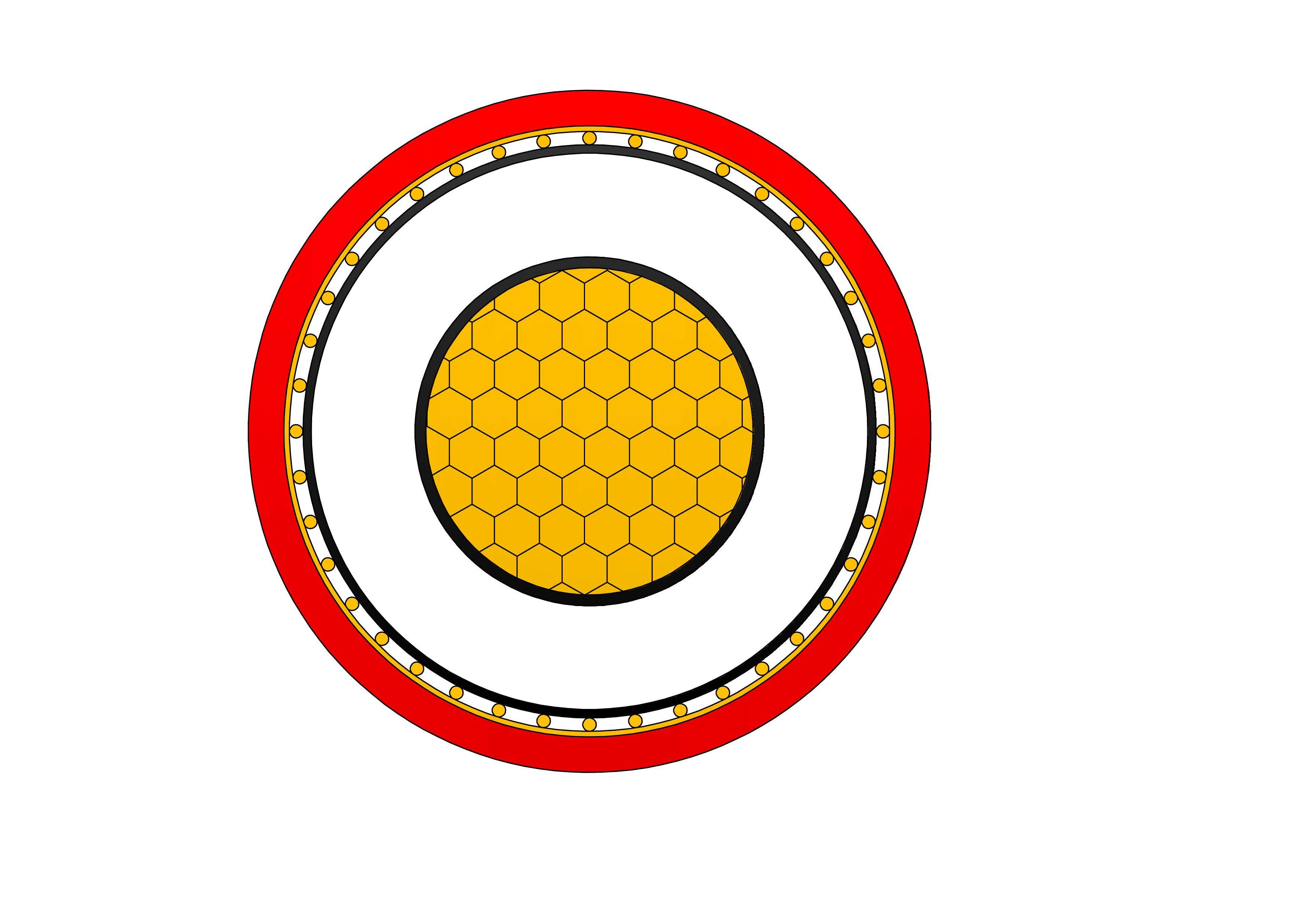
N2XSEY Medium Voltage Power Cable(6/10kV, 8.7/15KV,12/20kV, 18/30kV)
N2XSEY are medium voltage power cables with copper conductors, XLPE insulation, and PVC outer sheath, designed in accordance with VDE 0276-620 standards. Built with copper conductors, thermosetting XLPE insulation, individual metallic screens (copper tape/wire) per core, filler, and tough PVC outer sheath, it meets IEC 60502-2 requirements. Per-core screening minimizes interference and provides fault protection. Low tan delta, high breakdown strength, and excellent thermal endurance ensure efficient operation with reduced losses. PVC sheath delivers good mechanical and moisture protection for fixed installations. Optional longitudinal water-blocking enhances performance in wet conditions. Flame-retardant and durable, the N2XSEY Medium Voltage Power Cable is favored for power grids, industrial sites, renewable installations, and urban infrastructure demanding reliable three-core medium voltage cabling with superior shielding and long-term stability in buried or ducted systems.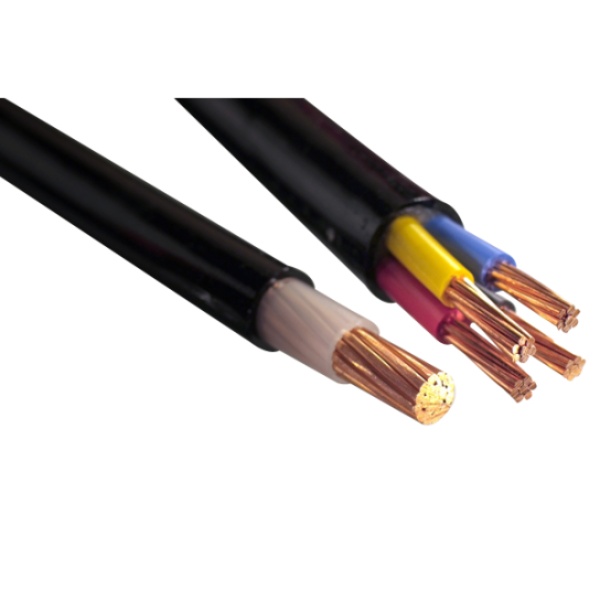
600/1000V PVC Insulated Cable to IEC 60502-1 Standard
The 600/1000V PVC Insulated Low Voltage Power Cable is designed for reliable power transmission in low-voltage electrical systems. Manufactured with high-quality copper or aluminum conductors and PVC insulation, this cable provides stable electrical performance, good flexibility, and long service life. The PVC insulation offers effective protection against moisture, abrasion, oils, and common chemicals, making the cable suitable for both indoor and outdoor installations. Rated at 600/1000 volts, the cable ensures safe and efficient power distribution under normal operating conditions. Its robust insulation structure supports consistent current flow while maintaining electrical safety. The cable is easy to install, route, and terminate, making it a practical solution for residential, commercial, and industrial power networks. With dependable insulation performance and mechanical durability, this low voltage power cable meets the demands of everyday electrical infrastructure.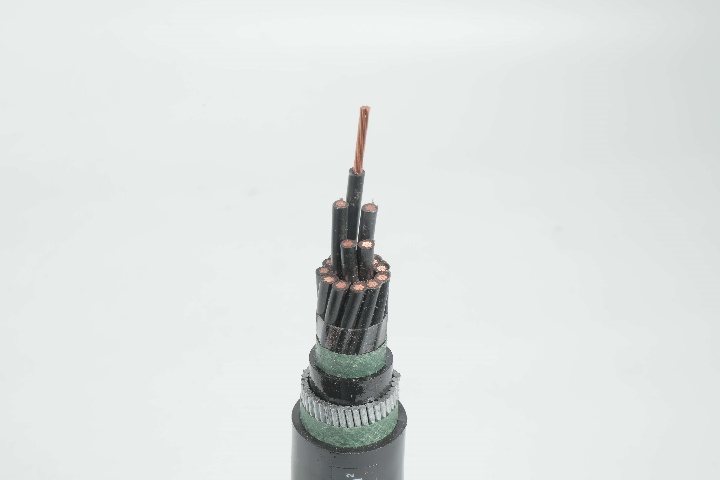
LiYY Flexible Control Cable - PVC Multi-Core Unshielded Cable
The LiYY Control Cable is a versatile and highly flexible multi-core control cable ideal for industrial machinery and automation systems. It consists of finely stranded copper conductors with PVC insulation, twisted cores for reduced interference, and a grey PVC outer sheath. This unshielded design offers outstanding flexibility with a small bending radius, making installation easy even in confined spaces. Rated 300/500V, the LiYY Control Cable provides reliable signal and control transmission with good resistance to oil and mechanical stress. Manufactured under strict quality control from raw materials to finished product, it meets international standards and delivers consistent performance in dynamic and static industrial environments.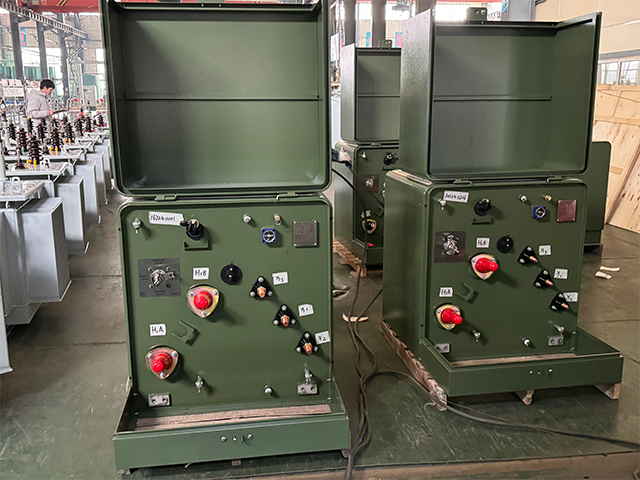
500kVA Single Phase Pad Mounted Transformer
The 500kVA Single Phase Pad Mounted Transformer is a high-capacity electrical transformer designed for reliable and efficient power distribution in commercial, industrial, and utility applications. With a robust, weatherproof enclosure, it is specifically built for outdoor use and can handle the demanding requirements of larger single-phase systems. This transformer offers a 500kVA capacity, ensuring dependable performance for a variety of load conditions.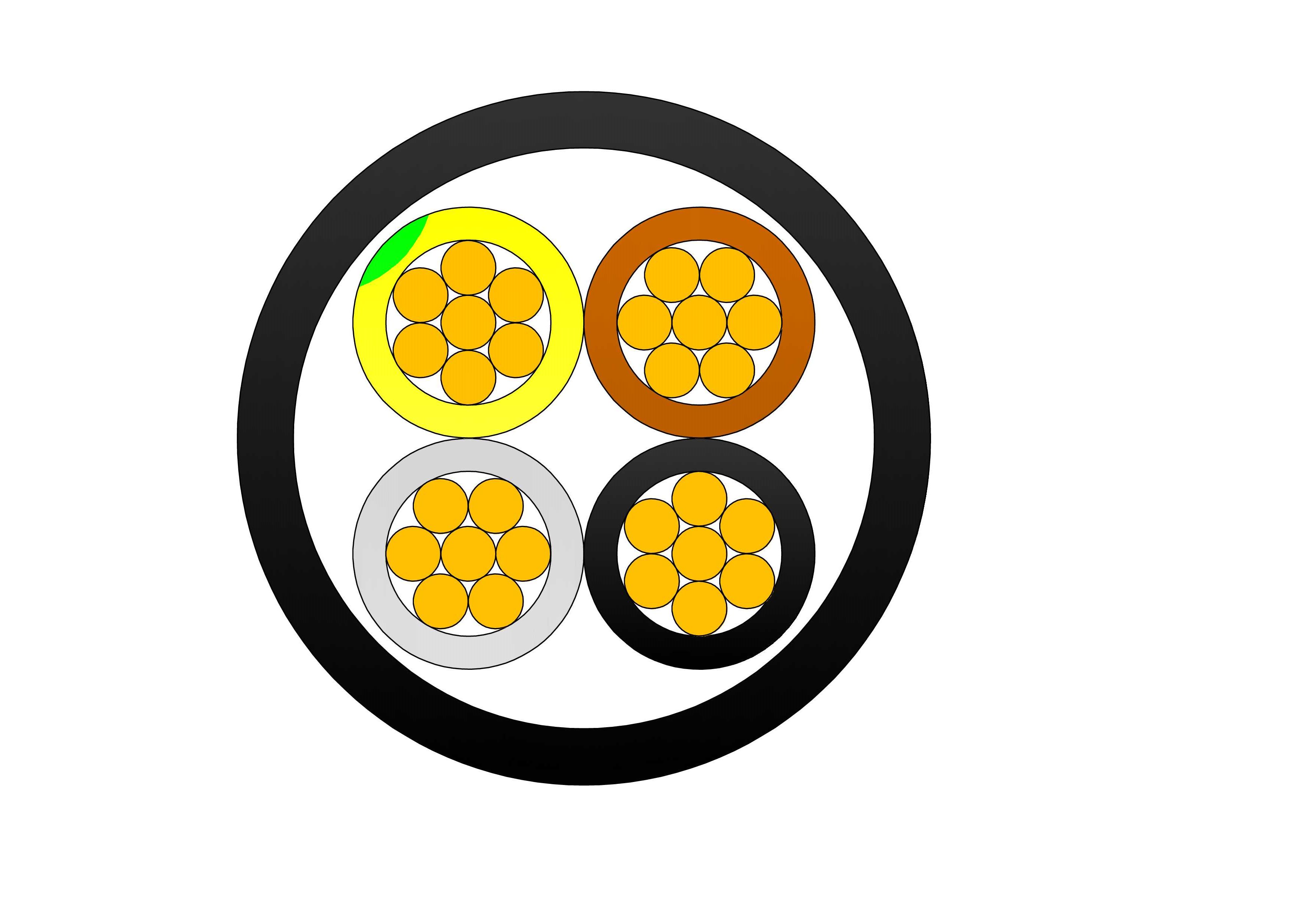
3+2 Cores Copper Cable CU/XLPE/PVC 0.6/1kV
The Single Core Copper Cable CU/XLPE/PVC 0.6/1kV is engineered for reliable power transmission and distribution in industrial, commercial, and utility applications. Featuring a high-purity copper conductor, XLPE insulation, and durable PVC outer sheath, the cable delivers outstanding electrical conductivity, thermal stability, and mechanical protection. The XLPE insulation offers superior dielectric properties, allowing the cable to operate continuously at conductor temperatures up to 90°C while maintaining excellent insulation performance. The PVC sheath provides resistance against moisture, abrasion, chemicals, and environmental exposure, ensuring a long service life even in demanding installations. Designed according to international standards including IEC 60502-1, this cable is suitable for fixed installations in power networks, industrial facilities, commercial buildings, renewable energy projects, and infrastructure developments. Various conductor sizes and sheath colors can be customized to meet specific project requirements. Its combination of safety, durability, and efficient power transmission makes the Single Core Copper Cable CU/XLPE/PVC 0.6/1kV a dependable solution for modern electrical systems.
400kVA Dry Type Transformer
The NPC ELECTRIC 400kVA Dry Type Transformer is engineered for efficient and reliable power distribution in industrial, commercial, and utility applications. With a compact, fire-safe design, it operates without the need for oil or other cooling fluids, making it ideal for environments with strict safety and environmental standards. Designed to withstand heavy loads, it is the perfect solution for demanding electrical requirements, providing a sustainable and cost-effective option for modern electrical systems.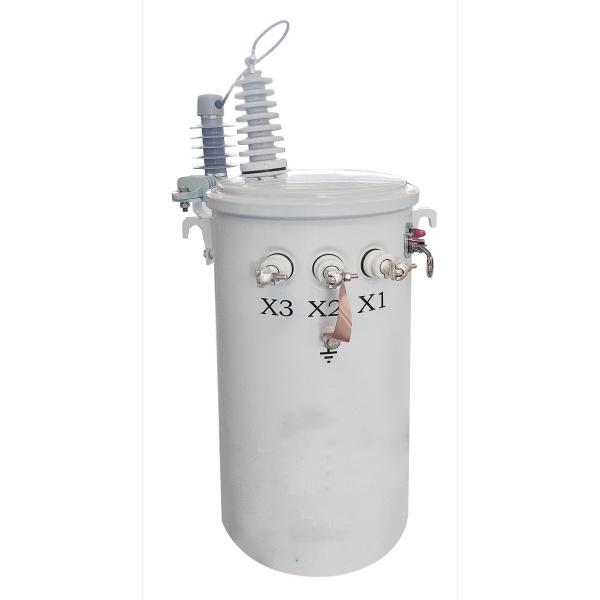
100kVA Completely self-protected(CSP) Single Phase Pole Mounted Transformer
100kVA CSP Single Phase Pole Mounted Transformer is a highly efficient and reliable solution designed for single-phase power distribution in residential, commercial, and light industrial applications. It features integrated self-protection systems, including overload, short-circuit, and over-voltage protection, ensuring automatic disconnection in the event of faults to safeguard both the transformer and connected equipment. With its pole-mounted design, it offers space-saving installation and is suitable for both urban and rural environments. This transformer delivers high operational efficiency with minimal energy loss and is built to withstand harsh weather conditions, ensuring long-lasting and reliable performance. It is the ideal choice for providing safe and stable single-phase power in diverse applications.Welcome your inquiry
Honesty, Integrity, Frugality, Activeness and Passion