
Dry-Type vs. Oil-Immersed Transformers: Key Differences and How to Choose the Right One
2025-12-01
In modern power systems, transformers are critical equipment—regulating voltages, stepping up or down power for transmission and distribution. Two main types dominate the market: the dry-type transformer and the oil-immersed transformer. Choosing between them means weighing factors such as safety, cooling medium, fire hazard, installation environment, cost and application scope. From a practical engineering standpoint—whether you’re specifying a 75 kVA transformer for a data centre, or a high-capacity oil-filled unit for a substation—the right selection matters.
1. What is a Dry-Type Transformer and an Oil-Immersed Transformer?
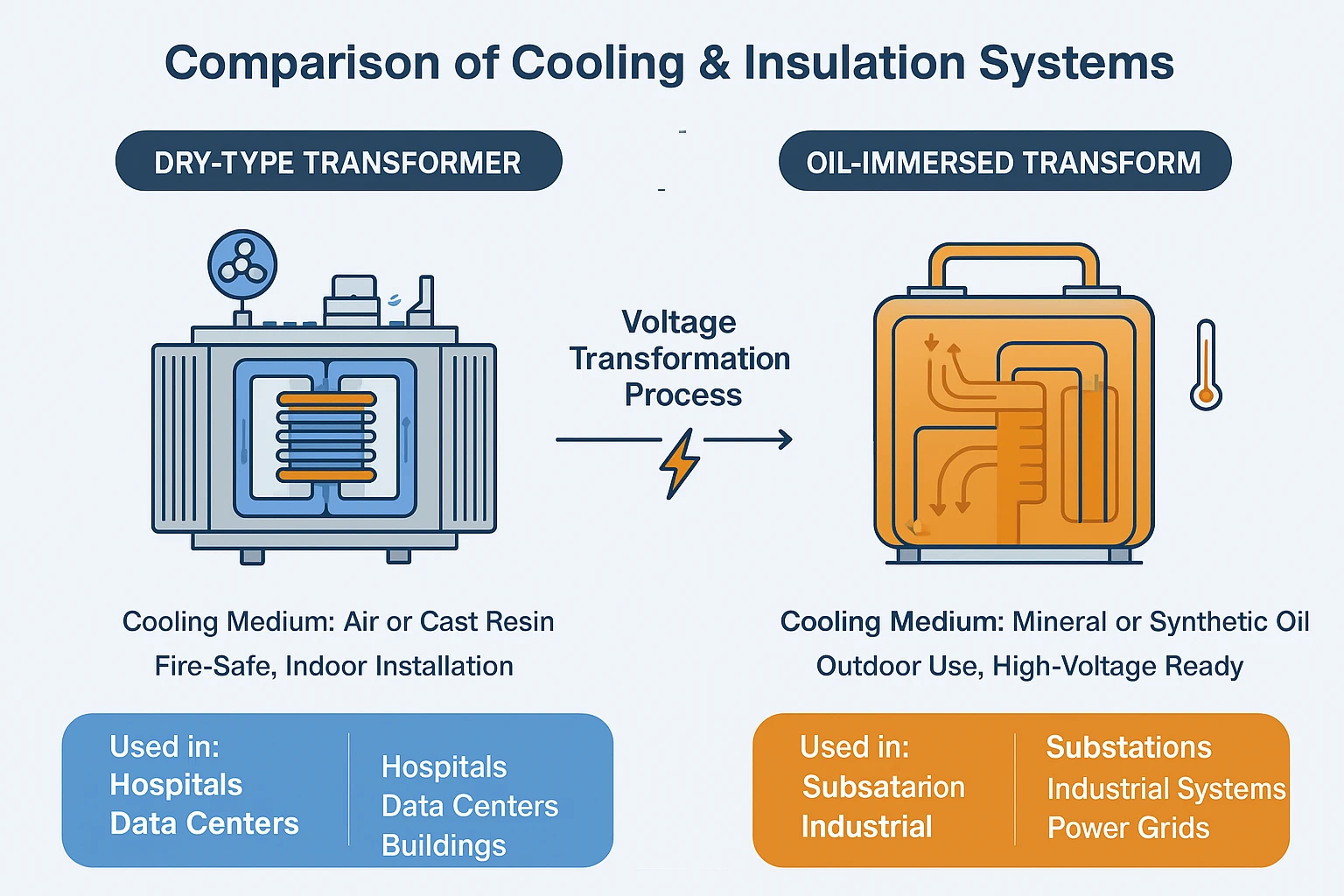
A dry-type transformer uses air (or solid insulation such as epoxy or cast resin) as its cooling medium, whereas an oil-immersed transformer uses insulating oil that both cools and insulates the winding and core. In practical terms, dry type units are often compact, flame-retardant, and suited to indoor installations; oil-immersed units are typically outdoor or large-scale, for high voltage applications.
2. Insulation & Cooling: The Core Technical Difference
At the heart of the difference is insulation and cooling. Dry-type transformers rely on air or forced-air flow; some use cast resin or vacuum pressure impregnated insulation systems. In contrast, oil-immersed transformers have their windings submerged in oil; the oil circulates (naturally or forced) to carry heat away to radiators or fins.
Because of the superior heat dissipation and dielectric strength of oil, oil-immersed transformers are commonly used for high voltage power transmission lines or large distribution substations. Dry type transformers are often limited in voltage and capacity (for example, many stay under ~10 kV or in distribution applications) due to the cooling/insulation constraints.
3. Types of Transformers: Dry-Type Transformer Types and Oil-Immersed Variants
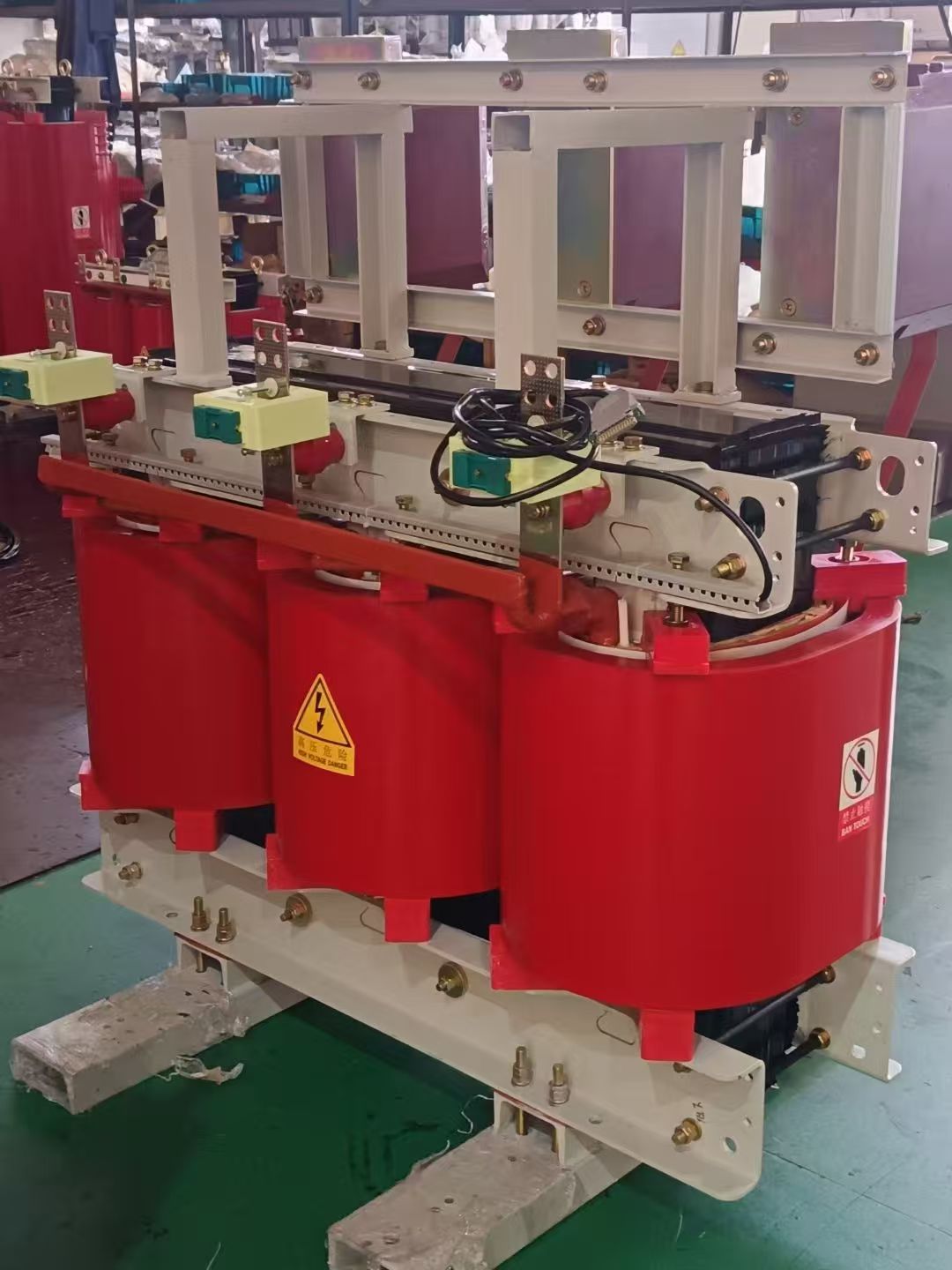
Dry-type transformer types typically include: cast resin dry-type, vacuum pressure impregnated (VPI) dry-type, open frame dry-type. These are suitable for indoor applications, power systems in confined or fire-sensitive areas.
Oil-immersed transformers include various liquid-filled transformers, three-phase oil-immersed, outdoor pad-mounted, high voltage transmission transformers with OLTC (on-load tap changer) options. The broad variety enables outdoor, high-capacity, and high-voltage installations.
4. Advantages & Disadvantages
Dry-type transformer advantages:
-
Environmentally friendly (no oil spills, no fire-hazard fluid)
-
Safe for indoor applications and areas with high fire safety requirements (e.g., schools, hospitals, data centres)
-
Lower maintenance because no oil testing, leak checks, or oil handling.
Disadvantages of dry-type transformer:
-
Limited capacity and voltage rating compared to oil-filled units
-
Higher initial cost and possibly higher operational losses (due to less efficient cooling)
-
Often not as suitable for outdoor installations unless specially designed.
Oil-immersed transformer advantages:
-
Suitable for suitable for high voltage applications, large capacity, outdoor use
-
Better cooling and insulation properties allow higher power, longer lifespans.
Disadvantages of oil-immersed:
-
Risk of fire, oil leak, environmental contamination; typically requires oil containment, fire suppression.
-
Regular maintenance (oil testing, filtration, possible replacement), hence higher operational cost over time.
Dry-Type Transformer and an Oil-Immersed Transformer Table:
|
Feature |
Dry-Type Transformer |
Oil-Immersed Transformer |
|
Cooling & Insulation Medium |
Uses air or solid insulation (epoxy, cast resin) for cooling and insulation |
Uses mineral or synthetic insulating oil for cooling and insulation |
|
Installation Environment |
Best for indoor applications such as data centers, hospitals, offices |
Commonly used outdoors — substations, power plants, industrial zones |
|
Fire Safety |
Excellent — no flammable oil, ideal for confined or public areas |
Higher fire risk — requires fire barriers and containment systems |
|
Maintenance Requirement |
Low maintenance — no oil testing or replacement needed |
Requires periodic oil checks, leak prevention, and filtration |
|
Voltage & Capacity Range |
Typically used below 35 kV and for small-to-medium capacity (e.g., 75 kVA) |
Supports high-voltage applications (>35 kV) and large power capacities |
|
Efficiency & Losses |
Slightly higher losses due to air cooling limitations |
Higher thermal efficiency, better heat dissipation |
|
Environmental Impact |
Eco-friendly — no oil leakage or hazardous waste |
Potential for oil contamination and environmental risk |
|
Operational Cost |
Higher initial cost, lower maintenance cost |
Lower purchase cost, higher maintenance cost |
|
Recommended Applications |
Indoor, fire-sensitive zones, commercial and institutional buildings |
Outdoor substations, industrial facilities, long-distance power systems |
5. Application Scenarios: Indoor vs Outdoor, 75 kVA Transformer Example
From the real-world viewpoint, if you are specifying a 75kVA transformer for indoor use (e.g., an office high-rise, data centre, or retail space), a dry-type transformer often makes sense: lower fire risk, minimal fluid handling, compact footprint. For example, a cast resin dry-type transformer may be selected for a mechanical/electrical room inside a building.
Conversely, for an outdoor substation feeding high voltage power transmission lines, or large industrial loads, an oil-immersed transformer is often the default choice. Outdoor applications frequently involve higher voltages, longer distances, and rugged environmental conditions, where oil-filled cooling is beneficial.
In a hybrid scenario: when a facility needs an indoor-pad mount that connects to distribution lines but wants to avoid oil risk, some high-capacity dry-type models may be used—but that depends on size, voltage, and environment.
6. Practical Work Considerations & Power System Integration
From an engineer’s viewpoint, here are several practical considerations when specifying or selecting:
-
Fire Safety & Environment: In indoor installations or fire-sensitive zones, the fact that a dry-type transformer is oil-free and pose less fire hazard is a significant plus.
-
Installation Space & Maintenance: Dry type installations don’t need oil ponds, external radiators, or large tanks; oil transformers often require more civil works, spill trays, oil filtration systems.
-
Operational Cost & Lifecycle: While oil-immersed may have lower initial cost for large capacity, in indoor or confined spaces the oil risks and maintenance may drive up total cost of ownership.
-
Voltage & Capacity Needs: For high voltage transmission, oil-immersed is almost always more suitable. For distribution, or lower voltage indoor use, dry-type may suffice.
-
Cooling & Insulation Medium: As referenced in studies and technical articles, choice of cooling medium (air vs oil) directly impacts design limitations, thermal performance, and suitability.
7. Environment, Sustainability & Modern Power System Trends
In a world increasingly focused on sustainability and environmentally friendly solutions, dry-type transformers are gaining traction due to their absence of oil, reduced risk of spills and less environmental remediation. In urban centres, indoor data centres and commercial buildings, their lower maintenance profile is beneficial. On the other hand, the global power system expansion, growth of long-distance transmission, and integration of renewables still rely heavily on oil-immersed transformers for high-voltage lines and heavy industrial loads.
8. How to Choose the Right One?
Here’s a checklist for making a choice:
-
If you require indoor applications, close to load centre, limited space, and high fire-safety requirement → lean toward dry-type.
-
If you are dealing with outdoor pad-mounted, high voltage (transmission, substation), large capacity loads → oil-immersed.
-
Check the load rating (e.g., 75 kVA or higher), the voltage class, ambient environment (moisture, dust, temperature) and maintenance budget.
-
Factor in operational cost: although dry-type may cost more upfront, its lower maintenance and environmental compliance may offset over time.
-
Evaluate insulation & cooling capability relative to your system demands (air-cool vs oil-cool).
-
Consider future system changes: growth in power demand, shift to renewables, higher ambient temperatures might push design toward oil-immersed or special dry variants.
In sum, both dry-type and oil-immersed transformers have their place in modern electrical systems. Understanding key differences—cooling medium, insulation, fire safety, capacity and cost—is crucial. A precise decision helps ensure that your transformer meets technical, safety, environmental, and economic requirements. Whether you’re specifying a 75 kVA transformer for a building or a large oil-filled transformer for a power substation, choose wisely based on your system’s needs and constraints.

Related Articles
Related Products
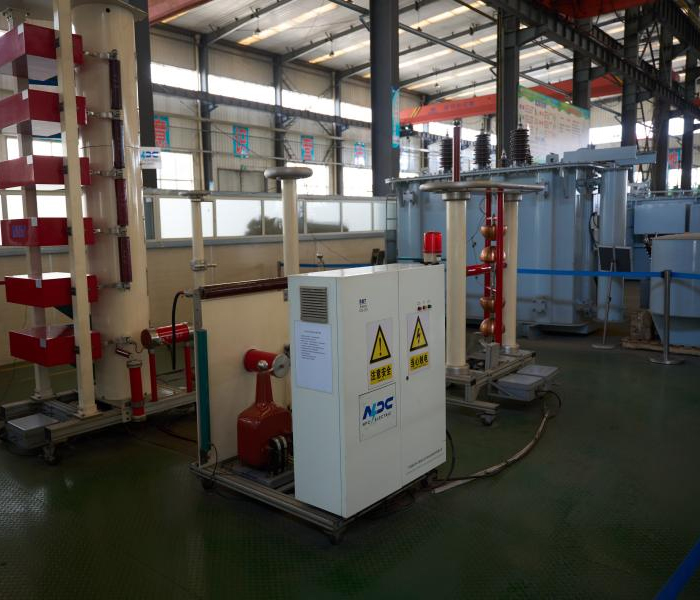
500kVA Dry Type Transformer
NPC ELECTRIC 500kVA Dry-Type Transformer offers reliable and efficient power distribution with a compact, oil-free design. It ensures safe, low-maintenance operation with advanced insulation and cooling systems, making it ideal for industrial and commercial use. With a capacity of 500kVA, it delivers stable performance while being environmentally friendly and cost-effective. Key characteristics feature three-phase design (single-phase adaptable), primary voltages 208V–600V (e.g., 480V Delta, 600V Delta), secondary voltages such as 208Y/120V, 480Y/277V, or custom, aluminum or copper windings, 150°C rise (standard) or 115°C/80°C with 220°C insulation class, ±2×2.5% primary taps, NEMA 1 ventilated enclosure (NEMA 3R/encapsulated options), natural convection cooling (AN), electrostatic shielding, and low sound levels per NEMA.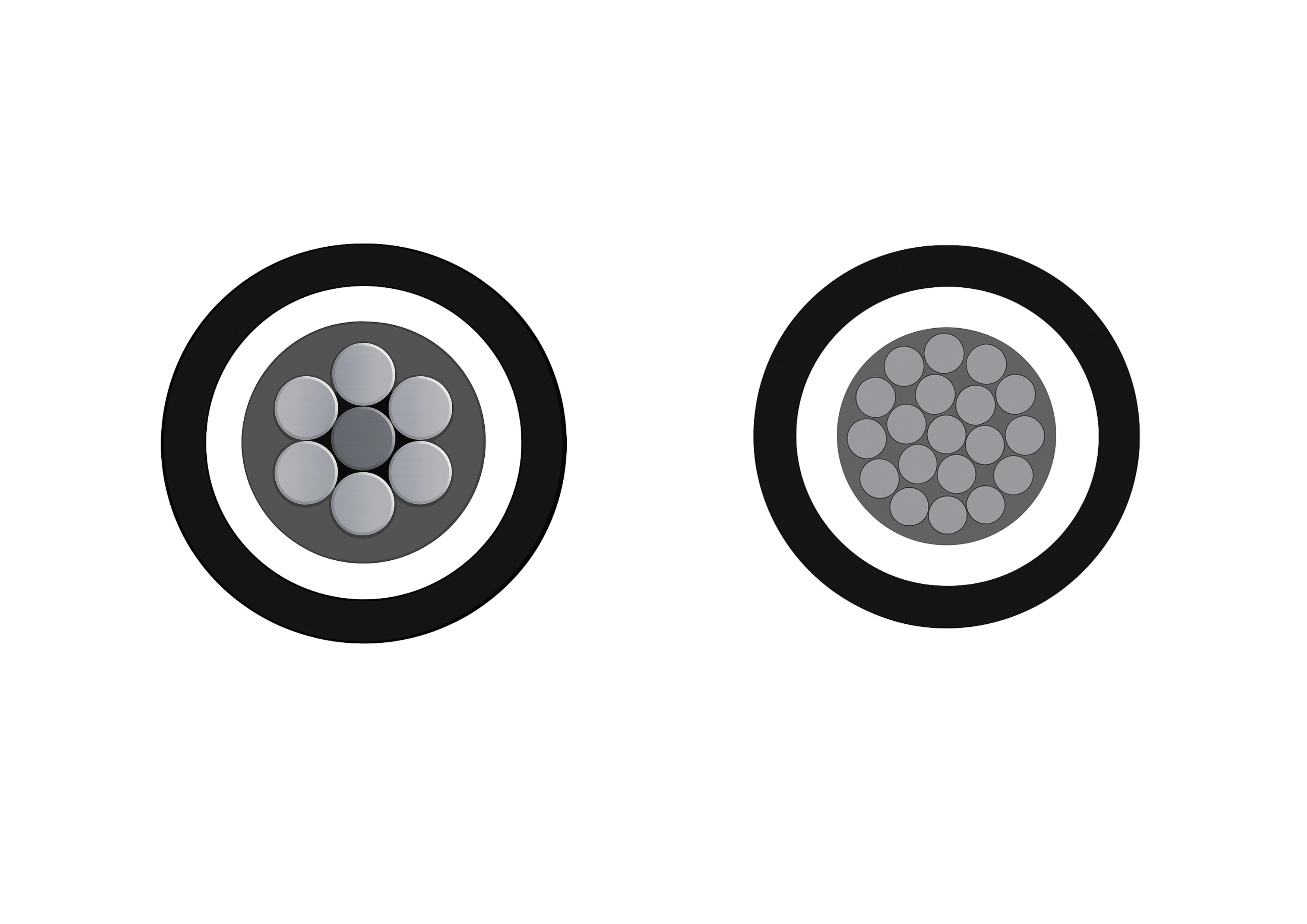
15kV 3-Layer AAAC/ACSR/AAC Tree Wire - Triple Layer Covered Conductor
The 3-Layer 15kV AAAC/ACSR/AAC Tree Wire is a specialized covered overhead conductor developed for distribution lines in areas with dense vegetation. It uses concentrically stranded AAAC, ACSR, or AAC conductors protected by a triple-layer system of track-resistant HDPE or XLPE. The multi-layer covering delivers exceptional tracking resistance, abrasion protection, and weatherability while greatly reducing the risk of electrical faults from tree limb contact and helping minimize wildfire ignition potential. This advanced design allows closer spacing to vegetation and lowers vegetation management costs. Suitable for conventional overhead or spacer cable systems, the 3-Layer 15kV AAAC/ACSR/AAC Tree Wire offers a cost-effective solution for improving line reliability. It complies with ICEA and ASTM standards and undergoes extensive quality testing to ensure long-term performance and safety.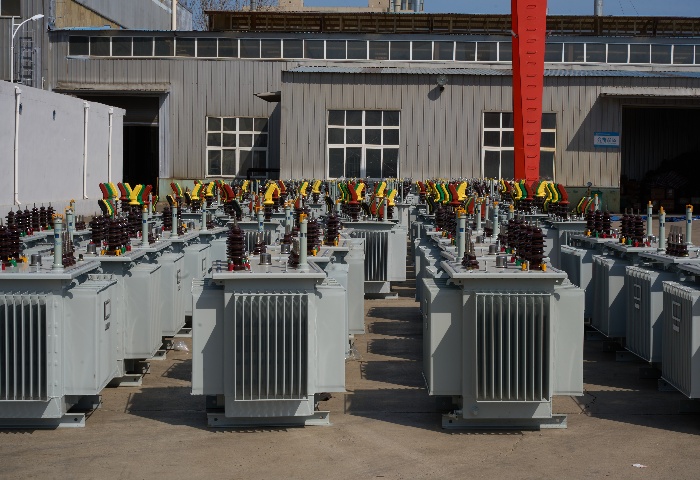
4000kVA Oil Immersed Transformer
4000kVA Oil Immersed Transformer is designed for medium and large-scale power distribution systems that require high reliability, strong overload capacity, and long-term stable operation. The transformer adopts a fully sealed oil-immersed structure, effectively preventing moisture ingress and oil oxidation, thereby extending service life and reducing maintenance frequency. The transformer features excellent thermal performance and robust insulation strength, ensuring stable operation under continuous load or fluctuating grid conditions. Advanced oil circulation and cooling structure enhance heat dissipation, while precise manufacturing processes guarantee low noise and high mechanical strength.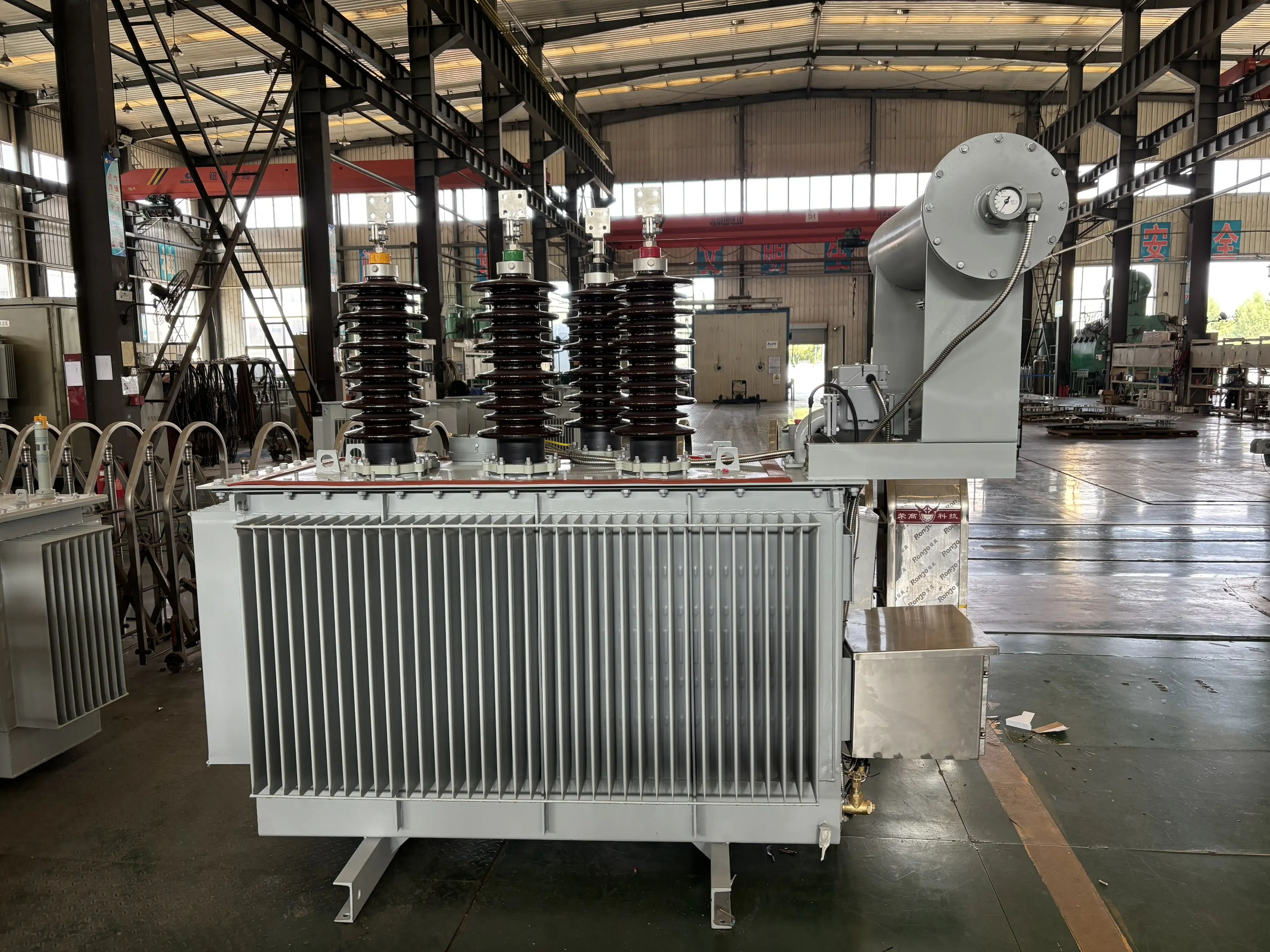
11kV 1500kVA Zigzag Wiring Earthing Transformer with NGR High Impedance
11kV 1500kVA Zigzag Wiring Earthing Transformer with NGR (High Impedance) is designed to provide a reliable artificial neutral point for medium-voltage power systems where controlled earth fault current is required. Utilizing a zigzag winding configuration, the transformer offers low zero-sequence impedance while maintaining balanced operation during normal conditions. The integrated high-impedance Neutral Grounding Resistor (NGR) effectively limits ground fault current, reducing thermal and mechanical stress on network equipment. This transformer is engineered for stable performance, high fault withstand capability, and long operational life. The robust insulation system and reinforced windings ensure safe operation under fault conditions, while the optimized core design minimizes losses.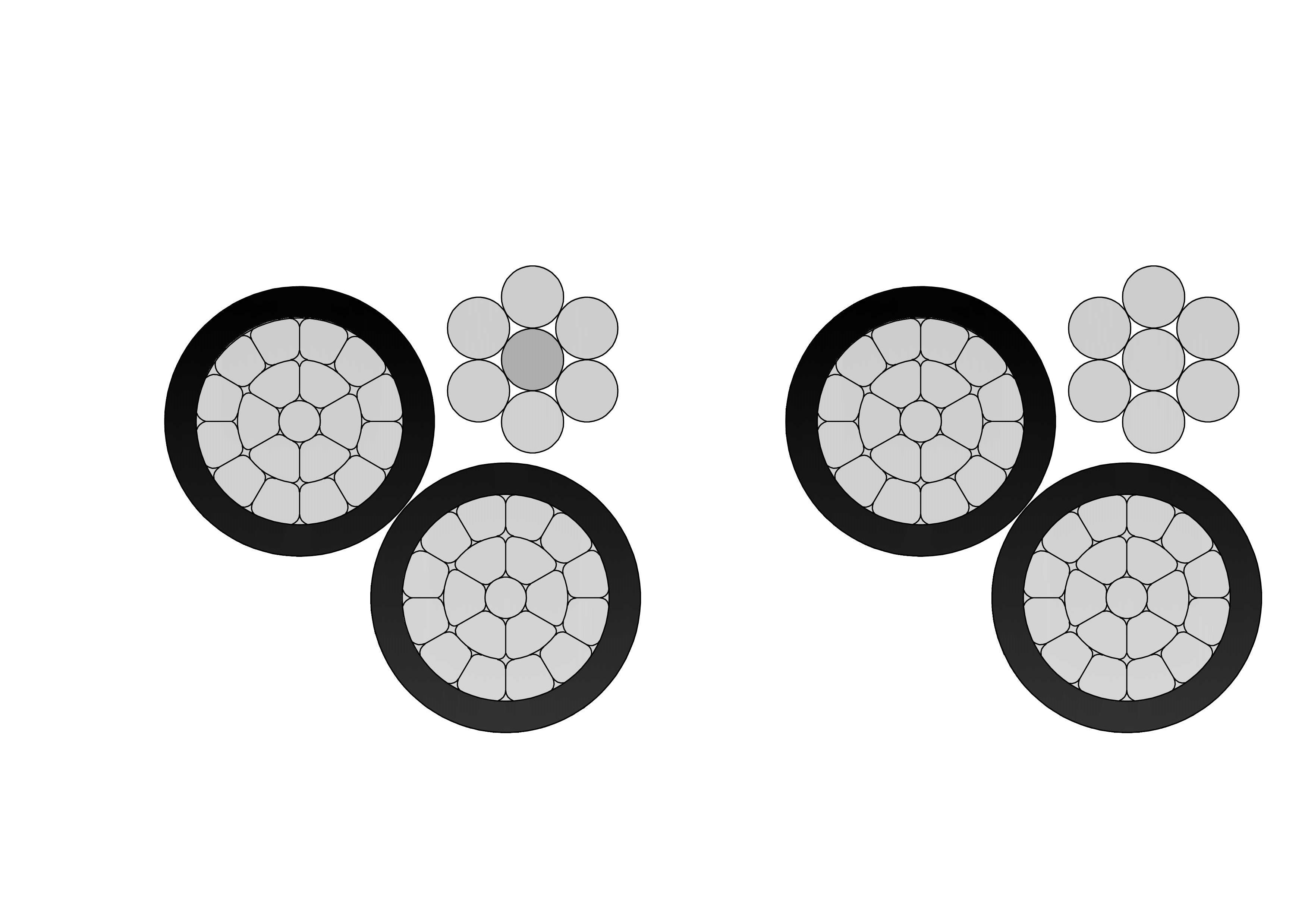
Triplex Aluminum Conductor Overhead Service Drop Cable 600V
The Triplex Aluminum Conductor Overhead Service Drop Cable 600V is designed for reliable overhead electrical connections between utility distribution lines and service entrances. The cable consists of two insulated aluminum phase conductors helically twisted around a bare or insulated neutral messenger, providing balanced electrical performance and mechanical strength. Manufactured with high-purity aluminum conductors, this Triplex Aluminum Conductor Overhead Service Drop Cable 600V offers excellent conductivity,a lightweight structure, and ease of installation. The insulation material is engineered to resist UV radiation, moisture, heat, and environmental aging, ensuring long-term outdoor service under various climate conditions. A comprehensive quality assurance system is applied throughout production. From raw material verification to in-process control and final inspection, every Triplex Aluminum Conductor Overhead Service Drop Cable 600V is manufactured in accordance with international standards and utility specifications. This cable is widely used in residential, commercial, and light industrial power distribution systems where safety, durability, and stable electrical performance are required.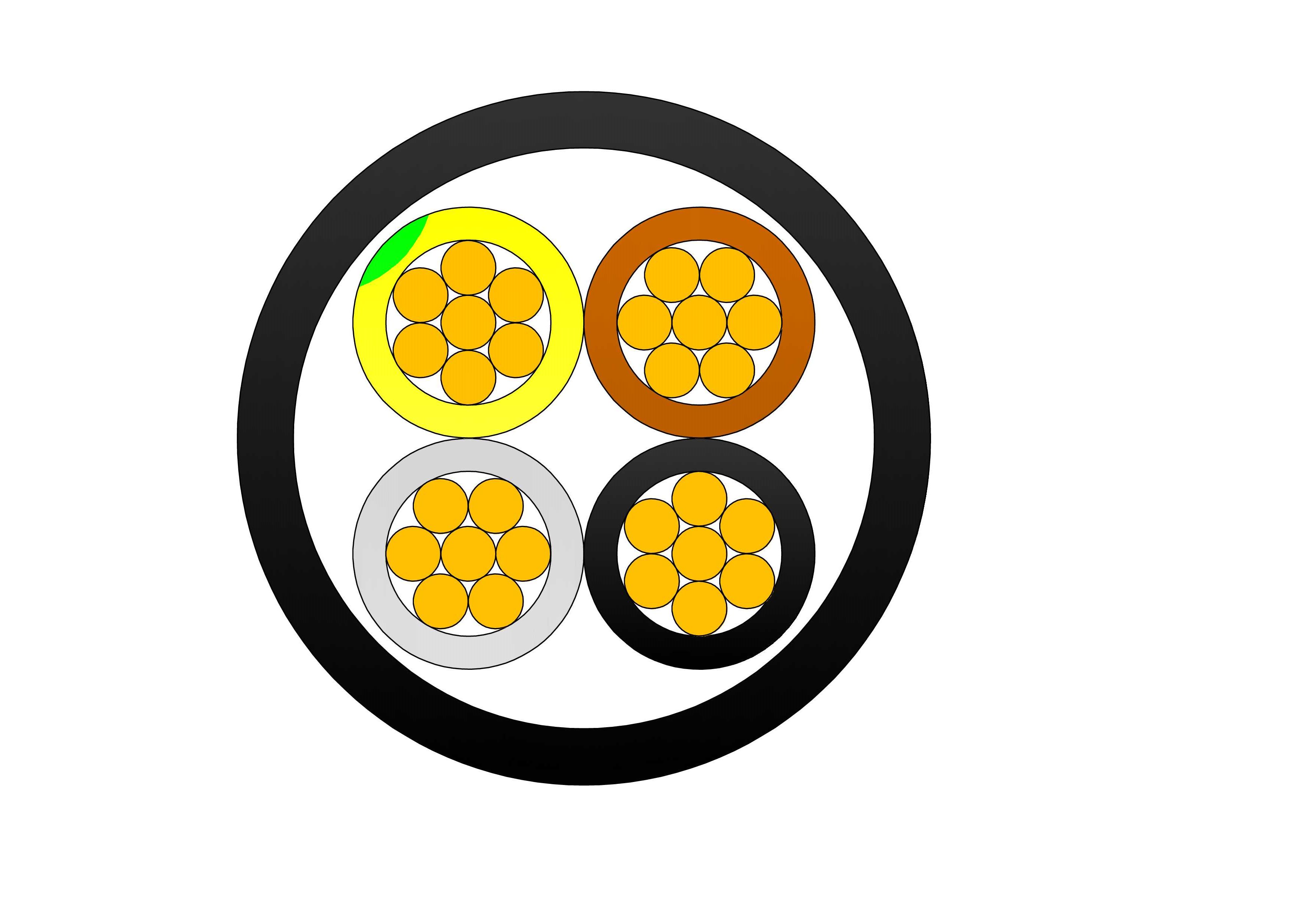
GYTY53 Fiber Optic Cable
The GYTY53 Fiber Optic Cable is a high-strength double steel tape armored loose tube fiber optic cable designed for demanding outdoor and underground installations. It features a central strength member, multiple PBT loose tubes filled with water-blocking gel containing optical fibers, double corrugated steel tape armor for maximum mechanical protection, and a durable polyethylene (PE) outer sheath. Compliant with IEC 60794 and ITU-T standards, the GYTY53 Fiber Optic Cable offers excellent crush resistance, rodent protection, and moisture blocking. Available in single-mode and multi-mode configurations with various fiber counts, it ensures low attenuation, high bandwidth, and reliable signal transmission over long distances. Its robust double armor construction makes it ideal for direct burial, harsh environments, and areas with high external mechanical stress. The GYTY53 Fiber Optic Cable is widely used in backbone networks, metropolitan area networks, railway and highway communications, and infrastructure projects requiring secure and durable fiber connectivity.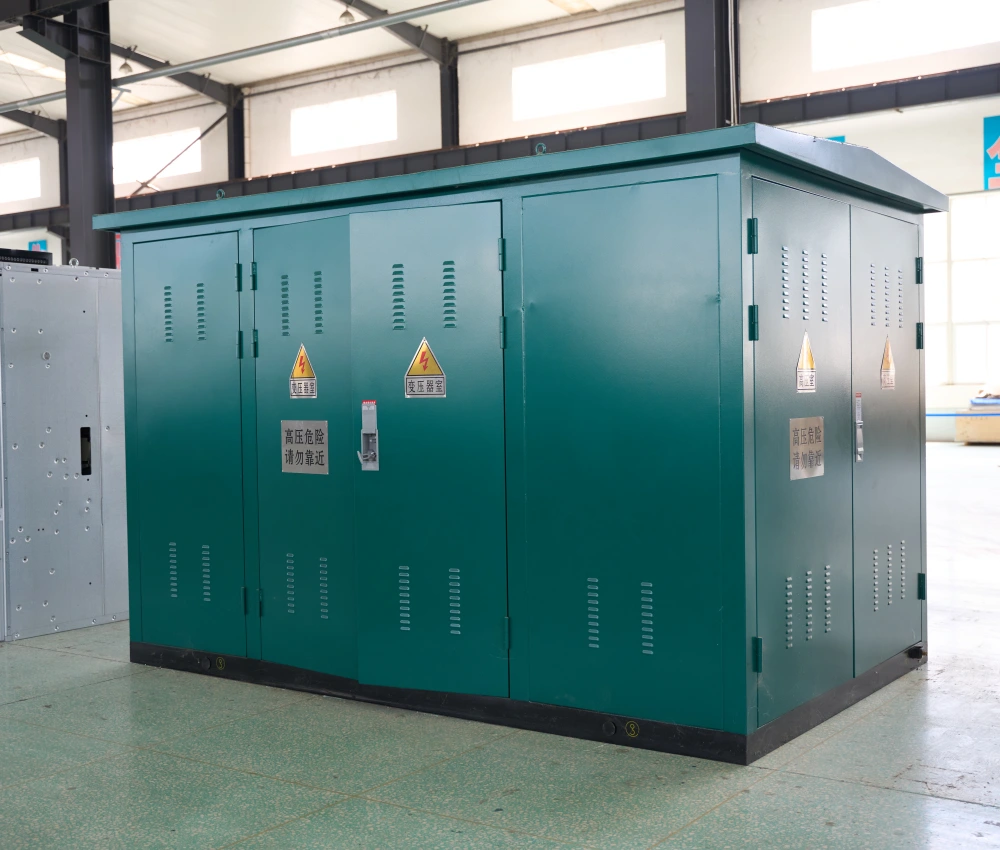
Prefabricated Switchgear Substation
The Prefabricated Switchgear Substation is an integrated medium-voltage power distribution system designed to provide safe, efficient, and intelligent electrical control for utility networks, industrial facilities, renewable energy projects, and commercial infrastructure. The system combines medium-voltage switchgear, transformer equipment, low-voltage distribution units, and advanced protection systems within a compact prefabricated enclosure, significantly reducing installation time and civil construction requirements. Manufactured using high-strength corrosion-resistant materials and advanced insulation technology, the switchgear substation delivers stable outdoor operation under harsh environmental conditions including high humidity, dust exposure, temperature fluctuations, and coastal environments. Its modular architecture improves operational flexibility, maintenance accessibility, and transportation efficiency while supporting scalable electrical distribution requirements. The Prefabricated Switchgear Substation supports multiple voltage classes, intelligent monitoring functions, and customized protection configurations for modern smart-grid applications. The compact design optimizes installation space while ensuring reliable medium-voltage switching, power distribution stability, and enhanced operational safety for industrial, utility, and infrastructure projects.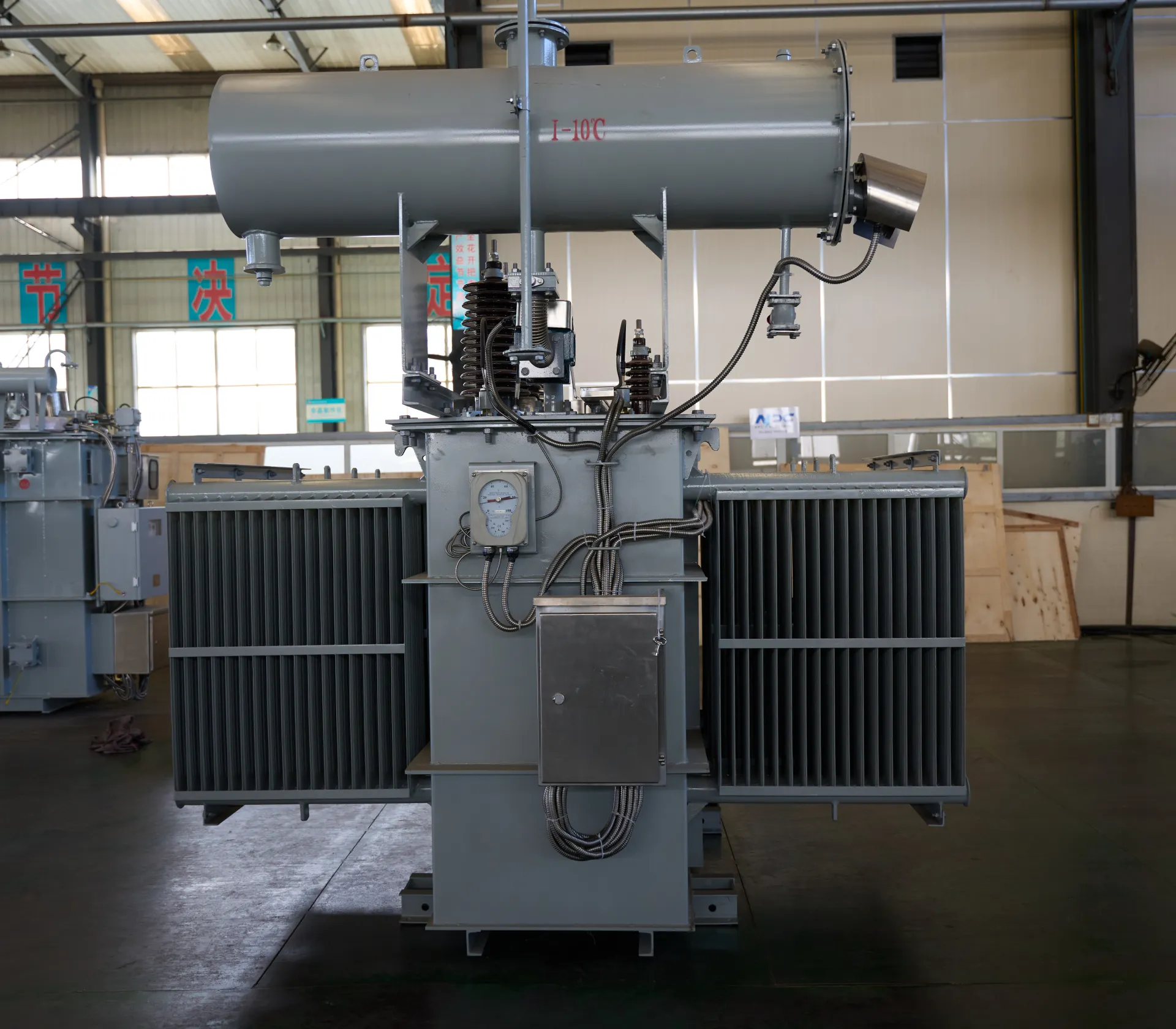
370MVA 750kV Oil-Immersed High-Voltage Transformer for Power Transmission
The 370 MVA 750 kV Oil-Immersed High-Voltage Transformer is designed for ultra-high-voltage (UHV) power transmission systems requiring exceptional reliability, stability, and long-distance energy delivery. With a robust oil-immersed insulation structure and high-grade copper windings, this transformer offers outstanding dielectric strength, low partial discharge, and excellent thermal performance. Engineered for 750kV grid networks, it effectively reduces transmission losses, enhances voltage regulation, and ensures safe operation under demanding load variations. Its precision-built core, advanced cooling system, and reinforced tank construction enable superior efficiency, extended service life, and high short-circuit resistance. Ideal for national power grid projects, long-distance transmission corridors, high-capacity substations, and UHV interconnection systems, this transformer delivers consistent and secure performance in critical large-scale power infrastructures.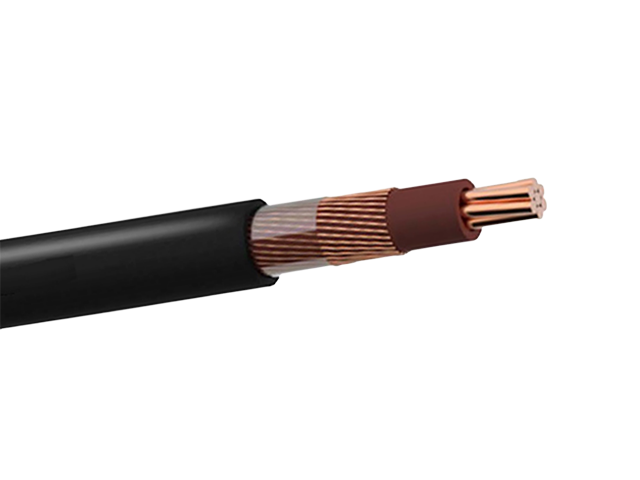
AA8000 Aluminum Alloy Round Concentric LV Cable
Engineered for modern low-voltage applications, the 8000 Aluminum Alloy Concentric Round LV Cable utilizes advanced AA-8000 series aluminum alloy conductors for enhanced flexibility and mechanical strength. The round concentric design, featuring phase conductors surrounded by a neutral layer, provides balanced electrical performance and easy pulling through conduits. XLPE insulation ensures excellent thermal and electrical properties with sunlight and moisture resistance. Rated for 600V/1000V service, this cable is perfect for residential and commercial service entrance from the transformer to the meter panel. Compliant with UL 854 and ASTM standards, the 8000 Aluminum Alloy Concentric Round LV Cable undergoes extensive quality testing to guarantee consistent performance, low resistance, and long-term reliability in wet, dry, or buried environments.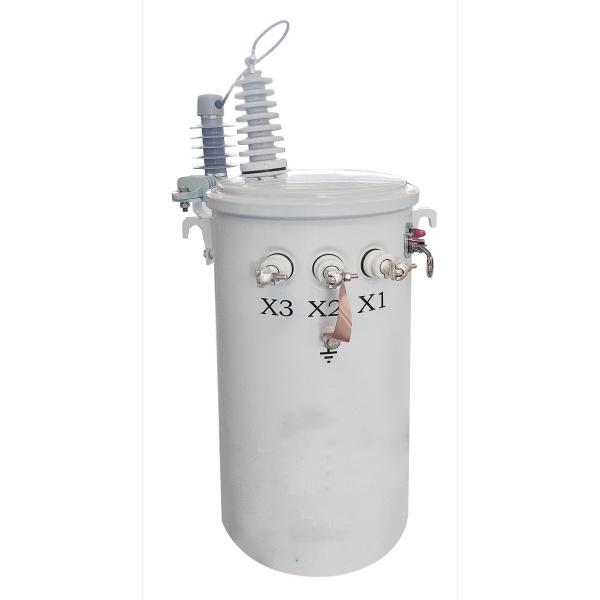
10kVA Completely Self-protected(CSP) Single Phase Pole Mounted Transformer
NPC ELECTRIC the production of 10 kVA Completely Self-Protected (CSP) single-phase overhead transformers, meticulously engineered to meet international standards such as IEEE C57.12.00, IEEE C57.12.20, DOE-2016 Efficiency, CSA C2.1, and CSA C2.2. The 10kVA fully self-protected (CSP) single-phase pole-mounted transformer is an efficient and reliable power equipment designed for small and medium-sized power needs. The transformer adopts advanced fully self-protection technology and has built-in overload, short-circuit and overvoltage protection functions to ensure that the transformer can automatically cut off power under abnormal conditions, avoid equipment damage and improve system safety. It has a simple design, is easy to install, saves space, and is suitable for all types of power distribution systems. This transformer is suitable for residential, commercial areas and small industrial places, providing stable single-phase power output.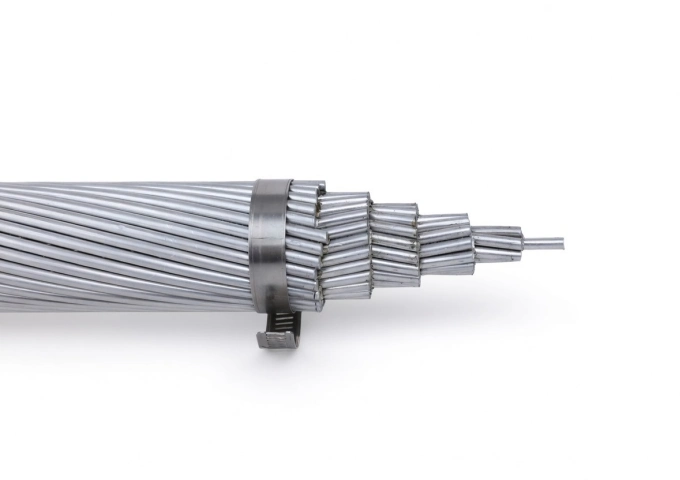
715.5 MCM Violet AAC Cable
The 715.5 MCM Violet AAC Cable is a high-performance All Aluminum Conductor designed for demanding overhead power transmission and distribution lines. Manufactured with 37 strands of premium 1350-H19 aluminum wire in a concentric lay configuration, this bare conductor provides excellent electrical conductivity with a low DC resistance of 0.024 ohms per 1000 ft at 20°C. Featuring an overall diameter of 0.974 inches and a rated breaking strength of 12,800 lbs, the Violet AAC delivers a robust ampacity of 823 amps while weighing only 671.7 lbs per 1000 ft. Its optimized strength-to-weight ratio minimizes sag and structural loading. Fully compliant with ASTM B-230 and B-231 standards, the 715.5 MCM Violet AAC Cable offers outstanding corrosion resistance for long-term durability in harsh outdoor environments, making it the preferred choice for utility networks requiring cost-effective, high-reliability bare aluminum conductors.
37.5kVA Single Phase Pad Mounted transformer
The 37.5kVA Single Phase Pad Mounted transformer with high voltage (HV) specifications of 24.94GRDY/14.4 kV and low voltage (LV) of 240/120V. At its core lies a robust tank, constructed from resilient alloy 304 stainless steel, guaranteeing longevity even in the harshest conditions. The HV and LV windings, equally critical components, are meticulously crafted from high-quality aluminum to ensure unwavering performance.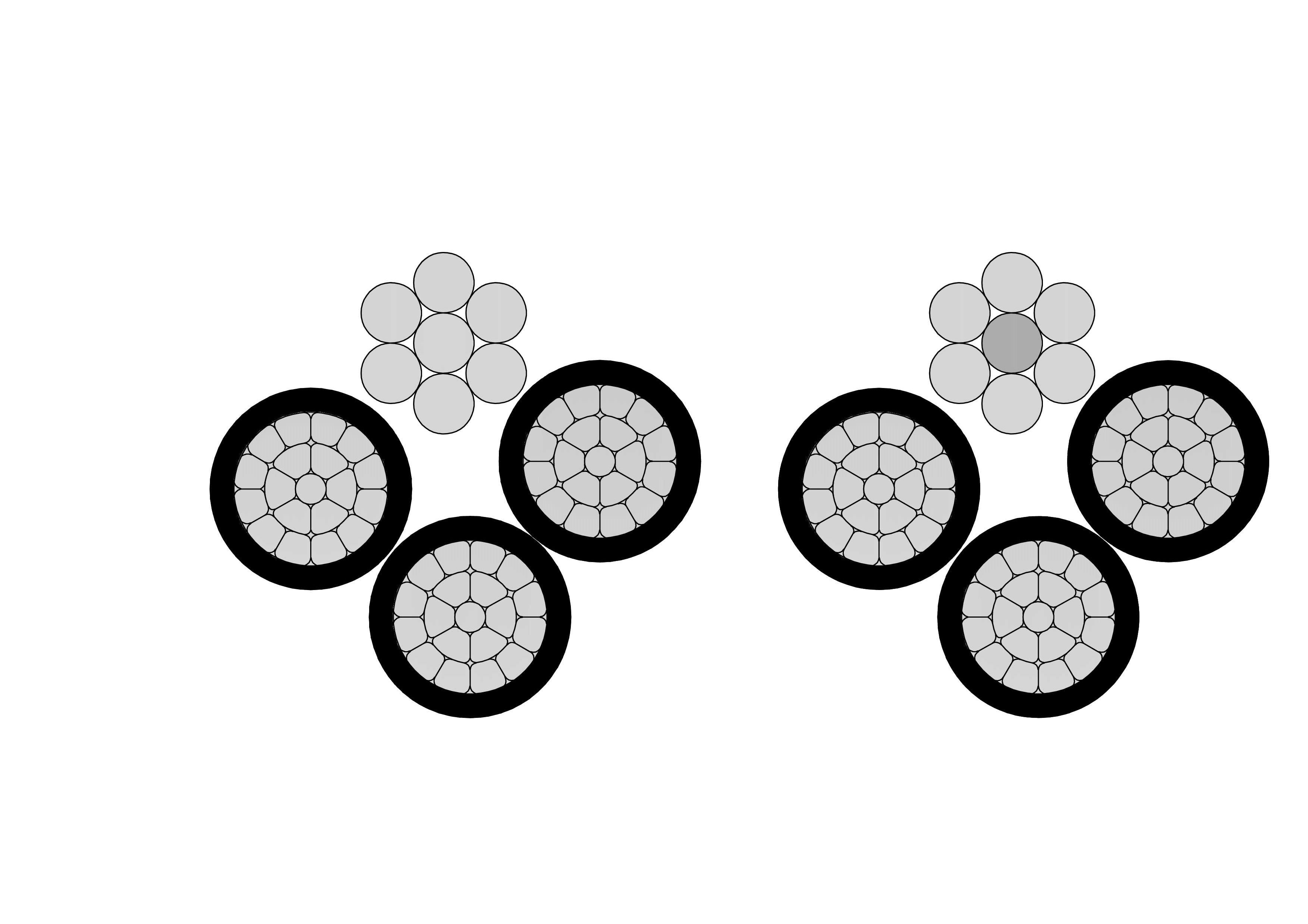
Quadruplex Service Drop Cable
NPC Electric Quadruplex Service Drop Cable offers efficient overhead three-phase service with neutral support. Comprising three-phase conductors (aluminum) insulated with XLPE or PE and helically twisted around a strong neutral messenger (ACSR, AAC, or covered aluminum), it meets ASTM, ICEA, and international standards. The messenger provides full self-support, allowing longer spans and reduced infrastructure costs. Premium insulation resists sunlight, moisture, and mechanical abrasion for decades of outdoor service. Lightweight and flexible, it simplifies installation with low sag. The Quadruplex Service Drop Cable ensures minimal losses, high mechanical endurance, and excellent weather performance up to 600V. Flame-retardant options enhance safety. Perfect for reliable power delivery in urban developments, commercial areas, street lighting, and temporary sites requiring safe, cost-effective aerial bundled solutions.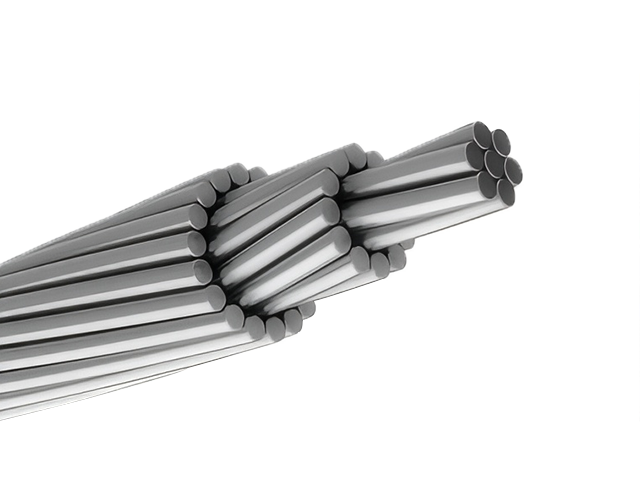
Quail ACSR Conductor Cable
Introducing the Quail ACSR Conductor Cable, a versatile 2/0 AWG overhead conductor with 6/1 stranding configuration. Composed of EC grade aluminum wires surrounding a galvanized steel core, it achieves a rated strength of 4,030 lbs and ampacity up to 250A at 75°C. Adhering to ASTM B230 for aluminum and B232 for assembly, this cable excels in corrosion resistance and mechanical endurance for spans up to 250m. The steel core enhances tensile strength to control sag under loads, while aluminum provides high conductivity (61.5% IACS) and a lightweight design for easier installation. Suitable for distribution voltages up to 138kV, the Quail ACSR Conductor Cable reduces line losses and withstands extreme weather, including ice loads up to 1/2 inch. Its economic profile makes it a staple for utility expansions, renewable integrations, and grid modernization, delivering consistent power with high weather tolerance and minimal maintenance in global overhead networks.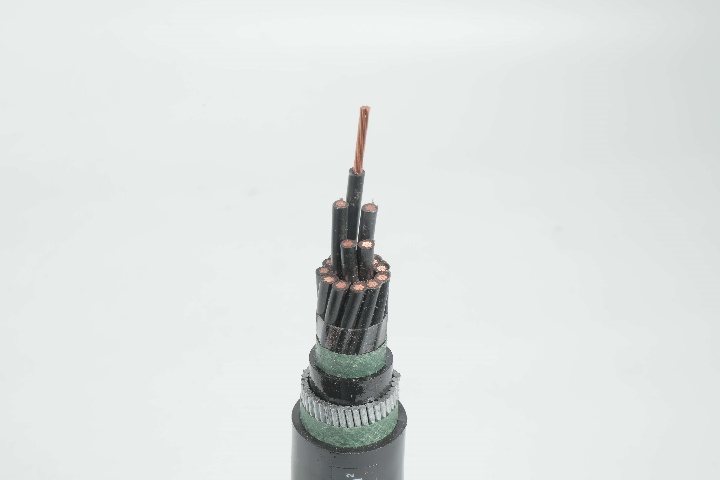
YY Control Cable (YSLY / HSLH) - 300/500V PVC & LSZH Flexible Control Cable
The YY Control Cable (YSLY / HSLH) is a highly flexible multi-core control cable designed for industrial automation, machinery, and building management systems. It features finely stranded copper conductors with PVC or halogen-free (LSZH) insulation, twisted cores, and a durable PVC or low-smoke zero-halogen outer sheath. Available in both standard PVC (YSLY) and flame-retardant low-smoke (HSLH) versions, this cable offers excellent flexibility, oil resistance, and reliable signal transmission. Rated 300/500V, it is suitable for indoor and protected outdoor installations. The YY Control Cable (YSLY / HSLH) undergoes strict quality testing from raw materials to finished product, ensuring consistent electrical performance, mechanical strength, and safety compliance with IEC 60227 and related standards.Welcome your inquiry
Honesty, Integrity, Frugality, Activeness and Passion