
Power Transformers for Renewable Energy: Solar & Wind Integration Guide 2026
2026-02-13
As the global energy system accelerates its low-carbon transition, renewable energy—represented by solar and wind power—has become the fastest-growing energy source in the global power generation sector. According to data from the International Energy Agency (IEA) in 2025, renewable energy will account for more than 70% of new power generation capacity, and is projected to surpass traditional fossil fuels by 2030. However, effectively integrating these variable and distributed energy sources into the existing power grid faces numerous technical challenges, requiring highly reliable electrical equipment as support. Among these, power transformers play a central role in voltage conversion, grid stability, and real-time power flow management, making them the backbone of renewable energy projects.
Modern renewable energy projects operate under unique conditions: output power fluctuates dramatically due to weather changes (e.g., solar power drops sharply at dusk, wind power varies with wind speed), voltage changes rapidly (PV inverters output 400-1500V, wind power needs to be stepped up to 33kV-220kV), power generation points are widely distributed (distributed PV, offshore wind farms), and power electronic interfaces (such as inverters and converters) are widely used. These factors place unprecedented demands on the technical performance of transformers, including higher insulation withstand voltage (such as BIL up to 550kV), efficient cooling systems (ONAN to OFAF), fault-tolerant design to cope with short-circuit impacts, and advanced online monitoring technology to detect oil-gas decomposition or partial discharge in real time. This article, based on practical engineering experience and the latest industry standards (such as IEC 60076-16 and IEEE C57.116) up to 2025, delves into the design principles, selection strategies, and specific application scenarios of power transformers in solar and wind power generation systems. It aims to provide developers, engineers, and EPC contractors with rigorous and scientific guidance to ensure that renewable energy projects achieve the optimal balance between stability, economics, and sustainability.
2. Why Transformers Are Essential for Renewable Energy Integration
Renewable energy systems generate electricity at voltages incompatible with transmission and distribution networks. Key functions of renewable-energy transformers include:
2.1 Voltage Step-Up for Grid Transmission
Solar farms typically generate electricity at 600–1500 V, while wind turbines generate 400–690 V.
Transformers step voltage up to 33 kV, 66 kV, 110 kV, or higher, enabling long-distance, low-loss transmission.
2.2 Grid Stability and Power Quality
Wind and solar outputs change rapidly due to environmental conditions. Transformers must handle:
-
Voltage fluctuations
-
Harmonics generated by inverters
-
Rapid switching and transient overvoltages
-
Real-time power flow reversals
Thus, electrical transformers for renewable systems require enhanced thermal endurance, low-loss cores, and optimized winding configurations.
2.3 Protection and Isolation
Transformers provide galvanic isolation between renewable sources and public grids, preventing grid disturbances and improving operational safety.
3. Types of Transformers for Renewable Energy Projects
Different renewable project configurations require specialized transformer designs—especially for solar farms, wind farms, and hybrid solar-wind systems.
3.1 Solar Transformers
Solar transformers are used between photovoltaic inverters and transmission grids. Their key features include:
-
Handling high harmonic distortion
-
Robust insulation against switching transients
-
Compatibility with central, string, or modular inverters
-
High-efficiency cores to reduce operational losses
Many solar farms employ dry-type or liquid-immersed designs depending on environmental requirements.
3.2 Wind Turbine Transformers
Wind turbines typically use a one or two-stage voltage transformation:
-
Turbine step-up transformers (inside nacelles)
-
Pad-mounted transformers (at tower bases)
-
Substation main transformers (grid connection)
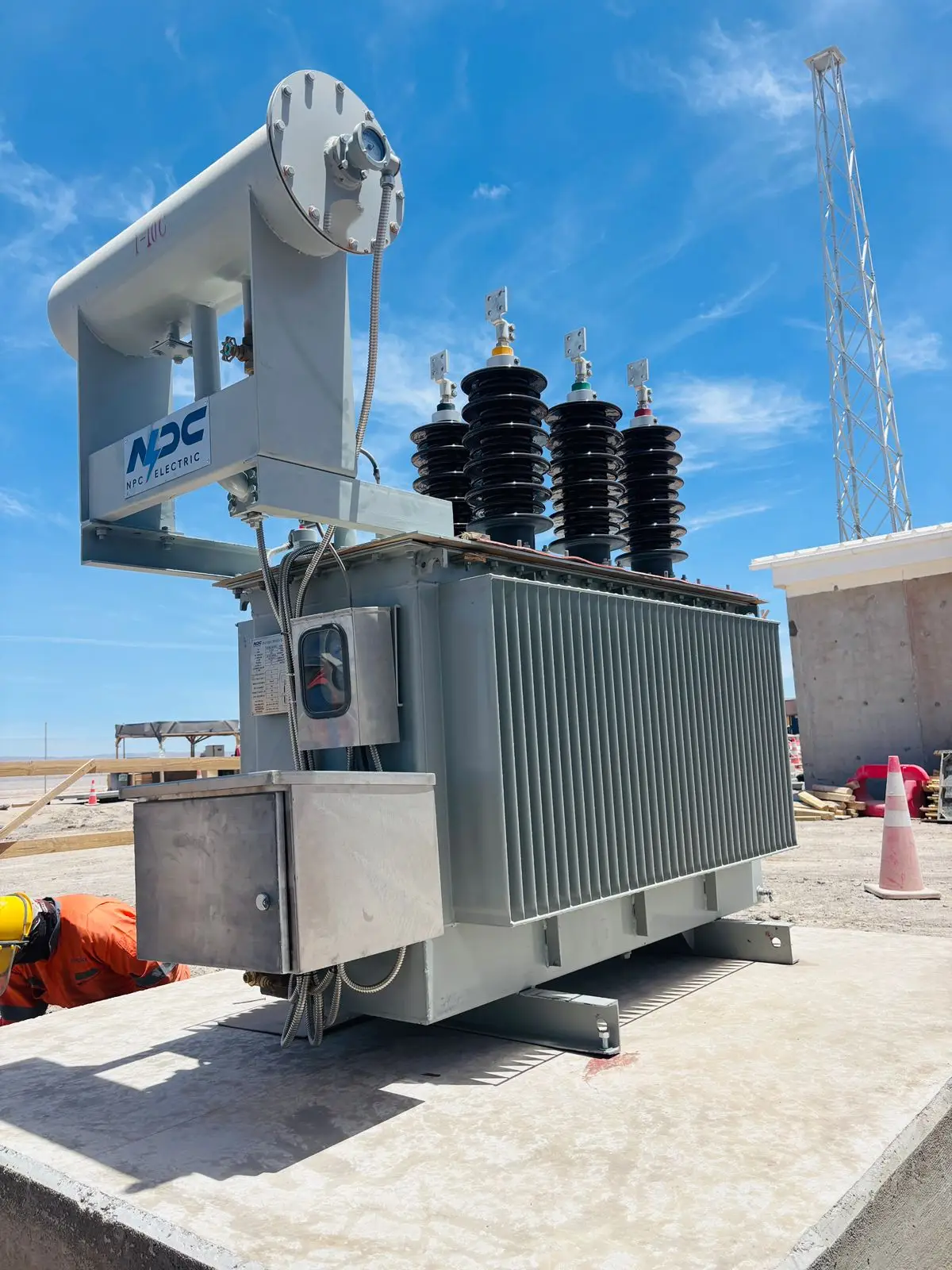
Transformers inside nacelles must endure vibration, temperature variation, and limited space. Manufacturers, therefore, focus on high mechanical strength and compact geometry.
3.3 Substation Power Transformers
Utility-scale renewable parks require large grid step-up transformers, often rated between 30 MVA and 300 MVA, to integrate into regional transmission networks.
4. Technical Requirements of Transformers in Solar & Wind Applications
4.1 High Voltage Performance
Renewable projects frequently integrate with high-voltage networks, demanding:
-
Enhanced dielectric insulation
-
Higher Basic Insulation Level (BIL)
-
Capable bushings for switching and lightning impulses
4.2 Thermal Management
Solar and wind farms often operate in harsh outdoor conditions:
-
Desert solar farms: 40°C–55°C
-
Offshore wind farms: high humidity and salt fog
-
Mountain wind farms: freezing climates
Thus, transformers use:
-
Mineral oil, synthetic ester, or natural ester cooling
-
Advanced ONAN/ONAF cooling systems
-
Heat-resistant insulation grades
4.3 Mechanical Durability
Wind turbine transformers endure mechanical vibration, requiring:
-
Reinforced windings
-
High-strength clamping structures
-
Shock-resistant cores
4.4 Smart Monitoring and Digitalization
Future smart power networks rely heavily on real-time data. Renewable transformers increasingly include:
-
Thermal sensors
-
Dissolved gas analysis (DGA)
-
Online partial discharge monitoring
-
SCADA/IoT connectivity
This enables predictive maintenance and improves transformer lifespan.
5. Typical Transformer Configurations in Renewable Projects
Power transformers in renewable energy follow several wiring and configuration standards.
5.1 Solar Farm Transformer Connections
Common types:
| Configuration | Application | Advantages |
| Dyn11 | Solar inverter output | Reduces harmonics, provides neutral grounding |
| Yyn0 | Medium-voltage systems | Simple structure, easy protection coordination |
| Yd11 | Grid step-up stations | High efficiency, suitable for HV interconnection |
5.2 Wind Farm Transformer Connections
| Transformer Type | Use Case | Key Benefit |
| Pad-mounted transformer | Wind turbine base | Compact, safe, outdoor-ready |
| Nacelle transformer | Inside turbine | Vibration-resistant, space-efficient |
| Collector system transformer | Substation | High reliability, long-distance collection |
6. Key Considerations When Selecting Renewable Energy Transformers
Selecting the right electrical transformer requires an engineering-based evaluation of environmental, electrical, and operational conditions.
6.1 Renewable Energy Density and Output Variation
Solar panels and wind turbines have non-linear output profiles; transformers must support overload margins and dynamic loading.
6.2 Compatibility with Power Electronics
Solar inverters and wind converters produce harmonics. Transformers may require:
-
K-factor ratings
-
Harmonic-resistant cores
-
Amorphous steel sheets for reduced losses
6.3 Safety and Environmental Compliance
Renewable installations often specify:
-
ECO-friendly ester oil
-
Fire-safe dry-type transformers
-
Low noise levels for residential zones
6.4 Manufacturer Expertise
A reliable transformer manufacturer must demonstrate:
-
Proven renewable energy experience
-
Compliance with IEC/IEEE standards
-
Customizable designs for terrain, climate, and grid codes
7. Future Trends: Transformers for Smart Renewable Networks
The next decade will see rapid evolution in transformer technologies:
7.1 Integration With Smart Grids
Transformers will support:
-
Real-time energy flow adjustment
-
Automated voltage regulation
-
AI-driven predictive maintenance
7.2 Hybrid Solar-Wind Storage Transformers
Battery systems require bi-directional power flow and advanced protection schemes.
7.3 Ultra-High Voltage for Renewable Corridors
Countries are building UHV transmission channels for long-distance renewable power transport.
Power transformers remain the backbone of modern renewable power systems. Whether for solar farms, wind farms, or hybrid installations, transformer technology continues to evolve to meet challenges in power quality, grid compatibility, environmental safety, and smart control. As renewable energy capacity expands globally, advanced transformer solutions will be essential for ensuring stable, efficient, and future-ready power networks.

Related Articles

Related Products
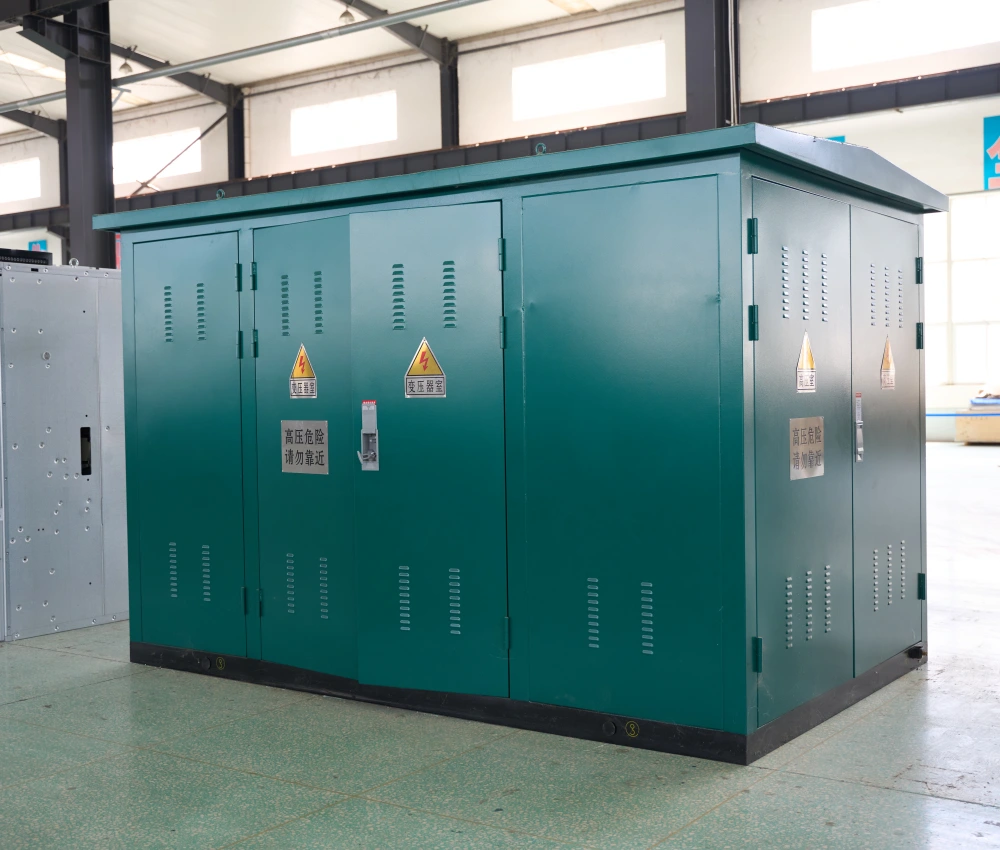
Prefabricated Substation
The Prefabricated Substation is a fully integrated, factory-built power distribution solution that combines high-voltage switchgear, transformer, low-voltage switchgear, protection systems, metering, and auxiliary equipment into a compact, modular enclosure. Designed for rapid deployment, it significantly reduces on-site civil works, installation time, and overall project costs. Built with premium materials and advanced manufacturing techniques, these substations deliver exceptional reliability, safety, and efficiency in a weatherproof, aesthetically pleasing package. Available in both skid-mounted and containerized configurations, they support a wide range of voltages and capacities while incorporating intelligent monitoring and remote control capabilities for modern smart grid applications.
30kVA Dry Type Transformer
The 30kVA Dry type transformer complies with ANSI, CSA, NEMA, IEEE, IEC, GB, and DOE standards. NPC ELECTRIC manufactures dry-type transformers in strict accordance with the highest industry and international standards. The 30kVA dry-type transformer provides dependable, oil-free power transformation for indoor environments, stepping down primary voltages such as 480V Delta, 600V, 11kV, or 10kV to secondary outputs like 208Y/120V, 480Y/277V, or 400Y/230V in three-phase configurations.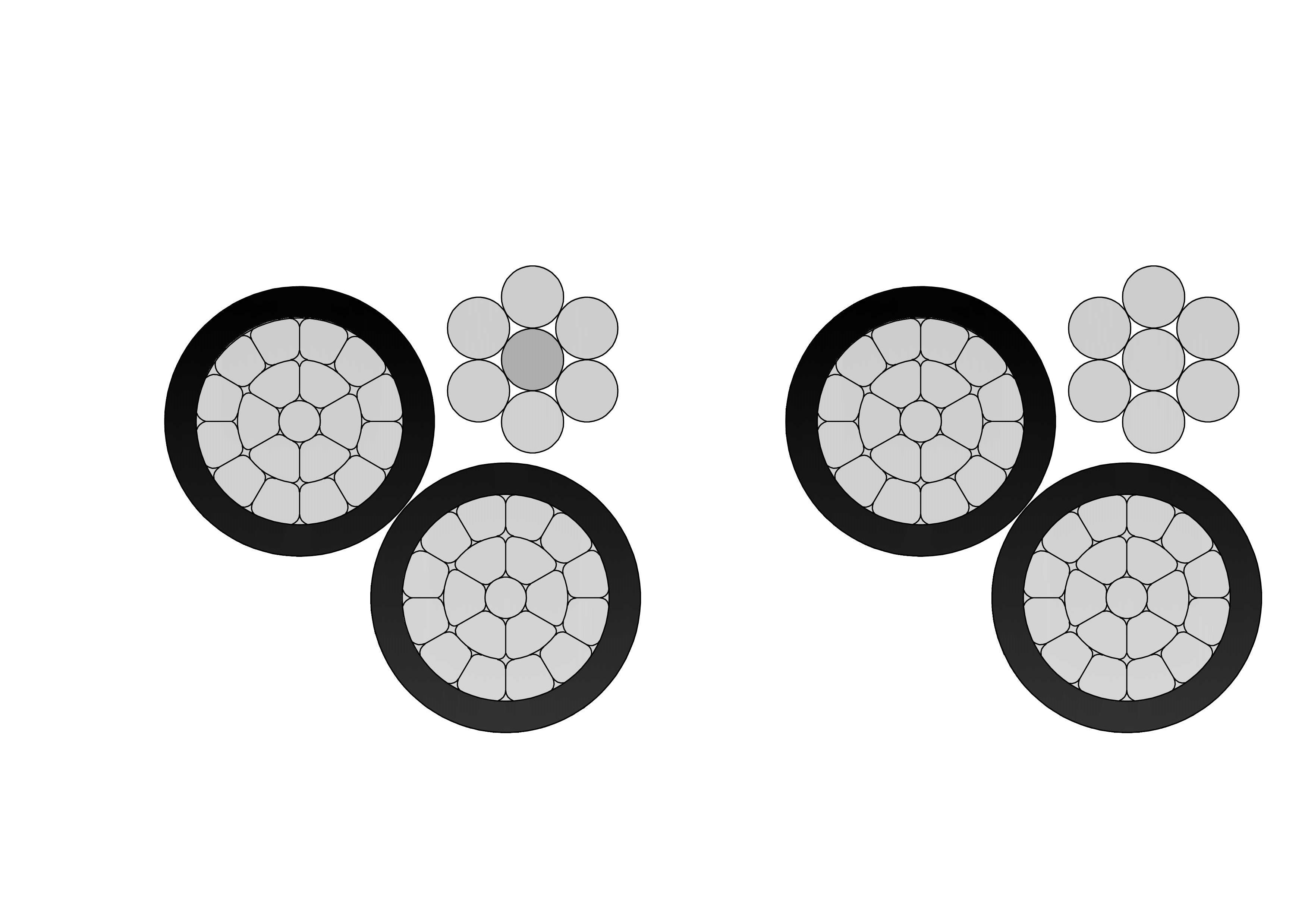
4/0 Portunus Aluminum Conductor Triplex Overhead Service Drop Cable
The 4/0 Portunus Aluminum Conductor Triplex Overhead Service Drop Cable is engineered for high-load overhead electrical service connections in utility distribution systems. The cable structure consists of two insulated aluminum phase conductors twisted around a bare aluminum neutral messenger, providing stable electrical transmission and superior mechanical strength. Manufactured using high-purity aluminum and weather-resistant insulation compounds, the 4/0 Portunus Aluminum Conductor Triplex Overhead Service Drop Cable delivers low electrical resistance, excellent corrosion resistance, and long-term durability in outdoor environments. Its optimized conductor design supports efficient installation while maintaining the tensile strength required for aerial service applications. The cable is designed to withstand UV exposure, wind loading, and wide temperature variations. Comprehensive quality management systems and systematic testing procedures are applied throughout production to ensure compliance with industry and utility standards and to guarantee reliable field performance.
2500kVA Dry Type Transformer
The NPC ELECTRIC 2500kVA Dry Type Transformer is a high-capacity, reliable power solution designed for large industrial and commercial applications. With a power rating of 2500kVA, it features advanced dry-type insulation technology, offering superior safety, low maintenance, and long-term performance. Engineered to operate efficiently in demanding environments, this transformer delivers stable, noise-free power while minimizing environmental impact.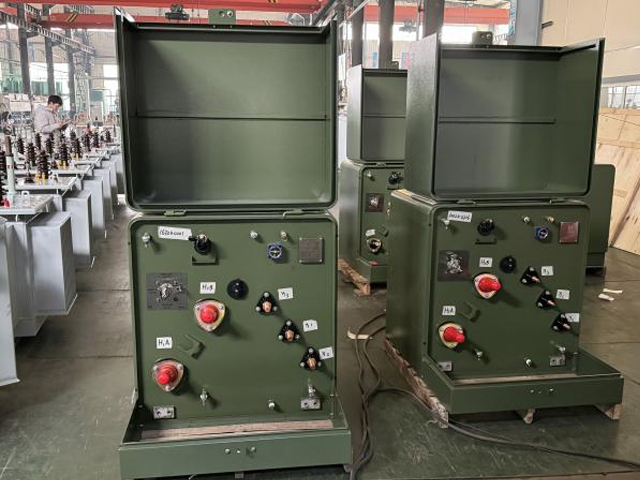
10kVA Conventional Type Single Phase Pole Mounted Transformer
NPC ELECTRIC specializes in designing and manufacturing 10 kVA single-phase pole-mounted transformers that comply with international standards, including IEEE C57.12.00, IEEE C57.12.20, DOE-2016 Efficiency, CSA C2.1 & C2.2, and CSA C802.1. Our unwavering commitment to excellence drives us to provide tailored solutions, ensuring that each transformer aligns precisely with your unique technical requirements. Regardless of the voltage level or operating environment, you can trust NPC ELECTRIC to deliver the ideal solution to meet your specific needs. Your satisfaction and the reliability of our transformers remain central to our dedication to quality. The 10kVA conventional single phase pole mounted transformer serves as an economical, reliable option for low-capacity overhead power distribution, converting primary voltages ranging from 2.4kV to 34.5kV (including common grounded wye configurations like 12470GrdY/7200, 24940GrdY/14400, or 13200Y/7620) to secondary levels such as 120/240V split-phase or 240V.
4 Crab Aluminum Conductor Triplex Overhead Service Drop Cable Wire
4 Crab Triplex Aluminum Overhead Service Drop Cable is designed for reliable utility power delivery from pole-mounted transformers to the service entrance at residential, commercial, or light industrial sites. It consists of two insulated phase conductors and a bare AAC (All-Aluminum Conductor) messenger serving as both a neutral and mechanical support. Built for overhead single-phase service drops, it operates at voltages up to 600V and is insulated with black cross-linked polyethylene (XLP) for enhanced durability against UV, abrasion, and moisture. The 4 Crab's robust yet flexible structure prevents sagging and ensures stable performance over time. Utilities and contractors appreciate its cost-effectiveness and low-maintenance profile. Elevate your electrical infrastructure with this reliable cable that combines innovation and durability for uninterrupted power supply.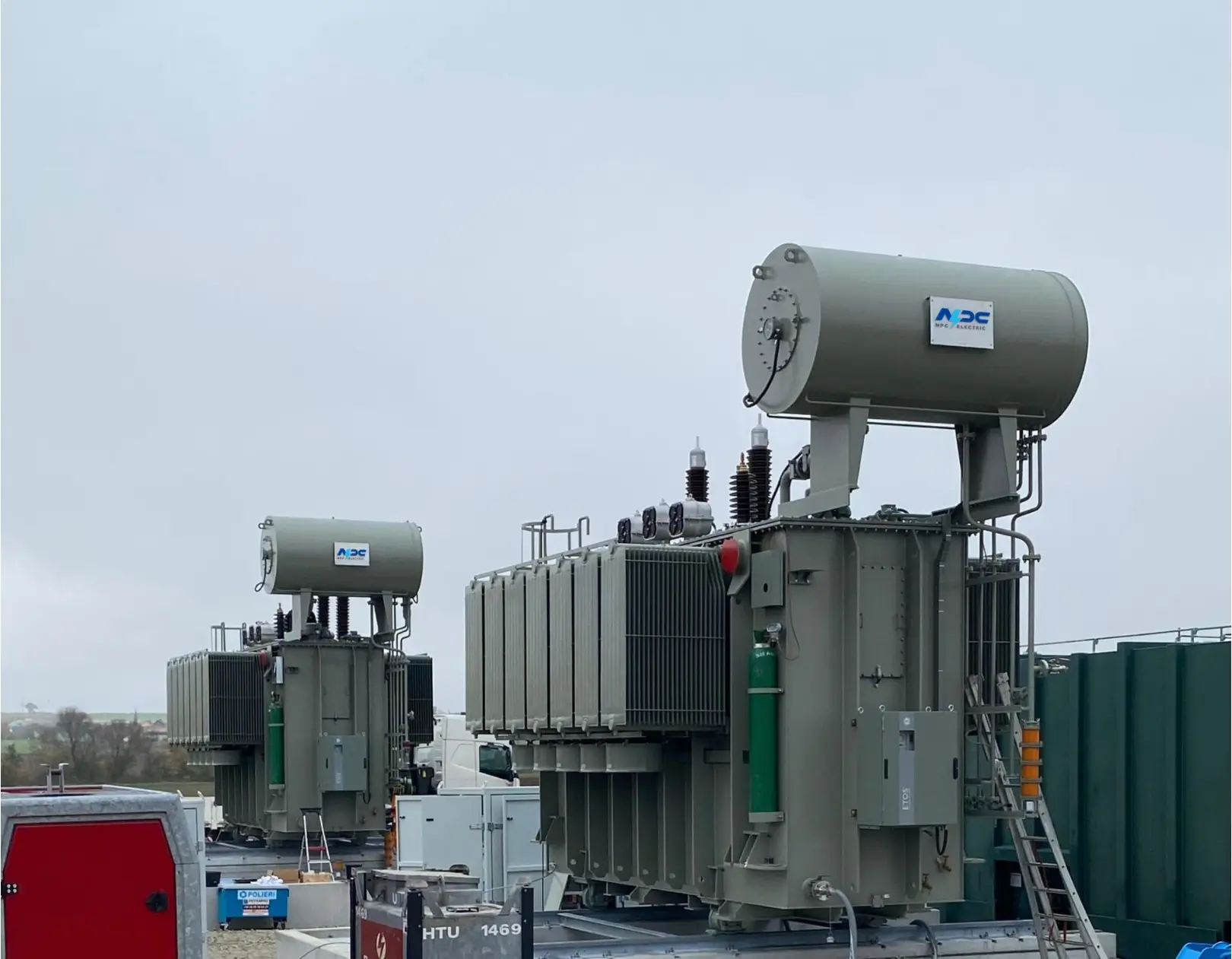
130kV 10MVA / 25MVA / 40MVA Electrical Power Transformer
The 130kV Electrical Power Transformer with ratings of 10MVA, 25MVA, and 40MVA is designed to support medium-to-large capacity power transmission and distribution systems. It is engineered to provide consistent voltage conversion, high operational efficiency, and excellent thermal stability under variable grid conditions. The transformer incorporates a precisely calculated magnetic core, high-strength winding design, and an oil-immersed insulation system that enhances heat dissipation and electrical reliability. Its structure is optimized to withstand electrical stress, mechanical vibration, and long-term continuous operation. Suitable for outdoor installation, the transformer maintains stable performance in challenging environments such as high temperature, humidity, or heavy industrial zones. Built in accordance with recognized international standards, it offers dependable service life and reduced maintenance requirements for modern power networks.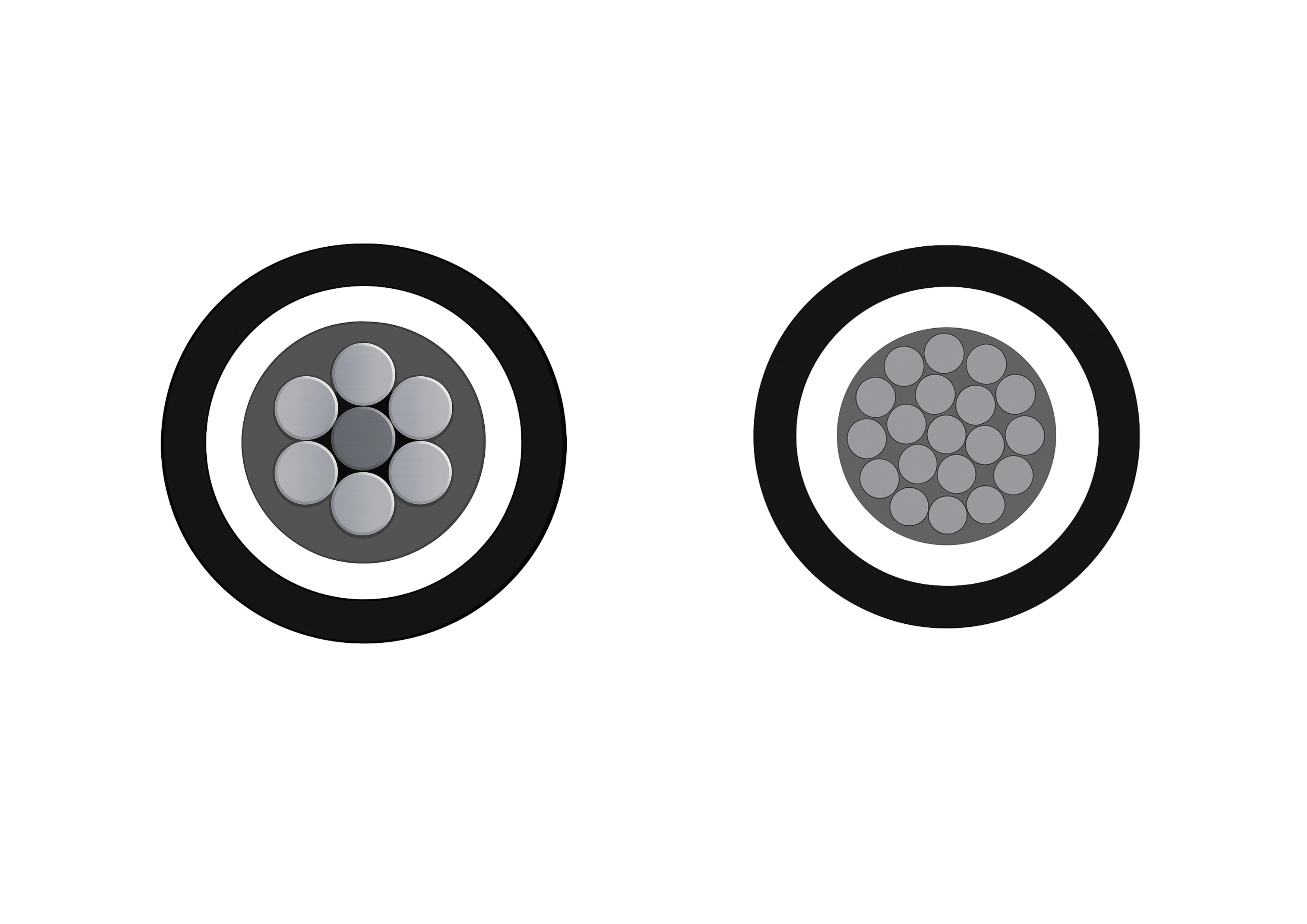
3-Layer 46kV Tree Wire - Covered Overhead MV Cable
The 3-Layer 46kV AAAC/ACSR/AAC Tree Wire is a premium covered medium-voltage overhead conductor designed for reliable performance in heavily vegetated environments. It features a concentrically stranded AAAC, ACSR, or AAC conductor protected by a robust triple-layer system of track-resistant high-density polyethylene (HDPE) or cross-linked polyethylene (XLPE). The multi-layer covering delivers exceptional tracking resistance, abrasion protection, and weatherability while significantly reducing the risk of electrical faults from tree limb contact and minimizing wildfire ignition potential. This advanced design allows closer spacing to vegetation and lowers vegetation management costs. Suitable for both conventional overhead lines and spacer cable systems, the 3-Layer 46kV AAAC/ACSR/AAC Tree Wire meets ICEA S-121-733 and related ASTM standards. It undergoes rigorous quality testing from raw materials to finished product, ensuring excellent dielectric strength, mechanical robustness, and long-term durability in demanding high-voltage applications.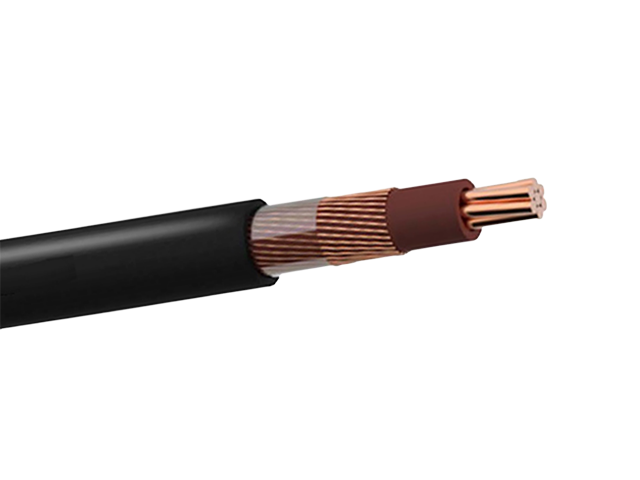
25kV Concentric Neutral Underground Power Cable
The 25 kV Concentric Neutral Power Cable is a high-performance medium-voltage underground cable designed for primary distribution systems. It features a stranded conductor, semi-conducting shields, tree-retardant TR-XLPE or EPR insulation, helically applied bare copper concentric neutral wires, and a sunlight-resistant LLDPE jacket. This construction provides excellent electrical performance, superior resistance to water treeing, and robust mechanical protection suitable for direct burial or duct installations. Available in various conductor sizes and insulation levels, the cable ensures safe and efficient power delivery. Manufactured to the latest ICEA S-94-649 and AEIC CS8 standards, the 25 kV Concentric Neutral Power Cable undergoes extensive quality testing to deliver consistent low dielectric loss and long service life in demanding underground environments.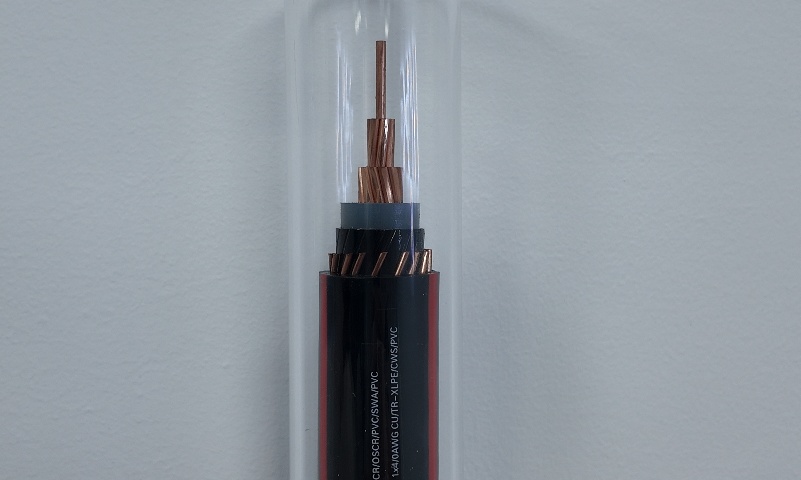
Aluminum URD Cable
The Aluminum URD Cable is a practical and economical 600V underground residential distribution cable engineered for service entrance and secondary power delivery. It utilizes stranded AA8000 aluminum alloy conductors with XLPE insulation and a concentrically stranded aluminum alloy neutral, all encased in a durable black polyethylene sheath. This design offers excellent flexibility, high conductivity, and superior moisture resistance, making it suitable for direct burial or conduit installations. Lightweight and corrosion-resistant, the Aluminum URD Cable provides a cost-effective alternative to copper while maintaining strong mechanical performance and long service life. Manufactured to UL 854 and ICEA standards, it undergoes extensive quality testing to ensure consistent performance in underground environments.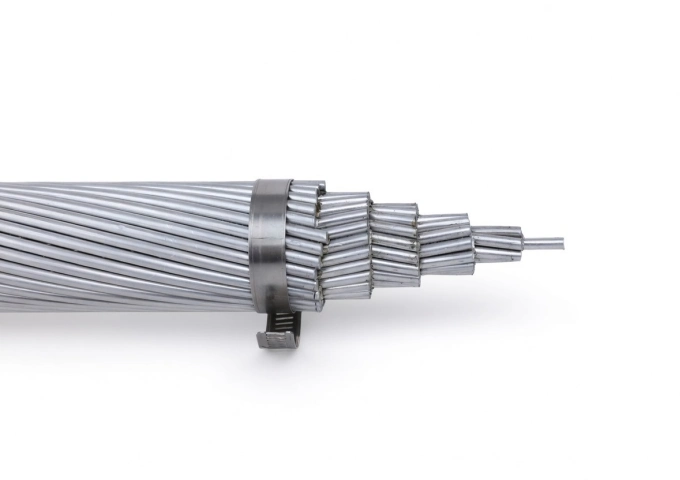
556.5 MCM Dahlia AAC Cable
The 556.5 MCM Dahlia AAC Cable is a high-performance All Aluminum Conductor designed for demanding overhead power transmission and distribution lines. Manufactured with 19 strands of premium 1350-H19 aluminum wire in a concentric lay configuration, this bare conductor provides excellent electrical conductivity with a low DC resistance of 0.0311 ohms per 1000 ft at 20°C. Featuring an overall diameter of 0.856 inches and a rated breaking strength of 9,750 lbs, the Dahlia AAC delivers a robust ampacity of 703 amps while weighing only 522.4 lbs per 1000 ft. Its optimized strength-to-weight ratio minimizes sag and structural loading. Fully compliant with ASTM B-230 and B-231 standards, the 556.5 MCM Dahlia AAC Cable offers outstanding corrosion resistance for long-term durability in harsh outdoor environments, making it the preferred choice for utility networks requiring cost-effective, high-reliability bare aluminum conductors.
115kV 35MVA Three-Phase Oil-Immersed Power Transformer
The 115kV 35MVA Three-Phase Oil-Immersed Power Transformer is designed for reliable and efficient operation in high-voltage transmission and substation applications. Built with high-permeability silicon steel cores and precision-wound copper conductors, it delivers low losses, strong short-circuit withstand capability, and excellent thermal stability. The oil-immersed cooling system ensures effective heat dissipation, enabling continuous operation under heavy-load conditions. A robust tank structure, advanced insulation system, and outdoor-rated protection make the transformer suitable for harsh environmental conditions. Manufactured in accordance with IEC, IEEE, and ANSI standards, this transformer is widely used in utility substations, industrial power systems, and regional transmission networks where long service life, stable voltage regulation, and high operational reliability are critical.
380kV Oil-Immersed Power Transformer
NPC Electric 380kV Oil-Immersed Power Transformer is engineered for the most demanding extra-high voltage (EHV) transmission networks, providing a robust link between power generation and regional distribution. Utilizing a multi-step core stacking method with high-grade, laser-scribed silicon steel, this unit minimizes eddy current losses and vibration. The internal active part is submerged in high-dielectric-strength mineral oil, which serves both as a superior insulator and a high-efficiency coolant. Designed with a vacuum-proof, reinforced corrugated or radiator-type tank, it ensures hermetic integrity under extreme thermal cycling. With advanced electrostatic shielding and a focus on mechanical stability, this transformer offers unparalleled reliability for national grid backbones, ensuring continuous power flow with minimal maintenance requirements even in harsh environmental conditions.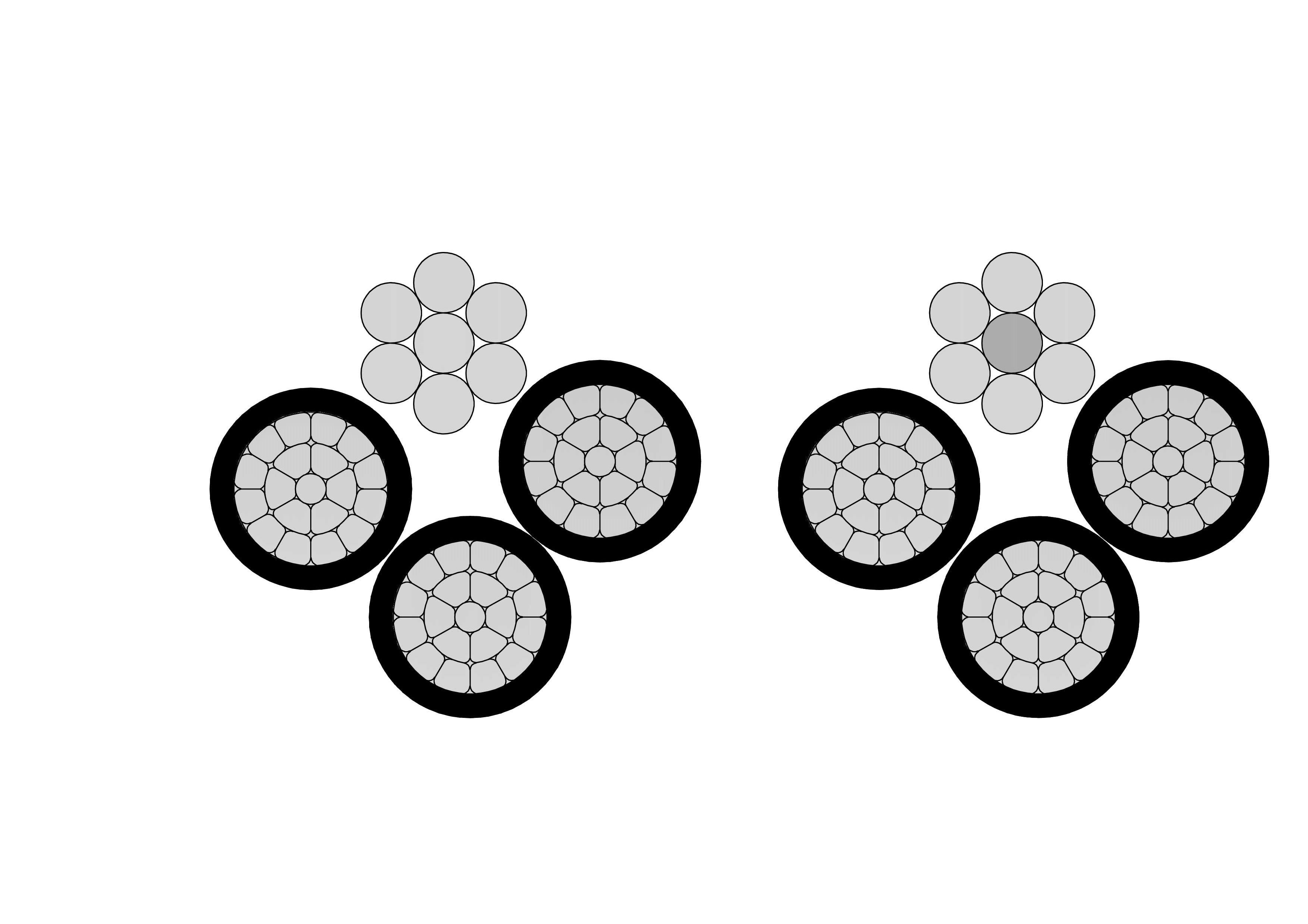
Quadruplex Service Drop Cable
NPC Electric Quadruplex Service Drop Cable offers efficient overhead three-phase service with neutral support. Comprising three-phase conductors (aluminum) insulated with XLPE or PE and helically twisted around a strong neutral messenger (ACSR, AAC, or covered aluminum), it meets ASTM, ICEA, and international standards. The messenger provides full self-support, allowing longer spans and reduced infrastructure costs. Premium insulation resists sunlight, moisture, and mechanical abrasion for decades of outdoor service. Lightweight and flexible, it simplifies installation with low sag. The Quadruplex Service Drop Cable ensures minimal losses, high mechanical endurance, and excellent weather performance up to 600V. Flame-retardant options enhance safety. Perfect for reliable power delivery in urban developments, commercial areas, street lighting, and temporary sites requiring safe, cost-effective aerial bundled solutions.
200kVA Oil Immersed Transformer
The 200kVA oil-immersed transformer produced by our company adopts a new insulation structure to improve the short-circuit resistance; the iron core is made of high-quality cold-rolled silicon steel sheet; the high-voltage winding is made of high-quality oxygen-free copper wire and adopts a multi-layer cylindrical structure; all fasteners are treated with special anti-loosening treatment. Standard configuration includes mineral oil or FR3 natural ester fluid, ONAN cooling, aluminum or copper windings, high-voltage 34.5kV / 24.94kV / 13.8kV / 12.47kV / 4.16kV.Welcome your inquiry
Honesty, Integrity, Frugality, Activeness and Passion