
What’s the Difference Between Power Transformer and Distribution Transformer?
2026-08-05
Transformers are among the most critical assets in modern electrical infrastructure. Every power system relies on transformers to transfer electrical energy efficiently from generating stations to end users. Whether electricity is produced at a large power plant, transmitted across national transmission networks, or distributed to commercial and residential customers, transformers play a central role in voltage transformation and energy delivery.
Among the various transformer categories, power transformers and distribution transformers are the two most commonly deployed types. Although both devices operate on the principle of electromagnetic induction, they are designed for different voltage levels, loading conditions, efficiency requirements, and operational objectives.
Understanding the differences between power transformers and distribution transformers is essential for utilities, EPC contractors, industrial users, renewable energy developers, and electrical engineers involved in grid planning and power distribution projects.
1. Understanding the Role of Transformers in a Power System
Before comparing transformer types, it is important to understand how transformers function within the overall power system.
Electricity generated by power plants cannot be transmitted efficiently at low voltages. As power travels through transmission networks, voltage levels must be increased to reduce current and minimize line losses.
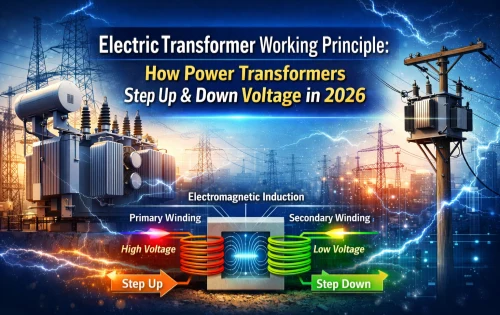
Transformers perform this voltage conversion by transferring electrical energy between circuits through electromagnetic induction.
A complete power system typically consists of:
- Power generating stations
- Step-up transformers
- High-voltage transmission networks
- Substation transformer facilities
- Distribution transformers
- End-user electrical loads
Each stage requires a specific transformer design optimized for operational conditions.
Table: Typical Transformer Voltage Levels Across the Power System
|
Power System Stage |
Typical Voltage Level |
Transformer Function |
|
Power Generation |
6.6kV–24kV |
Generator output |
|
Generator Step-Up Transformer |
110kV–765kV |
Voltage increase for transmission |
|
Transmission Networks |
110kV–765kV |
Long-distance power transfer |
|
Transmission Substation |
110kV / 66kV / 33kV |
Voltage reduction |
|
Primary Distribution |
11kV–33kV |
Regional power distribution |
|
Distribution Transformer |
400V / 415V / 480V |
Final voltage reduction |
|
End Users |
120V–480V |
Equipment operation |
2. What Is a Power Transformer?
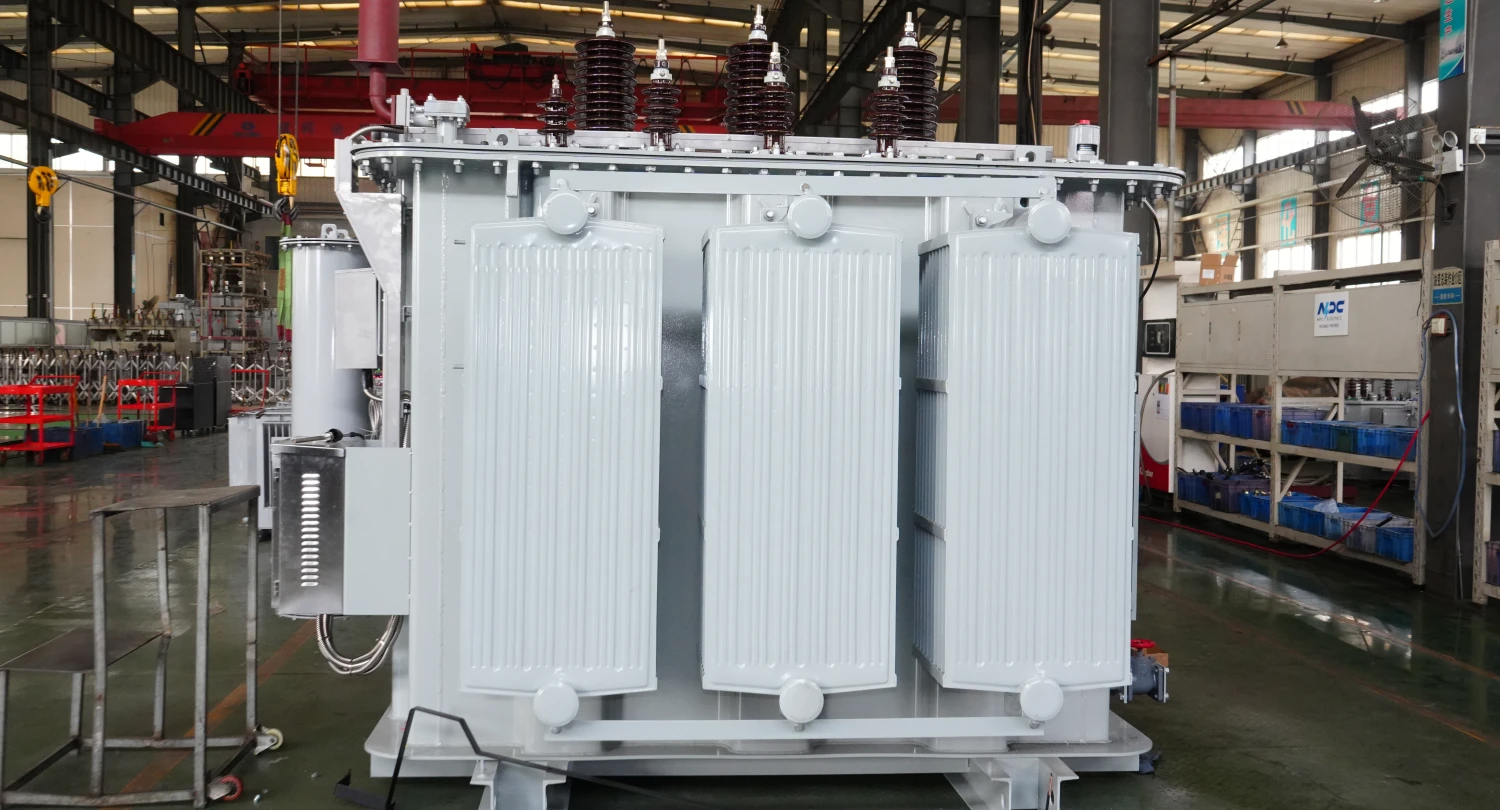
A power transformer is a high-capacity electrical transformer primarily used in transmission systems and generating stations.
Power transformers are generally installed between:
- Power plants
- Transmission substations
- Grid interconnection facilities
- Large industrial complexes
Their primary purpose is to transfer large amounts of electrical energy at high voltage levels.
Typical Voltage Ratings
Power transformers commonly operate at:
- 66 kV
- 110 kV power transformer systems
- 132 kV
- 220 kV
- 230 kV power transformer systems
- 400 kV and above
These transformers are designed for bulk power transfer over long distances.
Operating Characteristics
Power transformers typically operate:
- Near full load conditions
- At very high efficiency levels
- Within transmission networks
- Under continuous operation
Their design prioritizes maximum efficiency at or near rated load.
Common Power Transformer Types
Examples include:
- Oil-immersed transformer
- Generator step-up transformer
- Grid interconnection transformer
- Step-down power transformer
- Substation transformer
- Autotransformer
Most utility-scale power transformers use oil-immersed cooling systems due to their high power ratings.
Table: Common Utility Power Transformer Ratings
|
Transformer Rating |
Primary Voltage |
Secondary Voltage |
Typical Application |
|
10 MVA |
66kV |
11kV |
Regional substations |
|
25 MVA |
110kV |
33kV |
Transmission substations |
|
40 MVA |
132kV |
33kV |
Utility networks |
|
63 MVA |
132kV |
33kV |
Industrial power systems |
|
100 MVA |
230kV |
66kV |
Grid interconnections |
|
250 MVA |
230kV |
110kV |
Major transmission systems |
3. What Is a Distribution Transformer?
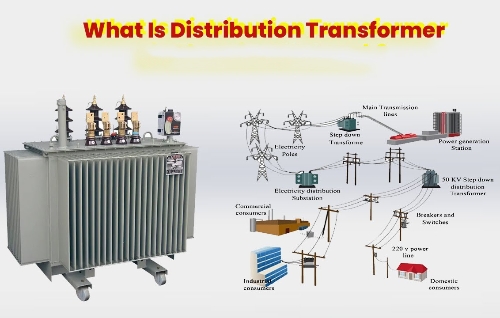
A distribution transformer is designed to deliver electrical energy from medium voltage distribution networks directly to end users.
Distribution transformers operate at the final stage of the electrical supply chain.
Their primary function is to convert medium voltage electricity into utilization voltages suitable for:
- Residential buildings
- Commercial facilities
- Factories
- Hospitals
- Schools
- Industrial plants
Typical Voltage Ratings
Distribution transformers commonly operate between:
Primary Voltage:
- 11 kV
- 22 kV
- 33 kV
Secondary Voltage:
- 400 V
- 415 V
- 480 V
- 220 V
These stepped-down voltages are suitable for customer consumption.
Distribution Transformer Design Objectives
Unlike power transformers, distribution transformers are designed to:
- Operate continuously
- Handle fluctuating loads
- Maintain high efficiency under partial load
- Minimize no-load losses
Because customer demand varies throughout the day, distribution transformers operate under diverse loading conditions.
Common Distribution Transformer Types
Examples include:
- Pole-mounted transformer
- Pad-mounted transformer
- Oil immersed distribution transformer
- Dry type distribution transformer
- Power distribution transformer
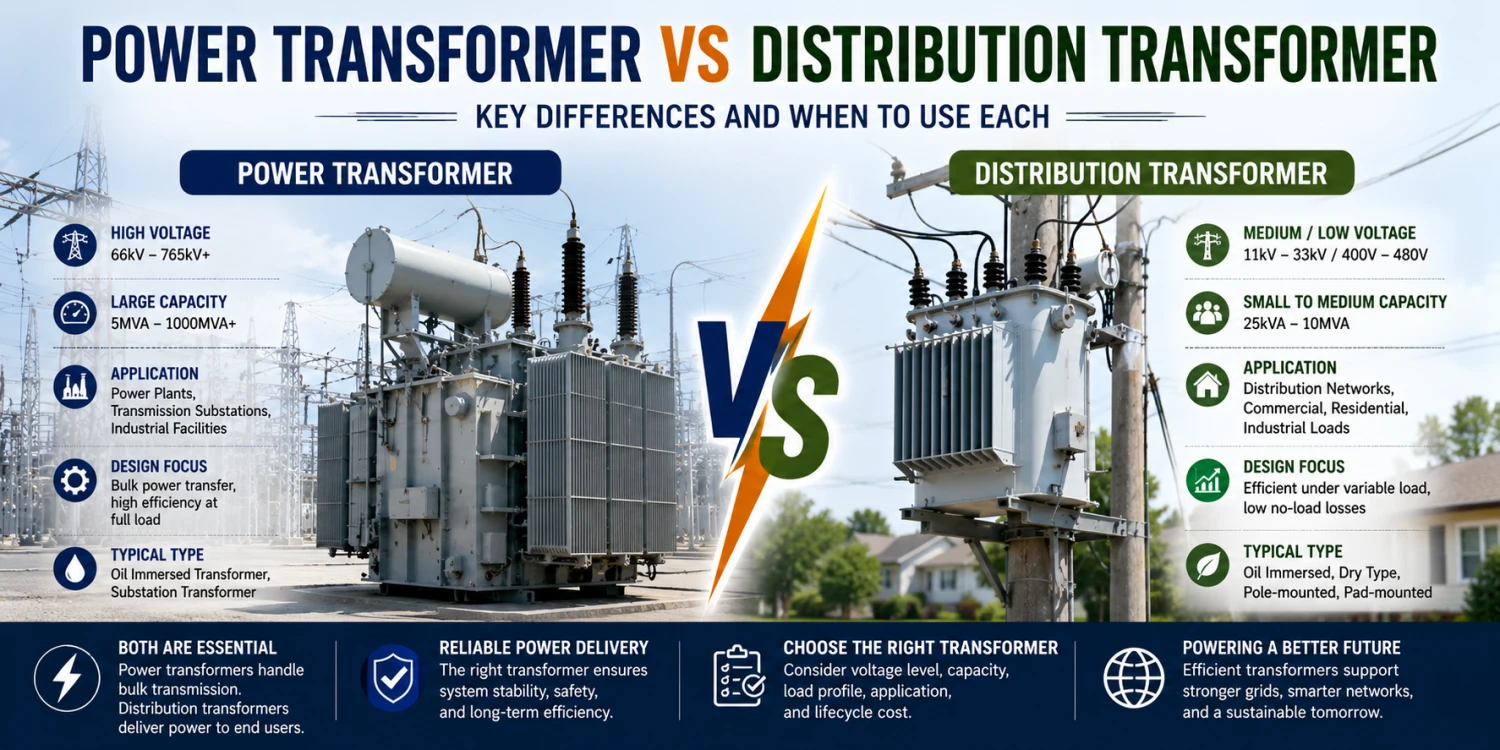
4. Power Transformer vs Distribution Transformer: Key Technical Differences
Although both transformer types perform voltage transformation, their engineering objectives differ significantly.
Table: Power Transformer vs Distribution Transformer Technical Comparison
|
Parameter |
Power Transformer |
Distribution Transformer |
|
Primary Function |
Bulk power transmission |
End-user power distribution |
|
Typical Voltage Range |
66kV–765kV+ |
11kV–33kV / 400V–480V |
|
Installation Location |
Transmission substations |
Distribution networks |
|
Typical Capacity |
5MVA–1000MVA+ |
25kVA–10MVA |
|
Load Profile |
Near full-load operation |
Variable daily load |
|
Efficiency Target |
Maximum efficiency at full load |
Maximum all-day efficiency |
|
Cooling Method |
ONAN, ONAF, OFAF, OFWF |
ONAN, Dry Type |
|
Tap Changer Type |
On-Load Tap Changer (OLTC) |
Off-Circuit Tap Changer (OCTC) |
|
Initial Investment |
Higher |
Lower |
|
Typical Applications |
Power plants, transmission grids |
Residential, commercial, industrial supply |
Voltage Level
Power Transformer
Typically operates at:
- High voltage
- Extra high voltage
- Transmission voltage levels
Examples:
- 110 kV power transformer
- 230 kV power transformer
Distribution Transformer
Typically operates at:
- Medium voltage
- Low voltage
Examples:
- 11 kV/415 V
- 33 kV/400 V
Application Location
Power Transformer
Installed in:
- Power stations
- Transmission substations
- Grid interconnection points
Distribution Transformer
Installed in:
- Residential areas
- Commercial buildings
- Industrial parks
- Distribution networks
Load Profile
Power Transformer
Usually operates near full load.
Distribution Transformer
Load varies significantly throughout the day.
Efficiency Optimization
Power Transformer
Optimized for:
- Full-load efficiency
- Maximum power transfer
Distribution Transformer
Optimized for:
- All-day efficiency
- Reduced no-load losses
Physical Size
Power transformers are generally:
- Larger
- Heavier
- Higher rated
Distribution transformers are:
- More compact
- Easier to install
- Lower capacity
5. Cooling Systems and Tap Changers
Cooling systems are critical for transformer reliability and lifespan.
Power Transformer Cooling Methods
Large power transformers commonly use:
- ONAN (Oil Natural Air Natural)
- ONAF (Oil Natural Air Forced)
- OFAF (Oil Forced Air Forced)
- OFWF (Oil Forced Water Forced)
Oil-immersed transformer technology remains the industry standard for high-capacity installations.
Distribution Transformer Cooling Methods
Distribution transformers commonly use:
- ONAN cooling
- Natural air cooling
- Dry-type cooling systems
Because ratings are lower, cooling requirements are generally less complex.
Tap Changers
Tap changers regulate output voltage as system conditions change.
Power Transformers
Usually equipped with:
- On-load tap changers (OLTC)
Allowing voltage adjustment while energized.
Distribution Transformers
Often use:
- Off-circuit tap changers
These are adjusted during maintenance shutdowns.
6. Applications in Modern Electrical Infrastructure
The distinction between power and distribution transformers becomes clearer when examining real-world applications.
Power Generating Facilities
Power transformers connect generators to transmission systems.
Functions include:
- Voltage step-up
- Grid synchronization
- Bulk power transfer
Transmission Networks
Power transformers support:
- Interconnection substations
- Voltage conversion
- Long-distance transmission
Without power transformers, modern transmission networks would not function efficiently.
Distribution Networks
Distribution transformers provide:
- Final voltage reduction
- Local power delivery
- Consumer voltage stabilization
They are the most numerous transformers in electrical infrastructure.
Renewable Energy Projects
Solar farms and wind plants often use both transformer categories.
Power transformers:
- Connect renewable plants to transmission systems.
Distribution transformers:
- Serve local facilities and auxiliary loads.
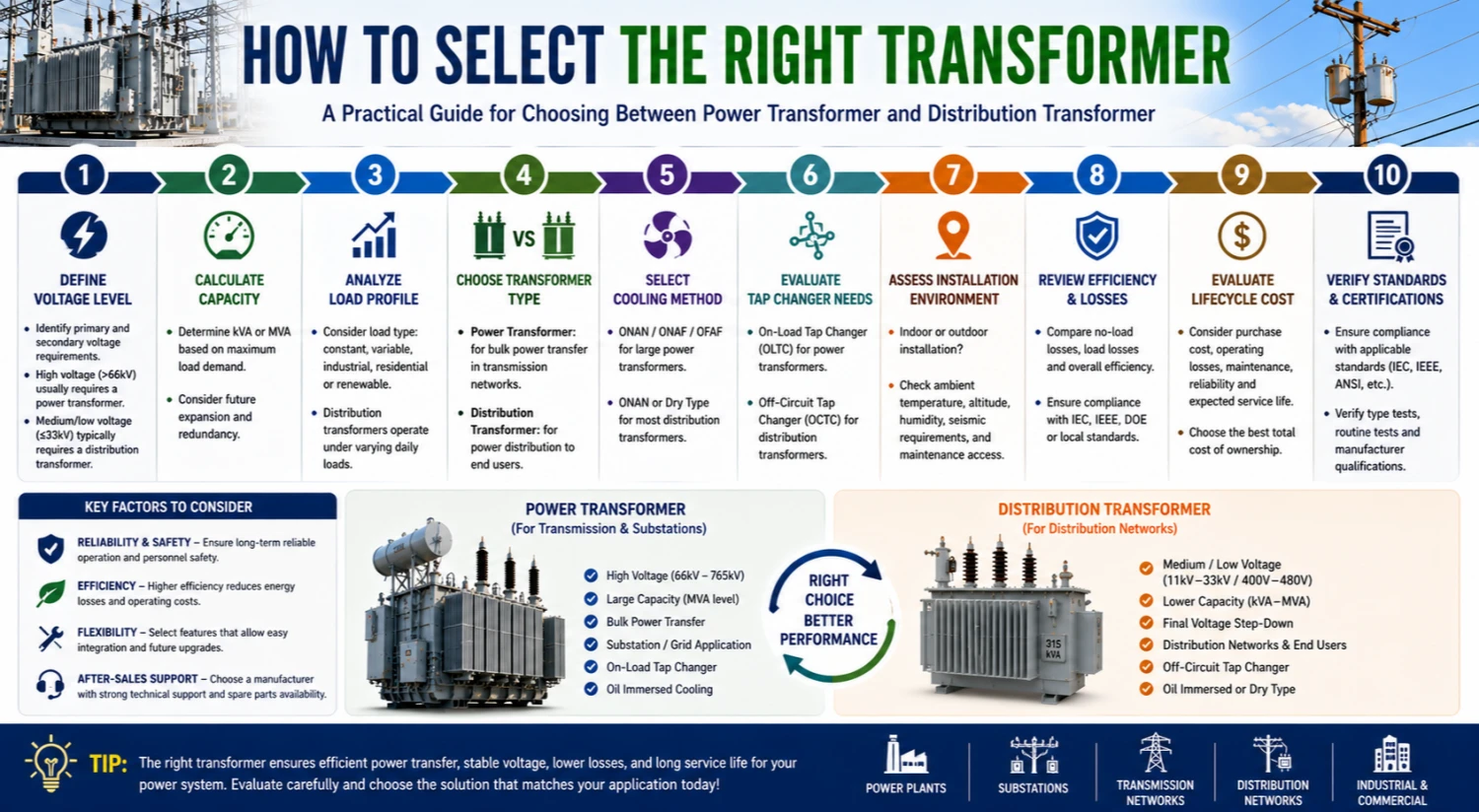
7. How to Select the Right Transformer
Selecting between power and distribution transformers depends on system requirements.
Table: Transformer Selection Guide
|
Selection Criteria |
Power Transformer |
Distribution Transformer |
|
Voltage Above 66kV |
Recommended |
Not Suitable |
|
Voltage Below 33kV |
Limited Applications |
Recommended |
|
Utility Transmission Grid |
Recommended |
Not Suitable |
|
Industrial Distribution System |
Possible |
Recommended |
|
Residential Distribution |
Not Suitable |
Recommended |
|
Renewable Energy Grid Connection |
Recommended |
Auxiliary Use |
|
Large Power Plant |
Recommended |
Not Suitable |
|
Commercial Buildings |
Not Recommended |
Recommended |
|
Capacity Above 10MVA |
Recommended |
Limited |
|
Capacity Below 5MVA |
Not Economical |
Recommended |
Determine Voltage Level
The required voltage transformation ratio is the first consideration.
High-voltage transmission projects generally require power transformers.
Local distribution projects require distribution transformers.
Evaluate Power Capacity
Power transformers are suitable for:
- Tens of MVA
- Hundreds of MVA
Distribution transformers are suitable for:
- 25 kVA
- 100 kVA
- 500 kVA
- Several MVA
Analyze Load Characteristics
Continuous heavy loads favor power transformers.
Variable customer loads favor distribution transformers.
Consider Installation Environment
Factors include:
- Indoor or outdoor installation
- Cooling requirements
- Maintenance accessibility
- Environmental conditions
Review Lifecycle Costs
Transformer selection should consider:
- Initial purchase price
- Losses
- Maintenance
- Reliability
- Expected service life
Lifecycle cost analysis often produces better investment decisions than focusing solely on purchase cost.
8. Future Trends in Power and Distribution Transformers
Transformer technology continues evolving alongside modern grid requirements.
Smart Transformers
Digital monitoring systems now provide:
- Real-time diagnostics
- Remote monitoring
- Predictive maintenance
Energy-Efficient Core Materials
New magnetic materials reduce:
- Core losses
- Operating costs
- Carbon emissions
Renewable Energy Integration
Future transformers must support:
- Distributed generation
- Solar farms
- Wind power plants
- Battery energy storage systems
Sustainable Transformer Design
Manufacturers increasingly adopt:
- Biodegradable insulating fluids
- Environmentally friendly materials
- Low-carbon manufacturing processes
Conclusion
While both power transformers and distribution transformers transfer electrical energy through electromagnetic induction, they serve fundamentally different roles within a power system. Power transformers are designed for bulk energy transfer at high voltage levels within transmission networks and power generating facilities, while distribution transformers operate at medium and low voltages to deliver stepped down voltages directly to end users.
Understanding these differences is essential for selecting the right transformer for substations, industrial projects, utility networks, and renewable energy developments. By carefully evaluating voltage level, power capacity, efficiency requirements, cooling methods, tap changers, and operational objectives, engineers can ensure reliable, cost-effective, and efficient power and distribution infrastructure.

Related Articles
Related Products
H-medium-voltage-power-cable-2.jpg)
N2XS(F)H Medium Voltage Power Cable (6/10kV, 12/20kV, 18/30kV)
The N2XS(F)H Medium Voltage Power Cable is engineered for medium voltage power distribution systems operating at 6/10kV, 12/20kV, and 18/30kV, where electrical reliability and fire safety are essential. The cable combines a copper conductor with XLPE insulation and a longitudinally corrugated aluminum sheath that delivers excellent moisture protection and mechanical strength. The LSZH outer sheath minimizes toxic gas release and smoke generation during fire exposure, supporting safer evacuation and equipment protection. Designed and manufactured in compliance with IEC standards, N2XS(F)H cables provide low dielectric losses, high thermal stability, and dependable long-term operation. The metallic sheath enhances grounding and fault current performance, making the cable suitable for critical infrastructure and underground installations.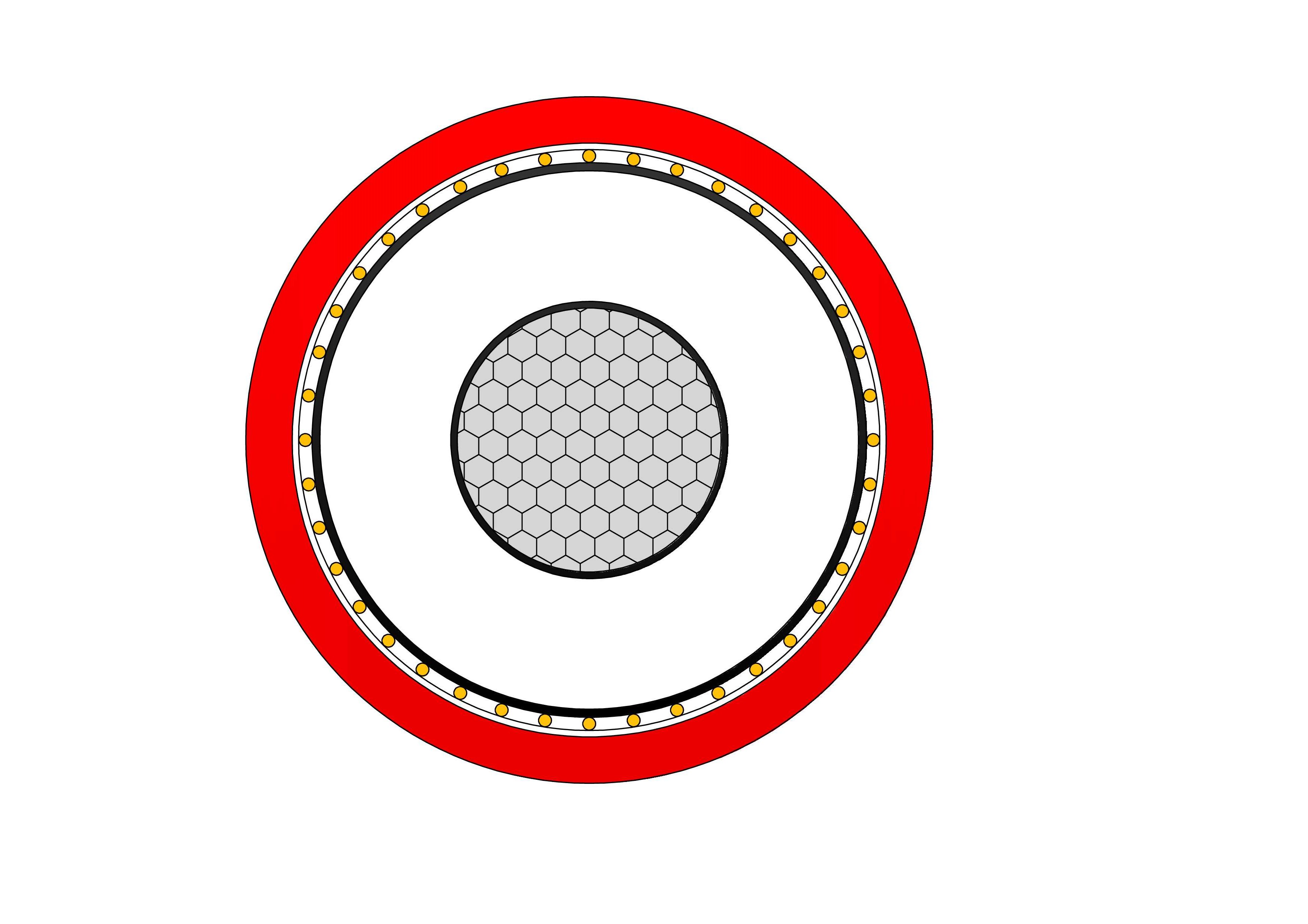
NA2XSY Medium Voltage Power Cable(6/10kV, 12/20kV, 18/30kV)
NA2XSY are medium voltage power cables with aluminum conductors and XLPE insulation, designed according to IEC 60502-2 standards. Constructed with aluminium conductors, thermosetting XLPE insulation, metallic screen (copper tape or wires), and tough PVC outer sheath, it meets IEC 60502-2 requirements. The screen ensures electromagnetic compatibility and fault protection. Low tan delta, high breakdown strength, and excellent thermal endurance minimize losses and support overloads. PVC sheath provides reliable mechanical and moisture protection for fixed installations. Optional longitudinal water-blocking improves performance in damp areas. Flame-retardant and easy to install, the NA2XSY Medium Voltage Power Cable is favored for power grids, manufacturing plants, commercial developments, and renewable energy sites demanding cost-efficient single-core medium voltage cabling with proven durability and performance in buried or tray installations worldwide.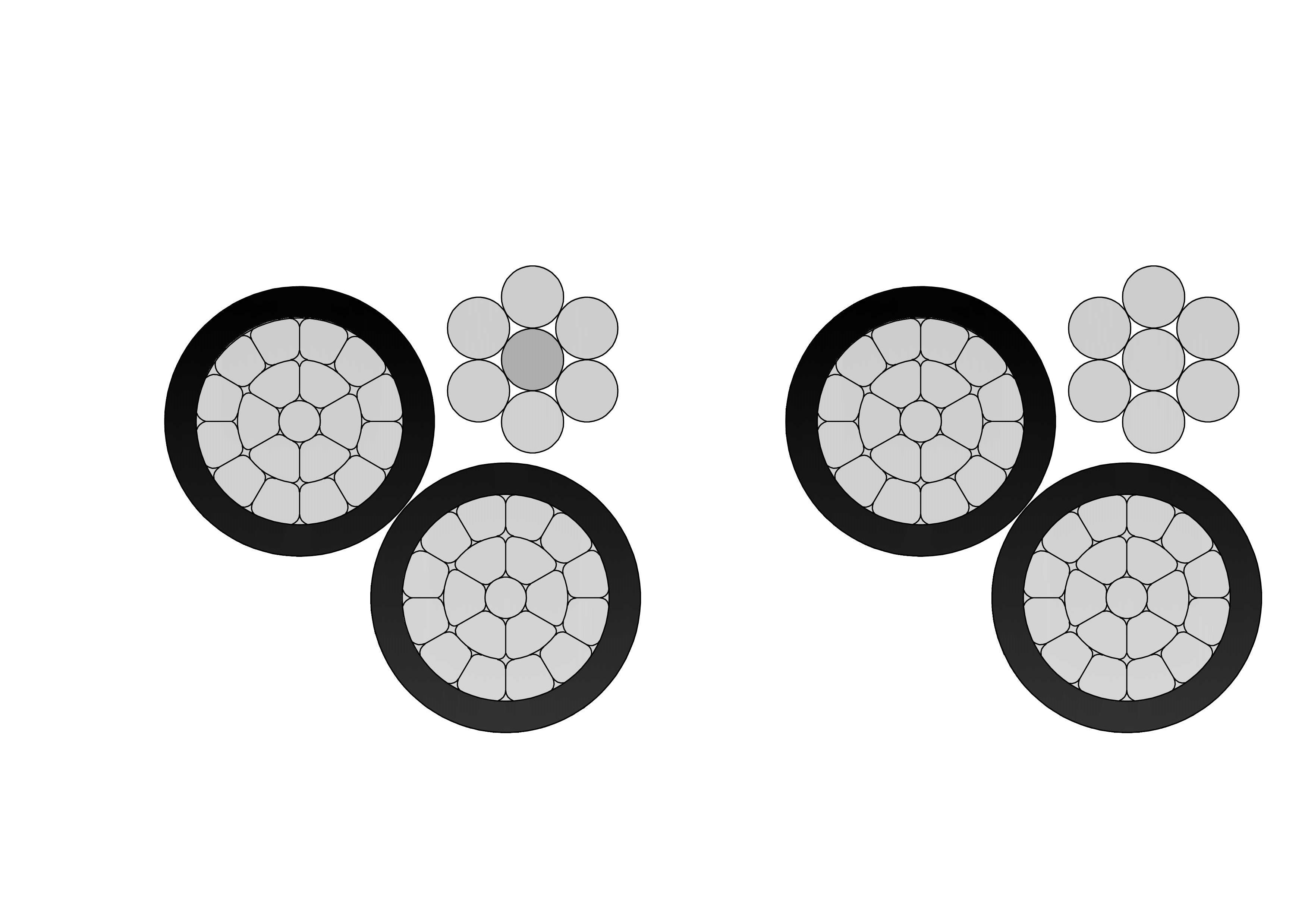
4 Whelk Triplex Aluminum Conductor Triplex Overhead Service Drop Cable
4-4-4 Whelk Aluminum Conductor Triplex Overhead Service Drop Cable provides efficient overhead power transmission for utility-to-consumer connections. Constructed with solid or stranded 1350-H19 aluminum phase conductors (#4 AWG), black XLPE insulation for enhanced thermal, abrasion, and environmental protection, plus a bare ACSR neutral messenger (#4 AWG, 6/1), it ensures efficient conductivity, corrosion resistance, and structural support. Rated 600V phase-to-phase up to 90°C (XLPE), with ≈115A ampacity, it complies with ASTM B-230/B-231/B-232/B-399 and ICEA S-76-474. Its balanced, lightweight design simplifies installation while offering robust long-term performance against harsh outdoor elements like extreme temperatures, moisture, UV exposure, and mechanical stress in residential and light commercial applications.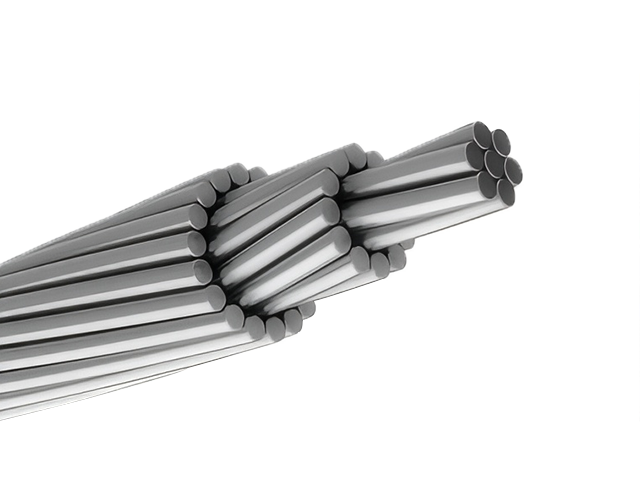
4 AWG SWANATE ACSR Conductor Cable
4 AWG SWANATE ACSR Conductor Cable is designed for overhead power distribution systems requiring dependable electrical performance and enhanced mechanical strength. It is manufactured using concentrically stranded aluminum wires reinforced with a galvanized steel core, ensuring an effective balance between conductivity and tensile durability. The aluminum strands provide low electrical resistance and efficient current transfer, while the steel core improves load-bearing capacity, controls sag, and increases resistance to mechanical stress during installation and operation. This construction allows the 4 AWG SWANATE ACSR conductor to perform reliably under wind load, temperature variation, and outdoor environmental conditions. Produced in accordance with ASTM and IEC standards, the 4 AWG SWANATE ACSR Conductor Cable offers consistent quality, easy handling, and long service life. It is widely applied in utility distribution lines, rural electrification projects, and overhead network upgrades where stable performance and cost efficiency are required.
Type 409 Flexible Copper Screened Mining Cable With Central Pilot
The Type 409 Flexible Copper Screened Mining Cable with Central Pilot is a heavy-duty flexible cable engineered for reliable and safe underground mining operations. It features finely stranded tinned copper conductors (class 5) for excellent flexibility and corrosion resistance, EPR (ethylene propylene rubber) insulation for superior dielectric strength and 90°C continuous thermal rating, an overall tinned copper braid screen providing effective EMI protection and grounding, a central pilot core for earth continuity monitoring, safety interlocks, and fault detection, and an extra-heavy-duty flame-retardant rubber outer sheath resistant to oil, abrasion, tearing, crushing, impact, and chemicals. Compliant with AS/NZS 2802 and mining safety standards, it supports high tensile loads, frequent reeling/drag, tight bending radii, and reliable performance in wet, dusty, and hazardous mine conditions. The Type 409 is ideal for power supply to continuous miners, shuttle cars, longwall equipment, drills, and other mobile machinery in coal and metalliferous mines, ensuring enhanced safety through pilot core monitoring and maximum durability.
2 Conch Aluminum Conductor Triplex Overhead Service Drop Cable
The 2-2-2 Conch Aluminum Conductor Triplex Overhead Service Drop Cable is a trusted solution for overhead power distribution from utility poles to residential or commercial weatherheads. Featuring concentric-lay-stranded 1350-H19 aluminum phase conductors (#2 AWG, 7-strand), durable black cross-linked polyethylene (XLPE) insulation, and a bare ACSR neutral messenger (#2 AWG, 6/1), it provides excellent electrical conductivity, superior weather/UV resistance, and mechanical support. Rated for 600 volts phase-to-phase with conductor temperatures up to 90°C (XLPE), it delivers an allowable ampacity of approximately 150 amps. Compliant with ASTM B-230, B-231, B-232, B-399, and ICEA S-76-474 standards, this lightweight, flexible cable ensures easy installation and long-term reliability in harsh outdoor environments, including wind, ice loading, and temperature fluctuations.
Steel Tape Armoured Cable Type
The Steel Tape Armoured Cable (STA Cable) is designed for reliable power transmission in environments requiring enhanced mechanical protection. Manufactured with high-quality copper or aluminum conductors, XLPE insulation, galvanized steel tape armour, and a durable PVC outer sheath, the cable provides exceptional durability and long-term operational reliability. The galvanized steel tape armour offers superior resistance against mechanical impact, compression, and external damage, making the cable suitable for underground installations and harsh industrial environments. The XLPE insulation ensures excellent electrical performance, low dielectric losses, and continuous operating temperatures up to 90°C. The PVC sheath protects the cable against moisture, chemicals, abrasion, and environmental exposure, extending service life and reducing maintenance requirements. Manufactured according to IEC 60502-1 and other international standards, the cable is widely used in power distribution networks, industrial facilities, infrastructure projects, renewable energy installations, and utility systems. The Steel Tape Armoured Cable combines electrical efficiency, mechanical strength, and installation flexibility, making it a dependable solution for demanding power distribution applications.
4 Crab Aluminum Conductor Triplex Overhead Service Drop Cable Wire
4 Crab Triplex Aluminum Overhead Service Drop Cable is designed for reliable utility power delivery from pole-mounted transformers to the service entrance at residential, commercial, or light industrial sites. It consists of two insulated phase conductors and a bare AAC (All-Aluminum Conductor) messenger serving as both a neutral and mechanical support. Built for overhead single-phase service drops, it operates at voltages up to 600V and is insulated with black cross-linked polyethylene (XLP) for enhanced durability against UV, abrasion, and moisture. The 4 Crab's robust yet flexible structure prevents sagging and ensures stable performance over time. Utilities and contractors appreciate its cost-effectiveness and low-maintenance profile. Elevate your electrical infrastructure with this reliable cable that combines innovation and durability for uninterrupted power supply.
750kVA 3-Phase Oil-Immersed Outdoor Substation Transformer
A 750kVA 3-phase oil-immersed outdoor substation transformer is designed for stable and efficient power distribution in industrial, commercial, and utility applications. Built with high-quality insulation and premium transformer oil, it provides excellent cooling performance and long-term reliability. The transformer ensures accurate current measurement and voltage conversion, making it ideal for outdoor substations operating under demanding conditions.
2 Cockle Aluminum Conductor Triplex Overhead Service Drop Cable
The 2-2-4 Cockle Aluminum Conductor Triplex Overhead Service Drop Cable is engineered for efficient overhead power supply from utility poles to residential or commercial weatherheads. It consists of two concentric-lay-stranded 1350-H19 aluminum phase conductors (#2 AWG, 7-strand), black cross-linked polyethylene (XLPE) insulation for superior weather, UV, and thermal resistance, and a bare ACSR neutral messenger (#4 AWG, 6/1) providing mechanical strength and conductivity. Rated for 600 volts phase-to-phase at conductor temperatures up to 90°C (XLPE) or 75°C (Poly), it offers an allowable ampacity of approximately 150 amps (XLP). Compliant with ASTM B-230, B-231, B-232, B-399, and ICEA S-76-474 standards, this lightweight, flexible cable facilitates straightforward installation and ensures long-term reliability in harsh outdoor environments, including exposure to wind, ice, moisture, and temperature variations.
GYXTW Fiber Optic Cable
The GYXTW Fiber Optic Cable is a rugged central loose tube fiber optic cable designed for outdoor long-distance communication. It features a single central loose tube filled with water-blocking gel containing optical fibers, a corrugated steel tape armor for excellent mechanical protection, and a durable polyethylene (PE) outer sheath. Compliant with IEC 60794 and ITU-T standards, the GYXTW Fiber Optic Cable provides superior crush resistance, moisture blocking, and rodent protection. Available in single-mode and multi-mode with various fiber counts, it ensures low attenuation, high bandwidth, and reliable signal transmission. Its compact central tube design combined with steel tape armor makes it ideal for duct, aerial, and direct burial installations. The GYXTW Fiber Optic Cable is widely used in telecommunications backbone networks, FTTH, metropolitan area networks, and outdoor infrastructure projects requiring stable, secure, and durable fiber connectivity in challenging environments.
1590 MCM LAPWING ACSR Conductor Cable
The ACSR 1590 MCM Lapwing 45/7 is a high-efficiency, bare concentric-lay-stranded conductor designed for superior performance in overhead power transmission and distribution systems, meeting ASTM B232 standards. It features a galvanized steel core (Class A or B) with 7 steel strands for robust mechanical strength, surrounded by 45 strands of hard-drawn 1350-H19 aluminum wire for excellent electrical conductivity. Ideal for long-span transmission lines and primary/secondary distribution networks, the Lapwing configuration offers exceptional corrosion resistance and customizable aluminum-to-steel ratios to fulfill specific electrical and mechanical demands, ensuring reliable and durable power delivery. Galvanized steel wires used for the core undergo tensile testing, zinc coating thickness measurement, and corrosion resistance evaluation. Dimensional accuracy and surface condition of all materials are verified before approval.
700kVA Oil Immersed Transformer
The 700kVA Oil Immersed Transformer is a high-performance three-phase distribution transformer optimized for dependable medium-voltage power conversion in 50/60Hz AC grids, featuring primary ratings of 11kV or 33kV and secondary at 0.4kV/0.415kV/0.433kV. It adopts a fully hermetically sealed corrugated tank construction for automatic volume compensation, delivering outstanding resistance to humidity ingress, corrosion. Incorporating low-loss grain-oriented silicon steel core (S11/S13 series compliant) for minimized no-load losses (typically 950-1300W), high-conductivity copper windings, and premium-grade mineral insulating oil (IEC 60296 certified, dielectric >55kV/2.5mm).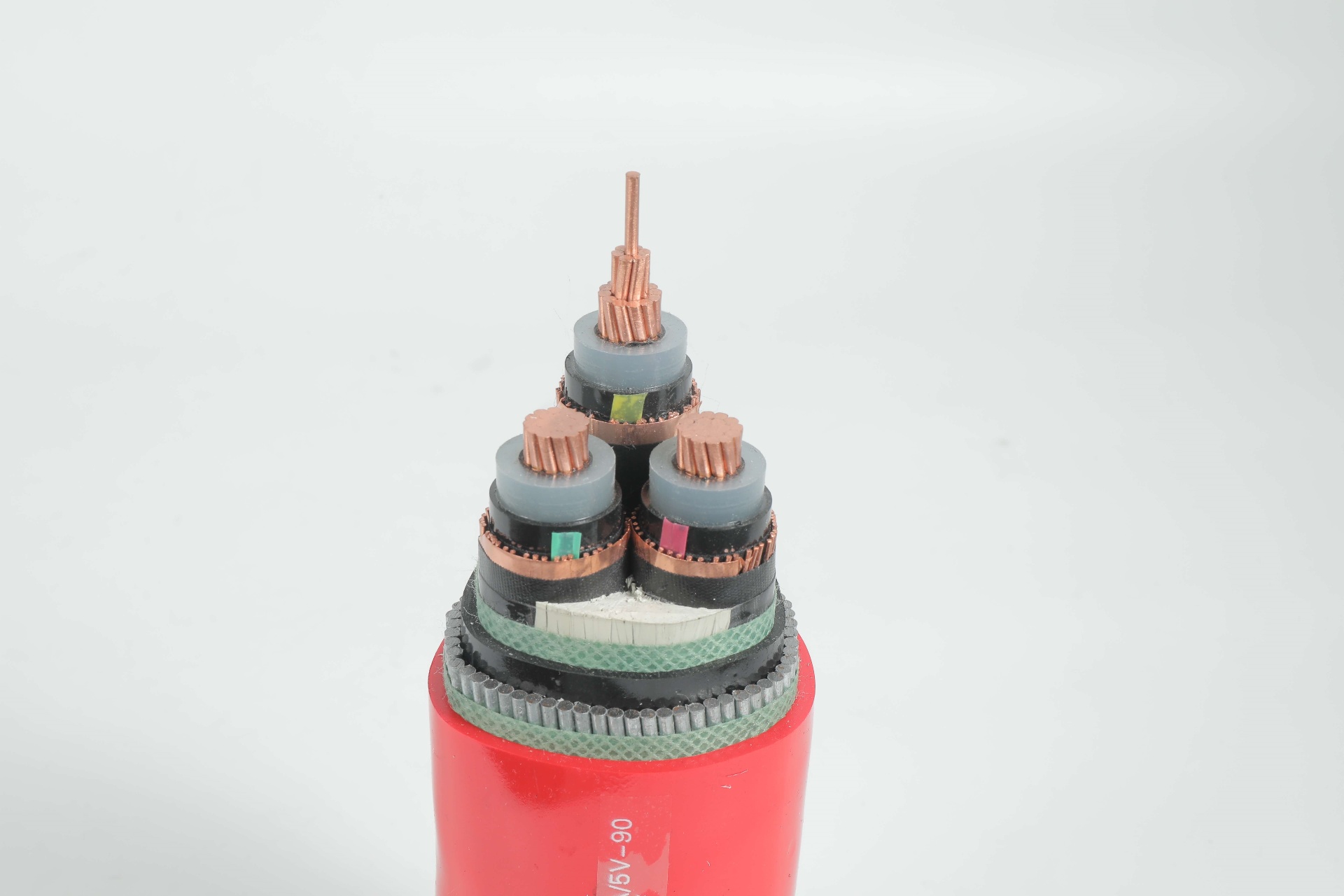
Three Core Medium Voltage Power Cable to IEC 60502
The Three Core Medium Voltage Power Cable to IEC 60502 is designed for stable and efficient power transmission in medium voltage distribution systems. Constructed with three insulated conductors laid together, this cable supports balanced load distribution and compact installation. High-purity copper or aluminum conductors ensure low electrical resistance and reliable current flow. The insulation system, typically based on XLPE, provides excellent dielectric strength, thermal endurance, and resistance to electrical stress. The three-core configuration simplifies installation in substations, industrial plants, and infrastructure projects where space efficiency and system reliability are critical. Manufactured in accordance with IEC 60502, the cable meets international standards for electrical performance, mechanical durability, and operational safety. Its robust construction ensures long service life and dependable operation in demanding medium voltage applications.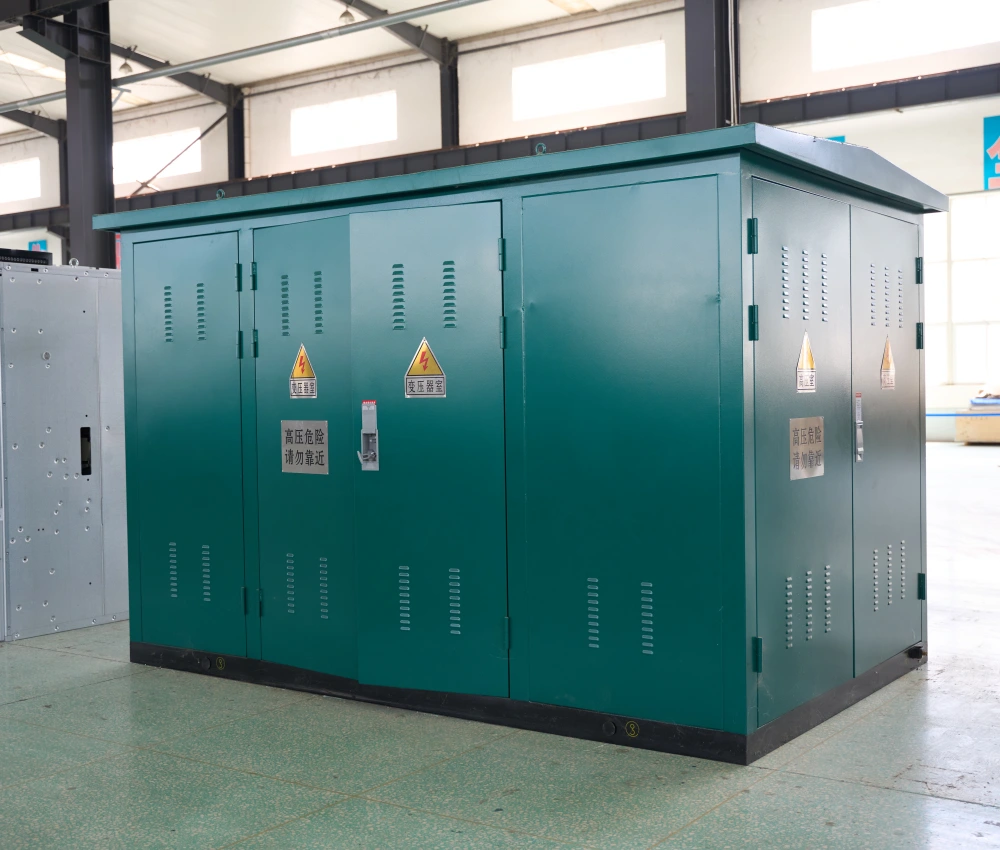
33kV 630kVA Prefabricated Compact Substation
The 33kV 630kVA Prefabricated Compact Substation is a highly integrated medium-voltage power distribution solution designed for modern electrical infrastructure projects requiring reliable, space-saving, and efficient energy transformation. The substation combines 33kV medium-voltage switchgear, a 630kVA distribution transformer, low-voltage distribution panels, and intelligent protection systems within a compact outdoor enclosure, reducing installation complexity and minimizing civil construction requirements. Engineered for stable operation in demanding industrial and environmental conditions, the compact substation features a reinforced enclosure structure, advanced insulation technology, optimized ventilation systems, and corrosion-resistant surface treatment. The modular design improves transportation efficiency, shortens commissioning cycles, and simplifies future maintenance operations while ensuring long-term operational reliability. This 33kV 630kVA compact transformer substation is suitable for renewable energy integration, industrial facilities, mining operations, commercial developments, and urban utility distribution systems. Optional intelligent monitoring systems and remote communication interfaces support modern smart-grid applications and enable efficient power management for evolving electrical networks.Welcome your inquiry
Honesty, Integrity, Frugality, Activeness and Passion