
GYXTW Fiber Optic Cable
The GYXTW Fiber Optic Cable is a rugged central loose tube fiber optic cable designed for outdoor long-distance communication. It features a single central loose tube filled with water-blocking gel containing optical fibers, a corrugated steel tape armor for excellent mechanical protection, and a durable polyethylene (PE) outer sheath. Compliant with IEC 60794 and ITU-T standards, the GYXTW Fiber Optic Cable provides superior crush resistance, moisture blocking, and rodent protection. Available in single-mode and multi-mode with various fiber counts, it ensures low attenuation, high bandwidth, and reliable signal transmission. Its compact central tube design combined with steel tape armor makes it ideal for duct, aerial, and direct burial installations. The GYXTW Fiber Optic Cable is widely used in telecommunications backbone networks, FTTH, metropolitan area networks, and outdoor infrastructure projects requiring stable, secure, and durable fiber connectivity in challenging environments.
- Fiber Count 2-24 cores (typical)
- Operating Temp -40°C to +70°C
- Standard IEC 60794-1, ITU-T G.652/G.655
Construction
Technical Specifications
Quality Control
Application
Construction
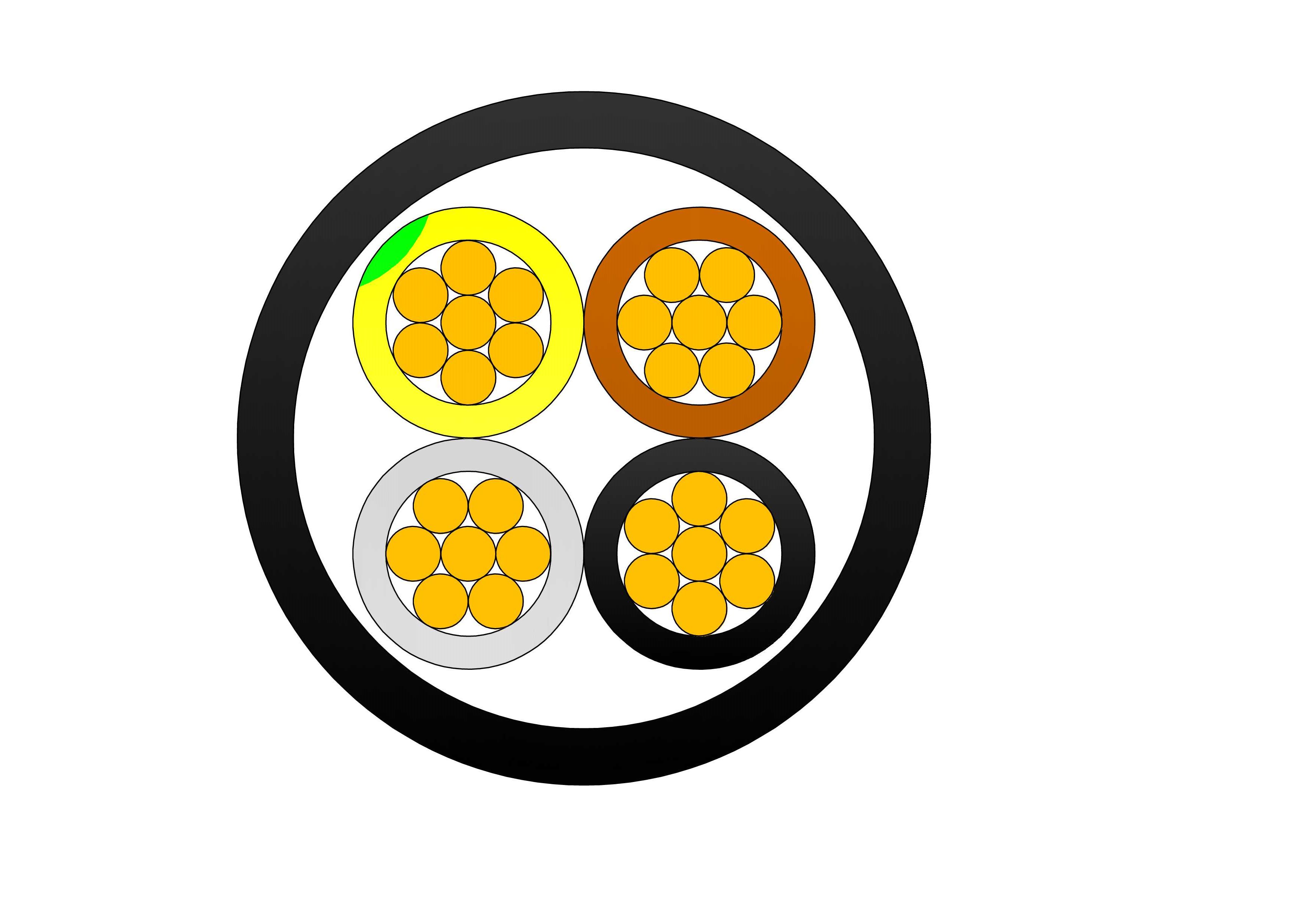
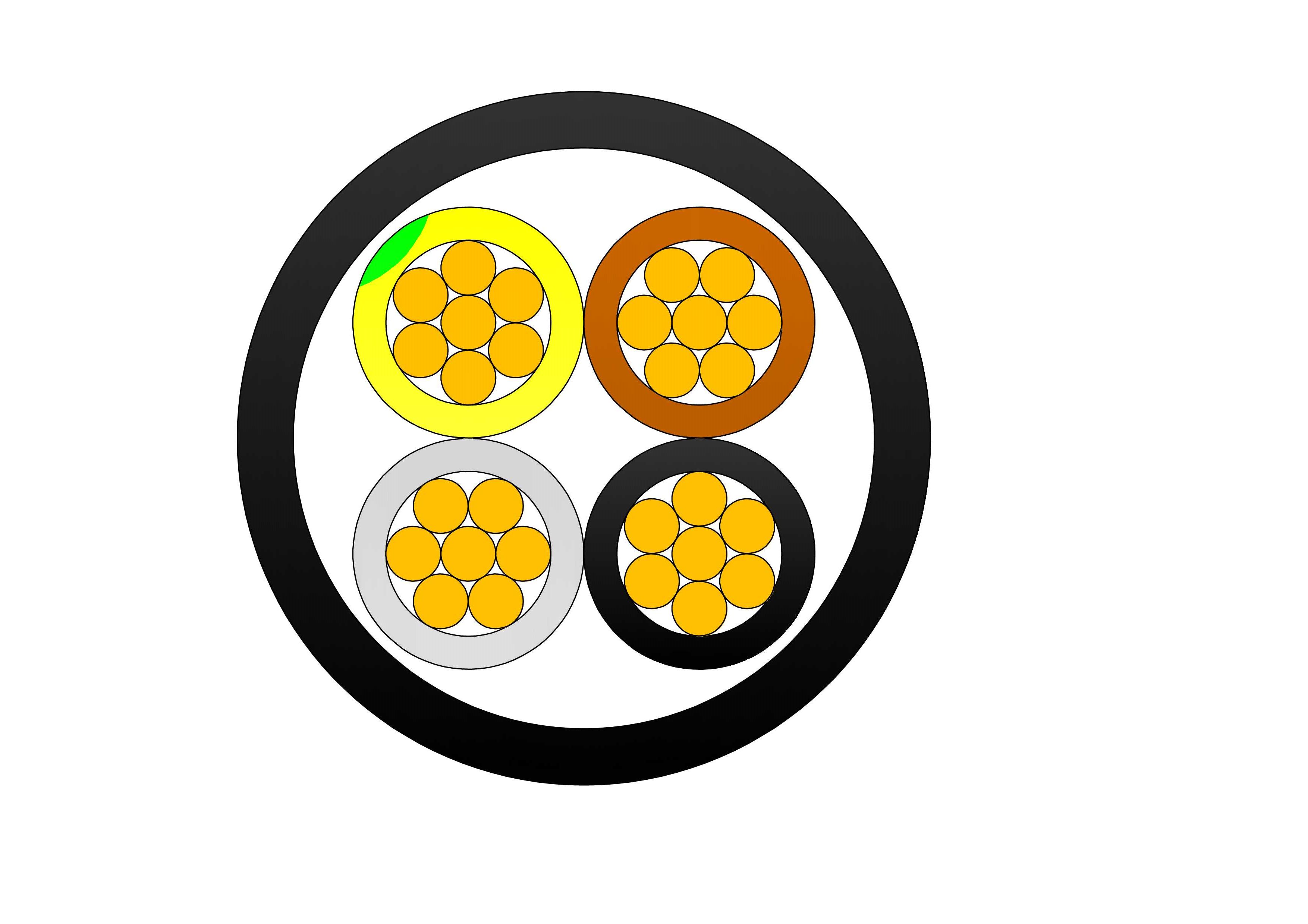
GYXTW Fiber Optic Cable Construction
Product Features
Central loose tube structure
Dual parallel steel wire strength members
Corrugated steel tape armor
Excellent crush resistance
Reliable rodent protection
Water-blocking gel-filled design
Compact cable construction
UV-resistant PE outer sheath
Dual parallel steel wire strength members
Corrugated steel tape armor
Excellent crush resistance
Reliable rodent protection
Water-blocking gel-filled design
Compact cable construction
UV-resistant PE outer sheath
Central Loose Tube
PBT with gel filling
Armor
Corrugated steel tape
Outer Sheath
PE
Crush Resistance
≥1000 N/10cm
Tensile Strength
≥1000 N
Attenuation
≤0.36 dB/km @1310nm (SM)
Water Blocking
Full gel filling
Technical Specifications
GYXTW Fiber Optic Cable
GYXTW Fiber Optic Cable Data Sheet
| Fiber count | Cable dia.(mm) | Cable net weight(Kg/km) |
Min. bending radius(mm) |
Min. tensile strength(N) |
Min. crush | |||
| pressure(N/100mm) | ||||||||
| Static state | Dynamic | Short term | Long term | Short term | Long | |||
| state | term | |||||||
| 2-6 | 10.1 | 104 | 110 | 220 | 1500 | 600 | 1000 | 300 |
| 8-12 | 10.6 | 114 | 110 | 220 | 1500 | 600 | 1000 | 300 |
| 14-24 | 11.2 | 128 | 120 | 240 | 1500 | 600 | 1000 | 300 |
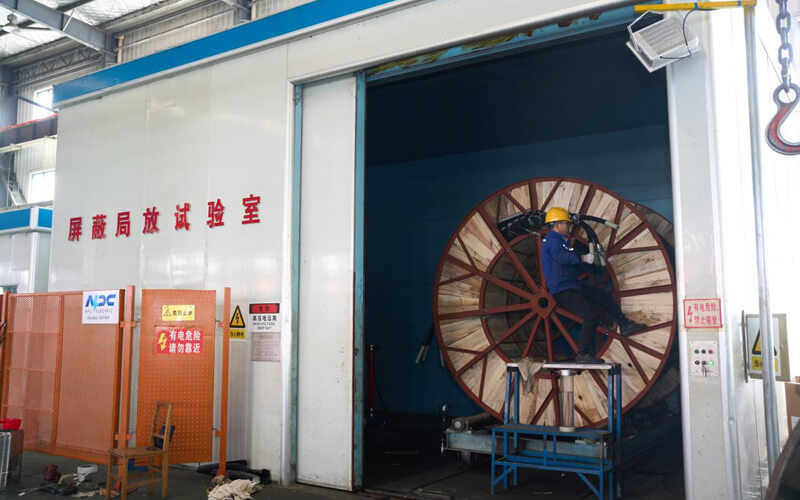
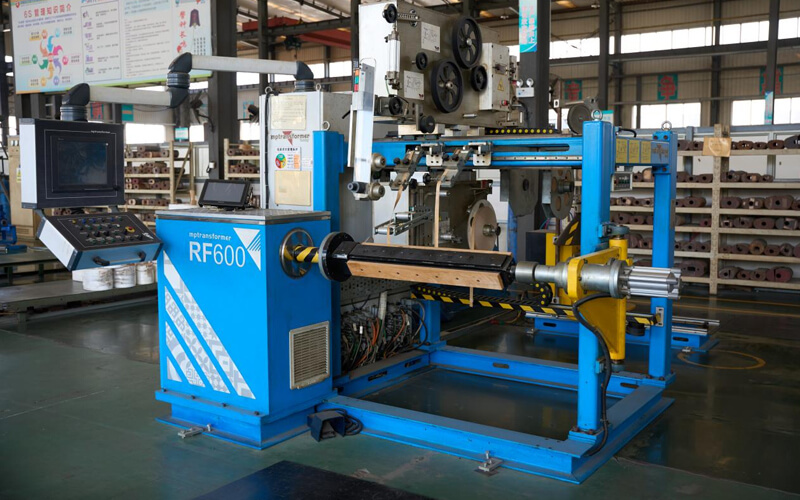
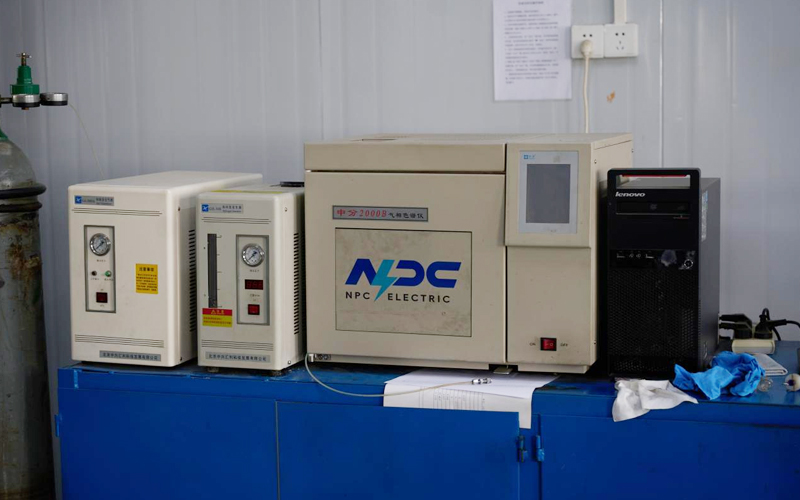
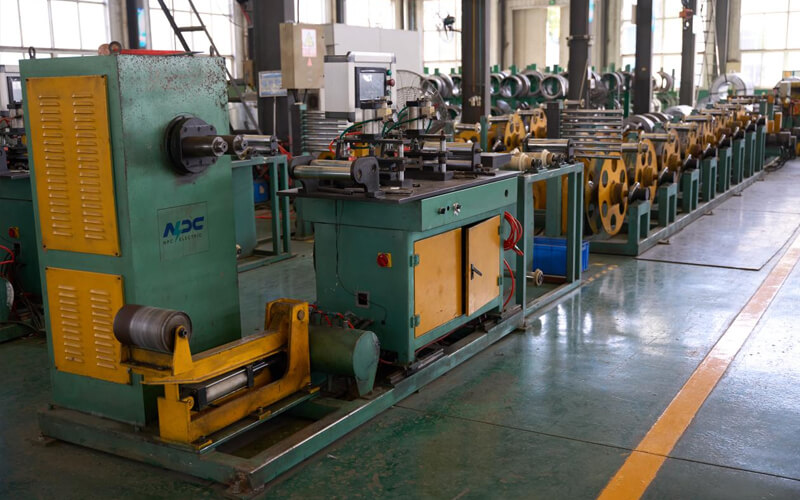
Quality Control
GYXTW Fiber Optic Cable
Raw Material Test
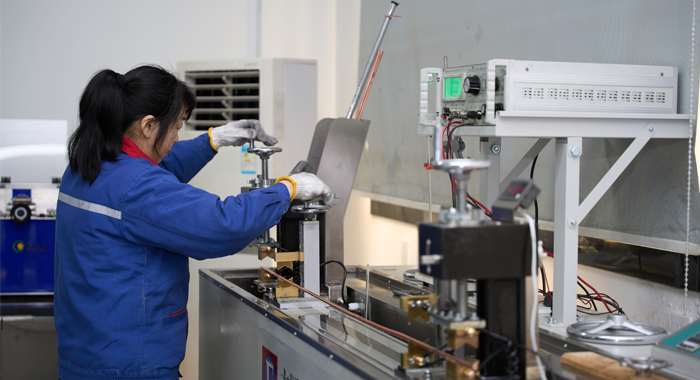
Raw material testing for the GYXTW Fiber Optic Cable ensures compliance with IEC 60794 standards. Optical fibers are tested for attenuation, tensile strength, and coating integrity. PBT loose tube material undergoes dimensional accuracy, thermal stability, and gel compatibility checks. Steel tape is verified for thickness, tensile strength, and corrosion resistance. PE sheath compound is evaluated for density, melt flow index, carbon black content (UV protection), and environmental stress cracking. The step-by-step process includes incoming batch verification, random sampling, chemical composition analysis via spectrometry, mechanical property testing before and after aging, water-blocking performance pre-checks, and final material approval decision. Only qualified materials are released, guaranteeing the GYXTW Fiber Optic Cable achieves excellent optical performance, mechanical strength, and long-term reliability in outdoor environments.
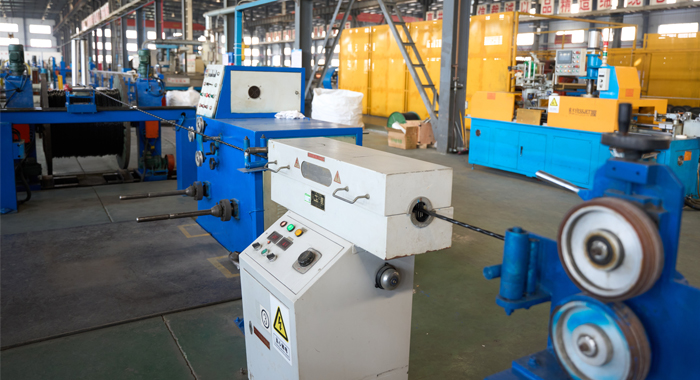
Process inspection
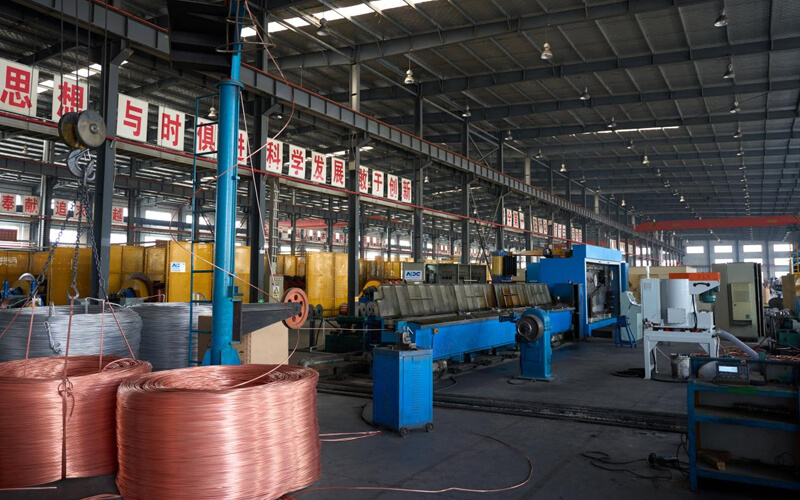
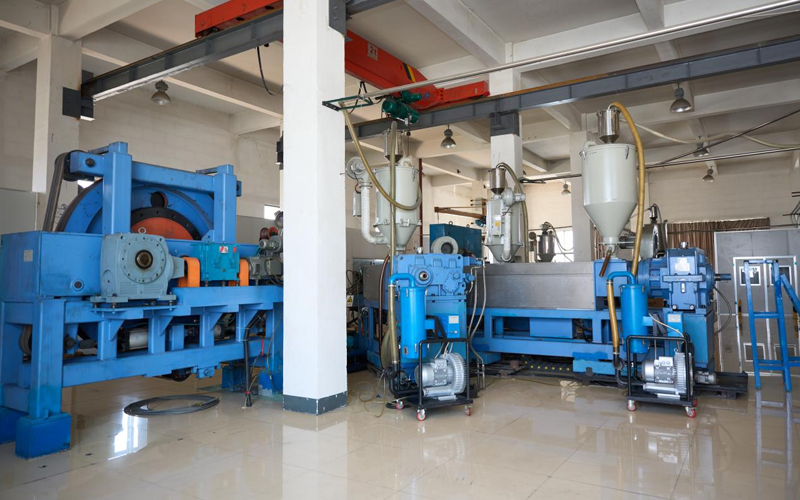
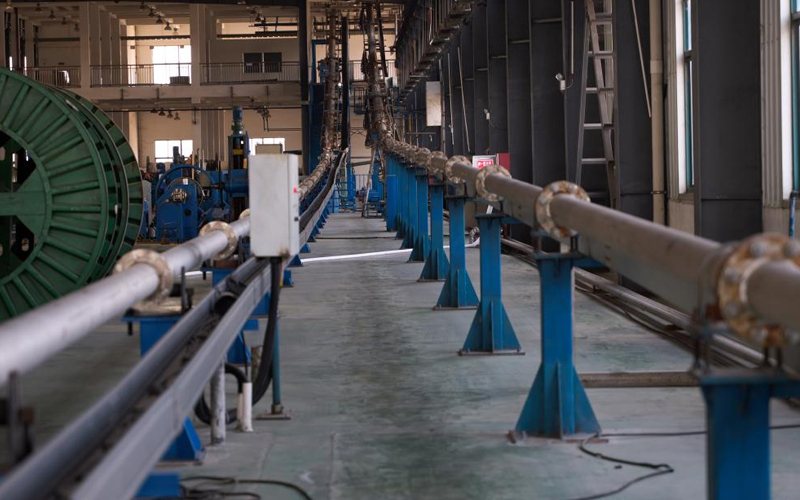
During manufacturing of the GYXTW Fiber Optic Cable, process inspection maintains strict quality control. Optical fiber coloring and central loose tube extrusion are monitored for dimensional accuracy and fiber excess length. Steel tape armoring verifies helical wrapping and overlap. Final PE sheath extrusion includes real-time diameter and spark testing. Key steps include material pre-drying confirmation, extrusion and armoring parameter logging, intermediate water penetration and tensile tests, defect detection with immediate correction, and controlled cooling. This multi-stage oversight guarantees the GYXTW Fiber Optic Cable achieves precise fiber placement, void-free tube, strong armour protection, and full IEC 60794 compliance throughout production.
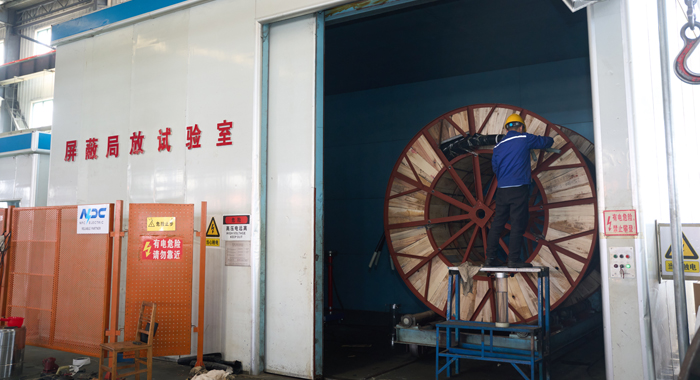
Finished Product
The finished GYXTW Fiber Optic Cable undergoes comprehensive testing to IEC 60794 standards. Routine tests include optical attenuation, return loss, and fiber continuity. Mechanical tests cover tensile strength, crush resistance, impact, and bending radius. Environmental tests include water penetration, temperature cycling, and UV aging. The process steps include sample preparation, gradual load application, timed environmental exposure, post-test optical and mechanical re-measurement, and detailed visual inspection. Additional checks cover sheath marking durability and armoring integrity. Only cables passing all criteria are approved, confirming the GYXTW Fiber Optic Cable’s superior optical performance, mechanical robustness, and suitability for duct, aerial, and direct burial installations.
Application
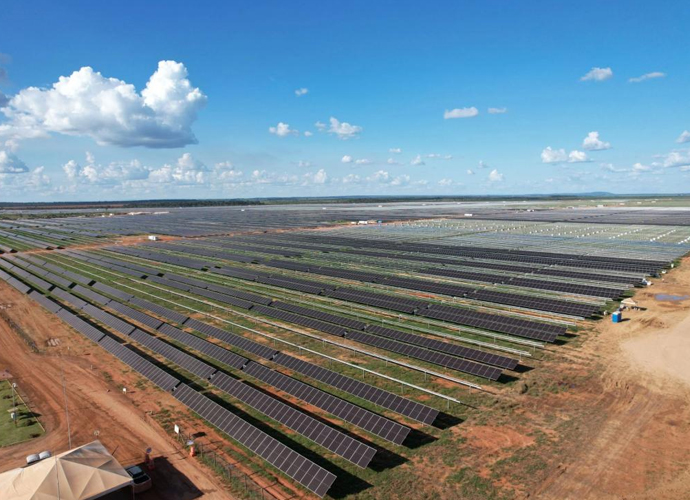
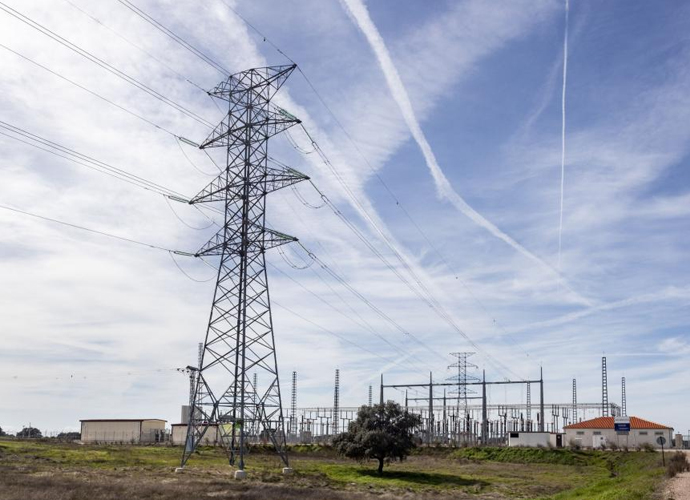
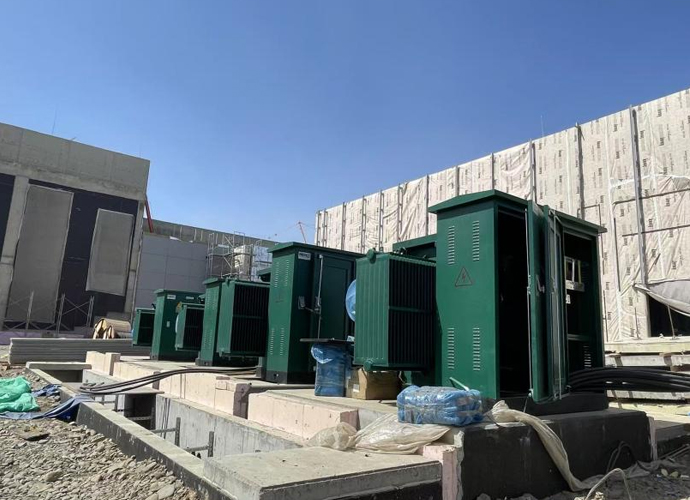
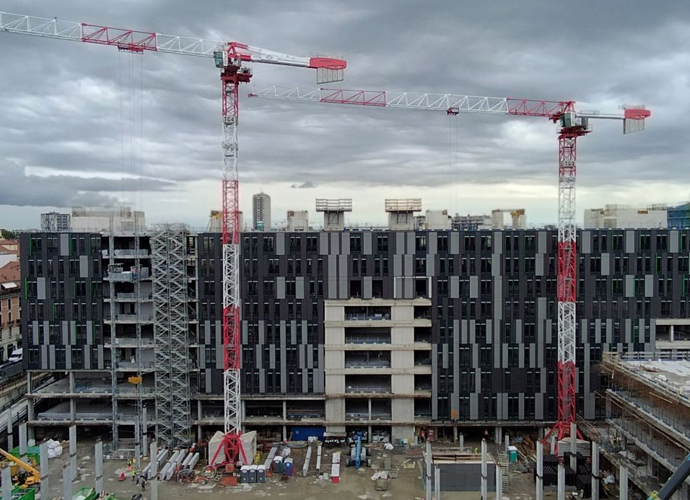
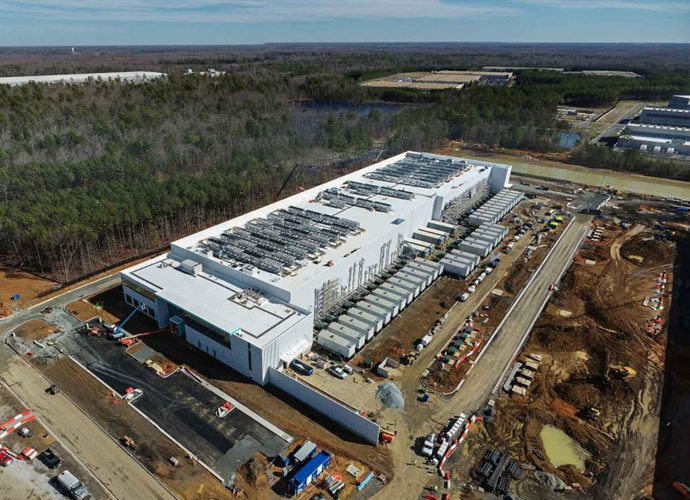
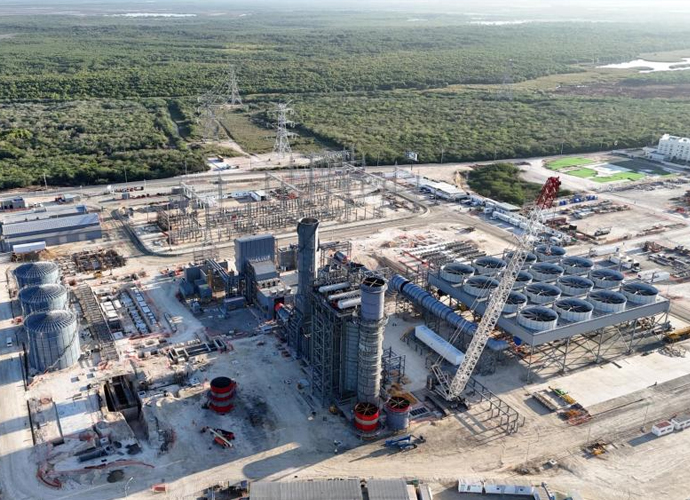
GYXTW Fiber Optic Cable is ideal for duct, aerial, and direct burial installations in backbone networks, metropolitan areas, railways, highways, and infrastructure projects requiring reliable, mechanically protected fiber connectivity.

Technical Advantages
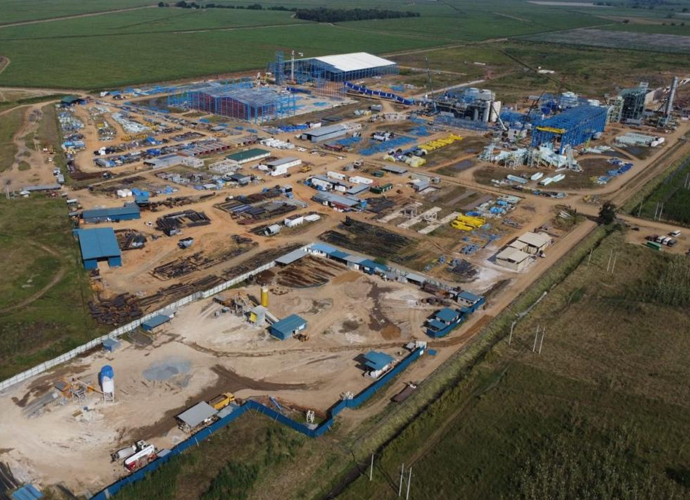
● 30+ years of manufacturing experience
● ISO and UL certified production
● Customized cable and transformer solutions
Product Packaging
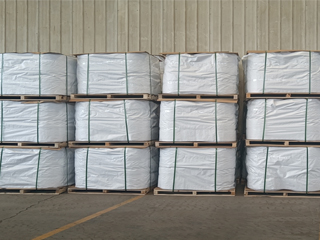
Wires and Cables packaging (1)
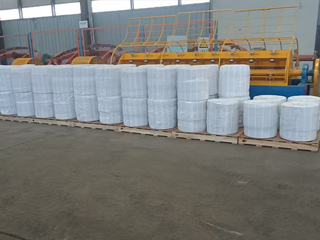
Wires and Cables packaging (2)
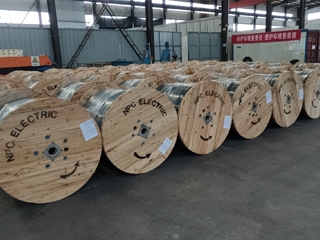
Wires and Cables packaging (3)
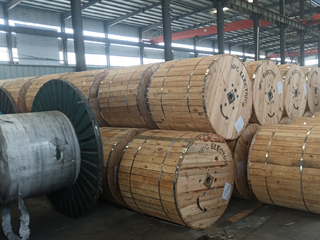
Wires and Cables packaging (4)
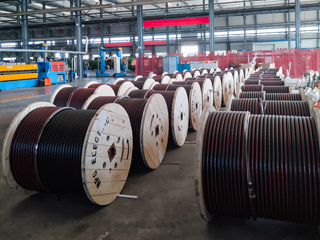
Wires and Cables packaging (5)
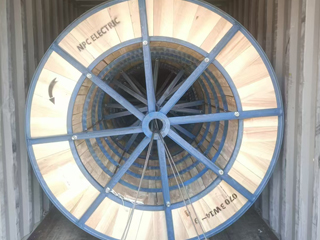
Wires and Cables packaging (6)
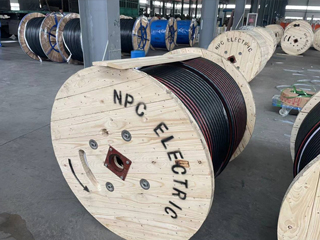
Wires and Cables packaging (7)
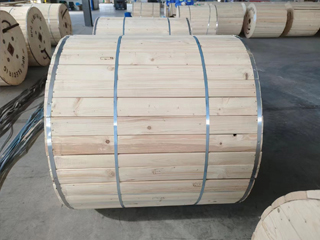
Wires and Cables packaging (8)
Related Products
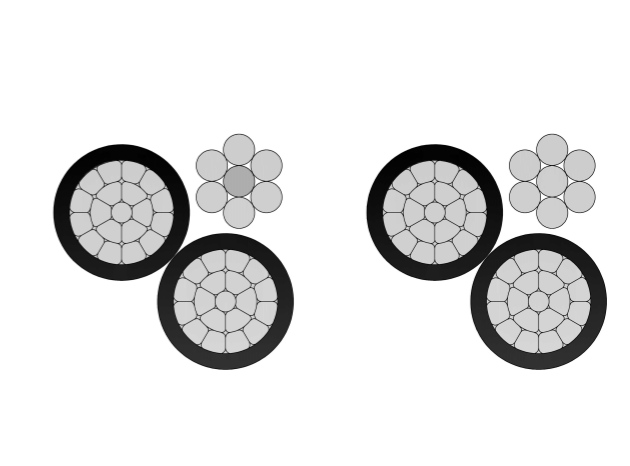
4 Barnacles Aluminum Conductor Triplex Overhead Service Drop Cable
The 4 Barnacles Aluminum Conductor Triplex Overhead Service Drop Cable is designed for reliable overhead electrical service connections in residential and light commercial utility distribution systems. The cable structure includes two insulated aluminum phase conductors twisted around a bare aluminum neutral messenger, providing stable electrical transmission and dependable mechanical support. Manufactured using high-quality aluminum and durable weather-resistant insulation compounds, the 4 Barnacles Aluminum Conductor Triplex Overhead Service Drop Cable offers low electrical resistance, strong corrosion resistance, and long service life in outdoor environments. Its optimized conductor construction allows efficient installation while maintaining adequate tensile strength for aerial applications. The cable is engineered to perform reliably under UV exposure, wind loading, and temperature variation. Comprehensive quality management systems and standardized testing procedures are implemented throughout production to ensure compliance with utility and industry standards and to deliver consistent, dependable performance in service.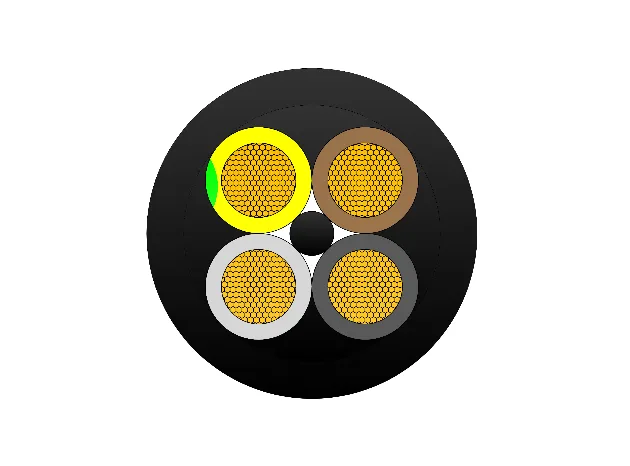
H07RN-F AD8 EN 50525-2-21 Flexible Rubber Cable
The H07RN-F AD8 EN 50525-2-21 Flexible Rubber Cable is a versatile, heavy-duty flexible cable designed for demanding applications in harsh environments. It features fine-stranded class 5 bare copper conductors for excellent flexibility and conductivity, EPR (ethylene propylene rubber) core insulation for high dielectric strength and thermal resistance (90°C continuous, 250°C short-circuit), an overall tinned copper braid screen (optional for some variants), and a robust polychloroprene (neoprene) outer sheath providing superior oil resistance, flame retardancy (IEC 60332-1), abrasion/chemical resistance, and weatherproofing. The AD8 rating ensures submersible performance up to 10 meters depth for continuous use in wet or underwater conditions. Compliant with EN 50525-2-21 and VDE 0285 standards, it offers mechanical robustness, ozone resistance, and long service life. The H07RN-F AD8 is ideal for mobile equipment, construction sites, mining, marine applications, and industrial power supply where flexibility, water immersion, and safety are critical.
2/0 Cavolinia Aluminum Conductor Triplex Overhead Service Drop Cable
The 2/0 Cavolinia Triplex Service Drop Cable is a reliable overhead cable for secondary power distribution to residential service entrances. Featuring two 2/0 AWG aluminum phase conductors and one neutral messenger (7-strand) insulated with XLPE or PE and assembled in triplex configuration, it provides excellent mechanical strength and weather resistance. Compliant with ASTM B-230, B-231, ICEA S-76-474, and ANSI/ICEA standards, this cable supports 600V applications with high UV, moisture, and abrasion protection. The self-supporting messenger reduces sag and simplifies installation over medium spans. The 2/0 Cavolinia Triplex Service Drop Cable ensures low power losses, high current capacity, and long service life in harsh outdoor conditions. Lightweight and flexible, it is widely used for two-phase service drops with neutral in urban, suburban, and rural areas requiring safe, cost-effective aerial connections from utility poles to homes.SSCHOU-mining-cable.webp)
(N)SSCHOU-J 0.6/1kV Mining Cable
The (N)SSCHOU-J 0.6/1kV cable is a flexible, rubber-insulated low voltage power cable designed in accordance with VDE 0250 standards. It is engineered for underground mining, tunneling, and heavy-duty industrial applications where flame retardancy, oil resistance, EMC protection, and mechanical durability are critical. With tinned copper conductors, robust rubber insulation, and a tinned copper wire braid (TCWB) screen for electromagnetic compatibility, this cable offers high electrical safety and mechanical reliability. It is suitable for dry, damp, wet, and hazardous environments, both indoors and outdoors, and can be permanently submerged in water up to 100 meters. Ideal for frequency converter drives and installations requiring superior shielding and long service life.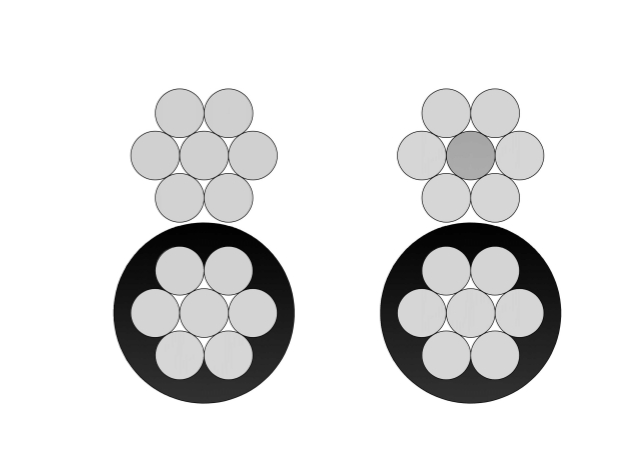
6 Setter Aluminum Conductor Duplex Overhead Service Drop Cable
6 Setter Aluminum Conductor Duplex Overhead Service Drop Cable is designed for reliable secondary overhead power delivery from utility distribution lines to residential and light commercial service entrances. The duplex construction consists of two stranded aluminum conductors, typically functioning as a phase conductor and a neutral messenger, providing both electrical transmission and mechanical support. The No. 6 Setter conductor size offers balanced current-carrying capability, controlled sag, and adequate tensile strength for short-span service drop installations. Aluminum construction ensures reduced weight, excellent corrosion resistance, and ease of handling during installation in outdoor environments. Manufactured in compliance with ASTM standards and utility specifications, the 6 Setter Aluminum Conductor Duplex Overhead Service Drop Cable features uniform stranding, stable electrical performance, and long-term durability. It is widely used by utilities and electrical contractors seeking a cost-effective, dependable solution for overhead service drop applications.
1/0 Sandcrab Aluminum Conductor Triplex Overhead Service Drop Cable
NPC Electric 1/0 Sandcrab Triplex Service Drop Cable provides reliable overhead secondary distribution for residential applications. Consisting of two 1/0 AWG aluminum phase conductors and one neutral messenger (7-strand) insulated with cross-linked polyethylene (XLPE) and twisted in triplex form, it meets ASTM, ICEA, and international standards. The robust insulation resists sunlight, moisture, and mechanical damage for decades of outdoor service. Lightweight design simplifies installation with low sag and easy handling. The 1/0 Sandcrab Triplex Service Drop Cable ensures minimal losses, high current capacity, and excellent weather performance up to 600V. Self-supporting messenger reduces pole loading. Flame-retardant options enhance safety. Commonly chosen for two-phase power delivery with neutral in subdivisions, rural homes, and temporary connections requiring safe, economical aerial bundled solutions with proven durability.FAQ From Customers
-
What are the advantages of power cables and overhead lines?(1) Reliable operation, because it is installed in a hidden place such as underground, it is less damaged by external forces, has less chance of failure, and the power supply is safe, and it will not cause harm to people; (2) The maintenance workload is small and frequent inspections are not required; (3) No need to erect towers; (4) Help improve power factor.
-
Which aspects should be considered when choosing the cross section of a power cable?(1) The long-term allowable working current of the cable; (2) Thermal stability once short circuited; (3) The voltage drop on the line cannot exceed the allowable working range.
-
What are the measures for cable fire prevention?(1) Use flame-retardant cables; (2) Use fireproof cable tray; (3) Use fireproof paint; (4) Fire partition walls and fire baffles are installed at cable tunnels, mezzanine exits, etc.; (5) Overhead cables should avoid oil pipelines and explosion-proof doors, otherwise local pipes or heat insulation and fire prevention measures should be taken.
-
What should be paid attention to during the transportation and handling of cables?(1) During transportation, loading and unloading, cables and cable reels should not be damaged. It is strictly forbidden to push the cable reels directly from the vehicle. Generally, cables should not be transported and stored flat. (2) Before transporting or rolling the cable reel, ensure that the cable reel is firm, the cable is wound tightly, the oil pipe between the oil-filled cable and the pressure oil tank should be fixed without damage, the pressure oil tank should be firm, and the pressure indication should meet the requirements.
-
What inspections should be carried out for the acceptance of cable lines?(1) The cable specifications should meet the regulations, the arrangement should be neat, no damage, and the signs should be complete, correct and clear; (2) The fixed bending radius of the cable, the related distance and the wiring of the metal sheath of the single-core power cable should meet the requirements; (3) The cable terminal and the middle head should not leak oil, and the installation should be firm. The oil pressure of the oil-filled cable and the meter setting should meet the requirements; (4) Good grounding; (5) The color of the cable terminal is correct, and the metal parts such as the bracket are completely painted; (6) There should be no debris in the cable trench, tunnel, and bridge, and the cover should be complete.
Welcome your inquiry
Honesty, Integrity, Frugality, Activeness and Passion