
What is a Power Transformer? Definition, Types, and Working Explained
2025-10-10
In modern electrical power systems, the reliable transfer of energy is crucial for industries, households, and infrastructure. One of the most important devices enabling this process is the power transformer. Transformers are designed to transfer electrical energy between circuits through electromagnetic induction, making them essential for power transmission and distribution of electrical energy.
Definition of a Power Transformer
A power transformer is a static electrical device that transfers electrical energy from one circuit to another using electromagnetic induction. It operates at constant frequency and is commonly used to step up primary voltage to higher voltage levels for transmission lines, or to step down voltage for distribution to consumers.
Key points about power transformers:
- They do not generate power but transfer it efficiently.
- They are designed for high efficiency under full-load conditions.
- They are mainly used in the transmission and distribution of electrical power.
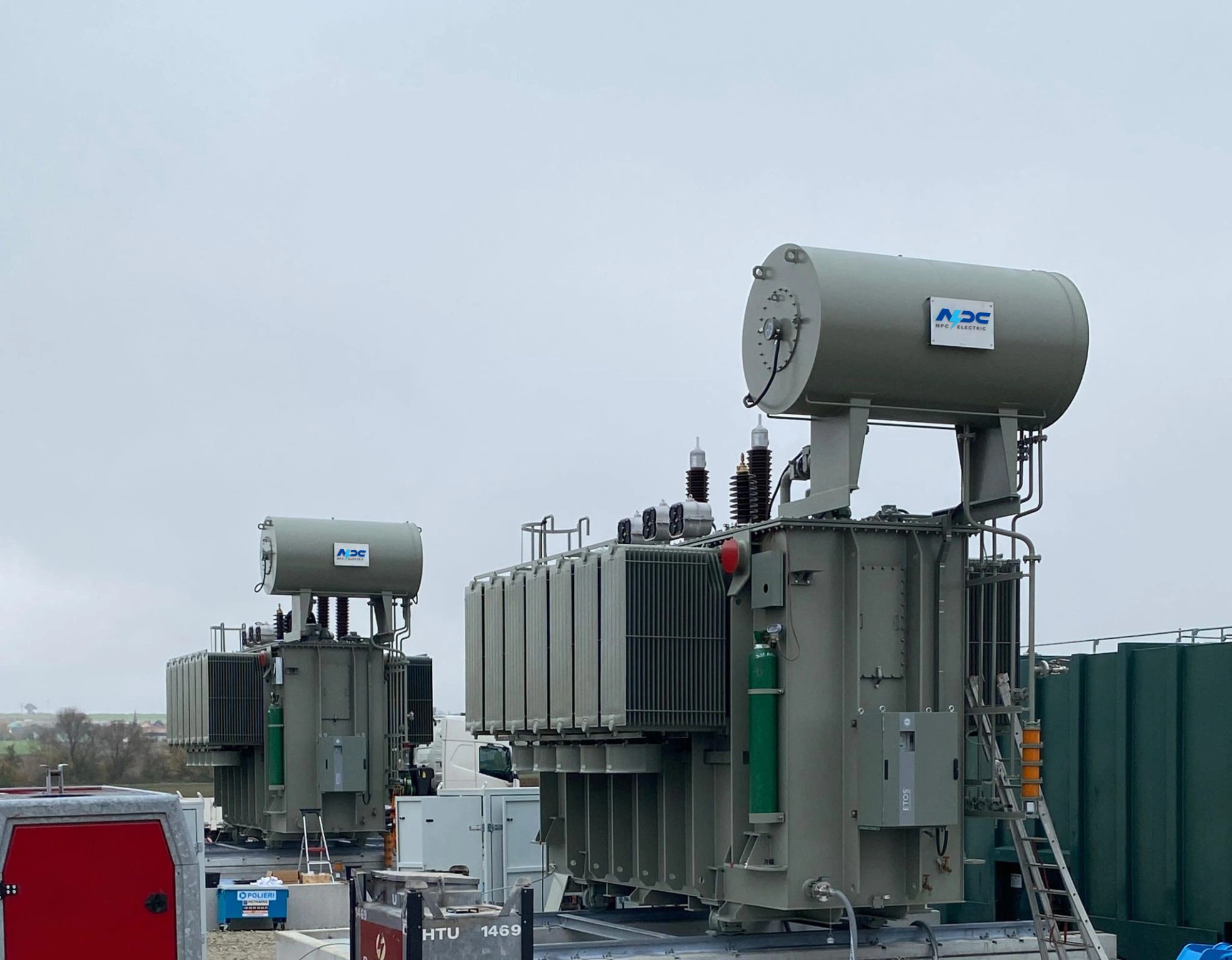
Working Principle of Power Transformers
The working of a power transformer is based on Faraday’s Law of Electromagnetic Induction:
- When an alternating current flows through the primary winding, it creates a magnetic flux in the transformer core.
- This flux links to the secondary winding and induces a voltage proportional to the turns ratio.
- Depending on design, the transformer can increase (step up transformer) or reduce (step down transformer) the voltage level while keeping power (ideally) constant.
Example from Real Applications
- In power transmission, generators produce electricity at around 11–25 kV. Using a step-up transformer, this voltage is raised to hundreds of kilovolts (high voltages like 220 kV, 400 kV, or 765 kV). This reduces current and minimizes losses over long transmission lines.
- Before electricity reaches homes and industries, step-down transformers reduce the voltage to safer usable levels, such as 230V or 120V.
Types of Power Transformers
1. Based on Function
- Step Up Transformer: Increases voltage for long-distance transmission.
- Step Down Transformer: Reduces high voltages to levels suitable for distribution and consumption.
2. Based on Construction
- Core Type Transformer – windings around two limbs of the core.
- Shell Type Transformer – windings surrounded by the core, offering better leakage flux control.
3. Based on Application
- Transmission Transformers: Used in substations to handle higher voltage for long-distance power transmission.
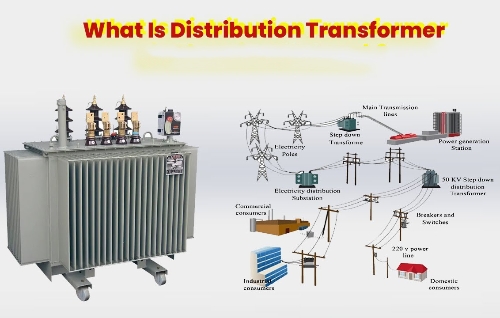
- Distribution Transformers: Deliver electricity to end users at lower voltages.
Applications of Power Transformers in Electrical Power Systems
Power transformers are indispensable in the transmission and distribution of electrical power. Some common applications include:
- Generating Stations – Step up voltage from generators for efficient transmission.
- Transmission Lines – Maintain high voltages across long distances with minimal losses.
- Substations – Step down voltage for regional or local distribution.
- Industrial Use – Provide suitable voltages for heavy electrical machinery.
- Urban and Rural Distribution – Step down to 230V/120V for residential and commercial usage.
Importance of Power Transformers
- Enable long-distance transmission of power at high efficiency.
- Reduce power losses in electrical power systems.
- Provide safe, usable voltage for consumers.
- Ensure reliable operation of industries, hospitals, data centers, and infrastructure.
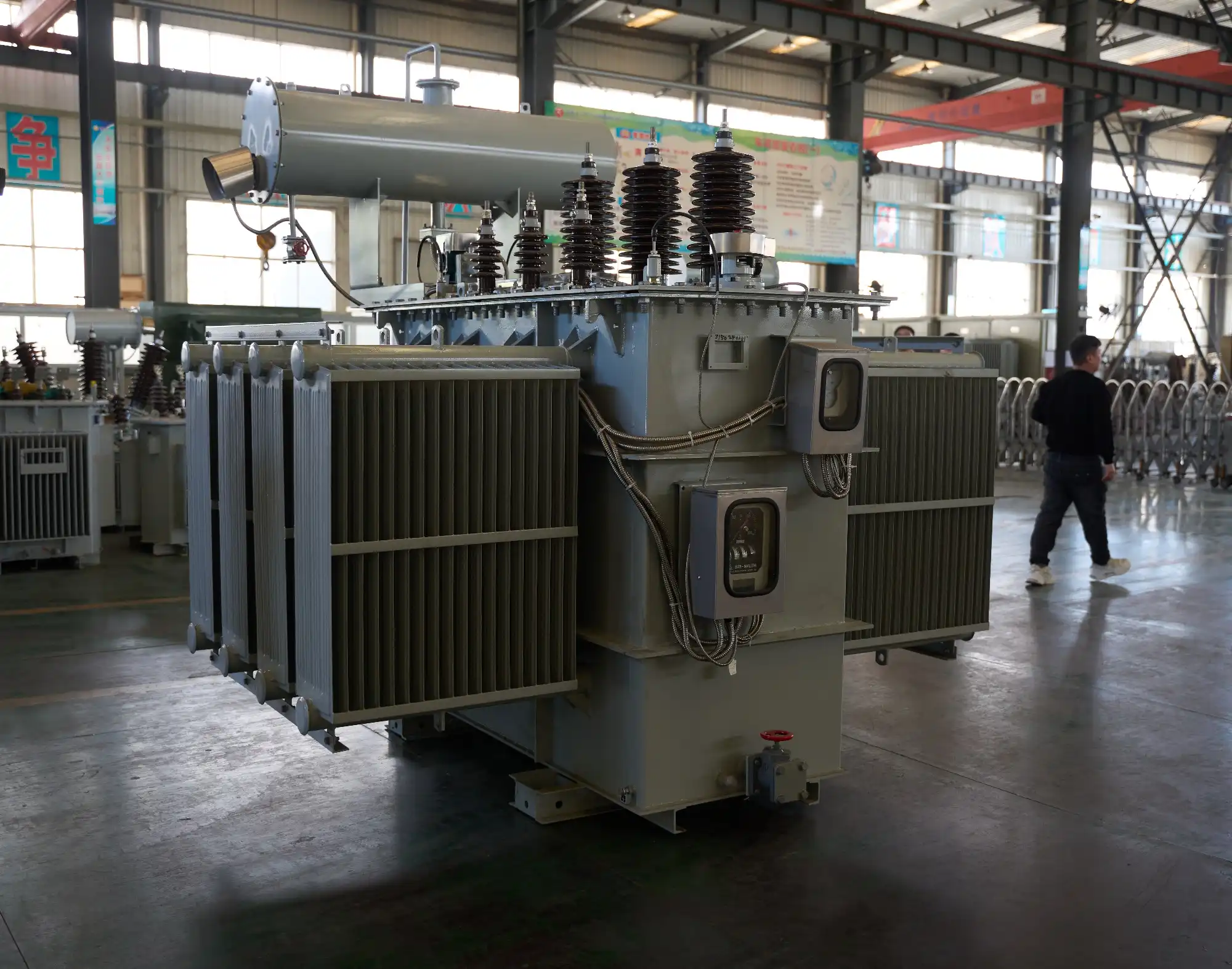
A power transformer is a critical component of modern electrical power systems, allowing electricity to be efficiently transmitted at higher voltages and safely delivered to end users. By stepping voltage up or down as required, power transformers make large-scale transmission and distribution of electrical energy possible, powering everything from factories to homes.
In real-world applications, without power transformers, the reliable supply of electricity across vast distances would be nearly impossible.

Related Articles
Related Products
Indoor Box-Type Fixed Metal-Enclosed Switchgear
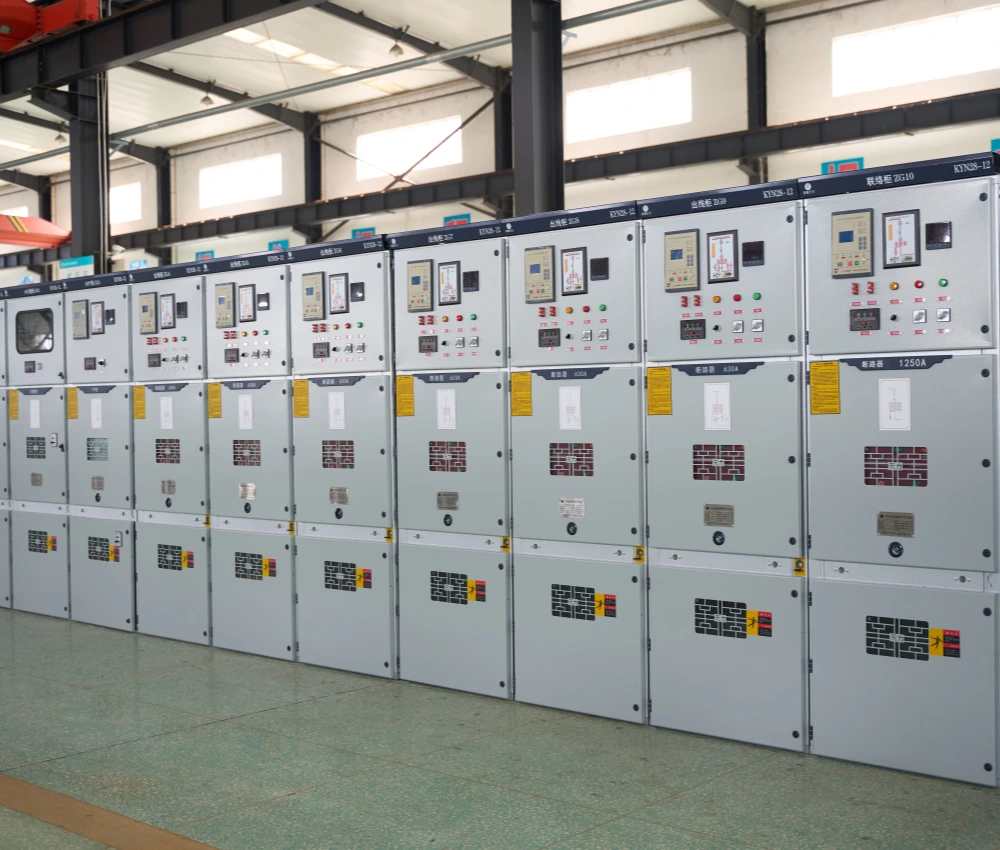
The Indoor Box-Type Fixed Metal-Enclosed Switchgear is a high-performance medium-voltage electrical distribution and protection system specifically engineered for industrial facilities, utility substations, commercial infrastructure, renewable energy projects, and intelligent power distribution networks. The switchgear adopts a fully enclosed metal-clad structure integrating vacuum circuit breakers, disconnect switches, protection relays, current transformers, voltage transformers, and intelligent control systems within a compact fixed cabinet configuration. This design provides reliable medium-voltage power distribution while significantly improving operational safety and equipment stability. Designed according to international medium-voltage distribution standards, the indoor box-type switchgear delivers outstanding insulation performance, mechanical durability, and thermal stability under continuous operating conditions. The compartmentalized cabinet structure effectively separates busbar chambers, breaker compartments, cable chambers, and low-voltage control sections to reduce electrical fault propagation risks and simplify maintenance procedures. The fixed structure design improves installation stability and ensures dependable long-term operational performance for mission-critical electrical systems. The Indoor Box-Type Fixed Metal-Enclosed Switchgear supports intelligent monitoring systems, digital protection devices, remote communication interfaces, and smart-grid automation technologies for modern electrical distribution environments. With flexible configuration capabilities and scalable electrical protection architectures, the switchgear provides stable medium-voltage switching, fault isolation, and electrical control performance for industrial automation systems, utility networks, transportation infrastructure, and commercial power systems.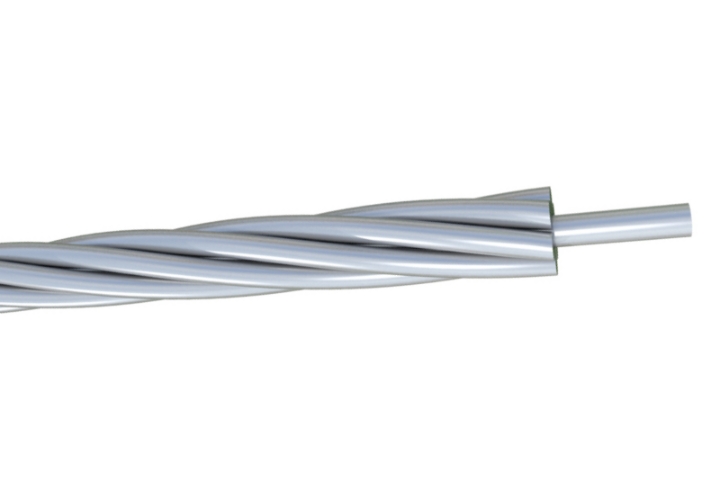
High Quality 20 Gauge Galvanized Steel Conductor Wire Supplier
The 20 Gauge Galvanized Steel Conductor Wire is designed for applications requiring flexibility, precision, and corrosion resistance. Manufactured from premium steel and coated with a durable zinc layer through hot-dip galvanization, it provides long-lasting protection against environmental damage. Its thin 20 gauge diameter allows for easy bending and shaping, making it ideal for crafts, packaging, binding, and light industrial applications. The wire offers sufficient tensile strength while maintaining excellent flexibility. The consistent zinc coating enhances durability and minimizes maintenance, especially in outdoor environments. The smooth surface ensures safe handling and efficient installation. Produced under strict quality control standards, the 20 Gauge Galvanized Steel Conductor Wire ensures uniform diameter and coating thickness. It meets international standards and can be customized to suit different application needs, making it a reliable and economical choice.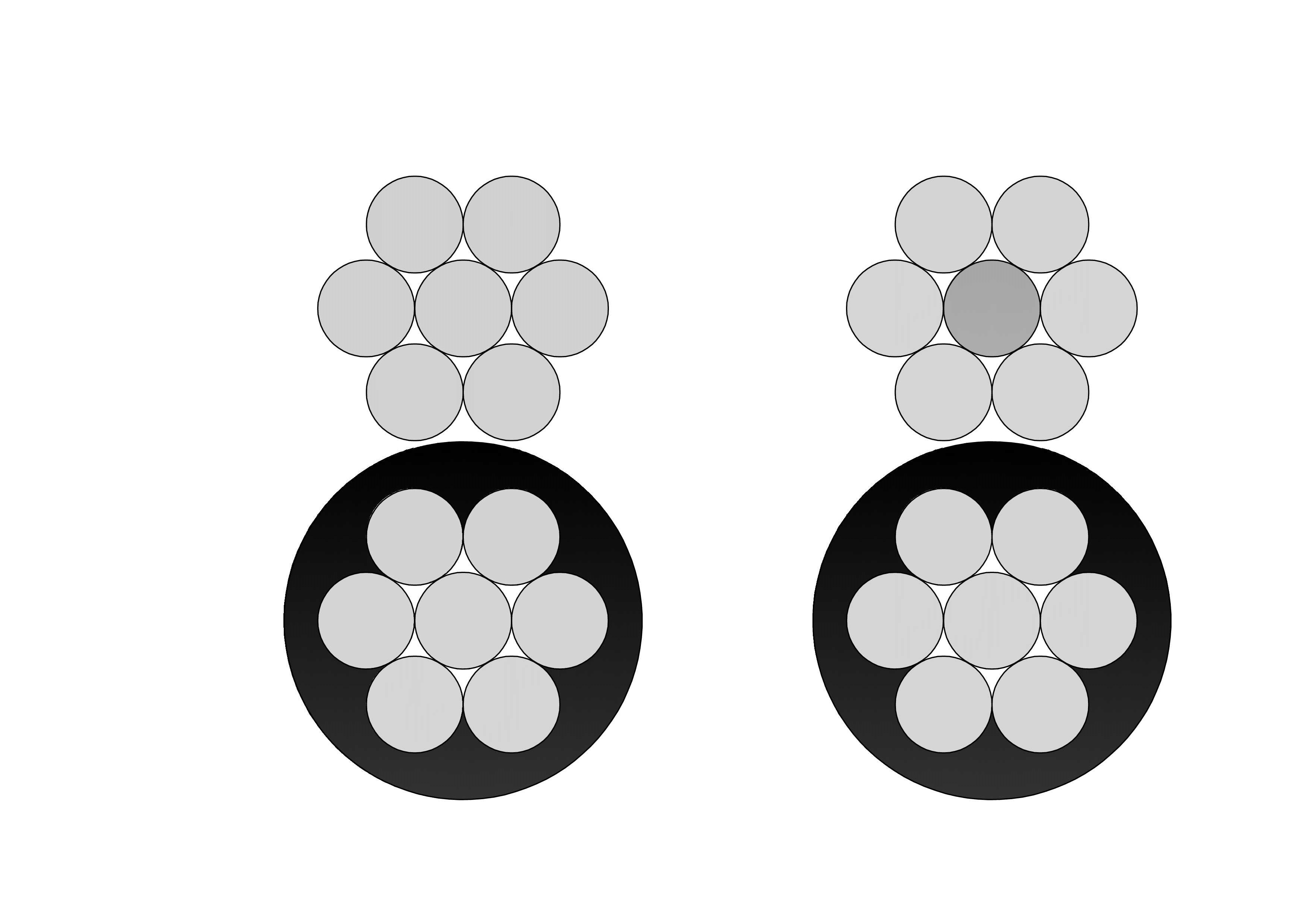
4 Spaniel Aluminum Conductor Duplex Overhead Service Drop Cable
Introducing the 4 Spaniel Duplex Service Drop Cable, a versatile overhead solution for low-voltage secondary distribution. Built with two 4 AWG aluminum conductors (7-strand) insulated with polyethylene or XLPE and formed into a duplex assembly, it meets ASTM and ICEA requirements for 600V service. The tough insulation offers outstanding protection against UV rays, moisture, tree contact, and abrasion. Compact duplex design provides self-support and easy pulling during installation. The 4 Spaniel Duplex Service Drop Cable supports efficient power transfer with low voltage drop and high durability in extreme temperatures. Popular for its lightweight construction and reduced installation time, it is the go-to choice for electricians and utilities. Widely deployed in housing developments, farm services, and temporary power setups, this cable ensures safe, long-lasting overhead connections from distribution transformers to customer service entrances worldwide.
10 Gauge Galvanized Steel Conductor Wire
The 10 Gauge Galvanized Steel Conductor Wire is a premium high-strength bare steel wire designed for reliable overhead power line applications. Manufactured with heavy hot-dip zinc coating, this 10 AWG galvanized conductor delivers superior corrosion resistance and long service life in harsh outdoor environments. It offers excellent tensile strength and mechanical performance, making it ideal for use as overhead ground wire (static wire), guy wire, or messenger wire. Fully compliant with ASTM A475 and related utility standards, the 10 Gauge Galvanized Steel Conductor Wire undergoes rigorous testing from raw materials to finished product to ensure uniform zinc adhesion, consistent diameter, and high breaking strength. Its durable construction minimizes maintenance while providing dependable shielding and structural support for transmission and distribution systems.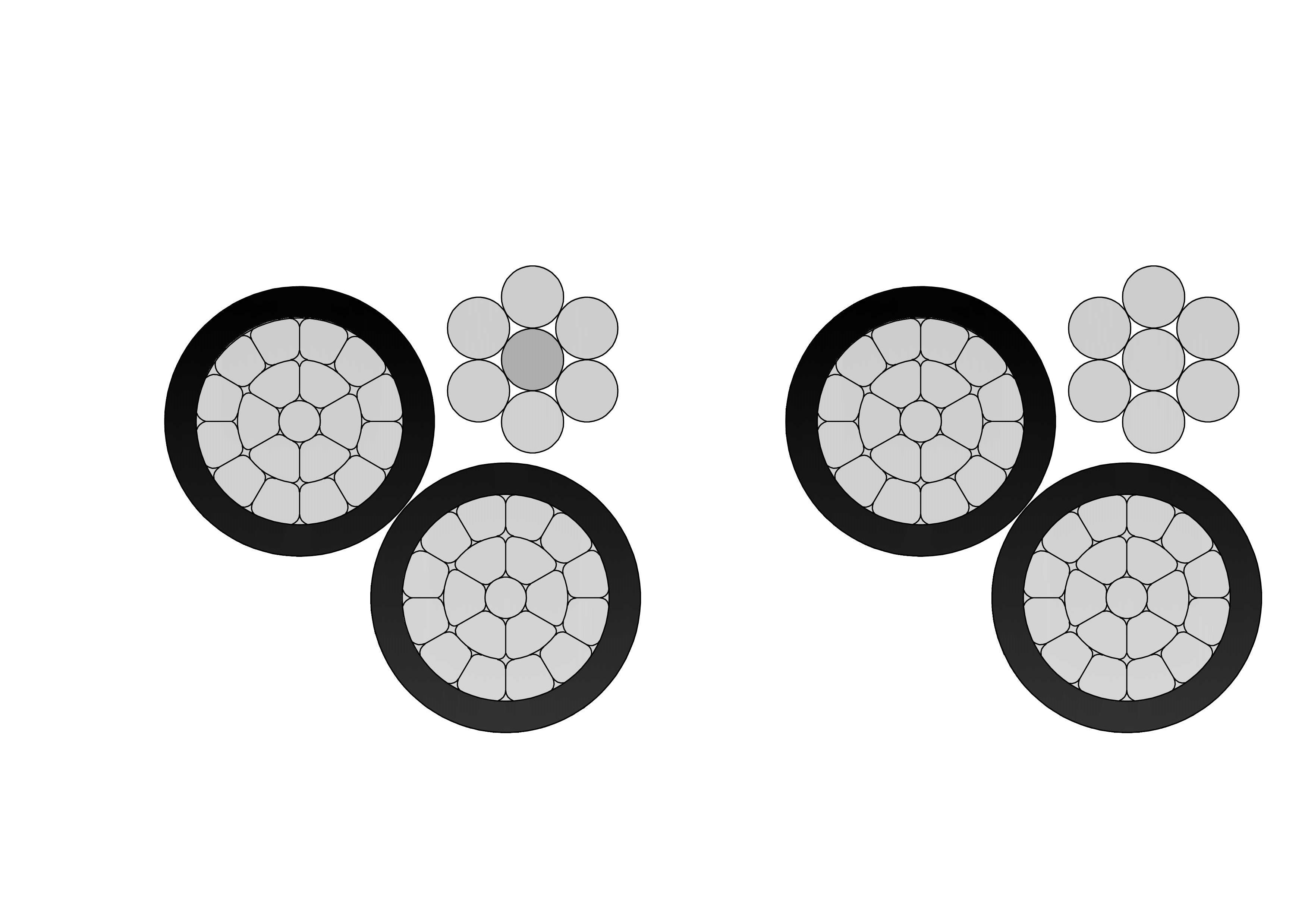
4 Scallop Aluminum Conductor Triplex Overhead Service Drop Cable
The 4 Scallop Triplex Aluminum Overhead Service Drop Cable is engineered for reliable utility power delivery from pole-mounted transformers to service entrances in residential, commercial, and temporary construction setups. It consists of two insulated phase conductors and a bare AAC (All-Aluminum Conductor) messenger that functions as both a neutral and mechanical support. Optimized for overhead single-phase service drops, it operates at voltages up to 600V and uses black cross-linked polyethylene (XLP) insulation to ensure long-lasting resistance to UV rays, moisture, and abrasion. This triplex configuration ensures excellent mechanical strength, reduced sag, and UV/weather resistance. Rated for 600V phase-to-phase and conductor temperatures up to 90°C (XLPE), it offers ampacity of 115A. Compliant with ASTM B-230, B-231, and ICEA S-76-474 standards, the 4 Scallop cable provides lightweight, corrosion-resistant performance ideal for long-term reliability in demanding aerial installations.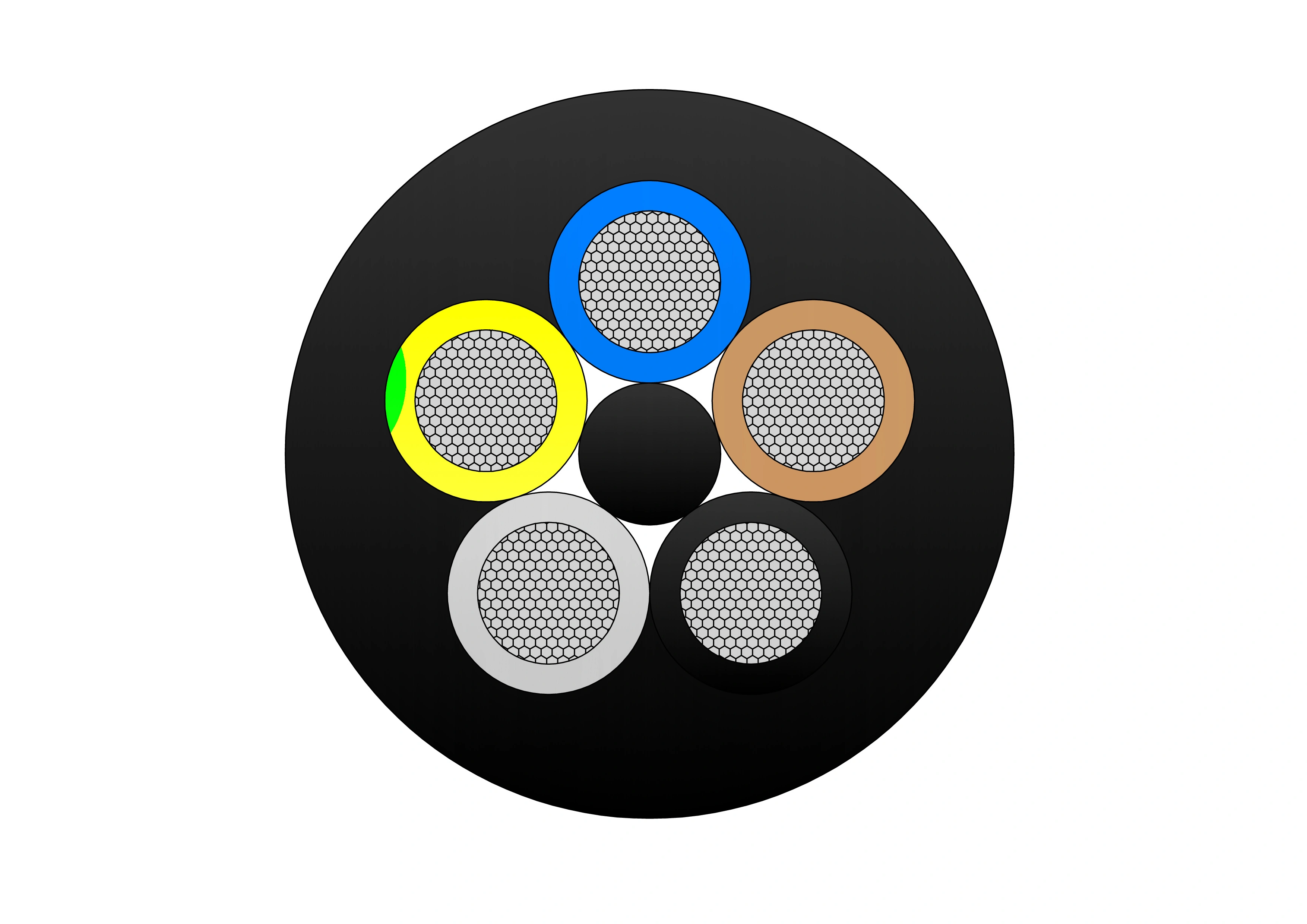
NTSCGEWOU 3.6/6kV, 6/10kV, 8.7/15kV, 12/20kV Cable
The NTSCGEWOU 3.6/6kV, 6/10kV, 8.7/15kV, 12/20kV Cable is a high-performance flexible medium-voltage trailing/reeling cable engineered for extreme mining and tunneling conditions. It comprises class 5 finely stranded tinned copper phase conductors for superior flexibility and corrosion resistance, semi-conductive conductor and insulation screens for field control, EPR insulation for excellent dielectric strength and 90°C continuous operation, copper wire braid screen for EMI protection and grounding, control conductors, monitoring conductor (ÜL), and a durable rubber outer sheath resistant to oil, flame, abrasion, tearing, and mechanical stress. Compliant with DIN VDE 0250, it handles high tensile loads, fast reeling speeds, tight bending radii, and effective EMC shielding across all voltage levels. The NTSCGEWOU delivers safe, reliable MV power to mobile equipment such as shearers, tunnel boring machines, draglines, and conveyors in harsh underground and opencast environments, minimizing downtime and ensuring long-term operational efficiency.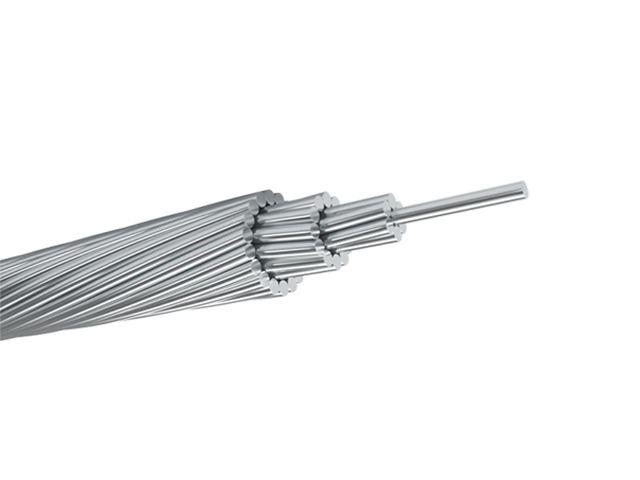
ALLIANCE AAAC Conductor Cable
ALLIANCE AAAC (All Aluminum Alloy Conductor) cables are manufactured in strict compliance with international standards such as ASTM B399, IEC 61089, and BS EN 50182, making them a high-performance and reliable overhead power transmission and distribution solution. Meeting ASTM B398, B399, IEC 61089, and BS EN 50182 standards, this cable handles ampacity up to 350A at 75°C and voltages up to 33kV. The all-alloy construction avoids bimetallic corrosion, providing better resistance in harsh conditions than ACSR. Reduced weight minimizes sag and installation expenses, supporting longer spans. The Alliance AAAC Conductor Cable delivers low electrical losses, high mechanical endurance, and excellent weather tolerance. Flame-retardant variants available. Perfect for urban grids, renewable projects, and coastal setups, it provides cost-effective, low-maintenance power delivery in overhead applications globally, excelling in reliability and lifespan over conventional conductors.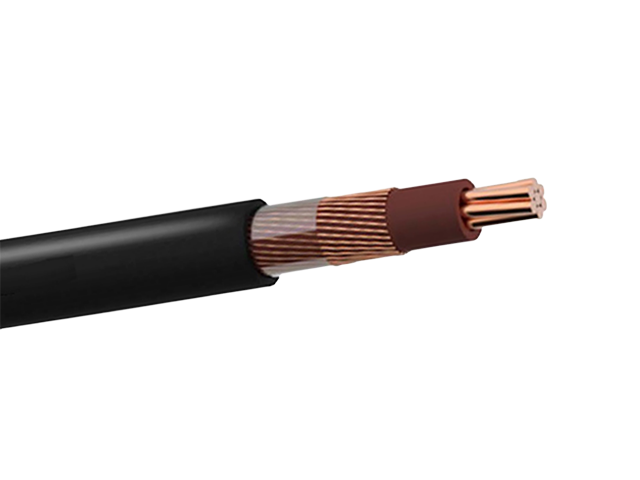
AA8000 Aluminum Alloy Round Concentric LV Cable
Engineered for modern low-voltage applications, the 8000 Aluminum Alloy Concentric Round LV Cable utilizes advanced AA-8000 series aluminum alloy conductors for enhanced flexibility and mechanical strength. The round concentric design, featuring phase conductors surrounded by a neutral layer, provides balanced electrical performance and easy pulling through conduits. XLPE insulation ensures excellent thermal and electrical properties with sunlight and moisture resistance. Rated for 600V/1000V service, this cable is perfect for residential and commercial service entrance from the transformer to the meter panel. Compliant with UL 854 and ASTM standards, the 8000 Aluminum Alloy Concentric Round LV Cable undergoes extensive quality testing to guarantee consistent performance, low resistance, and long-term reliability in wet, dry, or buried environments.
1250kVA Dry Type Transformer
NPC ELECTRIC 1250kVA Dry-Type Transformer delivers reliable, oil-free power distribution with a compact and efficient design. Featuring advanced insulation and cooling systems, it ensures safe, low-maintenance operation, making it ideal for industrial and commercial applications. It provides environmentally friendly, cost-effective performance with a 1250kVA capacity. Compliant with DOE amended energy conservation standards (finalized April 2024, mandatory compliance from April 23, 2029, with a 20% reduction in losses for three-phase low-voltage dry-type units), ANSI/IEEE C57.12.01, NEMA ST-20, UL 1561, and CSA requirements, this low-voltage (≤600V) transformer provides outstanding efficiency, minimized thermal losses, significant energy savings, and enhanced fire safety without insulating fluids.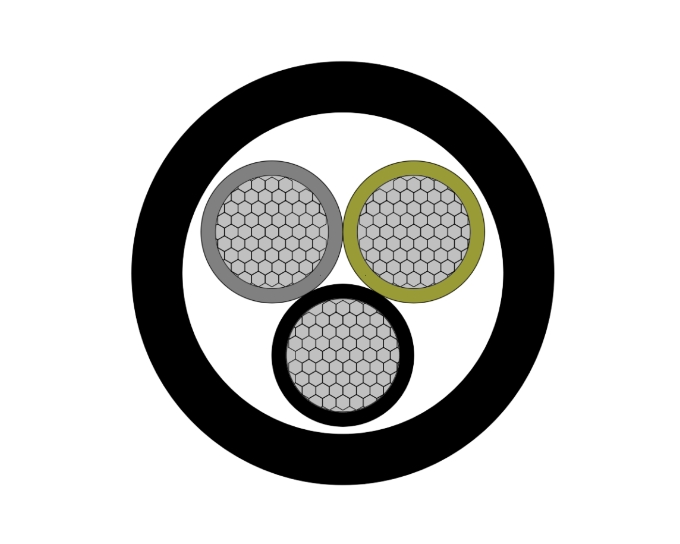
NA2XH Cables
NA2XH Cables is a low-voltage, halogen-free power cable with an aluminum conductor, XLPE (cross-linked polyethylene) insulation, and an LSZH (Low Smoke Zero Halogen) outer sheath. It is designed according to IEC 60502-1 and rated for 3.6kV applications. Lightweight aluminum reduces installation and material costs while maintaining excellent electrical performance and thermal stability. Resistant to moisture and mechanical stress, NA2XH Cables are suitable for indoor, outdoor, and direct burial applications.3GHSSHCH-mining-cable-2.webp)
(N)3GHSSHCH Mining Cable
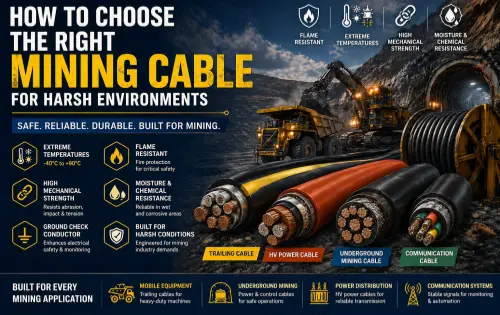
The (N)3GHSSHCH 3.6/6kV and 6/10kV medium voltage flexible mining cable is engineered for demanding industrial environments such as underground mining, tunneling, and heavy-duty mobile equipment. Featuring EPR rubber insulation, halogen-free LSZH sheath, and a copper wire braid screen, it offers superior mechanical strength, oil resistance, and flame retardancy. Its robust multi-layer construction includes semi-conductive layers, steel wire braid armour, and individual copper screening, ensuring reliable electrical performance and enhanced safety. With excellent flexibility, a wide operating temperature range (-40°C to +80°C fixed), and compliance with VDE, EN, and IEC standards, this cable guarantees long service life in the harshest conditions. Ideal for medium voltage power supply where safety, flexibility, and durability are critical.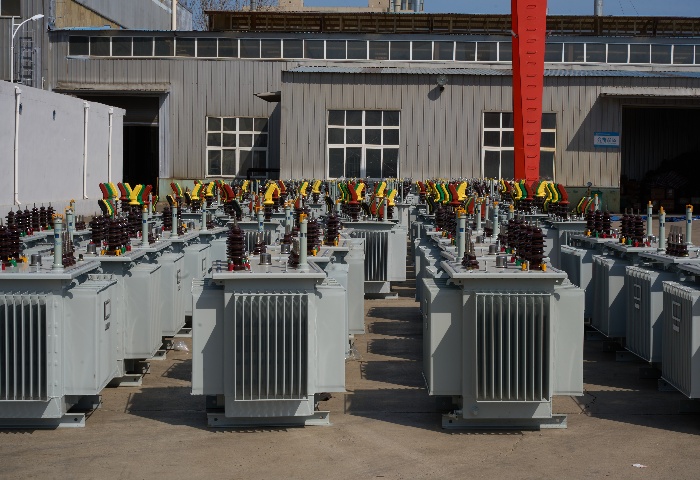
15KV Oil Immersed Substation Transformer
NPC ELECTRIC's 15kV Oil Immersed Substation Transformer is designed for medium-voltage substations that require dependable power transformation, high insulation reliability, and long-term operational stability. By adopting a mature oil-immersed insulation system, the transformer ensures excellent dielectric performance. This 15kV oil immersed substation transformer features a sealed tank structure that effectively protects internal components from moisture, dust, and external contamination. With low noise operation and reliable voltage regulation performance, the transformer is well suited for modern substations serving industrial, commercial, and infrastructure power distribution networks.
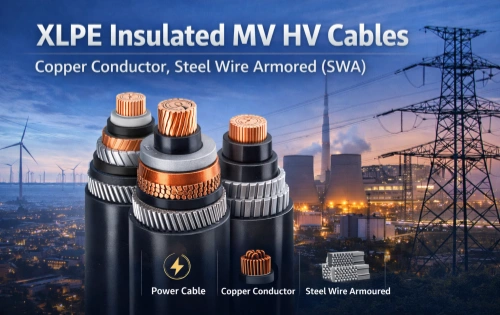
N2XS2Y Medium Voltage Power Cable(6/10kV, 12/20kV, 18/30kV)
N2XS2Y Medium Voltage Power Cable (6/10kV, 12/20kV, 18/30kV) is engineered for reliable medium voltage power transmission and distribution. Featuring stranded copper conductors, cross-linked polyethylene (XLPE) insulation, copper tape or wire screen, and robust polyethylene (PE) outer sheath, it fully complies with IEC 60502-2 standards. The PE sheath provides excellent resistance to moisture, UV, chemicals, and mechanical stress, ideal for direct burial. With low dielectric losses, high thermal stability, and superior partial discharge performance, it ensures efficient operation and long service life. Longitudinal and radial water blocking options available for enhanced protection. Flame-retardant and environmentally durable, the N2XS2Y Medium Voltage Power Cable is the preferred choice for utilities, industrial plants, renewable energy projects, and infrastructure networks requiring safe, high-performance medium voltage cabling in harsh underground or outdoor conditions worldwide.
500kVA Oil Immersed Transformer
The 500kVA Oil Immersed Transformer is a heavy-duty, three-phase, liquid-filled distribution transformer engineered for reliable outdoor pole or pad-mounted installations in utility substations, large commercial complexes, medium to heavy industrial facilities, data centers, and suburban/rural power distribution systems. Standard configuration includes mineral oil or FR3 natural ester fluid, ONAN cooling, aluminum or copper windings, high-voltage 34.5kV / 24.94kV / 13.8kV / 12.47kV / 4.16kV (delta or wye), low-voltage 480Y/277V, 208Y/120V, 600Y/347V or custom, ±2×2.5% HV taps, radial or loop-feed dead-front design.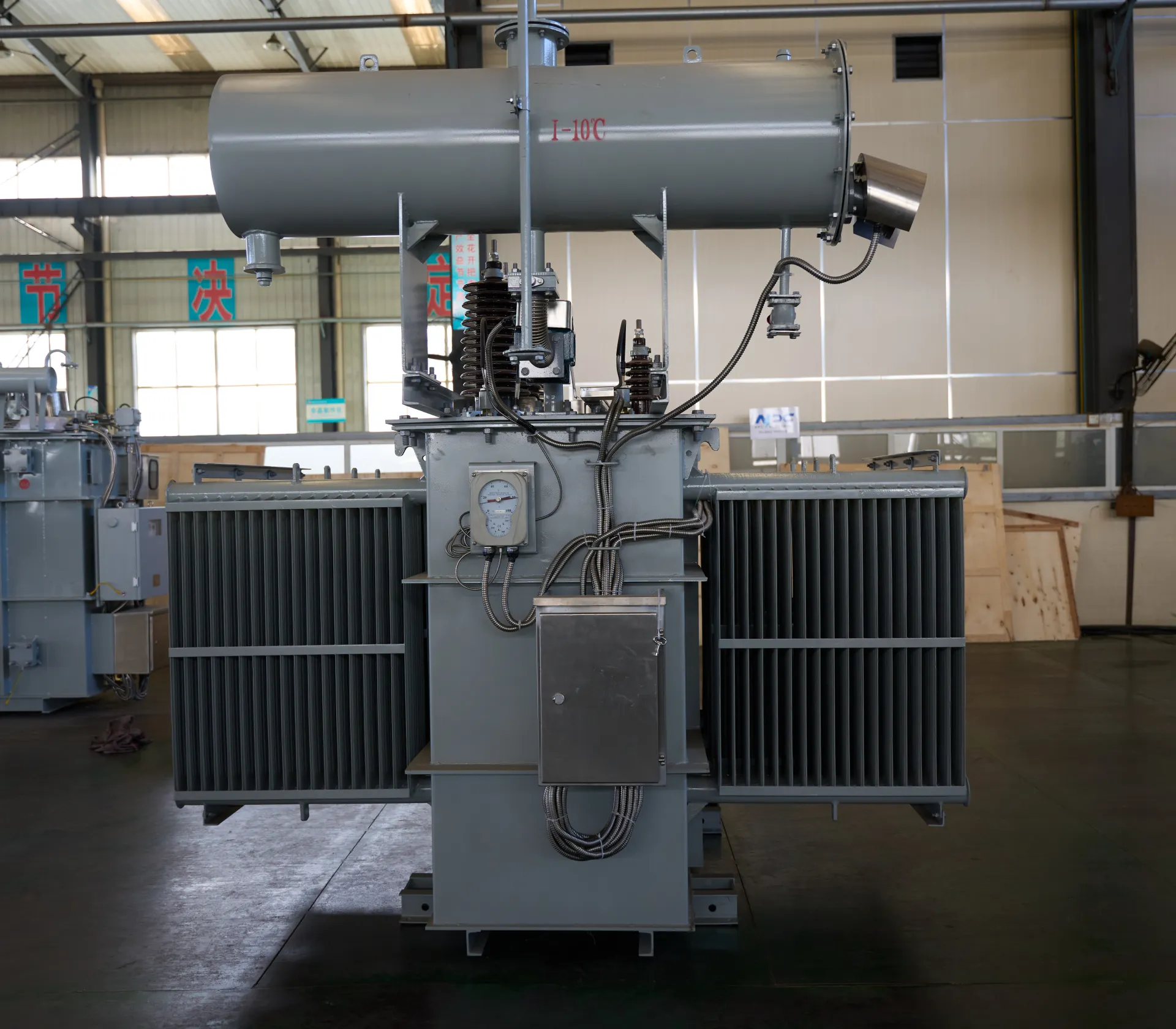
33/0.4kv 2000kVA Power Distribution Transformer
Experience superior power reliability with our 33/0.4kV 2000kVA Power Distribution Transformer, a cutting-edge solution designed for efficient medium-to-low voltage conversion in extensive electrical networks. This oil-immersed transformer incorporates high-permeability grain-oriented steel cores and optimized copper windings to deliver exceptional efficiency, low noise operation, and minimal energy losses even under full load conditions. The robust conservator-type tank filled with premium inhibited mineral oil ensures excellent cooling, high breakdown voltage, and protection against environmental factors. Engineered for long-term performance in challenging climates, it features anti-corrosion coatings, sealed bushings, and overload tolerance up to 150% for short durations. Fully compliant with IEC 60076, GB/T 1094, and other global standards, this 2000kVA distribution transformer supports sustainable energy infrastructure by reducing carbon footprint through enhanced efficiency and reliable power delivery to end users.Welcome your inquiry
Honesty, Integrity, Frugality, Activeness and Passion