
Electric Transformer Working Principle: How Power Transformers Step Up & Down Voltage
2026-04-09
Electric Transformers in Modern Power Systems
Electric transformers form the backbone of global electrical infrastructure, silently enabling the efficient transmission and distribution of electrical energy across vast distances. An electric transformer, also known as an electrical transformer or power transformer, is a static device that transfers electrical energy between circuits through electromagnetic induction while changing voltage levels without altering frequency. In practical engineering contexts, these devices ensure that high-voltage power generated at plants can travel efficiently over long lines before being safely reduced for end-use in homes, industries, and commercial facilities.
From an actual working perspective, transformers operate continuously under varying loads, environmental conditions, and grid demands. Engineers in the field must consider not only ideal theoretical behavior but also real-world factors like heat dissipation, insulation integrity, and load fluctuations. As of 2026, advancements in materials and digital integration have pushed transformer efficiency closer to 99.7% in high-end models, supporting renewable energy integration and smart grid modernization. This article explores the science behind their operation, practical design considerations, and field applications with a focus on rigorous engineering analysis.
Fundamental Principle: Electromagnetic Induction and Faraday’s Law
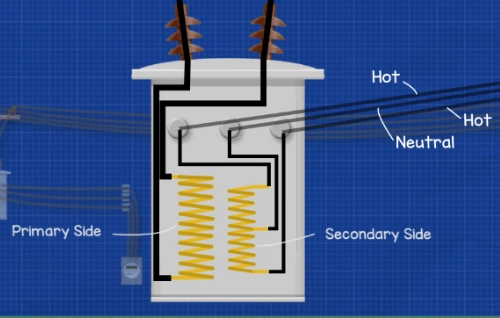
At the core of every electric transformer lies Faraday’s Law of Electromagnetic Induction. When an alternating current (AC) flows through the primary winding, it generates a changing magnetic flux in the iron or steel core. This time-varying flux links with the secondary winding via mutual induction, inducing an electromotive force (EMF) according to the equation:
e = -N × (dΦ/dt)
where e is the induced EMF, N is the number of turns, and dΦ/dt is the rate of change of magnetic flux.
In real-world operation, the laminated core minimizes eddy current losses by reducing the path for circulating currents, while high-permeability materials like cold-rolled grain-oriented (CRGO) steel concentrate the flux efficiently. From a field engineer’s viewpoint, imperfect coupling (leakage flux) always exists, leading to slight voltage drops under load. This is quantified by the transformer’s voltage regulation, a critical parameter monitored during commissioning and routine maintenance.
The primary and secondary windings are electrically isolated but magnetically coupled. No direct electrical connection means transformers provide galvanic isolation, enhancing safety in electrical substation transformers and distribution networks. In practice, engineers calculate the turns ratio (N₂/N₁) to determine voltage transformation: V₂/V₁ ≈ N₂/N₁. A ratio greater than 1 yields a step-up transformer; less than 1 produces a step-down transformer.
Step-Up and Step-Down Mechanisms: Voltage Transformation in Detail
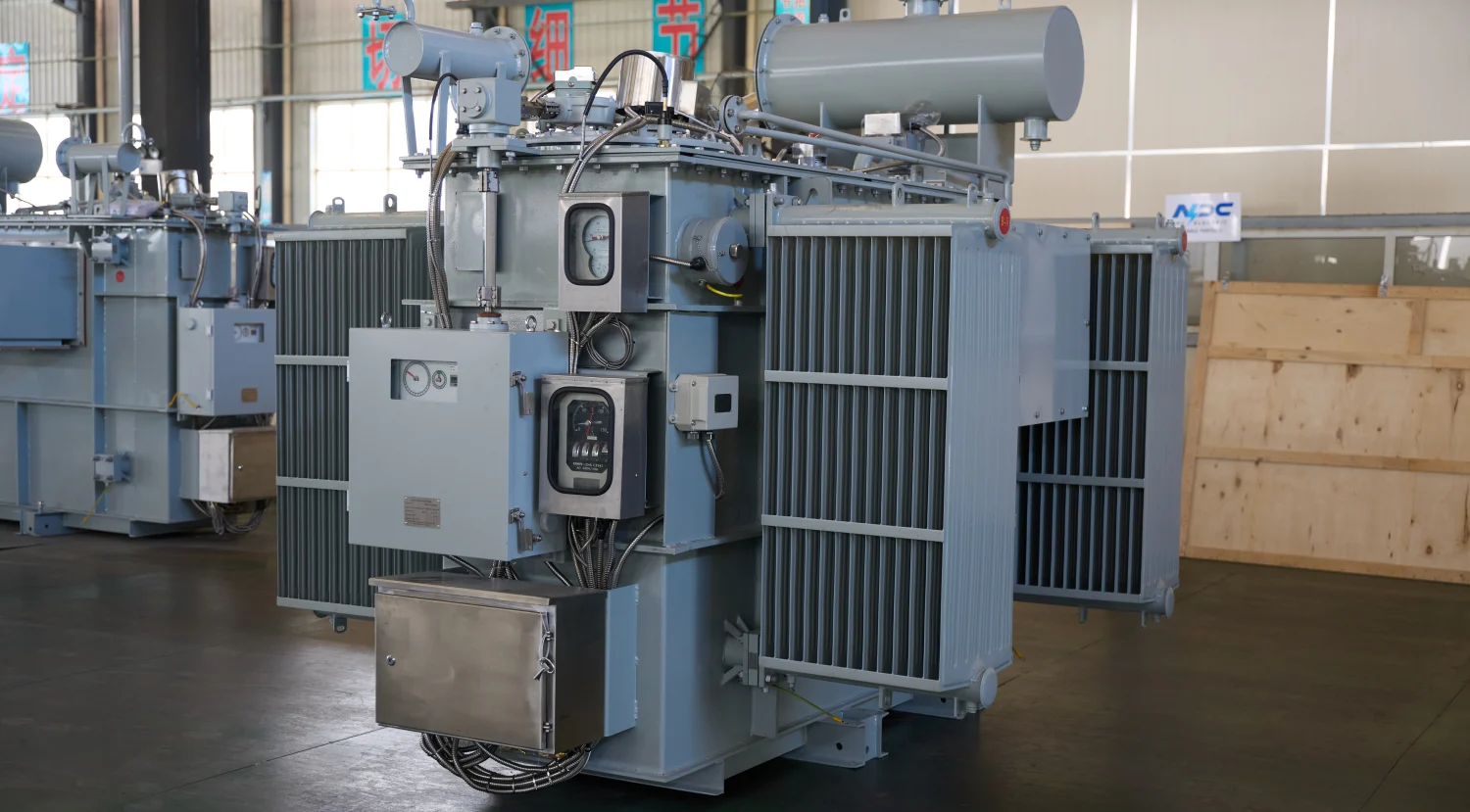
Step-up transformers increase voltage while decreasing current, crucial for long-distance transmission to minimize I²R losses. In power plants, generation voltage (typically 11–25 kV) is stepped up to 110 kV, 220 kV, or higher. The secondary winding has more turns than the primary, resulting in higher output voltage. From an operational standpoint, engineers must design windings with adequate insulation to withstand elevated electric stress and ensure cooling systems handle the thermal profile under full load.
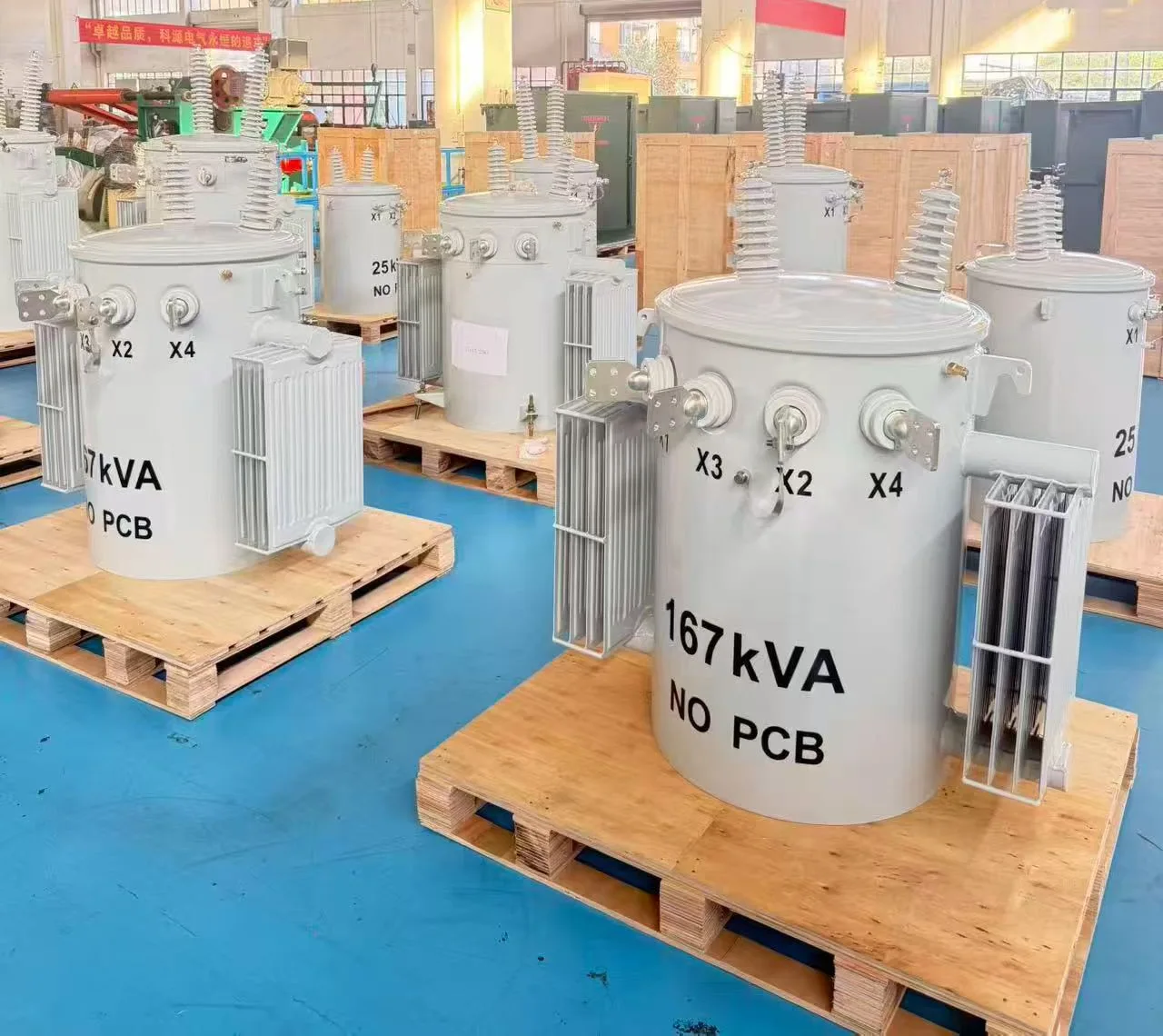
Conversely, step-down transformers reduce voltage for safe distribution and consumption. A classic example is the distribution transformer, which takes medium voltage (e.g., 11 kV or 33 kV) and outputs low voltage (400/230 V). Here, the primary winding has more turns, and the secondary has fewer. In field applications, such as electrical pole transformers mounted on utility poles, these units serve residential and small commercial loads directly. The electric transformer box housing protects windings and core while allowing natural or forced cooling.
The power balance (ignoring losses) remains P₁ ≈ P₂, so voltage reduction leads to current increase in the secondary. This demands thicker conductors in secondary windings for step-down transformers' voltage handling. Practically, engineers account for copper losses (I²R) and core losses (hysteresis + eddy currents) when specifying units for specific duty cycles. In 2026 designs, amorphous metal cores further reduce no-load losses, improving efficiency in lightly loaded distribution systems.
Table 1: Common Types of Electric Transformers and Their Voltage Transformation Roles
Caption: Types of Electric Transformers – Step-Up, Step-Down, and Distribution Applications in Real-World Power Systems
|
Transformer Type |
Primary Function |
Typical Voltage Transformation |
Common Applications |
Key Features in 2026 Designs |
|
Step-Up Transformer |
Increases voltage, reduces current |
Generation (11–25 kV) → Transmission (110–500+ kV) |
Power plants feeding high-voltage lines |
High insulation strength, low leakage flux |
|
Step-Down Transformer |
Decreases voltage, increases current |
Transmission (110–220 kV) → Distribution (11–33 kV) or final use (400/230 V) |
Substations and end-user supply |
Precise voltage regulation, robust secondary windings |
|
Final voltage reduction for consumers |
Medium voltage (11/33 kV) → Low voltage (400/230 V) |
Electrical pole transformer, pad-mounted electric transformer box |
Compact design, high reliability under variable loads |
|
|
Power Transformer (Substation) |
Bulk power transfer with voltage change |
High voltage levels in substations |
Electrical substation transformer in transmission networks |
On-load tap changers (OLTC), smart monitoring |
Construction and Types of Transformers from a Practical Engineering Lens
Modern power transformers feature a laminated core, primary and secondary windings, insulating materials, and a cooling system. In substations, large electrical substation transformers often use oil-immersed designs for superior dielectric strength and heat dissipation. Oil acts as both insulator and coolant, circulated naturally (ONAN) or forced (OFAF) in high-capacity units.
Distribution transformer types vary by installation:
- Pole-mounted transformers (electrical pole transformer) are compact, oil-filled or dry-type units serving overhead lines in rural or suburban areas.
- Pad-mounted or electric transformer box styles suit urban underground distribution for aesthetics and safety.
- Dry-type transformers use cast resin or air cooling, preferred in fire-sensitive indoor environments like hospitals or data centers.
From actual working angles, selection depends on load profile, ambient temperature, and environmental regulations. Oil-filled units excel in outdoor high-power scenarios due to better thermal capacity, while dry-type offer lower maintenance and no spill risk. In 2026, hybrid designs and biodegradable ester fluids address sustainability demands in international projects.
Engineers rigorously calculate impedance, vector group (e.g., Dyn11 for distribution), and short-circuit withstand capability during design to ensure reliability under fault conditions.
Table 2: Comparison of Dry-Type vs Oil-Filled Electric Transformers
Caption: Dry-Type vs Oil-Filled Transformers – Key Differences in Construction, Cooling, and Application (2026 Practical Guide)
|
Parameter |
Dry-Type Transformer |
Oil-Filled Transformer (Liquid-Immersed) |
|
Cooling & Insulation Medium |
Air or solid epoxy/cast resin |
Mineral oil or eco-friendly ester fluid |
|
Typical Installation |
Indoor (data centers, hospitals, buildings) |
Outdoor (substations, pole-mounted, industrial) |
|
Fire Safety |
Excellent – no flammable liquid |
Moderate – requires containment and fire barriers |
|
Maintenance |
Low (no oil testing needed) |
Higher (regular oil analysis and filtration) |
|
Efficiency |
Good (slightly lower at high loads) |
Higher overall, especially in large capacities |
|
Voltage & Capacity Range |
Best for low to medium voltage |
Excellent for high voltage and high kVA ratings |
|
Environmental Impact |
Lower spill risk, easier disposal |
Potential oil leak risk (mitigated with modern fluids) |
|
Common Applications |
Electric transformer box in urban areas |
Electrical substation transformer, electrical pole transformer |
Real-World Operation in Power Distribution and Substations
In daily electrical engineering practice, transformers operate within complex grids. At generation, step-up units feed high-voltage transmission lines. Electrical substation transformers then step down to medium voltage for primary distribution. Finally, distribution transformers deliver usable voltage to consumers.
Consider a typical secondary transformer operating scenario: A 500 kVA pole-mounted unit on an 11 kV line supplies a neighborhood. Under peak load, voltage regulation must stay within ±5% to prevent equipment damage. Field teams monitor oil temperature, dissolved gas analysis (DGA), and winding resistance to predict issues like insulation degradation or hotspots.
Transformers' electrical engineering emphasizes parallel operation principles—matching voltage ratios, impedance, and polarity—to share loads without circulating currents. In renewable-heavy grids of 2026, transformers handle variable inputs from solar and wind, requiring enhanced tap changers (OLTC) for dynamic voltage control.
Efficiency, Losses, and Modern Design Innovations in 2026
Efficiency is paramount in practical deployments. Total losses include no-load (core) and load (copper) components. Modern designs optimize with:
- Low-loss cores and high-conductivity windings
- Advanced insulation systems
- Integrated cooling enhancements
In 2026, smart transformers incorporate IoT sensors for real-time monitoring of temperature, vibration, partial discharge, and oil condition. Predictive maintenance algorithms analyze data to forecast failures, reducing unplanned outages in critical infrastructure. Digital twins and SCADA integration allow remote diagnostics, especially valuable for international export projects spanning diverse climates.
High-efficiency models now achieve near 99.7% performance through improved geometries and materials, directly lowering operational costs and supporting global decarbonization goals. Engineers in the field perform regular thermographic scans and power factor tests to verify ongoing performance.
Table 3: Transformer Losses – Core Loss vs Copper Loss in Power Transformers
Caption: Table 2: Core (No-Load) Losses vs Copper (Load) Losses in Electric Transformers – Impact on Efficiency and Operation
|
Loss Type |
Description |
Dependency on Load |
Typical Contribution to Total Losses |
Practical Field Impact |
|
Core Loss (Iron Loss) |
Hysteresis + Eddy currents in the magnetic core |
Independent (constant even at no load) |
20–40% (higher at light load) |
Affects continuous energy waste in the distribution transformer |
|
Copper Loss (Load Loss) |
I²R losses in primary and secondary windings |
Varies with the square of current (I²) |
60–80% (dominant at full load) |
Increases significantly under heavy load in step-down transformers |
|
Total Losses |
Core Loss + Copper Loss |
Varies |
Determines overall efficiency |
Directly influences electricity bills and heat generation |
Example Efficiency Insight (2026): Modern high-efficiency power transformers achieve 98.5–99.7% efficiency by minimizing both losses through advanced CRGO/amorphous cores and optimized windings.
Safety, Maintenance, and Best Practices from Field Experience
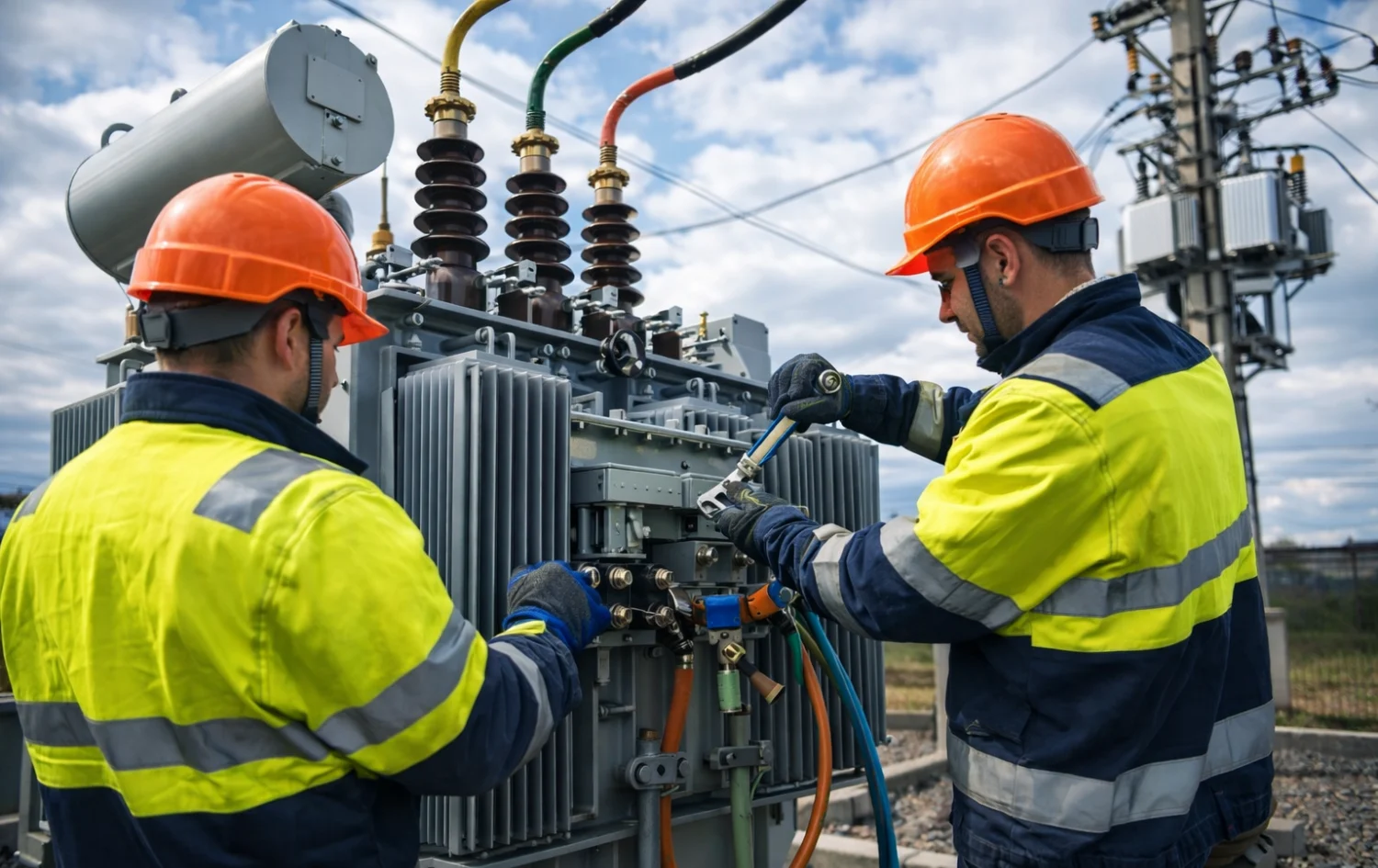
Working with electric transformers demands strict adherence to safety protocols. High voltages pose arc-flash and shock risks; proper lockout/tagout, PPE, and clearance distances are non-negotiable. In substations, grounding and surge protection safeguard against transients.
Maintenance from a real operational viewpoint includes:
- Visual inspections for leaks, corrosion, and bushing cracks
- Oil sampling and DGA for internal fault detection
- Infrared thermography for hotspot identification
- Periodic electrical testing (insulation resistance, turns ratio)
Dry-type units require less fluid-related care but still need cleaning and connection torque checks. Proactive programs extend lifespan beyond 30–40 years while minimizing downtime and environmental impact. International standards (IEC, IEEE, ANSI) guide these practices for consistent quality in exported equipment.
Future Outlook: Smart and Sustainable Transformers
As grids evolve toward decentralization and renewables, electric transformer technology advances with AI-driven controls, solid-state options in niche applications, and eco-friendly materials. In 2026 and beyond, expect greater integration of sensors enabling self-regulating “smart” units that optimize voltage in real time, enhance grid stability, and support electric vehicle charging infrastructure.
For exporters and engineers specifying transformers for global markets, prioritizing modular designs, compliance with multiple standards, and embedded intelligence ensures competitiveness and long-term reliability.
In conclusion, understanding the working principle of electric transformers—rooted in electromagnetic induction and governed by turns ratio—provides the foundation for effective deployment. From high-voltage step-up at generation to low-voltage step-down at consumption, these devices enable safe, efficient electrical energy delivery. Practical field knowledge combined with 2026 innovations in monitoring and efficiency ensures power transformers continue powering modern civilization reliably.

Related Articles
Related Products
AMHERST AAAC Conductor Cable
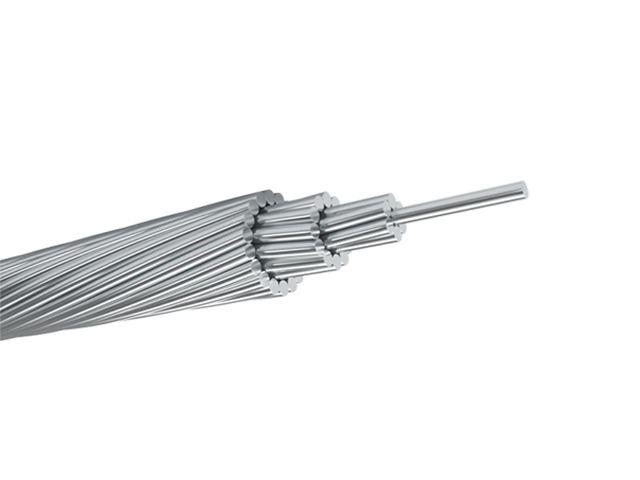
AMHERST AAAC (All Aluminum Alloy Conductor) cables comply with ASTM B399 standards and offer high strength, good conductivity, and excellent corrosion resistance. With 300 mm² nominal area and 37-strand design, it uses heat-treated aluminum-magnesium-silicon alloy (6201-T81) for enhanced strength (295 MPa min) and conductivity (53% IACS min). Meeting ASTM B398, B399, IEC 61089, and BS EN 50182 standards, this cable handles ampacity up to 700A at 75°C and voltages up to 33kV. The all-alloy construction avoids bimetallic corrosion, providing better resistance in harsh conditions than ACSR. Reduced weight minimizes sag and installation expenses, supporting longer spans. The Amherst AAAC Conductor Cable delivers low electrical losses, high mechanical endurance, and excellent weather tolerance. Flame-retardant variants available. Perfect for urban grids, renewable projects, and coastal setups, it provides cost-effective, low-maintenance power delivery in overhead applications globally, excelling in reliability and lifespan over conventional conductors.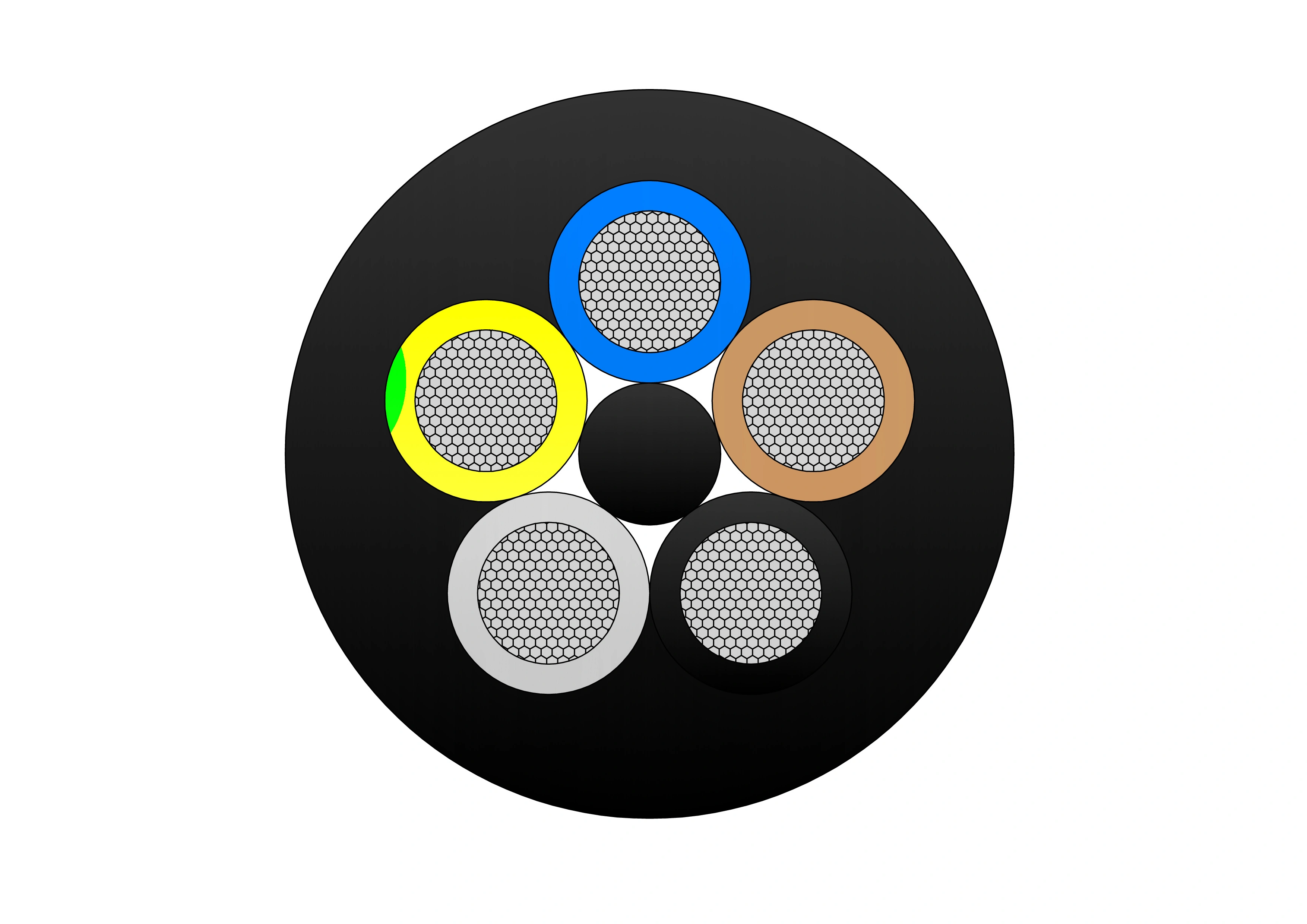
NTSCGECECWOU 8.7/15kV and 12/20kV Cable
NTSCGECECWOU 8.7/15kV and 12/20kV cable is a flexible medium voltage power cable manufactured according to DIN VDE 0250 standards, engineered for heavy-duty energy supply in mining, tunneling, and mobile equipment applications. Featuring Class 5 tinned copper conductors, EPR insulation, a halogen-free flame-retardant sheath, and concentric copper conductors for EMC protection, it ensures outstanding mechanical strength, oil and moisture resistance, and fire safety. Designed for reeling drum systems and mobile machinery, it is ideal for both indoor and outdoor use in harsh, demanding environments.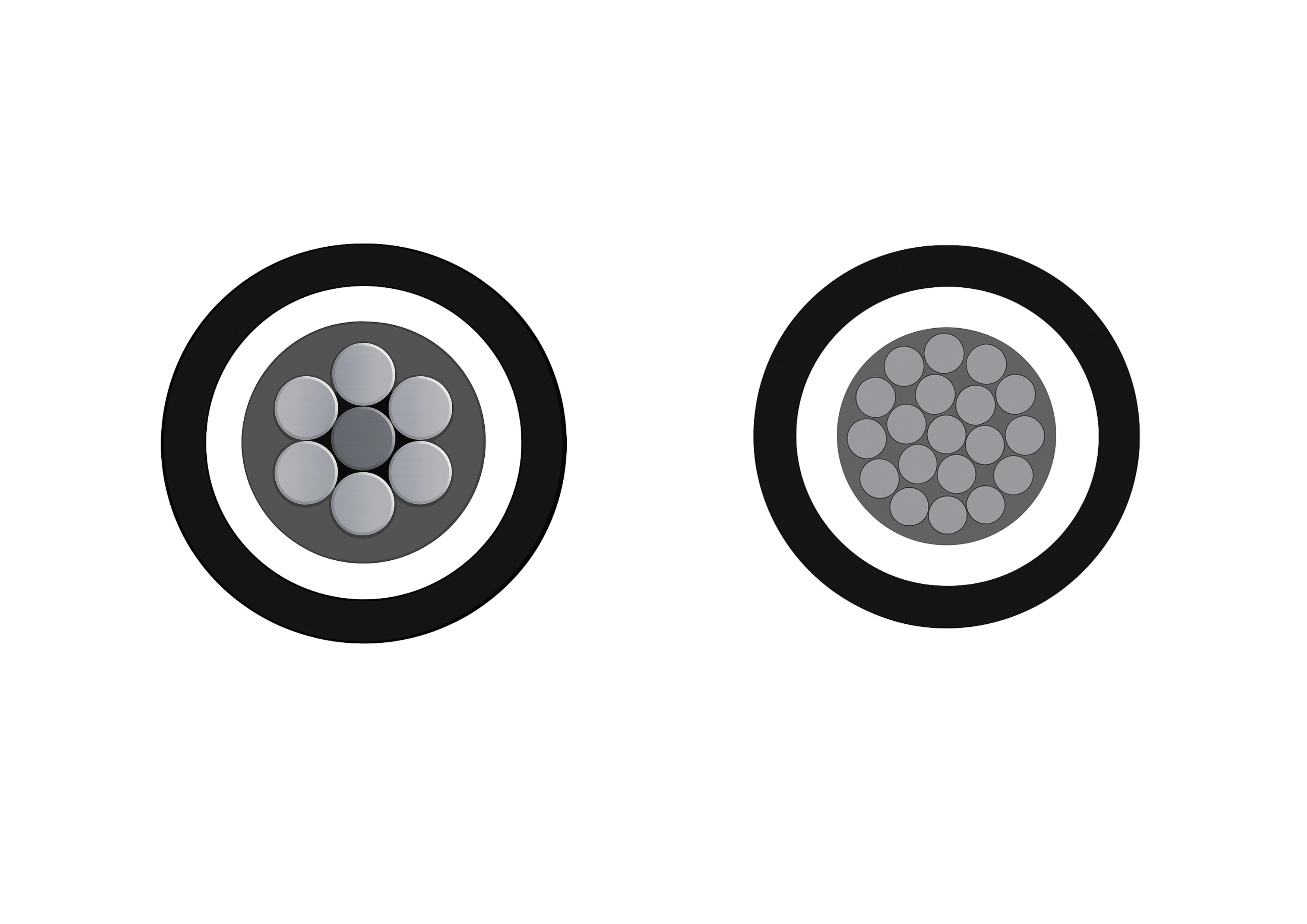
15kV 3-Layer AAAC/ACSR/AAC Tree Wire - Triple Layer Covered Conductor
The 3-Layer 15kV AAAC/ACSR/AAC Tree Wire is a specialized covered overhead conductor developed for distribution lines in areas with dense vegetation. It uses concentrically stranded AAAC, ACSR, or AAC conductors protected by a triple-layer system of track-resistant HDPE or XLPE. The multi-layer covering delivers exceptional tracking resistance, abrasion protection, and weatherability while greatly reducing the risk of electrical faults from tree limb contact and helping minimize wildfire ignition potential. This advanced design allows closer spacing to vegetation and lowers vegetation management costs. Suitable for conventional overhead or spacer cable systems, the 3-Layer 15kV AAAC/ACSR/AAC Tree Wire offers a cost-effective solution for improving line reliability. It complies with ICEA and ASTM standards and undergoes extensive quality testing to ensure long-term performance and safety.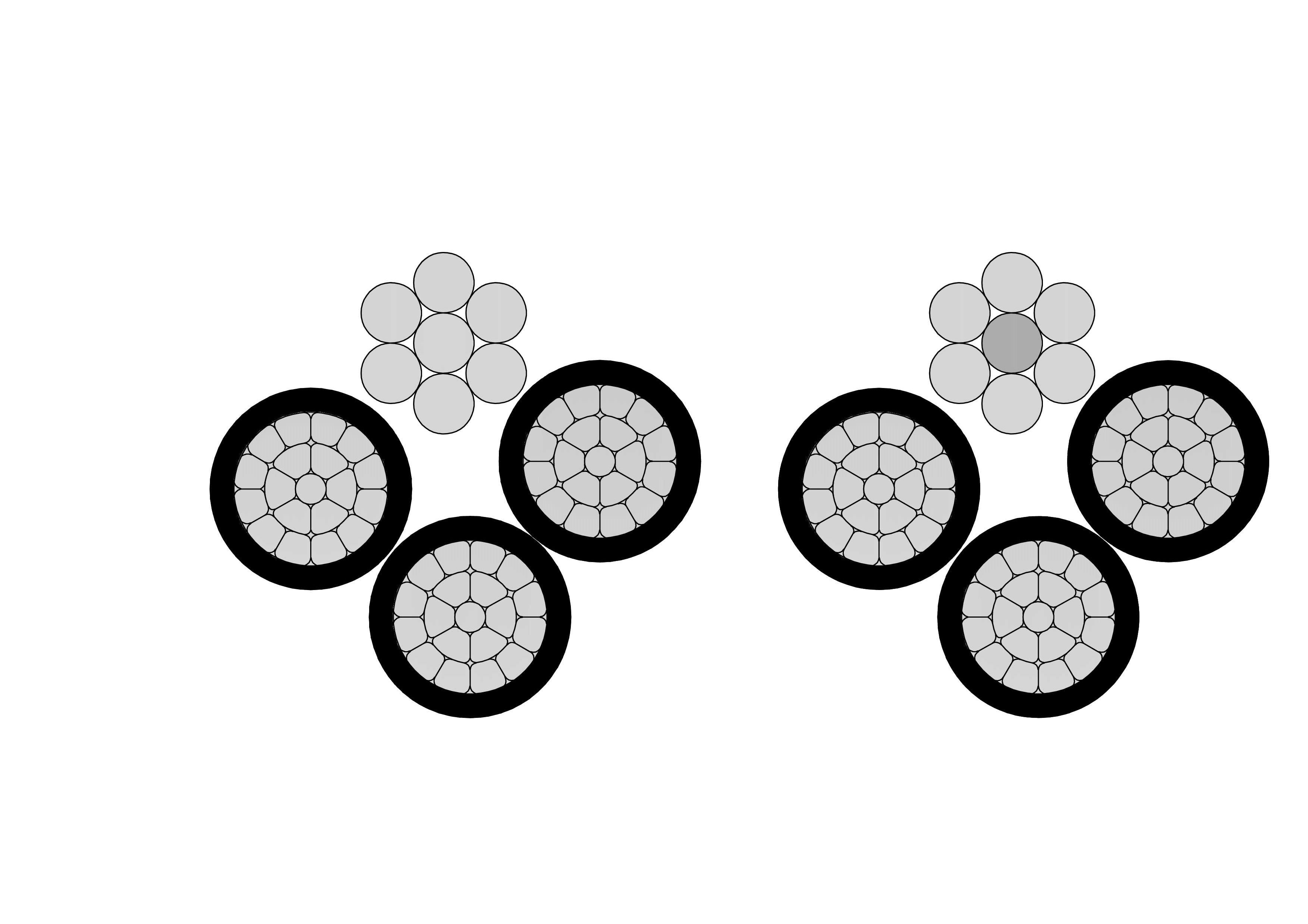
Quadruplex Service Drop Cable
NPC Electric Quadruplex Service Drop Cable offers efficient overhead three-phase service with neutral support. Comprising three-phase conductors (aluminum) insulated with XLPE or PE and helically twisted around a strong neutral messenger (ACSR, AAC, or covered aluminum), it meets ASTM, ICEA, and international standards. The messenger provides full self-support, allowing longer spans and reduced infrastructure costs. Premium insulation resists sunlight, moisture, and mechanical abrasion for decades of outdoor service. Lightweight and flexible, it simplifies installation with low sag. The Quadruplex Service Drop Cable ensures minimal losses, high mechanical endurance, and excellent weather performance up to 600V. Flame-retardant options enhance safety. Perfect for reliable power delivery in urban developments, commercial areas, street lighting, and temporary sites requiring safe, cost-effective aerial bundled solutions.
FR-N20XA8E-R 12/20kV Cable Gen to NF C 33-226 - Cu/XLPE/MDPE
The FR-N20XA8E-R Triplex 12/20kV Cable is a high-performance triplex medium-voltage cable manufactured to NF C 33-226 standard for efficient and reliable power distribution. It features three stranded copper conductors (Cu) for superior conductivity, semi-conductive conductor screens, high-quality XLPE (cross-linked polyethylene) insulation for excellent dielectric strength and thermal stability (90°C continuous, 250°C short-circuit), semi-conductive insulation screens, copper wire screens for grounding and protection, and a robust medium-density polyethylene (MDPE) outer sheath providing superior mechanical protection, moisture resistance, UV stability, and chemical resistance. The triplex configuration (three cores twisted together) facilitates easy installation in overhead aerial bundled systems or underground ducts. Compliant with French NF C 33-226 and relevant IEC standards, it offers low dielectric losses, high current-carrying capacity, and long service life in demanding environments. The FR-N20XA8E-R is ideal for MV overhead lines, underground distribution, rural electrification, and urban networks requiring durable, weather-resistant triplex cable.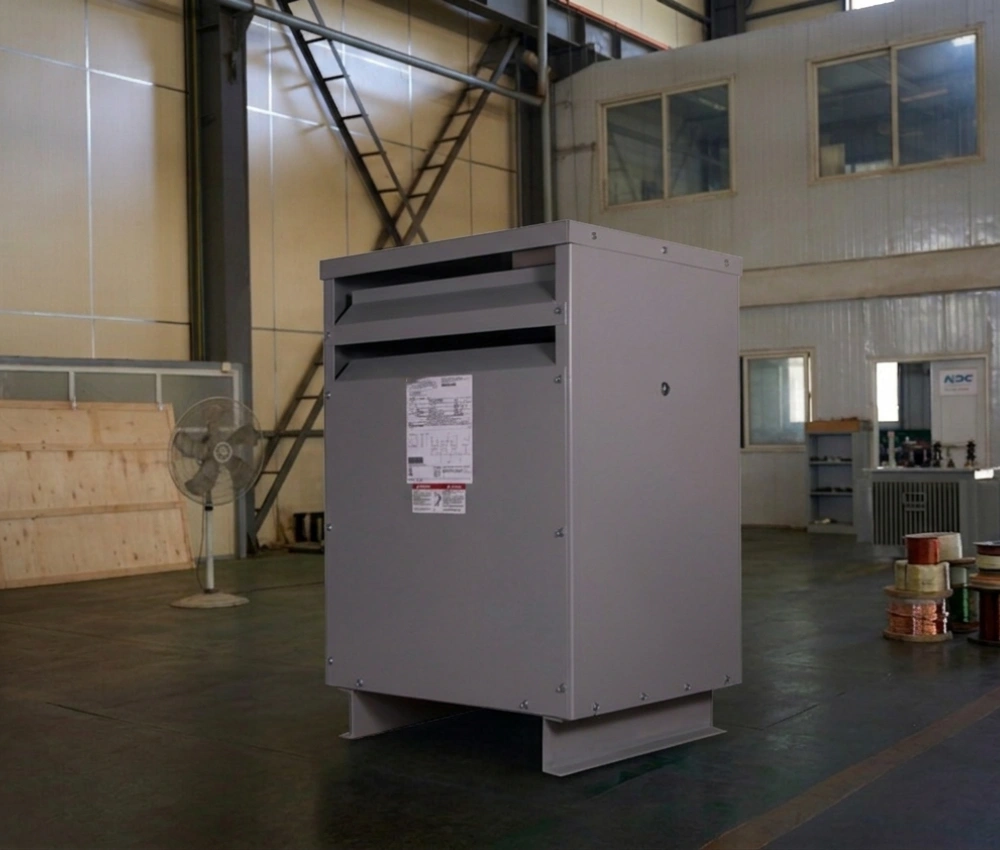
Isolation Transformer
The Isolation Transformer is a specialized power transformer designed to electrically separate the primary and secondary circuits while maintaining efficient power transfer. By eliminating direct electrical connections between input and output systems, the transformer effectively reduces electrical noise, suppresses common-mode interference, improves power quality, and enhances operational safety for critical equipment and sensitive electronic systems. It is widely utilized in industrial automation, healthcare facilities, data centers, telecommunications infrastructure, laboratory environments, and renewable energy systems where stable and clean power supply is essential. Available in single-phase and three-phase configurations, the transformer supports various voltage conversion requirements while delivering long-term reliability under continuous operating conditions. The Isolation Transformer can be integrated into modern power distribution networks, automation systems, and mission-critical electrical installations. With customizable winding configurations, enclosure options, and intelligent monitoring capabilities, the transformer offers flexible solutions for demanding industrial and commercial power applications while ensuring compliance with international electrical safety standards.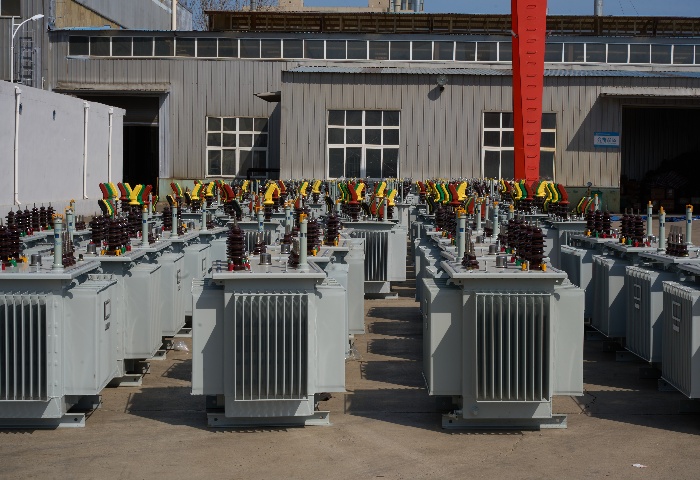
1250kVA Oil Immersed Transformer
NPC ELECTRIC's 1250kVA oil-immersed transformer adopts advanced design and manufacturing technology and complies with international power equipment standards (such as IEC, ANSI, IEEE, etc.). Its high-quality materials and strict quality control ensure the long-term reliability and safety of the equipment. The transformer has high efficiency and stable power transmission performance and is widely used in industrial, commercial, and power systems. With low operating noise and reliable voltage regulation, the transformer is well suited for industrial facilities, commercial complexes, and utility distribution networks.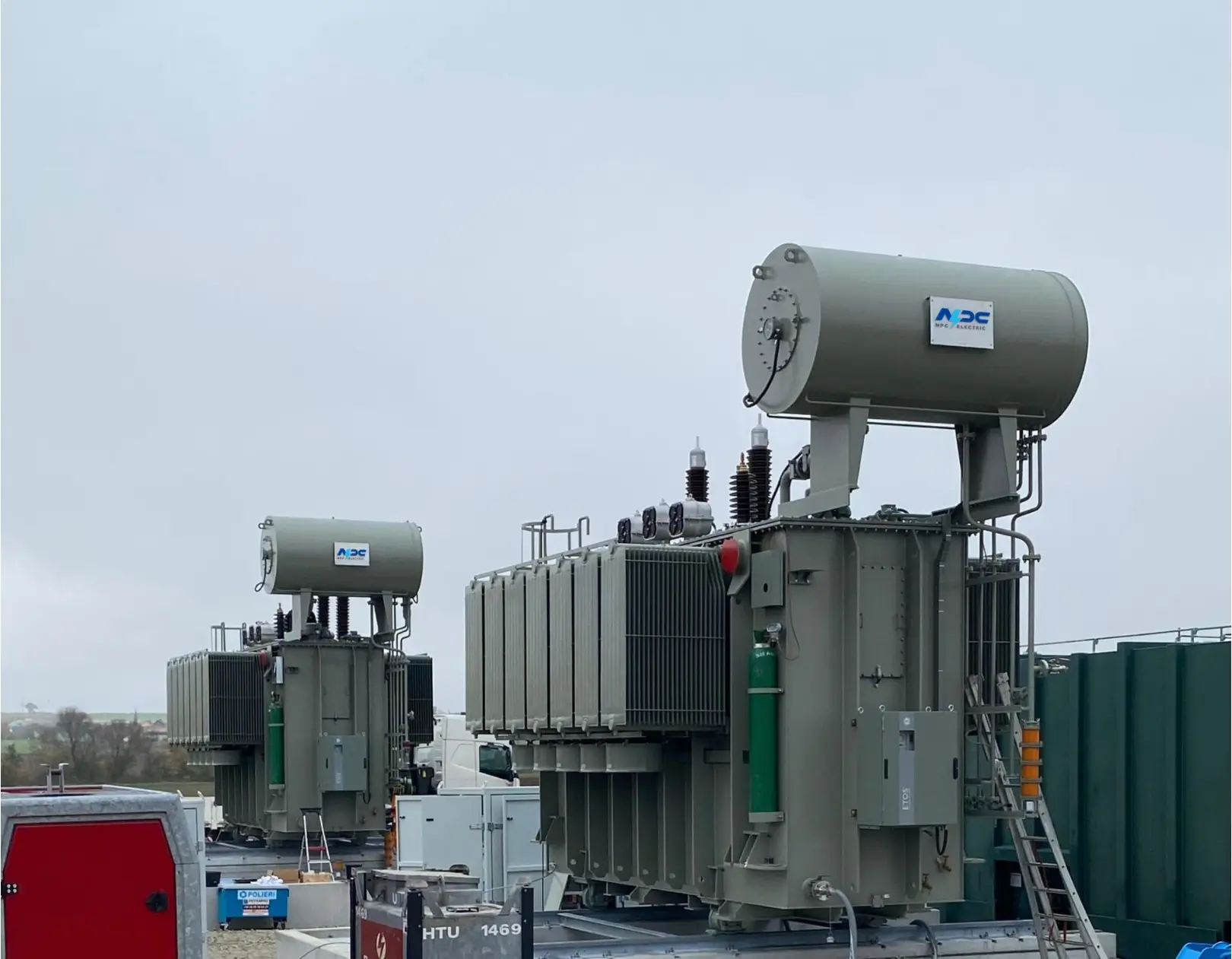
110kV 115kV Power Transformer
NPC ELECTRIC's 110kV and 115kV power transformers are designed with advanced low-loss silicon steel sheets and efficient cooling systems, complying with international standards such as IEC 60076 and GB 1094, ensuring stable and reliable operation in high-voltage transmission systems. They are widely used in large power plants, substations, and industrial parks, providing safe and efficient power conversion and transmission solutions for power grids. It primary voltages (110kV or 115kV grounded wye/delta, dual-voltage options), secondary voltages (10.5kV, 11kV, 13.8kV, 33kV/34.5kV, or bespoke e.g., 115kV/13.8kV), copper/aluminum windings, ONAN/ONAF/ODAF cooling, BIL 350–550kV (up to 650kV optional), impedance 8–12% (±7.5% tolerance), ±8×1.25% or ±2×2.5% off-load taps (OLTC available), conservator/sealed tank.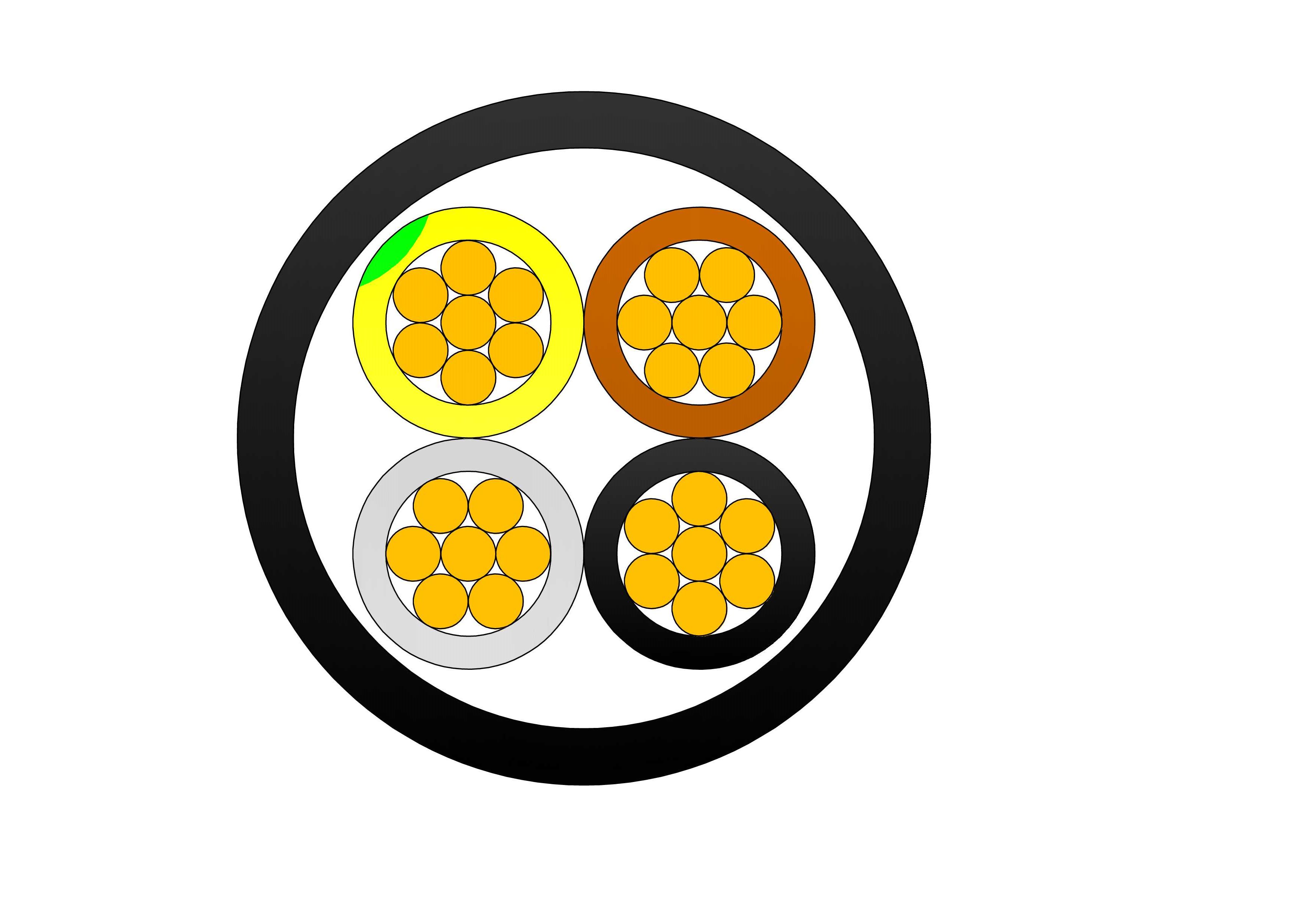
GYTA53 Fiber Optic Cable
The GYTA53 Fiber Optic Cable is a high-strength outdoor communication cable specifically designed for direct burial applications and harsh installation environments. The cable features a stranded loose tube structure, central strength member, water-blocking system, aluminum polyethylene laminated tape (APL), corrugated steel tape armor (PSP), and double polyethylene outer jackets for maximum mechanical protection. Optical fibers are housed within gel-filled loose tubes that provide excellent moisture resistance and protection against external stress. The combination of aluminum tape and steel tape armor significantly enhances crush resistance, impact resistance, rodent protection, and moisture barrier performance. The dual PE sheath structure further improves environmental durability and long-term reliability. Manufactured according to IEC 60794 and ITU-T standards, the GYTA53 Fiber Optic Cable offers low attenuation, stable transmission performance, and excellent protection in underground installations. It is widely used in long-distance telecommunications networks, backbone communication systems, utility networks, and infrastructure projects requiring direct burial deployment.
2500kVA Three Phase Pad Mounted Transformer
NPC ELECTRIC's 2500kVA Three Phase Pad Mounted Transformer is a high-performance, oil-immersed distribution transformer engineered for reliable outdoor installation on concrete pads. Compliant with ANSI/IEEE C57, DOE 2016 efficiency standards, and IEC guidelines, this 2.5 MVA unit delivers superior energy efficiency, low losses, and robust durability in demanding utility and industrial environments. Featuring a fully sealed, tamper-resistant enclosure with dead-front or live-front design options, it ensures maximum safety, minimal maintenance, and aesthetic integration in urban settings.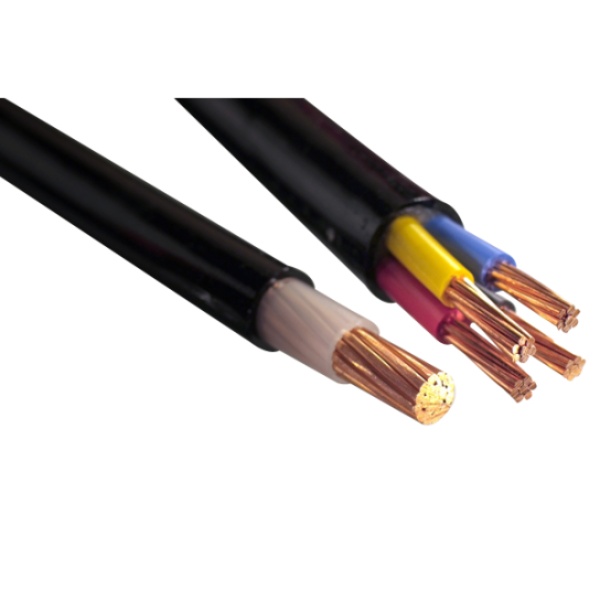
600/1000V PVC Insulated Cable to IEC 60502-1 Standard
The 600/1000V PVC Insulated Low Voltage Power Cable is designed for reliable power transmission in low-voltage electrical systems. Manufactured with high-quality copper or aluminum conductors and PVC insulation, this cable provides stable electrical performance, good flexibility, and long service life. The PVC insulation offers effective protection against moisture, abrasion, oils, and common chemicals, making the cable suitable for both indoor and outdoor installations. Rated at 600/1000 volts, the cable ensures safe and efficient power distribution under normal operating conditions. Its robust insulation structure supports consistent current flow while maintaining electrical safety. The cable is easy to install, route, and terminate, making it a practical solution for residential, commercial, and industrial power networks. With dependable insulation performance and mechanical durability, this low voltage power cable meets the demands of everyday electrical infrastructure.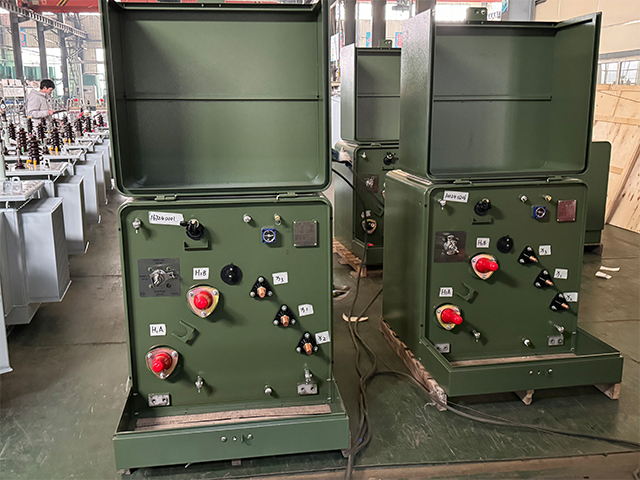
5kVA Single Phase Pad Mounted Transformer
The 5kVA Single Phase Pad Mounted Transformer is designed for reliable and efficient power distribution in residential, commercial, and light industrial applications. Ideal for medium-density areas, this transformer steps down high-voltage electricity to a usable lower voltage for safe distribution to homes and businesses.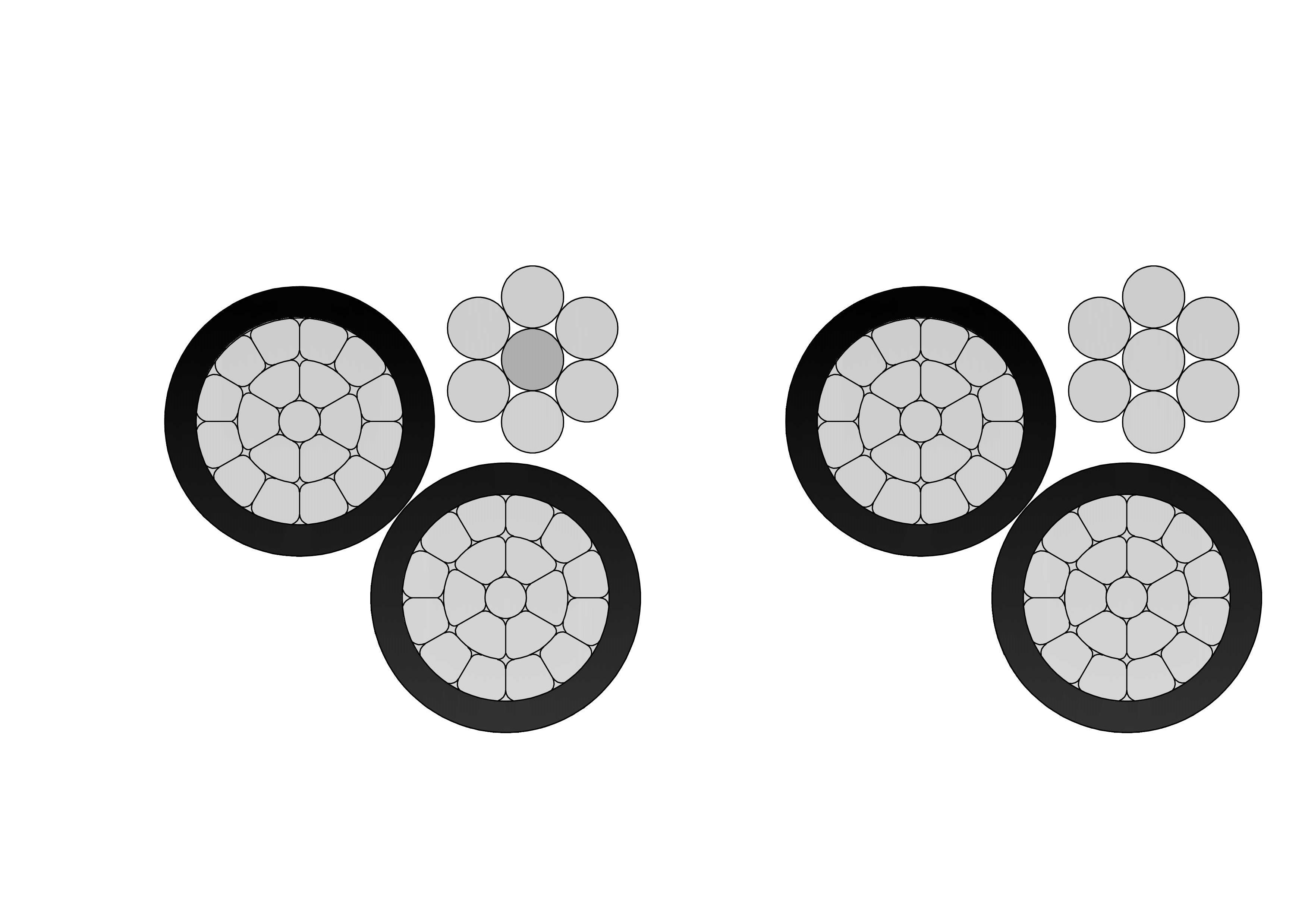
4/0 Arca Aluminum Conductor Triplex Overhead Service Drop Cable
4/0-4/0-2/0 Arca Aluminum Conductor Triplex Overhead Service Drop Cable is engineered for high-capacity overhead power delivery from utility poles to residential, commercial, or light industrial weatherheads. It features concentric-lay-stranded 1350-H19 aluminum phase conductors (#4/0 AWG, 19-strand), black cross-linked polyethylene (XLPE) insulation for superior weather, UV, and thermal resistance, and a bare ACSR neutral messenger (#2/0 AWG, 7-strand) for mechanical support and conductivity. Rated for 600 volts phase-to-phase at conductor temperatures up to 90°C (XLPE) or 75°C (Poly), it provides an allowable ampacity of approximately 315 amps (XLP). Compliant with ASTM B-230, B-231, B-232, B-399, and ICEA S-76-474 standards, this robust, lightweight cable ensures easy installation, excellent electrical performance, and long-term durability in harsh outdoor environments, including wind, ice, moisture, and temperature extremes.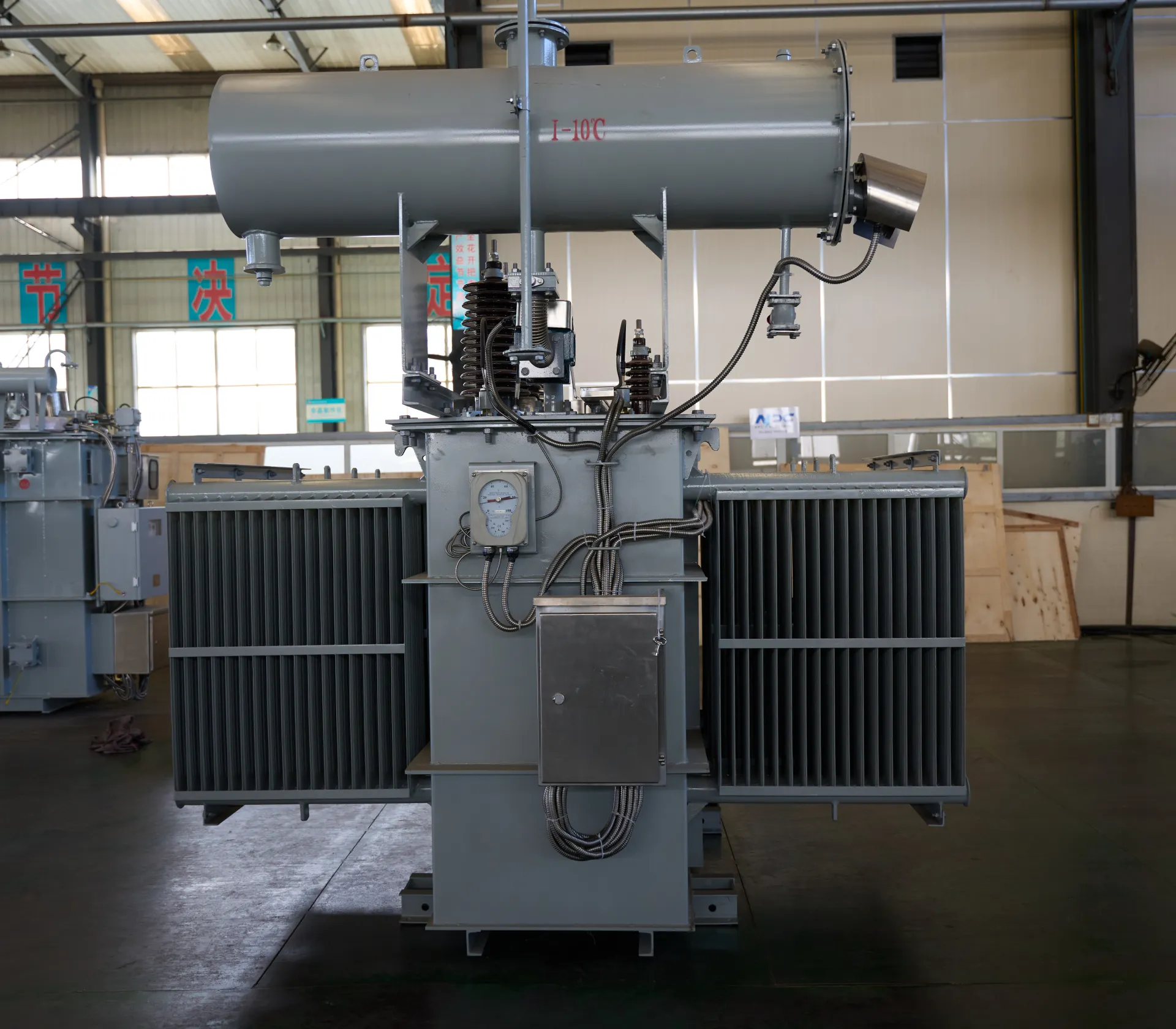
37kV 10000kVA(10MVA) Three Phase Duplex Winding Oil Immersed Power Transformer
The 37kV 10000kVA (10MVA) Three Phase Duplex Winding Oil Immersed Power Transformer is designed for high-reliability medium-voltage distribution and industrial applications. Featuring 99.95% electrolytic copper duplex windings, advanced ONAN/ONAF cooling, and ±8×1.25% on-load tap changer (optional), it delivers ultra-low no-load and load losses (S11/S13 series). Fully compliant with IEC 60076, GB/T 1094, and ANSI/IEEE standards, it withstands 170–200 kV lightning impulse and PD <10 pC. Corrugated tank or detachable radiator design ensures excellent heat dissipation and mechanical strength. Standard voltages 37±8×1.25%/11kV, 37/6.3kV or custom. Vacuum oil processing and nitrogen sealing guarantee 30+ years service life with minimal maintenance. Trusted by utilities, EPCs, and heavy industries worldwide.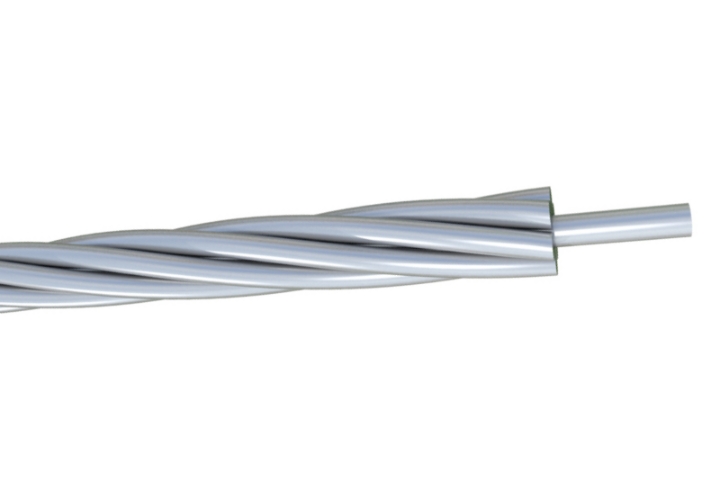
14 Gauge Galvanized Steel Conductor Wire for Power & Grounding Use
14 Gauge Galvanized Steel Conductor Wire is engineered for superior strength, durability, and corrosion resistance in demanding environments. Manufactured using premium-grade carbon steel and processed through advanced hot-dip galvanizing technology, this wire provides a uniform zinc coating that protects against rust, oxidation, and harsh weather conditions. With a precise 14 gauge diameter, the wire offers an optimal balance between flexibility and tensile strength, making it suitable for a wide range of electrical and structural applications. It is widely used in overhead power transmission, grounding systems, agricultural fencing, and industrial binding purposes. The smooth surface finish ensures easy installation while minimizing wear during handling. Designed to meet international standards such as ASTM and IEC, this conductor wire guarantees consistent performance and long service life. Customization options are available in terms of coating thickness, tensile strength, and packaging, allowing it to meet specific project requirements across various industries.Welcome your inquiry
Honesty, Integrity, Frugality, Activeness and Passion