
Best 35kV Power Transformers: Buying Guide & Top Manufacturers
2026-08-07
As power demand continues to increase worldwide, utilities, industrial facilities, renewable energy projects, and infrastructure developments require reliable medium-voltage transformation equipment. Among the most widely used solutions, 35kV Power Transformers occupy a critical position between transmission and distribution systems. They are commonly deployed in substations, industrial plants, mining operations, renewable energy facilities, and urban power distribution networks.
Choosing the right power transformer is not simply a matter of selecting a voltage rating. Engineers and procurement professionals must evaluate transformer efficiency, cooling systems, voltage regulation performance, short-circuit withstand capability, insulation design, manufacturer expertise, testing procedures, and long-term operational reliability.
1. Understanding 35kV Power Transformers
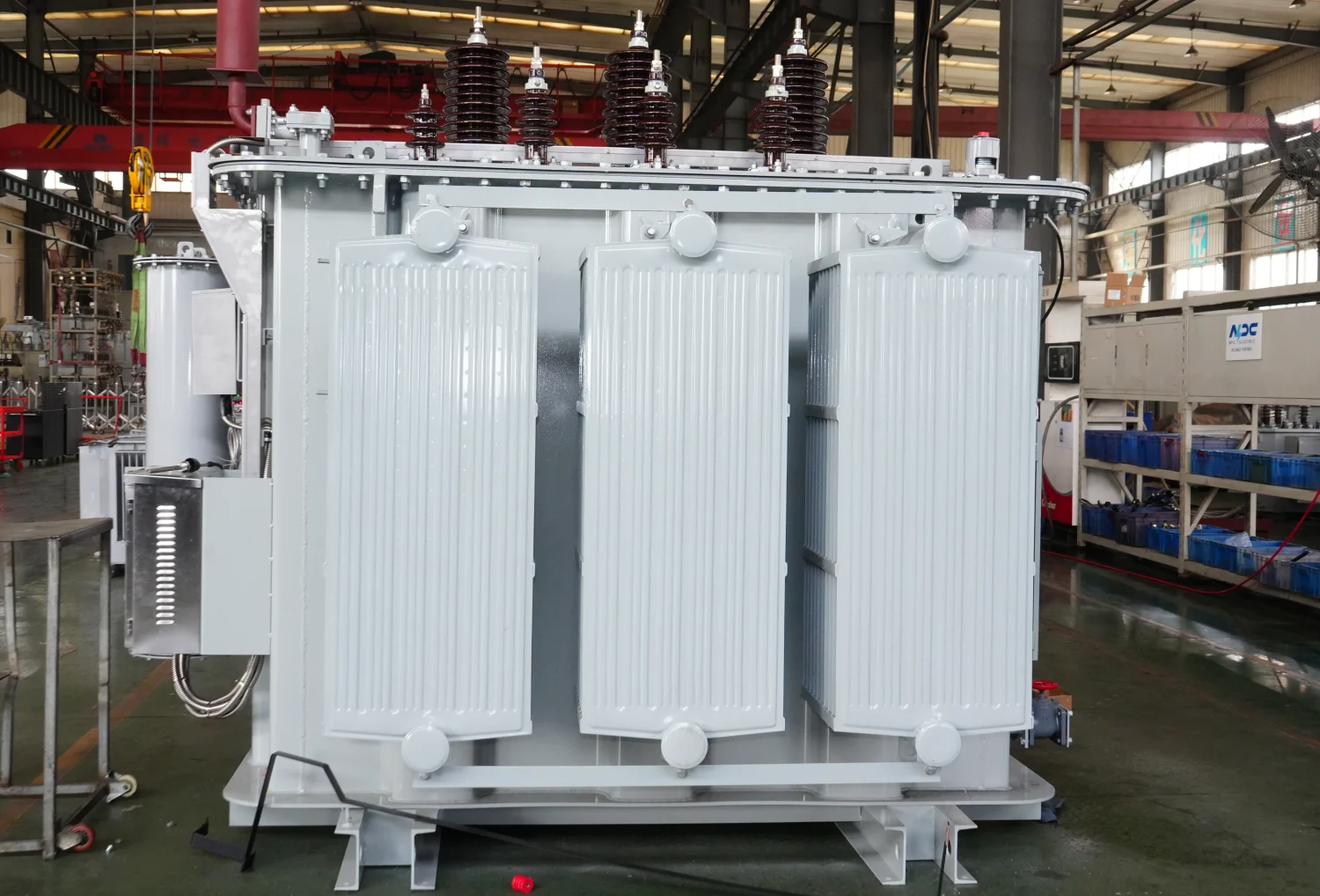
A 35kV power transformer is an electrical transformer designed to operate within medium-voltage power systems, typically connecting transmission substations, industrial facilities, renewable energy plants, and regional distribution networks.
These transformers are responsible for transferring electrical energy between voltage levels while maintaining system stability and efficiency.
Typical applications include:
- Utility substations
- Wind power plants
- Solar farms
- Industrial manufacturing facilities
- Mining operations
- Data centers
- Infrastructure projects
Because 35kV systems often serve as a transition point between transmission and distribution networks, transformer reliability directly impacts power quality and operational continuity.
2. Why 35kV Transformers Are Critical in Modern Power Systems
Many modern electrical networks rely on 35kV infrastructure because it offers an effective balance between transmission efficiency and distribution flexibility.
Unlike low-voltage systems, 35kV networks can transport significant power over longer distances with lower losses.
Key advantages include:
- Improved transmission efficiency
- Reduced conductor losses
- Enhanced voltage regulation
- Better power quality
- Greater network flexibility
For renewable energy projects, 35kV power transformers frequently connect solar transformers and wind turbine transformers to utility grids.
In industrial environments, they provide reliable power distribution to large motors, process equipment, and critical loads.
3. Main Types of 35kV Power Transformers
Transformer selection begins with understanding the available transformer technologies.
Oil Immersed Transformer
The oil-immersed transformer remains the most common choice for utility and industrial applications.
Advantages include:
- Excellent thermal performance
- High overload capability
- Long service life
- Proven field reliability
- Lower cost per MVA
Typical applications:
- Outdoor substations
- Power generation facilities
- Industrial plants
- Utility networks
Modern oil-immersed transformers utilize mineral oil, natural ester fluids, or biodegradable insulating liquids.
Dry Type Transformer
Dry type transformers eliminate liquid insulation and use advanced solid insulation systems.
Advantages include:
- Reduced fire risk
- Lower environmental concerns
- Indoor installation suitability
- Simplified maintenance
Applications include:
- Commercial buildings
- Hospitals
- Data centers
- Transportation facilities
However, dry-type transformers generally have lower power ratings compared to large oil-filled units.
Table: Oil Immersed vs Dry Type 35kV Transformers
|
Feature |
Oil Immersed Transformer |
Dry Type Transformer |
|
Cooling Medium |
Mineral Oil / Ester Oil |
Air |
|
Installation Location |
Outdoor |
Indoor |
|
Fire Risk |
Moderate |
Very Low |
|
Maintenance Requirement |
Periodic oil testing |
Minimal |
|
Thermal Performance |
Excellent |
Good |
|
Overload Capability |
High |
Moderate |
|
Initial Cost |
Lower |
Higher |
|
Environmental Impact |
Depends on insulating fluid |
Environmentally friendly |
|
Typical Capacity |
Up to 500MVA+ |
Usually below 40MVA |
|
Typical Application |
Utility substations, power generation |
Hospitals, data centers, commercial buildings |
Specialized Industrial Transformers
Certain applications require customized transformer designs, including:
- Furnace transformers
- Mining transformers
- Renewable energy transformers
- Mobile substations
- Converter transformers
These designs incorporate application-specific engineering features.
4. Key Technical Specifications to Evaluate
Transformer performance depends on numerous engineering parameters.
Understanding these specifications is essential for effective transformer selection.
Table: Typical Specifications of 35kV Power Transformers
|
Parameter |
Typical Range |
Engineering Significance |
|
Rated Voltage (HV) |
35kV |
Primary system voltage |
|
Secondary Voltage (LV) |
0.4kV–11kV |
Distribution or industrial supply |
|
Rated Capacity |
5MVA–40MVA |
Determines power transfer capability |
|
Frequency |
50Hz / 60Hz |
Grid compatibility |
|
Vector Group |
Dyn11, YNd11, Yyn0 |
System grounding and phase shift |
|
Impedance Voltage |
6%–12% |
Short-circuit current limitation |
|
Cooling Method |
ONAN, ONAF |
Thermal management |
|
Insulation Level (BIL) |
170kV–200kV |
Surge withstand capability |
|
Efficiency |
≥99% |
Energy loss reduction |
|
Tap Changer Range |
±2×2.5% or ±5% |
Voltage regulation |
Rated Power Capacity
Capacity is typically expressed in:
- kVA
- MVA
Common ratings include:
- 5 MVA
- 10 MVA
- 16 MVA
- 25 MVA
- 40 MVA
Proper sizing prevents overload conditions while optimizing investment costs.
Voltage Ratio
Typical configurations include:
- 35kV / 10kV
- 35kV / 11kV
- 35kV / 6.6kV
- 35kV / 0.4kV
Voltage ratio must match system requirements and operational objectives.
Voltage Regulation
Voltage regulation determines the transformer's ability to maintain stable output voltage under changing load conditions.
Good voltage regulation improves:
- Equipment performance
- Motor operation
- Grid stability
- Power quality
Short Circuit Withstand Capability
A power transformer must survive short-circuit events without suffering permanent mechanical or thermal damage.
Critical factors include:
- Winding strength
- Mechanical bracing
- Electromagnetic force resistance
Utility customers often require short-circuit withstand verification during factory testing.
5. Cooling Systems and Thermal Design
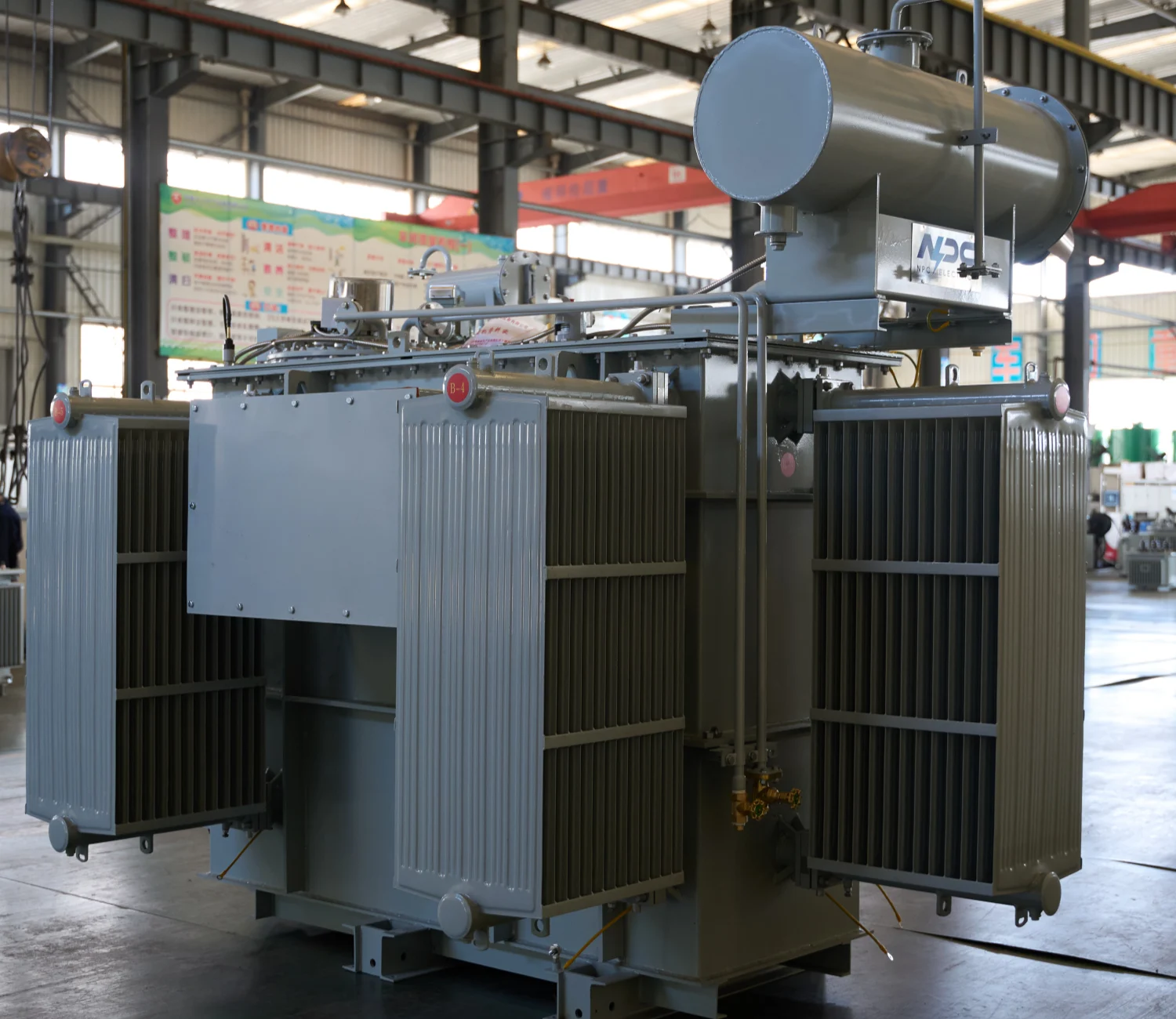
Cooling systems significantly influence transformer performance, lifespan, and loading capability.
ONAN Cooling
Oil Natural Air Natural (ONAN) cooling uses natural oil circulation and natural air convection.
Advantages:
- Simplicity
- Reliability
- Low maintenance
ONAF Cooling
Oil Natural Air Forced (ONAF) cooling utilizes external cooling fans.
Advantages:
- Increased loading capability
- Improved heat dissipation
- Better efficiency under high load
Advanced Cooling Systems
Large transformers may employ:
- OFAF
- OFWF
- Directed oil flow systems
These designs support high-capacity power generation and industrial applications.
Proper thermal design is one of the most important indicators of transformer quality.
6. Factory Testing and Quality Assurance
The best power transformer manufacturers distinguish themselves through comprehensive testing programs.
Every transformer should undergo factory acceptance testing before shipment.
Table: 35kV Transformer Factory Acceptance Test Checklist
|
Test Item |
IEC 60076 Requirement |
Purpose |
|
Transformer Turns Ratio Test |
Required |
Verify voltage ratio accuracy |
|
Winding Resistance Test |
Required |
Check winding integrity |
|
Vector Group Test |
Required |
Confirm phase displacement |
|
Insulation Resistance Test |
Required |
Evaluate insulation condition |
|
No-Load Loss Test |
Required |
Measure core losses |
|
Load Loss Test |
Required |
Measure copper losses |
|
Applied Voltage Test |
Required |
Verify insulation strength |
|
Induced Voltage Test |
Required |
Check dielectric performance |
|
Temperature Rise Test |
Type Test |
Validate cooling design |
|
Short Circuit Withstand Test |
Type Test |
Confirm mechanical strength |
|
Lightning Impulse Test |
Type Test |
Verify surge withstand capability |
Routine Tests
Typical routine tests include:
- Turns ratio verification
- Winding resistance measurement
- Insulation resistance testing
- Vector group verification
- No-load loss measurement
- Load loss measurement
Type Tests
Type tests validate design performance.
Examples include:
- Temperature rise test
- Lightning impulse test
- Short-circuit withstand test
Test Reports
Professional manufacturers provide detailed test reports documenting compliance with:
- IEC 60076
- IEEE standards
- Customer specifications
Comprehensive test reports provide confidence that the transformer will perform reliably in service.
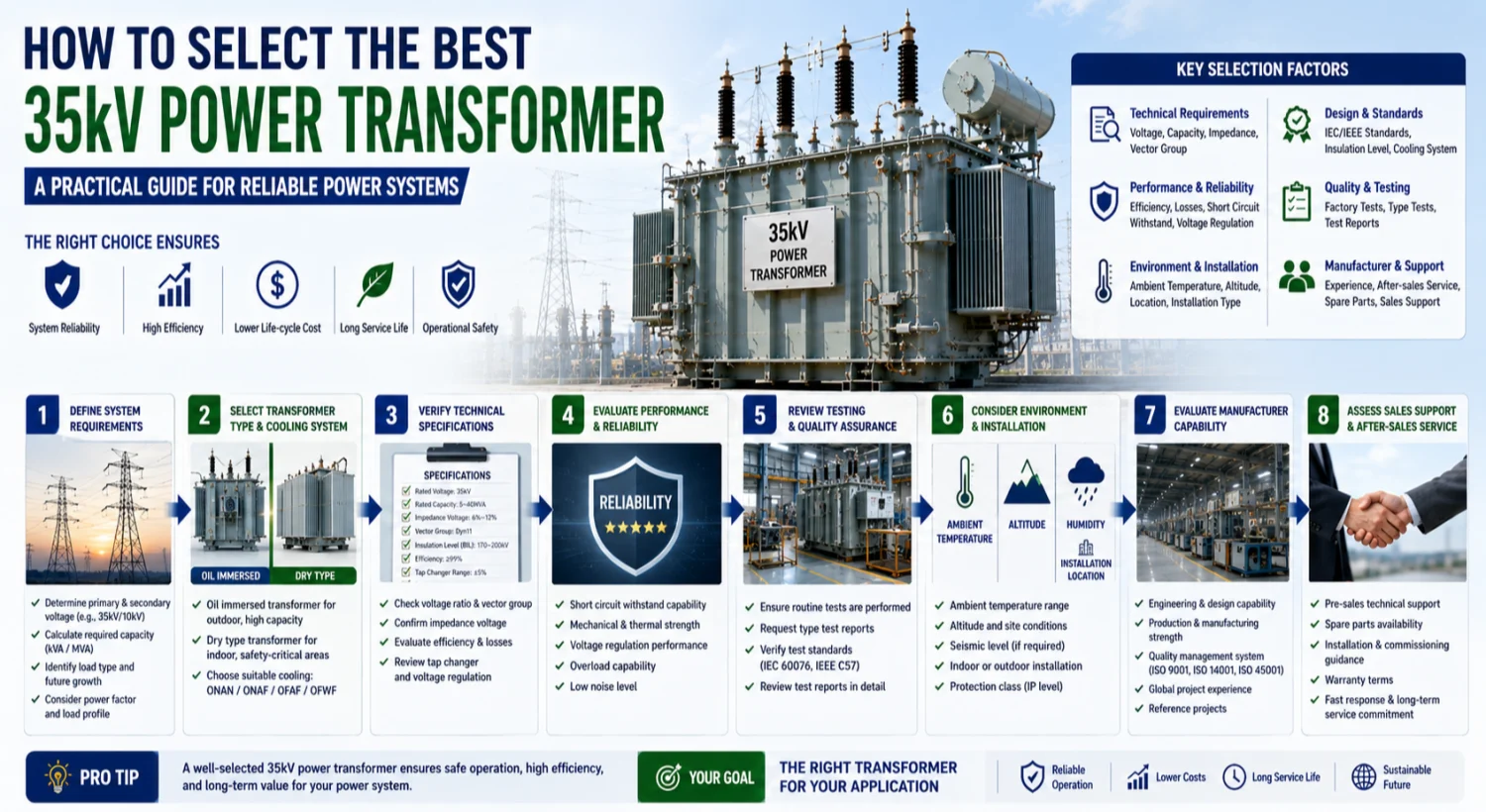
7. How to Select the Best 35kV Power Transformer
A structured evaluation process helps reduce technical and commercial risks.
Table: Transformer Selection Decision Matrix
|
Selection Factor |
Utility Substation |
Solar Farm |
Wind Farm |
Industrial Plant |
|
Recommended Capacity |
10–40MVA |
5–25MVA |
10–40MVA |
5–25MVA |
|
Preferred Cooling |
ONAN / ONAF |
ONAN |
ONAN / ONAF |
ONAN / Dry Type |
|
Tap Changer |
OLTC |
OCTC |
OLTC |
OCTC |
|
Transformer Type |
Oil Immersed |
Oil Immersed |
Oil Immersed |
Oil or Dry Type |
|
Voltage Regulation Requirement |
High |
Medium |
High |
High |
|
Short Circuit Strength |
High |
Medium |
High |
High |
Evaluate System Requirements
Determine:
- Voltage level
- Capacity
- Load profile
- Future expansion needs
Analyze Environmental Conditions
Consider:
- Ambient temperature
- Humidity
- Altitude
- Pollution levels
- Seismic requirements
Environmental factors strongly influence transformer design.
Compare Manufacturer Capabilities
When evaluating a power transformer manufacturer, review:
- Engineering expertise
- Manufacturing facilities
- Testing capabilities
- Export experience
- Project references
The lowest purchase price rarely produces the lowest lifecycle cost.
Review Sales Support
Strong sales support should include:
- Technical consultation
- Project engineering assistance
- Spare parts availability
- Installation guidance
- After-sales service
Reliable support is particularly important for international projects.
Examine Certifications
Leading manufacturers typically comply with:
- IEC standards
- IEEE standards
- ISO 9001
- ISO 14001
- ISO 45001
Certification demonstrates commitment to quality and operational consistency.
8. Top Characteristics of Reliable Transformer Manufacturers
The global transformer market includes hundreds of suppliers, but only a limited number consistently meet utility-grade requirements.
The best manufacturers share several characteristics.
Strong Engineering Design
Advanced transformer design capabilities improve:
- Efficiency
- Reliability
- Short-circuit withstand performance
- Voltage regulation
Modern Manufacturing Facilities
High-quality factories employ:
- Automated winding equipment
- Precision core cutting systems
- Vacuum oil filling technology
- Advanced testing laboratories
Proven Export Experience
International projects require suppliers familiar with:
- IEC compliance
- Logistics management
- Documentation requirements
- Project coordination
Comprehensive Quality Control
Reliable manufacturers implement strict quality control procedures throughout:
- Material inspection
- Production
- Assembly
- Testing
- Shipment preparation
Long-Term Customer Support
The best transformer suppliers focus on long-term partnerships rather than single transactions.
Ongoing support improves asset reliability throughout the transformer lifecycle.
FAQ
1: What is a 35kV power transformer used for?
35kV power transformers provide voltage transformation for efficient power transmission and distribution. They help reduce transmission losses, improve voltage regulation, and ensure reliable power delivery across utility and industrial networks.
2: What is the difference between a power transformer and a distribution transformer?
A power transformer generally operates at higher voltage levels and larger capacities, focusing on bulk power transfer. Distribution transformers operate at lower voltage levels and are optimized for supplying residential, commercial, and industrial consumers.
3: Which is better: an oil-immersed transformer or a dry-type transformer?
Oil-immersed transformers offer excellent cooling performance, higher overload capability, and lower cost per MVA, making them ideal for outdoor substations and utility projects. Dry type transformers provide enhanced fire safety and are commonly used in indoor environments such as hospitals, commercial buildings, and data centers.
4: What cooling systems are commonly used in 35kV power transformers?
Common cooling methods include ONAN (Oil Natural Air Natural), ONAF (Oil Natural Air Forced), OFAF (Oil Forced Air Forced), and OFWF (Oil Forced Water Forced). The appropriate cooling system depends on transformer capacity, loading conditions, and environmental requirements.
5: Why is short-circuit withstand capability important in transformer selection?
A transformer with strong short circuit withstand capability can survive fault conditions without suffering structural damage. This improves system reliability, reduces maintenance costs, and extends transformer service life.
6: What test reports should be provided by a transformer manufacturer?
A reputable power transformer manufacturer should provide routine test reports including turns ratio, winding resistance, insulation resistance, no-load loss, load loss, and vector group tests. Additional type tests such as temperature rise, lightning impulse, and short circuit withstand tests may also be available.
7: How do I choose the correct transformer capacity?
Engineers typically evaluate peak load, diversity factor, power factor, future growth projections, and system redundancy requirements before determining the optimal transformer kVA or MVA rating. Oversizing increases costs, while undersizing may reduce reliability.
8: What international standards should a 35kV power transformer comply with?
Most utility and industrial projects require compliance with IEC 60076, IEEE C57, ANSI, ISO 9001, and local utility specifications. These standards govern transformer design, testing, insulation performance, efficiency, and operational reliability.
9: What should I evaluate when selecting a power transformer manufacturer?
Key evaluation criteria include engineering expertise, production capacity, testing facilities, international certifications, export experience, project references, quality control systems, and after-sales technical support.
10: How long does a 35kV power transformer typically last?
A well-designed and properly maintained 35kV power transformer can typically operate for 25 to 40 years or longer. Regular oil analysis, preventive maintenance, and proper loading management help maximize service life.
Conclusion
Selecting the best 35kV Power Transformer requires balancing technical performance, reliability, lifecycle cost, and manufacturer capability. Whether choosing an oil immersed transformer for a utility substation or a dry type transformer for an indoor industrial facility, decision-makers should carefully evaluate voltage regulation, short circuit withstand capability, cooling systems, test reports, engineering quality, and after-sales support. By partnering with an experienced power transformer manufacturer that provides comprehensive testing, international certifications, and professional sales support, utilities and industrial operators can ensure dependable power distribution and power generation performance for decades of service.

Related Articles
Related Products
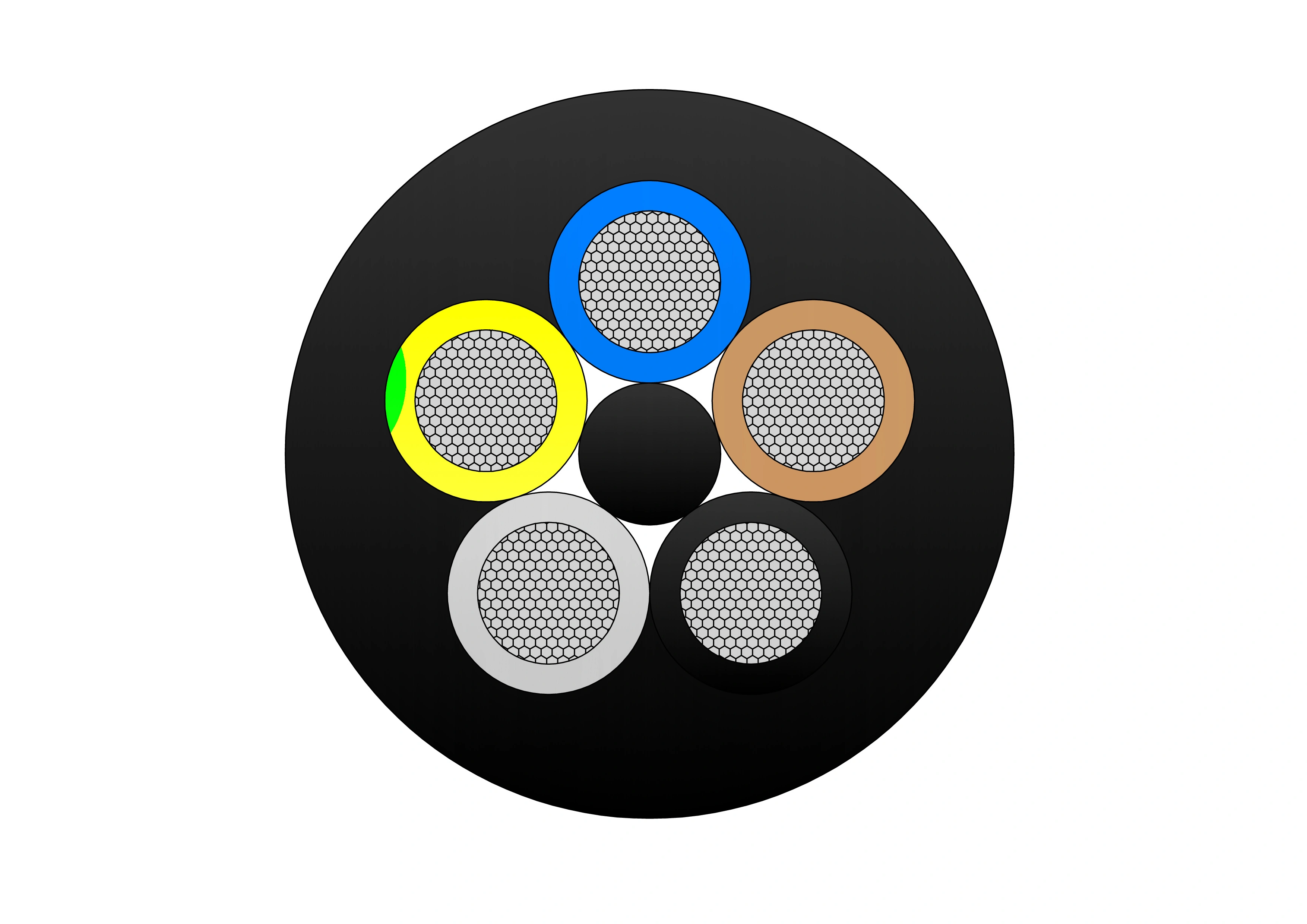
(N)TSCGECEWOU 3.6/6kV and 6/10kV ATB Cable
The (N)TSCGECEWOU 3.6/6kV and 6/10kV ATB Cable is a flexible, heavy-duty medium-voltage trailing/reeling cable with anti-torsion braid (ATB) for superior torsional stability in extreme mining conditions. It features class 5 finely stranded tinned copper phase conductors for flexibility and corrosion resistance, semi-conductive conductor and insulation screens, EPR insulation for high dielectric strength and 90°C rating, copper wire braid screen for EMI/grounding, control conductors, monitoring conductor (ÜL), anti-torsion polyester braid for reduced twisting under dynamic loads, and a tough rubber outer sheath resistant to oil, flame, abrasion, and mechanical stress. Compliant with DIN VDE 0250, it handles high tensile forces, fast reeling, and tight bends while providing EMC protection. The (N)TSCGECEWOU ATB ensures safe, reliable MV power to mobile equipment like draglines, shovels, and tunnel boring machines in harsh opencast/underground environments.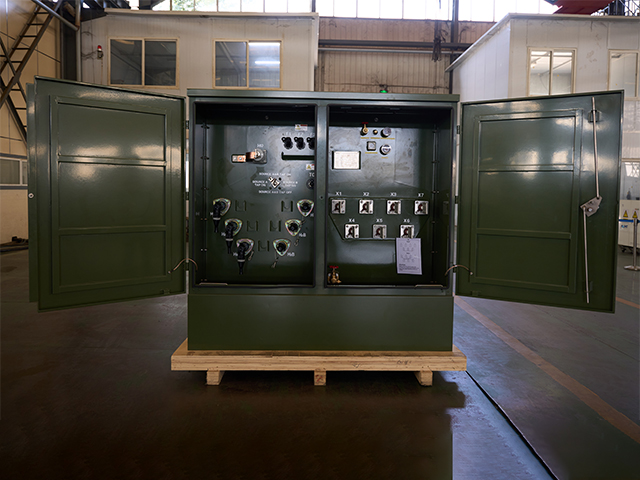
1500kVA Three Phase Pad Mounted Transformer
NPC ELECTRIC's 1500kVA Three Phase Pad Mounted transformer is designed with high-quality silicon steel sheets and insulating oil, in compliance with international standards such as IEC and ANSI, ensuring efficient and stable operation. It is suitable for a variety of scenarios such as urban power distribution, residential areas, commercial parks and industrial facilities. Whether it is ring network power supply or radial power supply, it can be flexibly applied to help achieve efficient and intelligent power transmission and distribution solutions.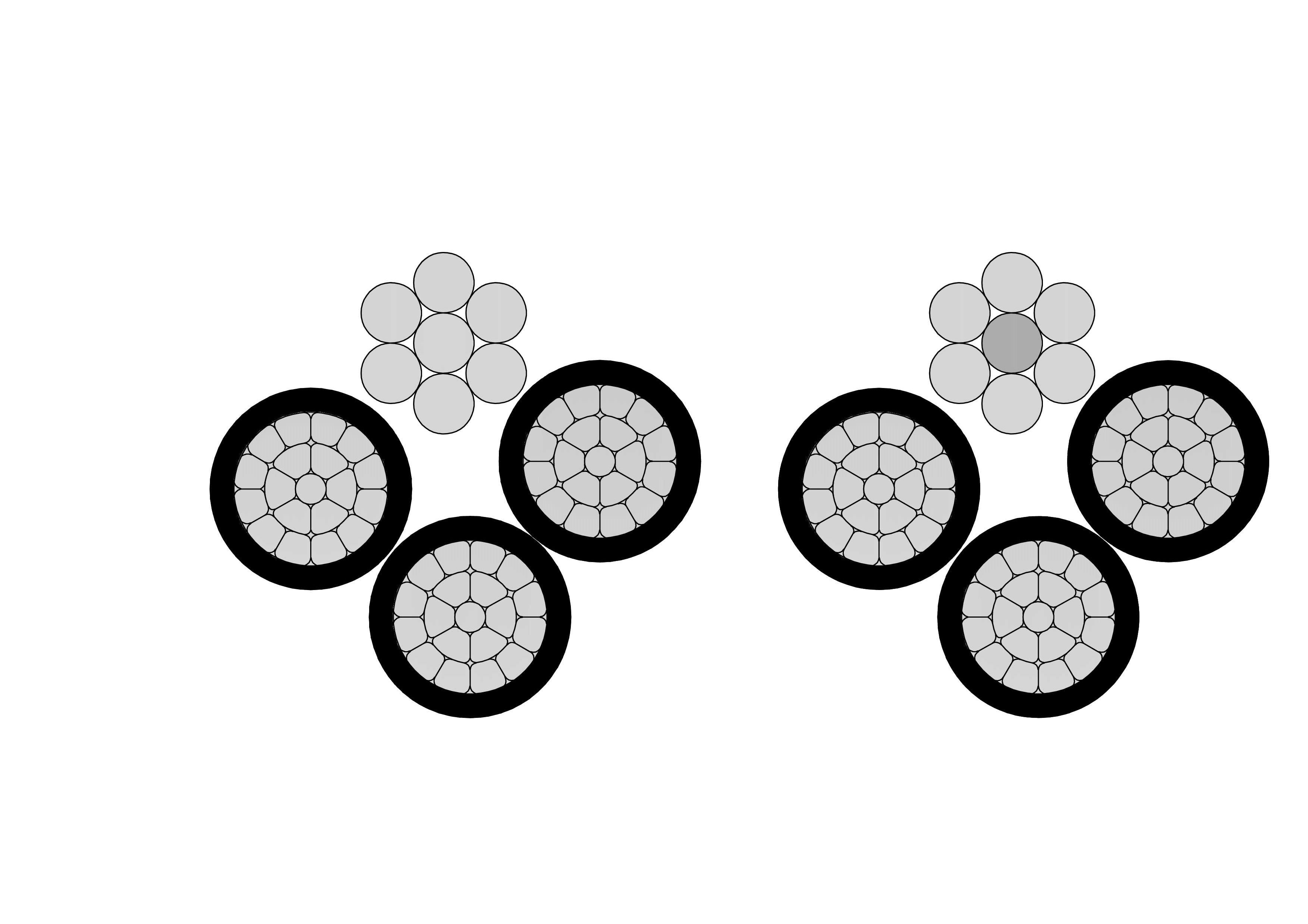
NS75/NS90 Quadruplex Unjacketed Overhead Neutral Supported Cable
NS75/NS90 Quadruplex Unjacketed Overhead Neutral Supported Cable is designed to deliver three-phase power from secondary overhead power lines or pole-mounted transformers directly to the service entrance conductors of a building or structure. Rated for 600V systems, this cable combines durability, conductivity, and thermal performance, making it ideal for residential, commercial, and light industrial power distribution. Featuring three XLPE-insulated aluminum phase conductors (75 mm² or 95 mm²) supported by a bare neutral messenger (ACSR or AAAC) without an overall jacket, it offers excellent mechanical strength and weather resistance. Compliant with AS/NZS 3560, IEC, and utility standards, this cable supports 600/1000V applications with superior UV, moisture, and tracking protection. The unjacketed design reduces weight and cost while maintaining integrity for spans up to 100m. The NS75/NS90 Quadruplex Unjacketed Overhead Neutral Supported Cable ensures low sag, easy installation, and long-term reliability in harsh conditions.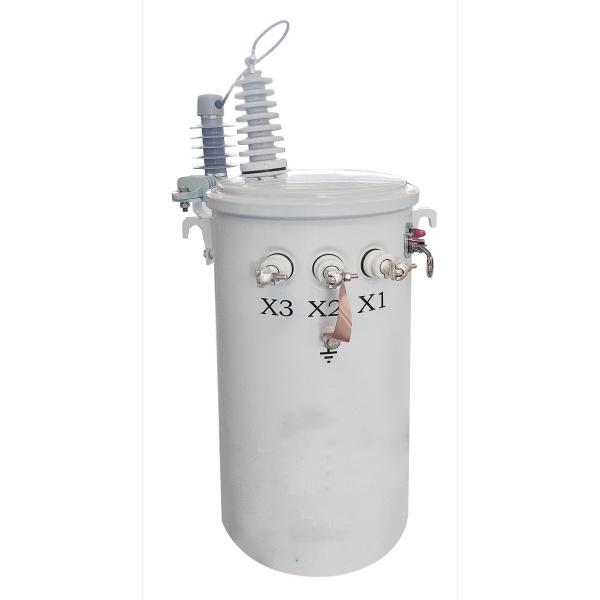
75kVA Completely self-protected(CSP) Single Phase Pole Mounted Transformer
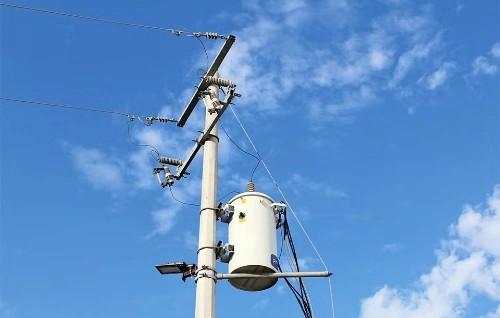
NPC ELECTRIC, the production of a 75kVA Completely Self-Protected (CSP) Single Phase Pole Mounted Transformer is a high-efficiency, reliable solution for single-phase power distribution in residential, commercial, and small industrial applications. Equipped with built-in protection features such as overload, short-circuit, and over-voltage protection, it ensures automatic disconnection during fault conditions to prevent damage to the system. Its pole-mounted design saves space and is ideal for installation in both urban and rural environments. The transformer operates with minimal energy loss, ensuring high efficiency and long-term performance, while its durable construction makes it resistant to harsh weather conditions, ensuring a reliable and safe power supply over time.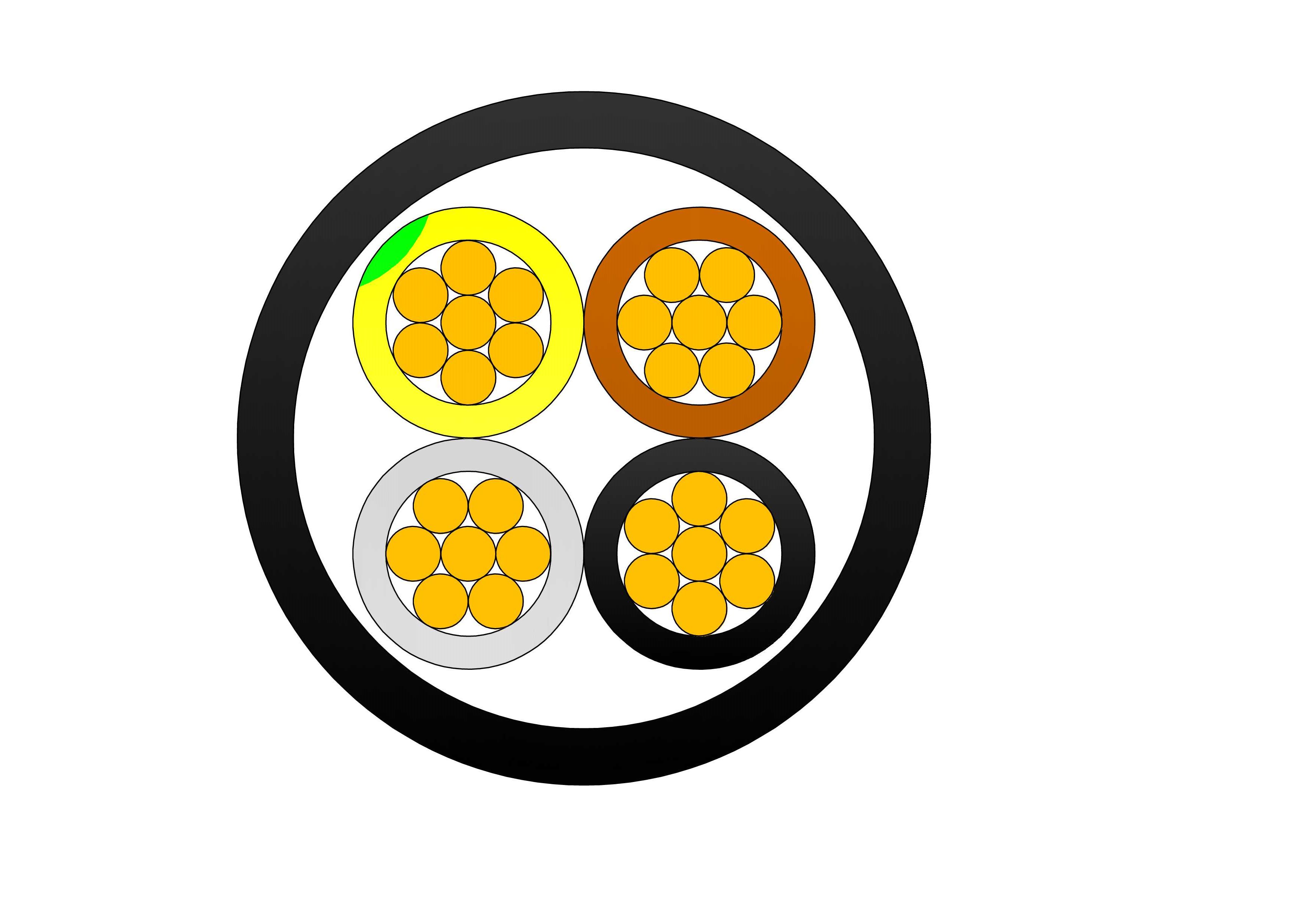
GYTS Fiber Optic Cable
The GYTS Fiber Optic Cable is engineered for outdoor communication applications requiring reliable optical transmission and enhanced mechanical protection. Featuring a stranded loose tube design, central strength member, water-blocking filling compound, aluminum moisture barrier, corrugated steel tape armor, and PE outer jacket, the cable provides outstanding performance in challenging environments. The gel-filled loose tubes protect optical fibers from moisture ingress and mechanical stress while maintaining stable transmission characteristics. The APL moisture barrier prevents water penetration, and the PSP steel tape armor enhances crush resistance, impact protection, and rodent resistance. The UV-resistant PE sheath ensures excellent resistance to weathering, chemicals, and environmental aging. Manufactured according to IEC 60794 and ITU-T standards, the GYTS Fiber Optic Cable is widely used in telecommunications networks, utility communication systems, broadband deployment projects, and industrial communication infrastructure. The cable offers a cost-effective and highly durable solution for outdoor fiber optic network installations.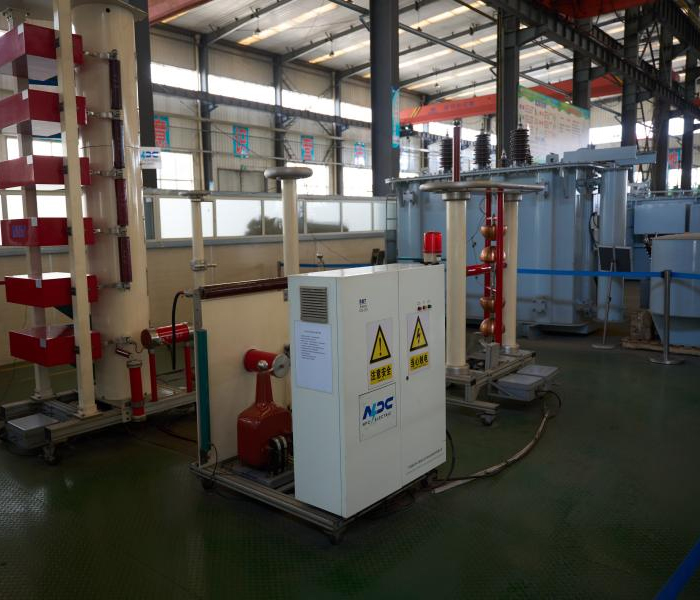
1000kVA Dry Type Transformer
NPC ELECTRIC 1000kVA Dry-Type Transformer offers efficient, oil-free power distribution with a compact design. Equipped with advanced insulation and cooling systems, it ensures safe and reliable operation with minimal maintenance. Ideal for industrial and commercial applications, it provides environmentally friendly and cost-effective performance. Standard features include three-phase configuration, primary voltages 208V–600V (e.g., 480V Delta, 600V Delta), secondary voltages such as 208Y/120V, 480Y/277V, or custom, aluminum or copper windings, 150°C rise (standard) or 115°C/80°C with 220°C insulation class, ±2×2.5% primary taps, NEMA 1 ventilated enclosure (NEMA 3R/encapsulated options), natural convection cooling (AN), electrostatic shielding, and NEMA-compliant low sound levels.
LiYCY Control Cable - Screened Flexible PVC Control Cable
The LiYCY Control Cable is a high-quality screened flexible control cable widely used in industrial automation and machinery applications. It features finely stranded copper conductors with PVC insulation, twisted cores, a tinned copper braid screen for superior electromagnetic interference (EMI) protection, and a durable PVC outer sheath. This construction provides excellent flexibility, reliable signal transmission, and effective shielding against electrical noise. Rated 300/500V, the LiYCY Control Cable is ideal for dynamic installations and environments requiring both mechanical flexibility and EMI protection. Manufactured to international standards such as VDE 0812 and IEC 60227, it undergoes rigorous quality testing from raw materials to finished product, ensuring consistent electrical performance, mechanical strength, and long-term reliability in demanding industrial control applications.
11/0.4kV Dry Type Transformer | Indoor Power Transformer
Discover the reliable 11/0.4kV Dry Type Transformer | Indoor Power Transformer, a safe, oil-free solution designed for efficient medium-to-low voltage conversion in indoor electrical installations. This three-phase dry-type transformer (typically cast resin or vacuum pressure impregnated) features premium low-loss silicon steel cores and high-conductivity copper windings, achieving superior energy efficiency often exceeding 98% and complying with IEC 60076-11 standards. The epoxy resin encapsulation provides excellent moisture resistance, fire self-extinguishing properties (F1 class), minimal partial discharge (<10pC), and robust short-circuit withstand capability. With natural air (AN) cooling and optional forced air (AF) upgrades, it offers low noise operation, Class F/H insulation, and maintenance-free performance in demanding environments. Ideal for step-down from 11kV primary (with ±2×2.5% or wider off-circuit taps) to 0.4kV secondary (Dyn11 vector group standard), this indoor power transformer supports capacities from 100kVA to several MVA, delivering stable, eco-friendly power distribution without oil-related risks.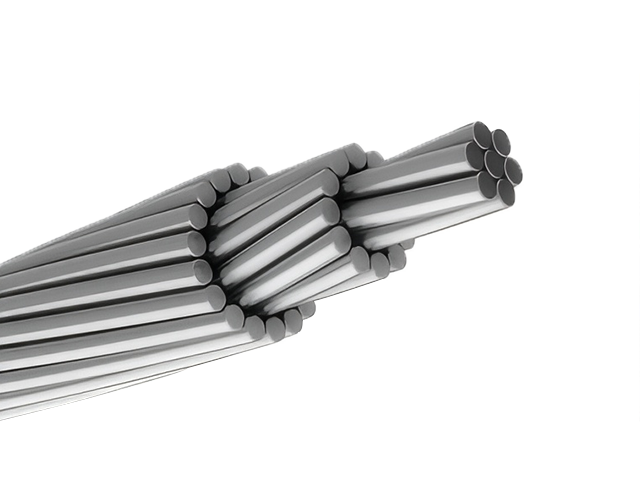
477 MCM PELICAN ACSR Conductor Cable
The ACSR CAA 477 MCM 18/1F PELICAN conductor is a high-performance Aluminium Conductor Steel Reinforced (ACSR) cable designed for use in overhead transmission and distribution line systems. Constructed with 18 strands of hard-drawn 1350-H19 aluminium helically stranded around a single galvanized steel wire, this conductor offers a well-balanced combination of electrical conductivity, lightweight design, and mechanical strength. Manufactured in compliance with ASTM B232, the PELICAN configuration is ideal for long-span installations where tensile strength, corrosion resistance, and current-carrying capability are critical. The galvanized steel core, available with Class A or B galvanization, provides excellent protection against environmental degradation while reinforcing the aluminium layers with the mechanical support required for demanding utility applications. Its 18/1 stranded design makes the PELICAN conductor particularly suitable for medium- and high-voltage overhead systems where both performance and cost-efficiency are important.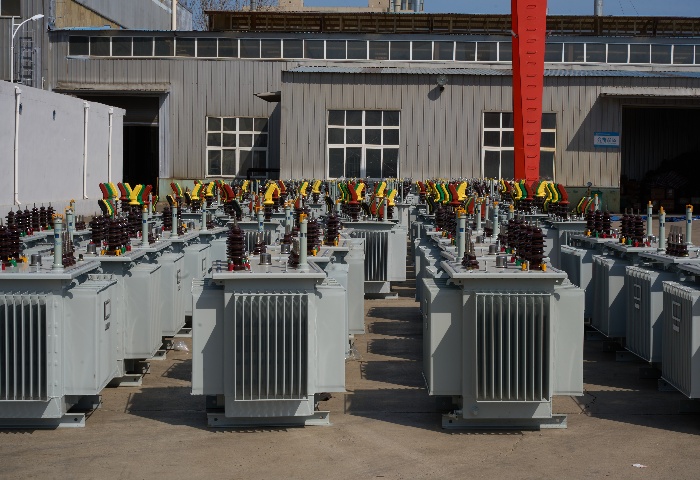
400kVA Oil Immersed Transformer
The 400kVA Oil Immersed Transformer produced by our company adopts a new insulation structure to improve the short-circuit resistance; the iron core is made of high-quality cold-rolled silicon steel sheet; the high-voltage winding is made of high-quality oxygen-free copper wire and adopts a multi-layer cylindrical structure; all fasteners are treated with special anti-loosening treatment. ONAN cooling, aluminum or copper windings, high-voltage 34.5kV / 24.94kV / 13.8kV / 12.47kV / 4.16kV (delta or wye), low-voltage 480Y/277V, 208Y/120V, 600Y/347V or custom, ±2×2.5% HV taps.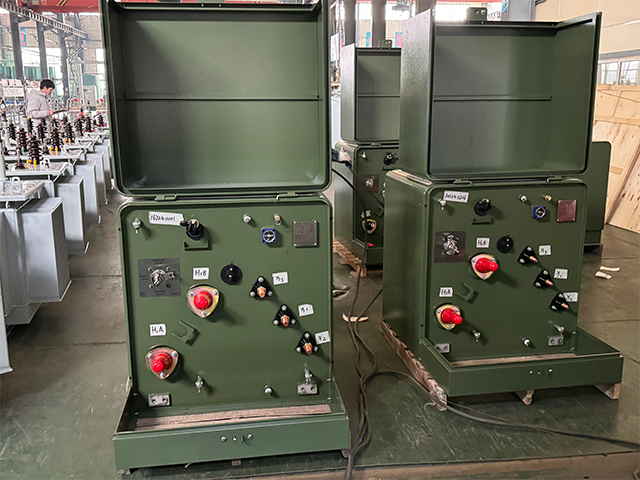
500kVA Single Phase Pad Mounted Transformer
The 500kVA Single Phase Pad Mounted Transformer is a high-capacity electrical transformer designed for reliable and efficient power distribution in commercial, industrial, and utility applications. With a robust, weatherproof enclosure, it is specifically built for outdoor use and can handle the demanding requirements of larger single-phase systems. This transformer offers a 500kVA capacity, ensuring dependable performance for a variety of load conditions.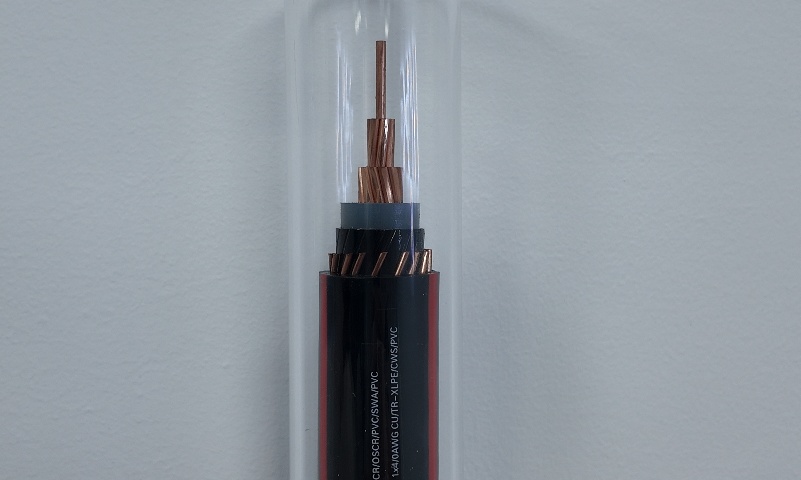
5-46kV TR-XLPE URD Medium Voltage Utility Cables
5–46kV TR-XLPE URD Medium Voltage Utility Power Cables are specifically designed for underground residential distribution and utility power networks. Manufactured with high-quality copper or aluminum conductors and tree-retardant cross-linked polyethylene (TR-XLPE) insulation, these cables provide superior resistance to electrical treeing, moisture ingress, and long-term aging. The TR-XLPE insulation system significantly extends service life in underground installations where environmental stress and moisture exposure are common. Rated for voltage levels from 5kV to 46kV, the cable ensures stable and efficient power transmission under continuous operating conditions. Its robust construction supports direct burial or duct installation, meeting the reliability requirements of modern utility infrastructure. Designed to meet utility and industry performance expectations, TR-XLPE URD cables offer consistent electrical performance, enhanced durability, and reduced maintenance over their operational lifespan.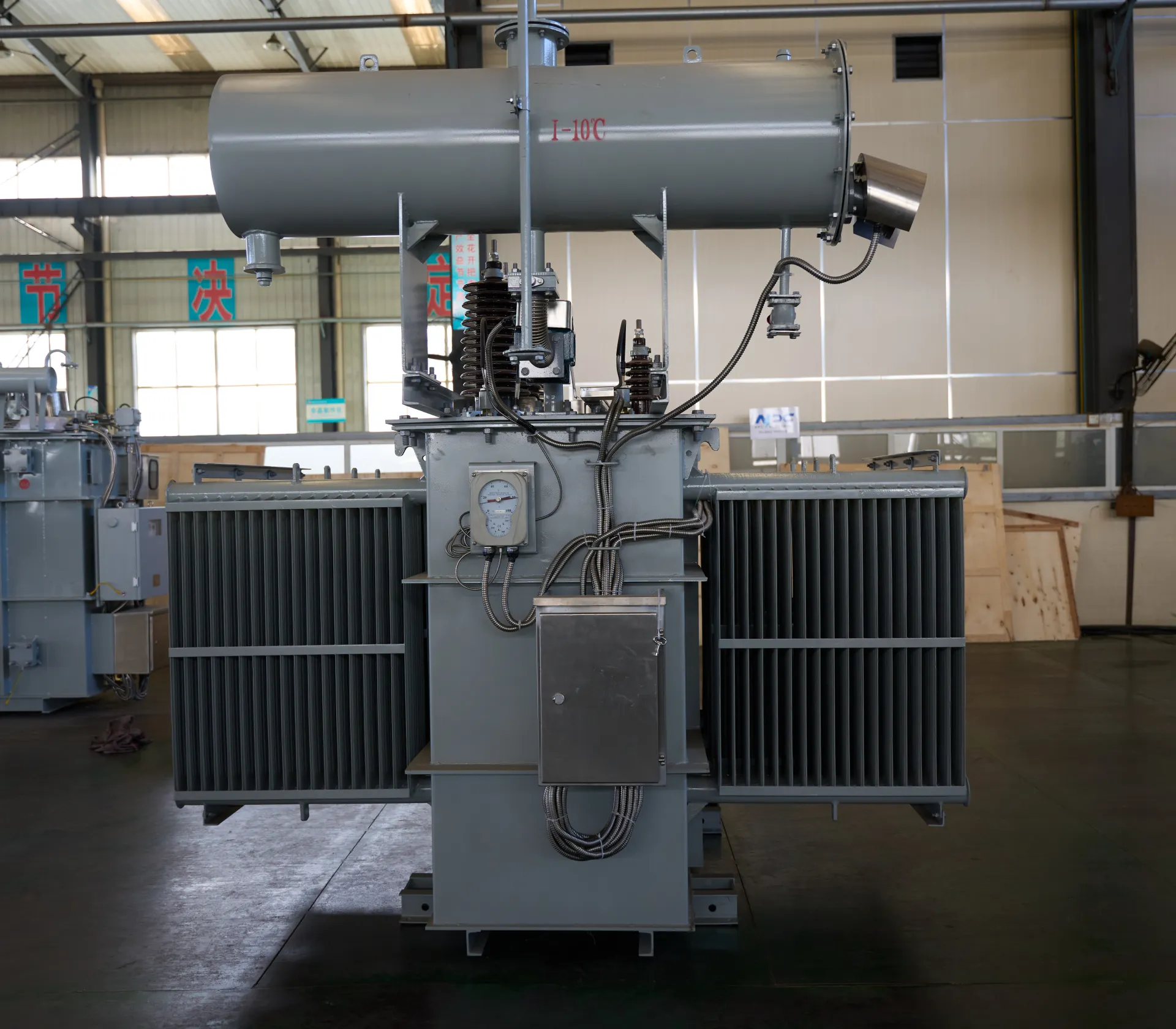
45kV 2500kVA Weatherproof & Oven-Proof Oil-Immersed Power Transformer
The 45kV 2500kVA Weatherproof & Oven-Proof Oil-Immersed Power Transformer is engineered for demanding outdoor applications requiring high durability, stable voltage transformation, and long-term operational reliability. Designed with premium cold-rolled silicon steel, high-conductivity copper windings, and a reinforced oil-immersed cooling system, the transformer ensures excellent thermal stability and resistance to overheating. Its oven-proof construction allows the unit to withstand high ambient temperatures, while the weatherproof enclosure provides protection against rain, dust, humidity, and corrosive environments. With advanced insulation, strong short-circuit endurance, and compatibility with both off-load and on-load tap changers, this 45kV outdoor transformer is ideal for substations, industrial facilities, renewable energy sites, and long-distance power distribution systems. Built in accordance with IEC 60076 standards, it delivers efficiency, reliability, and lifespan required for critical grid infrastructure.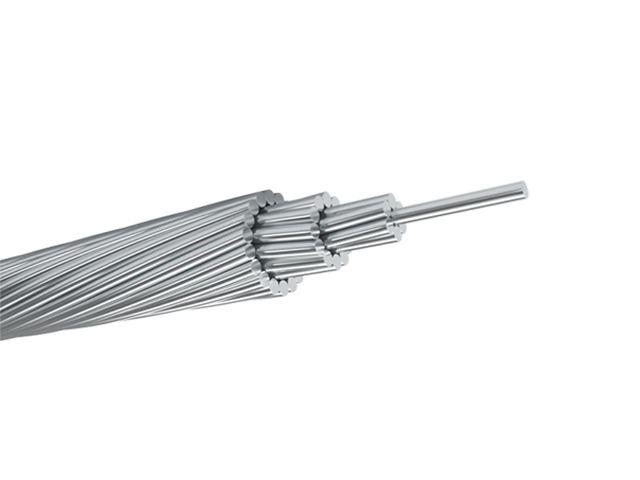
GREELEY AAAC Conductor Cable
GREELEY AAAC (All Aluminum Alloy Conductor) cables are manufactured in accordance with ASTM B399 standards, offering a balance of strength, conductivity, and corrosion resistance. With 850 mm² nominal area and 61-strand construction, it features heat-treated aluminum-magnesium-silicon alloy (6201-T81) for enhanced strength (295 MPa min) and conductivity (53% IACS min). Meeting ASTM B398, B399, IEC 61089, and BS EN 50182 standards, this cable supports ampacity up to 1250A at 75°C and voltages up to 33kV. The uniform alloy eliminates bimetallic issues, offering superior corrosion resistance in harsh environments compared to ACSR. Low weight reduces sag and installation costs, enabling longer spans. The Greeley AAAC Conductor Cable provides minimal electrical losses, high mechanical endurance, and excellent weather tolerance. Flame-retardant options available. Suited for urban grids, renewable connections, and coastal installations, it ensures cost-effective, maintenance-free power delivery in overhead systems globally, outperforming traditional conductors in reliability and lifespan.
25000kVA Oil-Immersed Copper Transformer For Substation
The 25,000kVA oil-immersed copper transformer is engineered for high-standard power distribution in large industrial facilities, utility networks, and high-voltage substations. Built with premium pure copper windings, it delivers exceptional electrical conductivity, reduced losses, and long-term operational stability. The oil-immersed cooling system ensures efficient heat dissipation, allowing the transformer to perform reliably under continuous heavy load conditions.Welcome your inquiry
Honesty, Integrity, Frugality, Activeness and Passion