Copper and Aluminum Conductors: Key Differences in Electrical Cables
2026-02-25
In modern electrical systems, the choice of conductor material has become a core engineering decision affecting system safety, energy efficiency, lifecycle cost, and long-term reliability. As the most widely used electrical conductors, copper and aluminum dominate the global wire and cable market, especially in power distribution, commercial buildings, and industrial infrastructure. According to International Electrotechnical Commission (IEC) and National Electrical Code (NEC) standards, the application of these two materials covers a wide range of scenarios, from high-voltage power transmission to low-voltage residential wiring.
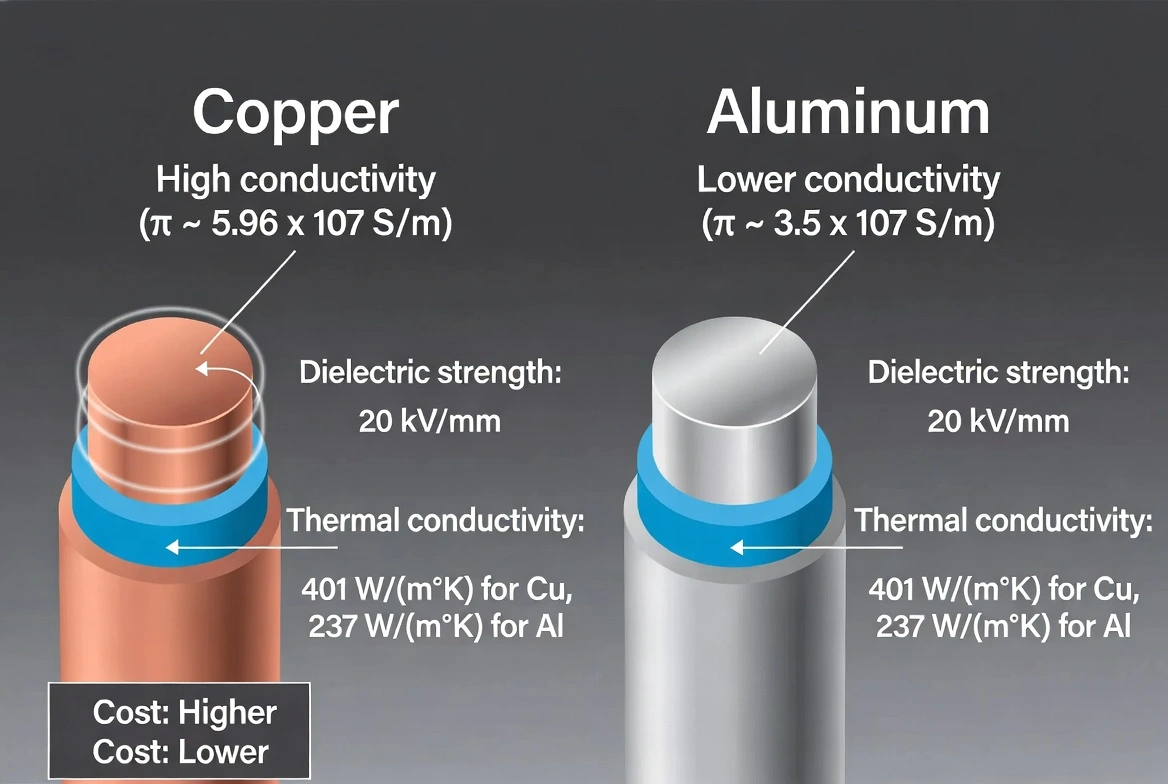
From an engineering perspective, choosing between copper and aluminum cables involves much more than just an initial cost comparison. Copper is renowned for its superior conductivity (resistivity of only 1.68 × 10⁻⁸ Ω·m), effectively reducing energy loss and heat buildup, ensuring efficient transmission. Simultaneously, copper's high mechanical strength and strong corrosion resistance make it suitable for high-load and harsh environment applications, such as data centers or offshore platforms. However, aluminum, with only one-third the density of copper, is lighter and cheaper (typically saving 20-50%), making it excellent for long-distance transmission lines such as overhead lines. However, its lower conductivity (resistivity 2.82 × 10⁻⁸ Ω·m) necessitates larger cross-sections to compensate, and its susceptibility to oxidation can lead to connection point failures.
During installation, copper cables are more flexible, facilitating bending and termination, while aluminum cables require specialized tools and alloy connectors to prevent loosening due to thermal expansion differences. Regulatory requirements are also crucial; for example, the EU RoHS Directive restricts the use of hazardous substances, driving the development of environmentally friendly aluminum alloys. Overall, engineers must weigh the trade-offs based on project requirements: copper is suitable for high-reliability applications, while aluminum optimizes cost-effectiveness. A comprehensive evaluation can enable sustainable electrical system design, reducing maintenance costs and improving overall performance.
Electrical Conductivity and Performance
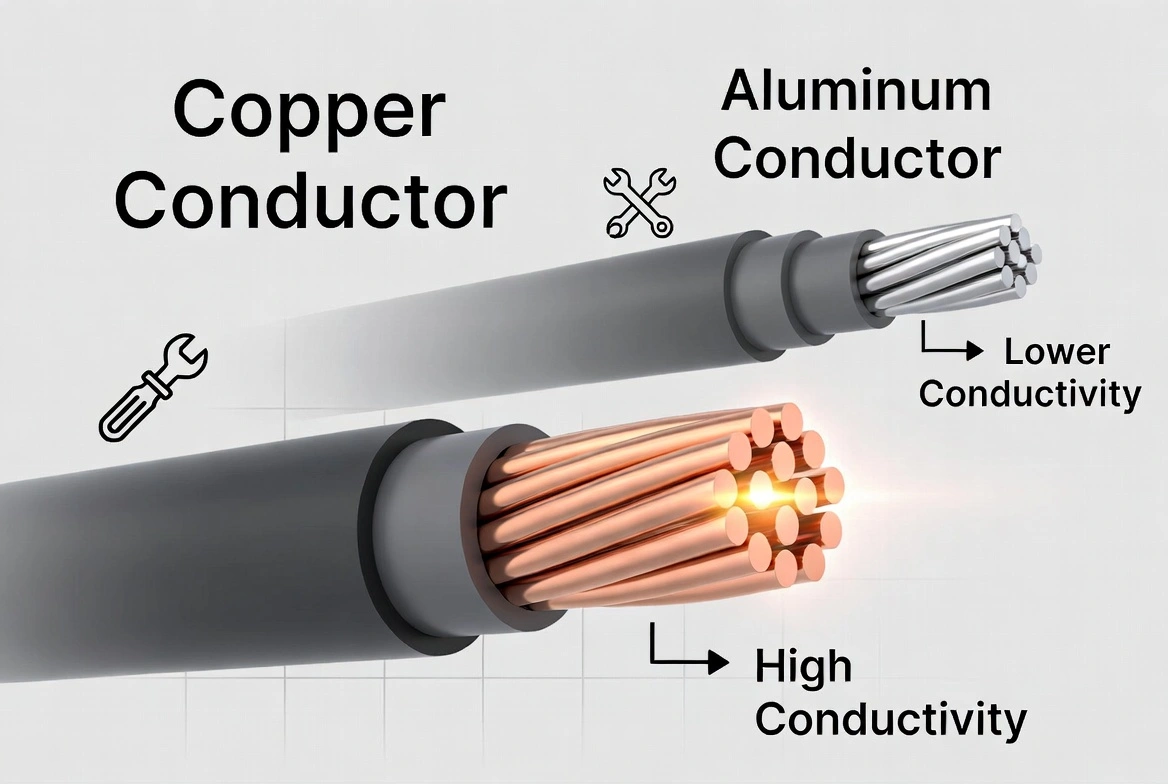
Electrical conductivity is one of the primary performance indicators of any electrical wire. Copper has long been regarded as the benchmark material due to its superior ability to carry current with minimal energy loss.
Copper conductors offer approximately 60% higher conductivity than aluminum conductors of the same cross-sectional area. This means that a copper wire can carry the same current as an aluminum wire with a smaller diameter, resulting in more compact cable designs and reduced voltage drop.
However, aluminum conductors compensate for lower conductivity by using a larger cross-sectional area. In practice, aluminum cables are engineered to meet the same current-carrying requirements as copper by increasing conductor size.
Mechanical Strength and Durability
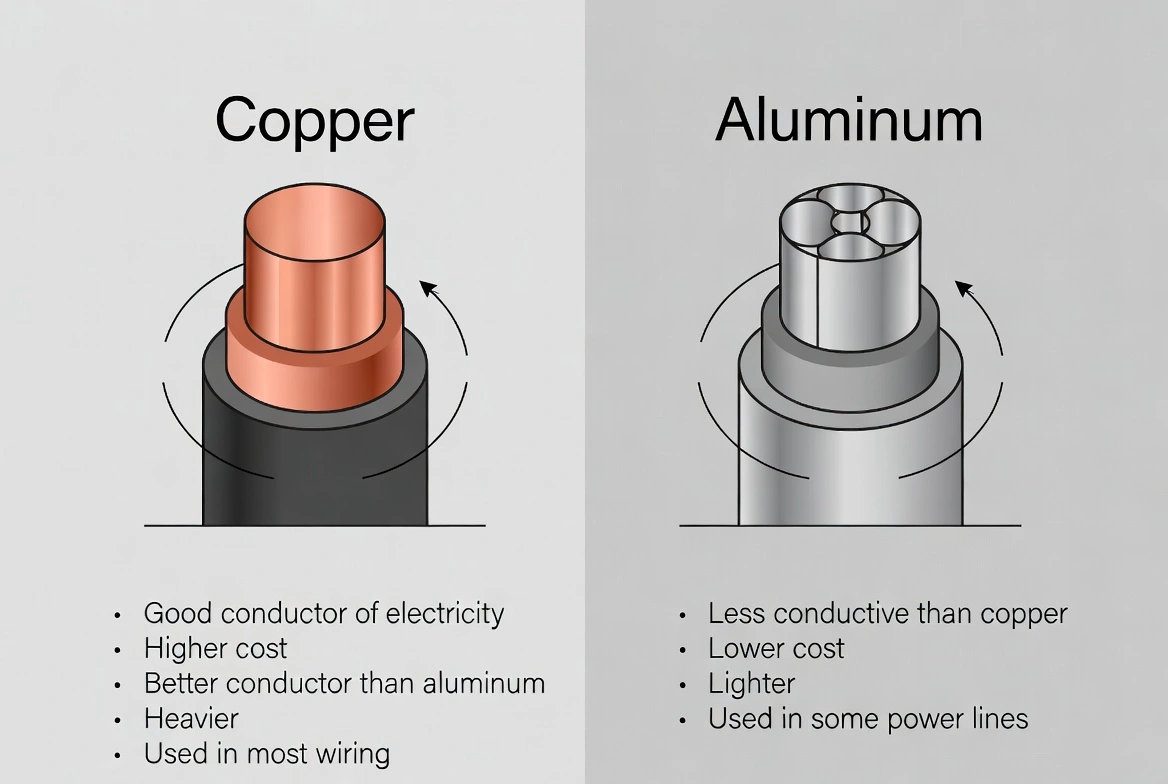
From a mechanical perspective, strength copper is significantly higher than aluminum. Copper conductors demonstrate better resistance to fatigue, vibration, and mechanical stress, making them ideal for environments where cables are frequently bent, terminated, or subjected to movement.
Aluminum wire, while lighter, has lower tensile strength and is more susceptible to mechanical deformation. This is why aluminum conductors are often used with reinforced designs, such as aluminium armoured cable, especially in underground or outdoor installations.
In demanding environments—such as industrial plants or areas with high mechanical stress—copper conductors often provide longer service life with fewer maintenance issues.
Weight, Handling, and Installation
One of aluminum’s major advantages is weight. Aluminum conductors are approximately 50% lighter than copper, which significantly reduces handling effort during installation. For large-scale power distribution projects, this weight reduction lowers labor costs and structural loading, especially in overhead systems.
In high-capacity installations such as feeders using 2/0 copper cable or 3/0 copper cable, aluminum alternatives can be easier to transport and install over long distances. This advantage becomes particularly important in utility-scale projects and high-rise commercial buildings.
Thermal Expansion and Connections
A key practical consideration in real-world installations is thermal expansion. Aluminum expands and contracts more than copper when temperatures change. If not properly addressed, this can lead to loose connections, increased resistance, and overheating.
Modern aluminum cable installations mitigate these risks through:
- Proper torque-controlled terminations
- Anti-oxidation compounds
- Certified aluminum-rated connectors
Copper conductors, by contrast, are more stable under temperature fluctuations and generally require less specialized termination practices.
Safety and Fire Performance
Copper cables offer excellent performance under high-temperature conditions and maintain conductivity even during fire exposure. Specialized solutions such as mineral insulated copper cable are widely used in critical systems where fire resistance and circuit integrity are mandatory.
Aluminum conductors require careful insulation selection and proper protection to achieve equivalent safety levels. In many installations, aluminum is paired with advanced insulation systems and armored designs to ensure compliance with safety codes.
Cost and Economic Considerations
From a procurement perspective, aluminum cable is typically 30–50% less expensive than copper cable. For large-scale electrical systems, this cost difference can significantly impact project budgets.
However, engineers must consider total lifecycle cost, including:
- Installation labor
- Termination requirements
- Maintenance frequency
- Service life
In smaller systems or environments requiring compact routing, copper often proves more cost-effective over time despite higher initial material cost.
Typical Applications in Electrical Systems
|
Application Area |
Preferred Conductor |
Reason |
|
Commercial buildings |
Copper conductors |
Compact size, high reliability |
|
Power distribution feeders |
Aluminum conductors |
Cost efficiency, lightweight |
|
Fire-resistant circuits |
Copper cable |
Superior heat resistance |
|
Underground installations |
Aluminium armoured cable |
Mechanical protection |
|
Industrial machinery |
Copper wire |
High strength and flexibility |
Compliance with Electrical Codes
Both copper and aluminum conductors are widely accepted under international electrical standards when properly designed and installed. Modern electrical systems rely on strict adherence to conductor sizing, termination practices, and insulation requirements regardless of material choice.
Field experience consistently shows that most failures are caused not by conductor material itself, but by improper installation, undersized cables, or incorrect terminations.
Practical Selection Guidance
From an engineering and construction standpoint:
- Choose copper conductors where space is limited, reliability is critical, or frequent terminations are required.
- Choose aluminum conductors for long-distance power transmission, large feeders, and cost-sensitive projects with proper installation controls.
The most effective electrical designs consider both materials as complementary solutions rather than competitors.
Both copper and aluminum conductors play essential roles in modern wires and cables infrastructure. Copper delivers superior conductivity, mechanical strength, and long-term stability, while aluminum offers economic and logistical advantages for large-scale power distribution.
By understanding the real-world performance characteristics of each material, engineers, contractors, and project managers can make informed decisions that optimize safety, efficiency, and total project value in today’s evolving electrical landscape.

Related Articles
Related Products
NSGAFÖU 1.8/3kV Rubber Cable
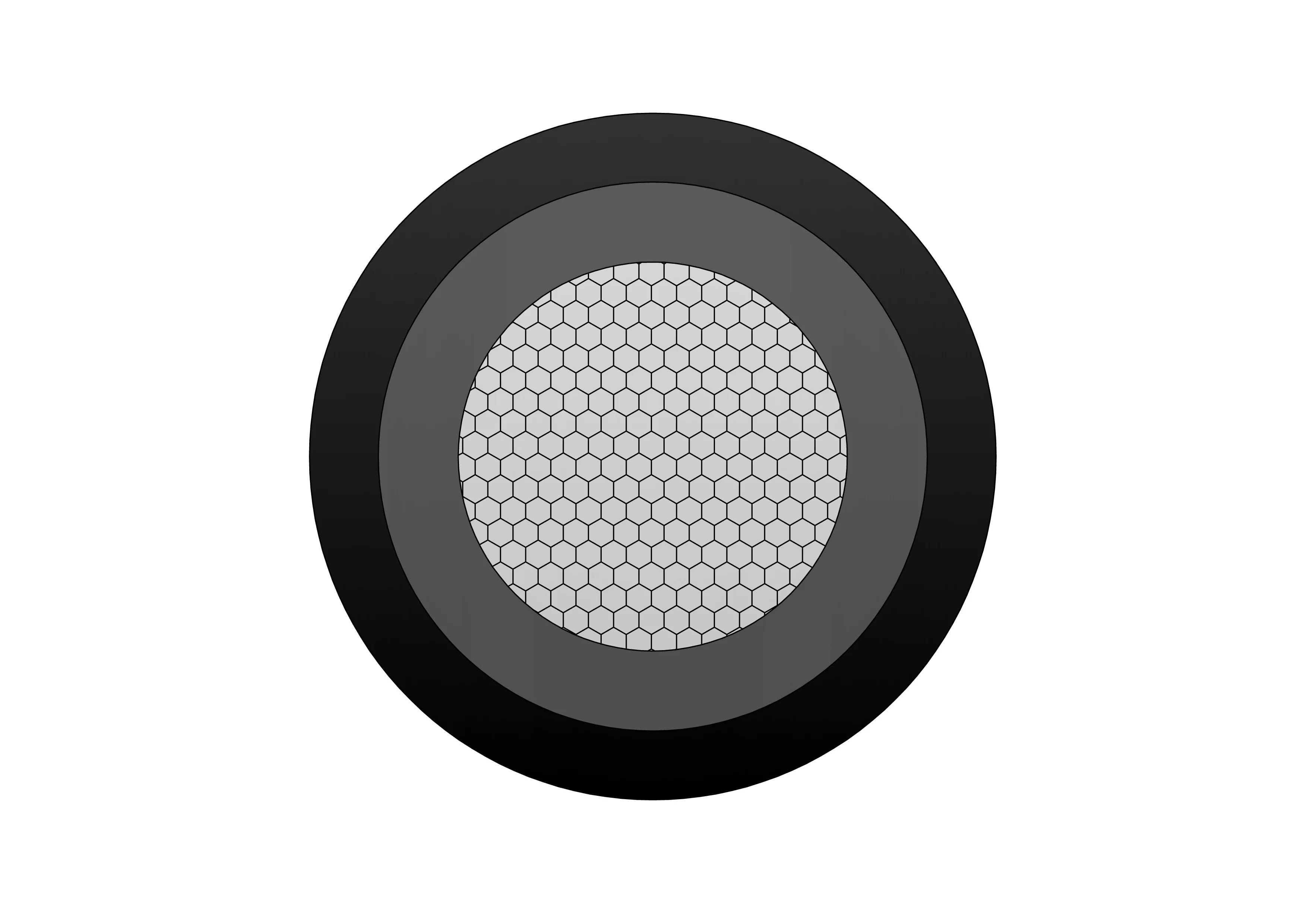
NSGAFÖU 1.8/3kV Rubber Cable is a robust, single-core flexible power cable engineered for extreme mechanical and environmental stresses in mining, tunneling, cranes, and mobile machinery. It features finely stranded tinned copper conductors (class 5) for superior flexibility and corrosion resistance, EPR (ethylene propylene rubber) insulation for excellent dielectric strength and 90°C continuous rating (250°C short-circuit), and a tough CPE (chlorinated polyethylene) or neoprene outer sheath providing outstanding oil resistance, flame retardancy (IEC 60332-1), abrasion/tear resistance, and weatherproofing. Compliant with DIN VDE 0250-813 / HD 22.16 S2 standards, it offers high mechanical strength, tight bending radii, and reliable performance in wet, oily, or abrasive conditions. The NSGAFÖU 1.8/3kV is ideal for trailing cables, reeling systems, and power connections where flexibility, durability, and safety are essential.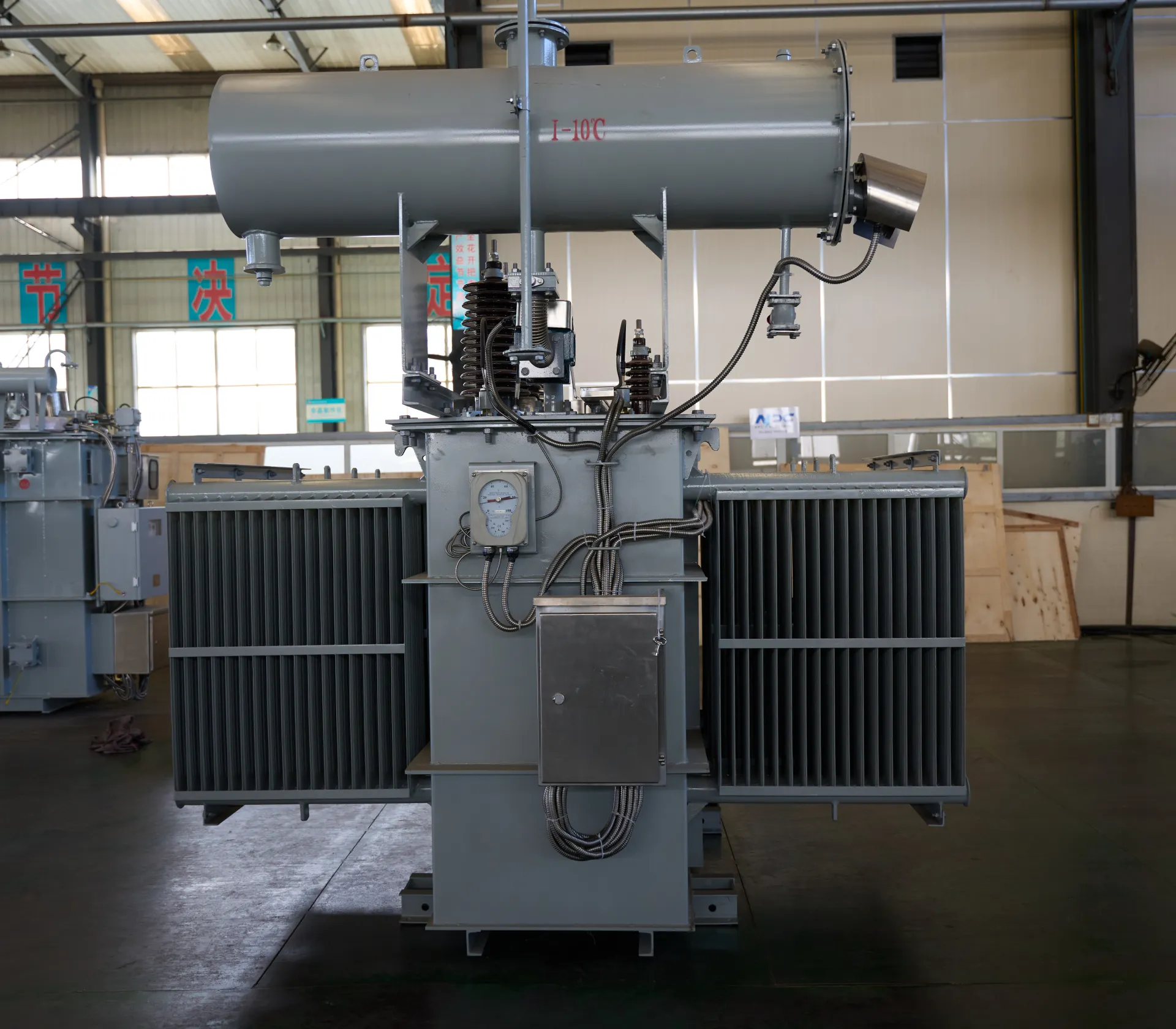
42MVA 220kV Three Phase Oil Filled Transformer for Substation
The 42MVA 220kV Three Phase Oil Filled Transformer is specifically engineered for high-voltage transmission substations and utility grid applications. Featuring 99.9% electrolytic copper windings, advanced ONAN/ONAF cooling, and ±8×1.25% on-load tap changer, it ensures ultra-low no-load and load losses (SZ13 series available). Fully compliant with IEC 60076, GB/T 6451, and ANSI/IEEE standards, it successfully passes 460 kV lightning impulse, PD level below 10 pC, and induced test at 1.5Um/√3. Robust corrugated tank and conservator design provide excellent thermal and mechanical performance in extreme climates. Ideal for 220/33kV, 220/11kV, or 220/6.6kV step-down configurations. Vacuum oil processing and nitrogen blanketing guarantee long-term reliability and 35+ year service life. Trusted by national grids worldwide. Contact us for datasheet, pricing, and customization options.
3000kVA Three Phase Pad Mounted Transformer
NPC ELECTRIC's 3000kVA Three Phase Pad Mounted transformer complies with international standards such as IEC and IEEE. It adopts a fully sealed and fully insulated design and has excellent overload capacity and safety performance. It is widely used in industrial parks, commercial complexes, new energy power stations and other scenarios, and is suitable for outdoor ground installation. The product has a compact structure, reliable operation, and easy maintenance, making it an ideal choice for modern power distribution systems.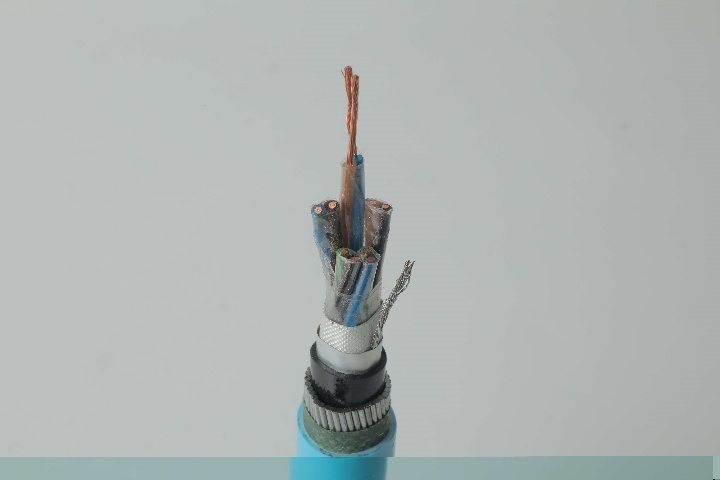
Instrumentation Cables—PVC Insulated, Overall Screened, Wire Armoured PVC Sheathed Cables(CU/PVC/OSCR/SWA/PVC)
Instrumentation Cables are multi-conductor cables that carry and transport low-voltage electrical signals. These low-voltage signals are used to control and monitor electrical power systems. Instrumentation cables have many different industrial applications that include broadcasting, equipment control, such as drilling and pumping in the oil and gas industry, and data transfer, which includes analog and digital signals. They are manufactured according to the BS EN 50288-7 and BS EN 50288-1 standards to ensure quality. Depending on the application, instrumentation cables can be insulated with PVC or XLPE; the cables can be armoured or unarmoured. The sheathing materials can be of PVC, LSZH, or PE. The cables can have additional flame retardant or flame retardant properties, and they can be manufactured with special protections such as lead sheaths, or DRYLAM or AIRBAG technology.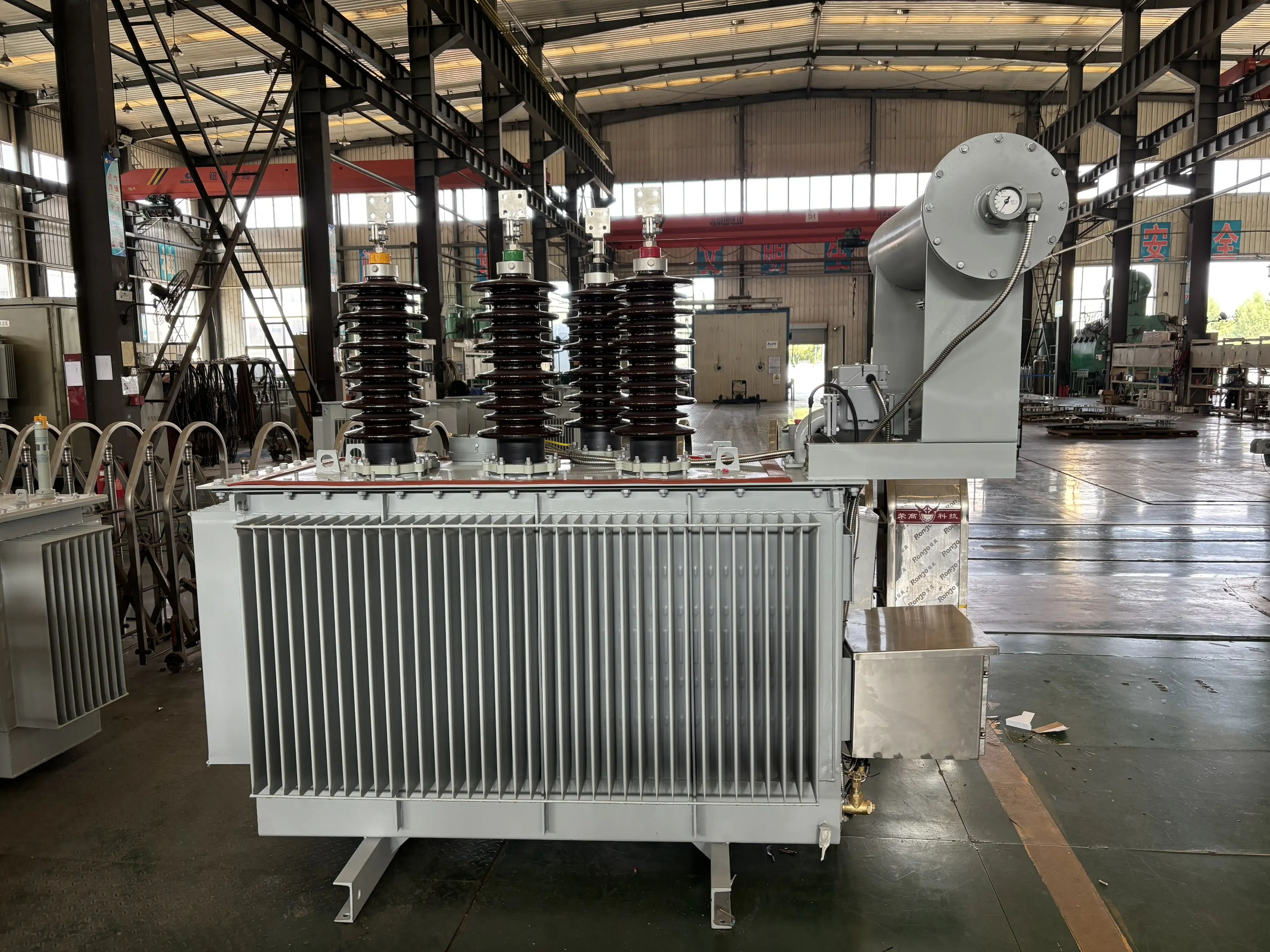
500kVA 11kV Dry-Type Zigzag Grounding Transformer
The Dry-Type Zigzag Earthing/Grounding Transformer 500kVA 11kV is designed to provide an effective neutral grounding solution for medium-voltage power systems. By creating an artificial neutral point, the zigzag transformer limits earth fault currents, stabilizes system voltage, and enhances overall grid safety. Its zigzag winding configuration ensures balanced performance under normal operation while offering low zero-sequence impedance during ground faults. Featuring a dry-type insulation system, this transformer eliminates the risk of oil leakage and fire hazards, making it ideal for indoor substations and environmentally sensitive installations. The low-loss core design minimizes energy consumption and heat generation, ensuring high efficiency and long service life.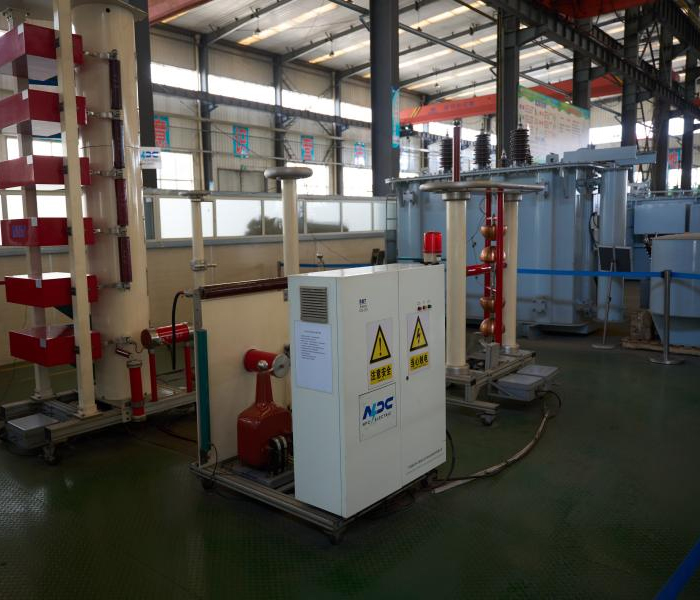
10kV Cast Resin Dry Type Transformer Copper Winding
The 10kV Cast Resin Dry Type Transformer Copper Winding, a high-reliability, oil-free power solution engineered for safe and efficient indoor medium-voltage distribution. This three-phase dry-type transformer features fully vacuum-cast epoxy resin encapsulation around high-purity copper windings, combined with premium low-loss grain-oriented silicon steel cores to deliver exceptional energy efficiency (typically 98%+), significantly reduced no-load and load losses, and outstanding partial discharge performance (<10pC). The cast resin design ensures superior moisture resistance, self-extinguishing fire safety (F1 class), robust short-circuit withstand, and maintenance-free operation. Natural air (AN) cooling with optional forced air (AF) upgrades supports high overload capacity while maintaining low acoustic emissions through advanced vibration isolation and optimized core/winding geometry. Compliant with IEC 60076-11 and equivalent standards, this transformer steps down 10kV primary (with ±2×2.5% or wider off-circuit taps) to 0.4kV secondary (Dyn11 vector group standard), making it the ideal choice for modern commercial, industrial, and utility indoor installations prioritizing safety, sustainability, and long-term performance.
Instrumentation Cables—Mica Tapped, XLPE Insulated, Overall Screened, Wire Armoured LSZH Sheathed Fire-Resistant Cables(CU/GMT/XLPE/OSCR/SWA/LSZH)
Instrumentation Cables with Mica Taped, XLPE Insulated, Overall Screened, Wire Armoured and LSZH Sheathed construction (CU/GMT/XLPE/OSCR/SWA/LSZH) are designed for critical signal transmission in fire-risk and safety-sensitive environments. The copper conductor is wrapped with mica tape to maintain circuit integrity under fire conditions, while XLPE insulation ensures stable electrical performance and thermal resistance. The overall screen reduces electromagnetic interference, enabling accurate signal transmission in industrial systems. Steel wire armouring provides mechanical protection against impact and external stress, making the cable suitable for harsh installation conditions. The LSZH outer sheath limits smoke emission and toxic gases during fire, enhancing personnel safety. These fire-resistant instrumentation cables are widely used where continuous operation and reliable signal control are essential, even in extreme conditions.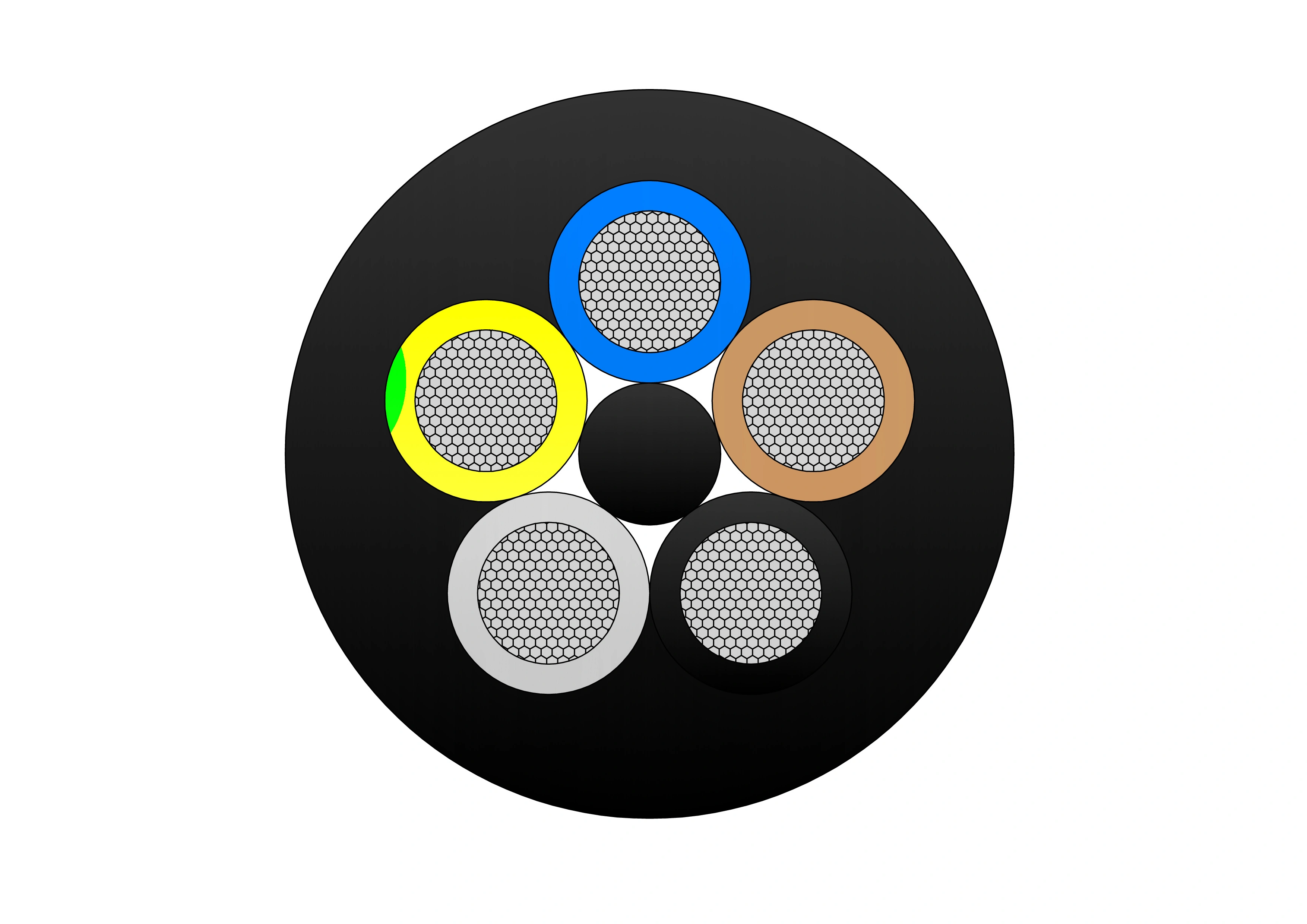
Type 210 Flexible Rubber Mining Cable
The Type 210 Flexible Rubber Mining Cable is a 1.1kV medium-voltage cable engineered for mining handheld drills and boring machines. It features flexible stranded tinned annealed copper conductors, EPR insulation, and a composite copper/polyester screen for improved electrical shielding. The heavy-duty PCP sheath offers oil resistance, abrasion protection, and flame retardancy, ensuring durability in harsh underground conditions. Compliant with AS/NZS 2802 and related standards, this cable delivers long-lasting performance in demanding environments requiring high flexibility and mechanical strength.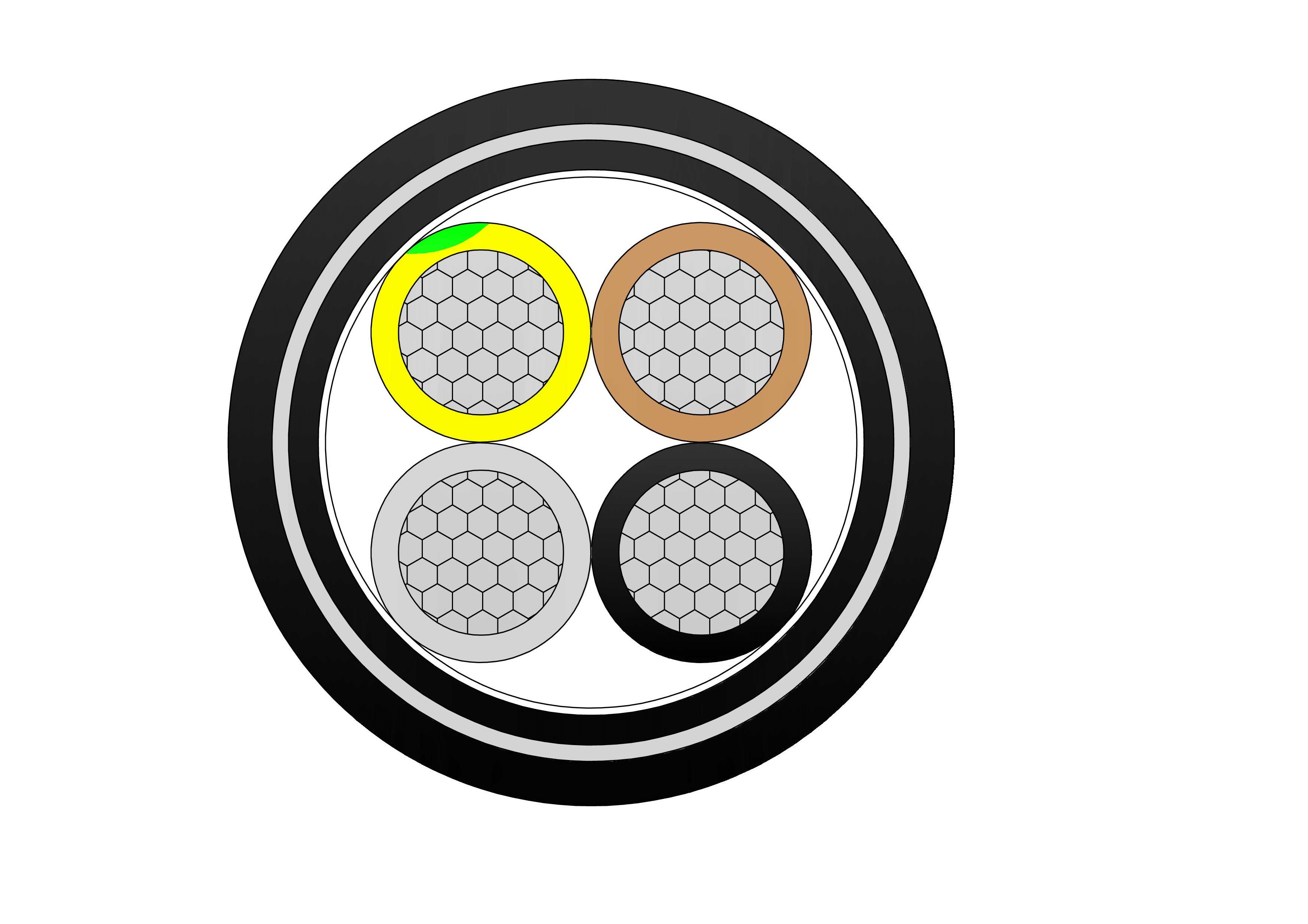
NAYBY 0.6/1kV Low Voltage Power Cable
NAYBY 0.6/1kV are low voltage power cables designed according to DIN VDE 0276 standard, suitable for fixed installation in indoor, outdoor, underground, cable ducts, or concrete (not exposed to vibration), with steel tape armoring providing additional mechanical protection. Featuring stranded or solid aluminium conductors, PVC insulation, filler, and robust PVC outer sheath, it complies with VDE 0276-603 and IEC standards. This unarmoured cable offers good electrical properties, mechanical strength, and resistance to moisture and chemicals. Lightweight aluminium design reduces installation and material costs compared to copper equivalents. Suitable for direct burial, ducts, or indoor fixed installations where mechanical protection is not critical. Flame-retardant with adequate current-carrying capacity, the NAYBY 0.6/1kV Low Voltage Power Cable ensures reliable performance with minimal losses.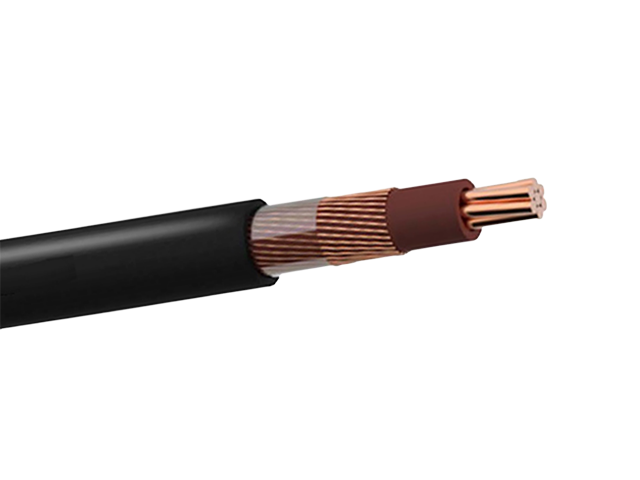
Copper Concentric Flat LV Cable 600/1000V
The Copper Concentric Flat LV Cable is engineered for safe and efficient low-voltage power delivery in residential and commercial applications. It consists of a stranded hard-drawn copper phase conductor with XLPE insulation, concentrically arranged copper neutral conductors, and a durable black polyethylene outer sheath. The flat design offers superior flexibility for easy installation in limited spaces while maintaining excellent electrical balance and mechanical protection. With high conductivity and UV-stabilized materials, this cable performs reliably in both overhead aerial and underground environments. The Copper Concentric Flat LV Cable meets international performance standards and undergoes extensive quality testing to ensure consistent performance, safety, and long service life for modern LV networks.
Type 450 Flexible Copper Screened Mining Cable With Two Earth And One Pilot Core
The Type 450 Flexible Copper Screened Mining Cable is a medium-voltage, heavy-duty mining cable designed for power supply in draglines, slow reeling, and industrial applications requiring two earth cores and one pilot core. It features tinned annealed copper conductors, EPR (XR-EP-90) insulation, and a tinned copper/polyamide braid screen for electrical shielding. The double-layer HD-PCP sheath provides extra heavy-duty protection, including oil resistance, flame retardancy, and chemical durability. Available in voltage ratings from 3.3kV to 33kV, the cable meets AS/NZS 2802 and related standards, ensuring high performance and reliability in harsh mining environments.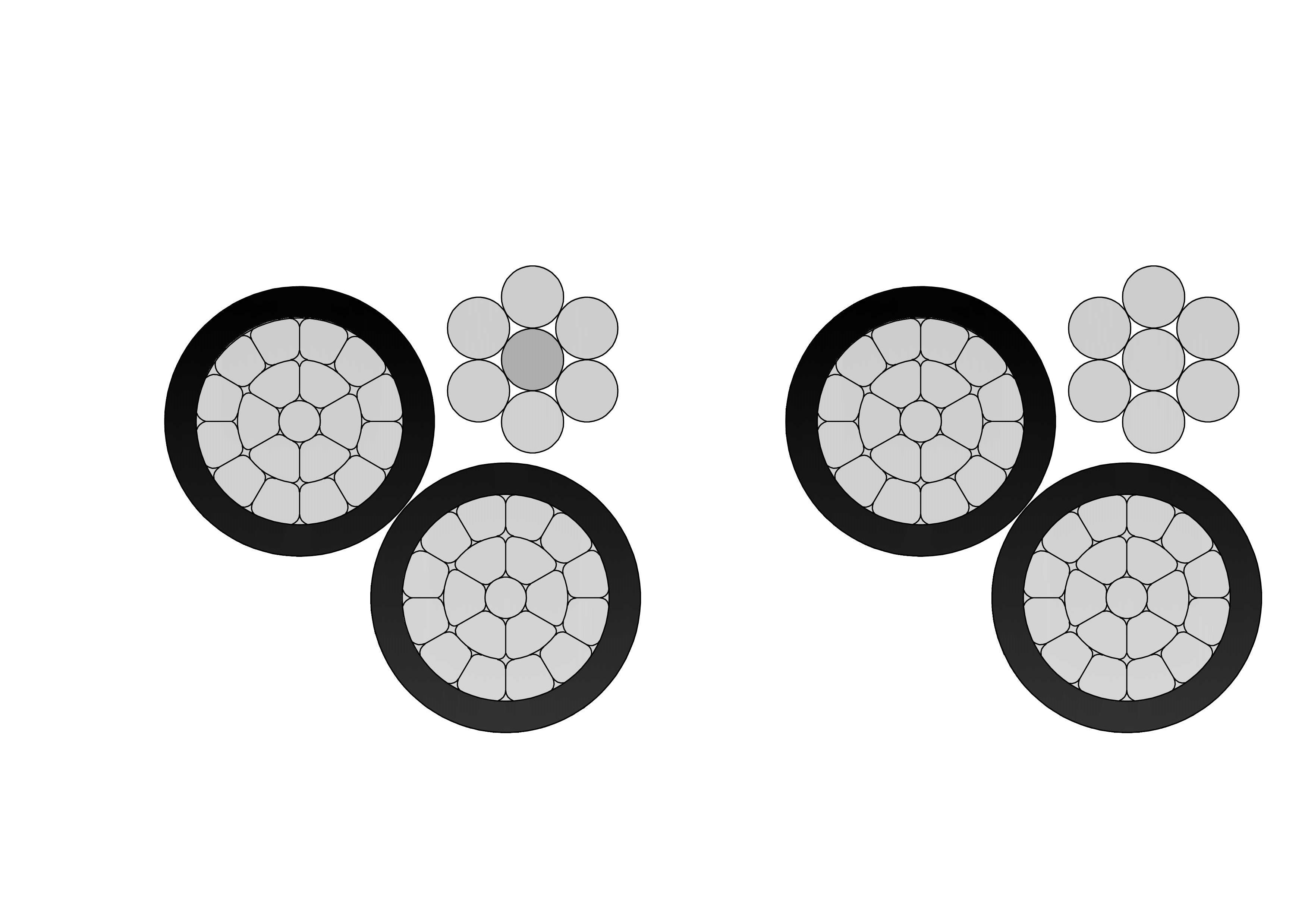
Copper Conductor Triplex Service Drop Cable 600V
The Copper Conductor Triplex Service Drop Cable 600V delivers exceptional performance for overhead power distribution from utility poles to service entrances. It features three stranded soft copper conductors: two phase conductors (common sizes 8 AWG to 2 AWG or larger) insulated with black cross-linked polyethylene (XLPE) for outstanding weather, UV, and moisture resistance, twisted around a bare copper neutral messenger for mechanical support and reduced sag. Rated 600V phase-to-phase with conductor temperatures up to 90°C (XLPE), it provides higher ampacity than aluminum equivalents (e.g., ~85–180A depending on size) due to superior conductivity. Compliant with ASTM B-1, B-3, B-8, and ICEA S-76-474 standards, the Copper Conductor Triplex Service Drop Cable offers excellent corrosion resistance, lower voltage drop, and long-term reliability in demanding aerial installations where premium conductivity is essential.
370MVA 750kV Oil-Immersed High-Voltage Transformer for Power Transmission
The 370 MVA 750 kV Oil-Immersed High-Voltage Transformer is designed for ultra-high-voltage (UHV) power transmission systems requiring exceptional reliability, stability, and long-distance energy delivery. With a robust oil-immersed insulation structure and high-grade copper windings, this transformer offers outstanding dielectric strength, low partial discharge, and excellent thermal performance. Engineered for 750kV grid networks, it effectively reduces transmission losses, enhances voltage regulation, and ensures safe operation under demanding load variations. Its precision-built core, advanced cooling system, and reinforced tank construction enable superior efficiency, extended service life, and high short-circuit resistance. Ideal for national power grid projects, long-distance transmission corridors, high-capacity substations, and UHV interconnection systems, this transformer delivers consistent and secure performance in critical large-scale power infrastructures.
2000kVA 35kV Wind Turbine Step-Up Transformer for Onshore Wind Farms
The Wind Turbine Step-Up Transformer 2000kVA 35kV is purpose-built for onshore wind farms, enabling efficient voltage conversion from wind turbine generators to medium-voltage collection networks. Designed to operate reliably under fluctuating wind loads and harsh outdoor conditions, this transformer ensures stable power transmission and reduced energy losses across wind power systems. The oil-immersed insulation structure provides excellent thermal stability and long service life, while the optimized magnetic core minimizes no-load losses and acoustic noise. High-quality windings and reinforced insulation withstand frequent load variations caused by changing wind speeds.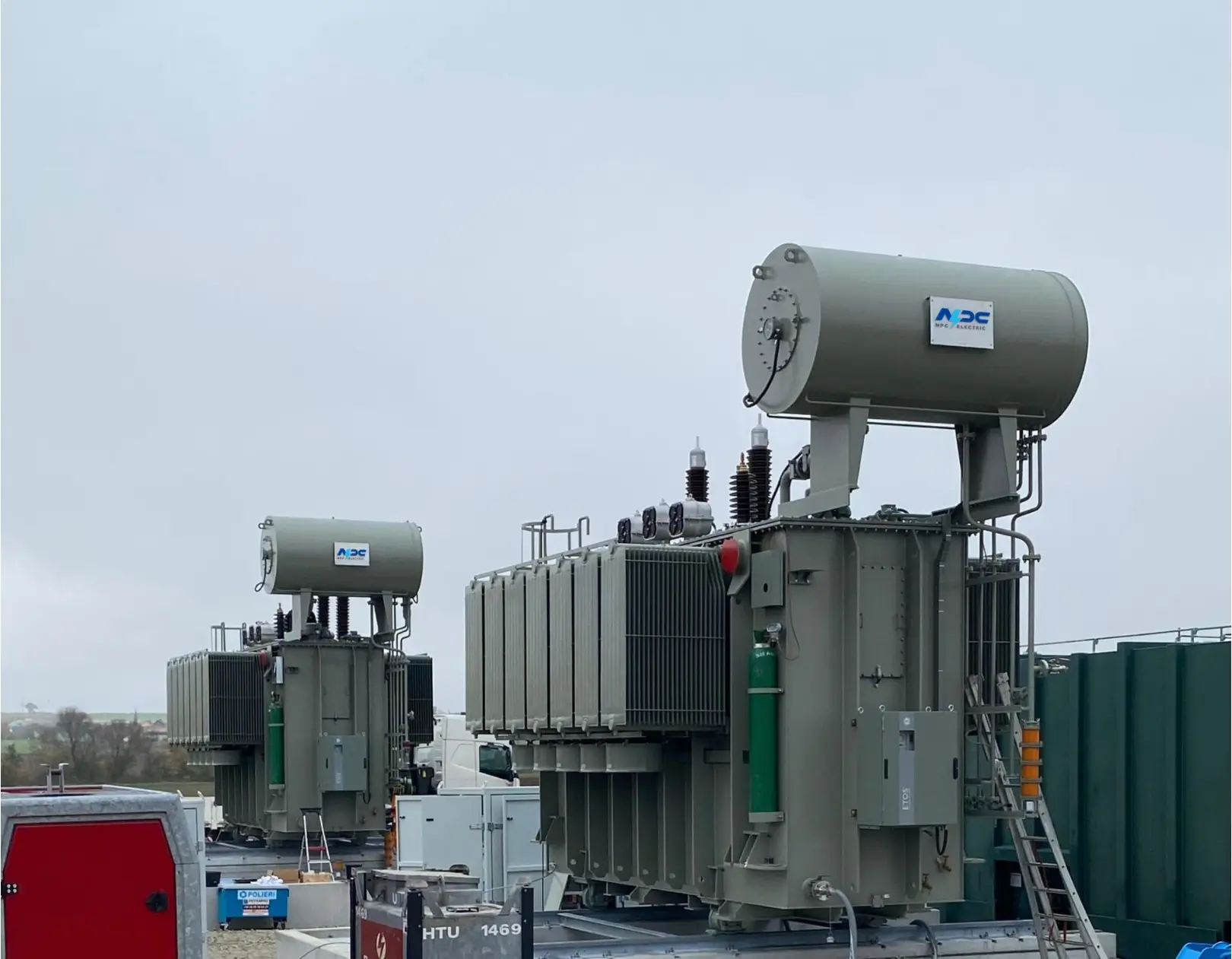
300 kV 31.5MVA 40 MVA High Voltage Power Transformer
Unlock superior grid performance with the state-of-the-art 300 kV 31.5/40 MVA high voltage electrical power transformer, tailored for efficient voltage conversion in expansive transmission networks. This robust, three-phase design operates with ONAN cooling at 31.5 MVA and escalates to ONAF at 40 MVA, incorporating cutting-edge biodegradable ester insulation fluids for enhanced fire safety and environmental sustainability as per 2025 regulations. Built with high-grade grain-oriented silicon steel cores to achieve efficiency rates exceeding 98%, it reduces no-load losses and supports seamless integration with HVDC systems and renewable energy hubs. Advanced features include IoT-enabled Sensformer-like monitoring for real-time diagnostics, predictive analytics to prevent downtime, and compliance with updated IEC 60076-2025 and IEEE C57.12.00 standards for superior dielectric strength and thermal resilience. Ideal for harsh operational settings, its modular construction allows for quick field repairs, while anti-vibration mountings ensure low noise levels under 55 dB, making it perfect for proximity to populated areas.Welcome your inquiry
Honesty, Integrity, Frugality, Activeness and Passion