
Single Phase Pole Mounted Transformer: Ultimate Guide – Specs, Types & Buying Tips
2026-04-24
Single-phase pole-mounted transformers are a cornerstone of modern power distribution, especially in rural areas, suburban communities, and low-density industrial zones. In 2026, as utilities upgrade aging infrastructure and integrate renewable energy sources, understanding how to select the right single-phase pole-mounted transformer is critical for system reliability, safety, and lifecycle cost control.
1. What is a single-phase pole-mounted transformer?
A single-phase pole-mounted transformer is a type of distribution transformer installed on utility poles to step down high voltage (HV) from overhead distribution lines to low-voltage levels suitable for end users.
These transformers are widely used in:
- Rural distribution networks
- Residential neighborhoods
- Agricultural facilities
- Small commercial loads
Unlike three-phase pole-mounted transformers, single-phase units are simpler, lighter, and more cost-effective for low to medium power demand.
2. Typical Electrical Specifications
Single-phase pole-mounted transformers are standardized globally to ensure compatibility with utility systems.
Table 1: Typical Specifications of Single-Phase Pole-Mounted Transformers
|
Parameter |
Typical Range |
|
Rated Power |
5 kVA – 100 kVA |
|
Common Rating |
25 kVA, 50 kVA, 100 kVA pole-mounted transformer |
|
Primary Voltage |
6.6 kV / 11 kV / 13.8 kV / 33 kV |
|
Secondary Voltage |
120/240 V, 240/480 V |
|
Frequency |
50 Hz / 60 Hz |
|
Phase |
Single phase |
|
Cooling Method |
ONAN (Oil Natural Air Natural) |
|
Insulation |
Mineral insulating oil |
|
Efficiency |
≥ 98% (typical at rated load) |
For rural electrification projects, 100 kVA pole-mounted transformers are often selected to balance future load growth with installation cost.
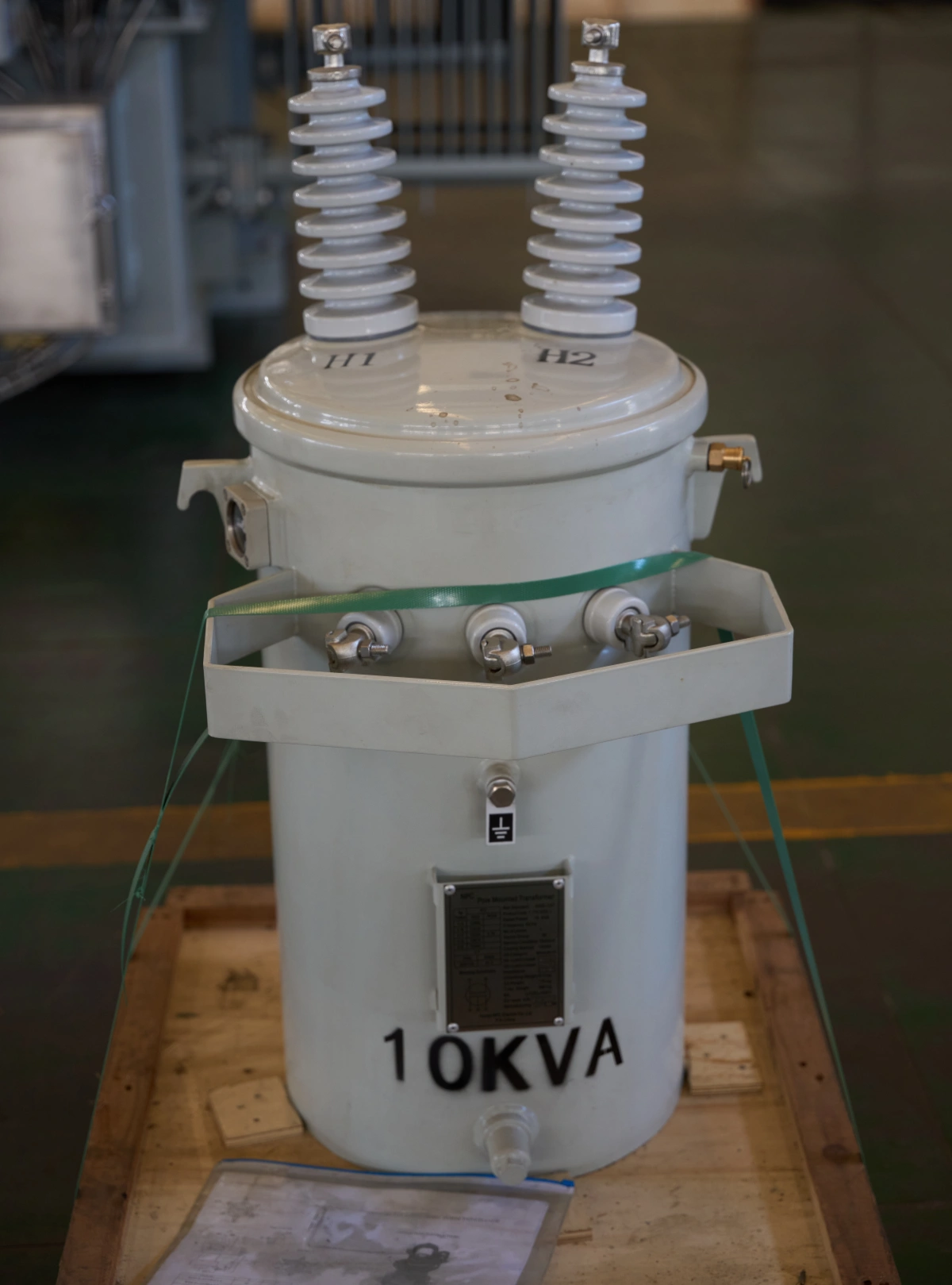
3. Key Parts of a Pole-Mounted Transformer
Understanding pole-mounted transformer parts helps utilities evaluate reliability and maintenance needs.
Major Components:
- Core & Windings – Laminated silicon steel core with copper or aluminum windings
- Insulating Oil – Provides cooling and dielectric insulation
- Tank – Welded steel tank with corrosion-resistant coating
- Bushings – HV and LV porcelain or polymer bushings
- Circuit Breaker / Fuse Cutout – Overcurrent protection
- Lightning Arrester – Protects against surges from power lines
- Pressure Relief Device – Enhances operational safety
Oil-filled designs remain dominant due to thermal stability, long service life, and high efficiency.
4. Single Phase vs Three Phase Pole-Mounted Transformers
While three phase pole mounted transformers are used in industrial feeders, single-phase transformers dominate rural and residential grids.
Table 2: Single Phase vs Three Phase Pole Mounted Transformers
|
Aspect |
Single Phase |
Three Phase |
|
Power Rating |
Up to ~100 kVA |
75 kVA – 500 kVA |
|
Cost |
Lower |
Higher |
|
Installation |
Simple |
Complex |
|
Application |
Rural area, homes |
Industrial loads |
|
Weight |
Lightweight |
Heavy |
|
Distribution Networks |
Widely used |
Limited |
Utilities often deploy phase pole-mounted transformers in banks to expand capacity without full three-phase infrastructure.
5. Applications in Modern Power Distribution
Single-phase pole-mounted transformers play an essential role in power distribution systems.
Common Use Scenarios:
- Rural electrification projects
- Residential distribution transformers on utility poles
- Agricultural irrigation systems
- Telecom base stations
- Renewable energy auxiliary loads
Their ability to operate reliably in outdoor environments and withstand harsh weather makes them indispensable in overhead networks.
6. Oil Filled Design & High-Efficiency Performance
Most pole-mounted distribution transformers are oil-filled, using mineral oil for:
- Heat dissipation
- Electrical insulation
- Extended service life
Modern designs comply with high efficiency standards, reducing no-load and load losses to lower total energy consumption across distribution networks.
7. Installation on Utility Poles
Key Installation Considerations:
- Pole strength and height
- Clearance from the ground and buildings
- Distance to distribution lines
- Accessibility for maintenance
Proper installation directly affects system reliability and safety, especially in high-voltage environments.
8. How to Choose the Right kVA Pole-Mounted Transformer
Table 3: Single Phase Pole Mounted Transformer Selection Matrix
|
Application |
Recommended Rating |
Voltage Level |
Notes |
|
Rural homes (5–10 houses) |
25–50 kVA |
11 kV / 13.8 kV |
Cost-effective |
|
Large farm/irrigation |
50–100 kVA |
11–33 kV |
High starting current |
|
Small commercial load |
75–100 kVA |
13.8 kV |
Allow load growth |
|
Telecom/utility equipment |
25–50 kVA |
11 kV |
Stable voltage needed |
Always include future load growth (20–30%) in purchasing decisions.
9. Standards & Compliance
Export-grade pole-mounted transformers typically comply with:
- ANSI / IEEE C57
- IEC 60076
- DOE energy efficiency regulations
Compliance ensures safe integration into global power systems and simplifies utility approvals.
10. Buying Tips for Utilities & EPC Contractors
When sourcing a single-phase pole-mounted transformer, evaluate suppliers based on:
- Proven experience in distribution transformers
- Strict quality control and routine testing
- Reliable insulating oil quality
- Ability to customize voltage and impedance
- Export packaging and documentation support
Transformer manufacturers serving global markets increasingly provide customized solutions for rural and renewable-linked distribution lines.
11. Future Trends in Pole Mounted Transformers
By 2026, trends include:
- Higher efficiency core materials
- Eco-friendly insulating fluids
- Smart monitoring sensors
- Improved surge protection
These innovations improve grid resilience while lowering lifecycle cost.
12. ROI & Lifecycle Cost Analysis of Single-Phase Pole-Mounted Transformers
While the initial purchase price of a single-phase pole-mounted transformer is important, utilities and EPC contractors increasingly evaluate transformers based on total lifecycle cost (LCC) and return on investment (ROI). Over a typical service life of 25–30 years, energy losses, maintenance, and reliability have a far greater financial impact than upfront cost alone.
12.1 Lifecycle Cost Components
The lifecycle cost of a kVA pole-mounted transformer typically includes:
- Initial Capital Cost (CAPEX)
Transformer unit, accessories, transport, and installation - Energy Loss Cost (OPEX)
No-load (core) losses + load (copper) losses over operating life - Maintenance Cost
Periodic inspection, oil testing, and hardware replacement - Downtime & Reliability Cost
Outage penalties, service interruptions, and emergency replacement - End-of-Life Cost
Oil disposal, recycling, pole removal (usually minor)
12.2 Typical Lifecycle Cost Breakdown (100 kVA Example)
Table 4: 25-Year Lifecycle Cost Structure – 100 kVA Pole Mounted Transformer
|
Cost Category |
Share of Total Cost |
Notes |
|
Initial Purchase & Installation |
20–25% |
One-time CAPEX |
|
Energy Losses |
50–60% |
Dominant long-term cost |
|
Maintenance |
10–15% |
Oil tests, inspections |
|
Downtime / Failure Risk |
5–10% |
Grid reliability impact |
|
End-of-Life |
<5% |
Recycling & disposal |
Key Insight:
Even small improvements in efficiency (e.g., 0.2–0.5%) can yield significant long-term savings in large distribution networks.
12.3 ROI Comparison: Standard vs High-Efficiency Transformer
Assumptions (Realistic Utility Scenario):
- Transformer rating: 100 kVA pole-mounted transformer
- Average load factor: 50%
- Electricity cost: USD 0.10/kWh
- Service life: 25 years
- Operation: Continuous (8,760 h/year)
Table 5: ROI Calculation Example
|
Parameter |
Standard Efficiency |
High Efficiency |
|
Initial Cost |
USD 2,800 |
USD 3,200 |
|
No-Load Loss |
260 W |
180 W |
|
Load Loss @ Rated |
1,650 W |
1,300 W |
|
Annual Energy Loss |
~9,400 kWh |
~7,200 kWh |
|
Annual Loss Cost |
USD 940 |
USD 720 |
|
25-Year Energy Cost |
USD 23,500 |
USD 18,000 |
Net Savings Over 25 Years:
USD 5,500 – for an extra USD 400 initial investment
Payback Period:
≈ 2.5–3 years
12.4 Impact on Utility ROI & Grid Planning
For utilities deploying hundreds or thousands of single phase units, lifecycle optimization delivers:
- Lower long-term operating expenditure
- Improved power distribution efficiency
- Reduced transformer failure rate
- Higher grid reliability in rural areas
- Better compliance with energy efficiency regulations
From a system-level perspective, high-efficiency distribution transformers reduce upstream generation demand and improve overall network performance.
12.5 Design Choices That Improve Lifecycle ROI
Utilities and buyers should prioritize:
- Low-loss core materials (grain-oriented silicon steel)
- Optimized copper or aluminum winding design
- High-quality insulating oil with oxidation inhibitors
- Proper sizing to avoid chronic overloading
- Proven transformer manufacturers with quality control
These factors directly influence service life, energy losses, and maintenance frequency.
12.6 When Standard Transformers Still Make Sense
In some scenarios, a standard-efficiency pole-mounted transformer may still be justified:
- Temporary or short-term installations
- Low utilization rural feeders (<30% load factor)
- Budget-constrained electrification projects
However, even in these cases, utilities increasingly consider future load growth, which favors higher efficiency designs.
12.7 Lifecycle Cost as a Purchasing Decision Tool
Modern purchasing decisions are shifting from “lowest price” to lowest total cost of ownership (TCO). Many utilities now require suppliers to submit:
- Guaranteed loss values
- Efficiency certificates
- Lifecycle cost calculations
- Compliance with ANSI / IEC efficiency classes
This trend reinforces the importance of engineering-based selection rather than price-only comparison.
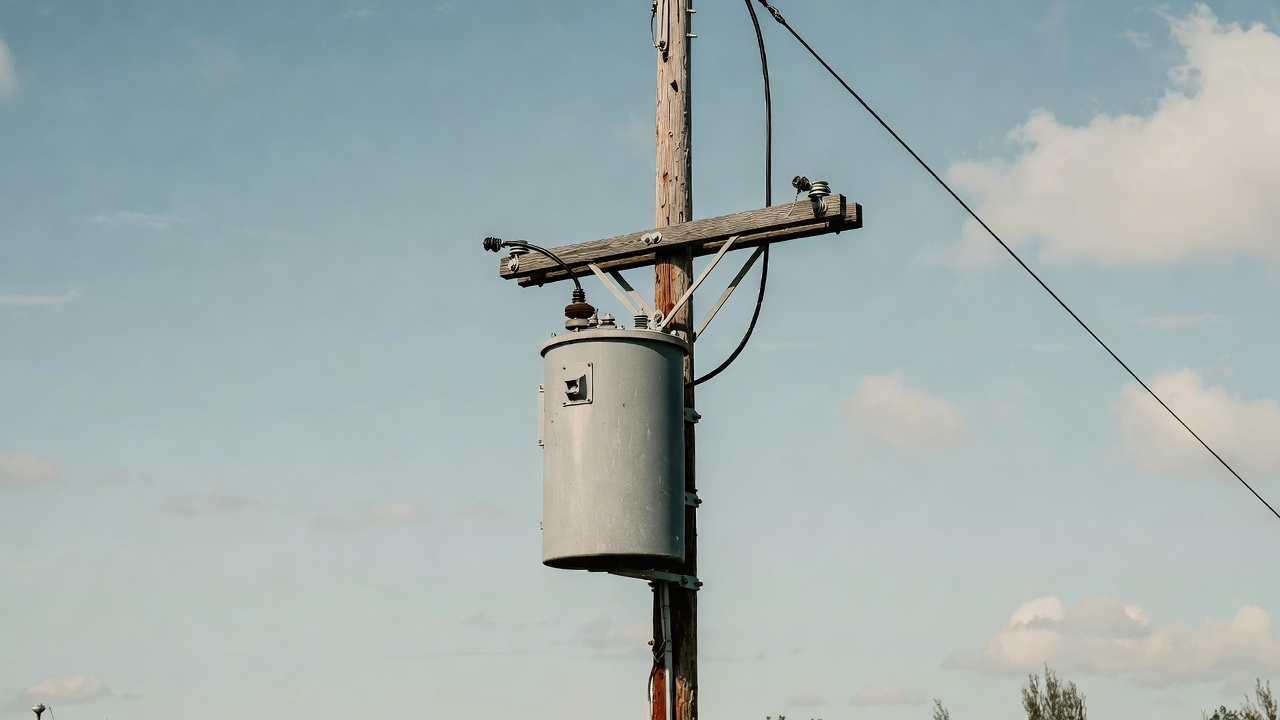
The single phase pole mounted transformer remains a fundamental component of modern power distribution systems, particularly for rural areas and low-density loads. With proper sizing, high-quality oil filled design, and compliance with international standards, these transformers deliver high efficiency, long service life, and reliable performance.
When evaluated through a lifecycle lens, single phase pole mounted transformers offer strong long-term ROI, particularly when high-efficiency designs are selected. For utilities, EPC contractors, and international buyers, investing slightly more upfront can deliver decades of lower operating cost, higher reliability, and improved grid performance.

Related Articles

Related Products
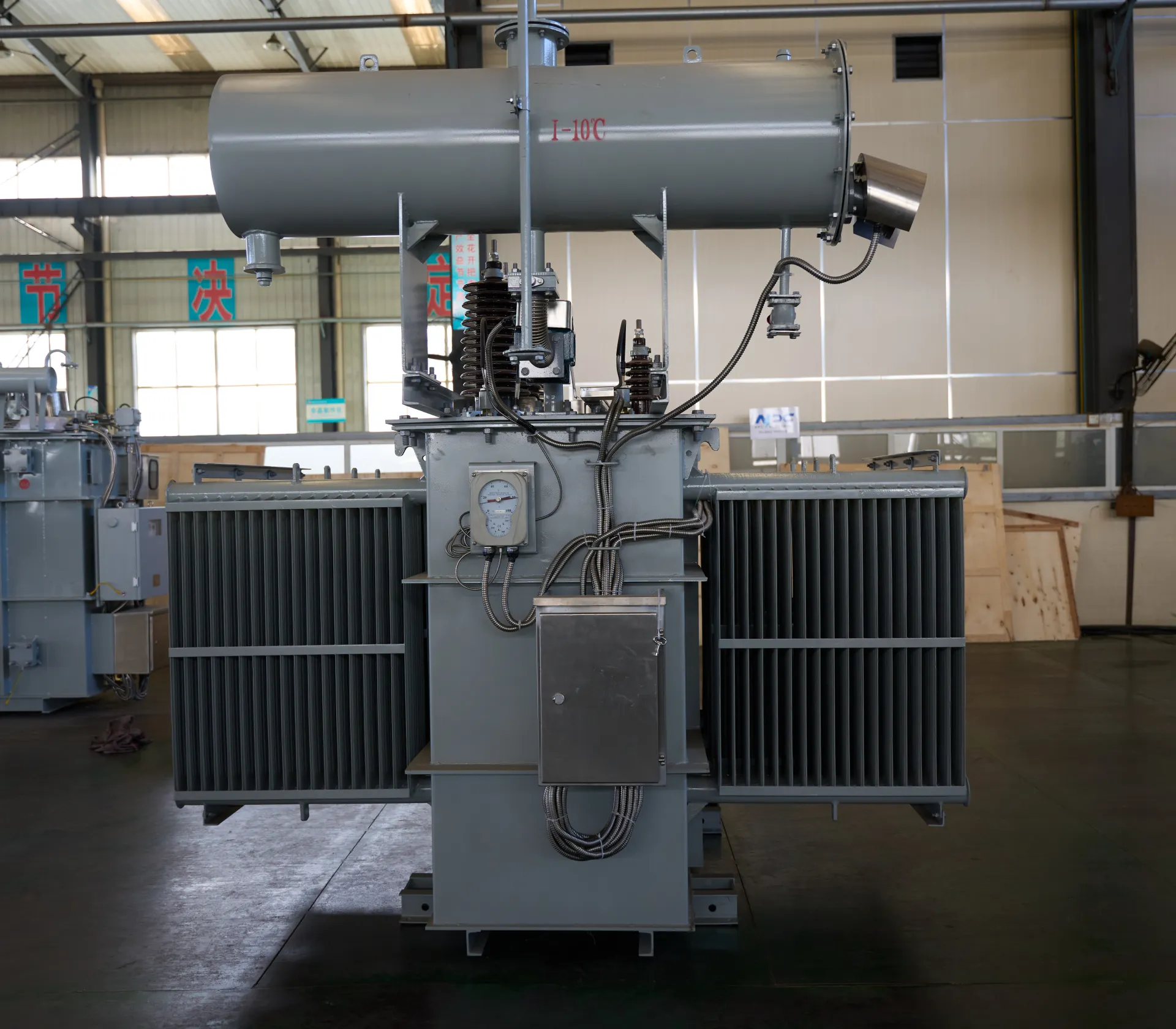
6kV Three-Phase Oil-Immersed Power Transformer
The 6kV Three-Phase Oil-Immersed Power Transformer is designed for stable and efficient voltage conversion in industrial and commercial power distribution systems. With a durable oil-immersed insulation structure and high-quality copper windings, it offers excellent thermal performance, strong dielectric strength, and reliable operation under varying load conditions. Its compact design, robust core materials, and advanced cooling system ensure low losses, reduced noise, and long service life. This 6kV transformer is suitable for factories, mining sites, distribution stations, and utility networks requiring consistent and safe electrical power supply. Engineered to meet international standards, it provides dependable performance and high efficiency across diverse low-to-medium voltage applications.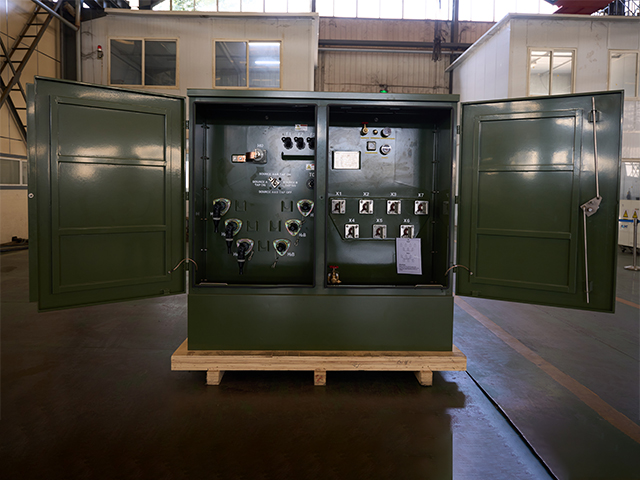
800kVA Three Phase Pad Mounted Transformer
NPC ELECTRIC's 800kVA three phase pad mounted transformer provides exceptional power handling for high-demand medium-voltage applications, ensuring stable and efficient distribution in outdoor settings. Built with safety and longevity in mind, this pad-mounted unit features three-point door latching, automatic pressure relief, liquid level/pressure/vacuum gauges, high BIL ratings (up to 150kV for surge protection), and a tamper-resistant structure suitable for public access areas. Its compact, low-profile footprint facilitates easy installation on concrete pads in constrained urban or industrial sites, while advanced enclosure integrity meets IEEE C57.12.28 requirements.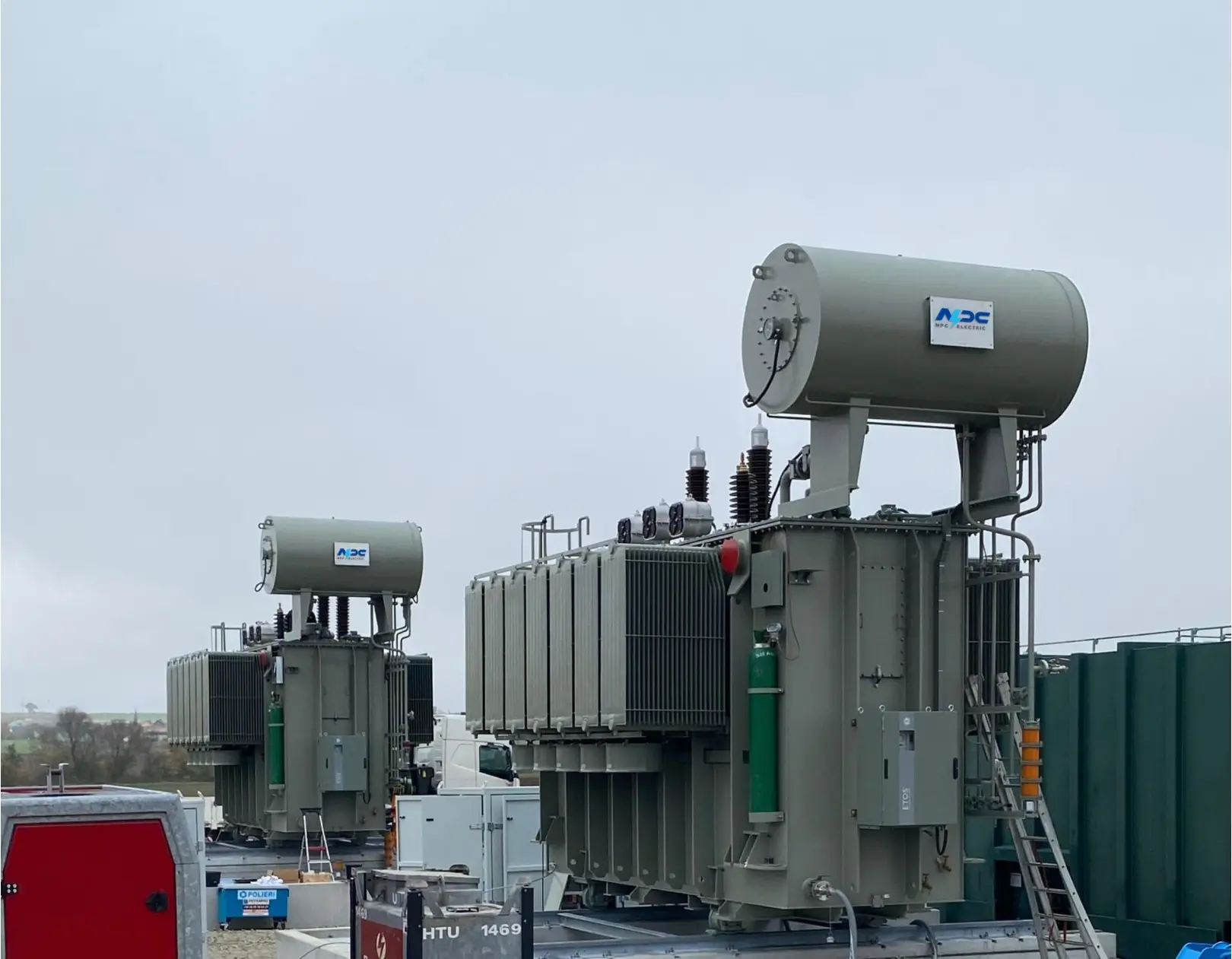
100kV 200kVA 250kVA 315kVA Three-Phase Oil-Immersed Substation Power Transformer
This 100kV three-phase oil-immersed substation power transformer is engineered for stable voltage transformation across 200kVA, 250kVA, and 315kVA capacity ranges. Designed for medium to high-voltage distribution networks, it delivers exceptional reliability, thermal endurance, and operational efficiency in substations, industrial plants, and utility distribution grids. The transformer utilizes high-grade insulation, precision-wound copper conductors, and robust core materials to ensure low losses, long service life, and consistent performance under demanding electrical and environmental conditions. Its sealed oil-immersed structure enhances insulation strength and optimizes heat dissipation for safe and continuous operation.
132kV 138kV Power Transformer
132kV 138kV power transformer complies with international standards as below standard: 1. IEC 60076 Power Transformers; 2. AS NZS 60076 Power Transformers CSAC88-16 Power Transformers; 3. ANSI/IEEE C57.12.00 IEEE Standard for General Requirements for Liquid-Immersed Distribution, Power, and Regulating Transformers; 4. GOST R 52719 Power Transformers - General Specifications; 5. EN60076 Poer Transformer; 6. Local After-Sales Services In North America South. Engineered for overloads (150% short-term), harmonic tolerance, low noise (<70dB), and robust corrosion protection for long-term outdoor operation.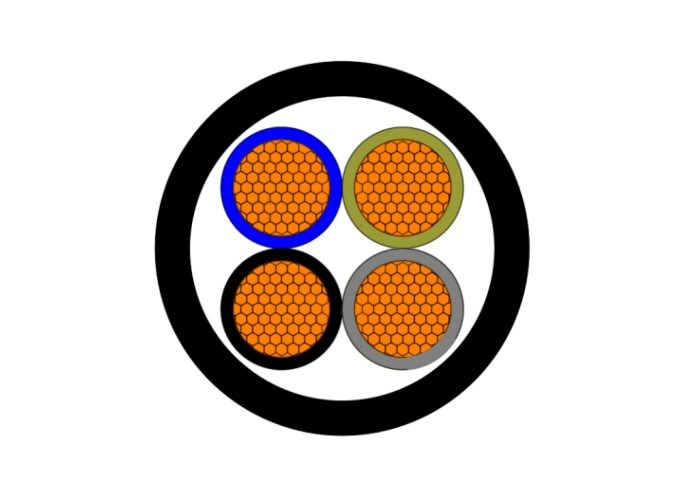
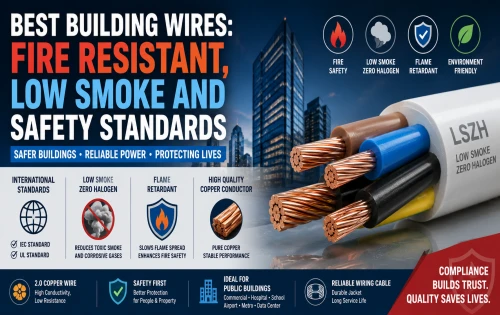
N2XH IEC 60502-1 XLPE LSZH 0.6/1kV Cable
The N2XH IEC 60502-1 XLPE LSZH 0.6/1kV Cable is designed for safe and reliable low voltage power distribution in buildings and infrastructure where fire safety is a critical requirement. Manufactured with high-quality copper conductors and XLPE insulation, the cable provides excellent electrical performance, thermal stability, and long service life. The LSZH (Low Smoke Zero Halogen) outer sheath significantly reduces smoke density and eliminates corrosive gas emission in the event of fire, helping to protect people, equipment, and structures. Rated at 0.6/1kV and produced in accordance with IEC 60502-1, this cable meets international standards for electrical safety and fire performance. Its robust construction supports fixed installation in indoor environments where high safety, reliability, and environmental protection are essential.2Y-high-voltage-power-cable-2.webp)
High Voltage / 2XS(F)2Y, A2XS(F)2Y 110kV Power Cable
The 2XS(F)2Y / A2XS(F)2Y 110kV High Voltage Power Cable is engineered for underground high-voltage transmission networks with a maximum operating voltage of 110kV (123kV highest). Built with Class 2 copper or aluminum Milliken conductors, extruded semi-conductive XLPE screens, and XLPE insulation, it ensures excellent electrical performance and long service life. Its copper wire screen with counter-helical copper tape offers enhanced shielding, while the water-swellable tapes provide longitudinal water-blocking. The HDPE outer sheath delivers high abrasion resistance and durability, making it ideal for installation in environments with existing mechanical protection. Manufactured to IEC 60840, HRN HD 632, and IEC/EN 60228 standards, this cable is well-suited for high-load and long-distance transmission applications.
N2XSEY Medium Voltage Power Cable(6/10kV, 8.7/15KV,12/20kV, 18/30kV)
N2XSEY are medium voltage power cables with copper conductors, XLPE insulation, and PVC outer sheath, designed in accordance with VDE 0276-620 standards. Built with copper conductors, thermosetting XLPE insulation, individual metallic screens (copper tape/wire) per core, filler, and tough PVC outer sheath, it meets IEC 60502-2 requirements. Per-core screening minimizes interference and provides fault protection. Low tan delta, high breakdown strength, and excellent thermal endurance ensure efficient operation with reduced losses. PVC sheath delivers good mechanical and moisture protection for fixed installations. Optional longitudinal water-blocking enhances performance in wet conditions. Flame-retardant and durable, the N2XSEY Medium Voltage Power Cable is favored for power grids, industrial sites, renewable installations, and urban infrastructure demanding reliable three-core medium voltage cabling with superior shielding and long-term stability in buried or ducted systems.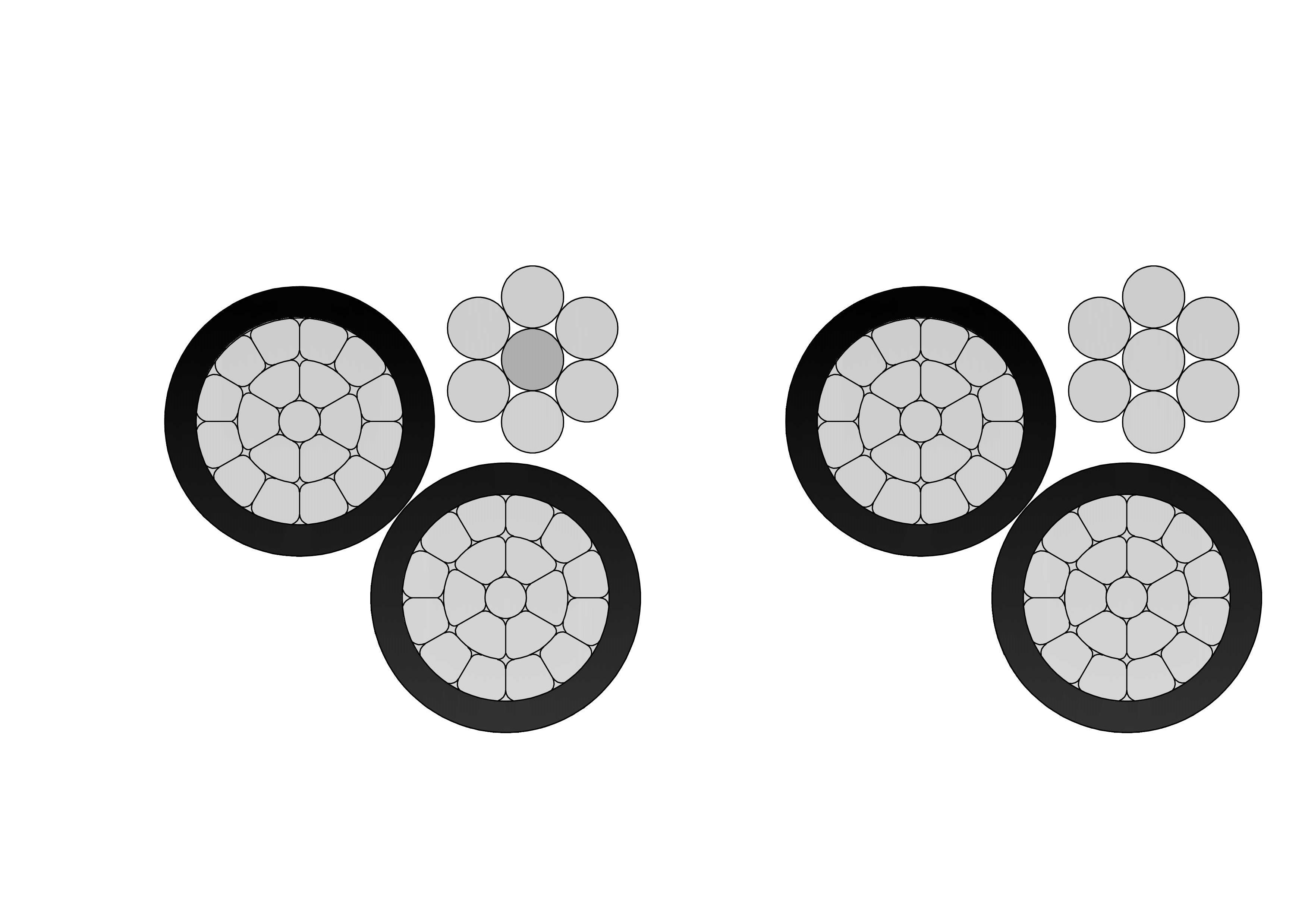
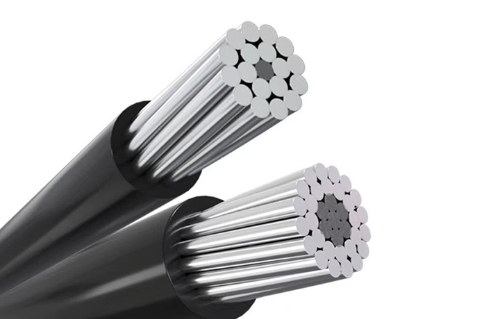
2/0 Dungeness Aluminum Conductor Triplex Overhead Service Drop Cable
The 2/0 Dungeness Aluminum Conductor Triplex Overhead Service Drop Cable is engineered to provide safe and efficient overhead power distribution. Featuring two insulated aluminum conductors and a bare aluminum neutral messenger, this cable delivers strong mechanical support and stable electrical transmission. The 2/0 Dungeness Aluminum Conductor Triplex Overhead Service Drop Cable is manufactured using premium aluminum materials and weather-resistant insulation to ensure long service life in outdoor environments. Its optimized design allows for easy installation while maintaining compliance with utility and industry standards. The cable performs reliably under mechanical stress, temperature changes, and prolonged UV exposure. Strict quality control and systematic testing procedures are applied throughout production to ensure consistent performance and dependable field operation.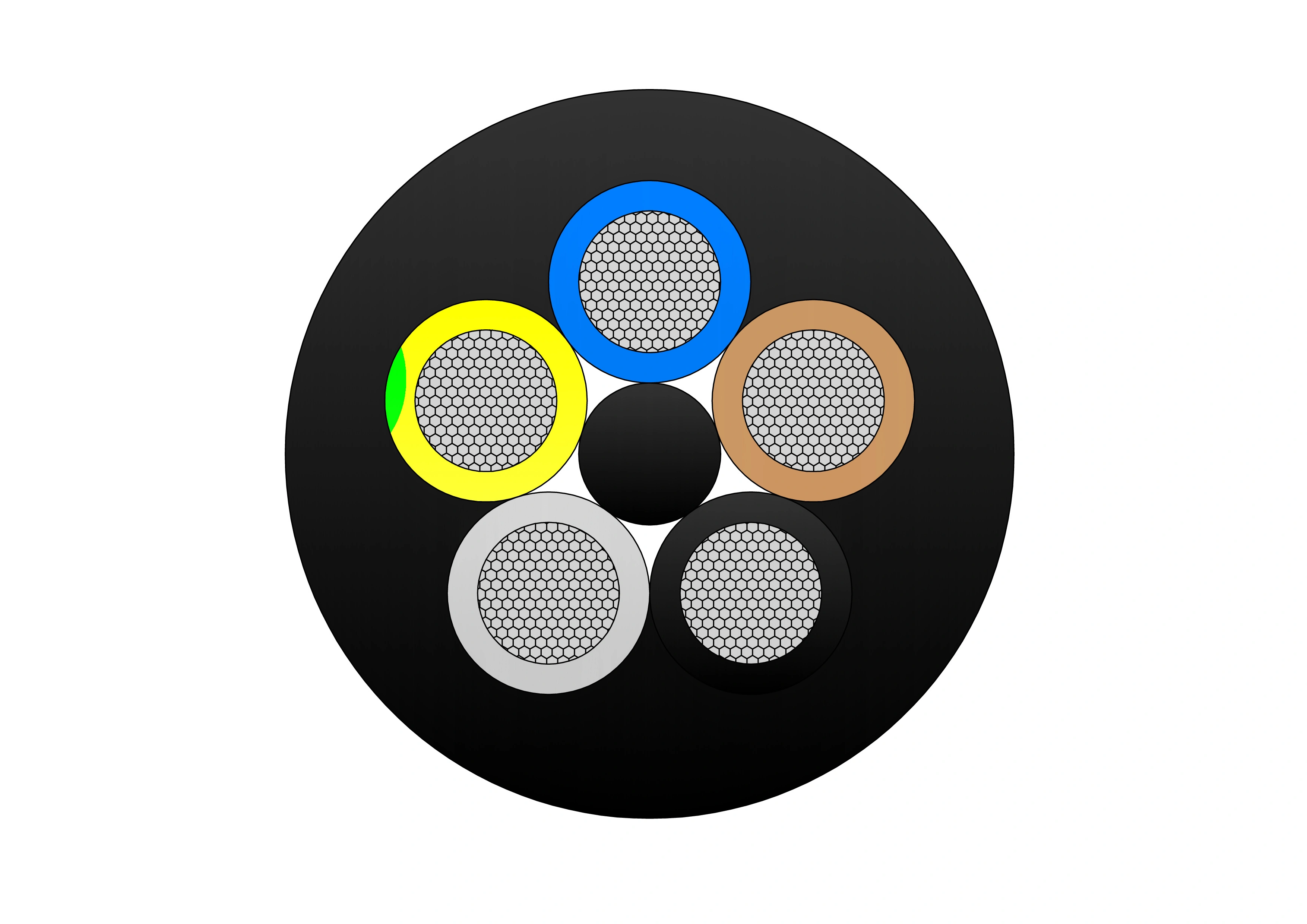
Type 409 Flexible Copper Screened Mining Cable With Central Pilot
The Type 409 Flexible Copper Screened Mining Cable with Central Pilot is a heavy-duty flexible cable engineered for reliable and safe underground mining operations. It features finely stranded tinned copper conductors (class 5) for excellent flexibility and corrosion resistance, EPR (ethylene propylene rubber) insulation for superior dielectric strength and 90°C continuous thermal rating, an overall tinned copper braid screen providing effective EMI protection and grounding, a central pilot core for earth continuity monitoring, safety interlocks, and fault detection, and an extra-heavy-duty flame-retardant rubber outer sheath resistant to oil, abrasion, tearing, crushing, impact, and chemicals. Compliant with AS/NZS 2802 and mining safety standards, it supports high tensile loads, frequent reeling/drag, tight bending radii, and reliable performance in wet, dusty, and hazardous mine conditions. The Type 409 is ideal for power supply to continuous miners, shuttle cars, longwall equipment, drills, and other mobile machinery in coal and metalliferous mines, ensuring enhanced safety through pilot core monitoring and maximum durability.
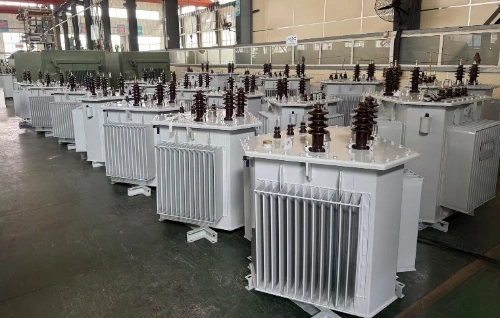
750kVA 3-Phase Oil-Immersed Outdoor Substation Transformer
A 750kVA 3-phase oil-immersed outdoor substation transformer is designed for stable and efficient power distribution in industrial, commercial, and utility applications. Built with high-quality insulation and premium transformer oil, it provides excellent cooling performance and long-term reliability. The transformer ensures accurate current measurement and voltage conversion, making it ideal for outdoor substations operating under demanding conditions.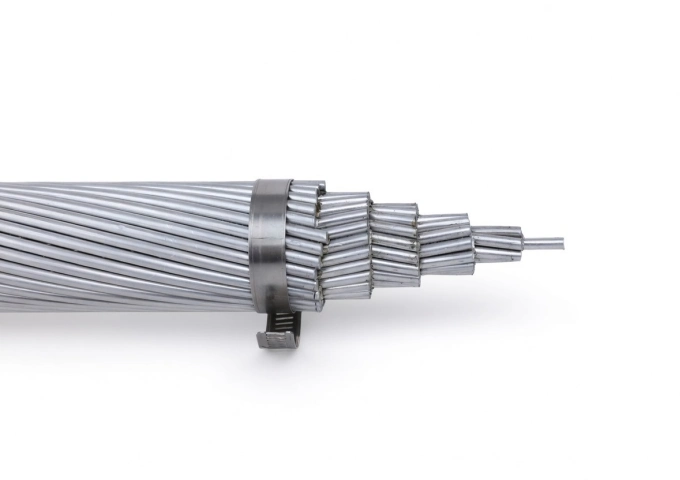
2 AWG IRIS AAC Cable
The 2 AWG IRIS AAC Cable is a premium All Aluminum Conductor designed for efficient overhead power transmission and distribution. Manufactured with high-purity 1350-H19 aluminum wires in a 7-strand concentric lay configuration, this bare conductor offers excellent electrical conductivity and lightweight performance. Ideal for urban and rural utility networks, the IRIS AAC delivers superior current-carrying capacity up to 185 amps while maintaining low sag and high reliability in various weather conditions. Its corrosion-resistant properties ensure long service life with minimal maintenance. Rigorously tested from raw materials to finished product, the 2 AWG IRIS AAC Cable meets or exceeds ASTM B-230 and B-231 standards, providing optimal strength-to-weight ratio and low DC resistance of 0.260 ohms per 1000ft. Choose this dependable solution for cost-effective power delivery in overhead lines on poles and towers.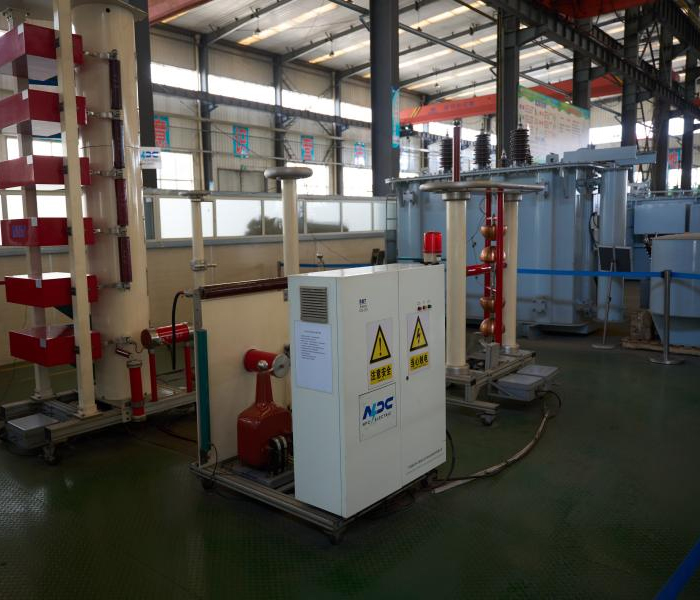
800kVA Dry Type Transformer
NPC ELECTRIC 800kVA Dry-Type Transformer provides reliable, oil-free power distribution with a compact design. Featuring advanced insulation and cooling systems, it ensures safe, low-maintenance operation for industrial and commercial use. With 800kVA capacity, it delivers efficient and environmentally friendly performance. Its dry-type ventilated or encapsulated construction supports zero fluid maintenance, eliminates leak/spill concerns, and fits seamlessly into high-load, high-traffic, or environmentally restricted spaces. It targets efficiencies approximately 99.36–99.38% at 35% load (consistent with DOE 2029 levels for higher kVA ranges in low-voltage dry-type category), manages harmonics robustly, accommodates overloads, and provides exceptional reliability with minimized lifecycle costs and environmental benefits.
Type 240 Flexible Copper Screened Mining Cable With Three Pilots
The Type 240 Flexible Copper Screened Mining Cable with Three Pilots is a medium-voltage, rubber-insulated cable designed for mining machinery feeder applications and longwall supply. It features tinned annealed copper conductors, EPR insulation, and a tinned copper/polyamide braid screen for superior electrical and mechanical performance. The three interstitial pilot cores provide additional monitoring or control functions, making it suitable for complex mining and industrial systems. With its HD-PCP extra heavy-duty outer sheath, the cable offers oil resistance, flame retardancy, and high durability for harsh environments. Compliant with AS/NZS 2802 and related standards, it ensures reliable operation under extreme mechanical and electrical stress. Constructed with high-conductivity copper conductors, durable insulation, and a robust outer sheath, the cable offers excellent resistance to abrasion, vibration, oil, moisture, and harsh mining conditions. Its flexible design supports continuous movement and reduces installation stress.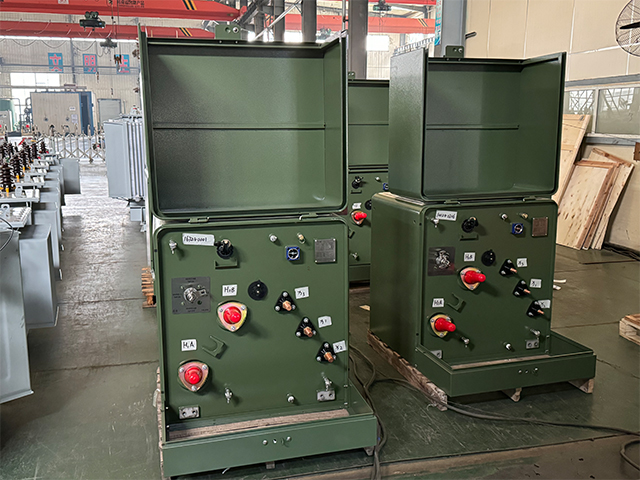
10kVA Single Phase Pad Mounted Transformer
The 10 kVA pad-mounted transformer meets ANSI, CSA, NEMA, IEEE, and DOE standards. NPC Electric's 10 kVA pad-mounted transformers comply with DOE efficiency values and are UL listed. Based on specific technical requirements, the incoming line can be designed as either a loop feed or radial feed, and it also supports customized dual voltage.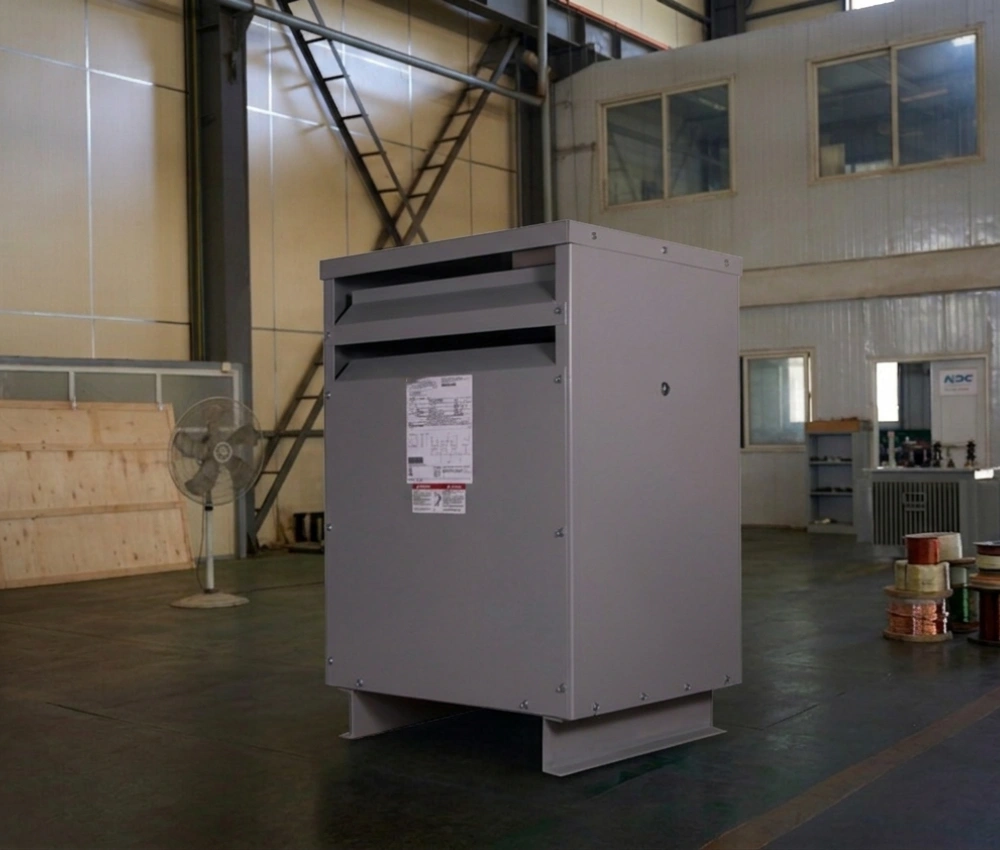
Single Phase Isolation Transformer
The Single Phase Isolation Transformer is a specialized power transformer designed to provide complete electrical isolation between the primary and secondary circuits while ensuring safe and efficient power transmission. By eliminating direct conductive paths between input and output power sources, the transformer effectively suppresses electrical noise, reduces common-mode interference, minimizes transient voltage disturbances, and enhances operational safety for connected equipment. This makes it an ideal solution for sensitive electronic devices, industrial control systems, laboratory instruments, medical equipment, and commercial power applications. Constructed with premium-grade CRGO silicon steel cores and precision-wound copper or aluminum conductors, the Single Phase Isolation Transformer offers exceptional efficiency, low losses, and stable voltage regulation. Its robust insulation system enhances dielectric strength and provides reliable protection against electrical faults and grounding issues. The transformer is available in a wide range of voltage ratings and capacities, making it suitable for both standard and customized electrical distribution requirements. Designed for long-term performance and minimal maintenance, the Single Phase Isolation Transformer can be integrated into industrial automation systems, telecommunications networks, data processing facilities, and specialized power conditioning applications.Welcome your inquiry
Honesty, Integrity, Frugality, Activeness and Passion