


315kVA Dry Type Transformer
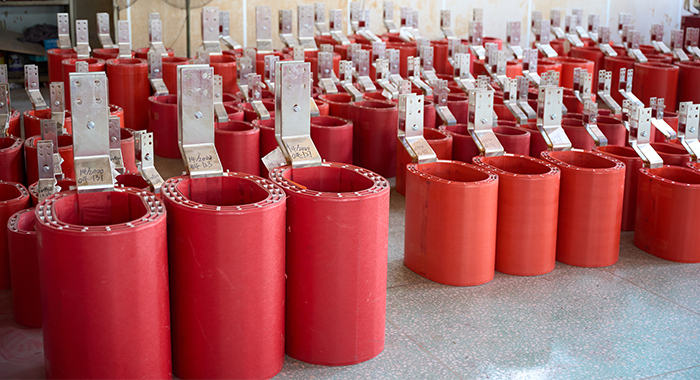
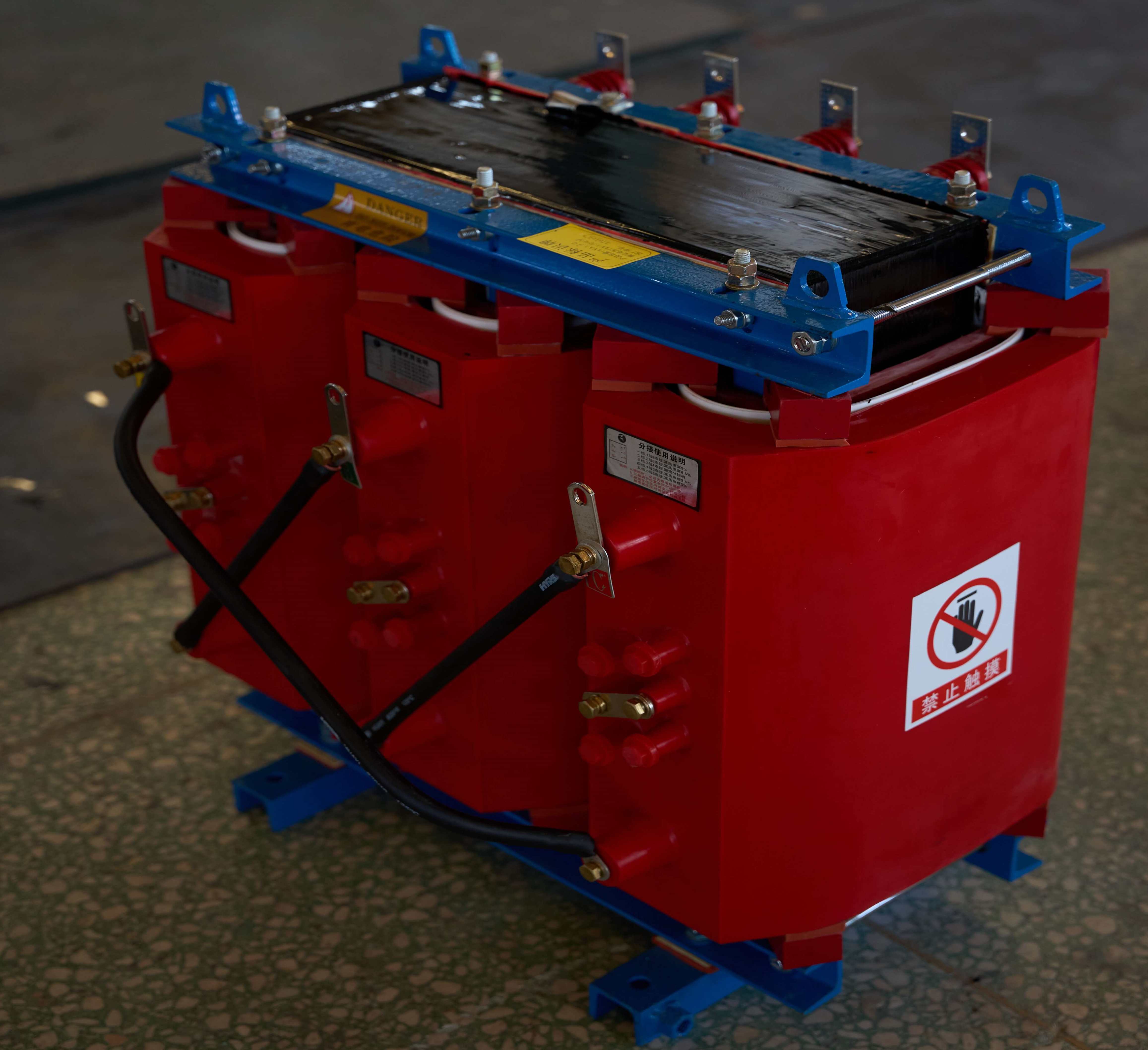
The 315 kVA Cast Resin Dry Type Distribution Transformer 480V-208Y/120V, a robust, maintenance-free solution optimized for safe indoor power conversion in North American electrical systems. This three-phase dry-type transformer features premium copper windings fully encapsulated in high-grade epoxy resin under vacuum pressure, delivering exceptional moisture resistance, fire self-extinguishing performance (F1 class), and minimal partial discharge for long-term reliability. With premium low-loss grain-oriented silicon steel cores and natural air (AN) cooling, it achieves superior energy efficiency exceeding DOE 2016 minimums, often reaching 98%+ under typical loads, while maintaining low noise levels and Class F/H insulation for demanding environments. Compliant with IEC 60076-11, ANSI/IEEE C57.12.01, UL, and DOE standards, this compact unit steps down 480V Delta primary (with ±2×2.5% off-circuit taps) to 208Y/120V secondary, providing stable power for commercial, industrial, and institutional applications with zero oil hazards and eco-friendly operation.
- Primary Voltage Ratings 480V delta
- Secondary Voltage Ratings 208Y/120V wye
- H.V. Tap Range ± 2×2.5% HV taps or others
- Type Dry type transformer
- BIL 30/95kV
- Standards IEEE, ANSI, NEMA,IEC,GB
- Application office buildings, transportation facilities
- Power Rating 315kVA
- Certificate UL ,CESI
- Cooling Method OA/OF
- Opeartion Step Down & Step Up
Technical Specifications
Customization Optional
Packing and Shipping
Manufacturer Test
Routine Testing
Application
Technical Specifications
315kVA Dry Type Transformer
Technical Specifications
Accessories
| Rated Power | 315 kVA | |
| Rating Primary Voltage | 2.4-35kV | |
| Secondary Voltage | 480/277V 400/230V 380/220V Customized |
|
| Frequency | 50/60Hz | |
| Vector Group | Dyn11,Yyn0,Dyn5 | |
| Winding Material | Aluminum/Copper | |
| Efficiency | As IEEE,Doe 2016,CAS Std or Customized | |
| Impedance Voltage | Nominal 2% or Customized 1.1-5.75% | |
| Altitude | ≤1,000m or Customized | |
| Enclosure material | 304 Stainless Steel | |
|
Insulation system |
Class F (155°C) or Class H (180°C) rise |
|
|
Enclosure |
IP23 ventilated (indoor standard), IP54/IP55 totally enclosed (optional) |
|
| HV Bushing |
| LV Bushing |
| Tap changer connector |
| Lifting hook for complete transformer |
| Name plate |
Customization Optional
315kVA Dry Type Transformer
The 315kVA three-phase cast resin dry type transformer supports broad customization to meet exact project voltage needs, installation constraints, load profiles, and regional efficiency regulations. Primary voltage is centered on 480V delta (other medium voltages: 600V, 4160V, 12470V available), while secondary voltage can be configured as 208Y/120V, 480Y/277V, 600Y/347V, or any custom low-voltage output. Vector groups include Dyn11 (standard), Dyn1, Yyn0, or special configurations for phase shift and harmonic mitigation. Full copper windings are standard for maximum efficiency, lowest hot-spot temperatures, and superior short-circuit strength; aluminum windings are available for cost-sensitive applications. Insulation system options are Class F (155°C) or Class H (180°C) using advanced cast-resin (epoxy) encapsulation for excellent resistance to moisture, dust, chemicals, and thermal cycling.
Enclosure choices include IP23 ventilated (indoor standard), IP54/IP55 totally enclosed (dust-tight/outdoor), or forced-air cooled (AF) for 133–150% overload capacity in high-ambient or confined spaces. Temperature rise can be specified as 100°C or 120°C. Additional features include forced-air cooling packages with fan controls, digital temperature monitoring with alarm/trip relays, surge arresters, electrostatic shielding for noise-sensitive locations, K-factor rating (K-4 to K-13) for harmonic-rich loads (data centers, EV charging, variable frequency drives), seismic bracing, low-noise fans (<48 dB), and special finishes for corrosive or cleanroom environments. All variants are fully validated to IEC 60076-11, UL 1561 (if requested), DOE 2016/2029 efficiency standards, and client specifications.
Packing and Shipping
315kVA Dry Type Transformer
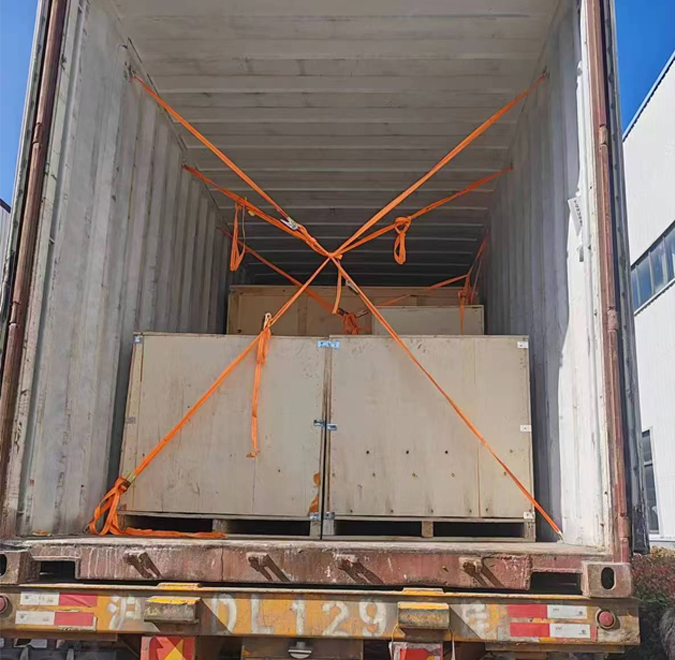
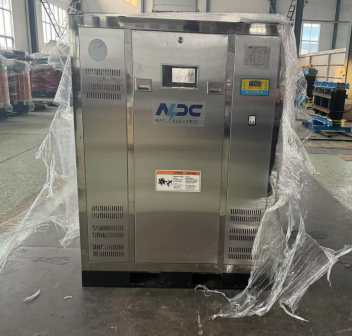
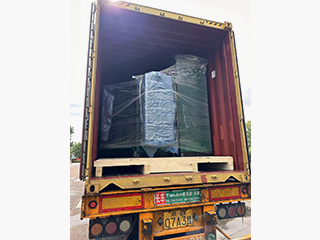
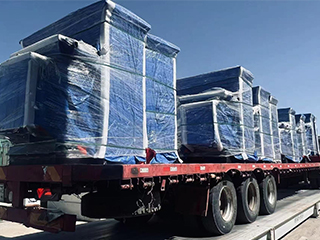
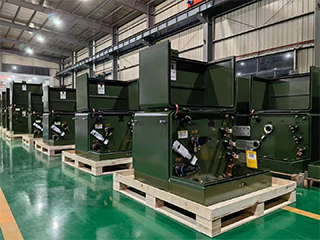
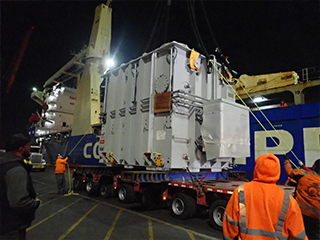
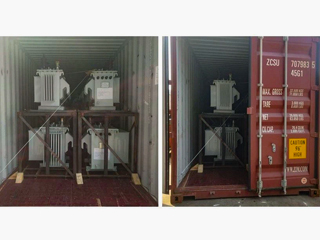
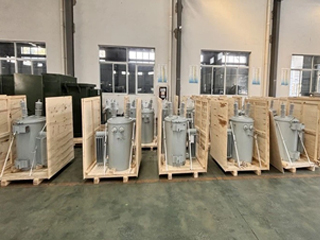
Packaging the 315 kVA Cast Resin Dry Type Distribution Transformer emphasizes protection of resin windings and core integrity during handling and transit. The unit is bolted securely to a reinforced wooden pallet with vibration-isolating pads, corner reinforcements, and lifting provisions for crane or forklift use. Terminals and sensors are shielded with custom foam inserts and protective covers, while the assembly is wrapped in multi-layer anti-static, breathable film to prevent condensation. A heavy-duty, ISPM 15-compliant wooden crate fully encases the transformer, complete with internal bracing, desiccant packs, humidity indicators, and electronic shock/tilt monitors to record transit conditions and ensure arrival in optimal state.
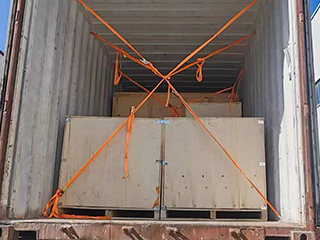
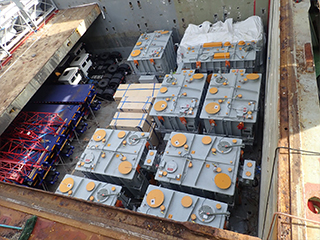
Shipping is optimized for flexibility and security across North American and international routes. Ocean freight in 20ft/40ft containers offers cost-effective delivery with secure dunnage, typically 15-45 days to ports. Air freight accelerates urgent shipments in 4-10 days. Domestic trucking utilizes enclosed trailers with weatherproofing and tie-downs for safe overland movement. Full cargo insurance covers replacement value throughout.
Export documentation includes invoices, packing lists, origin certificates, test reports, and DOE/IEC/UL compliance statements for efficient customs. Eco-friendly elements use recyclable materials and route optimization. Clients receive GPS tracking with real-time updates and dedicated support.
Arrival support features optional unpacking oversight, insulation verification, and packaging recycling to expedite installation. Bulk orders enable consolidated shipments and phased delivery. This process ensures reliable arrival, enhancing SEO for "secure 315 kVA dry type transformer shipping."
Shipping is optimized for flexibility and security across North American and international routes. Ocean freight in 20ft/40ft containers offers cost-effective delivery with secure dunnage, typically 15-45 days to ports. Air freight accelerates urgent shipments in 4-10 days. Domestic trucking utilizes enclosed trailers with weatherproofing and tie-downs for safe overland movement. Full cargo insurance covers replacement value throughout.
Export documentation includes invoices, packing lists, origin certificates, test reports, and DOE/IEC/UL compliance statements for efficient customs. Eco-friendly elements use recyclable materials and route optimization. Clients receive GPS tracking with real-time updates and dedicated support.
Arrival support features optional unpacking oversight, insulation verification, and packaging recycling to expedite installation. Bulk orders enable consolidated shipments and phased delivery. This process ensures reliable arrival, enhancing SEO for "secure 315 kVA dry type transformer shipping."
32
32 years of industry experience
Manufacturer Test
315kVA Dry Type Transformer
Progress Test
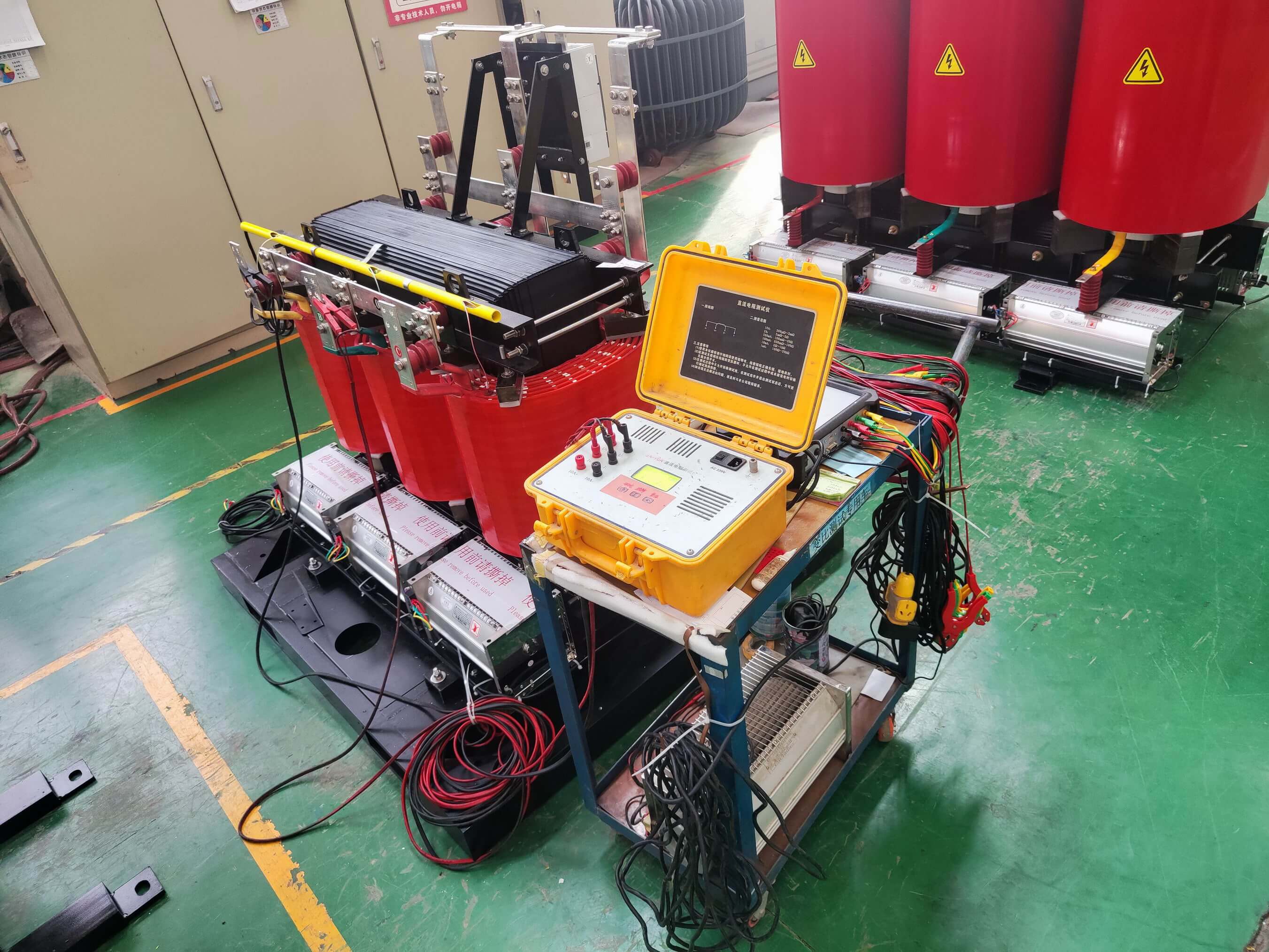
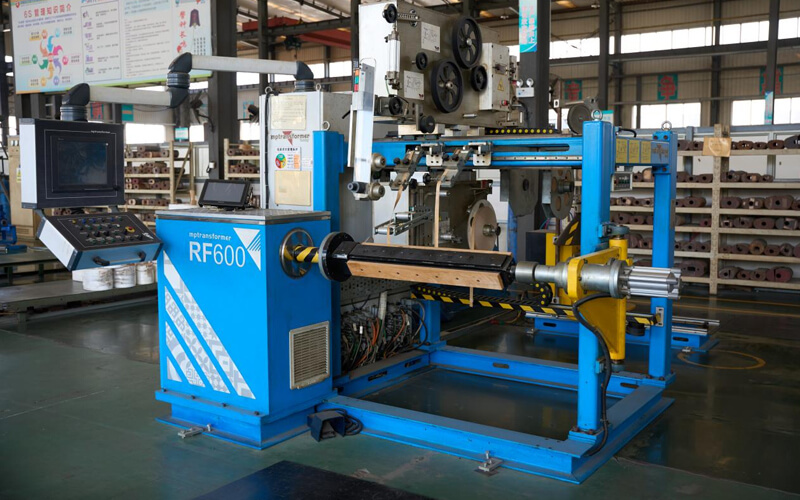
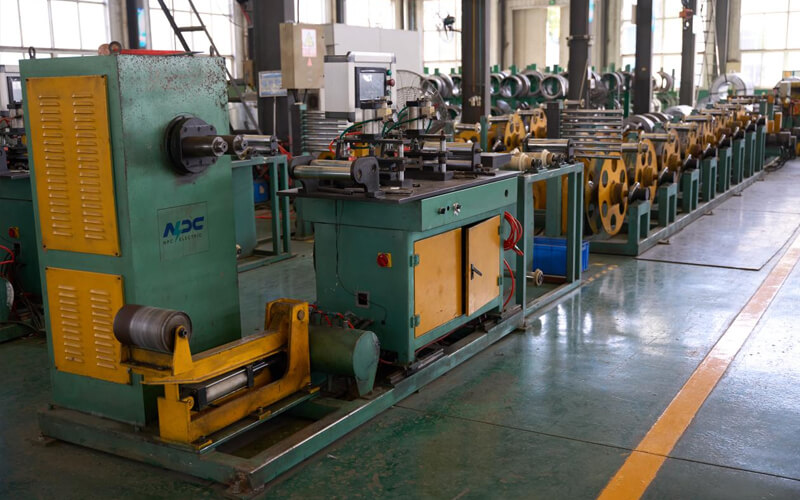
Initial manufacturing for the 315 kVA cast resin dry type transformer involves core loss verification on grain-oriented silicon steel via Epstein frame testing at rated flux to confirm low no-load performance. Copper winding production includes automated precision layering with inter-turn surge testing for insulation integrity and resistance uniformity. Pre-casting conductor alignment uses laser metrology for accurate duct spacing. Vacuum pressure impregnation monitors resin penetration and void elimination through real-time ultrasonic checks. Core-coil assembly undergoes low-voltage excitation for magnetization profiling and harmonic assessment. These early validations, with serialized digital tracking, establish foundations for energy-efficient and reliable design. Advanced progress testing features resin casting with monitored curing cycles, hardness verification, and thermal uniformity via thermocouples. Partial discharge pre-screening during voltage steps detects defects below low pC limits. Airflow paths and duct resistance are evaluated through pressure drop simulations.
Design Tests
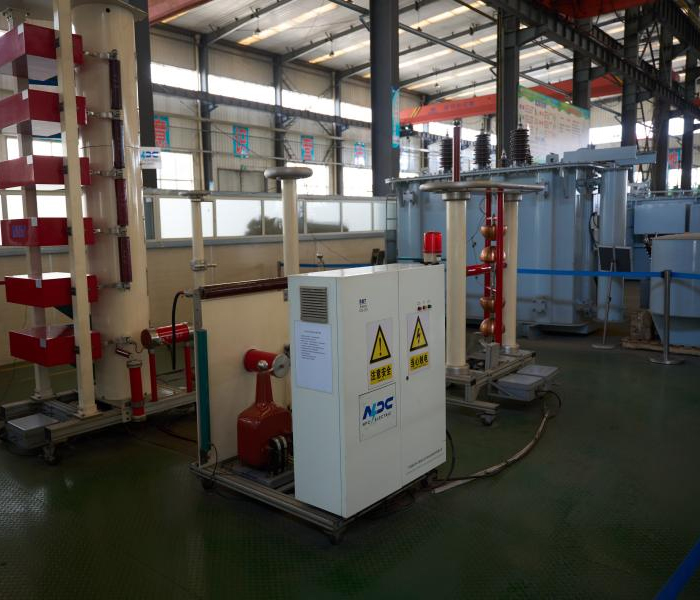
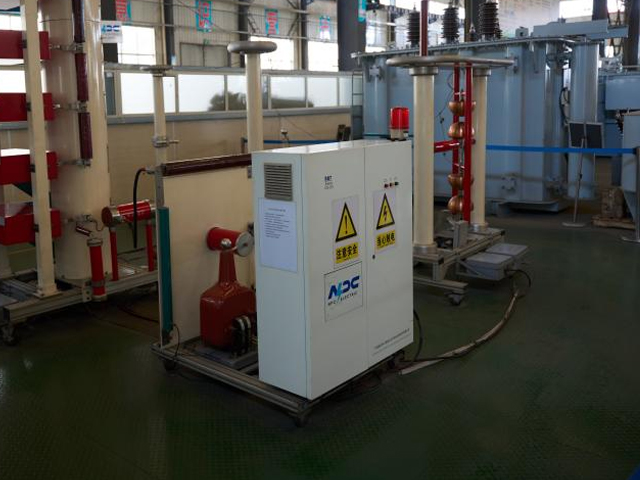
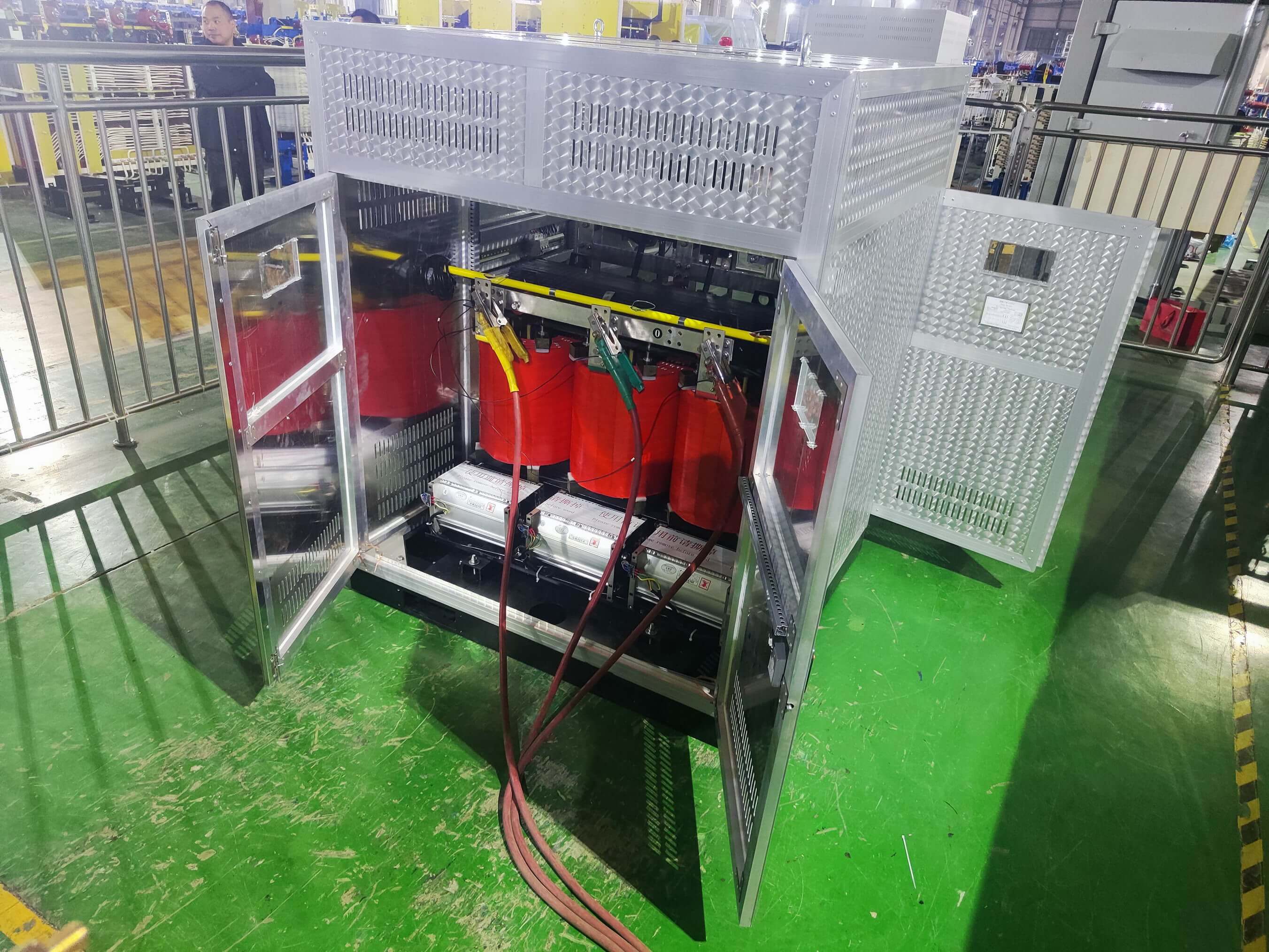
All transformer will be test after finished the production, test items as below:
♦ Insulation Power Factor
♦ Winding Resistance
♦ Impulse Tests
♦ On load Loss Test
♦ No Load Loss Test
♦ Leak Test
♦ DC Insulation Resistance Test
♦ Transformer Turns Ratio/TTR (All Tap Voltages)
♦ Impedance Voltage & Load Loss (Rated Voltage)
♦ Excitation & No-Load Loss (Rated Voltage)
♦ Applied Voltage
♦ Insulation Resistance (Rated Voltage)
♦ Temperature Rise
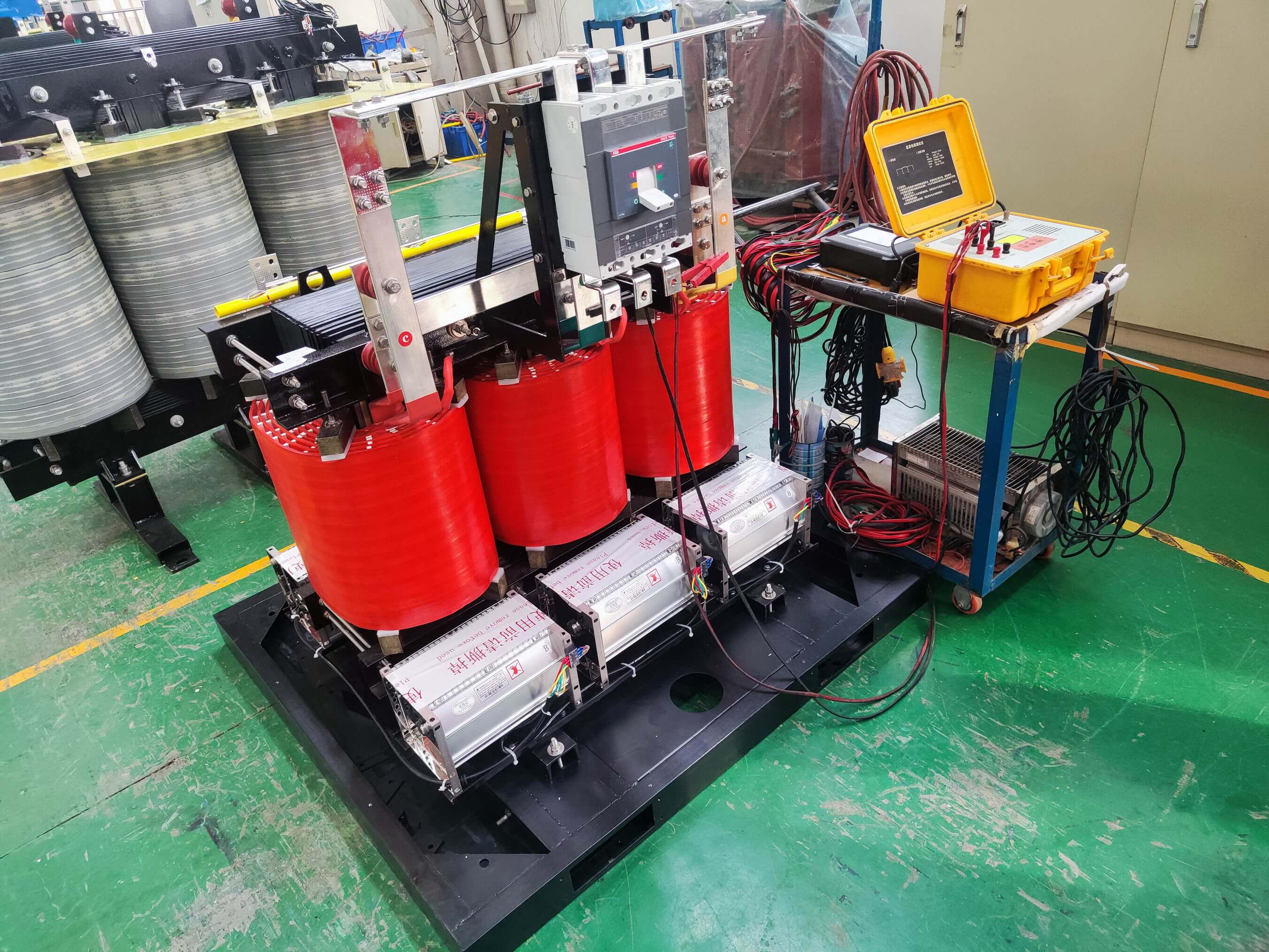
Transformer Factory Acceptance Test
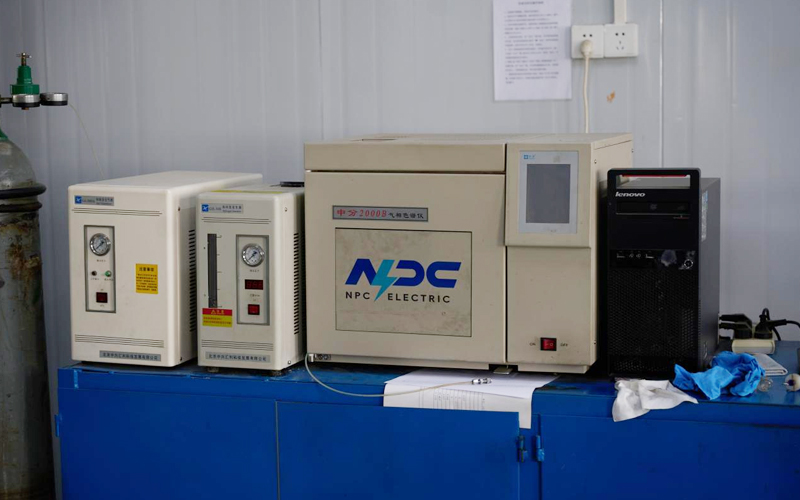
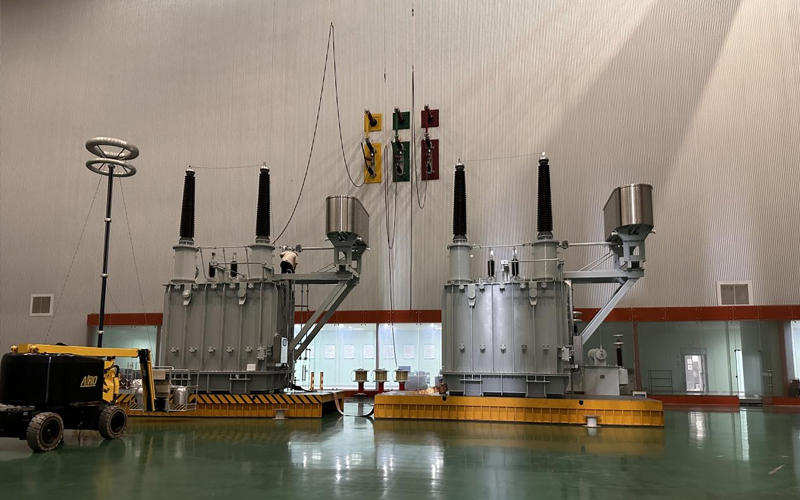
Factory Acceptance Testing commences with precise ratio and polarity checks across taps using calibrated ratiometers, verifying 480V-208Y/120V accuracy within 0.2%. No-load loss and excitation current are measured at 90-110% voltage to validate core efficiency against DOE targets. Winding resistance at reference temperature enables accurate load loss determination. Dielectric tests include applied voltage withstand and insulation resistance far above minimums. Partial discharge under induced overvoltage limits levels to stringent values. These routine electrical tests, documented and optionally witnessed, confirm baseline safety and low-loss performance per IEC/ANSI standards. Extended FAT incorporates temperature rise testing at rated load with sensors, maintaining rises within Class F/H limits. Induced voltage withstand with partial discharge monitoring verifies insulation endurance. Noise level assessment in acoustic conditions ensures quiet indoor suitability. Tap changer cycling and thermal relay functionality are demonstrated.
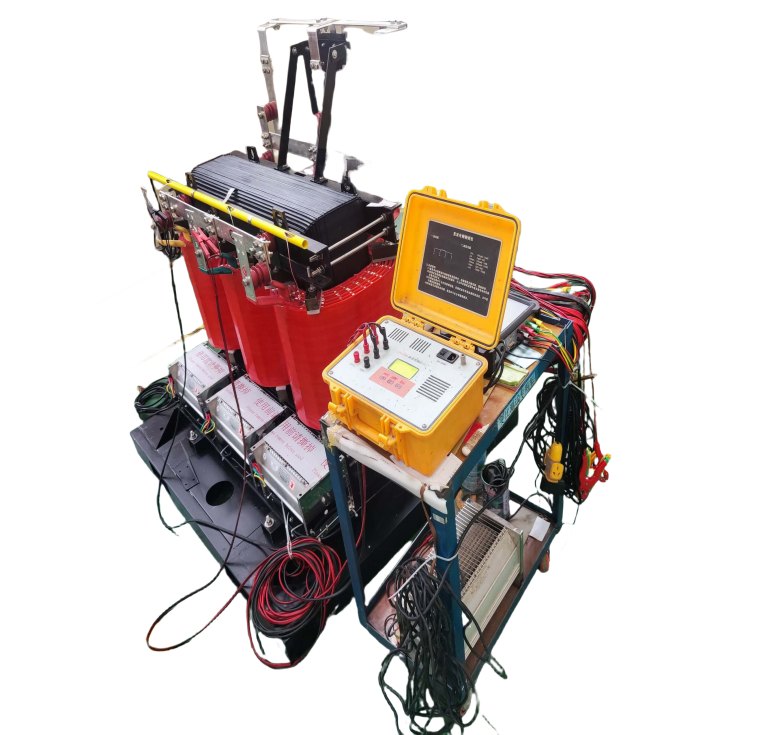
Routine Test - Insulation Power Factor
Purpose of Testing
The purpose of winding resistance testing is to detect the continuity and connection quality of the internal conductors of the motor or transformer windings, and to promptly detect potential faults such as open circuits, poor contact or local heating.
Testing Equipment
Winding resistance tester (e.g. OMICRON, DV Power, Raytech, Megger, ISA, etc.)
Test voltage source (commonly used are 6V, 10V, 20V, 40V or 100V, depending on the equipment model or customer requirements)
Temperature and humidity meter (used to record the ambient temperature and humidity during the test)
Test voltage source (commonly used are 6V, 10V, 20V, 40V or 100V, depending on the equipment model or customer requirements)
Temperature and humidity meter (used to record the ambient temperature and humidity during the test)
Pre-Test Preparation
Check if the instrument has been calibrated to ensure the test accuracy.
Disconnect the electrical connection between the test cable and the equipment to ensure that there is no external current or voltage interference.
Select a suitable voltage range for testing and set the test voltage according to the equipment requirements.
Disconnect the electrical connection between the test cable and the equipment to ensure that there is no external current or voltage interference.
Select a suitable voltage range for testing and set the test voltage according to the equipment requirements.
Test Progress
Connect the Test Instrument:
Connect the test equipment to the winding terminals of the device under test, making sure the connections are secure and properly grounded to avoid measurement errors.
Apply Test Voltage:
Select the appropriate test current according to the equipment specifications (such as test current for low-voltage windings, single-phase or three-phase windings).
Connect the test equipment to the winding terminals of the device under test, making sure the connections are secure and properly grounded to avoid measurement errors.
Apply Test Voltage:
Select the appropriate test current according to the equipment specifications (such as test current for low-voltage windings, single-phase or three-phase windings).
Measure and Record
Start the test and record the following parameters:
Winding resistance (usually expressed in units of "Ω")
Test current (A)
Test voltage (V)
Temperature (record the winding temperature before and after the test)
Winding resistance (usually expressed in units of "Ω")
Test current (A)
Test voltage (V)
Temperature (record the winding temperature before and after the test)
Temperature Correction
The measured winding resistance values are converted to a reference temperature (usually 20°C) based on a temperature correction formula to allow accurate evaluation and comparison.
Repeat Testing (if necessary)
Test the different windings (high voltage, medium voltage, low voltage) separately and make sure to record the resistance value of each winding.
Evaluation Criteria (Reference)
Resistance deviation is less than 5% (normal)
Resistance deviation is between 5% and 10% (warning)
Resistance deviation exceeds 10% (further inspection or corrective action is required)
Resistance deviation is between 5% and 10% (warning)
Resistance deviation exceeds 10% (further inspection or corrective action is required)
Test standard
IEEE C57.12.01 & IEEE C57.12.91 (Dry-Type)
*These comprehensive tests ensure that each transformer meets performance standards and operates
reliably under various conditions.
Application
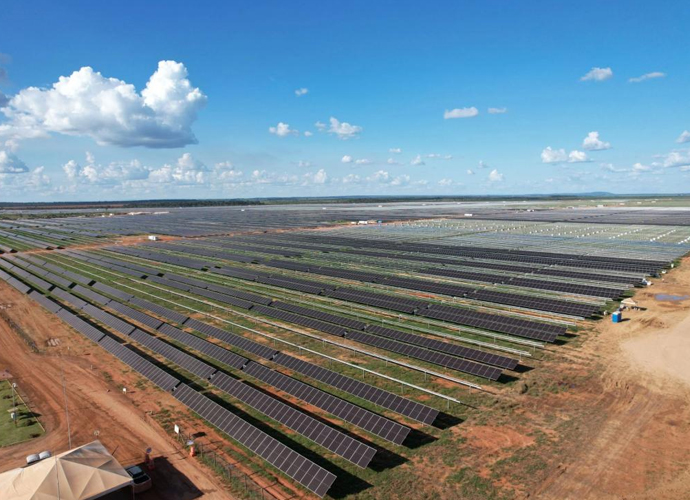
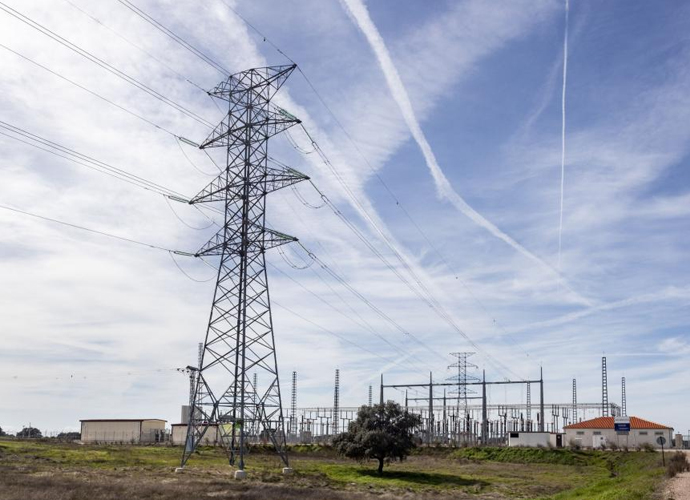
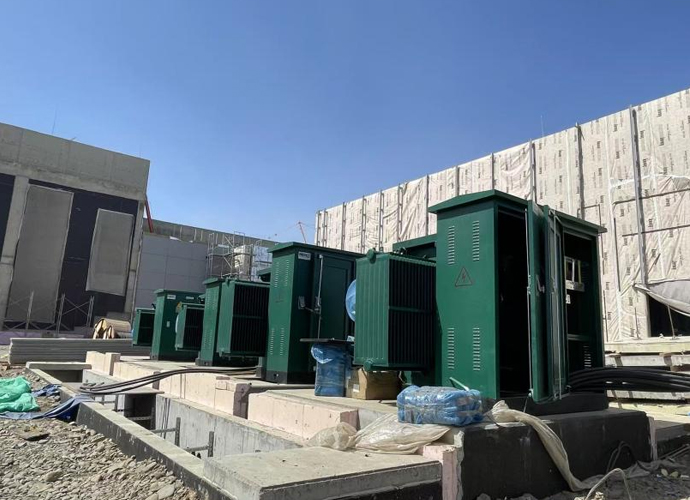
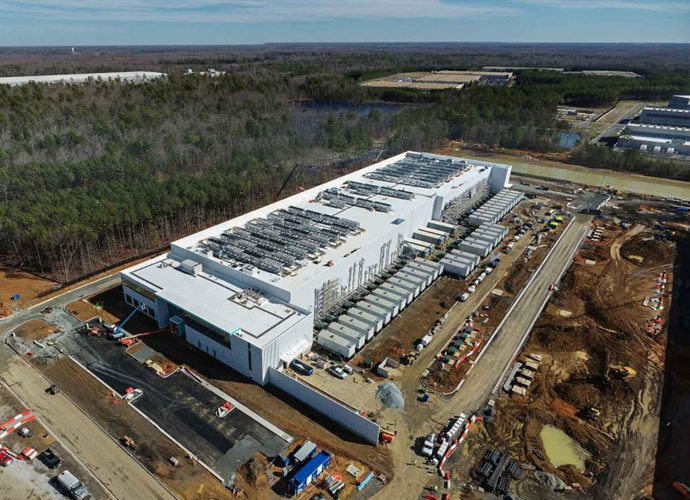
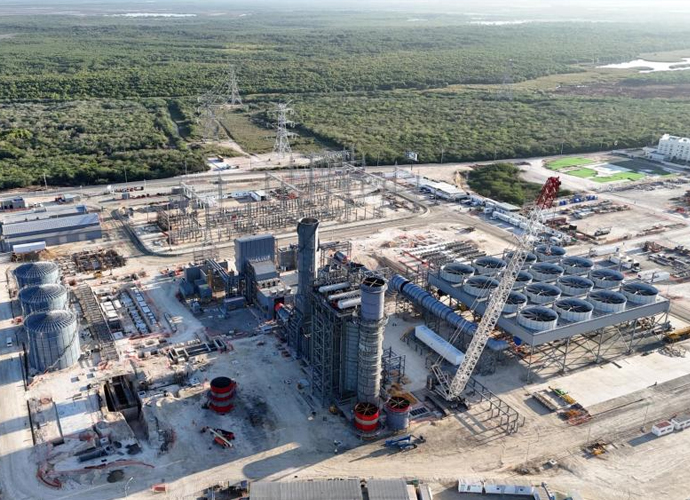
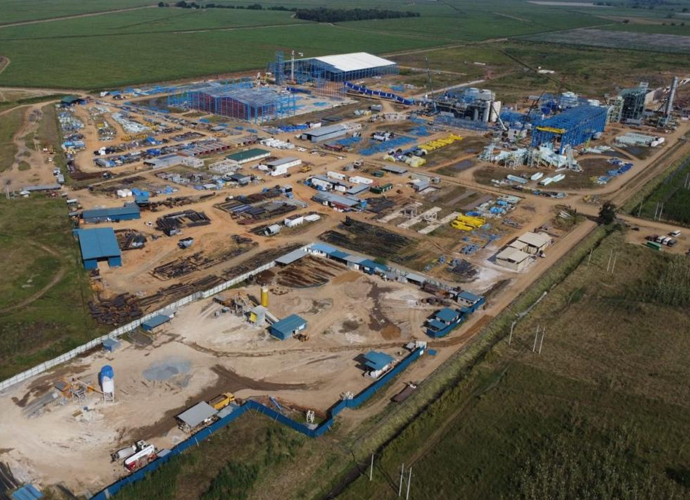
Essential for commercial buildings, offices, and retail spaces, providing safe, quiet indoor step-down from 480V to 208Y/120V without oil risks. Commonly deployed in mixed-use developments, light industrial sites, and institutional campuses, delivering efficient, fire-safe distribution for combined commercial, educational, and small manufacturing loads.


Technical Advantages
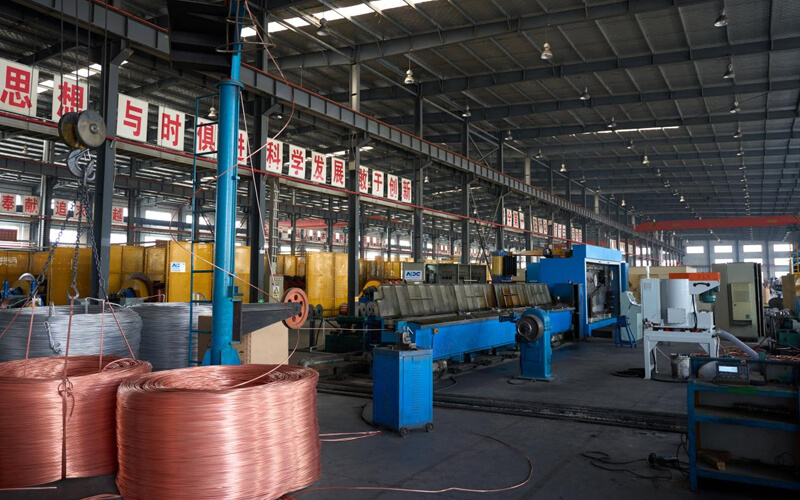
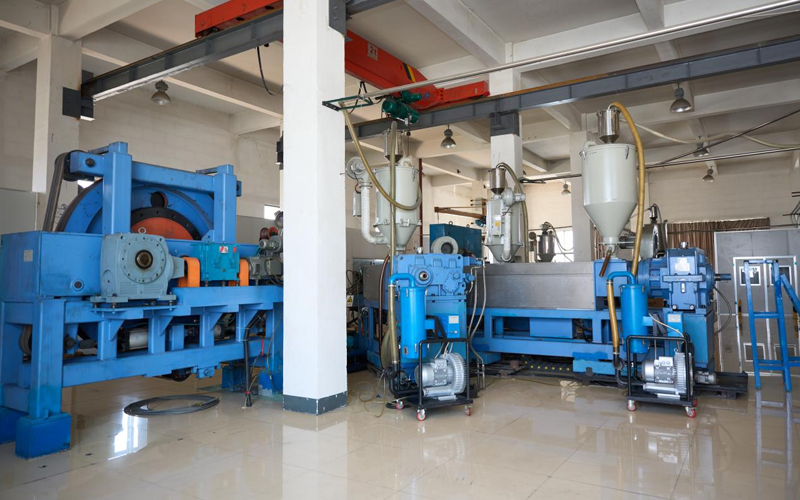
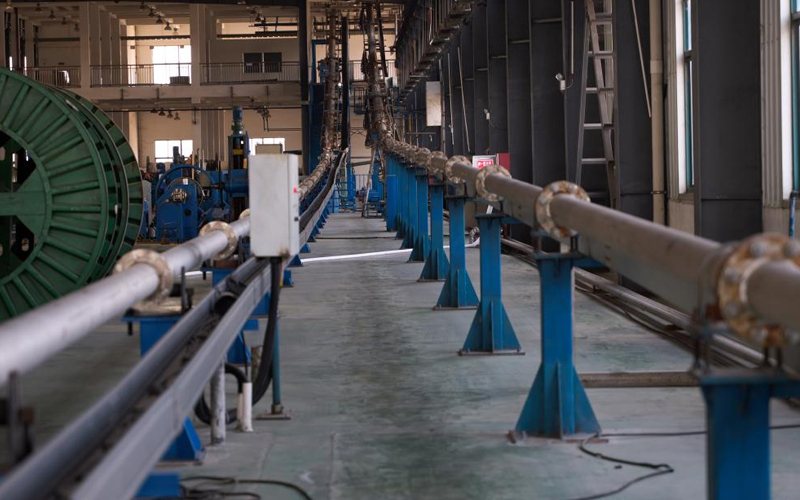
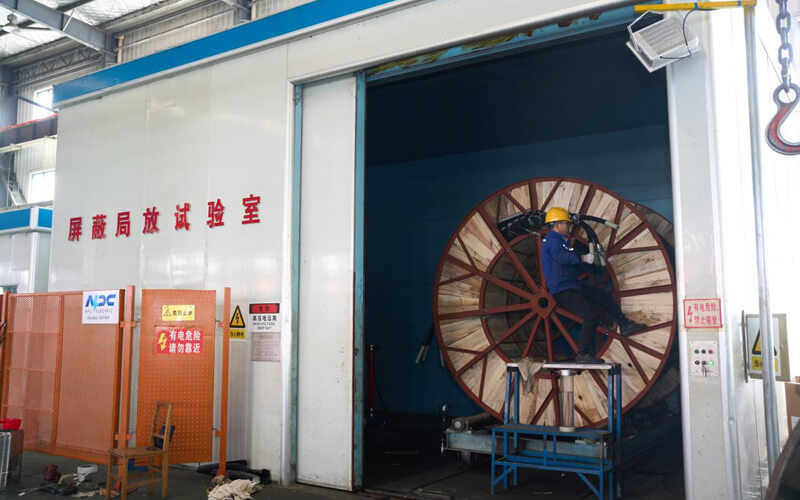
● 30+ years of manufacturing experience
● ISO and UL certified production
● Customized cable and transformer solutions
Product Packaging
Transformers Packaging (1)
Transformers Packaging (2)
Transformers Packaging (3)
Transformers Packaging (4)
Transformers Packaging (5)
Transformers Packaging (6)
Transformers Packaging (7)
Transformers Packaging (8)
Related Products
Prefabricated Substation
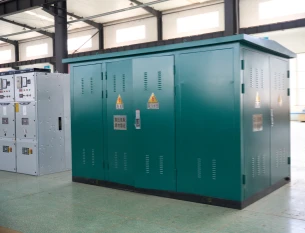
The Prefabricated Substation is a fully integrated, factory-built power distribution solution that combines high-voltage switchgear, transformer, low-voltage switchgear, protection systems, metering, and auxiliary equipment into a compact, modular enclosure. Designed for rapid deployment, it significantly reduces on-site civil works, installation time, and overall project costs. Built with premium materials and advanced manufacturing techniques, these substations deliver exceptional reliability, safety, and efficiency in a weatherproof, aesthetically pleasing package. Available in both skid-mounted and containerized configurations, they support a wide range of voltages and capacities while incorporating intelligent monitoring and remote control capabilities for modern smart grid applications.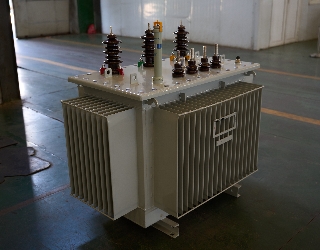
750kVA Oil Immersed Transformer
NPC ELECTRIC's 750kVA oil-immersed transformer uses advanced oil-immersed cooling technology to provide efficient and stable power conversion. The transformer complies with international standards such as the International Electrotechnical Commission (IEC) and ISO 9001, ensuring the high quality and safety of the product. Its sturdy structure and excellent overload resistance are widely used in industrial, commercial, and power network fields.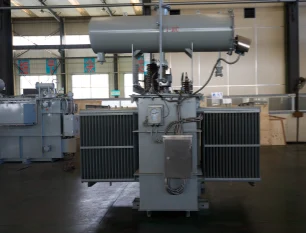
2500kVA Substation Transformer
The 2500kVA Substation Transformer stands as a robust, high-capacity solution engineered for medium-voltage power substations, delivering reliable step-down transformation with exceptional energy efficiency and durability. This oil-immersed unit features premium grain-oriented silicon steel laminations and low-loss copper windings to achieve superior no-load and load efficiency ratings, often exceeding 99% under typical operating conditions. Designed with ONAN cooling for natural convection reliability and optional ONAF upgrades for increased capacity during peak loads, it includes a conservator tank with high-quality mineral or biodegradable ester oil for optimal insulation and fire safety. Built to withstand demanding environments, it incorporates advanced protection like pressure relief valves, Buchholz relays, and temperature monitoring, while maintaining low noise levels and extended service life beyond 35 years. Compliant with IEC 60076, IEEE, and CSA standards, this substation transformer ensures stable voltage regulation, minimal losses, and seamless integration into utility, industrial, and renewable energy grids for cost-effective, sustainable power distribution.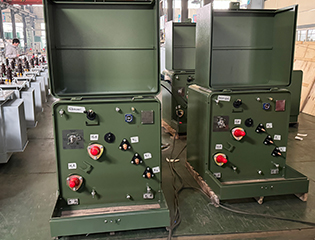
315kVA Single Phase Pad Mounted Transformer
315kVA Single Phase Pad Mounted Transformer, engineered for seamless integration into underground power distribution systems, particularly in residential and commercial loop-feed setups. This compact, oil-filled transformer utilizes advanced high-permeability steel cores and precision-engineered windings to offer exceptional energy efficiency, low operating temperatures, and reduced sound levels for discreet urban installations. Compliant with ANSI C57.12.38 and IEEE standards, this single-phase padmount transformer ensures reliable voltage conversion from primary voltages up to 34.5kV to standard secondary outputs like 120/240V, supporting radial or loop configurations with high short-term overload capability for growing communities.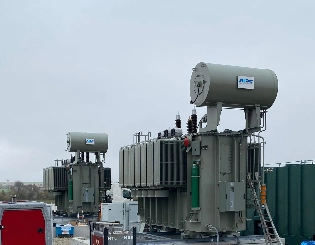
220kV 230kV Power Transformer
The 220kV / 230kV Power Transformer is an extra-high-voltage, oil-immersed, three-phase power transformer engineered for backbone transmission networks, major utility substations, large-scale renewable energy integration, heavy industrial corridors, and cross-border grid interconnections. Typical specifications include mineral oil or FR3 natural ester insulation (ONAN/ONAF/ODAF/OFWF cooling configurations), high-conductivity copper windings (aluminum optional), primary voltages 220kV or 230kV (grounded wye/delta, dual-voltage or multi-tap options), secondary voltages 35kV, 66kV, 110kV, 132kV, 138kV or custom (e.g., 230kV/115kV, 220kV/35kV, 230kV/13.8kV step-down), BIL ratings 950–1050kV (up to 1175kV for ultra-high lightning areas), impedance 10–18% (tolerances ±7.5%), ±8×1.25% or ±10×1.25% off-load tap changer (OLTC ±16–25% range common), conservator with bladder or sealed tank, Buchholz relay, sudden pressure relay, oil/winding temperature indicators (OTI/WTI), fiber-optic hot-spot sensors, partial discharge monitoring, pressure relief device, and ANSI 61 gray or custom tank finish.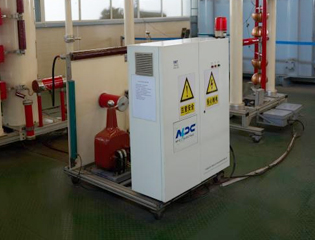
350kVA Epoxy Resin Cast Dry Type Transformer 3 Phase 6.6kV/0.4kV Low Noise
Presenting the high-performance 350kVA Epoxy Resin Cast Dry Type Transformer 3 Phase 6.6kV/0.4kV Low Noise, a cutting-edge, eco-friendly power distribution solution ideal for indoor applications demanding superior safety and quiet operation. This three-phase dry-type transformer utilizes premium epoxy resin vacuum casting on high-conductivity copper windings and low-loss grain-oriented silicon steel cores, achieving outstanding energy efficiency (typically 98%+), minimal no-load/load losses, and exceptional partial discharge suppression (<10pC). With natural air (AN) cooling, Class F/H insulation, fire-retardant self-extinguishing properties, and robust short-circuit withstand, it offers maintenance-free reliability in harsh or sensitive environments. Fully compliant with IEC 60076-11, this compact unit steps down 6.6kV primary (with ±2×2.5% off-circuit taps) to 0.4kV secondary (Dyn11 vector group), supporting sustainable grids with overload capability and zero oil risks.FAQ From Customers
-
What is a Transformer?A transformer is an electrical device used to change the voltage of alternating current (AC). It works on the principle of electromagnetic induction, converting high-voltage current into low-voltage current or low-voltage current into high-voltage current. Transformers are widely used in power transmission, distribution systems, and various electronic devices.
-
What are the main uses of a transformer?The main use of a transformer is voltage conversion. Transformers are used in power transmission systems to help transfer electricity from power plants to consumers. In addition, transformers are also used in electronic devices such as chargers, televisions, power adapters, etc., to adjust the voltage to meet the requirements of different devices.
-
Do you have UL listed?Yes, our transformer has UL listed. We have exported to America many pad mounted transformer,substation transformer and HV.
Welcome your inquiry
Honesty, Integrity, Frugality, Activeness and Passion