
Best Power Transformers for Solar Farms and Wind Power Plants
2026-04-03
Why Transformers Matter in Renewable Energy
As global investment in solar energy and wind power plants accelerates dramatically in 2026, power transformers have emerged as a critical bottleneck and essential link between renewable generation assets and the electrical grid. Utility-scale solar farms and onshore/offshore wind facilities now routinely exceed hundreds of megawatts, demanding high-efficiency, grid-compliant, and highly durable transformer solutions engineered to withstand the unique challenges posed by renewables.
Unlike traditional baseload generation, solar and wind exhibit highly fluctuating loads and variable generation profiles—solar output drops sharply at dusk or under cloud cover, while wind can surge or vanish within minutes. This intermittency subjects transformers to frequent load cycling, partial loading conditions, and rapid power swings, increasing thermal and mechanical stress on windings, insulation, and core materials. Modern designs must therefore incorporate advanced cooling systems (such as forced air or ester-based biodegradable fluids), low-loss amorphous or high-grade grain-oriented steel cores, and enhanced short-circuit withstand capabilities to maintain reliability over 30–40-year lifespans.
Moreover, increasingly strict grid codes worldwide impose rigorous technical mandates. Transformers in renewable plants must support fault ride-through (FRT) requirements, enabling the plant to remain connected during voltage dips (down to 0–15% of nominal for specified durations) while providing dynamic reactive power support. Many jurisdictions now require reactive power capability in the range of 0.95 leading to 0.95 lagging (or better), voltage regulation, frequency response (including limited frequency-sensitive modes), and active power control to assist grid stability. For offshore wind and large solar clusters, HVDC integration often necessitates specialized step-up transformers compatible with converter interfaces.
In 2026, the market reflects these pressures: global power transformer demand continues growing at 6–7% annually, with renewable evacuation driving a significant portion. Lead times for large units often exceed 2 years amid persistent supply constraints, raw material cost inflation (e.g., grain-oriented steel), and surging needs from grid modernization, data centers, and electrification. Manufacturers are responding with innovations like smart transformers featuring real-time digital monitoring, predictive maintenance sensors, and eco-friendly ester insulation to meet fire-safety and environmental regulations, particularly in urban or offshore settings.
Ultimately, high-performance transformers are no longer mere voltage conversion devices but strategic enablers of the energy transition—ensuring seamless, stable integration of variable renewables while minimizing losses, enhancing grid resilience, and supporting ambitious net-zero targets. As renewable capacity additions set new records, investing in advanced, future-proof transformer infrastructure has become indispensable for utilities, developers, and grid operators alike.
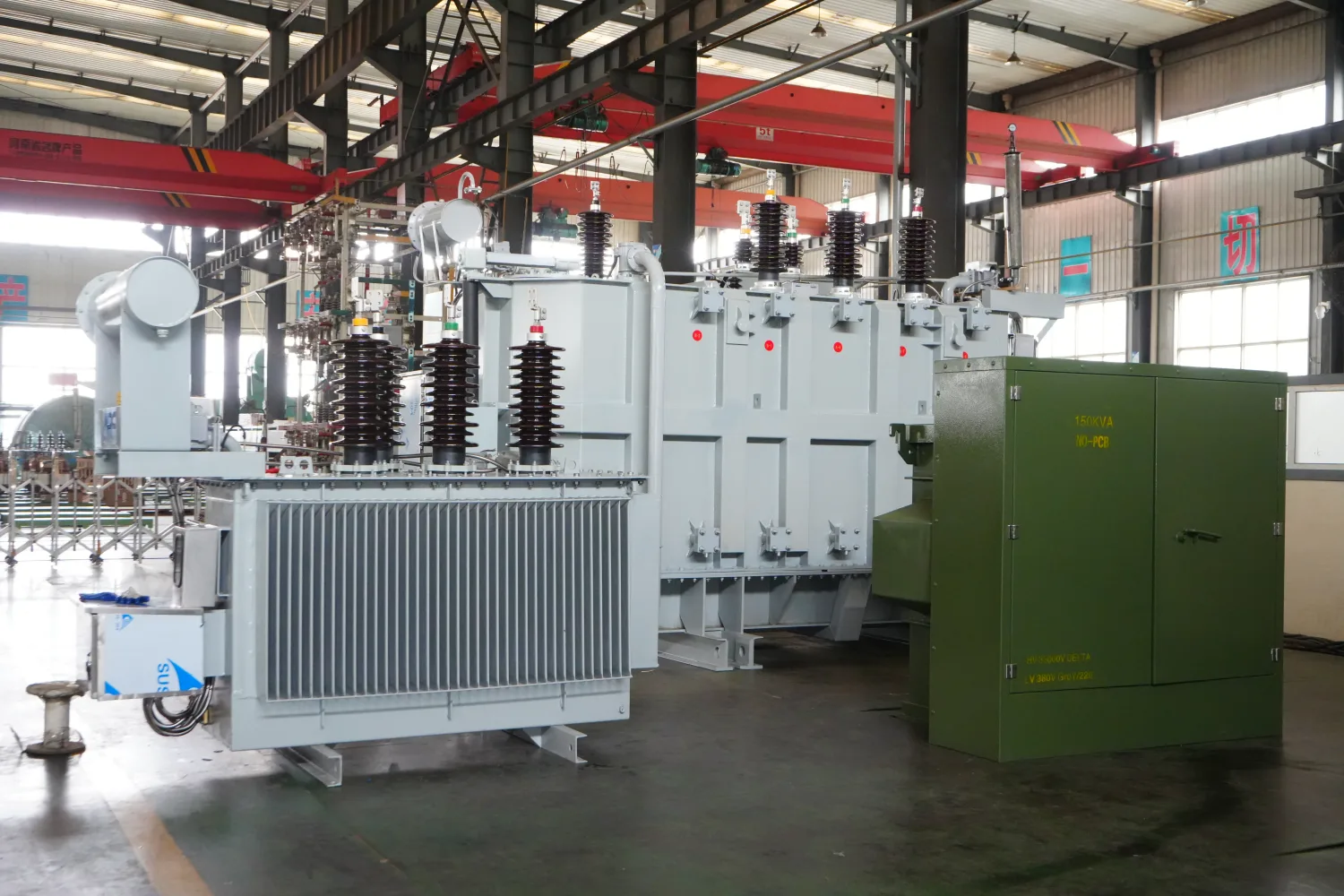
Role of Power Transformers in Solar Farms and Wind Power Plants
Solar Farm Transformer Applications
In a typical solar farm, power flows through multiple stages:
- PV modules generate DC power
- Inverters convert DC to AC
- Solar transformers step up low-voltage AC (400–800V) to medium voltage (11kV–35kV)
- Substation power transformers further step up the voltage for transmission
Transformers in solar farms must withstand:
- High ambient temperatures
- Frequent load cycling
- Harmonics from inverter switching
- Long operating hours at partial load
Wind Power Plant Transformer Applications
Wind power plants introduce additional mechanical and electrical challenges:
- Variable speed turbines
- Offshore or remote locations
- High mechanical vibration
- Harsh weather environments
Transformers for wind power plants must support high performance, robust insulation systems, and reliable cooling under dynamic operating conditions.
Key Types of Transformers Used in Renewable Energy Projects
1. Oil-Filled Power Transformers
Oil-filled and oil immersed transformers remain dominant in large solar farms and wind substations due to their excellent thermal performance.
Advantages:
- High power ratings
- Superior cooling efficiency
- Long service life
- Proven reliability
Typical applications:
Main step-up transformers, grid interconnection substations
2. Dry Type Transformers
Dry type transformers are increasingly adopted in renewable projects where fire safety and environmental protection are priorities.
Advantages:
- No oil leakage risk
- Lower environmental impact
- Reduced maintenance
- Ideal for indoor substations and offshore platforms
Typical applications:
Inverter stations, offshore wind platforms, and urban solar plants
3. Distribution Transformers
Distribution transformers serve as the backbone of internal power collection networks within solar farms and wind power plants.
They ensure stable voltage levels between inverter blocks and central substations, supporting efficient power generation and minimal energy loss.
Comparison Table: Transformer Technologies for Renewable Energy
|
Parameter |
Oil-Filled Transformers |
Dry Type Transformers |
|
Cooling Method |
Oil immersed, ONAN/ONAF |
Air-cooled, forced air |
|
Power Rating |
Very high (MVA range) |
Medium to high |
|
Fire Safety |
Moderate |
High |
|
Maintenance |
Periodic oil testing |
Low |
|
Environmental Risk |
Oil spill risk |
Minimal |
|
Typical Use |
Utility substations |
-- |
Advanced Transformer Technologies in 2026
High-Efficiency Core Design
Modern energy transformers use:
- Amorphous metal cores
- Low-loss silicon steel
- Optimized flux density design
These technologies significantly reduce no-load and load losses, improving overall energy efficiency.
Smart Monitoring and Digital Transformers
Advanced transformers now integrate:
- Online temperature sensors
- Dissolved gas analysis (DGA)
- Real-time condition monitoring
- Grid communication interfaces
These features support predictive maintenance and improve system availability across solar farms and wind power plants.
Copper vs Aluminum Windings in Renewable Transformers
|
Factor |
Copper Windings |
Aluminum Windings |
|
Electrical Conductivity |
Higher |
Lower |
|
Transformer Size |
More compact |
Larger |
|
Weight |
Heavier |
Lighter |
|
Cost |
Higher |
More cost-effective |
|
Typical Use |
High-performance transformers |
Cost-optimized projects |
For utility-scale renewable projects, copper windings are often preferred in high-performance transformers, while aluminum windings remain common where cost control is critical.
Supply Chain and Manufacturing Considerations
In 2026, transformer supply chains face:
- Long lead times
- Raw material price volatility
- Regional grid compliance requirements
Selecting experienced transformer solutions providers with global manufacturing capabilities helps mitigate supply risks and ensure on-time delivery for large renewable energy projects.
Selection Criteria for Solar and Wind Power Transformers
When specifying transformers for renewable applications, engineers should evaluate:
- Voltage levels and grid codes
- Harmonic performance
- Cooling system design
- Insulation class
- Lifecycle cost (CAPEX + OPEX)
- Availability of after-sales support
Choosing high-performance transformers tailored to renewable energy profiles ensures stable operation over 25–30 years of service life.
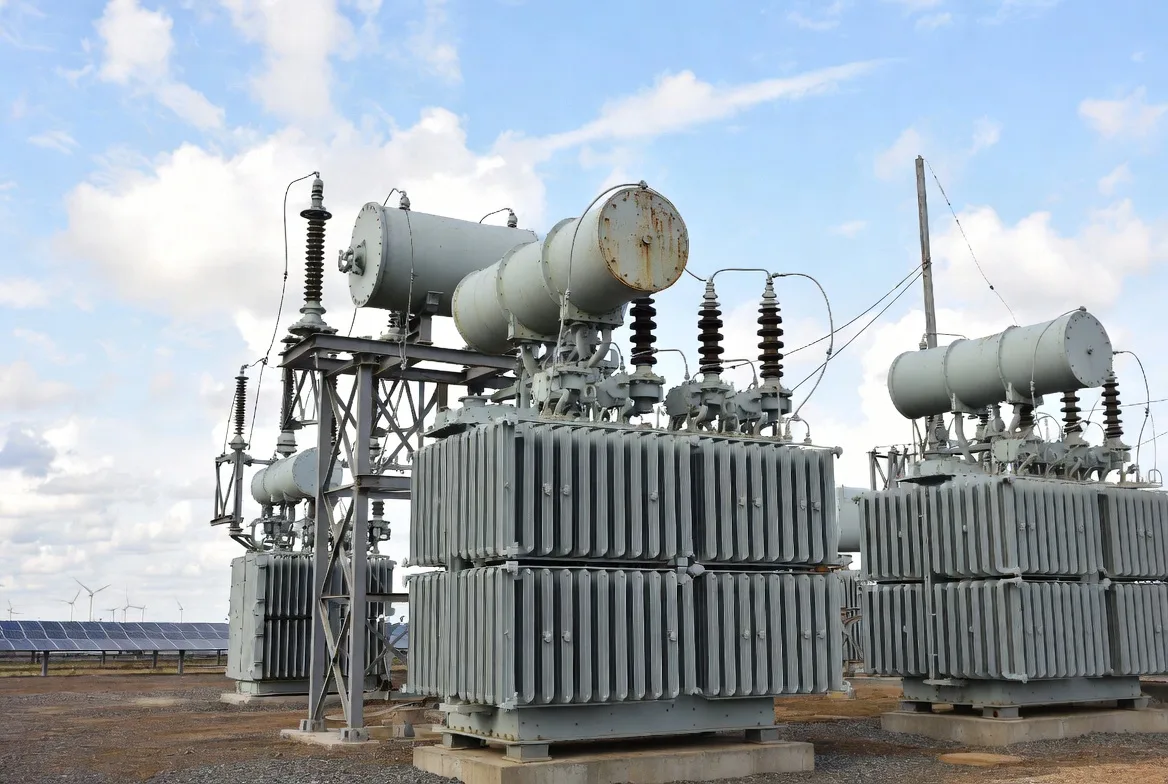
Future Outlook: Transformers in the Energy Transition
As solar farms and wind power plants continue to expand globally, advanced transformers will play an increasingly strategic role in enabling:
- Higher renewable penetration
- Grid stability
- Energy-efficient power transmission
- Integration with energy storage systems
By 2026, transformer designs will further evolve toward digital, energy-efficient, and environmentally friendly solutions, supporting the global transition to clean power generation.
Selecting the best power transformers for solar farms and wind power plants is no longer a simple equipment decision—it is a long-term strategic investment. Whether choosing oil-filled, dry type, or distribution transformers, project owners must balance efficiency, reliability, environmental impact, and lifecycle cost.
With the right transformer solutions, renewable energy projects can achieve higher performance, lower losses, and long-term operational stability—laying the foundation for a resilient and sustainable energy future.

Related Articles

Related Products
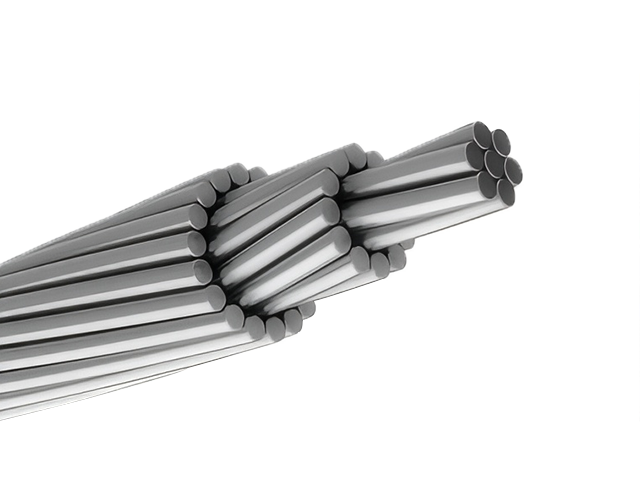
336.4 MCM LINNET ACSR Conductor Cable
The ACSR CAA 336.4 MCM 26/7F LINNET conductor is engineered for superior performance in overhead transmission and distribution systems. Constructed with 26 strands of hard-drawn 1350-H19 aluminium helically stranded around 7 galvanized steel wires, this conductor delivers the perfect balance of high electrical conductivity and enhanced tensile strength. Compliant with ASTM B232 standards, this ACSR conductor is ideal for long-span installations and demanding environmental conditions. The steel-reinforced core, galvanized to Class A or B standards, provides critical mechanical support, while the aluminium strands ensure efficient power transmission. This construction makes the LINNET configuration especially well-suited for medium- to high-voltage lines, where both strength and conductivity are crucial. Its corrosion-resistant steel core enhances durability and reduces maintenance needs, ensuring a long service life in overhead applications.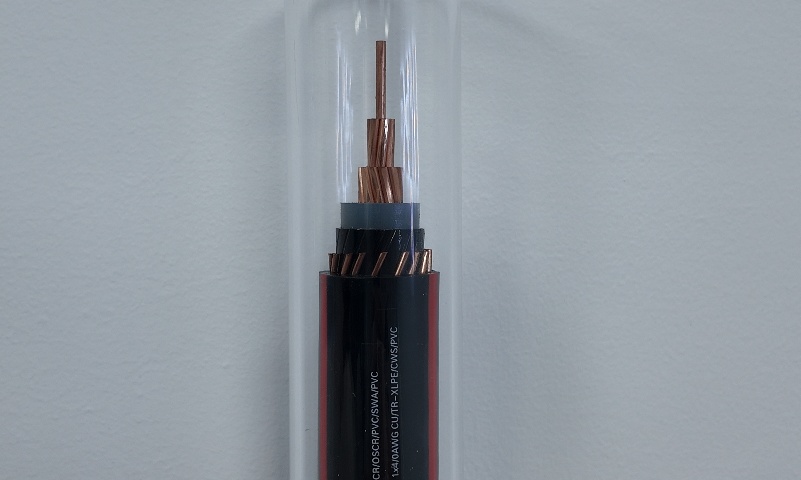
5-46kV TR-XLPE URD Medium Voltage Utility Cables
5–46kV TR-XLPE URD Medium Voltage Utility Power Cables are specifically designed for underground residential distribution and utility power networks. Manufactured with high-quality copper or aluminum conductors and tree-retardant cross-linked polyethylene (TR-XLPE) insulation, these cables provide superior resistance to electrical treeing, moisture ingress, and long-term aging. The TR-XLPE insulation system significantly extends service life in underground installations where environmental stress and moisture exposure are common. Rated for voltage levels from 5kV to 46kV, the cable ensures stable and efficient power transmission under continuous operating conditions. Its robust construction supports direct burial or duct installation, meeting the reliability requirements of modern utility infrastructure. Designed to meet utility and industry performance expectations, TR-XLPE URD cables offer consistent electrical performance, enhanced durability, and reduced maintenance over their operational lifespan.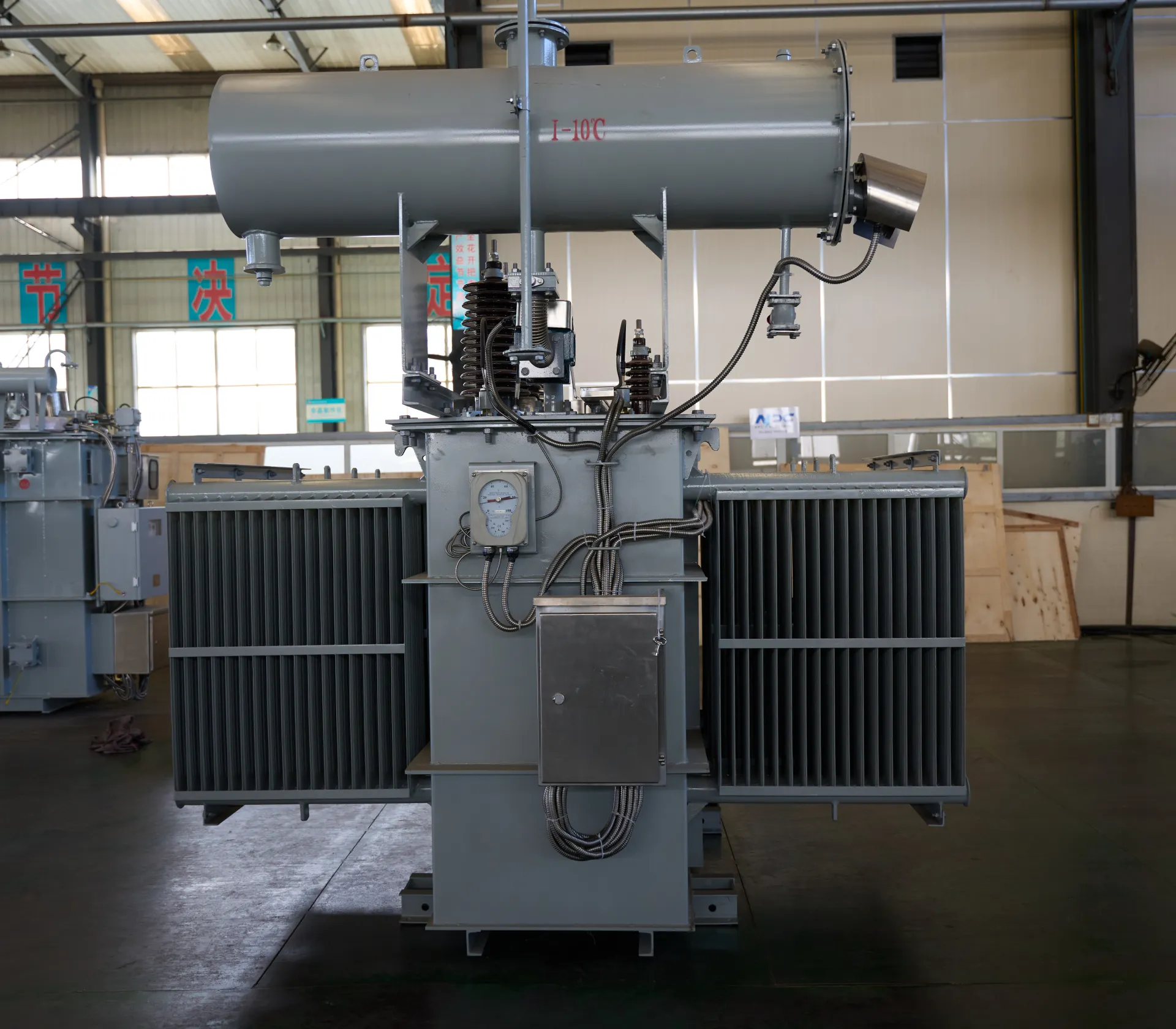
11kV – 33kV Solar Inverter Duty Transformer Up to 20MVA
The Reliable Solar Inverter Duty Transformer for Renewable Energy applications is engineered to support modern photovoltaic systems with capacities up to 20MVA and voltage levels from 11kV to 33kV. Designed to interface directly with solar inverters, this transformer ensures stable voltage conversion, excellent harmonic tolerance, and consistent performance under fluctuating generation conditions typical of renewable energy plants. The transformer adopts a robust oil-immersed structure with optimized thermal management to handle continuous load cycling and high ambient temperatures. Advanced magnetic core materials reduce no-load losses, while reinforced insulation systems improve dielectric strength and operational lifespan.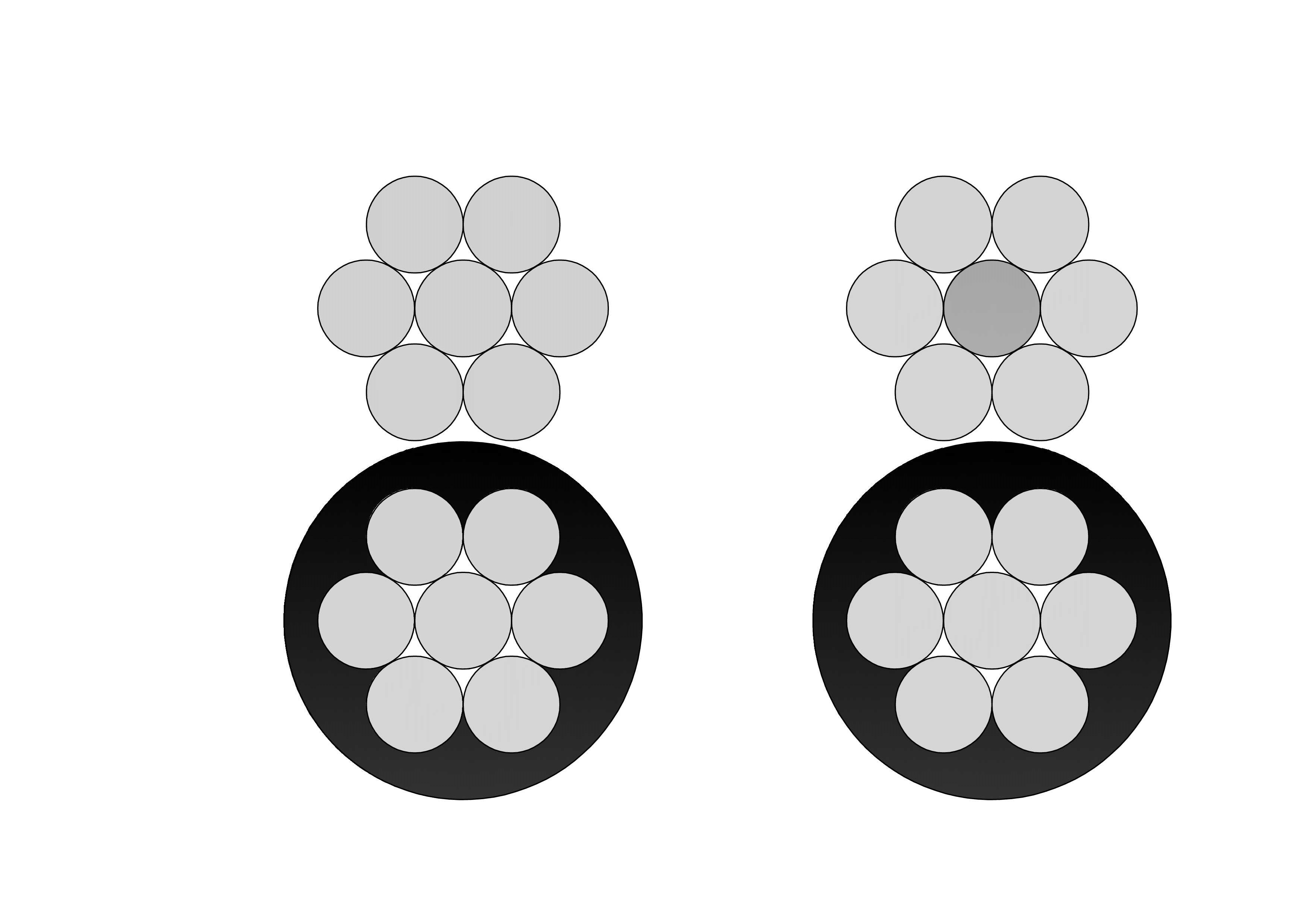
4 Whippet Aluminum Conductor Duplex Overhead Service Drop Cable
The 4 Whippet Duplex Service Drop Cable is a durable overhead cable for secondary power distribution to residential service entrances. Featuring two 4 AWG aluminum conductors (phase and neutral, 7-strand) insulated with XLPE or PE and assembled in duplex configuration, it provides excellent weather resistance and mechanical strength. Compliant with ASTM B-230, B-231, ICEA S-76-474, and ANSI/ICEA standards, this cable supports 600V applications with high UV, moisture, and abrasion protection. The self-supporting design simplifies installation with reduced sag over spans up to 100 feet. The 4 Whippet Duplex Service Drop Cable ensures low power losses, reliable performance in harsh outdoor conditions, and long service life. Lightweight and flexible, it is widely used for single-phase service drops in urban, suburban, and rural areas requiring safe, cost-effective aerial connections from utility poles to homes.
100kVA Oil Immersed Transformer
NPC ELECTRIC 100kva Oil Immersed Transformer boasts a robust design that utilizes high-quality materials to ensure long-lasting performance. Its oil-immersed cooling system provides effective heat dissipation, maintaining optimal operating temperatures even under heavy loads. This transformer is designed to handle a maximum power capacity of 100kVA, making it suitable for a wide range of applications, including commercial, industrial, and residential settings. One of the standout features of the SGOB 100kva Oil Immersed Transformer is its advanced insulation system, which enhances its short-circuit resistance and overall safety.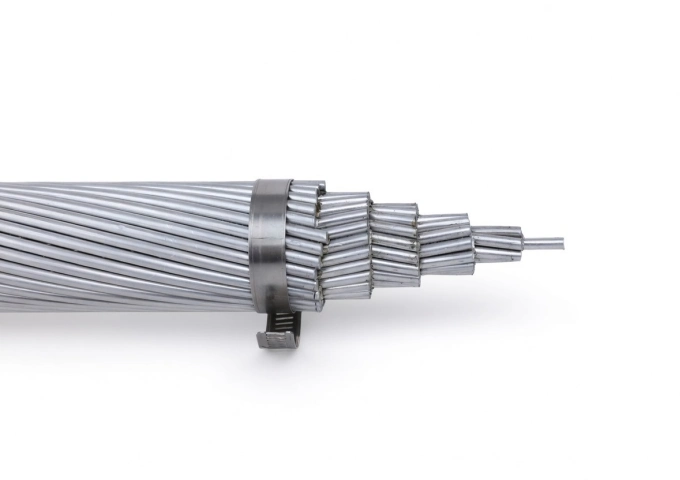
250 MCM Sneezewort AAC Cable
The 250 MCM Sneezewort AAC Cable represents premium All Aluminum Conductor technology for overhead power applications. Built with seven strands of high-conductivity 1350-H19 aluminum, this bare conductor delivers an optimal balance of electrical efficiency and mechanical robustness. With a 0.567-inch diameter, 4,520 lbs breaking strength, and 425 amps ampacity, the Sneezewort AAC offers low DC resistance of 0.0691 ohms per 1000 ft at 20°C and a weight of 234.7 lbs per 1000 ft. This design minimizes sag while providing excellent corrosion resistance for extended outdoor service. Manufactured to meet ASTM B-230 and B-231 standards, the 250 MCM Sneezewort AAC Cable undergoes extensive quality testing from raw materials through finished product. It is the perfect solution for new installations and upgrades in transmission and distribution systems that demand lightweight, high-conductivity bare aluminum conductors.
31500kVA 35kV Oil-Immersed Copper Transformer For Substation
The 31500kVA 35kV Oil-Immersed Copper Transformer is engineered for high-capacity, stable, and efficient power distribution across industrial plants, substations, and utility networks. Built with a high-purity copper winding structure, the transformer ensures superior conductivity, reduced losses, and long-term reliability under continuous heavy-load operation. Its oil-immersed insulation system provides excellent thermal performance, enabling stable operation even in demanding outdoor environments. The robust 35kV design enhances voltage regulation, short-circuit resistance, and overall safety. Advanced manufacturing standards, precision coil winding, and strict quality control ensure exceptional dielectric strength and mechanical durability.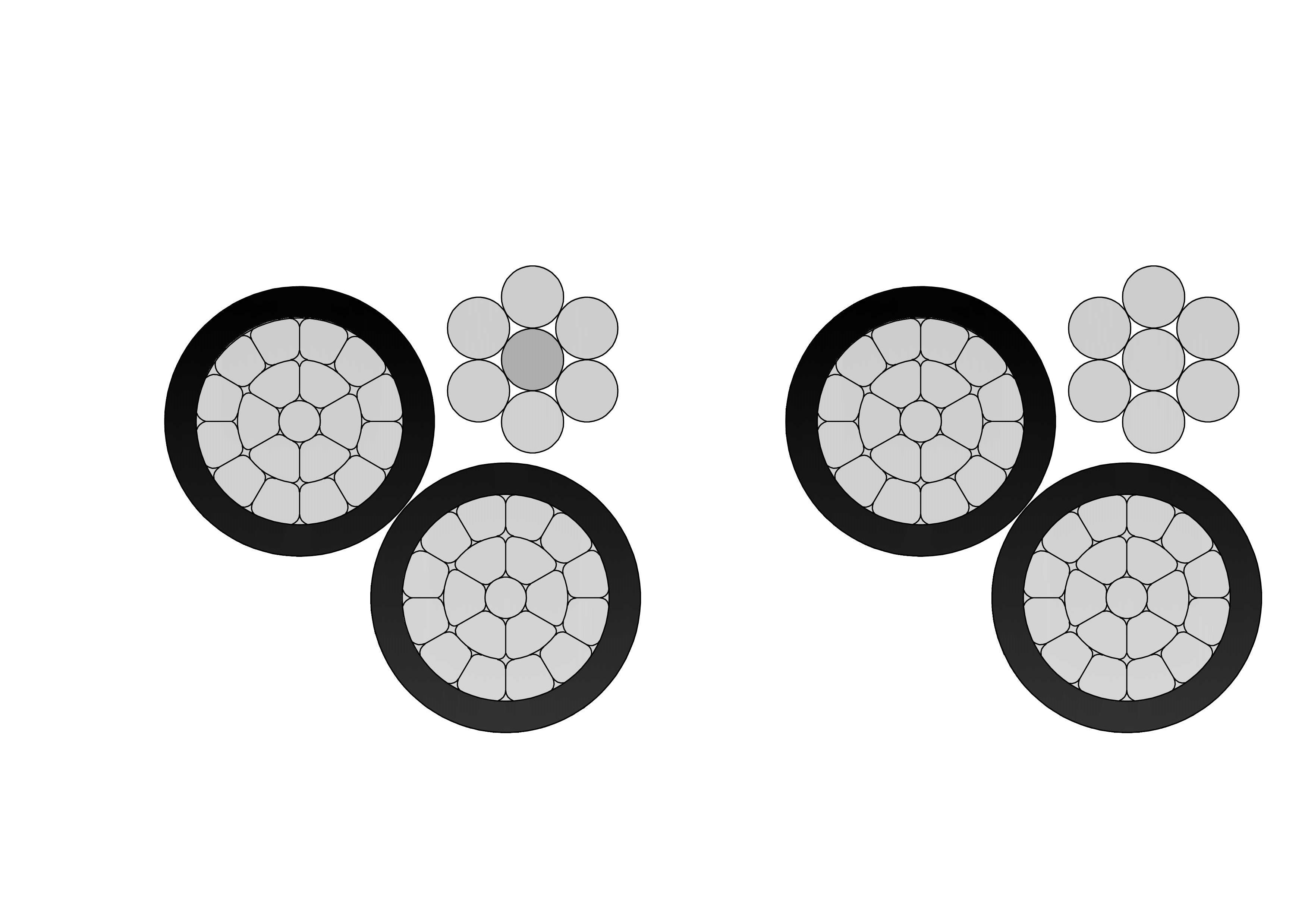
6 Patella Aluminum Conductor Triplex Overhead Service Drop Cable
The 6 Patella Aluminum Conductor Triplex Overhead Service Drop Cable is designed to provide reliable overhead power distribution from utility lines to service entrances. The cable structure includes two insulated aluminum phase conductors twisted around a high-strength neutral messenger, ensuring stable electrical transmission and excellent mechanical support. Manufactured using high-purity aluminum and durable, weather-resistant insulation materials, the 6 Patella Aluminum Conductor Triplex Overhead Service Drop Cable offers low weight, easy handling, and reduced installation effort. The insulation system is engineered to resist UV radiation, moisture, temperature variation, and environmental aging, ensuring long-term outdoor performance. A comprehensive quality assurance system is applied throughout the manufacturing process. The 6 Patella Aluminum Conductor Triplex Overhead Service Drop Cable undergoes strict raw material testing, continuous process inspection, and rigorous finished product testing. Each production stage follows standardized procedures in accordance with international standards and utility requirements, making this cable a dependable solution for residential, commercial, and light industrial overhead service drop applications.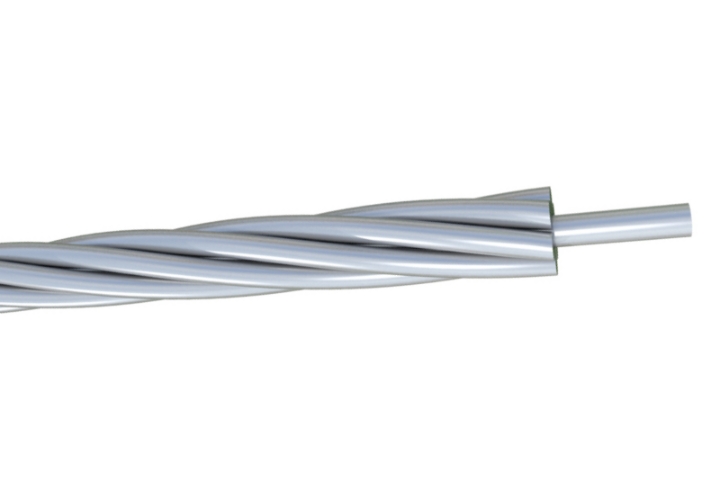
14 Gauge Galvanized Steel Conductor Wire for Power & Grounding Use
14 Gauge Galvanized Steel Conductor Wire is engineered for superior strength, durability, and corrosion resistance in demanding environments. Manufactured using premium-grade carbon steel and processed through advanced hot-dip galvanizing technology, this wire provides a uniform zinc coating that protects against rust, oxidation, and harsh weather conditions. With a precise 14 gauge diameter, the wire offers an optimal balance between flexibility and tensile strength, making it suitable for a wide range of electrical and structural applications. It is widely used in overhead power transmission, grounding systems, agricultural fencing, and industrial binding purposes. The smooth surface finish ensures easy installation while minimizing wear during handling. Designed to meet international standards such as ASTM and IEC, this conductor wire guarantees consistent performance and long service life. Customization options are available in terms of coating thickness, tensile strength, and packaging, allowing it to meet specific project requirements across various industries.
160kVA Oil Immersed Transformer
The 160kVA Oil-Immersed Transformer is characterized by its high efficiency and low loss, significantly reducing power consumption and operational costs. This transformer offers notable social benefits and is a high-tech product actively promoted by the government. Produced by a leading Chinese manufacturer, the NPC ELECTRIC 160kVA Oil-Immersed Transformer represents a pinnacle of electrical engineering, designed to meet the stringent demands of contemporary power distribution systems. These transformers are crafted with precision and incorporate cutting-edge technology, renowned for their exceptional durability, efficiency, and reliability.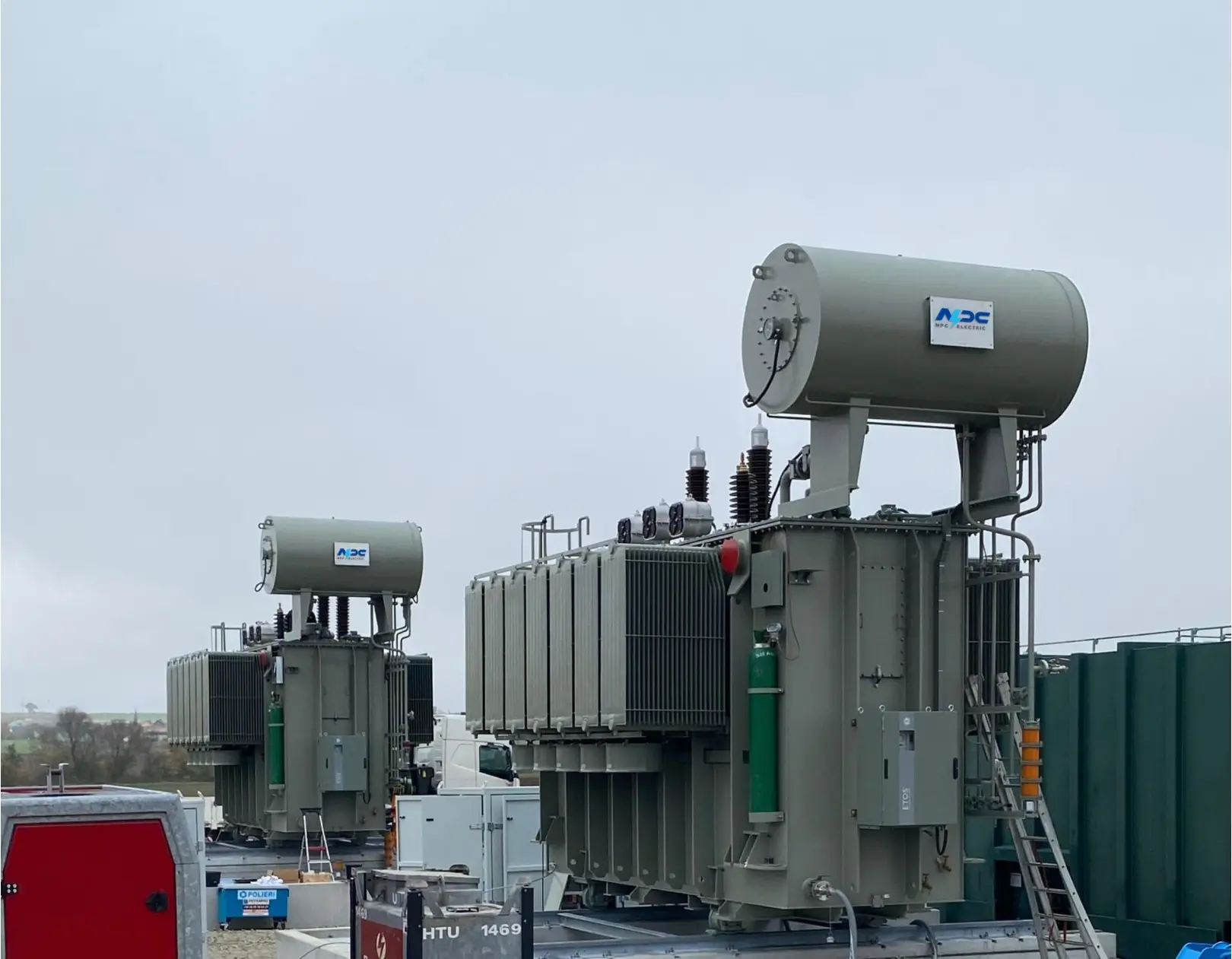
300 kV 31.5MVA 40 MVA High Voltage Power Transformer
Unlock superior grid performance with the state-of-the-art 300 kV 31.5/40 MVA high voltage electrical power transformer, tailored for efficient voltage conversion in expansive transmission networks. This robust, three-phase design operates with ONAN cooling at 31.5 MVA and escalates to ONAF at 40 MVA, incorporating cutting-edge biodegradable ester insulation fluids for enhanced fire safety and environmental sustainability as per 2025 regulations. Built with high-grade grain-oriented silicon steel cores to achieve efficiency rates exceeding 98%, it reduces no-load losses and supports seamless integration with HVDC systems and renewable energy hubs. Advanced features include IoT-enabled Sensformer-like monitoring for real-time diagnostics, predictive analytics to prevent downtime, and compliance with updated IEC 60076-2025 and IEEE C57.12.00 standards for superior dielectric strength and thermal resilience. Ideal for harsh operational settings, its modular construction allows for quick field repairs, while anti-vibration mountings ensure low noise levels under 55 dB, making it perfect for proximity to populated areas.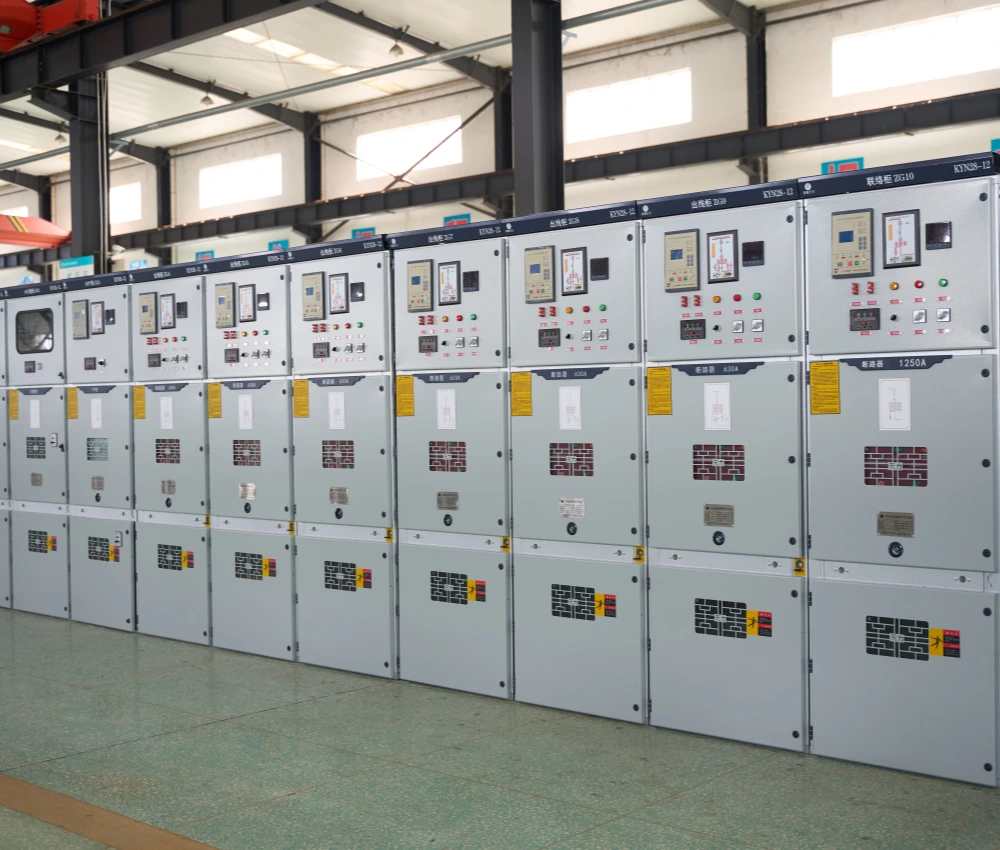
Armored Removable AC Switchgear
The Armored Removable AC Switchgear is a high-performance medium-voltage electrical distribution system specifically engineered for industrial power networks, utility substations, commercial infrastructure, and smart-grid applications. The switchgear adopts a metal-clad armored structure combined with a removable withdrawable unit design, integrating vacuum circuit breakers, protection relays, busbar systems, metering devices, and intelligent control components into a compact modular cabinet configuration. This advanced structure significantly improves operational safety, maintenance efficiency, and system reliability for modern electrical distribution environments. Designed according to international medium-voltage distribution standards, the armored removable AC switchgear provides excellent insulation performance, internal arc resistance, and mechanical durability under demanding operating conditions. The withdrawable breaker mechanism allows convenient maintenance and rapid replacement while reducing operational downtime and improving personnel safety during inspection procedures. The compartmentalized enclosure design effectively isolates busbar sections, cable chambers, breaker compartments, and control circuits to minimize fault propagation risks and enhance overall system protection. The Armored Removable AC Switchgear supports intelligent monitoring systems, remote communication protocols, and automated protection functions for modern digital substations and smart-grid infrastructure. With flexible configuration capabilities and scalable electrical distribution architecture, the system delivers dependable medium-voltage switching and protection performance for industrial automation systems, renewable energy projects, utility power networks, transportation infrastructure, and mission-critical electrical facilities.
75kVA Oil Immersed Transformer
75kVA oil-immersed transformer is an efficient and reliable power conversion device, which is widely used in power distribution systems in industrial, commercial, and construction sites. The transformer adopts oil-immersed cooling technology, has good heat dissipation performance, and can work continuously and stably under high load conditions. The 75kVA oil-immersed transformer also has complete protection functions, including overload protection, short-circuit protection, and temperature monitoring, to ensure the safety and stability of the equipment during operation.
33/0.4kv 2000kVA Power Distribution Transformer
Experience superior power reliability with our 33/0.4kV 2000kVA Power Distribution Transformer, a cutting-edge solution designed for efficient medium-to-low voltage conversion in extensive electrical networks. This oil-immersed transformer incorporates high-permeability grain-oriented steel cores and optimized copper windings to deliver exceptional efficiency, low noise operation, and minimal energy losses even under full load conditions. The robust conservator-type tank filled with premium inhibited mineral oil ensures excellent cooling, high breakdown voltage, and protection against environmental factors. Engineered for long-term performance in challenging climates, it features anti-corrosion coatings, sealed bushings, and overload tolerance up to 150% for short durations. Fully compliant with IEC 60076, GB/T 1094, and other global standards, this 2000kVA distribution transformer supports sustainable energy infrastructure by reducing carbon footprint through enhanced efficiency and reliable power delivery to end users.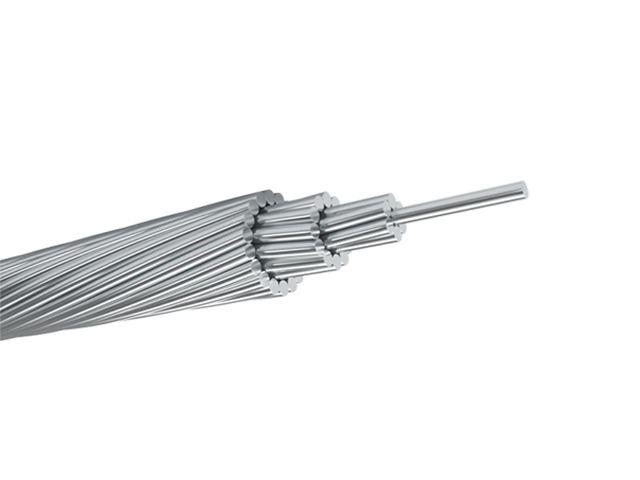
ALLIANCE AAAC Conductor Cable
ALLIANCE AAAC (All Aluminum Alloy Conductor) cables are manufactured in strict compliance with international standards such as ASTM B399, IEC 61089, and BS EN 50182, making them a high-performance and reliable overhead power transmission and distribution solution. Meeting ASTM B398, B399, IEC 61089, and BS EN 50182 standards, this cable handles ampacity up to 350A at 75°C and voltages up to 33kV. The all-alloy construction avoids bimetallic corrosion, providing better resistance in harsh conditions than ACSR. Reduced weight minimizes sag and installation expenses, supporting longer spans. The Alliance AAAC Conductor Cable delivers low electrical losses, high mechanical endurance, and excellent weather tolerance. Flame-retardant variants available. Perfect for urban grids, renewable projects, and coastal setups, it provides cost-effective, low-maintenance power delivery in overhead applications globally, excelling in reliability and lifespan over conventional conductors.Welcome your inquiry
Honesty, Integrity, Frugality, Activeness and Passion