


35kV Oil Immersed Transformer
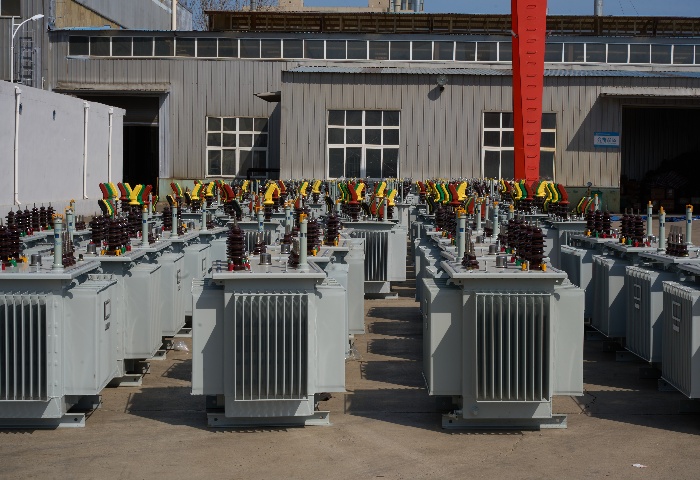
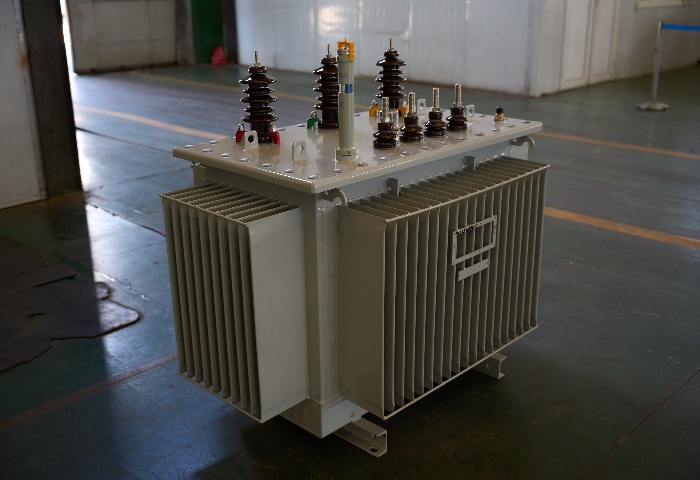
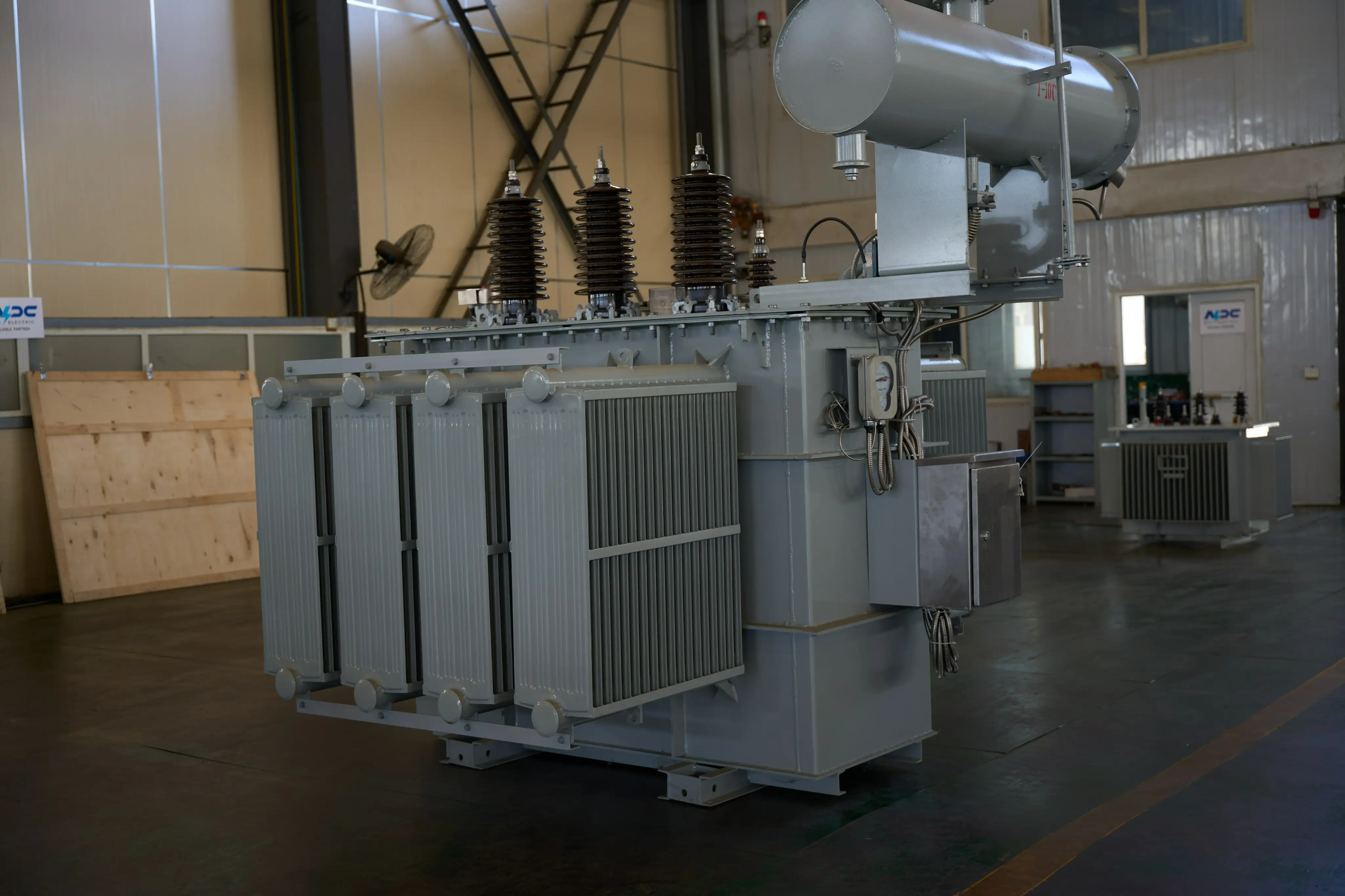
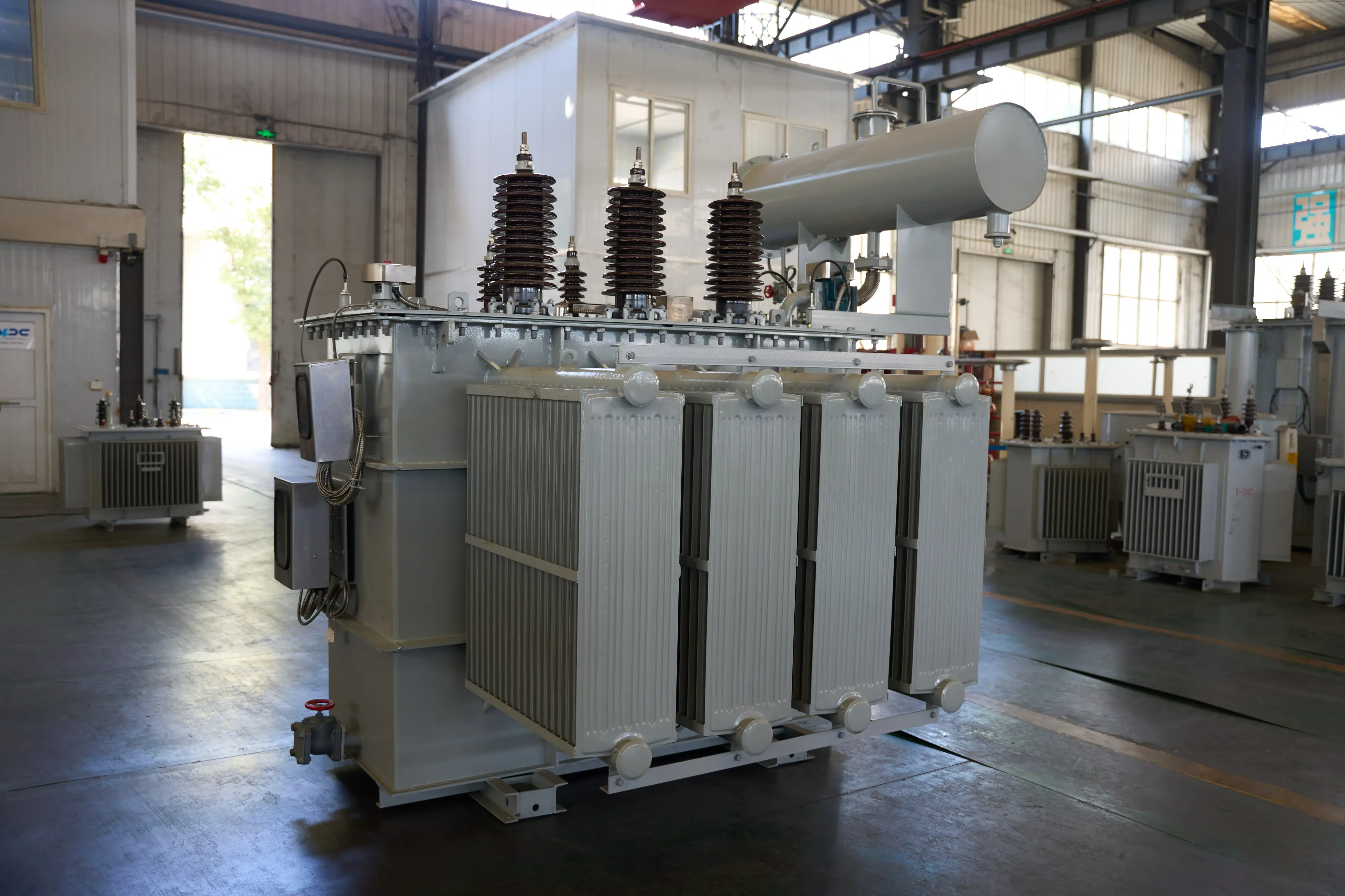
NPC ELECTRIC's 35kV Oil Immersed Transformer is a premium three-phase power transformer optimized for high-voltage step-down in 50/60Hz AC systems with primary ratings of 35kV (or 33-38.5kV range). It incorporates a robust conservator or fully sealed tank design with efficient radiator cooling (ONAN standard, ONAF optional), ensuring exceptional thermal dissipation, moisture exclusion. Outdoor-rated with pollution-resistant bushings (BIL 170-200kV), Dyn11/Ynd1 vector groups, and low noise (<62dB), it provides stable 35kV to secondary voltages (e.g., 10kV/6.3kV/0.4kV) conversion, enhancing grid stability, minimizing transmission losses, and supporting demanding applications in harsh or high-altitude conditions.
- Primary Voltage Ratings 34.5-19.92/13.8-7.957, 24.94, 26.25, 35 or others
- Secondary Voltage Ratings 480/277V, 400/230V, 380/220V or customized
- H.V. Tap Range ± 2×2.5% HV taps or others
- Type Oil immersed distribution transformer
- BIL 35kV
- Standards IEEE, ANSI, NEMA, IEC, CE
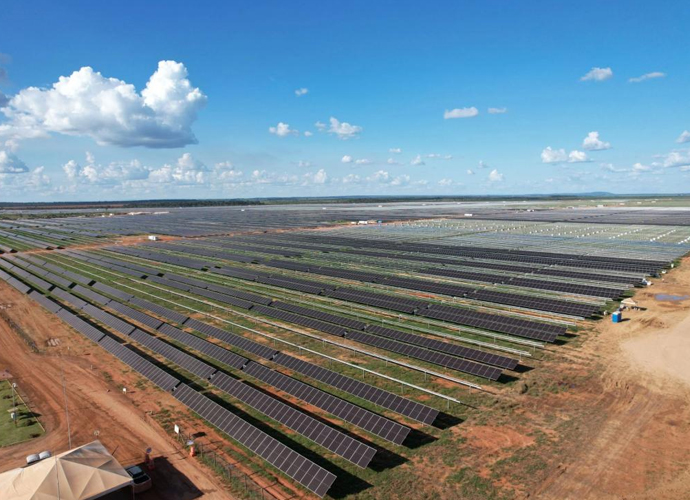
- Application wind and solar new energy power station voltage boosting
- Power Rating 30kVA - 5000kVA
- Certificate UL, CESI, IEEE
- Cooling Method ONAN, ONAN/ONAF, KNAN, KNAN/KNAF
- Oil Mineral Oil or FR3
- Opeartion Step Down & Step Up
Technical Specifications
Customization Optional
Packing and Shipping
Manufacturer Test
Routine Testing
Application
Technical Specifications
35kV Oil Immersed Transformer
Technical Specifications
Accessories
| Rated Power | 30kVA - 5000kVA | |
| Rating Primary Voltage | 2.4 - 34.5kV | |
| Secondary Voltage | 480/277V 400/230V 380/220V Customized |
|
| Frequency | 50/60Hz | |
| Vector Group | Dyn11, Yyn0, Dyn5 | |
| Winding Material | Aluminum/Copper | |
| Efficiency | As IEEE, Doe 2016, CAS Std or Customized | |
| Impedance Voltage | Nominal 2% or Customized 1.1 - 5.75% | |
| Altitude | ≤1,000m or Customized | |
| Color | ANSI 70 Light gray/Munsell 7GY3.29/1.5 or customized, etc | |
| Tank material | Mild Steel, 304 Stainless Steel | |
| Insulating Oil Weight | 850 kg | |
| Total Weight | 5000 kg | |
| Outline Dimensions(L×W×H)in. | 2650 × 1650 × 2450(mm) | |
| HV Bushing |
| LV Bushing |
| Tap changer |
| Oil level gauge |
| Oil temperature indicator |
| Pressure relief device |
| Pressure vacuum gauge |
| Lifting hook for complete transformer |
| Name plate |
| Radiators |
| Oil upper filtering valve |
| Oil drain valve with 3/8" sampler |
Customization Optional
35kV Oil Immersed Transformer
The 35kV oil immersed transformer offers broad customization to suit precise grid configurations, load characteristics, environmental factors, and international standards. Rated capacities range from 630kVA to 25MVA (or beyond for special substation needs), with primary voltages at 35kV (adaptable to 33kV/34.5kV/38.5kV) and secondary voltages including 10kV, 6.3kV, 6kV, 0.4kV, or custom medium/low-voltage outputs. Tap changers provide flexibility: off-circuit (±5% or multi-position) for fixed regulation or on-load (OLTC, 9-21 steps) for dynamic voltage control in variable renewable or industrial loads. Core selections include conventional high-grade silicon steel for balanced performance or amorphous alloy variants to achieve up to 70% no-load loss reduction. Winding materials offer high-purity copper for superior conductivity and durability or aluminum for cost-optimized large-capacity units.
Additional tailoring includes cooling enhancements (ONAN to ONAF with forced fans/pumps for high-ambient or overload demands up to +50°C/-40°C), insulating oils (mineral, natural ester for fire-prone or eco-sensitive zones per IEC 61099), and tank constructions with conservator/breather systems, full hermetic sealing, C5 corrosion protection, seismic reinforcements, or high IP ratings for coastal/polluted environments. Accessories encompass online dissolved gas analysis (DGA), fiber-optic hot-spot sensors, RTU/SCADA interfaces, pressure relief devices with signaling, conservators, and surge arresters. Impedance levels (8-12%), vector groups (Dyn11, YNd1, etc.), BIL insulation (170-200kV), frequency options (50/60Hz), noise suppression packages, and compliance with IEC 60076, GB1094, ANSI/IEEE, or regional efficiency classes are configurable. Our engineering experts collaborate to deliver optimized solutions for utility primary substations, wind/solar step-up/step-down, heavy mining/industrial plants, or metro/railway applications, focusing on maximized efficiency, minimized lifecycle expenses, and reliable long-term integration.
Packing and Shipping
35kV Oil Immersed Transformer
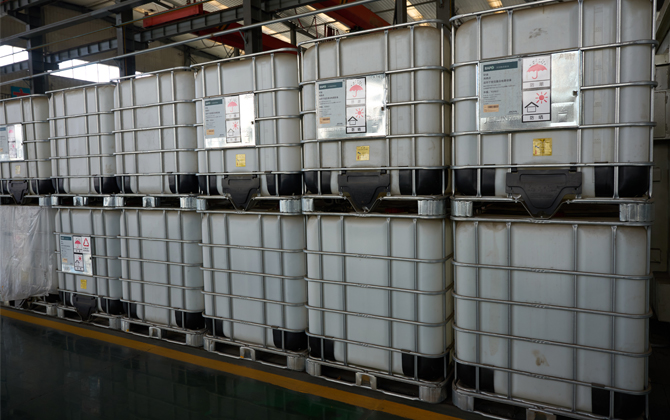
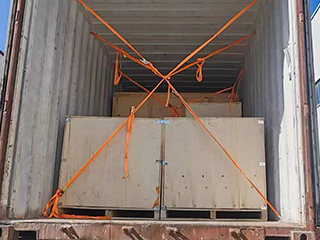
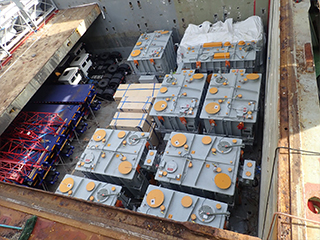
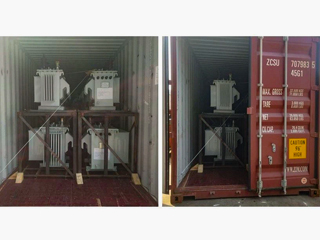
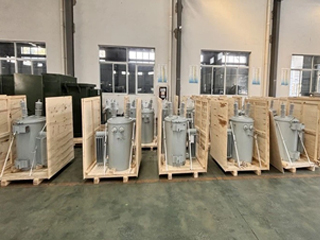
Safeguarding 35kV oil immersed transformers during global transport involves rigorous protocols to protect core integrity, windings, insulation, and oil system from mechanical, environmental, and climatic stresses. Pre-packing inspections include comprehensive tank pressure/leak tests (1.5x rated), connection torque verification, oil sampling for dielectric/acidity compliance (>60kV/2.5mm, <20ppm water), and functional checks on protective relays/temperature devices. Smaller units (up to ~10MVA) often ship oil-filled under controlled nitrogen positive pressure (0.02-0.05MPa) to prevent oxidation/moisture; larger capacities partially or fully drain oil into dedicated sealed ISO tanks/drums, supplied with vacuum degassing tools and matching high-purity oil for site reprocessing per IEC standards.
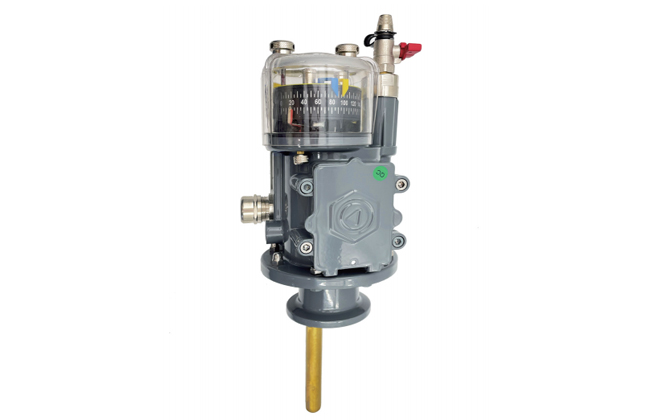
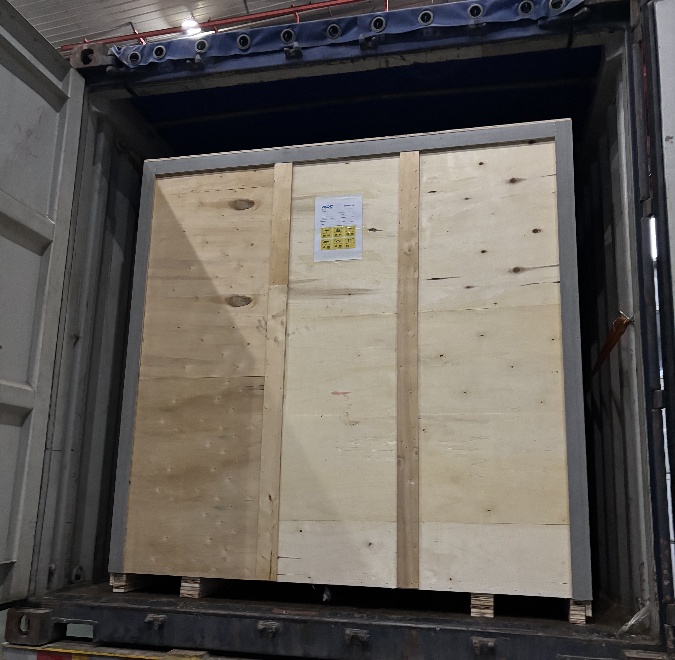
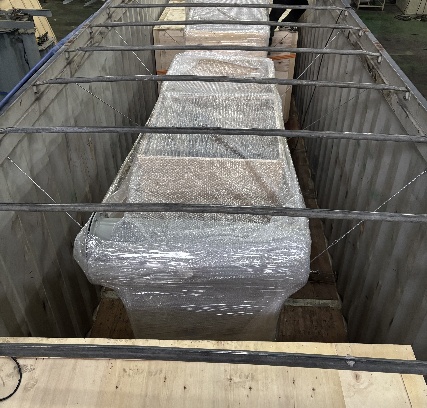
Detached elements receive specialized protection: radiators crated with vibration-isolating foam, high-voltage bushings (RIP/porcelain) in reinforced shock-absorbent cases, OLTC drives secured and sealed, and auxiliary cubicles wrapped with desiccants against humidity. The core transformer body secures to heavy-duty steel bases or ISPM-15 certified wooden/steel cradles featuring custom internal bracing, lateral restraints, and impact-absorbing pads designed for 4-6g accelerations typical in multimodal transport. Multi-layer packaging uses weather-resistant tarpaulins, volatile corrosion inhibitors (VCI), humidity indicators, temperature monitors, and digital shock/tilt recorders for real-time handling traceability.
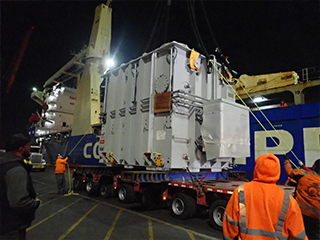
Primary export mode is ocean freight via flat-rack, open-top, or break-bulk carriers with IMO lashing standards, anti-salt fog barriers, and protective coverings; inland transport utilizes specialized heavy-haul trailers with distributed load cradles and designated lifting lugs. Complete export documentation includes invoices, detailed packing lists, certificates of origin/conformity, routine/type test reports, engineering drawings (dimensional/lifting), oil safety data sheets, installation guides, and HS code classifications (8504.23 for power transformers >650kVA).
We orchestrate full logistics solutions from origin to final destination, offering FOB/CIF/door delivery, customs clearance assistance, marine insurance coordination, and premium services like third-party witnessing, on-site rigging supervision, professional oil filtration/processing, transformer erection guidance, and commissioning tests. This meticulous strategy eliminates transit risks, preserves as-new condition, meets all regulatory requirements, and ensures timely, secure arrival for international utility, renewable, and industrial clients.
Detached elements receive specialized protection: radiators crated with vibration-isolating foam, high-voltage bushings (RIP/porcelain) in reinforced shock-absorbent cases, OLTC drives secured and sealed, and auxiliary cubicles wrapped with desiccants against humidity. The core transformer body secures to heavy-duty steel bases or ISPM-15 certified wooden/steel cradles featuring custom internal bracing, lateral restraints, and impact-absorbing pads designed for 4-6g accelerations typical in multimodal transport. Multi-layer packaging uses weather-resistant tarpaulins, volatile corrosion inhibitors (VCI), humidity indicators, temperature monitors, and digital shock/tilt recorders for real-time handling traceability.
Primary export mode is ocean freight via flat-rack, open-top, or break-bulk carriers with IMO lashing standards, anti-salt fog barriers, and protective coverings; inland transport utilizes specialized heavy-haul trailers with distributed load cradles and designated lifting lugs. Complete export documentation includes invoices, detailed packing lists, certificates of origin/conformity, routine/type test reports, engineering drawings (dimensional/lifting), oil safety data sheets, installation guides, and HS code classifications (8504.23 for power transformers >650kVA).
We orchestrate full logistics solutions from origin to final destination, offering FOB/CIF/door delivery, customs clearance assistance, marine insurance coordination, and premium services like third-party witnessing, on-site rigging supervision, professional oil filtration/processing, transformer erection guidance, and commissioning tests. This meticulous strategy eliminates transit risks, preserves as-new condition, meets all regulatory requirements, and ensures timely, secure arrival for international utility, renewable, and industrial clients.
32
32 years of industry experience
Manufacturer Test
35kV Oil Immersed Transformer
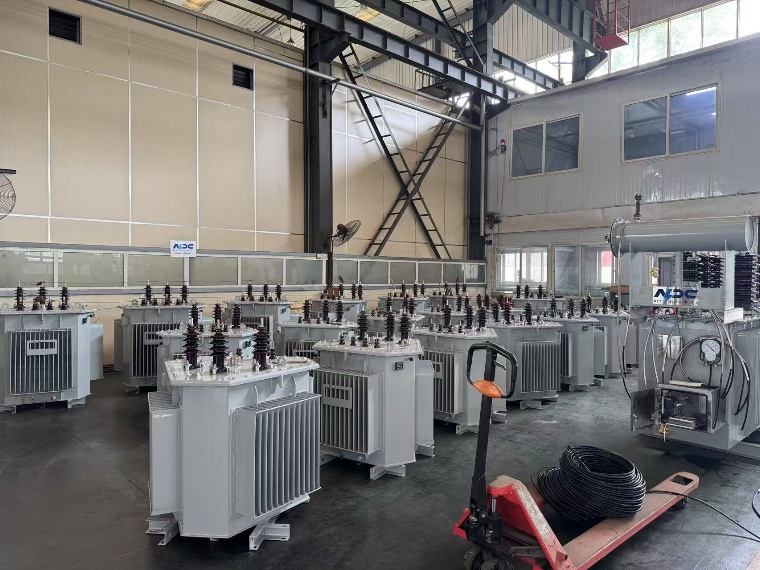
Progress Test
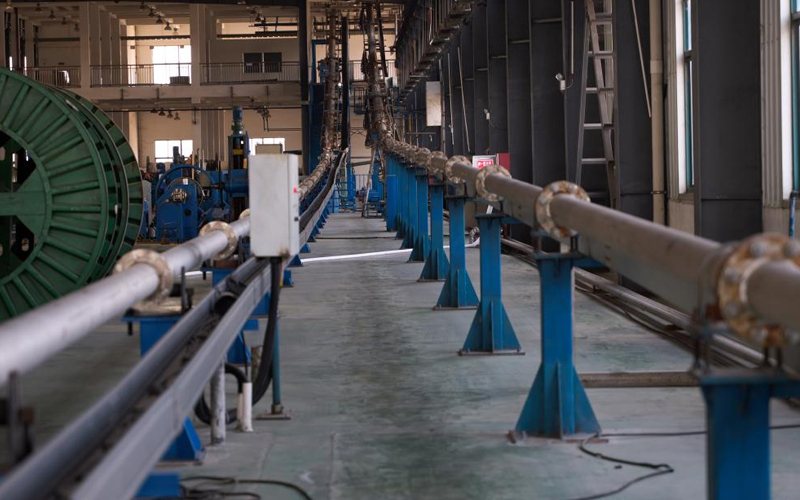
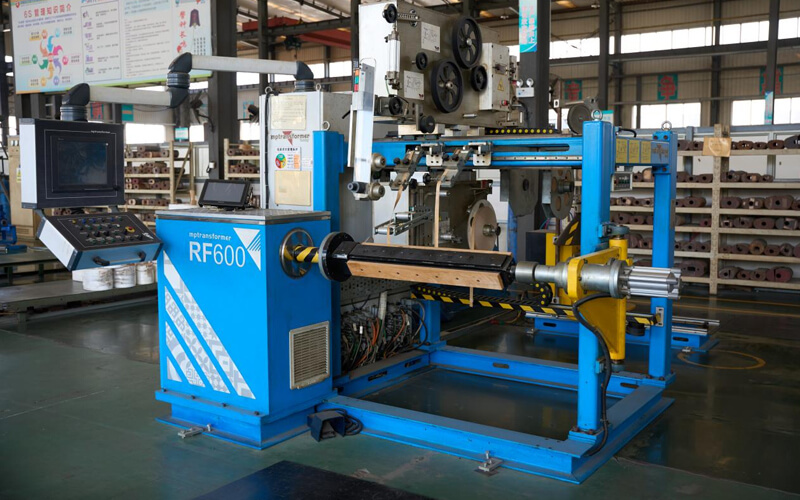
Progress testing of 35kV oil immersed transformer initiates with silicon steel material certification verifying lamination gauge uniformity insulation coating magnetic properties and edge quality via Epstein sampling to secure minimal hysteresis/eddy losses then core assembly checks multi-step lap joints precise clamping torque shielding effectiveness and vibration damping. Winding production progress tracks conductor conductivity insulation wrapping density automated tension control layer accuracy and high-voltage inter-turn withstand post-winding. Core-coil integration progress confirms critical clearances barrier materials end-turn insulation and electromagnetic force-resistant clamping structures. Tank construction progress examines weld seam ultrasonic/NDT inspection hydrostatic overpressure holds (1.5x) surface preparation grit-blasting multi-coat epoxy/paint thickness.
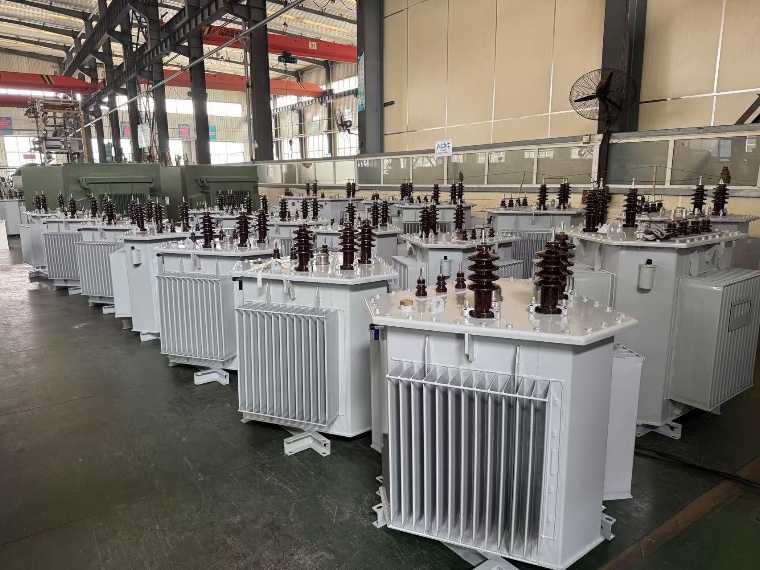
Design Tests
All transformer will be test after finished the production, test items as below:
♦ Insulation Power Factor
♦ Ratio, Polarity, and Phase Relation
♦ Winding Resistance
♦ Impulse Tests
♦ On load Loss Test
♦ No Load Loss Test
♦ Leak Test
♦ DC Insulation Resistance Test
♦ Transformer Turns Ratio/TTR (All Tap Voltages)
♦ Impedance Voltage & Load Loss (Rated Voltage)
♦ Polarity, 1-Ph / Phase Relation, 3-Ph (Rated Voltage)
♦ Excitation & No-Load Loss (Rated Voltage)
♦ Applied Voltage
♦ Induced Voltage
♦ Dielectric Withstand (Hipot)
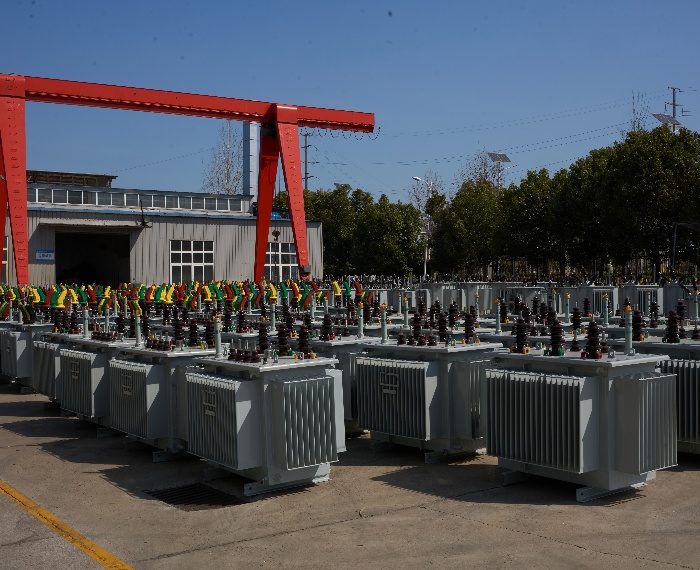
Transformer Factory Acceptance Test
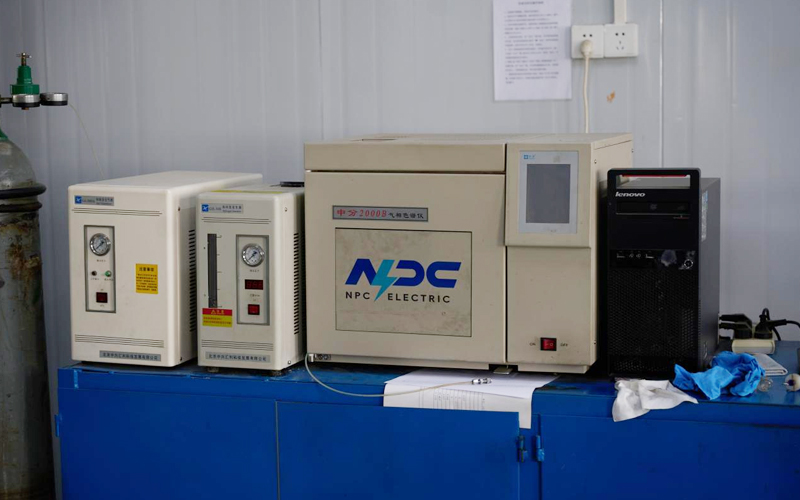
Load loss impedance voltage and efficiency determination shorts secondary applies reduced primary voltage calculates copper losses percentage impedance (8-12%) and total losses at specified temperature for regulation/overload evaluation. Oil routine tests confirm dielectric strength (>60kV/2.5mm) moisture (<20ppm) acidity and initial DGA profile with no fault gases. Thermal performance indicators verify top-oil/winding temperature rise limits (e.g. <60K/<65K) through simulated or short-duration heat run. Functional checks include pressure relief device operation Buchholz/sudden pressure relay tripping temperature alarm settings OLTC sequencing smoothness and sound power measurement (<62dB). Mechanical validation encompasses tank overpressure endurance leak-free integrity bushing coordination and wiring continuity.
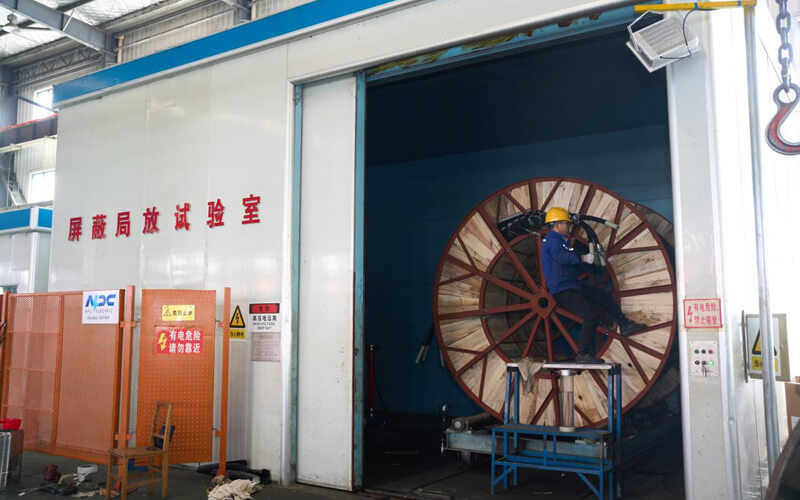
Routine Test - Applied Voltage
Purpose of Testing
The purpose of testing the applied voltage is to verify the insulation strength of the transformer by applying a voltage higher than its normal operating level, ensuring it can withstand potential electrical stresses. This test helps identify any weaknesses or defects in the insulation system before the transformer is put into service.
Testing Equipment
Test equipment: High voltage tester (e.g. TTR, Hipot, etc.)
Voltage source: usually 1 kV, 5 kV, 10 kV, or customized according to customer needs
Temperature and humidity meter: used to record environmental conditions
Voltage source: usually 1 kV, 5 kV, 10 kV, or customized according to customer needs
Temperature and humidity meter: used to record environmental conditions
Pre-Test Preparation
Disconnect the device from the power supply and make sure it is properly grounded and discharged.
Check the connection terminals and wiring to ensure that they are not loose or contaminated.
Test under suitable environmental conditions: relative humidity below 75% and no rain (recommended temperature: 20-30°C).
Check the connection terminals and wiring to ensure that they are not loose or contaminated.
Test under suitable environmental conditions: relative humidity below 75% and no rain (recommended temperature: 20-30°C).
Test Progress
Connect the Test Instrument:
Properly connect the test equipment to the bushings or terminals of the device under test and ensure that all connection points are properly grounded.
Selecting the test voltage:
Select the appropriate applied voltage based on the rated voltage of the equipment.
Properly connect the test equipment to the bushings or terminals of the device under test and ensure that all connection points are properly grounded.
Selecting the test voltage:
Select the appropriate applied voltage based on the rated voltage of the equipment.
Measure and Record
Start the test and record the following parameters:
Measuring leakage current
Applied voltage
Current stability
Any possible voltage fluctuations
Measuring leakage current
Applied voltage
Current stability
Any possible voltage fluctuations
Temperature Correction
If necessary, the measured data is temperature corrected to ensure that it corresponds to standard temperature conditions (usually 20°C).
Repeat Testing (if necessary)
Multiple tests were conducted on different windings (high voltage, medium voltage, low voltage) and bushings, and comparative analysis was performed.
Evaluation Criteria (Reference)
The test was normal and the equipment performed well (qualified)
The current value exceeded the allowable range and the equipment needs to be inspected or maintained (pending repair)
There was a serious fault or instability and the equipment could not continue to operate (unqualified)
The current value exceeded the allowable range and the equipment needs to be inspected or maintained (pending repair)
There was a serious fault or instability and the equipment could not continue to operate (unqualified)
Observing electrical behavior
Observe the electrical behavior of the device under test to ensure that there are no abnormal currents, arcing, noise, or electrical faults.
*These comprehensive tests ensure that each transformer meets performance standards and operates
reliably under various conditions.
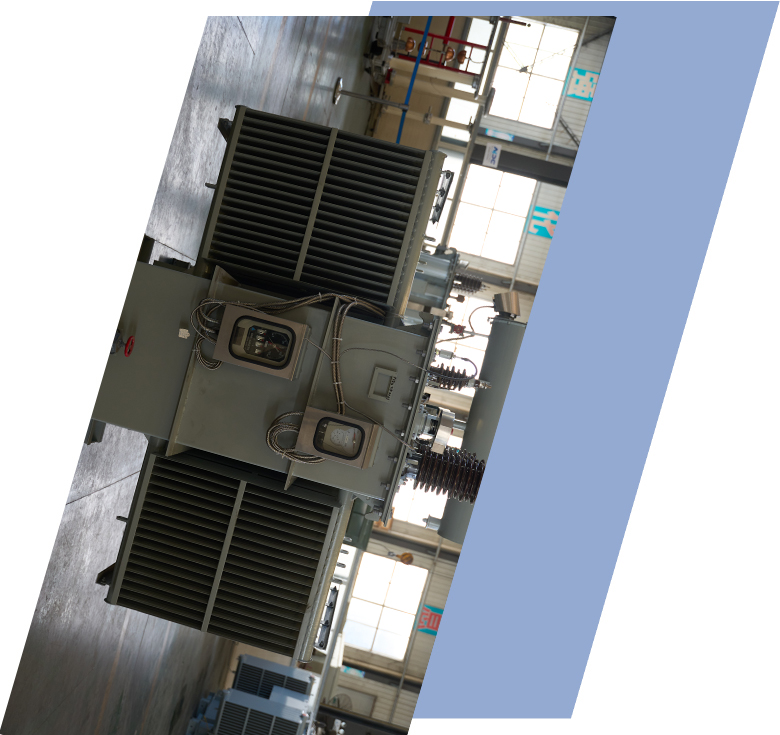
Application
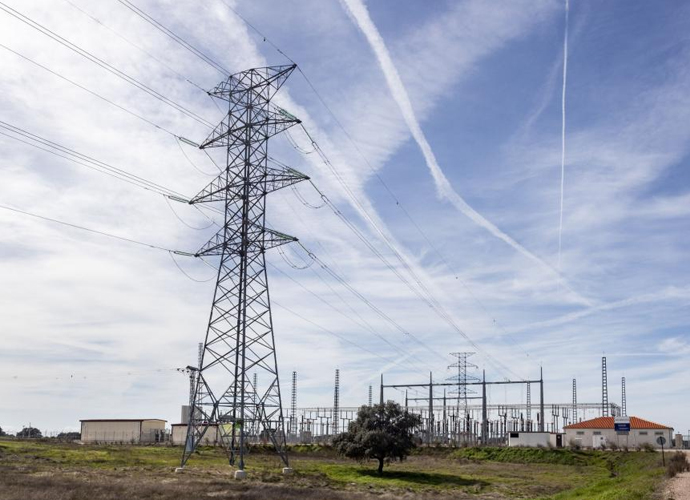
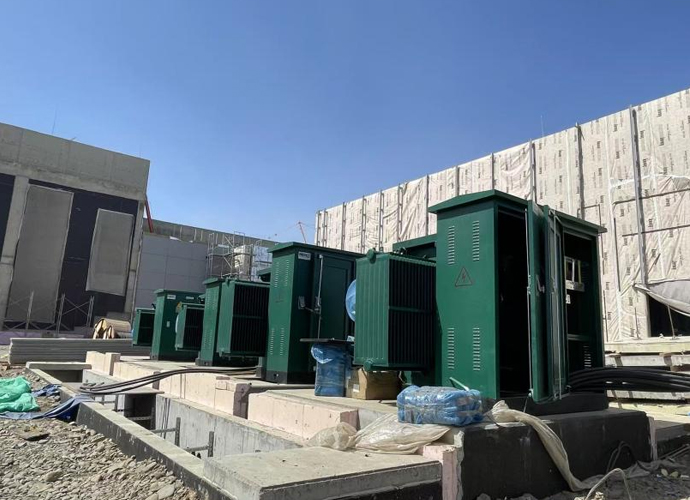
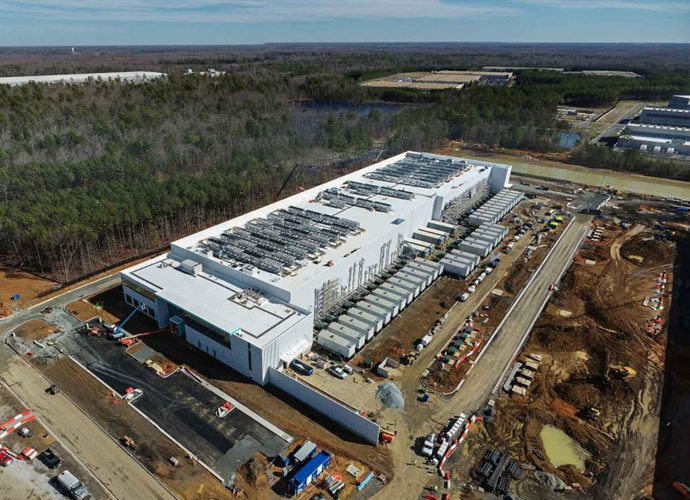
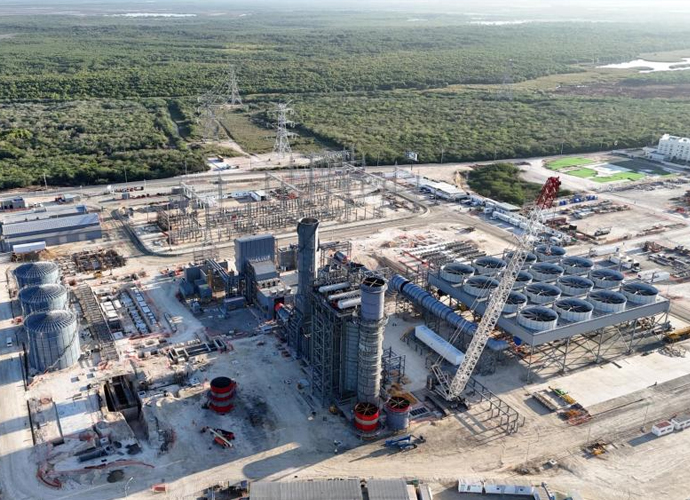
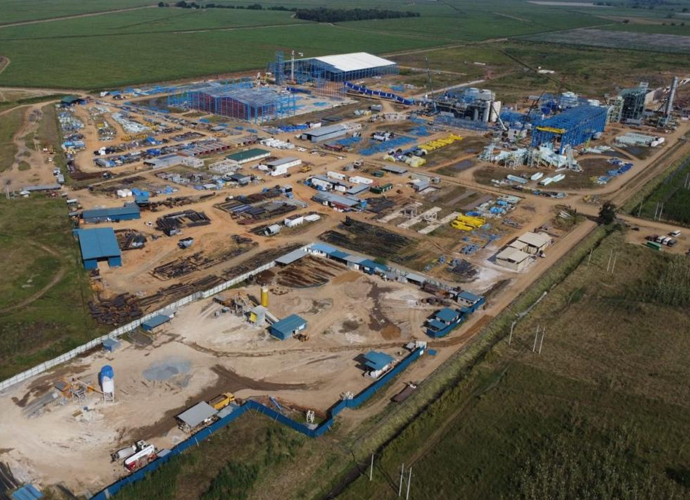
It is suitable for various combined scenarios such as 35kV main substation voltage reduction, wind and solar new energy power station voltage boosting, industrial large-scale plant and mine power supply, urban high-voltage distribution network, port and mining power system, metallurgical and chemical heavy load center, railway electrification hub, etc., to achieve efficient medium and high voltage conversion and low loss stable operation.


Technical Advantages
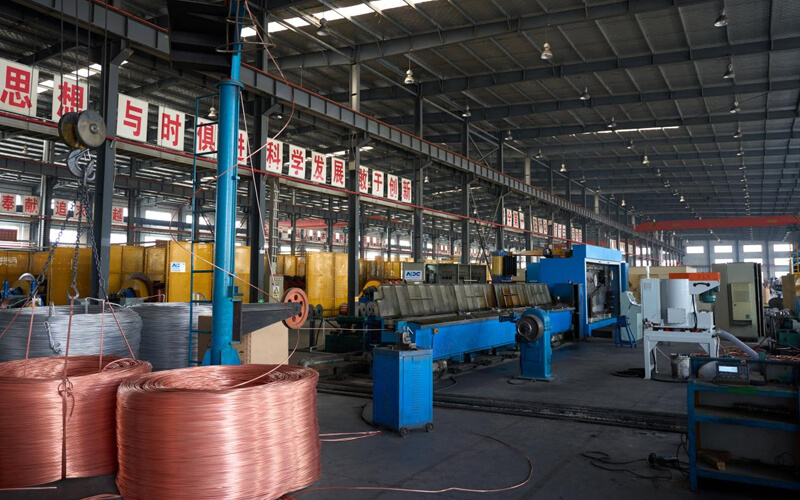
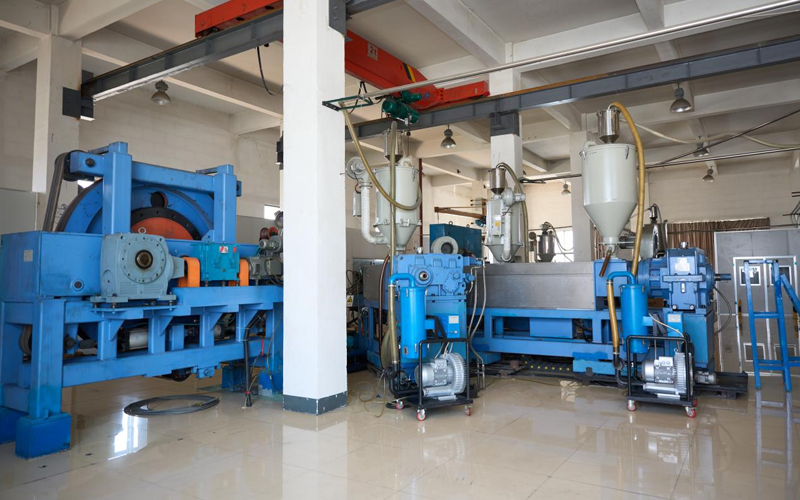
● 30+ years of manufacturing experience
● ISO and UL certified production
● Customized cable and transformer solutions
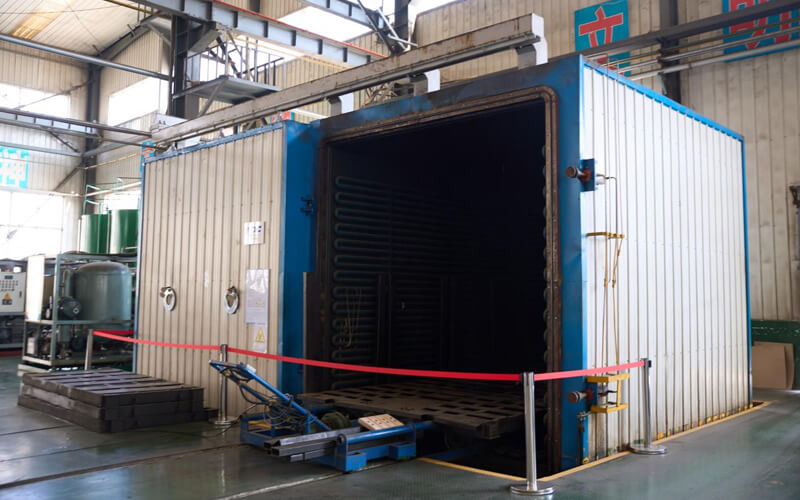
Product Packaging
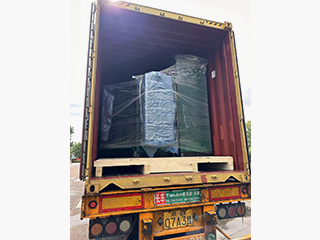
Transformers Packaging (1)
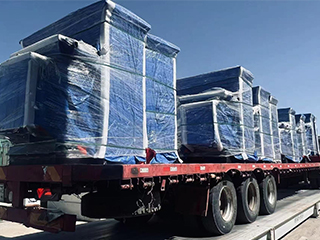
Transformers Packaging (2)
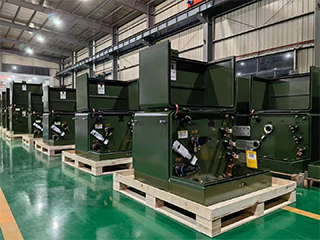
Transformers Packaging (3)
Transformers Packaging (4)
Transformers Packaging (5)
Transformers Packaging (6)
Transformers Packaging (7)
Transformers Packaging (8)
Related Products
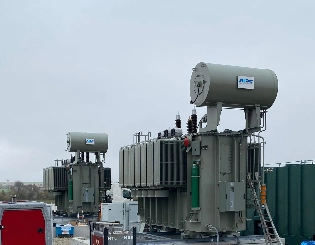
158kV 250MVA Power Transformer – High-Voltage Substation Autotransformer
The 158kV 250MVA High-Voltage Substation Autotransformer is designed for large-capacity power transmission systems where efficiency, voltage stability, and reduced losses are critical. As an autotransformer, it enables optimized power transfer between closely related voltage levels while minimizing material usage and operational losses. The unit features a robust electromagnetic design, reinforced insulation structure, and an oil-immersed cooling system that ensures effective heat dissipation under heavy continuous load. Its mechanical framework is engineered to withstand high electrical stress, short-circuit forces, and long-term outdoor exposure. Intended for backbone substations and grid interconnection points, this autotransformer supports reliable energy exchange in high-voltage networks and contributes to improved system efficiency and reduced lifecycle operating costs.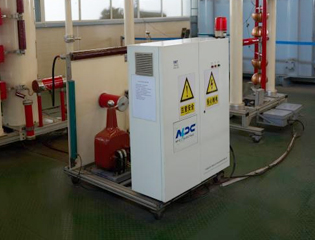
50kVA Dry Type Transformer
NPC ELECTRIC 50kVA dry-type transformer is an efficient, safe and environmentally friendly power transformer. It adopts dry insulation structure and does not require oil immersion cooling. It is suitable for various small and medium-sized power systems. It is widely used in industries, commercial buildings and power distribution, providing users with stable and reliable power supply. Standard features include three-phase or single-phase configurations, aluminum or copper windings, 150°C or 115°C temperature rise with 220°C insulation class, ±2×2.5% primary taps for voltage adjustment, NEMA 1 or 3R enclosures (ventilated with louvers or encapsulated for dust/moisture protection), natural self-cooling (AN), electrostatic shielding options, and low sound levels per NEMA standards.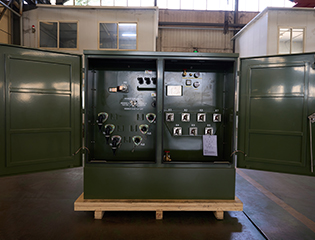
75kVA Three Phase Pad Mounted Transformer
The 75kVA pad-mounted transformer is tailored for utility customers in Canada, featuring a primary voltage of 25kV and a secondary voltage of 480/277V. It strictly adheres to local standards, including CSA C227.4 and CSA C802.1, ensuring optimal efficiency values. Notably, both the high and low-voltage windings are crafted from aluminum or copper.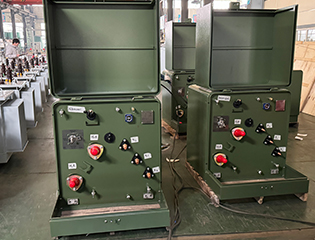
100kVA Single Phase Pad Mounted Transformer
The 100 kVA Single Phase Pad Mounted transformer adheres to a compartmental-type structure in line with IEEE Std C57.12.28 or IEEE Std C57.12.29 standards. It consists of a tank housing high-voltage and low-voltage cable terminating compartments, thoughtfully positioned side by side along one face of the transformer tank. In this configuration, the high-voltage compartment, fitted with two internally connected high-voltage bushing wells and inserts, a 4-position loadbreak switch, a 5-position tap changer switch, and a bayonet fuse, is situated alongside the low-voltage compartment featuring three stud L.V bushings and an oil level gauge.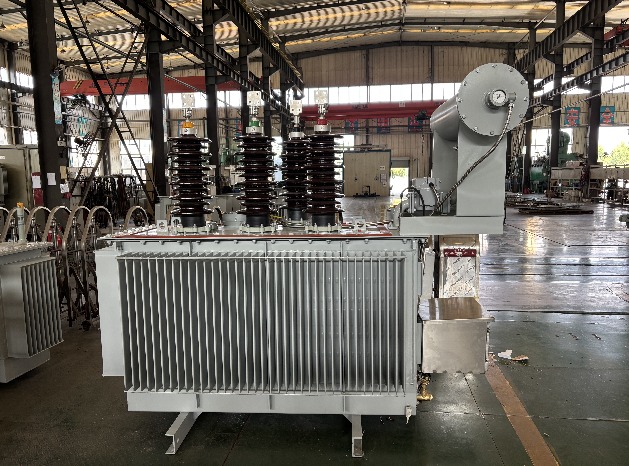
Earthing Transformer
The Earthing Transformer (also known as Grounding Transformer or Neutral Grounding Transformer) is a specialized auxiliary transformer used in three-phase power systems to provide a neutral grounding point and a low-impedance path for zero-sequence currents during ground faults. It is essential in ungrounded delta or ungrounded wye systems (common in industrial, utility, and renewable energy applications) where no natural neutral exists, enabling safe fault current flow to ground, stabilizing voltages, limiting overvoltages on unfaulted phases, and supporting protective relaying. Typical features include three-phase construction, rated voltage matching system line-to-line (e.g., 11kV, 33kV, 35kV, up to 220kV+), short-time rating for fault current (e.g., 10–30 seconds at 100–1000A or more), neutral bushing for grounding connection.
Three Phase Cast Resin Dry Type Transformer
The Three Phase Cast Resin Dry Type Transformer is a safe, high-efficiency indoor power transformer series designed for reliable medium-voltage to low-voltage step-down in commercial, institutional, industrial, data center, hospital, school, high-rise, and renewable energy applications. With advanced epoxy cast-resin encapsulation and full high-conductivity copper windings, it completely eliminates oil fire risks, environmental hazards, and routine maintenance while offering excellent dielectric strength, thermal performance, resistance to moisture/dust/chemicals, and very low noise levels — making it the ideal choice for fire-sensitive, noise-restricted, space-constrained, or high-reliability indoor installations. Fully compliant with IEC 60076-11, IEC 60076-1/2/3/5/20, EN 50588-1 (eco-design), IEEE C57.12.01, IEEE C57.12.91, UL 1561 (optional listing), and DOE 2016 efficiency standards.FAQ From Customers
-
What is a Transformer?A transformer is an electrical device used to change the voltage of alternating current (AC). It works on the principle of electromagnetic induction, converting high-voltage current into low-voltage current or low-voltage current into high-voltage current. Transformers are widely used in power transmission, distribution systems, and various electronic devices.
-
What are the main uses of a transformer?The main use of a transformer is voltage conversion. Transformers are used in power transmission systems to help transfer electricity from power plants to consumers. In addition, transformers are also used in electronic devices such as chargers, televisions, power adapters, etc., to adjust the voltage to meet the requirements of different devices.
-
Do you have UL listed?Yes, our transformer has UL listed. We have exported to America many pad mounted transformer,substation transformer and HV.
Welcome your inquiry
Honesty, Integrity, Frugality, Activeness and Passion