What Are Power Cables? Types, Applications, and Selection Guide
2026-02-18
Power cables are a fundamental component of modern power systems, safely and reliably transmitting electrical energy from power sources to loads. From residential buildings and industrial plants to renewable energy facilities and high-voltage transmission networks, power cables form the backbone of power transmission.
The basic structure of a power cable typically includes a conductor, insulation layer, sheath, and armor layer. The conductor is usually made of copper or aluminum to ensure good conductivity; the insulation layer (such as XLPE, cross-linked polyethylene, or PVC polyvinyl chloride) prevents leakage and withstands high voltage; the outer sheath provides mechanical protection and environmental resistance. Based on voltage level and application, power cables can be classified into low-voltage cables (below 1kV), medium-voltage cables (1-35kV), high-voltage cables (35-220kV), and ultra-high-voltage cables (above 220kV). In addition, there are different laying types such as overhead cables, underground cables, and submarine cables.
In the context of today's energy transition, the role of power cables is becoming increasingly prominent. With the rapid development of renewable energy sources such as wind power and photovoltaics, submarine high-voltage direct current (HVDC) cables have become a key technology for connecting offshore wind farms to onshore power grids, enabling long-distance, low-loss power transmission. Simultaneously, urbanization is driving underground cables to replace traditional overhead lines, improving urban aesthetics and power supply reliability. Under environmental trends, low-smoke halogen-free and flame-retardant cables are gradually becoming mainstream, reducing fire risks and meeting sustainable development requirements.
In the future, with the widespread adoption of smart grids and electric vehicle charging infrastructure, power cables will evolve towards higher voltage, greater intelligence, and greater environmental friendliness, ensuring efficient, safe, and green operation of the power system.
What Is a Power Cable?
A power cable is an electrical cable designed to transmit electrical power, typically at low, medium, or high voltage levels. Unlike signal or communication cables, power cables are engineered to carry significant current while maintaining insulation integrity, mechanical strength, and thermal stability.
In practical electrical engineering work, power cables are selected not only based on voltage and current ratings, but also on installation conditions, environmental exposure, and long-term operating system reliability.
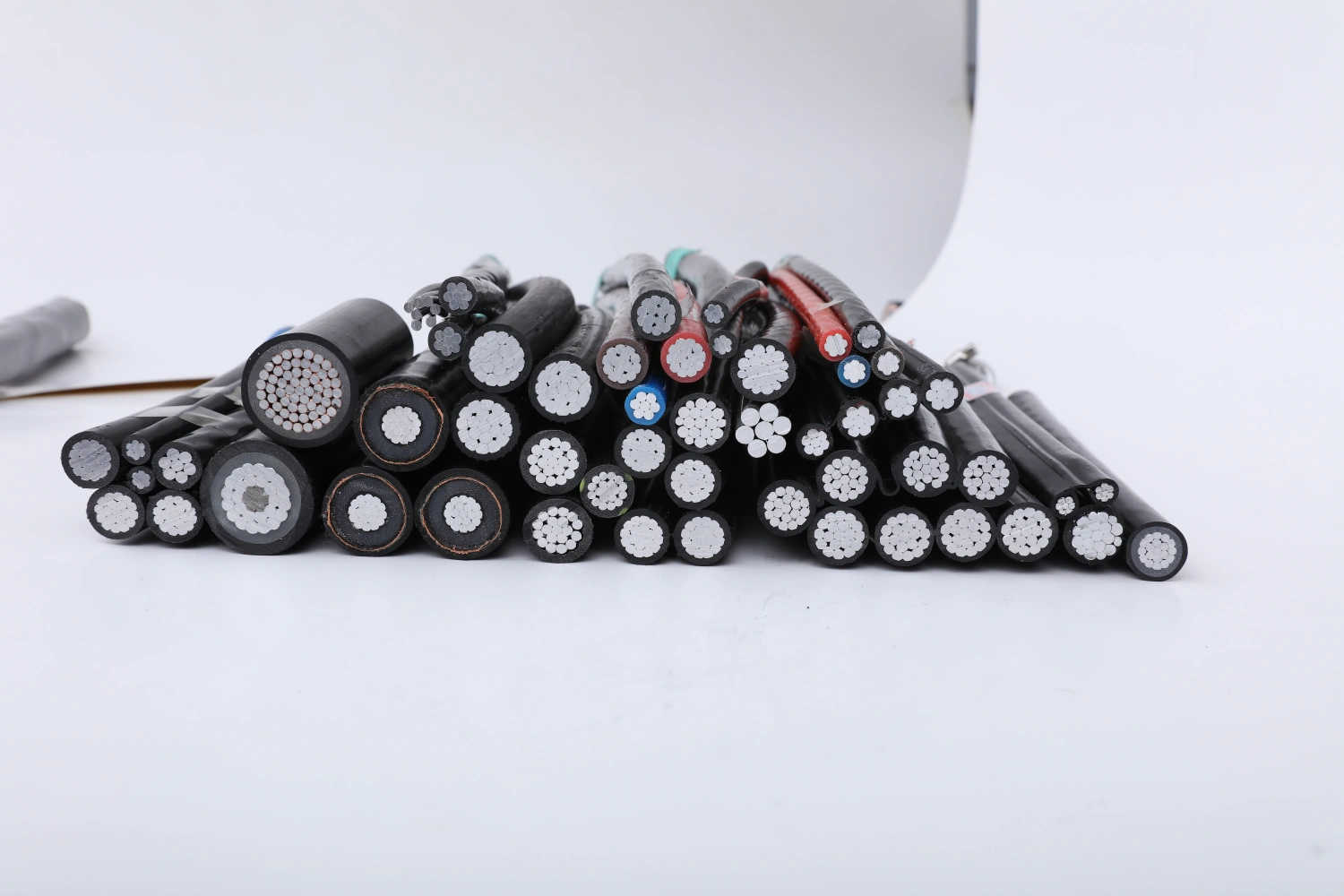 Basic Structure of Power Cables
Although designs vary, most power cables share common structural elements:
-
Conductor
- Made of copper or aluminum
-
Responsible for carrying electrical current
-
Can be solid or stranded (stranded wire improves flexibility)
-
Insulation Layer
- Prevents electric shocks and short circuits
-
Common materials: PVC, XLPE, EPR
-
Determines voltage rating and thermal performance
-
Sheath / Jacket
- Provides mechanical protection and environmental resistance
-
Protects against moisture, chemicals, and abrasion
-
Optional Armor or Shielding
- Used in industrial, underground, or high-risk installations
-
Enhances durability and safety
Common Types of Power Cables
1. Low Voltage Power Cables
Used in residential and commercial electrical systems, typically up to 1 kV.
Applications include lighting, socket circuits, and small machinery.
Examples:
-
PVC insulated electrical cable
-
Flexible cable for appliances and extension cords
2. Medium Voltage Power Cables
Operating between 1 kV and 35 kV, it is commonly used in industrial plants, substations, and distribution networks.
Typical uses:
-
Factory power distribution
-
Utility feeders
-
Renewable energy collection systems
3. High Voltage Power Cables
Designed for high voltage transmission above 35 kV, often exceeding 110 kV.
Key applications:
-
Grid interconnections
-
Large-scale infrastructure projects
High-voltage power cables require advanced insulation systems and strict installation standards to manage electric field stress.
4. AC Power Cables
Most power cables in buildings and industries are designed for AC power, which dominates global power generation and distribution. AC power cables must handle alternating current, thermal cycling, and electromagnetic effects.
5. Flexible Power Cables
Flexible cables use fine stranded conductors to allow movement and bending. They are critical in:
-
Mobile equipment
-
Industrial machinery
-
Temporary power supplies
In real-world operations, flexible cables directly impact job performance by reducing downtime caused by cable fatigue or breakage.
Common Power Cable Types and Practical Applications
| Power Cable Type | Voltage Range | Conductor Material | Insulation Type | Typical Applications | Key Practical Advantages |
| Low Voltage Power Cable | ≤ 1 kV | Copper or Aluminum | PVC / XLPE | Residential wiring, commercial buildings, lighting circuits | Easy installation, cost-effective, suitable for standard electrical systems |
| Medium Voltage Power Cable | 1 kV – 35 kV | Copper or Aluminum | XLPE | Industrial plants, substations, distribution networks | High current capacity, stable performance, reduced power losses |
| High Voltage Power Cable | ≥ 35 kV | Copper or Aluminum | XLPE / EPR | Power transmission lines, grid interconnections | Strong insulation, low electrical stress, reliable long-distance transmission |
| Flexible Power Cable | ≤ 1 kV | Stranded Copper | PVC / Rubber | Mobile equipment, machinery, temporary power supply | High flexibility, vibration resistance, improved job performance |
| Armored Power Cable | Low–Medium Voltage | Copper or Aluminum | XLPE / PVC | Underground installations, industrial facilities | Enhanced mechanical protection, reduced risk of damage |
| AC Power Cable | Low–High Voltage | Copper or Aluminum | PVC / XLPE | General AC power systems, utilities, factories | Designed for alternating current, thermal stability |
Power Cable Materials: Copper vs. Aluminum
Copper Conductors
-
Higher electrical conductivity
-
Smaller diameter for the same current
-
Better mechanical strength
-
Higher cost
Aluminum Conductors
-
Lighter weight
-
Lower material cost
-
Widely used in power distribution and utility projects
-
Requires careful termination to avoid connection issues
In actual engineering practice, the choice between copper and aluminum depends on project budget, installation method, and long-term maintenance strategy.
Power Cables in Electrical Systems
Power cables are integral to the overall operating system of electrical installations. Improper cable selection can lead to:
-
Excessive voltage drop
-
Overheating
-
Increased risk of electric shocks
-
Reduced system efficiency
Correctly designed cable systems ensure stable power flow, protect equipment, and enhance operational safety.
Safety Considerations in Power Cable Use
From field experience, most cable-related failures result from improper installation rather than manufacturing defects.
Key safety factors include:
-
Correct current rating selection
-
Adequate insulation thickness
-
Proper grounding and bonding
-
Mechanical protection in harsh environments
Power cables play a direct role in preventing electric shocks, fire hazards, and system outages.
Practical Applications of Power Cables
Power cables are used across a wide range of sectors:
-
Residential wiring and building infrastructure
-
Industrial production lines
-
Data centers and utilities
-
Transportation and public infrastructure
Each application imposes different mechanical, thermal, and electrical demands on wires and cables.
How to Select the Right Power Cable
When selecting power cables in real projects, engineers consider:
-
Voltage Level – Low, medium, or high voltage
-
Current Capacity – Load demand and future expansion
-
Installation Environment – Indoor, outdoor, underground
-
Mechanical Stress – Movement, vibration, or impact
-
Regulatory Standards – IEC, IEEE, NEC, or local codes
Selecting the right cable directly affects system reliability, energy efficiency, and long-term maintenance costs.
Power Cables and Future Electrical Infrastructure
With the growth of renewable energy, smart grids, and electrification, demand for high-performance electrical cable solutions continues to increase. Modern power cables are expected to deliver:
-
Higher power density
-
Improved thermal performance
-
Longer service life
-
Enhanced environmental resistance
From a working engineer’s perspective, power cables are no longer passive components—they are critical enablers of modern electrical systems.
Power cables are essential elements of electrical infrastructure, enabling safe and efficient energy transmission across industries and applications. Understanding types of power cables, materials, operating conditions, and selection principles is vital for system designers, installers, and operators.
By approaching cable selection from a scientific, practical, and experience-driven standpoint, organizations can improve safety, optimize job performance, and ensure reliable operation of electrical systems for decades to come.

Related Articles
Related Products
6 Chola Aluminum Conductor Quadruplex Overhead Service Drop Cable
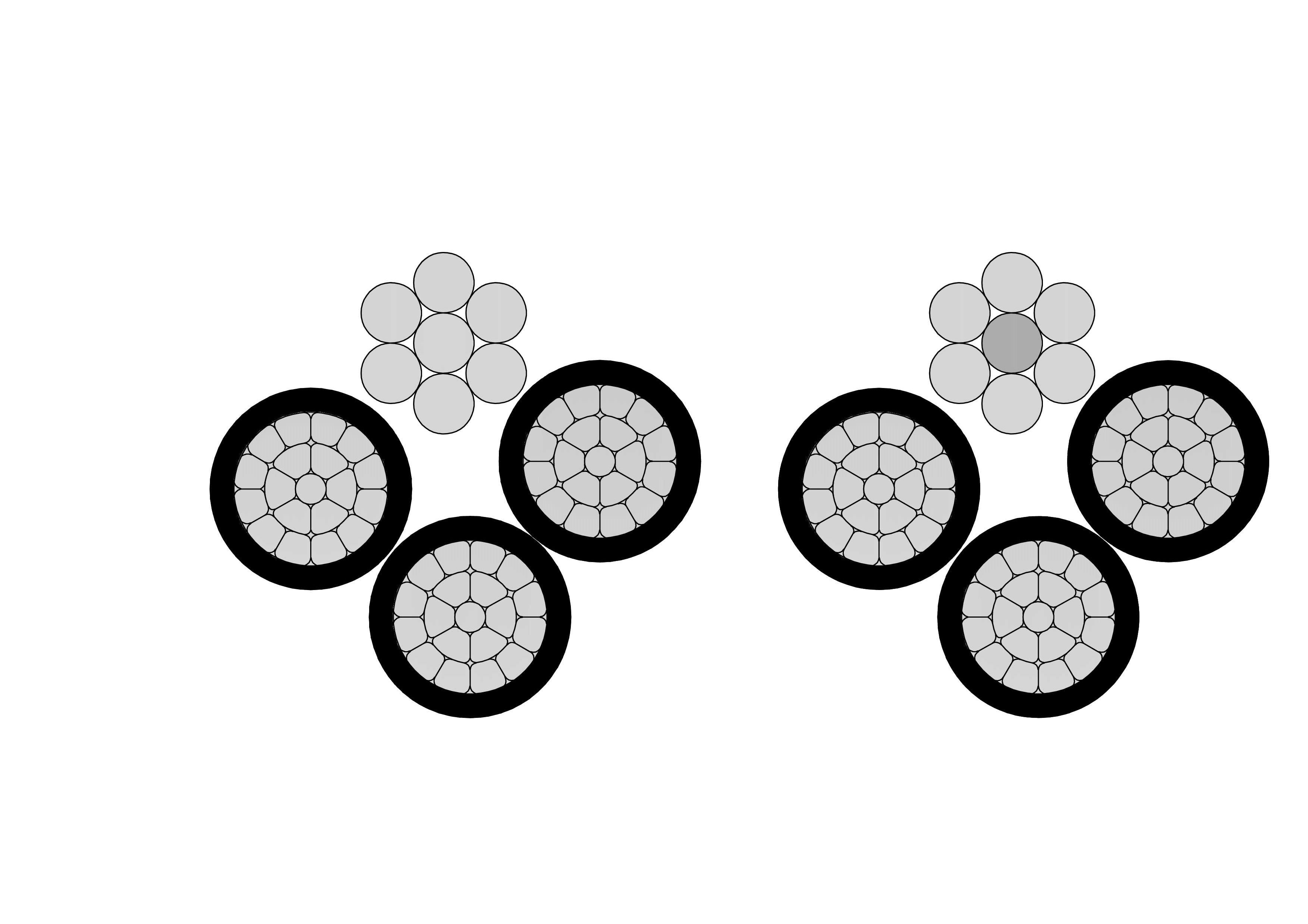
Introducing the 6 Chola Quadruplex Service Drop Cable, a versatile overhead solution for three-phase secondary distribution with neutral. Built with three 6 AWG aluminum phase conductors and one neutral messenger (7-strand) insulated with polyethylene or XLPE and formed into a quadruplex assembly, it meets ASTM and ICEA requirements for 600V service. The tough insulation offers outstanding protection against UV rays, moisture, tree contact, and abrasion. Self-supporting messenger design ensures easy pulling and reduced sag during installation. The 6 Chola Quadruplex Service Drop Cable supports efficient power transfer with low voltage drop and high durability in extreme temperatures. Popular for its lightweight construction and reduced installation time, it is the choice for electricians and utilities. Widely deployed in housing developments, commercial services, and temporary power setups, this cable ensures safe, long-lasting overhead connections from distribution transformers to customer service entrances worldwide.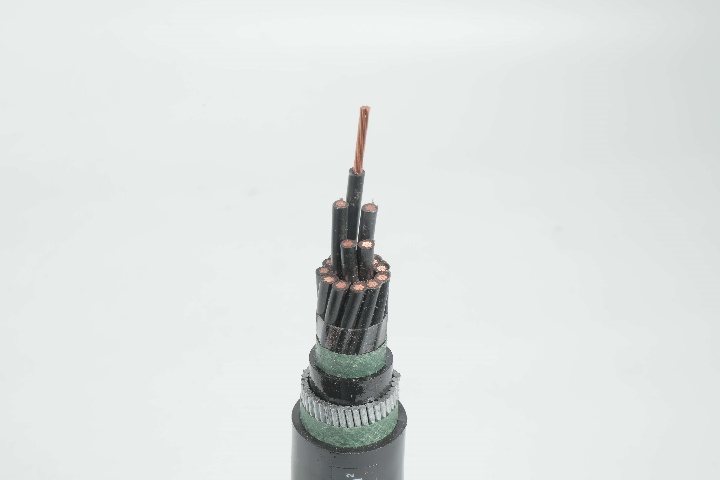
LiYCY Control Cable - Screened Flexible PVC Control Cable
The LiYCY Control Cable is a high-quality screened flexible control cable widely used in industrial automation and machinery applications. It features finely stranded copper conductors with PVC insulation, twisted cores, a tinned copper braid screen for superior electromagnetic interference (EMI) protection, and a durable PVC outer sheath. This construction provides excellent flexibility, reliable signal transmission, and effective shielding against electrical noise. Rated 300/500V, the LiYCY Control Cable is ideal for dynamic installations and environments requiring both mechanical flexibility and EMI protection. Manufactured to international standards such as VDE 0812 and IEC 60227, it undergoes rigorous quality testing from raw materials to finished product, ensuring consistent electrical performance, mechanical strength, and long-term reliability in demanding industrial control applications.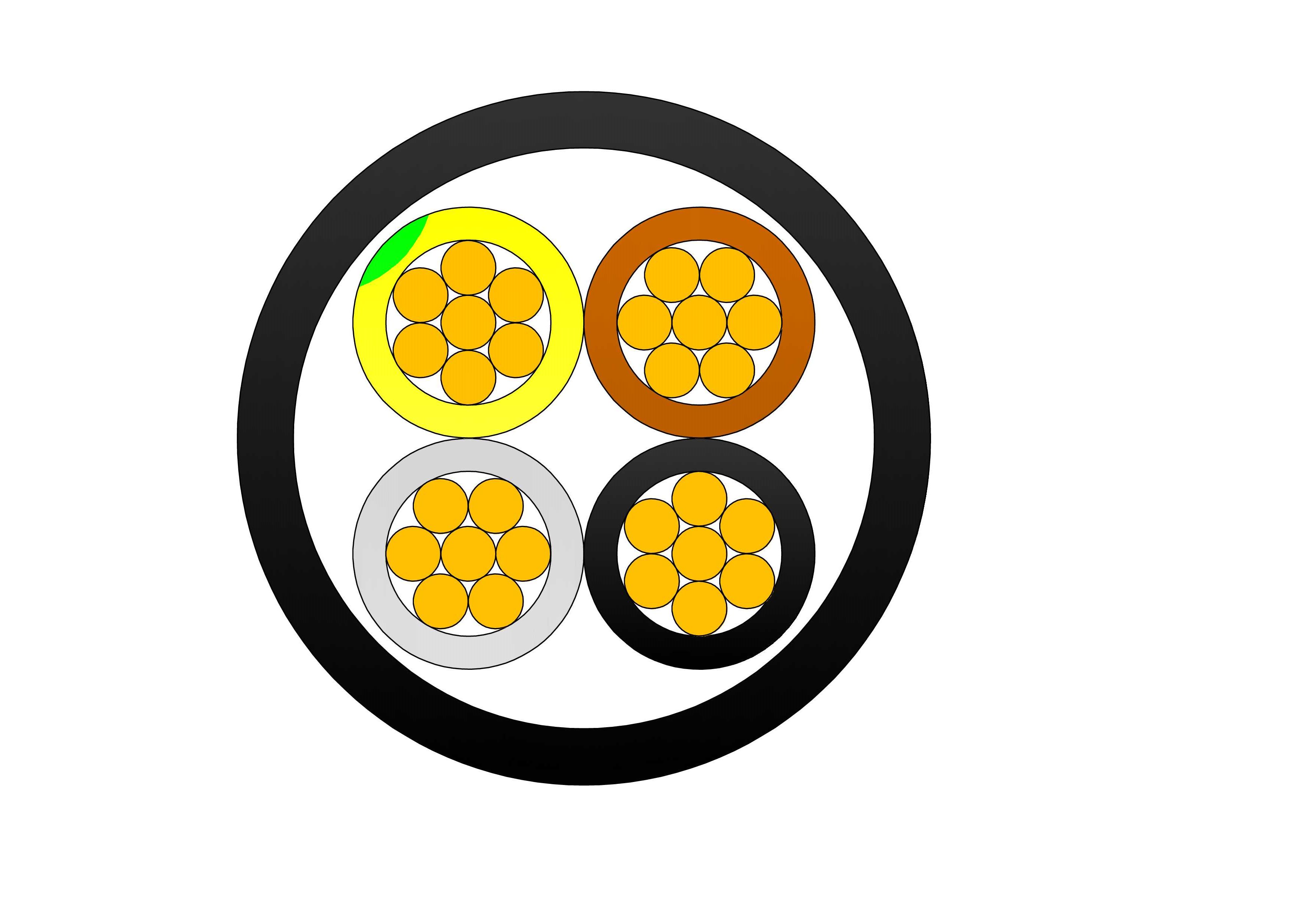
2/3 Cores SWA Armoured Cable
The 2/3 Cores SWA Armoured Cable 0.6/1kV CU/XLPE/SWA/PVC is a heavy-duty low voltage power cable designed for installations requiring superior mechanical protection. It features 2 or 3 stranded copper conductors, cross-linked polyethylene (XLPE) insulation for excellent thermal and electrical performance, galvanized steel wire armour (SWA) for high crush, impact, and tensile strength, and a durable PVC outer sheath. Rated for 0.6/1kV, this cable provides high current-carrying capacity, low voltage drop, and long-term reliability in harsh environments. Manufactured according to IEC 60502-1, the 2/3 Cores SWA Armoured Cable 0.6/1kV is ideal for direct burial, underground ducts, cable trays, and exposed installations. Its strong steel wire armour offers outstanding protection against external mechanical stresses, rodents, and impacts. It is widely used in industrial plants, substations, commercial buildings, and infrastructure projects where safety and durability are critical.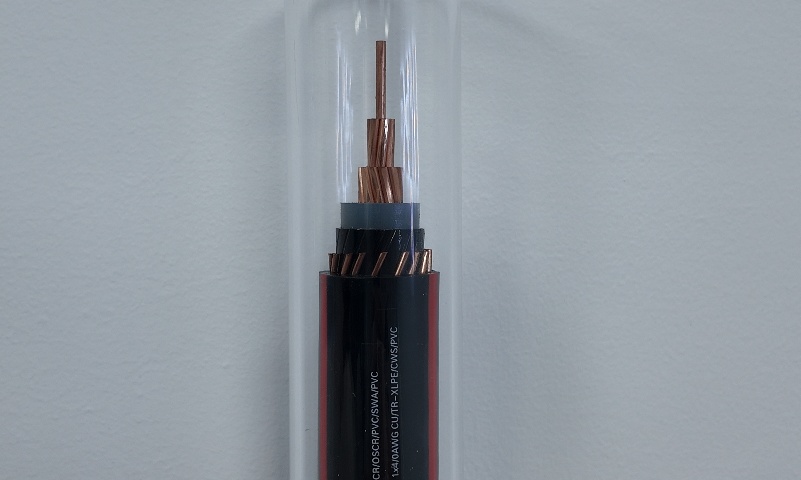
Quadruplex URD Cable
The Quadruplex URD Cable is a robust 600V underground residential distribution cable designed for efficient service entrance and secondary power delivery. It consists of four insulated AA8000 aluminum alloy phase conductors and a concentric neutral, all protected by a tough black polyethylene sheath. The quadruplex configuration provides a compact yet high-capacity solution for direct burial applications, offering excellent electrical balance and mechanical strength. Manufactured with XLPE insulation, this cable delivers superior electrical properties, moisture resistance, and long-term durability. Lightweight and cost-effective compared to copper alternatives, the Quadruplex URD Cable meets UL 854, ICEA, and ASTM standards. It undergoes rigorous quality testing from raw materials to finished product, ensuring consistent performance in demanding underground environments.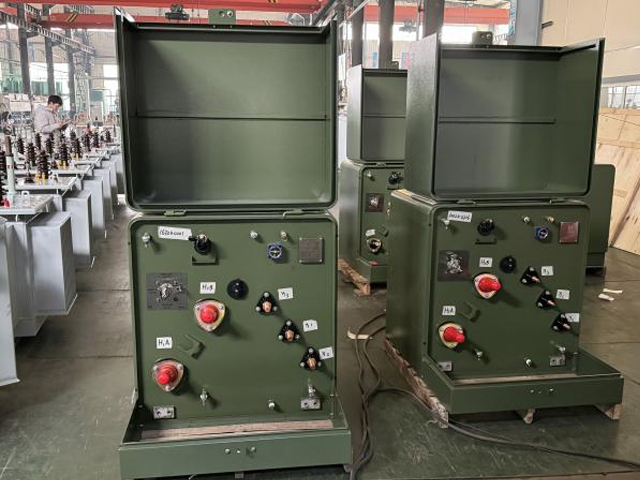
150kVA Single Phase Pole Mounted Transformer
NPC ELECTRIC'S 150kVA single phase pole mounted transformer is engineered for superior performance in overhead electrical distribution networks. This robust unit efficiently steps down high-voltage primary inputs, such as 13.8kV or 24.94kV, to secondary voltages like 120/240V or 277V, ensuring safe and reliable power delivery. Built with high-permeability toroidal cores and precision-wound copper conductors, it minimizes energy losses and enhances durability. Compliant with DOE-2016 efficiency standards and featuring a NEMA 3R-rated enclosure, this transformer withstands harsh environmental conditions while providing quiet operation. Ideal for utilities seeking long-term reliability, it includes protective features like surge arrestors and pressure relief valves to safeguard against overloads and faults. With a 65°C temperature rise rating and ONAN cooling, it handles diverse loads without compromising efficiency.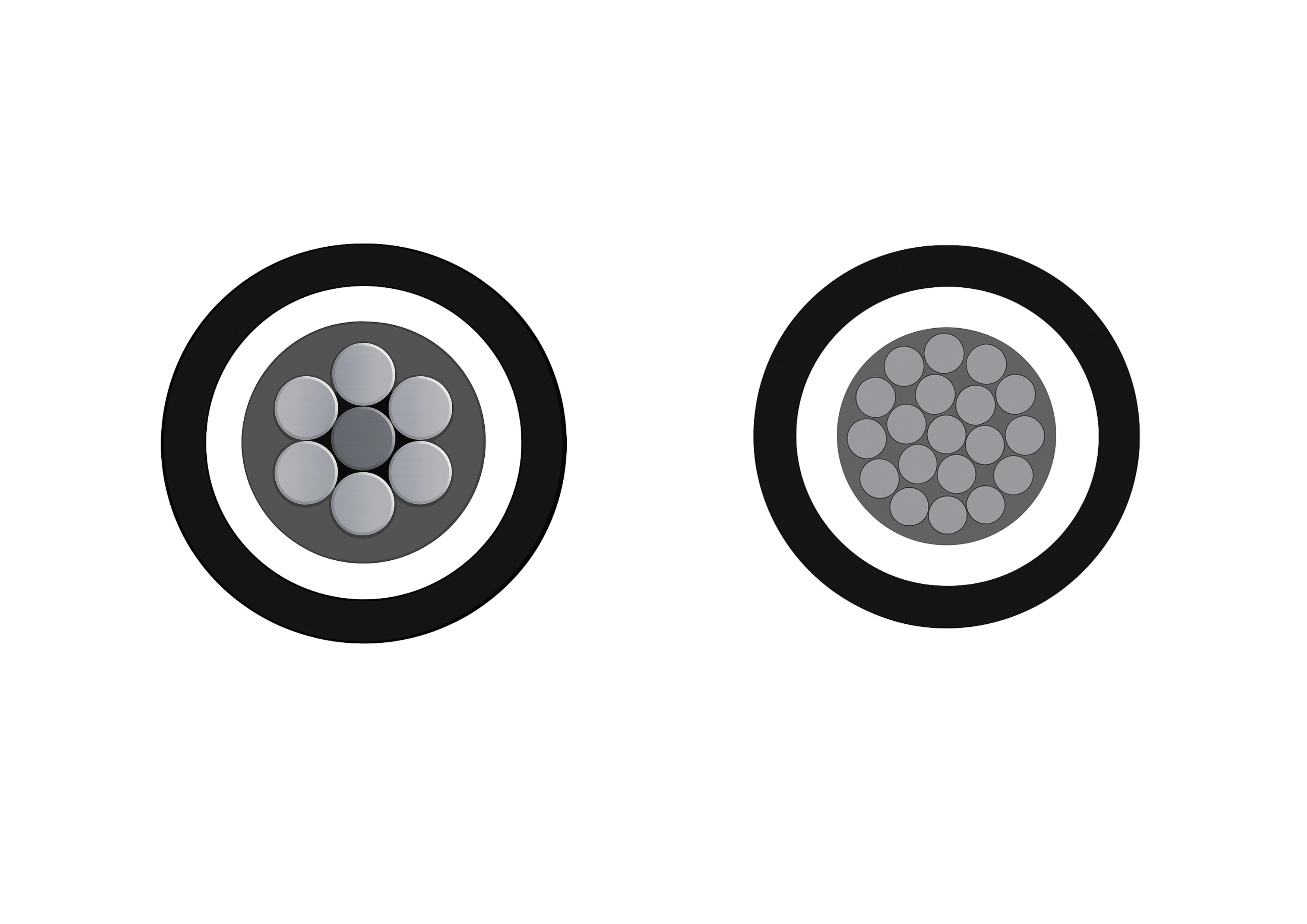
25kV 3-Layer AAAC/ACSR/AAC Tree Wire - Triple Layer Covered MV Conductor
The 3-Layer 25kV AAAC/ACSR/AAC Tree Wire is a specialized covered medium-voltage overhead conductor developed for distribution lines in areas with dense vegetation. It uses concentrically stranded AAAC, ACSR, or AAC conductors protected by a triple-layer system of track-resistant HDPE or XLPE. The multi-layer covering delivers exceptional tracking resistance, abrasion protection, and weatherability while greatly reducing the risk of electrical faults from tree limb contact and helping minimize wildfire ignition potential. This advanced design allows closer spacing to vegetation and lowers vegetation management costs. Suitable for conventional overhead or spacer cable systems, the 3-Layer 25kV AAAC/ACSR/AAC Tree Wire offers a cost-effective solution for improving line reliability. It complies with ICEA and ASTM standards and undergoes extensive quality testing to ensure long-term performance and safety.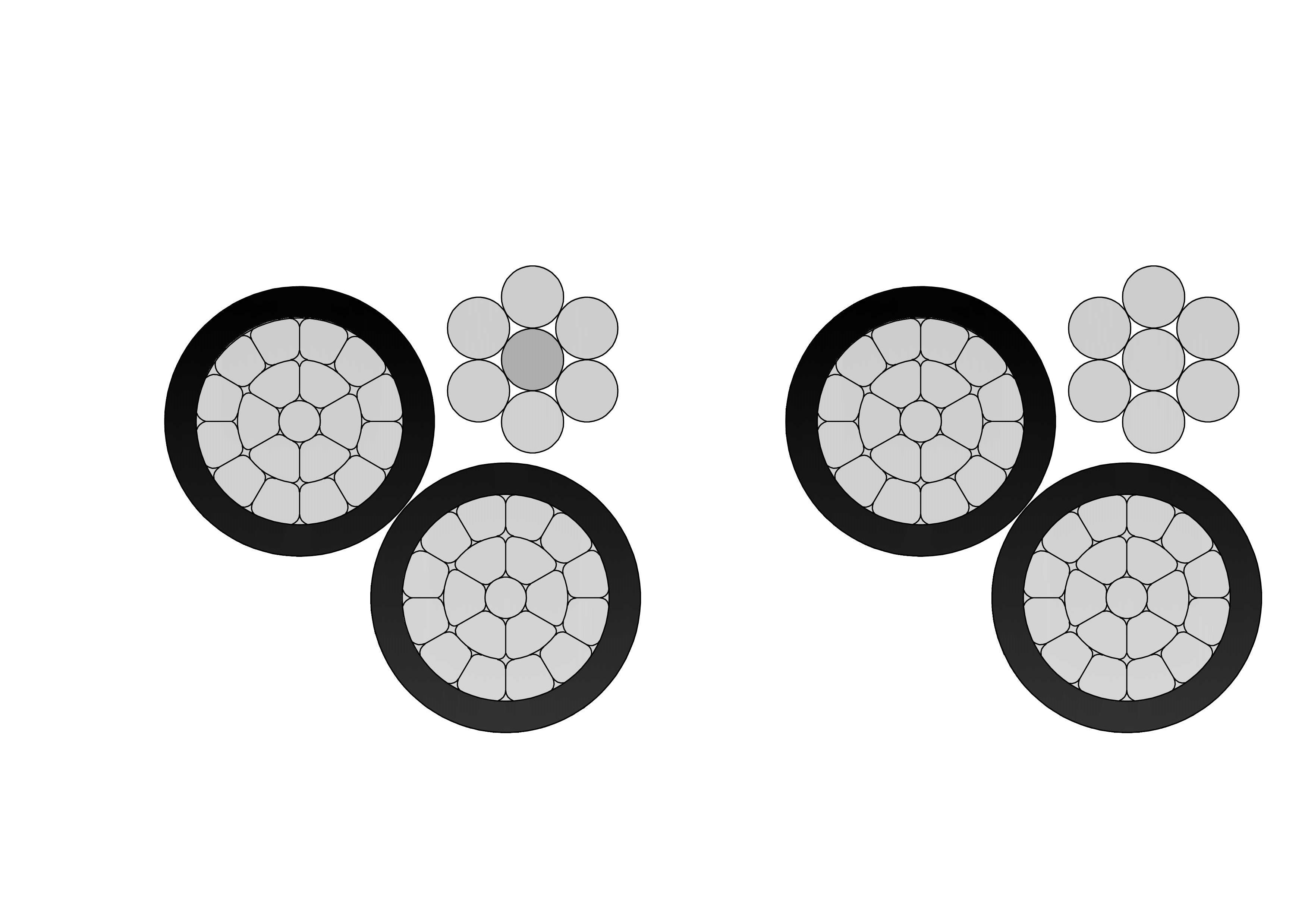
4 Crab Aluminum Conductor Triplex Overhead Service Drop Cable Wire
4 Crab Triplex Aluminum Overhead Service Drop Cable is designed for reliable utility power delivery from pole-mounted transformers to the service entrance at residential, commercial, or light industrial sites. It consists of two insulated phase conductors and a bare AAC (All-Aluminum Conductor) messenger serving as both a neutral and mechanical support. Built for overhead single-phase service drops, it operates at voltages up to 600V and is insulated with black cross-linked polyethylene (XLP) for enhanced durability against UV, abrasion, and moisture. The 4 Crab's robust yet flexible structure prevents sagging and ensures stable performance over time. Utilities and contractors appreciate its cost-effectiveness and low-maintenance profile. Elevate your electrical infrastructure with this reliable cable that combines innovation and durability for uninterrupted power supply.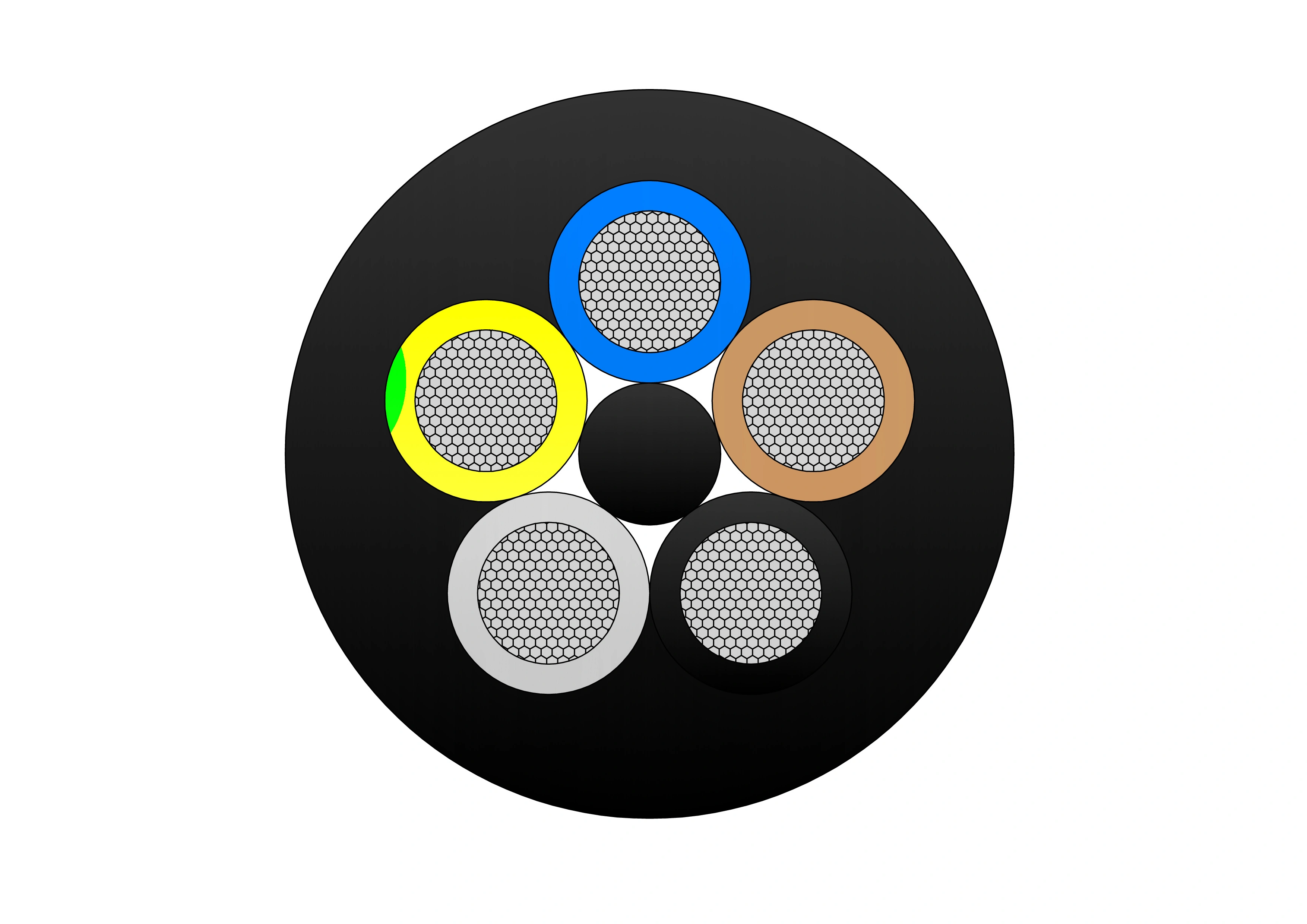
(N)TSCGEWOU 3.6/6kV, 6/10kV, 8.7/15kV and 12/20kV ZH Cable
The (N)TSCGEWOU 3.6/6kV, 6/10kV, 8.7/15kV, and 12/20kV ZH Cable is a halogen-free flexible medium voltage power cable designed in accordance with VDE 0250 standards for heavy-duty applications. It features Class 5 tinned copper conductors, EPR insulation, semi-conductive layers, and a copper braided earth conductor, with an inner and outer halogen-free polyurethane sheath that delivers excellent flame retardancy, low smoke emission, and high mechanical durability. Ideal for draglines, shovels, dredges, and drills in opencast mining or other extreme environments, this cable is suitable for both indoor and outdoor use where fire safety and robust performance are critical. Compliant with DIN VDE 0250 and IEC standards (IEC 60754, IEC 61034), it offers high flexibility, torsional strength, and EMC protection across voltage ranges. The (N)TSCGEWOU ZH is ideal for safe MV power delivery to mobile machinery such as shearers, tunnel boring equipment, and conveyors in underground mining where low-smoke, low-toxicity performance is essential.
Triplex URD Cable
The Triplex URD Cable is a cost-effective and reliable 600V underground residential distribution cable engineered for service entrance and secondary power delivery. It consists of three insulated AA8000 aluminum alloy phase conductors and a concentric neutral, all encased in a durable black polyethylene sheath. The triplex design offers a compact footprint, excellent flexibility, and easy handling during direct burial installation. With XLPE insulation, this cable provides superior electrical performance and moisture resistance. Lightweight and corrosion-resistant, the Triplex URD Cable is an economical alternative to copper while maintaining high conductivity and mechanical strength. Manufactured to UL 854 and ICEA standards, it undergoes extensive quality testing to ensure consistent performance and long service life in underground environments.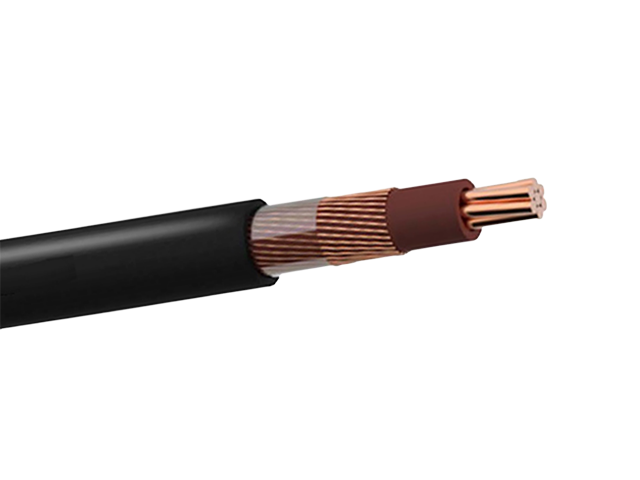
Aluminum Concentric Service Cable - 600/1000V AA8000 XLPE LV Cable
The Aluminum Concentric Service Cable is a reliable low-voltage cable designed for efficient house service connections and secondary distribution. It features compact stranded AA8000 series aluminum alloy phase conductors, XLPE insulation, and a concentrically stranded aluminum alloy neutral layer, all protected by a durable black polyethylene sheath. The concentric design provides balanced electrical performance and mechanical strength while maintaining excellent flexibility for easy installation. With superior corrosion resistance and cost-effectiveness compared to copper cables, this cable is perfect for both aerial and underground applications. Rated 600/1000V, the Aluminum Concentric Service Cable meets international standards and undergoes rigorous quality testing from raw materials to finished product, ensuring consistent conductivity, long service life, and reliable performance in residential and light commercial networks.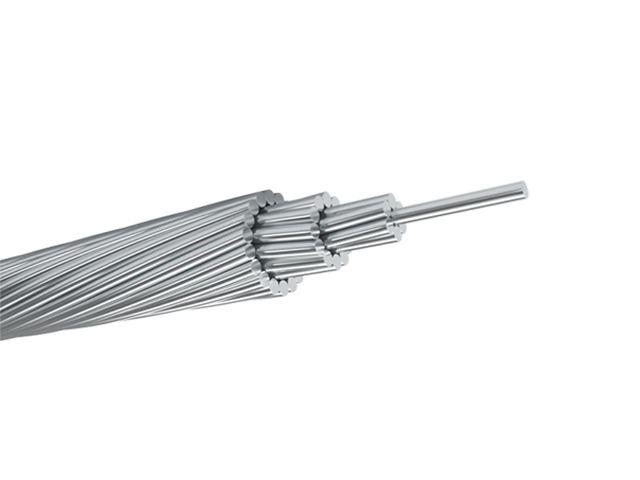
AMES AAAC Conductor Cable
AMES AAAC (All Aluminum Alloy Twisted) cables comply with ASTM B399 standards and have excellent conductivity and corrosion resistance. With 250 mm² nominal area and 19-strand design, it uses heat-treated aluminum-magnesium-silicon alloy (6201-T81) for enhanced strength (295 MPa min) and conductivity (53% IACS min). Meeting ASTM B398, B399, IEC 61089, and BS EN 50182 standards, this cable handles ampacity up to 600A at 75°C and voltages up to 33kV. The all-alloy construction avoids bimetallic corrosion, providing better resistance in harsh conditions than ACSR. Reduced weight minimizes sag and installation expenses, supporting longer spans. The Ames AAAC Conductor Cable delivers low electrical losses, high mechanical endurance, and excellent weather tolerance. Flame-retardant variants available. Perfect for urban grids, renewable projects, and coastal setups, it provides cost-effective, low-maintenance power delivery in overhead applications globally, excelling in reliability and lifespan over conventional conductors.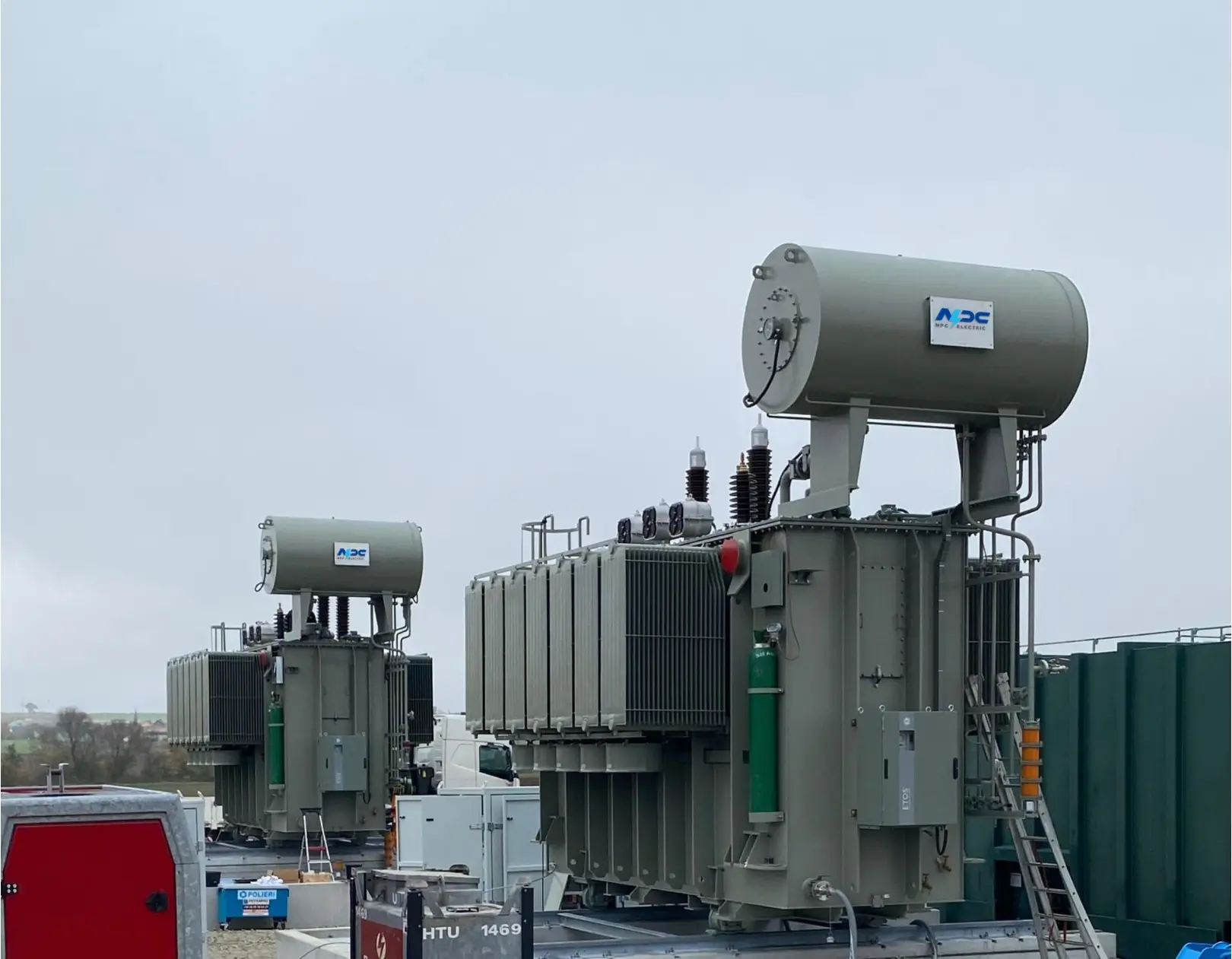
60kV Dyn11/Yyn0 Pure Copper Oil-Immersed Power Transformer
The 60kV Dyn11/Yyn0 Pure Copper Oil-Immersed Power Transformer is designed for regional 35–50 kV distribution networks and industrial substations. It adopts 99.99 % electrolytic pure copper windings, Class A insulation, corrugated tank + ONAN natural cooling, and energy-saving S11/S13 core with up to 40 % lower no-load loss. Standard vector groups Dyn11 or Yyn0, off-circuit tap changer ±5 % or ±2×2.5 % (on-load optional). Fully compliant with IEC 60076, lightning impulse 250 kV peak, PD <10 pC. Fully sealed or conservator design prevents oil aging and moisture ingress. Low noise ≤58 dB, strong short-circuit withstand, suitable for high-altitude and harsh environments. Vacuum oil filling + nitrogen sealing ensures>30-year lifespan. Widely used in mining, petrochemical, renewable energy, and urban 50 kV networks.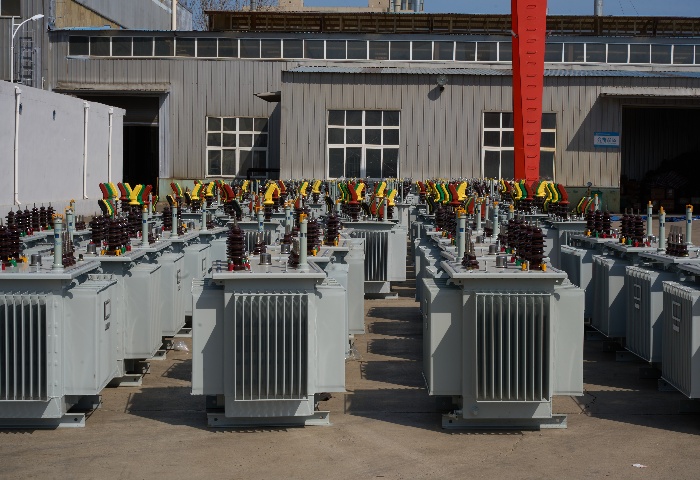
4000kVA Oil Immersed Transformer
4000kVA Oil Immersed Transformer is designed for medium and large-scale power distribution systems that require high reliability, strong overload capacity, and long-term stable operation. The transformer adopts a fully sealed oil-immersed structure, effectively preventing moisture ingress and oil oxidation, thereby extending service life and reducing maintenance frequency. The transformer features excellent thermal performance and robust insulation strength, ensuring stable operation under continuous load or fluctuating grid conditions. Advanced oil circulation and cooling structure enhance heat dissipation, while precise manufacturing processes guarantee low noise and high mechanical strength.
(N)TMCGEWOU - 12/20kV, 14/25kV and 18/30kV Cable
The (N)TMCGEWOU - 12/20kV, 14/25kV and 18/30kV Cable is a robust, flexible single-core medium-voltage power cable built for extreme industrial and mining demands. It includes class 5 finely stranded tinned copper conductors for flexibility and corrosion resistance, semi-conductive conductor and insulation screens for field control, high-grade EPR (ethylene propylene rubber) insulation offering superior dielectric strength and 90°C continuous operation, tinned copper wire braid screen for EMI shielding and grounding, and a tough halogen-free rubber outer sheath (type 5GM5) resistant to oil, flame, abrasion, moisture, and mechanical damage. Compliant with DIN VDE 0250 Part 813 and IEC equivalents, it handles high test voltages (29kV for 12/20kV, 36kV for 14/25kV, 43kV for 18/30kV) and supports short-length or mobile connections with excellent bending and tensile performance. The (N)TMCGEWOU delivers safe, reliable high-voltage power in harsh environments.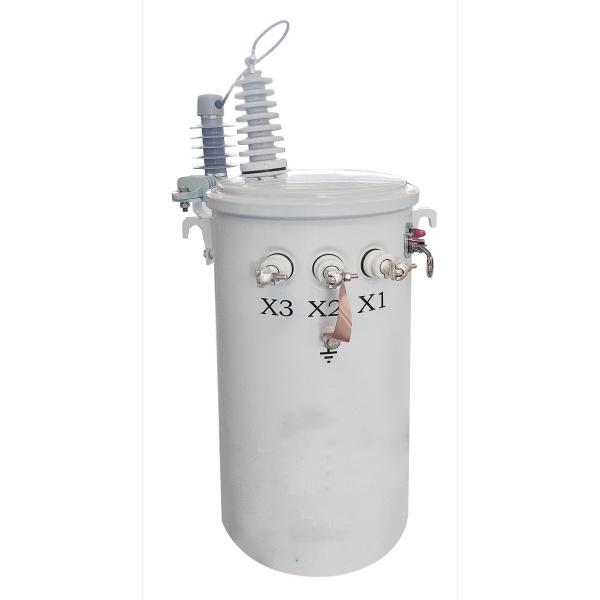
100kVA Completely self-protected(CSP) Single Phase Pole Mounted Transformer
100kVA CSP Single Phase Pole Mounted Transformer is a highly efficient and reliable solution designed for single-phase power distribution in residential, commercial, and light industrial applications. It features integrated self-protection systems, including overload, short-circuit, and over-voltage protection, ensuring automatic disconnection in the event of faults to safeguard both the transformer and connected equipment. With its pole-mounted design, it offers space-saving installation and is suitable for both urban and rural environments. This transformer delivers high operational efficiency with minimal energy loss and is built to withstand harsh weather conditions, ensuring long-lasting and reliable performance. It is the ideal choice for providing safe and stable single-phase power in diverse applications.Welcome your inquiry
Honesty, Integrity, Frugality, Activeness and Passion