Drag Chain Cable vs Flexible Cable vs High-Flex Cable vs Robot Cable: Full Comparison, Applications & Model Selection Chart
2026-04-13
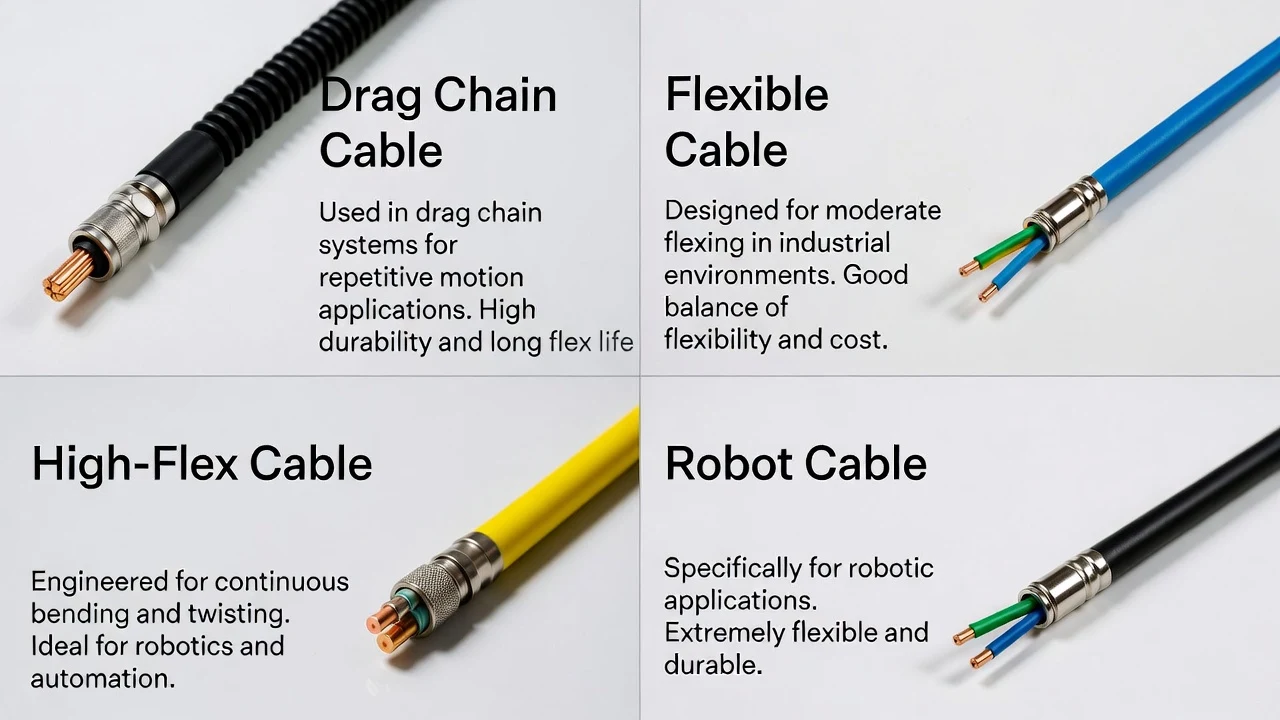
In the world of industrial automation, robotics, and high-motion machinery, selecting the right cable isn't just about flexibility — it's about surviving millions of cycles without failure. That's why engineers and buyers often search for Drag Chain Cable vs Flexible Cable vs High-Flex Cable vs Robot Cable: these terms describe cables built for dynamic environments, but their differences in design, durability, and application can mean the difference between reliable 24/7 operation and costly downtime.
Flexible Cable is the broad category — multi-stranded conductors with soft insulation (PVC, PUR, TPE) for occasional or moderate movement, like in basic machinery or tools. It's more bendable than rigid fixed cables but often falls short in continuous, high-frequency applications.
Drag Chain Cable (also called towline, cable carrier, or continuous flex cable) takes it further: optimized for linear, repeated bending in one plane inside drag chains. With extra-fine stranding (Class 6), low-friction layers, and robust jackets, these endure 5–20+ million bend cycles in linear motion systems like CNC machines, conveyors, or gantry setups.
High-Flex Cable is often synonymous with premium drag chain types, emphasizing extreme bend radii, high acceleration, and long travel distances — ideal for demanding continuous-flex scenarios.
Robot Cable (torsion-rated) stands at the top tier: engineered for multi-axis movement, including twisting and torsion alongside bending. Using special stranding (fine Class 5+), anti-torsion shielding, and materials like PUR/silicone, robot cables handle complex 6-axis robotic arms, articulated systems, and applications with combined flex + rotation — where standard drag chain cables would fail prematurely from torsional stress.
Choosing wrong leads to strand breaks, signal loss, or safety risks. In the sections below, we'll compare key specs (bend cycles, torsion tolerance, stranding, materials), real-world applications, and include a clear model chart to help you pick the perfect cable for your project — maximizing uptime and minimizing total cost of ownership.
1. Why Cable Selection Matters in Modern Automation
In modern industrial automation, cables are designed not only to transmit power or signals but also to survive motion. Production lines, robotic cells, CNC machines, and automated warehouses all expose cables to continuous bending, torsion, acceleration, and vibration.
Choosing the wrong cable type—whether a standard flexible cable, drag chain cable, high-flex cable, or robot cable—can lead to:
- Premature cable failure
- Unexpected downtime
- Increased maintenance costs
- Safety risks to operators and equipment
This article provides a scientifically grounded, real-world comparison to help engineers and procurement teams make informed decisions.
2. Overview of the Four Cable Types
2.1 Flexible Cable (Standard Flexible Cable)
A flexible cable typically uses stranded conductors and softer insulation to allow limited movement.
Typical use cases
- Fixed installations with occasional movement
- Control cabinets
- Light-duty mobile equipment
Limitations
- Not designed for continuous motion
- Short bending life under mechanical stress
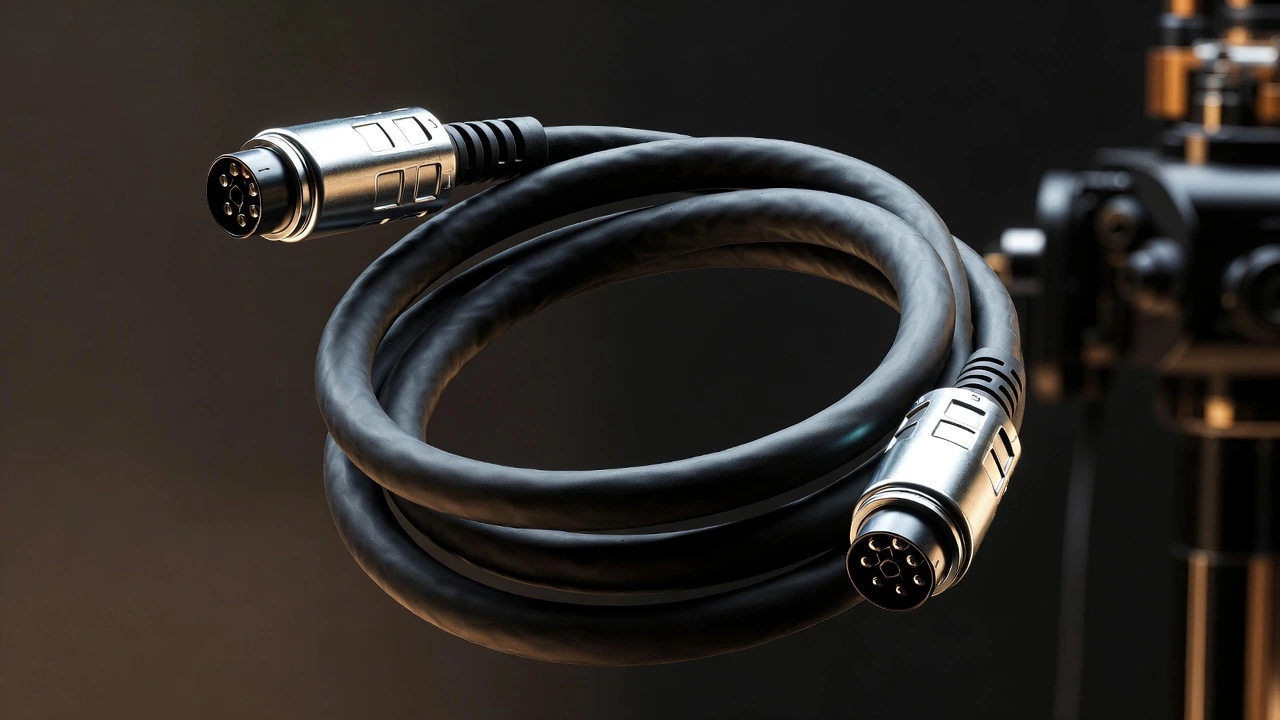
2.2 Drag Chain Cable
A drag chain cable (also known as a cable drag chain cable) is specifically engineered for installation inside cable carriers.
Key characteristics
- Optimized stranding geometry
- Controlled lay length
- Abrasion-resistant outer jacket
Typical applications
- CNC machines
- Linear production lines
- Automated material handling systems
The drag chain cable market has grown rapidly due to Industry 4.0 and smart factory upgrades.
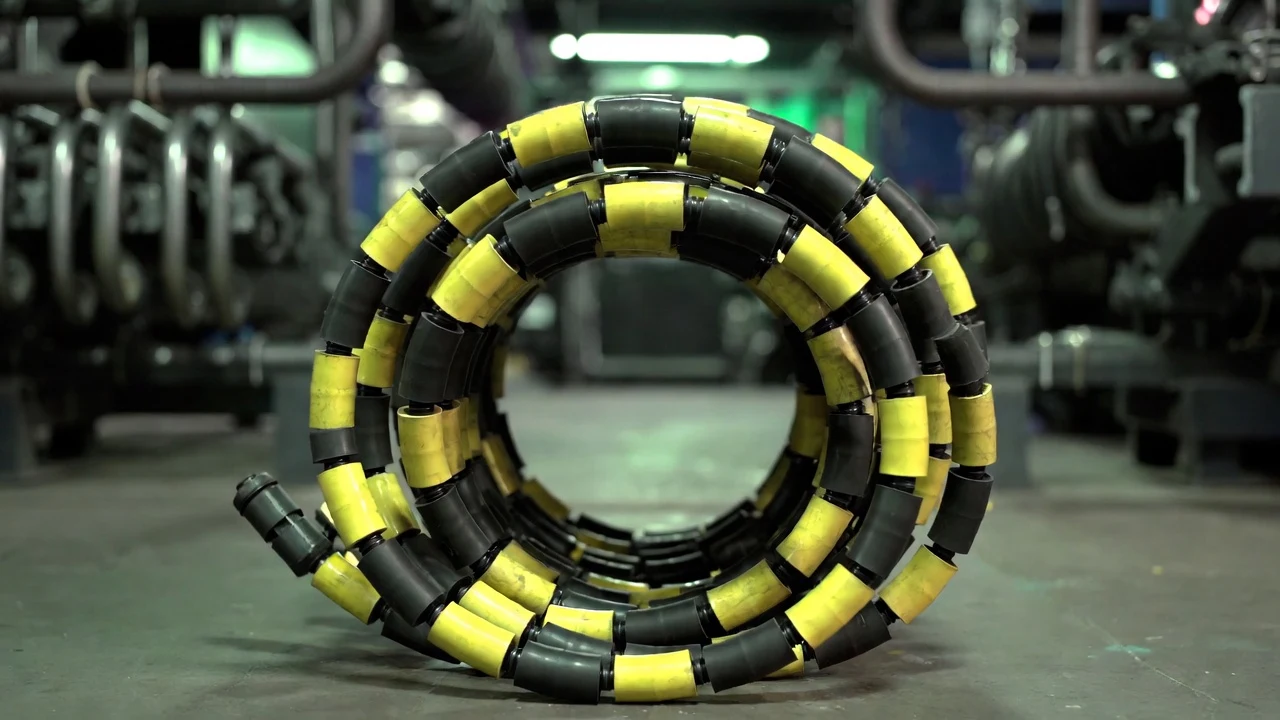
2.3 High-Flex Cable
A high-flex cable is an enhanced version of a drag chain cable, designed for very high bending cycles.
Defining features
- Extra-fine stranded conductors
- Specialized insulation compounds
- High resistance to mechanical stresses
Typical applications
- High-speed production lines
- Pick-and-place systems
- Continuous-duty cable carriers
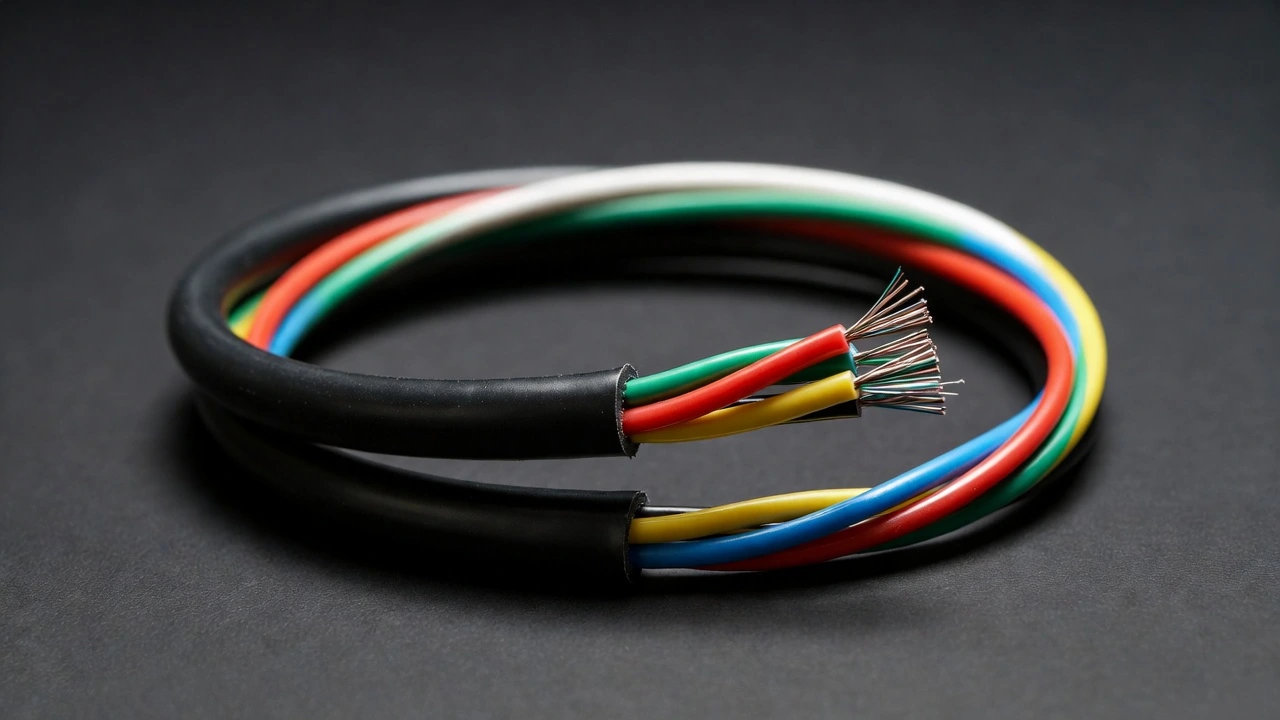
2.4 Robot Cable
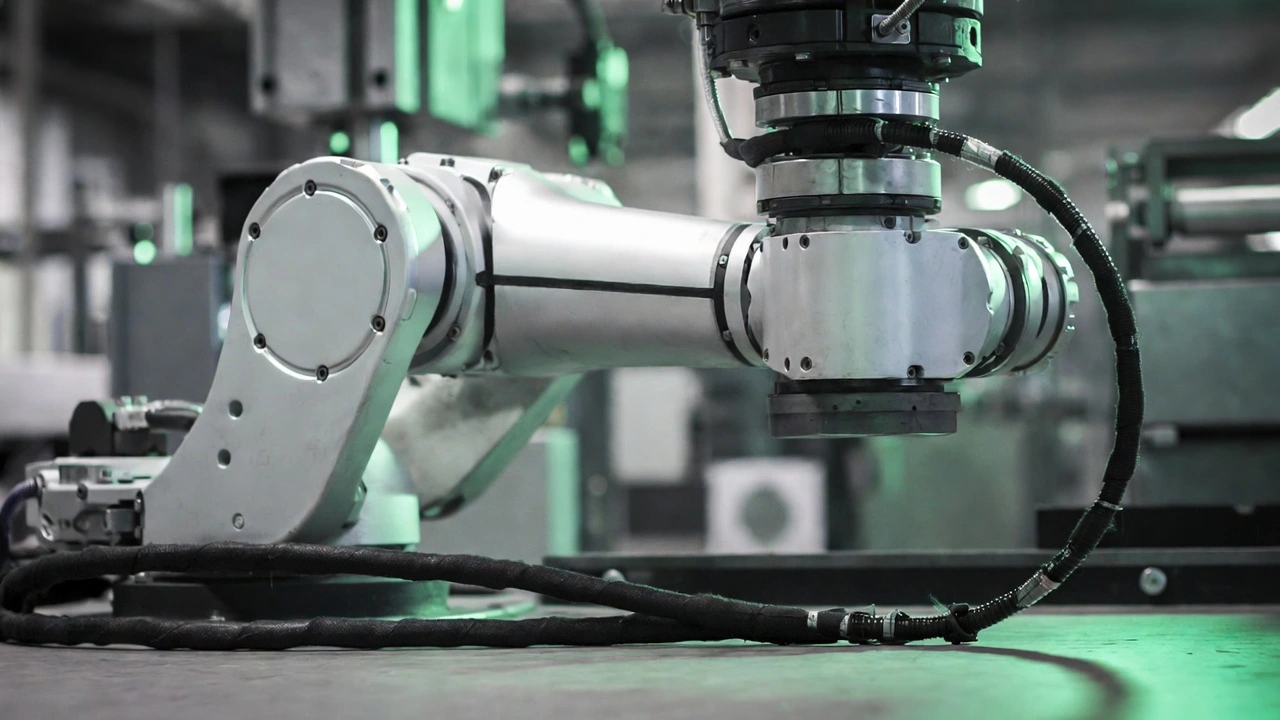
A robot cable is engineered for multi-axis movement, including torsion, twisting, and bending in multiple directions.
Robot cable management systems rely heavily on these cables to ensure long service life.
Typical applications
- Industrial robots
- Welding robots
- Assembly robots
- Collaborative robots (cobots)
3. Mechanical Stress Environment Comparison
|
Cable Type |
Bending |
Torsion |
Speed |
Continuous Motion |
|
Flexible Cable |
Low |
None |
Low |
No |
|
Drag Chain Cable |
Medium |
Limited |
Medium |
Yes |
|
High-Flex Cable |
High |
Limited |
High |
Yes |
|
Robot Cable |
High |
High |
High |
Yes |
4. Construction Differences (Engineering Perspective)
|
Feature |
Flexible Cable |
Drag Chain Cable |
High-Flex Cable |
Robot Cable |
|
Conductor |
Standard stranded |
Optimized stranded |
Extra-fine stranded |
Ultra-fine stranded |
|
Insulation |
PVC |
PVC / TPE |
TPE / PUR |
TPE / PUR |
|
Jacket |
PVC |
PUR / TPE |
High-grade PUR |
Special robot-grade PUR |
|
Torsion Resistance |
No |
Low |
Medium |
High |
5. Bending Radius & Lifecycle Expectations
|
Cable Type |
Typical Bending Radius |
Expected Flex Cycles |
|
Flexible Cable |
≥ 10 × OD |
< 100,000 |
|
Drag Chain Cable |
≥ 7.5 × OD |
1–5 million |
|
High-Flex Cable |
≥ 5 × OD |
5–10 million |
|
Robot Cable |
≥ 6 × OD + torsion |
10+ million |
Engineering insight:
The smaller the bending radius and the higher the cycle count, the more critical conductor stranding and insulation chemistry become.
6. Electrical Performance Considerations
All four cable types can be designed as:
- Power cable
- Control cable
- Signal cable
- Hybrid power + data cable
However, mechanical design—not electrical rating—is usually the limiting factor in moving applications.
7. Typical Applications by Industry
|
Industry |
Recommended Cable Type |
|
CNC Machining |
Drag chain cable |
|
Automotive Production Line |
High-flex cable |
|
Industrial Robotics |
Robot cable |
|
Packaging Equipment |
Drag chain / high-flex |
|
Fixed Electrical Systems |
8. Choosing the Right Cable: Practical Decision Guide
When choosing the right cable, engineers should evaluate:
- Motion type – linear vs torsional
- Speed & acceleration
- Bending radius constraints
- Installation inside cable carriers
- Expected lifecycle (flex cycles)
9. Cable Selection Flowchart for Engineers
How to Choose the Right Cable for Moving Applications
To help engineers quickly determine the correct cable type for their application, the following step-by-step selection flowchart is based on real-world mechanical stress conditions, motion patterns, and industrial usage scenarios.
Step 1: Is the cable installed in a moving application?
- ❌ No movement (fixed installation)
→ Use Flexible Cable (standard control or power cable) - ✅ Yes, the cable moves during operation
→ Proceed to Step 2
Step 2: What type of motion is involved?
- 🔹 Occasional or infrequent movement
(manual adjustment, maintenance movement)
→ Flexible Cable (with limited flex rating) - 🔹 Continuous linear movement
(straight-line motion, back-and-forth travel)
→ Proceed to Step 3 - 🔹 Multi-axis or torsional movement
(twisting, rotation, robotic joints)
→ Robot Cable
Step 3: Is the cable installed inside a cable carrier (drag chain)?
- ❌ No cable carrier
→ Use High-Flex Cable (free-moving, unsupported motion) - ✅ Yes, inside cable carriers
→ Proceed to Step 4
Step 4: What is the required bending cycle life?
- 🔹 < 1 million cycles
→ Drag Chain Cable - 🔹 1–5 million cycles
→ Drag Chain Cable (enhanced design) - 🔹 > 5 million cycles or high-speed motion
→ High-Flex Cable
Step 5: Are there torsional stresses involved?
- ❌ No torsion (pure linear bending)
→ Drag Chain Cable or High-Flex Cable - ✅ Yes, repeated torsion or twisting
→ Robot Cable
10. Cable Selection Decision Matrix
|
Application Condition |
Recommended Cable |
|
Occasional movement |
Flexible cable |
|
Linear continuous motion |
Drag chain cable |
|
High-speed continuous motion |
High-flex cable |
|
Multi-axis robotic motion |
Robot cable |
11. Market Trends and Future Outlook
The global drag chain cable market is expanding alongside:
- Industrial automation
- Robotics deployment
- Smart manufacturing systems
Future cable designs focus on:
- Longer service life
- Reduced downtime
- Compatibility with Industry 4.0 environments
While all four cable types fall under the broader category of wires and cables, they are not interchangeable.
- Flexible cables suit light-duty movement
- Drag chain cables support standard continuous motion
- High-flex cables handle extreme bending cycles
- Robot cables manage complex multi-axis motion
Selecting the correct cable based on mechanical stresses, motion patterns, and production line requirements is critical to long-term reliability and cost control.

Related Articles

Related Products
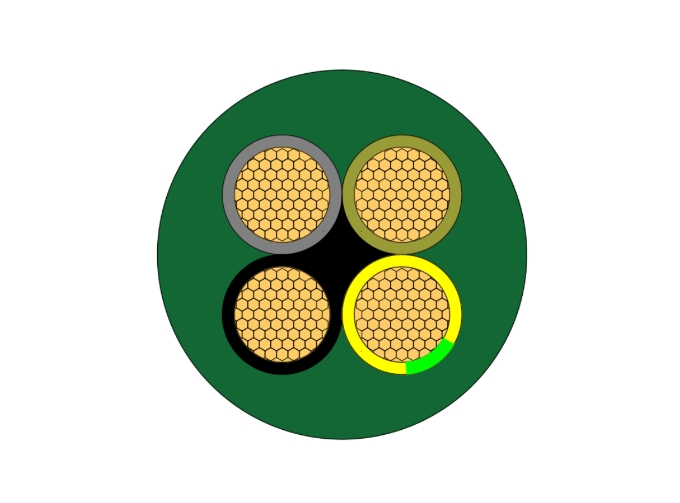
RZ1-K(AS) XLPE LSZH Flexible Cable
RZ1-K(AS) XLPE LSZH Flexible Cable is a single Core flame retardant LSZH flexible power cable suitable for instllation outdoor and indoor. The "(AS)" suffix denotes advanced fire-retardant properties, minimizing smoke and toxic gases during fires. Excellent bend radius and resistance to mechanical stress, oils, and chemicals ensure easy routing and durability.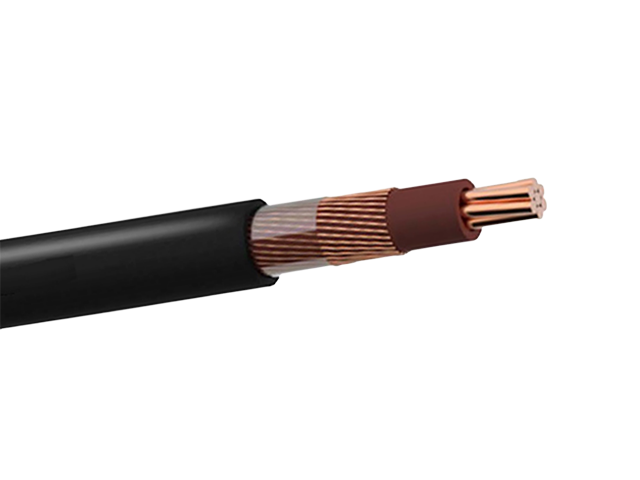
USEB-90 AA8000 Concentric Underground Service Cable 600/1000V
The USEB-90 Underground Concentric Service Cable is an advanced low-voltage cable engineered for underground service entrance and secondary distribution systems. It utilizes compact AA8000 aluminum alloy phase conductors with XLPE insulation and a concentrically arranged neutral layer, protected by a durable polyethylene sheath. This design offers superior flexibility, high current-carrying capacity, excellent mechanical protection, and outstanding resistance to moisture and corrosion. Suitable for direct burial without additional conduit, the USEB-90 Underground Concentric Service Cable simplifies installation while ensuring long-term reliability. It meets international performance requirements and undergoes extensive quality testing to deliver consistent electrical performance and durability in demanding underground environments.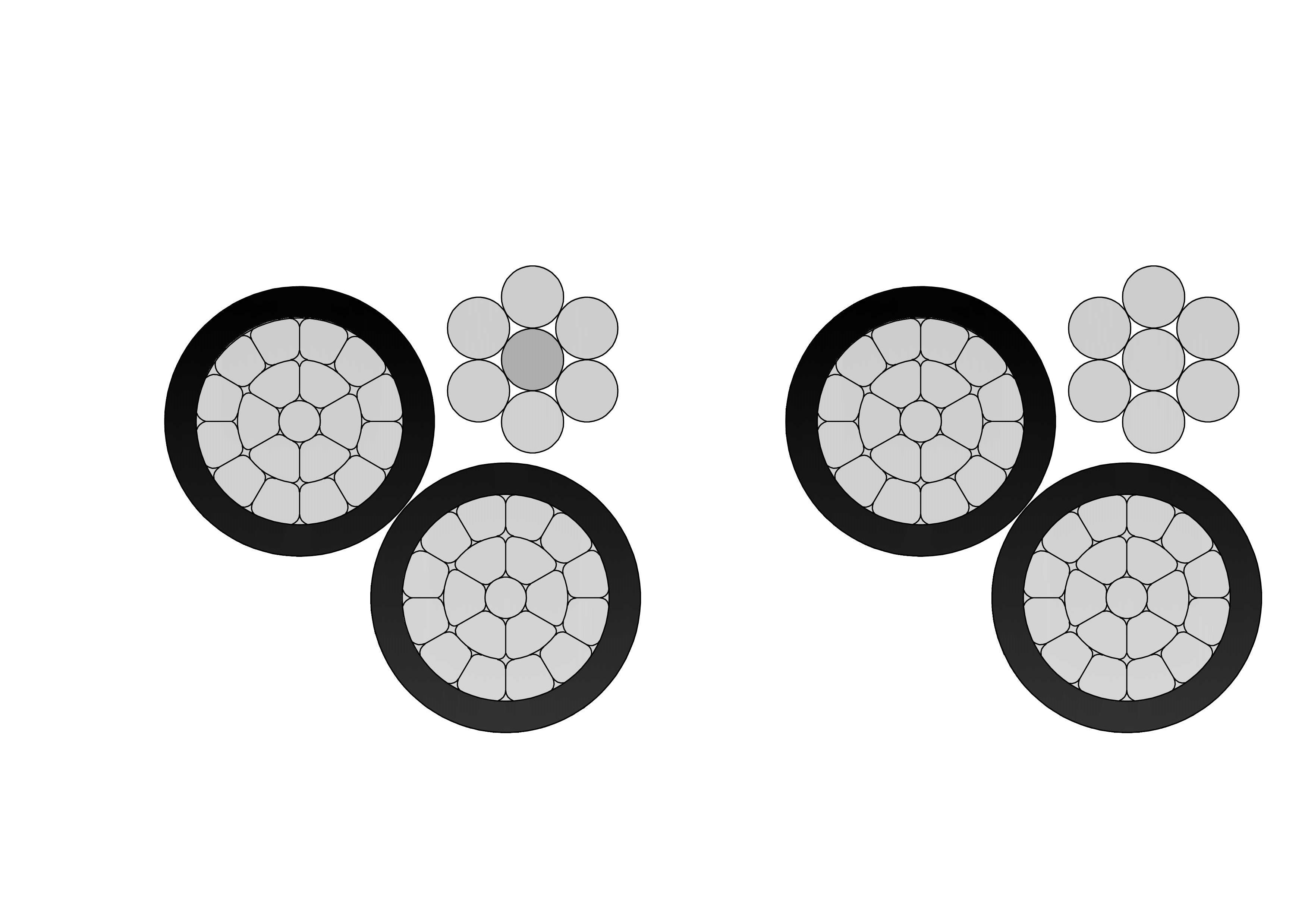
1/0 Murex Aluminum Conductor Triplex Overhead Service Drop Cable
1/0 Murex Aluminum Conductor Triplex Overhead Service Drop Cable is engineered for secondary overhead power distribution from utility lines to residential and light commercial service entrances. The triplex construction consists of two insulated aluminum phase conductors twisted around a bare aluminum neutral messenger, providing both electrical transmission and mechanical support. The 1/0 Murex conductor size offers high current-carrying capacity, excellent tensile strength, and controlled sag performance, making it suitable for longer service drop spans and higher load requirements. Aluminum conductors ensure reduced weight, corrosion resistance, and ease of installation in outdoor environments. Manufactured in accordance with ASTM and utility standards, the 1/0 Murex Aluminum Conductor Triplex Overhead Service Drop Cable delivers consistent electrical performance, long-term durability, and reliable mechanical stability. It is widely used by utilities and contractors seeking a cost-effective and dependable overhead service drop solution.2Y-high-voltage-power-cable-2.webp)
2XS(FL)2Y HDPE High Voltage 76/132 (145)kV Power Cable
The 2XS(FL)2Y HDPE High Voltage 76/132 (145) kV Power Cable is a single-core copper conductor cable with XLPE insulation and HDPE sheath, engineered for reliable high-voltage power transmission in demanding environments. Manufactured according to IEC 60840 standards, it delivers outstanding electrical performance, water resistance, and mechanical protection. Suitable for installation underground, underwater, outdoors, indoors, and in cable ducts, making it ideal for power stations, industrial sites, and distribution networks. It features stranded copper conductors for optimal conductivity, semi-conductive conductor screen, premium-grade XLPE insulation for exceptional dielectric performance and 90°C continuous rating (250°C short-circuit), semi-conductive insulation screen, concentric copper wire screen combined with aluminium laminated foil for longitudinal water-blocking, electromagnetic shielding, and grounding, and a high-density polyethylene (HDPE) outer sheath delivering superior mechanical protection, moisture resistance, chemical stability, and UV resistance.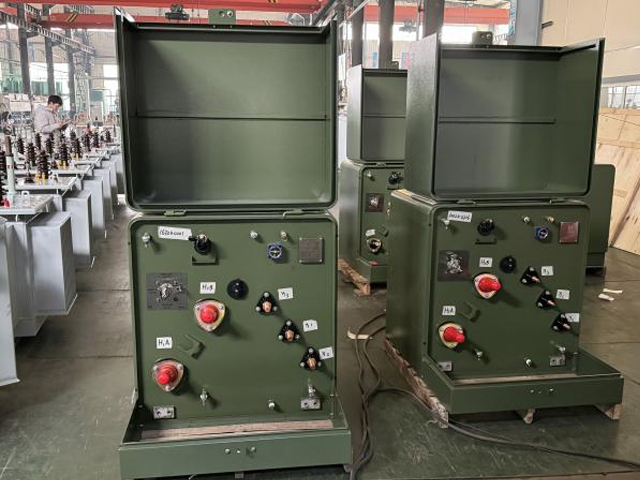
150kVA Single Phase Pole Mounted Transformer
NPC ELECTRIC'S 150kVA single phase pole mounted transformer is engineered for superior performance in overhead electrical distribution networks. This robust unit efficiently steps down high-voltage primary inputs, such as 13.8kV or 24.94kV, to secondary voltages like 120/240V or 277V, ensuring safe and reliable power delivery. Built with high-permeability toroidal cores and precision-wound copper conductors, it minimizes energy losses and enhances durability. Compliant with DOE-2016 efficiency standards and featuring a NEMA 3R-rated enclosure, this transformer withstands harsh environmental conditions while providing quiet operation. Ideal for utilities seeking long-term reliability, it includes protective features like surge arrestors and pressure relief valves to safeguard against overloads and faults. With a 65°C temperature rise rating and ONAN cooling, it handles diverse loads without compromising efficiency.-AL-medium-voltage-power-cable-2.jpg)
RHZ1-2OL(S)-AL Medium Voltage Power Cable(8.7/15kV, 12/20kV, 18/30kV Specifications)
NPC Electric RHZ1-2OL(S)-AL Medium Voltage Power Cable (8.7/15kV, 12/20kV, 18/30kV) combines economy with special fire safety for demanding medium voltage networks. Built with aluminium conductors, thermosetting XLPE insulation, metallic screen, and specially formulated LSZH sheath with superior fire-retardant characteristics (S), it meets UNE 21123-4 and higher CPR classifications. The special LSZH sheath drastically reduces smoke and eliminates corrosive gases in fires. Lightweight aluminium minimizes costs and installation effort. Excellent partial discharge resistance, low tan delta, and thermal endurance ensure efficiency and longevity. Suitable for direct burial, ducts, or indoor use in high-risk areas, the RHZ1-2OL(S)-AL Medium Voltage Power Cable is favored for metro systems, data centers, public venues, and infrastructure demanding reliable medium voltage cabling with advanced fire protection, environmental compliance, and enhanced life-safety in populated or confined spaces.SHOUOJ-mining-cable-2.webp)
(N)SHOU O/J - 0.6/1kV Mining Cable
The (N)SHOU O/J - 0.6/1kV flexible rubber-insulated cable is engineered according to VDE 0250 standards for reliable power supply in harsh environments such as underground mining, tunneling, and heavy-duty industrial sites. Its robust construction features Class 5 flexible copper conductors, durable rubber insulation, and a heavy-duty rubber outer sheath, delivering excellent mechanical strength, oil resistance, and flame retardancy. Designed for both fixed and flexible installations, the cable operates within a wide temperature range (-40°C to +80°C fixed) and withstands short-circuit temperatures up to +250°C. It is ideal for powering mobile equipment, submersible pumps, and industrial machinery in mining operations, particularly where abrasion resistance and safety are essential.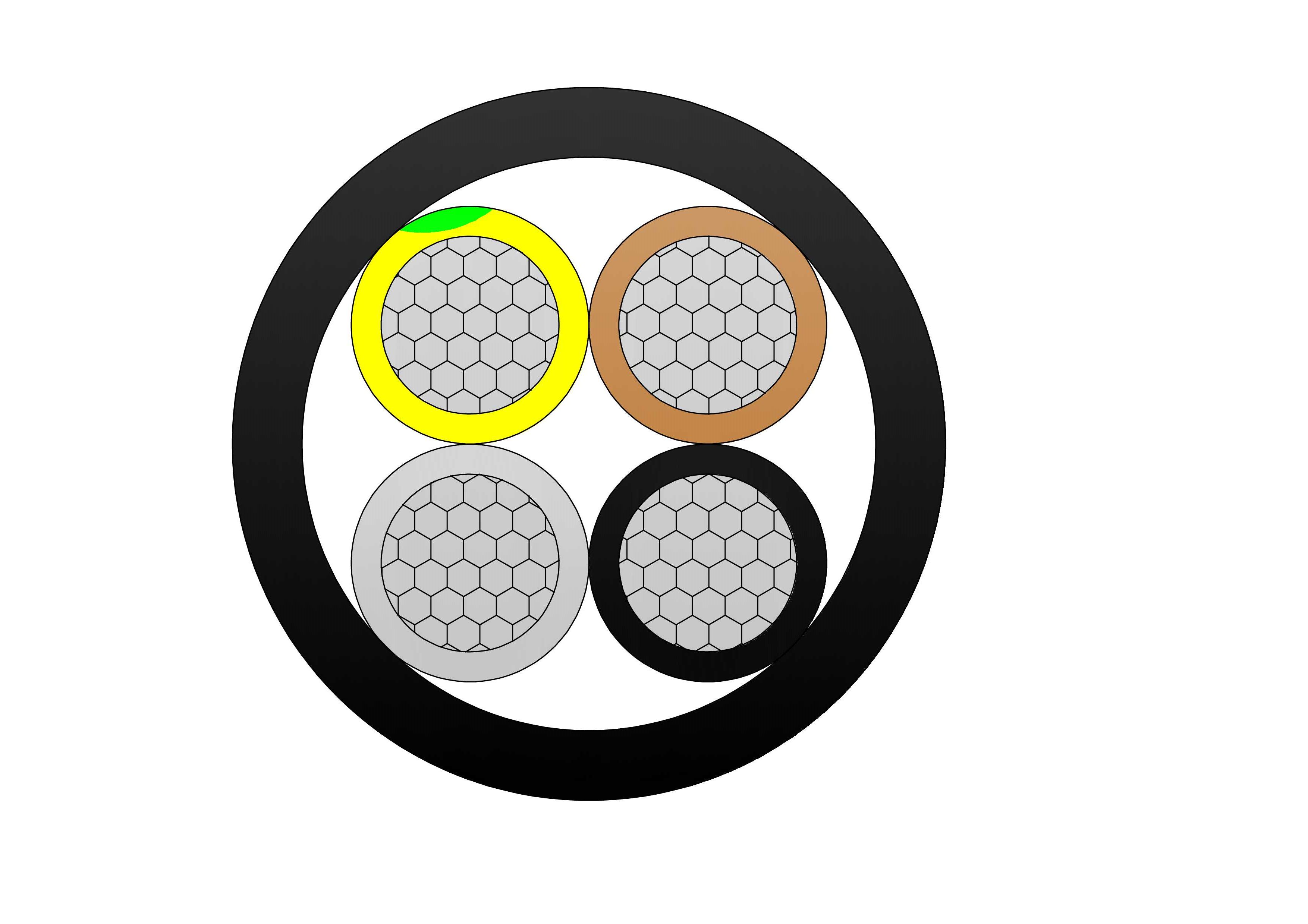
NAYY-J and NAYY-O 0.6/1kV Low Voltage Power Cable
NAYY-J and NAYY-O are low voltage power cables designed according to IEC 60502-1 standard, suitable for fixed installation in indoor, outdoor, underground, or concrete (not subject to vibration) environments. Featuring solid or stranded aluminium conductors, PVC insulation, filler, and robust PVC outer sheath, they comply with VDE 0276-603 standards. NAYY-J includes a protective earth conductor (green/yellow), while NAYY-O does not. These unarmoured cables offer good electrical performance, mechanical strength, and resistance to moisture and chemicals. Lightweight aluminium design significantly reduces costs compared to copper. Suitable for direct burial, ducts, or indoor fixed installations where mechanical protection is not required. Flame-retardant with adequate current rating, the NAYY-J and NAYY-O 0.6/1kV Low Voltage Power Cables ensure reliable energy transmission with minimal losses. Widely applied in industrial facilities, commercial buildings, residential networks, and infrastructure projects needing cost-effective, maintenance-free low-voltage aluminium cabling worldwide.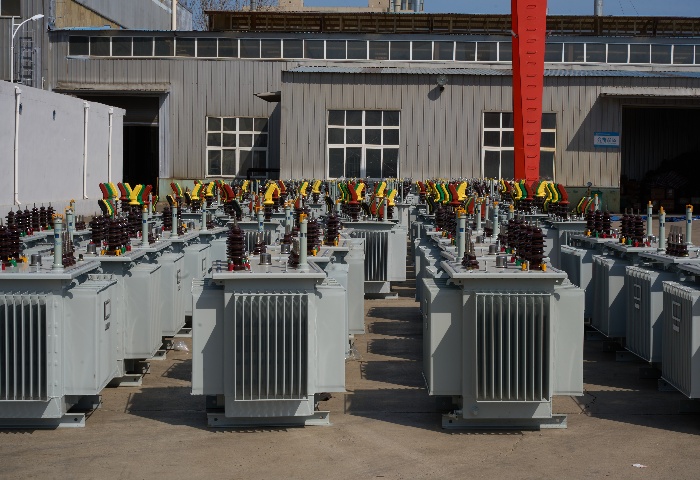
750kVA Oil Immersed Transformer
NPC ELECTRIC's 750kVA oil-immersed transformer uses advanced oil-immersed cooling technology to provide efficient and stable power conversion. The transformer complies with international standards such as the International Electrotechnical Commission (IEC) and ISO 9001, ensuring the high quality and safety of the product. Its sturdy structure and excellent overload resistance are widely used in industrial, commercial, and power network fields.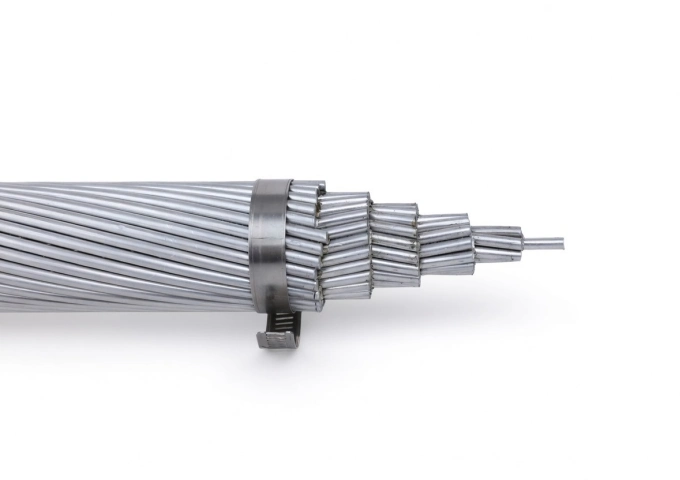
4 AWG Rose AAC Cable
The 4 AWG Rose AAC Cable is a lightweight, high-conductivity all-aluminum conductor designed for overhead power distribution and transmission lines. Consisting of 7 strands of 1350-H19 aluminum, it provides excellent electrical performance with 61.2% IACS conductivity and a current rating suitable for medium-span applications. Compliant with ASTM B231 and IEC 61089 standards, this bare AAC cable offers superior corrosion resistance and low weight, making it ideal for areas where ice and wind loads are moderate. The 4 AWG Rose AAC Cable minimizes installation costs and sag while delivering efficient power transfer with minimal losses. Its homogeneous aluminum construction eliminates bimetallic corrosion risks. Widely used in rural electrification, urban distribution upgrades, and renewable energy connections, the 4 AWG Rose AAC Cable ensures long service life and reliable performance in overhead lines worldwide.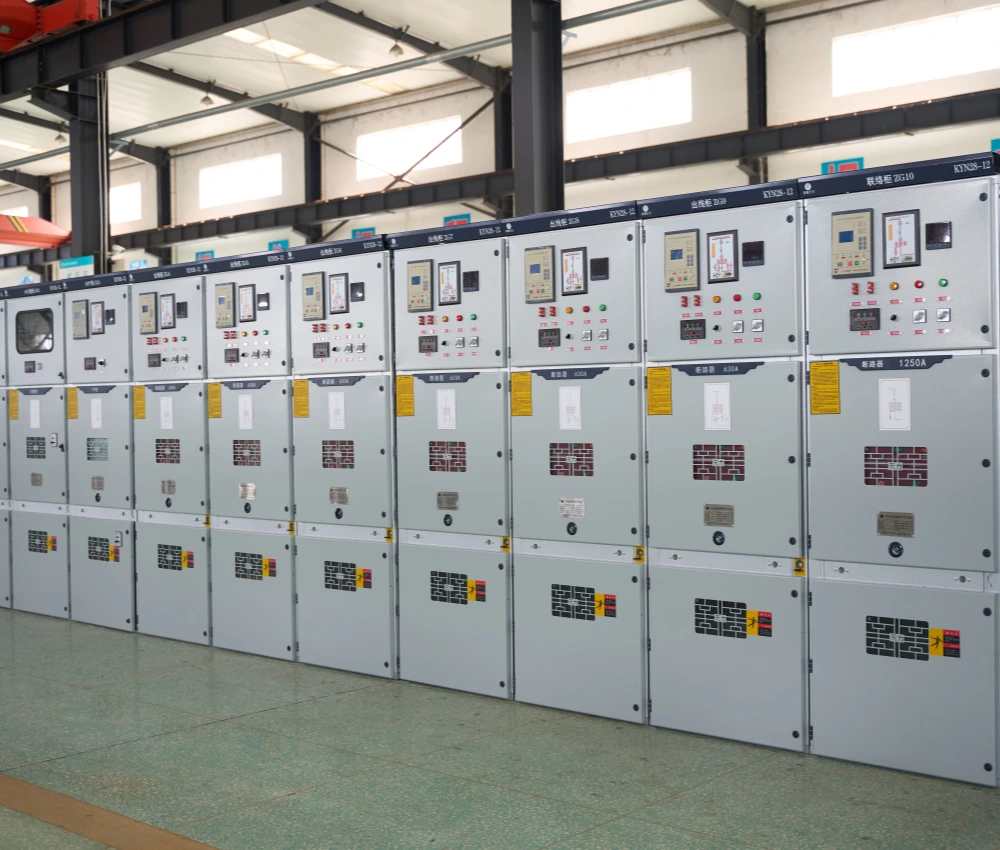
Low Voltage Distribution Cabinet
The Low Voltage Distribution Cabinet is an essential power management solution engineered for safe, reliable, and efficient electricity distribution in low-voltage systems. Designed for both indoor and outdoor applications, it organizes and protects electrical circuits while providing flexible feeder management for lighting, power outlets, motors, and auxiliary equipment. With robust construction and intelligent design, this cabinet minimizes energy losses, enhances system safety, and supports easy expansion in commercial, industrial, and infrastructure projects. Featuring high-performance circuit breakers, precision busbar systems, and comprehensive protection devices, the cabinet delivers superior short-circuit resistance, overload protection, and leakage prevention. Its modular layout allows for quick configuration changes and maintenance. Advanced options include digital metering, remote monitoring, and automatic transfer capabilities, making it ideal for modern smart grid integration. This distribution cabinet ensures stable power supply, reduces operational risks, and complies with the latest international electrical standards.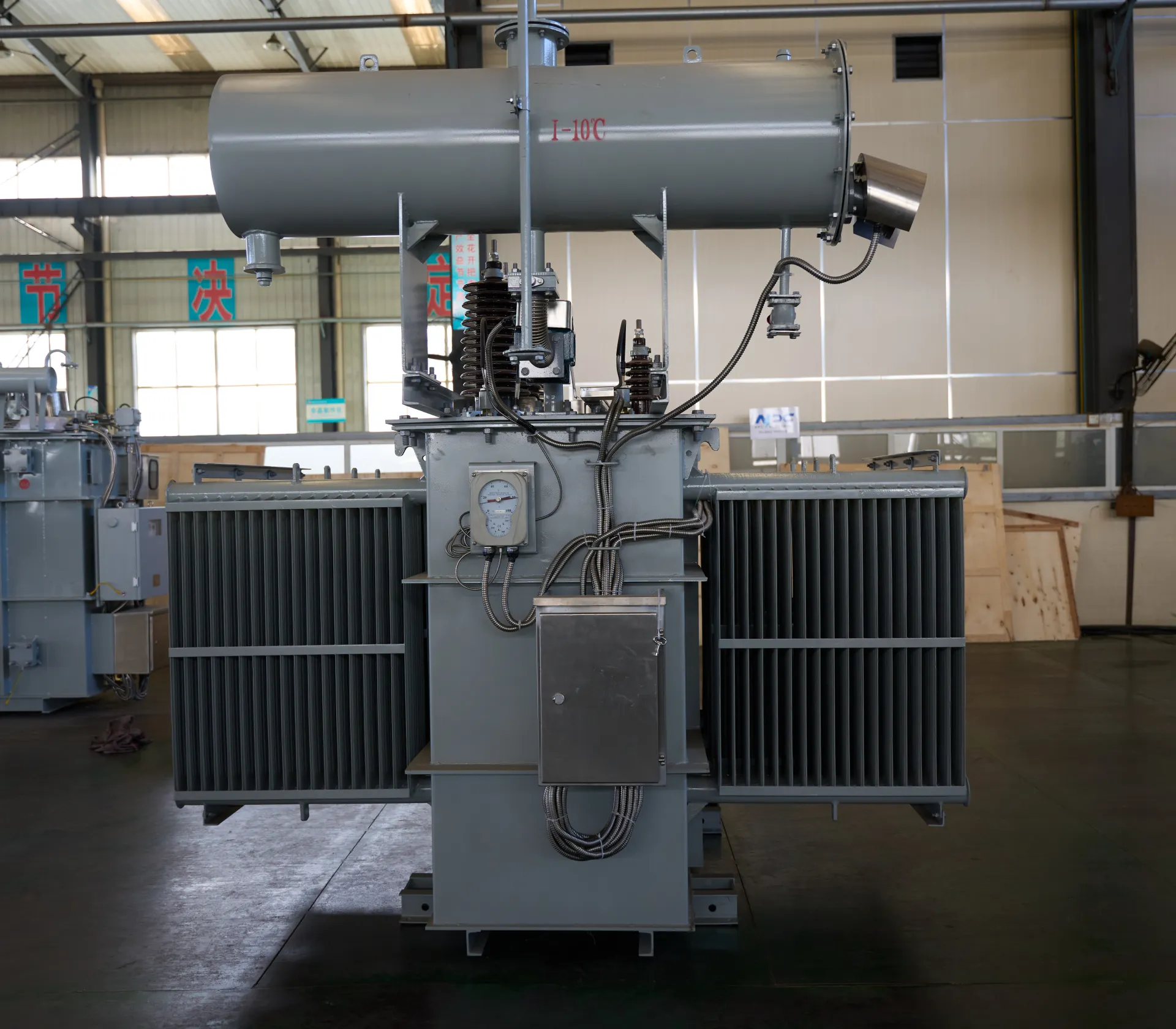
100kVA–20MVA Solar Step-Up Transformer for PV Power Plants
The 100kVA–20MVA Solar Step-Up Transformer is engineered specifically for modern solar power plants, providing efficient voltage elevation from inverter output levels to medium- or high-voltage grid requirements. Designed for continuous operation under fluctuating solar loads, this transformer ensures stable power transmission, low energy losses, and high operational reliability. Featuring a robust oil-immersed insulation system, the transformer delivers excellent thermal performance and long service life even in harsh outdoor environments. High-quality copper or aluminum windings, optimized magnetic core design, and advanced cooling configurations contribute to superior efficiency and reduced lifecycle costs. The transformer complies with IEC and IEEE standards, making it suitable for utility-scale photovoltaic projects, distributed generation systems, and renewable energy substations. With flexible capacity coverage from 100kVA to 20MVA, it adapts seamlessly to small, medium, and large solar installations.
Triplex Aluminum Conductor Overhead Service Drop Cable 600V
The Triplex Aluminum Conductor Overhead Service Drop Cable 600V is designed for reliable overhead electrical connections between utility distribution lines and service entrances. The cable consists of two insulated aluminum phase conductors helically twisted around a bare or insulated neutral messenger, providing balanced electrical performance and mechanical strength. Manufactured with high-purity aluminum conductors, this Triplex Aluminum Conductor Overhead Service Drop Cable 600V offers excellent conductivity,a lightweight structure, and ease of installation. The insulation material is engineered to resist UV radiation, moisture, heat, and environmental aging, ensuring long-term outdoor service under various climate conditions. A comprehensive quality assurance system is applied throughout production. From raw material verification to in-process control and final inspection, every Triplex Aluminum Conductor Overhead Service Drop Cable 600V is manufactured in accordance with international standards and utility specifications. This cable is widely used in residential, commercial, and light industrial power distribution systems where safety, durability, and stable electrical performance are required.
H07RN-8-F EN 50525-2-21 Flexible Rubber Cable
The H07RN-8-F EN 50525-2-21 Flexible Rubber Cable is a versatile, heavy-duty flexible cable designed for demanding applications in harsh, wet environments. It features fine-stranded class 5 bare copper conductors for excellent flexibility and conductivity, EPR (ethylene propylene rubber) core insulation for high dielectric strength and thermal resistance (90°C continuous, 250°C short-circuit), an overall tinned copper braid screen (optional for some variants), and a robust polychloroprene (neoprene) outer sheath providing superior oil resistance, flame retardancy (IEC 60332-1), abrasion/chemical resistance, and weatherproofing. The AD8 rating ensures submersible performance up to 10 meters depth for continuous use in wet or underwater conditions. Compliant with EN 50525-2-21 and VDE 0285 standards, it offers mechanical robustness, ozone resistance, and long service life. The H07RN-8-F is ideal for mobile equipment, construction sites, mining, marine applications, and industrial power supply where flexibility, water immersion, and safety are critical.
2/0 Cavolinia Aluminum Conductor Triplex Overhead Service Drop Cable
The 2/0 Cavolinia Triplex Service Drop Cable is a reliable overhead cable for secondary power distribution to residential service entrances. Featuring two 2/0 AWG aluminum phase conductors and one neutral messenger (7-strand) insulated with XLPE or PE and assembled in triplex configuration, it provides excellent mechanical strength and weather resistance. Compliant with ASTM B-230, B-231, ICEA S-76-474, and ANSI/ICEA standards, this cable supports 600V applications with high UV, moisture, and abrasion protection. The self-supporting messenger reduces sag and simplifies installation over medium spans. The 2/0 Cavolinia Triplex Service Drop Cable ensures low power losses, high current capacity, and long service life in harsh outdoor conditions. Lightweight and flexible, it is widely used for two-phase service drops with neutral in urban, suburban, and rural areas requiring safe, cost-effective aerial connections from utility poles to homes.Welcome your inquiry
Honesty, Integrity, Frugality, Activeness and Passion