
LV/MV/HV Power Cables | 0.6/1kV to 220kV XLPE Insulated Cables Manufacturer
2026-04-27
In modern transmission and distribution systems, the performance of a power cable directly determines network stability, energy efficiency, and long-term operational safety. From industrial plants and renewable energy farms to urban substations and cross-border infrastructure projects, the demand for high-quality wires and cables continues to grow globally.
As an experienced power cable manufacturer, delivering reliable lv cable, mv cable, and HV cable solutions from 0.6kV power cable up to 220kV systems requires a rigorous engineering approach grounded in international standards, material science, and practical field experience.
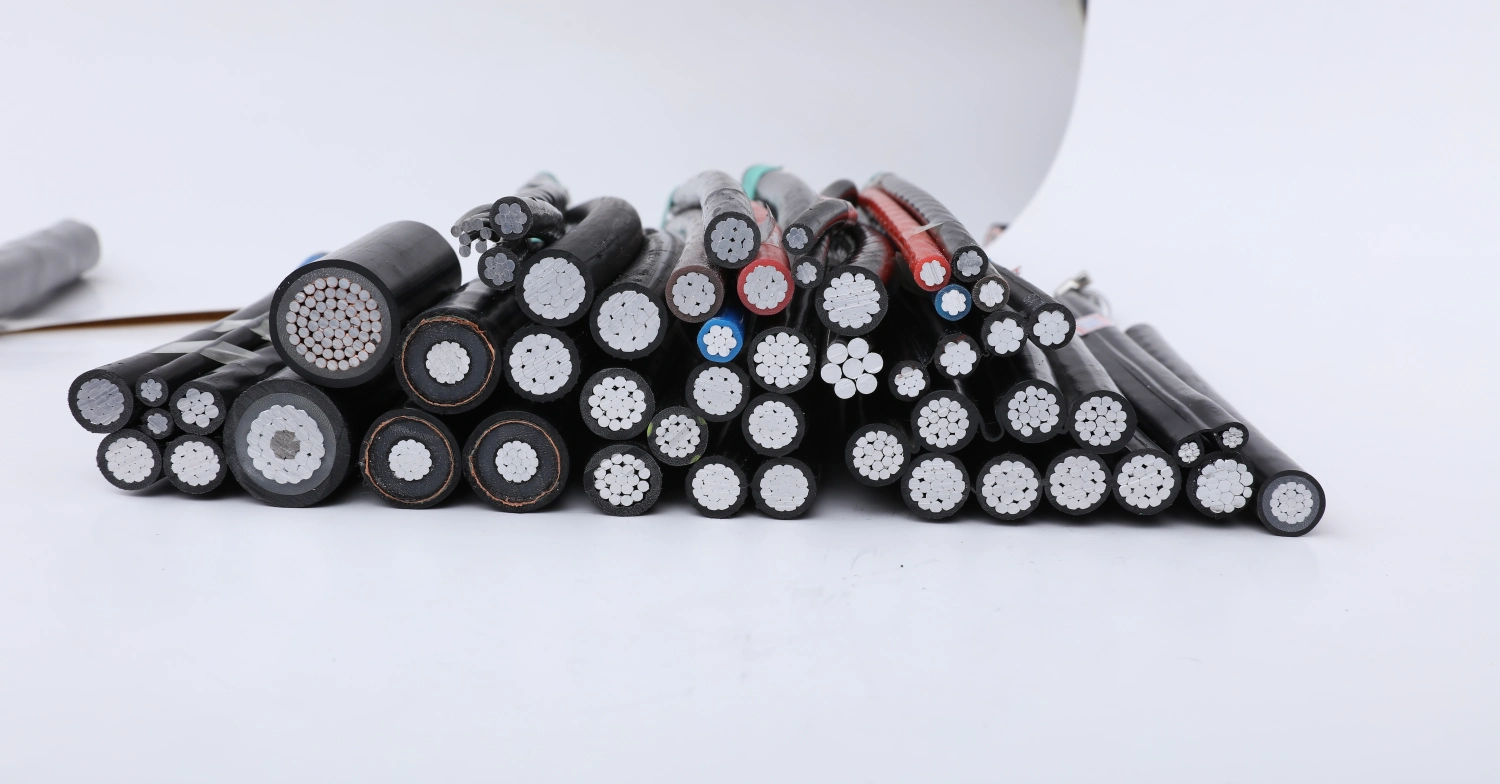
1. Voltage Classification and Application Scenarios
A well-designed cable system begins with proper voltage classification.
1.1 LV Cable (0.6/1kV Systems)
0.6kV power cable and 1kV power cable are typically used in:
- Commercial buildings
- Industrial manufacturing lines
- Data centers
- Residential distribution systems
- Utility secondary networks
LV cable structures commonly include:
- Copper or aluminum conductor (Class 2 stranded or compacted)
- XLPE-insulated cable or PVC insulation
- PVC / LSZH outer sheath
- Optional steel tape or steel wire armoring
In practical engineering, LV power cable selection is governed by current-carrying capacity, voltage drop limits (3–5%), and short-circuit thermal withstand performance.
1.2 MV Cable (6kV–35kV Systems)
Medium voltage mv cable is widely deployed in:
- Utility distribution grids
- Wind and solar power plants
- Mining and petrochemical facilities
- Urban underground networks
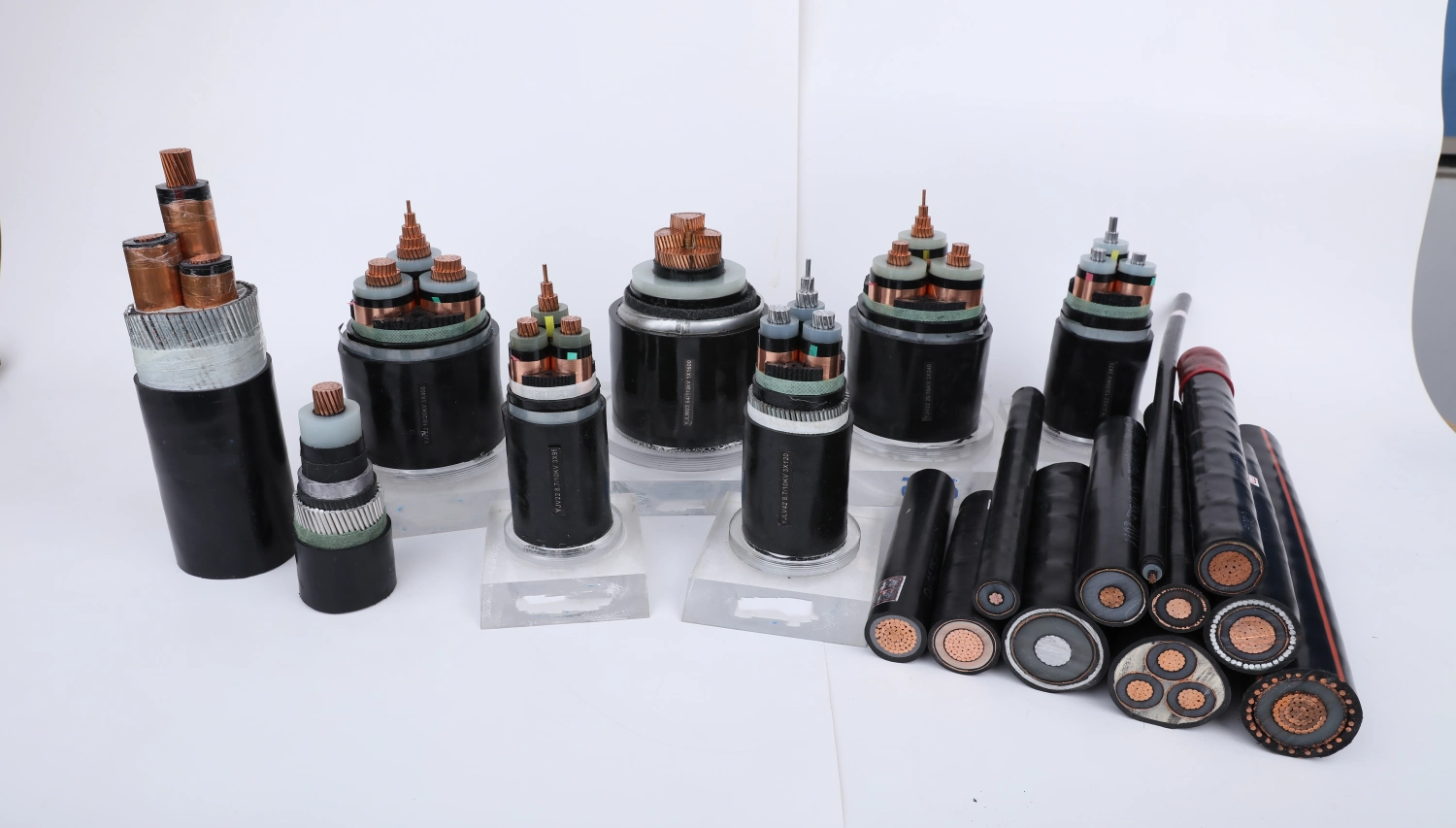
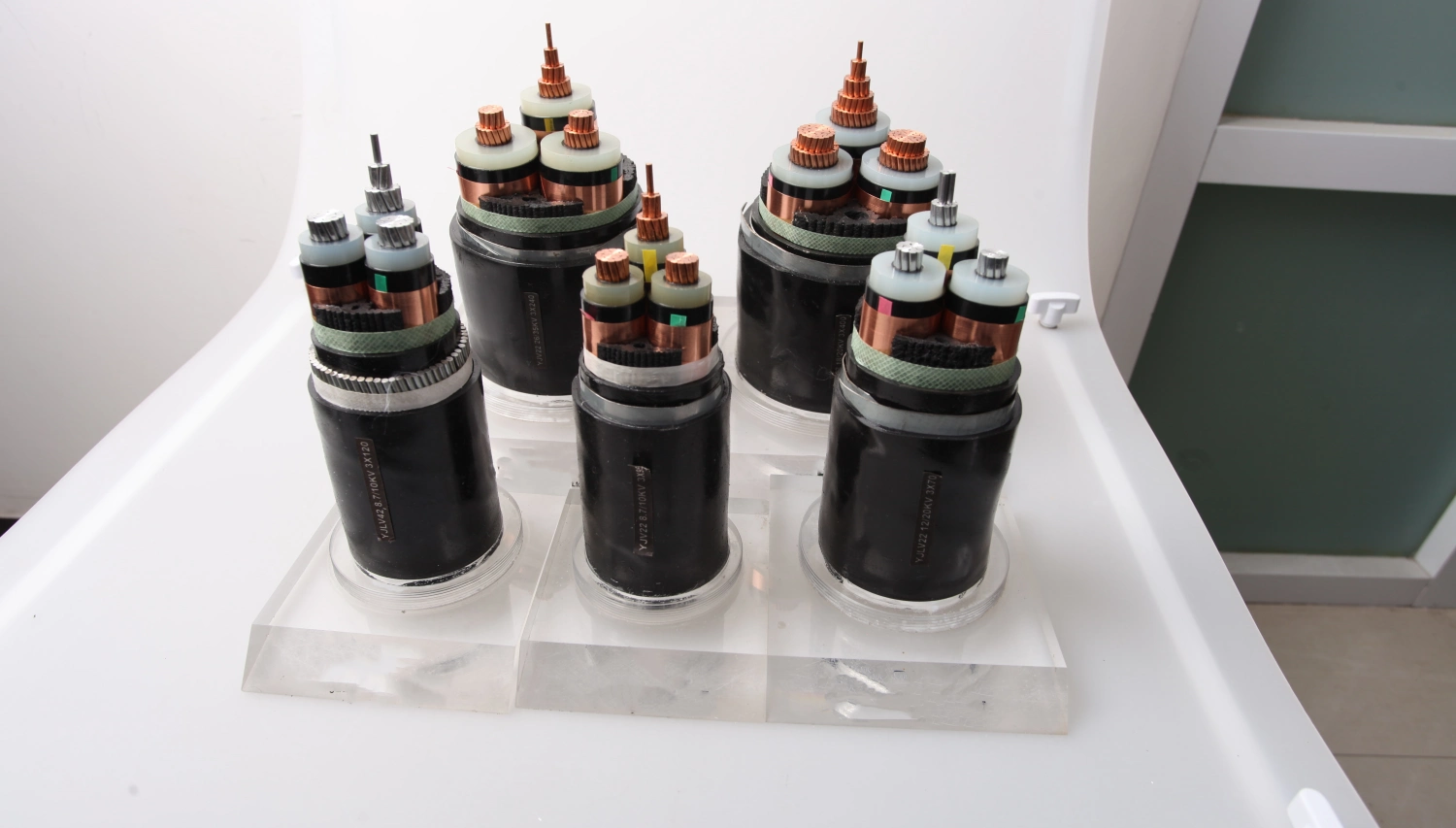
A typical MV xlpe insulated cable structure includes:
- Compacted conductor
- Conductor screen
- XLPE insulation
- Insulation screen
- Copper tape screen
- PE or flame-retardant sheath
From a working standpoint, electrical field control is the most critical factor. The triple-layer co-extrusion process ensures a homogeneous interface between conductor screen, insulation, and insulation screen—minimizing partial discharge risk.
1.3 HV Cable (66kV–220kV Systems)
High voltage hv cable systems are used for:
- Metropolitan underground transmission
- Submarine cable connections
- Power plant outgoing lines
- Cross-border grid interconnections
At 110kV and 220kV levels, insulation purity and eccentricity control become decisive. Even microscopic contaminants may reduce dielectric strength over long-term operation.
Voltage Classification of Power Cable Systems
|
Cable Type |
Voltage Range |
Typical Applications |
Key Structural Features |
International Standards |
|
LV Cable |
0.6/1kV |
Buildings, factories, and commercial distribution |
Copper/Al conductor, XLPE insulated cable or PVC, optional armoring |
IEC 60502-1 |
|
MV Cable |
6kV–35kV |
Utility distribution, wind farms, substations |
Triple extrusion, conductor screen, insulation screen, copper tape shield |
IEC 60502-2 |
|
HV Cable |
66kV–220kV |
Urban underground transmission, power plants |
CCV process, high purity XLPE, strict PD control |
IEC 60840 / IEC 62067 |
2. Why XLPE Insulated Cable Dominates Modern Networks
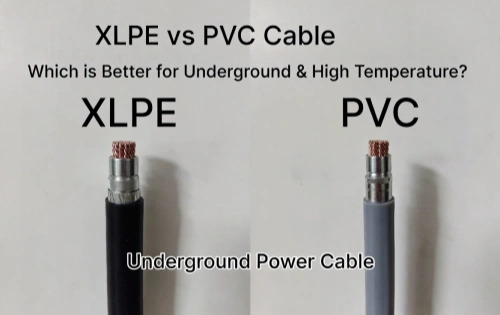
Today, xlpe insulated cable technology is the global standard for medium and high voltage power cable applications.
Compared to PVC insulation, XLPE provides:
- 90°C continuous operating temperature
- 250°C short-circuit withstand capability
- Superior dielectric strength
- Low dielectric loss
- Excellent mechanical stability
- Extended service life (30+ years)
For renewable energy projects and smart grids, XLPE-based power and cables offer higher reliability under fluctuating load cycles.
Technical Comparison: XLPE Insulated Cable vs PVC Cable
|
Parameter |
XLPE Insulated Cable |
PVC Cable |
|
Max Operating Temp |
90°C |
70°C |
|
Short Circuit Temp |
250°C |
160°C |
|
Dielectric Strength |
High |
Moderate |
|
Aging Resistance |
Excellent |
Average |
|
Service Life |
30+ years |
15–20 years |
|
Application Range |
LV, MV, HV cable |
Mainly LV cable |
XLPE technology is now dominant in medium and high voltage power cable manufacturing.
3. Manufacturing Excellence: From Conductor to Final Testing
As a global power cable manufacturer, ensuring export-grade reliability involves multi-stage precision control.
3.1 Conductor Engineering
- Oxygen-free copper or EC-grade aluminum rod
- Continuous casting and rolling
- Multi-wire stranding
- Compaction for reduced void ratio
DC resistance must comply with IEC 60228 requirements.
3.2 Triple Extrusion Technology
For MV and HV cable production, triple extrusion integrates:
- Conductor screen
- XLPE insulation
- Insulation screen
This eliminates air gaps and improves long-term electrical integrity.
3.3 Continuous Catenary Vulcanization (CCV)
High-voltage XLPE cables are cross-linked using CCV or VCV systems.
Critical control parameters include:
- Cleanroom class level
- Degassing duration
- Gel content
- Eccentricity ratio
- Online spark testing
Manufacturing cleanliness directly impacts partial discharge levels.
4. Engineering-Oriented Cable Selection
In real-world projects, selecting the right power cable requires calculation rather than approximation.
4.1 Current Carrying Capacity
Factors influencing ampacity:
- Ambient temperature
- Soil thermal resistivity
- Installation method (direct burial, duct, tray)
- Grouping factors
IEC 60287 calculation methods are typically applied.
4.2 Short-Circuit Thermal Stability
Cable cross-section must withstand system fault currents:
S = I√t / k
Improper selection may cause conductor annealing or insulation damage.
4.3 Voltage Drop Analysis
Particularly important for lv cable, excessive voltage drop reduces system efficiency and equipment performance.
Engineering Selection Parameters for LV/MV/HV Cable
|
Design Factor |
LV Cable |
MV Cable |
HV Cable |
|
Current Rating |
IEC 60287 calculation |
IEC 60287 + soil correction |
Thermal + electromagnetic modeling |
|
Voltage Drop |
Critical (3–5%) |
Moderate |
Minor |
|
Short Circuit Check |
Required |
Mandatory |
Strict verification |
|
Installation Type |
Tray / Conduit / Direct burial |
Direct burial / Tunnel |
Tunnel / Duct / Underground |
|
Shielding Requirement |
Optional |
Mandatory |
Mandatory |
This engineering-driven selection ensures safe and efficient power and cables operation.
5. Compliance with International Standards
For export markets, power and cables must comply with:
- IEC 60502 (LV/MV)
- IEC 60840 (HV)
- IEC 62067 (Extra HV)
- BS standards
- IEEE standards
- CE marking requirements
Environmental compliance, such as RoHS and REACH, is also essential for international projects.
6. Renewable Energy and Infrastructure Trends
Global energy transition has increased demand for:
- Wind farm MV collector cables
- Solar plant DC and AC power cable systems
- Underground HV transmission
- Smart grid monitoring integration
Export-focused power cable manufacturers must adapt to:
- Higher temperature ratings
- Water-tree-resistant XLPE compounds
- Low smoke, zero halogen materials
- Advanced testing standards
Renewable Energy Cable Requirements
|
Project Type |
Typical Cable |
Voltage Level |
Special Requirement |
|
Solar Farm |
AC MV Cable |
10–35kV |
UV resistant sheath |
|
Wind Farm |
Collector Cable |
33kV |
Water tree resistant XLPE |
|
Substation |
HV Cable |
110kV–220kV |
Low PD performance |
|
Industrial Plant |
LV Power Cable |
0.6/1kV |
Flame retardant / LSZH |
7. Quality Control and Testing Protocols
A scientifically managed quality system includes:
- Raw material inspection
- Online diameter and eccentricity monitoring
- Partial discharge testing
- High voltage withstand test
- Hot set test
- Aging test
- Routine and type tests
Each shipment of wires and cables must undergo mechanical and electrical verification before export.
Quality Testing Summary
|
Test Type |
LV Cable |
MV Cable |
HV Cable |
|
Conductor Resistance |
✓ |
✓ |
✓ |
|
Spark Test |
✓ |
✓ |
✓ |
|
Partial Discharge |
— |
✓ |
✓ (strict) |
|
AC Voltage Test |
✓ |
✓ |
✓ |
|
Hot Set Test |
✓ |
✓ |
✓ |
|
Aging Test |
Optional |
Required |
Required |
8. Packaging and International Logistics Considerations
From a working export perspective, cable drum design and packaging are critical:
- Treated wooden or steel drums
- Moisture barrier wrapping
- Export fumigation compliance
- Drum marking per destination standards
- Container load optimization
Improper packaging may compromise the sheath integrity during long sea transport.
9. Engineering Reliability for Global Power Systems
A modern power cable manufacturer must integrate advanced materials, strict production control, and engineering-based project support to supply reliable lv cable, mv cable, and hv cable systems from 0.6kV power cable to 220kV transmission solutions.
As global infrastructure expands and renewable energy integration accelerates, high-performance xlpe insulated cable technology remains the backbone of efficient and secure power and cable networks worldwide.

Related Articles
Related Products
Pigeon ACSR Conductor Cable
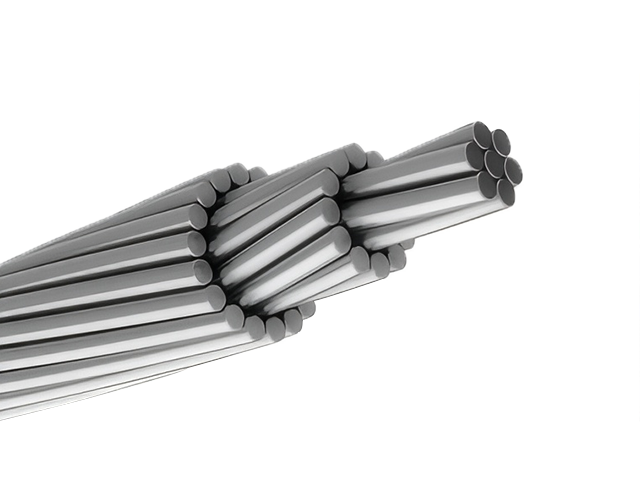
The ACSR Pigeon is an Aluminium Conductor Steel Reinforced (ACSR) featuring a durable galvanised steel core encased in concentrically stranded hard-drawn 1350-H19 aluminium wire layers, compliant with ASTM B232 standards. Compliant with ASTM B230, B232, and ICEA standards, this cable offers a breaking load of approximately 6,650 lbs and a current rating up to 340 amps in overhead applications. The aluminum 1350-H19 provides excellent corrosion resistance and low electrical resistance, while the steel enhances sag control over long spans. Suitable for voltages up to 230kV in distribution lines, the Pigeon ACSR Conductor Cable minimizes line losses and withstands harsh weather, including wind and ice loading. Its cost-effective design makes it popular for utility upgrades and rural electrification, ensuring reliable power delivery with minimal maintenance in overhead transmission and distribution systems worldwide.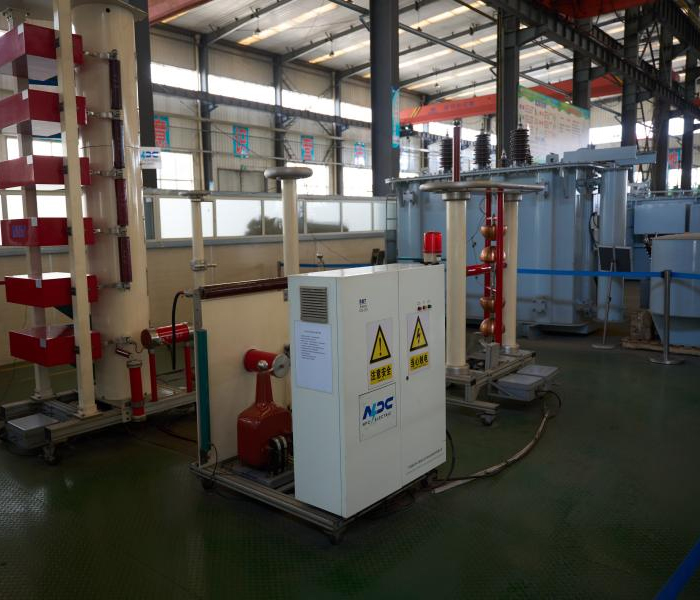
22kV Dry Type Transformer Cast Resin Three Phase Distribution Transformer
22kV Dry Type Transformer Cast Resin Three Phase Distribution Transformer, a premium oil-free solution engineered for safe, reliable medium-voltage power distribution in indoor environments. This three-phase cast resin transformer features fully vacuum-impregnated epoxy resin windings with high-conductivity copper conductors and premium low-loss grain-oriented silicon steel cores, achieving superior energy efficiency (typically 98.5%+), significantly reduced no-load and load losses, and excellent partial discharge performance (<10pC). The advanced cast resin encapsulation provides outstanding moisture resistance, self-extinguishing fire safety (F1 class), robust short-circuit withstand capability, and completely maintenance-free operation. Natural air (AN) cooling with optional forced air (AF) upgrades supports high overload capacity, while optimized core clamping, vibration-dampening mounts, and noise-reduction design deliver low acoustic levels suitable for urban or sensitive installations.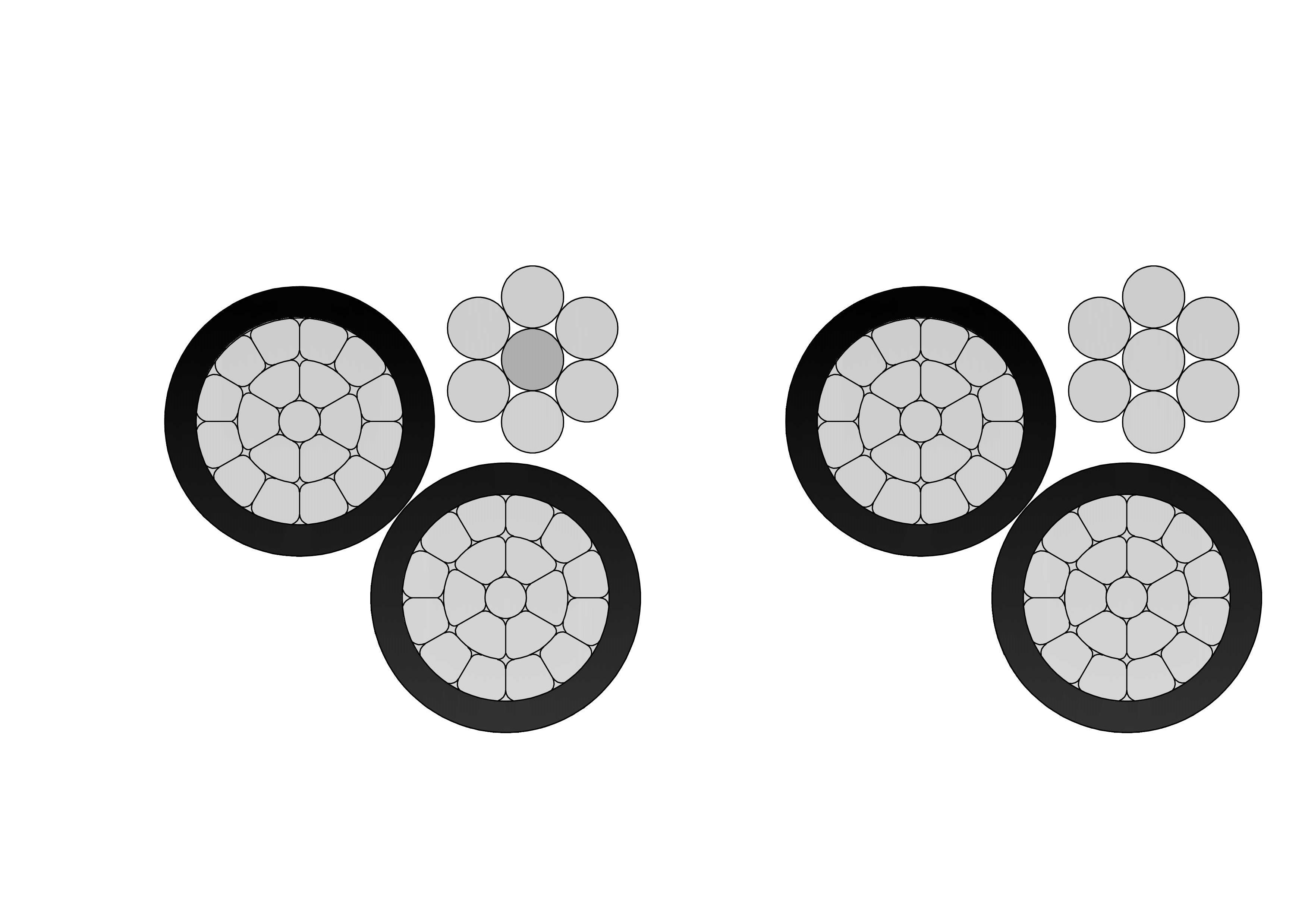
2 Solaster Aluminum Conductor Triplex Overhead Service Drop Cable
The 2 Solaster Aluminum Conductor Triplex Overhead Service Drop Cable is designed for reliable overhead electrical service connections from utility distribution lines to residential and light commercial buildings. The cable consists of two insulated aluminum phase conductors twisted around a bare aluminum neutral messenger, providing stable electrical transmission and strong mechanical support. Manufactured using high-purity aluminum and weather-resistant insulation compounds, the 2 Solaster Aluminum Conductor Triplex Overhead Service Drop Cable offers low electrical resistance, excellent corrosion resistance, and long-term durability in outdoor environments. Its lightweight construction allows for efficient handling and installation while maintaining the tensile strength required for aerial service applications. The cable is engineered to perform consistently under UV exposure, wind loading, and temperature fluctuations. Comprehensive quality control procedures and systematic testing are applied throughout production to ensure compliance with industry and utility standards.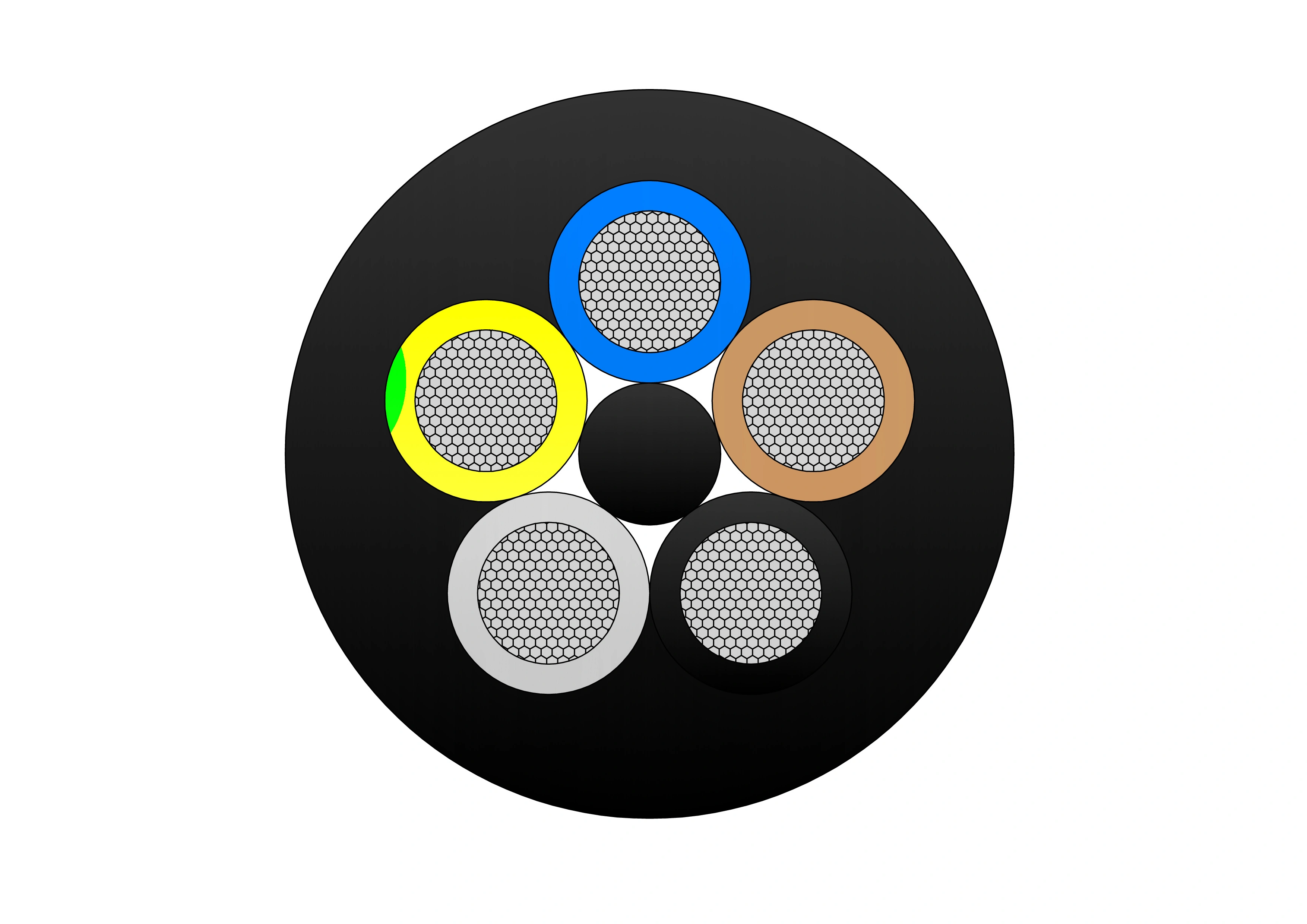
NTSCGECECWOU 3.6/6kV and 6/10kV Cable
The NTSCGECECWOU 3.6/6kV and 6/10kV cable is a flexible medium voltage power cable manufactured to VDE 0250 Part 813 standards, designed for reeling and trailing applications in mining, tunneling, and other demanding industrial environments. Constructed with Class 5 tinned copper conductors, EPR insulation, and a robust halogen-free sheath, it delivers exceptional mechanical strength, flame retardancy, oil resistance, and flexibility. Its copper wire screen ensures EMC protection, while the rugged sheath withstands extreme temperatures, making it suitable for both indoor and outdoor installations in harsh conditions.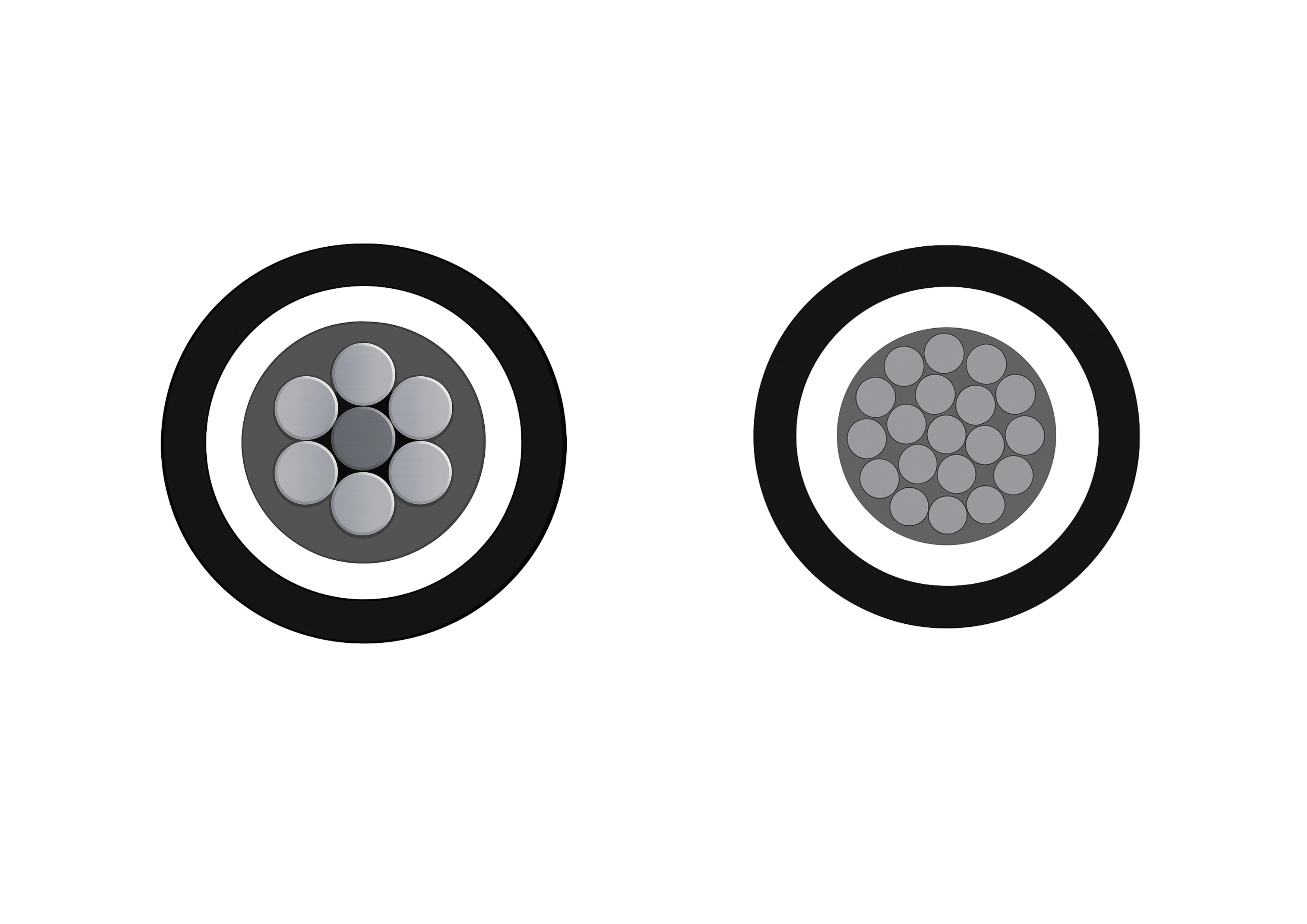
XLPE-HDPE Tree Cable Aluminum 25kV 1x120mm²
The XLPE-HDPE Tree Cable Aluminum 25kV 1x120mm² is designed for medium-voltage overhead distribution systems requiring very high current capacity. Perfect for long-distance transmission lines in rural, coastal, or high-load industrial areas, this cable combines superior durability, environmental resistance, and reliable electrical performance to ensure stable power delivery with minimal energy loss and maintenance. The inner insulation uses cross-linked polyethylene (XLPE), rated for continuous conductor operation at 90°C, fully compliant with ICEA S-121-733 standards. The robust outer jacket is made from high-density polyethylene (HDPE), providing excellent resistance to weathering, ultraviolet radiation, mechanical abrasion, and electrical sparking up to 2.75kV. Standard gray cables feature ASTM B230 markings and sequential metering, while blue cables with spark resistance over 5kV are recommended for harsher environmental conditions. With its ultra high current capacity, robust construction, and environmental resilience, the XLPE-HDPE 25kV tree cable 1x120mm² delivers reliable, long-term power distribution for demanding overhead network applications, ensuring efficiency, safety, and minimal maintenance.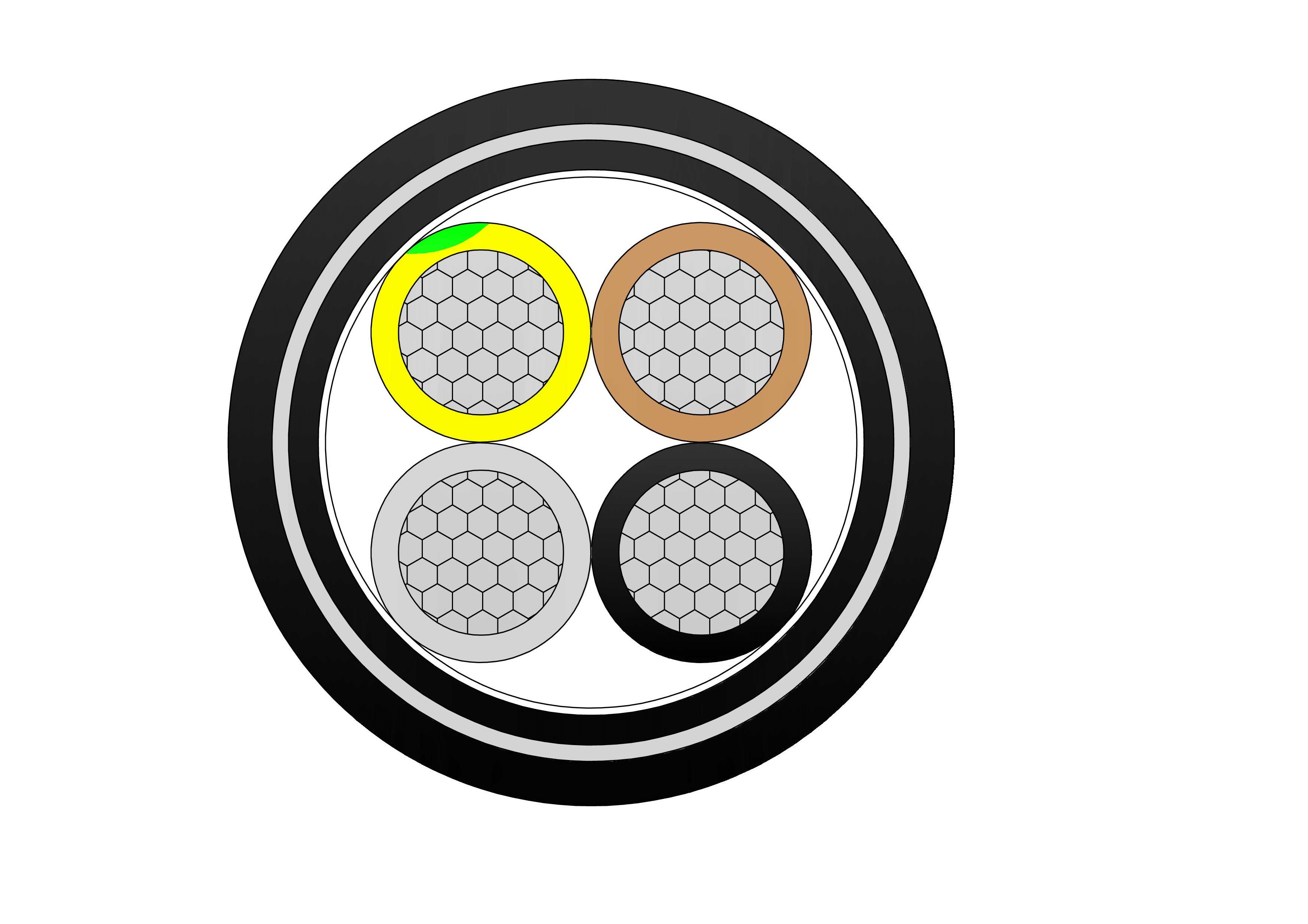
NAYBY 0.6/1kV Low Voltage Power Cable
NAYBY 0.6/1kV are low voltage power cables designed according to DIN VDE 0276 standard, suitable for fixed installation in indoor, outdoor, underground, cable ducts, or concrete (not exposed to vibration), with steel tape armoring providing additional mechanical protection. Featuring stranded or solid aluminium conductors, PVC insulation, filler, and robust PVC outer sheath, it complies with VDE 0276-603 and IEC standards. This unarmoured cable offers good electrical properties, mechanical strength, and resistance to moisture and chemicals. Lightweight aluminium design reduces installation and material costs compared to copper equivalents. Suitable for direct burial, ducts, or indoor fixed installations where mechanical protection is not critical. Flame-retardant with adequate current-carrying capacity, the NAYBY 0.6/1kV Low Voltage Power Cable ensures reliable performance with minimal losses.
250MVA 330kV High-Voltage Oil-Immersed Distribution Transformer for Grid & Substation
The 250MVA 330kV High-Voltage Oil-Immersed Distribution Transformer is engineered for reliable and efficient power transmission in large utility grids and high-demand substations. Designed with advanced insulation and a durable oil-immersed cooling system, it ensures excellent thermal stability and long service life. The high-voltage 330kV configuration provides exceptional performance in long-distance power delivery, minimizing losses and improving grid stability. Its precision-wound copper coils, high-strength core materials, and robust tank structure guarantee safe operation under fluctuating load conditions. With strong short-circuit resistance, high dielectric strength, and low noise operation, this transformer meets stringent international standards. It is widely used in national grid projects, power plants, and heavy-industry energy networks, supporting continuous, stable, and efficient power distribution.
Type 440 Flexible Copper Screened Mining Cable With Three Pilot Core Interstitial
The Type 440 Flexible Copper Screened Mining Cable is a medium-voltage mining cable designed for heavy-duty applications in draglines, shovels, and large drills.It features tinned annealed copper conductors, EPR insulation, and a flexible copper wire screen for superior electrical shielding. Its three pilot cores allow for enhanced monitoring and control in mining operations. The extra heavy-duty PCP sheath provides oil resistance, abrasion protection, and flame retardancy, making it suitable for harsh mining environments. Compliant with AS/NZS 2802 and related standards, this cable ensures long service life and high mechanical performance in demanding conditions. Its flexible construction allows for repeated bending and movement under harsh operating conditions. The outer sheath provides excellent resistance to abrasion, oil, moisture, impact, and environmental aging. Manufactured under strict quality control procedures, the Type 440 mining cable undergoes comprehensive raw material testing, process inspection, and finished product testing to ensure compliance with mining regulations and long-term performance.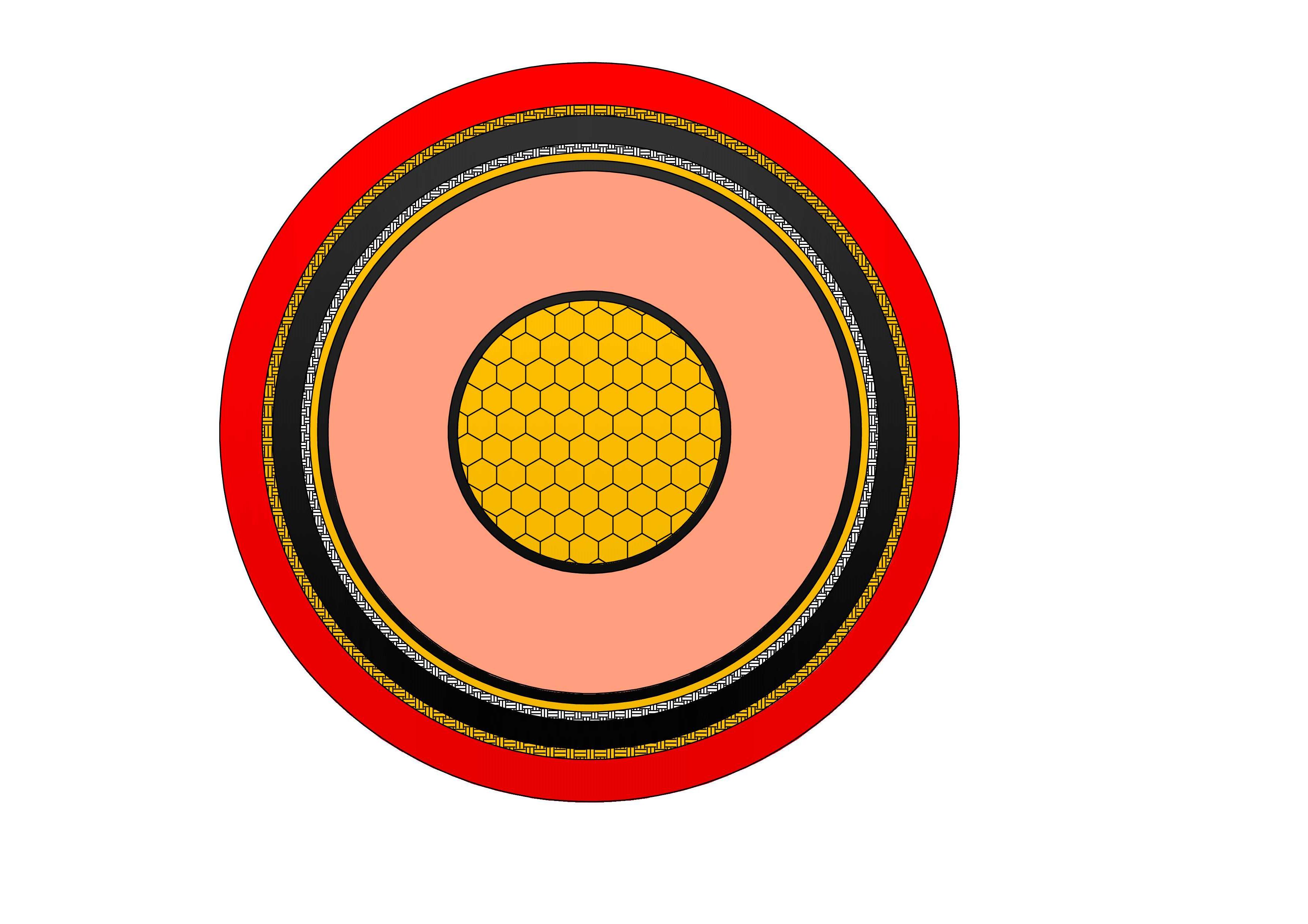
XAI Armoured Medium Voltage Power Cable(6/10kV, 12/20kV, 18/30kV)
NPC Electric XAI Armoured Medium Voltage Power Cable (6/10kV, 12/20kV, 18/30kV) delivers protected, high-performance medium voltage transmission. Constructed with copper or aluminium conductors, thermosetting XLPE insulation, metallic screen, bedding, galvanised steel wire armour (SWA), and tough outer sheath, it meets IEC 60502-2 requirements. The SWA layer offers outstanding resistance to mechanical damage, enabling direct burial without conduits. Low transmission losses, high current rating, and excellent overload tolerance ensure optimal efficiency. Optional LSZH sheath and water-blocking for added safety and reliability. Flame-retardant and environmentally robust, the XAI Armoured Medium Voltage Power Cable is widely selected for power grids, manufacturing plants, wind/solar farms, and infrastructure demanding reliable, maintenance-free medium voltage cabling with enhanced mechanical safeguarding in challenging terrains or high-impact zones worldwide.
6300kVA Dry Type Transformer
The NPC ELECTRIC 6300kVA Dry Type Transformer is a high-performance, heavy-duty power solution designed for large industrial and commercial applications. With a capacity of 6300kVA, it features cutting-edge dry-type insulation technology, offering superior safety, low maintenance, and extended reliability. Built to withstand demanding operating conditions, this transformer provides stable, efficient, and noise-free performance while minimizing environmental impact. Its dry-type ventilated or encapsulated construction provides zero fluid maintenance, no spill/leak risks, and suitability for extreme high-density loads, space-limited, or environmentally restricted high-power applications.2Y-high-voltage-power-cable-2.webp)
High Voltage / 2XS(F)2Y, A2XS(F)2Y 110kV Power Cable
The 2XS(F)2Y / A2XS(F)2Y 110kV High Voltage Power Cable is engineered for underground high-voltage transmission networks with a maximum operating voltage of 110kV (123kV highest). Built with Class 2 copper or aluminum Milliken conductors, extruded semi-conductive XLPE screens, and XLPE insulation, it ensures excellent electrical performance and long service life. Its copper wire screen with counter-helical copper tape offers enhanced shielding, while the water-swellable tapes provide longitudinal water-blocking. The HDPE outer sheath delivers high abrasion resistance and durability, making it ideal for installation in environments with existing mechanical protection. Manufactured to IEC 60840, HRN HD 632, and IEC/EN 60228 standards, this cable is well-suited for high-load and long-distance transmission applications.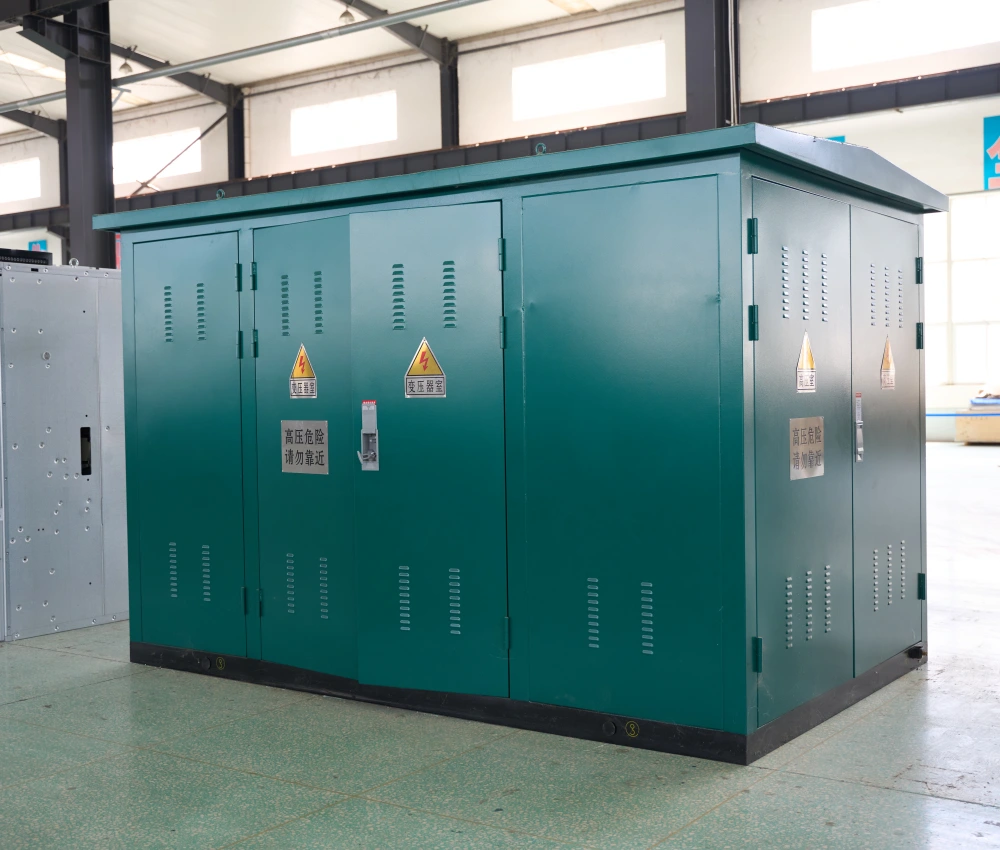
33kV 630kVA Prefabricated Compact Substation
The 33kV 630kVA Prefabricated Compact Substation is a highly integrated medium-voltage power distribution solution designed for modern electrical infrastructure projects requiring reliable, space-saving, and efficient energy transformation. The substation combines 33kV medium-voltage switchgear, a 630kVA distribution transformer, low-voltage distribution panels, and intelligent protection systems within a compact outdoor enclosure, reducing installation complexity and minimizing civil construction requirements. Engineered for stable operation in demanding industrial and environmental conditions, the compact substation features a reinforced enclosure structure, advanced insulation technology, optimized ventilation systems, and corrosion-resistant surface treatment. The modular design improves transportation efficiency, shortens commissioning cycles, and simplifies future maintenance operations while ensuring long-term operational reliability. This 33kV 630kVA compact transformer substation is suitable for renewable energy integration, industrial facilities, mining operations, commercial developments, and urban utility distribution systems. Optional intelligent monitoring systems and remote communication interfaces support modern smart-grid applications and enable efficient power management for evolving electrical networks.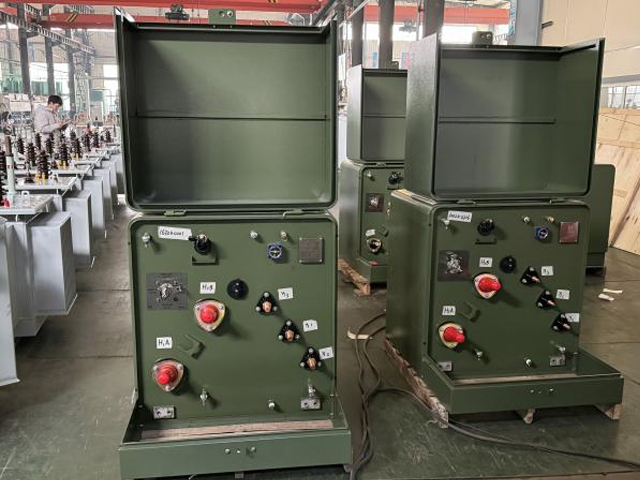
333kVA Single Phase Pole Mounted Transformer
NPC ELECTRIC'S 333kVA single phase pole mounted transformer stands as a powerhouse solution for intensive overhead distribution requirements, effectively reducing primary voltages such as 12.47kV, 24.94kV, or 34.5kV to secondary voltages including 120/240V, 277V, or 347V. Crafted with premium grain-oriented silicon steel cores and durable windings, it delivers outstanding energy efficiency, low losses, and compliance with modern DOE efficiency regulations alongside IEEE C57 and ANSI standards. The tank incorporates corrugated fins for optimal natural oil circulation (ONAN), supporting a 65°C temperature rise and robust overload handling. Equipped with essential protections like pressure relief valves, high-voltage bushings, and surge arresters, this transformer ensures dependable operation in exposed conditions. Its design prioritizes quiet performance, minimal maintenance, and extended service life, making it highly suitable for utilities managing substantial single-phase loads in evolving power networks.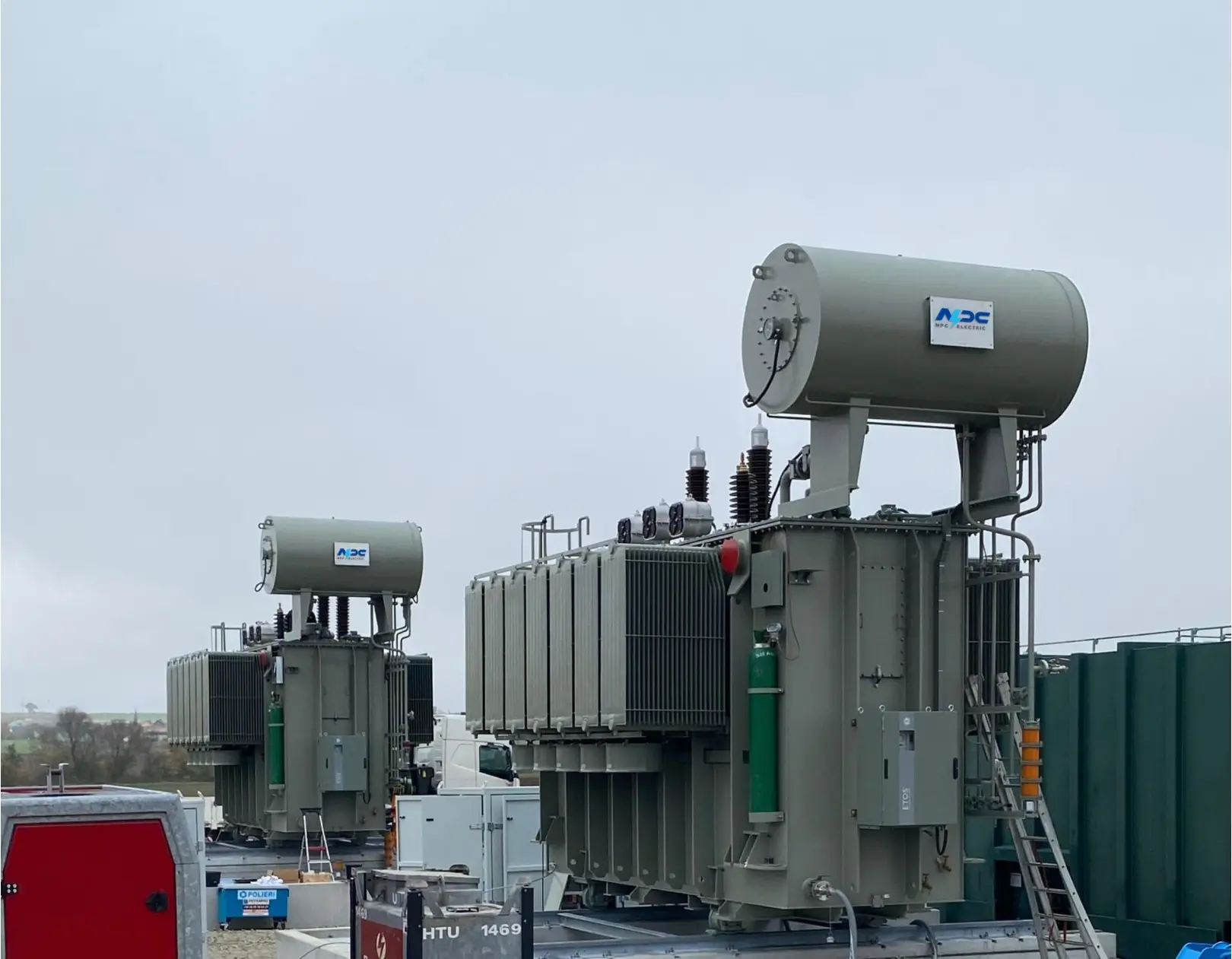
500kV Oil-Immersed Power Transformer For Ultra-High Voltage Grid Solutions
NPC Electric 500kV Oil-Immersed Power Transformer is a critical component for national ultra-high voltage (UHV) backbones, engineered to transmit massive blocks of power with industry-leading efficiency. Utilizing premium, laser-scribed CRGO silicon steel in a multi-step lap core construction, this transformer minimizes magnetizing current and core noise. The active part is submerged in high-grade inhibited mineral oil, processed through advanced vacuum degasification to ensure maximum dielectric strength. Its robust, shield-type winding structure provides exceptional resistance against lightning surges and short-circuit mechanical stresses. Designed to meet IEC 60076 and IEEE standards, this 500kV unit is the definitive solution for long-distance energy dispatch, connecting remote generation hubs to major load centers while maintaining grid frequency and voltage stability.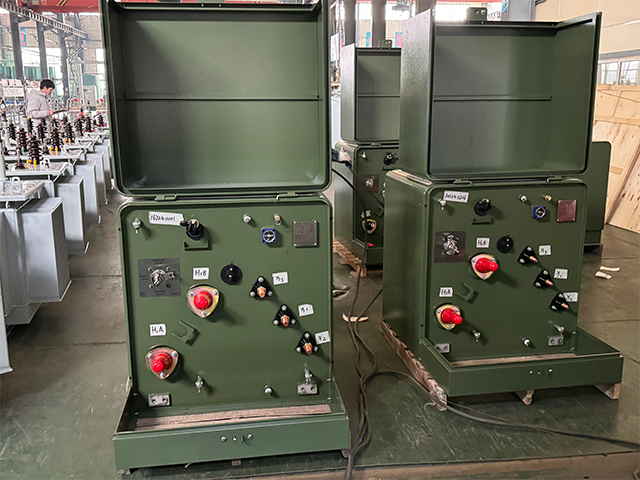
167kVA Single Phase Pad Mounted Transformer
The 167kVA single phase pad mounted transformer is engineered for higher-capacity underground residential and light commercial distribution, efficiently transforming primary voltages such as 12470GrdY/7200, 24940GrdY/14400, 34500GrdY/19920, or dual-voltage configurations to secondary 120/240V split-phase or 240V outputs. Constructed with premium grain-oriented silicon steel cores and aluminum or copper windings, it delivers exceptional energy efficiency and minimal losses while fully complying with DOE 2016 standards and IEEE/ANSI C57.12.34 specifications.Welcome your inquiry
Honesty, Integrity, Frugality, Activeness and Passion