
Low Voltage Power Cable Guide: Basics to Real-World Applications
2026-03-04
1. Low Voltage Power Cables
Low voltage power cables are essential building blocks in modern industrial, commercial, and infrastructure electrical systems, powering everything from manufacturing plants to smart buildings. Designed for operating voltages of 50 volts or below, low voltage wiring supports critical functions like control systems, communication networks, safety protocols, and auxiliary power—ensuring seamless operations in demanding environments.
For EPC (Engineering, Procurement, and Construction) contractors and industrial buyers, these aren't just off-the-shelf items—they're mission-critical investments that directly boost system reliability, data integrity, regulatory compliance, and long-term efficiency. Leading manufacturers like NPC Electric specialize in delivering high-performance solutions, including armored cables like N2XBY 0.6/1kV for substations and renewable energy projects, or NYCY 0.6/1kV for indoor/outdoor installations in construction and industrial settings. These standardized and custom-engineered options excel in harsh conditions, offering enhanced durability, flexibility, and safety for applications such as urban grids, building wiring, and heavy-duty equipment.
By choosing reliable low-voltage power cables from experts like NPC Electric, you minimize downtime, cut maintenance costs, and future-proof your infrastructure—making them a smart choice for the evolving industrial landscape.
2. What Are Low Voltage Power Cables?
Low-voltage power cables are insulated conductors engineered for low-energy transmission rather than bulk power delivery. Typical uses include:
- Control and signaling circuits
- Data transmission networks
- Security systems and monitoring
- Low-power lighting and automation
They differ from medium- and high-voltage power cables by emphasizing signal stability, flexibility, flame resistance, and ease of installation.
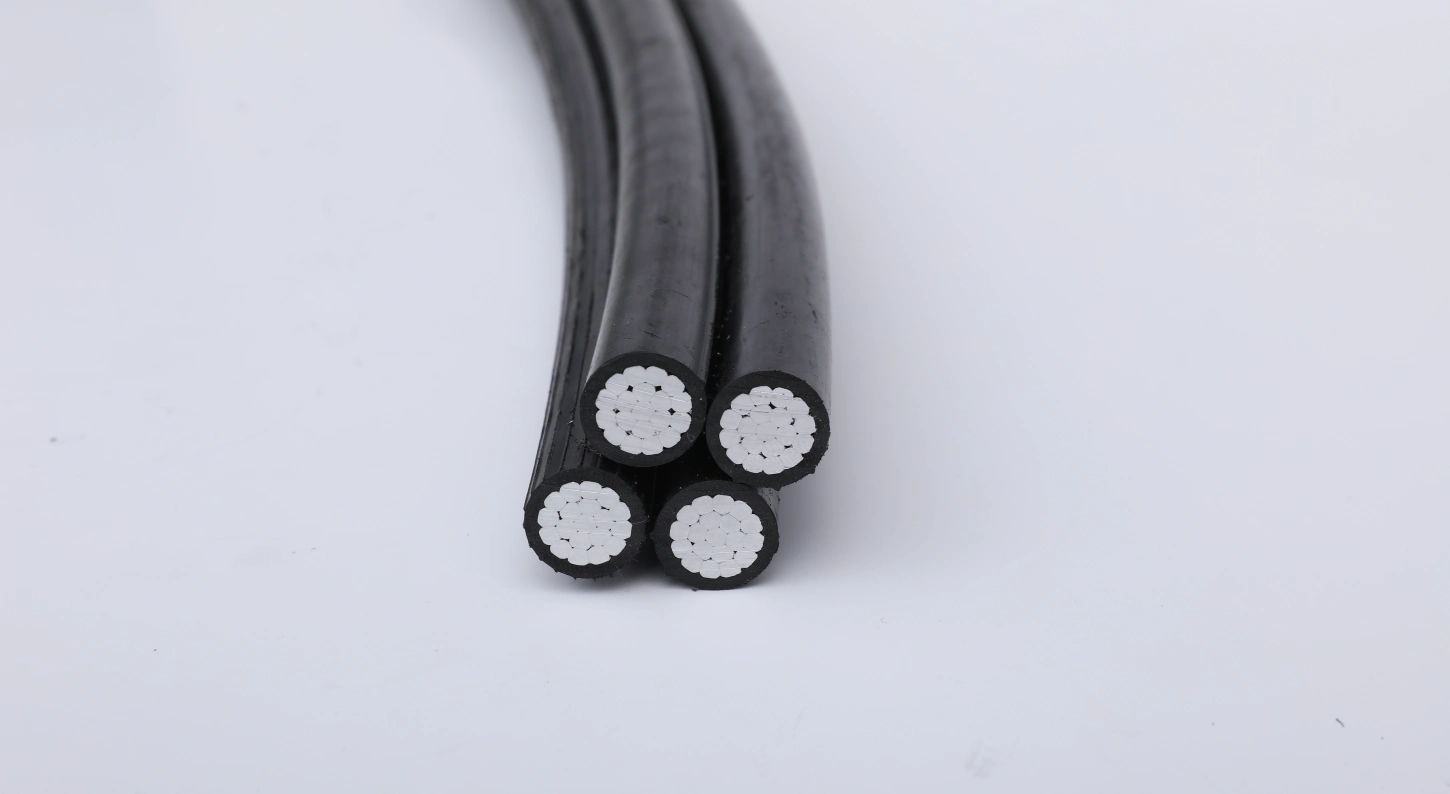
3. Types of Low Voltage Cables Used in Industry
Table: Common Types of Low-Voltage Power Cables
|
Cable Type |
Typical Voltage Rating |
Conductor Structure |
Insulation / Jacket |
Common Applications |
|
Twisted pair |
≤50V |
Solid or stranded copper |
PVC / LSZH |
Control systems, data transmission |
|
Coaxial cables |
≤50V |
Copper core + shield |
PE / PVC |
Security cameras, video systems |
|
CAT5e |
≤50V |
4-pair twisted copper |
PVC / LSZH |
Network infrastructures |
|
CAT6 / CAT6A |
≤50V |
Enhanced twisted copper |
PVC / LSZH |
High-speed data centers |
|
Fiber optic cables |
Signal-based |
Glass or plastic fiber |
PE / LSZH |
Long-distance data transmission |
|
Control power cables |
24V–48V |
Multi-core copper |
PVC / XLPE |
Industrial automation |
Commercial value:
This table allows EPC buyers to quickly match cable type to system function, reducing specification errors during tendering.
4. Applications of Low Voltage Power Cables
Low-voltage systems support a wide range of industrial and commercial operations.
Industrial Applications
- PLC and DCS control wiring
- Sensors and instrumentation
- Equipment interlocks
Network Infrastructure
- Ethernet backbones (CAT5e, CAT6, CAT6A)
- Server rooms and data centers
- Fiber optic communication links
Security Systems
- CCTV and security cameras
- Access control panels
- Fire alarm and monitoring loops
These are among the most common applications of low-voltage wiring installations in modern facilities.
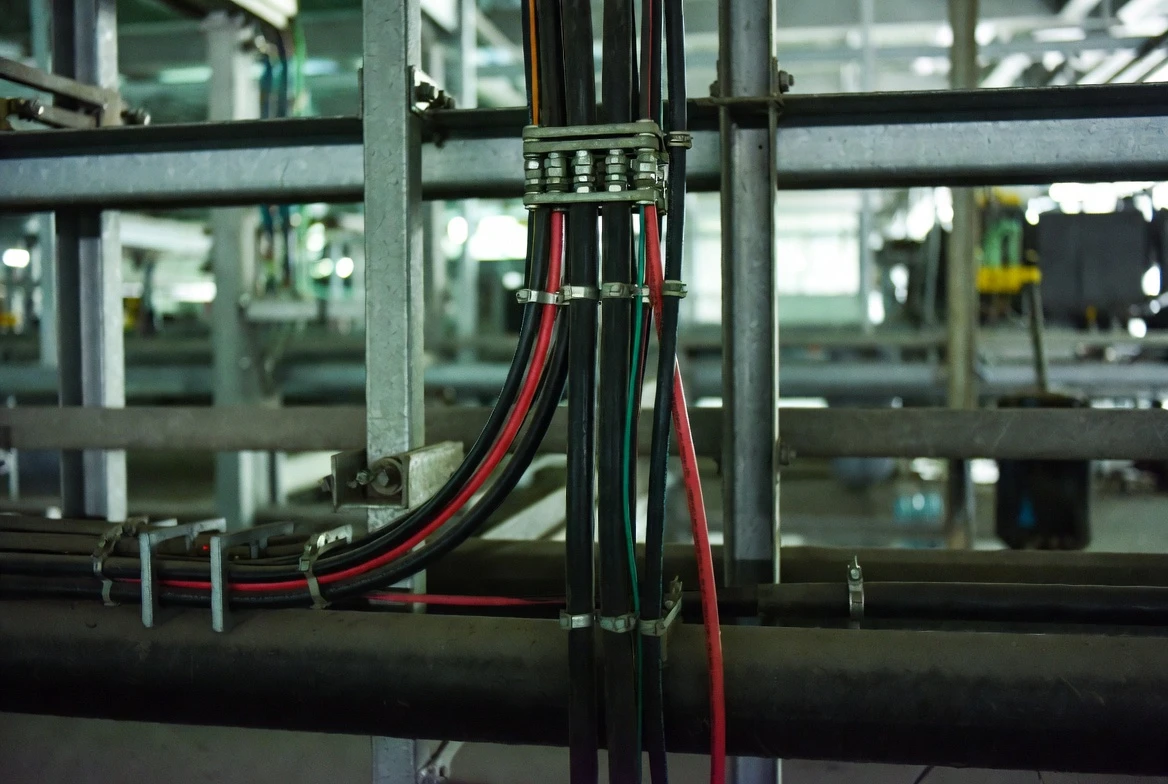
5. Electrical and Mechanical Performance Parameters
Table: Typical Technical Specifications for Low Voltage Power Cables
|
Parameter |
Typical Range |
Engineering Significance |
|
Rated voltage |
≤50V AC/DC |
Safe operation classification |
|
Conductor material |
Copper (annealed) |
Signal integrity, low resistance |
|
Operating temperature |
-20°C to +75°C |
Environmental suitability |
|
Insulation resistance |
≥100 MΩ·km |
Leakage prevention |
|
Flame retardancy |
IEC 60332 / UL VW-1 |
Fire safety compliance |
|
Minimum bend radius |
6–10× cable diameter |
Installation reliability |
Commercial value:
Procurement teams use these parameters to verify technical compliance and durability, especially in industrial and data center environments.
6. Low Voltage Cabling for Data Transmission
Reliable data transmission depends heavily on cable construction quality.
- Twisted pair cables minimize electromagnetic interference
- CAT6 and CAT6A cables support higher bandwidth and lower crosstalk
- Fiber optic cables eliminate electromagnetic interference entirely
Selecting the correct low-voltage power cable ensures stable communication, minimal downtime, and future scalability.
7. Installation and Wiring Considerations
Table: Installation Guidelines for Low Voltage Wiring
|
Installation Factor |
Recommended Practice |
Impact |
|
Cable separation |
Maintain distance from power cables |
Reduces interference |
|
Routing method |
Use trays or conduits |
Mechanical protection |
|
Shield grounding |
Single-point grounding |
Prevents noise loops |
|
Environmental exposure |
Use LSZH or UV-resistant jackets |
Extends service life |
|
Labeling |
Permanent identification |
Simplifies maintenance |
Although these systems operate at 50 volts or less by design, poor installation practices can still compromise system performance.
8. Standards and Compliance Requirements
Low-voltage power cables typically comply with:
- IEC standards
- UL / NEC requirements
- Local building and fire codes
Using certified wires and cables from established suppliers like NPC Electric helps EPC contractors meet compliance obligations while minimizing inspection risk.
9. Why Cable Quality Matters for B2B Buyers
From a lifecycle perspective, cable quality affects:
- System uptime
- Maintenance intervals
- Replacement costs
Low-quality cables may reduce upfront cost but often increase long-term operating expenses, making certified low-voltage power cables a more cost-effective solution.
10. Selecting the Right Low Voltage Cable Supplier
When evaluating suppliers, industrial buyers should consider:
- Manufacturing certifications
- Range of cable types
- Customization and OEM capability
- Project experience in industrial sectors
A qualified supplier supports not just product delivery, but engineering coordination and long-term project success.
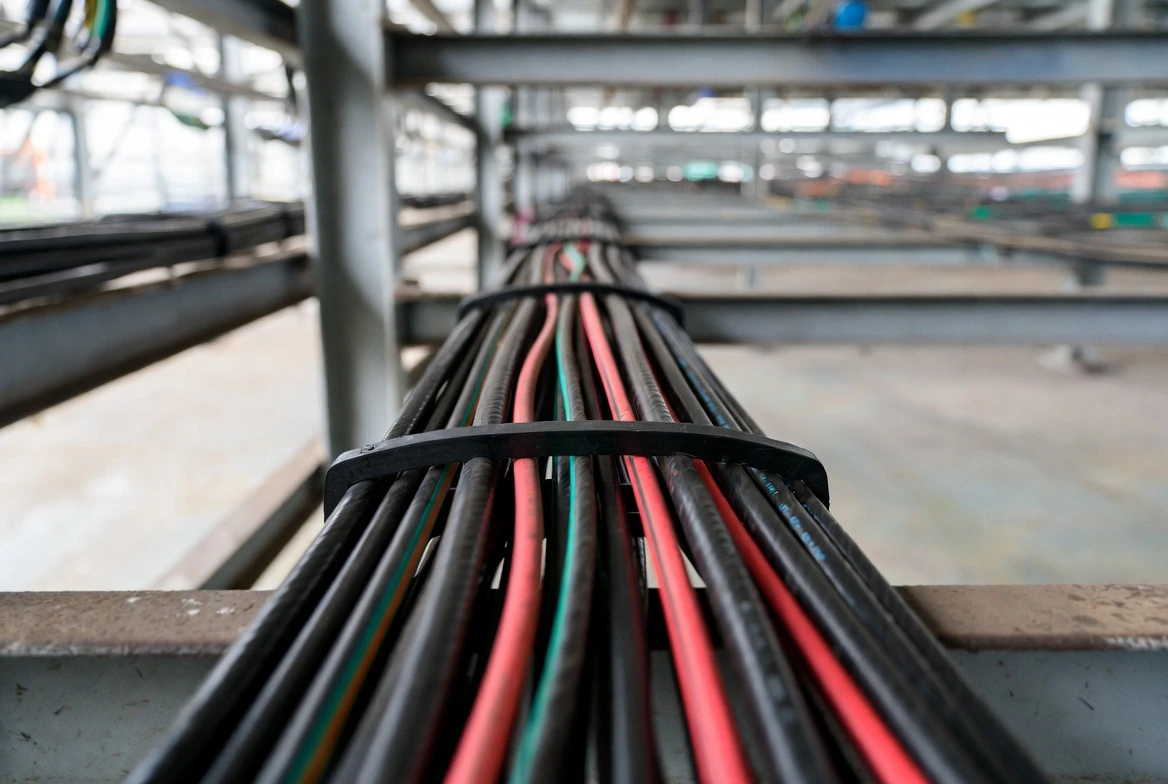
Low voltage power cables play a critical role in industrial control systems, network infrastructures, and security applications. Understanding cable types, technical specifications, and installation requirements enables EPC contractors and industrial buyers to make informed procurement decisions.
By combining compliant products, proper installation, and reliable suppliers such as NPC Electric, organizations can ensure safe, efficient, and future-ready low voltage systems.

Related Articles
Related Products
Prefabricated Substation
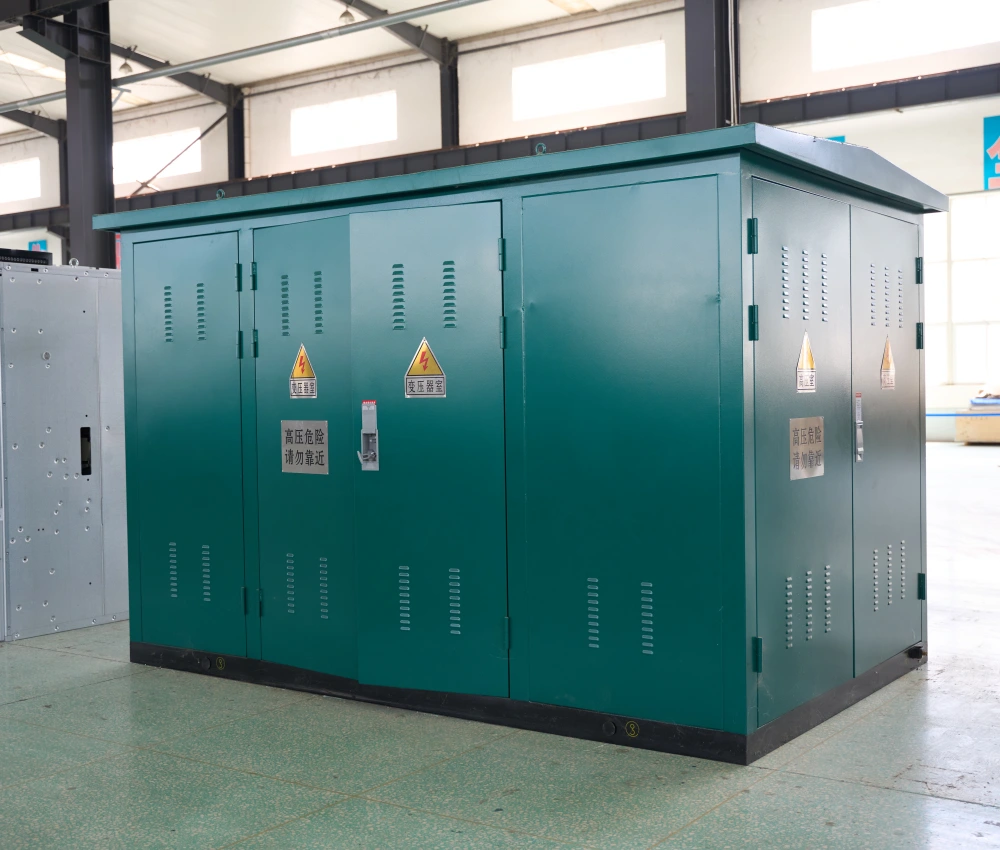
The Prefabricated Substation is a fully integrated, factory-built power distribution solution that combines high-voltage switchgear, transformer, low-voltage switchgear, protection systems, metering, and auxiliary equipment into a compact, modular enclosure. Designed for rapid deployment, it significantly reduces on-site civil works, installation time, and overall project costs. Built with premium materials and advanced manufacturing techniques, these substations deliver exceptional reliability, safety, and efficiency in a weatherproof, aesthetically pleasing package. Available in both skid-mounted and containerized configurations, they support a wide range of voltages and capacities while incorporating intelligent monitoring and remote control capabilities for modern smart grid applications.
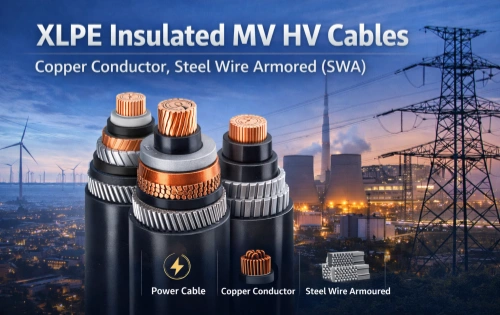
FR-N30XA8E-R 18/30(36)kV Cable Gen to NF C 33-226 - Cu/XLPE/MDPE
The NF C 33-226 Cu-XLPE-MDPE 18/30(36)kV Triplex Cable is a high-performance three-core medium voltage power cable engineered for safe and reliable three-phase power transmission. Built with a Class 2 stranded copper conductor, cross-linked polyethylene (XLPE) insulation, and a medium-density polyethylene (MDPE) outer sheath, it offers exceptional electrical conductivity, insulation performance, and mechanical strength. Fully compliant with NF C 33-226, IEC 60502-2, and EN 60228 standards, this cable is ideal for industrial facilities, municipal grids, substations, and large commercial power systems. It ensures durability with superior water resistance (AD7), UV resistance (ISO 4892), and halogen-free (IEC/EN 60754-1) properties for enhanced safety and environmental protection. With a rated voltage of 18/30 (36)kV and a maximum conductor operating temperature of 90°C, the Cu-XLPE-MDPE Triplex cable provides efficient and stable power transmission in demanding medium- and high-voltage applications.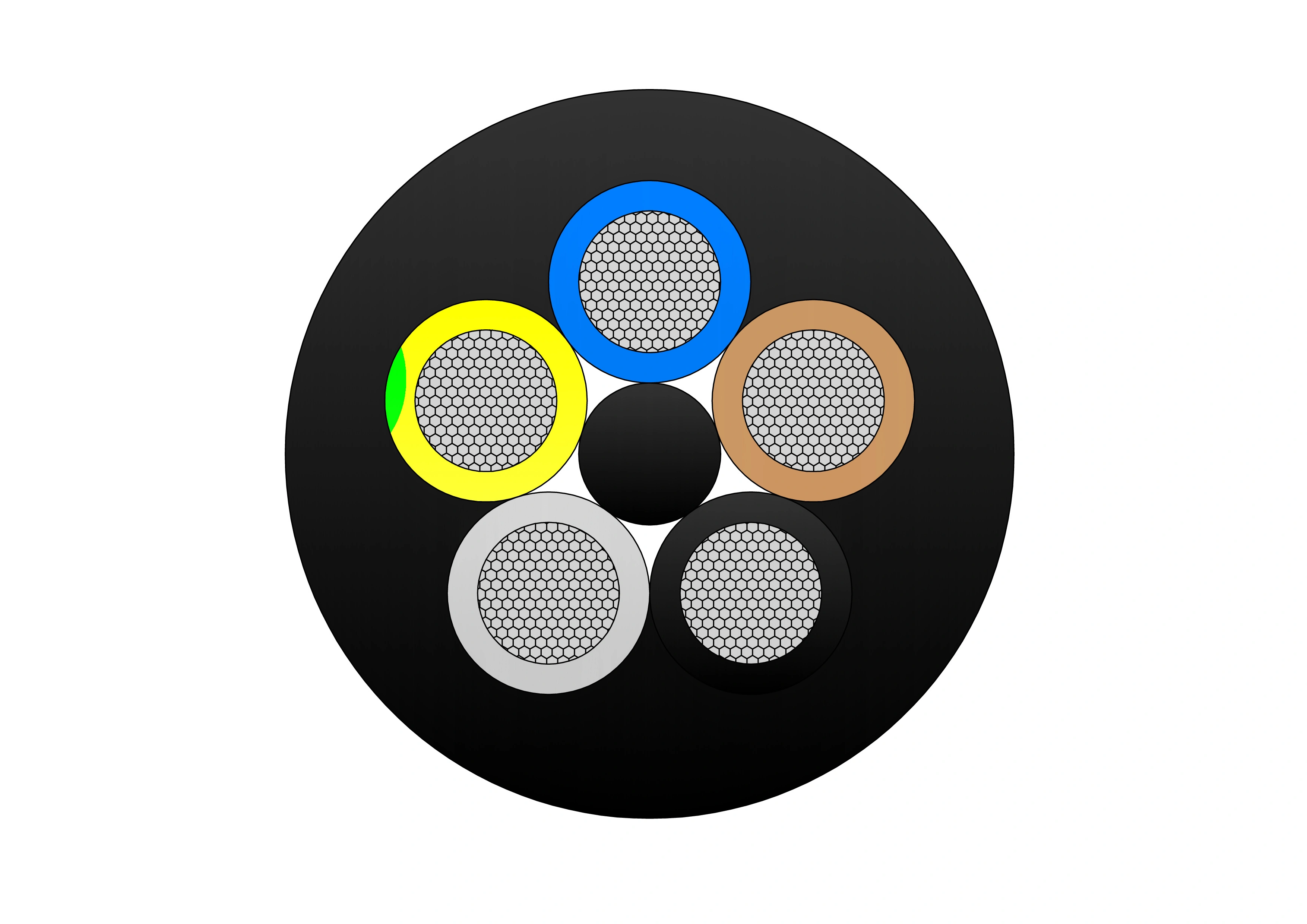
(N)TSCGEWOU 3.6/6kV, 6/10kV, 8.7/15kV and 12/20kV FO Cable
The (N)TSCGEWOU 3.6/6kV, 6/10kV, 8.7/15kV and 12/20kV FO Cable is a flexible, heavy-duty medium-voltage trailing/reeling cable with integrated fiber optic (FO) elements for combined power and high-speed data transmission in mining and tunneling. It features class 5 finely stranded tinned copper phase conductors for flexibility and corrosion resistance, semi-conductive screens, EPR insulation for superior dielectric strength and 90°C rating, copper braid screen for EMI protection and grounding, control conductors, monitoring conductor (ÜL), central or distributed multimode/single-mode fiber optic cores (protected in gel-filled tubes for water resistance and mechanical protection), and a tough rubber outer sheath resistant to oil, flame, abrasion, and mechanical stress. Compliant with DIN VDE 0250 and relevant IEC standards, it supports high tensile loads, fast reeling speeds, and tight bending radii while enabling real-time monitoring and communication. The (N)TSCGEWOU FO ensures safe, reliable MV power and data delivery to mobile equipment like shearers, tunnel boring machines, and smart conveyors in harsh underground environments.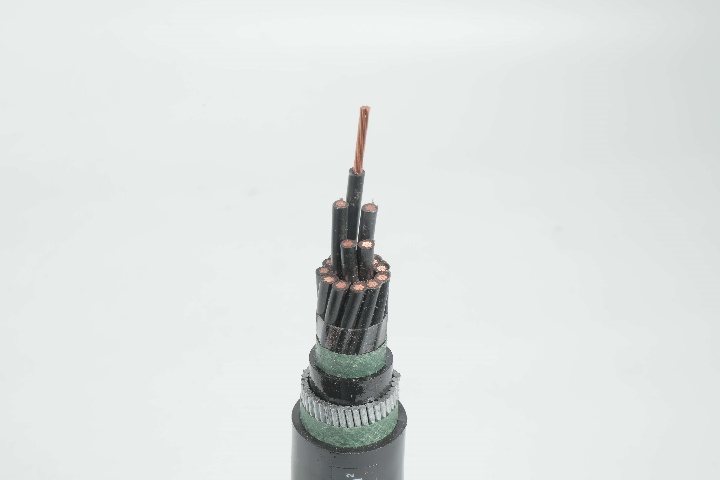
Control Cable 0.6/1 kV CVV-S to IEC 60502 Standard (2-30 core)
Engineered for electromagnetic interference resistance, the Control Cable 0.6/1 kV CVV-S to IEC 60502 Standard (2-30 core) excels in sensitive control environments. It employs concentric stranded copper conductors for low-resistance transmission, paired with black PVC insulation marked by white numbers for easy identification. The integrated copper tape shield effectively blocks electrostatic noise, while dual PVC sheaths provide flame resistance and mechanical protection. Suitable for 0.6/1 kV ratings, it withstands temperatures from -15°C to 70°C. This cable is tailored for supervisory circuits, outdoor stations, and installations in ducts or conduits where shielding is essential. With options from 2 to 30 cores, it accommodates diverse system requirements, enhancing signal integrity and reducing errors. Fully compliant with IEC 60502, it minimizes operational disruptions in high-interference settings. Ideal for professionals demanding dependable solutions, the CVV-S ensures long-lasting performance and cost savings through superior durability.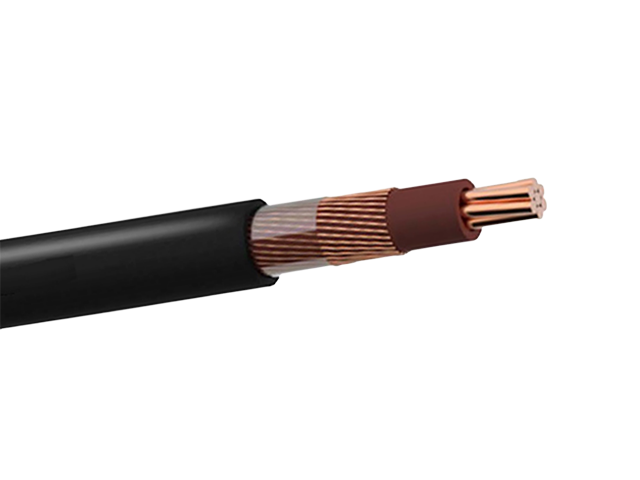
15kV Concentric Neutral Power Cable
The 15kV Concentric Neutral Power Cable is a premium medium-voltage underground distribution cable designed for reliable primary power delivery in distribution networks. It features a stranded copper or aluminum conductor, extruded semi-conducting conductor shield, TR-XLPE or EPR insulation, semi-conducting insulation shield, and helically applied bare copper concentric neutral wires, all protected by a tough sunlight-resistant LLDPE jacket. Available in 100% or 133% insulation levels with full or reduced neutral, this cable provides excellent electrical performance, moisture resistance, and mechanical protection. Suitable for direct burial or duct installations, the 15 kV Concentric Neutral Power Cable meets ICEA S-94-649, AEIC CS8, and related standards. It undergoes rigorous quality testing from raw materials to finished product, ensuring long-term reliability, low dielectric loss, and high resistance to water treeing in demanding underground environments.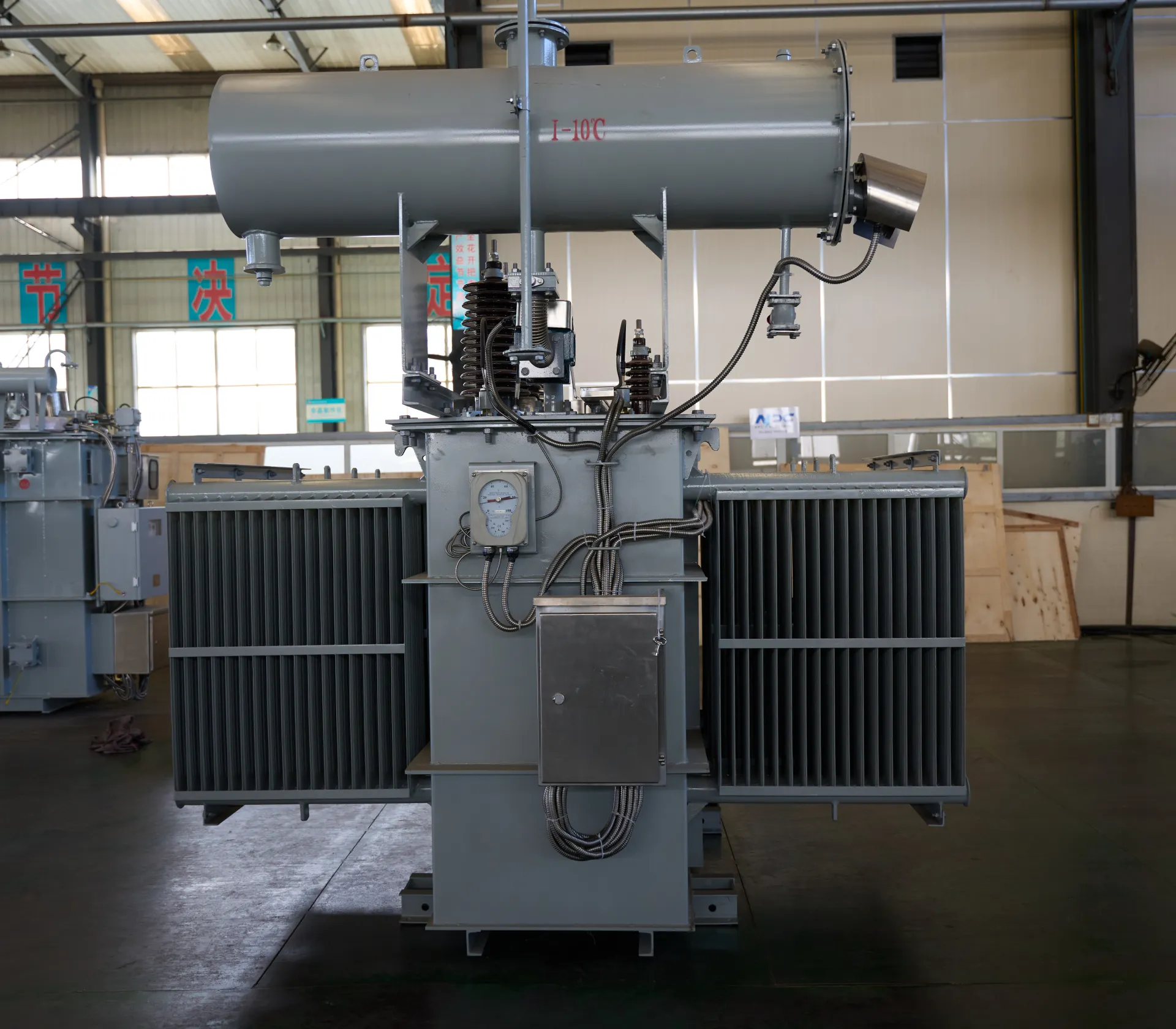
6kV Three-Phase Oil-Immersed Power Transformer
The 6kV Three-Phase Oil-Immersed Power Transformer is designed for stable and efficient voltage conversion in industrial and commercial power distribution systems. With a durable oil-immersed insulation structure and high-quality copper windings, it offers excellent thermal performance, strong dielectric strength, and reliable operation under varying load conditions. Its compact design, robust core materials, and advanced cooling system ensure low losses, reduced noise, and long service life. This 6kV transformer is suitable for factories, mining sites, distribution stations, and utility networks requiring consistent and safe electrical power supply. Engineered to meet international standards, it provides dependable performance and high efficiency across diverse low-to-medium voltage applications.
Oil Immersed Power Transformer 200kVA for Substation With Transformer Oil
The oil-immersed power transformer, rated at 200kVA, is designed for use in substations, efficiently converting voltage. It is equipped with high-quality transformer oil, which enhances heat dissipation and prolongs the lifespan of the equipment. Ideal for various power supply applications, it excels in industrial environments requiring stable voltage and high performance.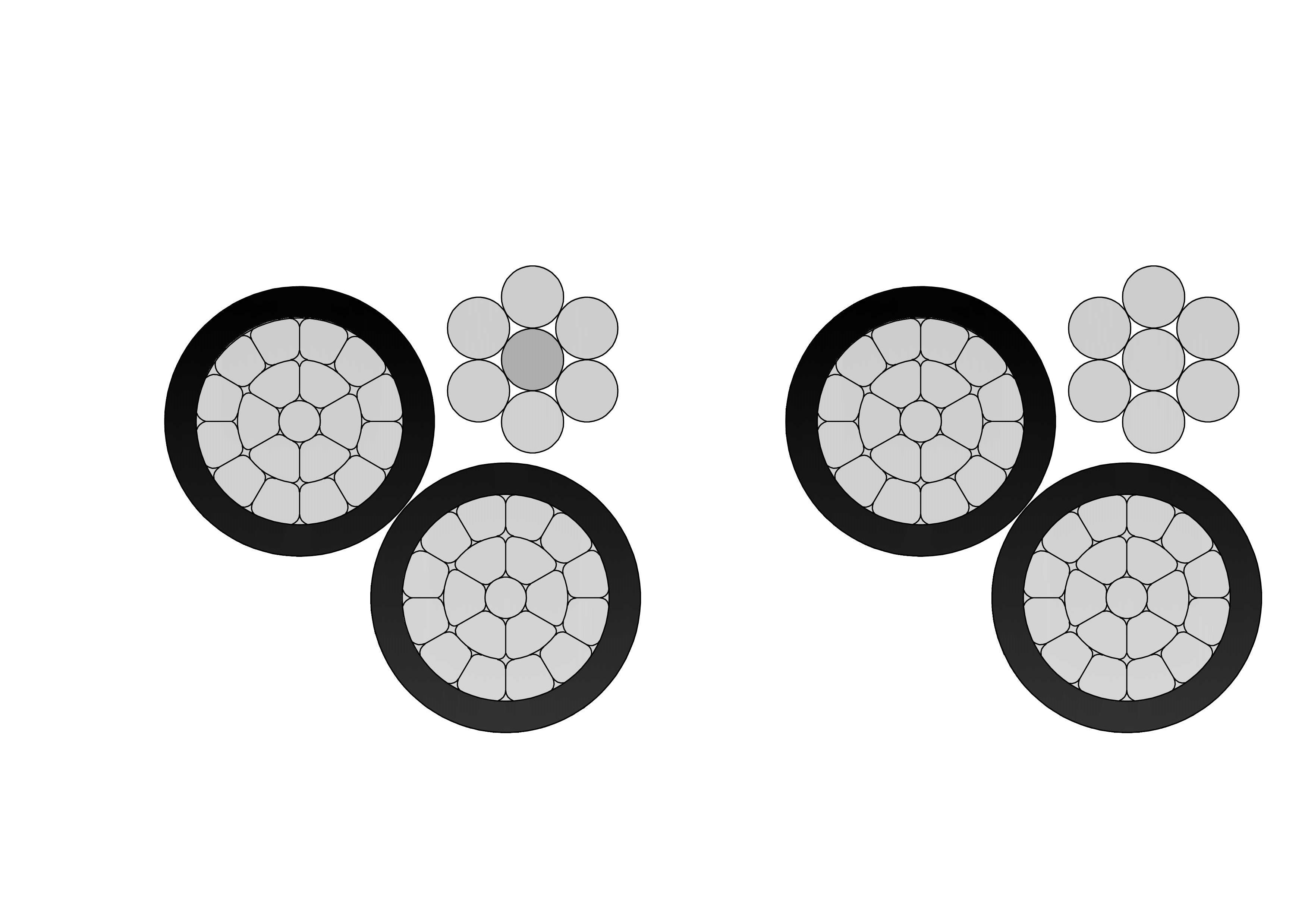
4 Artemia Aluminum Conductor Triplex Overhead Service Drop Cable
The 4 Artemia Aluminum Conductor Triplex Overhead Service Drop Cable is engineered for superior performance in overhead power distribution systems. Featuring three aluminum conductors with a neutral messenger, this cable ensures efficient electricity transmission for residential, commercial, and light industrial applications. Its robust construction includes high-grade aluminum alloy for enhanced conductivity and corrosion resistance, wrapped in weatherproof insulation to withstand harsh environmental conditions like UV exposure, rain, and wind. With a 4 AWG size, it supports voltages up to 600V and offers low impedance for minimal power loss. Easy to install with standard overhead fittings, it complies with ASTM, ANSI, and ICEA standards for safety and reliability. This triplex design reduces sagging and improves longevity, making it a cost-effective choice for utility companies and contractors. Whether upgrading existing lines or new installations, the 4 Artemia delivers dependable service with minimal maintenance. Invest in quality that powers your world efficiently.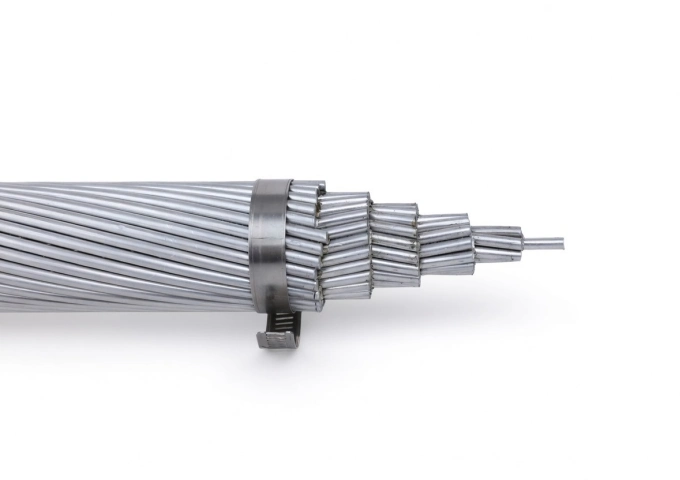
954 MCM Magnolia AAC Cable
The 954 MCM Magnolia AAC Cable is a high-performance All Aluminum Conductor designed for demanding overhead power transmission and distribution lines. Manufactured with 37 strands of premium 1350-H19 aluminum wire in a concentric lay configuration, this bare conductor provides excellent electrical conductivity with a low DC resistance of 0.0181 ohms per 1000 ft at 20°C. Featuring an overall diameter of 1.124 inches and a rated breaking strength of 16,400 lbs, the Magnolia AAC delivers a robust ampacity of 982 amps while weighing only 895.6 lbs per 1000 ft. Its optimized strength-to-weight ratio minimizes sag and structural loading. Fully compliant with ASTM B-230 and B-231 standards, the 954 MCM Magnolia AAC Cable offers outstanding corrosion resistance for long-term durability in harsh outdoor environments, making it the preferred choice for utility networks requiring cost-effective, high-reliability bare aluminum conductors.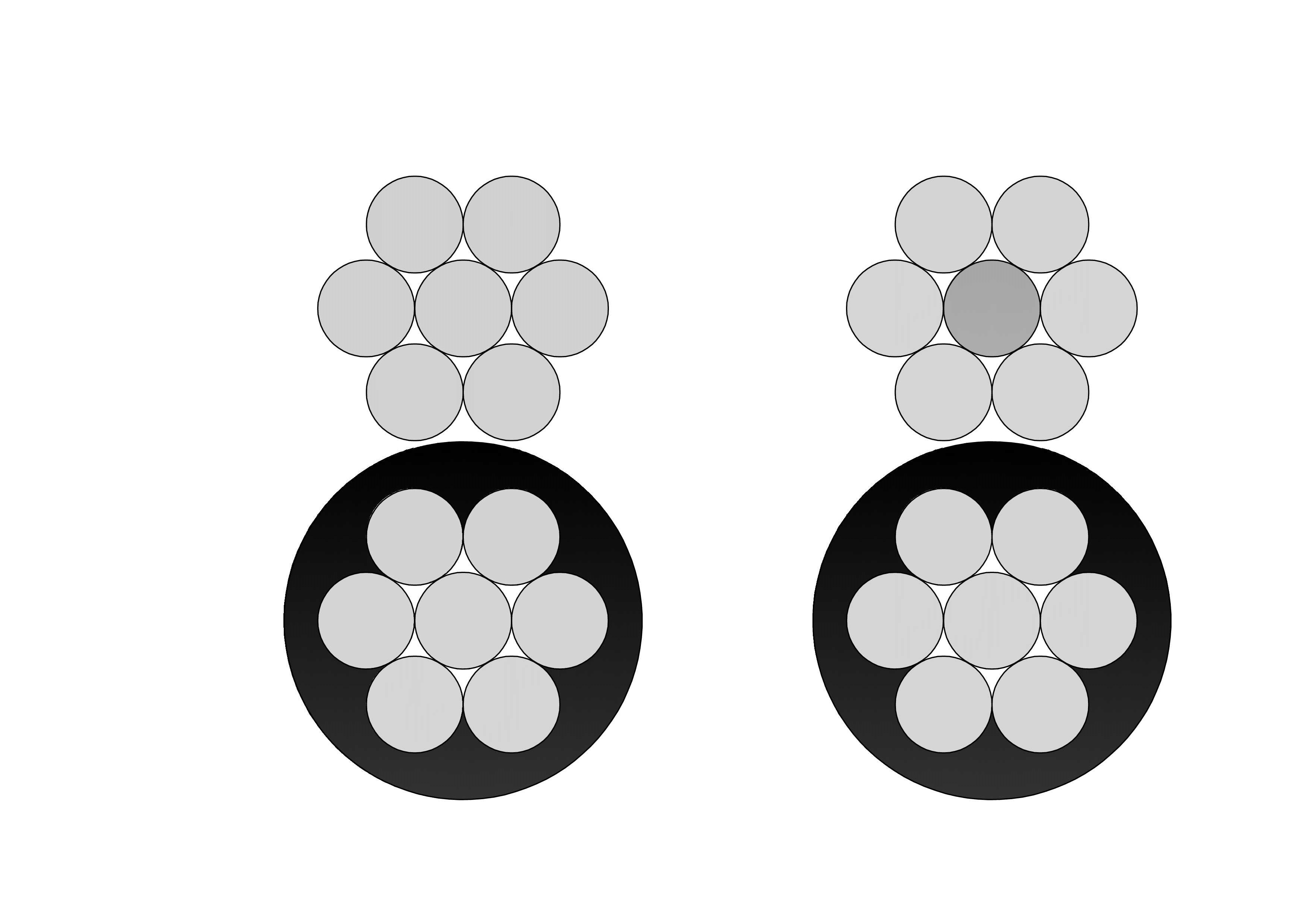
2 Doberman Aluminum Conductor Duplex Overhead Service Drop Cable
The 2 Doberman Aluminum Conductor Duplex Overhead Service Drop Cable is designed to provide efficient and dependable power delivery in overhead secondary distribution systems. Constructed with stranded aluminum conductors, the duplex configuration combines electrical conductivity with mechanical support for service drop installations. The No. 2 Doberman size is suitable for standard service drop spans, offering reliable load capacity with controlled sag under varying environmental conditions. Aluminum conductors reduce overall cable weight, simplify handling, and enhance corrosion resistance for long-term outdoor operation. Produced under strict quality management systems, the 2 Doberman Aluminum Conductor Duplex Overhead Service Drop Cable meets utility and ASTM requirements, making it a trusted solution for modern overhead service connections where safety, durability, and consistent performance are essential.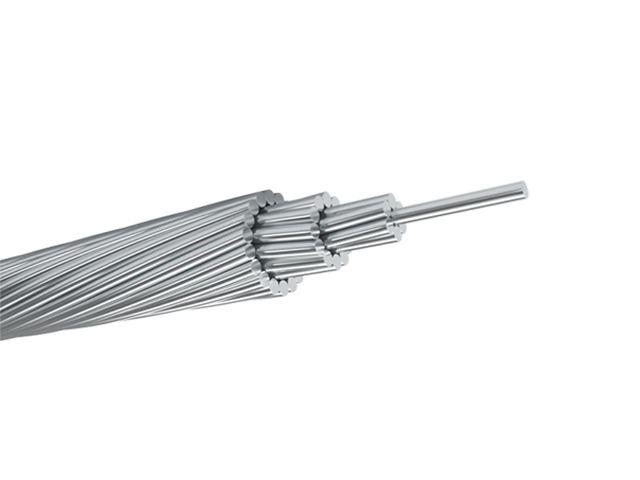
AAAC Rabbit Conductor Cable
AAAC RABBIT conductor is a compact, high-performance All Aluminum Alloy Conductor manufactured using 6201-T81 aluminum alloy, in compliance with ASTM B399, IEC 61089, and BS EN 50182 standards. Named "Rabbit" for its 50 mm² nominal area with 7-strand configuration, it offers superior conductivity (61% IACS) and tensile strength (295 MPa min) compared to ACSR. Made from heat-treated aluminum-magnesium-silicon alloy (6201-T81), this cable provides excellent corrosion resistance, low weight, and reduced sag for longer spans. Compliant with ASTM B398, B399, IEC 61089, and BS EN 50182 standards, it supports voltages up to 33kV with ampacity up to 250A at 75°C. The homogeneous alloy construction eliminates bimetallic corrosion and ensures uniform mechanical properties. The AAAC Rabbit Conductor Cable minimizes line losses, withstands harsh weather, and requires minimal maintenance. Ideal for rural electrification, urban upgrades, and renewable energy integrations, it delivers reliable, cost-effective power delivery in overhead lines worldwide, outperforming traditional conductors in corrosive or coastal environments.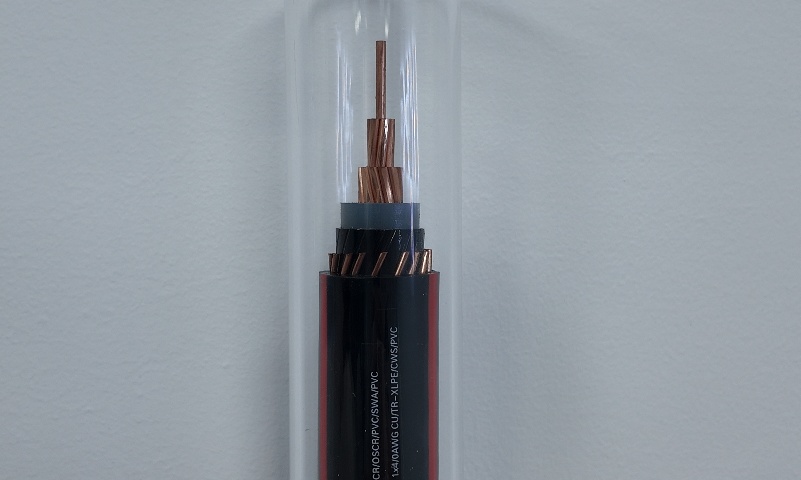
5-46kV TR-XLPE URD Medium Voltage Utility Cables
5–46kV TR-XLPE URD Medium Voltage Utility Power Cables are specifically designed for underground residential distribution and utility power networks. Manufactured with high-quality copper or aluminum conductors and tree-retardant cross-linked polyethylene (TR-XLPE) insulation, these cables provide superior resistance to electrical treeing, moisture ingress, and long-term aging. The TR-XLPE insulation system significantly extends service life in underground installations where environmental stress and moisture exposure are common. Rated for voltage levels from 5kV to 46kV, the cable ensures stable and efficient power transmission under continuous operating conditions. Its robust construction supports direct burial or duct installation, meeting the reliability requirements of modern utility infrastructure. Designed to meet utility and industry performance expectations, TR-XLPE URD cables offer consistent electrical performance, enhanced durability, and reduced maintenance over their operational lifespan.2Y-high-voltage-power-cable-2.webp)
2XS(FL)2Y MDPE High Voltage 76/132 (145)kV Power Cable
The 2XS(FL)2Y MDPE High Voltage Power Cable is a single-core aluminum conductor cable with XLPE insulation and an MDPE sheath, rated 76/132 (145) kV. Designed for extra-high voltage power transmission, it meets IEC 60840 standards, offering excellent electrical performance, mechanical protection, and water resistance for demanding environments. Its construction includes a copper conductor, semi-conductive conductor screen, XLPE insulation, semi-conductive insulation screen, semi-conductive water swelling tape, copper wire metallic screen, longitudinal aluminum tape with PE copolymer coating, and an MDPE sheath. Water-blocking tape prevents water propagation, ensuring reliable operation in power stations, industrial plants, and distribution systems. Suitable for underground, underwater, outdoor, indoor, and duct installations, this cable is ideal for distribution networks and connections to generation units, industrial plants, and processes.
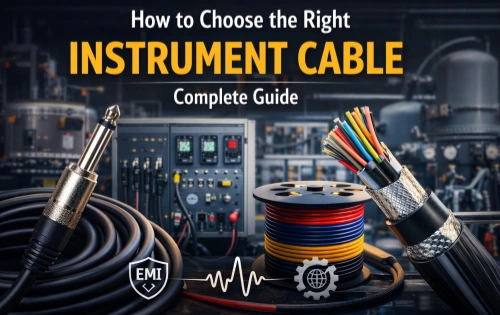
YSLCY / HSLCH CY Control Cable - 300/500V Screened Flexible Cable
The CY Control Cable (YSLCY / HSLCH) is a versatile screened flexible control cable ideal for industrial environments where electromagnetic interference protection is essential. It consists of finely stranded copper conductors with PVC or LSZH insulation, twisted cores, a high-coverage tinned copper braid screen, and a robust PVC or LSZH outer sheath. The YSLCY version is suited for general industrial use, while the HSLCH version provides enhanced fire safety with low smoke and zero halogen properties. Rated 300/500V, this cable offers excellent flexibility, oil resistance, and reliable signal transmission. The CY Control Cable (YSLCY / HSLCH) is manufactured under strict quality control from raw materials to finished product, meeting international standards for performance and safety in automation and control applications.
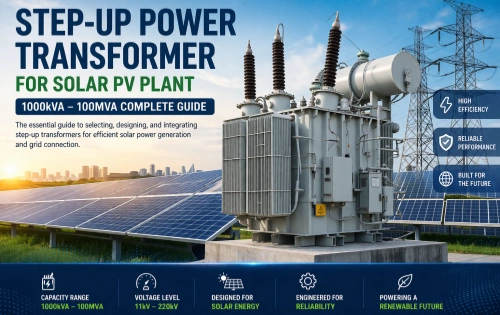
Solar Transformer
NPC ELECTRIC specializes in the design and production of high-performance Solar Step-up Transformers for photovoltaic (PV) applications, offering a wide range of transformer types to meet diverse installation and operational needs. Our product portfolio includes Dry Type Transformers for indoor or fire-sensitive environments, Pad Mounted Transformers for compact and secure outdoor use, Oil-Immersed Transformers known for their reliability and thermal performance, and Prefabricated Substation Transformers that integrate seamlessly into modular substation systems. Each solution is engineered to support efficient voltage step-up from inverter output to medium voltage grid levels, ensuring safe and stable energy transmission. In addition to standard models, NPC ELECTRIC provides customized solutions, including dual-split (Double-Split Winding) transformer designs that are particularly advantageous for high-capacity systems, difficult logistics, or site limitations, enabling easier transport and installation without compromising performance. The Transformer must comply with international standards such as IEC, ANSI, and IEEE. Backed by advanced manufacturing capabilities and strict quality control.Welcome your inquiry
Honesty, Integrity, Frugality, Activeness and Passion