Step-Up Power Transformer for Solar PV Plant: 1000kVA–100MVA Complete Guide
2026-06-15
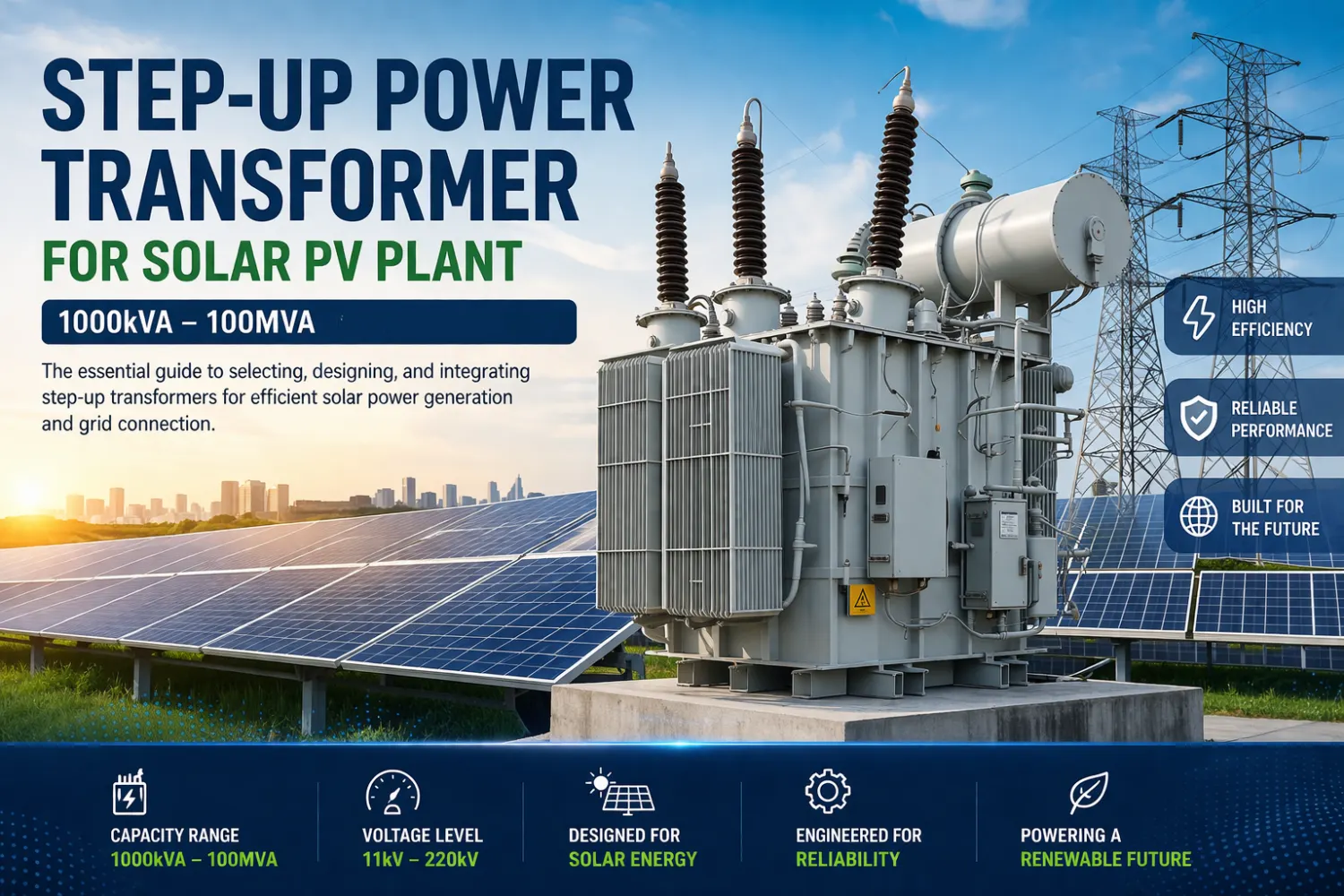
In today’s rapidly expanding renewable energy landscape, the step-up power transformer plays a pivotal role in connecting solar PV plants to the utility grid. Designed specifically for solar applications, these high-performance solar transformers efficiently convert the low-voltage output from solar inverters (typically 0.4kV–0.8kV) into medium or high voltage levels suitable for long-distance transmission. Ranging from 1000kVA to 100MVA, step-up transformers for solar energy are essential components in utility-scale solar PV plants, ensuring minimal power losses, optimal system efficiency, and reliable grid integration.
As a critical link in solar power generation systems, modern power transformers must withstand unique challenges such as harmonic distortion from inverters, daily thermal cycling, and harsh outdoor environments. Whether it’s an oil-immersed power transformer, 3-phase power transformer, or high voltage transformer up to 220kV, proper selection directly impacts the overall performance and return on investment of a solar project. Leading power transformer manufacturers, including those offering Hyundai power transformers, provide advanced solutions engineered to meet stringent international standards like IEC 60076 and IEEE C57.159.
This guide explores transformer selection from 1000kVA to 100MVA capacities, focusing on real-world engineering considerations for renewable energy projects and export-oriented procurement.
1. Role of Step-Up Transformers in Solar PV Plants
In modern solar PV plant architecture, the step-up transformers act as the critical interface between low-voltage generation and high-voltage transmission. Photovoltaic arrays generate DC power, which is converted into AC by solar inverters, typically at low or medium voltage levels (400V–33kV). However, for efficient long-distance transmission within power generation systems, voltage must be increased significantly—often to 66kV, 110kV, or even 220kV transformer levels.
From an engineering perspective, the electric transformer used in solar applications must accommodate fluctuating loads, harmonics from inverters, and harsh outdoor conditions. Unlike conventional grid transformers, a solar transformer is exposed to rapid intermittency due to irradiance variability, making its design more dynamic and robust.
2. Capacity Range and System Integration (1000kVA–100MVA)
The sizing of power transformers in a solar power plant depends on project scale:
- 1000kVA–5000kVA: Small distributed solar systems or rooftop aggregation
- 5MVA–50MVA: Medium-scale utility projects
- 50MVA–100MVA+: Large grid-connected solar farms
In practice, multiple 3-phase power transformer units are often deployed in parallel to improve redundancy and maintain uptime.
Key Engineering Insight:
Transformer capacity must align not only with installed DC capacity but also with inverter output aggregation. Designers often apply a diversity factor (0.8–0.9) to account for real-world performance.
Additionally, output voltage selection is dictated by grid interconnection requirements. For example:
- 33kV collection system → 132kV transmission
- 66kV collection system → 220kV grid export
This is where high-voltage transformer design becomes essential.
3. Transformer Types Used in Solar Applications
3.1 Oil-Immersed Power Transformers
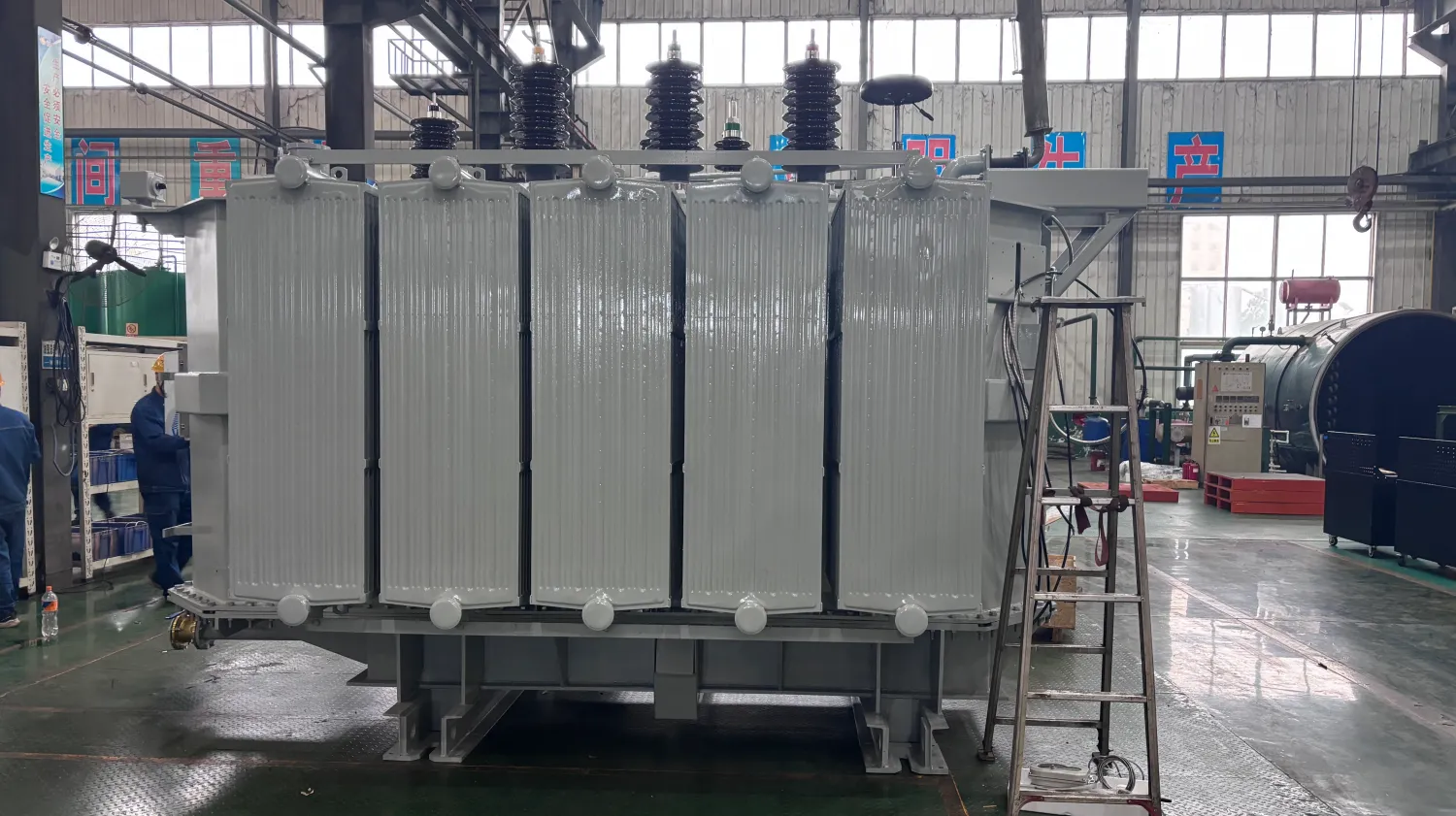
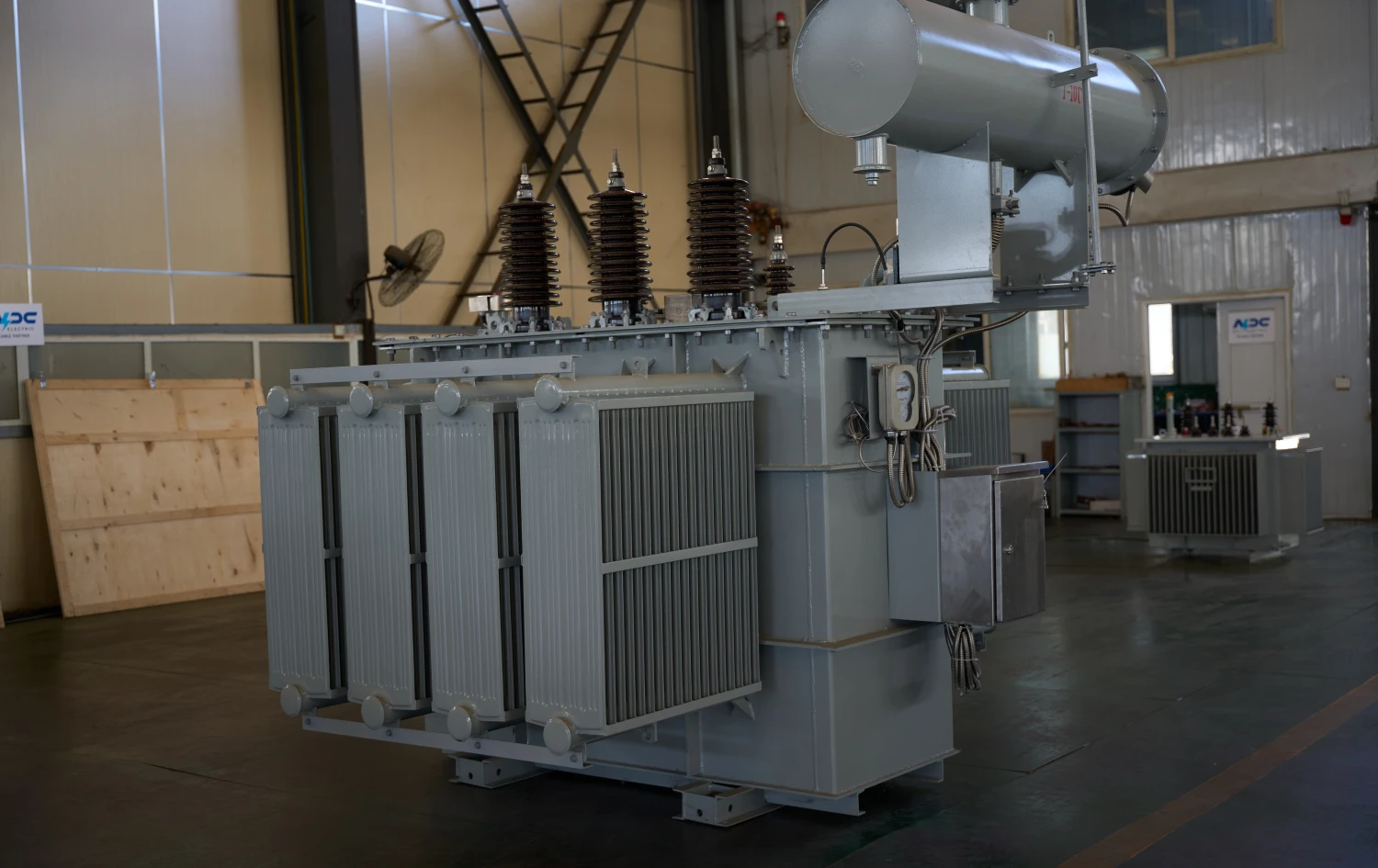
The most widely used type is the oil-immersed power transformer (oil-filled transformer). These are preferred for large-scale installations due to:
- Superior thermal performance
- High overload capacity
- Proven reliability in outdoor environments
3.2 Dry-Type Transformers
Used mainly in compact or urban solar installations. However, for utility-scale projects, oil-based units dominate due to cost-performance advantages.
3.3 Step-Up vs Step-Down Transformers
- Step up transformers: Increase voltage for transmission
- Step down power transformer: Reduce voltage for internal auxiliary loads
Both are essential in a complete solar system, ensuring stable operation across voltage levels.
How to Choose the Right Transformer for Solar Power Plant (Buyer’s Checklist)
When selecting a transformer for solar power, EPC contractors and project developers should evaluate the following critical factors:
✅ Quick Selection Checklist:
- Project Capacity Matching
- Ensure transformer rating aligns with inverter capacity aggregation
- Voltage Compatibility
- Match output voltage with grid connection (e.g., 33kV → 132kV or 220kV transformer)
- Cooling Method Selection
- ONAN for standard environments
- ONAF for high-temperature regions
- Loss Optimization
- Lower no-load losses improve ROI in solar energy systems
- Harmonic Resistance
- Required for systems using high-frequency solar inverters
- Environmental Protection
- Anti-corrosion coating for desert or coastal solar power plant
💡 Pro Tip:
For utility-scale solar PV plant projects, selecting slightly higher-rated power transformers (10–15% margin) improves long-term reliability and reduces thermal stress.
4. Voltage Levels and Grid Compatibility
Voltage class selection is a critical design decision in any transformer for a solar power system.
Typical Configurations:
- LV (0.4kV) → MV (11kV/33kV) → HV (110kV/220kV)
- Direct MV collection → HV step-up
220kV Transformer Considerations:
- Insulation coordination (BIL levels)
- Partial discharge limits
- Lightning impulse withstand capability
For export projects, compliance with IEC standards (IEC 60076 series) is mandatory.
Medium Voltage Interface:
The medium voltage side is often connected to ring main units (RMUs) or switchgear, requiring precise impedance matching.
5. Design Considerations for Solar Transformers
5.1 Load Variability
Unlike conventional plants, solar output fluctuates due to:
- Cloud cover
- Seasonal variation
- Panel degradation
This requires transformers with:
- Low no-load losses
- High efficiency at partial load
5.2 Harmonic Distortion
Solar inverters introduce harmonics that can:
- Increase winding losses
- Cause overheating
- Reduce insulation life
Mitigation strategies include:
- K-factor rated transformers
- Harmonic filters
5.3 Thermal Management
Efficient cooling is critical for power transformers operating in desert or tropical climates.
Cooling methods:
- ONAN (Oil Natural Air Natural)
- ONAF (Oil Natural Air Forced)
5.4 Environmental Conditions
Solar plants are often located in harsh environments:
- High UV exposure
- Dust and sand
- Wide temperature ranges
Therefore, tank design, sealing systems, and paint coatings must meet high durability standards.
6. Key Technical Specifications
When selecting a solar transformer, engineers must evaluate:
- Rated power (kVA/MVA)
- Voltage ratio (e.g., 33kV/132kV)
- Vector group (e.g., Dyn11)
- Impedance voltage (%)
- Cooling method
- Losses (no-load and load losses)
Example Specification:
- 50MVA 3 phase power transformer
- 33kV / 132kV
- ONAN/ONAF cooling
- Impedance: 10–12%
For large-scale export projects, customization is often required to meet grid codes.
📊 Typical Technical Specification Table for Solar Step-Up Power Transformers
|
Parameter |
1000kVA Unit |
10MVA Unit |
50MVA Unit |
100MVA Unit |
|
Rated Power |
1000 kVA |
10 MVA |
50 MVA |
100 MVA |
|
Primary Voltage |
0.4–11 kV |
11–33 kV |
33 kV |
66 kV |
|
Secondary Voltage |
11–33 kV |
66–110 kV |
110–132 kV |
132–220 kV |
|
Frequency |
50/60 Hz |
50/60 Hz |
50/60 Hz |
50/60 Hz |
|
Phase |
3 Phase |
3 Phase |
3 Phase |
3 Phase |
|
Vector Group |
Dyn11 |
Dyn11 / YNd11 |
YNd11 |
YNd11 |
|
Cooling Type |
ONAN |
ONAN/ONAF |
ONAN/ONAF |
ONAF/ODAF |
|
Impedance |
4–6% |
6–8% |
8–12% |
10–14% |
|
Insulation Class |
A/F |
A/F |
A/F |
A/F |
|
Tap Changer |
Off-load |
OLTC optional |
OLTC |
OLTC |
|
Losses (Typical) |
Low |
Medium |
Optimized |
Highly optimized |
|
Application |
Small solar system |
Medium solar pv plant |
Utility solar power plant |
Grid-scale renewable energy |
7. Manufacturer Selection and Global Supply Chain
Choosing reliable power transformer manufacturers is critical for project success.
Evaluation Criteria:
- Manufacturing capability (up to 220kV or higher)
- Compliance with IEC/ANSI standards
- Testing facilities (routine, type, special tests)
- Delivery lead time
Global brands such as Hyundai Power Transformers are known for high-voltage expertise, but many competitive manufacturers in Asia offer cost-effective alternatives for international EPC projects.
Practical Insight:
For export markets, always verify:
- Factory Acceptance Test (FAT) procedures
- Logistics and packaging standards
- After-sales technical support
Solar Transformer Cost and ROI Analysis
💰 Typical Price Range
|
Capacity |
Voltage Level |
Estimated Price Range (USD) |
|
1000kVA |
11kV/33kV |
$8,000 – $15,000 |
|
10MVA |
33kV/110kV |
$80,000 – $150,000 |
|
50MVA |
33kV/132kV |
$400,000 – $900,000 |
|
100MVA |
66kV/220kV |
$1M – $2.5M |
📊 Cost Influencing Factors:
- Raw material (copper, silicon steel)
- Cooling system (ONAN vs ONAF vs ODAF)
- Tap changer (OLTC significantly increases cost)
- Manufacturer brand (e.g., Hyundai power transformers vs OEM suppliers)
- Compliance standards (IEC, ANSI, GOST)
⚡ ROI Consideration in Solar Energy Projects:
A high-efficiency electric transformer can:
- Reduce energy loss by 1–2% annually
- Improve the overall power generation system's efficiency
- Deliver ROI within 2–4 years in large solar power plant projects
🌍 Export Insight:
For international EPC projects, sourcing from experienced power transformer manufacturers in Asia can reduce costs by 15–30% without compromising IEC compliance.
8. Integration with Solar Power Plant Systems
The transformer for solar power must integrate seamlessly with:
- Solar inverters
- Switchgear and protection systems
- SCADA monitoring
- Grid interconnection infrastructure
System Coordination:
Protection settings must account for:
- Reverse power flow
- Fault ride-through capability
- Grid synchronization
Distribution Transformers Role:
While distribution transformers are used downstream for auxiliary loads, the main step-up unit ensures efficient evacuation of generated power to the grid.
FAQ Section
What is a step-up transformer in a solar PV plant?
A step up transformer increases voltage from inverter output to transmission levels, enabling efficient grid connection.
What size transformer is needed for a solar power plant?
It depends on capacity. Small systems use 1000kVA units, while utility-scale plants require up to 100MVA power transformers.
Why are oil-immersed transformers used in solar plants?
An oli immersed power transformer provides better cooling, higher efficiency, and longer lifespan in outdoor conditions.
What voltage is used in solar power plants?
Typical levels include 11kV, 33kV, 110kV, and 220kV transformer systems for grid transmission.
How much does a solar transformer cost?
Costs range from $8,000 for small units to over $2M for large high voltage transformer systems.
Conclusion: Engineering Perspective on Solar Step-Up Transformers
In a modern solar power plant, the step-up transformers are not just passive components—they are strategic assets that determine system efficiency, reliability, and grid compliance.
From 1000kVA distributed systems to 100MVA utility-scale installations, selecting the right high voltage transformer requires a multidisciplinary approach involving electrical design, thermal analysis, and environmental engineering.
As renewable energy adoption accelerates globally, the demand for advanced solar transformer solutions will continue to grow, driving innovation among power transformer manufacturers and shaping the future of solar energy infrastructure.

Related Articles
Related Products
2Y-high-voltage-power-cable-2.webp)
A2XS(FL)2Y MDPE High Voltage 64/110 (123) kV Power Cable
The A2XS(FL)2Y MDPE High Voltage 64/110 (123) kV Cable is a single-core aluminum conductor cable with XLPE insulation and an MDPE sheath, designed for extra-high voltage power transmission. Built according to IEC 60840 and IEC 62067 standards, it ensures superior electrical performance, mechanical protection, and water resistance. Suitable for underground, underwater, outdoor, indoor, and duct installations, it features water-blocking tape to prevent water propagation inside, ensuring long-term reliability in power stations, industrial plants, and distribution networks. Compliant with IEC 60840, VDE 0276-620, or equivalent standards, it offers high ampacity, superior water tree resistance, and extended service life even in wet, direct-buried, or aggressive soil conditions. The A2XS(FL)2Y MDPE is ideal for major UHV transmission grids, underground/submarine lines, river crossings, offshore wind connections, and large-scale renewable energy projects where water ingress protection, efficiency, and ultra-reliability are essential.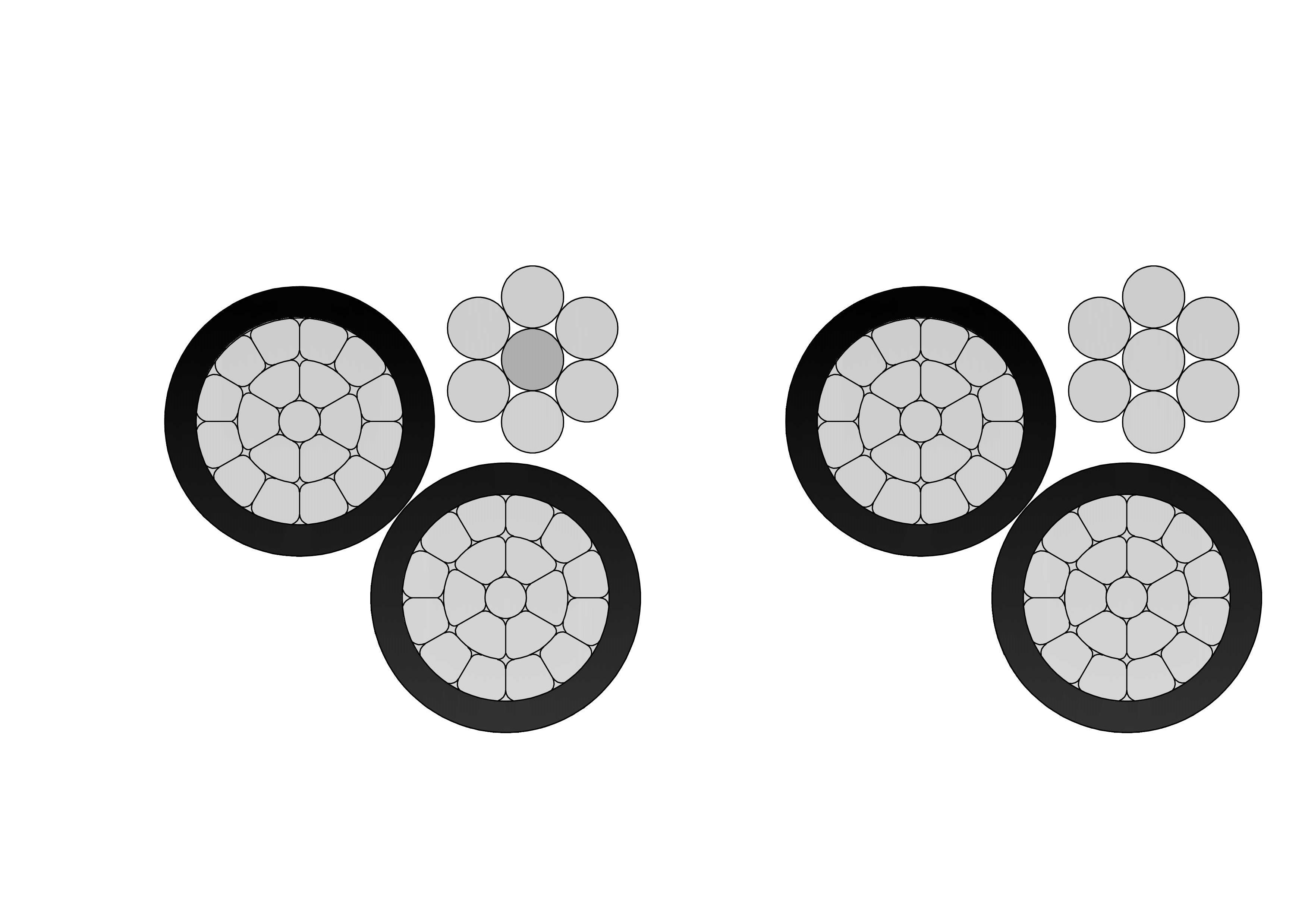
6 Patella Aluminum Conductor Triplex Overhead Service Drop Cable
The 6 Patella Aluminum Conductor Triplex Overhead Service Drop Cable is designed to provide reliable overhead power distribution from utility lines to service entrances. The cable structure includes two insulated aluminum phase conductors twisted around a high-strength neutral messenger, ensuring stable electrical transmission and excellent mechanical support. Manufactured using high-purity aluminum and durable, weather-resistant insulation materials, the 6 Patella Aluminum Conductor Triplex Overhead Service Drop Cable offers low weight, easy handling, and reduced installation effort. The insulation system is engineered to resist UV radiation, moisture, temperature variation, and environmental aging, ensuring long-term outdoor performance. A comprehensive quality assurance system is applied throughout the manufacturing process. The 6 Patella Aluminum Conductor Triplex Overhead Service Drop Cable undergoes strict raw material testing, continuous process inspection, and rigorous finished product testing. Each production stage follows standardized procedures in accordance with international standards and utility requirements, making this cable a dependable solution for residential, commercial, and light industrial overhead service drop applications.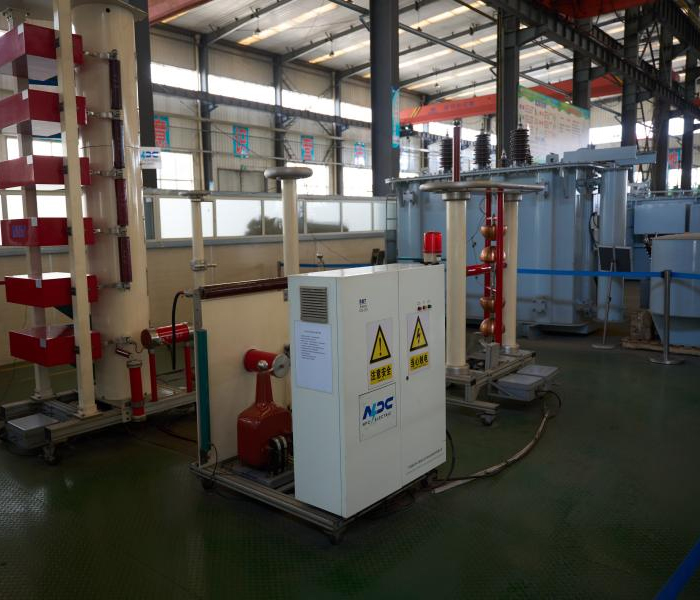
35kV High Voltage Dry Type Transformer
The 35kV High Voltage Dry Type Transformer is a robust, three-phase cast-resin (epoxy-encapsulated) power transformer engineered for safe, reliable high-voltage to medium-voltage or medium-voltage to low-voltage transformation in demanding indoor and protected outdoor substation applications. With full high-conductivity copper windings and advanced vacuum-cast resin insulation, it eliminates oil fire risks, environmental hazards, and routine maintenance while providing superior dielectric strength, thermal endurance, excellent resistance to moisture/dust/pollution, and very low noise levels in fire-regulated. Fully compliant with IEC 60076-11, IEC 60076-1/2/3/5/20, EN 50588-1 (eco-design), IEEE C57.12.01, IEEE C57.12.91, UL 1561 (optional), and aligned with DOE efficiency guidelines (exceeding 2016 levels and prepared for 2029 loss-reduction amendments), this series achieves excellent energy efficiency (typically 99.25–99.55% at full load), ultra-low no-load and load losses, strong overload capability (up to 150% short-term), low sound levels (<65 dB standard; <60 dB low-noise execution), and a design life exceeding 40 years with virtually zero maintenance.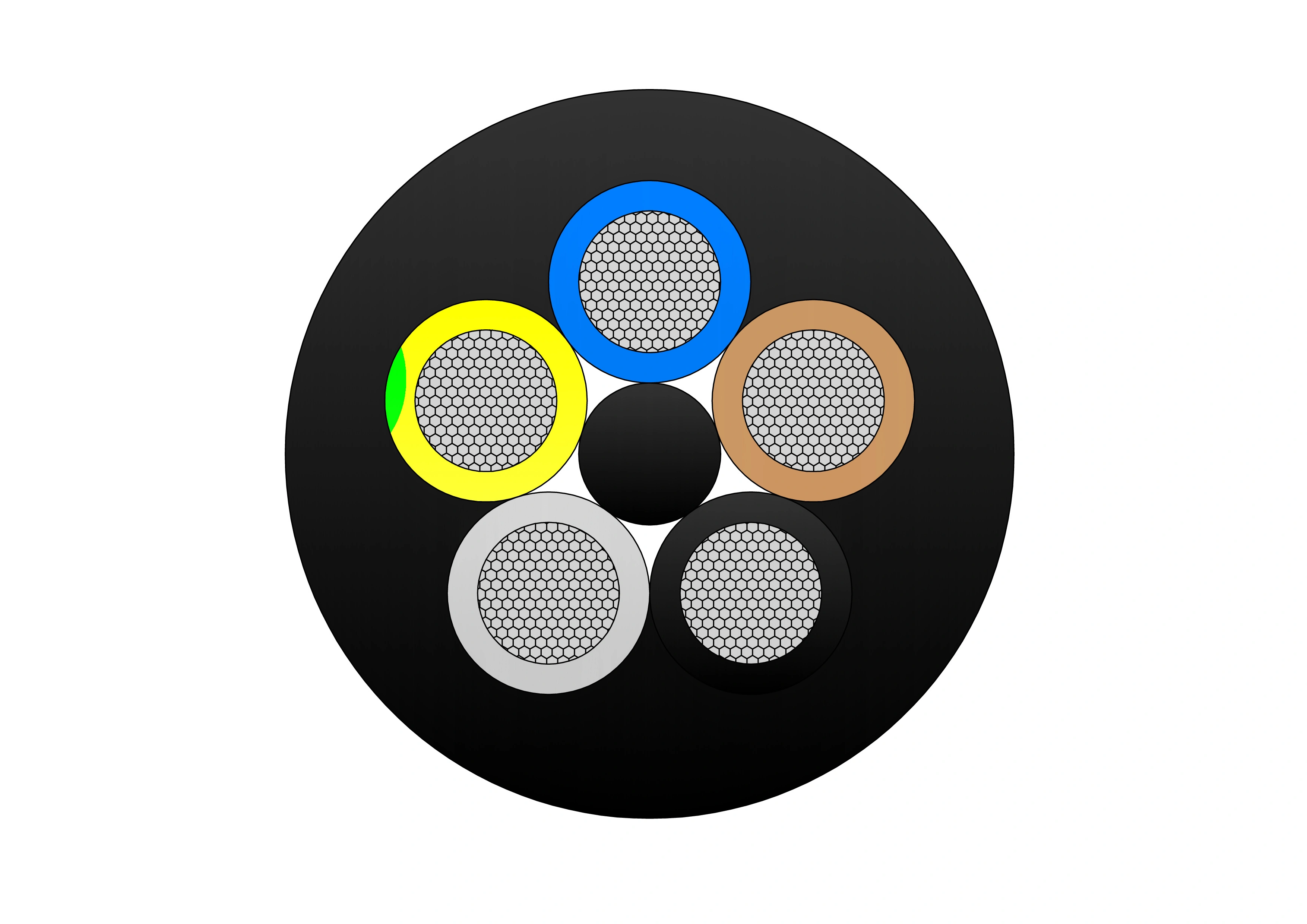
Type 275 Flexible Overall Semi-conductive Rubber Screened Mining Cable
The Type 275 Flexible Overall Semi-conductive Rubber Screened Mining Cable is a 1.1kV, medium-voltage cable designed for coal mining and heavy-duty industrial applications. It features tinned annealed copper conductors, EPR insulation, and a semi-conductive thermosetting compound screen for enhanced electrical performance. The cable is reinforced with polyamide yarn braid and protected by a heavy-duty CSP sheath, offering oil resistance, flame retardancy, and mechanical durability. Its robust construction ensures reliable power delivery to shuttle cars, electric pumps, and other mining equipment. Compliant with AS/NZS 2802 and stringent mining standards, it supports very high tensile loads, frequent flexing, tight bending radii, and reliable operation in wet, dusty, and hazardous mine environments.-AL-medium-voltage-power-cable-2.jpg)
RHZ1-OL(AS)-AL Medium Voltage Power Cable(8.7/15kV, 12/20kV, 18/30kV)
RHZ1-OL(AS)-AL Medium Voltage Power Cable (8.7/15kV, 12/20kV, 18/30kV) is a lightweight cable with enhanced fire retardancy for critical medium voltage applications. Featuring stranded aluminium conductors, cross-linked polyethylene (XLPE) insulation, metallic screen, and low smoke zero halogen (LSZH) outer sheath with advanced fire behavior (AS designation), it complies with UNE 21123-4 and higher CPR classifications. In fire scenarios, it produces very low smoke and no toxic gases. Aluminium construction reduces weight and costs while ensuring reliable current capacity. Superior partial discharge resistance, low dielectric losses, and high thermal stability provide efficient, long-lasting performance. Suitable for direct burial, ducts, or indoor use in high-safety areas. The RHZ1-OL(AS)-AL Medium Voltage Power Cable is perfect for utilities, hospitals, schools, tunnels, and infrastructure projects requiring economical, advanced fire-safe medium voltage cabling with exceptional life-safety features and durability worldwide.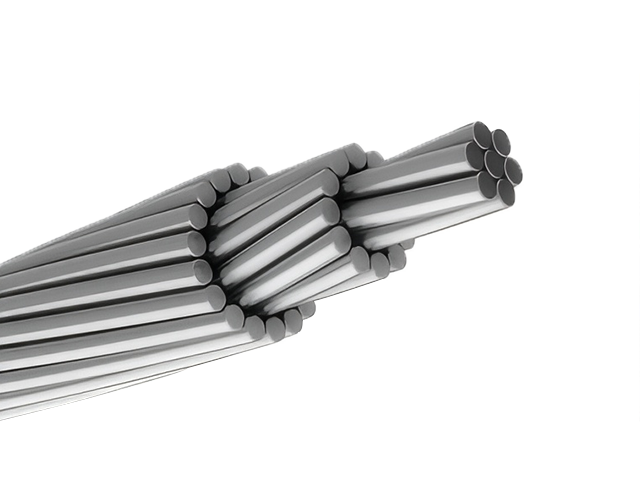
1590 MCM LAPWING ACSR Conductor Cable
The ACSR 1590 MCM Lapwing 45/7 is a high-efficiency, bare concentric-lay-stranded conductor designed for superior performance in overhead power transmission and distribution systems, meeting ASTM B232 standards. It features a galvanized steel core (Class A or B) with 7 steel strands for robust mechanical strength, surrounded by 45 strands of hard-drawn 1350-H19 aluminum wire for excellent electrical conductivity. Ideal for long-span transmission lines and primary/secondary distribution networks, the Lapwing configuration offers exceptional corrosion resistance and customizable aluminum-to-steel ratios to fulfill specific electrical and mechanical demands, ensuring reliable and durable power delivery. Galvanized steel wires used for the core undergo tensile testing, zinc coating thickness measurement, and corrosion resistance evaluation. Dimensional accuracy and surface condition of all materials are verified before approval.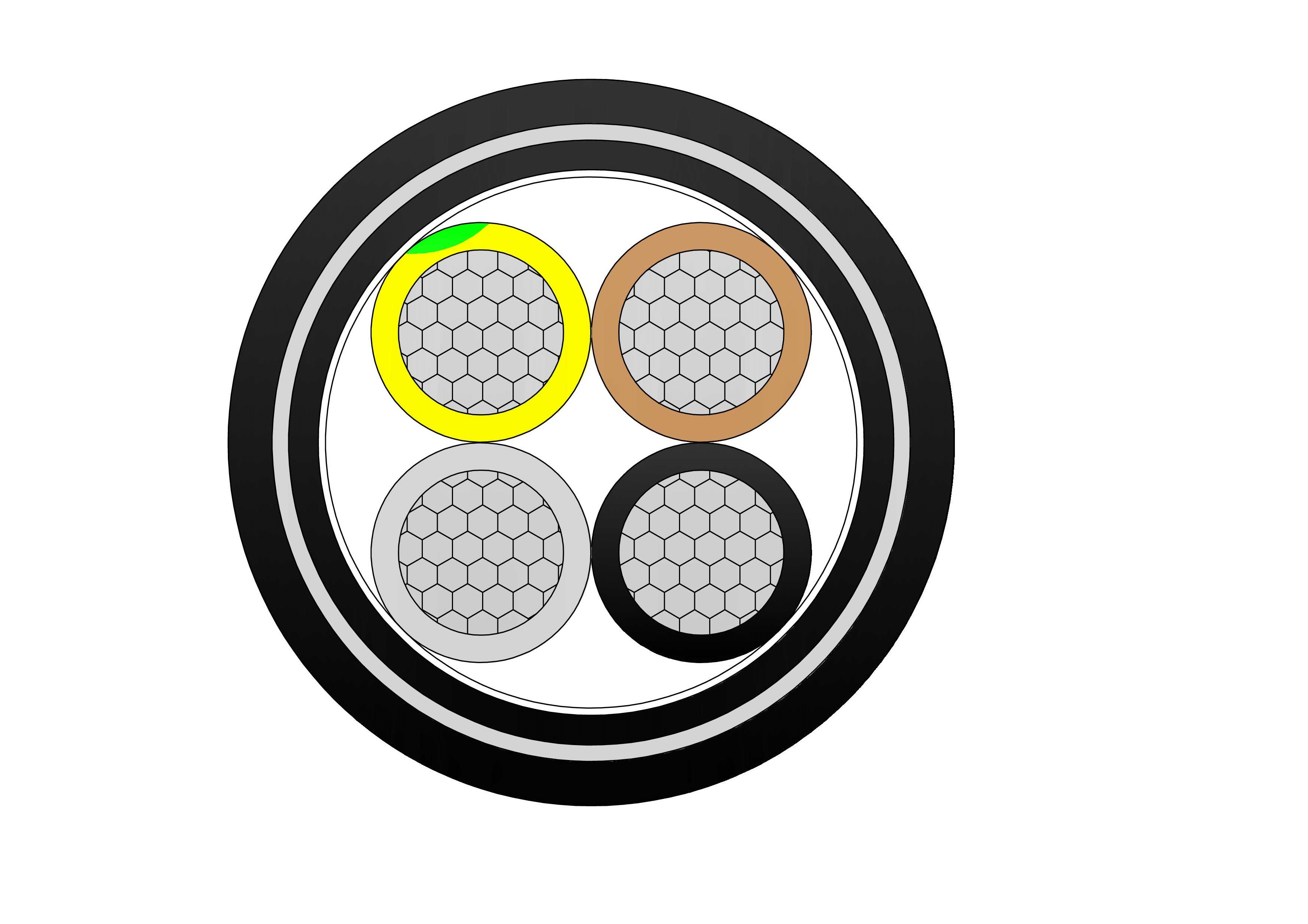
NAYBY 0.6/1kV Low Voltage Power Cable
NAYBY 0.6/1kV are low voltage power cables designed according to DIN VDE 0276 standard, suitable for fixed installation in indoor, outdoor, underground, cable ducts, or concrete (not exposed to vibration), with steel tape armoring providing additional mechanical protection. Featuring stranded or solid aluminium conductors, PVC insulation, filler, and robust PVC outer sheath, it complies with VDE 0276-603 and IEC standards. This unarmoured cable offers good electrical properties, mechanical strength, and resistance to moisture and chemicals. Lightweight aluminium design reduces installation and material costs compared to copper equivalents. Suitable for direct burial, ducts, or indoor fixed installations where mechanical protection is not critical. Flame-retardant with adequate current-carrying capacity, the NAYBY 0.6/1kV Low Voltage Power Cable ensures reliable performance with minimal losses.
1033.5 MCM ORTOLAN ACSR Conductor Cable
The Ortolan ACSR Conductor Cable is a high-capacity overhead conductor designed for efficient power transmission. Named "Ortolan" for its 1033.5 MCM size with 45/7 stranding (45 aluminum wires around 7 steel cores), it combines lightweight aluminum for conductivity with a galvanized steel core for tensile strength. Compliant with ASTM B230, B232, and ICEA standards, this cable offers a breaking load of approximately 32,300 lbs and a current rating up to 1000 amps at 75°C in overhead applications. The aluminum 1350-H19 provides excellent corrosion resistance and low electrical resistance (0.0166 Ω/1000ft at 20°C), while the steel enhances sag control over long spans. Suitable for voltages up to 230kV in distribution lines, the Ortolan ACSR Conductor Cable minimizes line losses and withstands harsh weather, including wind and ice loading. Its cost-effective design makes it popular for utility upgrades and rural electrification, ensuring reliable power delivery with minimal maintenance in overhead transmission and distribution systems worldwide.
2 Solaster Aluminum Conductor Triplex Overhead Service Drop Cable
The 2 Solaster Aluminum Conductor Triplex Overhead Service Drop Cable is designed for reliable overhead electrical service connections from utility distribution lines to residential and light commercial buildings. The cable consists of two insulated aluminum phase conductors twisted around a bare aluminum neutral messenger, providing stable electrical transmission and strong mechanical support. Manufactured using high-purity aluminum and weather-resistant insulation compounds, the 2 Solaster Aluminum Conductor Triplex Overhead Service Drop Cable offers low electrical resistance, excellent corrosion resistance, and long-term durability in outdoor environments. Its lightweight construction allows for efficient handling and installation while maintaining the tensile strength required for aerial service applications. The cable is engineered to perform consistently under UV exposure, wind loading, and temperature fluctuations. Comprehensive quality control procedures and systematic testing are applied throughout production to ensure compliance with industry and utility standards.
Three Phase Cast Resin Dry Type Transformer
The Three Phase Cast Resin Dry Type Transformer is a safe, high-efficiency indoor power transformer series designed for reliable medium-voltage to low-voltage step-down in commercial, institutional, industrial, data center, hospital, school, high-rise, and renewable energy applications. With advanced epoxy cast-resin encapsulation and full high-conductivity copper windings, it completely eliminates oil fire risks, environmental hazards, and routine maintenance while offering excellent dielectric strength, thermal performance, resistance to moisture/dust/chemicals, and very low noise levels — making it the ideal choice for fire-sensitive, noise-restricted, space-constrained, or high-reliability indoor installations. Fully compliant with IEC 60076-11, IEC 60076-1/2/3/5/20, EN 50588-1 (eco-design), IEEE C57.12.01, IEEE C57.12.91, UL 1561 (optional listing), and DOE 2016 efficiency standards.
A2XS(FL)2Y HDPE High Voltage 76/132 (145)kV Power Cable
The A2XS(FL)2Y HDPE High Voltage 76/132 (145) kV Power Cable is a single-core aluminum conductor cable with XLPE insulation and HDPE sheath, engineered for high-voltage power transmission in demanding industrial and utility applications. Built to IEC 60840 standards, it offers superior electrical performance, mechanical strength, and environmental resistance. Suitable for underground, underwater, outdoor, indoor, and duct installation, it features water-blocking tape to prevent internal water propagation, ensuring long-term reliability in power stations, industrial facilities, and distribution networks. The A2XS(FL)2Y HDPE is widely used in major UHV transmission grids, underground/submarine lines, river crossings, offshore wind connections, and large-scale renewable energy projects where water ingress protection, efficiency, and ultra-reliability are essential.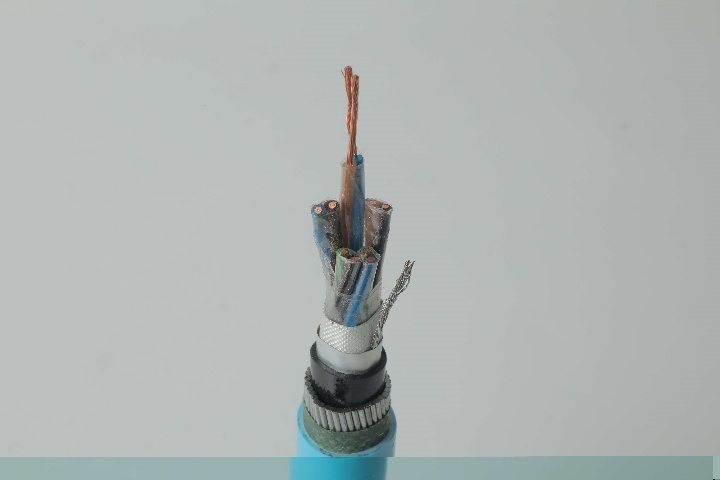
Instrumentation Cables—Mica Tapped, XLPE Insulated, Individual &Overall Screened, Wire Armoured LSZH Sheathed Cables(CU/GMT/XLPE/IOSCR/SWA/LSZH)
CU/GMT/XLPE/IOSCR/SWA/LSZH instrumentation cables are engineered for precise signal and control transmission in environments with high electrical noise and strict safety requirements. The mica tape layer protects the copper conductor during fire exposure, while XLPE insulation ensures stable electrical characteristics and heat resistance. Individual screening of each circuit, combined with an overall screen, provides superior protection against electromagnetic interference, enabling accurate and stable signal performance. Steel wire armour enhances mechanical durability and protects the cable from external damage. The LSZH sheath limits smoke emission and corrosive gases, making the cable suitable for enclosed and public installations. This robust design makes the cable ideal for complex industrial applications requiring both signal integrity and safety compliance.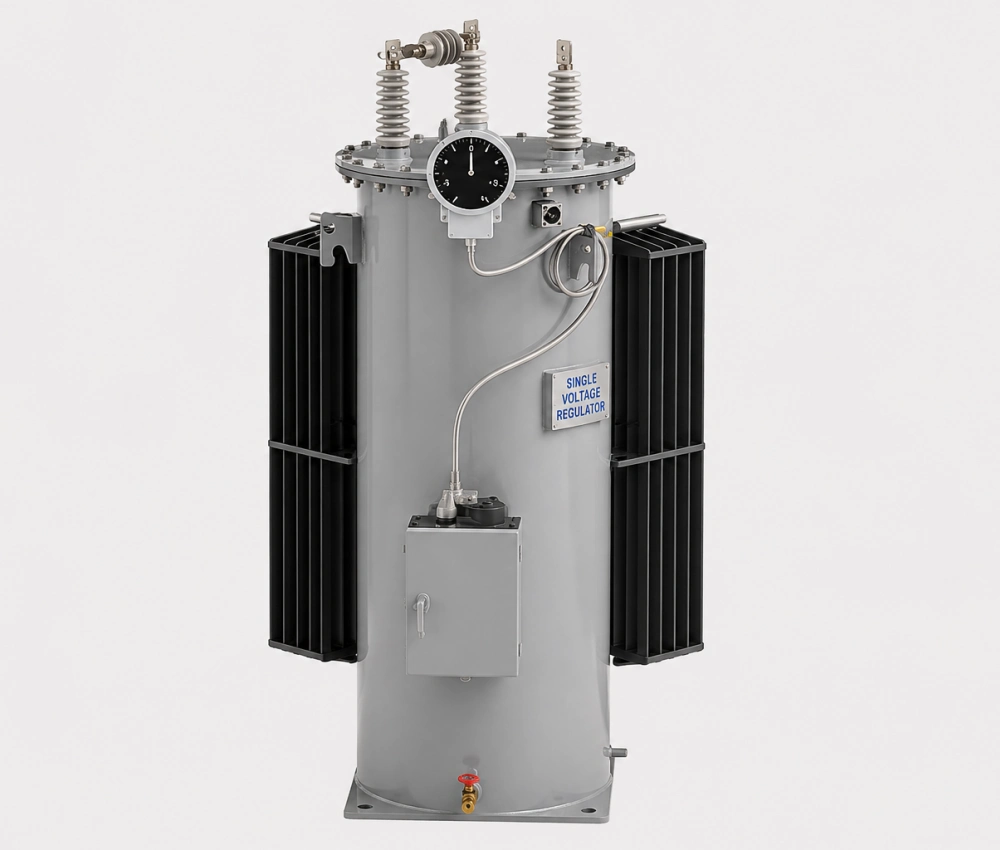
SVR-3 Type Feeder Automatic Step Voltage Regulator
The SVR-3 Type Feeder Automatic Step Voltage Regulator is an advanced, three-phase on-load automatic voltage regulation system designed specifically for distribution feeders. Equipped with a high-speed motorized on-load tap changer, premium copper windings, and low-loss silicon steel core, it delivers precise and rapid voltage stabilization with minimal waveform distortion. The intelligent microprocessor controller continuously monitors line voltage and automatically adjusts taps to maintain stable output voltage, even under rapidly changing load conditions. Built for harsh outdoor environments, the SVR-3 features a fully sealed oil-immersed tank with excellent corrosion protection, advanced cooling system, and comprehensive protection functions including over-voltage, under-voltage, overload, short-circuit, and reverse power protection. With remote monitoring capability and high overload capacity, the SVR-3 significantly improves power quality, reduces energy losses, and enhances reliability across distribution networks.
4 Periwinkle Aluminum Conductor Triplex Overhead Service Drop Cable
The 4-4-6 Periwinkle Aluminum Conductor Triplex Overhead Service Drop Cable is a cost-effective solution for overhead power delivery from utility poles to residential or light commercial weatherheads. It features concentric-lay-stranded 1350-H19 aluminum phase conductors (#4 AWG, 7-strand), black cross-linked polyethylene (XLPE) insulation for superior weather, UV, and thermal resistance, and a bare ACSR neutral messenger (#6 AWG, 6/1) providing mechanical strength and conductivity. Rated for 600 volts phase-to-phase at conductor temperatures up to 90°C (XLPE) or 75°C (Poly), it offers an allowable ampacity of approximately 100 amps (XLP). Compliant with ASTM B-230, B-231, B-232, B-399, and ICEA S-76-474 standards, this lightweight, flexible cable ensures easy installation and reliable performance in outdoor conditions, including wind, ice loading, moisture, and temperature fluctuations.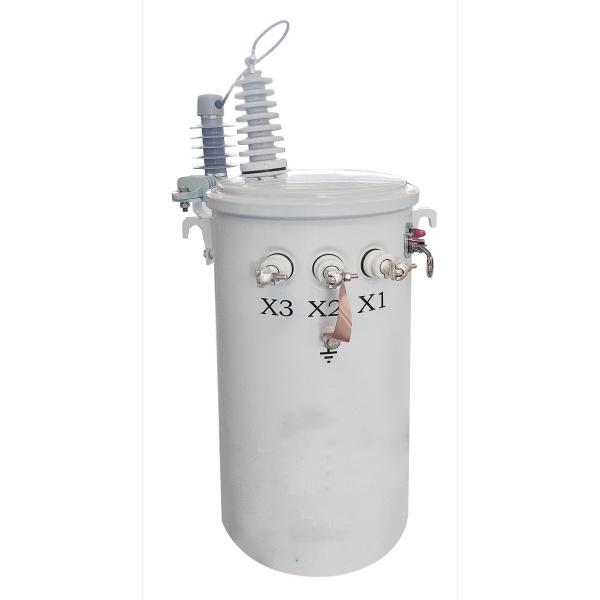
100kVA Completely self-protected(CSP) Single Phase Pole Mounted Transformer
100kVA CSP Single Phase Pole Mounted Transformer is a highly efficient and reliable solution designed for single-phase power distribution in residential, commercial, and light industrial applications. It features integrated self-protection systems, including overload, short-circuit, and over-voltage protection, ensuring automatic disconnection in the event of faults to safeguard both the transformer and connected equipment. With its pole-mounted design, it offers space-saving installation and is suitable for both urban and rural environments. This transformer delivers high operational efficiency with minimal energy loss and is built to withstand harsh weather conditions, ensuring long-lasting and reliable performance. It is the ideal choice for providing safe and stable single-phase power in diverse applications.Welcome your inquiry
Honesty, Integrity, Frugality, Activeness and Passion