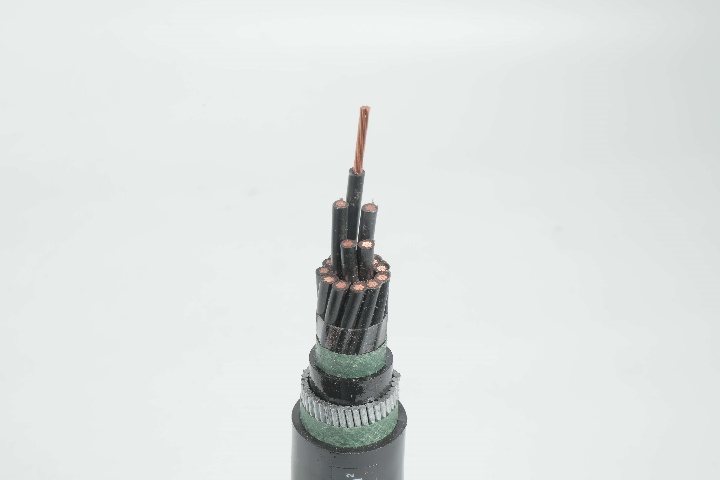
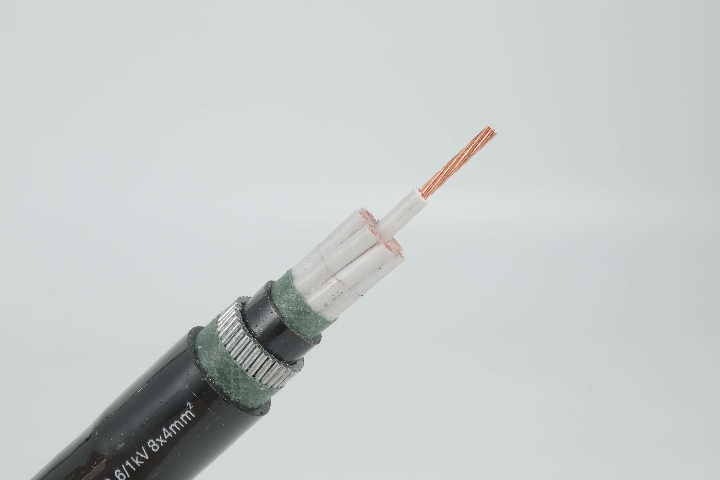
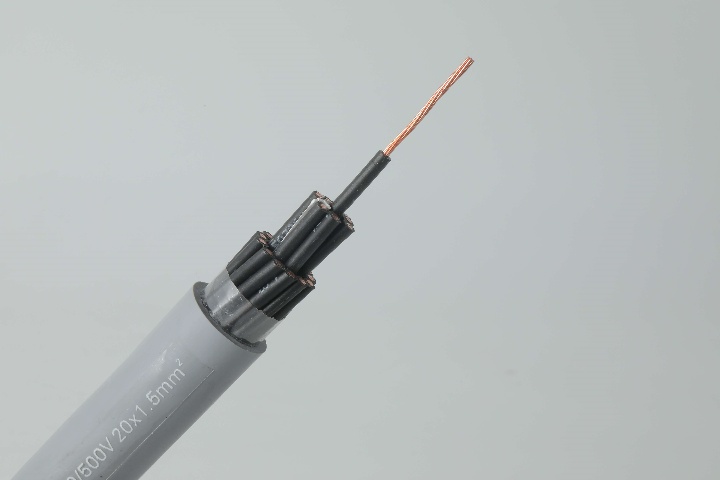


LiYY Flexible Control Cable - PVC Multi-Core Unshielded Cable
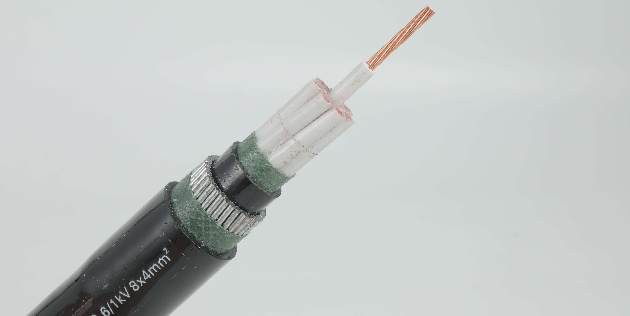
The LiYY Control Cable is a versatile and highly flexible multi-core control cable ideal for industrial machinery and automation systems. It consists of finely stranded copper conductors with PVC insulation, twisted cores for reduced interference, and a grey PVC outer sheath. This unshielded design offers outstanding flexibility with a small bending radius, making installation easy even in confined spaces. Rated 300/500V, the LiYY Control Cable provides reliable signal and control transmission with good resistance to oil and mechanical stress. Manufactured under strict quality control from raw materials to finished product, it meets international standards and delivers consistent performance in dynamic and static industrial environments.
- Standard VDE 0812, IEC 60227
- Voltage Rating 300/500V
- Conductor Stranded copper (Class 5)
- Core Count 2 to 61 cores
- Test Voltage 2000V
- Bending Radius 6× outer diameter
Construction
Technical Specifications
Quality Control
Application
Construction
LiYY Flexible Control Cable
Key Product Features
Class 5 highly flexible copper conductors
PVC insulation and sheath for durability
Excellent bending properties and installation flexibility
Oil and mechanical stress resistance
Cost-effective solution for control circuits
PVC insulation and sheath for durability
Excellent bending properties and installation flexibility
Oil and mechanical stress resistance
Cost-effective solution for control circuits
Conductor
Stranded copper (Class 5)
Insulation
PVC
Sheath
PVC
Core Identification
Numbered or colored
Operating Temp
-15°C to +70°C
Technical Specifications
LiYY Flexible Control Cable - PVC Multi-Core Unshielded Cable
LiYY Flexible Control Cable
| Number of cores and nominal cross section | Copper | Cond.construction | Conductor | Overall diameter | Weight |
| figure | (appr. value) | loop resistance | appr. | appr. | |
| mm2 | kg/km | mm | Ohm/km | mm | kg/km |
| 2 x 0,14 | 2,8 | 18 x 0,10 | 138,0 | 3,2 | 12 |
| 3 x 0,14 | 4,2 | 18 x 0,10 | 138,0 | 3,4 | 15 |
| 4 x 0,14 | 5,6 | 18 x 0,10 | 138,0 | 3,6 | 17 |
| 5 x 0,14 | 7,0 | 18 x 0,10 | 138,0 | 3,9 | 22 |
| 6 x 0,14 | 8,4 | 18 x 0,10 | 138,0 | 4,2 | 25 |
| 7 x 0,14 | 9,8 | 18 x 0,10 | 138,0 | 4,2 | 26 |
| 8 x 0,14 | 11,2 | 18 x 0,10 | 138,0 | 4,5 | 29 |
| 10 x 0,14 | 14,0 | 18 x 0,10 | 138,0 | 5,2 | 35 |
| 12 x 0,14 | 16,8 | 18 x 0,10 | 138,0 | 5,6 | 43 |
| 16 x 0,14 | 22,4 | 18 x 0,10 | 138,0 | 6,1 | 52 |
| 18 x 0,14 | 25,2 | 18 x 0,10 | 138,0 | 6,9 | 65 |
| 21 x 0,14 | 29,4 | 18 x 0,10 | 138,0 | 6,9 | 79 |
| 24 x 0,14 | 33,6 | 18 x 0,10 | 138,0 | 7,6 | 89 |
| 30 x 0,14 | 42,0 | 18 x 0,10 | 138,0 | 8,0 | 106 |
| 2 x 0,25 | 5,0 | 14 x 0,16 | 75,5 | 3,8 | 25 |
| 3 x 0,25 | 7,5 | 14 x 0,16 | 75,5 | 4,0 | 29 |
| 4 x 0,25 | 10,0 | 14 x 0,16 | 75,5 | 4,3 | 31 |
| 5 x 0,25 | 12,5 | 14 x 0,16 | 75,5 | 4,7 | 38 |
| 6 x 0,25 | 15,0 | 14 x 0,16 | 75,5 | 5,1 | 42 |
| 7 x 0,25 | 17,5 | 14 x 0,16 | 75,5 | 5,4 | 48 |
| 8 x 0,25 | 20,0 | 14 x 0,16 | 75,5 | 5,7 | 54 |
| 10 x 0,25 | 25,0 | 14 x 0,16 | 75,5 | 6,8 | 65 |
| 12 x 0,25 | 30,0 | 14 x 0,16 | 75,5 | 7,0 | 75 |
| 16 x 0,25 | 40,0 | 14 x 0,16 | 75,5 | 7,7 | 95 |
| 18 x 0,25 | 45,0 | 14 x 0,16 | 75,5 | 8,3 | 101 |
| 24 x 0,25 | 60,0 | 14 x 0,16 | 75,5 | 9,4 | 143 |
| 30 x 0,25 | 75,0 | 14 x 0,16 | 75,5 | 10,3 | 172 |
| 36 x 0,25 | 90,0 | 14 x 0,16 | 75,5 | 11,1 | 196 |
| 2 x 0,34 | 6,8 | 19 x 0,16 | 57,5 | 4,2 | 28 |
| 3 x 0,34 | 10,2 | 19 x 0,16 | 57,5 | 4,4 | 30 |
| 4 x 0,34 | 13,6 | 19 x 0,16 | 57,5 | 4,8 | 40 |
| 5 x 0,34 | 17,0 | 19 x 0,16 | 57,5 | 5,5 | 44 |
| 7 x 0,34 | 23,8 | 19 x 0,16 | 57,5 | 5,9 | 60 |
| 10 x 0,34 | 34,0 | 19 x 0,16 | 57,5 | 7,6 | 77 |
| 12 x 0,34 | 40,8 | 19 x 0,16 | 57,5 | 7,8 | 97 |
| 16 x 0,34 | 54,4 | 19 x 0,16 | 57,5 | 8,7 | 114 |
| 18 x 0,34 | 61,2 | 19 x 0,16 | 57,5 | 9,1 | 135 |
| 24 x 0,34 | 81,6 | 19 x 0,16 | 57,5 | 11,0 | 171 |
| 36 x 0,34 | 122,4 | 19 x 0,16 | 57,5 | 12,5 | 244 |
| 2 x 0,5 | 10,0 | 16 x 0,21 | 37,8 | 4,7 | 25 |
| 3 x 0,5 | 15,0 | 16 x 0,21 | 37,8 | 5,0 | 35 |
| 4 x 0,5 | 20,0 | 16 x 0,21 | 37,8 | 5,6 | 42 |
| 5 x 0,5 | 25,0 | 16 x 0,21 | 37,8 | 6,1 | 49 |
| 7 x 0,5 | 35,0 | 16 x 0,21 | 37,8 | 6,9 | 73 |
| 10 x 0,5 | 50,0 | 16 x 0,21 | 37,8 | 8,6 | 120 |
| 12 x 0,5 | 60,0 | 16 x 0,21 | 37,8 | 8,9 | 130 |
| 16 x 0,5 | 80,0 | 16 x 0,21 | 37,8 | 10,2 | 152 |
| 18 x 0,5 | 90,0 | 16 x 0,21 | 37,8 | 10,2 | 159 |
| 24 x 0,5 | 120,0 | 16 x 0,21 | 37,8 | 12,5 | 250 |
| 36 x 0,5 | 180,0 | 16 x 0,21 | 37,8 | 14,5 | 315 |
| 3 x 0,75 | 22,5 | 24 x 0,21 | 25,3 | 5,6 | 64 |
| 5 x 0,75 | 37,5 | 24 x 0,21 | 25,3 | 6,9 | 77 |
Quality Control
LiYY Flexible Control Cable - PVC Multi-Core Unshielded Cable
Raw Material Test
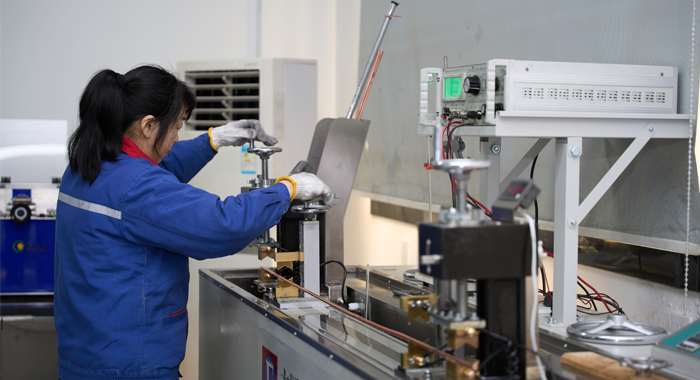
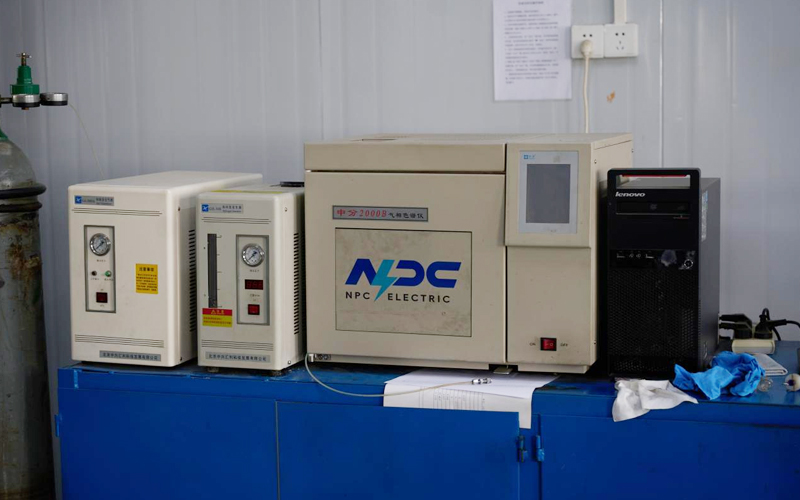
Raw Material Test forms the foundation of quality assurance for the LiYY Control Cable. Incoming copper rods undergo comprehensive chemical and mechanical testing to ensure high conductivity and flexibility. PVC insulation and sheath compounds are tested for flame retardancy, thermal aging, insulation resistance, and mechanical properties. Surface and dimensional inspections are conducted to eliminate material defects. Only raw materials that fully satisfy all specification requirements are approved for the production of the LiYY Control Cable. This strict raw material validation ensures the final cable delivers consistent electrical performance, mechanical flexibility, and durability required for industrial control applications.
Process inspection
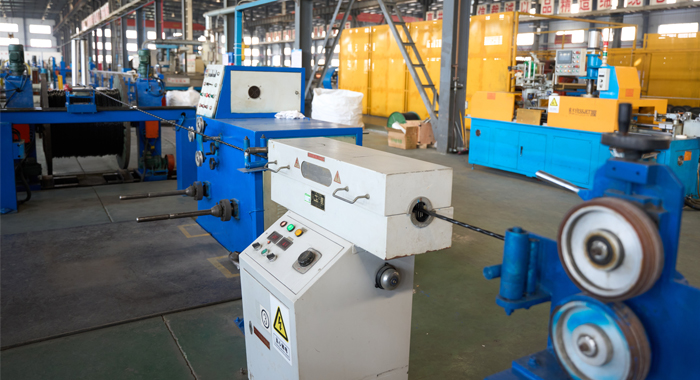
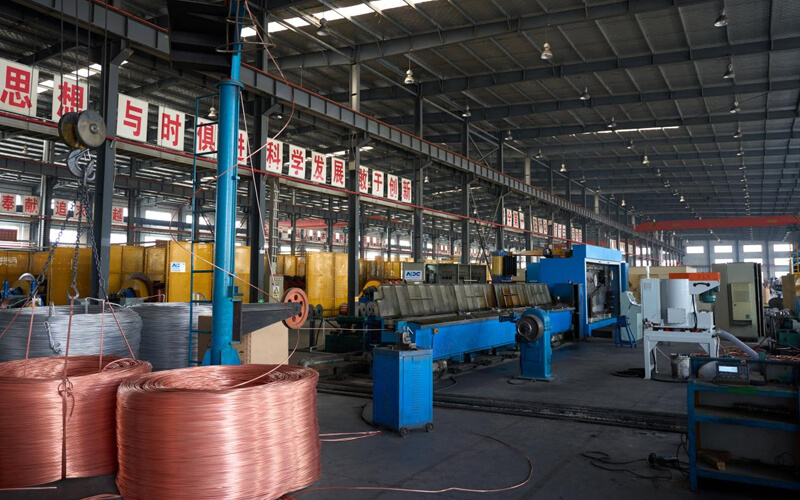
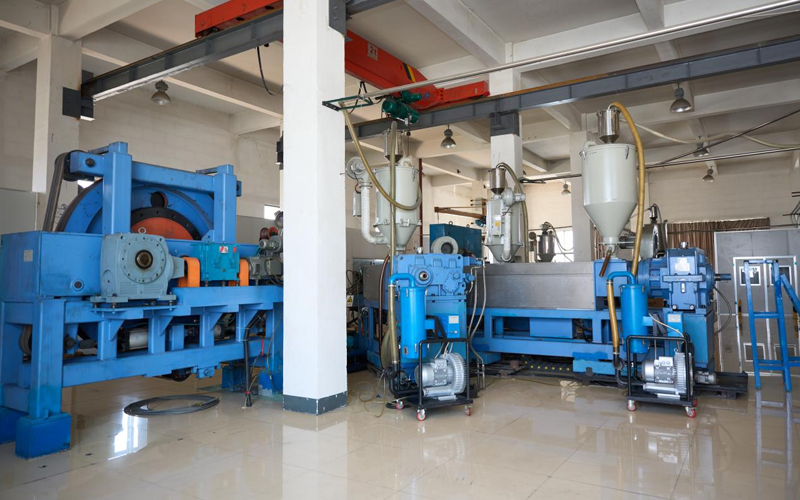
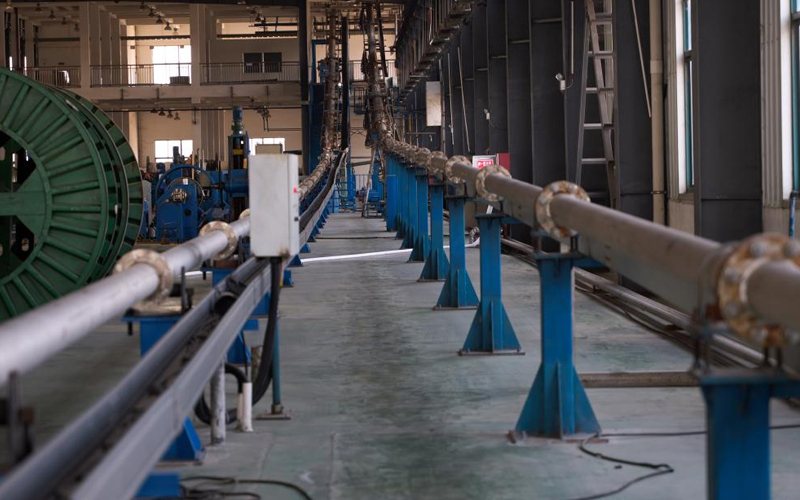
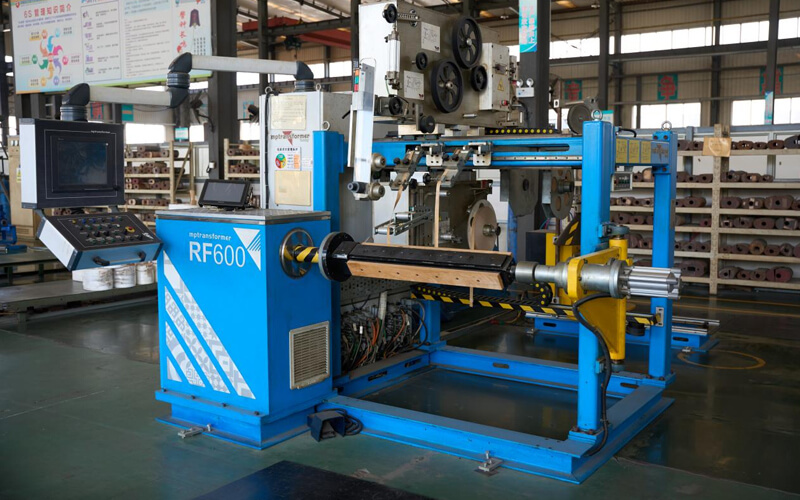
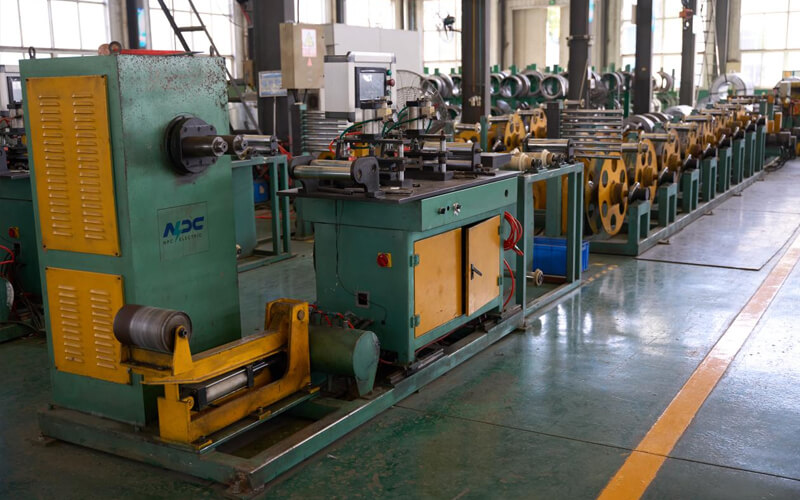
Process Inspection throughout the manufacturing of the LiYY Control Cable ensures precision and consistency. Wire drawing and stranding processes are monitored to maintain exact conductor diameter and uniform twisting. Insulation extrusion is controlled for consistent thickness and concentricity. Core assembly and final sheathing undergo real-time tension and diameter checks. Mid-process electrical and mechanical sampling tests are performed. Any deviation from parameters triggers immediate corrective measures. These detailed process controls protect the integrity and performance of the LiYY Control Cable, resulting in a flexible, high-quality control cable suitable for demanding industrial environments.
Finished Product
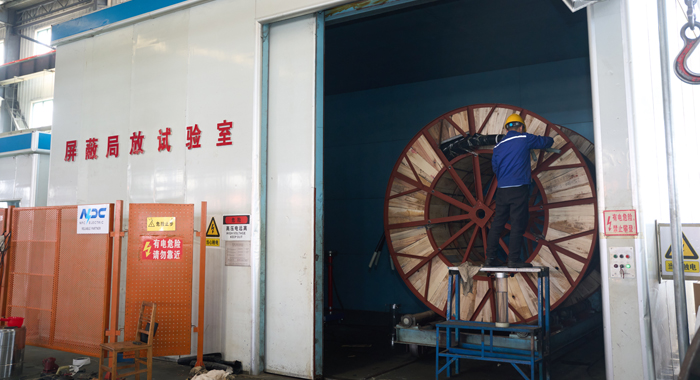
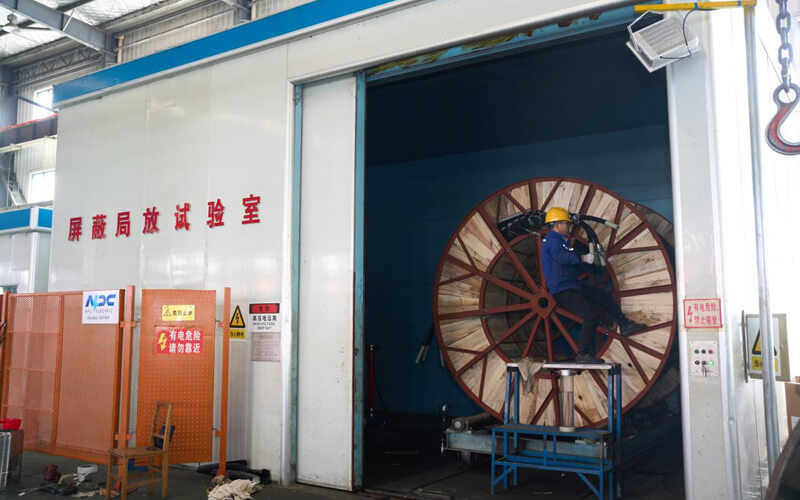
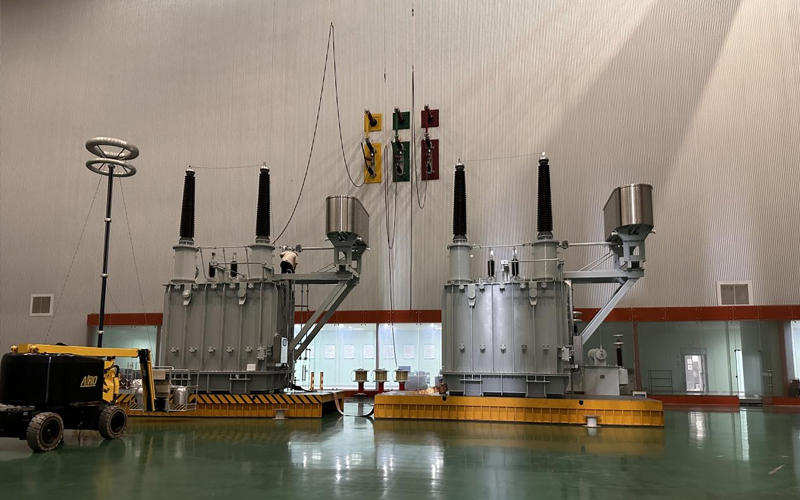
Every completed reel of LiYY Control Cable undergoes thorough Finished Product testing. Dimensional checks verify overall diameter, insulation thickness, and sheath uniformity. Electrical tests including high-voltage, insulation resistance, and conductor resistance validate performance. Mechanical tests assess flexibility and tensile strength. Full visual inspection ensures a defect-free surface. All tests follow VDE 0812 and IEC 60227 standards with complete traceability records. Packaging and marking are also verified. Only the LiYY Control Cable that passes 100% of these final inspections is approved for shipment. This rigorous final quality gate assures customers of reliable, safe, and high-performance flexible control cables.
Application
The LiYY Control Cable is commonly used in CNC machines, robotics, conveyor belts, automated production lines, HVAC systems, and general industrial control circuits requiring flexible multi-core cables.
Technical Advantages
● 30+ years of manufacturing experience
● ISO and UL certified production
● Customized cable and transformer solutions
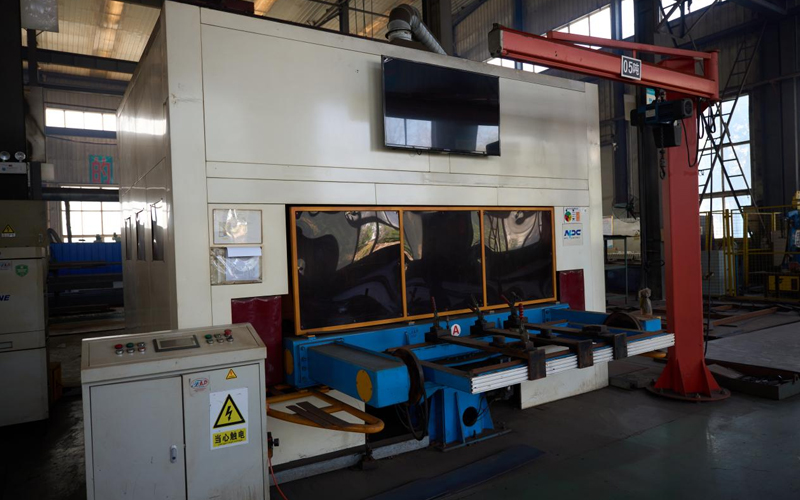
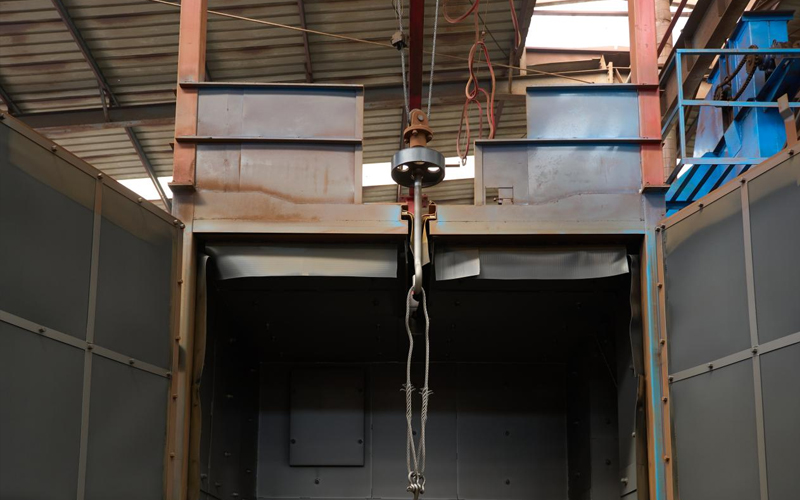
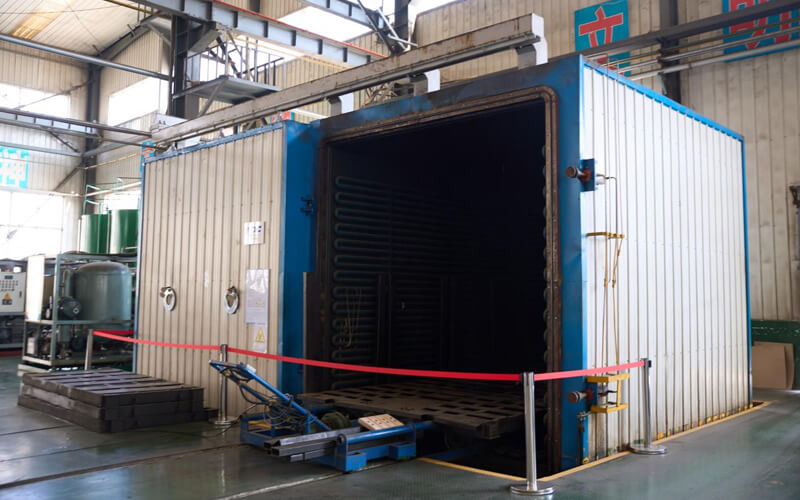
Product Packaging
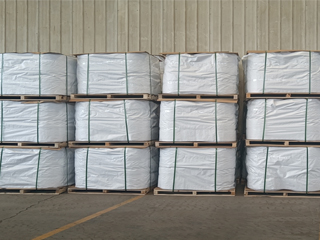
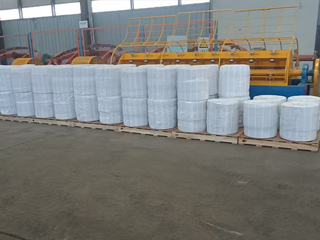
Wires and Cables packaging (1)
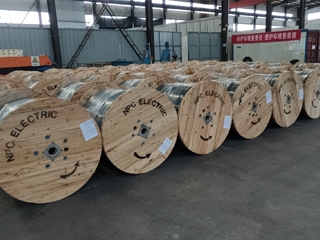
Wires and Cables packaging (2)
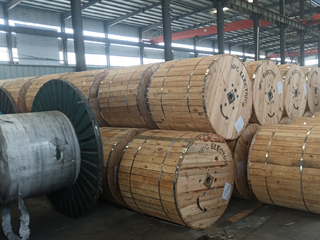
Wires and Cables packaging (3)
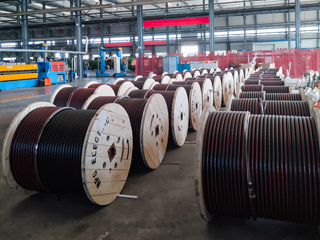
Wires and Cables packaging (4)
Wires and Cables packaging (5)
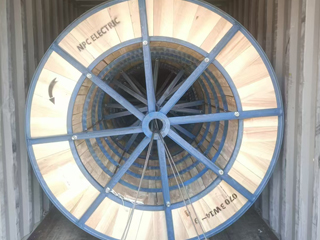
Wires and Cables packaging (6)
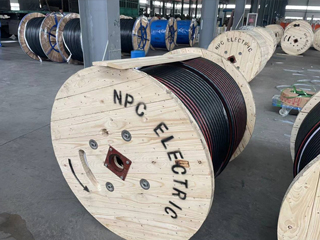
Wires and Cables packaging (7)
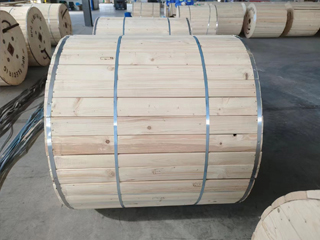
Wires and Cables packaging (8)
Related Products
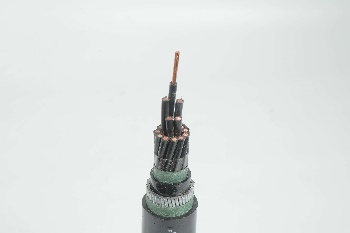
Control Cable 0.6/1 kV CVV-S to IEC 60502 Standard (2-30 core)
Engineered for electromagnetic interference resistance, the Control Cable 0.6/1 kV CVV-S to IEC 60502 Standard (2-30 core) excels in sensitive control environments. It employs concentric stranded copper conductors for low-resistance transmission, paired with black PVC insulation marked by white numbers for easy identification. The integrated copper tape shield effectively blocks electrostatic noise, while dual PVC sheaths provide flame resistance and mechanical protection. Suitable for 0.6/1 kV ratings, it withstands temperatures from -15°C to 70°C. This cable is tailored for supervisory circuits, outdoor stations, and installations in ducts or conduits where shielding is essential. With options from 2 to 30 cores, it accommodates diverse system requirements, enhancing signal integrity and reducing errors. Fully compliant with IEC 60502, it minimizes operational disruptions in high-interference settings. Ideal for professionals demanding dependable solutions, the CVV-S ensures long-lasting performance and cost savings through superior durability.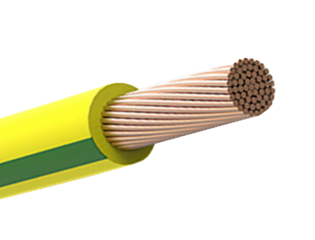
TW AND THW
Electrical wire TW AND THW is used in new construction projects or rewiring tasks in 600-volt systems. It is from NPC Electric are designed for building wiring applications where dependable electrical performance and installation safety are required. These single-core copper conductors are insulated with high-quality thermoplastic materials, providing stable conductivity, good mechanical protection, and resistance to heat and moisture. TW wire is suitable for dry or damp locations with moderate temperature ratings, while TH wire offers higher heat resistance for applications requiring enhanced thermal performance. Manufactured under strict quality control, NPC Electric TW and TH Wires deliver uniform insulation thickness, consistent conductor structure, and long service life. Their reliable performance and ease of handling make them a trusted choice for residential, commercial, and light industrial electrical installations.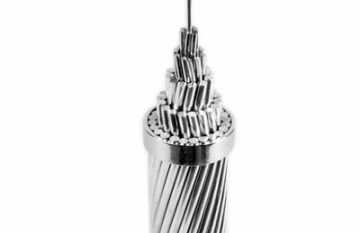
795 MCM Arbutus AAC Cable
The 795 MCM Arbutus AAC Cable represents premium All Aluminum Conductor technology for overhead power applications. Built with 37 strands of high-conductivity 1350-H19 aluminum, this bare conductor delivers an optimal balance of electrical efficiency and mechanical robustness. With a 1.026-inch diameter, 14,200 lbs breaking strength, and 880 amps ampacity, the Arbutus AAC offers low DC resistance of 0.0217 ohms per 1000 ft at 20°C and a weight of 746.7 lbs per 1000 ft. This design minimizes sag while providing excellent corrosion resistance for extended outdoor service. Manufactured to meet ASTM B-230 and B-231 standards, the 795 MCM Arbutus AAC Cable undergoes extensive quality testing from raw materials through finished product. It is the ideal solution for new installations and upgrades in transmission and distribution systems that demand lightweight, high-conductivity bare aluminum conductors.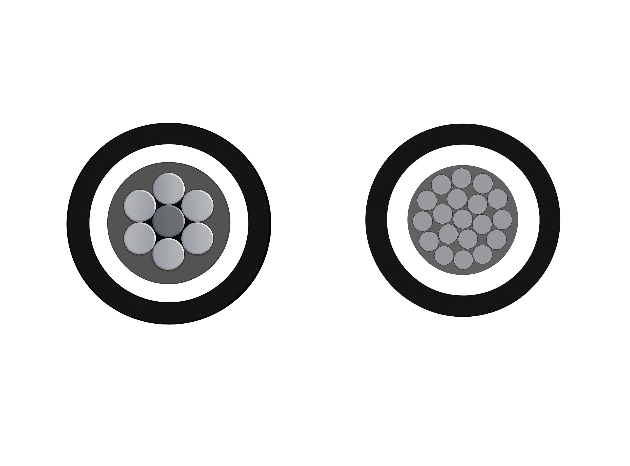
XLPE-HDPE Tree Cable Aluminum 25kV 1x150mm²
The XLPE-HDPE Tree Cable Aluminum 25kV 1x150mm² is engineered for medium-voltage overhead distribution systems requiring very high current capacity. Ideal for long-distance transmission in rural, coastal, and industrial areas, this cable provides exceptional reliability, efficient energy delivery, and long-term performance while minimizing line losses and maintenance costs. Constructed with high-conductivity aluminum alloy 1350 wires, the conductor features round compacted, class 2 stranding, with minimum conductivity of 61% IACS and tensile strength of at least 130 MPa. Optional conductor shielding with extruded semiconductor thermosetting compound is available for enhanced performance in 15kV and 25kV applications. Rated at 25kV, the XLPE-HDPE tree cable allows reduced line clearance compared to bare conductors while maintaining electrical safety. A comprehensive quality control system, including raw material testing, process inspection, and finished product testing, ensures consistent performance and compliance with IEC and utility standards.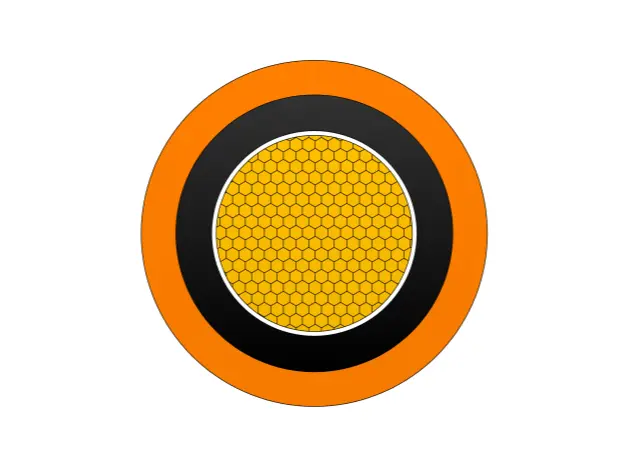
0361TQ BS 638 Orange Welding Cable
The 0361TQ BS 638 Orange Welding Cable is a premium, heavy-duty flexible welding cable engineered for demanding welding and high-current applications. It features finely stranded class 5 bare copper conductors for exceptional flexibility and high conductivity, EPR (ethylene propylene rubber) insulation for superior dielectric strength and heat resistance (90°C continuous, 200°C short-term), and a tough chlorinated sulphonated polyethylene (CSP) or polychloroprene (PCP/neoprene) outer sheath in high-visibility orange providing excellent oil resistance, flame retardancy (IEC 60332-1), abrasion/tear resistance, and weatherproofing. Compliant with BS 638 standard and rated 450/750V, it supports high current loads, tight bending radii, and reliable performance in harsh industrial environments. The 0361TQ Orange is ideal for welding machines, electrode holders, earth returns, and portable power connections where durability, flexibility, visibility, and safety are essential.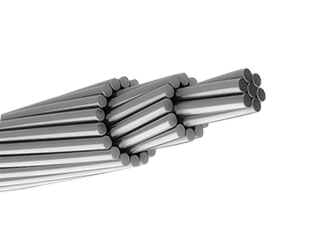
477 MCM PELICAN ACSR Conductor Cable
The ACSR CAA 477 MCM 18/1F PELICAN conductor is a high-performance Aluminium Conductor Steel Reinforced (ACSR) cable designed for use in overhead transmission and distribution line systems. Constructed with 18 strands of hard-drawn 1350-H19 aluminium helically stranded around a single galvanized steel wire, this conductor offers a well-balanced combination of electrical conductivity, lightweight design, and mechanical strength. Manufactured in compliance with ASTM B232, the PELICAN configuration is ideal for long-span installations where tensile strength, corrosion resistance, and current-carrying capability are critical. The galvanized steel core, available with Class A or B galvanization, provides excellent protection against environmental degradation while reinforcing the aluminium layers with the mechanical support required for demanding utility applications. Its 18/1 stranded design makes the PELICAN conductor particularly suitable for medium- and high-voltage overhead systems where both performance and cost-efficiency are important.FAQ From Customers
-
What are the advantages of power cables and overhead lines?(1) Reliable operation, because it is installed in a hidden place such as underground, it is less damaged by external forces, has less chance of failure, and the power supply is safe, and it will not cause harm to people; (2) The maintenance workload is small and frequent inspections are not required; (3) No need to erect towers; (4) Help improve power factor.
-
Which aspects should be considered when choosing the cross section of a power cable?(1) The long-term allowable working current of the cable; (2) Thermal stability once short circuited; (3) The voltage drop on the line cannot exceed the allowable working range.
-
What are the measures for cable fire prevention?(1) Use flame-retardant cables; (2) Use fireproof cable tray; (3) Use fireproof paint; (4) Fire partition walls and fire baffles are installed at cable tunnels, mezzanine exits, etc.; (5) Overhead cables should avoid oil pipelines and explosion-proof doors, otherwise local pipes or heat insulation and fire prevention measures should be taken.
-
What should be paid attention to during the transportation and handling of cables?(1) During transportation, loading and unloading, cables and cable reels should not be damaged. It is strictly forbidden to push the cable reels directly from the vehicle. Generally, cables should not be transported and stored flat. (2) Before transporting or rolling the cable reel, ensure that the cable reel is firm, the cable is wound tightly, the oil pipe between the oil-filled cable and the pressure oil tank should be fixed without damage, the pressure oil tank should be firm, and the pressure indication should meet the requirements.
-
What inspections should be carried out for the acceptance of cable lines?(1) The cable specifications should meet the regulations, the arrangement should be neat, no damage, and the signs should be complete, correct and clear; (2) The fixed bending radius of the cable, the related distance and the wiring of the metal sheath of the single-core power cable should meet the requirements; (3) The cable terminal and the middle head should not leak oil, and the installation should be firm. The oil pressure of the oil-filled cable and the meter setting should meet the requirements; (4) Good grounding; (5) The color of the cable terminal is correct, and the metal parts such as the bracket are completely painted; (6) There should be no debris in the cable trench, tunnel, and bridge, and the cover should be complete.
Welcome your inquiry
Honesty, Integrity, Frugality, Activeness and Passion