
Choosing the Right Power Transformer: A Complete Guide to Types and Applications
2025-12-05
Power transformers are one of the core pieces of equipment in modern power systems, playing a crucial role in power transmission and distribution. By stepping up or down voltage from high voltage to a suitable level, power transformers ensure minimal energy loss during long-distance power transmission while guaranteeing voltage stability at the user end. Especially in high-voltage transmission and low-voltage distribution systems, the performance of power transformers directly impacts the operational efficiency and safety of the power system. Different types of transformers are suitable for different application environments; for example, single-phase transformers are suitable for residential and small commercial facilities, while three-phase transformers are suitable for large industrial facilities and high-load power systems. Choosing the right power transformer not only improves system efficiency but also extends equipment lifespan and reduces the risk of failure. Furthermore, with increasing demands for energy efficiency and environmental protection, modern transformers must also meet environmental standards, such as low noise, low loss, and high efficiency design requirements. Therefore, whether for new projects or equipment replacement, selecting the right power transformer is a key factor in ensuring the safe and reliable operation of the power system.
1. What are Power Transformers?
Power transformers are electrical devices used to transfer electrical energy between two or more circuits, modifying the voltage level as required for different parts of the electrical system. They are designed to operate at high voltages and are commonly used in power distribution networks to ensure that electricity is transmitted efficiently over long distances.
Power transformers are typically categorized based on their voltage ratings and the type of current they handle. Most commonly, they are used in high-voltage transmission lines, substations, and distribution systems to step up or step down the voltage according to the needs of the electrical grid.
2. Types of Power Transformers
a. Single-Phase Power Transformer
A single-phase power transformer is a type of transformer that uses a single-phase electrical system to distribute power. These transformers are primarily used in residential areas or small businesses where the power demand is relatively low and only a single phase of power is needed.
Key Features of Single-Phase Power Transformers:
- Voltage Conversion: Converts high voltage into usable lower voltage for household or small business use.
- Cost-Effective: Ideal for low-power applications due to their lower cost and simplicity.
- Common Use: Typically used in residential buildings, small commercial establishments, and street lighting.
These transformers are compact and easy to install, making them a common choice for small-scale applications, though they are less suitable for industrial environments with higher power demands.
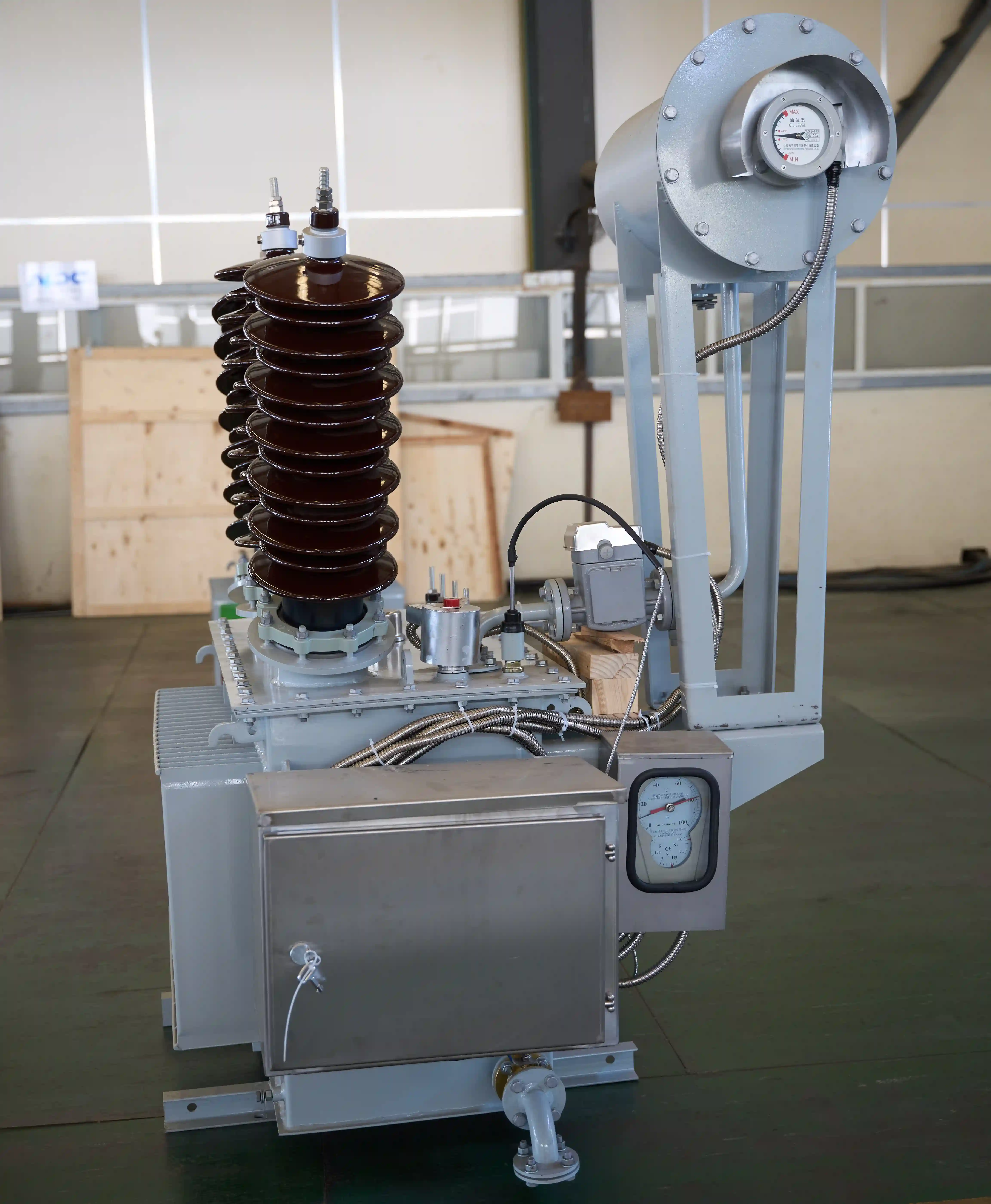
b. Step-Down Power Transformer
A step-down power transformer is used to decrease the voltage level of the electricity transmitted through the power lines to a usable level for homes, businesses, or machinery. These transformers are crucial in reducing the high voltage from transmission lines to a lower, safer voltage suitable for local distribution.
Key Features of Step-Down Power Transformers:
- Voltage Reduction: Reduces the voltage from high voltage transmission levels to the lower voltages used by appliances and industrial machines.
- Common Use: These are essential in residential and commercial power systems, often seen in substations.
- Safety: Step-down transformers ensure that electricity is at safe voltage levels when reaching homes and businesses.
For example, in a typical residential setting, a step-down transformer reduces the voltage from 11 kV to 220 V or 440 V, depending on the grid requirements.
c. Power Line Transformer
A power line transformer is a type of transformer specifically designed for use on overhead power lines. These transformers are typically installed on utility poles and are used to step-down the high voltage of the transmission lines to a level suitable for homes and businesses.
Key Features of Power Line Transformers:
- Overhead Installation: These transformers are mounted on power poles in the electrical grid, making them easy to access for maintenance.
- Voltage Conversion: Like step-down transformers, they reduce high voltage for safe distribution.
- Common Use: They are primarily used in rural areas and residential neighborhoods where the power distribution is overhead.
These transformers must be robust to withstand the outdoor environment, including weather conditions such as rain, wind, and extreme temperatures.
d. Power Pole Transformer
A power pole transformer is essentially another term for power line transformers mounted on utility poles. They serve the same purpose of stepping down high-voltage electricity to lower voltages suitable for local use.
Key Features of Power Pole Transformers:
- Outdoor Use: Mounted on utility poles to serve communities and businesses.
- Capacity: Typically used for medium voltage power supply, providing electricity to homes, small businesses, and streetlights.
- Maintenance: Easier to maintain and repair due to their accessible pole-mounted position.
Power pole transformers are vital for remote areas and locations where underground wiring is not feasible.
3. Comparison Table: Types of Power Transformers
|
Feature |
Single-Phase Power Transformer |
Step-Down Power Transformer |
Power Line Transformer |
Power Pole Transformer |
|
Voltage Type |
Single-phase AC |
High to low voltage conversion |
High-voltage AC to low-voltage conversion |
High-voltage AC to low-voltage conversion |
|
Common Use |
Residential and small commercial applications |
Distribution networks, residential areas |
Overhead lines for local distribution |
Outdoor installations, typically on utility poles |
|
Voltage Rating |
Low to medium voltage |
Medium to high voltage |
High voltage |
Medium to high voltage |
|
Installation Location |
Indoor |
Indoor or outdoor (depending on capacity) |
Outdoor (mounted on poles) |
Mounted on utility poles, outdoor |
|
Cooling Medium |
Air (natural or forced) |
Oil or air (depending on transformer type) |
Oil or air (depending on design) |
Oil or air (depending on design) |
|
Applications |
Light-duty electrical systems |
Industrial power systems, commercial use |
Overhead power lines |
Overhead power distribution and residential power supply |
|
Efficiency |
Moderate efficiency |
High efficiency in voltage reduction |
High efficiency for large-scale distribution |
High efficiency for long-distance power transmission |
|
Maintenance |
Low maintenance |
Medium maintenance |
Regular maintenance due to environmental exposure |
Regular maintenance, especially for outdoor installations |
|
Capacity |
Low (typically up to 10 kVA) |
Medium to large capacity |
High capacity for large-scale transmission |
High capacity for outdoor areas |
|
Cost |
Low to moderate |
Moderate to high |
Moderate |
Moderate to high |
|
Fire Safety |
High (no oil involved) |
Moderate (oil-based, fire risk) |
Moderate (oil-based, fire risk) |
Moderate (oil-based, fire risk) |
Key Highlights:
- Single-Phase Power Transformer: Typically used in residential and small commercial applications. These transformers are cost-effective, have low capacity, and require minimal maintenance. They are ideal for low power needs and single-phase circuits.
- Step-Down Power Transformer: Step-down transformers are used to convert high voltage from transmission lines to low voltage for distribution. These transformers are often used in substations and distribution networks. They are highly efficient and commonly found in commercial and industrial settings.
- Power Line Transformer: These transformers are mounted on overhead power lines and are commonly found in rural or residential areas. They are used to reduce voltage from transmission lines to usable levels for homes and businesses. These transformers are robust and designed to withstand outdoor conditions.
- Power Pole Transformer: Similar to power line transformers, power pole transformers are specifically designed for installation on utility poles. These transformers are commonly used for long-distance power distribution and are often installed in outdoor locations to supply electricity to communities or businesses.
4. How to Choose the Right Transformer
Choosing the right power transformer depends on several factors, including the application, voltage requirements, installation space, and operational costs. Here are some key considerations:
a. Voltage Requirements
The primary consideration in choosing a transformer is the voltage requirements of your system. If you are stepping down high voltage from a transmission line to a usable level for local distribution, a step-down transformer is required. For small, residential applications, a single-phase transformer may be sufficient.
b. Power Capacity
Ensure that the transformer you select can handle the required load. For example, if you are installing a transformer for an industrial site with heavy machinery, a high-capacity step-down transformer or three-phase transformer may be necessary.
c. Environment and Installation
- Indoor vs Outdoor: Choose a power pole transformer for outdoor installations in areas with overhead lines, while indoor transformers, like dry-type transformers, are better for confined spaces.
- Space Considerations: Make sure you have enough space for the installation of the transformer, particularly for larger models.
d. Operational Costs and Maintenance
Consider the operational cost and maintenance requirements of the transformer. Step-down transformers typically require less maintenance, while power pole transformers may need more frequent inspections due to their exposure to environmental conditions.
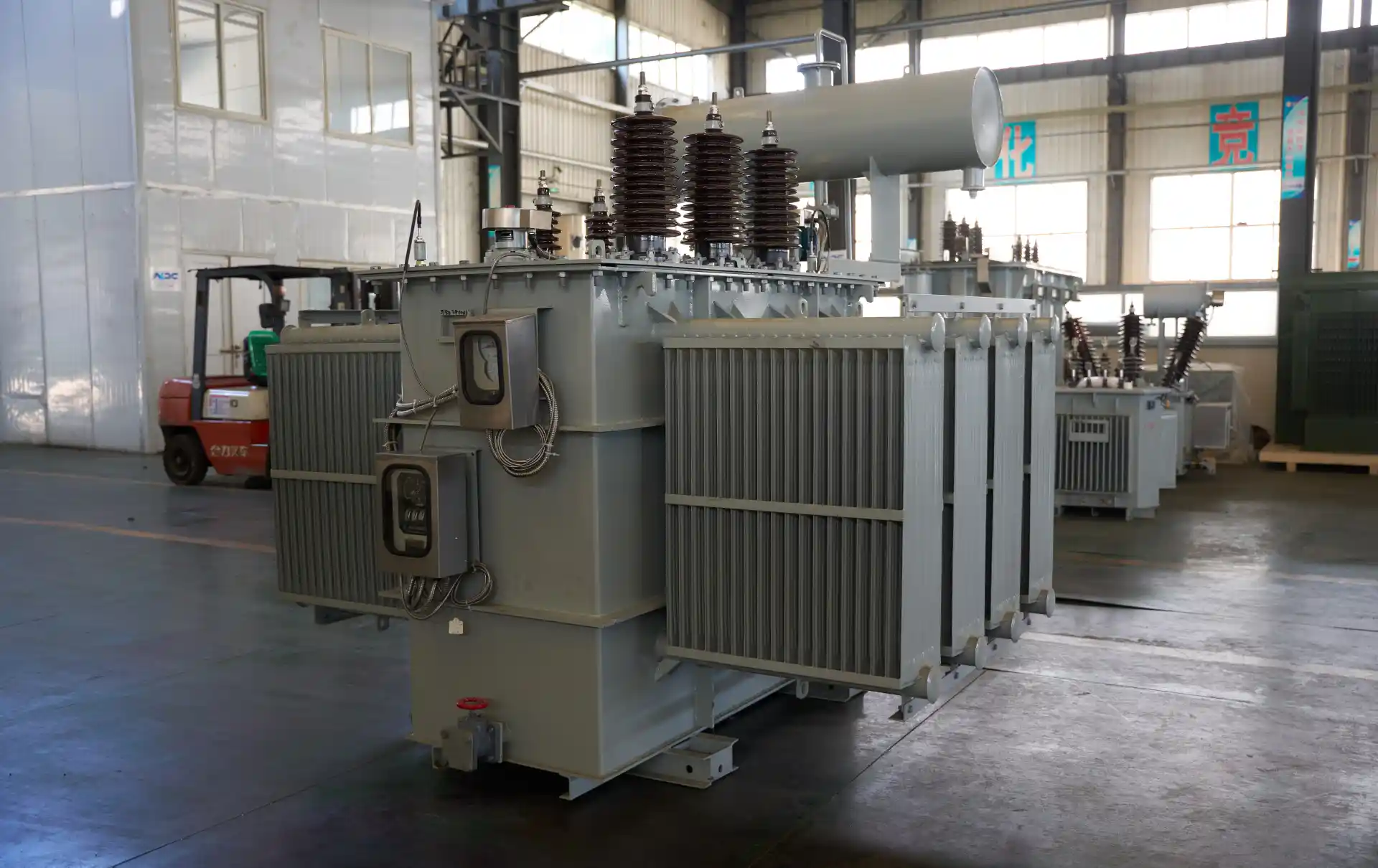
5. Conclusion
When choosing the right power transformer, it is essential to consider your application’s specific voltage, capacity, and installation needs. Single-phase transformers are ideal for residential use, while step-down transformers are necessary for larger power systems. For overhead applications, power line transformers and power pole transformers provide the necessary voltage adjustments for safe, efficient power distribution.
Understanding these different types of transformers and their features will help you make an informed decision, ensuring that your power system runs efficiently and reliably.

Related Articles
Related Products
4/0 Lepas Aluminum Conductor Triplex Overhead Service Drop Cable
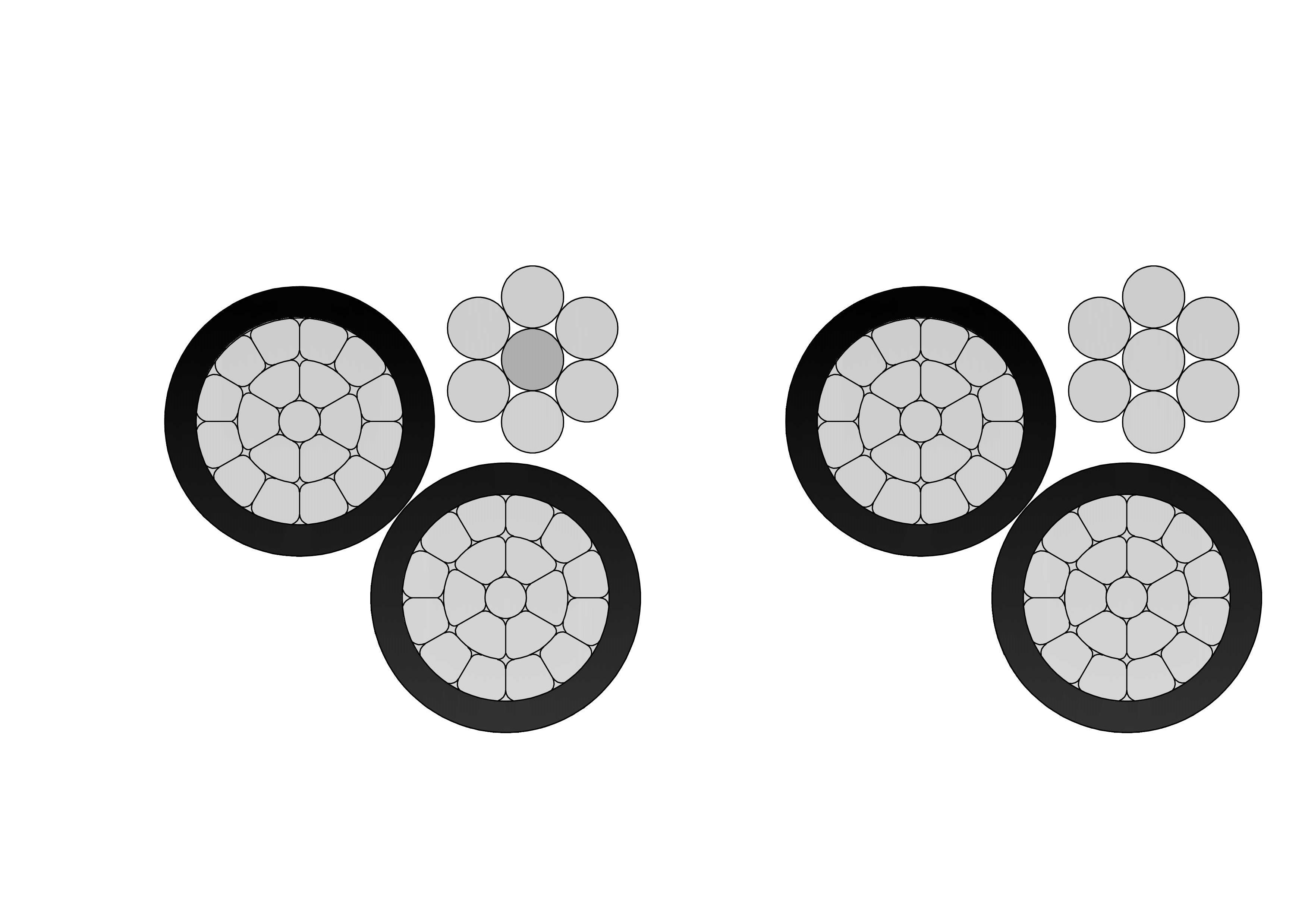
The 4/0-4/0-4/0 Lepas Aluminum Conductor Triplex Overhead Service Drop Cable is engineered for high-performance overhead power distribution from utility poles to residential, commercial, or light industrial weatherheads. It features concentric-lay-stranded 1350-H19 aluminum conductors (#4/0 AWG, 19-strand), black cross-linked polyethylene (XLPE) insulation for superior weather, UV, and thermal resistance, and a bare neutral messenger (#4/0 AWG, typically ACSR or AAAC 6201 alloy) for mechanical support and conductivity. Rated for 600 volts phase-to-phase at conductor temperatures up to 90°C (XLPE) or 75°C (Poly), it delivers an allowable ampacity of approximately 315 amps (XLP). Compliant with ASTM B-230, B-231, B-232, B-399, and ICEA S-76-474 standards, this robust, lightweight cable ensures easy installation, excellent electrical efficiency, and long-term durability in harsh outdoor environments, including wind, ice, moisture, and temperature extremes.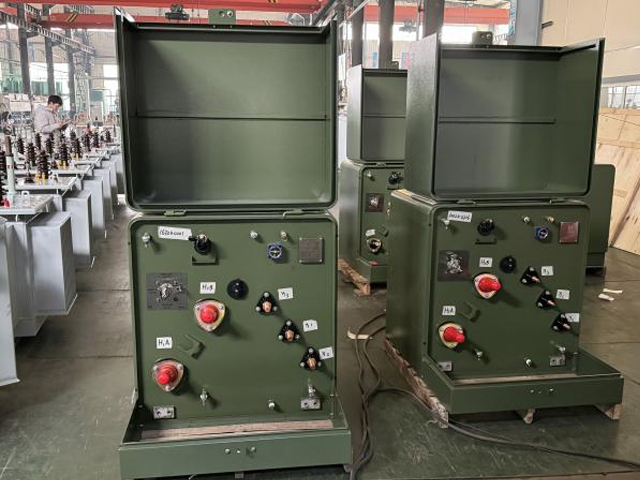
150kVA Single Phase Pole Mounted Transformer
NPC ELECTRIC'S 150kVA single phase pole mounted transformer is engineered for superior performance in overhead electrical distribution networks. This robust unit efficiently steps down high-voltage primary inputs, such as 13.8kV or 24.94kV, to secondary voltages like 120/240V or 277V, ensuring safe and reliable power delivery. Built with high-permeability toroidal cores and precision-wound copper conductors, it minimizes energy losses and enhances durability. Compliant with DOE-2016 efficiency standards and featuring a NEMA 3R-rated enclosure, this transformer withstands harsh environmental conditions while providing quiet operation. Ideal for utilities seeking long-term reliability, it includes protective features like surge arrestors and pressure relief valves to safeguard against overloads and faults. With a 65°C temperature rise rating and ONAN cooling, it handles diverse loads without compromising efficiency.
PV SOLAR Aluminum 8000 XLPE Insulated
The PV Solar Aluminum 8000 XLPE Insulated Cable is a lightweight, high-efficiency solar cable designed for photovoltaic power generation systems. It features 8000 series aluminum alloy conductors for excellent conductivity and flexibility, cross-linked polyethylene (XLPE) insulation for superior thermal, UV, and weather resistance, and is suitable for both DC and AC applications. Compliant with TÜV 2PfG 1169 / EN 50618 and UL 4703 standards, this cable offers low voltage drop, high current-carrying capacity, and long service life in harsh outdoor environments. The PV Solar Aluminum 8000 XLPE Insulated Cable significantly reduces weight and installation costs compared to copper cables while maintaining reliable performance. It is widely used in solar farms, rooftop PV systems, and ground-mounted installations requiring cost-effective, durable, and high-performance cabling solutions.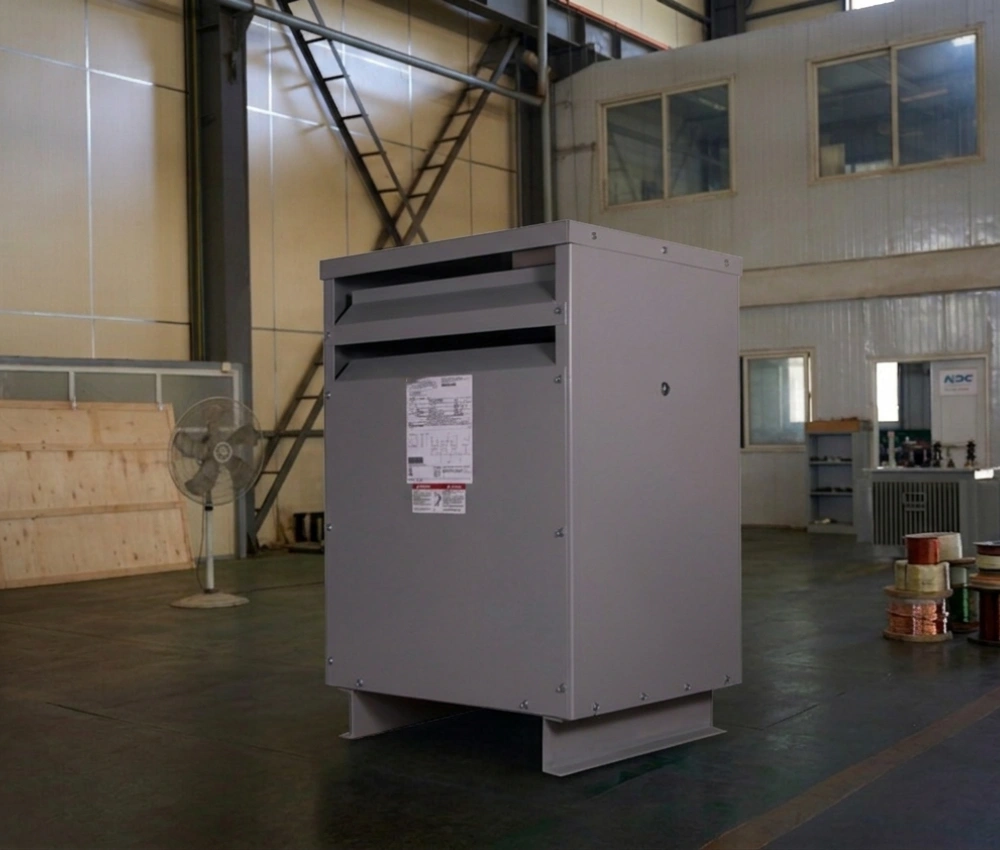
Three Phase Isolation Transformer
The Three Phase Isolation Transformer is a premium electrical power solution designed to provide complete galvanic isolation between the primary and secondary circuits of three-phase power systems. By eliminating direct electrical continuity between power sources and connected loads, the transformer effectively reduces electrical noise, suppresses common-mode disturbances, minimizes transient voltage surges, and improves overall power quality. This advanced isolation capability helps protect sensitive equipment, enhance operational safety, and improve system reliability in demanding industrial and commercial environments. Manufactured using high-permeability CRGO silicon steel cores and precision-engineered copper or aluminum windings, the Three Phase Isolation Transformer delivers excellent efficiency, low losses, and stable voltage regulation. Its robust insulation system ensures superior dielectric performance while reducing the risk of electrical faults and ground loop issues. The transformer is widely deployed in industrial automation facilities, manufacturing plants, renewable energy installations, data centers, transportation infrastructure, healthcare facilities, and critical power applications where reliable and clean power is essential.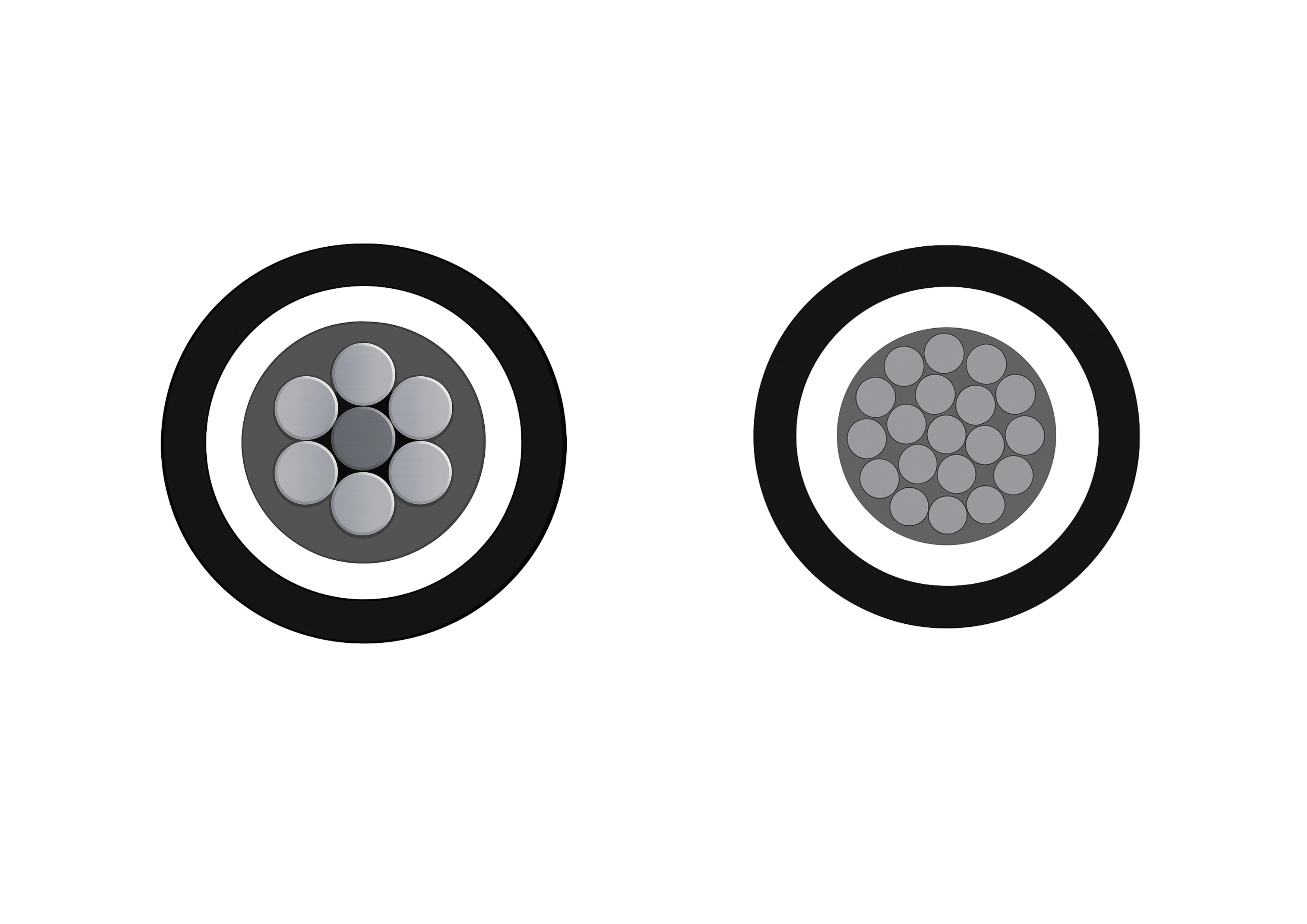
XLPE-HDPE Tree Cable Aluminum 25kV 1x50m㎡
The XLPE-HDPE Tree Cable Aluminum 25kV 1x50mm² is engineered for superior performance in medium-voltage overhead distribution networks, delivering exceptional reliability and long-term durability. Designed for challenging environments such as forested regions and urban areas, this cable ensures consistent power supply while minimizing maintenance and unplanned outages. Constructed with high-conductivity aluminum alloy 1350 wires, the cable features a round compacted conductor with class 2 stranding, achieving a minimum conductivity of 61% IACS and tensile strength of at least 130 MPa. Optional conductor shielding with an extruded semiconductor thermosetting compound is available for enhanced performance in 15kV and 25kV applications. The inner insulation is made from cross-linked polyethylene (XLPE), supporting continuous conductor operation at 90°C, and meeting ICEA S-121-733 physical standards. The robust outer cover is composed of high-density polyethylene (HDPE), offering outstanding resistance against weathering, UV radiation, mechanical abrasion, and electrical sparking up to 2.75kV. Standard cables come in gray with sequential metering markings in accordance with ASTM B230, while blue cables are recommended for harsher conditions requiring spark resistance above 5kV.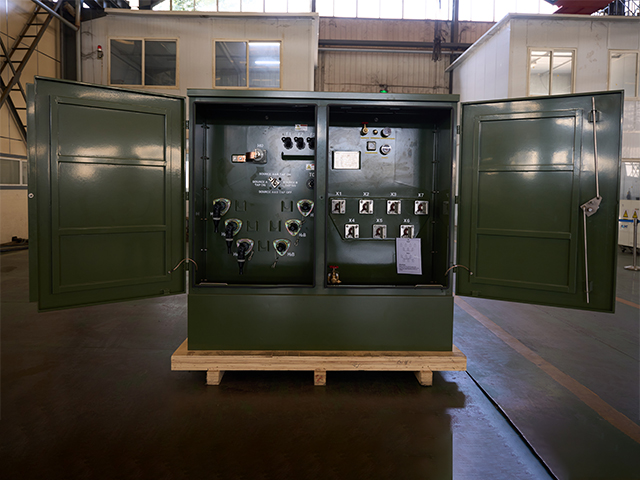
630kVA Three Phase Pad Mounted Transformer
NPC ELECTRIC's 630kVA three phase pad mounted transformer is engineered for demanding medium-voltage distribution needs, delivering superior efficiency and durability in outdoor installations. Compliant with the latest DOE efficiency standards, ANSI C57.12.34, IEEE requirements, and UL listings, this compartmentalized unit features a robust steel enclosure with corrosion-resistant coating, high-voltage dead-front or live-front bushings, radial or loop feed setups, and a standard 65°C winding rise for excellent thermal management. Primary voltages span from 4160V to 34500V (including popular grounded wye options like 12470GrdY/7200V or 13800GrdY/7970V), while secondary voltages cover 208Y/120V, 480Y/277V, or custom low-voltage configurations up to 600V.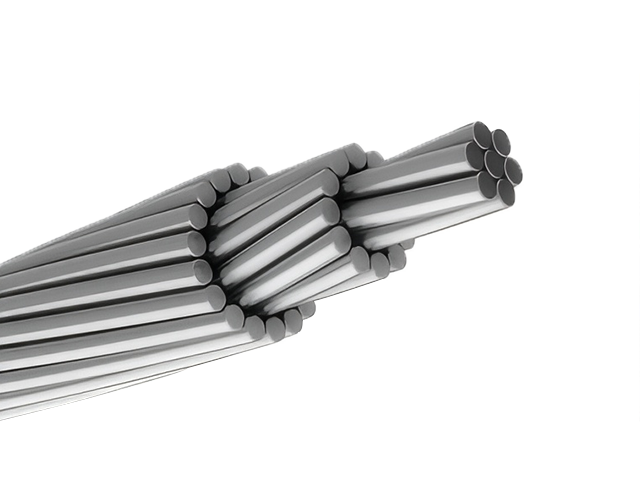
477 MCM PELICAN ACSR Conductor Cable
The ACSR CAA 477 MCM 18/1F PELICAN conductor is a high-performance Aluminium Conductor Steel Reinforced (ACSR) cable designed for use in overhead transmission and distribution line systems. Constructed with 18 strands of hard-drawn 1350-H19 aluminium helically stranded around a single galvanized steel wire, this conductor offers a well-balanced combination of electrical conductivity, lightweight design, and mechanical strength. Manufactured in compliance with ASTM B232, the PELICAN configuration is ideal for long-span installations where tensile strength, corrosion resistance, and current-carrying capability are critical. The galvanized steel core, available with Class A or B galvanization, provides excellent protection against environmental degradation while reinforcing the aluminium layers with the mechanical support required for demanding utility applications. Its 18/1 stranded design makes the PELICAN conductor particularly suitable for medium- and high-voltage overhead systems where both performance and cost-efficiency are important.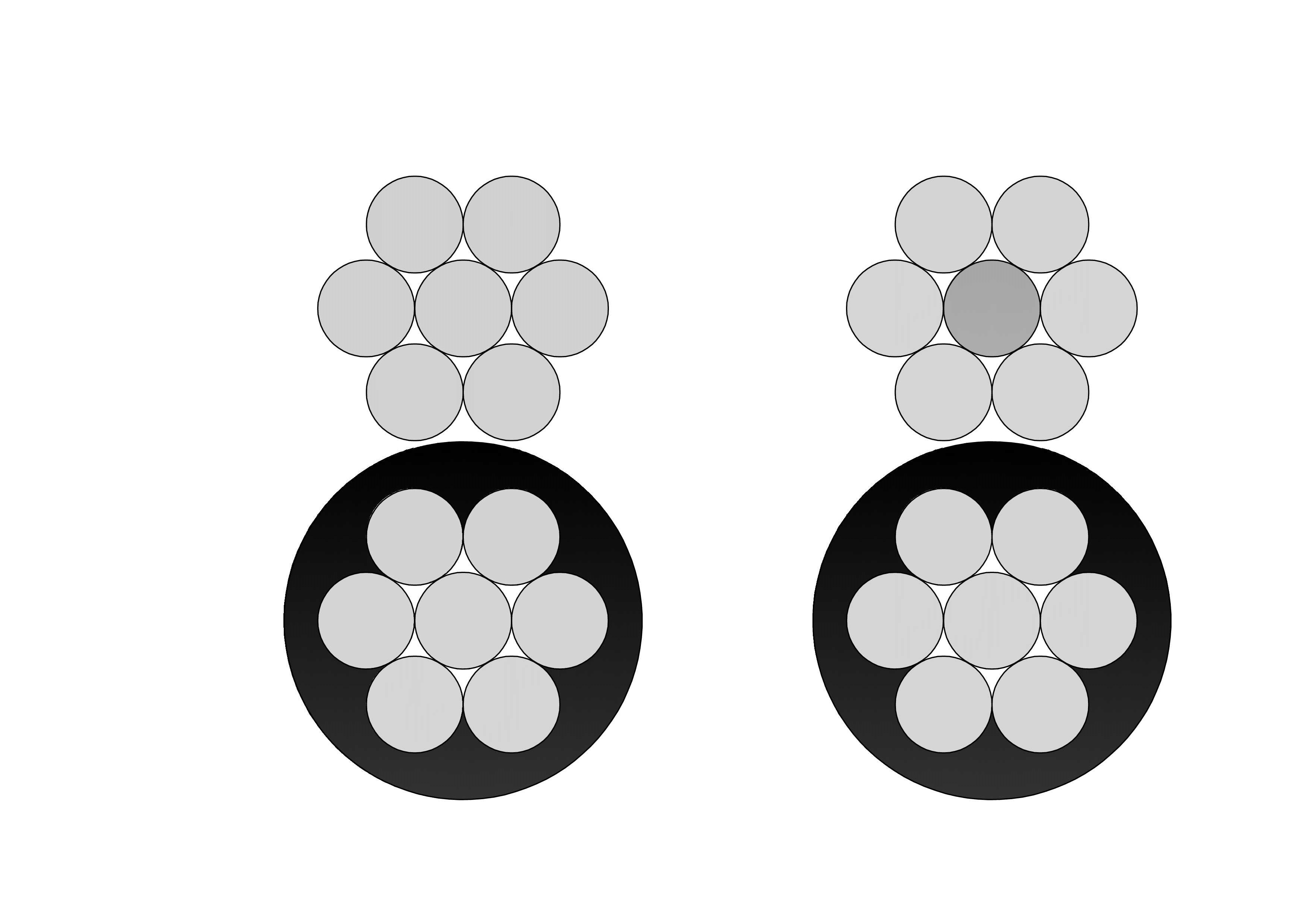
4 Spaniel Aluminum Conductor Duplex Overhead Service Drop Cable
Introducing the 4 Spaniel Duplex Service Drop Cable, a versatile overhead solution for low-voltage secondary distribution. Built with two 4 AWG aluminum conductors (7-strand) insulated with polyethylene or XLPE and formed into a duplex assembly, it meets ASTM and ICEA requirements for 600V service. The tough insulation offers outstanding protection against UV rays, moisture, tree contact, and abrasion. Compact duplex design provides self-support and easy pulling during installation. The 4 Spaniel Duplex Service Drop Cable supports efficient power transfer with low voltage drop and high durability in extreme temperatures. Popular for its lightweight construction and reduced installation time, it is the go-to choice for electricians and utilities. Widely deployed in housing developments, farm services, and temporary power setups, this cable ensures safe, long-lasting overhead connections from distribution transformers to customer service entrances worldwide.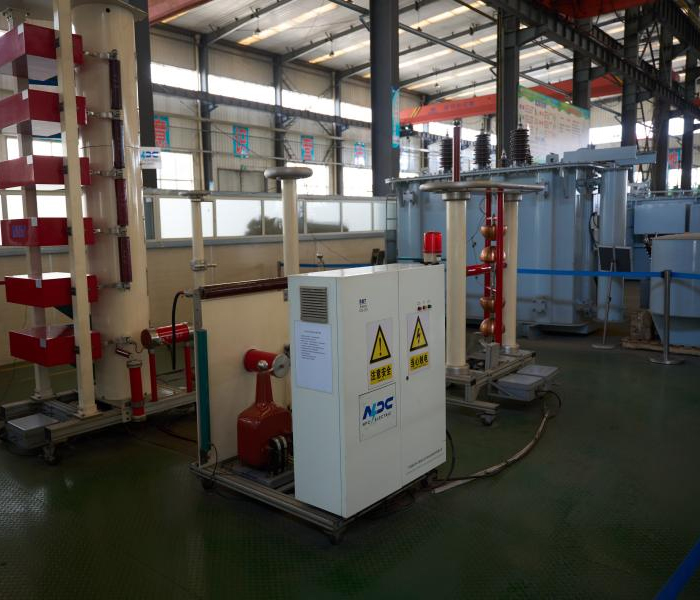
400kVA Dry Type Transformer
The NPC ELECTRIC 400kVA Dry Type Transformer is engineered for efficient and reliable power distribution in industrial, commercial, and utility applications. With a compact, fire-safe design, it operates without the need for oil or other cooling fluids, making it ideal for environments with strict safety and environmental standards. Designed to withstand heavy loads, it is the perfect solution for demanding electrical requirements, providing a sustainable and cost-effective option for modern electrical systems.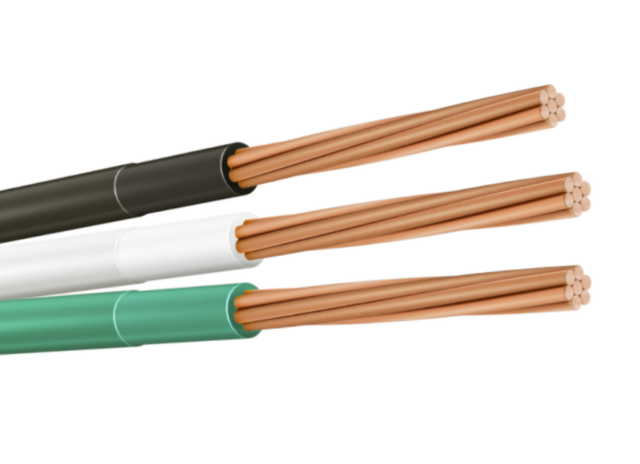
THHN AND THWN
Electrical wire THHN THWN is used in new construction projects or rewiring tasks in 600-volt systems. Versatile and usable in both wet and dry locations, THHN/THWN-2 is an excellent choice for a wide range of electrical installations. THHN/THWN-2 conductors can withstand temperatures up to 90°C in dry environments and up to 75°C in the presence of oil or coolant. Its outer nylon jacket is smooth and fine, ensuring easy installation by reducing friction during pulling. This feature is especially useful for long or challenging runs.2Y-high-voltage-power-cable-2.webp)
A2XS(FL)2Y HDPE High Voltage 64/110 (123) kV Power Cable
The A2XS(FL)2Y HDPE High Voltage 64/110 (123) kV Power Cable is a single-core aluminium conductor cable with XLPE insulation and HDPE sheath, designed in compliance with IEC 60840 standards. It offers excellent electrical performance, water resistance, and mechanical protection for high-voltage power transmission. Suitable for installation underground, underwater, outdoors, indoors, and in cable ducts, it ensures long-term reliability in power stations, industrial facilities, and distribution networks. The A2XS(FL)2Y HDPE is ideal for major HV transmission grids, underground/submarine lines, river crossings, offshore wind connections, and large-scale renewable energy projects where water ingress protection, efficiency, and long-term reliability are critical.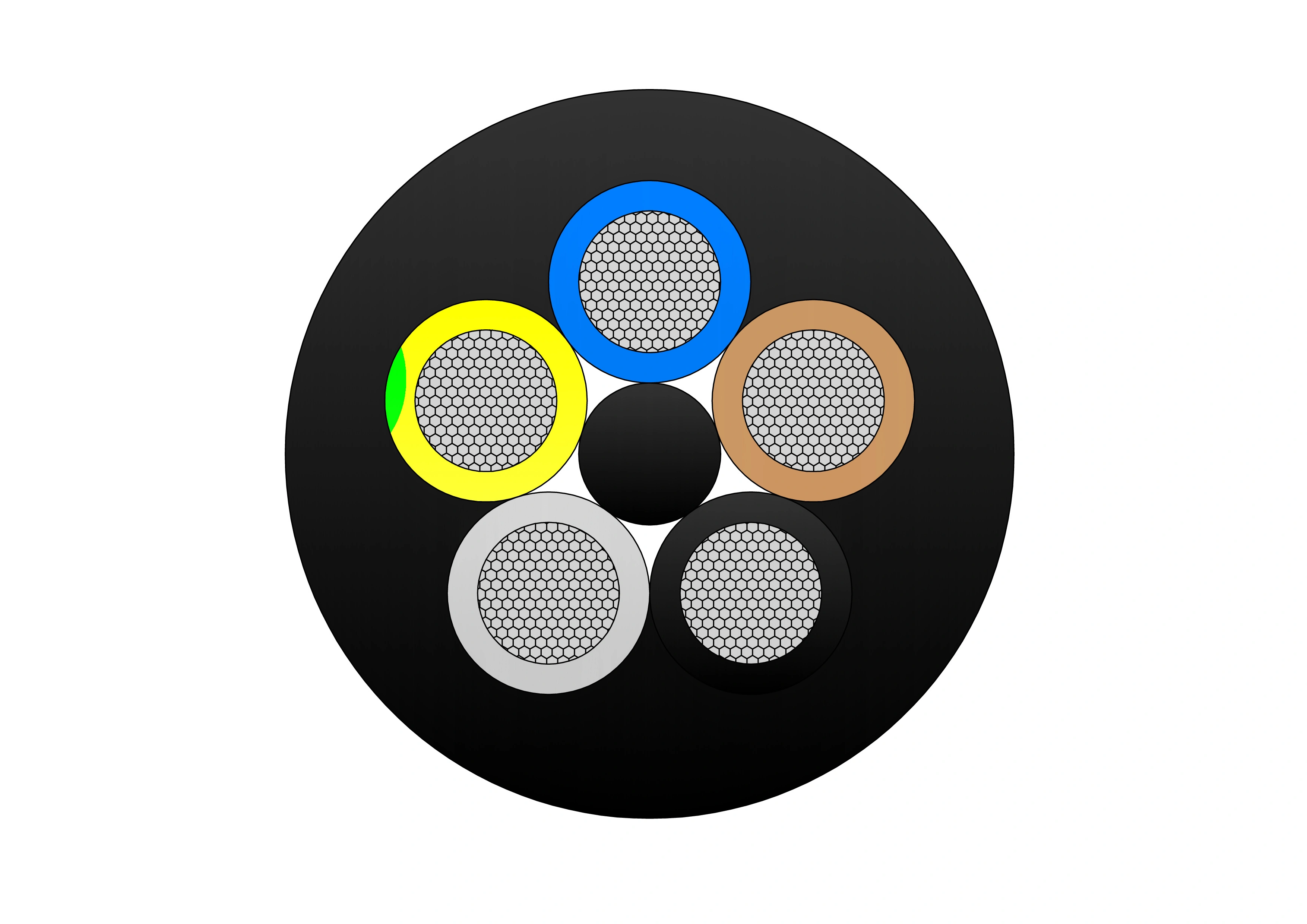
(N)TSCGEWOU 3.6/6kV, 6/10kV, 8.7/15kV and 12/20kV ATB Cable
The (N)TSCGEWOU 3.6/6kV, 6/10kV, 8.7/15kV, and 12/20kV ATB Cable is a medium voltage flexible power cable designed in compliance with VDE 0250 standards. It features Class 5 tinned copper conductors, EPR rubber insulation, semi-conductive layers, halogen-free flame-retardant rubber sheath, and an earth detection conductor. The ATB construction ensures superior mechanical strength, oil resistance, abrasion resistance, and flame retardancy, making it ideal for open-pit mining, tunneling, and other heavy-duty mobile equipment applications under extreme mechanical stress. It includes tinned class 5 copper phase conductors, semi-conductive screens, EPR insulation for reliable dielectric and thermal performance (90°C rating), copper braid screen, control conductors, monitoring conductor (ÜL), anti-torsion braid to reduce twisting under load, and a robust rubber sheath resistant to oils, flames, abrasion, and mechanical damage.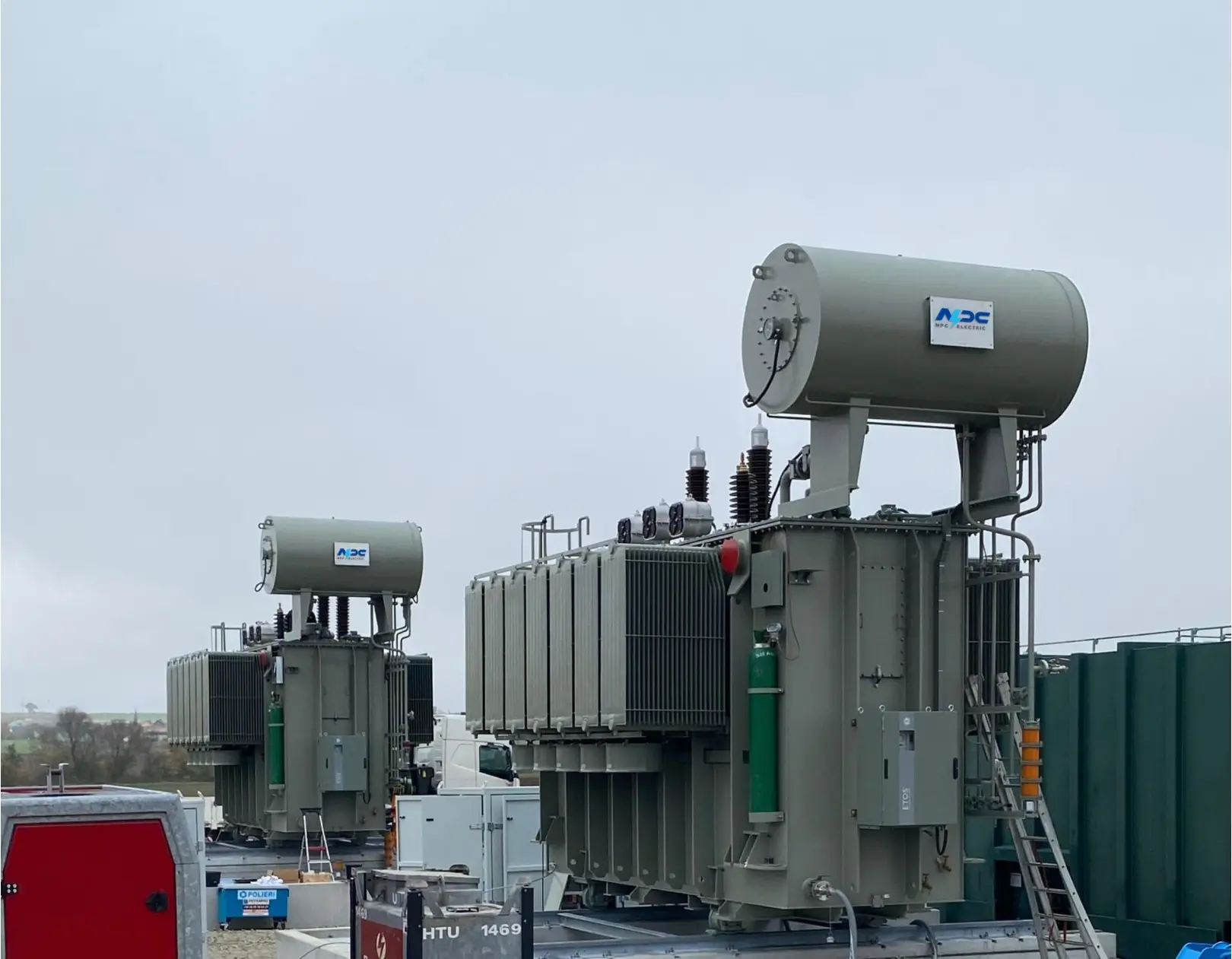
100kV 200kVA 250kVA 315kVA Three-Phase Oil-Immersed Substation Power Transformer
This 100kV three-phase oil-immersed substation power transformer is engineered for stable voltage transformation across 200kVA, 250kVA, and 315kVA capacity ranges. Designed for medium to high-voltage distribution networks, it delivers exceptional reliability, thermal endurance, and operational efficiency in substations, industrial plants, and utility distribution grids. The transformer utilizes high-grade insulation, precision-wound copper conductors, and robust core materials to ensure low losses, long service life, and consistent performance under demanding electrical and environmental conditions. Its sealed oil-immersed structure enhances insulation strength and optimizes heat dissipation for safe and continuous operation.
90kV Three-Phase Oil-Immersed Power Transformer
The 90kV Three-Phase Oil-Immersed Power Transformer for High-Voltage Distribution is engineered to deliver reliable and efficient performance across utility grids, industrial substations, and high-voltage transmission systems. Designed with high-grade silicon steel cores and 100% copper windings, the transformer ensures low losses, strong short-circuit resistance, and stable thermal performance. Its oil-immersed cooling structure provides superior heat dissipation, supporting continuous and heavy-duty operation. The robust tank, high-performance insulation system, and outdoor-ready protection structure enable safe operation in harsh climate conditions. Compliant with IEC, IEEE, and GB standards, the transformer offers excellent voltage stability, long service life, and high operational reliability. It is widely used in power utilities, infrastructure projects, renewable energy integration, and industrial distribution networks requiring dependable high-voltage transformation.
FG7H1OAR - 3.6/6kV, 6/10kV, 8.7/15kV and 12/20kV Cable
The FG7H1OAR - 3.6/6kV, 6/10kV, 8.7/15kV and 12/20kV Cable is a high-quality medium-voltage power cable designed for reliable fixed installations in demanding environments. It features stranded copper or aluminum conductors (class 2), semi-conductive conductor screen, XLPE (cross-linked polyethylene) insulation for excellent dielectric strength and thermal stability (90°C continuous, 250°C short-circuit), semi-conductive insulation screen, copper tape or wire screen for grounding and protection, optional armor (steel tape/wire), and a robust PVC or PE outer sheath resistant to mechanical stress, oils, chemicals, and UV. Compliant with IEC 60502-2 and equivalent standards (e.g., VDE, national codes), it offers low capacitance, high current-carrying capacity, and long service life. Available in single-core or multi-core configurations, the FG7H1OAR is ideal for power distribution in industrial plants, mining facilities, substations, and underground networks where safety, durability, and performance are critical.Welcome your inquiry
Honesty, Integrity, Frugality, Activeness and Passion