
What is a Rectifier Transformer? Differences from Power Transformer Explained
2026-05-13
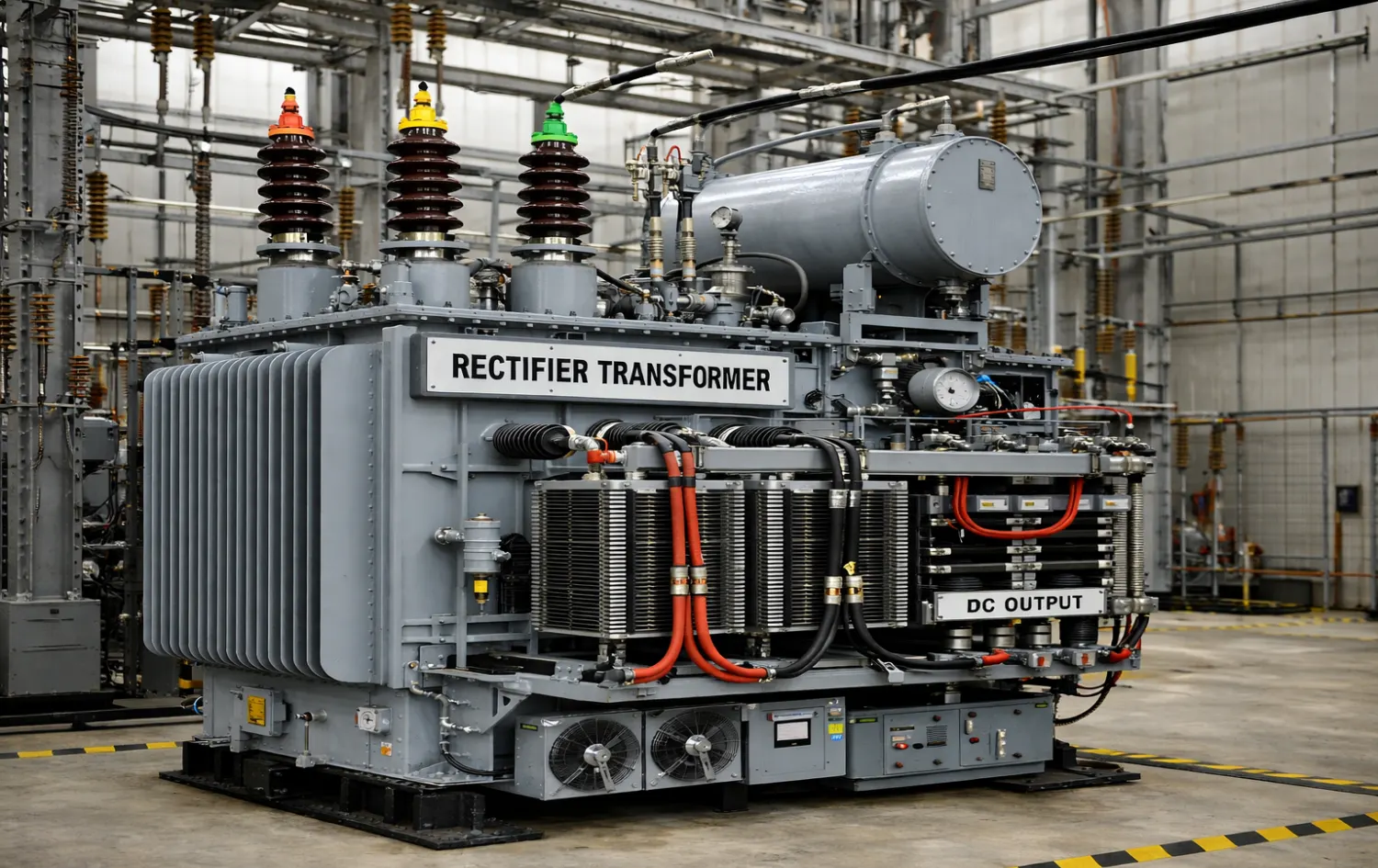
Modern industrial processes require reliable DC power systems. Since electrical grids generate AC power, specialized equipment must convert this energy into DC voltage and a DC supply for industrial applications. A Rectifier Transformer is a specially designed type of transformer used to supply AC power to rectifier circuits that convert AC into DC power. Unlike conventional power transformers, which only adjust voltage levels for transmission and distribution, rectifier transformers are optimized to handle nonlinear loads, harmonic currents, and high DC power demand.
These transformers are widely used in:
- Electrolysis plants
- Aluminum smelting
- Electroplating industries
- Railway traction power supply
- HVDC power transmission
- Industrial DC power systems
1. Transformer Rectifier Machine Definition
A Transformer Rectifier Machine (also known as a transformer rectifier unit, rectifier transformer system, or rectifier duty transformer set) is a specialized industrial power conversion device that combines a rectifier transformer with a rectifier bridge (typically using diodes or thyristors/SCRs). It steps down and isolates the incoming AC voltage from the grid, then converts it to direct current (DC) output through rectification.
Unlike standard power transformers, it is engineered to handle non-linear loads, high harmonic currents, commutation stresses, and extra heating. Multi-pulse configurations (e.g., 6-pulse, 12-pulse, 24-pulse) reduce harmonics. Widely used in electrolysis, aluminum smelting, electroplating, metal refining, traction, DC drives, and heavy industrial DC power supplies.
Rectifier Transformer Definition Table
|
Term |
Explanation |
|
Rectifier Transformer |
Transformer supplying AC power to rectifier circuits |
|
Transformer Rectifier Unit |
Combined transformer + rectifier system |
|
Rectifier Duty Transformer |
Transformer designed for harmonic loads |
|
Power Rectifier Transformer |
High-capacity rectifier transformer for industry |
The transformer ensures that the voltage level and phase configuration match the requirements of the rectifier system.
2. How a Rectifier Transformer Works
A rectifier transformer (also called a rectifier duty transformer) is a specialized power transformer designed to feed rectifier circuits that convert high-power AC (alternating current) from the grid into DC (direct current). It differs from standard transformers because it must handle non-linear loads, heavy harmonic currents, commutation notches, and extra heating caused by rectification.
Step-by-Step Working Principle
- Voltage Transformation (Electromagnetic Induction) The rectifier transformer operates on the same basic principle as any power transformer: Faraday's law of electromagnetic induction.
- AC voltage is applied to the primary winding (usually connected to the utility grid, e.g., 11 kV or 33 kV).
- Alternating current in the primary creates a changing magnetic flux in the iron core.
- This flux links to the secondary winding(s), inducing a lower (or sometimes higher) AC voltage at the desired level for the rectifier (typically hundreds to a few thousand volts).
- Multi-Secondary Windings & Phase Shifting. Unlike ordinary transformers, rectifier transformers almost always feature multiple secondary windings configured to produce phase-shifted outputs:
- Common setups: delta-star, extended delta, zigzag, or polygon connections.
- Typical phase shifts: 30° (for 12-pulse), 15° (for 24-pulse), etc.
- Purpose: Create multiple AC supplies offset in phase → when rectified, their DC ripples partially cancel each other → smoother DC output with fewer harmonics injected back into the grid.
- Rectification Stage (AC → DC Conversion) Each secondary winding feeds a rectifier bridge (usually 6 diodes or thyristors/SCRs per bridge):
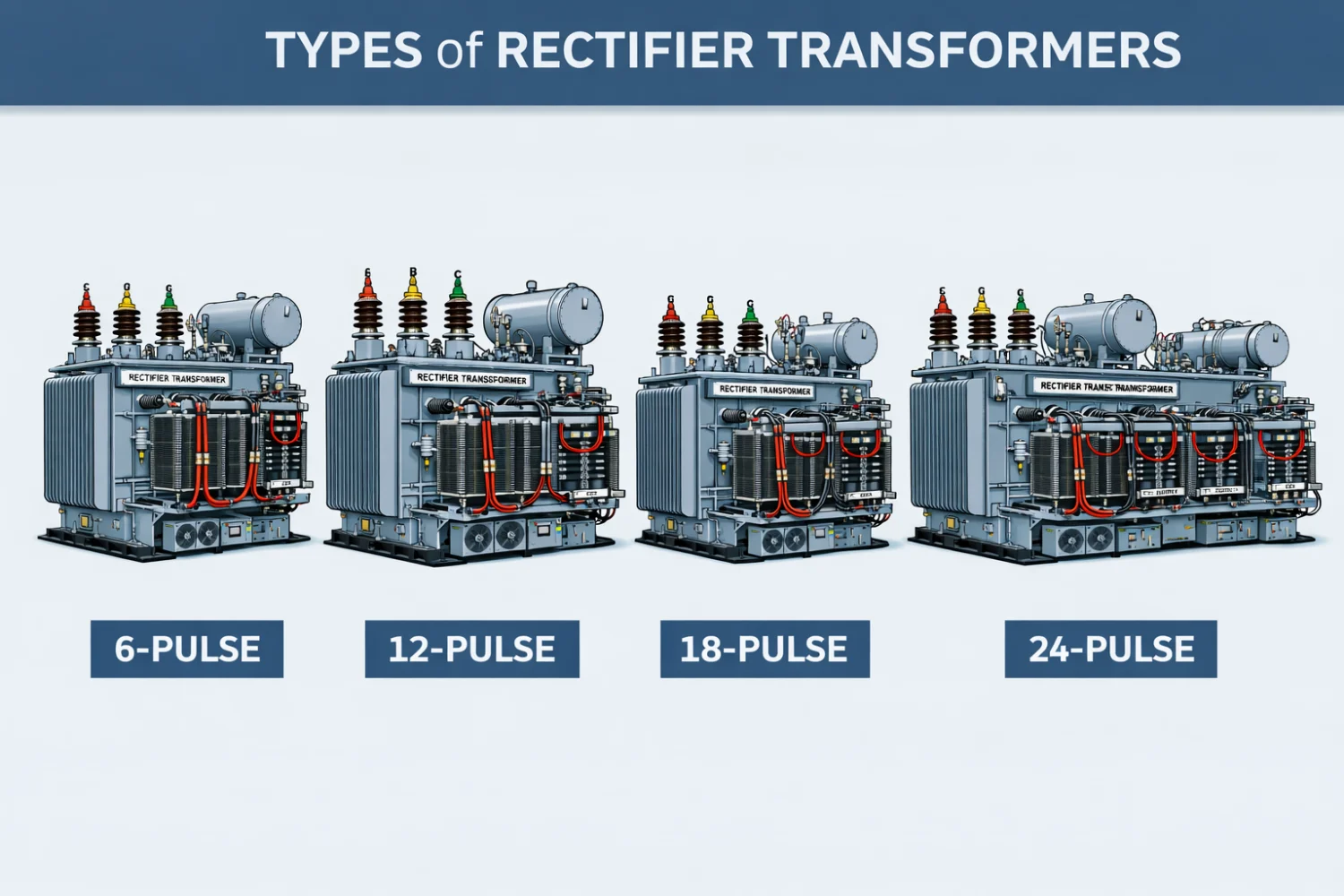
- 6-pulse rectifier (single bridge): Produces 6 pulses per cycle → significant ripple and harmonics (5th, 7th, 11th, 13th dominant).
- 12-pulse (two bridges + 30° shift): Cancels 5th & 7th harmonics → only 11th, 13th remain (much lower THD).
- 24-pulse (four bridges with 15° shifts): Further reduces harmonics to 23rd/25th → very clean DC, common in high-power electrolysis or HVDC. The rectifier "chops" the AC waveform, allowing current to flow only in one direction → pulsating DC output.
- Output Smoothing & Load: The pulsating DC is usually smoothed with:
- DC inductors (chokes) → reduce current ripple.
- Capacitors or LC filters → flatten voltage. Final stable DC feeds heavy industrial loads like aluminum smelters, copper electrolysis, chlor-alkali plants, traction substations, electroplating, or DC arc furnaces.
Key Visual Concept
Imagine a standard sine wave AC input → transformer steps it down and splits it into phase-shifted versions → each feeds its own diode bridge → overlapping DC pulses combine into nearly flat DC with minimal ripple and harmonics.
Advantages of Multi-Pulse Designs
- Dramatically lower input current harmonics (meets IEEE 519, IEC 61000 standards).
- Smoother DC output → less stress on load and better efficiency.
- Higher pulse number = cleaner system, but more complex & expensive transformer.
In summary: The rectifier transformer first transforms & isolates AC voltage (with clever phase-shifting windings), then supplies multiple offset AC feeds to rectifier bridges, which convert it to high-quality DC while minimizing grid pollution.
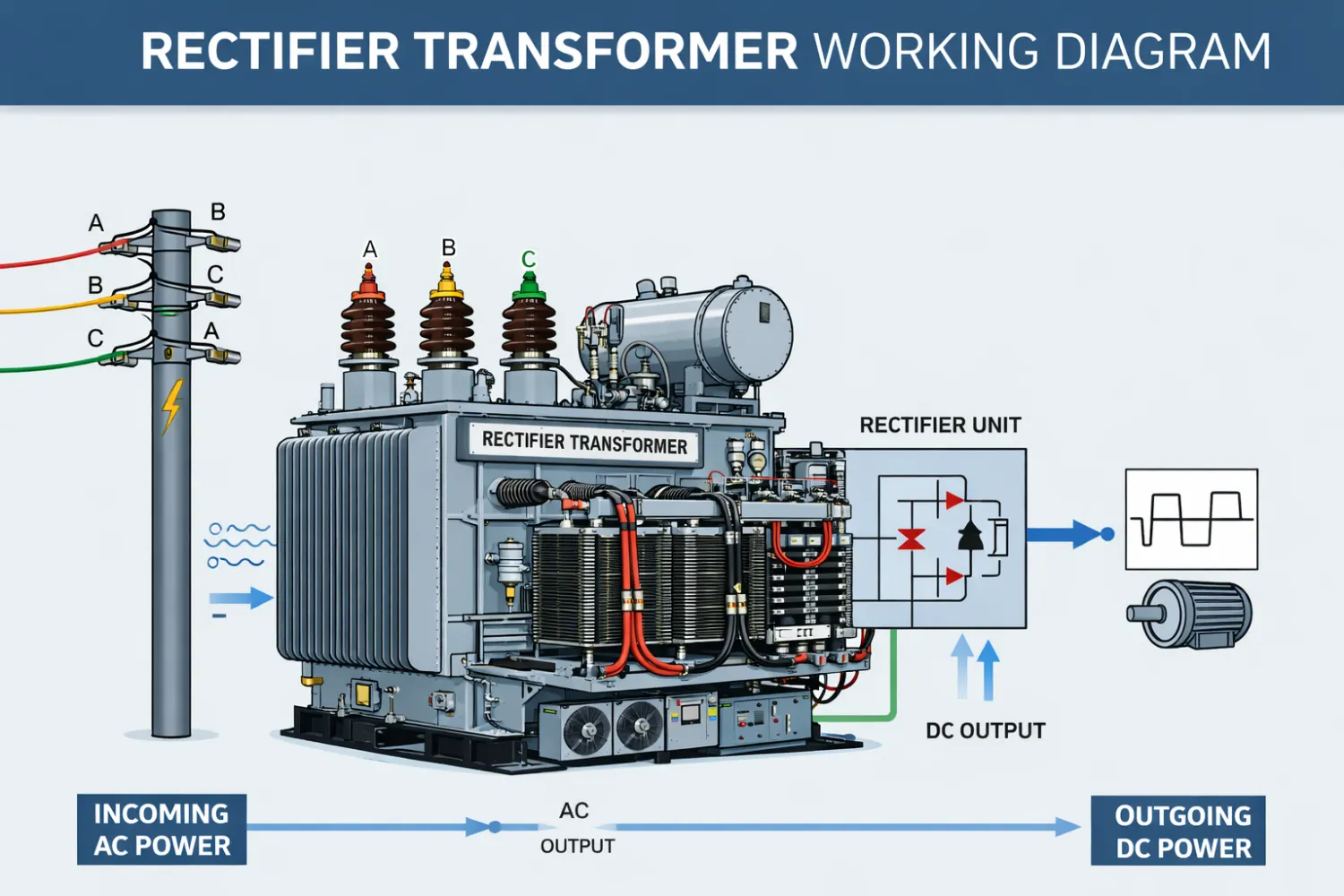
3. Rectifier Transformer Working Diagram
Understanding the electrical configuration is easier through a rectifier transformer diagram.
Basic Rectifier Transformer Structure
|
Component |
Function |
|
Primary Winding |
Receives AC power from the grid |
|
Secondary Winding |
Supplies voltage to the rectifier |
|
Rectifier Bridge |
Converts AC into DC |
|
Filter System |
Smooths DC voltage |
|
Load |
Industrial equipment requiring DC power |
Simplified Power Flow
AC Grid
   │
Primary Winding
   │
Rectifier Transformer
   │
Secondary Winding
   │
Rectifier Circuit
   │
DC Output
   │
Industrial Load
This configuration forms the foundation of transformer rectifier units used in industrial DC power systems.
4. Rectifier Transformer Design
The rectifier transformer design differs significantly from conventional transformers due to special operating conditions.
Key Design Features
|
Design Element |
Purpose |
|
Multiple secondary windings |
Feed rectifier bridges |
|
Phase shifting |
Reduce harmonics |
|
High current capability |
Support DC load |
|
Enhanced insulation |
Handle voltage stress |
|
Thermal management |
Prevent overheating |
These design features allow rectifier transformers to operate reliably under nonlinear electrical loads.
5. Rectifier Transformer Pulse System (6-Pulse vs 12-Pulse)
Rectifier transformers are often designed to support multi-pulse rectification systems.
Pulse System Comparison
|
Feature |
6-Pulse Rectifier |
12-Pulse Rectifier |
|
Harmonic distortion |
Higher |
Lower |
|
Power quality |
Moderate |
High |
|
Efficiency |
Good |
Very high |
|
System complexity |
Simple |
More complex |
|
Typical use |
Medium power systems |
High-power industrial systems |
Most power rectifier transformers used in heavy industry utilize 12-pulse systems to reduce harmonic distortion.
6. Types of Rectifier Transformers
Different industrial environments require different transformer configurations.
Common Rectifier Transformer Types
|
Transformer Type |
Description |
Application |
|
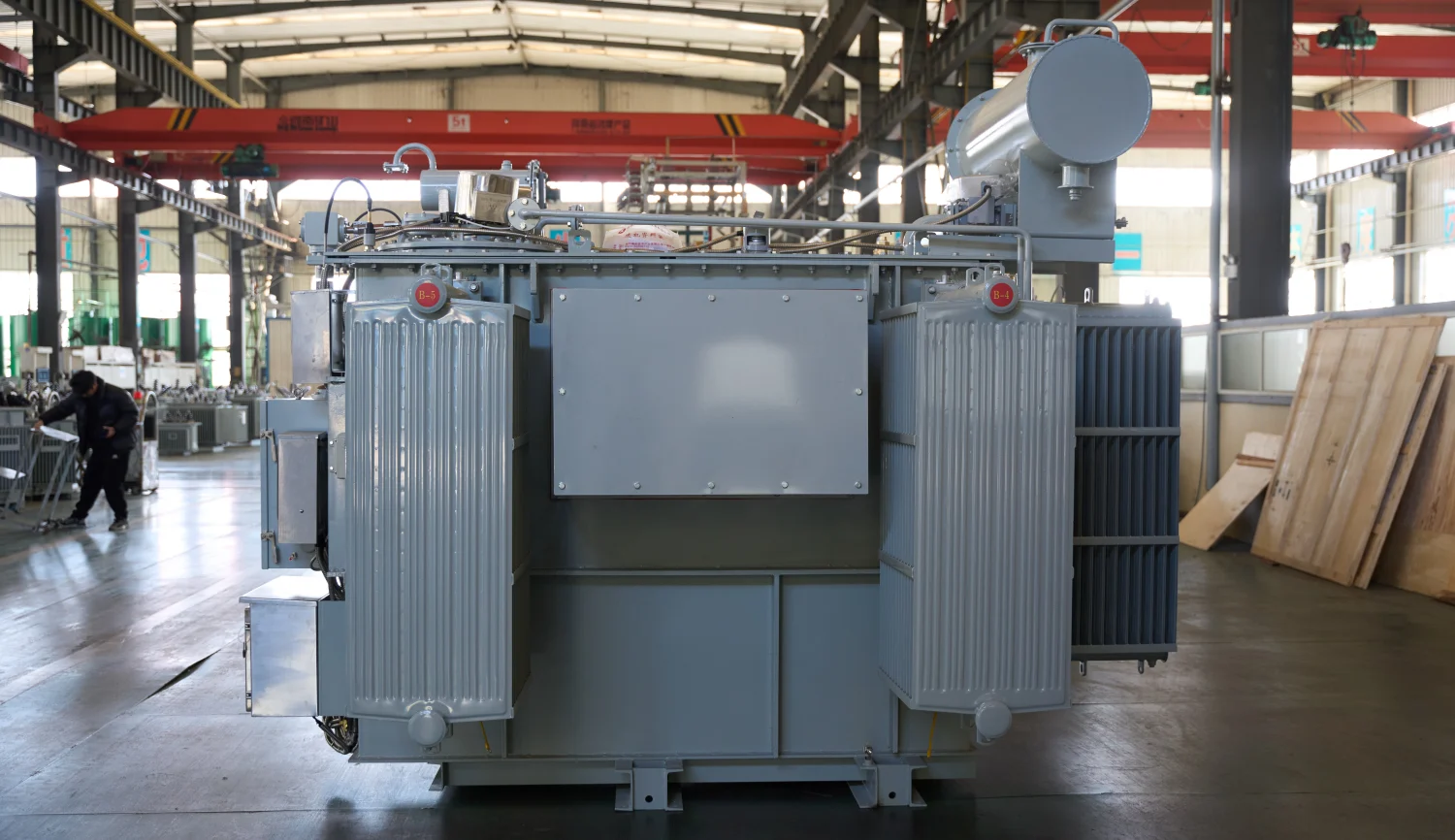
Oil Type Rectifier Transformer |
Oil cooled for heavy loads |
Smelting plants |
|
Dry Type Rectifier Transformer |
Air cooled indoor systems |
Industrial facilities |
|
HVDC Rectifier Transformer |
Ultra high voltage applications |
HVDC transmission |
|
Industrial Rectifier Transformer |
Designed for electrochemical processes |
Electrolysis plants |
Among these, Oil Type Rectifier Transformers are the most widely used due to their high thermal capacity and reliability.
7. Rectifier Transformer Harmonic Analysis
One of the most critical engineering challenges in rectifier transformer design is managing harmonic distortion. When AC power passes through rectifier circuits, nonlinear loads generate harmonic currents that can affect both the transformer and the power grid.
Harmonics can cause:
- Excessive transformer heating
- Increased core losses
- Reduced system efficiency
- Power quality issues in the grid
Therefore, rectifier transformers are designed with harmonic mitigation techniques.
Common Harmonic Orders in Rectifier Systems
|
Rectifier Type |
Dominant Harmonics |
|
6-Pulse Rectifier |
5th, 7th, 11th, 13th |
|
12-Pulse Rectifier |
11th, 13th |
|
24-Pulse Rectifier |
Very low harmonic distortion |
Using phase-shifting transformer windings, engineers can significantly reduce harmonic currents.
Harmonic Reduction Methods
|
Method |
Description |
|
Phase shifting |
Reduces harmonic overlap |
|
Multi-pulse rectifier systems |
Improves power quality |
|
Harmonic filters |
Removes distortion from grid |
|
Transformer impedance design |
Limits harmonic current |
Because of these design improvements, rectifier duty transformers maintain stable performance even under heavy industrial loads.
8. Rectifier Transformer Capacity Chart (500kVA–100MVA)
Rectifier transformers are manufactured in a wide range of power ratings.
Industrial Rectifier Transformer Capacity Table
|
Capacity |
Typical Application |
|
500 kVA |
Small electroplating systems |
|
1 MVA |
Chemical processing plants |
|
5 MVA |
Industrial DC power supply |
|
10 MVA |
Steel and metal processing |
|
20 MVA |
Aluminum smelting |
|
50 MVA |
Large electrolysis plants |
|
100 MVA |
HVDC converter stations |
Large systems may operate with multiple transformers in parallel to meet industrial power demand.
9. Rectifier Transformer vs Power Transformer
Although both are types of transformers, their design purposes are different.
Comparison Table
|
Feature |
Rectifier Transformer |
Power Transformer |
|
Main function |
AC to DC conversion support |
Voltage transformation |
|
Electrical load |
Nonlinear |
Linear AC load |
|
Harmonic tolerance |
High |
Low |
|
Secondary winding |
Multiple phase configurations |
Standard windings |
|
Typical industries |
Electrochemical industry |
Power grid |
Rectifier transformers must tolerate high harmonic distortion and fluctuating loads, which makes their design more complex.
10. Industrial Applications of Rectifier Transformers
Rectifier transformers are critical for industries requiring a large DC power supply.
Major Applications
|
Industry |
Application |
|
Aluminum smelting |
Electrolytic reduction |
|
Hydrogen production |
Water electrolysis |
|
Electroplating |
Surface metal treatment |
|
Railway electrification |
DC traction systems |
|
HVDC transmission |
Long distance power transmission |
These industries rely on stable DC power output for continuous production processes.
11. Rectifier Transformer vs Converter Transformer
Many engineers confuse rectifier transformers with converter transformers, especially in large power systems such as HVDC transmission.
Although both transformers are used in AC-DC power conversion, they serve slightly different purposes.
Comparison Table: Rectifier Transformer vs Converter Transformer
|
Feature |
Rectifier Transformer |
Converter Transformer |
|
Main purpose |
Supply rectifier circuits |
Used in HVDC converter stations |
|
Power level |
Medium to high industrial power |
Extremely high power |
|
Typical voltage |
Medium voltage |
Ultra high voltage |
|
Application |
Electrolysis, electroplating |
HVDC power transmission |
|
Harmonic design |
Multi-pulse winding |
Complex harmonic control |
|
Cooling system |
Oil or dry type |
Large oil-immersed systems |
Converter transformers are usually very large power transformers used in HVDC systems, while rectifier transformers are widely used in industrial DC power applications.
Rectifier Transformer Cooling Systems
Efficient cooling is essential for maintaining long-term transformer reliability, especially because rectifier transformers operate with high current loads.
Common Cooling Methods
|
Cooling Type |
Description |
Application |
|
ONAN |
Oil Natural Air Natural |
Small industrial systems |
|
ONAF |
Oil Natural Air Forced |
Medium capacity transformers |
|
OFAF |
Oil Forced Air Forced |
High-power rectifier transformers |
|
Dry Air Cooling |
Air-cooled transformer |
Indoor installations |
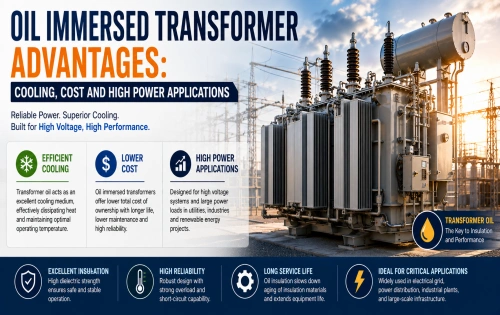
Oil-immersed designs provide excellent heat dissipation and electrical insulation, which is why Oil Type Rectifier Transformers are widely used in heavy industry.
12. Rectifier Transformer Efficiency Optimization
Improving efficiency is one of the key objectives in rectifier transformer engineering. Losses in transformers mainly come from two sources:
- Core losses
- Copper losses
Transformer Loss Components
|
Loss Type |
Cause |
|
Core loss |
Magnetic hysteresis and eddy currents |
|
Copper loss |
Current flowing through windings |
|
Stray loss |
Leakage magnetic fields |
|
Harmonic loss |
Nonlinear rectifier loads |
Efficiency Improvement Techniques
|
Technique |
Benefit |
|
High-grade silicon steel core |
Reduces core loss |
|
Optimized winding design |
Improves current distribution |
|
Advanced insulation materials |
Enhances reliability |
|
Harmonic optimized design |
Reduces additional heating |
These improvements allow modern power rectifier transformers to achieve efficiency levels above 98% in large industrial systems.
13. Future Trends in Rectifier Transformer Technology
With the growth of renewable energy and advanced industrial processes, rectifier transformer technology continues to evolve.
Key technological trends include:
- Smart monitoring systems
- Digital transformer diagnostics
- Advanced insulation materials
- Higher efficiency magnetic cores
- Integration with power electronics
Modern rectifier transformers are increasingly integrated into smart industrial power systems, enabling predictive maintenance and improved reliability.
14. Transformer Rectifier Unit (TRU)
A Transformer Rectifier Unit (TRU) integrates both the transformer and rectifier in a single system.
TRU Components
|
Component |
Function |
|
Rectifier Transformer |
Voltage conversion |
|
Rectifier Bridge |
AC-DC conversion |
|
Control System |
Regulates output voltage |
|
Cooling System |
Maintains temperature |
TRUs are widely used in aerospace, railway power supply, and industrial DC systems.
15. Advantages of Rectifier Transformers
Rectifier transformers offer several operational advantages.
Key Benefits
|
Advantage |
Description |
|
Stable DC power |
Reliable industrial operation |
|
Harmonic reduction |
Improved grid power quality |
|
High current capacity |
Supports heavy industrial loads |
|
Flexible voltage design |
Customizable output levels |
These features make rectifier transformers essential equipment in modern power electronics systems.
16. How to Select a Rectifier Transformer
Selecting the correct transformer requires careful engineering evaluation.
Selection Criteria
|
Parameter |
Importance |
|
DC output voltage |
Must match process requirements |
|
Transformer capacity |
Supports load current |
|
Pulse configuration |
Determines harmonic levels |
|
Cooling system |
Ensures long life |
|
Insulation system |
Protects against voltage stress |
Proper selection ensures long-term reliability and efficient industrial power conversion.
A Rectifier Transformer is a specialized electrical device designed to supply AC power to rectifier circuits that generate DC voltage and DC power for industrial applications.
Compared with conventional power transformers, rectifier transformers are engineered to handle harmonics, high current loads, and nonlinear power conditions.
From Oil Type Rectifier Transformers used in heavy industry to large HVDC rectifier transformers used in power transmission, these systems are essential components in modern industrial infrastructure.
As industries continue to expand electrochemical processing, renewable energy systems, and DC power technologies, advanced rectifier transformer design and manufacturing will remain critical for efficient power conversion.

Related Articles

Related Products
SHTOU-mining-cable-2.webp)
(N)SHTOU-O/J PUR 0.6/1kV Cable
(N)SHTOU-O/J PUR 0.6/1kV cable is a flexible, rubber-insulated low voltage power and control cable manufactured according to VDE 0250 standards. Designed for harbour cranes, conveyors, mining equipment, and other heavy-duty mobile machinery, it offers exceptional mechanical strength, oil resistance, flame retardancy, and flexibility under high dynamic loads. Its halogen-free polyurethane (PUR) sheath ensures outstanding abrasion resistance, long service life, and reliable performance in demanding indoor and outdoor environments. Capable of withstanding torsional stress, high tensile loads, and fast operating speeds, this cable is ideal for applications requiring durability and operational safety.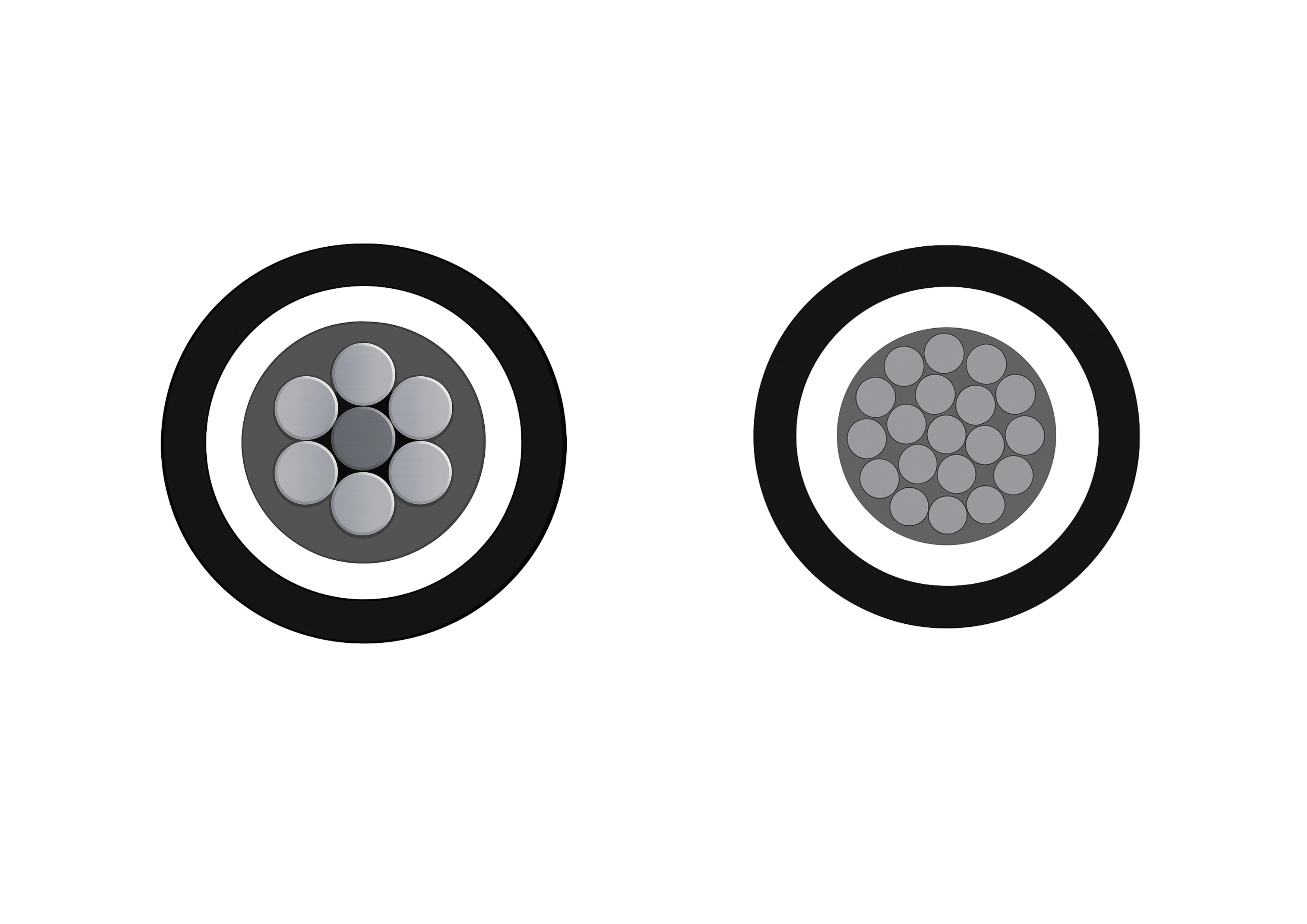
2-Layer 15kV ACSR/AAC Tree Wire - Covered Overhead Distribution Cable
The 2-Layer 15kV ACSR/AAC Tree Wire is a covered overhead conductor designed for reliable medium-voltage distribution in areas with heavy tree contact. It features concentrically stranded ACSR or AAC conductors with a dual-layer covering of track-resistant high-density polyethylene (HDPE) or cross-linked polyethylene (XLPE). The inner layer provides insulation while the outer layer offers superior tracking and weathering resistance. This construction significantly reduces the risk of faults caused by tree limbs, minimizes wildfire ignition potential, and allows closer spacing to vegetation. Suitable for both spacer cable systems and conventional overhead lines, the 2-Layer 15kV ACSR/AAC Tree Wire meets ICEA S-121-733 and related ASTM standards. It undergoes rigorous quality testing from raw materials to finished product, ensuring excellent dielectric strength, mechanical robustness, and long-term performance in challenging environments.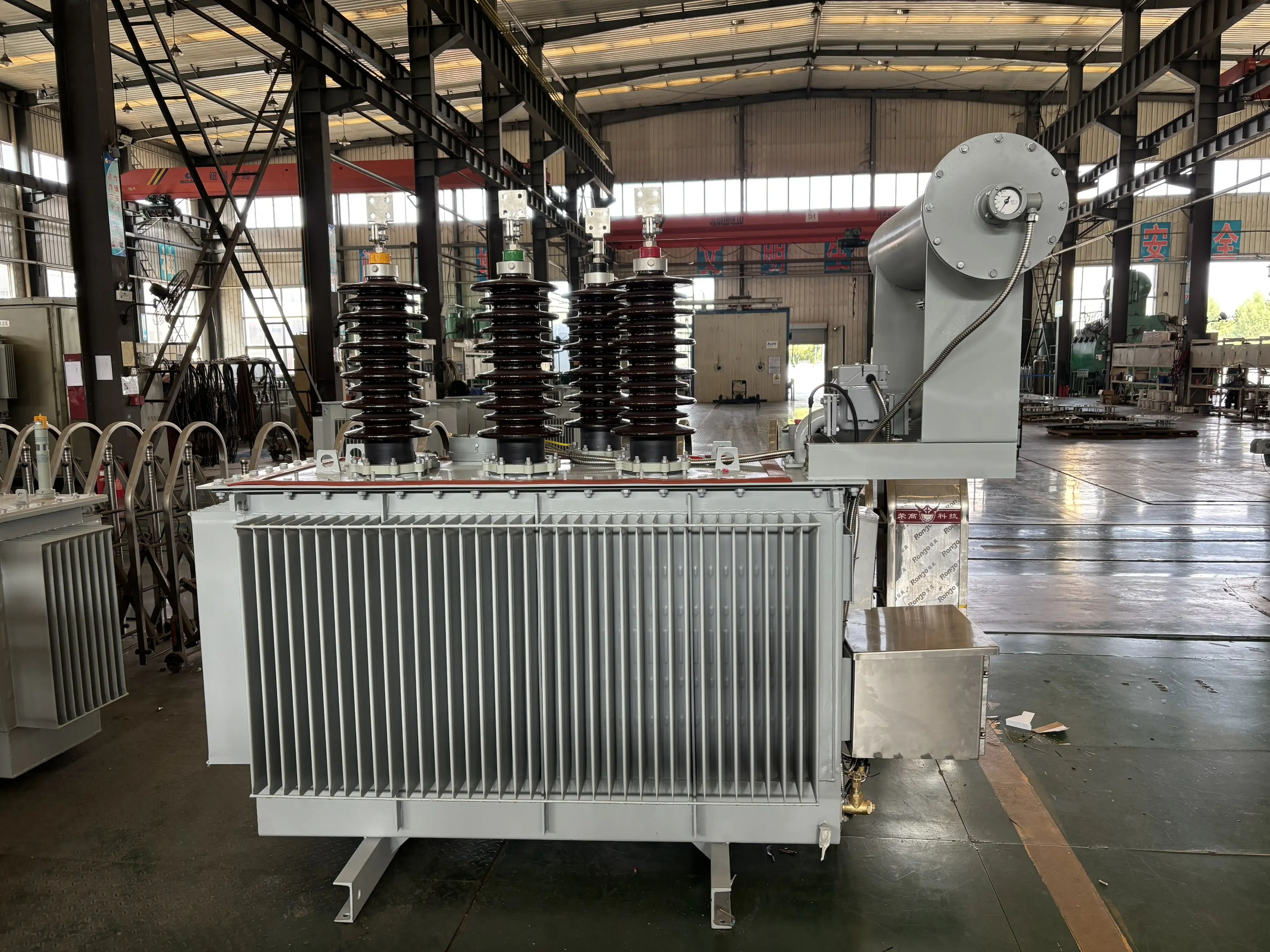
500kVA 11kV Dry-Type Zigzag Grounding Transformer
The Dry-Type Zigzag Earthing/Grounding Transformer 500kVA 11kV is designed to provide an effective neutral grounding solution for medium-voltage power systems. By creating an artificial neutral point, the zigzag transformer limits earth fault currents, stabilizes system voltage, and enhances overall grid safety. Its zigzag winding configuration ensures balanced performance under normal operation while offering low zero-sequence impedance during ground faults. Featuring a dry-type insulation system, this transformer eliminates the risk of oil leakage and fire hazards, making it ideal for indoor substations and environmentally sensitive installations. The low-loss core design minimizes energy consumption and heat generation, ensuring high efficiency and long service life.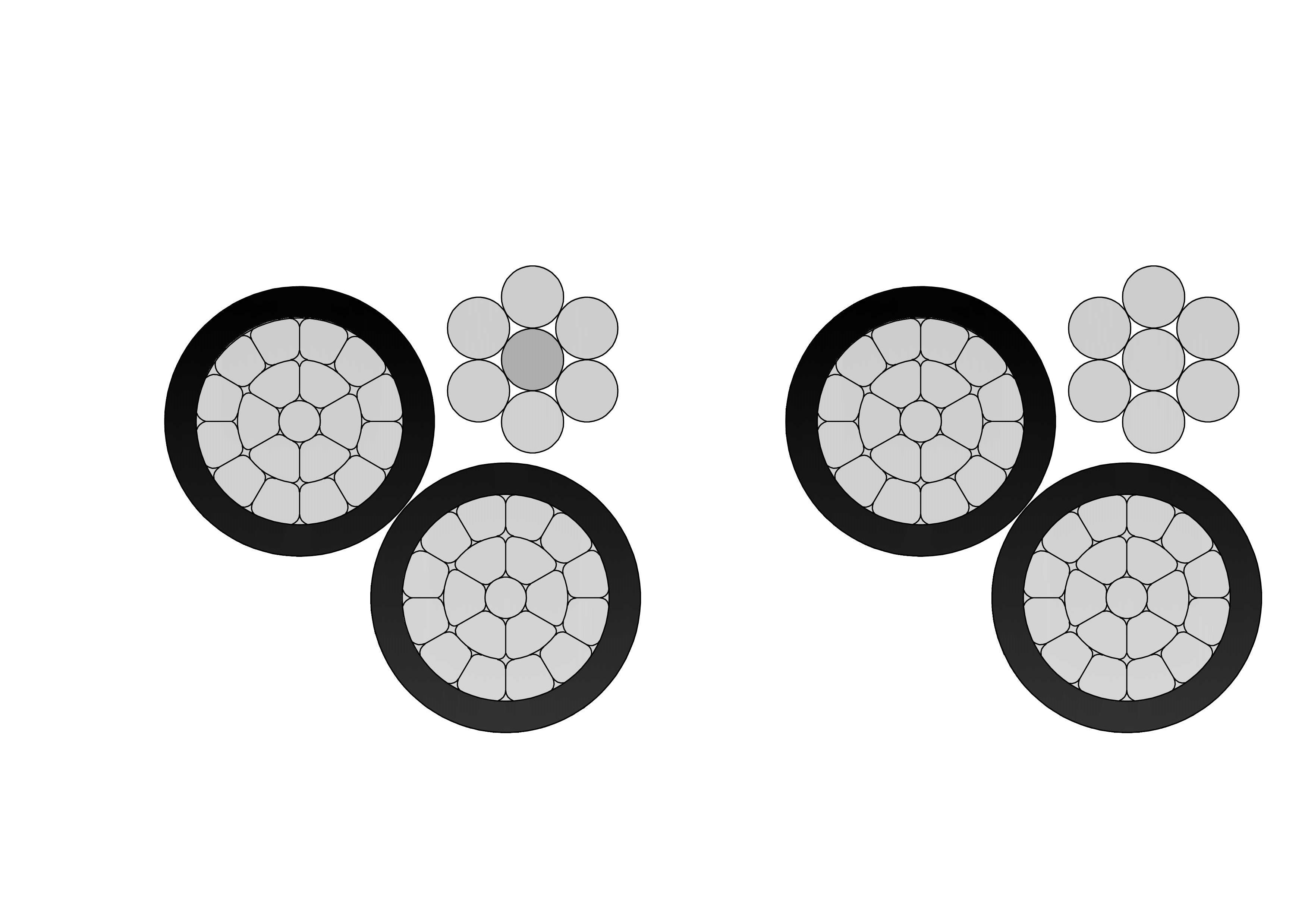
1/0 Purpura Aluminum Conductor Triplex Overhead Service Drop Cable
The 1/0 Purpura Aluminum Conductor Triplex Overhead Service Drop Cable is engineered for dependable secondary overhead power distribution from utility poles to residential and light commercial service entrances. The triplex configuration consists of two insulated aluminum phase conductors helically stranded around a bare aluminum neutral messenger, which provides both mechanical support and grounding functionality. With a 1/0 Purpura conductor size, this cable delivers enhanced current-carrying capacity, improved tensile strength, and controlled sag performance, making it suitable for longer spans and higher service loads. Aluminum conductors offer excellent corrosion resistance, reduced overall weight, and ease of handling during installation. Manufactured to meet ASTM and utility specifications, the 1/0 Purpura Aluminum Conductor Triplex Overhead Service Drop Cable ensures stable electrical performance, long service life, and consistent mechanical reliability in outdoor environments.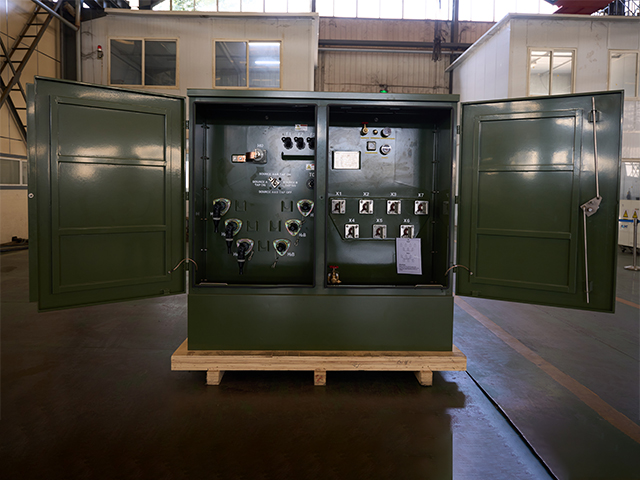
250kVA Three Phase Pad Mounted Transformer
The 250kVA Three Phase Pad Mounted Transformer is a compact, liquid-immersed, self-cooled (ONAN) distribution transformer optimized for efficient, underground power delivery in residential, light commercial, and small industrial applications. Fully compliant with IEEE C57.12.34, ANSI C57.12.00, DOE 2016 efficiency standards, and UL-listed, this compartmental-type unit features dead-front 200A high-voltage bushing wells (loadbreak inserts), radial or loop feed options, and a sealed tank using non-PCB mineral oil or FR3 natural ester fluid for improved fire safety and environmental performance.
350kVA Epoxy Resin Cast Dry Type Transformer 3 Phase 6.6kV/0.4kV Low Noise
Presenting the high-performance 350kVA Epoxy Resin Cast Dry Type Transformer 3 Phase 6.6kV/0.4kV Low Noise, a cutting-edge, eco-friendly power distribution solution ideal for indoor applications demanding superior safety and quiet operation. This three-phase dry-type transformer utilizes premium epoxy resin vacuum casting on high-conductivity copper windings and low-loss grain-oriented silicon steel cores, achieving outstanding energy efficiency (typically 98%+), minimal no-load/load losses, and exceptional partial discharge suppression (<10pC). With natural air (AN) cooling, Class F/H insulation, fire-retardant self-extinguishing properties, and robust short-circuit withstand, it offers maintenance-free reliability in harsh or sensitive environments. Fully compliant with IEC 60076-11, this compact unit steps down 6.6kV primary (with ±2×2.5% off-circuit taps) to 0.4kV secondary (Dyn11 vector group), supporting sustainable grids with overload capability and zero oil risks.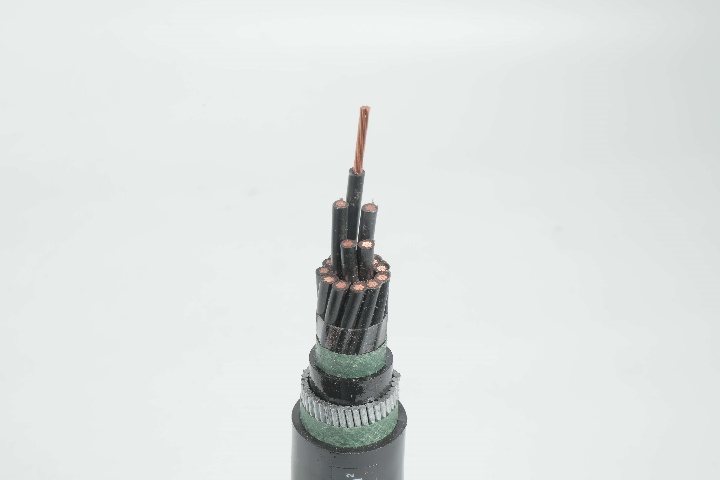
YSLCY / HSLCH CY Control Cable - 300/500V Screened Flexible Cable
The CY Control Cable (YSLCY / HSLCH) is a versatile screened flexible control cable ideal for industrial environments where electromagnetic interference protection is essential. It consists of finely stranded copper conductors with PVC or LSZH insulation, twisted cores, a high-coverage tinned copper braid screen, and a robust PVC or LSZH outer sheath. The YSLCY version is suited for general industrial use, while the HSLCH version provides enhanced fire safety with low smoke and zero halogen properties. Rated 300/500V, this cable offers excellent flexibility, oil resistance, and reliable signal transmission. The CY Control Cable (YSLCY / HSLCH) is manufactured under strict quality control from raw materials to finished product, meeting international standards for performance and safety in automation and control applications.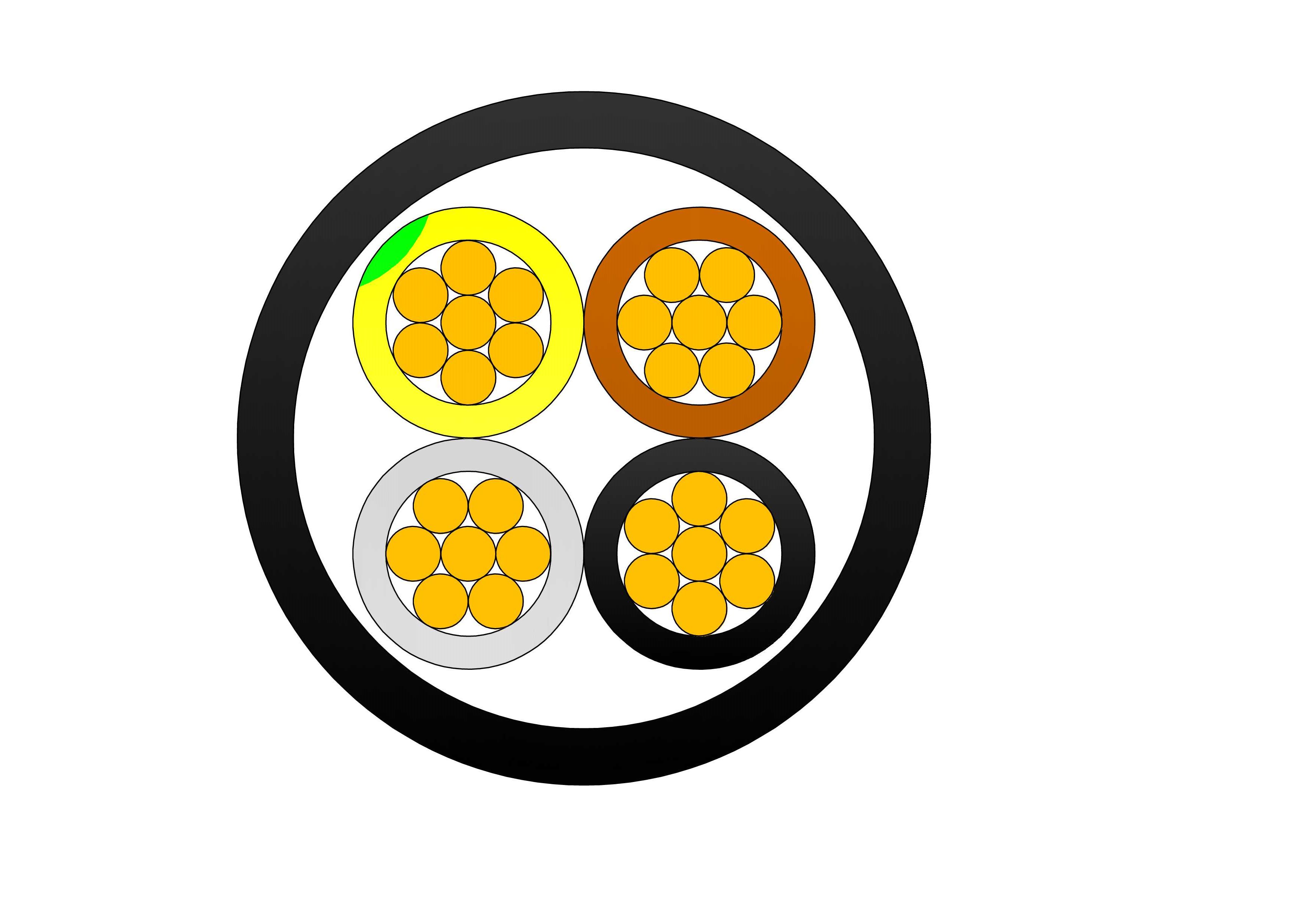
PV SOLAR Copper XLPE Insulated
The PV Solar Copper XLPE Insulated Cable is a premium solar cable engineered for efficient and reliable photovoltaic power systems. It utilizes high-purity stranded copper conductors for maximum conductivity and flexibility, paired with cross-linked polyethylene (XLPE) insulation that provides outstanding thermal stability, UV resistance, and weatherproof performance. Rated for DC 1.8kV and AC 0.6/1kV, this cable meets TÜV 2PfG 1169, EN 50618, and UL 4703 standards, ensuring safety and durability in harsh outdoor conditions. The PV Solar Copper XLPE Insulated Cable offers low voltage drop, high current capacity, and excellent flame retardant properties. Its superior flexibility facilitates easy installation in complex solar arrays. It is the preferred choice for high-end solar farms, rooftop systems, and commercial photovoltaic projects where maximum efficiency and long-term reliability are required.
336.4 Nannynose Aluminum Conductor Triplex Overhead Service Drop Cable
Built for high-demand overhead applications, the 336.4 Nannynose Aluminum Conductor Triplex Overhead Service Drop Cable provides robust power transmission. It features three 336.4 MCM (19/w) 1350-H19 aluminum conductors: two black XLPE-insulated phases for superior dielectric and environmental protection, cabled around a bare 336.4 MCM (19/w) AAC neutral messenger for excellent tensile strength and sag control. Rated 600V with 90°C conductor temperature and ampacity up to 420A (XLPE), this cable complies with ASTM B-230/B-231 and ICEA S-76-474. Lightweight, corrosion-resistant, and cost-effective, the 336.4 Nannynose ensures dependable performance in large secondary distribution and service drop installations.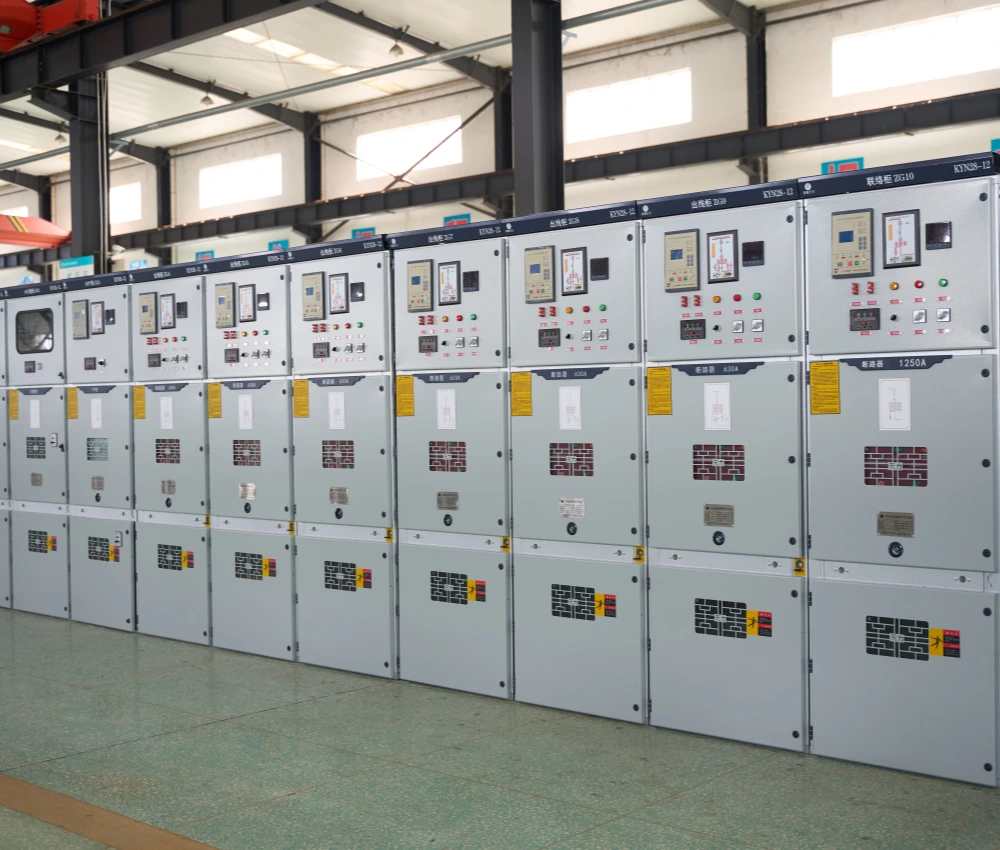
Armored Metal Enclosed Switchgear
The Armored Metal Enclosed Switchgear is a high-performance medium-voltage electrical distribution and protection system designed for industrial power networks, utility substations, renewable energy facilities, transportation infrastructure, and smart-grid applications. The switchgear adopts a fully compartmentalized armored metal enclosure structure integrating vacuum circuit breakers, disconnect switches, protection relays, current transformers, voltage transformers, and intelligent control systems into a compact modular cabinet assembly. This design significantly improves operational safety, electrical reliability, and maintenance efficiency for modern medium-voltage power distribution systems. Manufactured using precision-engineered insulated structures and reinforced metal-clad compartments, the armored metal enclosed switchgear provides outstanding dielectric strength, internal arc resistance, and mechanical durability under demanding operating conditions. Independent compartments for busbars, breaker units, cable chambers, and low-voltage control sections effectively isolate electrical faults and minimize fault propagation risks while improving maintenance accessibility and operational security. The Armored Metal Enclosed Switchgear supports intelligent automation systems, remote monitoring interfaces, and advanced communication protocols for digital substations and smart-grid infrastructure. With scalable configuration capabilities and flexible protection architectures, the switchgear delivers stable medium-voltage switching, fault isolation, and electrical distribution performance for industrial automation systems, utility networks, renewable energy integration projects, and mission-critical electrical facilities.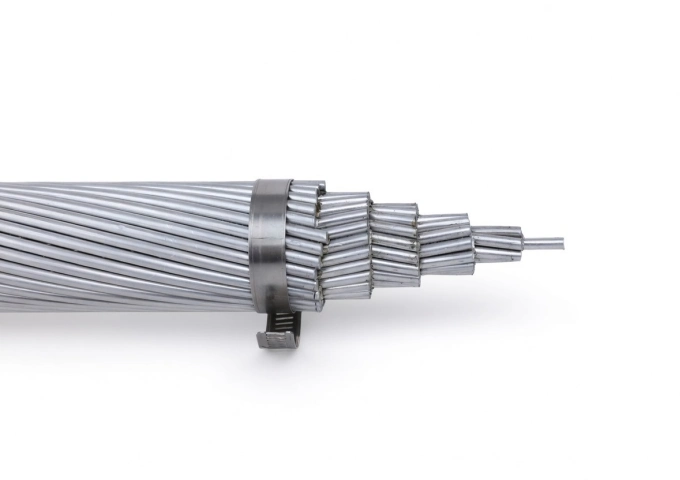
2 AWG IRIS AAC Cable
The 2 AWG IRIS AAC Cable is a premium All Aluminum Conductor designed for efficient overhead power transmission and distribution. Manufactured with high-purity 1350-H19 aluminum wires in a 7-strand concentric lay configuration, this bare conductor offers excellent electrical conductivity and lightweight performance. Ideal for urban and rural utility networks, the IRIS AAC delivers superior current-carrying capacity up to 185 amps while maintaining low sag and high reliability in various weather conditions. Its corrosion-resistant properties ensure long service life with minimal maintenance. Rigorously tested from raw materials to finished product, the 2 AWG IRIS AAC Cable meets or exceeds ASTM B-230 and B-231 standards, providing optimal strength-to-weight ratio and low DC resistance of 0.260 ohms per 1000ft. Choose this dependable solution for cost-effective power delivery in overhead lines on poles and towers.
LiYY Flexible Control Cable - PVC Multi-Core Unshielded Cable
The LiYY Control Cable is a versatile and highly flexible multi-core control cable ideal for industrial machinery and automation systems. It consists of finely stranded copper conductors with PVC insulation, twisted cores for reduced interference, and a grey PVC outer sheath. This unshielded design offers outstanding flexibility with a small bending radius, making installation easy even in confined spaces. Rated 300/500V, the LiYY Control Cable provides reliable signal and control transmission with good resistance to oil and mechanical stress. Manufactured under strict quality control from raw materials to finished product, it meets international standards and delivers consistent performance in dynamic and static industrial environments.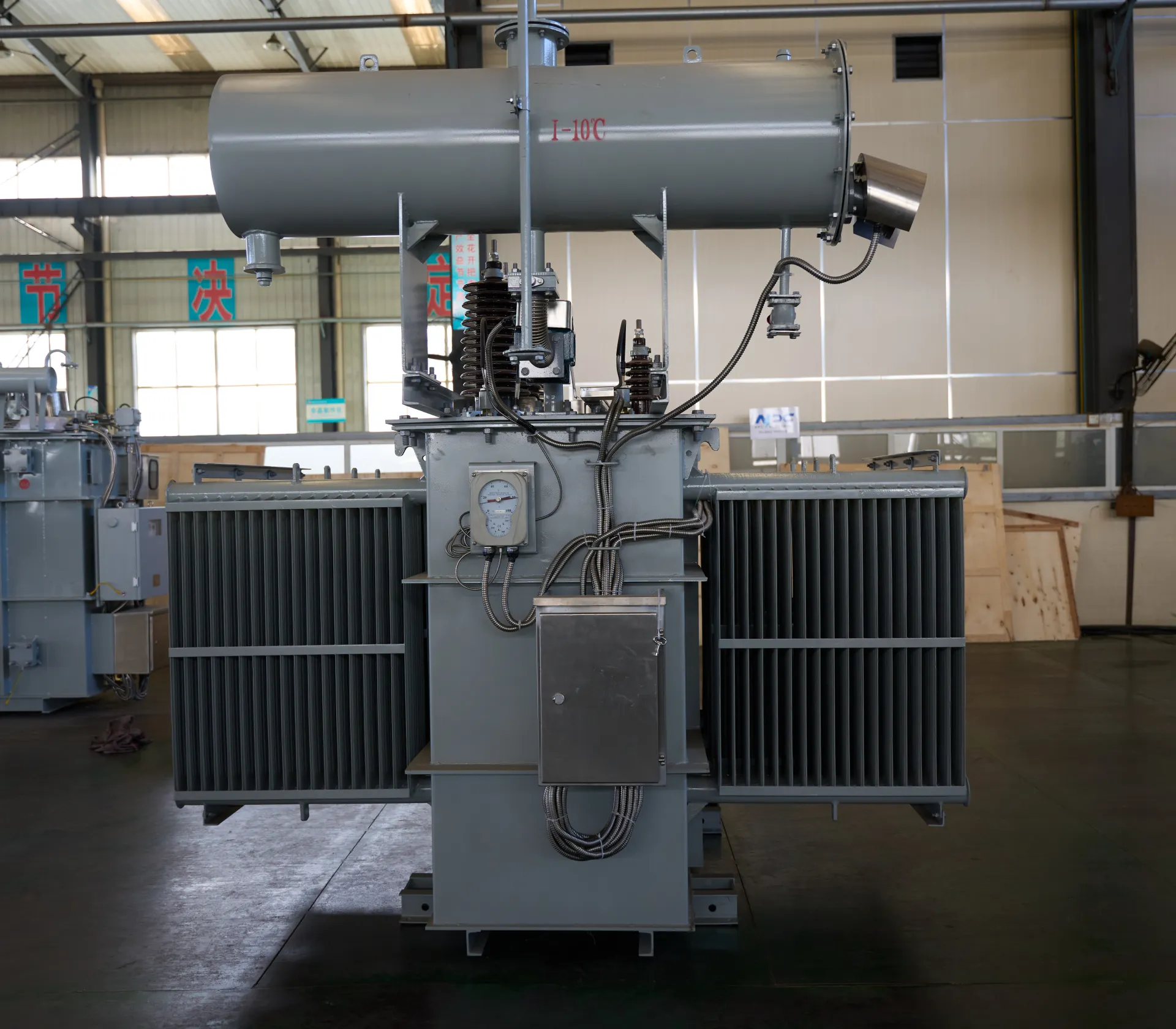
370MVA 750kV Oil-Immersed High-Voltage Transformer for Power Transmission
The 370 MVA 750 kV Oil-Immersed High-Voltage Transformer is designed for ultra-high-voltage (UHV) power transmission systems requiring exceptional reliability, stability, and long-distance energy delivery. With a robust oil-immersed insulation structure and high-grade copper windings, this transformer offers outstanding dielectric strength, low partial discharge, and excellent thermal performance. Engineered for 750kV grid networks, it effectively reduces transmission losses, enhances voltage regulation, and ensures safe operation under demanding load variations. Its precision-built core, advanced cooling system, and reinforced tank construction enable superior efficiency, extended service life, and high short-circuit resistance. Ideal for national power grid projects, long-distance transmission corridors, high-capacity substations, and UHV interconnection systems, this transformer delivers consistent and secure performance in critical large-scale power infrastructures.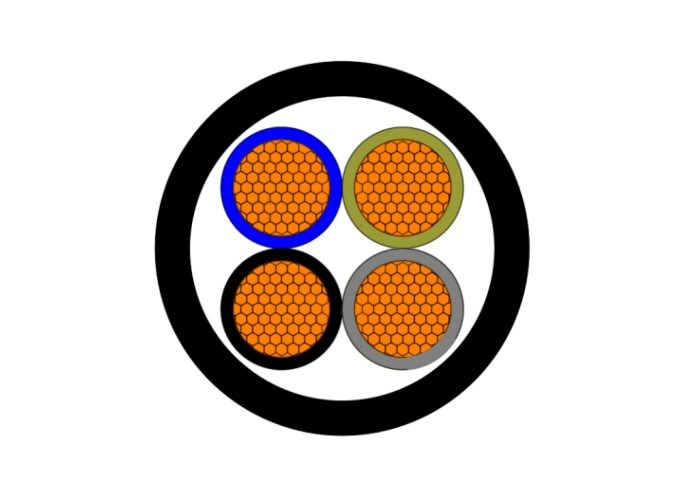
NA2XY-J/O Aluminium XLPE PVC-0.6/1kV Cable
NA2XY-J/O Aluminium XLPE PVC-0.6/1kV Cable is a low-voltage power cable featuring aluminum conductors, XLPE (cross-linked polyethylene) insulation, and a PVC (polyvinyl chloride) outer sheath. It is manufactured in accordance with IEC60502-1 standards and is rated for 0.6/1kV. This cable is a cost-effective alternative to copper conductor cables, offering good electrical and mechanical performance for fixed power distribution systems. Flame-retardant and environmentally robust, the Cable supports industrial, commercial, and residential projects with reliable, long-lasting power transmission.
2/3/4 Cores Aluminum Cable AL/XLPE/PVC Low Voltage Power Cable
The 2/3/4 Cores Aluminum Cable AL/XLPE/PVC is designed for reliable low-voltage power transmission and distribution in industrial, commercial, and utility applications. Manufactured with high-conductivity stranded aluminum conductors, premium XLPE insulation, and a durable PVC outer sheath, the cable provides an economical alternative to copper cables while maintaining excellent electrical performance. The XLPE insulation offers outstanding dielectric strength, low insulation losses, and thermal stability, allowing continuous conductor operation at temperatures up to 90°C. The PVC sheath protects against moisture, abrasion, chemicals, UV exposure, and environmental stress, ensuring long-term durability in demanding installations. Available in 2-core, 3-core, and 4-core configurations, the cable is suitable for single-phase and three-phase power systems. Manufactured according to IEC 60502-1 standards, it ensures safe and efficient electrical distribution across a wide range of applications. Its lightweight construction reduces transportation and installation costs, making the 2/3/4 Cores Aluminum Cable AL/XLPE/PVC an ideal solution for power infrastructure, commercial facilities, industrial plants, and renewable energy projects.Welcome your inquiry
Honesty, Integrity, Frugality, Activeness and Passion