
Underground Power Cables: Enhancing Safety and Reliability in Urban Areas
2025-12-26
1. The Role of Underground Power Cables in Modern Cities
In modern urban environments, the power system plays a vital role, providing uninterrupted power to millions of residents and businesses. Ensuring a reliable power supply is not only the cornerstone of comfortable living but also crucial for the normal functioning of the urban economy and society. For a long time, overhead cables have been the primary means of power transmission, crisscrossing the city and forming the backbone of the power grid. However, with the acceleration of urbanization and the continuous expansion of urban scale, the limitations of overhead cables have become increasingly apparent.
Overhead cables are not only susceptible to severe weather (such as strong winds and snow) and natural disasters (such as lightning strikes and fallen trees), leading to power outages, but their exposed nature also presents potential safety hazards, such as the risk of electric shock. Furthermore, the dense overhead lines visually impact the urban landscape and require regular tree felling to prevent interference, increasing maintenance costs and workload.
It is against this backdrop that underground cables, as a more advanced and reliable method of power transmission, are becoming increasingly prevalent. Buried underground, they effectively mitigate the aforementioned risks, enhance the resilience of the power grid and the safety of the city, while also beautifying the urban environment and reducing the complexity of long-term maintenance.
Underground cables offer a solution to many of the challenges faced by overhead power lines, including vulnerability to weather conditions, aesthetic concerns, and safety risks. By burying power cables underground, cities can improve the reliability of their electrical infrastructure and reduce the impact of environmental and human factors on the system.
2. Key Benefits of Underground Power Cables
The transition from overhead cables to underground power cables provides several advantages that contribute to the overall safety and reliability of the power distribution system in urban areas:
a. Enhanced Safety
One of the primary benefits of underground power cables is the reduced risk of electrical hazards. Overhead power lines are more susceptible to damage from severe weather events, such as thunderstorms, ice storms, or high winds, which can lead to short circuits, fires, or power outages. Underground cables, on the other hand, are shielded from these environmental factors, which significantly reduces the risk of accidents and electrical fires.
In addition, underground power cables are not as easily accessible as overhead lines, preventing accidental contact by people, animals, or vehicles. This is especially important in urban areas where the risk of contact with power lines is higher.
b. Reliability in Harsh Weather Conditions
Underground power cables provide increased resilience during extreme weather conditions. Overhead cables are vulnerable to damage from storms, fallen trees, or high winds. In contrast, underground systems are protected from these issues, maintaining a continuous power supply during adverse weather. This reliability is especially vital for essential services like hospitals, emergency response centers, and data centers.
c. Aesthetic and Urban Planning Benefits
Overhead power lines can be unsightly and disrupt the visual appeal of urban landscapes. Underground power cables are ideal for aesthetic reasons, as they free up space in cities, providing more flexibility for urban planning, landscaping, and the development of new infrastructure.
Moreover, burying power cables underground reduces the potential for power outages caused by fallen trees, debris, or even human interference, creating a safer and more organized environment for urban residents and businesses.
3. How Underground Power Cables Work
Underground cables are designed to function similarly to overhead cables, but with additional protections and considerations for their underground environment. The basic structure of an underground power cable consists of several layers:
-
Conductor: The inner core, usually made of copper or aluminum, carries the electrical current.
-
Insulation: Surrounding the conductor, insulation materials like XLPE (cross-linked polyethylene) or PVC protect the cable and prevent short circuits.
-
Shielding: A layer of shielding, such as copper tape or metallic wires, protects the cable from external electrical interference and offers additional safety.
-
Outer Sheath: The final layer, often made of polyethylene or polyvinyl chloride, provides physical protection against moisture, mechanical stress, and external elements.
In underground installations, the cables are buried in trenches or ducts, and the installation is carefully planned to avoid damage during future construction projects. Additionally, some systems use direct-buried cables, while others employ duct systems, which protect the cables and allow for easier maintenance or replacement.
4. Challenges of Installing Underground Power Cables
While underground power cables offer significant advantages, their installation presents unique challenges. These challenges must be carefully addressed to ensure the effectiveness of the system:
a. High Installation Costs
Underground cables typically cost more to install than overhead cables due to the labor-intensive process of digging trenches, laying cables, and ensuring the proper installation of duct systems. However, these upfront costs are often offset by the long-term benefits, including lower maintenance and fewer power outages.
b. Maintenance and Repairs
One of the main drawbacks of underground power cables is that, unlike overhead systems, which are easily accessible, underground cables require more effort and equipment for repairs. If an issue occurs, locating the fault and performing repairs can be time-consuming and costly. This is why regular monitoring and maintenance are essential to ensure the long-term performance of underground power systems.
c. Environmental Impact and Considerations
While underground power cables are more resilient to environmental conditions, their installation can disrupt local ecosystems, particularly in areas where underground systems require significant digging. Additionally, environmental conditions such as water tables or soil conditions can affect the choice of cable types and installation methods.
5. Applications of Underground Power Cables
Underground power cables are used in a variety of applications in urban areas:
-
Residential Areas: Providing a safer, more reliable power supply while maintaining aesthetics in suburban and metropolitan neighborhoods.
-
Commercial Buildings: Ensuring uninterrupted power supply for office complexes, shopping malls, and retail businesses.
-
Critical Infrastructure: Powering hospitals, emergency services, and industrial facilities that require a constant and stable electricity supply.
-
Renewable Energy Systems: In systems where solar farms, wind turbines, or hydropower plants are connected to the grid, underground cables are used to transport power to the utility network.

In urban areas where safety, reliability, and efficiency are paramount, underground power cables provide an ideal solution for modern power distribution systems. By enhancing electrical safety, reducing maintenance costs, and improving reliability in the face of severe weather conditions, underground systems are becoming an increasingly popular choice for power delivery. While installation costs can be higher, the long-term benefits of underground cables—including fewer power outages, improved urban aesthetics, and greater environmental resilience—make them a crucial element in the future of power infrastructure.
As cities continue to grow and evolve, underground power cables will remain at the forefront of ensuring safe, efficient, and sustainable electrical systems that meet the demands of modern life.

Related Articles
Related Products
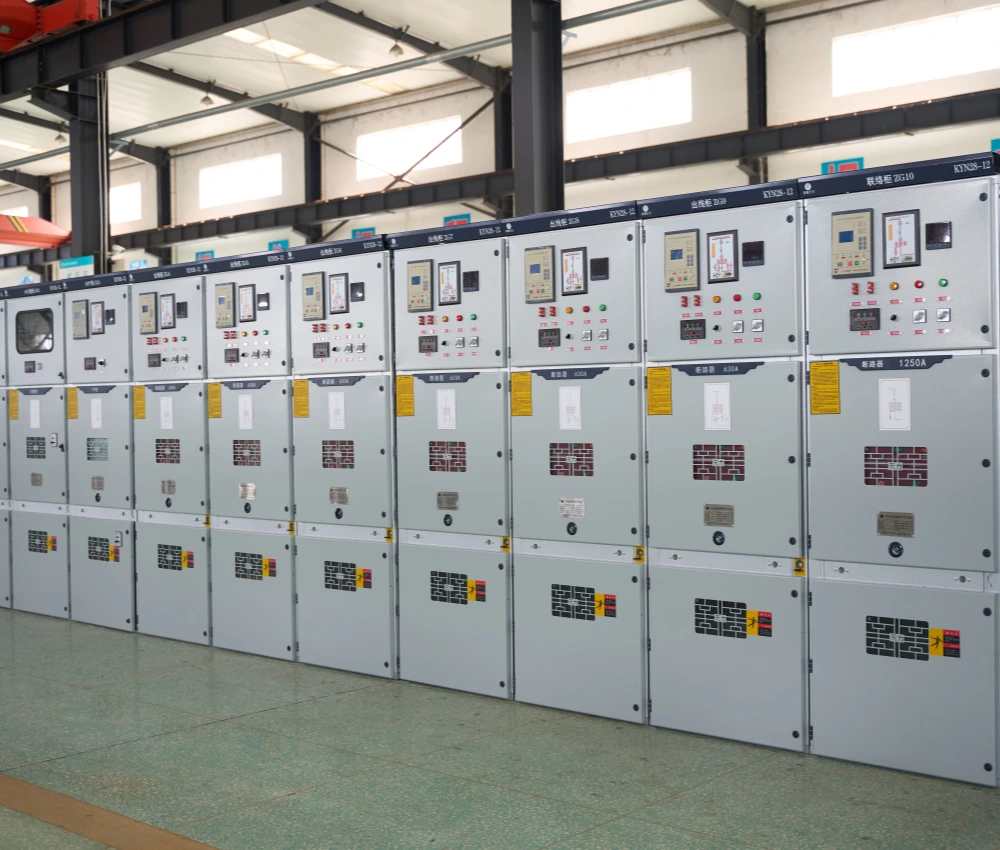
High Voltage Switchgear
NPC Electric high voltage switchgear delivers exceptional reliability and safety for modern electrical networks. Built with cutting-edge insulation technology and intelligent monitoring systems, this HV switchgear ensures seamless power distribution while protecting critical infrastructure from faults and overloads. Ideal for utilities, industrial plants, and renewable energy projects, it combines compact design with robust construction to minimize downtime and maximize operational efficiency in demanding environments.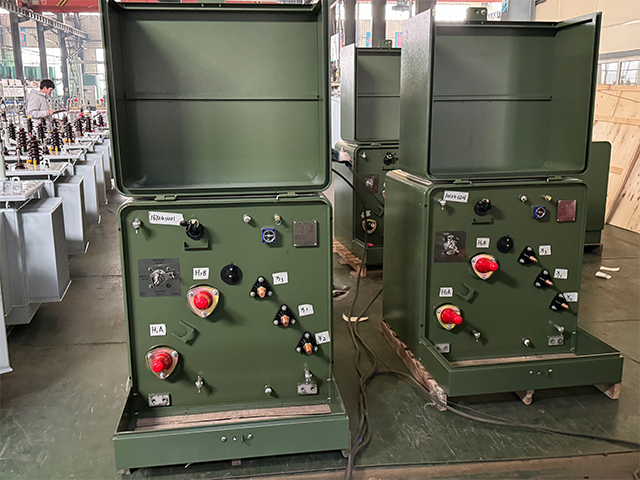
25kVA Single Phase Pad Mounted transformer
The 25kVA Single Phase Pad Mounted transformer with a power rating of 25 kVA, the high voltage of the transformer is 24940GRDY/14400×12470GRDY/7200V, which is a dual high voltage design. Customers can switch between 14.4kV and 7.2kV through a dual voltage switch according to the distribution line. There is a five-position voltage regulating switch on the high-voltage side, which can allow small changes in voltage within ±2 * 2 ½%. The 25 kVA transformer comes complete with an oil level indicator and a 4-position load break switch, adding to its versatility and ease of maintenance.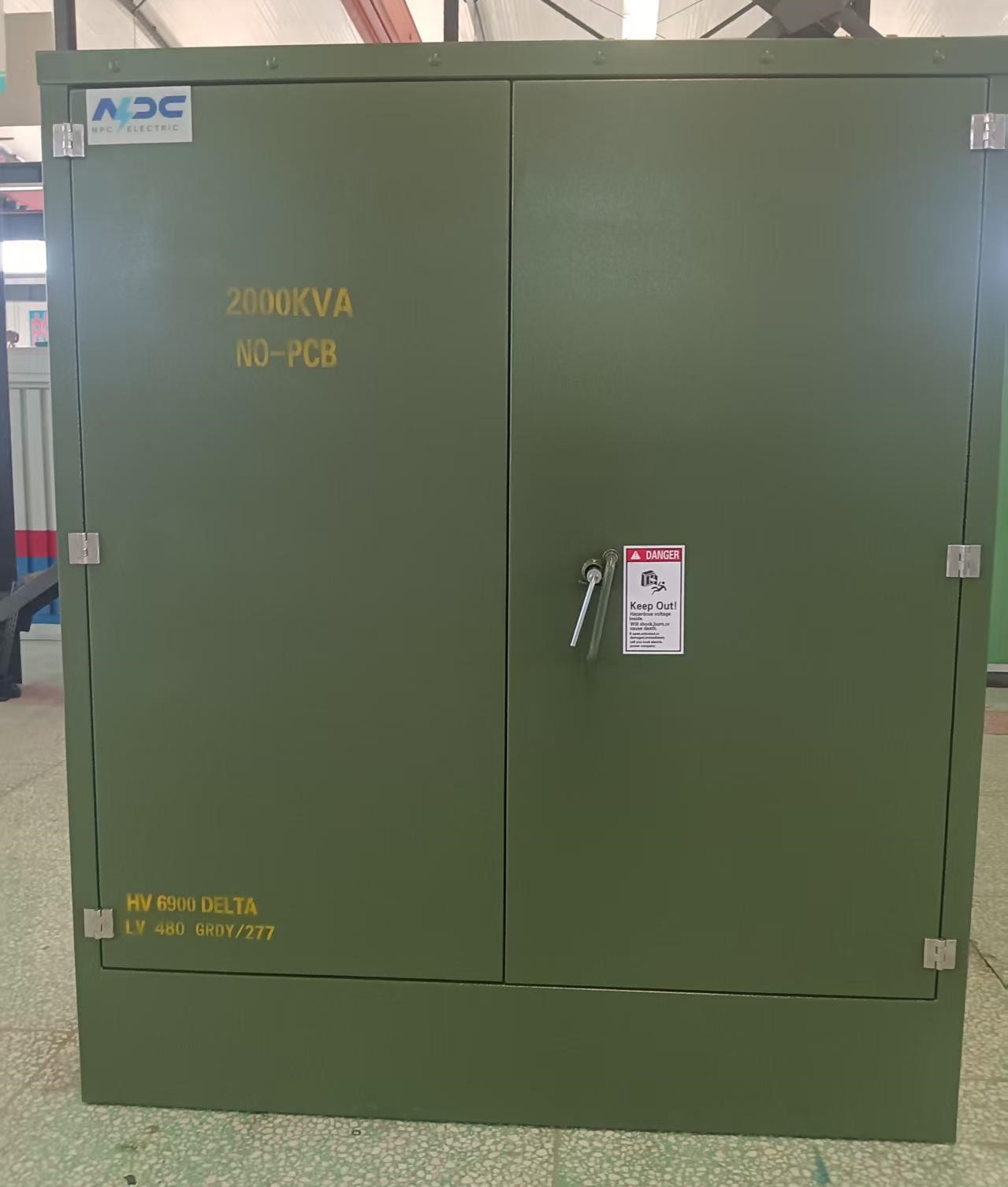
2000kVA Loop Feed 6.9kV Pad Mounted transformer
The 2000kVA Loop Feed 6.9kV Pad-Mounted Transformer is designed and manufactured to meet IEEE C57.12.34, IEEE C57.12.24, and IEEE C57.12.00 standards, as well as ASTM D6871 oil test requirements. It features a dead-front loop-feed design, aluminum windings, primary voltage of 6.9kV, and secondary voltage of 480/277V with ±2×2.5% HV taps for voltage adjustment. This transformer uses NEMA-standard spade-type low-voltage terminals with 12 holes, offers ONAN cooling, and is filled with mineral oil for reliable insulation and thermal performance. Ideal for substation projects in demanding environments, it is UL certified and built for step-down operation with a 95/30kV BIL rating. Standard configuration includes mineral oil or FR3 natural ester fluid (ONAN cooling), aluminum or copper windings, primary voltage 6.9kV (6900V Delta or 6900GrdY/3985 common for loop-feed systems), secondary 480Y/277V (or 208Y/120V, 600Y/347V, custom), BIL 75kV HV / 30kV LV, impedance 5.75–7.5% (±7.5%), ±2×2.5% taps, loop-feed dead-front design with six high-voltage bushings (three per source: H1A/H2A/H3A and H1B/H2B/H3B), dual load-break switches (one per feed), bayonet fuses + partial-range current-limiting fuses (dual sets), lightning arresters, pressure relief valve, oil level/temperature gauges, and ANSI 70 gray (or Munsell green) finish.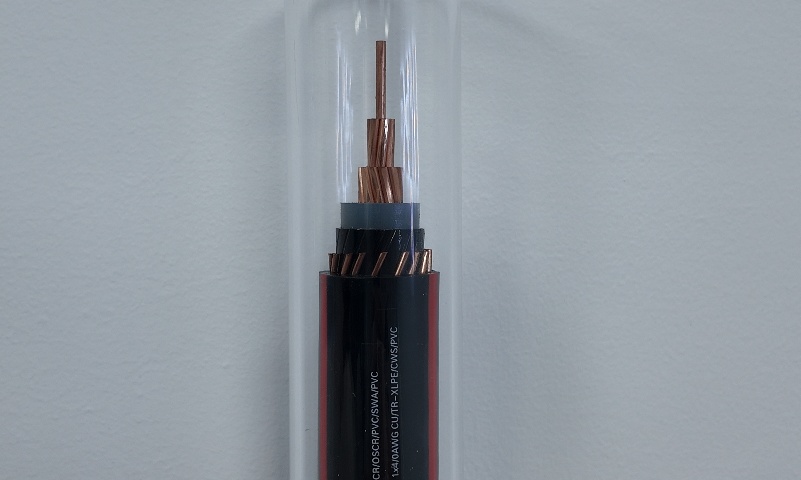
5-46kV TR-XLPE URD Medium Voltage Utility Cables
5–46kV TR-XLPE URD Medium Voltage Utility Power Cables are specifically designed for underground residential distribution and utility power networks. Manufactured with high-quality copper or aluminum conductors and tree-retardant cross-linked polyethylene (TR-XLPE) insulation, these cables provide superior resistance to electrical treeing, moisture ingress, and long-term aging. The TR-XLPE insulation system significantly extends service life in underground installations where environmental stress and moisture exposure are common. Rated for voltage levels from 5kV to 46kV, the cable ensures stable and efficient power transmission under continuous operating conditions. Its robust construction supports direct burial or duct installation, meeting the reliability requirements of modern utility infrastructure. Designed to meet utility and industry performance expectations, TR-XLPE URD cables offer consistent electrical performance, enhanced durability, and reduced maintenance over their operational lifespan.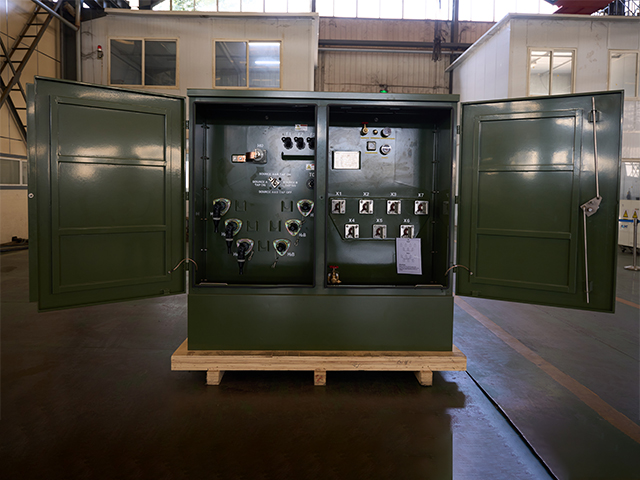
4000kVA Three Phase Pad Mounted Transformer
NPC ELECTRIC's 4000kVA Three Phase Pad Mounted transformer is made of high-performance silicon steel sheets and high-quality insulating oil. It complies with international standards such as IEC 60076 and ANSI C57. It has excellent electrical performance and weather resistance. It is suitable for large industrial parks, urban distribution stations, and new energy power generation systems. It is an ideal choice for high-reliability and high-efficiency power distribution.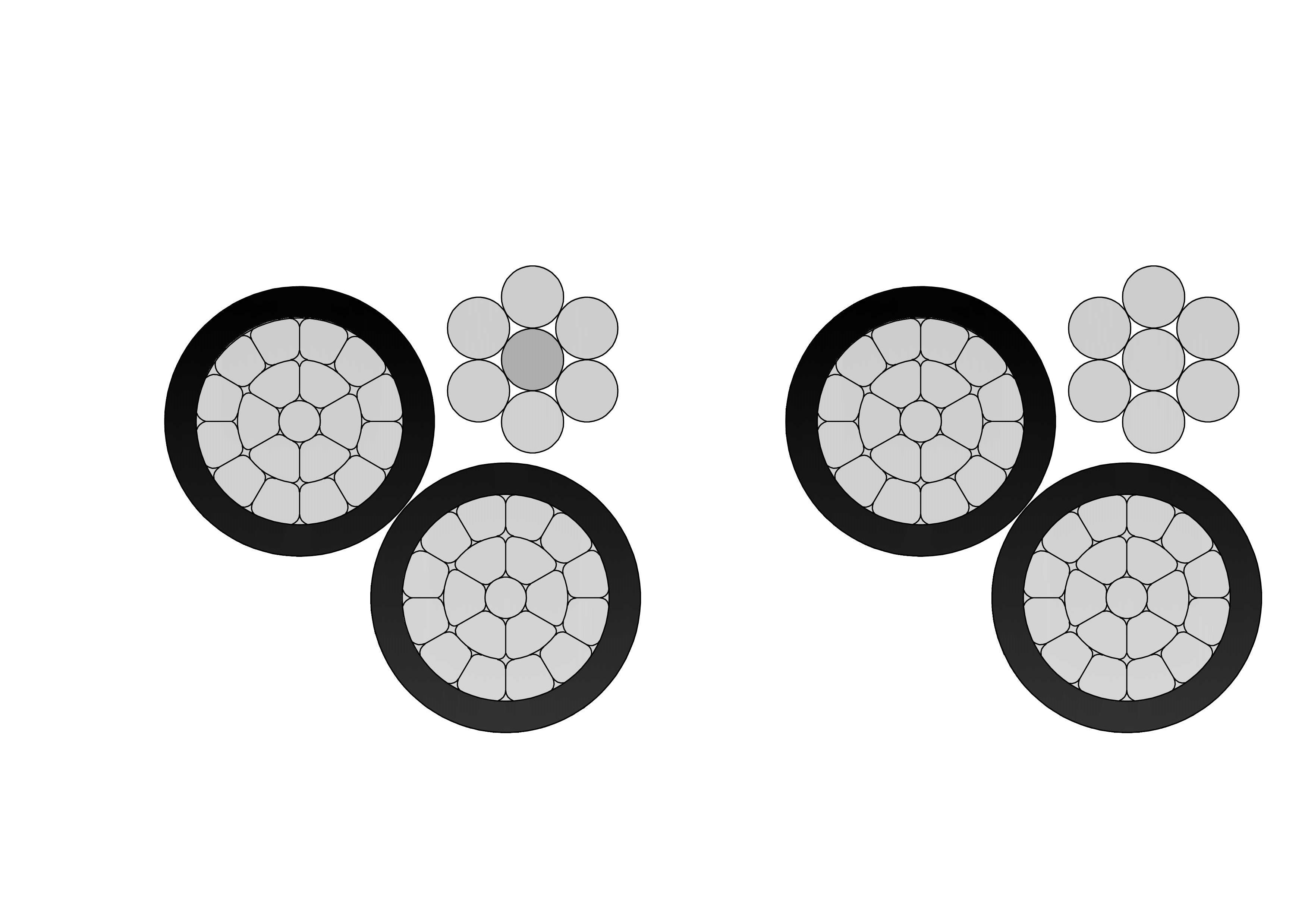
2/0 Dungeness Aluminum Conductor Triplex Overhead Service Drop Cable
The 2/0 Dungeness Aluminum Conductor Triplex Overhead Service Drop Cable is engineered to provide safe and efficient overhead power distribution. Featuring two insulated aluminum conductors and a bare aluminum neutral messenger, this cable delivers strong mechanical support and stable electrical transmission. The 2/0 Dungeness Aluminum Conductor Triplex Overhead Service Drop Cable is manufactured using premium aluminum materials and weather-resistant insulation to ensure long service life in outdoor environments. Its optimized design allows for easy installation while maintaining compliance with utility and industry standards. The cable performs reliably under mechanical stress, temperature changes, and prolonged UV exposure. Strict quality control and systematic testing procedures are applied throughout production to ensure consistent performance and dependable field operation.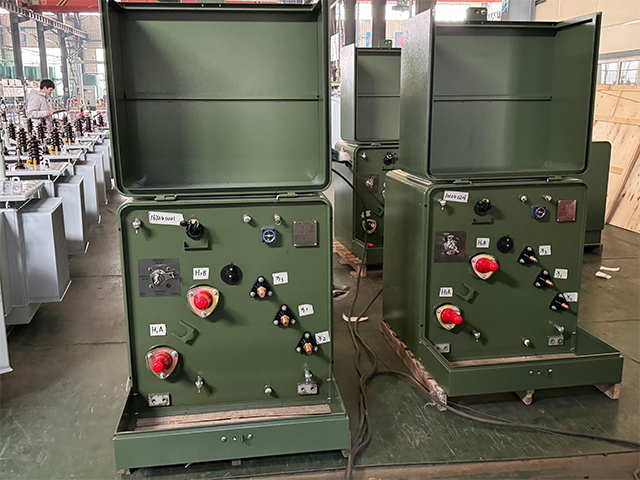
15kVA Single Phase Pad Mounted transformer
The 15 kVA single phase pad mounted transformer operates safely, reliably, and efficiently and can be installed indoors and outdoors. This type of transformer has a low operating cost, is environmentally friendly, easy to install, and has a low purchase cost, so it is widely used in residential, commercial, and other public.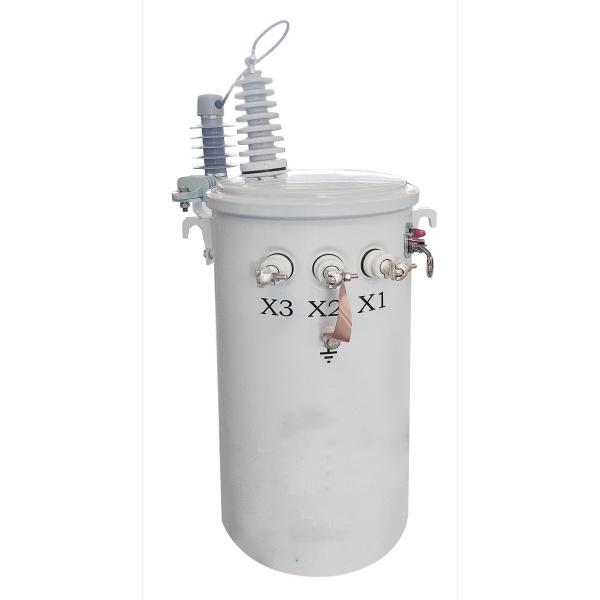
50kVA Completely self-protected(CSP) Single Phase Pole Mounted Transformer
50kVA Completely self-protected(CSP) Single Phase pole Mounted transformer is a robust, high-efficiency solution designed for reliable single-phase power distribution in residential, commercial, and small industrial applications. This transformer features built-in protection mechanisms, including overload, short-circuit, and over-voltage safeguards, ensuring automatic disconnection during fault conditions to protect both the transformer and the electrical system. With its pole-mounted design, it is space-efficient and ideal for installations in urban, rural, and remote areas. The transformer operates with low losses, ensuring high energy efficiency and long-term performance. Built with durable materials, it offers exceptional resilience against harsh weather conditions, ensuring reliability and longevity. This transformer is an ideal choice for any application requiring consistent, stable single-phase power.3GHSSHCH-mining-cable-2.webp)
(N)3GHSSHCH Mining Cable
The (N)3GHSSHCH 3.6/6kV and 6/10kV medium voltage flexible mining cable is engineered for demanding industrial environments such as underground mining, tunneling, and heavy-duty mobile equipment. Featuring EPR rubber insulation, halogen-free LSZH sheath, and a copper wire braid screen, it offers superior mechanical strength, oil resistance, and flame retardancy. Its robust multi-layer construction includes semi-conductive layers, steel wire braid armour, and individual copper screening, ensuring reliable electrical performance and enhanced safety. With excellent flexibility, a wide operating temperature range (-40°C to +80°C fixed), and compliance with VDE, EN, and IEC standards, this cable guarantees long service life in the harshest conditions. Ideal for medium voltage power supply where safety, flexibility, and durability are critical.
1/0 Janthina Aluminum Conductor Triplex Overhead Service Drop Cable
The 1/0 Janthina Triplex Service Drop Cable is a reliable overhead cable for secondary power distribution to residential service entrances. Featuring two 1/0 AWG aluminum phase conductors and one neutral messenger (7-strand) insulated with XLPE or PE and assembled in triplex configuration, it provides excellent mechanical strength and weather resistance. Compliant with ASTM B-230, B-231, ICEA S-76-474, and ANSI/ICEA standards, this cable supports 600V applications with high UV, moisture, and abrasion protection. The self-supporting messenger reduces sag and simplifies installation over medium spans. The 1/0 Janthina Triplex Service Drop Cable ensures low power losses, high current capacity, and long service life in harsh outdoor conditions. Lightweight and flexible, it is widely used for two-phase service drops with neutral in urban, suburban, and rural areas requiring safe, cost-effective aerial connections from utility poles to homes.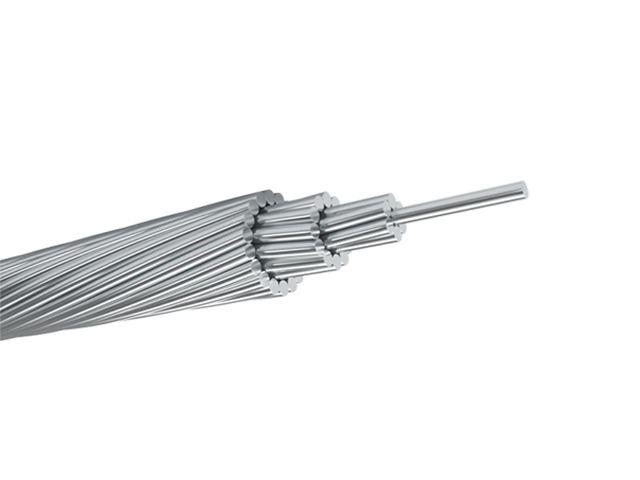
AAAC Panther Conductor Cable
AAAC PANTHER Conductor is a premium-grade All Aluminum Alloy Conductor engineered for reliable performance in overhead distribution and sub-transmission lines. Compliant with ASTM B399, IEC 61089, and BS EN 50182 standards, this conductor is manufactured using high-strength 6201-T81 aluminum alloy, offering excellent conductivity, enhanced tensile strength, and superior corrosion resistance. Compared with traditional AAC conductors, the Panther-size AAAC conductor provides higher tensile strength and reduced sag, making it suitable for longer spans and higher mechanical loading conditions. Its all-aluminum alloy construction eliminates steel reinforcement, effectively preventing galvanic corrosion and improving long-term reliability, especially in coastal, humid, and industrial environments. Produced in accordance with IEC and ASTM standards, the AAAC Panther Conductor Cable ensures uniform strand geometry, stable resistance values, and consistent performance throughout its service life. It is widely selected by utilities seeking lower maintenance costs, improved line efficiency, and enhanced durability for modern overhead power networks.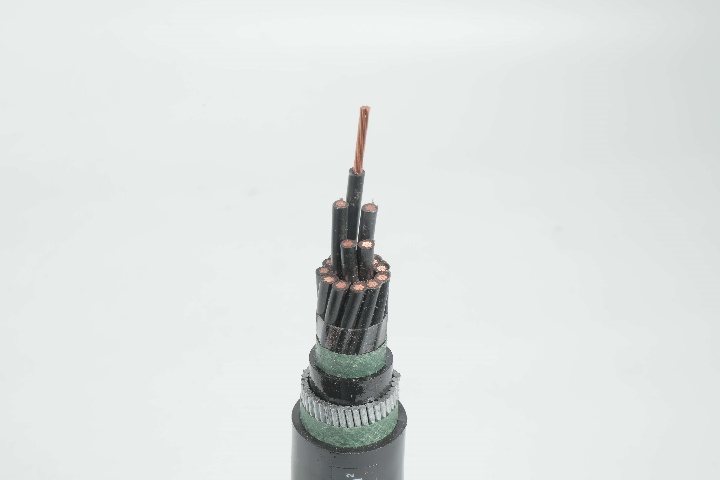
LiHCH LSZH Screened Control Cable - 300/500V Halogen-Free Flexible Cable
The LiHCH Control Cable is a halogen-free screened flexible control cable engineered for modern safety-critical applications. It consists of finely stranded copper conductors with LSZH insulation, twisted cores, a tinned copper braid screen for effective EMI protection, and an LSZH outer sheath. This design combines high flexibility, reliable signal transmission, superior fire safety, and minimal smoke and toxic gas emission during combustion. Rated 300/500V, the LiHCH LSZH Screened Control Cable is particularly suitable for public infrastructure, transportation hubs, hospitals, and industrial facilities where fire safety regulations are strict. Manufactured under strict quality control from raw materials to finished product, it meets international standards and provides a safe, reliable solution for control and signal circuits.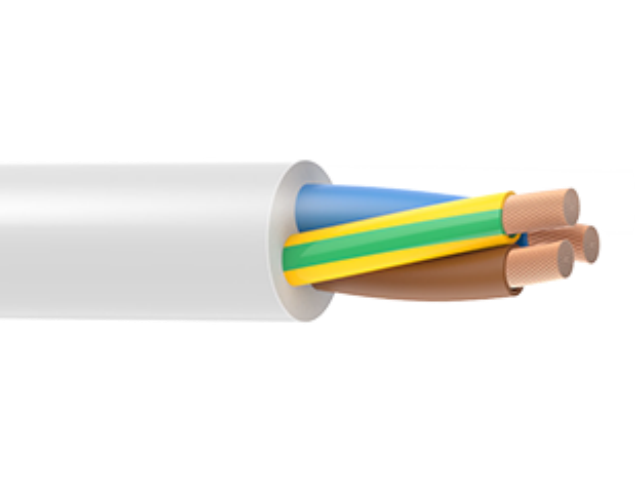
H05VV-F
H05VV-F wires from NPC Electric are flexible PVC insulated and sheathed cables designed for light-duty power connections in household and commercial electrical equipment. Featuring finely stranded copper conductors, these wires provide excellent flexibility, making them easy to install and suitable for applications involving frequent movement. The double PVC insulation structure offers reliable electrical protection, good mechanical strength, and resistance to abrasion, ensuring safe operation under normal indoor conditions. Manufactured in accordance with harmonized standards, NPC Electric H05VV-F wires deliver stable conductivity, consistent insulation thickness, and dependable performance. They are widely used where flexibility, safety, and ease of handling are essential, making them a practical choice for appliances, extension cords, and portable equipment.-AL-medium-voltage-power-cable-2.jpg)
RHZ1-2OL(AS)-AL Medium Voltage Power Cable(8.7/15kV, 12/20kV, 18/30kV Specifications)
RHZ1-2OL(AS)-AL are enhanced flame-retardant, low smoke, zero halogen (LSZH) medium voltage cables with aluminum conductors, manufactured under IEC 60502-2 standards. Featuring stranded aluminium conductors, cross-linked polyethylene (XLPE) insulation, metallic screen, and low smoke zero halogen (LSZH) outer sheath with enhanced fire performance (AS designation), it complies with UNE 21123-4 and CPR standards. In fire conditions, it emits very low smoke and no toxic gases. Aluminium construction reduces weight and costs while providing sufficient current capacity. Excellent partial discharge resistance, low dielectric losses, and high thermal stability ensure efficient, long-term operation. Suitable for direct burial, ducts, or indoor use in public areas. The RHZ1-2OL(AS)-AL Medium Voltage Power Cable is ideal for utilities, hospitals, schools, tunnels, and infrastructure projects requiring economical, high-safety medium voltage cabling with superior fire behavior and reliability worldwide.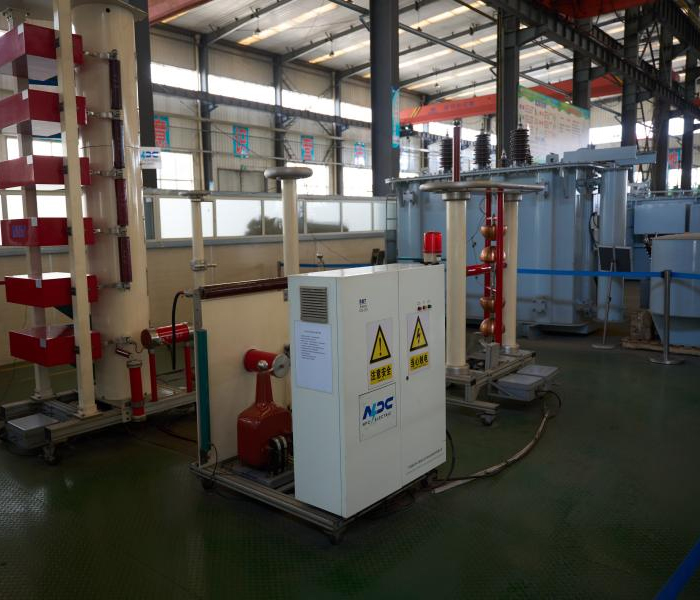
3000kVA Dry Type Transformer
3000kVA Dry Type Transformer is a high-performance, reliable power solution designed to meet the needs of large industrial and commercial facilities. With a 3000kVA capacity, it utilizes advanced dry-type insulation, ensuring exceptional safety, minimal maintenance, and extended durability. Built for demanding environments, this transformer provides stable, efficient, and low-noise operation while minimizing environmental impact. The NPC ELECTRIC 3000kVA Dry Type Transformer is the ideal choice for ensuring reliable and efficient power distribution in large-scale applications. Core features include three-phase design, primary voltages 208V–600V (e.g., 480V Delta, 600V Delta), secondary voltages such as 208Y/120V, 480Y/277V, or custom, aluminum or copper windings, 150°C rise (standard) or 115°C/80°C with 220°C insulation class, ±2×2.5% primary taps, NEMA 1 ventilated enclosure (NEMA 3R/encapsulated options), natural convection cooling (AN), electrostatic shielding, and low sound levels per NEMA.Welcome your inquiry
Honesty, Integrity, Frugality, Activeness and Passion