Best Building Wires: Fire Resistant, Low Smoke and Safety Standards
2026-07-17
Modern electrical infrastructure requires far more than simple power transmission capability. In residential buildings, commercial complexes, industrial facilities, hospitals, airports, and public building projects, electrical building wire selection now plays a critical role in fire safety, smoke control, operational reliability, and human protection during emergency conditions.
Traditional wiring cable systems based on polyvinyl chloride (PVC) insulation remain common because of their low manufacturing cost and strong electrical insulation performance. However, during fire exposure, standard pvc cable materials can release dense smoke, toxic gases, and corrosive hydrochloric acid that significantly increase danger to occupants and emergency responders.
As a result, global safety regulations increasingly encourage the use of flame-retardant, low-smoke, and halogen-free cable systems, especially in densely populated buildings and critical infrastructure projects.
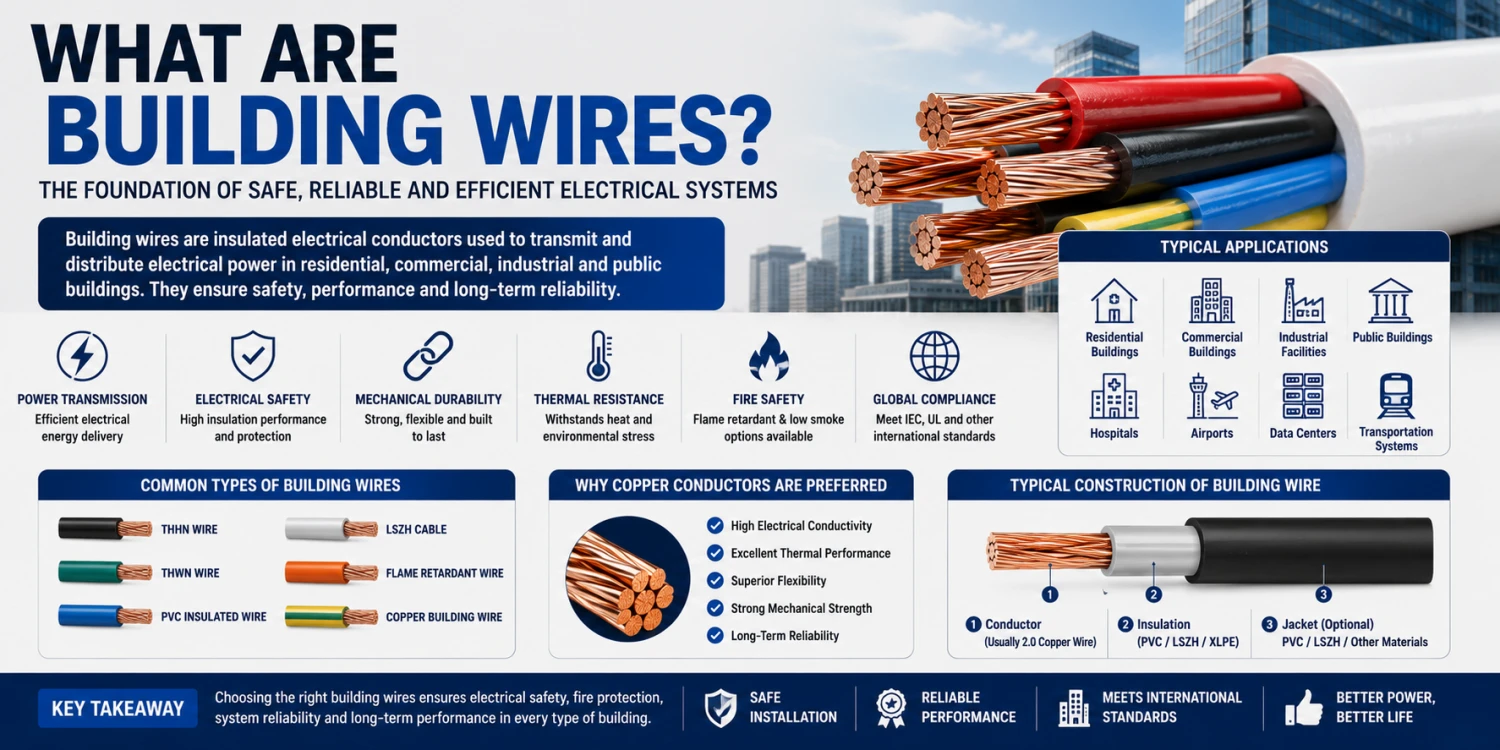
1. What Are Building Wires?
Building wires are insulated electrical conductors used to distribute electrical power inside buildings and infrastructure systems.
They are widely used in:
- Residential housing
- Commercial buildings
- Industrial plants
- Public transportation systems
- Hospitals
- Airports
- Data centers
Modern building wires must balance several critical engineering requirements:
- Electrical conductivity
- Mechanical durability
- Thermal resistance
- Fire safety
- Environmental compliance
- Installation flexibility
Common Types of Electrical Building Wire
Common low-voltage building wires include:
- THHN wires
- THWN wires
- PVC insulated cables
- LSZH cables
- Flame-retardant wiring cable
- Copper building wire
Different installation environments require different insulation and cable jacketing technologies.
Why Copper Conductors Are Preferred
2.0 copper wire and other copper conductors are widely used because copper provides:
- High electrical conductivity
- Strong thermal performance
- Excellent flexibility
- Long-term reliability
Copper building wire remains the industry standard for most low-voltage electrical systems.
2. Why Fire Safety Matters in Building Wires
Electrical fires remain one of the leading causes of infrastructure damage worldwide.
In many cases, the primary danger is not direct flame exposure but smoke inhalation and toxic gas release.
The Hidden Risk of PVC Cable
Traditional PVC cable systems use polyvinyl chloride insulation.
When exposed to fire, PVC materials may release:
- Dense black smoke
- Hydrochloric acid gas
- Corrosive chemicals
- Toxic combustion byproducts
These emissions reduce visibility and increase evacuation difficulty during fires.
Fire Safety in Public Buildings
Fire-resistant building wires are especially important in:
- Airports
- Subway systems
- Hospitals
- Schools
- Shopping centers
- High-rise buildings
In public building projects, low-smoke and halogen-free cable systems significantly improve evacuation safety.
Flame Retardant vs Fire Resistant
Many people confuse flame-retardant cables with fire-resistant cables.
Flame Retardant Cables
Flame-retardant cables reduce flame spread but may not continue operating during fire exposure.
Fire-Resistant Cables
Fire-resistant cables are designed to maintain circuit integrity during fire conditions.
This distinction is critical for emergency systems.
3. What Are LSZH and Low Smoke Zero Halogen Cables?
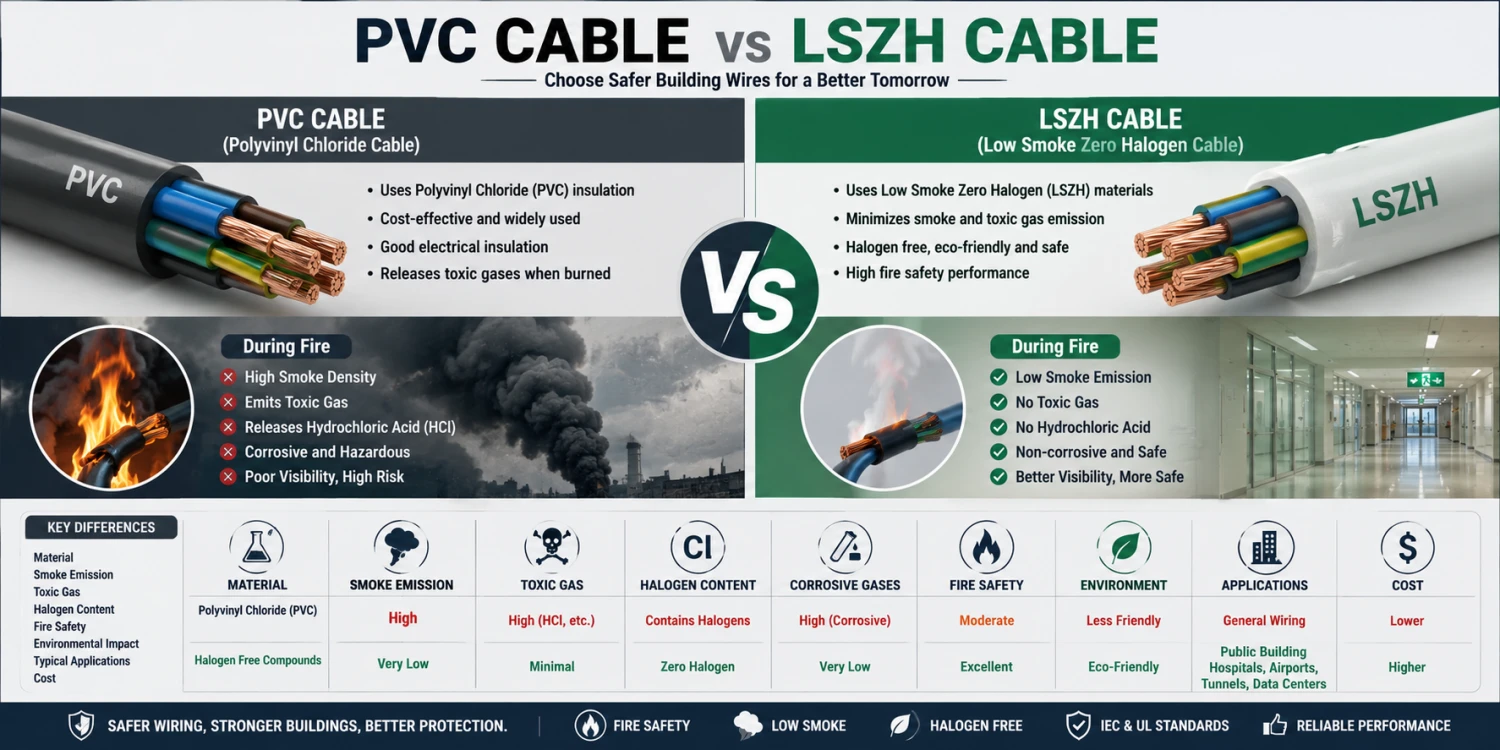
Technical Comparison Between PVC Cable and LSZH Cable
|
Parameter |
PVC Cable |
LSZH Cable |
|
Main Material |
Polyvinyl chloride |
Halogen-free compounds |
|
Smoke Emission During Fire |
High |
Very low |
|
Toxic Gas Release |
High |
Minimal |
|
Hydrochloric Acid Generation |
Yes |
No |
|
Flame Retardant Performance |
Moderate |
Excellent |
|
Corrosive Gas Emission |
High |
Very low |
|
Human Safety During Fire |
Lower |
Higher |
|
Equipment Corrosion Risk |
High |
Low |
|
Typical Installation Areas |
Standard residential systems |
Public buildings and critical infrastructure |
|
Environmental Performance |
Moderate |
Better |
|
Cost |
Lower |
Higher |
LSZH stands for:
Low Smoke Zero Halogen
Smoke-zero halogen cables are designed to minimize:
- Smoke generation
- Toxic gas emissions
- Corrosive combustion products
during fire conditions.
Halogen Free Cable Technology
Halogen-free cable insulation eliminates halogen materials such as chlorine and fluorine.
Unlike PVC insulation, LSZH materials release far lower levels of toxic gas during combustion.
Benefits of Smoke Zero Halogen LSZH Cables
Advantages include:
- Reduced smoke density
- Lower toxicity
- Minimal hydrochloric acid generation
- Improved visibility during evacuation
- Reduced equipment corrosion
These characteristics make halogen lszh cable systems ideal for mission-critical facilities.
Where LSZH Cables Are Commonly Used
LSZH building wires are increasingly used in:
- Data centers
- Railway systems
- Marine applications
- Underground tunnels
- Smart buildings
- High-density commercial facilities
4. IEC and UL Safety Standards for Building Wires
Modern electrical building wire systems must comply with international safety standards.
IEC Standard Requirements
IEC Standard specifications are widely used internationally.
Important IEC fire safety standards include:
- IEC 60332 (Flame propagation)
- IEC 60754 (Halogen gas emission)
- IEC 61034 (Smoke density)
These standards evaluate cable behavior during fire exposure.
UL Standard Requirements
UL Standard certifications are widely recognized in North America.
Important UL standards include:
- UL 83
- UL 1581
- UL 1685
These standards evaluate:
- Flame resistance
- Thermal performance
- Electrical safety
Common IEC and UL Standards for Fire-Resistant Building Wires
|
Standard |
Organization |
Main Test Category |
Purpose |
|
IEC 60332 |
IEC |
Flame propagation |
Measures flame spread resistance |
|
IEC 60754 |
IEC |
Halogen gas emission |
Evaluates toxic gas generation |
|
IEC 61034 |
IEC |
Smoke density |
Measures smoke emission during fire |
|
UL 83 |
UL |
Thermoplastic insulated wires |
Evaluates electrical wire safety |
|
UL 1581 |
UL |
Cable flame tests |
Assesses wire fire resistance |
|
UL 1685 |
UL |
Vertical tray flame test |
Evaluates cable fire propagation |
|
CPR Regulation |
EU |
Fire performance classification |
European cable safety compliance |
Why Certification Matters
Certified building wires provide:
- Regulatory compliance
- Quality assurance
- Improved reliability
- International project acceptance
For export markets, IEC and UL compliance are often mandatory.
5. Cable Jacketing Materials and Their Performance
Cable jacketing directly affects wire durability and fire behavior.
PVC Cable Jacketing
PVC cable remains widely used because it offers:
- Low cost
- Good insulation
- Moisture resistance
- Manufacturing simplicity
However, PVC generates toxic gases during combustion.
LSZH Cable Jacketing
LSZH cable jacketing uses halogen-free compounds designed for improved fire performance.
Benefits include:
- Lower smoke emission
- Reduced corrosive gas generation
- Improved human safety
Thermoplastic vs Thermoset Materials
Modern building wires use different insulation technologies depending on installation conditions.
Thermoplastic Insulation
Examples include:
- PVC
- PE
Thermoset Insulation
Examples include:
- XLPE
- EPR
Thermoset materials generally offer better heat resistance.
6. Choosing the Right Building Wire for Different Applications
Recommended Building Wire Types by Application Environment
|
Application Environment |
Recommended Wire Type |
Key Requirement |
|
Residential Apartments |
PVC-insulated copper wire |
Cost-effective wiring |
|
High-Rise Buildings |
LSZH building wire |
Low smoke evacuation safety |
|
Hospitals |
Fire-resistant LSZH cable |
Circuit integrity during fire |
|
Airports |
Halogen-free cable |
Public safety compliance |
|
Data Centers |
Low smoke zero halogen cable |
Equipment protection |
|
Industrial Plants |
Flame-retardant insulated conductors |
Mechanical durability |
|
Underground Tunnels |
LSZH cable systems |
Reduced toxic smoke |
|
Commercial Buildings |
Flame-retardant building wire |
Fire safety compliance |
|
Smart Buildings |
Automation compatibility |
|
|
Railway Systems |
Fire-resistant LSZH cable |
Passenger safety |
Different environments require different wiring cable technologies.
Residential Buildings
Standard low-voltage building wires are often sufficient for small residential systems.
However, premium residential projects increasingly use LSZH wiring.
Commercial Buildings
Commercial projects often prioritize:
- Fire safety
- Code compliance
- Long-term reliability
LSZH and flame-retardant building wires are increasingly preferred.
Industrial Facilities
Industrial wiring systems require resistance to:
- Mechanical stress
- Heat exposure
- Chemical exposure
- Oil contamination
Specialized insulated conductors are often required.
Critical Infrastructure
Hospitals, transportation hubs, and data centers typically require:
- Fire-resistant cable systems
- Low-smoke cable materials
- Enhanced circuit integrity
7. Common Mistakes When Selecting Building Wires
Incorrect wire selection creates safety and operational risks.
Table: Building Wire Selection Guide
|
Project Requirement |
Recommended Wire Type |
|
Basic residential wiring |
PVC-insulated copper wire |
|
Public evacuation safety |
LSZH cable |
|
Hospital emergency systems |
Fire resistant cable |
|
Commercial office buildings |
Flame retardant building wire |
|
Industrial facilities |
XLPE insulated wire |
|
Underground transportation |
Low smoke zero halogen cable |
|
Smart building infrastructure |
Low voltage building wire |
|
Export projects requiring compliance |
IEC and UL certified wire |
Choosing Based Only on Cost
Low-cost cables may lack:
- Fire certification
- Proper insulation quality
- Reliable copper purity
Ignoring Environmental Conditions
Temperature, humidity, UV exposure, and chemicals all affect cable lifespan.
Overlooking Fire Safety Ratings
Some projects use standard PVC cable, where LSZH cable should be mandatory.
This creates major safety risks in enclosed environments.
Using Non-Certified Products
Uncertified wires manufacturer products may fail international inspection requirements.
8. Future Trends in Fire-Resistant Building Wires
Cable technology continues evolving alongside modern construction standards.
Smart Building Integration
Modern smart buildings require advanced wiring systems for:
- Automation
- IoT systems
- Energy management
- Communication networks
Stricter Fire Regulations
Governments increasingly require:
- Low smoke cable systems
- Halogen-free cable installation
- Improved evacuation safety
Sustainable Cable Materials
Cable manufacturers are developing:
- Recyclable insulation compounds
- Environmentally friendly cable jacketing
- Reduced toxic emissions
Higher Safety Expectations
Modern building owners increasingly prioritize:
- Human safety
- Operational continuity
- Long-term reliability
over minimum-cost wiring solutions.
FAQ: Fire-Resistant and Low-Smoke Building Wires
1. What are LSZH building wires?
LSZH building wires are low-smoke, zero-halogen electrical cables designed to reduce smoke emission and eliminate toxic halogen gas release during fire conditions. They are commonly used in public buildings, data centers, hospitals, and transportation systems.
2. What is the difference between PVC cable and LSZH cable?
PVC cable uses polyvinyl chloride insulation that may release dense smoke and hydrochloric acid during combustion, while LSZH cable uses halogen-free materials that produce lower smoke and minimal toxic gas during fire exposure.
3. Why are fire-resistant building wires important?
Fire-resistant building wires help maintain electrical circuit integrity during fire conditions. They improve evacuation safety, reduce smoke hazards, and protect emergency systems in critical infrastructure such as hospitals, airports, and high-rise buildings.
4. What does flame retardant mean in electrical cables?
Flame-retardant cables are designed to reduce flame spread along the cable surface. However, flame-retardant cables may not continue operating during fire exposure like true fire-resistant cables.
5. Which international standards apply to building wires?
Common international standards include IEC 60332 for flame propagation, IEC 60754 for halogen gas emission, IEC 61034 for smoke density, and UL standards such as UL 83 and UL 1685 for electrical wire fire safety performance.
6. Where should low-smoke, zero-halogen cables be used?
Low smoke zero halogen cables are recommended for enclosed or densely populated environments, including subway systems, tunnels, airports, hospitals, schools, data centers, and commercial buildings, where smoke reduction and human safety are critical.
Conclusion
Selecting the best building wires now requires far more than a simple electrical performance evaluation. Modern electrical building wire systems must also provide fire resistance, low smoke emission, reduced toxicity, and compliance with international IEC Standard and UL Standard safety requirements.
While traditional pvc cable systems remain widely used, smoke-zero-halogen LSZH cables offer significantly improved protection in public building infrastructure and critical facilities. Flame-retardant and halogen-free cable technologies help reduce fire hazards, improve evacuation safety, and protect sensitive equipment during emergency situations.
As global construction standards continue evolving toward safer and smarter infrastructure, advanced building wires with low smoke, fire-resistant, and environmentally friendly properties will become increasingly important across residential, commercial, and industrial power systems.

Related Articles
Related Products
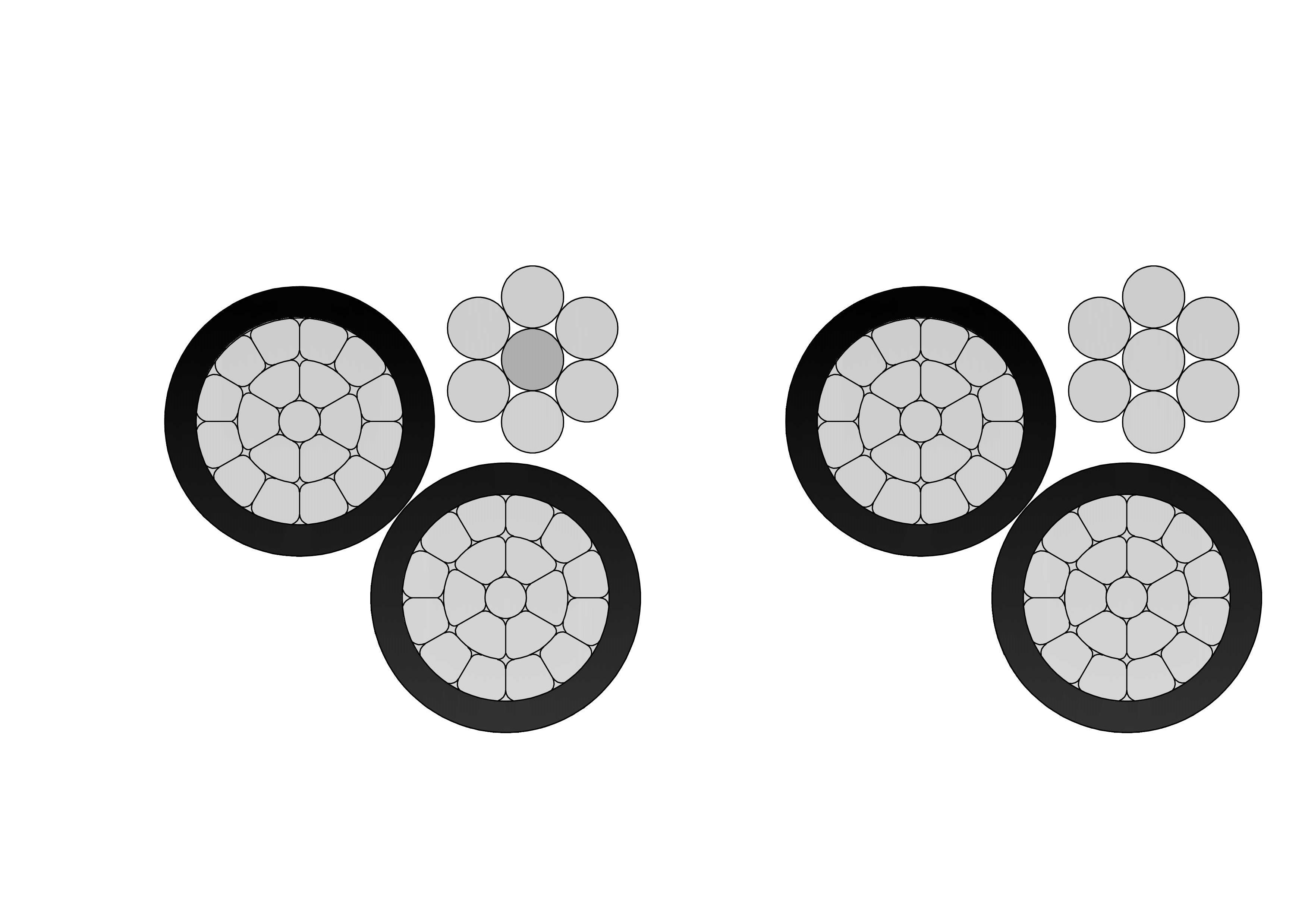
2/0 Trophon Aluminum Conductor Triplex Overhead Service Drop Cable
The 2/0 Trophon Aluminum Conductor Triplex Overhead Service Drop Cable delivers superior performance for overhead power distribution. Engineered with high-quality 1350-H19 aluminum conductors, black cross-linked polyethylene (XLPE) insulation, and a bare ACSR neutral messenger, this triplex cable ensures excellent conductivity, weather resistance, and mechanical strength. Rated for 600V phase-to-phase at up to 90°C conductor temperature (XLP), it offers approx. 230A ampacity, making it ideal for residential and light commercial service entrances. Compliant with ASTM B-230, B-231, B-232, and ICEA S-76-474 standards, the cable withstands harsh outdoor conditions while maintaining flexibility and reliability.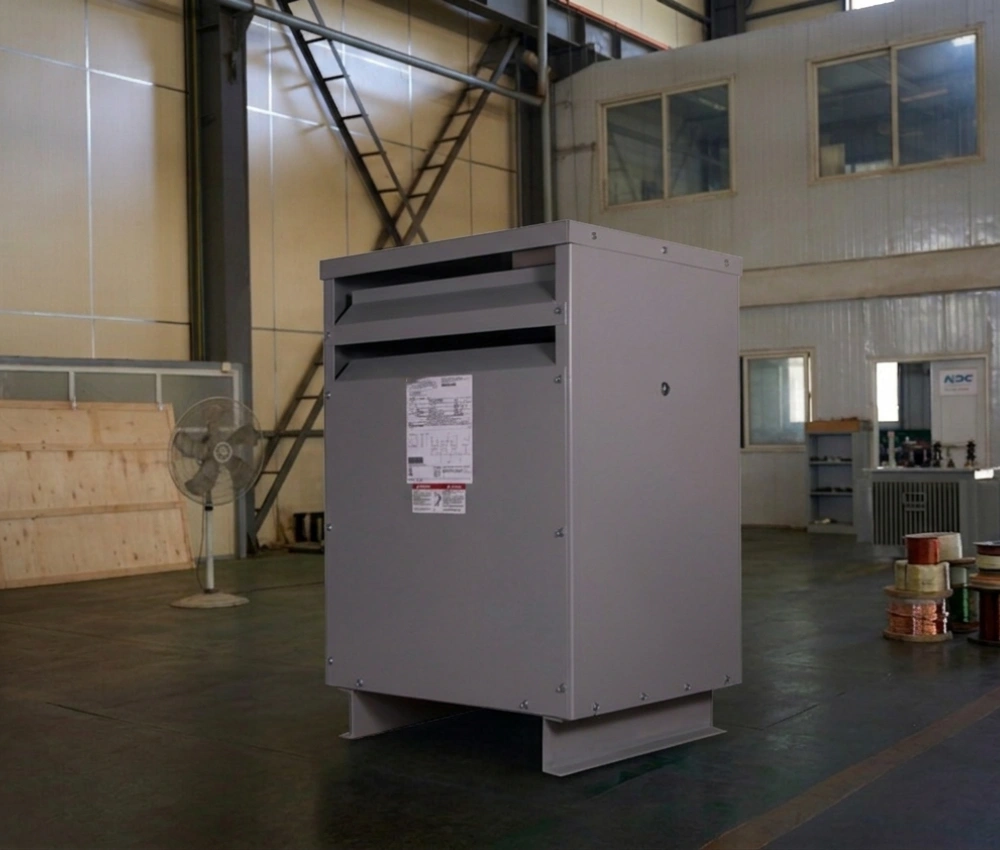
Drive Isolation Transformer
The Drive Isolation Transformer is a specialized transformer engineered to provide electrical isolation, voltage transformation, harmonic mitigation, and enhanced power quality for variable frequency drives (VFDs), motor control systems, and industrial automation applications. Installed between the utility power source and drive equipment, the transformer protects sensitive drive electronics from electrical disturbances while reducing the impact of harmonics generated by inverter-based systems. This improves system reliability, extends equipment lifespan, and enhances operational stability in demanding industrial environments. Manufactured using premium-grade silicon steel cores, high-conductivity windings, and advanced insulation systems, the drive isolation transformer delivers exceptional efficiency, thermal performance, and voltage regulation. The transformer effectively isolates common-mode noise, suppresses transient voltage spikes, reduces grounding issues, and minimizes electromagnetic interference within industrial electrical networks. The Drive Isolation Transformer supports both low-voltage and medium-voltage drive systems and can be customized for harmonic reduction, phase shifting, multi-pulse drive configurations, and renewable energy applications. Its rugged construction and intelligent monitoring capabilities make it an ideal solution for modern industrial power systems requiring reliable motor control and superior electrical protection.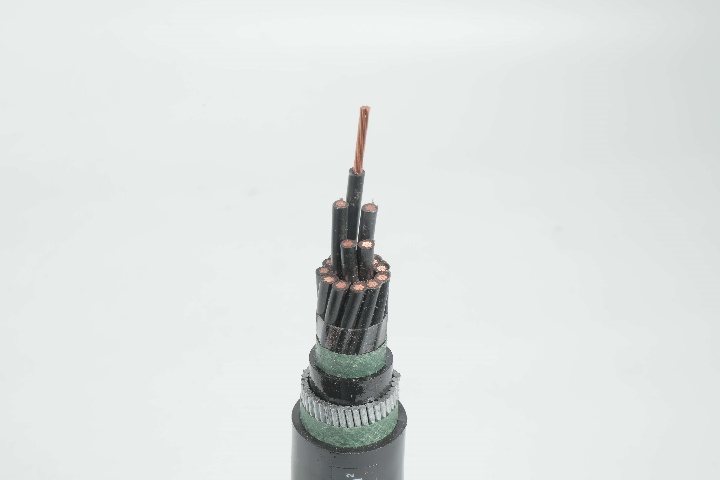
LiYY Flexible Control Cable - PVC Multi-Core Unshielded Cable
The LiYY Control Cable is a versatile and highly flexible multi-core control cable ideal for industrial machinery and automation systems. It consists of finely stranded copper conductors with PVC insulation, twisted cores for reduced interference, and a grey PVC outer sheath. This unshielded design offers outstanding flexibility with a small bending radius, making installation easy even in confined spaces. Rated 300/500V, the LiYY Control Cable provides reliable signal and control transmission with good resistance to oil and mechanical stress. Manufactured under strict quality control from raw materials to finished product, it meets international standards and delivers consistent performance in dynamic and static industrial environments.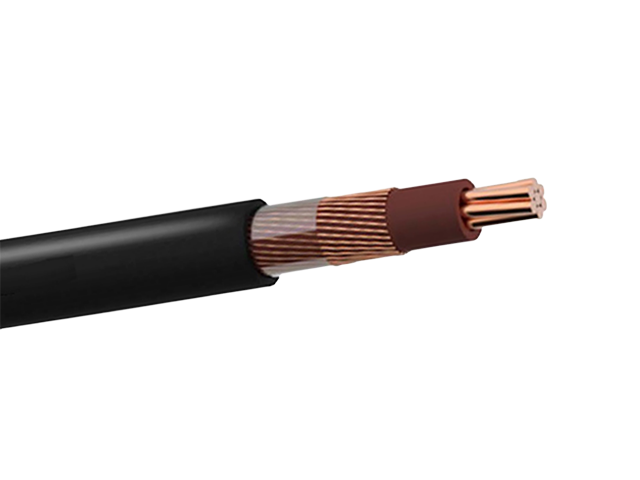
35kV Concentric Neutral Underground Power Cable
The 35 kV Concentric Neutral Power Cable is a high-performance medium-voltage underground cable designed for primary distribution systems. It features a stranded conductor, semi-conducting shields, tree-retardant TR-XLPE or EPR insulation, helically applied bare copper concentric neutral wires, and a sunlight-resistant LLDPE jacket. This construction provides excellent electrical performance, superior resistance to water treeing, and robust mechanical protection suitable for direct burial or duct installations. Available in various conductor sizes and insulation levels, the cable ensures safe and efficient power delivery. Manufactured to the latest ICEA S-94-649 and AEIC CS8 standards, the 35 kV Concentric Neutral Power Cable undergoes extensive quality testing to deliver consistent low dielectric loss and long service life in demanding underground environments.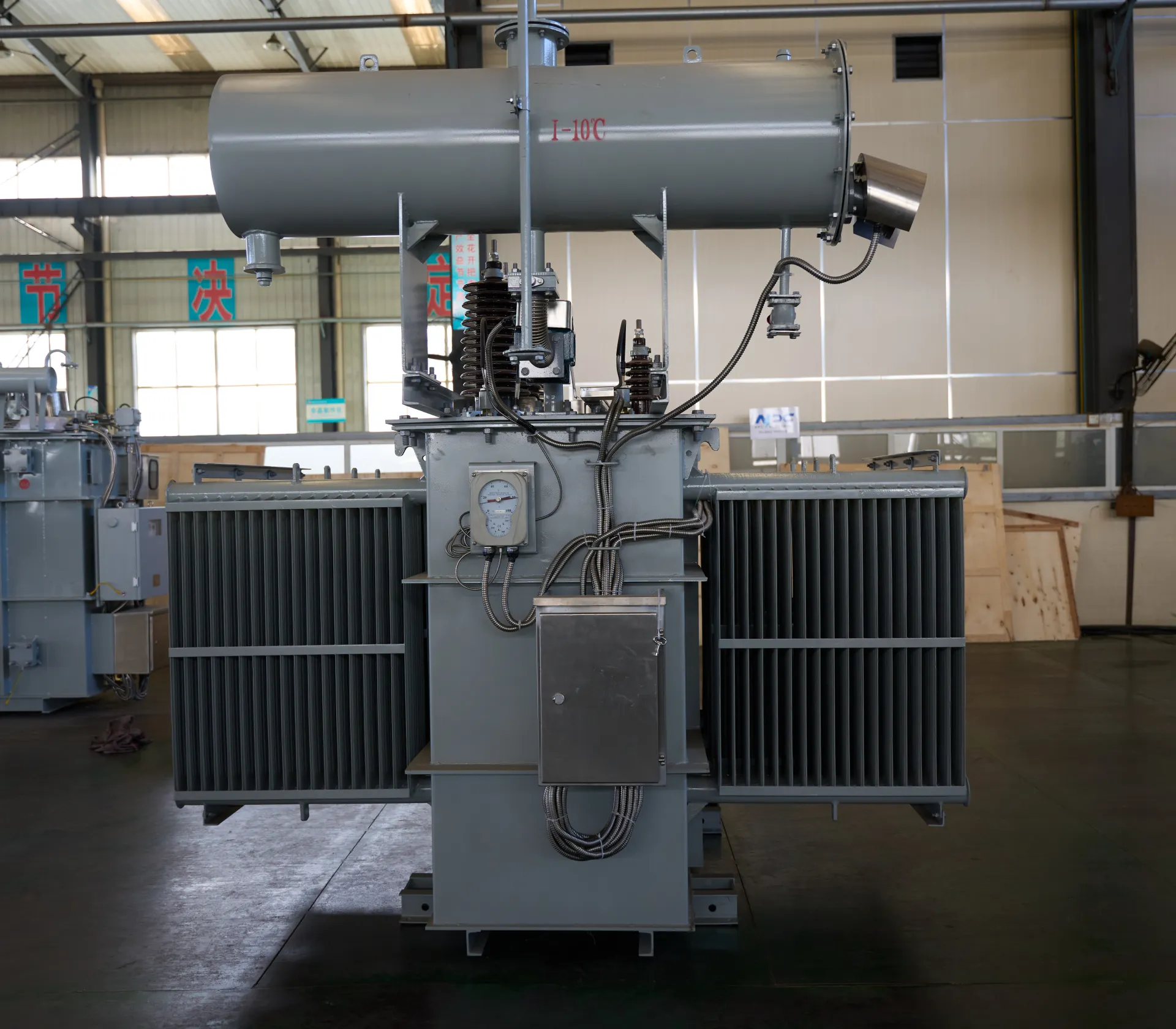
370MVA 750kV Oil-Immersed High-Voltage Transformer for Power Transmission
The 370 MVA 750 kV Oil-Immersed High-Voltage Transformer is designed for ultra-high-voltage (UHV) power transmission systems requiring exceptional reliability, stability, and long-distance energy delivery. With a robust oil-immersed insulation structure and high-grade copper windings, this transformer offers outstanding dielectric strength, low partial discharge, and excellent thermal performance. Engineered for 750kV grid networks, it effectively reduces transmission losses, enhances voltage regulation, and ensures safe operation under demanding load variations. Its precision-built core, advanced cooling system, and reinforced tank construction enable superior efficiency, extended service life, and high short-circuit resistance. Ideal for national power grid projects, long-distance transmission corridors, high-capacity substations, and UHV interconnection systems, this transformer delivers consistent and secure performance in critical large-scale power infrastructures.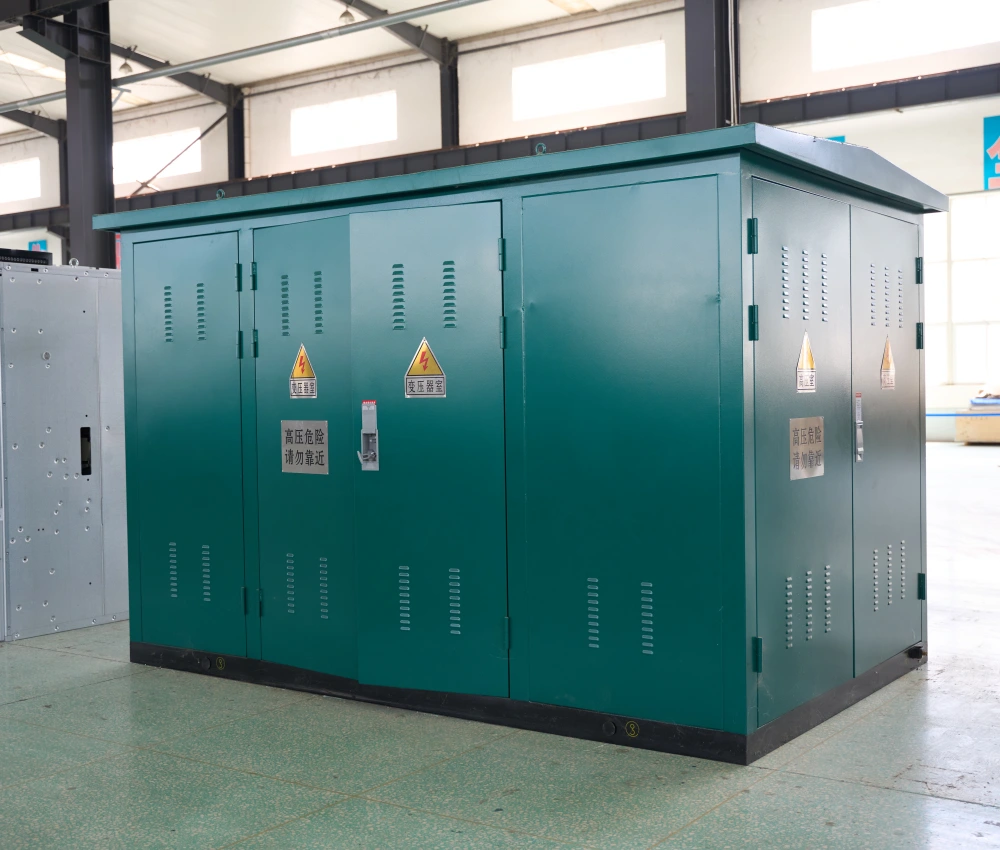
11kV 800kVA Prefabricated Compact Substation
The 11kV 800kVA Prefabricated Compact Substation is an advanced integrated power distribution system designed to provide safe, efficient, and reliable medium-voltage to low-voltage energy transformation for industrial, commercial, and infrastructure applications. The substation integrates 11kV medium-voltage switchgear, an 800kVA distribution transformer, low-voltage distribution equipment, and intelligent protection systems into a compact outdoor enclosure, significantly reducing installation space and on-site construction requirements. Built for continuous operation in demanding environments, the compact substation features a durable weather-resistant enclosure, optimized thermal ventilation structure, high-performance insulation system, and reinforced electrical safety protection. Its modular architecture simplifies transportation, accelerates installation, and minimizes maintenance complexity while ensuring stable long-term operational performance. The 11kV 800kVA compact transformer substation is suitable for utility distribution systems, renewable energy integration, manufacturing facilities, commercial complexes, and urban electrical infrastructure projects. With optional intelligent monitoring and remote communication functions, the substation supports modern smart-grid applications and improves operational efficiency across distributed power networks.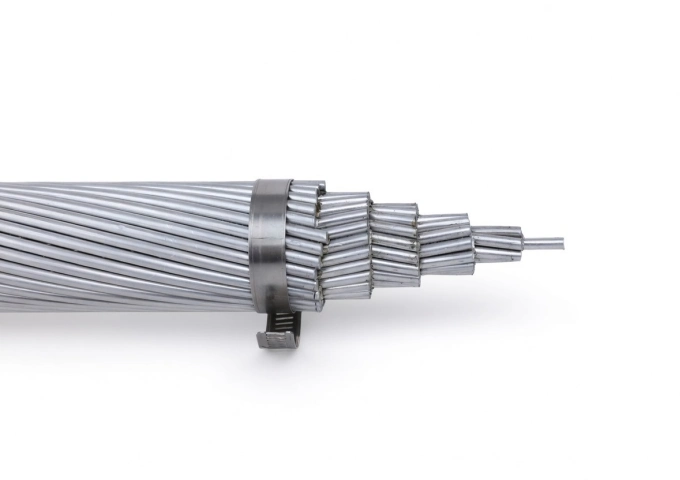
954 MCM Magnolia AAC Cable
The 954 MCM Magnolia AAC Cable is a high-performance All Aluminum Conductor designed for demanding overhead power transmission and distribution lines. Manufactured with 37 strands of premium 1350-H19 aluminum wire in a concentric lay configuration, this bare conductor provides excellent electrical conductivity with a low DC resistance of 0.0181 ohms per 1000 ft at 20°C. Featuring an overall diameter of 1.124 inches and a rated breaking strength of 16,400 lbs, the Magnolia AAC delivers a robust ampacity of 982 amps while weighing only 895.6 lbs per 1000 ft. Its optimized strength-to-weight ratio minimizes sag and structural loading. Fully compliant with ASTM B-230 and B-231 standards, the 954 MCM Magnolia AAC Cable offers outstanding corrosion resistance for long-term durability in harsh outdoor environments, making it the preferred choice for utility networks requiring cost-effective, high-reliability bare aluminum conductors.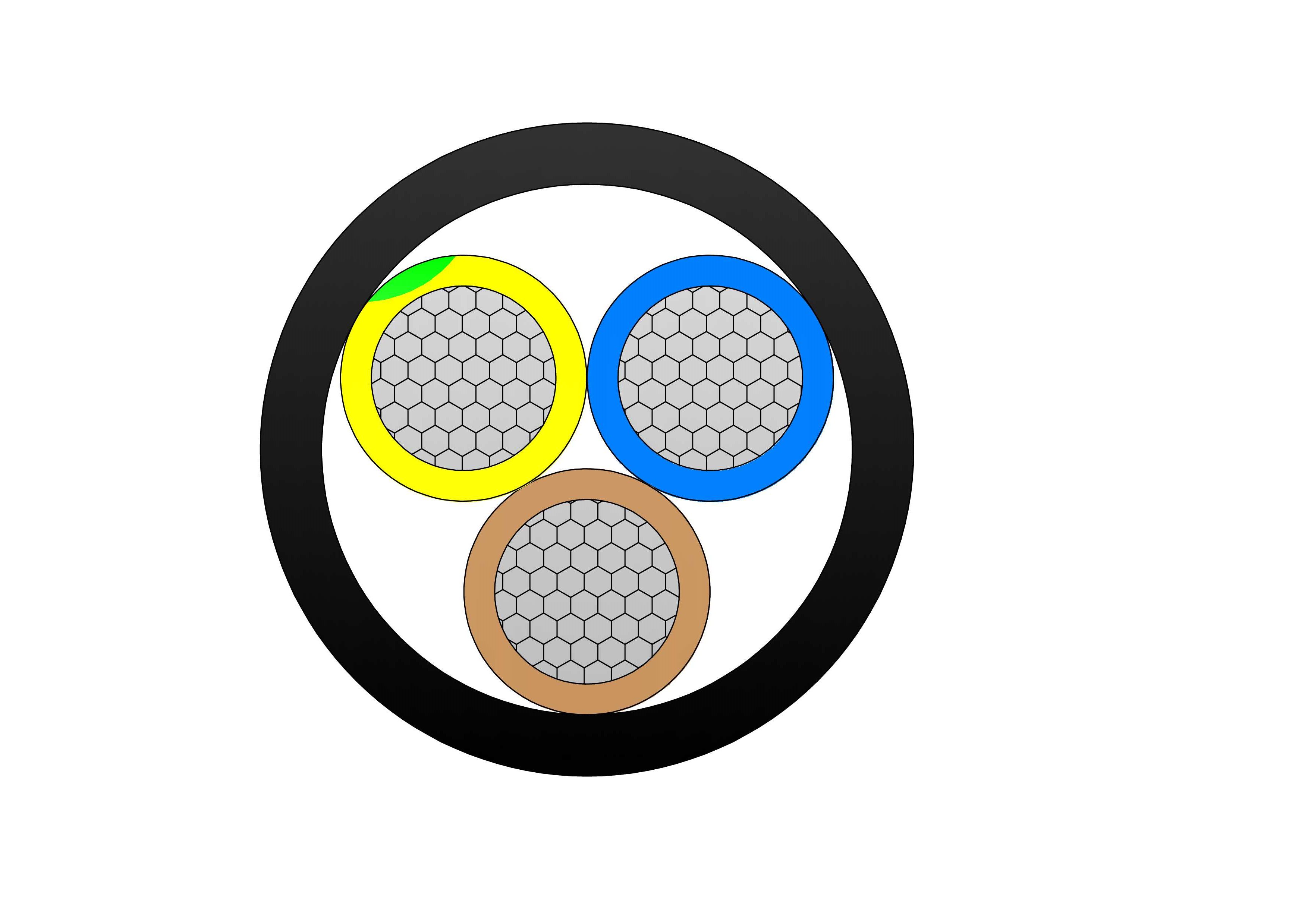
NA2XY 0.6/1 (1.2)kV Low Voltage Power Cable
NA2XY 0.6/1 (1.2)kV is a low-voltage power cable manufactured according to IEC 60502-1, suitable for fixed installation in indoor and outdoor environments, including underground and concrete installations where mechanical stress is minimal. This lightweight cable offers excellent electrical performance, high thermal stability, and superior resistance to moisture, chemicals, and mechanical stress. Suitable for direct burial, ducts, trays, or indoor fixed installations where no additional armour is required. With low dielectric losses and good current-carrying capacity, it minimizes energy waste. Flame-retardant and environmentally robust, the NA2XY 0.6/1 (1.2)kV Low Voltage Power Cable provides long service life and low maintenance costs. Widely used in industrial plants, commercial buildings, residential networks, and infrastructure projects needing reliable, cost-saving low-voltage aluminium cabling solutions worldwide.SHTOU-mining-cable-2.webp)
(N)SHTOU-O/J PUR 0.6/1kV Cable
(N)SHTOU-O/J PUR 0.6/1kV cable is a flexible, rubber-insulated low voltage power and control cable manufactured according to VDE 0250 standards. Designed for harbour cranes, conveyors, mining equipment, and other heavy-duty mobile machinery, it offers exceptional mechanical strength, oil resistance, flame retardancy, and flexibility under high dynamic loads. Its halogen-free polyurethane (PUR) sheath ensures outstanding abrasion resistance, long service life, and reliable performance in demanding indoor and outdoor environments. Capable of withstanding torsional stress, high tensile loads, and fast operating speeds, this cable is ideal for applications requiring durability and operational safety.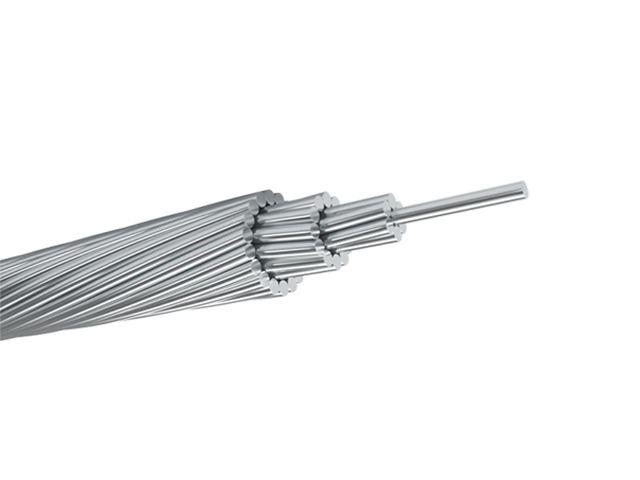
AAAC Moose Conductor Cable
AAAC MOOSE conductor is manufactured in compliance with ASTM B399 or IEC 61089 standards, using high-strength aluminum alloy 6201-T81 for enhanced conductivity and corrosion resistance. Constructed entirely from high-strength aluminum alloy strands, it offers superior mechanical strength and corrosion resistance compared with traditional aluminum conductors. The Moose-size AAAC conductor is particularly suitable for long-span installations, providing excellent sag control and stable operation under heavy mechanical loads. Its all-alloy design ensures uniform conductivity and eliminates steel-related corrosion issues, extending service life in harsh environmental conditions. Manufactured under strict quality management systems, the AAAC Moose Conductor Cable complies with international standards and delivers reliable performance, simplified installation, and reduced lifecycle costs for utility and infrastructure projects worldwide.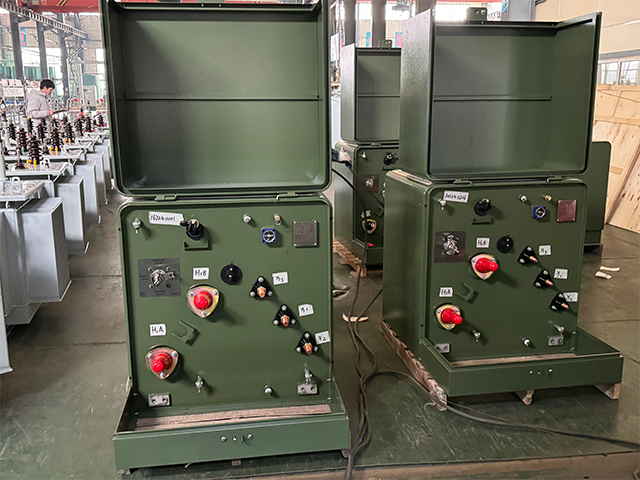
1250kVA Single Phase Pad Mounted Transformer
The 1250kVA Single Phase Pad Mounted Transformer is a premium solution crafted for expansive underground electrical systems in high-growth areas. Housed in a secure, weatherproof cabinet with advanced dead-front or live-front configurations, it maximizes personnel safety and deters tampering in public spaces. Adhering to ANSI C57.12.25, IEEE C57.12.91, and energy efficiency mandates, this 1250kVA single-phase padmount excels in transforming primary voltages up to 34.5kV to flexible secondary levels, offering exceptional short-circuit strength and quiet operation for large-scale residential and commercial deployments.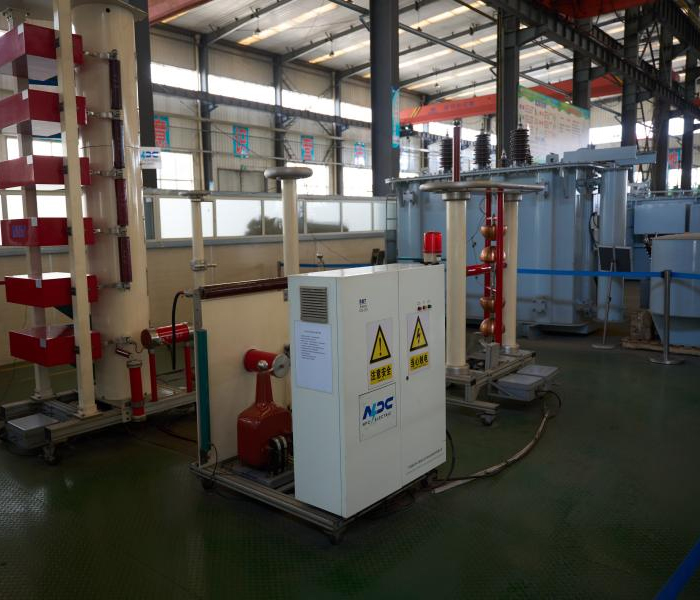
75kVA Dry Type Transformer | High Efficiency Indoor Power Transformer
The 75kVA Dry Type Transformer is a compact, three-phase, high-efficiency indoor power transformer engineered for safe, reliable voltage transformation in commercial, institutional, and light industrial environments. Utilizing advanced cast-resin or vacuum pressure impregnated (VPI) insulation technology, it eliminates oil-related fire hazards, maintenance requirements, and environmental risks while delivering exceptional performance in confined spaces, high-rise buildings, hospitals, schools, data centers, office complexes, and renewable energy tie-in applications.
800kVA Dry Type Transformer
NPC ELECTRIC 800kVA Dry-Type Transformer provides reliable, oil-free power distribution with a compact design. Featuring advanced insulation and cooling systems, it ensures safe, low-maintenance operation for industrial and commercial use. With 800kVA capacity, it delivers efficient and environmentally friendly performance. Its dry-type ventilated or encapsulated construction supports zero fluid maintenance, eliminates leak/spill concerns, and fits seamlessly into high-load, high-traffic, or environmentally restricted spaces. It targets efficiencies approximately 99.36–99.38% at 35% load (consistent with DOE 2029 levels for higher kVA ranges in low-voltage dry-type category), manages harmonics robustly, accommodates overloads, and provides exceptional reliability with minimized lifecycle costs and environmental benefits.
LiHCH LSZH Screened Control Cable - 300/500V Halogen-Free Flexible Cable
The LiHCH Control Cable is a halogen-free screened flexible control cable engineered for modern safety-critical applications. It consists of finely stranded copper conductors with LSZH insulation, twisted cores, a tinned copper braid screen for effective EMI protection, and an LSZH outer sheath. This design combines high flexibility, reliable signal transmission, superior fire safety, and minimal smoke and toxic gas emission during combustion. Rated 300/500V, the LiHCH LSZH Screened Control Cable is particularly suitable for public infrastructure, transportation hubs, hospitals, and industrial facilities where fire safety regulations are strict. Manufactured under strict quality control from raw materials to finished product, it meets international standards and provides a safe, reliable solution for control and signal circuits.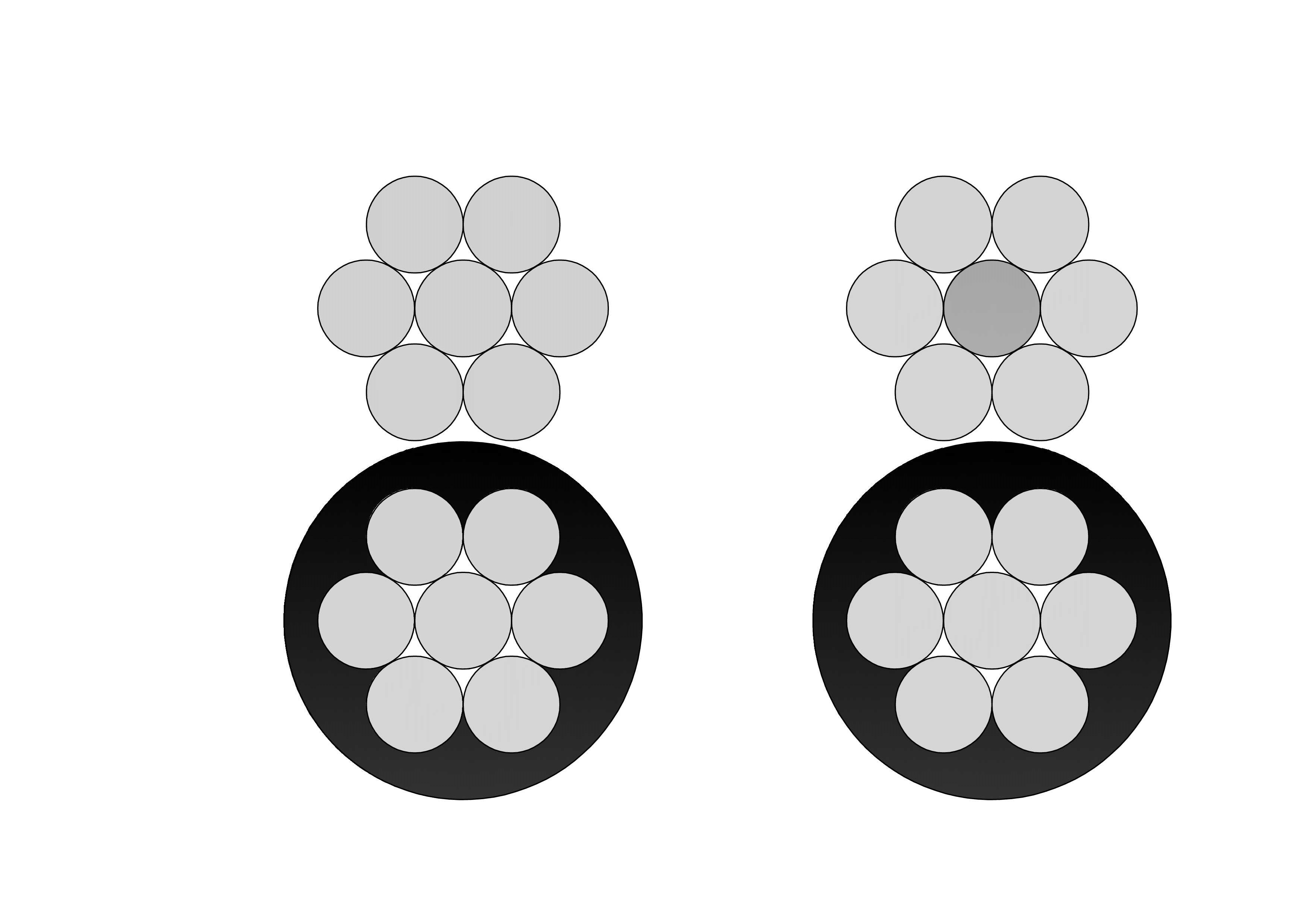
4 Terrier Aluminum Conductor Duplex Overhead Service Drop Cable
Our 4 Spaniel Duplex Service Drop Cable provides reliable overhead secondary distribution for residential applications. Consisting of two 4 AWG aluminum conductors (one phase, one neutral, 7-strand) insulated with cross-linked polyethylene (XLPE) and twisted in duplex form, it meets ASTM, ICEA, and international standards. The robust insulation resists sunlight, moisture, and mechanical damage for decades of outdoor service. Lightweight design simplifies installation with low sag and easy handling. The 4 Spaniel Duplex Service Drop Cable ensures minimal losses, high current capacity, and excellent weather performance up to 600V. Self-supporting configuration reduces pole loading. Flame-retardant options enhance safety. Commonly chosen for single-phase power delivery in subdivisions, rural homes, and temporary connections requiring safe, economical aerial bundled solutions with proven durability.Welcome your inquiry
Honesty, Integrity, Frugality, Activeness and Passion