
What Is ADSS Cable? Complete Guide to All-Dielectric Self-Supporting Fiber Optic Cable
2026-06-11
1. Understanding ADSS Cable in Modern Communication Networks
As power utilities, telecommunications providers, railways, and industrial operators continue to expand their communication infrastructure, the demand for reliable aerial fiber optic solutions has increased significantly. Among the various deployment options available, ADSS cable (All-Dielectric Self-Supporting Cable) has become one of the most widely adopted technologies for overhead fiber optic communication systems.
Unlike traditional aerial cables that require metallic support elements or messenger wire attachments, ADSS cable is engineered to be completely self-supporting. Its unique dielectric construction enables installation directly on transmission lines and distribution networks without introducing electrical conductivity risks.
For utilities operating in high-voltage environments, ADSS fiber optic cable offers a practical solution for establishing long-distance communication networks while minimizing installation complexity and maintenance costs.
2. What Is ADSS Cable?
ADSS cable stands for All-Dielectric Self-Supporting Fiber Optic Cable.
The term "all-dielectric" means the cable contains no metallic conductive components, while "self-supporting" indicates that the cable can span between poles or towers without requiring a separate messenger wire.
Traditional aerial communication systems often depend on steel support strands. In contrast, ADSS fiber cable incorporates high-strength non-metallic reinforcing materials that provide sufficient tensile strength to support the cable's own weight across long spans.
Key Characteristics of ADSS Cable
- Fully dielectric construction
- Self-supporting design
- Lightweight structure
- Corrosion resistance
- High tensile strength
- Excellent environmental durability
- Suitable for high voltage environments
Because the cable contains no metallic components, it eliminates induced current problems commonly associated with overhead installations near energized power conductors.
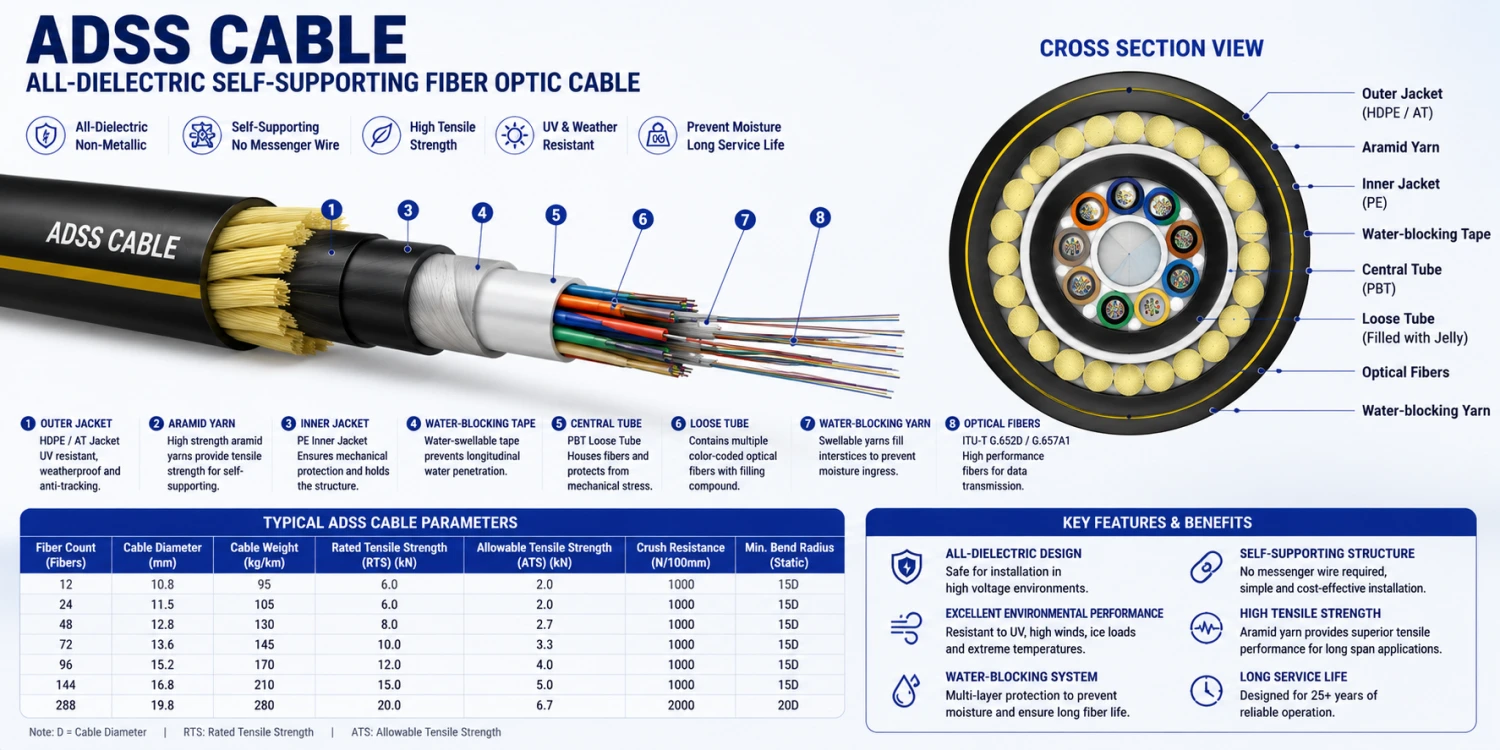
3. Construction and Internal Design of ADSS Fiber Optic Cable
The exceptional performance of ADSS cable is largely attributed to its sophisticated internal structure.
Although designs vary among manufacturers, most ADSS fiber optic cable products include the following components:
Optical Fibers
The optical fibers serve as the transmission medium for data, voice, video, and control signals.
Depending on application requirements, the cable may contain:
- Single-mode fibers
- Multi-mode fibers
- High-fiber-count configurations
Central Tube or Loose Tube Structure
Many ADSS cables utilize a central tube design or a stranded loose tube configuration.
The loose tube architecture protects optical fibers from:
- Mechanical stress
- Thermal expansion
- Environmental vibration
Water Blocking System
One critical design objective is to prevent moisture penetration.
Manufacturers typically incorporate:
- Water-blocking yarns
- Water-swellable tapes
- Gel compounds
These components prevent water migration and maintain long-term fiber integrity.
Strength Members
ADSS cable relies on non-metallic reinforcement materials such as:
- Aramid yarns
- Kevlar fibers
- Glass-reinforced plastic (GRP)
These materials provide the tensile strength required for aerial deployment.
Outer Jacket
The external sheath protects against:
- UV radiation
- Abrasion
- Chemical exposure
- Weathering
For high-voltage environments, specialized anti-tracking jackets may be used to resist electrical erosion.
ADSS Cable Construction and Functional Components
|
Component |
Material |
Function |
|
Optical Fibers |
G.652D / G.657A1 / G.657A2 |
Data transmission |
|
Central Tube |
PBT Tube |
Protects optical fibers |
|
Water Blocking Yarn |
Swellable Yarn |
Prevent moisture penetration |
|
Water Blocking Tape |
Water-Swelling Material |
Blocks longitudinal water migration |
|
Aramid Yarn |
Kevlar® / Aramid Fiber |
Provides tensile strength |
|
FRP Strength Member |
Fiber Reinforced Plastic |
Structural reinforcement |
|
Inner Jacket |
Polyethylene (PE) |
Internal mechanical protection |
|
Outer Jacket |
HDPE / AT Jacket |
UV and weather resistance |
|
Anti-Tracking Jacket |
Special AT Compound |
Protection in high voltage environments |
Typical Fiber Capacity Options
|
Fiber Count |
Typical Application |
|
12 Core |
Distribution Networks |
|
24 Core |
Utility Communications |
|
48 Core |
Smart Grid Systems |
|
96 Core |
Backbone Networks |
|
144 Core |
Regional Communication Networks |
|
288 Core |
High-Capacity Transmission Systems |
Engineering Insight
The combination of aramid yarn strength members and dielectric construction allows ADSS fiber optic cable to achieve long-span performance without requiring metallic messenger wire support.
4. Why ADSS Cable Is Ideal for Power Transmission Lines
One of the most important applications of ADSS fiber optic cable is deployment alongside electrical transmission infrastructure.
Utilities increasingly require communication networks to support:
- Grid monitoring
- SCADA systems
- Protection relays
- Smart grid technologies
- Remote substation control
Installation Near Energized Conductors
Because ADSS cable contains no metallic elements, it can be installed on:
- Distribution poles
- Transmission towers
- Utility structures
without creating conductive pathways.
Reduced Electromagnetic Interference
Metallic communication cables can experience induced voltages and electromagnetic interference.
ADSS cable avoids these challenges by utilizing dielectric materials throughout its structure.
Lower Installation Costs
Compared with underground fiber deployment, ADSS installation often provides:
- Faster construction
- Reduced civil works
- Lower labor costs
- Easier maintenance access
These advantages make ADSS a preferred solution for utility communication projects.
5. Environmental Performance: High Winds, Ice Loads, and Extreme Conditions
ADSS cable installations are frequently exposed to harsh outdoor environments.
Engineers must account for multiple environmental factors during network design.
High Winds
Strong wind conditions generate significant dynamic loading on aerial cables.
Cable design considerations include:
- Span length
- Sag calculations
- Wind pressure coefficients
- Tower attachment points
Proper engineering ensures long-term stability under high winds.
Ice Loads
In cold climates, ice accumulation can substantially increase cable weight.
Engineers perform ice load calculations to determine:
- Maximum tension
- Pole loading
- Structural safety margins
Cable selection must account for expected regional weather conditions.
Table: Typical ADSS Cable Mechanical Specifications
|
Parameter |
Short Span ADSS |
Medium Span ADSS |
Long Span ADSS |
|
Span Length |
Up to 100 m |
100–300 m |
300–1500 m |
|
Fiber Count |
12–48 Fibers |
24–96 Fibers |
48–288 Fibers |
|
Cable Diameter |
10–14 mm |
12–18 mm |
16–22 mm |
|
Cable Weight |
90–150 kg/km |
120–220 kg/km |
180–350 kg/km |
|
Rated Tensile Strength (RTS) |
6–10 kN |
10–20 kN |
20–40 kN |
|
Crush Resistance |
≥1000 N/100 mm |
≥1000 N/100 mm |
≥2000 N/100 mm |
|
Operating Temperature |
-40°C to +70°C |
-40°C to +70°C |
-40°C to +70°C |
Table: Environmental Design Criteria
|
Environmental Factor |
Typical Design Requirement |
|
Wind Speed |
Up to 180 km/h |
|
Ice Thickness |
5–25 mm |
|
UV Exposure |
25+ Years |
|
Relative Humidity |
0–100% |
|
Lightning Exposure |
Non-Conductive Design |
|
Electrical Field Resistance |
Suitable for 110–500 kV Lines |
Engineering Insight
For transmission line applications, cable selection must consider both mechanical loading and electric field exposure. Incorrect span design can significantly reduce cable lifespan.
Temperature Variations
ADSS cable systems may operate in environments ranging from:
-40°C to +70°C
Thermal expansion characteristics must be considered when determining sag and tension requirements.
UV Exposure
Continuous sunlight exposure can degrade conventional materials.
High-quality ADSS cable jackets utilize UV-resistant compounds to ensure long service life.
6. ADSS Cable Installation Best Practices
Proper installation is critical for achieving maximum service life and network reliability.
Route Survey and Span Design
Before installation, engineers should evaluate:
- Pole spacing
- Terrain conditions
- Obstacle clearance
- Wind loading
- Ice loads
Detailed route analysis reduces future operational risks.
Table: Recommended ADSS Installation Parameters
|
Installation Parameter |
Recommended Value |
|
Initial Installation Tension |
15–20% RTS |
|
Everyday Operating Tension |
10–15% RTS |
|
Maximum Temporary Tension |
≤40% RTS |
|
Minimum Bend Radius (Static) |
15 × Cable Diameter |
|
Minimum Bend Radius (Dynamic) |
20 × Cable Diameter |
|
Pulling Speed |
≤30 m/min |
|
Maximum Pulling Length |
According to Manufacturer Design |
|
Installation Temperature |
-10°C to +50°C |
Typical Hardware Selection Guide
|
Hardware Type |
Application |
|
Suspension Clamp |
Intermediate Pole Support |
|
Dead-End Clamp |
Terminal Pole Support |
|
Vibration Damper |
Wind-Induced Vibration Control |
|
Tangent Assembly |
Straight Route Sections |
|
Pole Bracket |
Utility Pole Installation |
|
Tower Bracket |
Transmission Tower Installation |
Installation Inspection Checklist
|
Inspection Item |
Before Installation |
After Installation |
|
Fiber Integrity Test |
✓ |
✓ |
|
Tension Verification |
✓ |
✓ |
|
Hardware Inspection |
✓ |
✓ |
|
Sag Measurement |
— |
✓ |
|
Optical Attenuation Test |
✓ |
✓ |
|
Ground Clearance Verification |
— |
✓ |
Engineering Insight
Maintaining proper sag and tension is critical for ADSS cable reliability. Excessive tension may damage optical fibers, while excessive sag can reduce safety clearances and increase wind loading risks.
Tension Control
Excessive pulling tension can damage optical fibers.
Installers must use:
- Dynamometers
- Tension monitoring equipment
- Approved pulling methods
to protect cable integrity.
Minimum Bend Radius
Fiber optic cable performance can be affected by excessive bending.
Manufacturers specify minimum bend radius requirements that must be followed during installation.
Hardware Selection
Proper installation hardware includes:
- Suspension clamps
- Dead-end fittings
- Vibration dampers
- Pole brackets
All hardware must be compatible with cable diameter and span requirements.
Safety Considerations
When working near energized transmission lines, crews must comply with utility safety procedures and national electrical regulations.
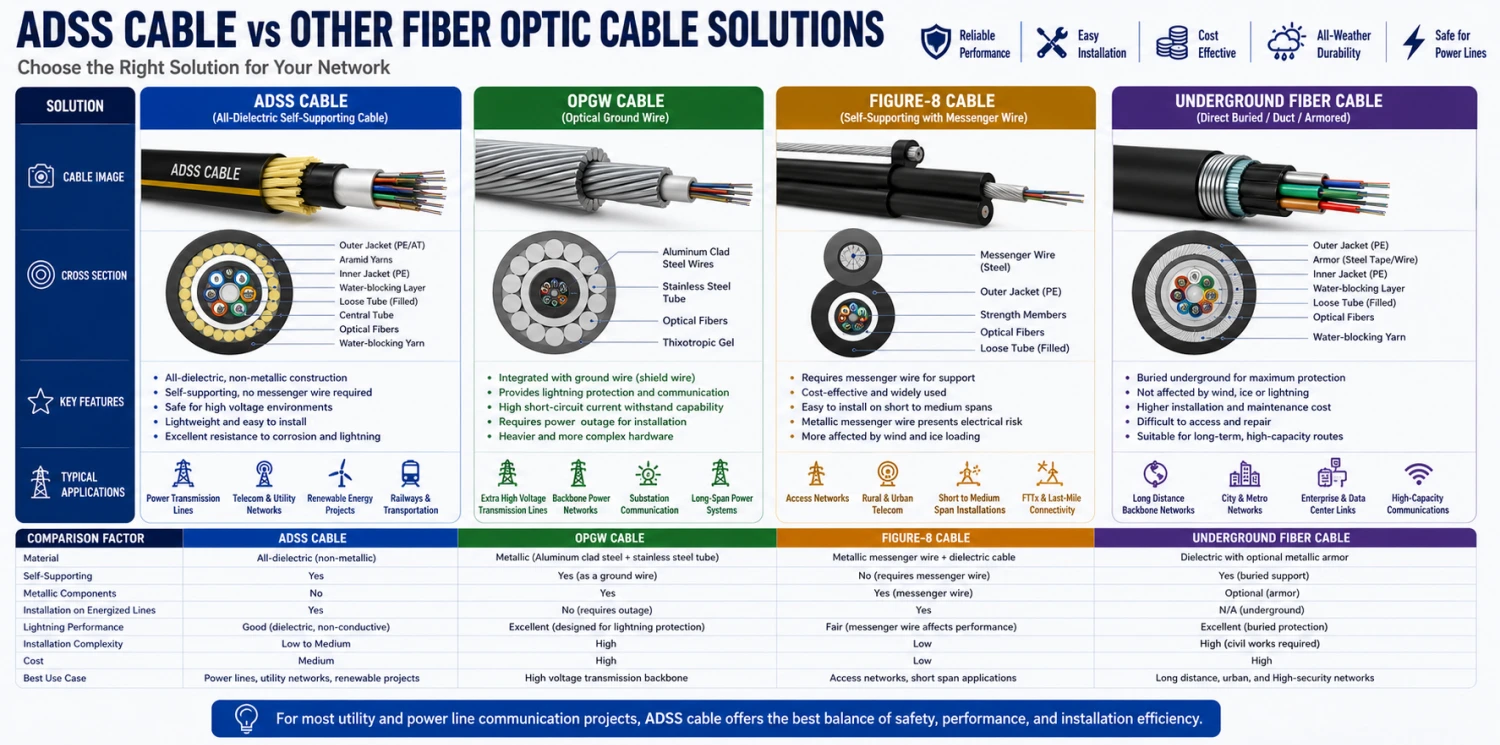
7. ADSS Cable vs Other Fiber Optic Cable Solutions
Selecting the appropriate aerial fiber solution requires understanding the differences between available technologies.
ADSS Cable
Advantages:
- Fully dielectric
- No messenger wire required
- Suitable for energized environments
- Easy installation on power lines
Limitations:
- Higher initial cable cost
- Requires careful electric field analysis
OPGW (Optical Ground Wire)
Advantages:
- Integrated into transmission line shield wire
- High mechanical strength
Limitations:
- Requires line outages during installation
- More complex deployment
Figure-8 Cable
Advantages:
- Cost-effective
- Simple construction
Limitations:
- Requires messenger wire
- Less suitable for high voltage environments
Underground Fiber Optic Cable
Advantages:
- Protected from weather
- Reduced visual impact
Limitations:
- Higher installation costs
- Difficult maintenance access
For many utility communication projects, ADSS cable provides the best balance between performance, installation efficiency, and long-term reliability.
8. Future Trends and Global Demand for ADSS Fiber Optic Cable
The global demand for ADSS fiber optic cable continues to increase as utilities modernize infrastructure and expand broadband connectivity.
Smart Grid Development
Advanced power systems increasingly rely on fiber optic communication networks for:
- Real-time monitoring
- Fault detection
- Automation systems
- Grid management
Renewable Energy Integration
Wind farms and solar power stations require robust communication networks for operational control and data transmission.
ADSS cable is frequently selected for these projects due to its compatibility with transmission infrastructure.
Expansion of Rural Connectivity
Governments and telecom operators are investing heavily in rural broadband initiatives.
ADSS cable offers an efficient method for deploying communication networks along existing utility corridors.
Advanced Materials
Future ADSS designs are expected to incorporate:
- Improved anti-tracking jackets
- Higher fiber counts
- Enhanced mechanical strength
- Longer service life
These innovations will further strengthen the role of ADSS cable in next-generation communication networks.
FAQ Section
1: What is the difference between ADSS cable and OPGW cable?
ADSS cable (All-Dielectric Self-Supporting Cable) and OPGW (Optical Ground Wire) are both widely used in utility communication networks, but they serve different purposes.
ADSS fiber optic cable is installed below transmission conductors and contains no metallic components, making it ideal for high voltage environments. It can be installed on existing power lines without interrupting electrical service.
OPGW, on the other hand, combines optical fibers with the transmission line's ground wire. It provides both lightning shielding and communication functions but typically requires transmission line outages during installation or replacement.
For utility upgrades and communication network expansion, ADSS cable is often preferred due to its easier installation and lower deployment costs.
2: Why is ADSS cable suitable for high-voltage transmission lines?
ADSS cable is specifically designed for high voltage environments because it is completely dielectric and contains no metallic conductive elements.
This design offers several advantages:
- Eliminates induced current issues
- Reduces electromagnetic interference
- Prevents electrical conductivity risks
- Improves personnel safety during installation
- Supports installation near energized conductors
Additionally, many ADSS fiber optic cable designs utilize anti-tracking outer jackets that resist electrical erosion caused by high electric field exposure around transmission lines.
3: How does ADSS cable prevent moisture from damaging optical fibers?
Preventing moisture ingress is one of the most important design requirements for long-term fiber optic cable performance.
Modern ADSS fiber cable designs typically include:
- Water-blocking yarns
- Water-swellable tapes
- Gel-filled loose tubes
- Sealed central tube structures
- Moisture-resistant outer jackets
If water enters the cable through accidental sheath damage, these protective components prevent moisture migration along the cable length and protect optical fibers from attenuation increases and signal degradation.
4: How are span length and ice loads considered when selecting ADSS cable?
Span length, wind pressure, and ice loads are critical engineering factors in ADSS cable design.
Longer spans require:
- Higher tensile strength
- Larger quantities of aramid yarn
- Increased mechanical reinforcement
- Optimized sag and tension calculations
In regions exposed to snow and freezing conditions, ice accumulation can significantly increase cable weight and mechanical loading.
Engineers typically evaluate:
- Maximum span distance
- Wind speed
- Ice thickness
- Pole loading capacity
- Safety factors
before selecting the appropriate ADSS cable specification for a project.
5: What is the expected service life of ADSS fiber optic cable?
High-quality ADSS fiber optic cable is typically designed for a service life of 25 to 30 years or more when properly installed and maintained.
Several factors influence longevity:
- UV exposure levels
- Installation quality
- Mechanical tension control
- Wind and ice loading conditions
- Jacket material quality
- Environmental pollution levels
Premium ADSS OFC cable products manufactured according to IEC and IEEE standards can maintain stable optical performance throughout their operational life while requiring minimal maintenance.
Conclusion
ADSS cable has become one of the most important technologies in modern aerial fiber optic communication networks. Its all-dielectric self-supporting construction enables safe and reliable installation along transmission lines, distribution systems, railway corridors, and industrial infrastructure without requiring messenger wire support.
By combining lightweight construction, high tensile strength, moisture protection, and resistance to harsh environmental conditions such as high winds and ice loads, ADSS fiber optic cable provides a cost-effective and durable solution for utility and telecommunications applications.
As smart grids, renewable energy projects, and broadband expansion programs continue to grow worldwide, ADSS fiber optic cable will remain a critical component in the development of reliable, high-capacity communication infrastructure.

Related Articles

Related Products
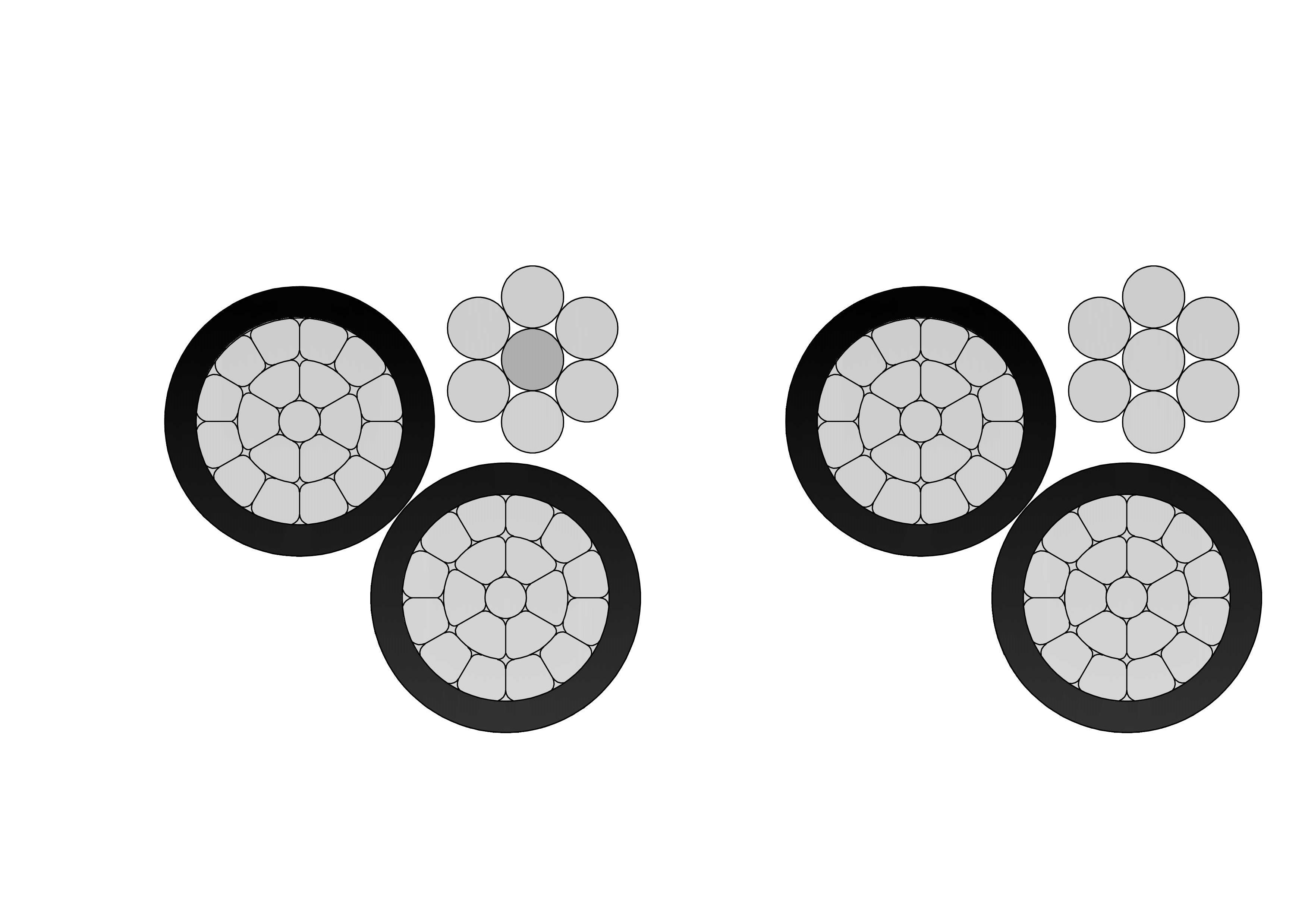
6 Hippa Aluminum Conductor Triplex Overhead Service Drop Cable Wire
6 Hippa Aluminum Conductor Triplex Overhead Service Drop Cable Wire is engineered for safe and efficient overhead service drop connections. It features two insulated aluminum conductors stranded around a reinforced neutral messenger, providing balanced electrical performance and mechanical stability. This cable offers excellent corrosion resistance, low sag characteristics, and simplified installation. The insulation system of the 6 Hippa Aluminum Conductor Triplex Overhead Service Drop Cable Wire is designed to withstand prolonged exposure to sunlight, moisture, and temperature variations, ensuring reliable outdoor operation. A complete quality assurance program is implemented during manufacturing, covering raw material testing, process inspection, and finished product testing. Each production stage follows standardized procedures to ensure conformity with international standards and utility requirements. The 6 Hippa Aluminum Conductor Triplex Overhead Service Drop Cable Wire is a dependable choice for modern overhead power distribution systems.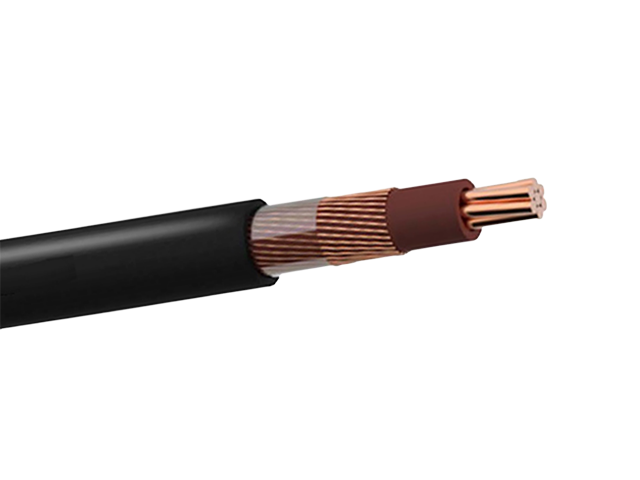
28 kV Concentric Neutral Power Cable
The 28 kV Concentric Neutral Power Cable is a premium medium-voltage underground distribution cable engineered for reliable primary power delivery. It consists of a stranded copper or aluminum conductor, extruded semi-conducting conductor shield, tree-retardant TR-XLPE or EPR insulation, semi-conducting insulation shield, and helically applied bare copper concentric neutral wires, all protected by a tough sunlight-resistant LLDPE jacket. Available with 100% or 133% insulation levels and full or reduced neutral, this cable offers excellent electrical performance, superior moisture and treeing resistance, and strong mechanical protection. Suitable for direct burial or duct installations, the 28 kV Concentric Neutral Power Cable meets ICEA S-94-649, AEIC CS8, and related standards. It undergoes rigorous quality testing from raw materials to finished product, ensuring low dielectric loss, high reliability, and long service life in demanding underground environments.
FR-N30XA8E-R 18/30kV Cable Gen to NF C 33-226 - Cu/XLPE/MDPE
The NF C 33-226 Cu-XLPE-MDPE 18/30kV Cable is a robust medium voltage power cable designed for safe and reliable energy transmission in fixed installations. It features a Class 2 stranded copper conductor, cross-linked polyethylene (XLPE) insulation, and a medium-density polyethylene (MDPE) outer sheath, ensuring outstanding electrical conductivity, insulation integrity, and mechanical protection. Complying with NF C 33-226, IEC 60502-2, and EN 60228, this cable is ideal for power distribution in industrial plants, substations, municipal grids, and commercial facilities. It provides excellent resistance to water (AD7) and UV radiation (ISO 4892), while being halogen-free (IEC/EN 60754-1) to ensure environmental and operational safety. With a voltage rating of 18/30 (36)kV and maximum operating temperature of 90°C, the Cu-XLPE-MDPE construction guarantees stable, efficient, and long-lasting performance in medium- and high-voltage networks.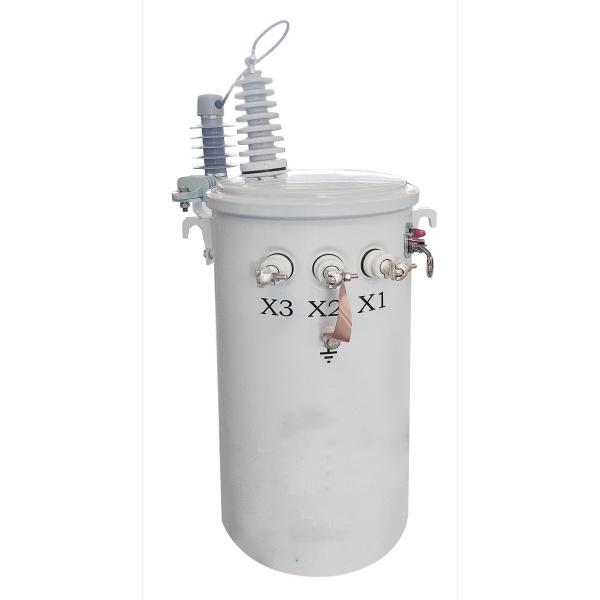
100kVA Completely self-protected(CSP) Single Phase Pole Mounted Transformer
100kVA CSP Single Phase Pole Mounted Transformer is a highly efficient and reliable solution designed for single-phase power distribution in residential, commercial, and light industrial applications. It features integrated self-protection systems, including overload, short-circuit, and over-voltage protection, ensuring automatic disconnection in the event of faults to safeguard both the transformer and connected equipment. With its pole-mounted design, it offers space-saving installation and is suitable for both urban and rural environments. This transformer delivers high operational efficiency with minimal energy loss and is built to withstand harsh weather conditions, ensuring long-lasting and reliable performance. It is the ideal choice for providing safe and stable single-phase power in diverse applications.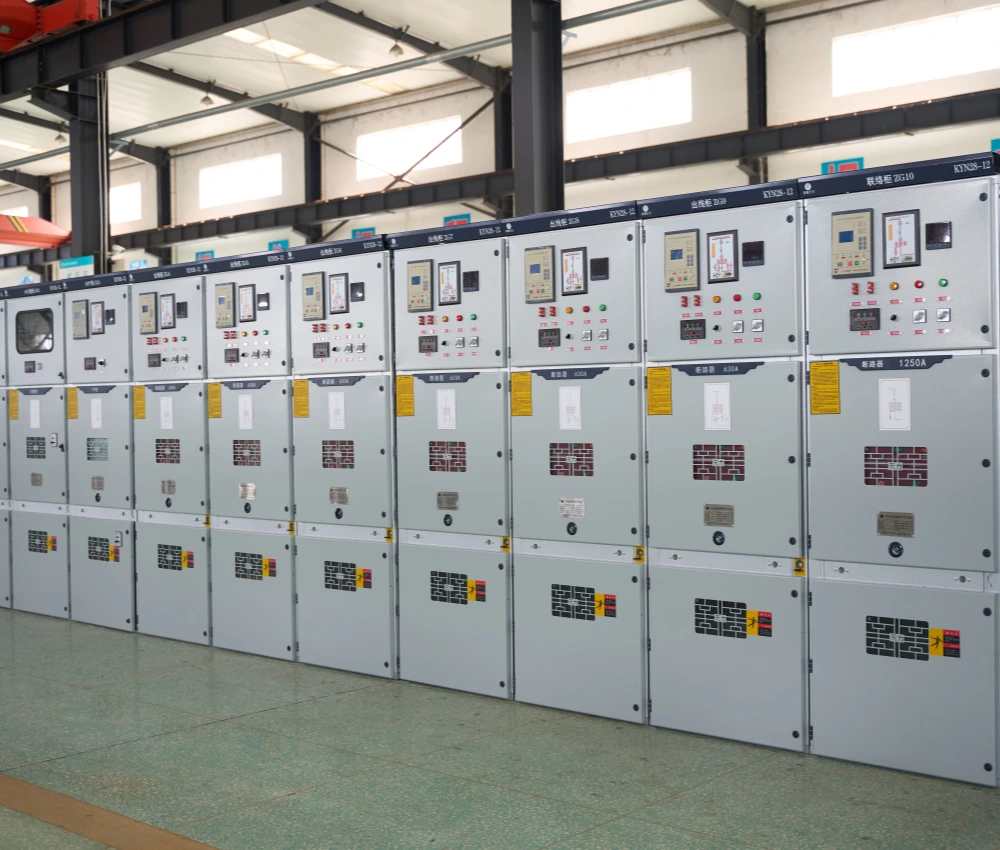
Indoor Box-Type Fixed Metal-Enclosed Switchgear
The Indoor Box-Type Fixed Metal-Enclosed Switchgear is a high-performance medium-voltage electrical distribution and protection system specifically engineered for industrial facilities, utility substations, commercial infrastructure, renewable energy projects, and intelligent power distribution networks. The switchgear adopts a fully enclosed metal-clad structure integrating vacuum circuit breakers, disconnect switches, protection relays, current transformers, voltage transformers, and intelligent control systems within a compact fixed cabinet configuration. This design provides reliable medium-voltage power distribution while significantly improving operational safety and equipment stability. Designed according to international medium-voltage distribution standards, the indoor box-type switchgear delivers outstanding insulation performance, mechanical durability, and thermal stability under continuous operating conditions. The compartmentalized cabinet structure effectively separates busbar chambers, breaker compartments, cable chambers, and low-voltage control sections to reduce electrical fault propagation risks and simplify maintenance procedures. The fixed structure design improves installation stability and ensures dependable long-term operational performance for mission-critical electrical systems. The Indoor Box-Type Fixed Metal-Enclosed Switchgear supports intelligent monitoring systems, digital protection devices, remote communication interfaces, and smart-grid automation technologies for modern electrical distribution environments. With flexible configuration capabilities and scalable electrical protection architectures, the switchgear provides stable medium-voltage switching, fault isolation, and electrical control performance for industrial automation systems, utility networks, transportation infrastructure, and commercial power systems.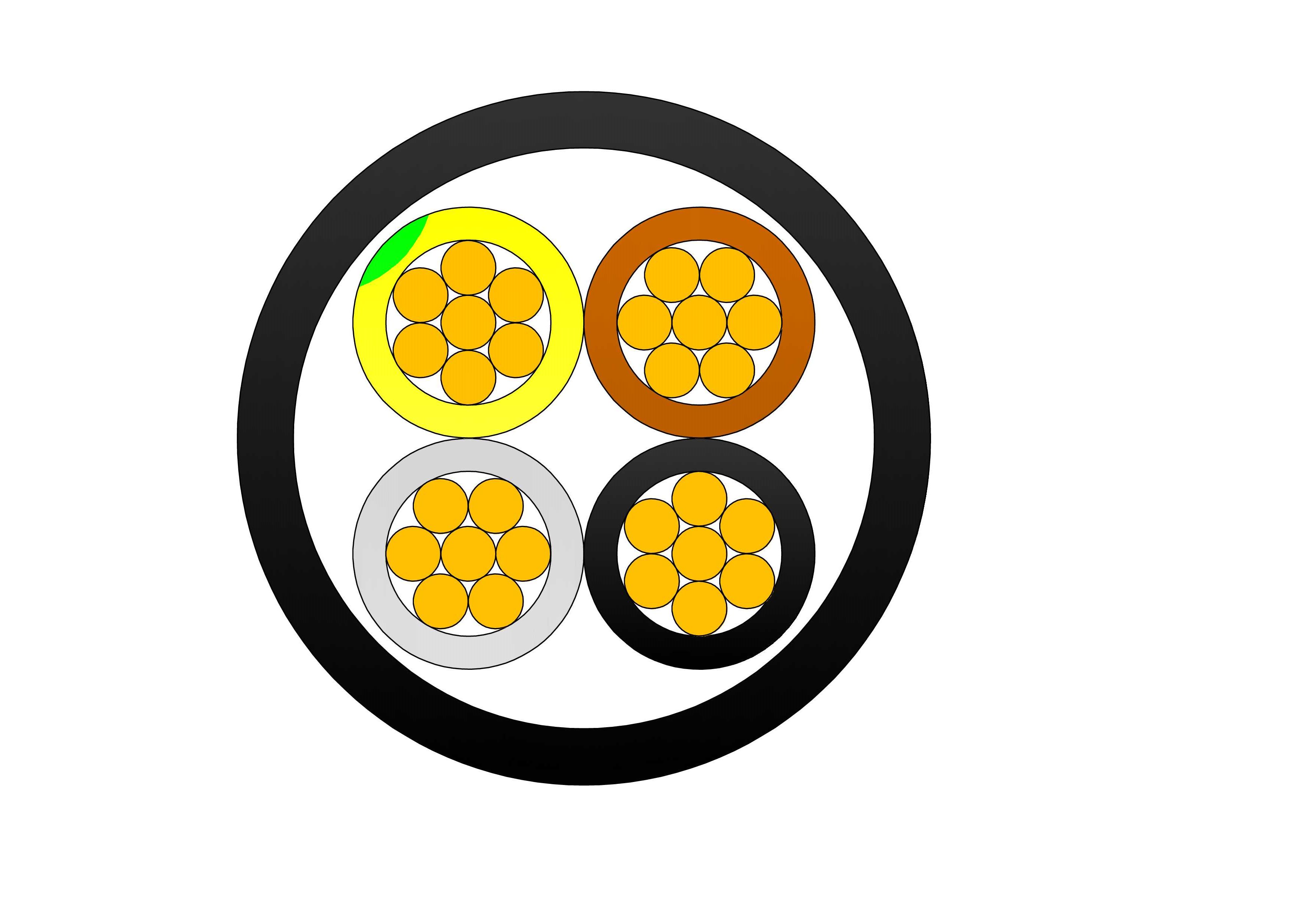
HV Submarine Cable
The High Voltage Submarine Cable is specifically engineered for underwater power transmission applications requiring exceptional electrical performance, mechanical strength, and long-term environmental reliability. Designed with high-conductivity copper or aluminum conductors, advanced XLPE insulation, water-blocking systems, metallic sheath protection, and galvanized steel wire armor, the cable ensures safe and efficient power transfer in challenging marine environments. The cable is capable of transmitting large amounts of electrical energy across seas, rivers, lakes, and offshore installations while maintaining low transmission losses. Its multi-layer protection structure provides superior resistance to hydrostatic pressure, seawater corrosion, mechanical impacts, and installation stresses. Manufactured according to international submarine cable standards, the High Voltage Submarine Cable supports voltage levels from 35kV to 500kV and beyond. It is widely used in offshore wind farms, island interconnections, offshore oil and gas platforms, marine renewable energy projects, and cross-sea transmission systems.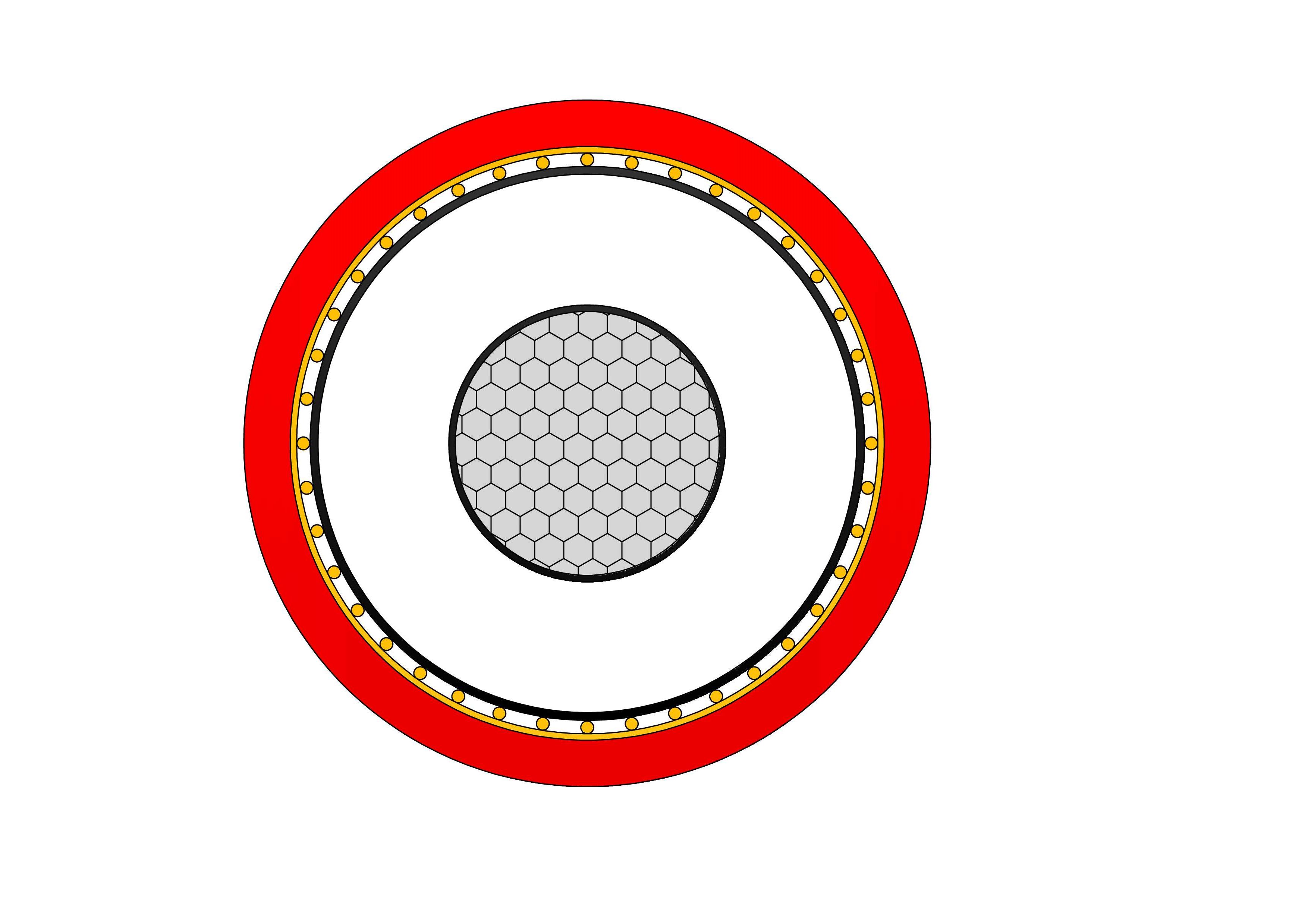
NA2XSH Medium Voltage Power Cable(6/10kV, 12/20kV, 18/30kV)
The NA2XSH is a low-smoke halogen-free (LSZH), medium-voltage aluminum conductor cable with excellent flame-retardant properties and meets the design requirements of the IEC 60502-2 standard. Featuring stranded aluminium conductors, cross-linked polyethylene (XLPE) insulation, copper tape or wire screen, and low smoke zero halogen (LSZH) outer sheath, it complies with IEC 60502-2 and fire safety standards. In fire conditions, the LSZH sheath produces minimal smoke and no toxic halogen gases, enhancing safety in populated areas. Aluminium construction reduces weight and costs while maintaining good current capacity. With low dielectric losses, excellent partial discharge resistance, and high thermal stability, it ensures efficient, long-term performance. Suitable for direct burial, ducts, or indoor use, the NA2XSH Medium Voltage Power Cable is ideal for utilities, hospitals, schools, tunnels, and infrastructure projects requiring economical, environmentally friendly medium voltage cabling with superior fire protection and reliability worldwide.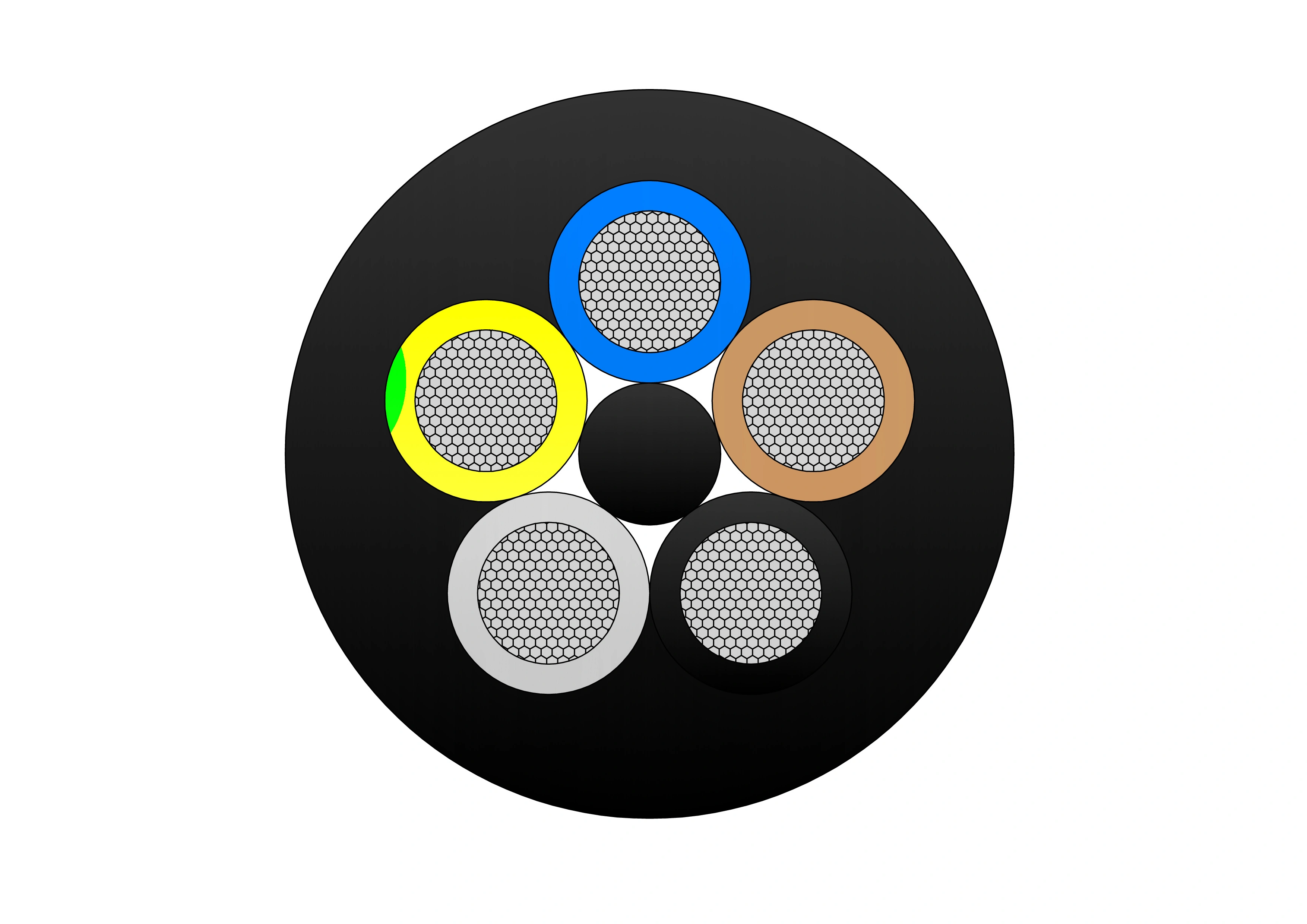
(N)TSCGECECWOU 8.7/15kV and 12/20kV ZH Cable
The (N)TSCGECECWOU 8.7/15kV and 12/20kV ZH cable is a flexible medium voltage power cable designed and manufactured to DIN VDE 0250 standards. Engineered for demanding mining, tunneling, and mobile equipment applications, it features EPR insulation, a halogen-free flame-retardant sheath, and a concentric copper conductor to ensure exceptional mechanical strength, EMC protection, and resistance to oil, moisture, and fire. With a robust PUR outer sheath and halogen-free materials, this cable provides high flexibility and durability for reeling and trailing systems in harsh industrial environments, making it ideal for tunnel boring machines, mining conveyors, and other heavy-duty energy supply applications.
4 Whelk Triplex Aluminum Conductor Triplex Overhead Service Drop Cable
4-4-4 Whelk Aluminum Conductor Triplex Overhead Service Drop Cable provides efficient overhead power transmission for utility-to-consumer connections. Constructed with solid or stranded 1350-H19 aluminum phase conductors (#4 AWG), black XLPE insulation for enhanced thermal, abrasion, and environmental protection, plus a bare ACSR neutral messenger (#4 AWG, 6/1), it ensures efficient conductivity, corrosion resistance, and structural support. Rated 600V phase-to-phase up to 90°C (XLPE), with ≈115A ampacity, it complies with ASTM B-230/B-231/B-232/B-399 and ICEA S-76-474. Its balanced, lightweight design simplifies installation while offering robust long-term performance against harsh outdoor elements like extreme temperatures, moisture, UV exposure, and mechanical stress in residential and light commercial applications.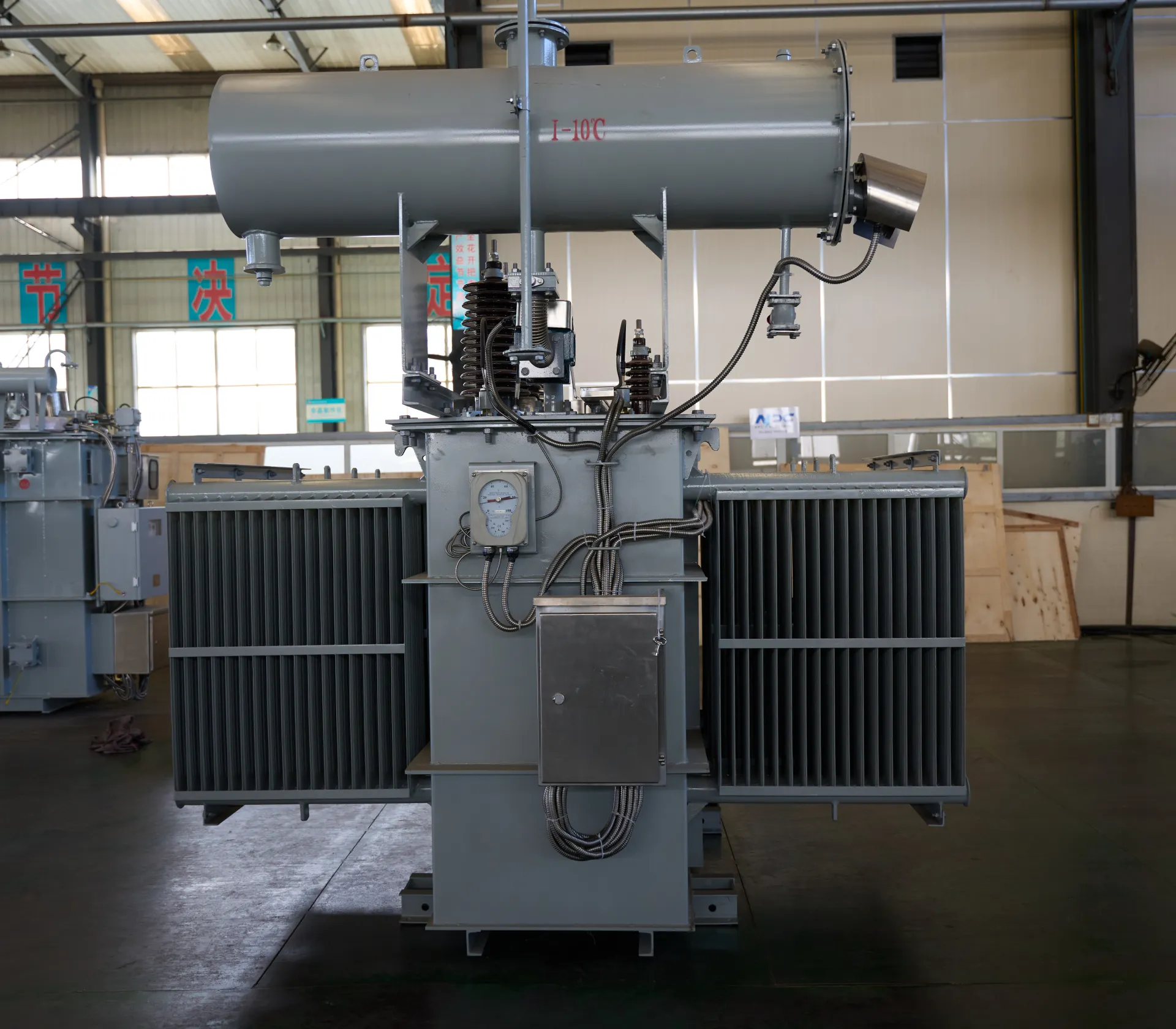
2000kVA 35kV Wind Turbine Step-Up Transformer for Onshore Wind Farms
The Wind Turbine Step-Up Transformer 2000kVA 35kV is purpose-built for onshore wind farms, enabling efficient voltage conversion from wind turbine generators to medium-voltage collection networks. Designed to operate reliably under fluctuating wind loads and harsh outdoor conditions, this transformer ensures stable power transmission and reduced energy losses across wind power systems. The oil-immersed insulation structure provides excellent thermal stability and long service life, while the optimized magnetic core minimizes no-load losses and acoustic noise. High-quality windings and reinforced insulation withstand frequent load variations caused by changing wind speeds.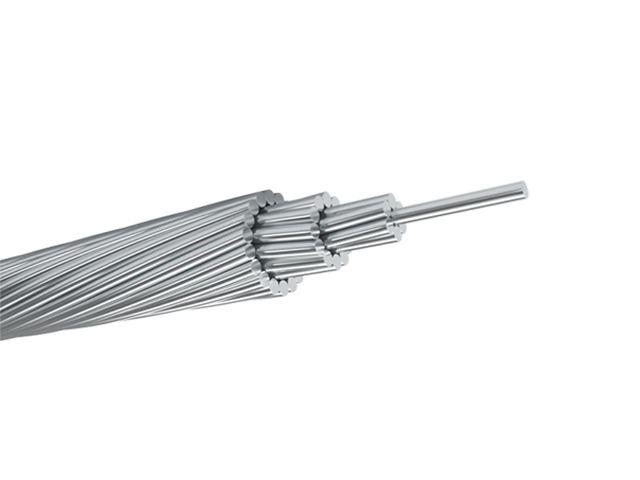
ALLIANCE AAAC Conductor Cable
ALLIANCE AAAC (All Aluminum Alloy Conductor) cables are manufactured in strict compliance with international standards such as ASTM B399, IEC 61089, and BS EN 50182, making them a high-performance and reliable overhead power transmission and distribution solution. Meeting ASTM B398, B399, IEC 61089, and BS EN 50182 standards, this cable handles ampacity up to 350A at 75°C and voltages up to 33kV. The all-alloy construction avoids bimetallic corrosion, providing better resistance in harsh conditions than ACSR. Reduced weight minimizes sag and installation expenses, supporting longer spans. The Alliance AAAC Conductor Cable delivers low electrical losses, high mechanical endurance, and excellent weather tolerance. Flame-retardant variants available. Perfect for urban grids, renewable projects, and coastal setups, it provides cost-effective, low-maintenance power delivery in overhead applications globally, excelling in reliability and lifespan over conventional conductors.
Single Core SWA Armoured Cable XLPE Insulated Power Cable
The Single Core SWA Armoured Cable is designed for reliable power transmission in installations requiring high mechanical protection and long-term durability. Manufactured with high-conductivity copper or aluminum conductors, premium XLPE insulation, galvanized steel wire armour, and a robust PVC outer sheath, the cable provides excellent electrical performance and superior mechanical strength. The XLPE insulation offers outstanding dielectric properties, low power losses, and thermal stability, allowing continuous conductor operation at temperatures up to 90°C. The galvanized steel wire armour enhances tensile strength and resistance to impact, compression, and external mechanical damage, making the cable ideal for underground and direct burial applications. The durable PVC sheath protects against moisture, chemicals, abrasion, UV exposure, and environmental conditions. Manufactured according to IEC 60502 standards, the cable is widely used in utility substations, renewable energy projects, industrial plants, commercial facilities, and power distribution networks. The Single Core SWA Armoured Cable combines electrical efficiency, safety, and mechanical reliability, making it a preferred solution for demanding power infrastructure projects worldwide.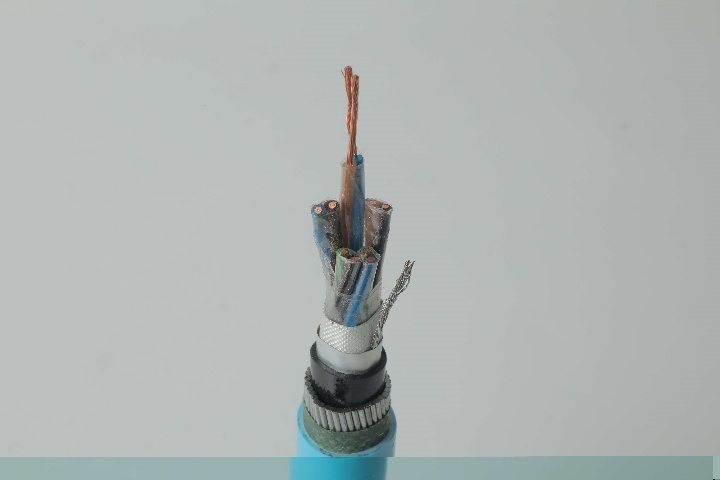
Instrumentation Cables—PVC Insulated, Overall Screened, Wire Armoured PVC Sheathed Cables(CU/PVC/OSCR/SWA/PVC)
Instrumentation Cables are multi-conductor cables that carry and transport low-voltage electrical signals. These low-voltage signals are used to control and monitor electrical power systems. Instrumentation cables have many different industrial applications that include broadcasting, equipment control, such as drilling and pumping in the oil and gas industry, and data transfer, which includes analog and digital signals. They are manufactured according to the BS EN 50288-7 and BS EN 50288-1 standards to ensure quality. Depending on the application, instrumentation cables can be insulated with PVC or XLPE; the cables can be armoured or unarmoured. The sheathing materials can be of PVC, LSZH, or PE. The cables can have additional flame retardant or flame retardant properties, and they can be manufactured with special protections such as lead sheaths, or DRYLAM or AIRBAG technology.
1/0 Cenia Aluminum Conductor Triplex Overhead Service Drop Cable
1/0 Cenia Aluminum Conductor Triplex Overhead Service Drop Cable is designed for dependable secondary overhead power distribution from utility lines to residential and light commercial service entrances. Its triplex construction features two insulated aluminum phase conductors helically wrapped around a bare aluminum neutral messenger, which provides both mechanical support and grounding continuity. With a 1/0 Cenia conductor size, this cable delivers increased current-carrying capacity, strong tensile strength, and controlled sag performance, making it suitable for longer spans and higher service demands. Aluminum conductors reduce overall cable weight while offering excellent corrosion resistance and long-term durability in outdoor environments. Manufactured in accordance with ASTM and utility standards, the 1/0 Cenia Aluminum Conductor Triplex Overhead Service Drop Cable ensures stable electrical transmission, reliable mechanical performance, and consistent quality throughout its service life.
CAIRO AAAC Conductor Cable
CAIRO AAAC (All Aluminum Alloy Conductor) cables comply with ASTM B399 standards and offer high tensile strength, good conductivity, and resistance to corrosion. Named "Cairo" for its 600 mm² nominal area with 61-strand configuration, it offers superior conductivity (53% IACS) and tensile strength (295 MPa min) compared to ACSR. Made from heat-treated aluminum-magnesium-silicon alloy (6201-T81), this cable provides excellent corrosion resistance, low weight, and reduced sag for longer spans. Compliant with ASTM B398, B399, IEC 61089, and BS EN 50182 standards, it supports voltages up to 33kV with ampacity up to 1000A at 75°C. The homogeneous alloy construction eliminates bimetallic corrosion and ensures uniform mechanical properties. The Cairo AAAC Conductor Cable minimizes line losses, withstands harsh weather, and requires minimal maintenance. Ideal for rural electrification, urban upgrades, and renewable energy integrations, it delivers reliable, cost-effective power in overhead lines worldwide, outperforming traditional conductors in corrosive or coastal environments.Welcome your inquiry
Honesty, Integrity, Frugality, Activeness and Passion