
Flexible Cable vs Regular Cable: Key Differences Explained (Types, Applications & When to Choose Flex)
2026-04-06
In today's fast-moving industrial and technological landscape, choosing the right cable can make or break equipment reliability, downtime, and long-term costs. One of the most common decisions engineers, designers, and procurement teams face is: Flexible Cable vs Regular (Standard/Rigid) Cable — what's the real difference, and when does one clearly outperform the other?
At first glance, both types transmit power or signals effectively. But dig deeper, and the contrast becomes stark. Regular cables (often called fixed-installation or rigid cables) use thicker, fewer strands in their conductors, paired with tougher, less elastic insulation and jacketing. They're built for static environments: think building wiring, fixed power distribution, underground conduits, or permanent panel connections where the cable stays put after installation. They excel in mechanical strength, crush resistance, and cost-efficiency for one-time setups — but repeated bending? That's their weakness. Flex them too often, and internal strands fatigue, crack, or break, leading to failures, shorts, or costly replacements.
Flexible cables, by contrast, are engineered for motion. Their conductors consist of fine, multi-stranded wires (often Class 5 or Class 6 stranding per standards like IEC or VDE), twisted or bundled for maximum suppleness. Softer, more elastic insulation materials (PVC, PUR, TPE, or silicone) and specialized sheaths allow them to endure millions of bend cycles — from 50,000 in basic flexible types to over 10 million in high-flex or continuous-motion variants. This makes them indispensable in dynamic applications: robotic arms, drag chain (cable carrier) systems, CNC machines, automated production lines, material handling equipment, and even everyday moving parts like vacuum cleaners or power tools.
The key trade-offs? Flexible cables typically cost more upfront and may have slightly lower current-carrying capacity for the same cross-section due to finer strands, but they deliver dramatically longer service life in moving scenarios — often 10–100x more cycles than a standard cable would survive. Using a regular cable in a flexing environment risks early failure, safety hazards, and unplanned downtime. Conversely, over-specifying flexible cable for a fixed installation wastes budget without adding value.
So when should you choose flexible over regular? The rule is simple: If the cable will experience repeated bending, torsion, vibration, or travel in a chain/track, go flexible. For anything static and fixed long-term, stick with standard/rigid to optimize cost and durability.
1. What Is a Flexible Cable?
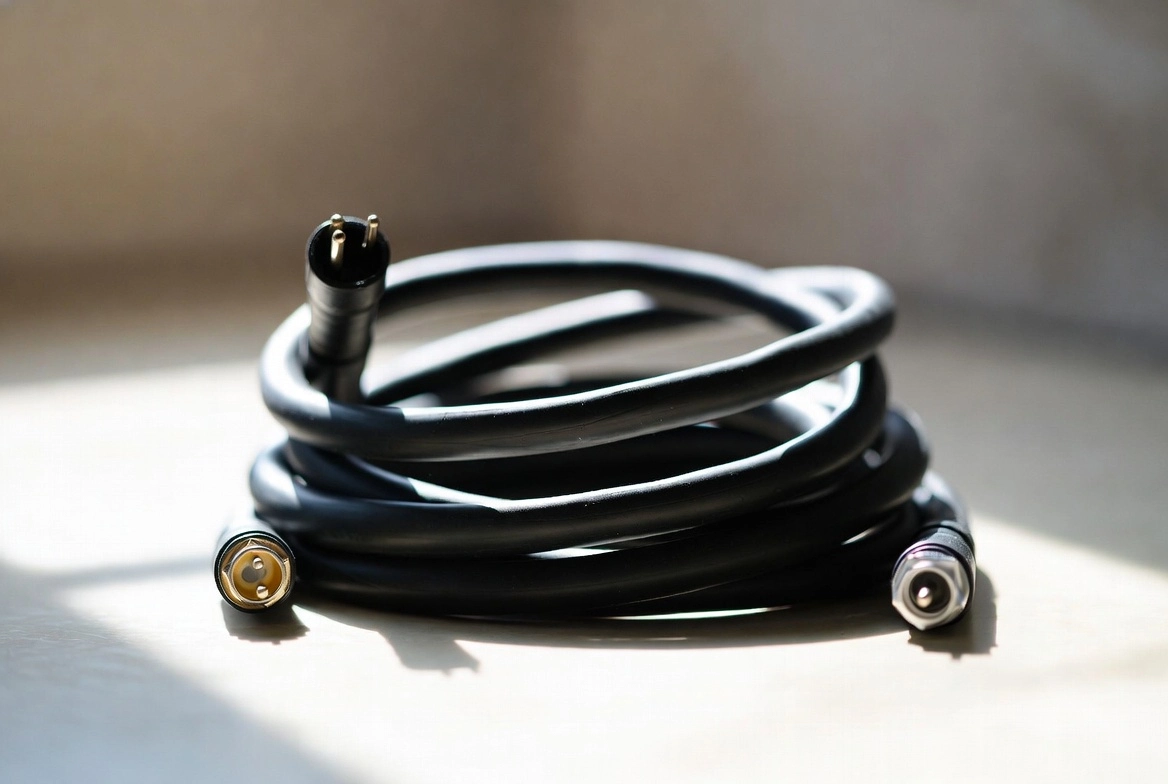
A flexible cable is a type of electrical power cable designed to withstand repeated bending, twisting, or movement without mechanical or electrical failure. Unlike regular (rigid) power cables, flexible cables use stranded conductors instead of solid or low-strand conductors, significantly improving flex properties.
In modern electrical systems, flexible cables are widely used in:
- Industrial automation
- Robotics and moving equipment
- Temporary power supply
- Cable carriers and drag chains
From an engineering perspective, what is a flexible cable can be summarized as:
A cable designed for dynamic applications where high flexibility, vibration resistance, and repeated motion are required.
2. Regular Cable (Standard Power Cable) Overview
A regular power cable—also referred to as standard electrical wiring—is primarily intended for fixed installations. These cables are typically installed once and remain static throughout their service life.
Common characteristics:
- Fewer conductor strands or a solid core
- Lower bending tolerance
- Optimized for cost and stationary use
- Common in buildings, substations, and distribution panels
Regular cables still dominate many wires and cables applications where movement is minimal.
3. Key Structural Differences: Flexible vs Regular Cable
The fundamental differences lie in conductor construction, insulation materials, and mechanical design.
Table 1: Structural Comparison
|
Parameter |
Flexible Cable |
Regular Power Cable |
|
Conductor type |
Fine stranded conductors |
Solid or low-strand |
|
Flex direction row |
Multi-directional |
Limited |
|
High flexibility |
Yes |
No |
|
Mechanical stress resistance |
High |
Low |
|
Typical applications |
Dynamic / moving |
Fixed installation |
From a practical engineering standpoint, stranded conductors distribute mechanical stress more evenly, reducing the risk of conductor breakage during repeated flex cycles.
4. Insulation Materials and Temperature Performance
The insulation materials used in flexible power cables are specifically formulated to maintain elasticity across temperatures ranging from extreme cold to elevated heat.
Common insulation types include:
- PVC (flexible grades)
- TPE (Thermoplastic Elastomer)
- PUR (Polyurethane)
- Silicone rubber
Table 2: Typical Temperature Ratings
|
Cable Type |
Insulation Material |
Operating Temperature |
|
Standard PVC cable |
PVC |
-5°C to +70°C |
|
Flexible PVC cable |
Modified PVC |
-15°C to +80°C |
|
Industrial flexible cable |
TPE / PUR |
-40°C to +90°C |
|
High-flex robotics cable |
PUR / Silicone |
-50°C to +105°C |
For moving equipment in harsh environments, flexible cables clearly outperform standard power cables.
5. Flex Properties and Rated Bending Cycles
One of the most important flex properties is bending life, often expressed in cycles.
- Regular cables: not rated for repeated movement
- Flexible cables: tested for thousands to millions of flex cycles
Table 3: Flex Life Comparison
|
Cable Category |
Typical Flex Rating |
|
Regular building cable |
Static only |
|
Flexible power cable |
10,000–100,000 cycles |
|
High-flex cable |
1–10 million cycles |
For engineers, ignoring flex start and motion requirements often leads to premature cable failure and downtime.
6. Applications: When to Use Flexible Cable
Choose Flexible Cable When:
- Equipment involves continuous movement or vibration
- Cable is installed in drag chains or robotic arms
- Portable or temporary power is required
- Tight bend radius is unavoidable
Typical applications:
- CNC machines
- Conveyor systems
- Industrial robots
- Automated production lines
Choose Regular Cable When:
- Installation is fixed and static
- Cost optimization is a priority
- No repeated bending is expected
Examples include building wiring, transformer connections, and distribution boards.
7. Flexible Power Cable in Modern Electrical Systems
With the growth of automation and Industry 4.0, electrical flexible cable demand continues to rise. Modern systems emphasize:
- Reliability
- Reduced downtime
- Compact layouts
Flexible cables rated for dynamic use significantly reduce maintenance frequency and improve system uptime—an important factor for industrial operators.
8. Cost Considerations and Lifecycle Value
While flexible cables typically have a higher upfront cost than regular cables, lifecycle analysis often favors flexibility.
- Lower replacement frequency
- Reduced unplanned downtime
- Higher operational safety
From a total cost of ownership (TCO) perspective, flexible cables are often more economical in dynamic applications.
9. Selection Checklist for Engineers and Buyers
Before selecting a cable, evaluate:
- Motion type (static vs dynamic)
- Flex direction row (single-axis or multi-axis)
- Required flex cycles
- Temperature range
- Chemical and abrasion exposure
- Applicable standards and cables rated requirements
Correct selection ensures compliance, safety, and long-term reliability.
The difference between Flexible Cable vs Regular Cable is not merely structural—it directly impacts system reliability, safety, and operating cost. In modern industrial environments where movement, automation, and compact design dominate, flexible power cables have become essential.
However, for static installations, regular power cables remain a cost-effective and reliable solution. Understanding application requirements and flex properties is the key to making the right engineering decision.

Related Articles
Related Products
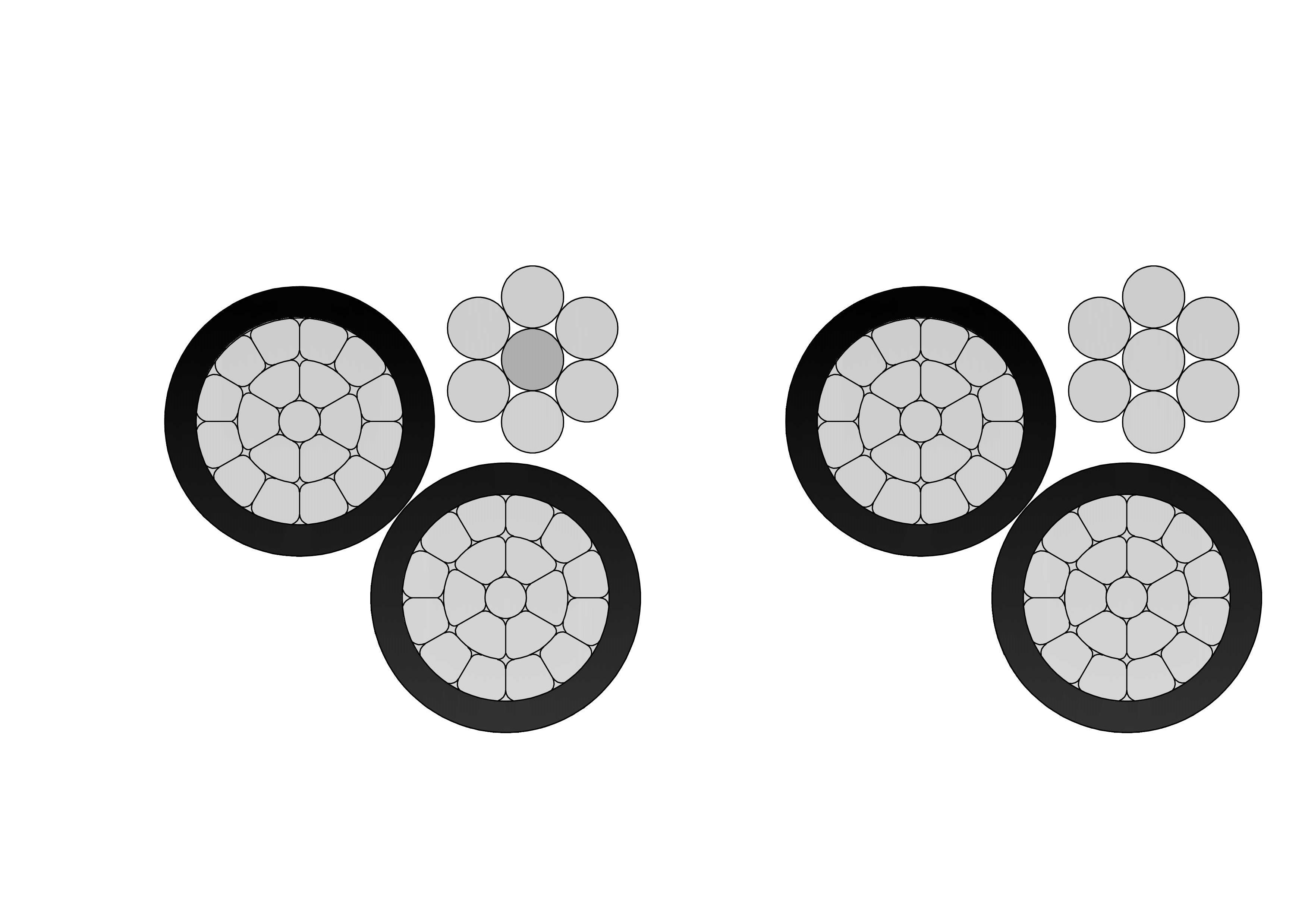
2 Solaster Aluminum Conductor Triplex Overhead Service Drop Cable
The 2 Solaster Aluminum Conductor Triplex Overhead Service Drop Cable is designed for reliable overhead electrical service connections from utility distribution lines to residential and light commercial buildings. The cable consists of two insulated aluminum phase conductors twisted around a bare aluminum neutral messenger, providing stable electrical transmission and strong mechanical support. Manufactured using high-purity aluminum and weather-resistant insulation compounds, the 2 Solaster Aluminum Conductor Triplex Overhead Service Drop Cable offers low electrical resistance, excellent corrosion resistance, and long-term durability in outdoor environments. Its lightweight construction allows for efficient handling and installation while maintaining the tensile strength required for aerial service applications. The cable is engineered to perform consistently under UV exposure, wind loading, and temperature fluctuations. Comprehensive quality control procedures and systematic testing are applied throughout production to ensure compliance with industry and utility standards.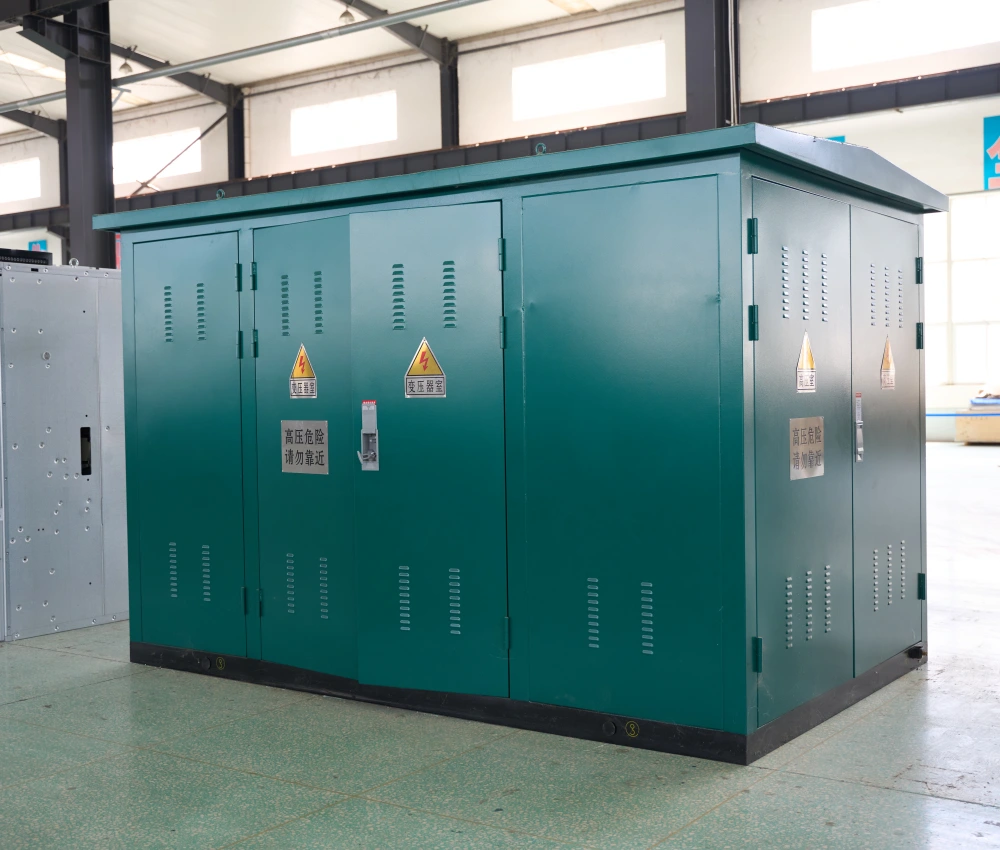
Prefabricated Box Type Transformer Substation
The Prefabricated Box Type Transformer Substation is a fully integrated power distribution system combining medium-voltage switchgear, distribution transformer, low-voltage distribution equipment, and intelligent control systems within a compact outdoor enclosure. Engineered for modern electrical infrastructure, the substation delivers efficient, safe, and stable power transformation and distribution for industrial facilities, renewable energy projects, urban developments, and utility networks. Its modular structural design significantly reduces installation time, civil construction requirements, and overall project costs while enhancing operational reliability and maintenance efficiency. The enclosure is manufactured using corrosion-resistant materials and advanced environmental protection technologies to ensure dependable performance under harsh outdoor conditions including high humidity, dust, salt spray, and temperature fluctuations. The substation supports multiple transformer capacities, flexible voltage ratings, intelligent monitoring functions, and customizable switchgear configurations to meet different regional standards and project specifications. With compact footprint advantages and scalable integration capability, the Prefabricated Box Type Transformer Substation is an ideal solution for modern smart grid systems and distributed energy applications.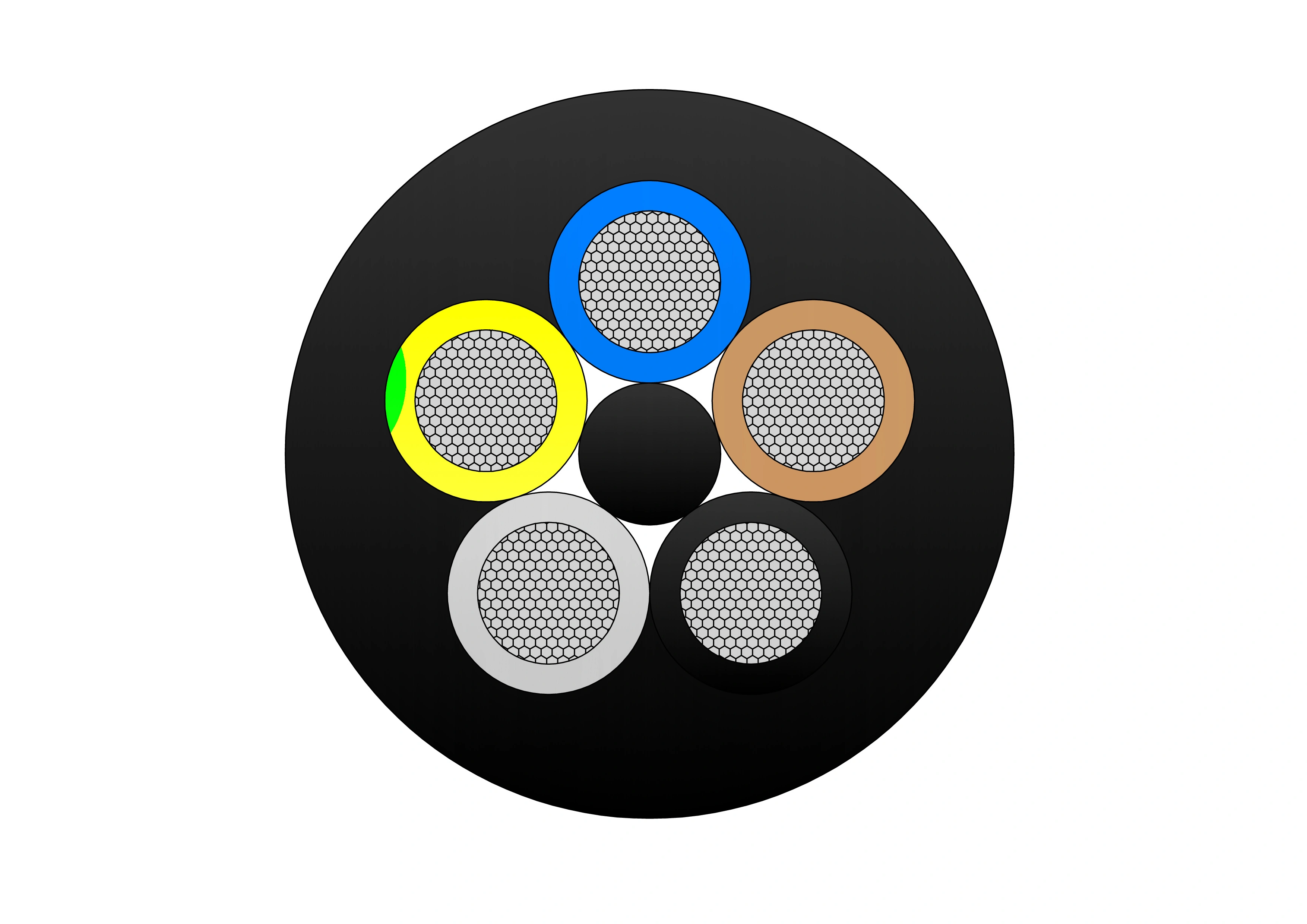
(N)TSCGECEWOU 8.7/15kV and 12/20kV ATB Cable (Ground Check Conductor)
The (N)TSCGECEWOU 8.7/15kV and 12/20kV ATB (Ground Check Conductor) Cable is a flexible medium-voltage cable enhanced with anti-torsion braid (ATB) and ground check conductor (GCC) for superior stability and safety monitoring in mining. It comprises tinned class 5 copper phase conductors, semi-conductive screens, EPR insulation for reliable dielectric/thermal performance, copper braid screen, control conductors, dedicated ground check conductor for fault detection, anti-torsion braid to reduce twisting under heavy loads, and a robust rubber sheath resistant to oils, flames, abrasion, and mechanical damage. Compliant with DIN VDE 0250, it offers high flexibility, torsional strength, and EMC protection for dynamic applications. The (N)TSCGECEWOU ATB GCC ensures dependable higher-voltage MV power with ground continuity monitoring for heavy mobile machinery such as excavators, draglines, and tunnel boring equipment in opencast and underground mining.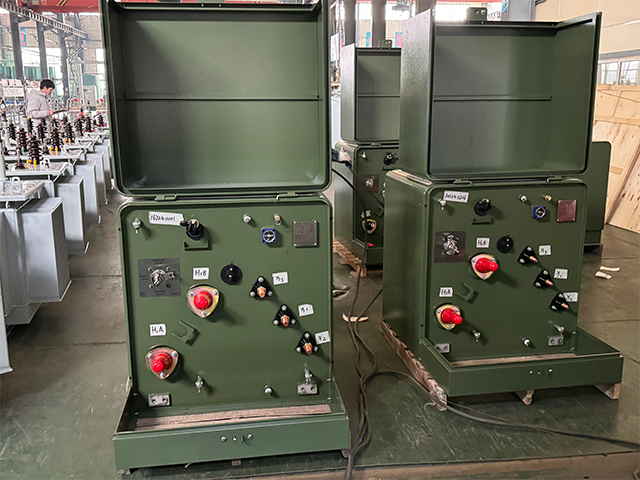
250kVA Single Phase Pad Mounted Transformer
NPC ELECTRIC 250 kVA single phase pad mounted transformer operates safely, reliably, and efficiently and can be installed indoors and outdoors. The industrial transformer has a rated power of 250 kVA, a primary voltage of 27600/16000V single-phase and a secondary voltage of 120/240V single-phase.The transformer has a primary loop feed and dead front primary connections.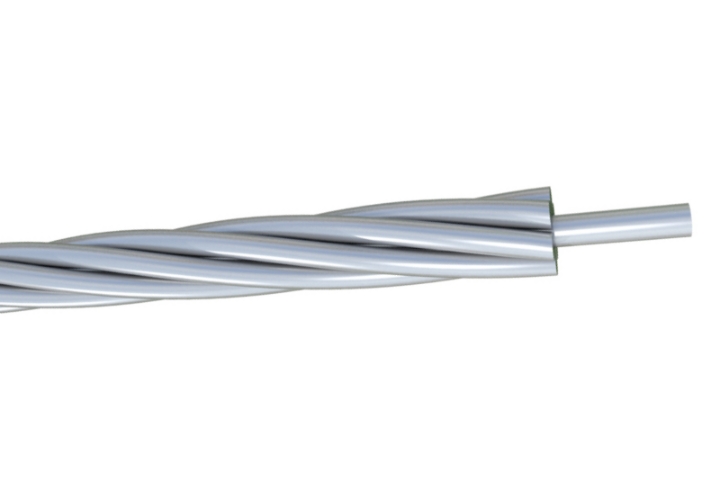
14 Gauge Galvanized Steel Conductor Wire for Power & Grounding Use
14 Gauge Galvanized Steel Conductor Wire is engineered for superior strength, durability, and corrosion resistance in demanding environments. Manufactured using premium-grade carbon steel and processed through advanced hot-dip galvanizing technology, this wire provides a uniform zinc coating that protects against rust, oxidation, and harsh weather conditions. With a precise 14 gauge diameter, the wire offers an optimal balance between flexibility and tensile strength, making it suitable for a wide range of electrical and structural applications. It is widely used in overhead power transmission, grounding systems, agricultural fencing, and industrial binding purposes. The smooth surface finish ensures easy installation while minimizing wear during handling. Designed to meet international standards such as ASTM and IEC, this conductor wire guarantees consistent performance and long service life. Customization options are available in terms of coating thickness, tensile strength, and packaging, allowing it to meet specific project requirements across various industries.2Y-high-voltage-power-cable-2.webp)
High Voltage / 2XS(FL)2Y, A2XS(FL)2Y 110kV Power Cable
2XS(FL)2Y / A2XS(FL)2Y 110kV High Voltage Power Cable is a longitudinally watertight, XLPE-insulated cable designed for primary power distribution up to 110kV (123kV highest). It features a Class 2 copper or aluminium conductor, extruded semi-conductive XLPE screens, and XLPE insulation applied via a three-layer co-extrusion process for superior electrical performance. A laminated aluminium or copper moisture barrier with copolymer coating provides excellent water and gas resistance, while HDPE oversheath ensures high abrasion resistance and flexibility. The copper wire screen with counter-helical copper tape offers optimal shielding, and water swellable tapes ensure longitudinal water blocking. Manufactured to IEC 60840, HRN HD 632, and IEC/EN 60228 standards, this cable is ideal for underground installations requiring high reliability and moisture protection.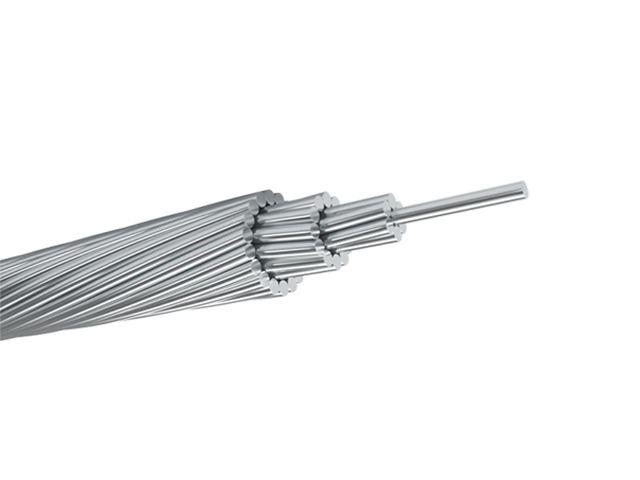
AMHERST AAAC Conductor Cable
AMHERST AAAC (All Aluminum Alloy Conductor) cables comply with ASTM B399 standards and offer high strength, good conductivity, and excellent corrosion resistance. With 300 mm² nominal area and 37-strand design, it uses heat-treated aluminum-magnesium-silicon alloy (6201-T81) for enhanced strength (295 MPa min) and conductivity (53% IACS min). Meeting ASTM B398, B399, IEC 61089, and BS EN 50182 standards, this cable handles ampacity up to 700A at 75°C and voltages up to 33kV. The all-alloy construction avoids bimetallic corrosion, providing better resistance in harsh conditions than ACSR. Reduced weight minimizes sag and installation expenses, supporting longer spans. The Amherst AAAC Conductor Cable delivers low electrical losses, high mechanical endurance, and excellent weather tolerance. Flame-retardant variants available. Perfect for urban grids, renewable projects, and coastal setups, it provides cost-effective, low-maintenance power delivery in overhead applications globally, excelling in reliability and lifespan over conventional conductors.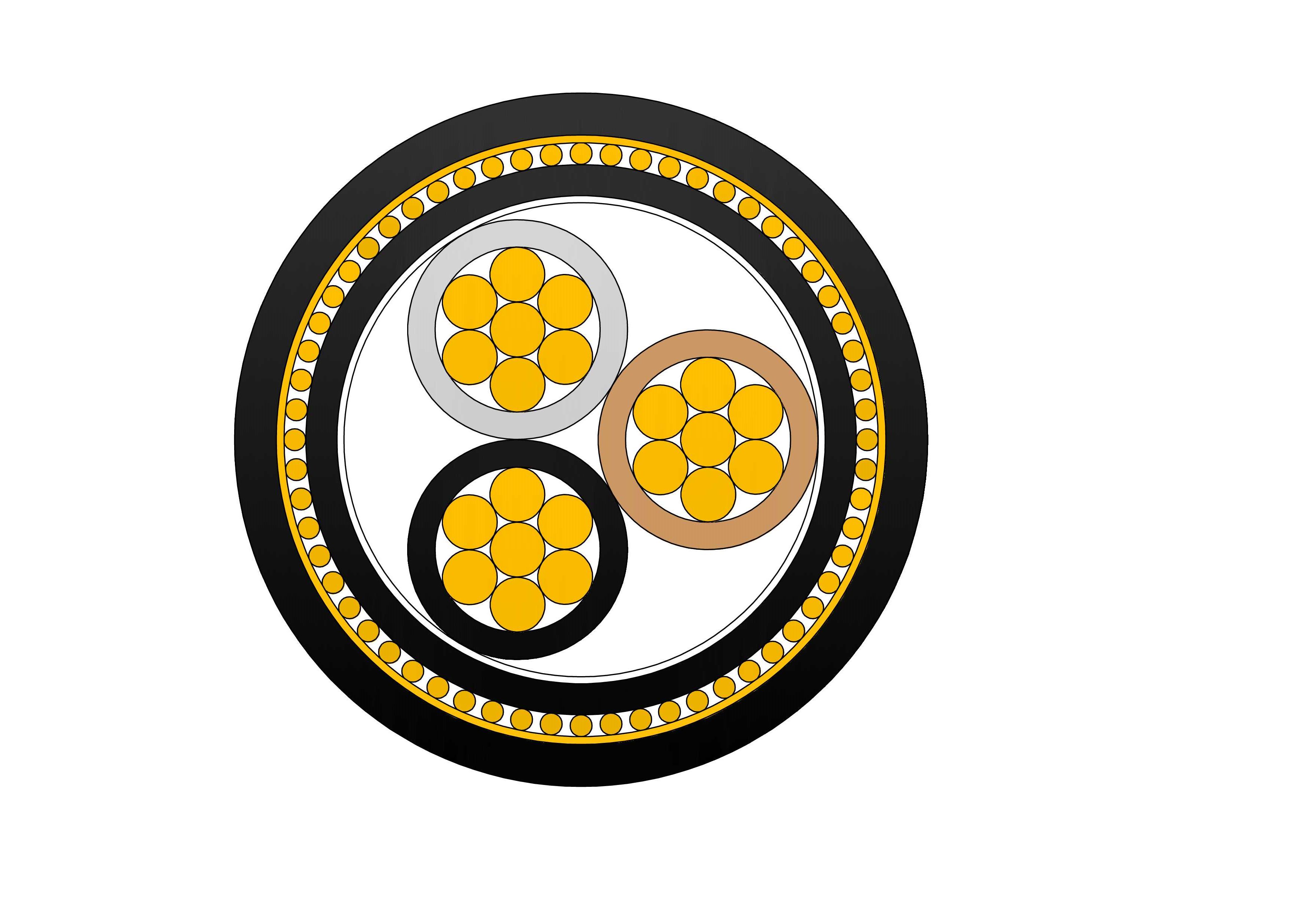
N2XCH 0.6/1kV Low Voltage Power Cable
N2XCH 0.6/1kV are low-voltage power cables designed according to VDE 0276-603 and IEC 60502-1 standards, suitable for fixed installation in indoor, outdoor, and underground environments, including concrete (not exposed to vibration), where electromagnetic shielding is required. Built with copper conductors, thermosetting XLPE insulation, LSZH inner bedding, concentric copper wire neutral/earth screen, and LSZH outer sheath, it meets IEC 60502-1 and stringent fire requirements. The concentric screen minimizes interference and provides fault current path. Zero halogen and low smoke emission ensure safety during fires. Optional armour enhances resistance to external damage. With high current capacity, thermal endurance, and moisture resistance, the N2XCH 0.6/1kV Low Voltage Power Cable is widely used in modern infrastructure demanding reliable, environmentally friendly, and shielded power distribution in populated or sensitive environments.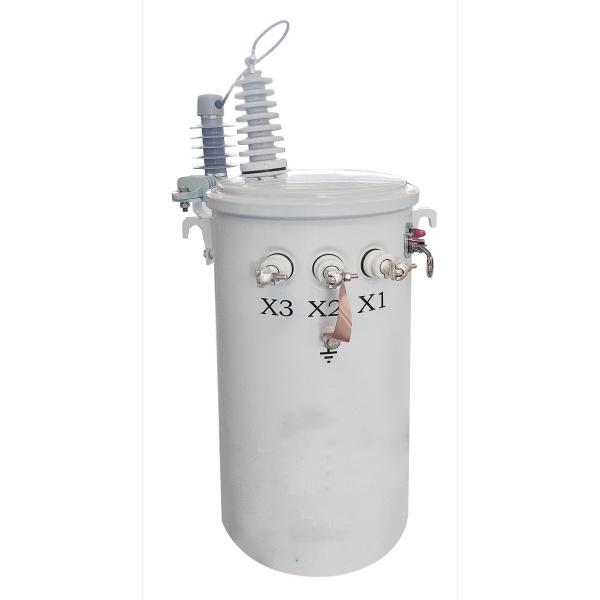
37.5kVA Completely self-protected(CSP) Single Phase Pole Mounted Transformer
37.5kVA Completely self-protected(CSP) Single Phase pole Mounted transformer is an efficient and reliable power equipment designed to provide a stable single-phase power supply. The transformer adopts fully self-protection technology and has built-in multiple protection functions such as overload, short circuit, and overvoltage to ensure that the transformer automatically cuts off the power supply under abnormal conditions, effectively avoiding equipment damage and ensuring the safe operation of the system.
315kVA Single Phase Pad Mounted Transformer
315kVA Single Phase Pad Mounted Transformer, engineered for seamless integration into underground power distribution systems, particularly in residential and commercial loop-feed setups. This compact, oil-filled transformer utilizes advanced high-permeability steel cores and precision-engineered windings to offer exceptional energy efficiency, low operating temperatures, and reduced sound levels for discreet urban installations. Compliant with ANSI C57.12.38 and IEEE standards, this single-phase padmount transformer ensures reliable voltage conversion from primary voltages up to 34.5kV to standard secondary outputs like 120/240V, supporting radial or loop configurations with high short-term overload capability for growing communities.
2XS(FL)2Y MDPE High Voltage 76/132 (145)kV Power Cable
The 2XS(FL)2Y MDPE High Voltage Power Cable is a single-core aluminum conductor cable with XLPE insulation and an MDPE sheath, rated 76/132 (145) kV. Designed for extra-high voltage power transmission, it meets IEC 60840 standards, offering excellent electrical performance, mechanical protection, and water resistance for demanding environments. Its construction includes a copper conductor, semi-conductive conductor screen, XLPE insulation, semi-conductive insulation screen, semi-conductive water swelling tape, copper wire metallic screen, longitudinal aluminum tape with PE copolymer coating, and an MDPE sheath. Water-blocking tape prevents water propagation, ensuring reliable operation in power stations, industrial plants, and distribution systems. Suitable for underground, underwater, outdoor, indoor, and duct installations, this cable is ideal for distribution networks and connections to generation units, industrial plants, and processes.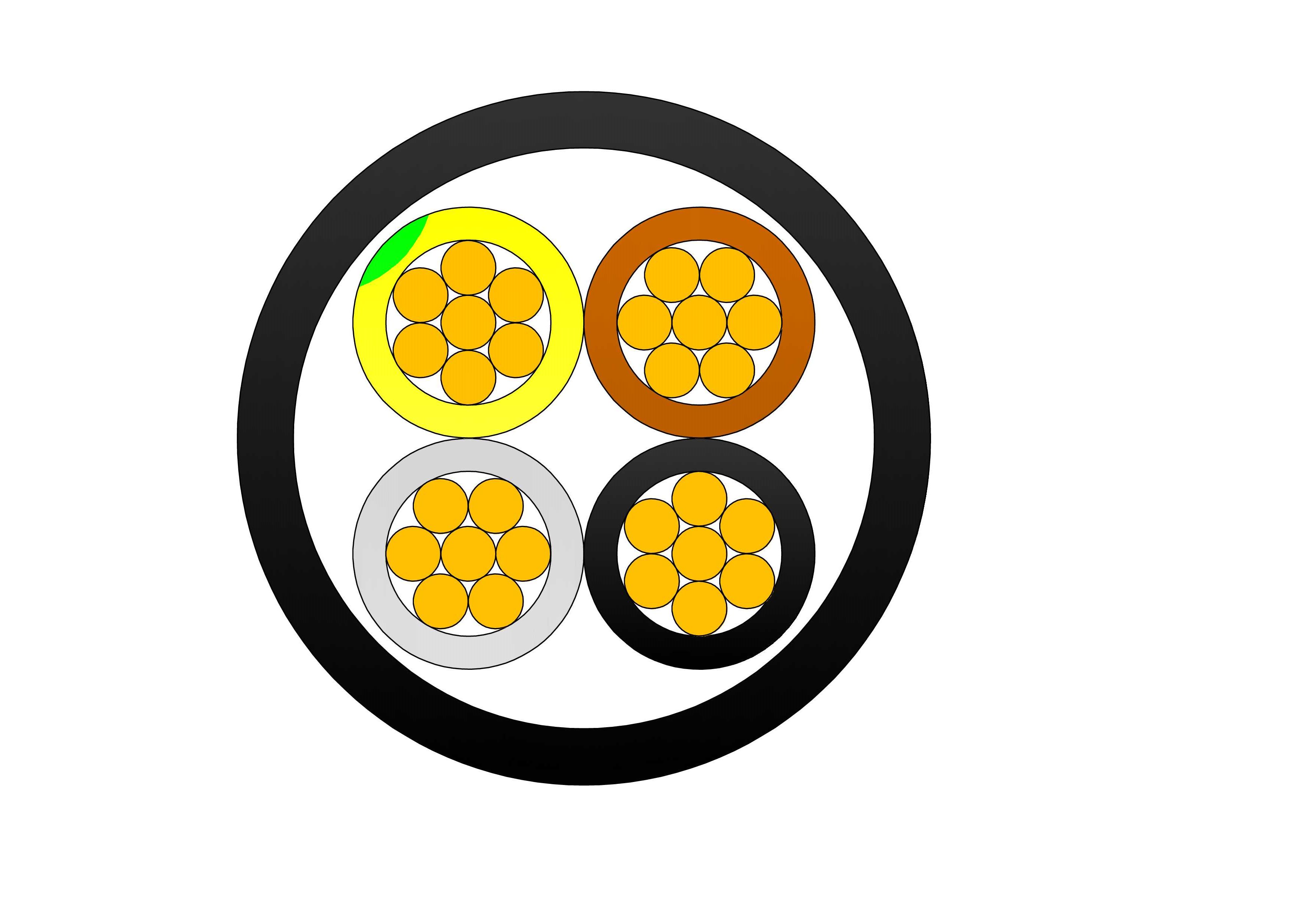
PV SOLAR Copper XLPE Insulated
The PV Solar Copper XLPE Insulated Cable is a premium solar cable engineered for efficient and reliable photovoltaic power systems. It utilizes high-purity stranded copper conductors for maximum conductivity and flexibility, paired with cross-linked polyethylene (XLPE) insulation that provides outstanding thermal stability, UV resistance, and weatherproof performance. Rated for DC 1.8kV and AC 0.6/1kV, this cable meets TÜV 2PfG 1169, EN 50618, and UL 4703 standards, ensuring safety and durability in harsh outdoor conditions. The PV Solar Copper XLPE Insulated Cable offers low voltage drop, high current capacity, and excellent flame retardant properties. Its superior flexibility facilitates easy installation in complex solar arrays. It is the preferred choice for high-end solar farms, rooftop systems, and commercial photovoltaic projects where maximum efficiency and long-term reliability are required.
3/0 Mursia Aluminum Conductor Triplex Overhead Service Drop Cable
The 3/0 Mursia Triplex Aluminum Overhead Service Drop Cable is a premium-grade aerial electrical cable engineered for utility-to-premises power distribution. Designed with two insulated phase conductors and one bare ACSR (Aluminum Conductor Steel Reinforced) neutral messenger, the Mursia cable ensures strength, conductivity, and stability during aerial installation. Constructed with concentric or compressed 1350-H19 aluminum phase conductors (#3/0 AWG), black XLPE insulation for enhanced thermal, abrasion, and environmental resistance, plus a bare ACSR neutral messenger (#3/0 AWG), it ensures efficient conductivity, corrosion resistance, and structural integrity. Rated 600V phase-to-phase up to 90°C (XLPE), with ≈275A ampacity, it meets ASTM B-230/B-231/B-232/B-399 and ICEA S-76-474. The balanced, lightweight design facilitates easy installation while offering robust protection against extreme outdoor conditions such as temperature swings, moisture, UV exposure, and mechanical stress in residential, commercial, and light industrial applications.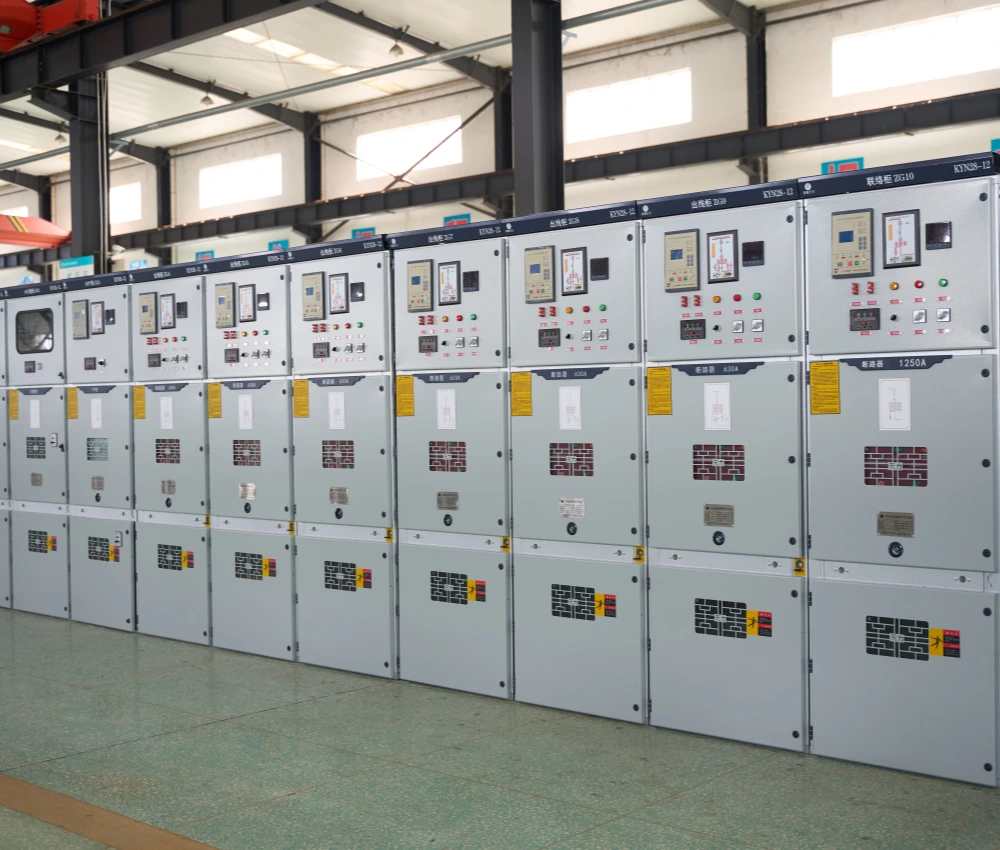
High Voltage Switchgear
NPC Electric high voltage switchgear delivers exceptional reliability and safety for modern electrical networks. Built with cutting-edge insulation technology and intelligent monitoring systems, this HV switchgear ensures seamless power distribution while protecting critical infrastructure from faults and overloads. Ideal for utilities, industrial plants, and renewable energy projects, it combines compact design with robust construction to minimize downtime and maximize operational efficiency in demanding environments.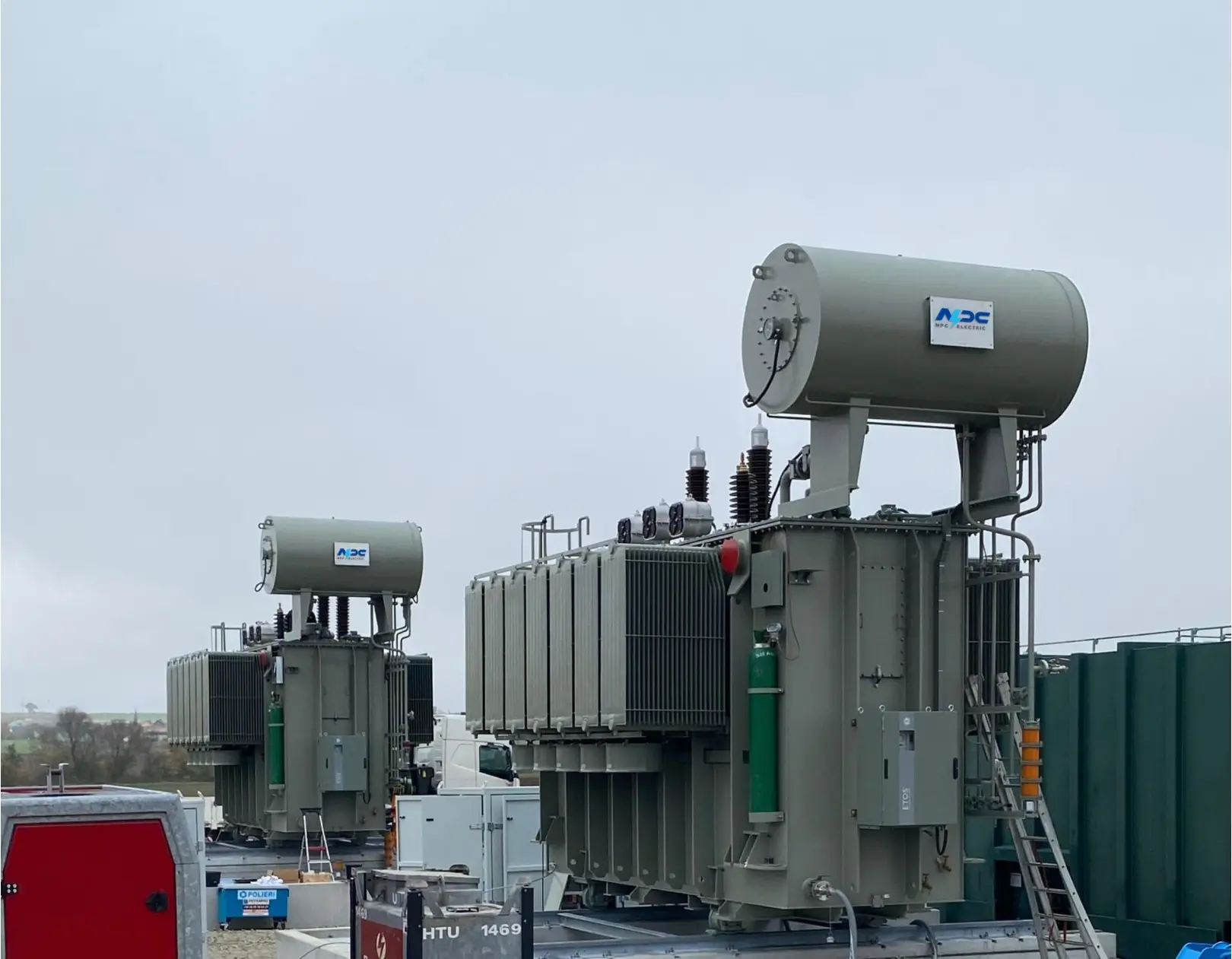
220kV 230kV Power Transformer
The 220kV / 230kV Power Transformer is an extra-high-voltage, oil-immersed, three-phase power transformer engineered for backbone transmission networks, major utility substations, large-scale renewable energy integration, heavy industrial corridors, and cross-border grid interconnections. Typical specifications include mineral oil or FR3 natural ester insulation (ONAN/ONAF/ODAF/OFWF cooling configurations), high-conductivity copper windings (aluminum optional), primary voltages 220kV or 230kV (grounded wye/delta, dual-voltage or multi-tap options), secondary voltages 35kV, 66kV, 110kV, 132kV, 138kV or custom (e.g., 230kV/115kV, 220kV/35kV, 230kV/13.8kV step-down), BIL ratings 950–1050kV (up to 1175kV for ultra-high lightning areas), impedance 10–18% (tolerances ±7.5%), ±8×1.25% or ±10×1.25% off-load tap changer (OLTC ±16–25% range common), conservator with bladder or sealed tank, Buchholz relay, sudden pressure relay, oil/winding temperature indicators (OTI/WTI), fiber-optic hot-spot sensors, partial discharge monitoring, pressure relief device, and ANSI 61 gray or custom tank finish.Welcome your inquiry
Honesty, Integrity, Frugality, Activeness and Passion