
Overhead Transformer: Single Phase vs Three Phase – Comparison Guide
2026-05-04
1. Overhead Transformers
An overhead transformer is a distribution transformer installed on utility poles to step down medium or high voltage lines into usable low voltage for consumers. As an experienced overhead transformer manufacturer, the engineering focus is on durability, compact design, mechanical stability, and long-term reliability under outdoor conditions.
In modern power systems, overhead units are widely used for:
- Rural electrification
- Urban distribution networks
- Industrial parks
- Small commercial facilities
- Agricultural applications
The two primary configurations are:
-
Single-phase overhead transformer
-
Three-phase overhead transformer
Understanding their structural and electrical differences is essential for correct project design.
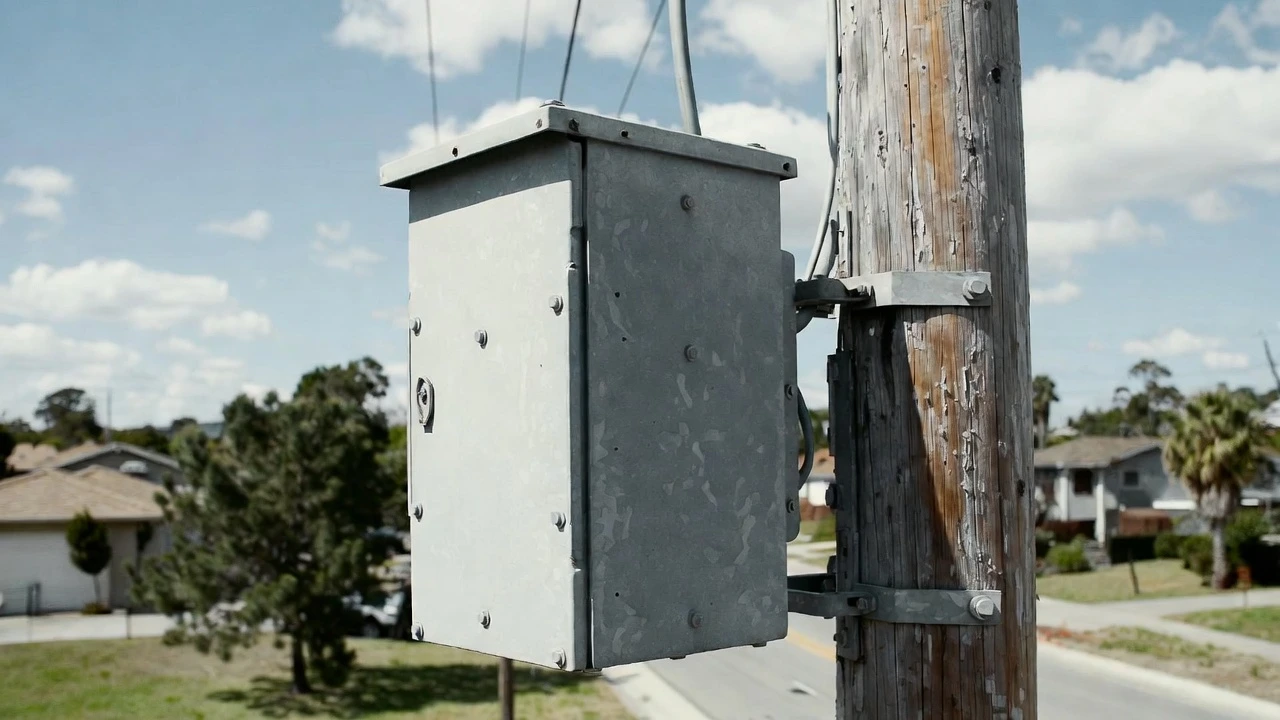
2. How Transformers Work in Overhead Power Systems
Overhead transformers, also known as pole-mounted transformers, play a vital role in electrical distribution networks by stepping down high-voltage power from overhead lines to safe, usable levels for homes, businesses, and small industries.
They operate on the principle of electromagnetic induction. High-voltage electricity (typically 11kV–33kV) enters the primary winding, creating an alternating magnetic field in the laminated steel core. This changing magnetic flux induces a lower voltage in the secondary winding, based on the turns ratio between primary and secondary coils—no direct electrical connection exists between them.
In single-phase overhead transformers, commonly used in residential areas, one primary and one secondary winding handle power delivery, often providing 120/240V split-phase output. They are cost-effective and simpler for lower-load rural or suburban grids.
Three-phase overhead transformers (or three single-phase units banked together) serve commercial, industrial, or high-density zones. They use three sets of windings (connected in delta or wye configurations), delivering balanced power with higher efficiency, less conductor material, and smoother output—ideal for motors and heavy loads.
Mounted high on utility poles, these oil-filled units rely on natural air and oil cooling to dissipate heat, include lightning arresters for surge protection, and ensure reliable, long-term performance in overhead power systems.
In overhead distribution:
- Primary voltage: typically 6kV–35kV (medium or high voltage)
- Secondary voltage: 120/240V, 220V, 380V, or 400V
The transformer ensures a safe and reliable power supply while maintaining efficiency over long-distance distribution lines.
3. Single-Phase Overhead Transformer
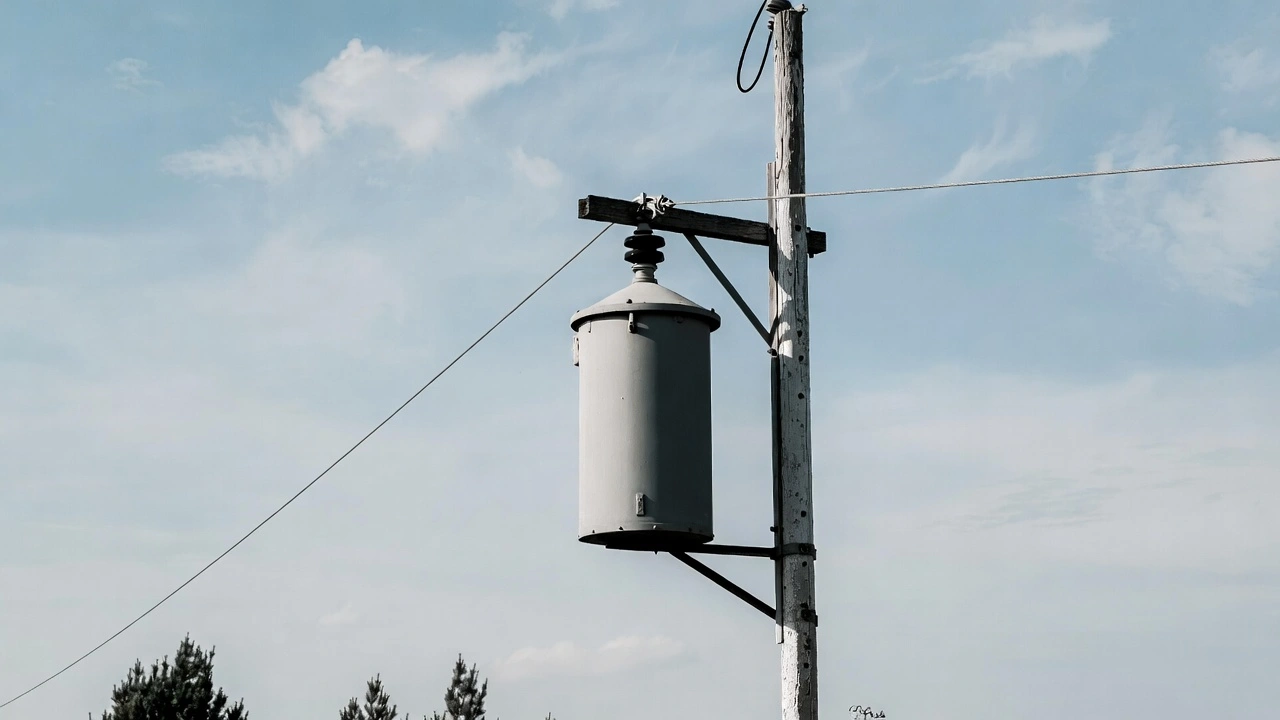
A single-phase overhead transformer is commonly installed as a pole-mounted transformer serving residential and small business customers. Also called a pole-mounted transformer, is a key component in electrical distribution systems. Mounted on utility poles, it steps down high-voltage electricity (typically 4kV–34.5kV) from overhead lines to safe low voltages like 120/240V for residential and light commercial use.
It works on electromagnetic induction: High-voltage AC flows through the primary winding, generating a changing magnetic field in the iron core. This induces a lower voltage in the secondary winding according to the turns ratio—no direct electrical connection exists between windings.
These oil-immersed units feature a sealed tank for insulation and cooling, bushings for connections, lightning arresters for surge protection, and taps for voltage adjustment. Single-phase designs are cost-effective, simple, and ideal for rural, suburban, or low-load areas where balanced three-phase power isn't required.
Common ratings range from 5–167 kVA, offering reliable, efficient power delivery with minimal maintenance.
Typical Characteristics
- One primary and one secondary winding
- Designed for moderate power demand
- Lightweight and compact
- Cost-effective solution
Common Applications
|
Application |
Typical Capacity |
|
Residential homes |
10–50 kVA |
|
Rural loads |
25–100 kVA |
|
Small commercial shops |
50–167 kVA |
Advantages
- Lower initial cost
- Simple installation
- Ideal for low-density areas
- Efficient for moderate load profiles
Because it operates on a single sinusoidal waveform, it is suitable for lighting, small motors, and household appliances.
4. Three-Phase Overhead Transformer
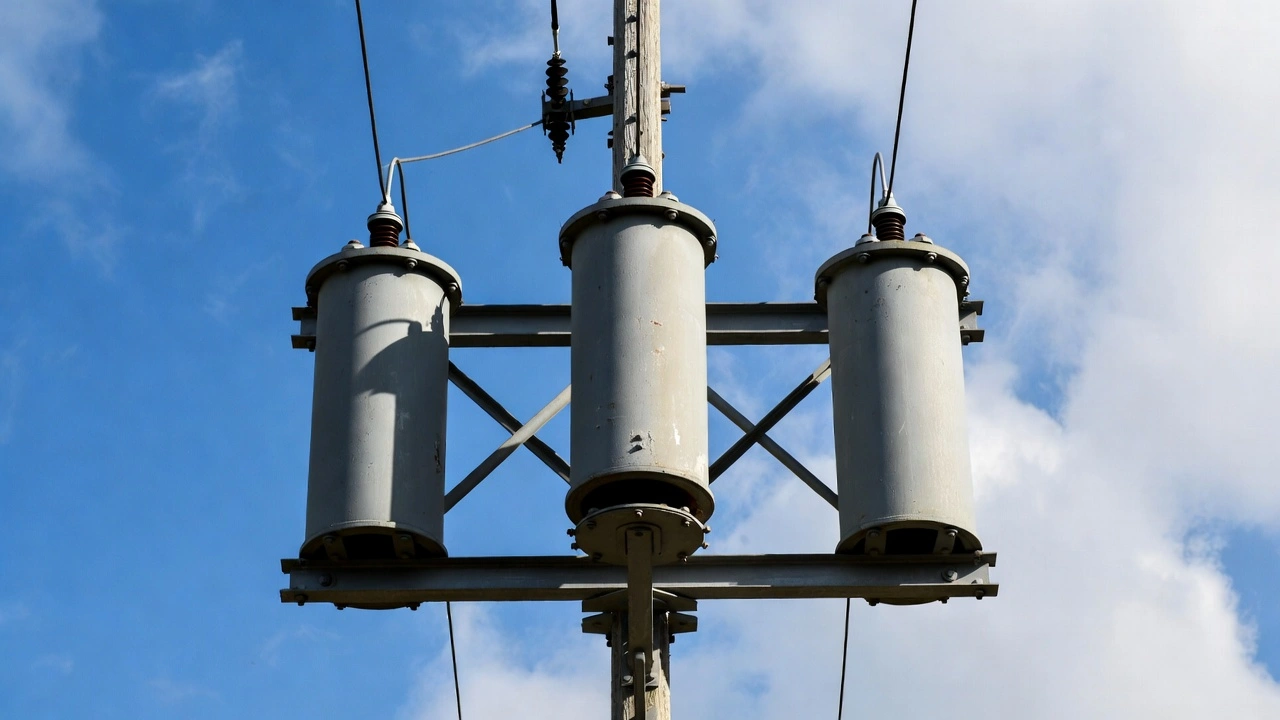
A three-phase overhead transformer is designed to supply higher power loads and balanced three-phase systems. Often called a pole-mounted or triplex transformer, steps down high-voltage three-phase power (typically 4kV–34.5kV) from overhead distribution lines to usable low voltages like 208Y/120V, 480Y/277V, or 240/480V for commercial, industrial, and high-density residential areas.
It operates via electromagnetic induction across three windings (phased 120° apart) on a shared core. High-voltage AC in the primary windings creates a rotating magnetic field, inducing balanced lower voltages in the secondary windings—no direct connection between sides. Configurations include delta-delta, wye-wye, delta-wye, or open delta for flexibility.
Usually three single-phase units banked together (triplex design) or a single integrated unit, these oil-immersed transformers feature sealed tanks, bushings, lightning arresters, surge protection, and natural ONAN cooling. Common ratings span 15–500 kVA (up to 300 kVA typical for pole mount), offering higher efficiency, smoother power delivery for motors/heavy loads, and reduced conductor needs compared to single-phase.
Ideal for balanced, high-capacity overhead systems in urban/suburban grids.
Phase Relationship
In three-phase systems, the voltage waveforms are separated by 120 degrees. This configuration provides smoother power delivery and better motor performance.
Typical Characteristics
- Three primary and three secondary windings
- Higher power output capability
- Balanced load handling
- Reduced conductor material per kVA
Applications
|
Application |
Typical Capacity |
|
Industrial facilities |
100–500 kVA |
|
Small commercial complexes |
75–300 kVA |
|
Agricultural processing |
150–500 kVA |
Three-phase systems are preferred where high power and motor-driven equipment are required.
5. Electrical Principles: Phase and Three-Phase Systems
In AC electrical systems, a phase refers to an alternating current (AC) voltage waveform that oscillates sinusoidally over time. The number of phases determines how power is generated, transmitted, and delivered.
Single-phase systems use one AC waveform (or two in split-phase setups common in homes). The voltage alternates between positive and negative, creating a single sine wave. Power delivery pulses twice per cycle, dropping to zero at zero-crossings. This makes single-phase suitable for residential and light commercial loads like lighting, appliances, and small motors. Typical voltages include 120V/240V (split-phase in the US) or 230V, using two or three wires (hot, neutral, ground). It's simple, cost-effective, and requires fewer conductors, but less efficient for high power due to higher current for the same load.
Three-phase systems employ three AC waveforms, each offset by 120 degrees electrically. This phase shift ensures continuous power flow: as one phase peaks, others provide support, resulting in smoother, near-constant instantaneous power with minimal ripple. Three-phase transmits more power with less conductor material (about 1.73 times the voltage between phases), reduces vibration in motors, and improves efficiency for heavy loads like industrial machinery, large pumps, elevators, and commercial HVAC. Common configurations include delta or wye (star), with voltages like 208V, 400V, or 480V line-to-line.
Three-phase dominates utility grids and overhead distribution for its superior balance, efficiency, and capacity over single-phase. Three-phase systems transmit more power using less conductor material—an important factor for long-distance power transmission.
6. Single Phase VS Three Phase: Technical Comparison Table
|
Parameter |
Single Phase Overhead Transformer |
Three-Phase Overhead Transformer |
|
Power Range |
10–167 kVA |
75–500 kVA |
|
Phase Configuration |
1 phase |
3 phase (120 degrees apart) |
|
Application |
Residential, small business |
Industrial, high power |
|
Cost |
More cost effective |
Higher initial cost |
|
Efficiency at High Load |
Moderate |
Higher |
|
Conductor Utilization |
Lower |
Better |
|
Installation Complexity |
Simple |
Moderate |
|
Space Requirement |
Compact |
Larger |
7. Voltage Levels & Power Demand Considerations
Selecting the correct overhead distribution transformer requires analyzing:
- Incoming high voltage level
- Required secondary voltage
- Total power demand
- Load growth forecast
Typical voltage levels:
|
Primary Voltage |
Secondary Voltage |
Application |
|
11kV |
400/230V |
Urban distribution |
|
13.8kV |
480/277V |
Commercial |
|
33kV |
400V |
Industrial |
For increasing power demand, three-phase solutions are recommended due to scalability and efficiency.
8. Installation, Safety & High Voltage Operation
Overhead transformers must withstand:
- Lightning surges
- Temperature variations
- Wind loads
- Pollution and humidity
Design considerations include:
- Insulation coordination
- Surge arresters
- Short-circuit strength
- Oil expansion space
A qualified overhead transformer manufacturer ensures compliance with IEC 60076 and IEEE C57 standards.
Safety is critical because units operate under high voltage conditions, often above 10kV primary.
9. Cost Analysis: Small Commercial vs High Power Use
When selecting overhead (pole-mounted) transformers for commercial applications, cost considerations differ significantly between small commercial setups (e.g., retail shops, small offices, light loads under 50–100 kVA) and high power use (e.g., larger facilities, industrial motors, heavy HVAC, or multi-unit buildings exceeding 100–300 kVA).
Small commercial applications typically favor single-phase overhead transformers due to lower upfront costs. A typical 25–75 kVA single-phase unit ranges from $1,200–$4,000 (2026 pricing), with simpler installation, fewer conductors, and basic utility connections costing $2,000–$5,000 total. These are ideal for loads like lighting, computers, and small appliances, where power demand stays moderate. Operational costs remain low with high efficiency (97–98.5%) and minimal maintenance, making single-phase cost-effective for budgets prioritizing simplicity and quick setup. However, for growing loads, inefficiency and higher current can increase long-term energy losses.
High power use demands three-phase overhead transformers (often 100–500 kVA, priced $4,000–$20,000+ or more for banks of units). Initial costs are higher—utility upgrades, complex wiring, and labor can add $5,000–$10,000+—but three-phase excels in efficiency (98–99%), transmitting more power with less conductor material (up to 25–40% savings on cabling) and reduced losses (e.g., lower heat and energy waste over 5–10 years). Balanced power delivery suits motors, elevators, and heavy equipment, cutting operational expenses and improving reliability for continuous high loads.
From a financial perspective:
Single Phase Advantages
- Lower manufacturing cost
- Reduced transportation weight
- Ideal for small commercial applications
Three-Phase Advantages
- Lower cost per kVA
- Higher energy efficiency
- Better for continuous industrial operation
Long-term energy savings often offset the higher upfront cost of three-phase systems.
In summary: Choose single-phase for small commercial to minimize initial investment; opt for three-phase in high-power scenarios for superior long-term savings, efficiency, and scalability in overhead distribution systems.
10. Selection Guide for International Projects
When selecting an overhead transformer for export projects:
- Define voltage levels
- Determine the maximum and average load
- Consider future expansion
- Evaluate ambient temperature
- Confirm mounting height and pole strength
- Assess the power distribution network design
For rural electrification, single-phase overhead transformers remain practical and cost-effective. For industrial parks or urban centers, three-phase systems provide better performance.
11. Engineering Checklist
Before procurement:
- Confirm primary and secondary voltage
- Verify short circuit impedance
- Evaluate the cooling method
- Check tap changer range
- Confirm insulation class
- Assess transport packaging
- Ensure compliance with destination country standards
The choice between a single-phase overhead transformer and a three-phase overhead transformer depends primarily on power demand, load type, and system expansion requirements.
Single-phase units are ideal for residential and small business applications where cost-effective solutions are required. Three-phase systems provide higher power capability, improved conductor efficiency, and superior performance for industrial and high-power environments.
A professional overhead transformer manufacturer must design solutions that are reliable and efficient, capable of long-term outdoor operation, and compliant with international standards.

Related Articles
Related Products
336.4 MCM Tulip AAC Cable
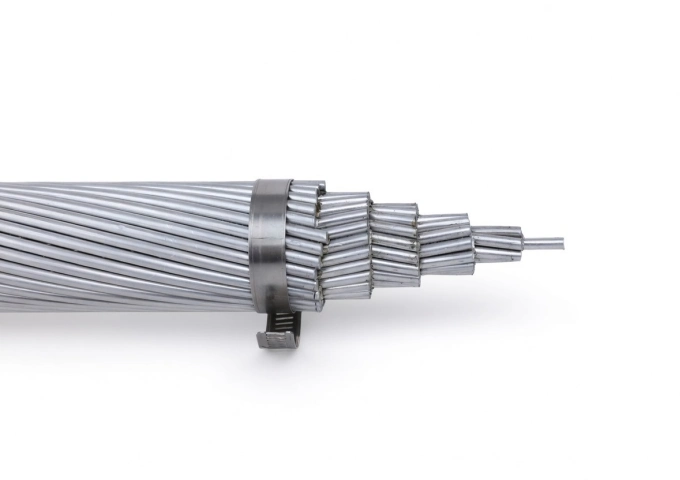
The 336.4 MCM Tulip AAC Cable is a high-performance All Aluminum Conductor designed for demanding overhead power transmission and distribution lines. Manufactured with 19 strands of premium 1350-H19 aluminum wire in a concentric lay configuration, this bare conductor provides excellent electrical conductivity with a low DC resistance of 0.0514 ohms per 1000 ft at 20°C. Featuring an overall diameter of 0.666 inches and a rated breaking strength of 6,150 lbs, the Tulip AAC delivers a robust ampacity of 513 amps while weighing only 315.8 lbs per 1000 ft. Its optimized strength-to-weight ratio minimizes sag and structural loading. Fully compliant with ASTM B-230 and B-231 standards, the 336.4 MCM Tulip AAC Cable offers outstanding corrosion resistance for long-term durability in harsh outdoor environments, making it the preferred choice for utility networks requiring cost-effective, high-reliability bare aluminum conductors.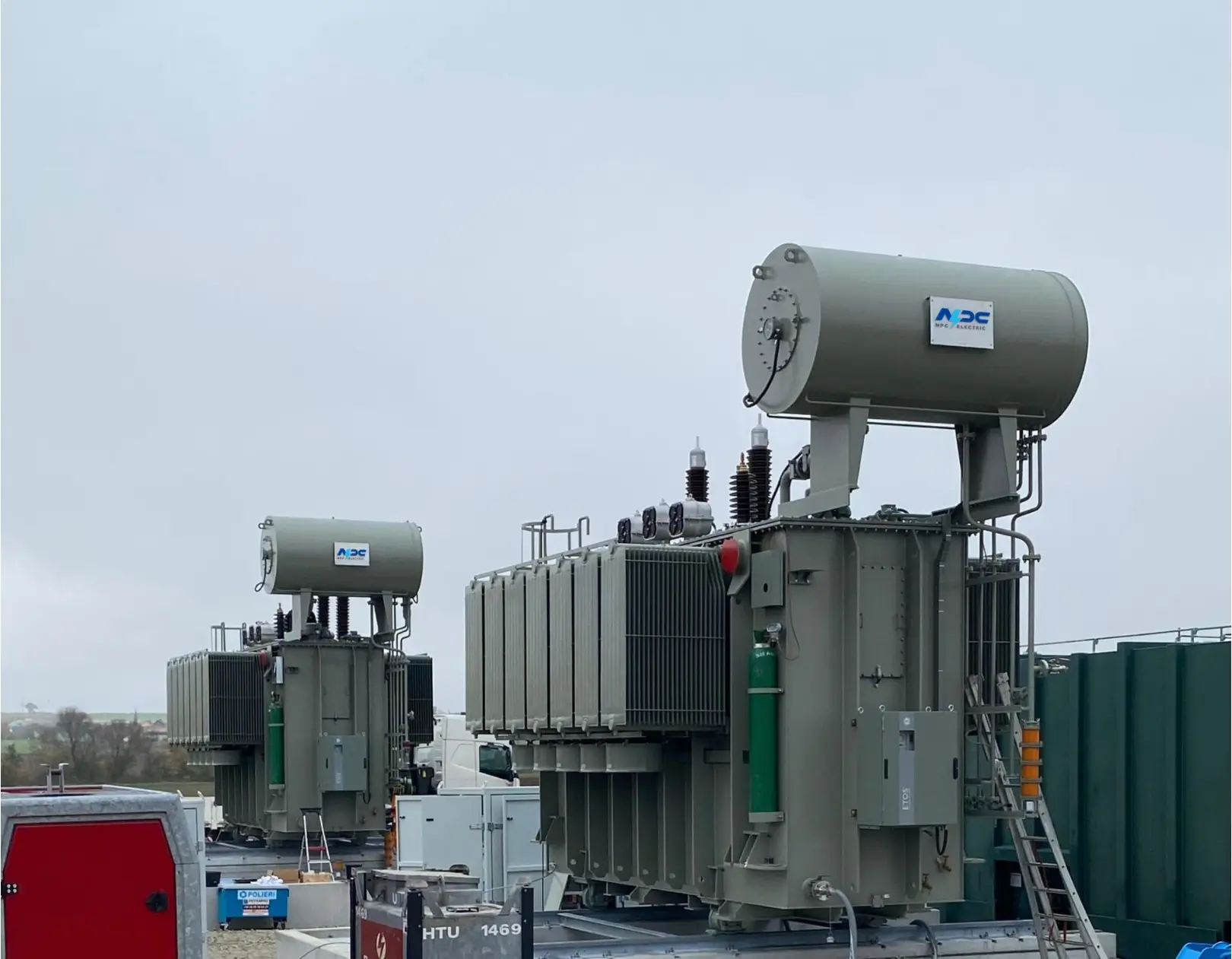
85kV 1850kVA Outdoor Oil Immersed Distribution Transformer Copper
The 85kV 1850kVA Outdoor Oil Immersed Distribution Transformer Copper is specially developed for 66–110 kV regional distribution networks and industrial users. It adopts 99.99 % electrolytic copper windings, high-permeability S13 grain-oriented silicon steel core, corrugated-fin tank + ONAN natural cooling, and ±5 % off-circuit tap changer (on-load optional). Fully compliant with IEC 60076, lightning impulse withstand 395 kV peak, PD <10 pC, noise ≤60 dB. Fully sealed conservator or sealed-type design with vacuum oil filling + nitrogen sealing guarantees >30-year maintenance-free operation even in high-altitude, high-pollution, or coastal areas. Ideal for mining, metallurgy, wind/solar grid connection, petrochemical plants, and urban 85 kV substations requiring maximum reliability and minimum losses.
75kVA Dry Type Transformer | High Efficiency Indoor Power Transformer
The 75kVA Dry Type Transformer is a compact, three-phase, high-efficiency indoor power transformer engineered for safe, reliable voltage transformation in commercial, institutional, and light industrial environments. Utilizing advanced cast-resin or vacuum pressure impregnated (VPI) insulation technology, it eliminates oil-related fire hazards, maintenance requirements, and environmental risks while delivering exceptional performance in confined spaces, high-rise buildings, hospitals, schools, data centers, office complexes, and renewable energy tie-in applications.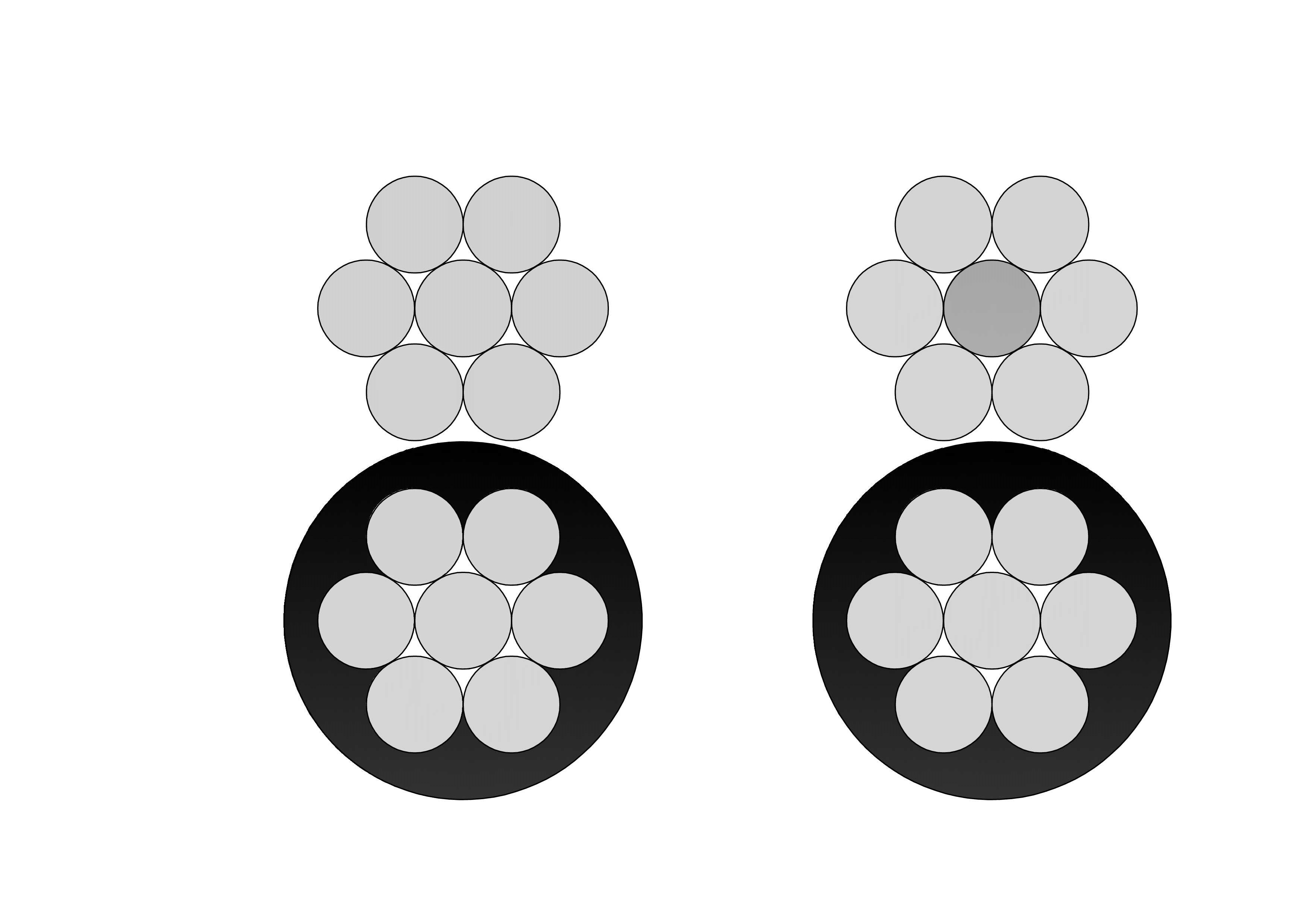
6 Shepherd Aluminum Conductor Duplex Overhead Service Drop Cable
The 6 Shepherd Duplex Service Drop Cable is a durable overhead cable for secondary power distribution to residential service entrances. Featuring two 6 AWG aluminum conductors (phase and neutral, 7-strand) insulated with XLPE or PE and assembled in duplex configuration, it provides excellent weather resistance and mechanical strength. Compliant with ASTM B-230, B-231, ICEA S-76-474, and ANSI/ICEA standards, this cable supports 600V applications with high UV, moisture, and abrasion protection. The self-supporting design simplifies installation with reduced sag over spans up to 100 feet. The 6 Shepherd Duplex Service Drop Cable ensures low power losses, reliable performance in harsh outdoor conditions, and long service life. Lightweight and flexible, it is widely used for single-phase service drops in urban, suburban, and rural areas requiring safe, cost-effective aerial connections from utility poles to homes.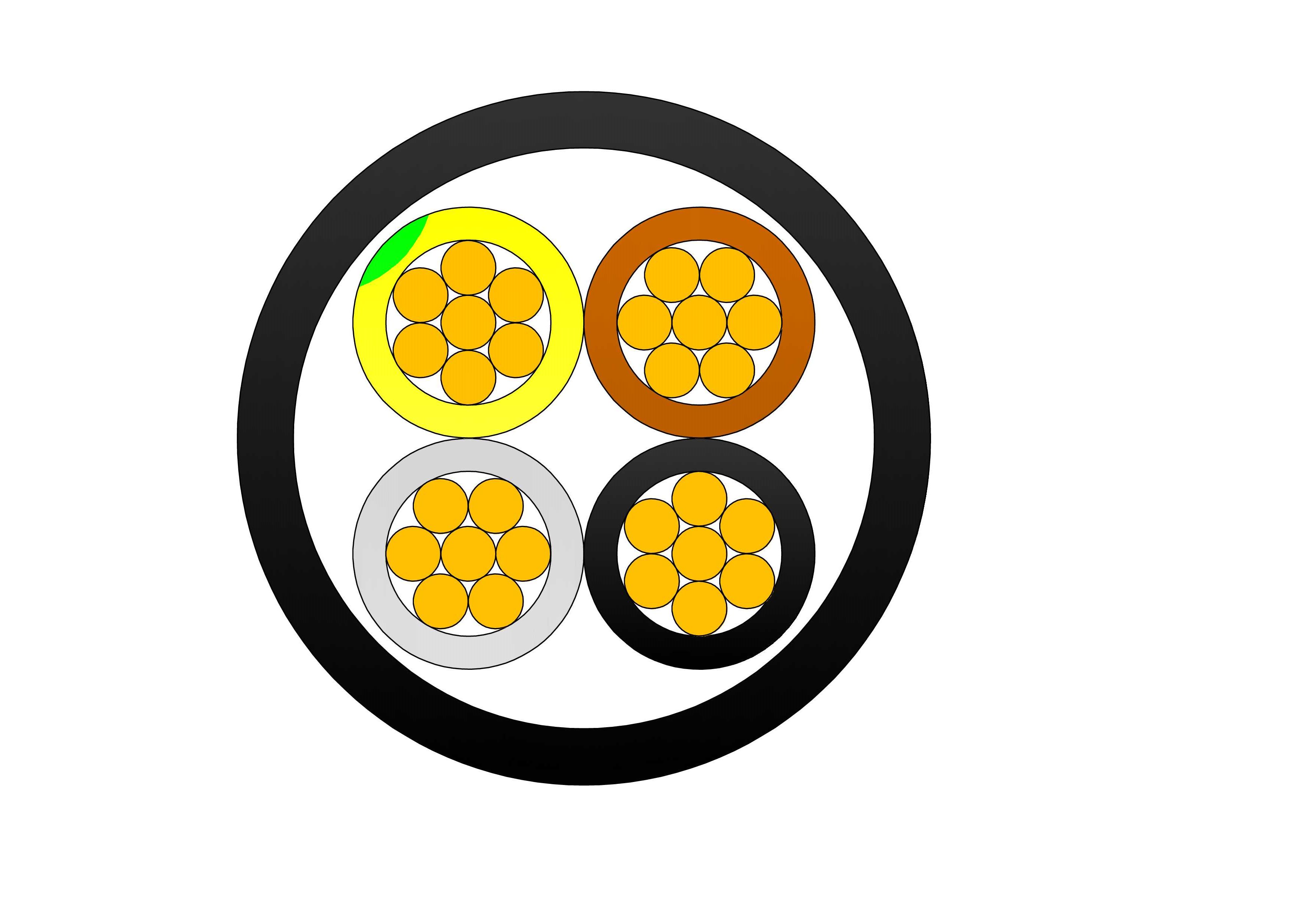
MV Submarine Cable
The Medium Voltage Submarine Cable MV XLPE Armoured is a robust underwater power cable engineered for reliable medium voltage transmission in marine environments. It features stranded copper or aluminum conductors, cross-linked polyethylene (XLPE) insulation for superior electrical and thermal performance, metallic water-blocking sheath, galvanized steel wire armour for mechanical protection, and a heavy-duty outer serving. Designed for voltage levels from 6/10kV to 66kV, this cable ensures low transmission losses, excellent hydrostatic pressure resistance, and long service life in harsh seabed conditions. Manufactured according to IEC 60502-2 and CIGRE recommendations, the Medium Voltage Submarine Cable MV XLPE Armoured is ideal for offshore wind farms, island-to-mainland power links, and oil & gas platform connections. Its advanced construction provides outstanding water tightness, corrosion resistance, and mechanical strength, making it a trusted solution for safe and efficient subsea power transmission.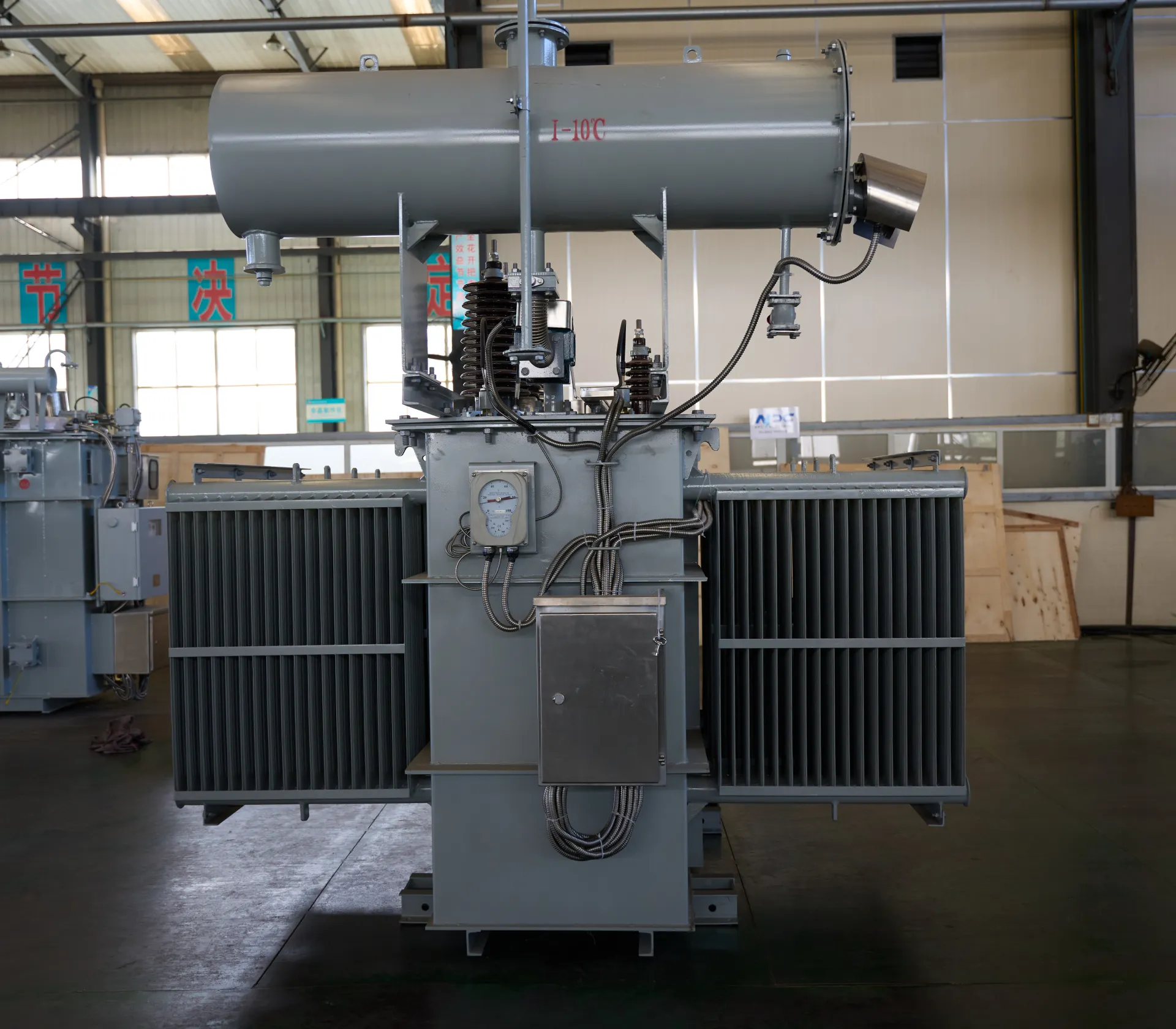
20kV Three-Phase Oil-Immersed Power Transformer 50-2500kVA Copper
The 20kV Three-Phase Oil-Immersed Power Transformer 50-2500kVA Copper adopts high-purity electrolytic copper windings, Class A insulation, and advanced ONAN cooling design. Available in energy-saving S11/S13/S20 series with no-load loss reduced by up to 40%. Fully sealed corrugated tank or conservator type effectively prevents oil aging and moisture ingress. It complies with IEC 60076, GB/T 1094, and can be equipped with ±5% or ±2×2.5% off-circuit tap changer. Low noise (<55 dB), strong short-circuit withstand capability, and overload capacity make it ideal for industrial parks, commercial buildings, and renewable energy projects. Vacuum oil filling and nitrogen sealing ensure insulation performance for over 30 years. Factory supports full third-party inspection (SGS/BV) and provides type test reports.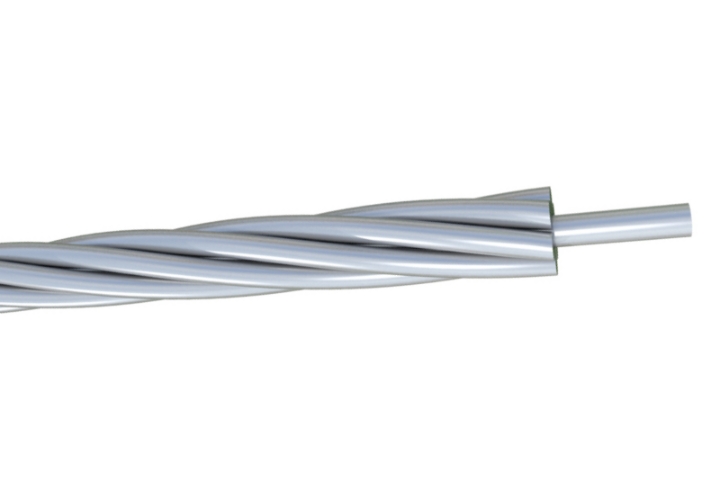
High Quality 16 Gauge Galvanized Steel Conductor Wire Supplier
The 16 Gauge Galvanized Steel Conductor Wire is a versatile and durable solution for electrical and construction applications. Made from premium steel and coated with a high-quality zinc layer through hot-dip galvanization, it provides superior resistance to corrosion and environmental wear. This wire is engineered to deliver consistent tensile strength while maintaining flexibility, making it suitable for grounding systems, fencing, and binding applications. The 16-gauge size ensures easy handling and adaptability for various installation requirements. Its uniform zinc coating enhances longevity and reduces maintenance costs, especially in outdoor environments exposed to moisture and chemicals. Manufactured under strict quality control systems, the wire meets international standards for performance and reliability. With customizable specifications such as coating thickness and tensile strength, the 16 Gauge Galvanized Steel Conductor Wire is widely trusted by contractors and industrial users for its durability and cost-effectiveness.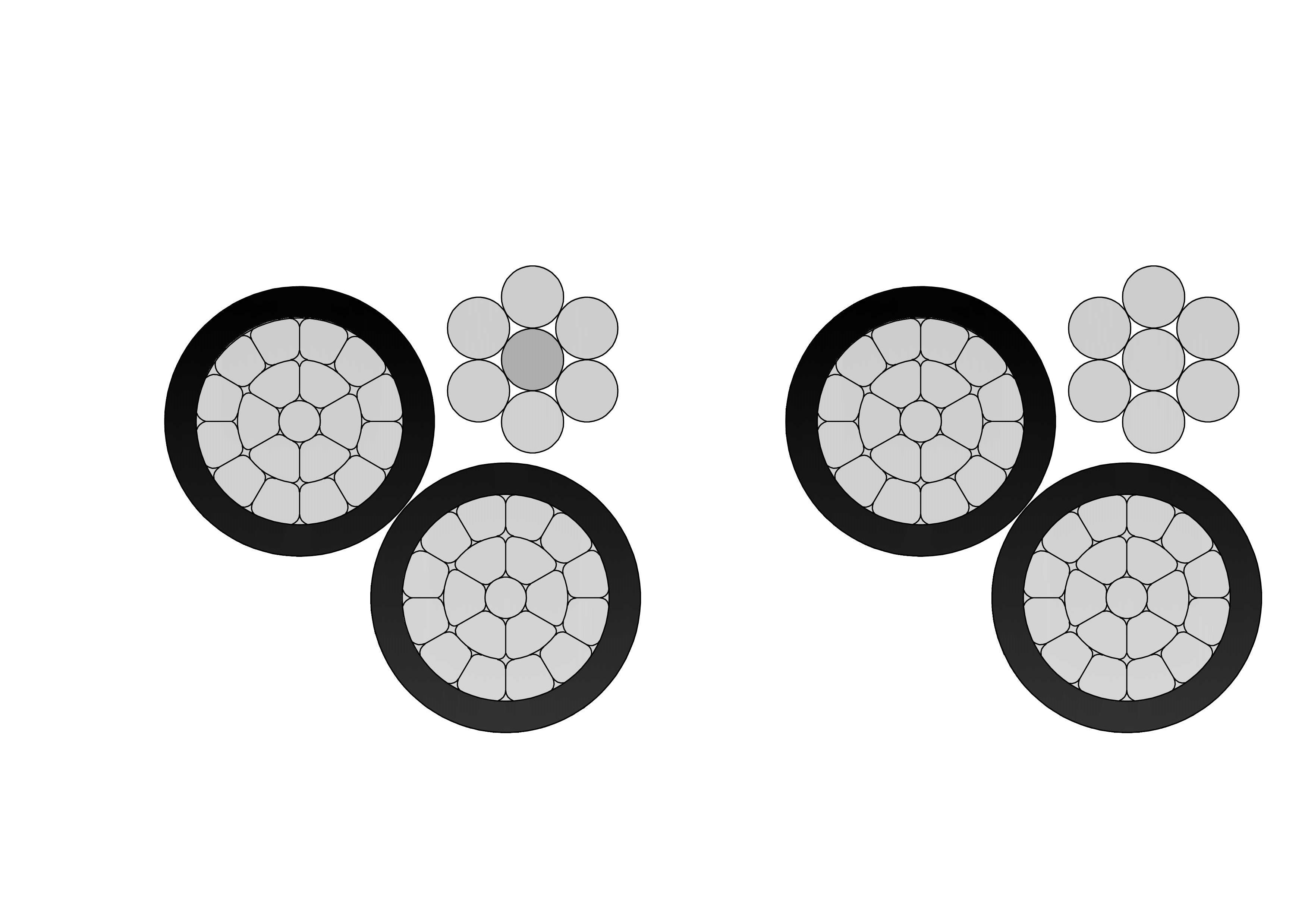
4 Barnacles Aluminum Conductor Triplex Overhead Service Drop Cable
The 4 Barnacles Aluminum Conductor Triplex Overhead Service Drop Cable is designed for reliable overhead electrical service connections in residential and light commercial utility distribution systems. The cable structure includes two insulated aluminum phase conductors twisted around a bare aluminum neutral messenger, providing stable electrical transmission and dependable mechanical support. Manufactured using high-quality aluminum and durable weather-resistant insulation compounds, the 4 Barnacles Aluminum Conductor Triplex Overhead Service Drop Cable offers low electrical resistance, strong corrosion resistance, and long service life in outdoor environments. Its optimized conductor construction allows efficient installation while maintaining adequate tensile strength for aerial applications. The cable is engineered to perform reliably under UV exposure, wind loading, and temperature variation. Comprehensive quality management systems and standardized testing procedures are implemented throughout production to ensure compliance with utility and industry standards and to deliver consistent, dependable performance in service.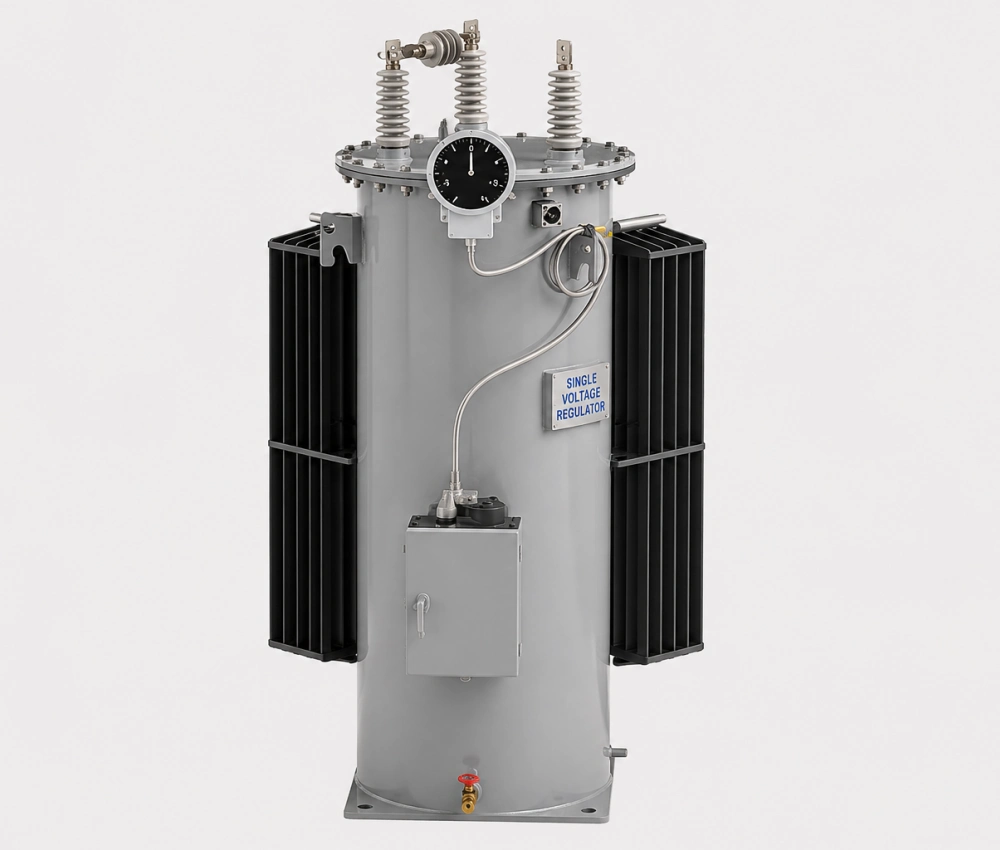
Step Voltage Regulator for Overhead Line & Substation | Automatic On-Load Tap Changer
The Step Voltage Regulator for Overhead Line & Substation is a high-performance, automatic on-load tap-changing device engineered to maintain stable voltage levels in fluctuating distribution networks. Utilizing premium copper windings, high-permeability silicon steel cores, and a motorized on-load tap changer, this regulator delivers precise ±10% to ±20% voltage correction with fast response and minimal waveform distortion. It features an advanced microprocessor-based AVR controller with remote communication capability (RS485/GSM/4G), real-time monitoring, and multiple protection functions including over-voltage, under-voltage, overload, and reverse power. Designed for both pole-mounted overhead line installation and substation applications, it offers excellent overload capacity, low losses, and long service life under harsh outdoor conditions. Fully sealed, oil-immersed construction with advanced corrosion protection ensures reliable operation in tropical, coastal, or heavily polluted environments while complying with IEC 60076-21 and ANSI C57.15 standards.
4 Eskimo Aluminum Conductor Duplex Overhead Service Drop Cable
Our 4 Eskimo Duplex Service Drop Cable provides reliable overhead secondary distribution for residential applications. Consisting of two 4 AWG aluminum conductors (one phase, one neutral, 7-strand) insulated with cross-linked polyethylene (XLPE) and twisted in duplex form, it meets ASTM, ICEA, and international standards. The robust insulation resists sunlight, moisture, and mechanical damage for decades of outdoor service. Lightweight design simplifies installation with low sag and easy handling. The 4 Eskimo Duplex Service Drop Cable ensures minimal losses, high current capacity, and excellent weather performance up to 600V. Self-supporting configuration reduces pole loading. Flame-retardant options enhance safety. Commonly chosen for single-phase power delivery in subdivisions, rural homes, and temporary connections requiring safe, economical aerial bundled solutions with proven durability.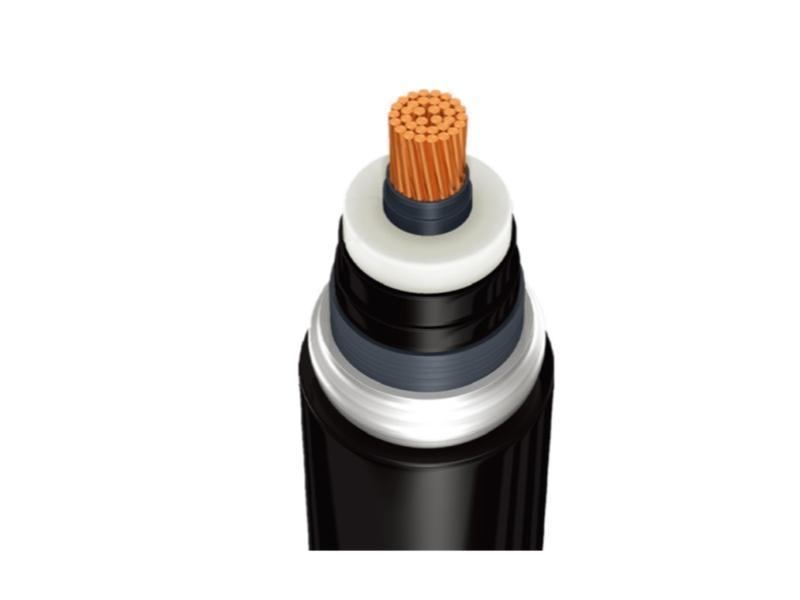
High Voltage Power Cable
NPC Electric High Voltage Power Cable is engineered for reliable transmission of electricity at voltages from 35kV to 500kV. Featuring copper or aluminum conductors, cross-linked polyethylene (XLPE) insulation, metallic screening, and a robust outer sheath, this cable minimizes losses and ensures long-term performance in demanding environments. Designed to meet international standards like IEC 60840 and IEC 62067, it offers excellent electrical properties, mechanical strength, and resistance to moisture, chemicals, and thermal stress. Whether for underground burial, submarine applications, or overhead lines, our High Voltage Power Cable delivers superior efficiency and safety. With low dielectric losses and high breakdown strength, it supports modern power grids, renewable energy integration, and industrial power distribution. Choose our cables for minimal maintenance, extended service life, and compliance with global safety norms.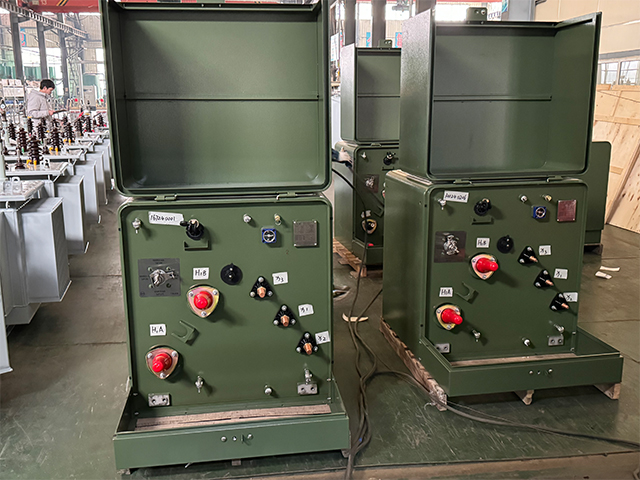
37.5kVA Single Phase Pad Mounted transformer
The 37.5kVA Single Phase Pad Mounted transformer with high voltage (HV) specifications of 24.94GRDY/14.4 kV and low voltage (LV) of 240/120V. At its core lies a robust tank, constructed from resilient alloy 304 stainless steel, guaranteeing longevity even in the harshest conditions. The HV and LV windings, equally critical components, are meticulously crafted from high-quality aluminum to ensure unwavering performance.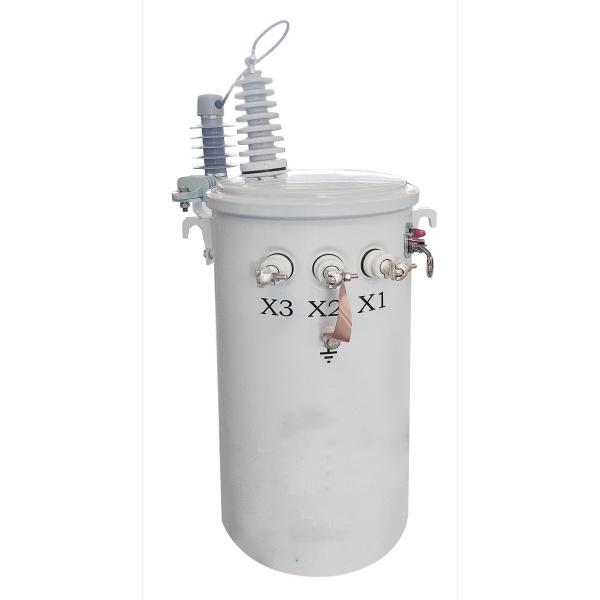
37.5kVA Completely self-protected(CSP) Single Phase Pole Mounted Transformer
37.5kVA Completely self-protected(CSP) Single Phase pole Mounted transformer is an efficient and reliable power equipment designed to provide a stable single-phase power supply. The transformer adopts fully self-protection technology and has built-in multiple protection functions such as overload, short circuit, and overvoltage to ensure that the transformer automatically cuts off the power supply under abnormal conditions, effectively avoiding equipment damage and ensuring the safe operation of the system.2Y-high-voltage-power-cable-2.webp)
2XS(FL)2Y HDPE High Voltage 76/132 (145)kV Power Cable
The 2XS(FL)2Y HDPE High Voltage 76/132 (145) kV Power Cable is a single-core copper conductor cable with XLPE insulation and HDPE sheath, engineered for reliable high-voltage power transmission in demanding environments. Manufactured according to IEC 60840 standards, it delivers outstanding electrical performance, water resistance, and mechanical protection. Suitable for installation underground, underwater, outdoors, indoors, and in cable ducts, making it ideal for power stations, industrial sites, and distribution networks. It features stranded copper conductors for optimal conductivity, semi-conductive conductor screen, premium-grade XLPE insulation for exceptional dielectric performance and 90°C continuous rating (250°C short-circuit), semi-conductive insulation screen, concentric copper wire screen combined with aluminium laminated foil for longitudinal water-blocking, electromagnetic shielding, and grounding, and a high-density polyethylene (HDPE) outer sheath delivering superior mechanical protection, moisture resistance, chemical stability, and UV resistance.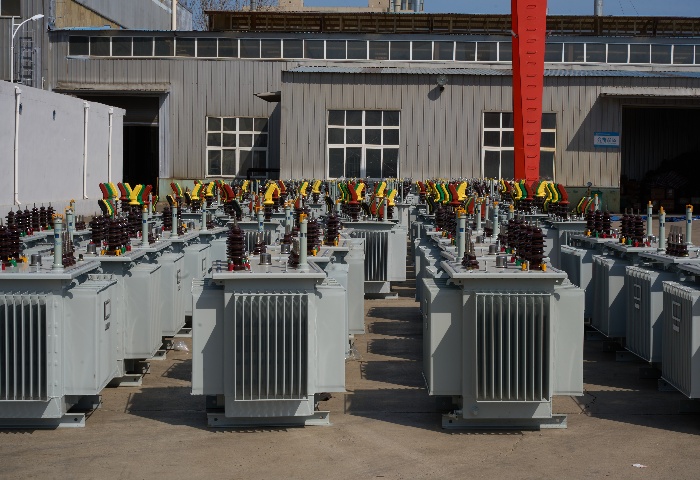
630kVA Oil Immersed Transformer
NPC ELECTRIC’S 630kVA oil-immersed transformer adopts a high-efficiency and energy-saving design, complies with the IEC 60076 international standard, and ensures stable operation and long life. Its high-quality silicon steel core and high-performance insulating oil provide excellent electrical performance and heat dissipation capabilities. ONAN cooling, aluminum or copper windings, high-voltage 34.5kV / 24.94kV / 13.8kV / 12.47kV / 4.16kV (delta or wye), low-voltage 480Y/277V, 208Y/120V, 600Y/347V or custom, ±2×2.5% HV taps.Welcome your inquiry
Honesty, Integrity, Frugality, Activeness and Passion