PVC Cable: Durability, Cost-Effectiveness, and Versatility
2026-01-14
Polyvinyl chloride (PVC) has long been one of the most widely used materials in the manufacturing of electrical cables. Whether it is PVC-coated MC cables, PVC jacketed MC cables, or PVC electrical cables, PVC cables have earned a reputation for their durability, versatility, and cost-effectiveness in a wide range of electrical applications. The combination of abrasion resistance, heat resistance, and fire-resistant properties makes PVC an excellent choice for both residential and industrial power distribution systems.
What is PVC Cable?
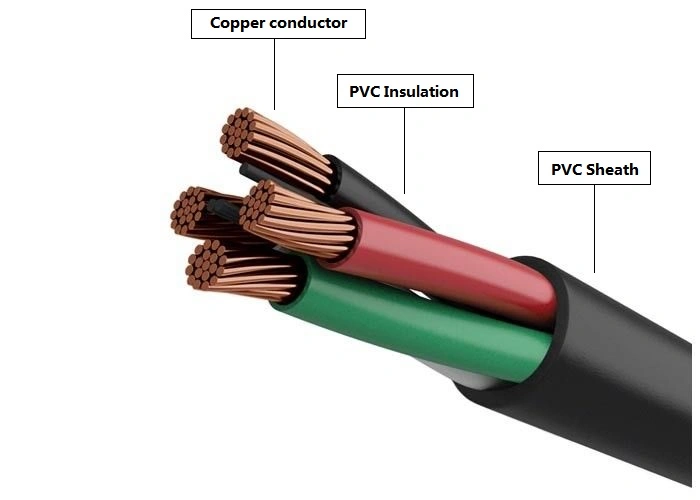
PVC cables are electrical cables with a polyvinyl chloride (PVC) outer jacket or insulation. PVC insulation is commonly used in wires and cables because of its high dielectric strength, abrasion resistance, heat resistance, and low cost. This insulation type is found in various electrical products, ranging from electric wire used in residential homes to large industrial power cables.
PVC-coated cables are often chosen because they provide temperature range flexibility and can endure harsh environments. This is particularly useful in outdoor installations, where cables must withstand physical wear, exposure to chemicals, and UV radiation.
Key Properties of PVC Cables
The success of PVC cables can be attributed to the unique combination of materials used, giving them distinct advantages over other types of cables.
1. Durability and Abrasion Resistance
One of the most significant benefits of PVC cables is their abrasion resistance. PVC-coated cables can withstand mechanical wear and tear, which makes them an ideal choice for high-traffic areas where cables may be subject to physical damage.
This durability ensures a longer lifespan for the cable, reducing the frequency of replacements and maintenance costs. Whether used in industrial power systems or residential buildings, PVC insulation offers superior protection against physical stresses.
2. Cost-Effectiveness
PVC cables are a highly cost-effective solution compared to other types of insulation materials. The production of polyvinyl chloride PVC is relatively inexpensive, and the material is readily available. This results in lower production costs for insulated cables, making them more affordable for a wide range of applications. As such, PVC electrical cables are commonly used in both low and medium-voltage applications, offering a great balance of cost and performance.
3. Fire Resistance and Flame Retardancy
In many installations, fire-resistant cables are crucial for safety. PVC cables are inherently flame-retardant, making them less likely to catch fire and spread flames compared to cables with less robust insulation. This property is critical in residential, commercial, and industrial applications where fire safety is a top priority.
For additional protection, PVC-coated MC cables (Metal Clad cables) are designed with both fire-resistant properties and the capability to withstand high temperatures, making them suitable for high-voltage environments. These cables are often installed in areas with high fire risks, such as power plants, factories, and chemical plants.
4. Heat Resistance
PVC cables are capable of withstanding elevated temperatures, making them versatile in many applications where the cables are exposed to heat. They perform well within a temperature range of about -15°C to 70°C. For installations that require even more resistance to heat, PVC-insulated cables can be enhanced with additional protective layers to increase their thermal stability.
Variety of Applications for PVC Cables
One of the standout features of PVC electrical cables is their ability to be adapted for a wide range of applications. Below are some of the most common uses of PVC-insulated cables:
1. Residential Wiring
In residential environments, PVC cables are often used for general wiring purposes due to their cost-effectiveness, ease of installation, and safety features. PVC-insulated cables are commonly used in power supply systems, lighting circuits, and appliance connections.
2. Industrial Power Systems
In industrial settings, PVC jacketed MC cables are often used for powering machinery and equipment. These cables are designed to handle heavy-duty operations and offer protection from mechanical damage, environmental conditions, and electrical hazards. The PVC insulation ensures that the cables remain safe and functional even in high-stress environments.
3. Renewable Energy Projects
As the renewable energy sector continues to grow, PVC cables are increasingly used in solar power and wind power systems. These systems require durable and reliable cables that can handle fluctuating voltages and temperatures while maintaining safety standards. PVC-insulated cables are commonly found in solar panel connections, wind turbine systems, and energy storage solutions.
4. Underground Cable Systems
PVC-coated MC cables are ideal for underground installations due to their robust construction and excellent resistance to moisture and physical damage. These cables are used to connect power lines across long distances and are especially useful in urban infrastructure, where space is limited.
Advantages of PVC Coated Cables
PVC-coated MC cables have an additional layer of polyvinyl chloride PVC that enhances their resistance to moisture, chemical corrosion, and physical wear. This makes them ideal for harsh environments, such as outdoor installations or areas exposed to chemicals and oils.
These cables are frequently used in:
-
Utility grid connections
-
Outdoor lighting systems
-
Communication infrastructure
The outer PVC jacket protects the inner wires and insulation, ensuring a long-lasting and reliable power delivery system, even in challenging environments.
|
Feature |
Description |
Application |
|
Voltage Rating |
Suitable for low to medium voltage applications, typically ranging from 600V to 35kV |
Residential, commercial, and industrial power distribution |
|
Insulation Material |
Uses PVC insulation, offering excellent electrical properties, high temperature resistance, chemical resistance, and UV stability |
Power transmission, substations, wind power, solar power, etc. |
|
Temperature Range |
Can operate stably between -15°C and 70°C, with some specialized cables handling higher temperatures |
Indoor wiring, underground cables, outdoor power equipment |
|
Abrasion Resistance |
PVC insulation has high abrasion resistance, preventing performance degradation due to mechanical wear |
Industrial equipment, machinery connections, cable trays |
|
Fire Resistance |
Flame-retardant properties that help reduce the risk of fire spread |
High-risk areas (such as power equipment, building interiors) |
|
Corrosion Resistance |
PVC material is highly resistant to moisture, oils, and chemicals |
Underground power distribution, chemical industries, offshore platforms |
|
Typical Applications |
Used in a variety of applications such as residential wiring, industrial power distribution, and renewable energy projects |
High-voltage power transmission, equipment connections, electrical control systems, construction projects |
Choosing the Right PVC Cable for Your Needs
When selecting the right PVC cable, it is essential to consider the following factors:
-
Voltage requirements: Ensure that the cable’s voltage rating matches your system’s requirements.
-
Environmental conditions: Choose cables with adequate protection based on whether the installation is indoors, outdoors, or underground.
-
Temperature and heat resistance: Consider the temperature range that the cables will be exposed to.
-
Flame-retardant properties: For installations requiring fire safety, select cables with flame-retardant or fire-resistant properties.
PVC cables are a versatile, durable, and cost-effective solution for various electrical systems. Whether used in residential wiring, industrial power systems, or renewable energy projects, PVC electrical cables provide reliable performance and long-lasting durability. Their abrasion resistance, heat resistance, and flame-retardant properties make them ideal for a wide range of applications.
By understanding the unique advantages of PVC insulation, PVC-coated MC cables, and PVC jacketed MC cables, you can make informed decisions about which cable type best suits your specific electrical needs. Choose the right PVC-insulated cable to ensure safe, efficient, and reliable power transmission in your next project.

Related Articles
Related Products
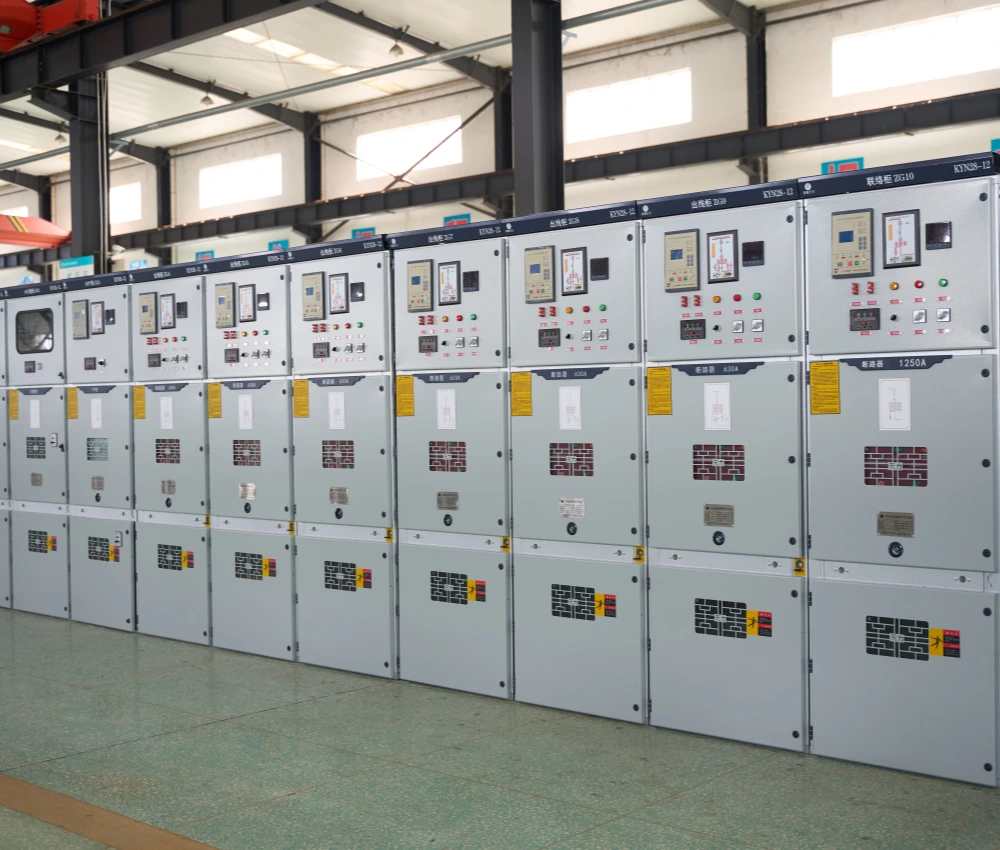
Medium Voltage Switchgear
The Medium Voltage Switchgear is an advanced electrical distribution and protection system engineered for safe, reliable, and efficient medium-voltage power management in utility substations, industrial facilities, renewable energy plants, commercial infrastructure, and smart-grid applications. The system integrates vacuum circuit breakers, disconnect switches, protection relays, busbar assemblies, intelligent monitoring systems, and automation devices into a compact modular enclosure structure to ensure stable electrical distribution and enhanced operational safety. Designed with high-strength insulated structures and precision-manufactured electrical components, the medium voltage switchgear provides outstanding dielectric performance, thermal stability, and mechanical durability under demanding operating conditions. Its modular cabinet configuration improves installation flexibility, simplifies maintenance procedures, and supports future power distribution expansion while minimizing operational downtime and maintenance costs. The Medium Voltage Switchgear supports air-insulated and gas-insulated configurations, intelligent automation systems, remote communication protocols, and smart-grid integration technologies. With customizable protection schemes and scalable electrical distribution capabilities, the switchgear delivers dependable medium-voltage control and protection performance for industrial automation systems, utility power networks, renewable energy integration projects, transportation infrastructure, and mission-critical electrical facilities.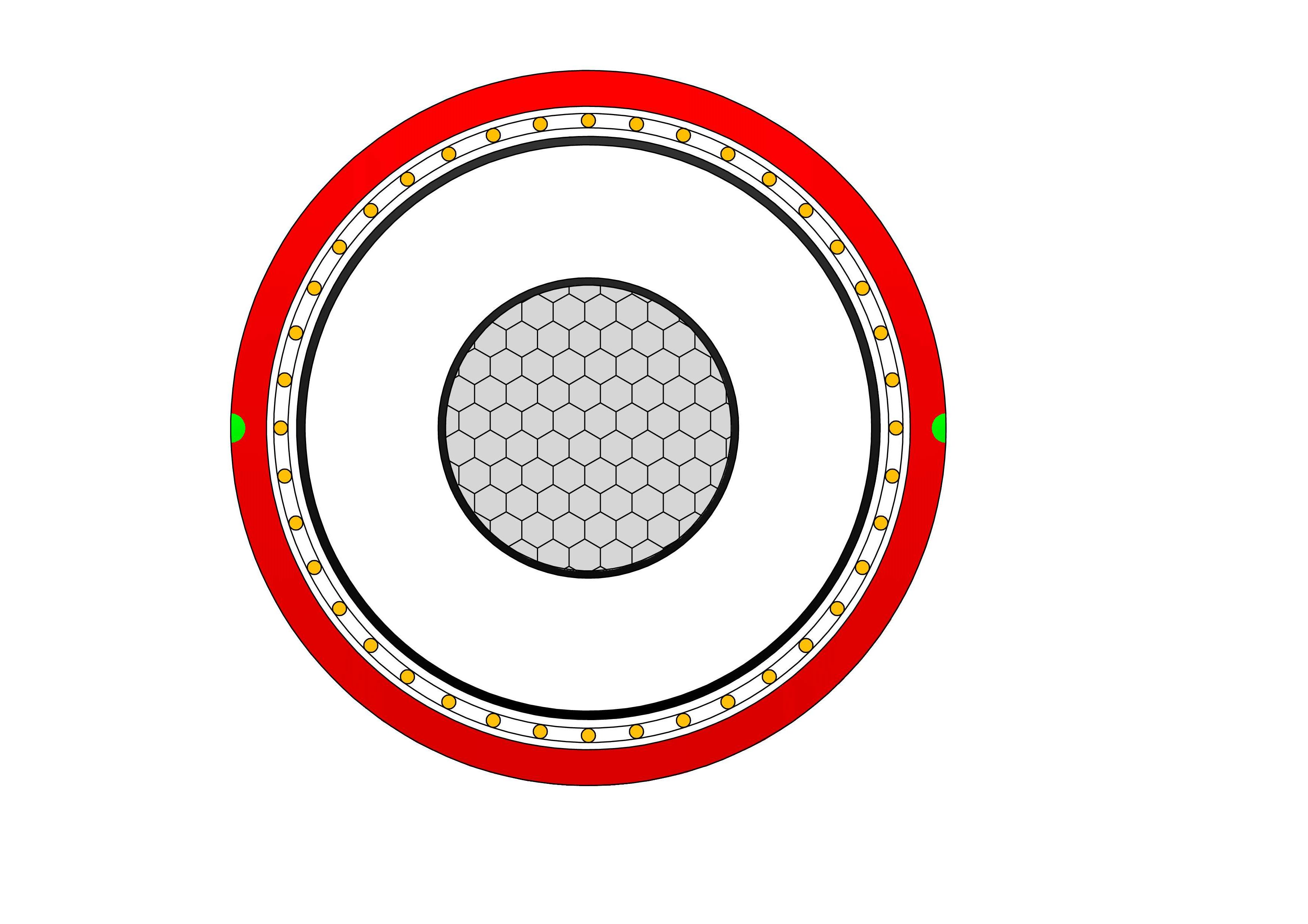
RHZ1-2OL-AL Medium Voltage Power Cable(8.7/15kV, 12/20kV, 18/30kV)
RHZ1-2OL-AL Medium Voltage Power Cable (8.7/15kV, 12/20kV, 18/30kV) is an economical, fire-safe cable for medium voltage distribution. Featuring stranded aluminium conductors, cross-linked polyethylene (XLPE) insulation, metallic screen, and low smoke zero halogen (LSZH) outer sheath, it complies with UNE 21123-4 and CPR standards. In fire conditions, the LSZH sheath emits minimal smoke and no toxic halogen gases, ensuring safety in populated areas. Lightweight aluminium reduces costs and handling effort while providing reliable current capacity. Superior partial discharge resistance, low dielectric losses, and high thermal stability guarantee efficient, long-lasting performance. Suitable for direct burial, ducts, or indoor installations. The RHZ1-2OL-AL Medium Voltage Power Cable is widely used in utilities, hospitals, schools, tunnels, and infrastructure projects requiring cost-effective, environmentally friendly medium voltage cabling with enhanced fire safety and durability worldwide.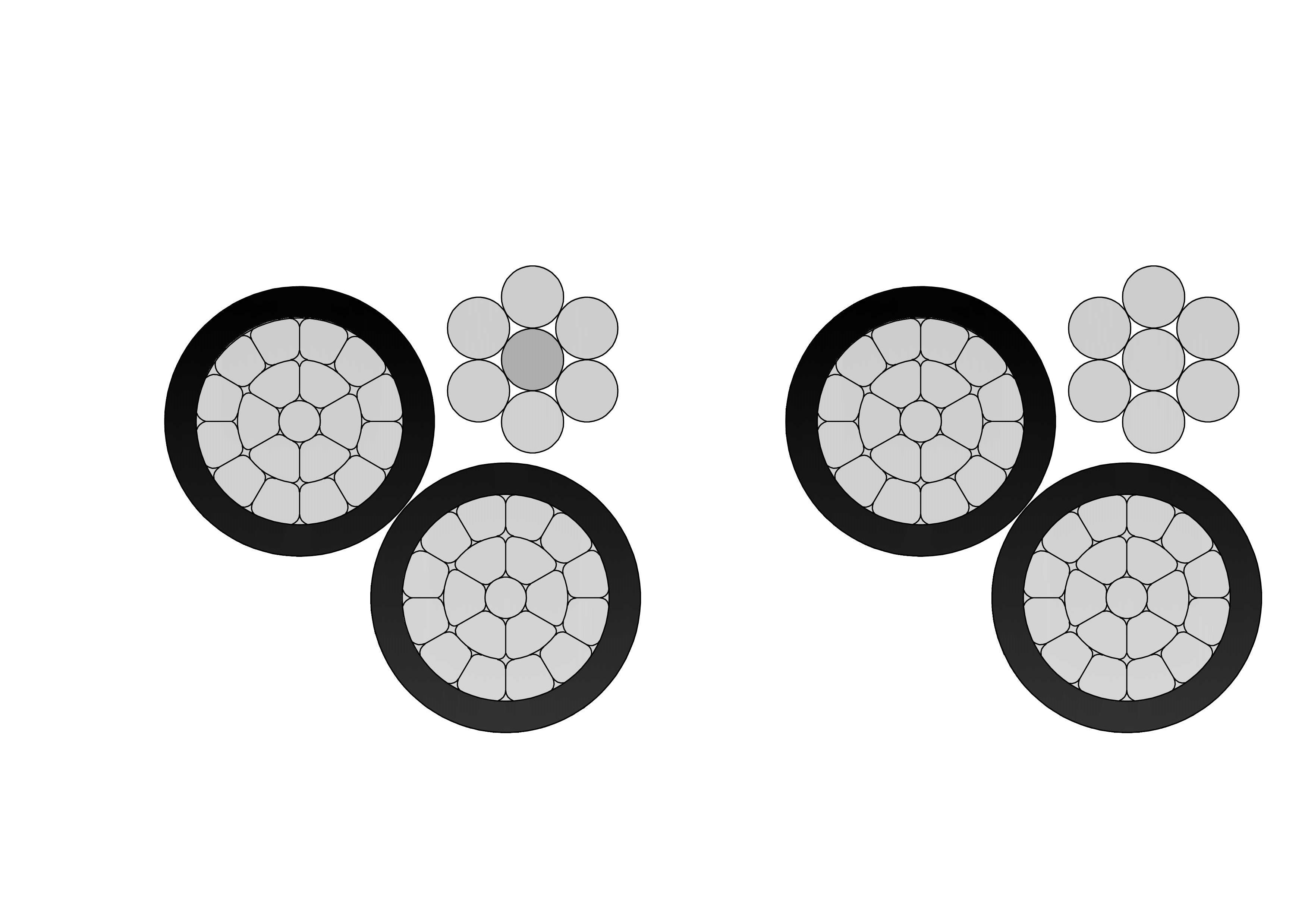
4/0 Cerapus Aluminum Conductor Triplex Overhead Service Drop Cable
4/0-4/0-2/0 Cerapus Aluminum Conductor Triplex Overhead Service Drop Cable provides premium overhead power transmission for utility-to-consumer connections with elevated capacity needs. Featuring concentric or compressed 1350-H19 aluminum phase conductors (#4/0 AWG), black XLPE insulation for enhanced thermal, abrasion, and environmental protection, plus a bare ACSR neutral messenger (#2/0 AWG), it ensures efficient conductivity, corrosion resistance, and structural integrity. Rated 600V phase-to-phase up to 90°C (XLPE), with ≈315A ampacity, it complies with ASTM B-230/B-231/B-232/B-399 and ICEA S-76-474. Its balanced, lightweight design facilitates easy installation while offering robust long-term performance against demanding outdoor factors like extreme temperatures, moisture, UV exposure, and mechanical loads in residential, commercial, and light industrial settings.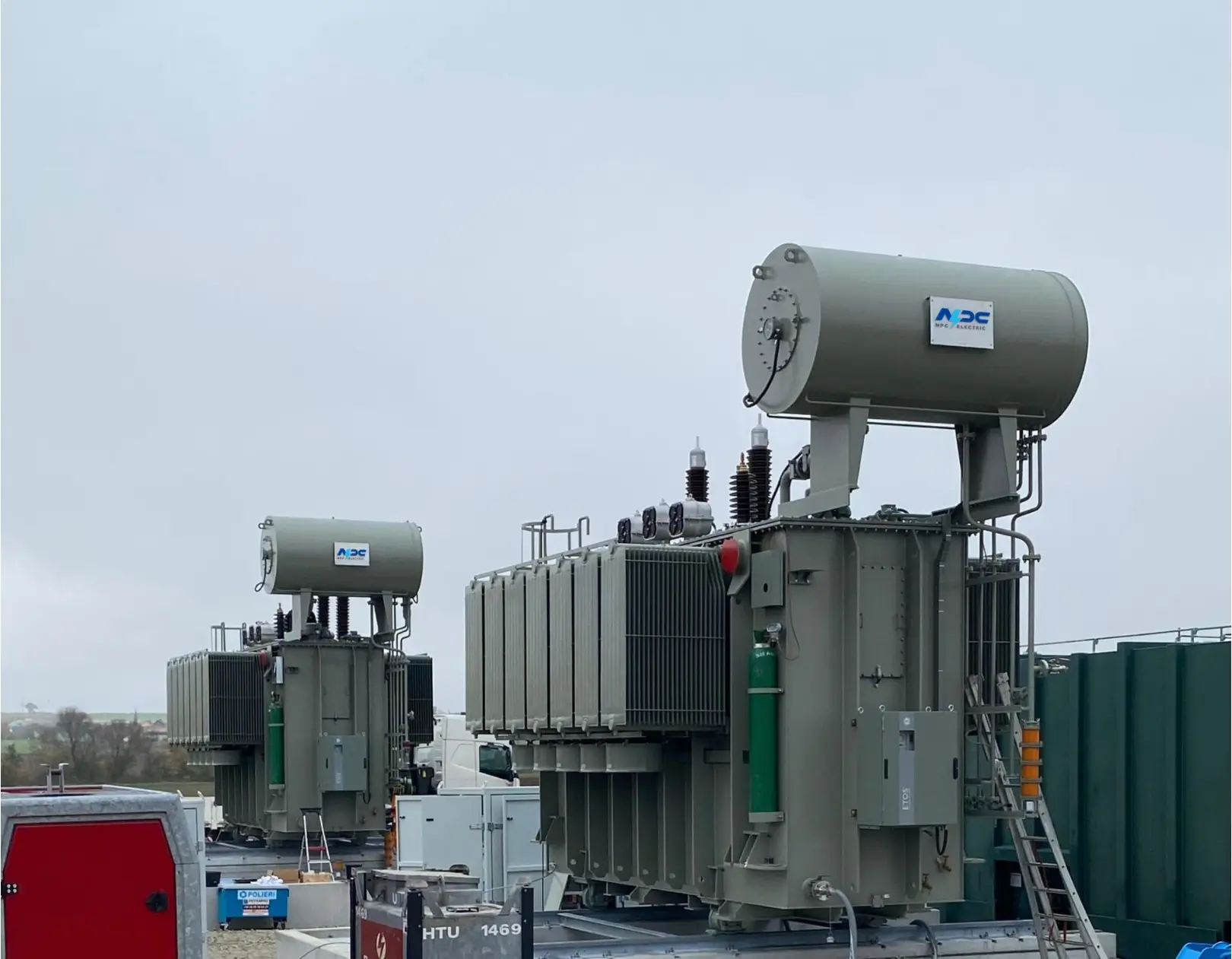
158kV 250MVA Power Transformer – High-Voltage Substation Autotransformer
The 158kV 250MVA High-Voltage Substation Autotransformer is designed for large-capacity power transmission systems where efficiency, voltage stability, and reduced losses are critical. As an autotransformer, it enables optimized power transfer between closely related voltage levels while minimizing material usage and operational losses. The unit features a robust electromagnetic design, reinforced insulation structure, and an oil-immersed cooling system that ensures effective heat dissipation under heavy continuous load. Its mechanical framework is engineered to withstand high electrical stress, short-circuit forces, and long-term outdoor exposure. Intended for backbone substations and grid interconnection points, this autotransformer supports reliable energy exchange in high-voltage networks and contributes to improved system efficiency and reduced lifecycle operating costs.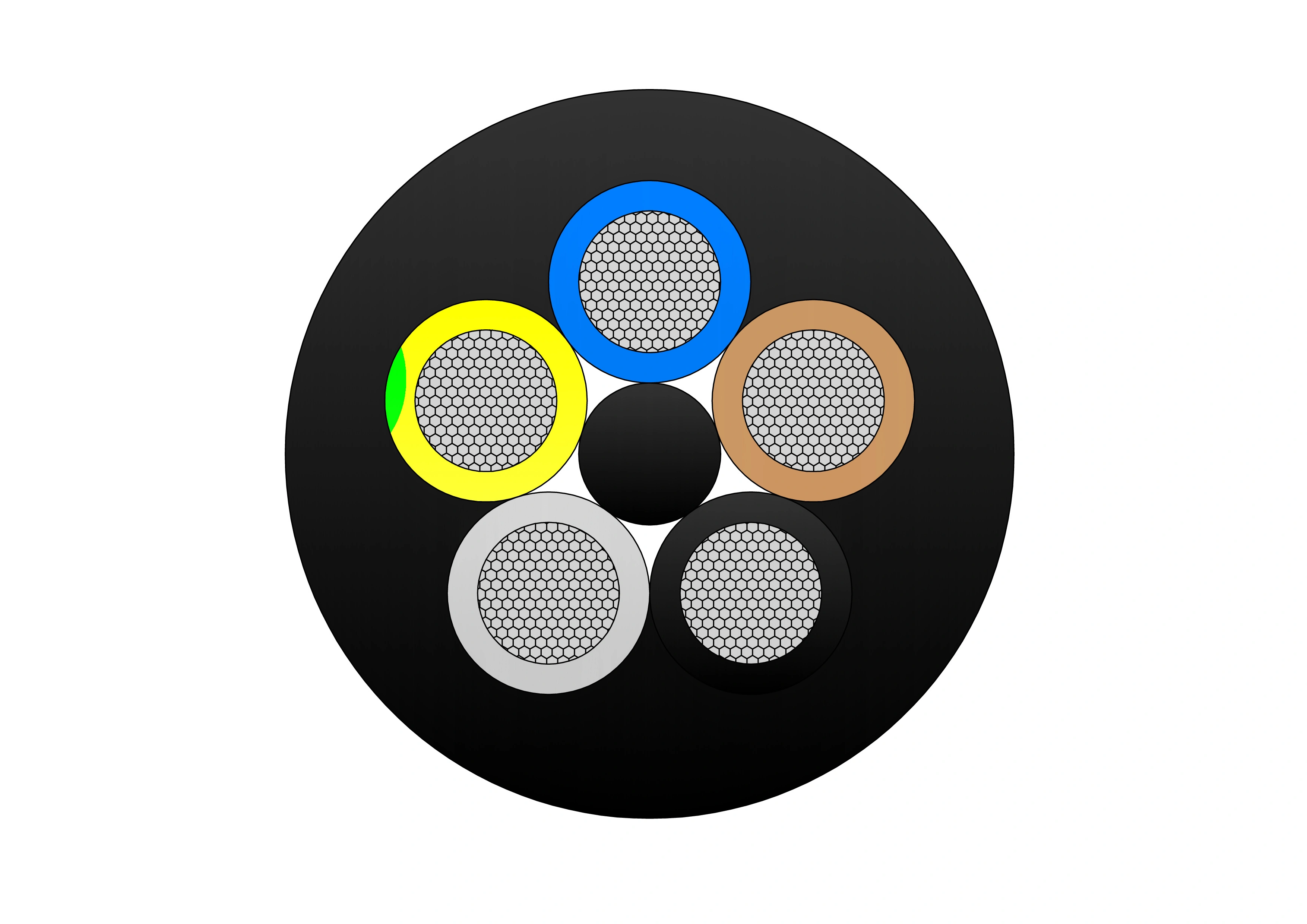
NTSCGECEWOU 3.6/6kV, 6/10kV, 8.7/15kV and 12/20kV Cable
The NTSCGECEWOU 3.6/6kV, 6/10kV, 8.7/15kV and 12/20kV Cable is a flexible, heavy-duty medium-voltage trailing/reeling cable designed for demanding mining and tunnelling operations. It features class 5 finely stranded tinned copper phase conductors for superior flexibility and corrosion resistance, semi-conductive conductor and insulation screens for field control, EPR (ethylene propylene rubber) insulation providing high dielectric strength and 90°C continuous operation, individual copper wire screens serving as earth conductors, control conductors, a monitoring conductor (ÜL), and a robust rubber outer sheath resistant to oil, flame, abrasion, tearing, and mechanical stress. Compliant with DIN VDE 0250, it supports high tensile loads, fast reeling speeds, tight bending radii, and effective EMC shielding across voltage ranges. The NTSCGECEWOU ensures safe, reliable MV power supply to mobile equipment such as shearers, tunnel boring machines, and conveyors in harsh underground and opencast environments, minimising downtime and enhancing operational efficiency.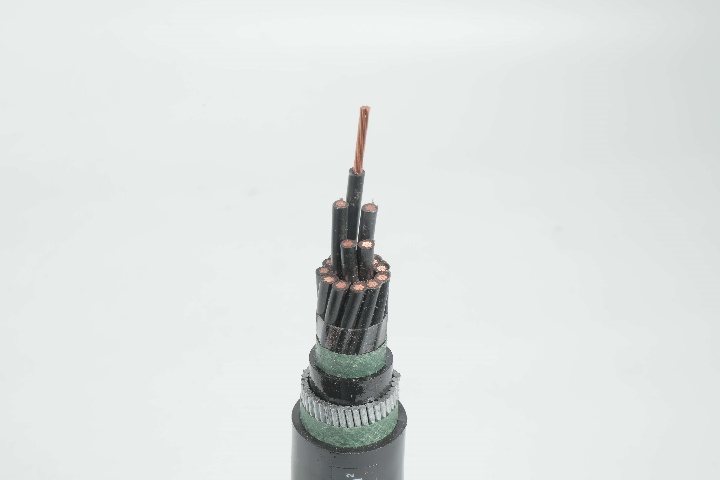
YSLCY / HSLCH CY Control Cable - 300/500V Screened Flexible Cable
The CY Control Cable (YSLCY / HSLCH) is a versatile screened flexible control cable ideal for industrial environments where electromagnetic interference protection is essential. It consists of finely stranded copper conductors with PVC or LSZH insulation, twisted cores, a high-coverage tinned copper braid screen, and a robust PVC or LSZH outer sheath. The YSLCY version is suited for general industrial use, while the HSLCH version provides enhanced fire safety with low smoke and zero halogen properties. Rated 300/500V, this cable offers excellent flexibility, oil resistance, and reliable signal transmission. The CY Control Cable (YSLCY / HSLCH) is manufactured under strict quality control from raw materials to finished product, meeting international standards for performance and safety in automation and control applications.
133kV 135kV Three-Phase Power Transformer – High Voltage Substation Equipment
The 133kV / 135kV Three-Phase Power Transformer is developed for high-voltage substations requiring dependable power conversion, grid stability, and long-term operational security. Designed as core infrastructure equipment, it supports continuous duty under fluctuating electrical loads and complex grid conditions. The transformer integrates a high-strength magnetic core, precision-manufactured windings, and a stable oil-immersed insulation system to achieve controlled losses and consistent voltage performance. Its structural design prioritizes mechanical durability, enabling safe operation under electrical stress, thermal expansion, and external environmental factors. Engineered for outdoor substation installation, the transformer ensures reliable service life with reduced maintenance demand. Compliance with international power equipment standards makes it suitable for modern transmission and substation systems where operational reliability, safety, and efficiency are essential.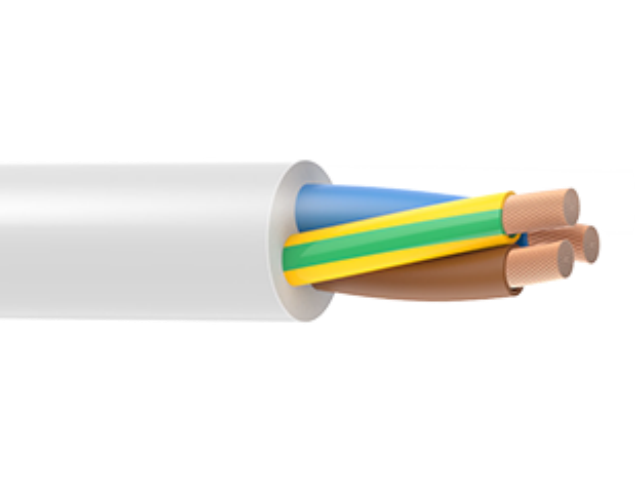
H05VV-F
H05VV-F wires from NPC Electric are flexible PVC insulated and sheathed cables designed for light-duty power connections in household and commercial electrical equipment. Featuring finely stranded copper conductors, these wires provide excellent flexibility, making them easy to install and suitable for applications involving frequent movement. The double PVC insulation structure offers reliable electrical protection, good mechanical strength, and resistance to abrasion, ensuring safe operation under normal indoor conditions. Manufactured in accordance with harmonized standards, NPC Electric H05VV-F wires deliver stable conductivity, consistent insulation thickness, and dependable performance. They are widely used where flexibility, safety, and ease of handling are essential, making them a practical choice for appliances, extension cords, and portable equipment.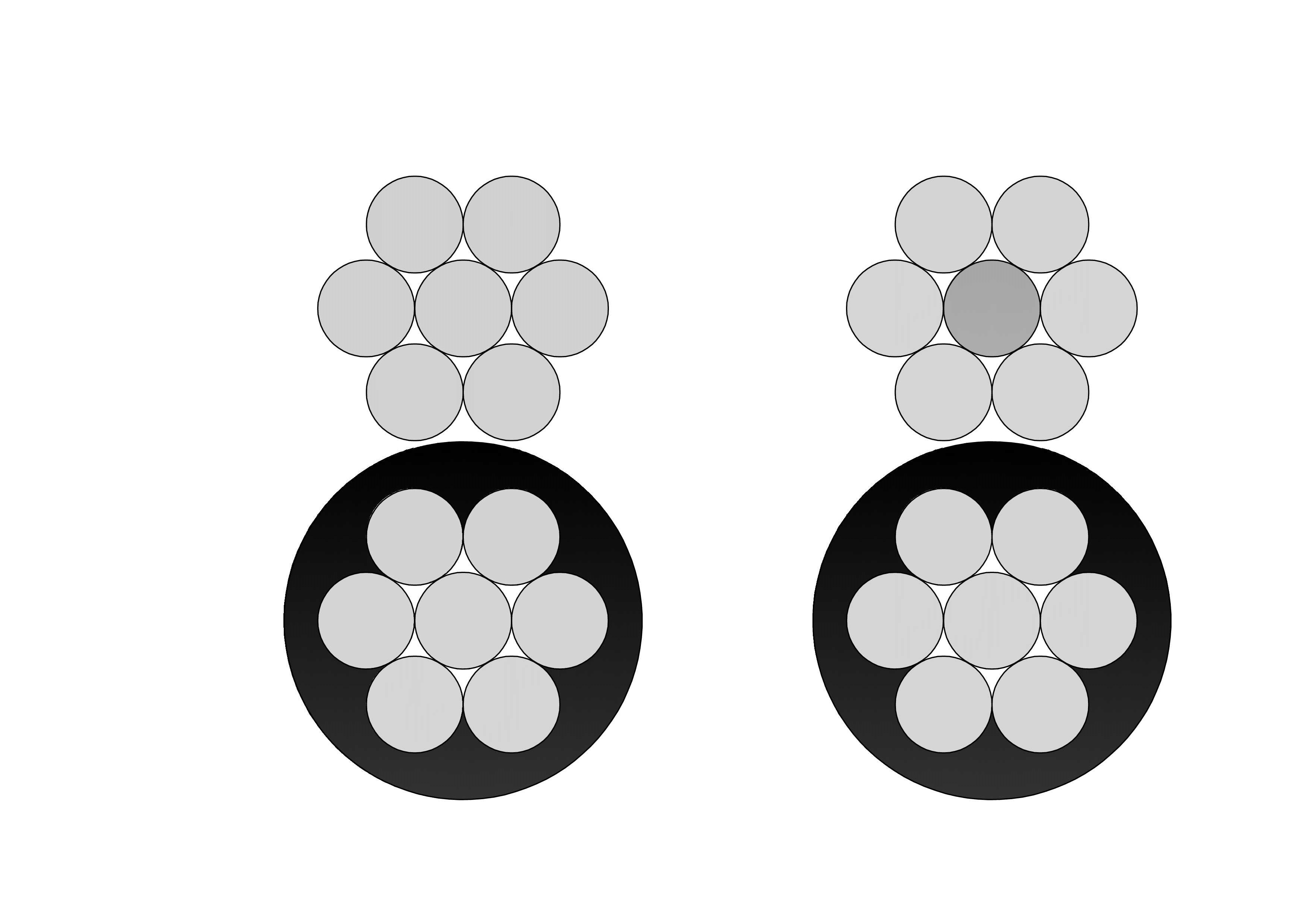
2 Doberman Aluminum Conductor Duplex Overhead Service Drop Cable
The 2 Doberman Aluminum Conductor Duplex Overhead Service Drop Cable is designed to provide efficient and dependable power delivery in overhead secondary distribution systems. Constructed with stranded aluminum conductors, the duplex configuration combines electrical conductivity with mechanical support for service drop installations. The No. 2 Doberman size is suitable for standard service drop spans, offering reliable load capacity with controlled sag under varying environmental conditions. Aluminum conductors reduce overall cable weight, simplify handling, and enhance corrosion resistance for long-term outdoor operation. Produced under strict quality management systems, the 2 Doberman Aluminum Conductor Duplex Overhead Service Drop Cable meets utility and ASTM requirements, making it a trusted solution for modern overhead service connections where safety, durability, and consistent performance are essential.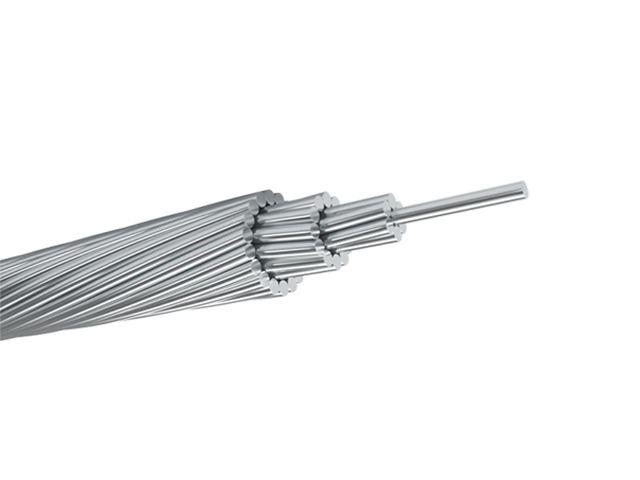
ELGIN AAAC Conductor Cable
ELGIN AAAC (All Aluminum Alloy Conductor) cables comply with ASTM B399 and IEC 61089 standards, offering high tensile strength, excellent conductivity, and strong corrosion resistance. Named "Elgin" for its 900 mm² nominal area with 61-strand configuration, it offers superior conductivity (53% IACS) and tensile strength (295 MPa min) compared to ACSR. Made from heat-treated aluminum-magnesium-silicon alloy (6201-T81), this cable provides excellent corrosion resistance, low weight, and reduced sag for longer spans. Compliant with ASTM B398, B399, IEC 61089, and BS EN 50182 standards, it supports voltages up to 33kV with ampacity up to 1300A at 75°C. The homogeneous alloy construction eliminates bimetallic corrosion and ensures uniform mechanical properties. The Elgin AAAC Conductor Cable minimizes line losses, withstands harsh weather, and requires minimal maintenance. Ideal for rural electrification, urban upgrades, and renewable energy integrations, it delivers reliable, cost-effective power in overhead lines worldwide, outperforming traditional conductors in corrosive or coastal environments.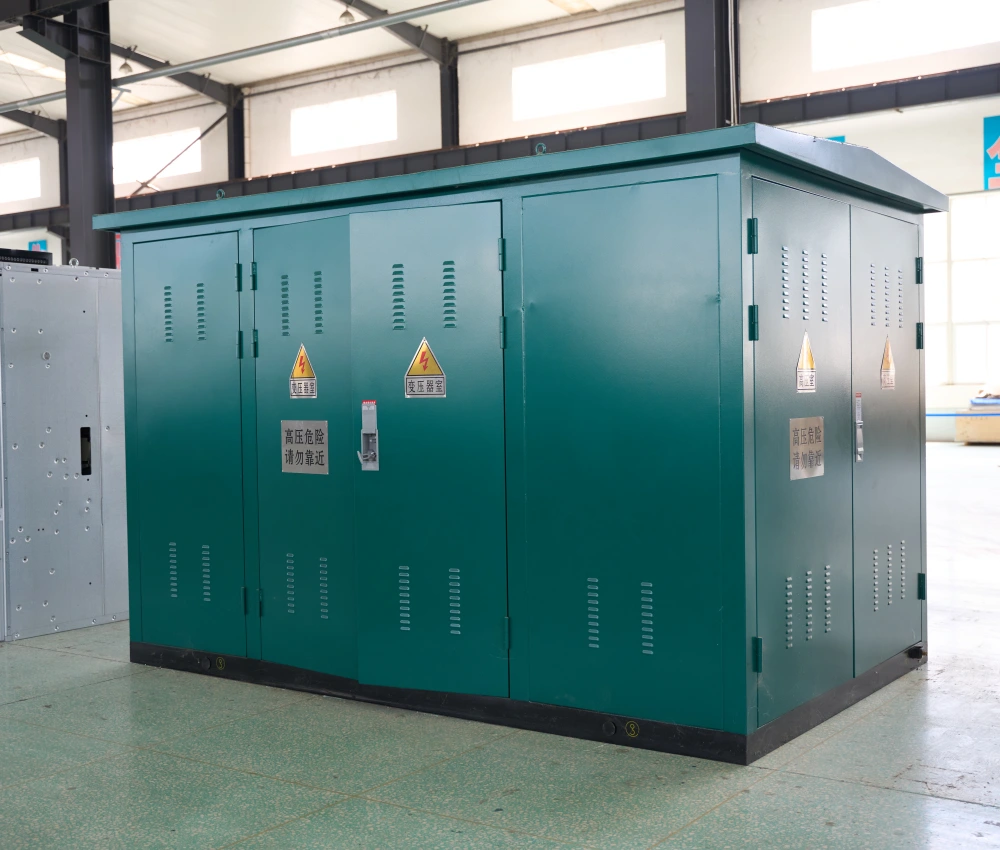
Prefabricated Compact Substation
The Prefabricated Compact Substation is an integrated medium-voltage and low-voltage power distribution solution engineered for modern urban infrastructure, renewable energy systems, industrial plants, and commercial facilities. The equipment combines medium-voltage switchgear, distribution transformer, and low-voltage distribution panel into a compact steel enclosure, significantly reducing installation time and site construction costs while improving operational reliability.Designed for outdoor operation under demanding environmental conditions, the compact substation features corrosion-resistant housing, advanced insulation systems, and optimized ventilation structures to ensure stable long-term performance. Its modular architecture allows flexible transformer capacities, voltage combinations, and protection configurations to meet different regional grid requirements and project specifications. The unit supports fast deployment, simplified maintenance, and enhanced safety protection, making it an ideal choice for power utilities, solar farms, wind power stations, transportation infrastructure, data centers, and residential developments. With intelligent monitoring options and customizable internal layouts, the prefabricated compact substation provides efficient, safe, and scalable electrical distribution for modern power networks.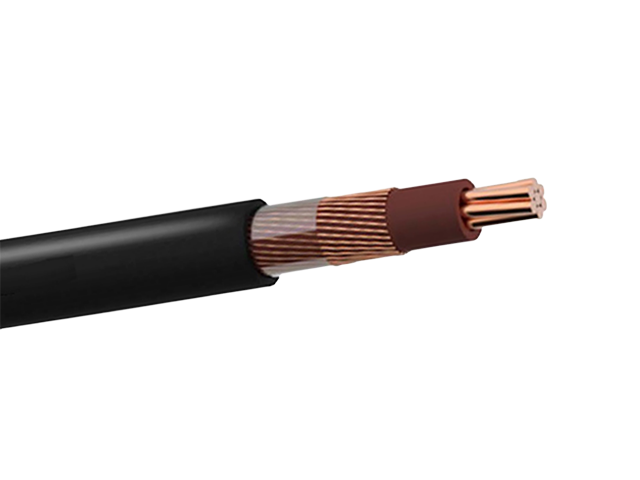
28 kV Concentric Neutral Power Cable
The 28 kV Concentric Neutral Power Cable is a premium medium-voltage underground distribution cable engineered for reliable primary power delivery. It consists of a stranded copper or aluminum conductor, extruded semi-conducting conductor shield, tree-retardant TR-XLPE or EPR insulation, semi-conducting insulation shield, and helically applied bare copper concentric neutral wires, all protected by a tough sunlight-resistant LLDPE jacket. Available with 100% or 133% insulation levels and full or reduced neutral, this cable offers excellent electrical performance, superior moisture and treeing resistance, and strong mechanical protection. Suitable for direct burial or duct installations, the 28 kV Concentric Neutral Power Cable meets ICEA S-94-649, AEIC CS8, and related standards. It undergoes rigorous quality testing from raw materials to finished product, ensuring low dielectric loss, high reliability, and long service life in demanding underground environments.3GHSSHCH-mining-cable-2.webp)
(N)3GHSSHCH Mining Cable
The (N)3GHSSHCH 3.6/6kV and 6/10kV medium voltage flexible mining cable is engineered for demanding industrial environments such as underground mining, tunneling, and heavy-duty mobile equipment. Featuring EPR rubber insulation, halogen-free LSZH sheath, and a copper wire braid screen, it offers superior mechanical strength, oil resistance, and flame retardancy. Its robust multi-layer construction includes semi-conductive layers, steel wire braid armour, and individual copper screening, ensuring reliable electrical performance and enhanced safety. With excellent flexibility, a wide operating temperature range (-40°C to +80°C fixed), and compliance with VDE, EN, and IEC standards, this cable guarantees long service life in the harshest conditions. Ideal for medium voltage power supply where safety, flexibility, and durability are critical.
1/0 Murex Aluminum Conductor Triplex Overhead Service Drop Cable
1/0 Murex Aluminum Conductor Triplex Overhead Service Drop Cable is engineered for secondary overhead power distribution from utility lines to residential and light commercial service entrances. The triplex construction consists of two insulated aluminum phase conductors twisted around a bare aluminum neutral messenger, providing both electrical transmission and mechanical support. The 1/0 Murex conductor size offers high current-carrying capacity, excellent tensile strength, and controlled sag performance, making it suitable for longer service drop spans and higher load requirements. Aluminum conductors ensure reduced weight, corrosion resistance, and ease of installation in outdoor environments. Manufactured in accordance with ASTM and utility standards, the 1/0 Murex Aluminum Conductor Triplex Overhead Service Drop Cable delivers consistent electrical performance, long-term durability, and reliable mechanical stability. It is widely used by utilities and contractors seeking a cost-effective and dependable overhead service drop solution.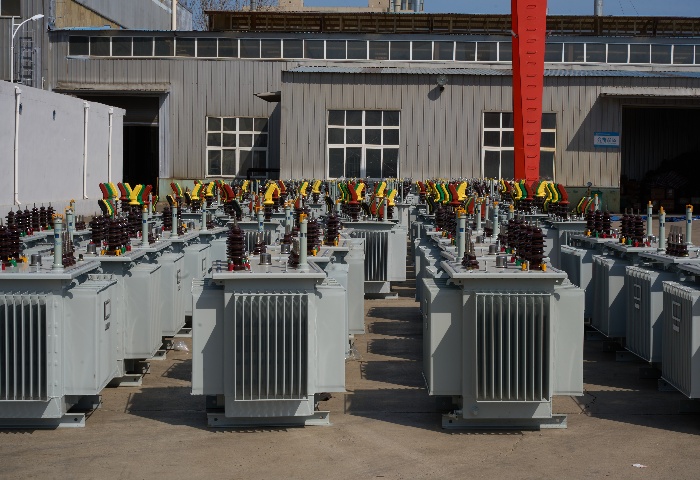
2500kVA Oil Immersed Transformer
NPC ELECTRIC's 2500kVA oil-immersed transformer is designed with international advanced technology and complies with international standards such as IEC, ANSI, and ISO. It has high efficiency, low noise, and excellent thermal stability. This transformer is widely used in power transmission and distribution systems to ensure a stable and reliable power supply. High-strength windings and robust mechanical construction enhance short-circuit withstand capability and thermal endurance. With reliable voltage regulation and low operational noise, this transformer is well-suited for industrial plants, infrastructure projects, and utility substations requiring a dependable high-capacity power supply.Welcome your inquiry
Honesty, Integrity, Frugality, Activeness and Passion