


Drive Isolation Transformer
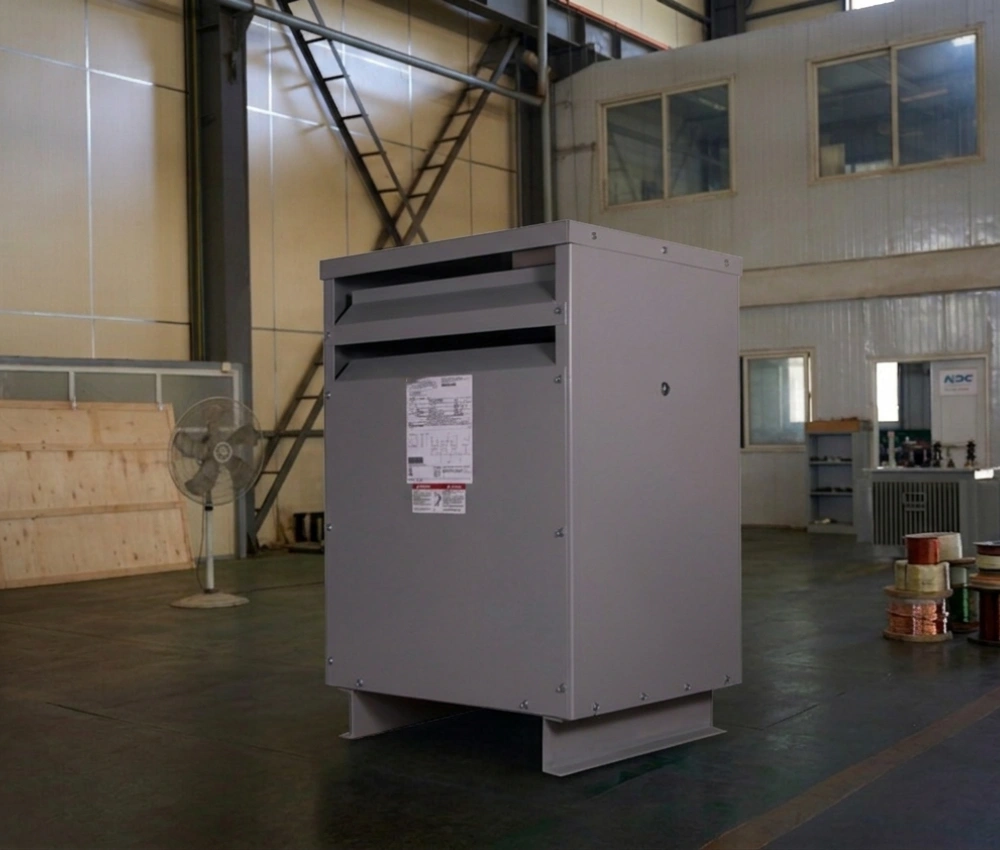
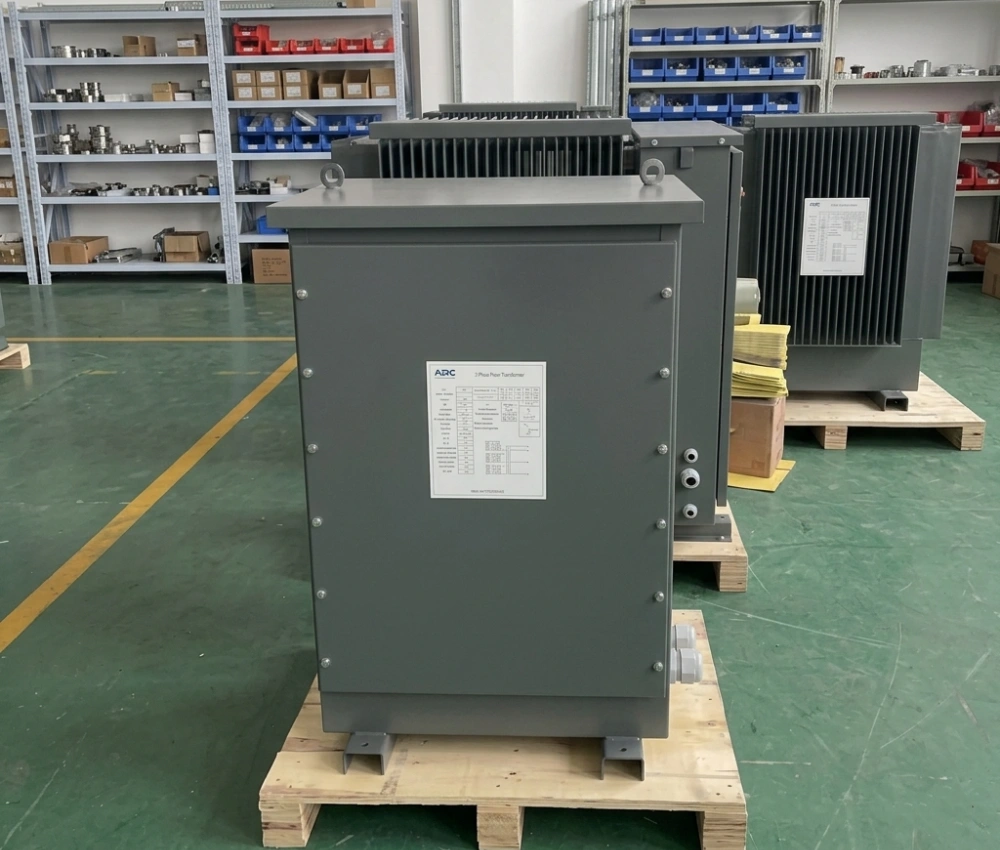
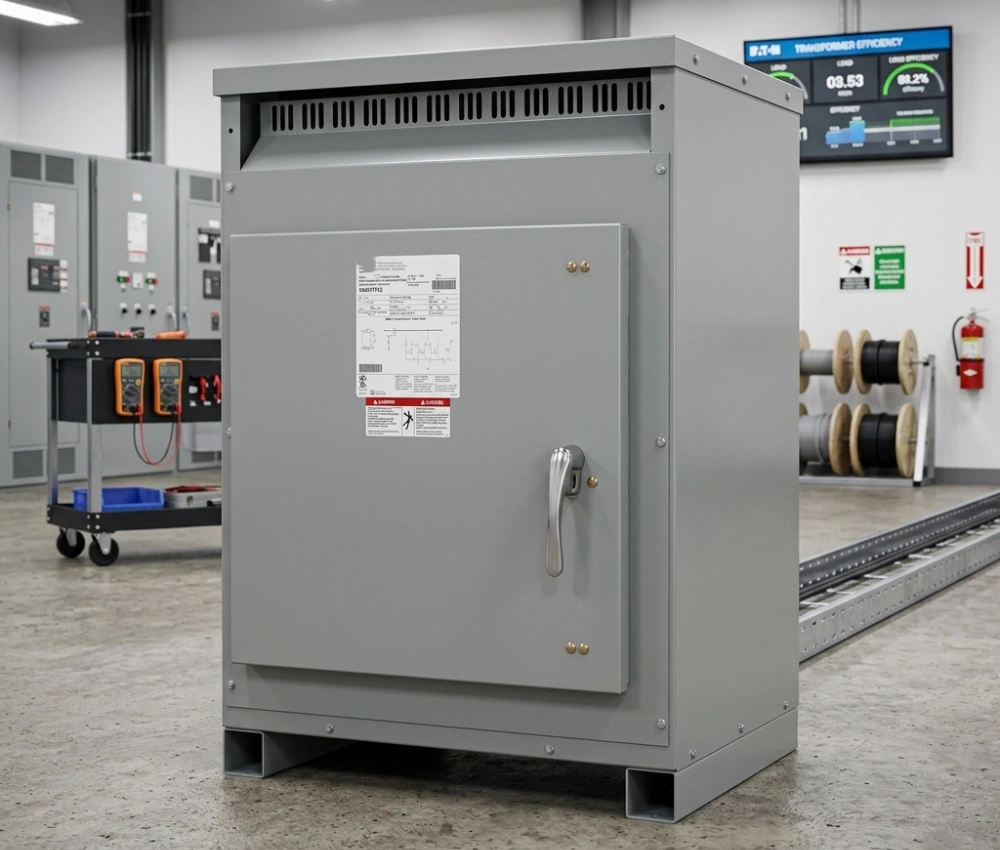
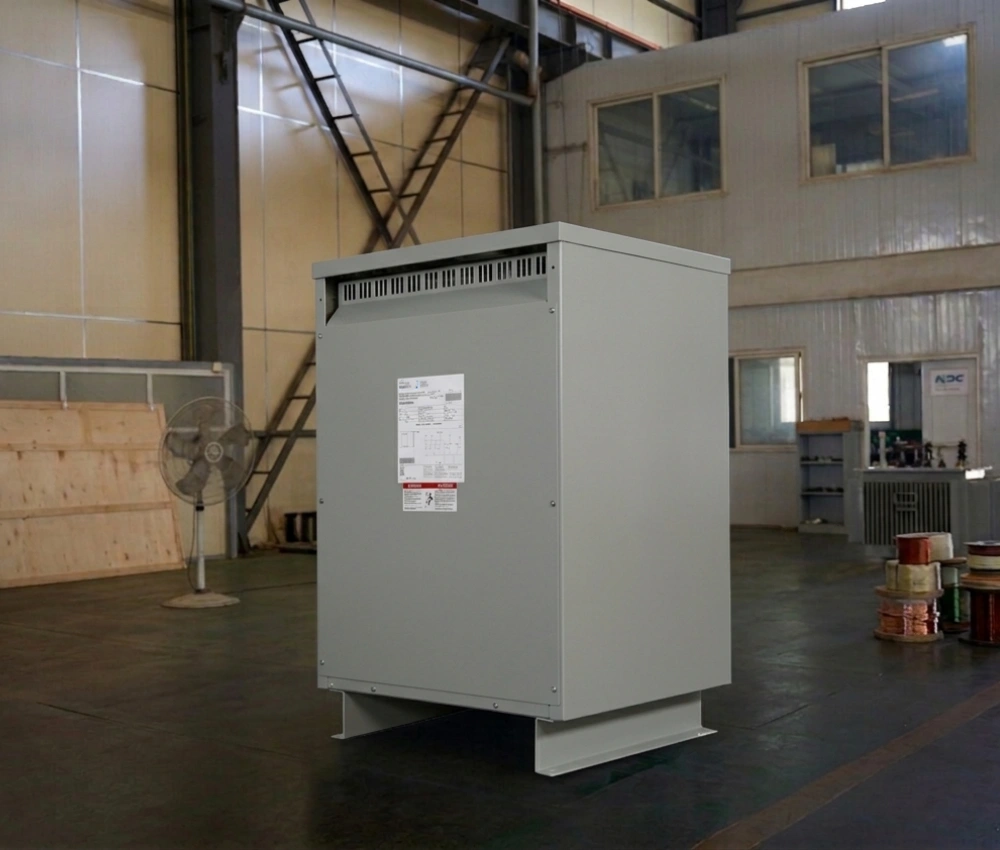
The Drive Isolation Transformer is a specialized transformer engineered to provide electrical isolation, voltage transformation, harmonic mitigation, and enhanced power quality for variable frequency drives (VFDs), motor control systems, and industrial automation applications. Installed between the utility power source and drive equipment, the transformer protects sensitive drive electronics from electrical disturbances while reducing the impact of harmonics generated by inverter-based systems. This improves system reliability, extends equipment lifespan, and enhances operational stability in demanding industrial environments. Manufactured using premium-grade silicon steel cores, high-conductivity windings, and advanced insulation systems, the drive isolation transformer delivers exceptional efficiency, thermal performance, and voltage regulation. The transformer effectively isolates common-mode noise, suppresses transient voltage spikes, reduces grounding issues, and minimizes electromagnetic interference within industrial electrical networks. The Drive Isolation Transformer supports both low-voltage and medium-voltage drive systems and can be customized for harmonic reduction, phase shifting, multi-pulse drive configurations, and renewable energy applications. Its rugged construction and intelligent monitoring capabilities make it an ideal solution for modern industrial power systems requiring reliable motor control and superior electrical protection.
- Primary Voltage Ratings 380V – 35kV
- Secondary Voltage Ratings 380V/380V, 400V/400V, 480V/480V, or custom
- Type Isolation Transformer
- Standards IEC 60076 / IEEE C57 / ANSI
- Application steel mills, mining operations, and large manufacturing plants
- Power Rating 10 kVA – 2000 kVA
- Certificate UL, CESI, IEEE
- Cooling Method ONAN / ONAF
Technical Specifications
Customization Optional
Packing and Shipping
Manufacturer Test
Routine Testing
Application
Technical Specifications
Drive Isolation Transformer
Drive Isolation Transformer Data Sheet
| Parameter | Specification |
| Product Type | Drive Isolation Transformer |
| Transformer Type | Dry Type / Cast Resin / Oil Immersed |
| Rated Capacity | 10kVA – 10000kVA |
| Primary Voltage | 380V – 35kV |
| Secondary Voltage | Customized for VFD Requirements |
| Rated Frequency | 50Hz / 60Hz |
| Phase Configuration | Three Phase |
| Cooling Method | AN / AF / ONAN / ONAF |
| Voltage Regulation | ≤ 4% |
| Efficiency | Up to 99.2% |
| Insulation Class | F / H Class |
| Winding Material | Copper / Aluminum |
| Core Material | CRGO Silicon Steel |
| Electrostatic Shield | Optional |
| Harmonic Mitigation | K-Factor Design Available |
| Phase Shift Capability | 0°, ±15°, ±30° |
| Multi-Pulse Compatibility | 6-Pulse / 12-Pulse / 18-Pulse / 24-Pulse |
| Impedance Range | 3% – 12% |
| Noise Level | ≤ 75 dB |
| Protection Degree | IP20 / IP23 / IP44 / IP54 |
| Temperature Rise | 80K / 100K / 125K |
| Monitoring System | Optional Digital Monitoring |
| Communication Interface | Modbus / Ethernet |
| Operating Temperature | -25°C to +55°C |
| Installation Altitude | Up to 5000m |
| Relative Humidity | ≤ 95% |
| Service Life | More than 30 Years |
| Applicable Standards | IEC 60076 / IEEE C57 / ANSI |
Customization Optional
Drive Isolation Transformer
The Drive Isolation Transformer can be engineered to match a wide variety of variable frequency drive systems, industrial motor applications, and power quality requirements. Customers may specify custom voltage ratios, transformer capacities, impedance values, insulation levels, cooling methods, and winding materials to optimize compatibility with specific VFD manufacturers and motor drive technologies. Multi-pulse configurations including 12-pulse, 18-pulse, and 24-pulse drive systems are available to significantly reduce harmonic distortion and improve overall power quality. Additional electrostatic shielding can be incorporated between primary and secondary windings to minimize common-mode voltage transfer and improve protection for sensitive electronic equipment.
For demanding industrial environments, optional features include intelligent temperature monitoring systems, fiber optic winding sensors, remote communication modules, harmonic mitigation designs, low-noise construction, seismic reinforcement, and corrosion-resistant enclosures. The transformer may also be customized with special impedance values, phase-shifting windings, inverter-duty insulation systems, and enhanced thermal management solutions for heavy-duty drive applications. Enclosure dimensions, cable termination arrangements, protection levels, grounding configurations, and branding requirements can also be tailored to project specifications. These customization capabilities ensure optimal integration with industrial automation systems, renewable energy installations, mining operations, and critical process control facilities.
Packing and Shipping
Drive Isolation Transformer
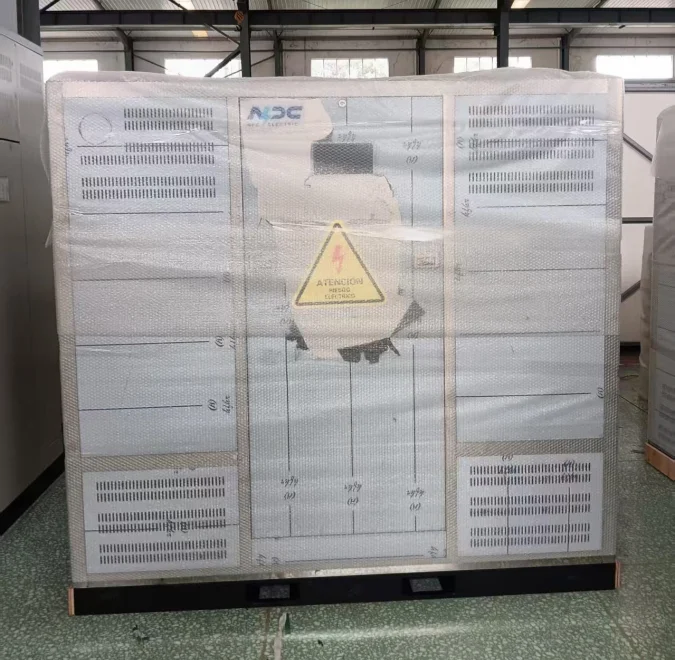
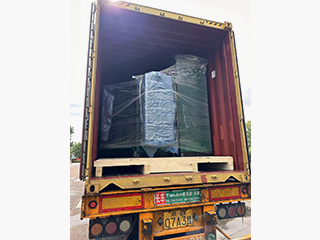
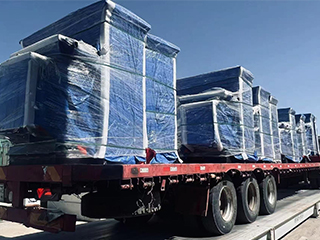
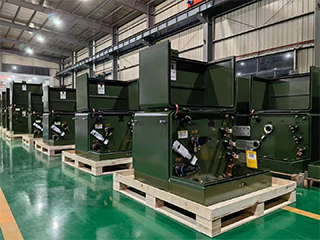
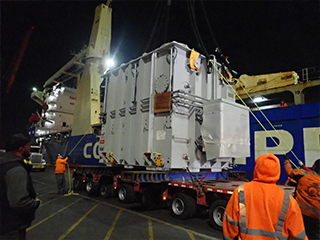
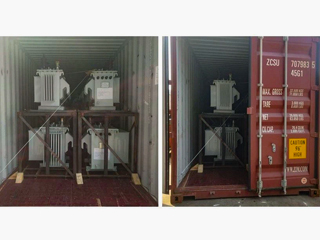
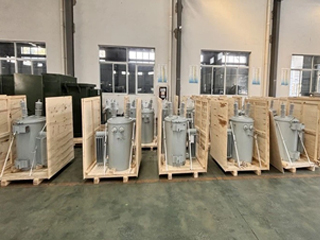
The Drive Isolation Transformer is packaged according to stringent international export standards to ensure maximum protection during transportation and long-term storage. Before packaging, each transformer undergoes a detailed inspection process including dimensional verification, coating evaluation, insulation assessment, accessory confirmation, and mechanical integrity checks. All exposed electrical terminals, monitoring devices, and sensitive components are carefully protected using industrial-grade moisture barriers and shock-resistant packaging materials.
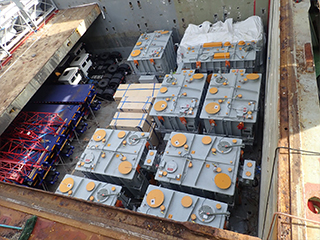
For medium and large-capacity transformers, specialized transportation support structures are installed to secure the core-and-coil assembly and minimize mechanical stress during transit. Windings, clamping systems, cooling components, and terminal assemblies are reinforced to prevent movement during road, rail, sea, and multimodal transportation. Waterproof protective wrapping and anti-corrosion materials are applied to safeguard the transformer from humidity, dust, salt spray, and other environmental factors encountered during shipment.
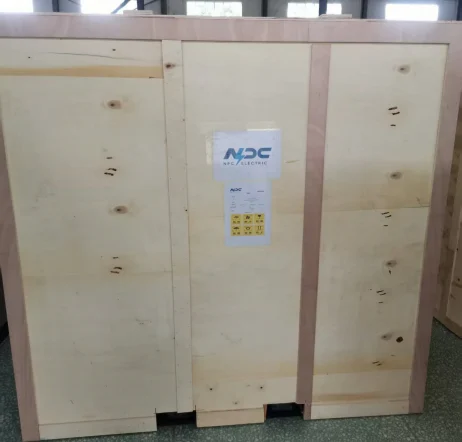
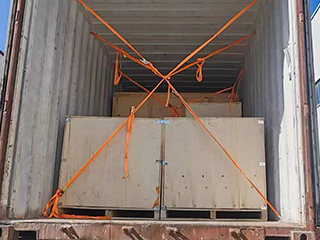
Depending on transformer size and destination requirements, packaging options include fumigation-free wooden crates, steel-frame export packaging, skid-mounted transport structures, and reinforced shipping containers. For offshore platforms, mining projects, tropical environments, and long-distance international deliveries, enhanced marine-grade preservation treatments and anti-condensation systems are available. These measures ensure the transformer arrives in optimal condition regardless of transportation duration or environmental challenges.
Comprehensive shipping documentation accompanies every shipment and typically includes factory inspection certificates, routine test reports, operation manuals, maintenance guidelines, wiring diagrams, packing lists, compliance certificates, and export documents. Additional project-specific documentation and customer-requested certifications can also be provided. The entire packing and logistics process is designed to reduce transportation risks and ensure efficient delivery to project sites worldwide.
For medium and large-capacity transformers, specialized transportation support structures are installed to secure the core-and-coil assembly and minimize mechanical stress during transit. Windings, clamping systems, cooling components, and terminal assemblies are reinforced to prevent movement during road, rail, sea, and multimodal transportation. Waterproof protective wrapping and anti-corrosion materials are applied to safeguard the transformer from humidity, dust, salt spray, and other environmental factors encountered during shipment.
Depending on transformer size and destination requirements, packaging options include fumigation-free wooden crates, steel-frame export packaging, skid-mounted transport structures, and reinforced shipping containers. For offshore platforms, mining projects, tropical environments, and long-distance international deliveries, enhanced marine-grade preservation treatments and anti-condensation systems are available. These measures ensure the transformer arrives in optimal condition regardless of transportation duration or environmental challenges.
Comprehensive shipping documentation accompanies every shipment and typically includes factory inspection certificates, routine test reports, operation manuals, maintenance guidelines, wiring diagrams, packing lists, compliance certificates, and export documents. Additional project-specific documentation and customer-requested certifications can also be provided. The entire packing and logistics process is designed to reduce transportation risks and ensure efficient delivery to project sites worldwide.
32
32 years of industry experience
Manufacturer Test
Drive Isolation Transformer
Progress Test
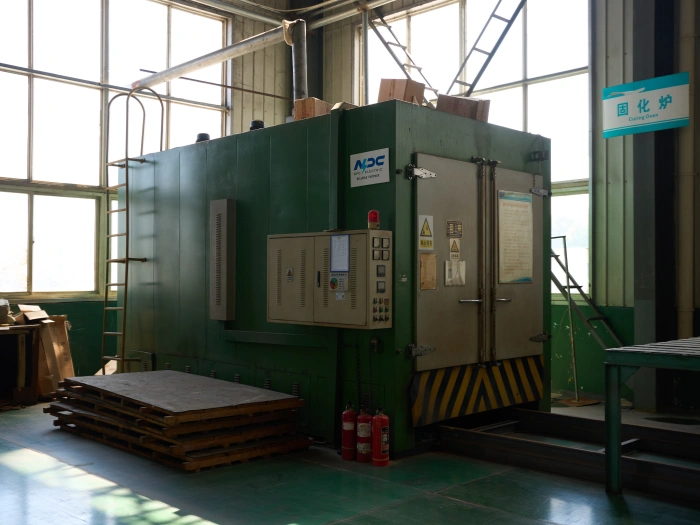
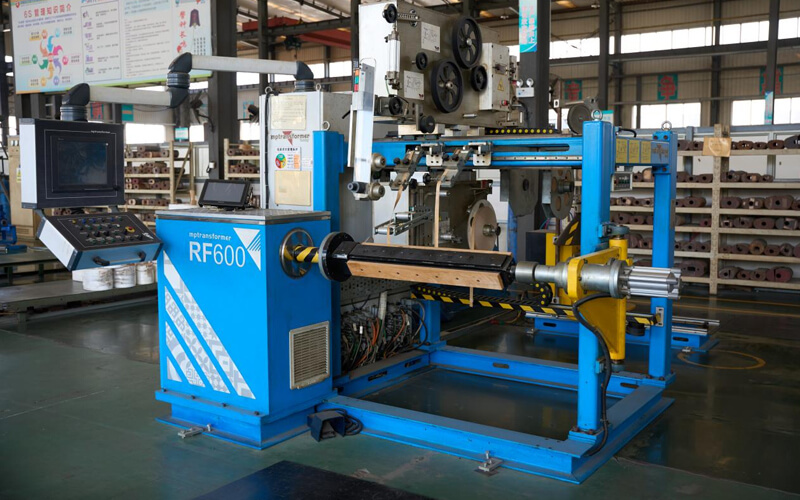
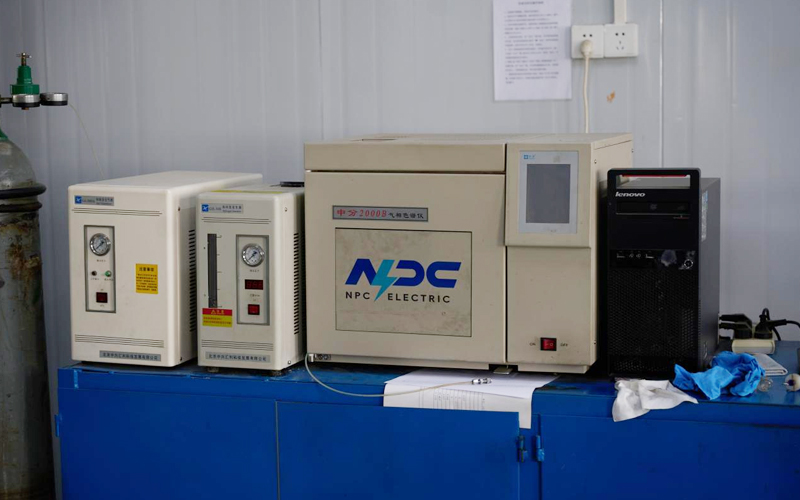
The manufacturing quality assurance program for the Drive Isolation Transformer incorporates multiple inspection and testing stages throughout production. The process begins with verification of core materials, conductor specifications, insulation systems, enclosure components, and auxiliary devices. All materials are inspected for compliance with approved engineering drawings and applicable transformer manufacturing standards. Electrical progress testing includes turns ratio verification, polarity confirmation, insulation resistance measurement, induced voltage testing, and no-load operational evaluations. Optional intelligent monitoring systems, communication interfaces, thermal sensors, and harmonic mitigation components are also tested to verify performance and system integration compatibility. Thermal performance simulations and mechanical stability assessments are conducted to evaluate long-term operational reliability.
Design Tests
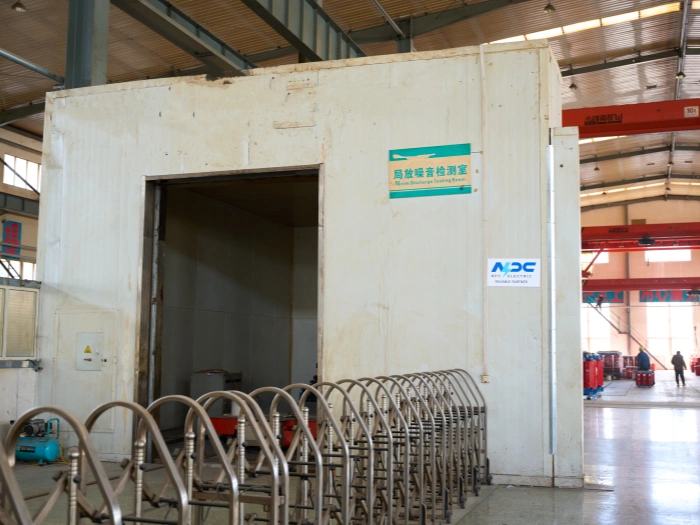
All transformers will be tested after production is finished. Test items are as follows:
♦ Insulation Power Factor
♦ Ratio, Polarity, and Phase Relation
♦ Winding Resistance
♦ Impulse Tests
♦ Transformer Turns Ratio/TTR (All Tap Voltages)
♦ Impedance Voltage & Load Loss (Rated Voltage)
♦ Polarity, 1-Ph / Phase Relation, 3-Ph (Rated Voltage)
♦ Excitation & No-Load Loss (Rated Voltage)
♦ Insulation Resistance (Rated Voltage)
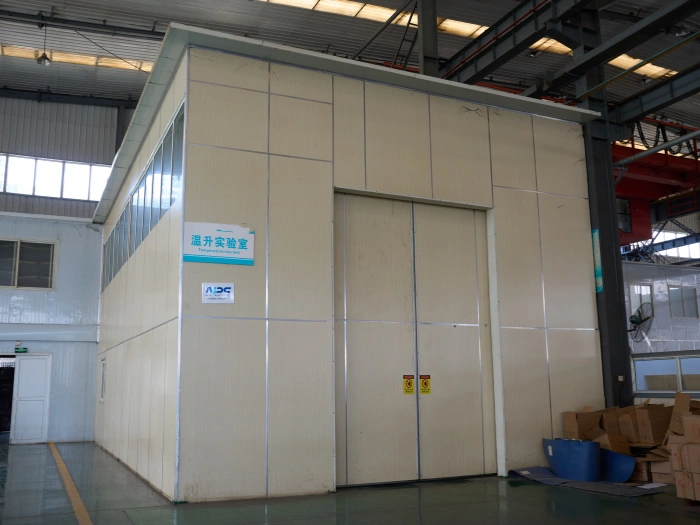
♦ Temperature Rise
♦ Dielectric Withstand (Hipot)
Factory Acceptance Test
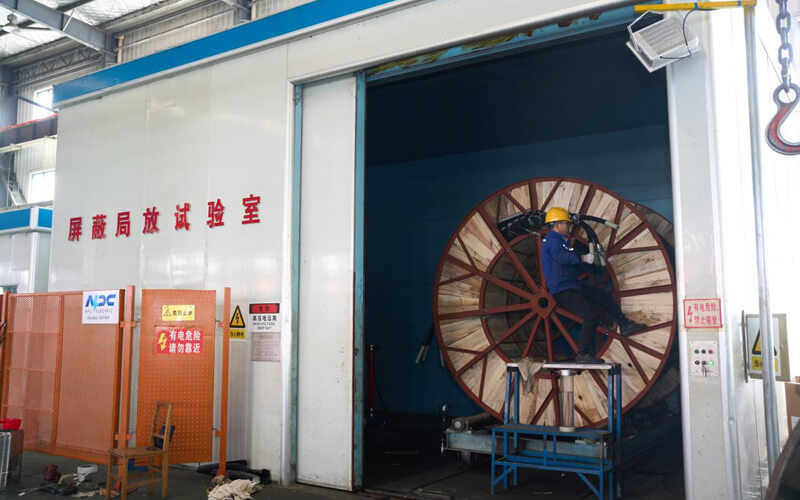
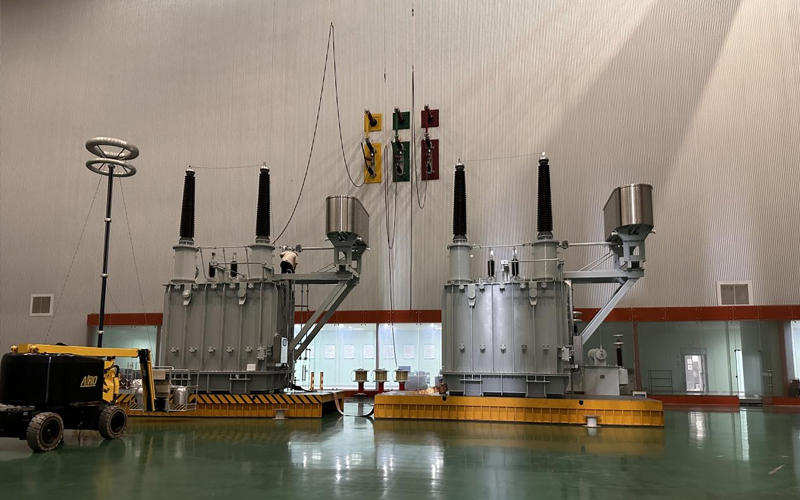
The Factory Acceptance Test for the Drive Isolation Transformer is performed to validate electrical performance, insulation integrity, harmonic mitigation capability, and overall manufacturing quality before shipment. Testing is conducted using calibrated equipment and internationally recognized procedures to ensure compliance with project specifications and industry standards. Mechanical inspections include verification of enclosure integrity, terminal arrangements, grounding continuity, cooling systems, protective devices, and monitoring equipment. Noise level measurements, vibration assessments, and thermal performance evaluations are also performed where required. For phase-shifting and multi-pulse transformer designs, additional vector group and phase displacement testing is conducted to verify harmonic reduction performance.
Routine Test - Insulation Power Factor
Purpose of Testing
The purpose of testing the insulation power factor is to evaluate the dielectric loss of the insulation system in electrical equipment, and to determine whether issues such as moisture ingress, aging, or contamination are present. A high power factor value usually indicates insulation deterioration.
Testing Equipment
Insulation power factor tester (e.g., brands like Doble, Megger) Voltage source (typically 1 kV, 2.5 kV, or 10 kV or as the customer request standard) Temperature and humidity meter (for recording environmental conditions)
Pre-Test Preparation
De-energize tap changer the equipment and ensure it has been properly grounded and discharged. Make sure the bushings and terminal connections to prevent surface contamination from affecting test results. Perform the test under suitable environmental conditions: relative humidity below 75% and no rain (recommended temperature: 20–30°C). Calibrate and inspect the test instruments to ensure they are in good working condition.
Test Progress
Connect the Test Instrument: Connect the test equipment to the bushings or terminals of the equipment under test and ensure proper grounding. Apply Test Voltage: Select the appropriate test voltage according to the rated voltage of the equipment (e.g., 25 kV for high-voltage windings or as the request of the pad mounted transformer).
Measure and Record
Start the test and record the following parameters: Capacitive current (IC) Power current (IW) Power factor (PF) or dissipation factor (Tanδ) Capacitance Ambient temperature and humidity at the time of testing
Temperature Correction
Correct the measured power factor to the reference temperature (typically 20°C) for accurate evaluation.
Repeat Testing (if necessary)
Measure different windings (high-voltage, medium-voltage, low-voltage) and bushings separately for comparative analysis.
Evaluation Criteria (Reference)
Insulation power factor ≤ 0.5% (Excellent) 0.5% < Power factor ≤ 1% (Good) 1% (Further inspection or corrective action required) Test standard:IEEE C57.12.00 & IEEE C57.12.90 (Liquid-Immersed)
*These comprehensive tests ensure that each transformer meets performance standards and operates
reliably under various conditions.
Application
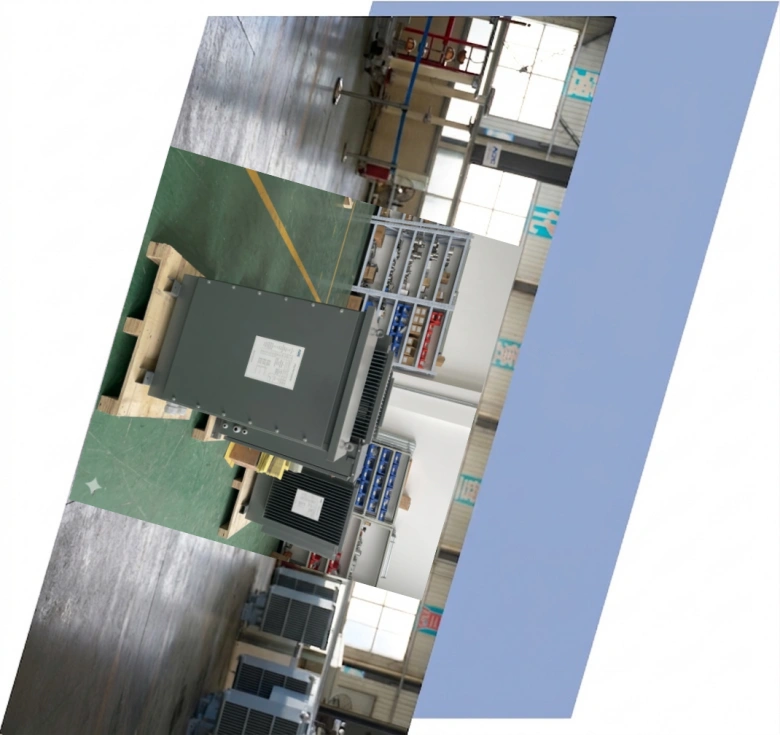
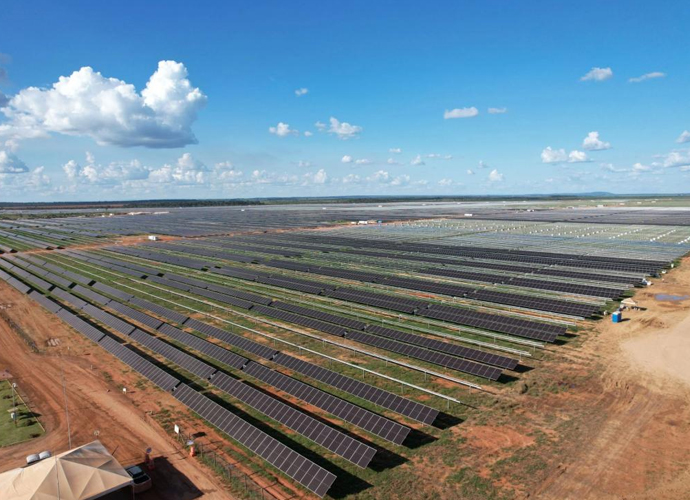
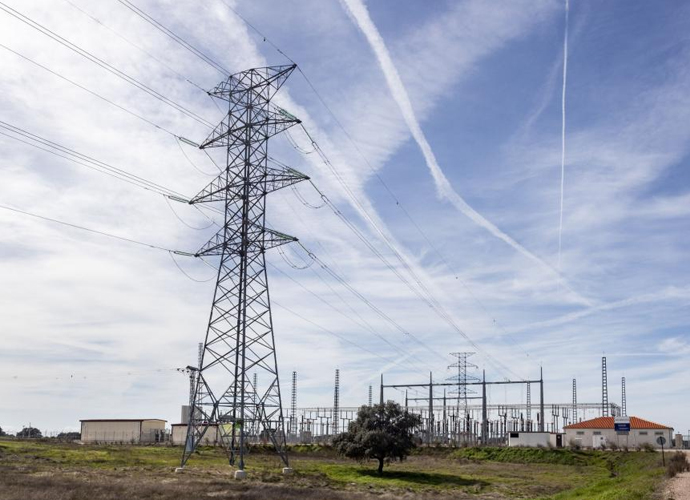
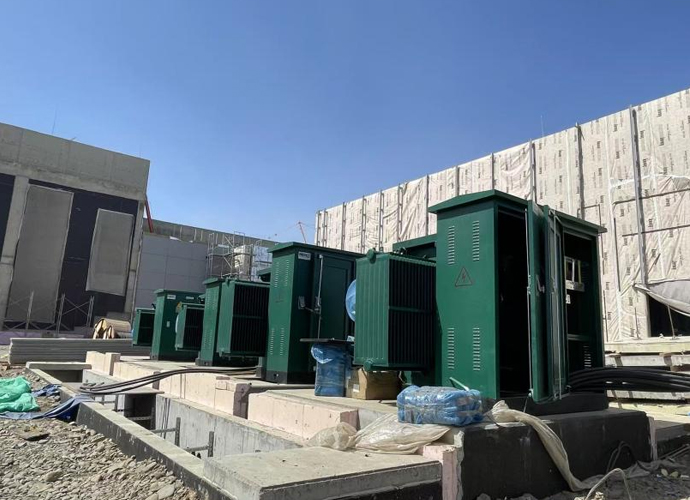
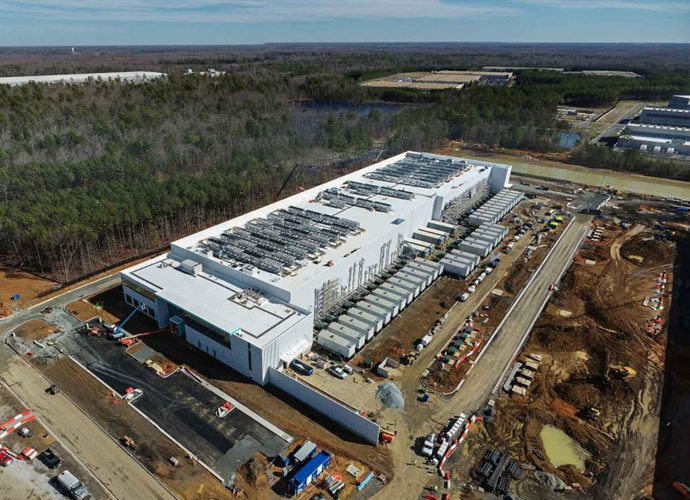
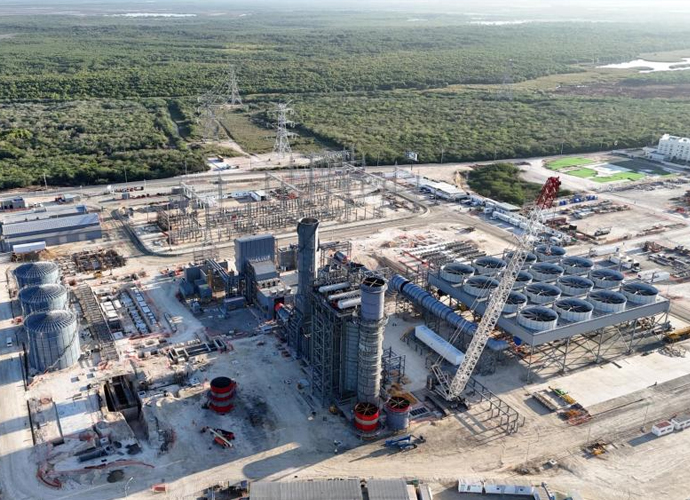
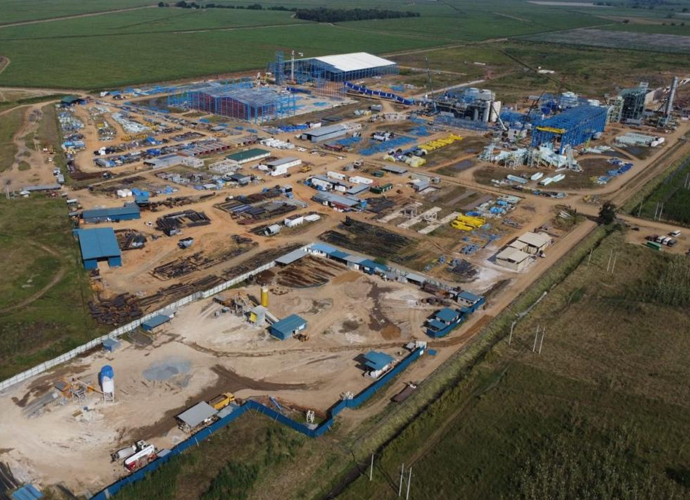
Extensively deployed in industrial automation, renewable energy systems, and commercial facilities with multiple VFD-controlled motors, delivering essential galvanic isolation, harmonic mitigation, and enhanced protection for modern motor drive applications.


Technical Advantages
● 30+ years of manufacturing experience
● ISO and UL certified production
● Customized cable and transformer solutions
Product Packaging
Transformers Packaging (1)
Transformers Packaging (2)
Transformers Packaging (3)
Transformers Packaging (4)
Transformers Packaging (5)
Transformers Packaging (6)
Transformers Packaging (7)
Transformers Packaging (8)
Related Products
High Voltage Solid State Soft Start Cabinet
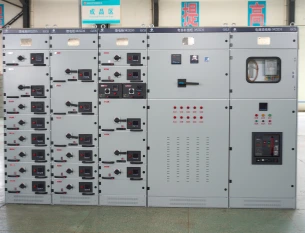
The High Voltage Solid State Soft Start Cabinet is an advanced motor control and protection system specifically engineered for medium and high-voltage industrial motors operating in demanding applications such as mining, petrochemical processing, power generation, water treatment, metallurgy, cement production, and large-scale manufacturing facilities. The cabinet utilizes high-performance thyristor solid-state control technology to provide smooth motor acceleration, reduce inrush current, minimize mechanical stress, and improve overall power system stability during motor startup operations. Designed with intelligent digital control architecture and precision-engineered power modules, the high voltage soft start cabinet significantly reduces voltage fluctuations, mechanical shock, and thermal stress commonly associated with direct-on-line motor starting methods. The system effectively extends motor service life, reduces maintenance requirements, and improves operational reliability for high-capacity pumps, compressors, conveyors, crushers, fans, and industrial processing equipment. Its modular cabinet structure simplifies installation, maintenance access, and future system expansion while ensuring safe and stable long-term operation. The High Voltage Solid State Soft Start Cabinet supports intelligent monitoring systems, programmable control logic, remote communication interfaces, and comprehensive protection functions for modern industrial automation environments.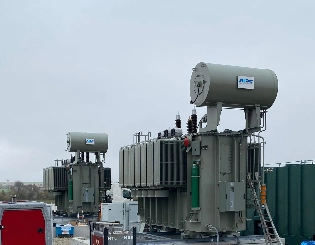
50kV 1000kVA Outdoor Three-Phase Oil-Immersed Power Transformer for Distribution
The 50kV 1000kVA Outdoor Three-Phase Oil-Immersed Power Transformer for Distribution is engineered to deliver high efficiency, stable voltage regulation, and long-term service reliability in medium-voltage distribution networks. Designed for outdoor installation, the transformer features a robust oil-immersed cooling system, high-grade silicon steel core, and pure copper windings to ensure excellent thermal performance and low-loss characteristics. Its rugged, weatherproof construction withstands harsh climates, ensuring continuous operation in industrial plants, utility grids, mining sites, and renewable energy distribution stations. With optimized insulation, superior dielectric strength, and advanced protection configurations, the transformer offers enhanced safety and reduced maintenance. This unit is ideal for step-down power distribution scenarios requiring consistent performance and dependable energy delivery.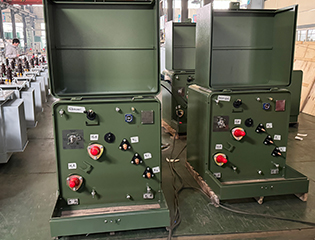
500kVA Single Phase Pad Mounted Transformer
The 500kVA Single Phase Pad Mounted Transformer is a high-capacity electrical transformer designed for reliable and efficient power distribution in commercial, industrial, and utility applications. With a robust, weatherproof enclosure, it is specifically built for outdoor use and can handle the demanding requirements of larger single-phase systems. This transformer offers a 500kVA capacity, ensuring dependable performance for a variety of load conditions.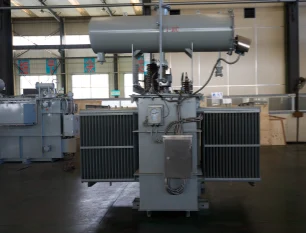
42MVA 220kV Three Phase Oil Filled Transformer for Substation
The 42MVA 220kV Three Phase Oil Filled Transformer is specifically engineered for high-voltage transmission substations and utility grid applications. Featuring 99.9% electrolytic copper windings, advanced ONAN/ONAF cooling, and ±8×1.25% on-load tap changer, it ensures ultra-low no-load and load losses (SZ13 series available). Fully compliant with IEC 60076, GB/T 6451, and ANSI/IEEE standards, it successfully passes 460 kV lightning impulse, PD level below 10 pC, and induced test at 1.5Um/√3. Robust corrugated tank and conservator design provide excellent thermal and mechanical performance in extreme climates. Ideal for 220/33kV, 220/11kV, or 220/6.6kV step-down configurations. Vacuum oil processing and nitrogen blanketing guarantee long-term reliability and 35+ year service life. Trusted by national grids worldwide. Contact us for datasheet, pricing, and customization options.
7MVA 22kV to 6.6kV Power Transformer ONAN Cooling Low Loss
The 6kV Three-Phase Oil-Immersed Power Transformer is designed for stable and efficient voltage conversion in industrial and commercial power distribution systems. With a durable oil-immersed insulation structure and high-quality copper windings, it offers excellent thermal performance, strong dielectric strength, and reliable operation under varying load conditions. Its compact design, robust core materials, and advanced cooling system ensure low losses, reduced noise, and long service life. This 6kV transformer is suitable for factories, mining sites, distribution stations, and utility networks requiring consistent and safe electrical power supply. Engineered to meet international standards, it provides dependable performance and high efficiency across diverse low-to-medium voltage applications.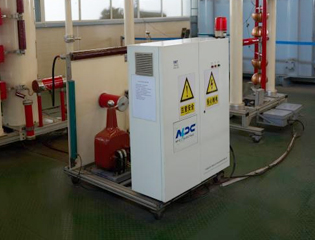
200kVA Dry Type Transformer
200kVA Dry Type Transformer is designed for high efficiency and reliable performance in various industrial and commercial applications. With a robust and compact design, it ensures safe operation without the need for external cooling fluids. Ideal for environments where space and fire safety are critical, this transformer provides reliable power distribution while minimizing environmental impact. Built with advanced materials and precision engineering, it offers excellent durability, low maintenance, and energy savings, making it the perfect choice for demanding electrical needs.FAQ From Customers
-
What is a Transformer?A transformer is an electrical device used to change the voltage of alternating current (AC). It works on the principle of electromagnetic induction, converting high-voltage current into low-voltage current or low-voltage current into high-voltage current. Transformers are widely used in power transmission, distribution systems, and various electronic devices.
-
What are the main uses of a transformer?The main use of a transformer is voltage conversion. Transformers are used in power transmission systems to help transfer electricity from power plants to consumers. In addition, transformers are also used in electronic devices such as chargers, televisions, power adapters, etc., to adjust the voltage to meet the requirements of different devices.
-
Do you have UL listed?Yes, our transformer has UL listed. We have exported to America many pad mounted transformer,substation transformer and HV.
Welcome your inquiry
Honesty, Integrity, Frugality, Activeness and Passion