
What Is Medium Voltage Power Cable? MV Cable Types, Standards & Applications
2026-04-10
Medium Voltage Power Cable, commonly referred to as MV Cable, serves as a vital link in electrical power systems, bridging high-voltage transmission and low-voltage distribution. These cables efficiently and safely deliver electricity from substations to end-users or heavy loads in industrial, commercial, utility, and renewable energy sectors.
According to widely accepted standards such as IEEE and IEC, medium voltage typically covers rated voltages from 1 kV to 35 kV (most commonly 3.3 kV to 35 kV, with some definitions extending to 69 kV). MV cables are engineered for primary power distribution circuits operating in wet or dry locations, underground ducts, direct burial, aerial installations, or harsh environments.
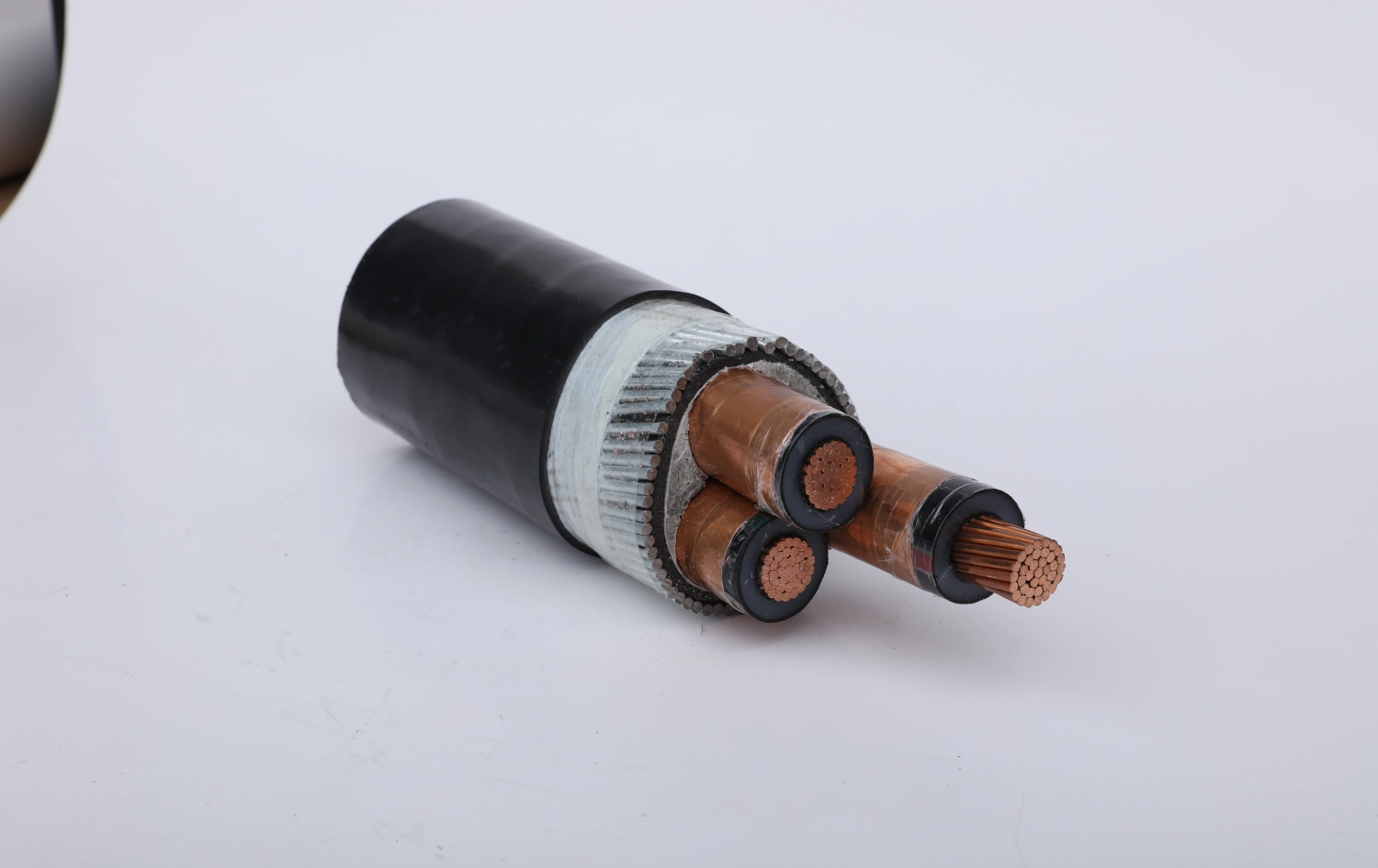
The typical construction includes:
- High-purity copper or aluminum conductor (stranded per IEC 60228 Class 2 or ASTM standards)
- Semi-conductive conductor shield to control electric field stress and prevent corona
- Primary insulation, predominantly XLPE (cross-linked polyethylene) for low dielectric loss, excellent thermal stability (90°C continuous, up to 250°C short-circuit), or EPR (ethylene propylene rubber) for superior flexibility, moisture resistance, and high-temperature performance (often up to 105°C in MV-105 types)
- Semi-conductive insulation shield
- Metallic shield (copper tape, wire, or concentric neutral) for grounding, fault current return, and EMI reduction
- Outer jacket (PVC, PE, or LSZH low-smoke zero-halogen) for mechanical, chemical, UV, and environmental protection
Common types include:
- XLPE-insulated cables — Widely used for underground, duct, or aerial applications due to high efficiency and reliability
- EPR-insulated cables — Preferred in industrial settings or where frequent bending and water exposure occur
- MV-90 / MV-105 (UL standards) — Differentiated by continuous operating temperature (90°C vs. 105°C), with MV-105 offering higher ampacity for demanding loads
Key international standards governing MV cables are:
- IEC 60502-2 — For extruded insulation cables rated 6 kV to 30 kV (Uₘ up to 36 kV)
- UL 1072 — Standard for medium-voltage power cables (common in North America)
- IEEE 48 — For cable terminations
- AEIC CS8 and ICEA S-93-639 — For construction and performance requirements
MV cables find broad applications in utility distribution networks, industrial plants, data centers, hospitals, airports, mining operations, wind/solar farms, and large infrastructure projects. Selecting the right type, insulation, and compliance with standards ensures long-term reliability, minimal power loss, enhanced safety, and compliance in challenging conditions.
What Is a Medium Voltage Power Cable?
A Medium Voltage Power Cable (MV cable) is a type of electrical cable designed to transmit electricity at voltage levels typically ranging from 1 kV to 35 kV. These cables play a critical role in modern electrical systems, bridging the gap between low voltage distribution and high voltage transmission networks.
In real-world applications, MV power cables are widely used in:
- Utility power distribution
- Industrial plants
- Renewable energy projects
- Substations and switchgear systems
- Commercial and infrastructure developments
Compared to low voltage cables, medium voltage cables must withstand significantly higher electrical stress, thermal loads, and environmental conditions.
2. Medium Voltage vs High Voltage Cables
Understanding where MV cables fit within the power system is essential for correct selection.
|
Voltage Class |
Voltage Range |
Typical Applications |
|
Low Voltage (LV) |
≤ 1 kV |
Buildings, lighting, small equipment |
|
Medium Voltage (MV) |
1–35 kV |
Power distribution, substations, industrial systems |
|
High Voltage (HV) |
> 35 kV |
Long-distance power transmission |
Medium voltage MV cables are optimized for power distribution, not bulk transmission, making them a backbone of regional grids and industrial networks.
3. Common MV Cable Types
3.1 MV-105 Cable
The MV-105 cable is one of the most widely specified medium voltage cable types. The “105” indicates a maximum conductor operating temperature of 105°C.
Key features:
- XLPE insulation (cross linked polyethylene)
- Excellent thermal stability
- High resistance to electrical stress
- Longer service life compared to older MV-90 designs
3.2 Shielded vs Unshielded MV Cables
Most modern MV power cables are shielded to control electric field stress and improve safety.
|
Type |
Description |
Typical Use |
|
Shielded MV Cable |
Includes conductor, insulation shield, metallic shield |
Utilities, substations |
|
Unshielded MV Cable |
Limited stress control |
Specialized industrial systems |
4. MV Cable Construction Explained
A standard medium voltage power cable consists of multiple engineered layers:
- Conductor (Copper or Aluminum)
- Conductor Shield
- XLPE Insulation
- Insulation Shield
- Metallic Shield (Copper tape or wire)
- Outer Jacket
Why XLPE Cross Linked Polyethylene?
XLPE insulation has become the industry standard due to:
- High dielectric strength
- Low dielectric losses
- Superior heat resistance
- Long-term aging performance
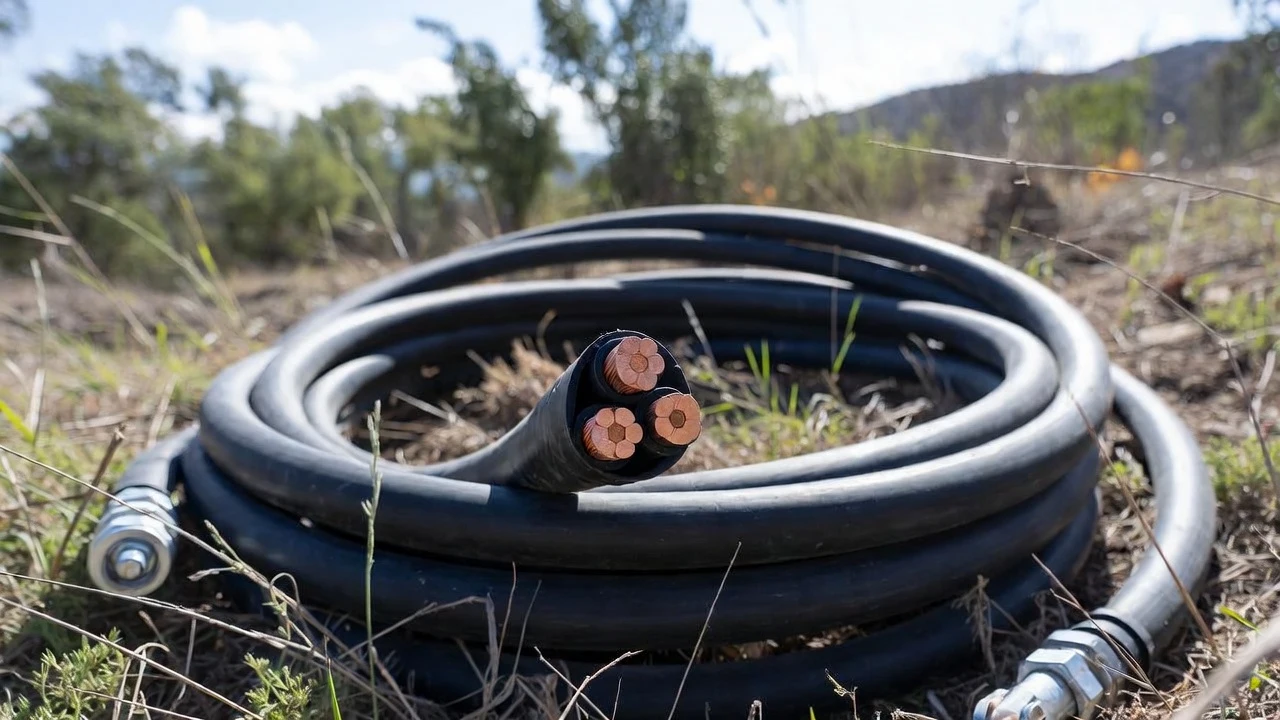
5. Copper or Aluminum: Which Conductor Is Better?
Both materials are widely used in MV cables.
|
Parameter |
Copper MV Cable |
Aluminum MV Cable |
|
Electrical Conductivity |
Higher |
Lower |
|
Weight |
Heavier |
Lighter |
|
Cost |
Higher |
More cost-effective |
|
Installation |
Easier termination |
Requires larger cross-section |
|
Power Distribution Use |
Substations, compact systems |
Utilities, long feeder runs |
In practice, copper or aluminum selection depends on budget, space constraints, and system design.
6. Standards Governing Medium Voltage Cables
MV power cables must comply with strict international standards to ensure safety and performance.
|
Standard |
Region |
Scope |
|
IEC 60502-2 |
International |
MV cables up to 30 kV |
|
ICEA S-93-639 |
North America |
MV-105 cable construction |
|
IEEE 383 / 1202 |
North America |
Flame and performance tests |
|
NEC (NFPA 70) |
USA |
Installation rules |
Compliance ensures cables are properly cables rated for voltage, temperature, and environment.
7. Electrical Stress and Insulation Performance
At medium voltage levels, electrical stress becomes a dominant design factor. Improper insulation or poor installation can lead to:
- Partial discharge
- Insulation breakdown
- Premature cable failure
Shielded MV cables with XLPE insulation significantly reduce these risks, making them suitable for long-term power transmission within distribution networks.
8. Real-World Applications of MV Power Cables
8.1 Power Distribution Networks
Medium voltage cables distribute electricity from substations to:
- Industrial zones
- Commercial buildings
- Residential feeders
8.2 Renewable Energy Systems
MV cables connect:
- Solar farms to step-up transformers
- Wind turbines to collector substations
8.3 Industrial Electrical Systems
Used for:
- Motors
- Large drives
- Process plants
- Mining operations
9. Medium Voltage Cable Selection Decision Matrix (Engineering Guide)
Selecting the correct Medium Voltage Power Cable requires balancing electrical performance, installation conditions, cost, and long-term reliability. The following MV cable selection decision matrix reflects real-world engineering and procurement practices used in utilities, EPC contractors, and industrial projects.
9.1 Key Selection Criteria for MV Cables
When choosing an mv power cable, engineers typically evaluate:
- System voltage level
- Load current and thermal rating
- Installation environment
- Electrical stress management
- Conductor material (copper or aluminum)
- Compliance with applicable standards
- Lifecycle cost and maintenance expectations
9.2 MV Cable Selection Decision Matrix
|
Application Scenario |
Recommended MV Cable Type |
Voltage Rating |
Conductor |
Insulation |
Key Reasoning |
|
Utility Power Distribution |
Shielded MV-105 Cable |
15–35 kV |
Aluminum |
XLPE |
Cost-effective for long feeder runs |
|
Industrial Plant Feeders |
Shielded MV Cable |
6–15 kV |
Copper |
XLPE |
Compact size, higher current density |
|
Renewable Energy (Solar/Wind) |
MV-105 Cable |
15–35 kV |
Aluminum |
XLPE |
Lightweight, suitable for outdoor routing |
|
Substation Interconnections |
Shielded MV Cable |
10–35 kV |
Copper |
XLPE |
Low losses, high reliability |
|
Underground Installations |
Armored MV Cable |
6–35 kV |
Copper / Aluminum |
XLPE |
Mechanical protection and moisture resistance |
|
Cable Tray / Tunnel Systems |
Shielded MV Cable |
6–15 kV |
Copper |
XLPE |
Better bending radius and termination |
|
Harsh Industrial Environments |
MV Cable with Heavy Jacket |
6–35 kV |
Copper |
XLPE |
Enhanced resistance to chemicals and heat |
9.3 Copper vs Aluminum Decision Guidance
|
Selection Factor |
Copper MV Cable |
Aluminum MV Cable |
|
Space Constraints |
✔ Better |
◯ Requires larger size |
|
Initial Cost |
✖ Higher |
✔ Lower |
|
Weight |
✖ Heavier |
✔ Lighter |
|
Termination Skill |
Standard |
Requires proper lugs |
|
Long Feeder Runs |
◯ Acceptable |
✔ Preferred |
Engineering Insight:
For long-distance power distribution feeders, aluminum MV cables often deliver the best cost-performance balance. For compact installations with high electrical stress, copper remains the preferred choice.
9.4 Installation Environment Considerations
|
Installation Condition |
Recommended Feature |
|
Underground duct banks |
Metallic shielding + moisture-resistant jacket |
|
High ambient temperature |
MV-105 rating or higher |
|
High electrical stress |
Full insulation shielding |
|
Limited space |
Copper conductor |
|
Outdoor renewable sites |
UV-resistant outer sheath |
9.5 Practical Engineering Recommendation
In modern electrical systems, most EPC contractors standardize on:
- Shielded MV-105 cables with XLPE cross-linked polyethylene insulation
- Aluminum conductors for utility and renewable projects
- Copper conductors for substations and industrial systems
This approach balances performance, safety, and lifecycle cost while complying with global MV cable standards.
9.6 Key Takeaway
There is no single “best” medium voltage mv cable for all projects. The optimal choice depends on:
- Electrical system requirements
- Installation environment
- Power distribution strategy
- Long-term operational considerations
Using a structured MV cable selection decision matrix ensures consistent, defensible, and cost-effective engineering decisions.
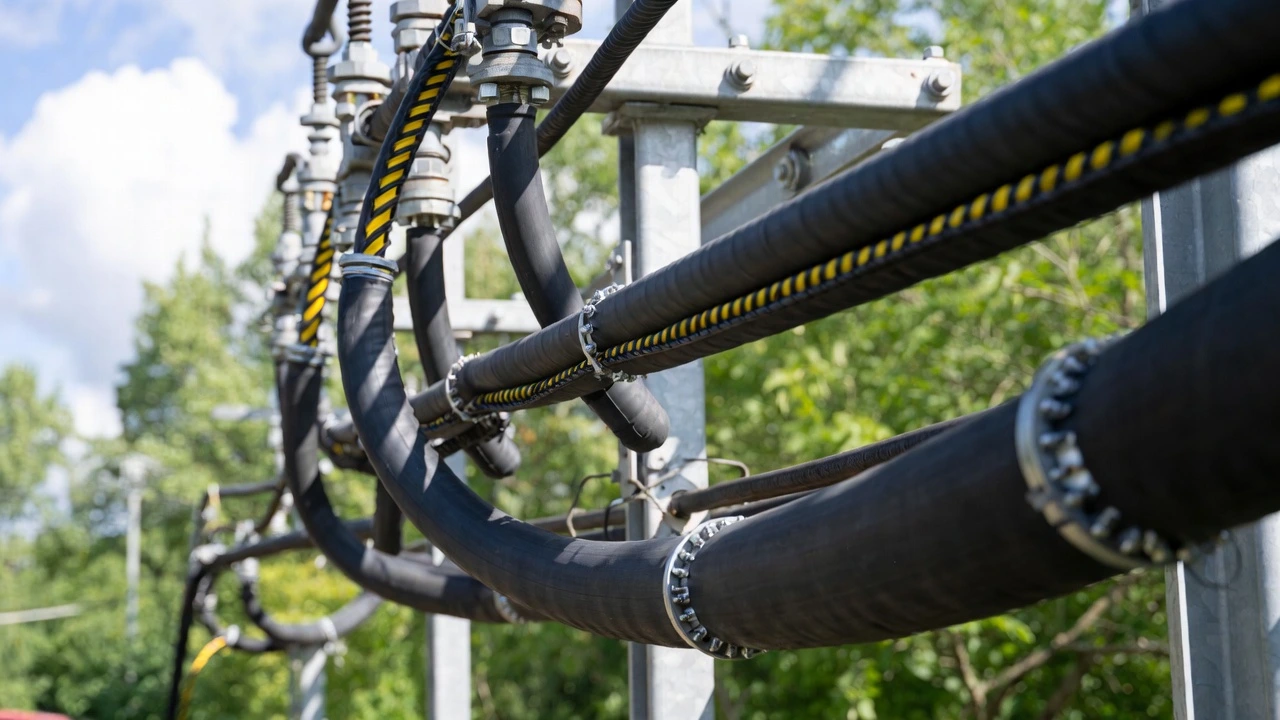
10. Installation Considerations in Modern Systems
In modern electrical systems, MV cables may be installed:
- Underground (direct burial or duct banks)
- In cable trays
- In tunnels or utility corridors
Proper installation practices reduce electrical stress and extend service life.
11. Future Trends in Medium Voltage Cables
- Higher temperature-rated MV cables
- Improved XLPE formulations
- Enhanced metallic shielding designs
- Integration with smart grid monitoring systems
As power distribution systems evolve, medium voltage cables remain essential infrastructure assets.
A Medium Voltage Power Cable is a critical component in modern power distribution and industrial electrical systems. Understanding MV cable types, standards like MV-105, insulation materials such as XLPE cross linked polyethylene, and conductor options ensures safe, efficient, and long-lasting installations.
Whether used in utilities, renewable energy, or industrial facilities, selecting the right mv power cable directly impacts system reliability, efficiency, and lifecycle cost.

Related Articles
Related Products
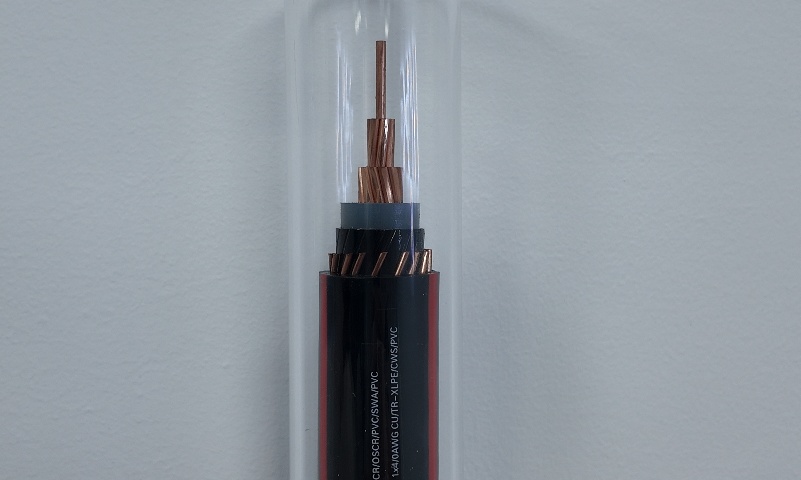
4/0 AWG Aluminum URD Cable 1/3 Neutral
The 4/0 AWG Aluminum URD Cable 1/3 Neutral is a durable and economical 600V underground residential distribution cable engineered for service entrance and secondary power delivery. It utilizes a 4/0 AWG stranded AA8000 aluminum alloy phase conductor with XLPE insulation and a 1/3 concentric aluminum alloy neutral, all protected by a rugged black polyethylene sheath. This design offers excellent flexibility, high conductivity, and superior moisture resistance, making it suitable for direct burial or conduit installations. The 1/3 neutral configuration provides a balanced and cost-effective solution for most residential applications. Manufactured to UL 854 and ICEA standards, the 4/0 AWG Aluminum URD Cable 1/3 Neutral undergoes extensive quality testing to ensure consistent performance and long service life in underground environments.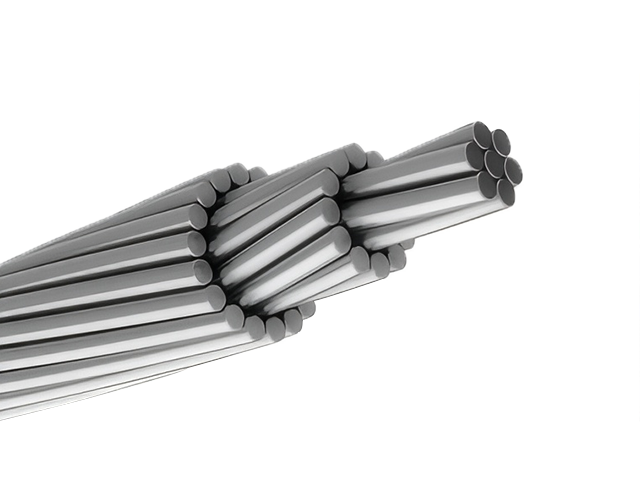
1590 MCM LAPWING ACSR Conductor Cable
The ACSR 1590 MCM Lapwing 45/7 is a high-efficiency, bare concentric-lay-stranded conductor designed for superior performance in overhead power transmission and distribution systems, meeting ASTM B232 standards. It features a galvanized steel core (Class A or B) with 7 steel strands for robust mechanical strength, surrounded by 45 strands of hard-drawn 1350-H19 aluminum wire for excellent electrical conductivity. Ideal for long-span transmission lines and primary/secondary distribution networks, the Lapwing configuration offers exceptional corrosion resistance and customizable aluminum-to-steel ratios to fulfill specific electrical and mechanical demands, ensuring reliable and durable power delivery. Galvanized steel wires used for the core undergo tensile testing, zinc coating thickness measurement, and corrosion resistance evaluation. Dimensional accuracy and surface condition of all materials are verified before approval.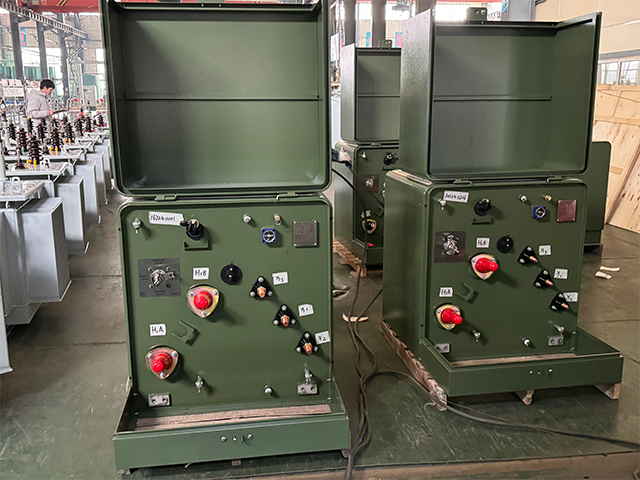
1600kVA Single Phase Pad Mounted Transformer
The 1600kVA Single Phase Pad Mounted Transformer represents the pinnacle of high-capacity underground distribution technology, engineered to handle the most demanding residential and commercial loads with outstanding efficiency and longevity. Conforming to the latest ANSI C57.12.38, IEEE C57.12.00, and DOE 2016/2020 efficiency tiers, this 1600kVA single-phase padmount provides reliable step-down from primary voltages up to 46kV to versatile secondary configurations, supporting massive loop-feed networks with superior overload tolerance and virtually silent operation.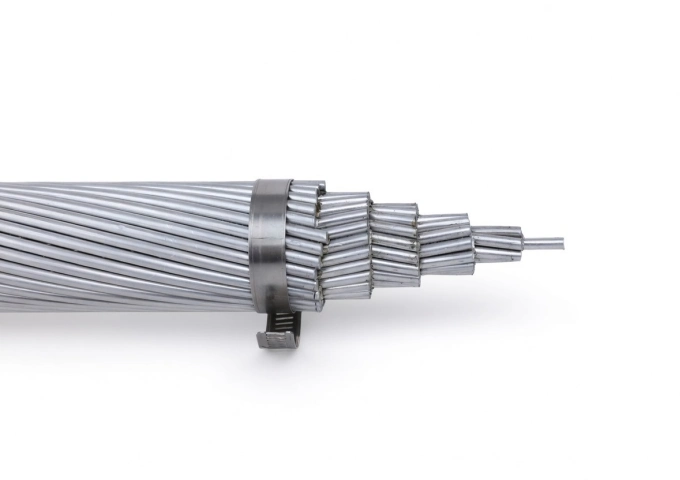
250 MCM Sneezewort AAC Cable
The 250 MCM Sneezewort AAC Cable represents premium All Aluminum Conductor technology for overhead power applications. Built with seven strands of high-conductivity 1350-H19 aluminum, this bare conductor delivers an optimal balance of electrical efficiency and mechanical robustness. With a 0.567-inch diameter, 4,520 lbs breaking strength, and 425 amps ampacity, the Sneezewort AAC offers low DC resistance of 0.0691 ohms per 1000 ft at 20°C and a weight of 234.7 lbs per 1000 ft. This design minimizes sag while providing excellent corrosion resistance for extended outdoor service. Manufactured to meet ASTM B-230 and B-231 standards, the 250 MCM Sneezewort AAC Cable undergoes extensive quality testing from raw materials through finished product. It is the perfect solution for new installations and upgrades in transmission and distribution systems that demand lightweight, high-conductivity bare aluminum conductors.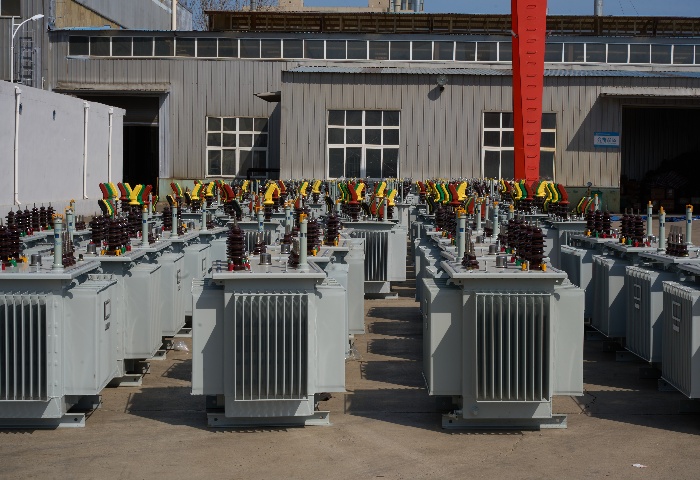
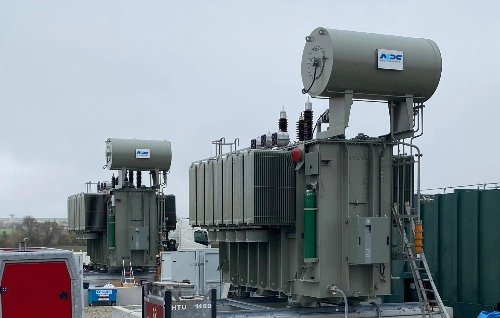
1000kVA Oil Immersed Transformer
NPC ELECTRIC's 1000kVA oil-immersed transformer is made of high-quality silicon steel sheets and high-quality insulation materials, with high efficiency, low loss, and long life. The product complies with international standards such as IEC 60076 and GB 1094, and has passed strict type tests and factory tests to ensure safety and reliability. High-quality windings and robust mechanical design provide strong short-circuit withstand capability and thermal stability. With low operating noise and reduced maintenance requirements, the transformer is well suited for industrial, commercial, and utility distribution networks.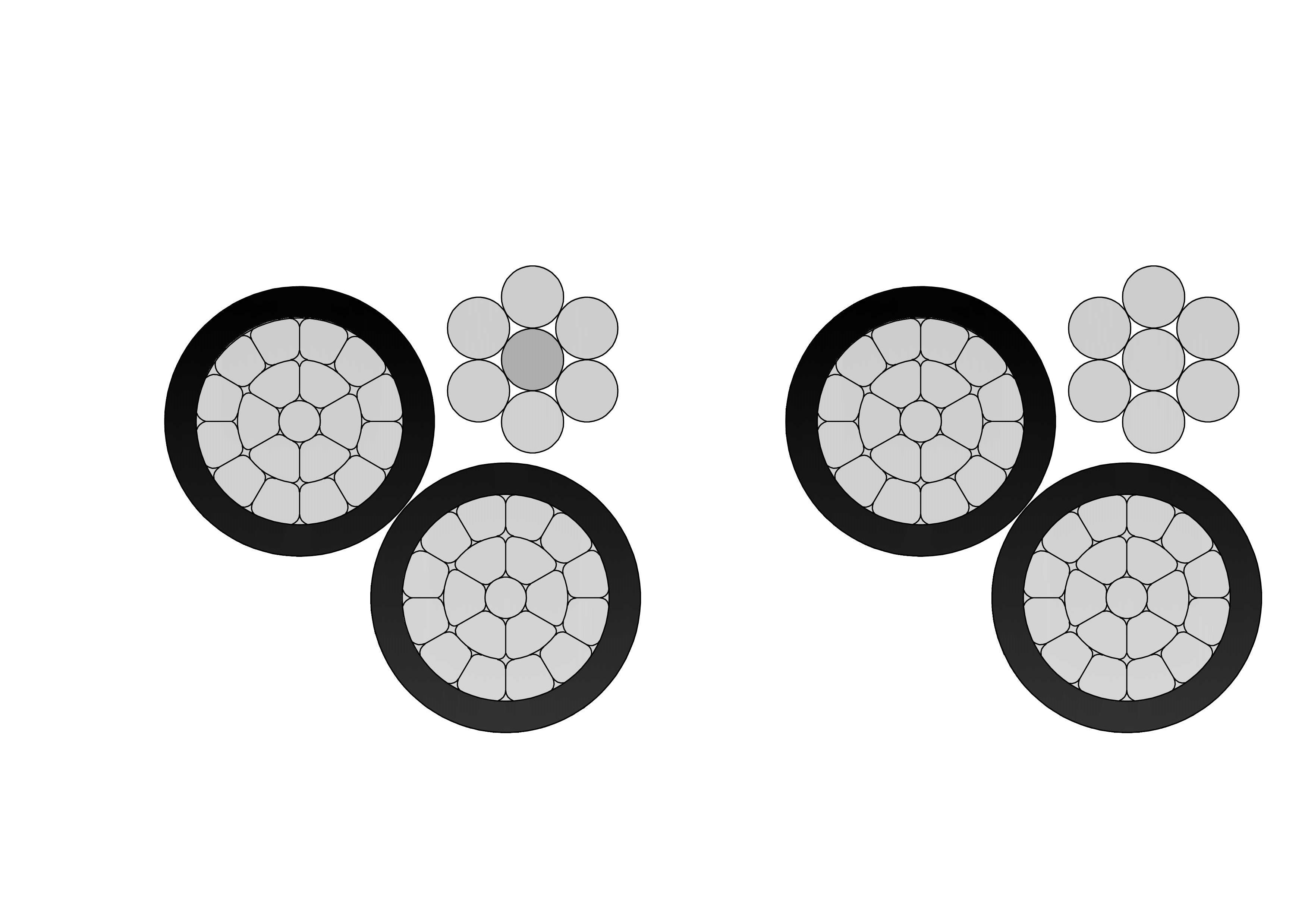
4/0 Cerapus Aluminum Conductor Triplex Overhead Service Drop Cable
4/0-4/0-2/0 Cerapus Aluminum Conductor Triplex Overhead Service Drop Cable provides premium overhead power transmission for utility-to-consumer connections with elevated capacity needs. Featuring concentric or compressed 1350-H19 aluminum phase conductors (#4/0 AWG), black XLPE insulation for enhanced thermal, abrasion, and environmental protection, plus a bare ACSR neutral messenger (#2/0 AWG), it ensures efficient conductivity, corrosion resistance, and structural integrity. Rated 600V phase-to-phase up to 90°C (XLPE), with ≈315A ampacity, it complies with ASTM B-230/B-231/B-232/B-399 and ICEA S-76-474. Its balanced, lightweight design facilitates easy installation while offering robust long-term performance against demanding outdoor factors like extreme temperatures, moisture, UV exposure, and mechanical loads in residential, commercial, and light industrial settings.2Y-high-voltage-power-cable-2.webp)
2XS(FL)2Y HDPE High Voltage 76/132 (145)kV Power Cable
The 2XS(FL)2Y HDPE High Voltage 76/132 (145) kV Power Cable is a single-core copper conductor cable with XLPE insulation and HDPE sheath, engineered for reliable high-voltage power transmission in demanding environments. Manufactured according to IEC 60840 standards, it delivers outstanding electrical performance, water resistance, and mechanical protection. Suitable for installation underground, underwater, outdoors, indoors, and in cable ducts, making it ideal for power stations, industrial sites, and distribution networks. It features stranded copper conductors for optimal conductivity, semi-conductive conductor screen, premium-grade XLPE insulation for exceptional dielectric performance and 90°C continuous rating (250°C short-circuit), semi-conductive insulation screen, concentric copper wire screen combined with aluminium laminated foil for longitudinal water-blocking, electromagnetic shielding, and grounding, and a high-density polyethylene (HDPE) outer sheath delivering superior mechanical protection, moisture resistance, chemical stability, and UV resistance.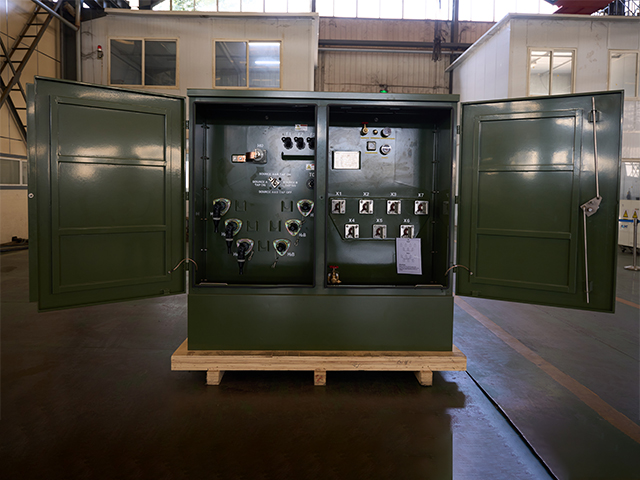
4000kVA Three Phase Pad Mounted Transformer
NPC ELECTRIC's 4000kVA Three Phase Pad Mounted transformer is made of high-performance silicon steel sheets and high-quality insulating oil. It complies with international standards such as IEC 60076 and ANSI C57. It has excellent electrical performance and weather resistance. It is suitable for large industrial parks, urban distribution stations, and new energy power generation systems. It is an ideal choice for high-reliability and high-efficiency power distribution.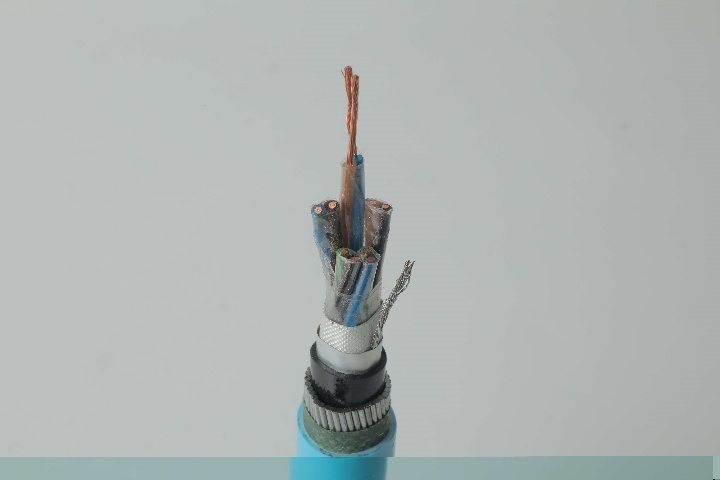
Instrumentation Cables—XLPE Insulated, Overall Screened, DRYLAM Layered, Wire Armoured PVC Sheathed Cables(CU/XLPE/OSCR/DRYLAM/SWA/PVC)
CU/XLPE/OSCR/DRYLAM/SWA/PVC instrumentation cables are engineered to deliver stable signal transmission under harsh environmental and mechanical conditions. XLPE insulated copper conductors provide excellent dielectric performance and resistance to thermal aging. The overall screen minimizes electromagnetic interference, ensuring precise signal transmission in sensitive instrumentation circuits. The DRYLAM water-blocking layer offers effective protection against moisture ingress, enhancing cable reliability in humid or buried installations. Steel wire armour improves resistance to mechanical stress and external damage, while the PVC sheath protects against abrasion, oils, and chemicals. This balanced construction combines electrical performance, water resistance, and mechanical durability for long-term industrial use.
4 Oyster Aluminum Conductor Triplex Overhead Service Drop Cable
4-4-4 Oyster Aluminum Conductor Triplex Overhead Service Drop Cable provides high-quality overhead power transmission for utility-to-consumer connections. Constructed with compressed 1350-H19 aluminum phase conductors (#4 AWG), robust XLPE black insulation for enhanced thermal and environmental protection, and an AAC bare neutral (#4 AWG), it offers outstanding electrical efficiency, corrosion resistance, and durability in extreme weather. Designed for 600V applications (phase-to-phase) with conductor temps up to 90°C, it supports ~115A ampacity. Meets key standards including ASTM B-230/B-231/B-232 and ICEA S-76-474. Lightweight yet strong, this cable simplifies installation while ensuring long-term performance for service entrances.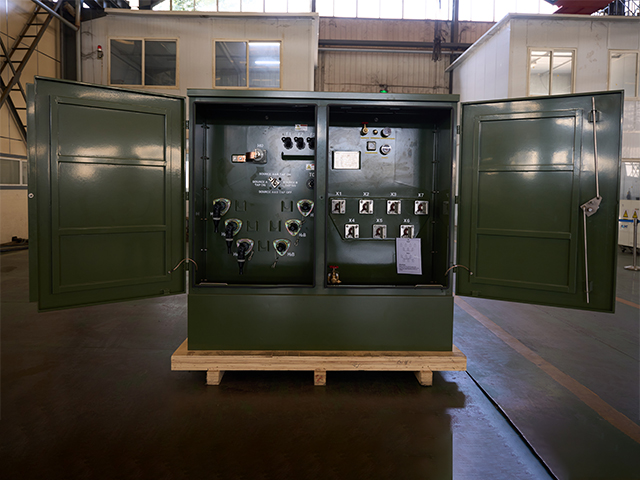
1600kVA Three Phase Pad Mounted Transformer
The 1600kVA Three Phase Pad Mounted Transformer is a robust, liquid-immersed, self-cooled distribution transformer designed for reliable underground power delivery in high-demand environments. Built to exceed IEEE C57.12.34, ANSI C57.12.00, DOE 2016 efficiency standards, and CSA C802.3 requirements, this UL-listed compartmental-type unit features dead-front high-voltage bushings (200A loadbreak inserts), loop-feed or radial configurations, and a fully sealed tank with mineral oil or eco-friendly FR3 fluid options.Suitable for primary voltages like 12.47kV, 13.8kV, 24.94kV, or 34.5kV to secondary 480Y/277V or 208Y/120V, it provides overload capability, low maintenance, and enhanced fire safety for modern grid integration.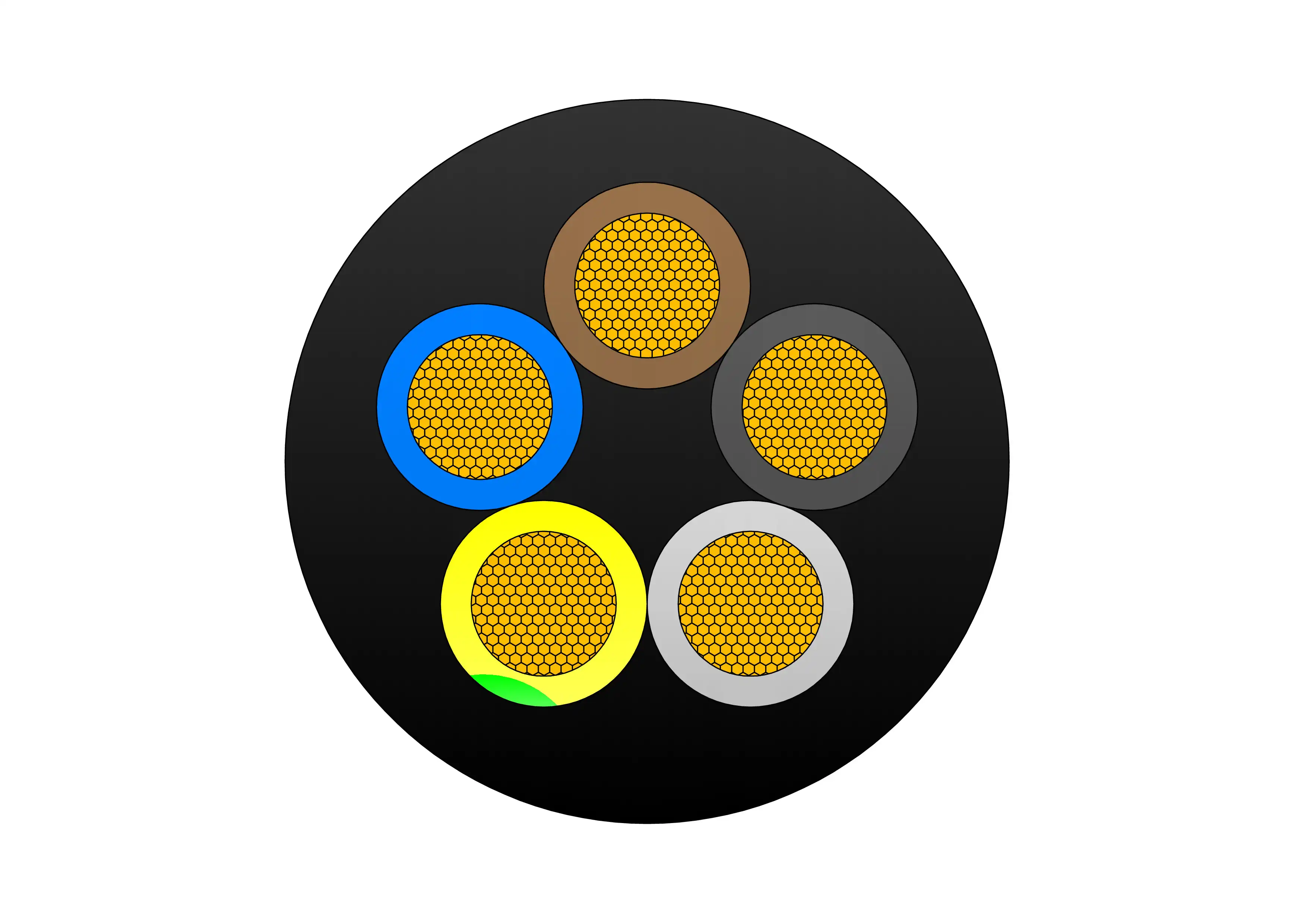
H07RN-8-F EN 50525-2-21 Flexible Rubber Cable
The H07RN-8-F EN 50525-2-21 Flexible Rubber Cable is a versatile, heavy-duty flexible cable designed for demanding applications in harsh, wet environments. It features fine-stranded class 5 bare copper conductors for excellent flexibility and conductivity, EPR (ethylene propylene rubber) core insulation for high dielectric strength and thermal resistance (90°C continuous, 250°C short-circuit), an overall tinned copper braid screen (optional for some variants), and a robust polychloroprene (neoprene) outer sheath providing superior oil resistance, flame retardancy (IEC 60332-1), abrasion/chemical resistance, and weatherproofing. The AD8 rating ensures submersible performance up to 10 meters depth for continuous use in wet or underwater conditions. Compliant with EN 50525-2-21 and VDE 0285 standards, it offers mechanical robustness, ozone resistance, and long service life. The H07RN-8-F is ideal for mobile equipment, construction sites, mining, marine applications, and industrial power supply where flexibility, water immersion, and safety are critical.
Instrumentation Cables—PVC Insulated,Individual &Overall Screened, Wire Armoured PVC Sheathed Cables(CU/PVC/IOSCR/SWA/PVC)
Instrumentation Cables are multi-conductor cables that carry and transport low-voltage electrical signals. These low-voltage signals are used to control and monitor electrical power systems. Instrumentation cables have many different industrial applications that include broadcasting, equipment control, such as drilling and pumping in the oil and gas industry, and data transfer, which includes analog and digital signals. They are manufactured according to the BS EN 50288-7 and BS EN 50288-1 standards to ensure quality. Depending on the application, instrumentation cables can be insulated with PVC or XLPE; the cables can be armoured or unarmoured. The sheathing materials can be of PVC, LSZH, or PE. The cables can have additional flame retardant or flame retardant properties, and they can be manufactured with special protections such as lead sheaths, or DRYLAM or AIRBAG technology.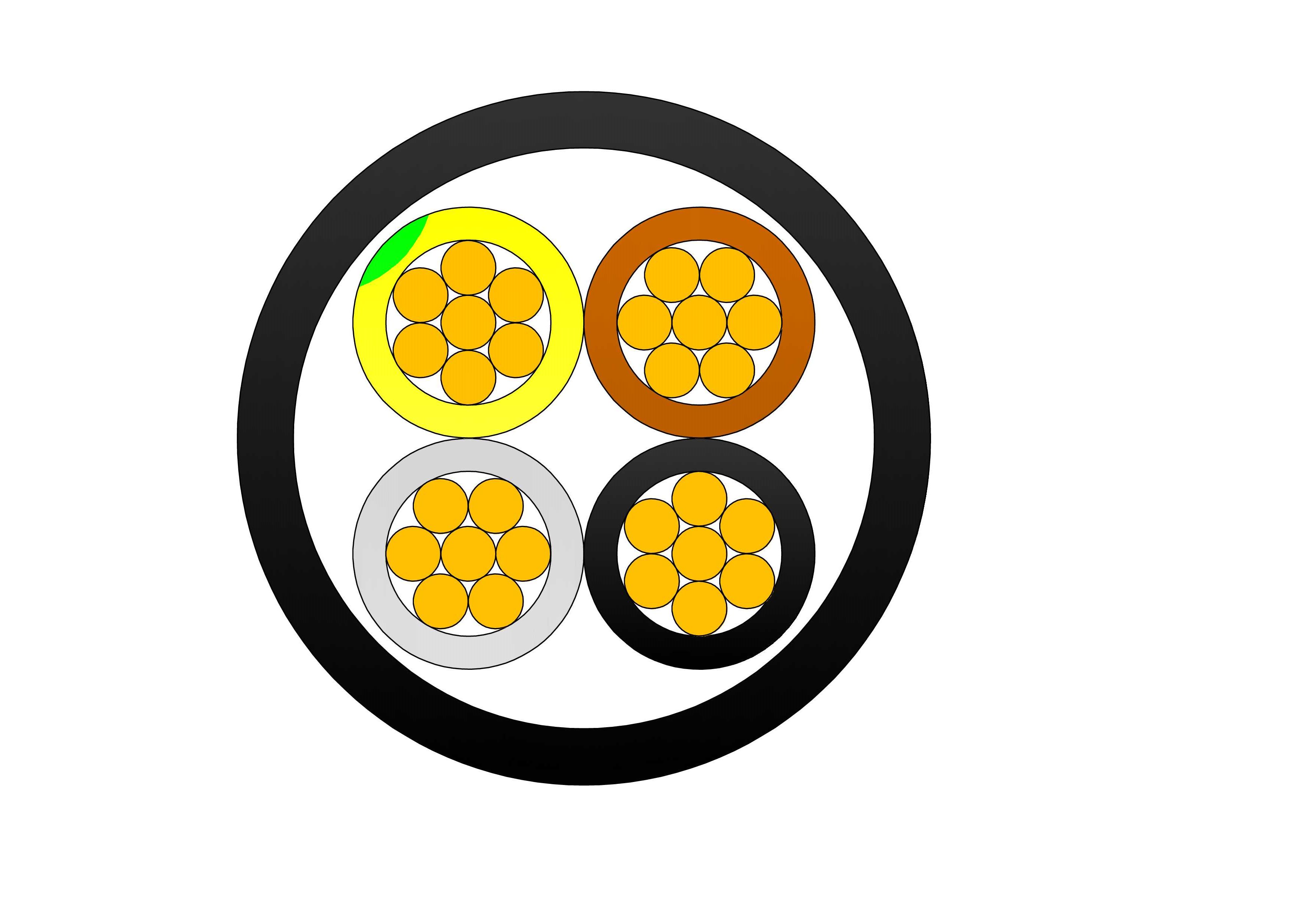
Steel Tape Armoured Cable Type
The Steel Tape Armoured Cable (STA Cable) is designed for reliable power transmission in environments requiring enhanced mechanical protection. Manufactured with high-quality copper or aluminum conductors, XLPE insulation, galvanized steel tape armour, and a durable PVC outer sheath, the cable provides exceptional durability and long-term operational reliability. The galvanized steel tape armour offers superior resistance against mechanical impact, compression, and external damage, making the cable suitable for underground installations and harsh industrial environments. The XLPE insulation ensures excellent electrical performance, low dielectric losses, and continuous operating temperatures up to 90°C. The PVC sheath protects the cable against moisture, chemicals, abrasion, and environmental exposure, extending service life and reducing maintenance requirements. Manufactured according to IEC 60502-1 and other international standards, the cable is widely used in power distribution networks, industrial facilities, infrastructure projects, renewable energy installations, and utility systems. The Steel Tape Armoured Cable combines electrical efficiency, mechanical strength, and installation flexibility, making it a dependable solution for demanding power distribution applications.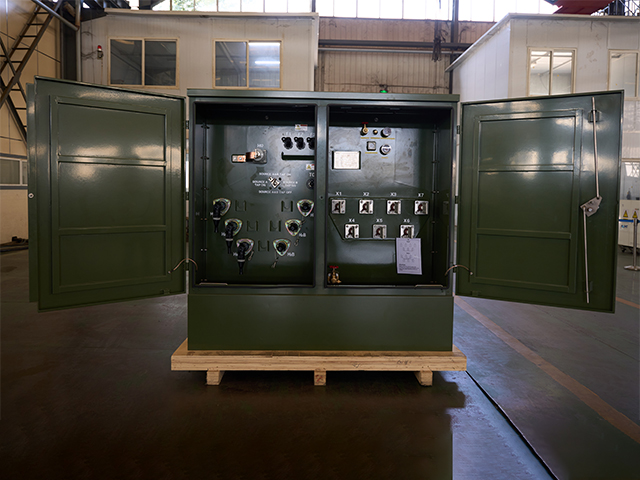
2000kVA Three Phase Pad Mounted Transformer
2000kVA Three Phase Pad Mounted transformer adopts a fully sealed oil-immersed design, which complies with international standards such as IEC, ANSI and GB. It has the characteristics of high efficiency, low loss and strong weather resistance. It is widely used in industrial parks, commercial complexes, power companies and new energy projects, and is particularly suitable for medium and large load environments that require both stable power supply and energy saving.Welcome your inquiry
Honesty, Integrity, Frugality, Activeness and Passion