
Copper vs Aluminum Cable for Export: Which to Choose in 2026 (Cost & Market Guide)
2026-04-01
Why Copper vs Aluminum Matters for Global Cable Buyers
As global infrastructure investment accelerates in renewable energy, power transmission, data centers, and industrial parks, the choice between copper and aluminum cable has become a strategic decision for exporters, project developers, EPC contractors, and end owners alike.
In January 2026, copper prices on the London Metal Exchange (LME) have surged to record levels, recently peaking above $13,000–$13,400 per metric ton amid persistent supply constraints, strong demand from electrification, AI-driven data center expansion, and grid upgrades. This represents a roughly 30–50% year-on-year increase from early 2025 averages, with forecasts suggesting an average around $11,000–$12,500/mt for the full year, depending on analyst views (e.g., Goldman Sachs projecting volatility with potential corrections to $11,000 by year-end, while others see sustained tightness). Aluminum, by contrast, trades at approximately $3,000–$3,200 per metric ton on the LME, reflecting a price ratio of roughly 4:1 to 4.5:1—one of the widest in recent history—driven by copper's structural deficits and aluminum's relatively stable supply dynamics despite its own regional pressures (e.g., China's production caps and European energy constraints).
This elevated copper premium reshapes buyer economics, particularly for large-scale export projects where total installed cost, logistics, and long-term ownership factors dominate. Tighter ESG (Environmental, Social, and Governance) requirements further complicate decisions: aluminum's lower embodied carbon (especially when sourced from low-emission smelters using hydro or renewables) aligns better with net-zero targets in Europe and parts of North America, while copper's superior conductivity often justifies its use in high-efficiency, space-constrained applications. Regional grid standards add another layer—strict NEC/UL compliance in the US favors proven copper reliability in indoor and critical infrastructure, whereas IEC-based markets in the Middle East, Africa, Southeast Asia, and South America increasingly accept modern AA-8000 series aluminum alloys for overhead, underground, and medium-voltage distribution due to weight savings and cost advantages.
The boom in renewables—solar farms, onshore/offshore wind, and battery storage—intensifies conductor demand, with copper excelling in compact, high-current connections (e.g., inverters, transformers, and array wiring) and aluminum dominating long-distance transmission lines (e.g., ACSR/AAAC conductors for lighter towers and reduced line losses over span). Data centers, fueled by AI and hyperscale computing, represent a particularly copper-intensive segment: facilities can require 3–4 times more conductor material than traditional setups due to dense power distribution, busbars, and thermal management needs, yet aluminum substitutes gain traction in feeders and service entrances where space allows upsizing for equivalent ampacity.
Industrial parks and smart grid modernizations in emerging markets amplify the debate, as project owners balance upfront capital expenditure against lifecycle performance, maintenance, and future-proofing. Exporters must navigate these dynamics by offering certified portfolios (IEC, UL, CE, TUV) that include both options, often bundling TCO (Total Cost of Ownership) analyses showing aluminum's 30–50% material and freight savings in weight-sensitive shipments, offset by copper's advantages in thermal conductivity, creep resistance, and connection reliability when properly terminated.
Ultimately, the 2026 landscape favors a hybrid strategy: premium copper cable for regulated, high-reliability, or density-critical applications, and high-performance aluminum (or alloy) solutions for volume-driven, cost-optimized infrastructure. Proactive exporters who provide transparent comparisons, real-world case studies, and ESG-aligned sourcing stand to capture higher win rates in competitive international bids.
Fundamental Differences: Copper Cable vs Aluminum Cable
Material Properties at a Glance
|
Property |
Copper Cable |
Aluminum Cable |
|
Electrical Conductivity |
~100% IACS |
~61% IACS |
|
Density |
8.96 g/cm³ |
2.70 g/cm³ |
|
Weight (same ampacity) |
Heavier |
~50% lighter |
|
Tensile Strength |
Higher |
Lower |
|
Corrosion Resistance |
Excellent |
Good (with protection) |
|
Thermal Expansion |
Low |
Higher |
|
Typical Cost (2026) |
High & volatile |
30–50% lower |
Engineering insight: Aluminum cables must use a larger cross-sectional area to match the ampacity of copper, but the total system weight and cost are still often lower.
Cost Comparison: Export Economics in 2026
Typical Material Cost Comparison (Indicative)
|
Cable Type |
Copper Cable (USD/ton) |
Aluminum Cable (USD/ton) |
|
9,000–11,000 |
2,600–3,200 |
|
|
9,500–11,500 |
2,800–3,400 |
|
|
Overhead Conductors |
8,800–10,500 |
2,400–3,000 |
Export reality:
For long-distance shipping (Africa, the Middle East, Latin America), aluminum cables significantly reduce freight cost, import duty, and handling complexity.
Performance Comparison in Real Electrical Systems
Ampacity & Efficiency
|
Parameter |
Copper |
Aluminum |
|
Current Carrying Capacity |
Higher per mm² |
Lower per mm² |
|
Heat Dissipation |
Excellent |
Good |
|
Energy Loss (I²R) |
Lower |
Slightly higher |
|
Long-Term Stability |
Very high |
High (with correct design) |
Best practice:
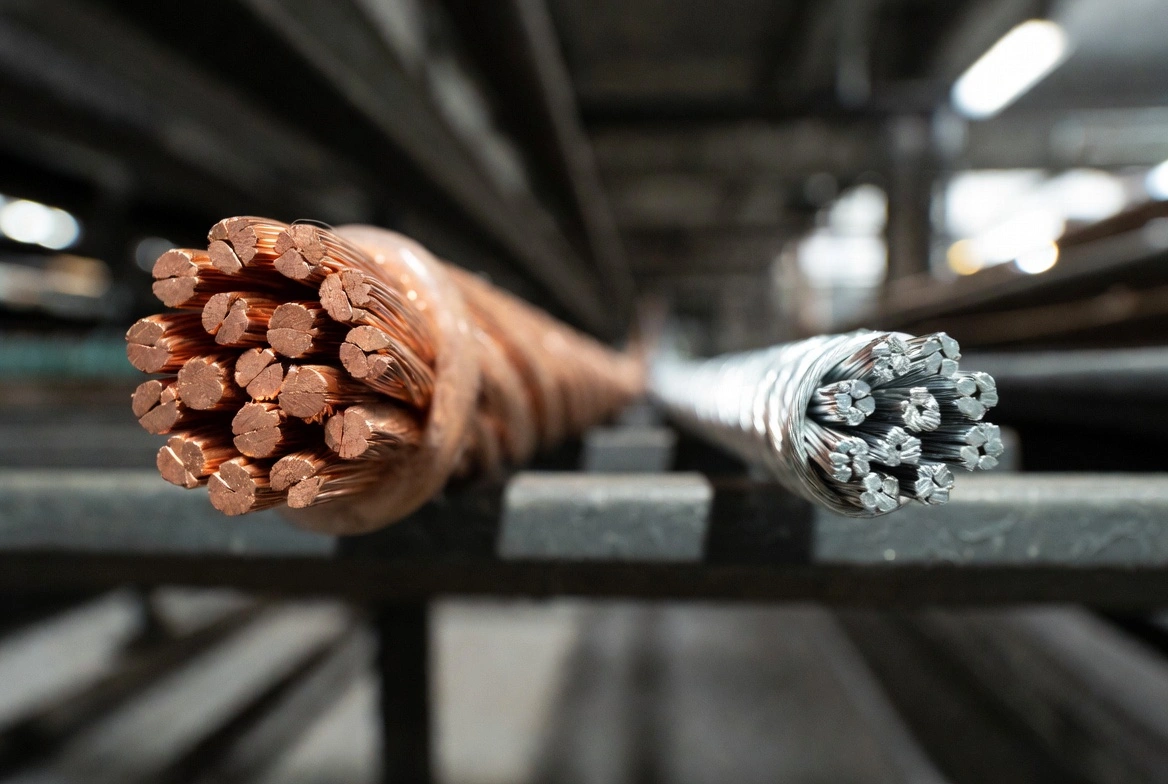
For aluminum vs copper wire, correct lug selection, joint torque, and anti-oxidation treatment are critical to system reliability.
Applications by Market Segment
When Copper Cable Is Preferred
- Data centers and mission-critical facilities
- Compact installations with space constraints
- High short-circuit duty systems
- Premium commercial buildings
- Export markets with legacy copper-only standards
When Aluminum Cable Is the Better Choice
- Utility-scale power distribution
- Solar and wind farms
- Industrial plants and substations
- Overhead and long feeder circuits
- Cost-sensitive emerging markets
Standards & Compliance for Export Markets
Both copper and aluminum cables must comply with international standards:
|
Region |
Key Standards |
|
IEC Markets |
IEC 60228, IEC 60502 |
|
North America |
UL, NEC, ICEA |
|
Middle East |
IEC + Utility Specs |
|
Africa |
IEC / BS |
|
Latin America |
IEC / NTC / IRAM |
Important:
Reputable copper cable manufacturers and aluminum cable manufacturers must provide:
- Type test reports
- Routine test certificates
- RoHS & REACH compliance
- Country-of-origin documentation
Copper vs Aluminum Cable: Total Cost of Ownership (TCO)
|
Cost Factor |
Copper |
Aluminum |
|
Initial Purchase |
High |
Low |
|
Installation Labor |
Standard |
Slightly higher |
|
Transport & Logistics |
High |
Low |
|
Maintenance |
Very low |
Low |
|
Lifecycle Cost |
High |
Cost-effective |
Conclusion:
For most export-oriented power projects, aluminum cables deliver superior lifecycle value when properly engineered.
2026 Market Trends: What Export Buyers Are Choosing
- Utilities increasingly specify aluminum conductors for MV/LV networks
- Renewable energy projects favor aluminum for cost and weight efficiency
- Copper remains dominant in high-density and critical loads
- Hybrid designs (copper termination + aluminum feeder) are common
How to Choose the Right Cable for Export Projects
Decision Checklist for Buyers
- Target country grid standards
- Project voltage level and ampacity
- Installation environment (indoor/outdoor/underground)
- Budget constraints and financing model
- Logistics and delivery timeline
Pro tip: Early coordination with an experienced wires and cable export manufacturer avoids redesign and compliance delays.
Final Verdict: Copper vs Aluminum Cable in 2026
There is no universal winner.
- Choose copper cable when performance density, stability, and premium standards dominate.
- Choose aluminum cable when scale, cost efficiency, and logistics matter most.
For global exporters and EPC contractors, the smartest strategy is application-driven selection, not material bias.
About Cable Manufacturing & Export Support
Working with a qualified copper cable manufacturer or aluminum cable manufacturer ensures:
- Engineering support for material selection
- Compliance with international standards
- Stable supply chains and export documentation
- Competitive pricing for long-term projects

Related Articles
Related Products
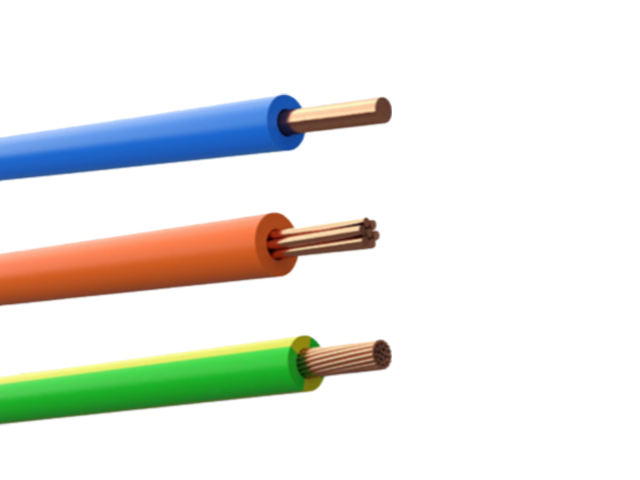
H05V-U H05V-R H05V-K
H05V-K cable is used for the internal wiring of electric motors and transformers as well as other electrical appliances and lighting applications. It can be used in and at electronic appliances for measuring, regulating and controlling. The cables are also ideal for laying in pipes, surface wiring and conduit installations. Specifications according to HD 516 apply for respective specific applications. H05V-U cable is intended for the installation to the inside of apparatus as well as for the protective laying to the lightings, in dry rooms, in production facilities, switch and distributor boards, in tubes, under and surface mounting of plasters. H05V-R is preferably for installation indoors, in cable ducts and in industrial plants or switching stations, under ground installation. Can be used in switchboards and distributor boards or where a thicker strand of multi-wire is required.Found in electronic and electrical equipment and switch gear cabinets designed for export to a European country and for MRO replacement of European made equipment wire.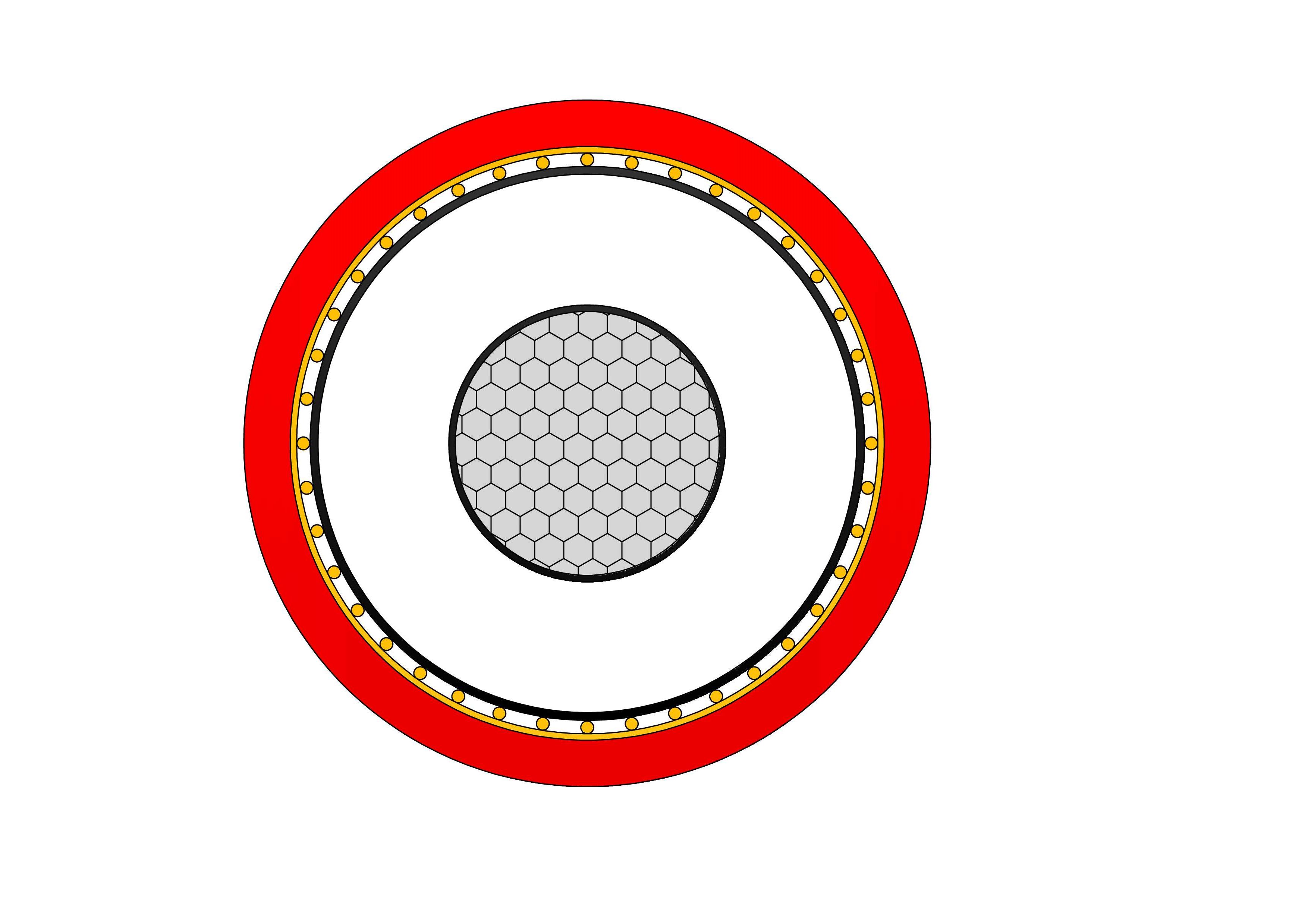
NA2XSH Medium Voltage Power Cable(6/10kV, 12/20kV, 18/30kV)
The NA2XSH is a low-smoke halogen-free (LSZH), medium-voltage aluminum conductor cable with excellent flame-retardant properties and meets the design requirements of the IEC 60502-2 standard. Featuring stranded aluminium conductors, cross-linked polyethylene (XLPE) insulation, copper tape or wire screen, and low smoke zero halogen (LSZH) outer sheath, it complies with IEC 60502-2 and fire safety standards. In fire conditions, the LSZH sheath produces minimal smoke and no toxic halogen gases, enhancing safety in populated areas. Aluminium construction reduces weight and costs while maintaining good current capacity. With low dielectric losses, excellent partial discharge resistance, and high thermal stability, it ensures efficient, long-term performance. Suitable for direct burial, ducts, or indoor use, the NA2XSH Medium Voltage Power Cable is ideal for utilities, hospitals, schools, tunnels, and infrastructure projects requiring economical, environmentally friendly medium voltage cabling with superior fire protection and reliability worldwide.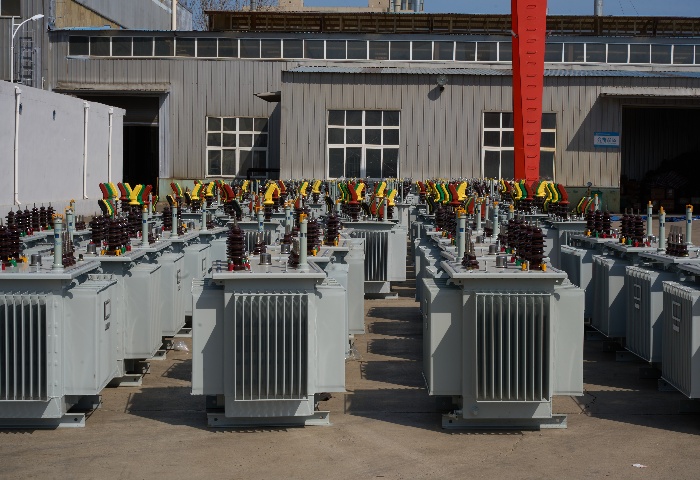
10.5KV Oil Immersed Substation Transformer
The 10.5kV Oil Immersed Substation Transformer is specifically designed for medium-voltage power substations requiring stable voltage conversion and reliable long-term operation. Utilizing a proven oil-immersed insulation system, the transformer provides excellent dielectric strength and efficient heat dissipation, ensuring dependable performance under continuous load conditions. High-quality winding materials and precise manufacturing processes enhance mechanical strength and short-circuit resistance. With low operating noise and strong thermal stability, the transformer is well-suited for modern substations serving industrial, commercial, and infrastructure power distribution systems.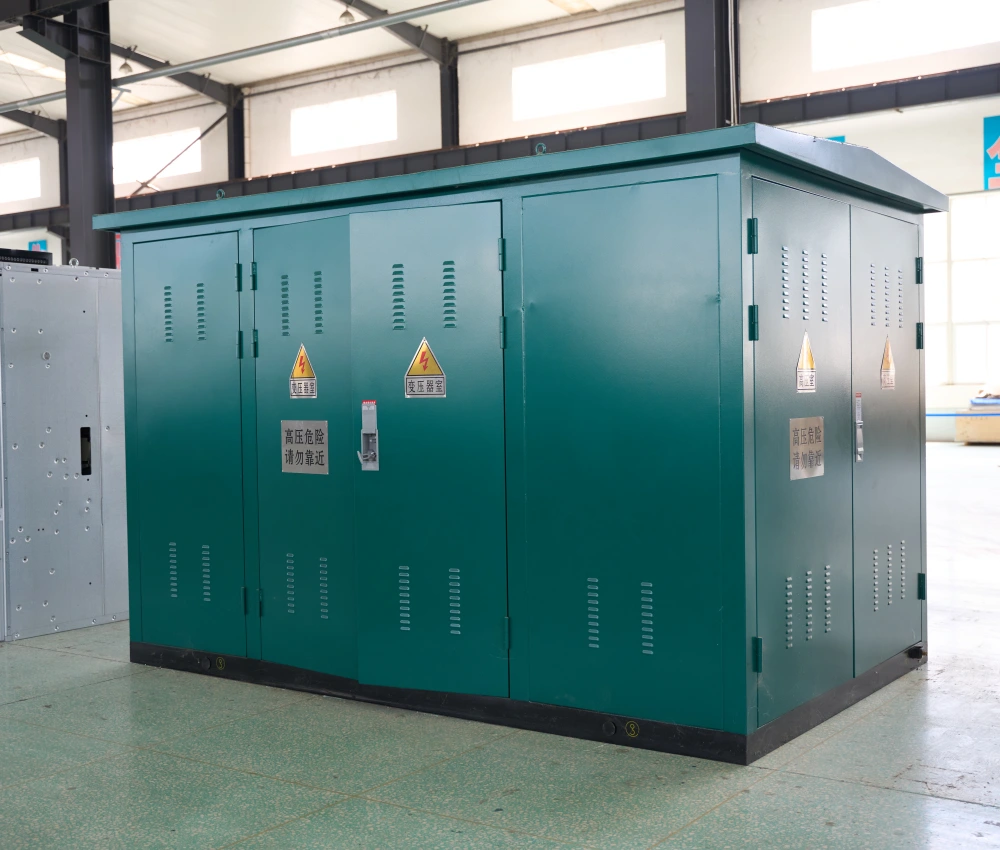
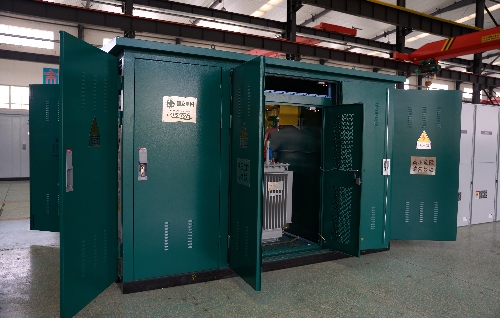
33kV 630kVA Prefabricated Compact Substation
The 33kV 630kVA Prefabricated Compact Substation is a highly integrated medium-voltage power distribution solution designed for modern electrical infrastructure projects requiring reliable, space-saving, and efficient energy transformation. The substation combines 33kV medium-voltage switchgear, a 630kVA distribution transformer, low-voltage distribution panels, and intelligent protection systems within a compact outdoor enclosure, reducing installation complexity and minimizing civil construction requirements. Engineered for stable operation in demanding industrial and environmental conditions, the compact substation features a reinforced enclosure structure, advanced insulation technology, optimized ventilation systems, and corrosion-resistant surface treatment. The modular design improves transportation efficiency, shortens commissioning cycles, and simplifies future maintenance operations while ensuring long-term operational reliability. This 33kV 630kVA compact transformer substation is suitable for renewable energy integration, industrial facilities, mining operations, commercial developments, and urban utility distribution systems. Optional intelligent monitoring systems and remote communication interfaces support modern smart-grid applications and enable efficient power management for evolving electrical networks.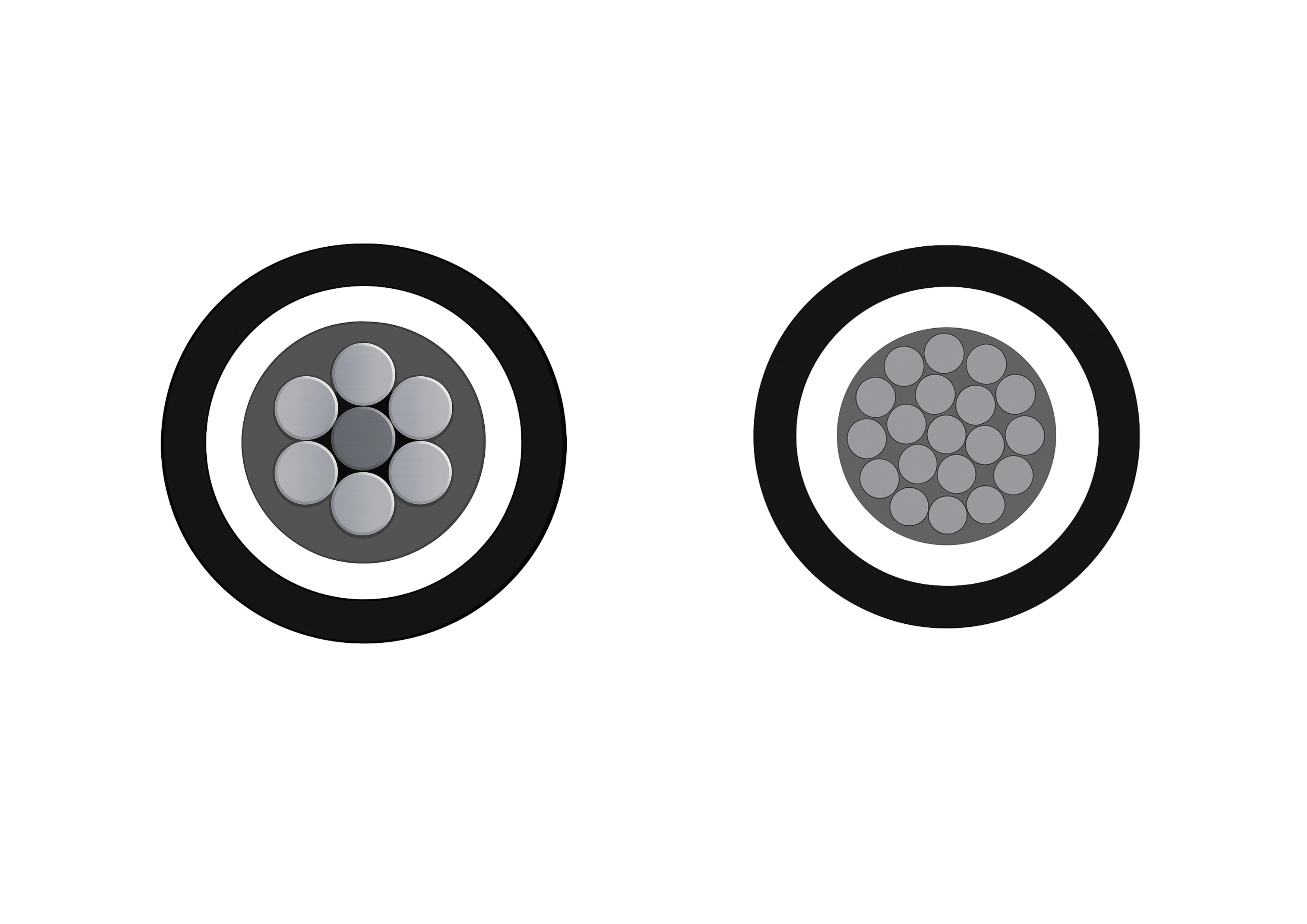
25kV 3-Layer AAAC/ACSR/AAC Tree Wire - Triple Layer Covered MV Conductor
The 3-Layer 25kV AAAC/ACSR/AAC Tree Wire is a specialized covered medium-voltage overhead conductor developed for distribution lines in areas with dense vegetation. It uses concentrically stranded AAAC, ACSR, or AAC conductors protected by a triple-layer system of track-resistant HDPE or XLPE. The multi-layer covering delivers exceptional tracking resistance, abrasion protection, and weatherability while greatly reducing the risk of electrical faults from tree limb contact and helping minimize wildfire ignition potential. This advanced design allows closer spacing to vegetation and lowers vegetation management costs. Suitable for conventional overhead or spacer cable systems, the 3-Layer 25kV AAAC/ACSR/AAC Tree Wire offers a cost-effective solution for improving line reliability. It complies with ICEA and ASTM standards and undergoes extensive quality testing to ensure long-term performance and safety.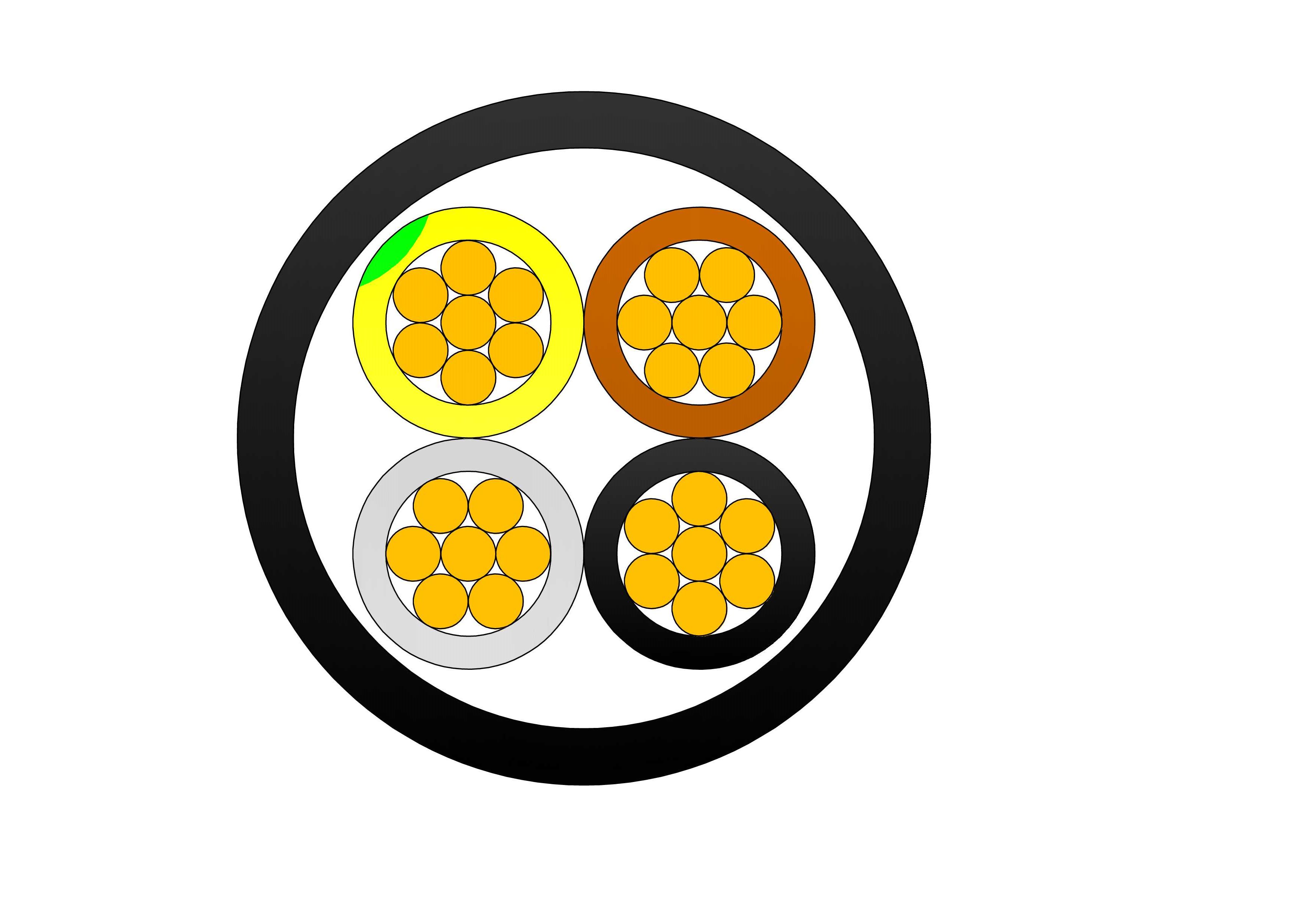
Medium Voltage Unarmored Power Cable
The Medium Voltage Unarmored Power Cable is designed for efficient power transmission and distribution in utility, industrial, and commercial electrical networks. Manufactured with high-conductivity copper or aluminum conductors, advanced XLPE insulation, metallic screening, and a durable outer sheath, the cable delivers excellent electrical performance and long-term operational reliability. Designed for voltage ratings from 3.6/6kV up to 26/35kV, the cable provides superior dielectric strength, low insulation losses, and excellent thermal stability. The absence of armouring reduces cable weight and improves installation flexibility, making it particularly suitable for installations within cable trays, ducts, tunnels, and protected environments. The outer sheath provides reliable protection against moisture, chemicals, UV radiation, and environmental exposure. Manufactured according to IEC 60502-2 and international standards, the cable is widely used in substations, power plants, renewable energy facilities, industrial complexes, and utility distribution systems. The Medium Voltage Unarmored Power Cable offers a cost-effective, lightweight, and reliable solution for modern medium-voltage power transmission applications.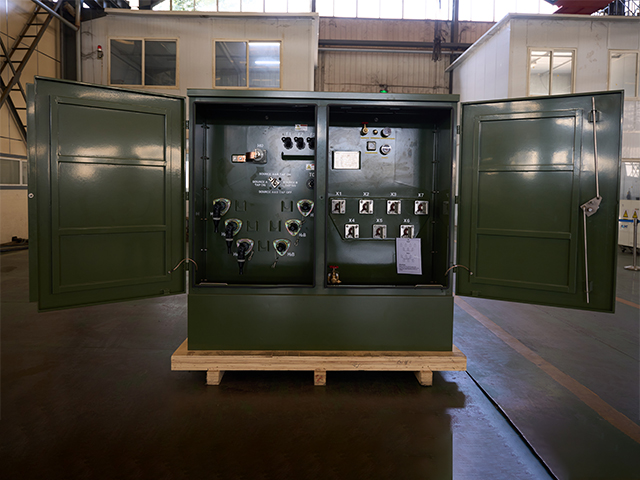
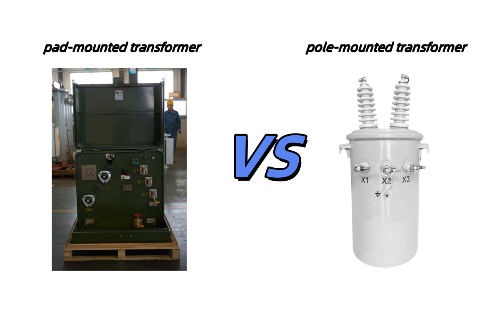
4000kVA Three Phase Pad Mounted Transformer
NPC ELECTRIC's 4000kVA Three Phase Pad Mounted transformer is made of high-performance silicon steel sheets and high-quality insulating oil. It complies with international standards such as IEC 60076 and ANSI C57. It has excellent electrical performance and weather resistance. It is suitable for large industrial parks, urban distribution stations, and new energy power generation systems. It is an ideal choice for high-reliability and high-efficiency power distribution.
80kVA Oil Immersed Transformer
NPC ELECTRIC 80kva Oil Immersed Transformer boasts a robust design that incorporates high-quality materials and advanced manufacturing techniques. The transformer's core is made from premium cold-rolled silicon steel sheets, ensuring low loss and high efficiency. The oil-immersed design of the NPC ELECTRIC 80kVA transformer provides effective cooling and insulation, ensuring that the transformer operates within safe temperature limits and maintains optimal performance. The oil also acts as a dielectric medium, enhancing the transformer's electrical properties and protecting it from environmental factors.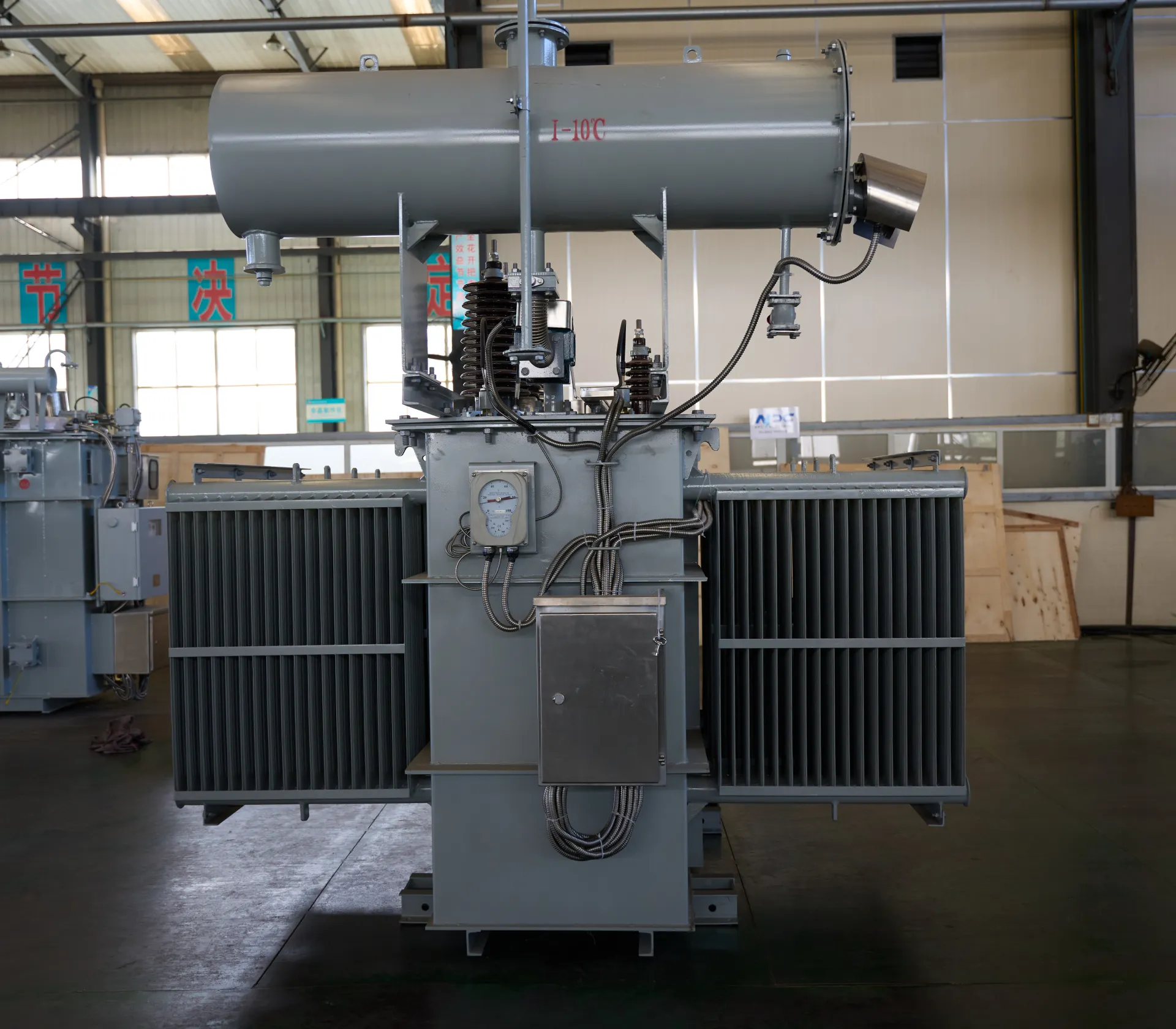
25000kVA Oil-Immersed Copper Transformer For Substation
The 25,000kVA oil-immersed copper transformer is engineered for high-standard power distribution in large industrial facilities, utility networks, and high-voltage substations. Built with premium pure copper windings, it delivers exceptional electrical conductivity, reduced losses, and long-term operational stability. The oil-immersed cooling system ensures efficient heat dissipation, allowing the transformer to perform reliably under continuous heavy load conditions.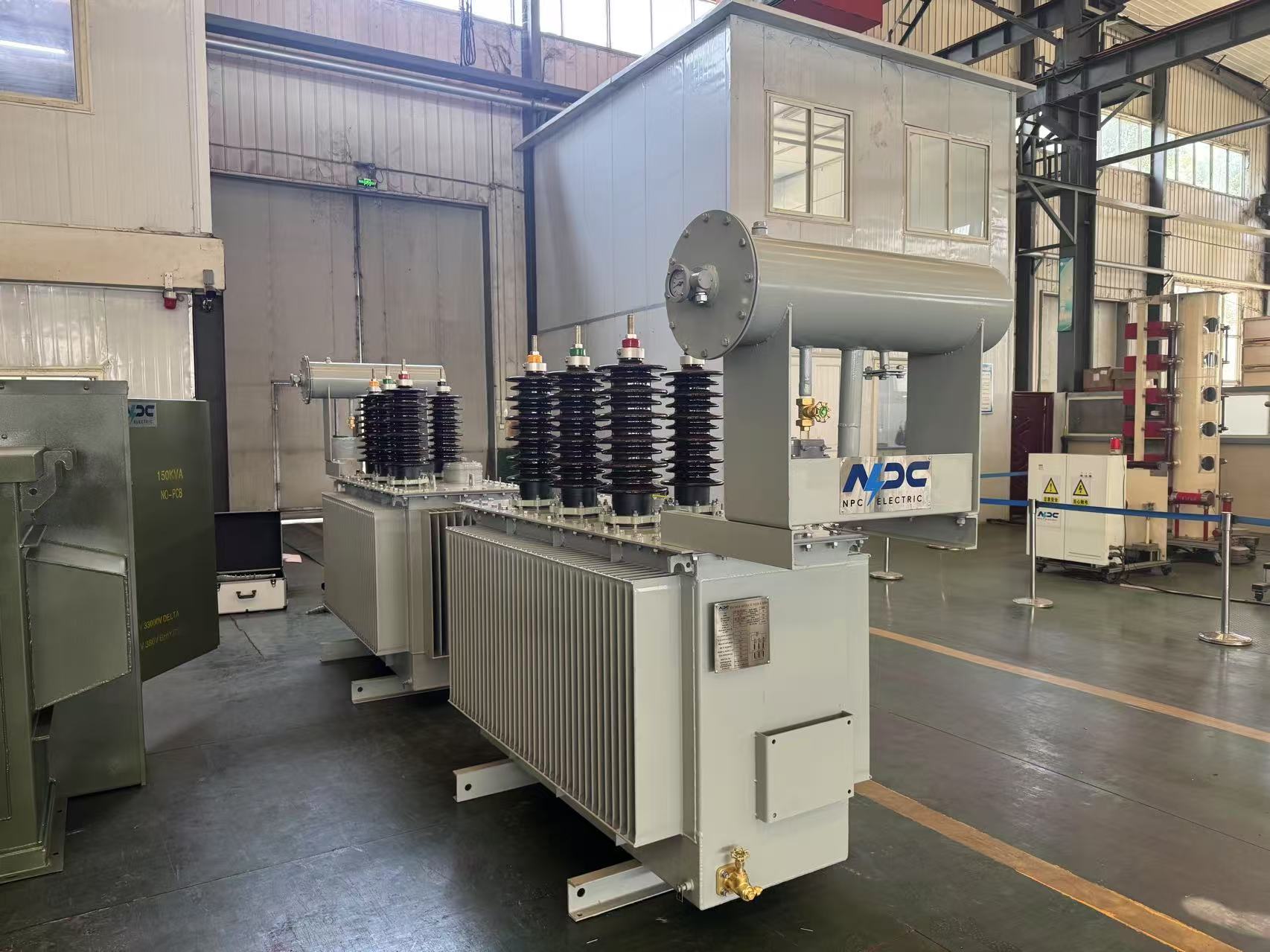
33kV 600A Neutral Zig-zag Grounding Reactor Transformer
The 33kV 600A Neutral Zig-zag Grounding Reactor Transformer is a high-performance grounding solution designed to meet the strict requirements of IEC 60076-1, IEC 60076-5, IEC 60076-20, and GB/T 1094.6 standards, with oil quality tested according to ASTM D6871. This grounding transformer is engineered to provide effective neutral grounding, enhanced system stability, and fault current limitation in medium- and high-voltage networks. With a primary voltage of 33kV and 11432.0kVA rating, the transformer supports 100A power rating for 10 seconds, making it ideal for system grounding applications in substations, industrial facilities, and renewable energy projects. The ONAN cooling method provides efficient heat dissipation for continuous operation, while the use of high-grade mineral insulating oil ensures long-term performance and compliance with international safety standards.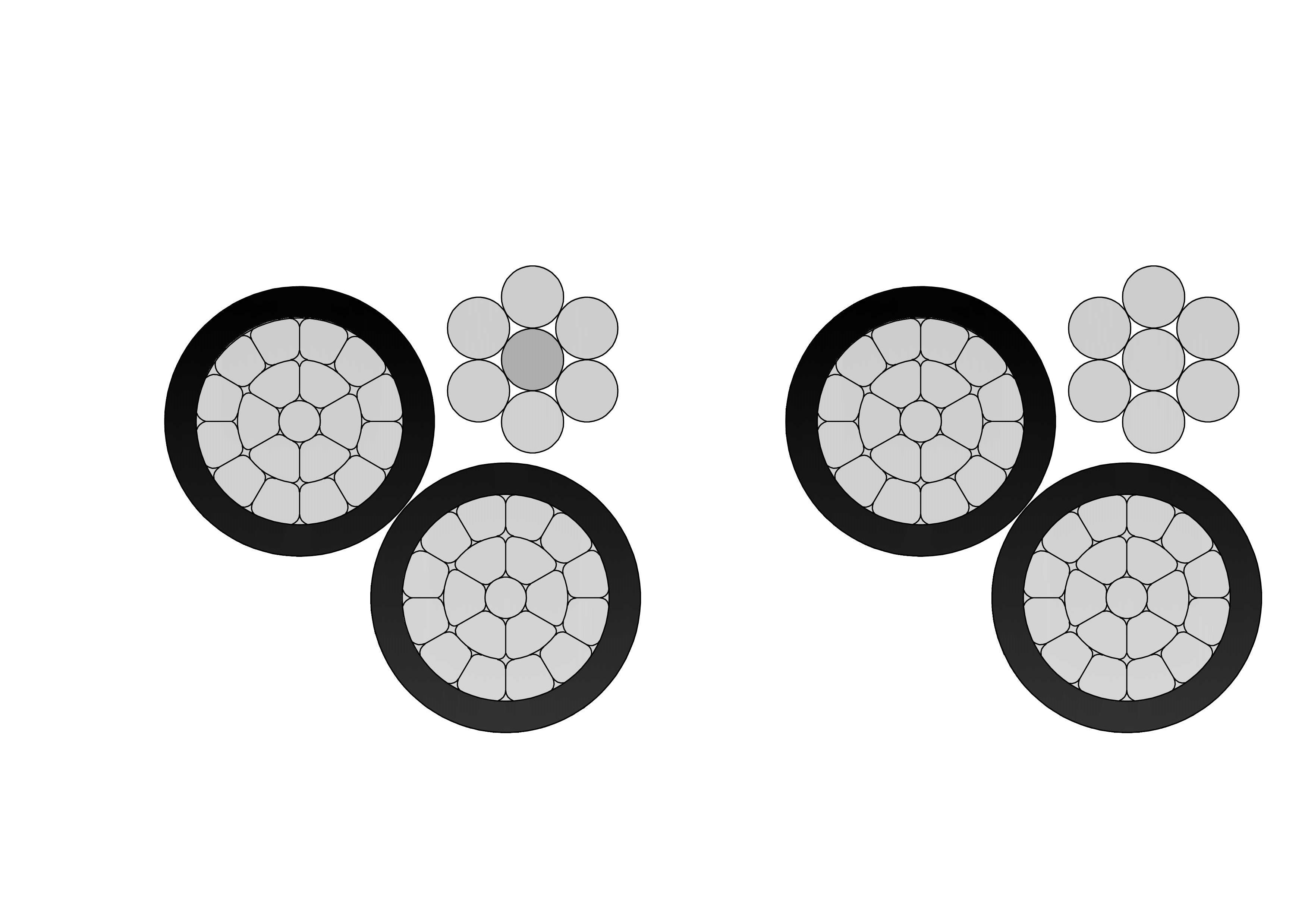
NS75/NS90 Triplex Unjacketed Overhead Neutral Supported Cable
The NS75/NS90 Triplex Unjacketed Overhead Neutral Supported Cable provides efficient overhead power delivery for Canadian utilities. It consists of two compact 1350-H19 aluminum phase conductors insulated in black sunlight-resistant PE (NS75, 75°C) or XLPE (NS90, 90°C), twisted around a bare ACSR full neutral messenger for structural support and reduced sag. Rated 600V, with NS90 offering higher ampacity due to 90°C rating, it meets CSA C22.2 No. 129 and supports single-phase service drops or secondary distribution. The unjacketed triplex design is lightweight, easy to install, and resistant to weathering, abrasion, and chemicals. Compliant with relevant standards, the NS75/NS90 Triplex ensures cost-effective, durable performance in pole-to-building or pole-to-pole aerial setups.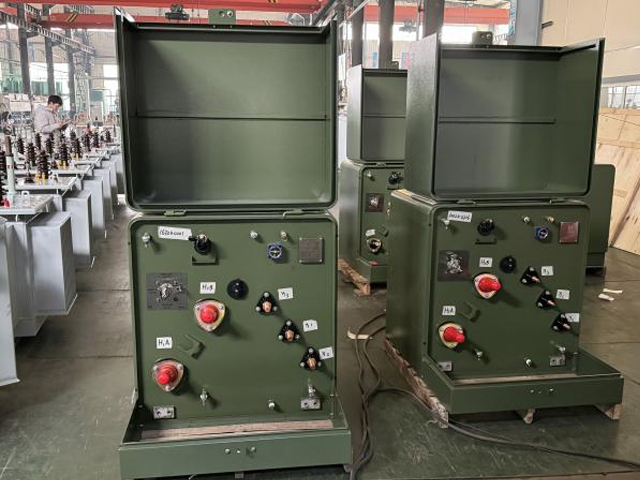
333kVA Single Phase Pole Mounted Transformer
NPC ELECTRIC'S 333kVA single phase pole mounted transformer stands as a powerhouse solution for intensive overhead distribution requirements, effectively reducing primary voltages such as 12.47kV, 24.94kV, or 34.5kV to secondary voltages including 120/240V, 277V, or 347V. Crafted with premium grain-oriented silicon steel cores and durable windings, it delivers outstanding energy efficiency, low losses, and compliance with modern DOE efficiency regulations alongside IEEE C57 and ANSI standards. The tank incorporates corrugated fins for optimal natural oil circulation (ONAN), supporting a 65°C temperature rise and robust overload handling. Equipped with essential protections like pressure relief valves, high-voltage bushings, and surge arresters, this transformer ensures dependable operation in exposed conditions. Its design prioritizes quiet performance, minimal maintenance, and extended service life, making it highly suitable for utilities managing substantial single-phase loads in evolving power networks.
4 Artemia Aluminum Conductor Triplex Overhead Service Drop Cable
The 4 Artemia Aluminum Conductor Triplex Overhead Service Drop Cable is engineered for superior performance in overhead power distribution systems. Featuring three aluminum conductors with a neutral messenger, this cable ensures efficient electricity transmission for residential, commercial, and light industrial applications. Its robust construction includes high-grade aluminum alloy for enhanced conductivity and corrosion resistance, wrapped in weatherproof insulation to withstand harsh environmental conditions like UV exposure, rain, and wind. With a 4 AWG size, it supports voltages up to 600V and offers low impedance for minimal power loss. Easy to install with standard overhead fittings, it complies with ASTM, ANSI, and ICEA standards for safety and reliability. This triplex design reduces sagging and improves longevity, making it a cost-effective choice for utility companies and contractors. Whether upgrading existing lines or new installations, the 4 Artemia delivers dependable service with minimal maintenance. Invest in quality that powers your world efficiently.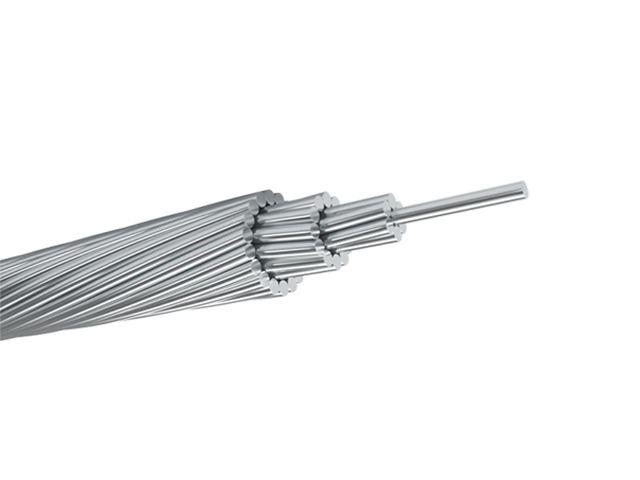
DARIEN AAAC Conductor Cable
DARIEN AAAC (All Aluminum Alloy Conductor) cables are manufactured in compliance with ASTM B399 and IEC 61089 standards, offering excellent conductivity, high tensile strength, and outstanding corrosion resistance. With 700 mm² nominal area and 61-strand construction, it features heat-treated aluminum-magnesium-silicon alloy (6201-T81) for enhanced strength (295 MPa min) and conductivity (53% IACS min). Meeting ASTM B398, B399, IEC 61089, and BS EN 50182 standards, this cable supports ampacity up to 1100A at 75°C and voltages up to 33kV. The uniform alloy eliminates bimetallic issues, offering superior corrosion resistance in harsh environments compared to ACSR. Low weight reduces sag and installation costs, enabling longer spans. The Darien AAAC Conductor Cable provides minimal electrical losses, high mechanical endurance, and excellent weather tolerance. Flame-retardant options available. Suited for urban grids, renewable connections, and coastal installations, it ensures cost-effective, maintenance-free power delivery in overhead systems globally, outperforming traditional conductors in reliability and lifespan.
15KV Oil Immersed Substation Transformer
NPC ELECTRIC's 15kV Oil Immersed Substation Transformer is designed for medium-voltage substations that require dependable power transformation, high insulation reliability, and long-term operational stability. By adopting a mature oil-immersed insulation system, the transformer ensures excellent dielectric performance. This 15kV oil immersed substation transformer features a sealed tank structure that effectively protects internal components from moisture, dust, and external contamination. With low noise operation and reliable voltage regulation performance, the transformer is well suited for modern substations serving industrial, commercial, and infrastructure power distribution networks.Welcome your inquiry
Honesty, Integrity, Frugality, Activeness and Passion