
Oil Immersed Power Transformer: Price, Specification & Buying Guide
2026-02-09
In the fields of electrical engineering and power distribution, oil-immersed power transformers have always been the undisputed reliable mainstay equipment, widely used in power plant step-up substations, 220kV/110kV/35kV transmission and transformation hubs, and 10kV/20kV distribution terminals, undertaking the core tasks of voltage step-up and step-down, power distribution, and system isolation. Based on my years of practical experience participating in domestic and international substation projects, these transformers perform particularly well under continuous high loads, harsh outdoor environments, and frequent short-circuit impacts. Mineral oil not only serves as an insulating medium (dielectric strength ≥40kV/2.5mm), but also efficiently removes heat from the core and windings through natural circulation (ONAN) or forced circulation (OFAF), keeping hot spot temperatures below 95℃ and significantly extending the life of cellulose insulation and copper/aluminum windings to 35-45 years.
Compared to dry-type transformers, oil-immersed transformers are smaller in size and have a stronger overload capacity (150%-200% for short periods) for the same capacity, making them particularly suitable for the hot, humid, and salt-spray-prone coastal regions of the Caribbean and Southeast Asia. In the 110kV step-down substation in the Dominican Republic and the 35kV industrial park project in Indonesia that I led, oil-immersed transformers achieved zero-failure operation during typhoon and thunderstorm seasons, fully demonstrating their comprehensive advantages of high cooling efficiency, low noise (≤60dB), and excellent economic performance. Of course, this is contingent on strictly implementing regular oil chromatography (DGA), moisture detection, and breather maintenance, which are also crucial for ensuring long-term safe operation.
Understanding Oil Immersed Power Transformers
Oil-immersed power transformers, also known as oil-filled transformers, use insulating oil to cool the core and windings while providing electrical insulation. This design allows for efficient heat dissipation, making them ideal for continuous operation under heavy loads. Unlike dry-type transformers, which rely on air cooling, oil-immersed models can handle higher capacities—often up to 500 MVA or more—without overheating.
From a practical standpoint, these transformers are commonly deployed in outdoor substations or indoor vaults where space and fire risks are managed. Their oil acts as a dielectric medium, suppressing arcs and extending component life to 25-40 years with proper maintenance. However, they require spill containment and regular oil testing to prevent environmental hazards or breakdowns.
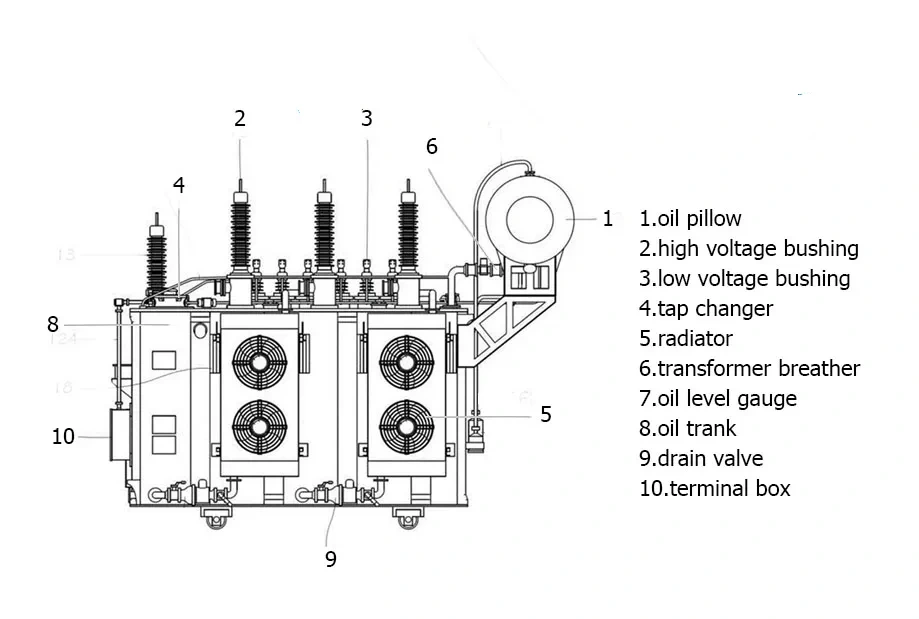
Key components include:
- Core: Made from high-permeability silicon steel laminations to minimize hysteresis losses.
- Windings: Copper or aluminum coils immersed in oil for optimal thermal management.
- Tank: Sealed steel enclosure filled with mineral oil, often with radiators for natural convection.
- Bushings: Porcelain or composite insulators for high-voltage connections.
- Tap Changer: On-load (OLTC) or off-load types for voltage regulation.
In actual installations, I've seen how these elements interact: the oil circulates via natural convection (ONAN) or forced air (ONAF), keeping temperatures below 95°C under full load to avoid insulation degradation.
Detailed Specifications for Oil Immersed Power Transformers
Specifications vary by application, but adherence to standards like IEEE C57.12.00, IEC 60076, and ANSI ensures reliability. Here's a breakdown from real-world data:
- Voltage Ratings: Low (up to 35kV), medium (35-110kV), high (110-220kV). For distribution, 12.47kV primary to 480V secondary is common; transmission units handle 230kV+.
- Capacity (kVA/MVA): Ranges from 10kVA for small pole-mounted units to 500MVA for grid interconnects. Efficiency typically exceeds 98% for modern designs.
- Cooling Systems: ONAN (Oil Natural Air Natural) for base loads; ONAF (Oil Natural Air Forced) adds fans for overloads; OFAF (Oil Forced Air Forced) for extreme conditions.
- Insulation and Oil: Class A insulation (105°C max hotspot); mineral oil with low acidity (<0.05 mg KOH/g) per ASTM D3487.
- Efficiency and Losses: DOE 2016 compliant models minimize no-load losses (e.g., 500W for 1000kVA) and load losses (e.g., 5000W at full load).
- Vector Group: Dyn11 or Yyn0 for three-phase units to manage phase shifts.
To illustrate, consider this table of typical specifications for distribution-level transformers:
|
Capacity (kVA) |
Primary Voltage (kV) |
Secondary Voltage (V) |
Cooling Type |
Efficiency (%) |
Weight (kg) |
Dimensions (L x W x H, m) |
|
100 |
11 |
400 |
ONAN |
98.5 |
800 |
1.5 x 1.0 x 1.8 |
|
500 |
33 |
480 |
ONAF |
99.0 |
2500 |
2.2 x 1.5 x 2.5 |
|
1000 |
66 |
600 |
OFAF |
99.2 |
4500 |
3.0 x 2.0 x 3.0 |
|
20000 (20MVA) |
110 |
11kV |
ONAF |
99.5 |
25000 |
5.0 x 3.5 x 4.5 |
These specs are derived from manufacturer guidelines and can be customized. For instance, in humid Caribbean installations, I've recommended stainless steel tanks to resist corrosion.
2025 Pricing Trends for Oil Immersed Power Transformers
Pricing in 2025 reflects raw material fluctuations (copper up 15% YoY), supply chain issues, and demand from renewable integrations. Based on market reports, oil-immersed units are 20-40% cheaper upfront than dry-type equivalents due to simpler manufacturing.
General price ranges (USD, ex-works, excluding shipping/taxes):
- 10-50kVA: $200-$800 (small distribution units).
- 100-500kVA: $1,000-$4,000 (medium industrial).
- 630-1250kVA: $5,000-$15,000.
- 20MVA: $150,000-$450,000 (high-voltage substation models).
Factors influencing cost:
- Materials: Copper windings add 20-30% over aluminum.
- Voltage/Features: Higher voltages (e.g., 138kV) increase prices by 50%; OLTC adds $10,000+.
- Certifications: UL-listed or KEMA-tested units cost 10-15% more.
- Market Trends: Global demand pushes prices up 5-10% annually; eco-friendly biodegradable oil options add 5-10%.
Here's a price comparison chart for reference:
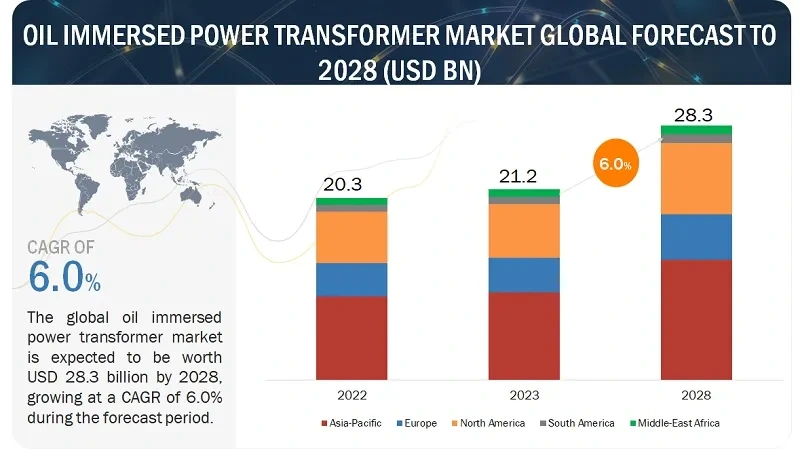
In practice, total ownership cost (TCO) includes installation ($5,000-$20,000 for 1000kVA) and maintenance (annual oil tests at $500). I've advised clients to factor in energy savings—high-efficiency models recoup premiums in 3-5 years via reduced losses.
Buying Guide: Step-by-Step from an Engineering Perspective
Purchasing an oil-immersed power transformer isn't just about specs; it's about aligning with your system's demands. Here's a rigorous, field-tested process:
- Assess Needs: Calculate load (kVA), voltage requirements, and fault levels. Use software like ETAP for simulations. Consider future expansion—oversize by 20% for growth.
- Select Type and Standards: Opt for oil-immersed for outdoor/high-load; ensure IEC/ANSI compliance. For utilities, prioritize DOE efficiency.
- Request Quotes: Contact 3-5 manufacturers (e.g., ABB, Siemens, or Chinese exporters like NPC Electric). Provide detailed RFQs with vector group, impedance (5-10%), and BIL (Basic Impulse Level).
- Evaluate Features: Prioritize monitoring (DGA sensors for oil health) and protection (pressure relief valves). In seismic zones, add anti-vibration mounts.
- Compare Oil vs. Dry-Type: Oil-immersed offer better overload capacity (150% for 2 hours) but need fire barriers; dry-type transformers are safer indoors but cost more and run hotter.
- Inspect and Test: Demand factory acceptance tests (FAT) per IEEE C57.12.90, including partial discharge and impulse tests.
- Budget for Logistics: Shipping a 20MVA unit can add $10,000-$50,000; plan for cranes and permits.
- Maintenance Plan: Schedule annual dissolved gas analysis (DGA) to detect faults early—I've caught winding issues this way, averting outages.
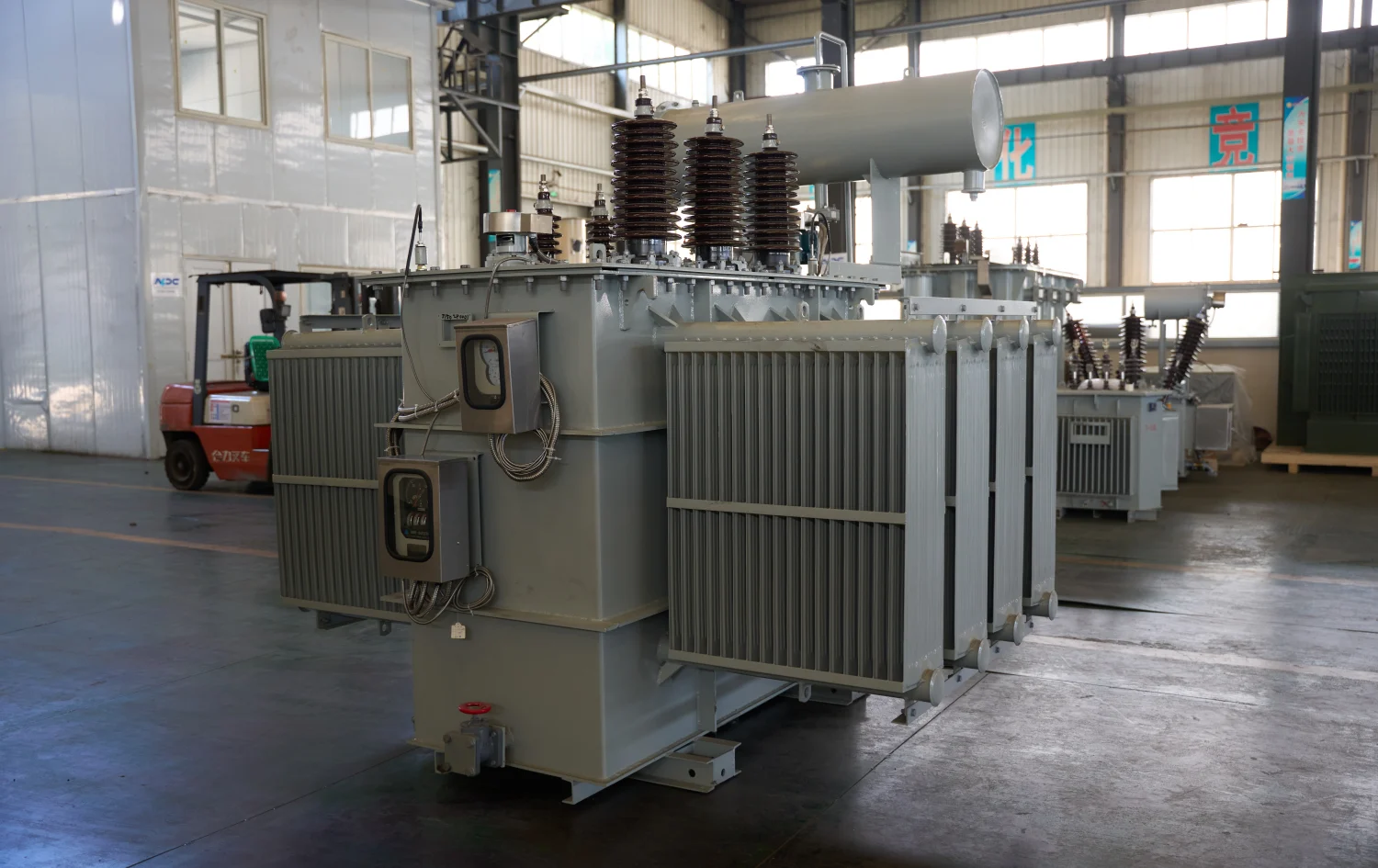
From experience, skipping third-party inspections can lead to subpar units; always verify oil quality (dielectric strength >30kV/mm).
Maintenance and Future Trends
Routine maintenance is key: Check oil levels quarterly, test for moisture/acidity annually, and retrofit with smart sensors for predictive analytics. In 2025, trends include biodegradable oils (e.g., ester-based) for eco-compliance and digital twins for remote monitoring, reducing downtime by 30%.
In summary, oil-immersed power transformers remain cost-effective for demanding applications, with prices starting at $200 for small units and scaling based on specs. By following this guide, you can procure a unit that delivers reliable performance for decades. For tailored advice, consult certified engineers or suppliers—it's an investment in your grid's stability.

Related Articles
Related Products
12 Gauge Galvanized Steel Conductor Wire
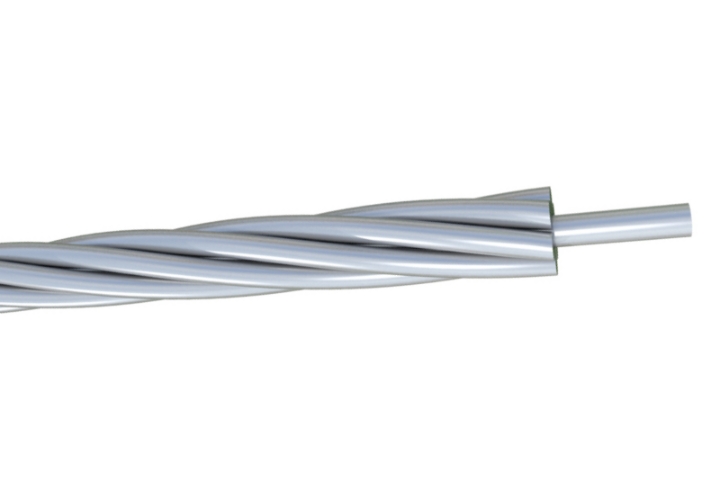
The 12 Gauge Galvanized Steel Conductor Wire is engineered for demanding utility applications, delivering reliable high-strength performance with outstanding corrosion resistance. Produced with heavy hot-dip galvanizing, this 12 AWG wire features a uniform zinc coating that effectively protects against rust in challenging environments. It performs exceptionally well as overhead ground wire, static wire, or guy wire for pole guying in power transmission and distribution systems. Meeting ASTM A475 requirements, the 12 Gauge Galvanized Steel Conductor Wire provides excellent tensile strength and long service life with minimal maintenance. Rigorous quality testing throughout production ensures consistent mechanical properties and coating integrity, making it a cost-effective and dependable solution for shielding and structural support in overhead lines.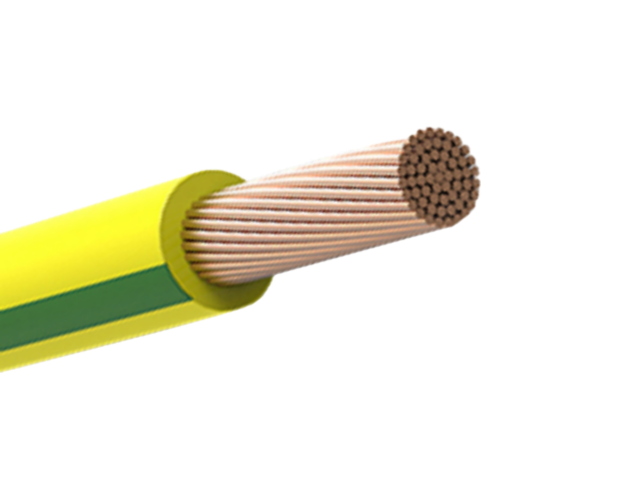
TW AND THW
Electrical wire TW AND THW is used in new construction projects or rewiring tasks in 600-volt systems. It is from NPC Electric are designed for building wiring applications where dependable electrical performance and installation safety are required. These single-core copper conductors are insulated with high-quality thermoplastic materials, providing stable conductivity, good mechanical protection, and resistance to heat and moisture. TW wire is suitable for dry or damp locations with moderate temperature ratings, while TH wire offers higher heat resistance for applications requiring enhanced thermal performance. Manufactured under strict quality control, NPC Electric TW and TH Wires deliver uniform insulation thickness, consistent conductor structure, and long service life. Their reliable performance and ease of handling make them a trusted choice for residential, commercial, and light industrial electrical installations.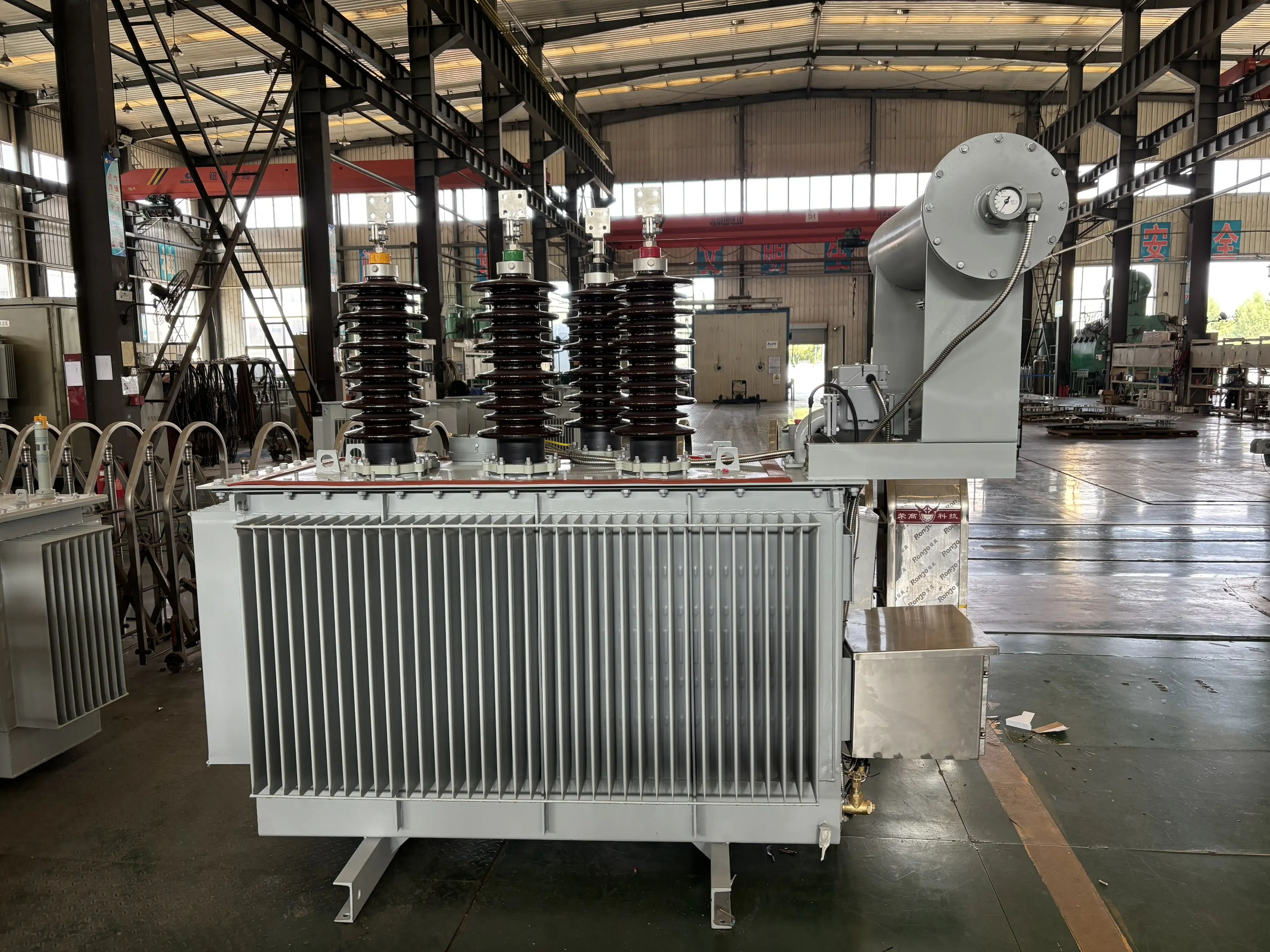
2000kVA 33kV Oil-Immersed Earthing Transformer with NGR
2000kVA 33kV Oil-Immersed Neutral Grounding Earthing Transformer with NGR is engineered to provide a stable and controlled neutral point for medium-voltage power systems. By combining an earthing transformer with an integrated Neutral Grounding Resistor (NGR), it effectively limits earth fault current, improves system protection coordination, and enhances operational safety. The oil-immersed design ensures excellent insulation performance, efficient heat dissipation, and long-term reliability under continuous operation. Optimized magnetic core construction reduces losses, while robust windings withstand short-time fault currents without mechanical degradation. The integrated NGR is precisely matched to system requirements, enabling accurate fault current limitation and minimizing damage to equipment during ground faults.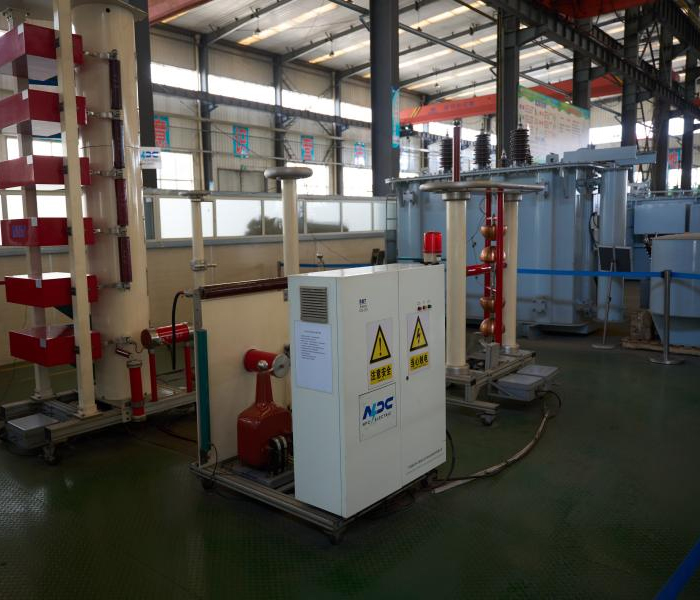
11/0.4kV Dry Type Transformer | Indoor Power Transformer
Discover the reliable 11/0.4kV Dry Type Transformer | Indoor Power Transformer, a safe, oil-free solution designed for efficient medium-to-low voltage conversion in indoor electrical installations. This three-phase dry-type transformer (typically cast resin or vacuum pressure impregnated) features premium low-loss silicon steel cores and high-conductivity copper windings, achieving superior energy efficiency often exceeding 98% and complying with IEC 60076-11 standards. The epoxy resin encapsulation provides excellent moisture resistance, fire self-extinguishing properties (F1 class), minimal partial discharge (<10pC), and robust short-circuit withstand capability. With natural air (AN) cooling and optional forced air (AF) upgrades, it offers low noise operation, Class F/H insulation, and maintenance-free performance in demanding environments. Ideal for step-down from 11kV primary (with ±2×2.5% or wider off-circuit taps) to 0.4kV secondary (Dyn11 vector group standard), this indoor power transformer supports capacities from 100kVA to several MVA, delivering stable, eco-friendly power distribution without oil-related risks.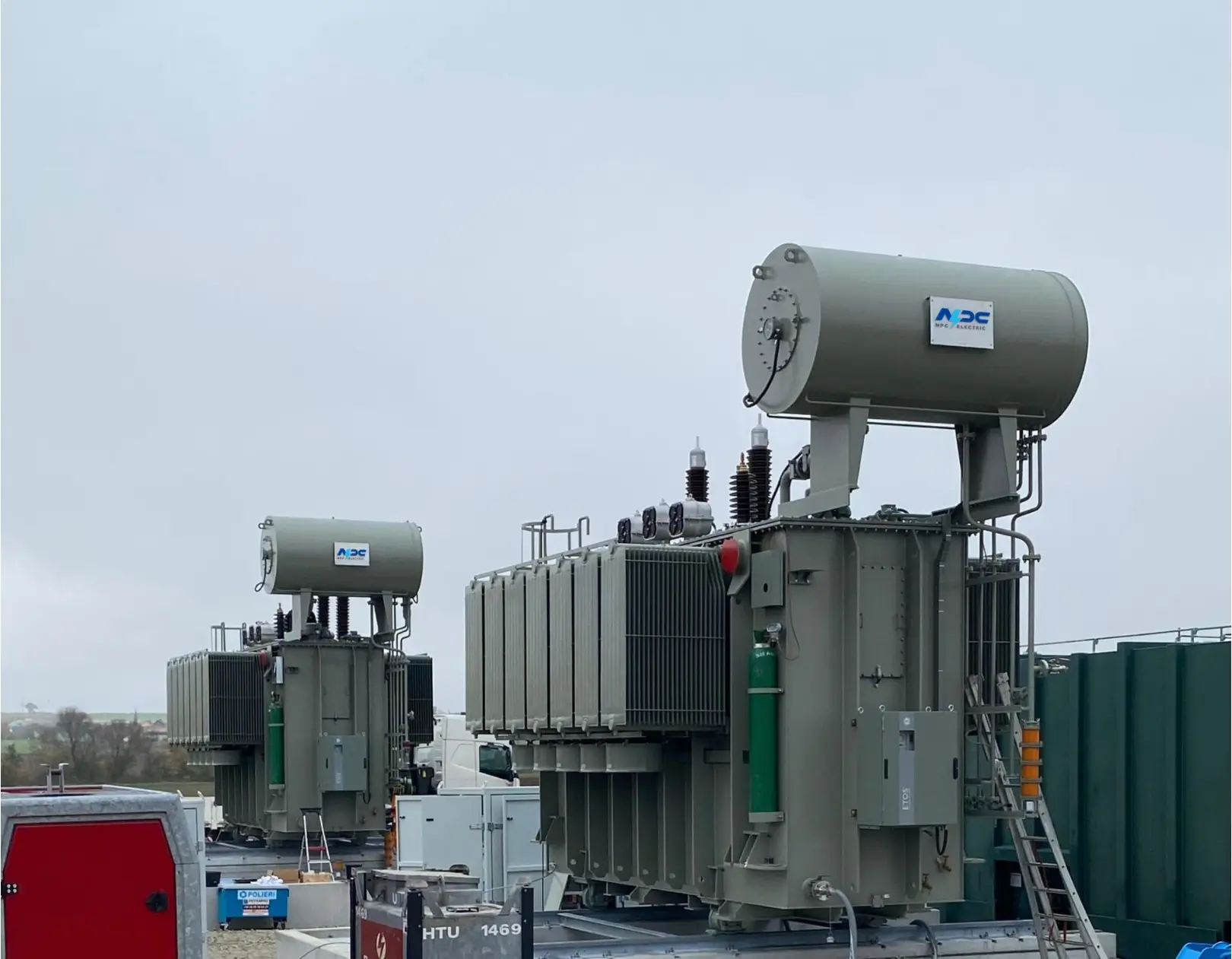
125kV Three-Phase Power Distribution Transformer
The 125kV Three-Phase Power Distribution Transformer is engineered to deliver reliable, efficient, and stable voltage transformation for high-voltage distribution networks and utility substations. Designed with a high-permeability silicon steel core and precision-wound conductors, it achieves low no-load loss, reduced operating noise, and excellent short-circuit withstand capability. The robust insulation system and optimized thermal design ensure long-term performance under continuous load and fluctuating grid conditions. Its reinforced tank structure and outdoor-rated configuration allow safe operation in demanding environments, including high temperature, humidity, and industrial pollution areas. Manufactured in compliance with IEC, IEEE, and ANSI standards, this transformer is suitable for modern power distribution systems requiring high reliability, operational safety, and extended service life.
220kV 230kV Power Transformer
The 220kV / 230kV Power Transformer is an extra-high-voltage, oil-immersed, three-phase power transformer engineered for backbone transmission networks, major utility substations, large-scale renewable energy integration, heavy industrial corridors, and cross-border grid interconnections. Typical specifications include mineral oil or FR3 natural ester insulation (ONAN/ONAF/ODAF/OFWF cooling configurations), high-conductivity copper windings (aluminum optional), primary voltages 220kV or 230kV (grounded wye/delta, dual-voltage or multi-tap options), secondary voltages 35kV, 66kV, 110kV, 132kV, 138kV or custom (e.g., 230kV/115kV, 220kV/35kV, 230kV/13.8kV step-down), BIL ratings 950–1050kV (up to 1175kV for ultra-high lightning areas), impedance 10–18% (tolerances ±7.5%), ±8×1.25% or ±10×1.25% off-load tap changer (OLTC ±16–25% range common), conservator with bladder or sealed tank, Buchholz relay, sudden pressure relay, oil/winding temperature indicators (OTI/WTI), fiber-optic hot-spot sensors, partial discharge monitoring, pressure relief device, and ANSI 61 gray or custom tank finish.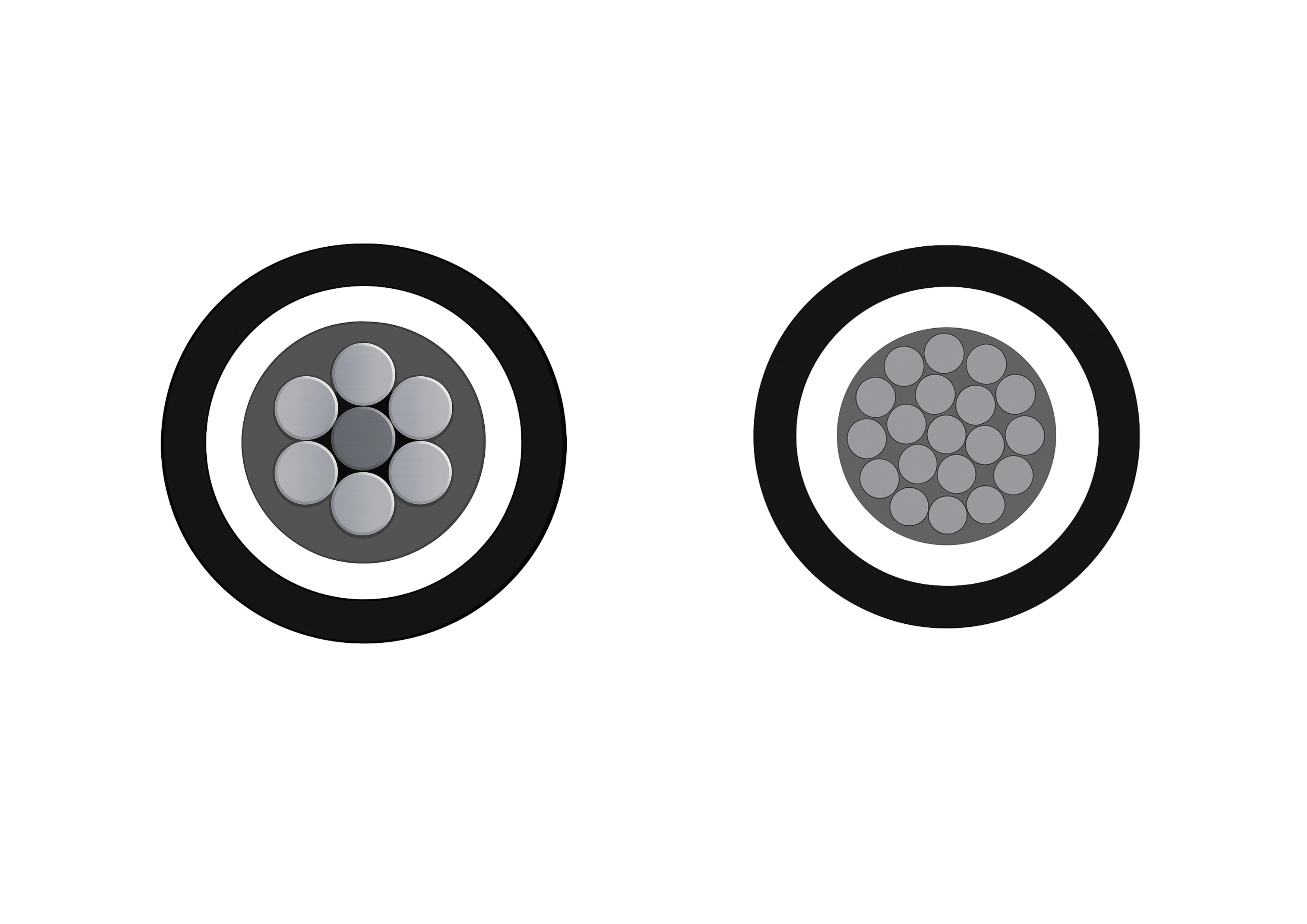
XLPE-HDPE Tree Cable Aluminum 25kV 1x150mm²
The XLPE-HDPE Tree Cable Aluminum 25kV 1x150mm² is engineered for medium-voltage overhead distribution systems requiring very high current capacity. Ideal for long-distance transmission in rural, coastal, and industrial areas, this cable provides exceptional reliability, efficient energy delivery, and long-term performance while minimizing line losses and maintenance costs. Constructed with high-conductivity aluminum alloy 1350 wires, the conductor features round compacted, class 2 stranding, with minimum conductivity of 61% IACS and tensile strength of at least 130 MPa. Optional conductor shielding with extruded semiconductor thermosetting compound is available for enhanced performance in 15kV and 25kV applications. Rated at 25kV, the XLPE-HDPE tree cable allows reduced line clearance compared to bare conductors while maintaining electrical safety. A comprehensive quality control system, including raw material testing, process inspection, and finished product testing, ensures consistent performance and compliance with IEC and utility standards.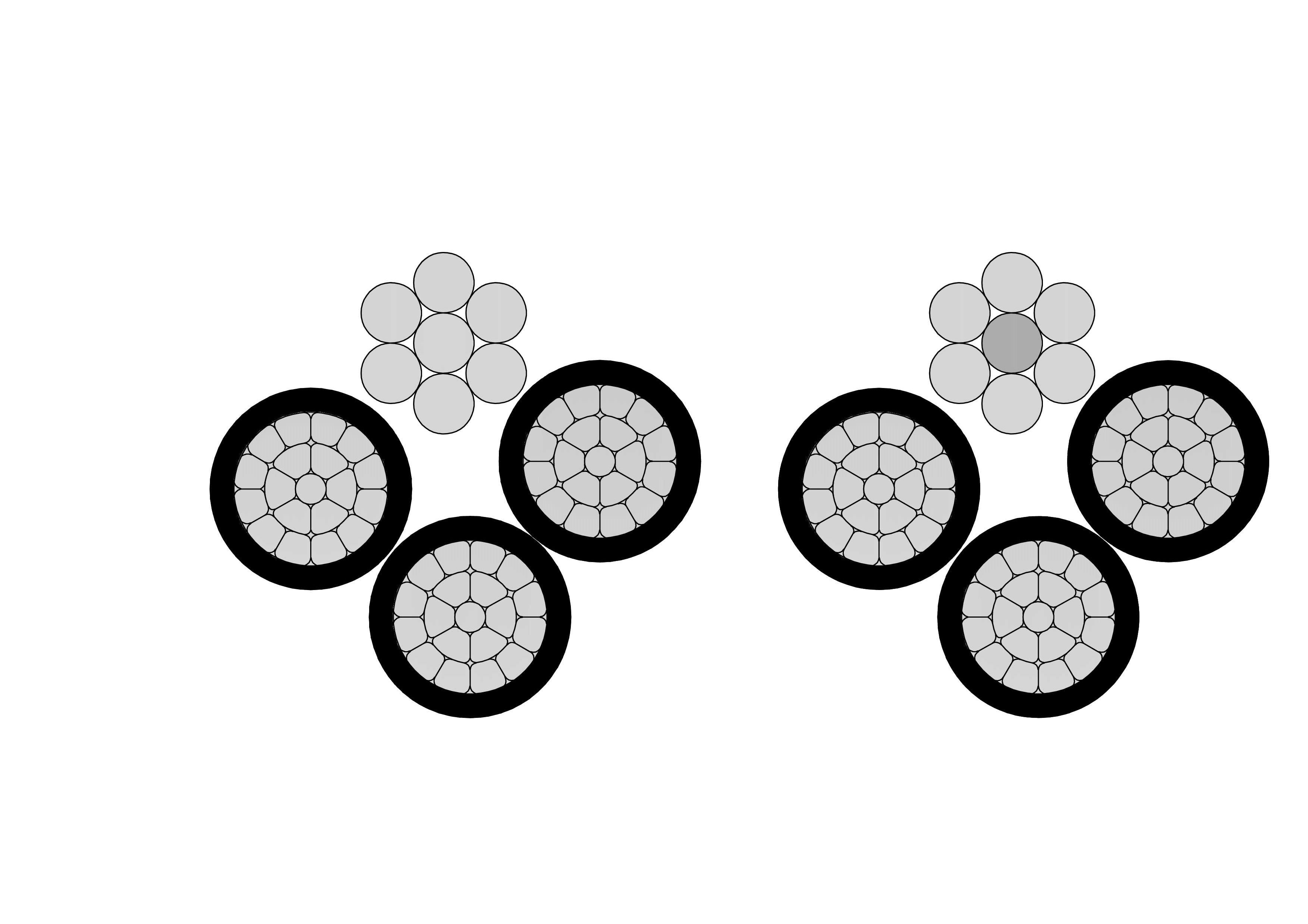
Quadruplex Service Drop Cable
NPC Electric Quadruplex Service Drop Cable offers efficient overhead three-phase service with neutral support. Comprising three-phase conductors (aluminum) insulated with XLPE or PE and helically twisted around a strong neutral messenger (ACSR, AAC, or covered aluminum), it meets ASTM, ICEA, and international standards. The messenger provides full self-support, allowing longer spans and reduced infrastructure costs. Premium insulation resists sunlight, moisture, and mechanical abrasion for decades of outdoor service. Lightweight and flexible, it simplifies installation with low sag. The Quadruplex Service Drop Cable ensures minimal losses, high mechanical endurance, and excellent weather performance up to 600V. Flame-retardant options enhance safety. Perfect for reliable power delivery in urban developments, commercial areas, street lighting, and temporary sites requiring safe, cost-effective aerial bundled solutions.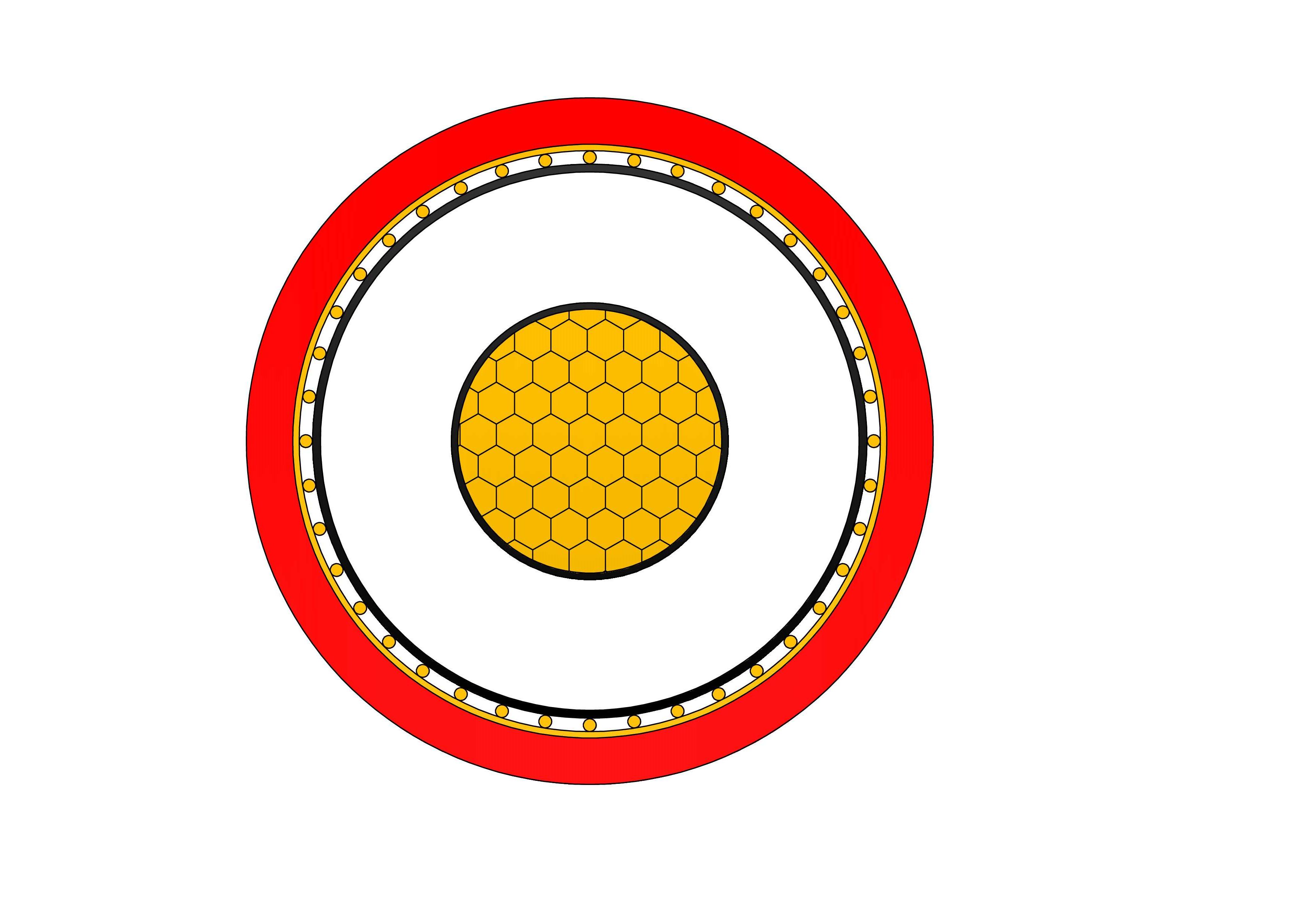
N2XSY Medium Voltage Power Cable(6/10kV, 12/20kV, 18/30kV)
N2XSY are medium voltage power cables with copper conductors and cross-linked polyethylene (XLPE) insulation, designed according to DIN VDE 0276-620 standards. Constructed with high-purity copper conductors, thermosetting XLPE insulation, metallic screen (copper tape or wires), and tough PVC outer sheath, it meets IEC 60502-2 requirements. The screen ensures electromagnetic compatibility and fault protection. Low tan delta, high breakdown strength, and excellent thermal endurance minimize losses and support overloads. PVC sheath provides solid mechanical and moisture protection for fixed installations. Optional longitudinal water-blocking improves performance in damp areas. Flame-retardant and easy to handle, the N2XSY Medium Voltage Power Cable is favored for power grids, manufacturing plants, commercial developments, and renewable energy sites demanding robust single-core medium voltage cabling with proven durability and cost efficiency in buried or tray installations worldwide.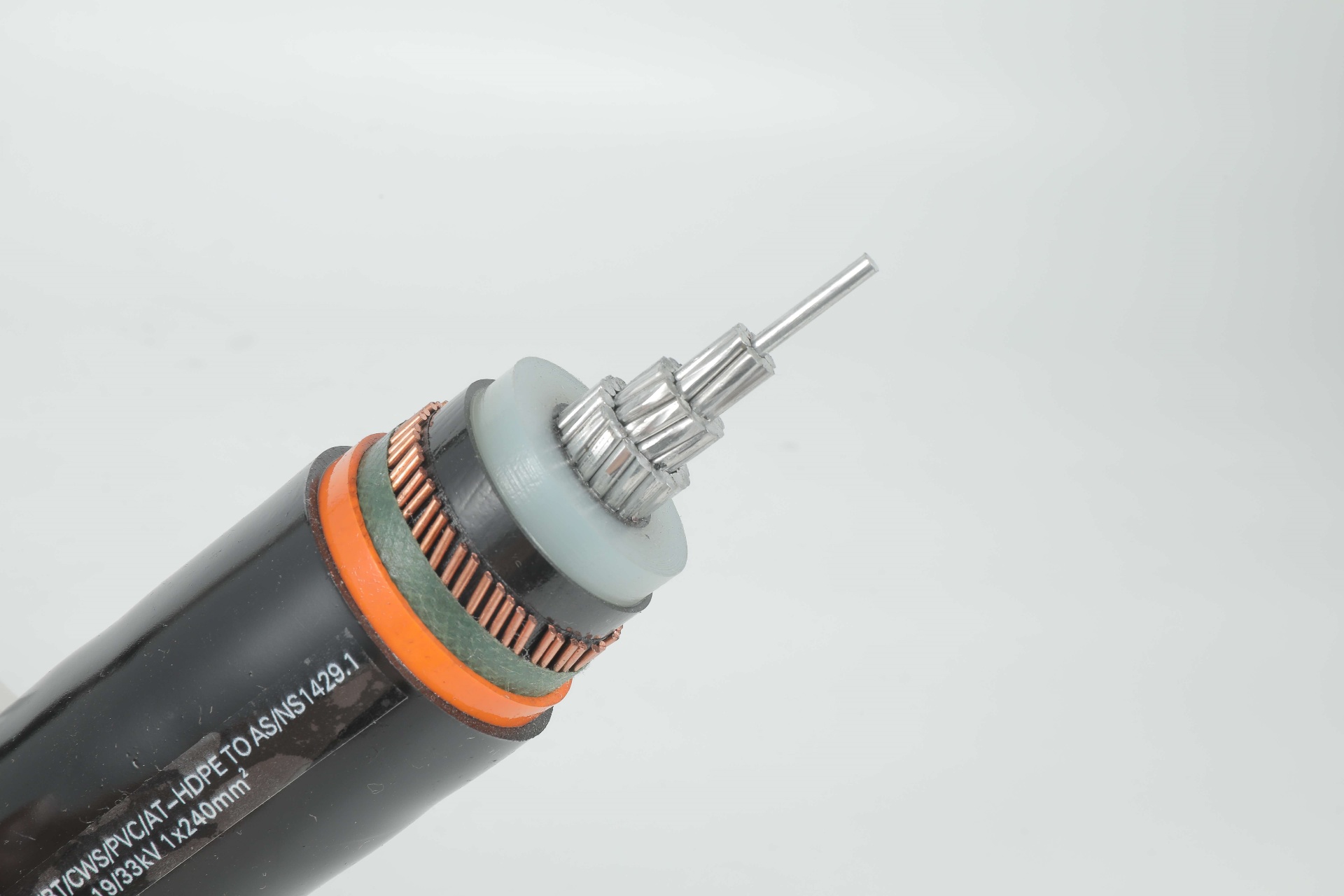
Single Core Medium Voltage Power Cable to IEC 60502
The Single Core Medium Voltage Power Cable to IEC 60502 is designed for efficient and reliable power transmission in medium voltage electrical networks. Manufactured with high-purity copper or aluminum conductors, this cable ensures low electrical losses and stable current flow. The insulation system, typically based on XLPE, provides excellent dielectric strength, thermal stability, and resistance to electrical stress. Single core construction allows flexible system design and efficient heat dissipation, making the cable suitable for substations, power plants, and industrial installations. The cable is engineered to withstand mechanical loads and operational stresses encountered in medium voltage applications. Compliance with IEC 60502 ensures the cable meets international requirements for safety, electrical performance, and durability. This medium voltage power cable is a dependable solution for modern power distribution systems requiring long service life and consistent performance.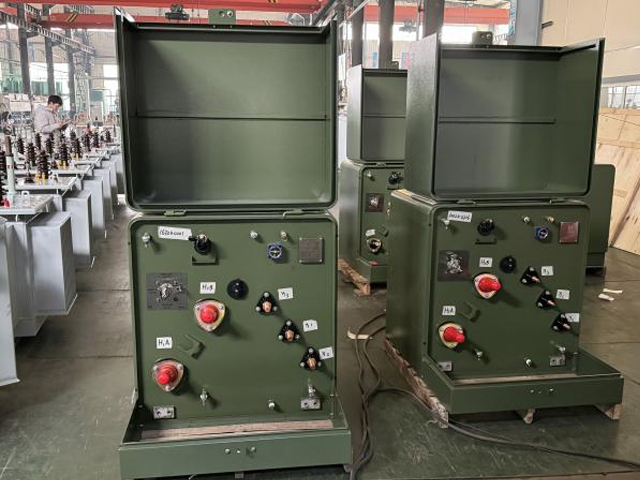
150kVA Single Phase Pole Mounted Transformer
NPC ELECTRIC'S 150kVA single phase pole mounted transformer is engineered for superior performance in overhead electrical distribution networks. This robust unit efficiently steps down high-voltage primary inputs, such as 13.8kV or 24.94kV, to secondary voltages like 120/240V or 277V, ensuring safe and reliable power delivery. Built with high-permeability toroidal cores and precision-wound copper conductors, it minimizes energy losses and enhances durability. Compliant with DOE-2016 efficiency standards and featuring a NEMA 3R-rated enclosure, this transformer withstands harsh environmental conditions while providing quiet operation. Ideal for utilities seeking long-term reliability, it includes protective features like surge arrestors and pressure relief valves to safeguard against overloads and faults. With a 65°C temperature rise rating and ONAN cooling, it handles diverse loads without compromising efficiency.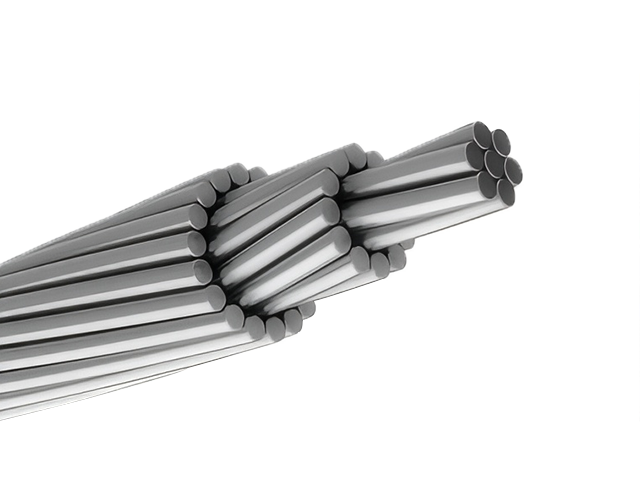
1590 MCM LAPWING ACSR Conductor Cable
The ACSR 1590 MCM Lapwing 45/7 is a high-efficiency, bare concentric-lay-stranded conductor designed for superior performance in overhead power transmission and distribution systems, meeting ASTM B232 standards. It features a galvanized steel core (Class A or B) with 7 steel strands for robust mechanical strength, surrounded by 45 strands of hard-drawn 1350-H19 aluminum wire for excellent electrical conductivity. Ideal for long-span transmission lines and primary/secondary distribution networks, the Lapwing configuration offers exceptional corrosion resistance and customizable aluminum-to-steel ratios to fulfill specific electrical and mechanical demands, ensuring reliable and durable power delivery. Galvanized steel wires used for the core undergo tensile testing, zinc coating thickness measurement, and corrosion resistance evaluation. Dimensional accuracy and surface condition of all materials are verified before approval.
556.5 MCM DOVE ACSR Conductor Cable
The ACSR CAA 556.5 MCM 26/7F DOVE is a high-capacity, steel-reinforced aluminium conductor designed for the efficient and reliable delivery of electrical power across overhead transmission and distribution lines. Its structure features 26 hard-drawn 1350-H19 aluminium strands wrapped around 7 galvanized steel strands, forming a strong, concentric-lay stranded design. Manufactured in accordance with ASTM B232, this conductor brings together the lightweight, conductive benefits of aluminium with the mechanical strength and durability of galvanized steel. The steel core, treated with Class A or B galvanization, offers essential corrosion protection, especially in harsh weather environments or long-span installations. The DOVE configuration is a popular industry standard for medium- to high-voltage overhead systems, offering excellent performance where long spans and high tension loads are involved. Its optimized aluminium-to-steel ratio makes it well-suited for utility transmission networks, helping reduce line losses while ensuring structural integrity.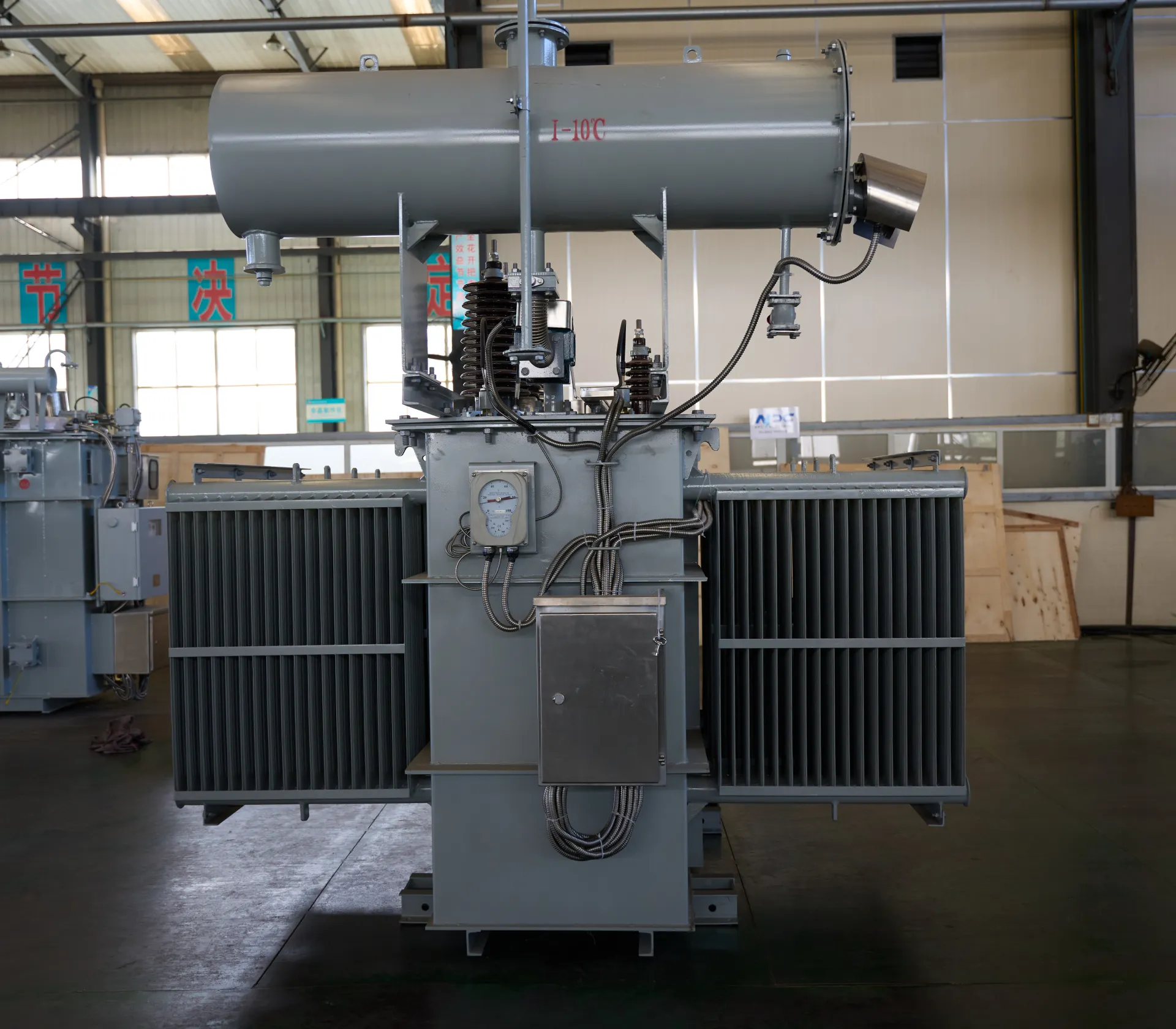
11kV Three-Phase Oil-Immersed Power Transformer
The 11kV Three-Phase Oil-Immersed Power Transformer is engineered for stable and efficient distribution across medium-voltage networks. Designed with high-grade silicon steel, advanced insulation systems, and premium mineral oil, this transformer ensures superior dielectric strength, excellent heat dissipation, and long service life. Its oil-immersed configuration delivers reliable cooling performance, enabling continuous operation under varying load conditions. The three-phase design ensures balanced power delivery, reduced energy losses, and improved grid stability. With enhanced short-circuit strength, low noise levels, and robust mechanical structure, it is suitable for industrial facilities, commercial complexes, substations, and utility distribution networks. Custom voltage ratios, tap changers, protection devices, and enclosure options are available to meet regional standards and project-specific requirements.
YY Control Cable (YSLY / HSLH) - 300/500V PVC & LSZH Flexible Control Cable
The YY Control Cable (YSLY / HSLH) is a highly flexible multi-core control cable designed for industrial automation, machinery, and building management systems. It features finely stranded copper conductors with PVC or halogen-free (LSZH) insulation, twisted cores, and a durable PVC or low-smoke zero-halogen outer sheath. Available in both standard PVC (YSLY) and flame-retardant low-smoke (HSLH) versions, this cable offers excellent flexibility, oil resistance, and reliable signal transmission. Rated 300/500V, it is suitable for indoor and protected outdoor installations. The YY Control Cable (YSLY / HSLH) undergoes strict quality testing from raw materials to finished product, ensuring consistent electrical performance, mechanical strength, and safety compliance with IEC 60227 and related standards.Welcome your inquiry
Honesty, Integrity, Frugality, Activeness and Passion