
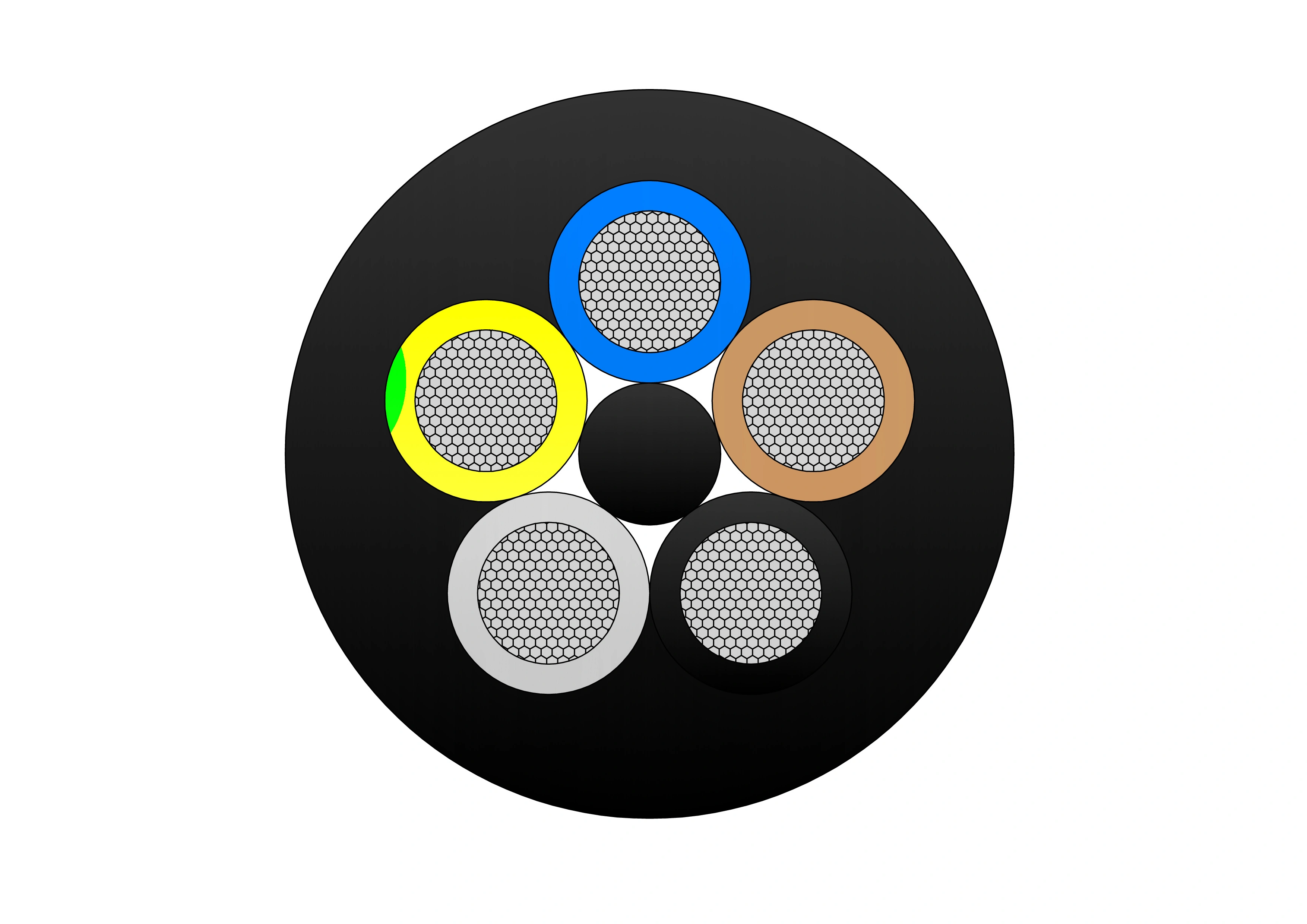

(N)TSKCGEWOU 3.6/6kV, 6/10kV, 8.7/15kV and 12/20kV Cable
The (N)TSKCGEWOU 3.6/6kV, 6/10kV, 8.7/15kV, 12/20kV Cable is a rugged flexible medium-voltage cable optimized for dynamic mining and tunneling applications. It includes tinned class 5 copper phase conductors, semi-conductive screens, EPR insulation for outstanding dielectric and thermal properties (90°C rating), copper braid screen for shielding, control conductors, monitoring conductor (ÜL), and a heavy-duty rubber sheath resistant to oils, flames, abrasion, and mechanical damage. Compliant with DIN VDE 0250, it provides high flexibility, torsional strength, and EMC protection across voltage levels for extreme conditions. The (N)TSKCGEWOU ensures dependable MV energy delivery to mobile machinery such as excavators, draglines, shearers, and tunnel boring equipment in opencast and underground mining, enhancing safety, reducing voltage drop, and supporting long service life.
- Voltage Rating Uo/U 3.6/6kV | 6/10kV | 8.7/15kV | 12/20kV
-
Test Voltage
3.6/6kV: 11kV
6/10kV: 17kV
8.7/15kV: 24kV
12/20kV: 29kV -
Temperature Rating
Fixed: -30°C to +90°C
Flexed: -50°C to +90°C -
Minimum Bending Radius
Fixed: 6 x overall diameter
Flexed: 10 x overall diameter - Maximum Short Circuit Temperature +250°C
- Maximum Torsional Stress ± 25 °/m
- Maximum Tensile Load 30 N/m㎡
- Maximum Working Speed 240 m/min
Construction
Technical Specifications
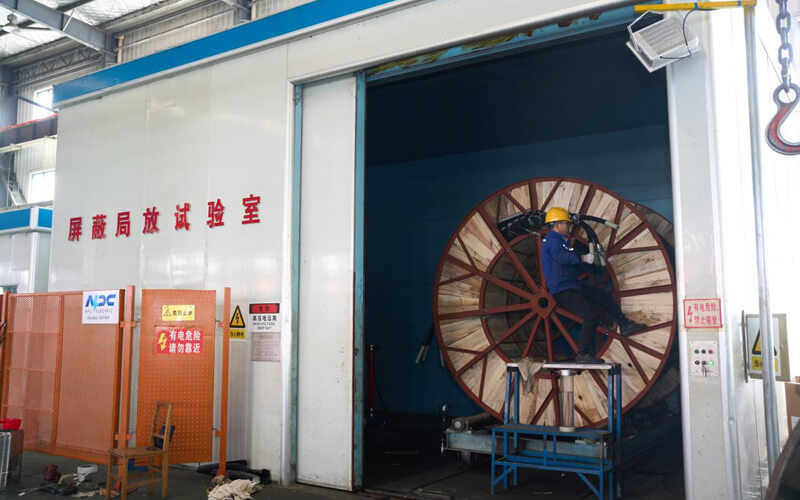
Quality Control
Application
Construction
(N)TSKCGEWOU 3.6/6kV, 6/10kV, 8.7/15kV and 12/20kV Cable Constrution
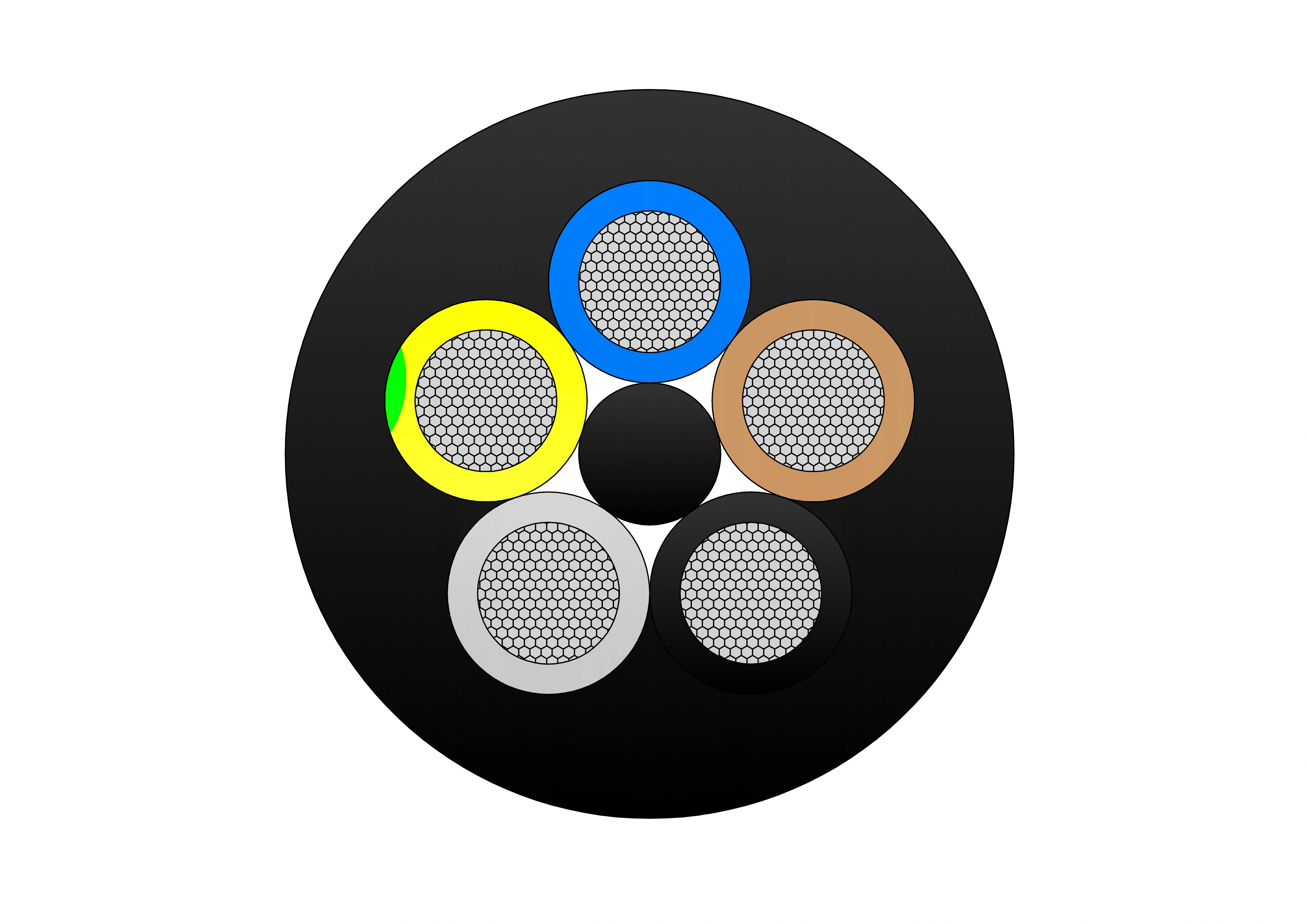
Phase Conductor
Class 5 Flexible Tinned Copper
Insulation
Rubber Compound (Phase Conductor only)
Earth Conductor
Class 5 Flexible Tinned Copper Conductor
Central Filler
Semi-conductive compound
Inner Sheath
Rubber compound
Anti-Torsion Braid
Polyester braid
Outer Sheath
Rubber compound
Sheath Colour
Red
Manufacturer Standard
DIN VDE 0250 Part 813, VDE 0295 (IEC 60228),VDE 0207 Part 20 & Part 21, IEC 60811-404, IEC60811-403,IEC 60332-1-2, ISO 4892-2
Fibre Optics
50/125 Multimode, 62.5/125 Multimode, 9/125 Singlemode
Semi-Conductive Layers
Semi-conductive tape over the conductor and inner and outer
Semi-conductive rubber layer on the insulation
Semi-conductive rubber layer on the insulation
Application
(N)TSKCGEWOU Cable is a flexible reeling cable designed for high and extreme mechanical stresses such as torsional forces, multidirectional deflection, and high-speed reeling. It is suitable for both underground and opencast mining reeling applications where reduced weight and compact dimensions are critical.
Technical Specifications
(N)TSKCGEWOU 3.6/6kV, 6/10kV, 8.7/15kV and 12/20kV Cable
(N)TSKCGEWOU 3.6/6kV Cable
(N)TSKCGEWOU 6/10kV Cable
(N)TSKCGEWOU 8.7/15kV Cable
(N)TSKCGEWOU 12/20kV Cable
|
No. Of Cores |
Nominal Cross Sectional Area mm² |
NOMINAL OVERALL DIAMETER |
MAXIMUM TENSILE LOAD |
NOMINAL WEIGHT |
|
|
Phase Conductor |
Earth Conductor |
mm | N | kg/km | |
| 3+1 | 25 | 25 | 21.8 | 1500 | 2280 |
| 3+1 | 35 | 25 | 43.8 | 2100 | 2920 |
| 3+1 | 50 | 25 | 46.9 | 3000 | 3520 |
| 3+1 | 70 | 35 | 50.7 | 4200 | 4430 |
| 3+1 | 95 | 50 | 56.7 | 5700 | 5580 |
| 3+1 | 120 | 70 | 60.5 | 7200 | 6770 |
| 3+1 | 150 | 70 | 67.2 | 9000 | 8320 |
|
No. Of Cores |
Nominal Cross Sectional Area mm² |
NOMINAL OVERALL DIAMETER |
MAXIMUM TENSILE LOAD |
NOMINAL WEIGHT |
|
|
Phase Conductor |
Earth Conductor |
mm | N | kg/km | |
| 3+1 | 25 | 25 | 39.8 | 1500 | 2380 |
| 3+1 | 35 | 25 | 43.8 | 2100 | 2920 |
| 3+1 | 50 | 25 | 46.9 | 3000 | 3520 |
| 3+1 | 70 | 35 | 50.7 | 4200 | 4430 |
| 3+1 | 95 | 50 | 56.7 | 5700 | 5640 |
| 3+1 | 120 | 70 | 60.5 | 7200 | 6830 |
| 3+1 | 150 | 70 | 67.2 | 9000 | 8320 |
|
No. Of Cores |
Nominal Cross Sectional Area mm² |
NOMINAL OVERALL DIAMETER |
MAXIMUM TENSILE LOAD |
NOMINAL WEIGHT |
|
|
Phase Conductor |
Earth Conductor |
mm | N | kg/km | |
| 3+1 | 25 | 25 | 42.6 | 1500 | 2860 |
| 3+1 | 35 | 25 | 47.0 | 2100 | 3210 |
| 3+1 | 50 | 25 | 50.3 | 3000 | 3830 |
| 3+1 | 70 | 35 | 53.9 | 4200 | 5000 |
| 3+1 | 95 | 50 | 59.3 | 5700 | 5870 |
| 3+1 | 120 | 70 | 65.0 | 7200 | 7370 |
| 3+1 | 150 | 95 | 69.7 | 9000 | 8590 |
|
No. Of Cores |
Nominal Cross Sectional Area mm² |
NOMINAL OVERALL DIAMETER |
MAXIMUM TENSILE LOAD |
NOMINAL WEIGHT |
|
|
Phase Conductor |
Earth Conductor |
mm | N | kg/km | |
| 3+1 | 25 | 25 | 47.3 | 1500 | 3830 |
| 3+1 | 35 | 25 | 49.7 | 2100 | 3460 |
| 3+1 | 50 | 25 | 54.6 | 3000 | 4310 |
| 3+1 | 70 | 35 | 58.4 | 4200 | 5310 |
| 3+1 | 95 | 50 | 62.0 | 5700 | 6180 |
| 3+1 | 120 | 70 | 67.6 | 7200 | 7730 |
| 3+1 | 150 | 70 | 72.2 | 9000 | 8970 |
Quality Control
(N)TSKCGEWOU 3.6/6kV, 6/10kV, 8.7/15kV and 12/20kV Cable
Raw Material Test
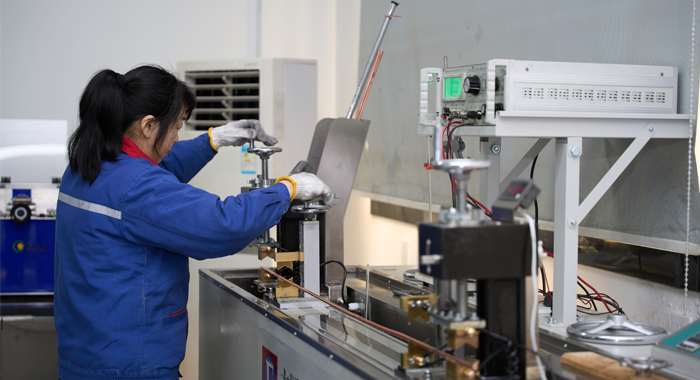
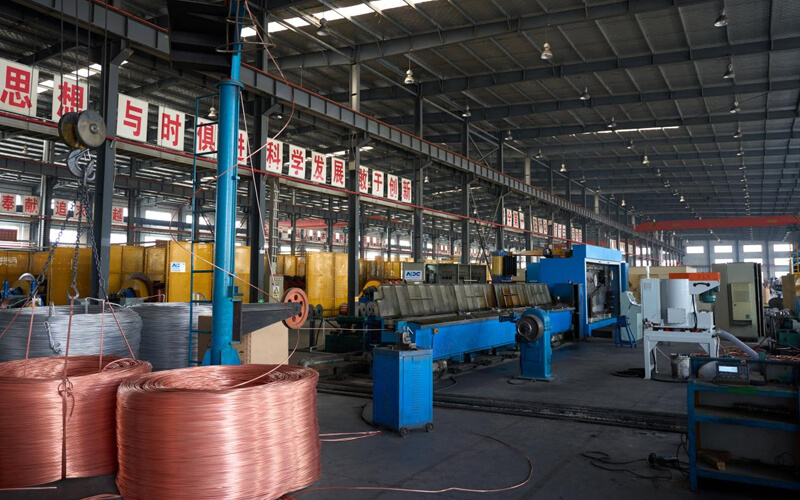
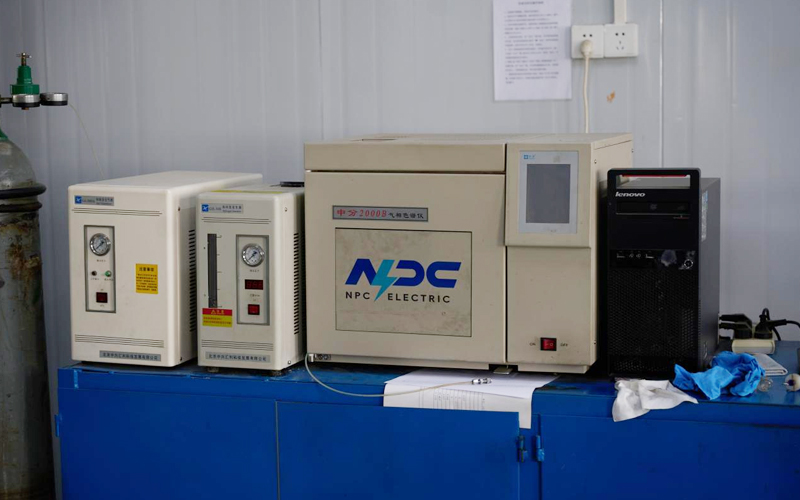
Raw Material Test for (N)TSKCGEWOU 3.6/6kV, 6/10kV, 8.7/15kV, 12/20kV Cable prioritizes mining-grade quality across voltages. Steps include: Certification Verification: Tinned copper, EPR, and rubber sheath meet VDE 0250/IEC standards. Conductor Testing: Tensile, elongation, conductivity, tin coating analysis. Insulation/Screen Evaluation: EPR dielectric/thermal properties; semi-conductive adhesion/resistivity. Sheath & Braid Checks: Abrasion/oil/flame resistance, braid coverage/strength. Control/Monitoring Validation: Conductor properties confirmed. Batch Rejection: Non-compliant quarantined. Approved materials ensure the (N)TSKCGEWOU 3.6/6kV, 6/10kV, 8.7/15kV, 12/20kV Cable's flexibility and MV reliability.
Process inspection
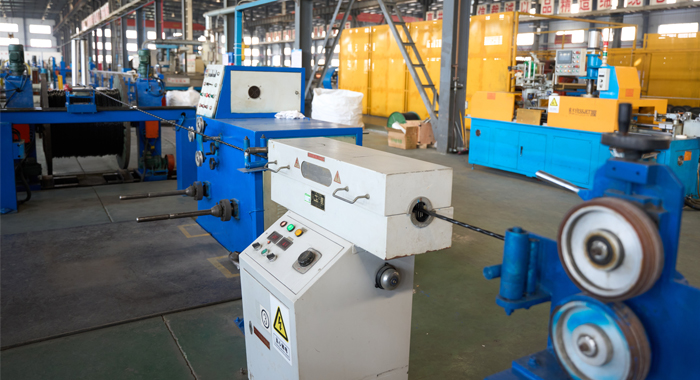
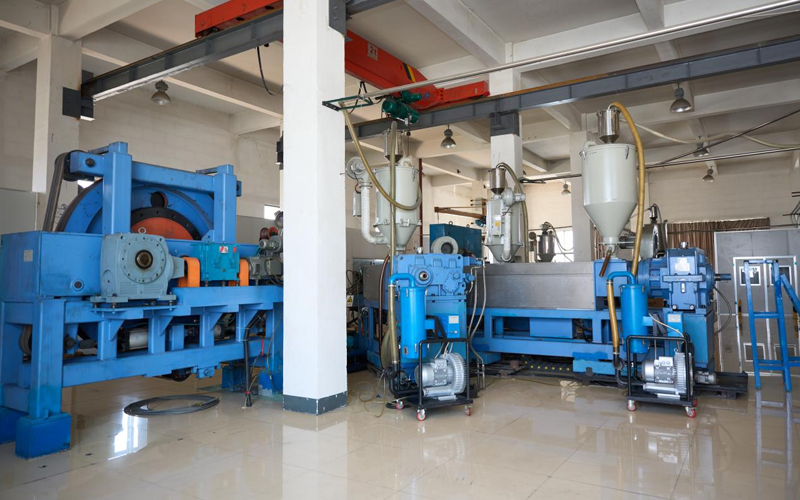
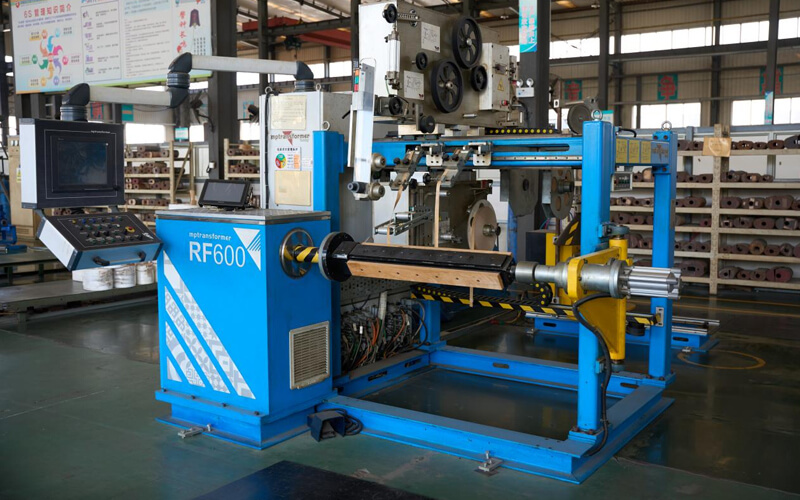
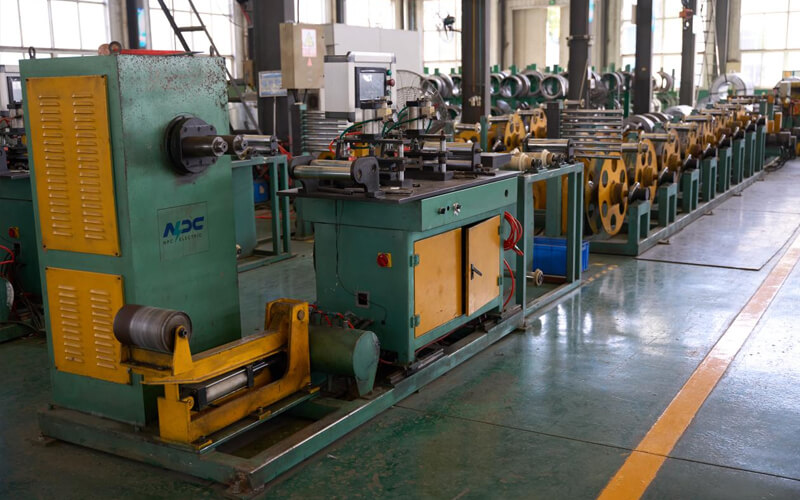
Process Inspection for (N)TSKCGEWOU 3.6/6kV, 6/10kV, 8.7/15kV, 12/20kV Cable enforces precision. The procedure features: Stranding Control: Uniform tinned copper phases/control/monitoring. Extrusion Monitoring: Semi-conductive screens, EPR insulation with defect detection. Screening & Assembly: Precise braid and conductor integration. Real-Time Checks: Resistance, integrity, diameter monitoring. Optimization: Extrusion parameters adjusted. Correction: Immediate fixes. This guarantees the (N)TSKCGEWOU 3.6/6kV, 6/10kV, 8.7/15kV, 12/20kV Cable excels in MV electrical and mechanical performance.
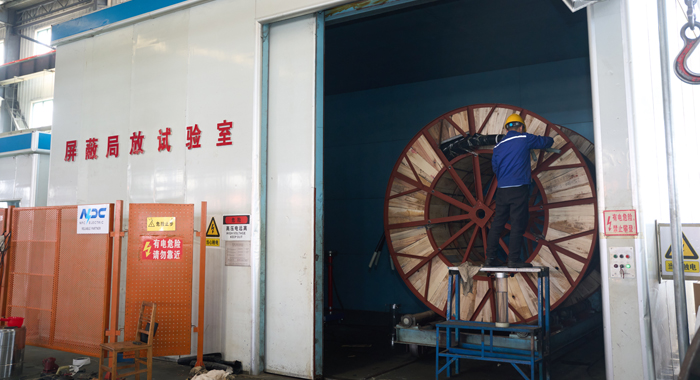
Finished Product
Finished Product Test validates the (N)TSKCGEWOU 3.6/6kV, 6/10kV, 8.7/15kV, 12/20kV Cable for deployment. Steps include: Inspection: Visual/dimensional/marking verification. Electrical: Resistance, insulation, withstand (11–29kV), partial discharge. Mechanical: Bending, tensile, abrasion resistance. Performance: Oil/flame/thermal aging checks. Validation: Voltage rating and short-circuit capability confirmed. Release: Only passing (N)TSKCGEWOU 3.6/6kV, 6/10kV, 8.7/15kV, 12/20kV Cable approved for dependable mining/tunneling MV use.
Application
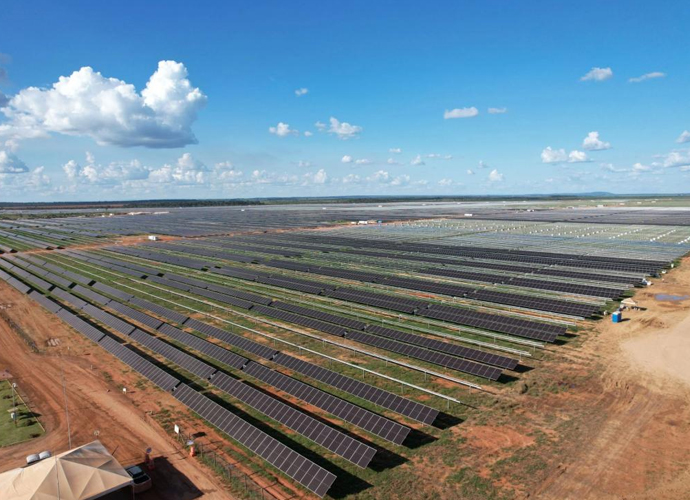
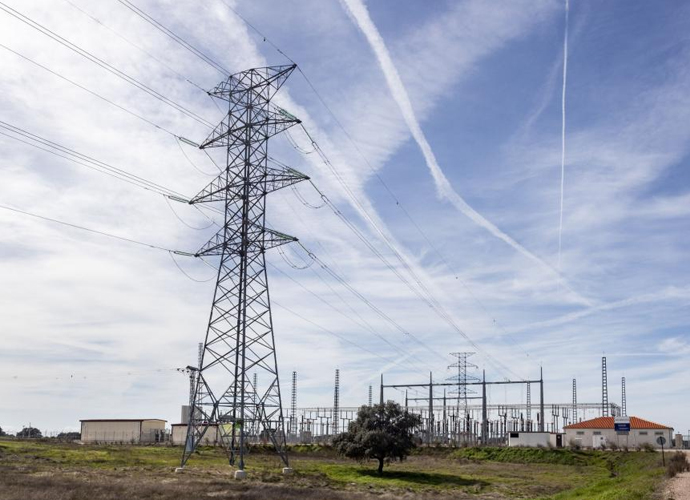
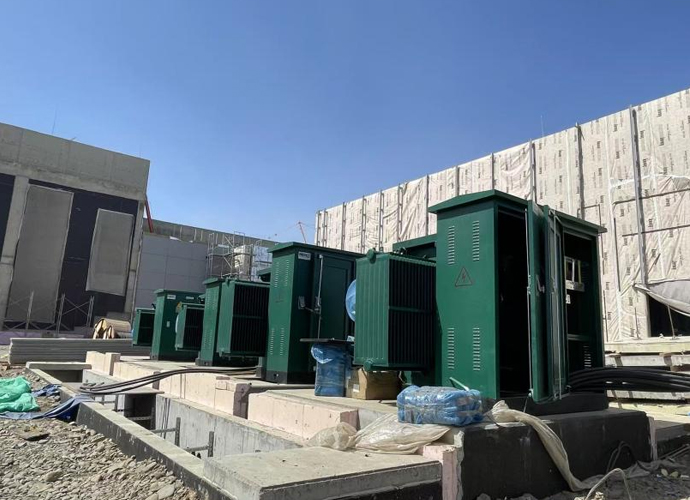
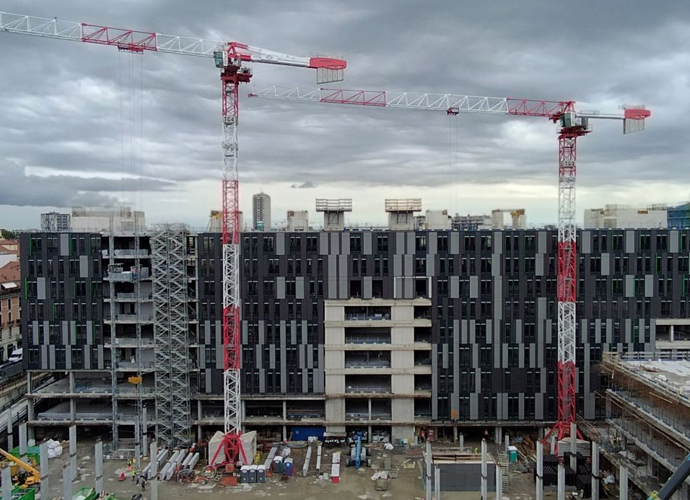
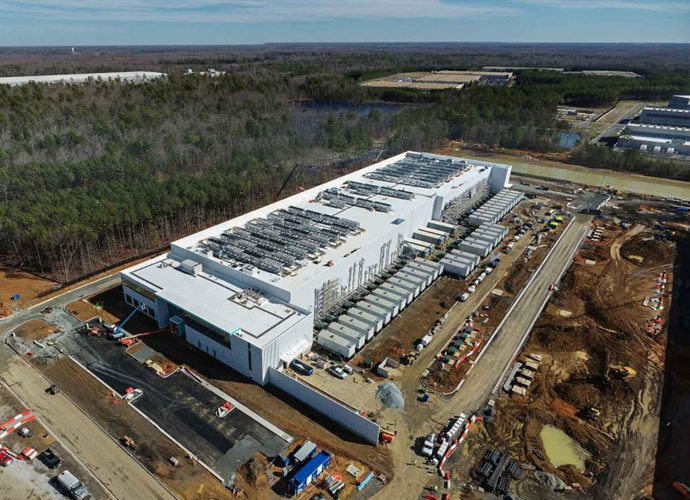
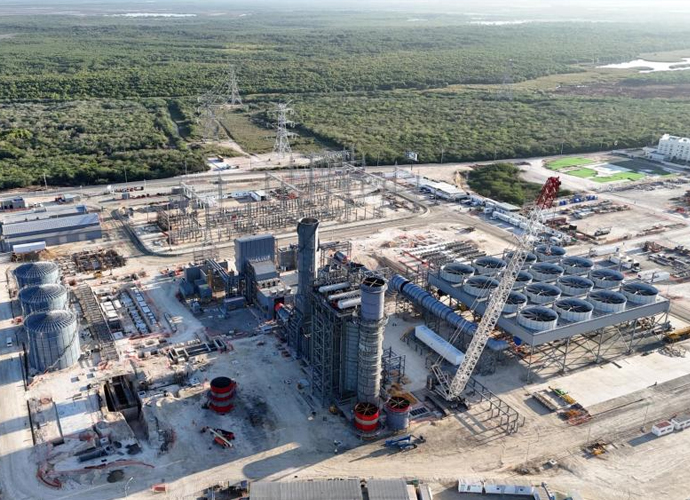
Ideal for (N)TSKCGEWOU 3.6/6kV, 6/10kV, 8.7/15kV, 12/20kV Cable in opencast/underground mining trailing/reeling, tunnel boring power feeds, heavy mobile equipment connections, conveyor systems, and mobile transformer links needing flexible, screened MV cable with monitoring and robust mechanical protection.
Technical Advantages
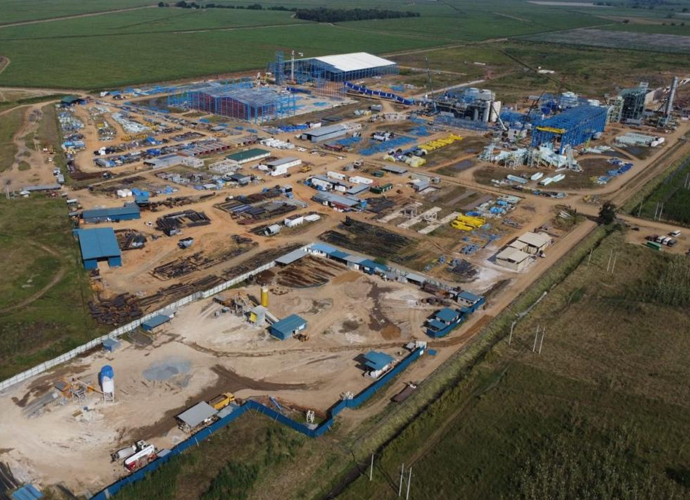
● 30+ years of manufacturing experience
● ISO and UL certified production
● Customized cable and transformer solutions
Product Packaging
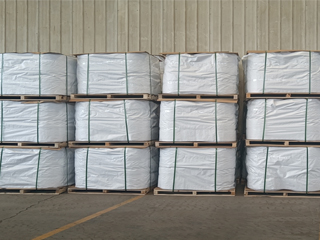
Wires and Cables packaging (1)
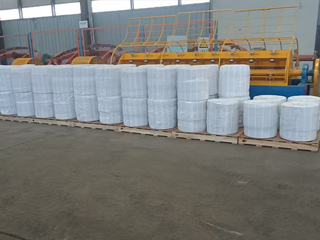
Wires and Cables packaging (2)
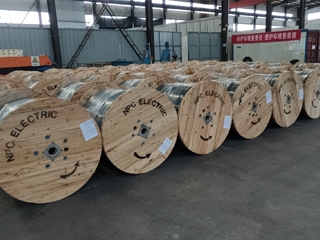
Wires and Cables packaging (3)
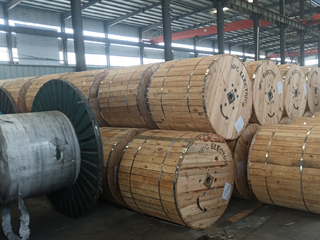
Wires and Cables packaging (4)
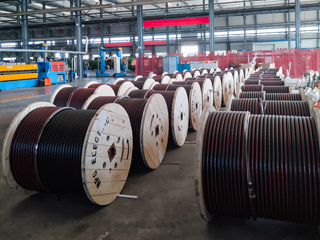
Wires and Cables packaging (5)
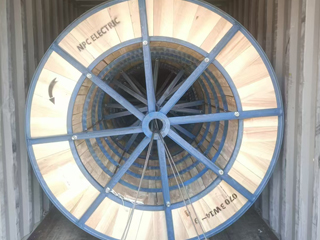
Wires and Cables packaging (6)
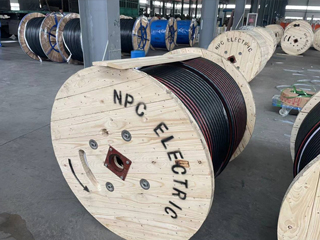
Wires and Cables packaging (7)
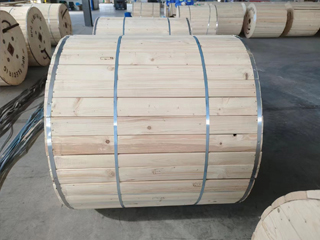
Wires and Cables packaging (8)
Related Products
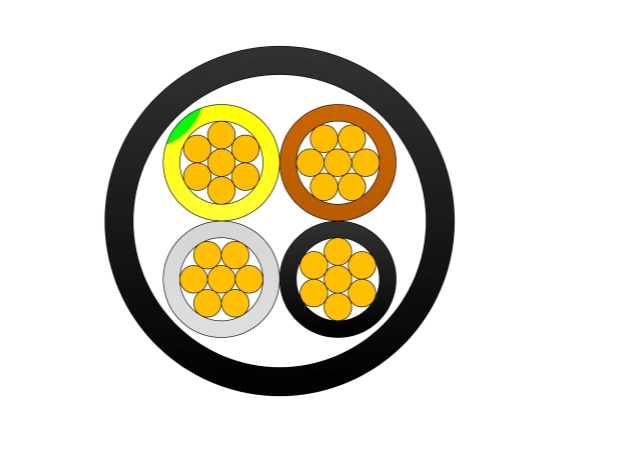
HV Submarine Cable
The High Voltage Submarine Cable is specifically engineered for underwater power transmission applications requiring exceptional electrical performance, mechanical strength, and long-term environmental reliability. Designed with high-conductivity copper or aluminum conductors, advanced XLPE insulation, water-blocking systems, metallic sheath protection, and galvanized steel wire armor, the cable ensures safe and efficient power transfer in challenging marine environments. The cable is capable of transmitting large amounts of electrical energy across seas, rivers, lakes, and offshore installations while maintaining low transmission losses. Its multi-layer protection structure provides superior resistance to hydrostatic pressure, seawater corrosion, mechanical impacts, and installation stresses. Manufactured according to international submarine cable standards, the High Voltage Submarine Cable supports voltage levels from 35kV to 500kV and beyond. It is widely used in offshore wind farms, island interconnections, offshore oil and gas platforms, marine renewable energy projects, and cross-sea transmission systems.
GYTS Fiber Optic Cable
The GYTS Fiber Optic Cable is engineered for outdoor communication applications requiring reliable optical transmission and enhanced mechanical protection. Featuring a stranded loose tube design, central strength member, water-blocking filling compound, aluminum moisture barrier, corrugated steel tape armor, and PE outer jacket, the cable provides outstanding performance in challenging environments. The gel-filled loose tubes protect optical fibers from moisture ingress and mechanical stress while maintaining stable transmission characteristics. The APL moisture barrier prevents water penetration, and the PSP steel tape armor enhances crush resistance, impact protection, and rodent resistance. The UV-resistant PE sheath ensures excellent resistance to weathering, chemicals, and environmental aging. Manufactured according to IEC 60794 and ITU-T standards, the GYTS Fiber Optic Cable is widely used in telecommunications networks, utility communication systems, broadband deployment projects, and industrial communication infrastructure. The cable offers a cost-effective and highly durable solution for outdoor fiber optic network installations.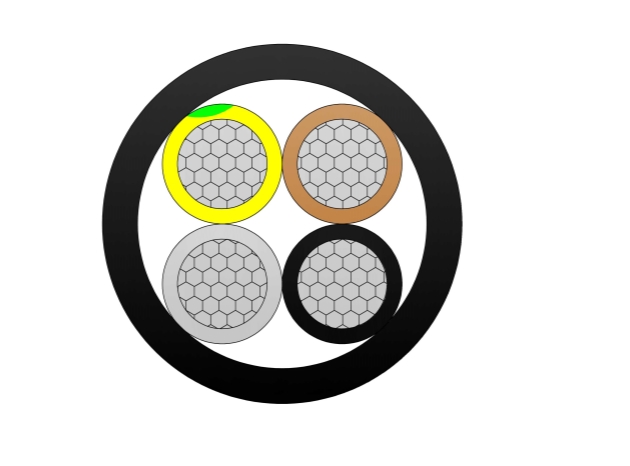
NAYY-J and NAYY-O 0.6/1kV Low Voltage Power Cable
NAYY-J and NAYY-O are low voltage power cables designed according to IEC 60502-1 standard, suitable for fixed installation in indoor, outdoor, underground, or concrete (not subject to vibration) environments. Featuring solid or stranded aluminium conductors, PVC insulation, filler, and robust PVC outer sheath, they comply with VDE 0276-603 standards. NAYY-J includes a protective earth conductor (green/yellow), while NAYY-O does not. These unarmoured cables offer good electrical performance, mechanical strength, and resistance to moisture and chemicals. Lightweight aluminium design significantly reduces costs compared to copper. Suitable for direct burial, ducts, or indoor fixed installations where mechanical protection is not required. Flame-retardant with adequate current rating, the NAYY-J and NAYY-O 0.6/1kV Low Voltage Power Cables ensure reliable energy transmission with minimal losses. Widely applied in industrial facilities, commercial buildings, residential networks, and infrastructure projects needing cost-effective, maintenance-free low-voltage aluminium cabling worldwide.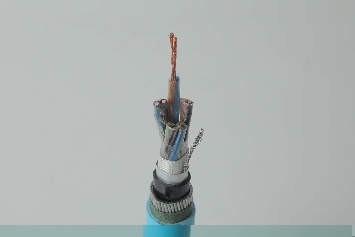
Instrumentation Cables—XLPE Insulated, Overall Screened, Wire Armoured PVC Sheathed Cables(CU/XLPE/OSCR/SWA/PVC)
Engineered for thermal resilience and electromagnetic shielding, the Instrumentation Cables—XLPE Insulated, Overall Screened, Wire Armoured PVC Sheathed Cables (CU/XLPE/OSCR/SWA/PVC) excel in high-temperature environments. Stranded copper conductors ensure low resistance and flexibility, with XLPE insulation providing 90°C continuous rating and 250°C short-circuit tolerance. Overall screening via aluminum/polyester tape and drain wire mitigates EMI/RFI, preserving signal quality. SWA armour protects against mechanical damage, while PVC sheath adds flame resistance and waterproofing. Meeting BS EN 50288-7 and BS EN 50288-1 standards, these multi-pair cables transmit analogue/digital signals with low capacitance in demanding circuits. Suitable for ducts, trays, direct burial, or outdoor exposures, they boost system integrity and reduce interruptions in heat-intensive areas. With enhanced dielectric properties and attenuation control, this CU/XLPE/OSCR/SWA/PVC offers dependable, maintenance-reducing solutions for professionals in petrochemical, power, and industrial sectors.
High Quality 20 Gauge Galvanized Steel Conductor Wire Supplier
The 20 Gauge Galvanized Steel Conductor Wire is designed for applications requiring flexibility, precision, and corrosion resistance. Manufactured from premium steel and coated with a durable zinc layer through hot-dip galvanization, it provides long-lasting protection against environmental damage. Its thin 20 gauge diameter allows for easy bending and shaping, making it ideal for crafts, packaging, binding, and light industrial applications. The wire offers sufficient tensile strength while maintaining excellent flexibility. The consistent zinc coating enhances durability and minimizes maintenance, especially in outdoor environments. The smooth surface ensures safe handling and efficient installation. Produced under strict quality control standards, the 20 Gauge Galvanized Steel Conductor Wire ensures uniform diameter and coating thickness. It meets international standards and can be customized to suit different application needs, making it a reliable and economical choice.
18 Gauge Galvanized Steel Conductor Wire for Fencing & Binding
The 18 Gauge Galvanized Steel Conductor Wire is designed for flexibility, durability, and reliable performance in light-duty applications. Manufactured from high-quality carbon steel and coated with a protective zinc layer through hot-dip galvanization, it offers excellent resistance to corrosion, rust, and environmental exposure. With its thinner 18 gauge diameter, this wire provides superior flexibility while maintaining adequate tensile strength, making it ideal for applications such as agricultural fencing, construction binding, packaging, and general industrial use. The uniform zinc coating ensures long-lasting protection, even in outdoor and humid environments. The smooth and clean surface reduces friction during handling and installation, improving efficiency and safety. Produced under strict quality control procedures and compliant with international standards such as ASTM and IEC, the wire ensures consistent performance. Customization options including zinc coating thickness, tensile strength, and packaging are available to meet specific customer requirements, making it a cost-effective and versatile solution.FAQ From Customers
-
What are the advantages of power cables and overhead lines?(1) Reliable operation, because it is installed in a hidden place such as underground, it is less damaged by external forces, has less chance of failure, and the power supply is safe, and it will not cause harm to people; (2) The maintenance workload is small and frequent inspections are not required; (3) No need to erect towers; (4) Help improve power factor.
-
Which aspects should be considered when choosing the cross section of a power cable?(1) The long-term allowable working current of the cable; (2) Thermal stability once short circuited; (3) The voltage drop on the line cannot exceed the allowable working range.
-
What are the measures for cable fire prevention?(1) Use flame-retardant cables; (2) Use fireproof cable tray; (3) Use fireproof paint; (4) Fire partition walls and fire baffles are installed at cable tunnels, mezzanine exits, etc.; (5) Overhead cables should avoid oil pipelines and explosion-proof doors, otherwise local pipes or heat insulation and fire prevention measures should be taken.
-
What should be paid attention to during the transportation and handling of cables?(1) During transportation, loading and unloading, cables and cable reels should not be damaged. It is strictly forbidden to push the cable reels directly from the vehicle. Generally, cables should not be transported and stored flat. (2) Before transporting or rolling the cable reel, ensure that the cable reel is firm, the cable is wound tightly, the oil pipe between the oil-filled cable and the pressure oil tank should be fixed without damage, the pressure oil tank should be firm, and the pressure indication should meet the requirements.
-
What inspections should be carried out for the acceptance of cable lines?(1) The cable specifications should meet the regulations, the arrangement should be neat, no damage, and the signs should be complete, correct and clear; (2) The fixed bending radius of the cable, the related distance and the wiring of the metal sheath of the single-core power cable should meet the requirements; (3) The cable terminal and the middle head should not leak oil, and the installation should be firm. The oil pressure of the oil-filled cable and the meter setting should meet the requirements; (4) Good grounding; (5) The color of the cable terminal is correct, and the metal parts such as the bracket are completely painted; (6) There should be no debris in the cable trench, tunnel, and bridge, and the cover should be complete.
Welcome your inquiry
Honesty, Integrity, Frugality, Activeness and Passion